If you want to bring more life and color to your garden, attracting bees and butterflies is a great way to do it. These pollinators help plants thrive and create a vibrant outdoor space that’s full of energy and movement.
Choosing the right flowers can make all the difference if you want to invite these beneficial insects to your yard. Knowing which blooms attract bees and butterflies will help you create a beautiful and eco-friendly garden that supports local wildlife.
Advertisement
Coreopsis
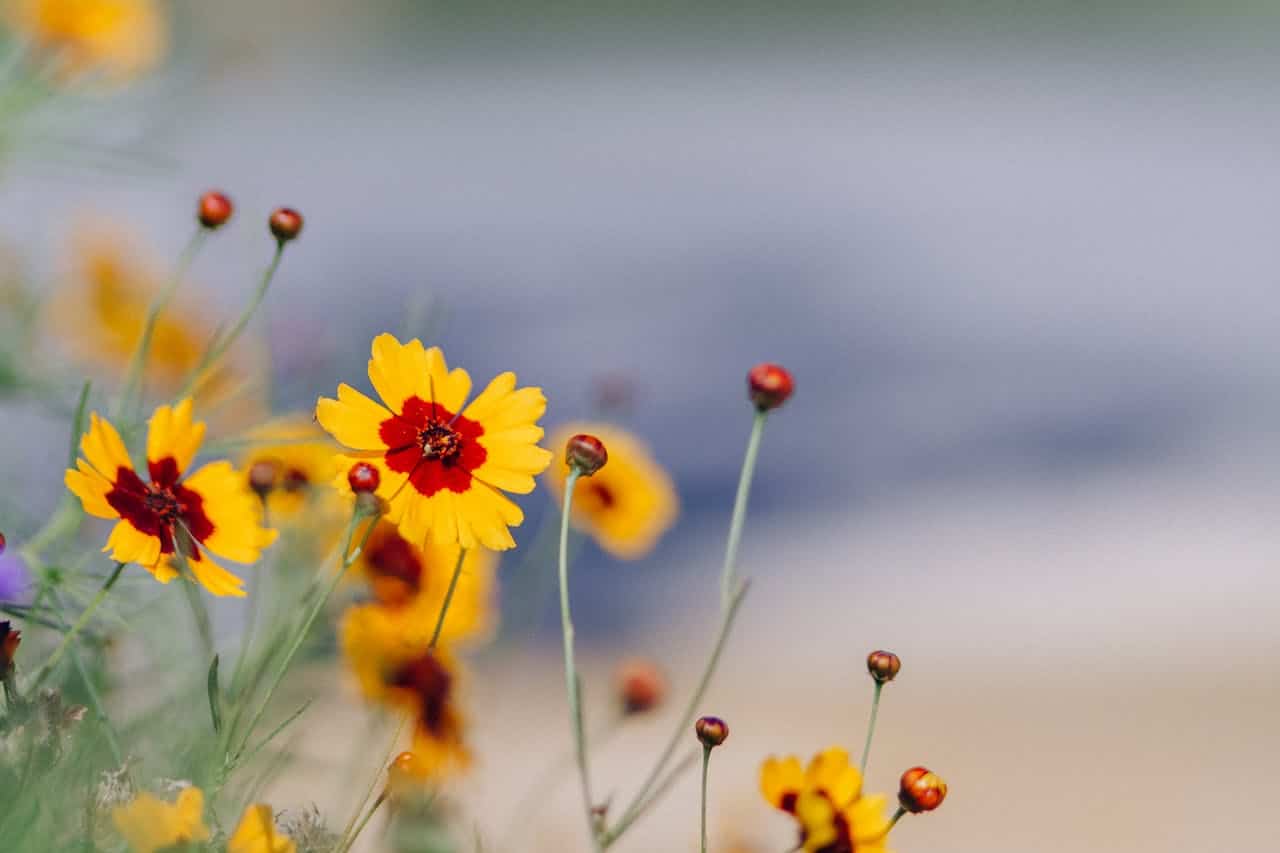
If you want easy-to-grow flowers that attract bees and butterflies, coreopsis is a great pick. These sunny, daisy-like blooms add bright splashes of yellow or red to your garden.
You’ll find that coreopsis grows in small clumps but can spread into large colonies, making it perfect for filling gaps. Its long blooming season means your pollinators will keep coming back.
Sunflowers
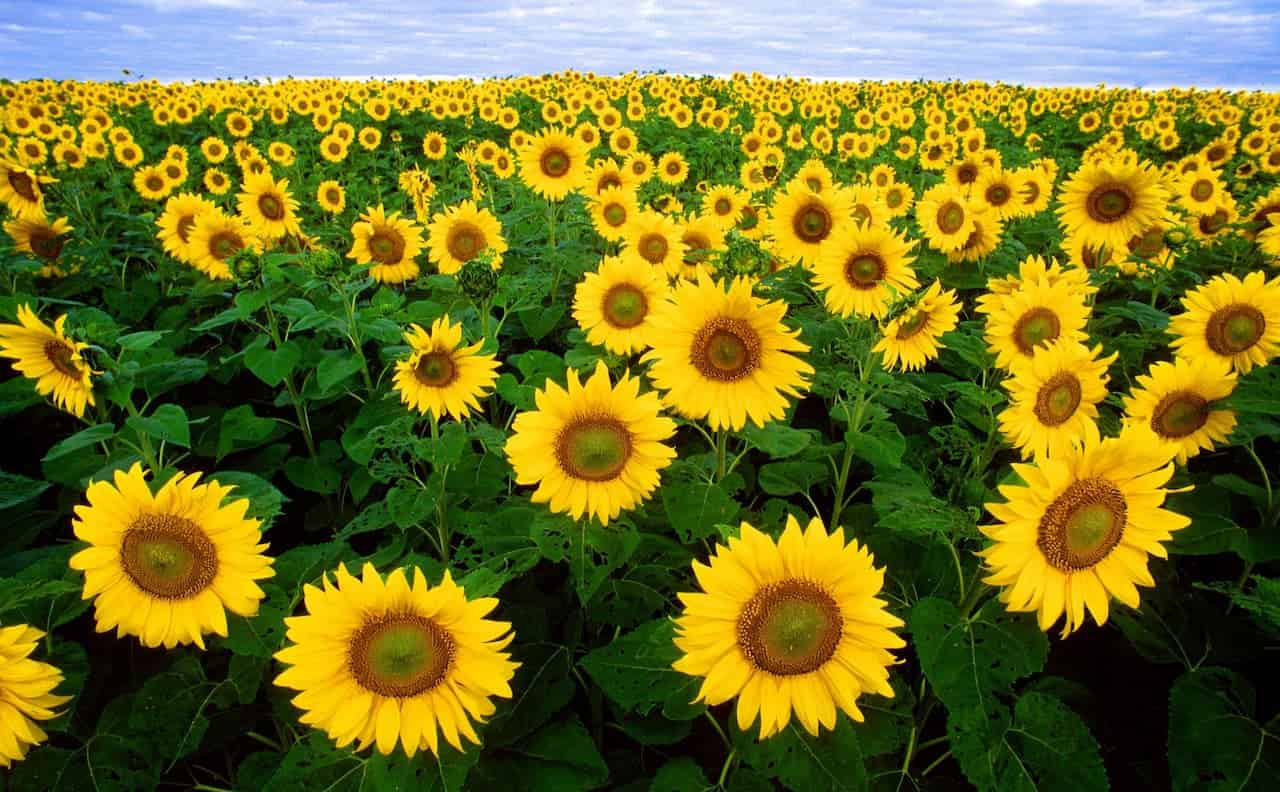
Sunflowers are great if you want to attract bees and butterflies to your garden. Their large, bright blooms offer plenty of nectar and pollen, making them a popular stop for pollinators.
You’ll also notice they support native bees by providing food and a place to live. Growing sunflowers can really boost your garden’s pollinator activity.
Asters
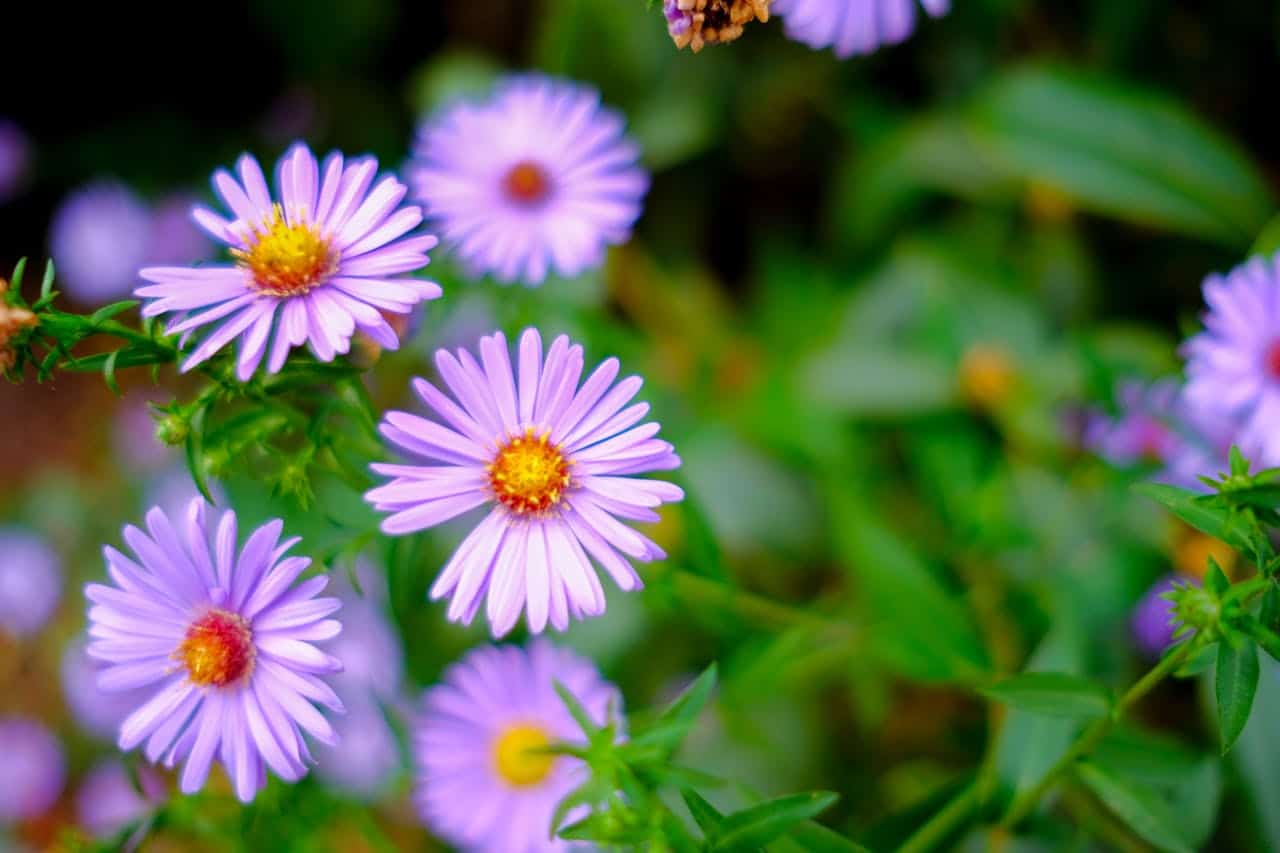
Asters are great if you want to keep bees and butterflies coming to your garden late into the season. They bloom from late summer to early fall, offering plenty of nectar when other flowers start fading.
You’ll find them in shades of pink, purple, and blue, adding color while supporting pollinators. Try New England asters if you want a reliable, butterfly-friendly option.
Yarrow

Yarrow is a great choice if you want to attract bees and butterflies to your garden. Its dense clusters of tiny flowers give pollinators an easy place to land.
You’ll find it blooms from mid-spring through fall, so it keeps your garden busy for months. Plus, it’s pretty low-maintenance, making it perfect for beginner gardeners.
Veronica (Speedwell)
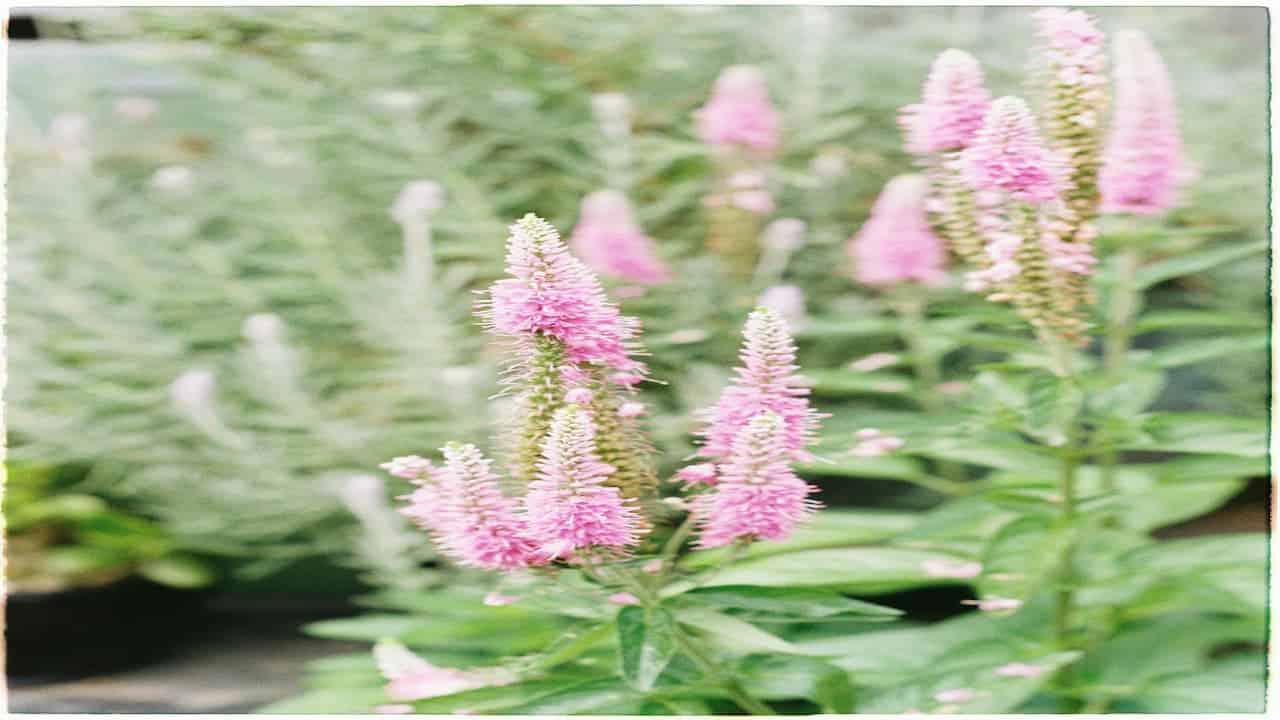
If you want a low-maintenance plant that draws bees and butterflies, Veronica is a great choice. It blooms from spring to fall with colorful flowers that also attract hummingbirds.
Veronica is drought-tolerant and deer-resistant, so it works well in many garden settings. You can find varieties that stay low or grow upright, making it easy to fit into your space.
Salvia
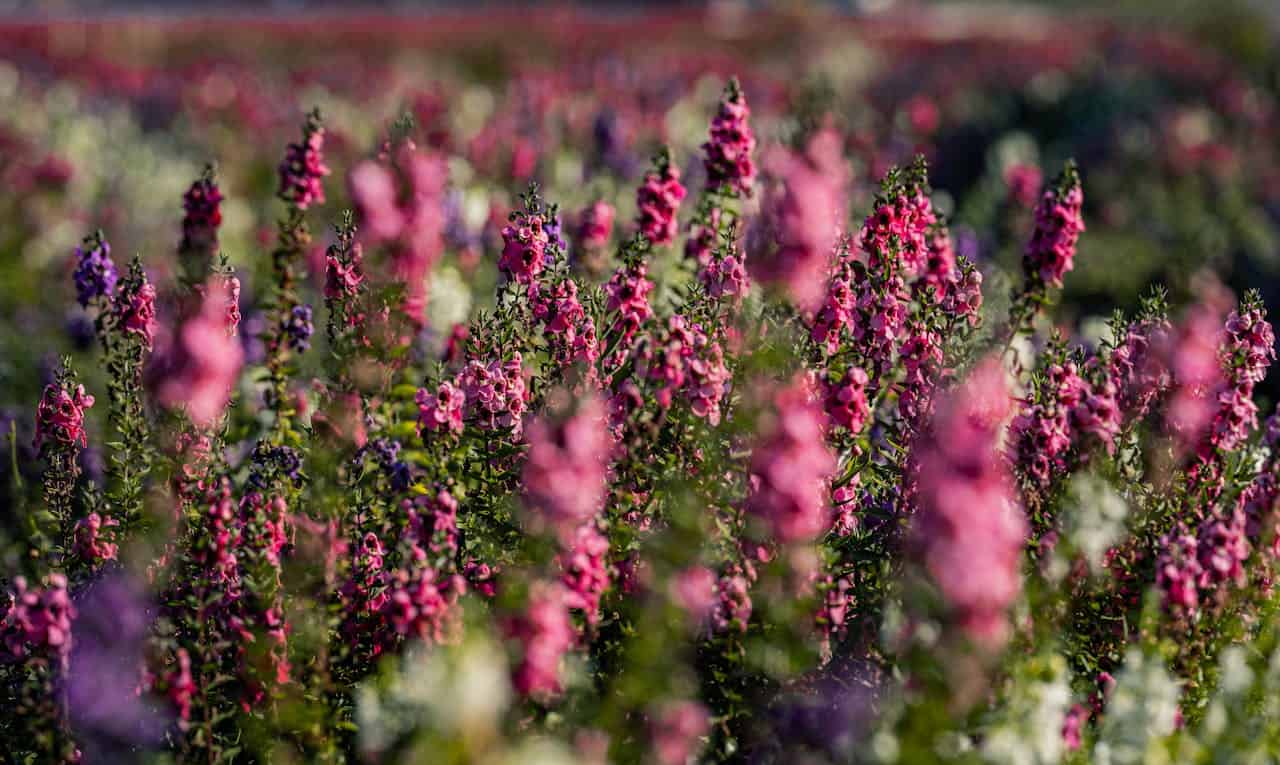
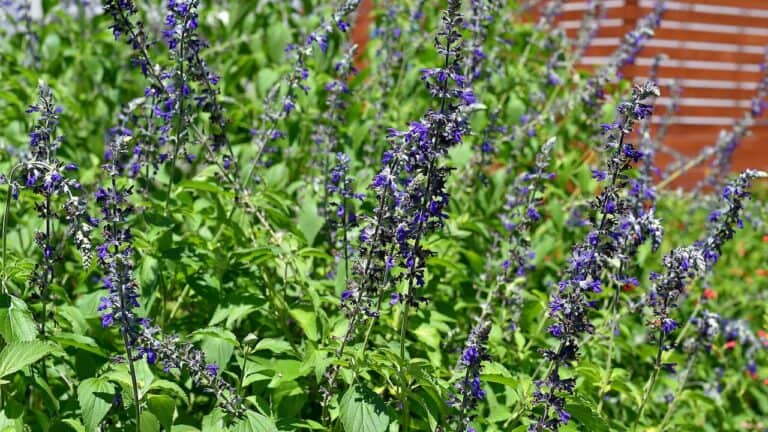
If you want to attract bees and butterflies, salvia is a great choice. Its bright purple, white, or red flowers are full of nectar.
Salvia plants do well in full sun and can handle dry conditions, making them easy to care for in your garden. You’ll also notice hummingbirds stopping by for a visit.
Nepeta (Catmint)
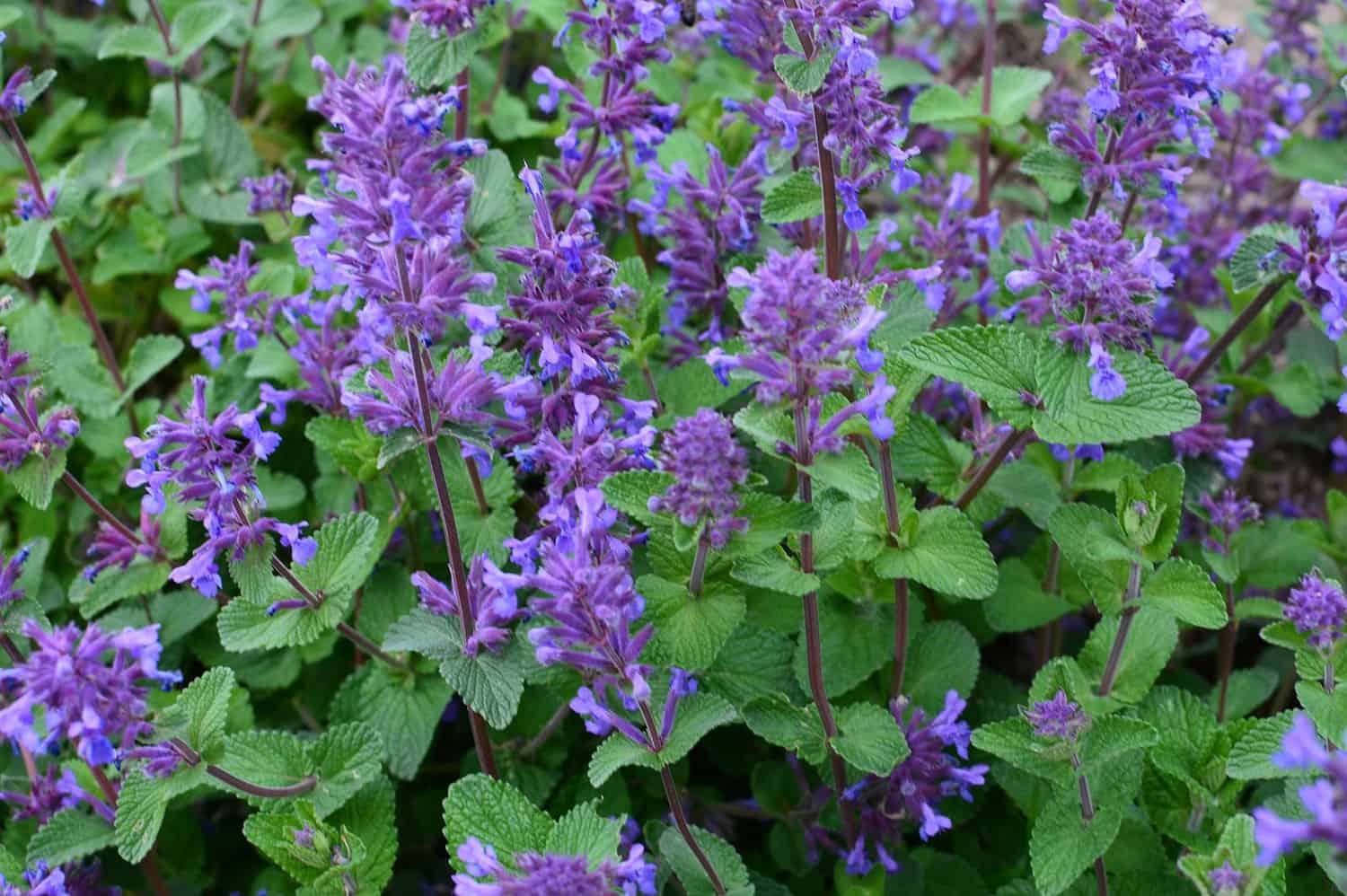
If you want an easy-to-grow plant that brings bees and butterflies to your garden, Nepeta, or catmint, is a solid choice. Its aromatic leaves also help keep deer and rabbits away.
You’ll find varieties like “Walker’s Low” that bloom for a long time and add a lovely touch with soft purple or blue flowers. It’s great if you want low-maintenance and pollinator-friendly.
Lavender
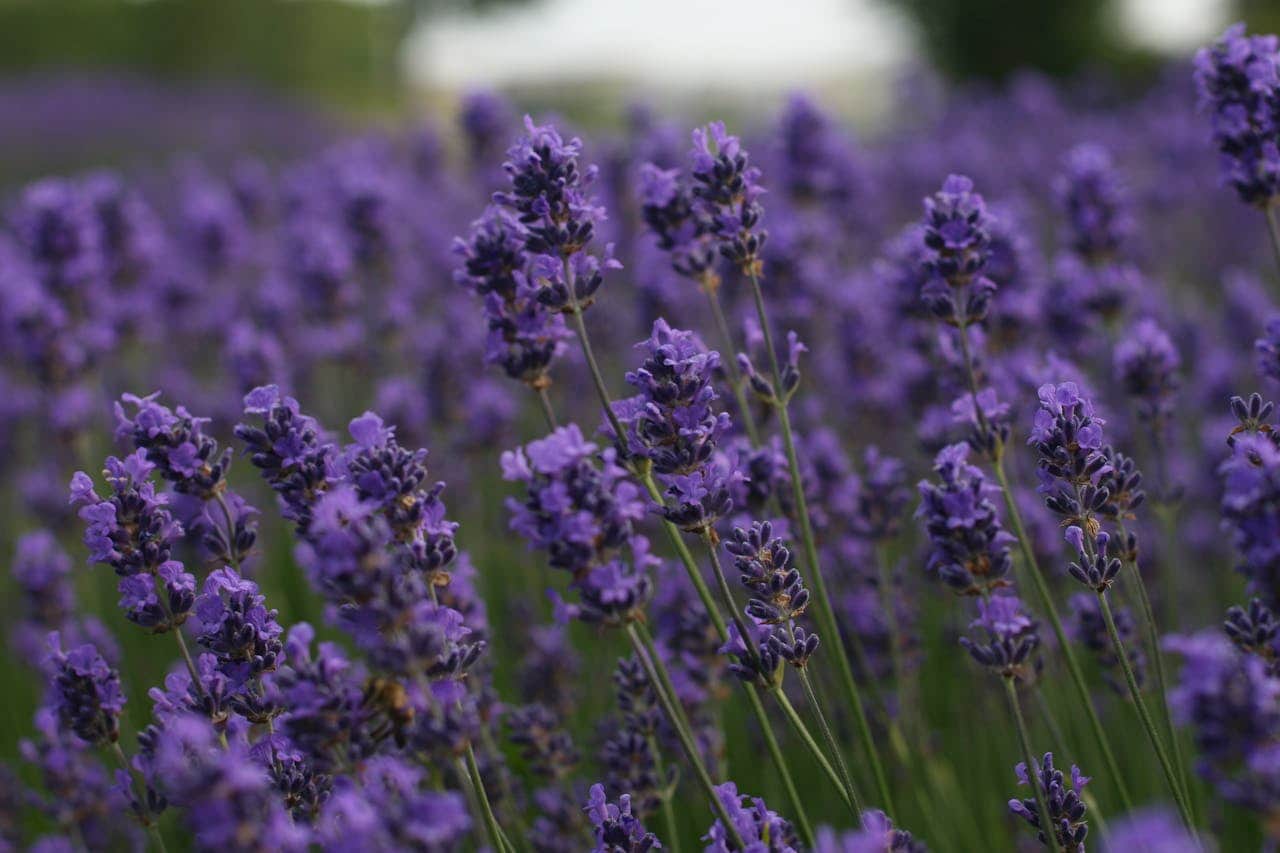
Lavender is a great choice if you want to attract bees and butterflies to your garden. When it blooms, you’ll often see lots of these pollinators enjoying its flowers.
Its sweet scent and bright purple color make it especially appealing. Plus, it’s easy to grow and works well in many garden styles.
Monarda (Bee Balm)
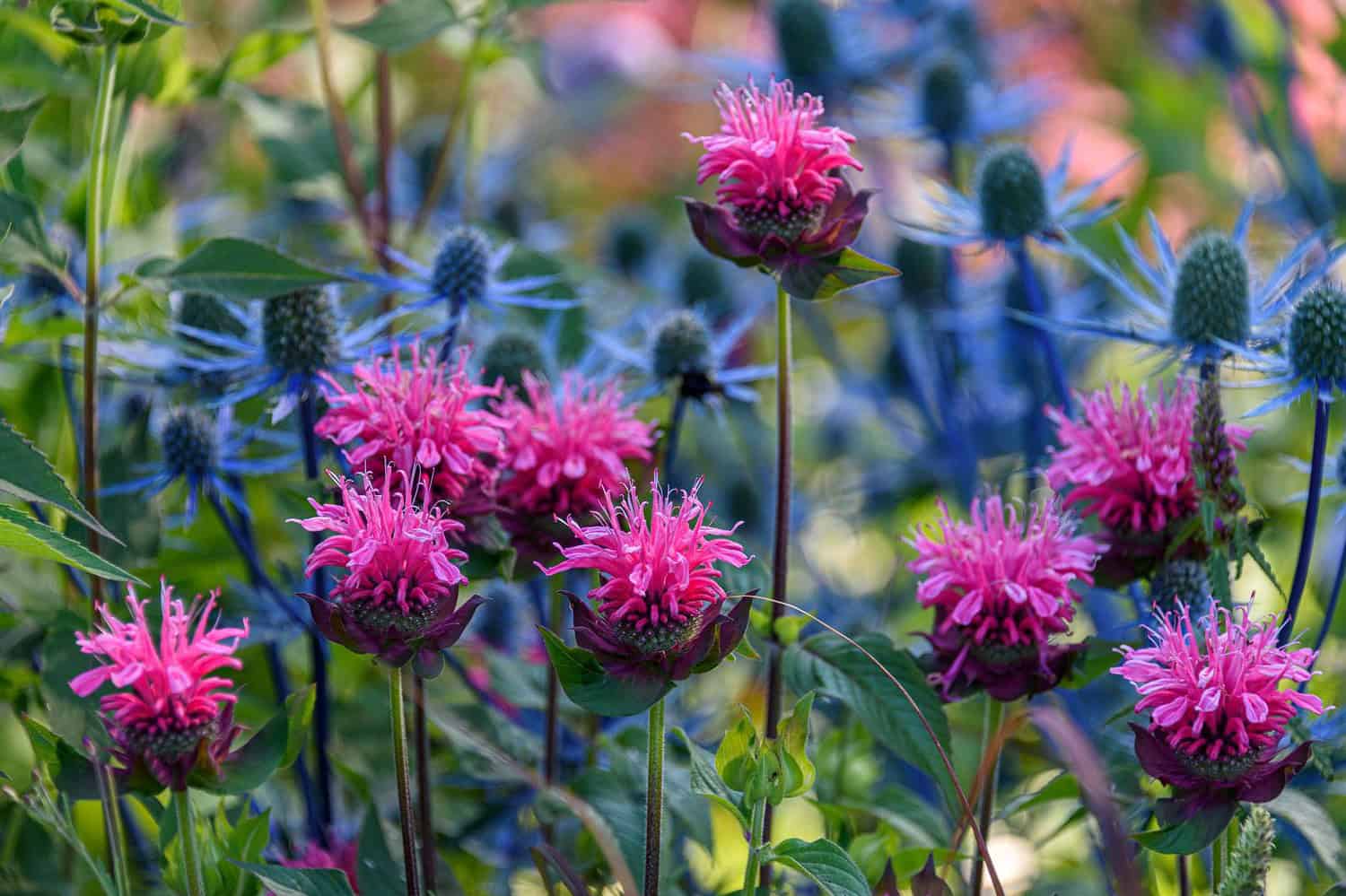
If you want to bring butterflies, bees, and hummingbirds to your garden, Monarda, also called Bee Balm, is a great choice. Its bright, tubular flowers come in red, pink, and purple shades that stand out.
Plant it in full sun or part shade, and it will reward you with lots of colorful blooms. Learning more about Bee Balm can help you attract pollinators easily.
Garden Phlox

If you want flowers that bring butterflies and bees right to your garden, Garden Phlox is a solid choice. These plants have a sweet fragrance that’s hard to miss and really pulls in pollinators.
They come in lots of colors and stay upright through summer, making your space look lively. Plus, some varieties resist powdery mildew, so they’re easier to care for.
Blanket Flower (Gaillardia)
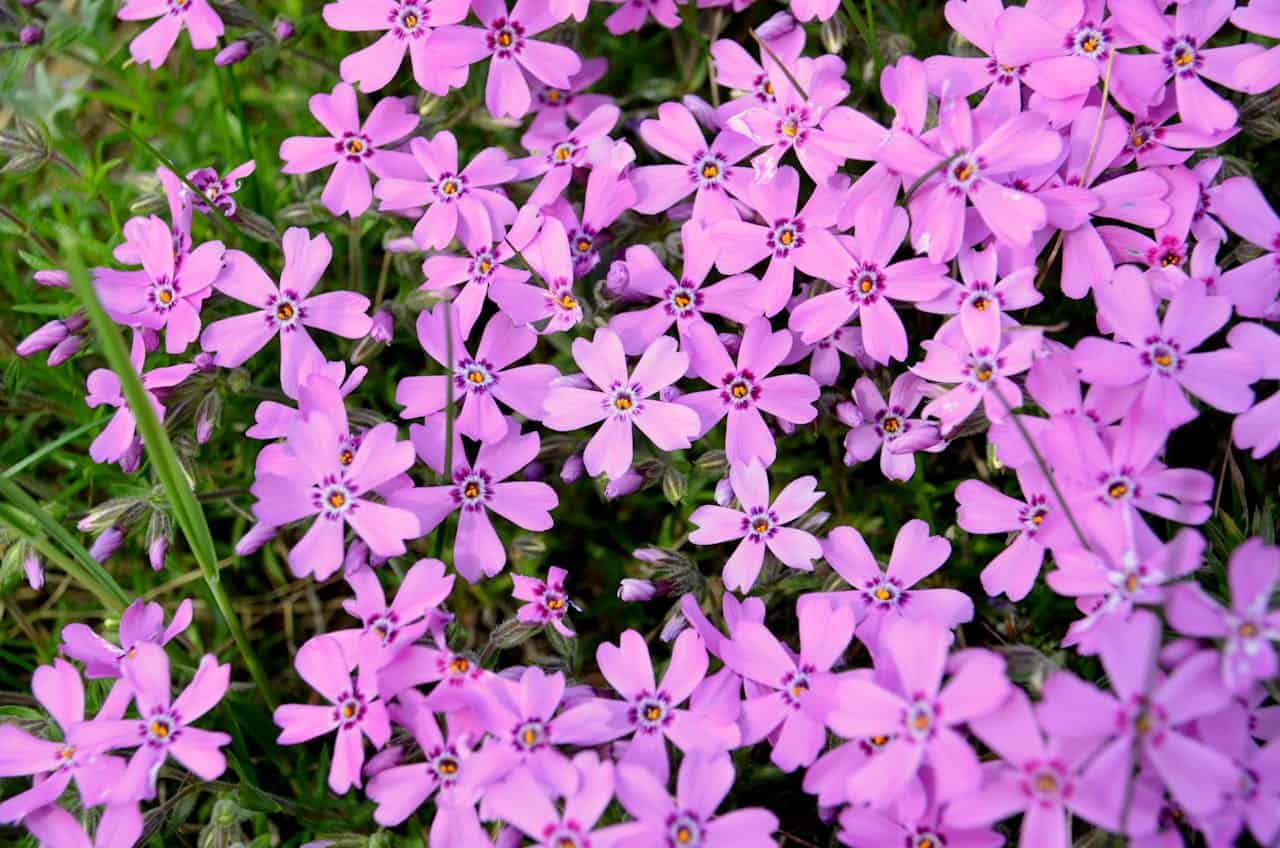
If you want a flower that’s bright and easy to grow, blanket flowers are a solid choice. You’ll see lots of bees and butterflies visiting because these blooms offer plenty of nectar.
They stay colorful for a long time, making your garden lively throughout the season. Plus, they work well in a pollinator-friendly garden.
Butterfly Weed (Asclepias)

If you want to attract butterflies, especially Monarchs, butterfly weed is a great choice. Its bright orange flowers are full of nectar and also draw bees and hummingbirds to your garden.
This plant is tough and drought-resistant, making it easy to grow in sunny spots. Plus, it’s a host for caterpillars, so you’re helping the full butterfly life cycle.
Goldenrod

Goldenrod is a late-season flower that’s great for your garden if you want to support pollinators. Bees and butterflies are especially drawn to its bright yellow clusters.
You’ll notice it doesn’t spread aggressively like other goldenrods, so it’s easier to manage. Planting goldenrod gives pollinators a reliable source of nectar before winter arrives.
Sedum
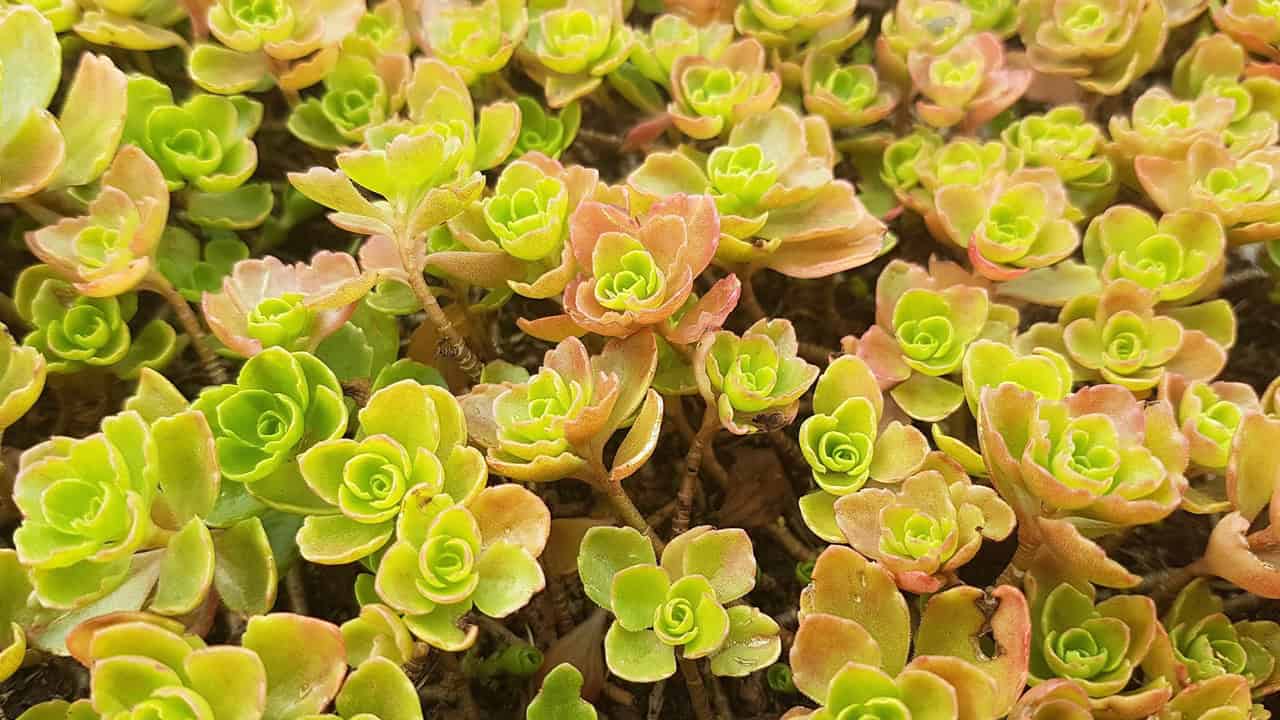
If you want a low-maintenance plant that bees and butterflies love, sedum is a great choice. Its nectar-rich flowers bloom from late summer into fall, giving pollinators plenty of reasons to visit your garden.
You’ll find varieties like Autumn Joy especially popular among these insects. Plus, sedum handles drought well, so it’s easy to grow in many places.
Chives
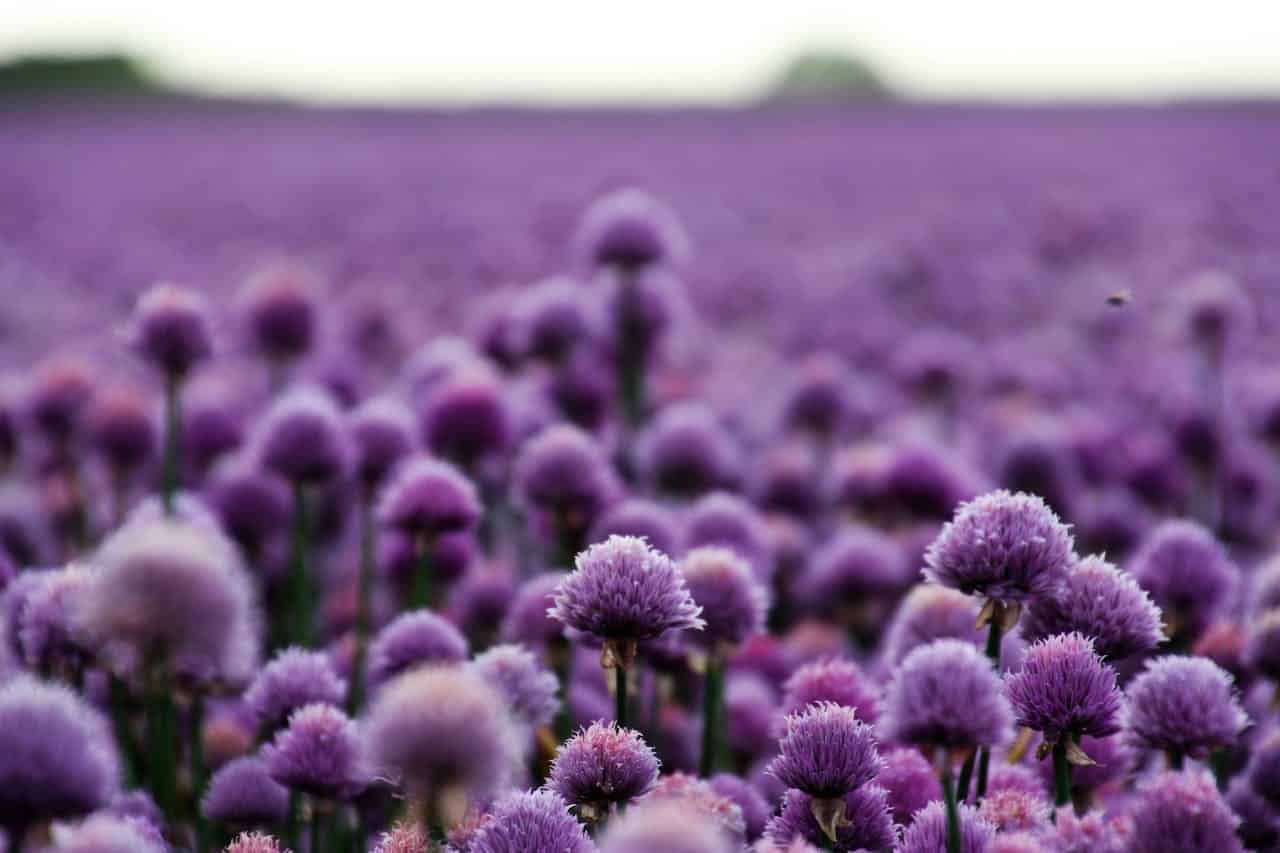
If you want to attract bees and butterflies, chives are an easy choice. Their purple flowers bloom in late spring to summer and are packed with nectar.
You can also harvest their leaves for cooking, so they’re both useful and pretty. Garlic chives flower a bit later and attract similar pollinators, making them a good companion plant too.
Alliums

If you want to attract bees and butterflies, alliums are a solid choice. Their round flower heads come in colors like white, purple, and blue, which catch pollinators’ attention easily.
These bulbs are easy to grow and maintain, making them great for your garden or containers.
Geraniums
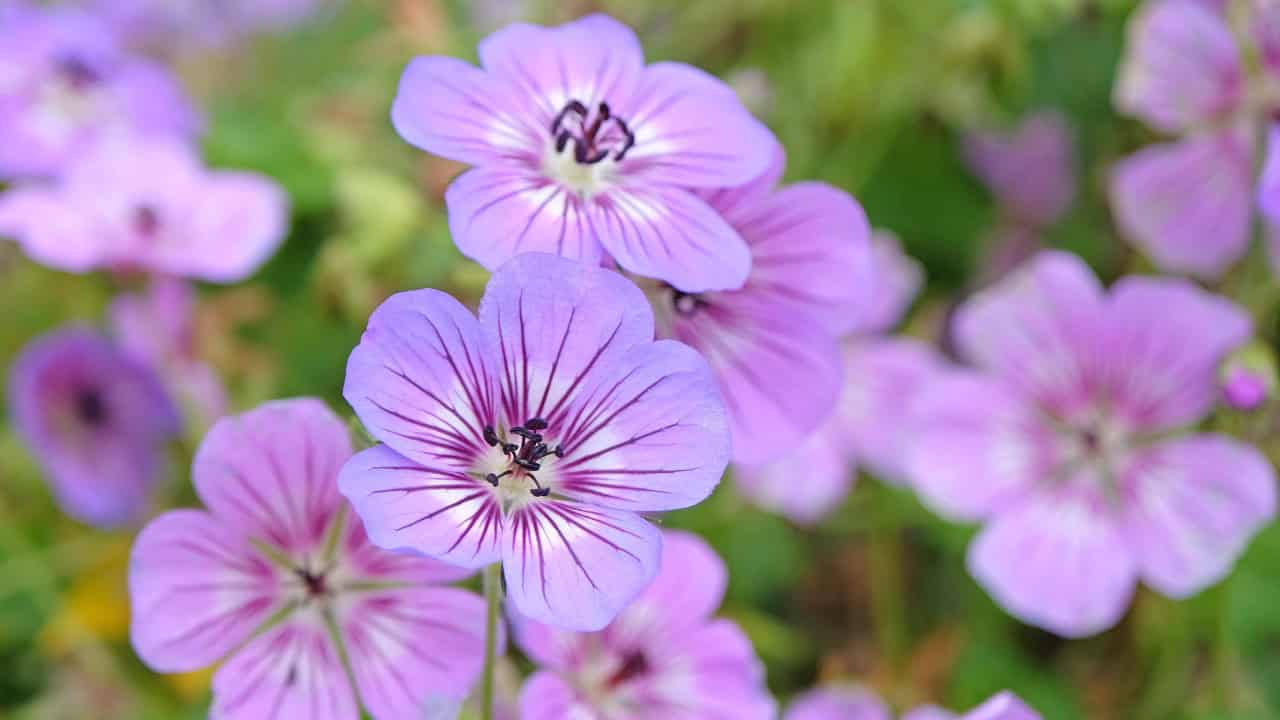
If you want a low-maintenance plant that still attracts bees, geraniums are a solid pick. They bloom in May and June, offering a nice color splash for your garden.
You might think geraniums don’t draw many insects, but mixing them with other bee-friendly plants can boost their appeal. Give them a try to add variety and support pollinators in your space.
Butterfly Bush (Buddleja)
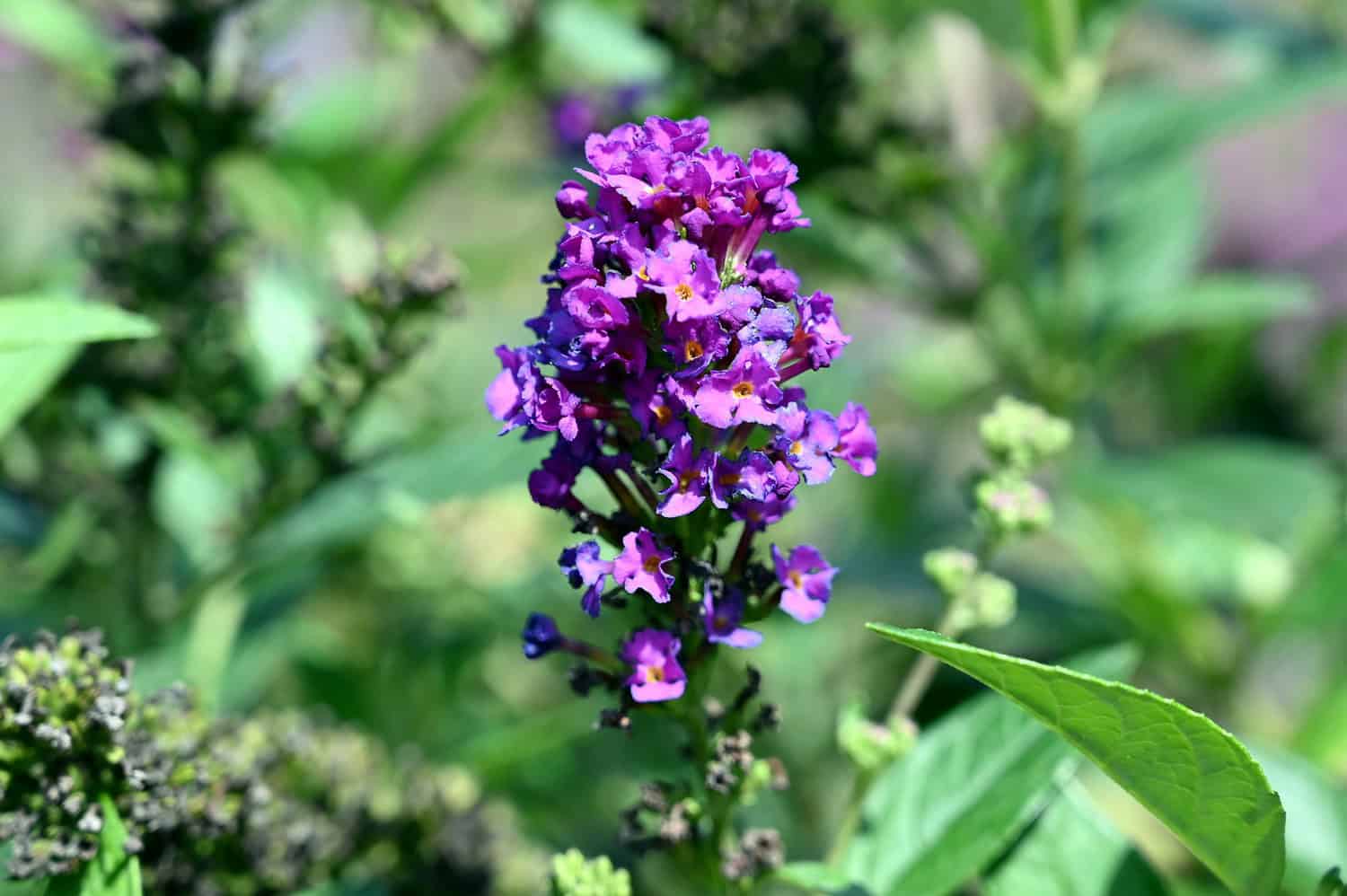
If you want to attract butterflies, the butterfly bush is a solid choice. Its long, colorful flower spikes give butterflies plenty of places to land and feed.
You’ll find that these shrubs bloom all summer, making your garden a butterfly hotspot for months. Plus, they’re pretty easy to grow and care for in most climates. Check out varieties like ‘Miss Molly’ for a mix of beauty and butterfly appeal.
Russian Sage
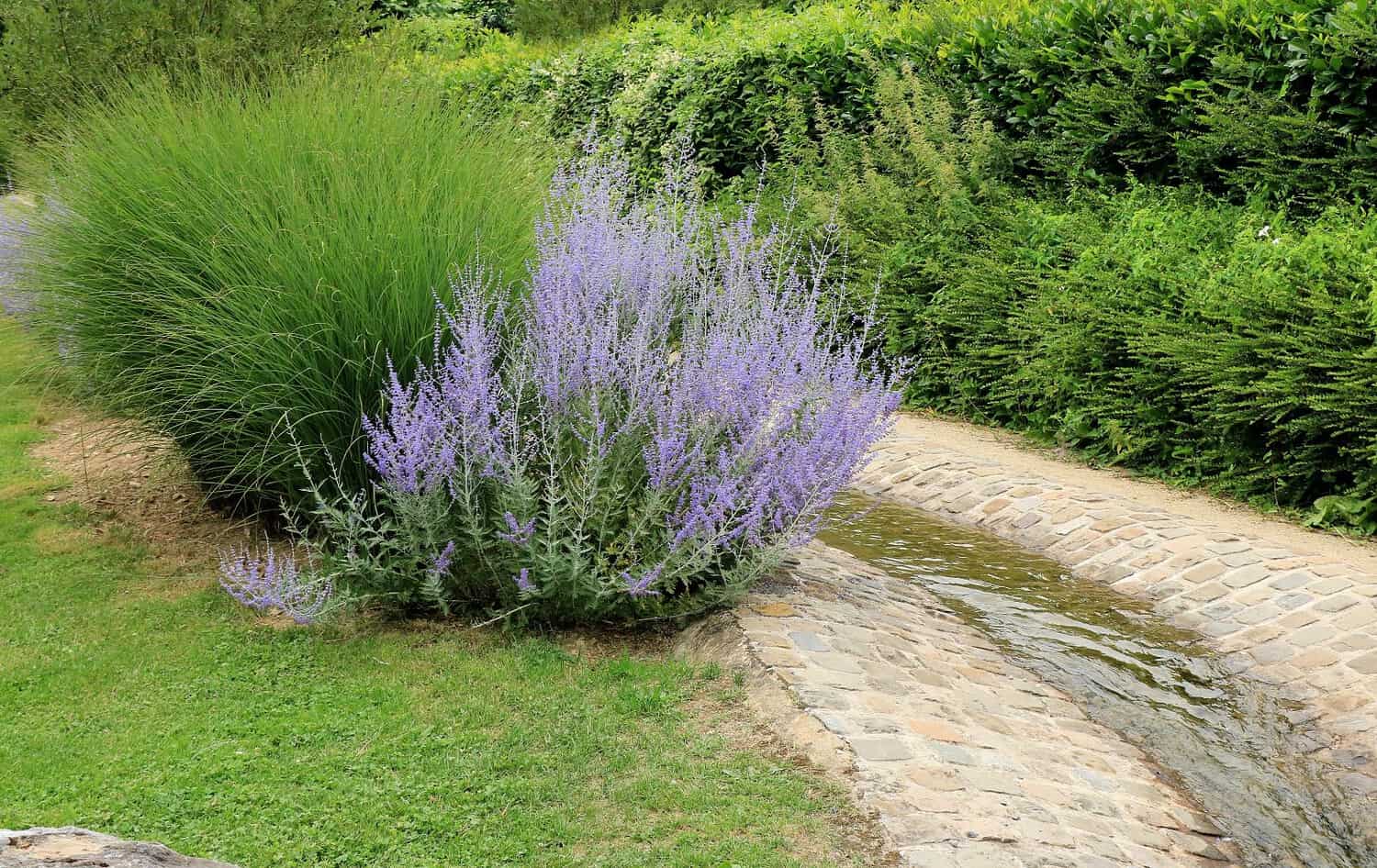
If you want a plant that keeps buzzing with activity, Russian sage is a solid pick. Its lilac-blue flowers bloom from midsummer to fall, attracting bees, butterflies, and even hummingbirds.
It’s tough too, handling heat, drought, and even deer without much fuss. Plus, its silvery foliage adds a cool touch to your garden.
Sweet Alyssum
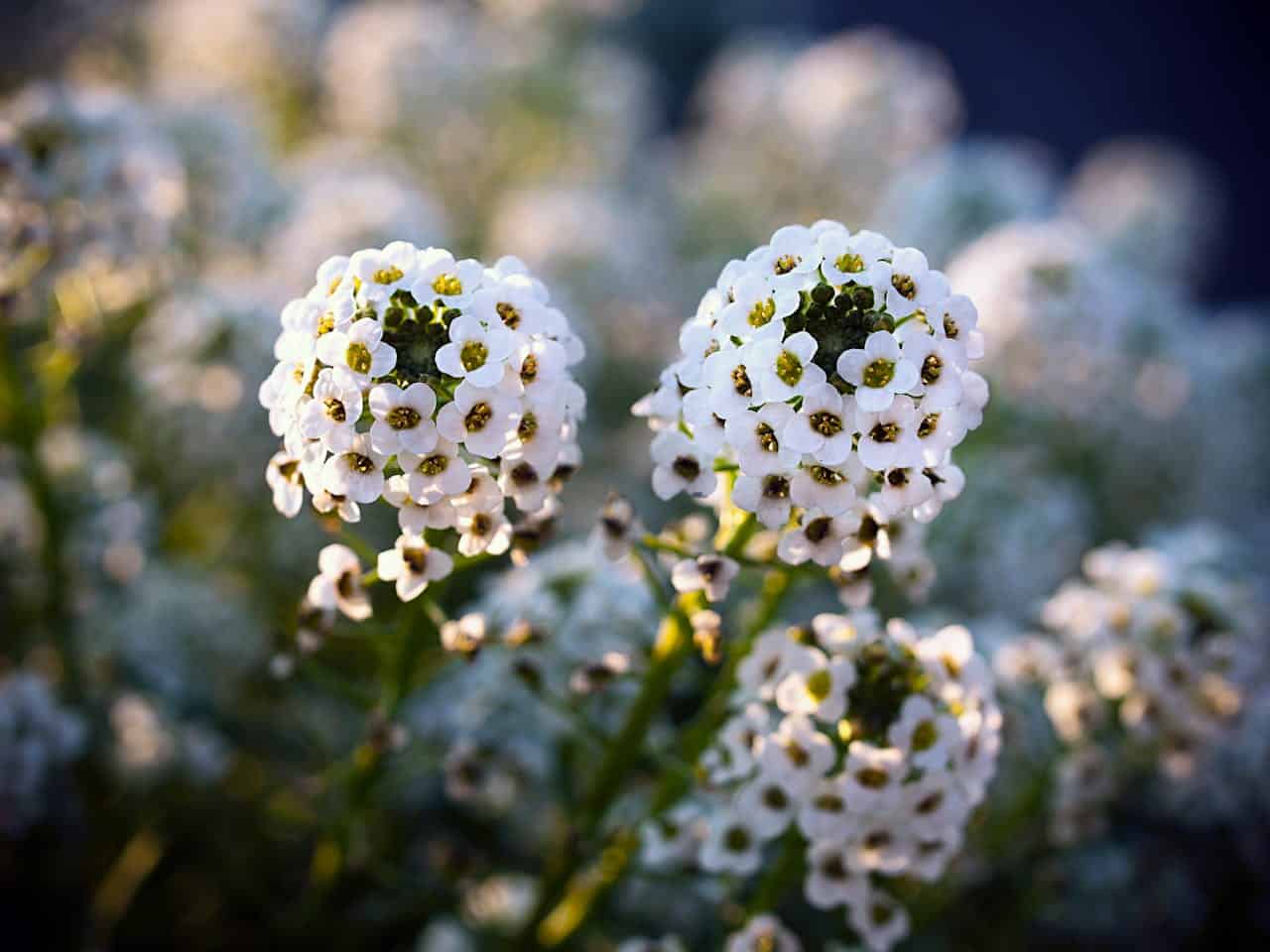
If you want to attract bees and butterflies, sweet alyssum is a great choice. It has a lovely honey-like scent that draws pollinators from afar.
This low-growing plant works well as an edging flower in your garden. It blooms quickly and is pretty easy to care for.
Sweet alyssum also tolerates dry conditions, making it a reliable option for many gardens. You’ll enjoy its small, sweet-smelling blooms all season long.