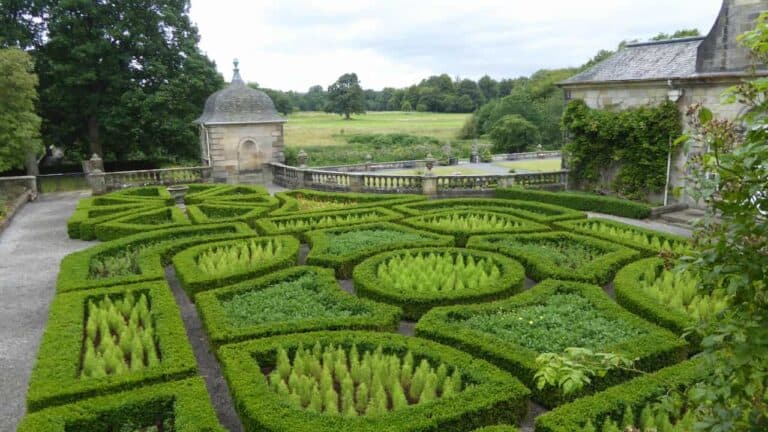
Container gardens are a great way to bring life and color to any space, no matter how small. They offer flexibility and creativity, allowing you to experiment with different plants and arrangements that catch the eye and spark conversation.
You can create unique and inviting container gardens that not only beautify your space but also become a natural topic for guests to admire and discuss. With a little planning and the right combinations, your container garden can be both functional and a focal point.
Advertisement
Choose brightly colored pots for a cheerful vibe
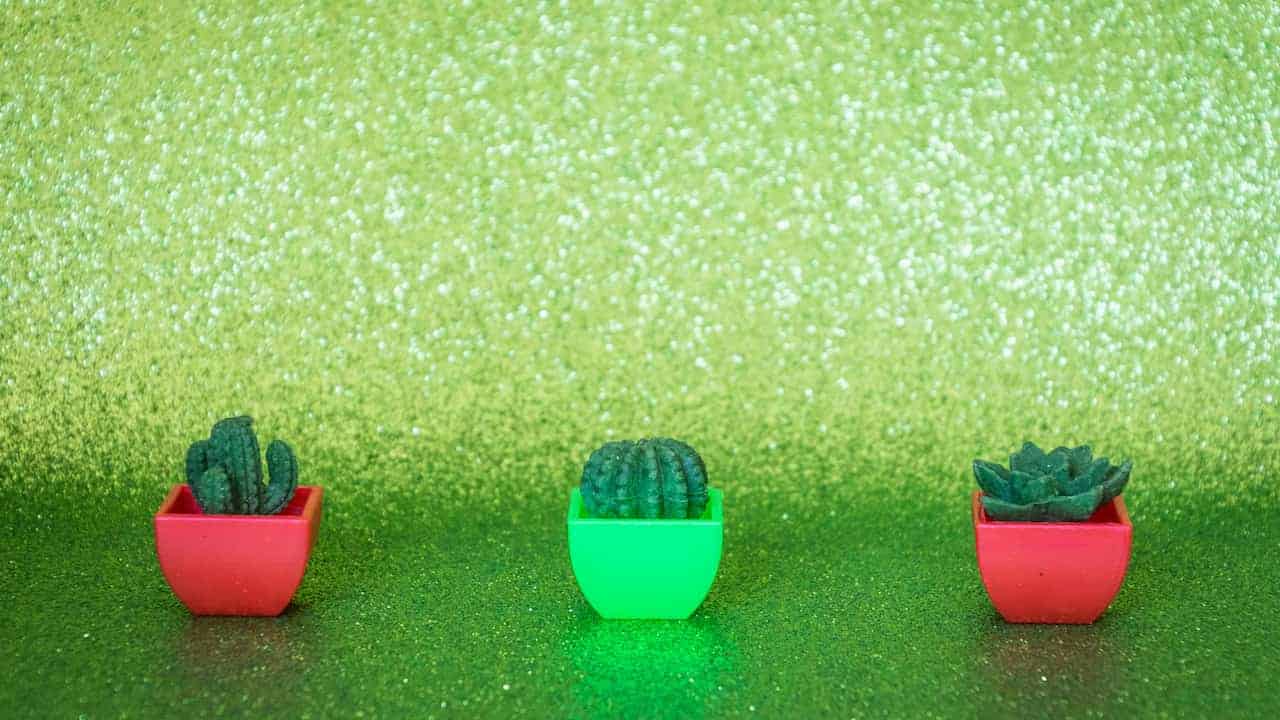
You can instantly lift the mood of any space by choosing brightly colored pots. Vivid hues like reds, yellows, and blues make your container garden feel lively and welcoming.
Bright pots also highlight the plants inside, adding energy without overwhelming your arrangements. Pick colors that complement your surroundings or create bold contrasts for extra visual interest.
Plant aromatic herbs like basil or mint to spark conversations

You can grow basil or mint easily in containers, even if you’re new to gardening. Their strong scents attract attention and invite people to stop and chat about your garden.
Basil pairs well with tomatoes, adding flavor and keeping pests away. Mint’s refreshing aroma is a favorite in drinks, making it a great conversation starter.
Use a mix of trailing plants like ivy and upright ones like sage

You can create balance by combining trailing plants like ivy with upright varieties such as sage. The trailing plants soften the edges while the upright ones add height and structure.
This mix adds visual interest and keeps your container garden looking full without overcrowding. Plus, sage brings a lovely scent and can be useful in the kitchen.
Add small garden markers with fun plant facts
You can make simple garden markers to identify your plants quickly. Use recycled materials like yogurt containers or soda cans for a cheap and eco-friendly option.
Write fun facts about each plant on these markers to spark conversations. For example, note the plant’s origin or a unique use.
These small touches add personality to your container garden and invite guests to learn more about what you’re growing.
Incorporate edible flowers like nasturtiums for visual interest

You can add nasturtiums to your container garden for a splash of color and flavor. Their bright flowers bring a cheerful look that catches the eye.
Nasturtiums are easy to grow and their leaves and blooms have a mild peppery taste. You can toss them into salads or use them as garnishes.
They also attract pollinators to your garden, which helps your other plants thrive. Growing nasturtiums alongside vegetables adds both beauty and function.
Set up a mini succulent garden with diverse shapes
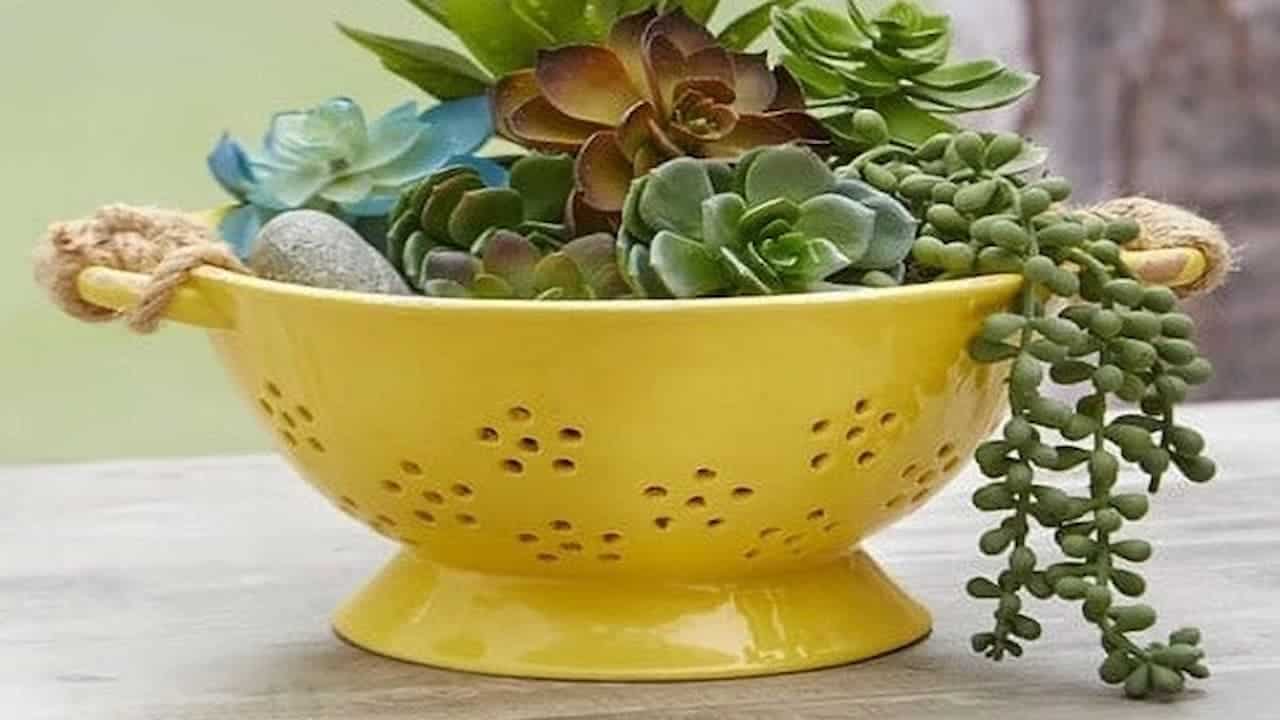
Choose a variety of succulents with different shapes and sizes to create visual interest. Use a wide, shallow container so each plant has space to grow without overcrowding.
Start with a layer of small pebbles at the bottom for good drainage. Then add cactus or succulent soil to keep roots healthy. Arrange your plants so the taller ones are at the back and the smaller ones up front.
Place a small chalkboard sign with a gardening joke
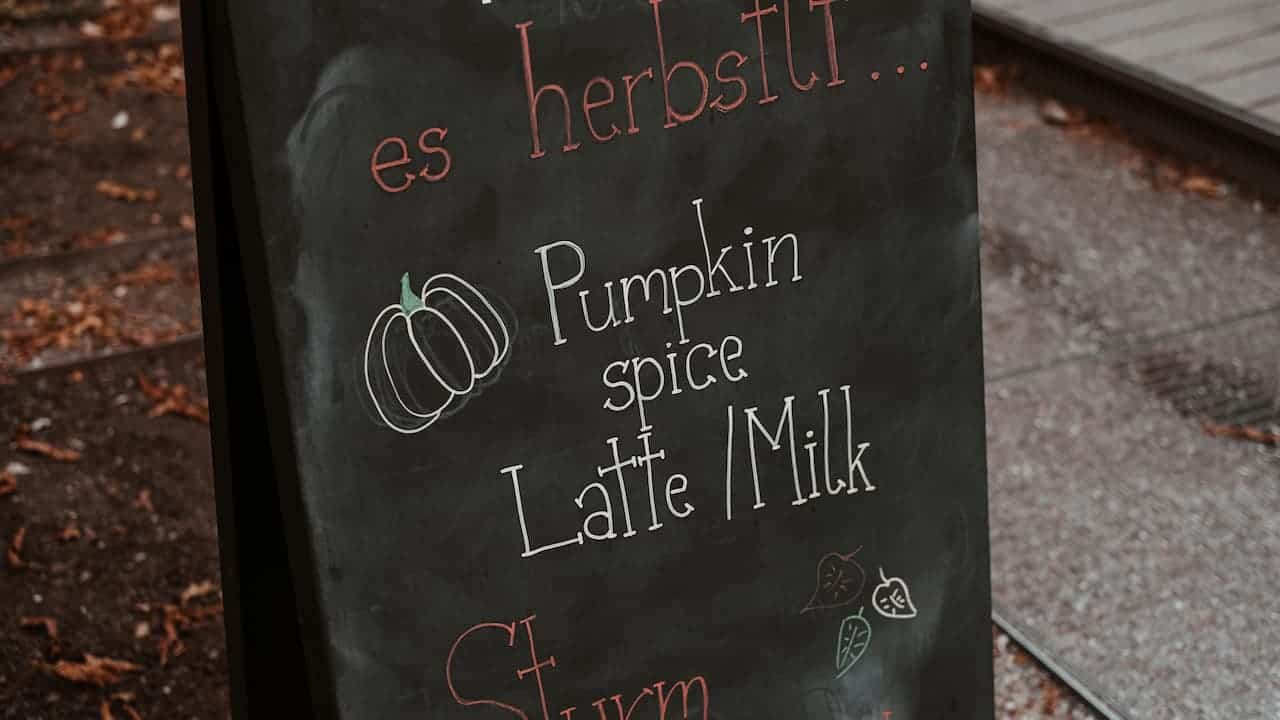
You can add charm to your container garden by placing a small chalkboard sign with a funny gardening joke. It’s an easy way to make visitors smile and spark conversations.
Choose mini wooden chalkboard signs. Write a simple joke using chalk, like “Lettuce turnip the beet!” These signs also help label plants while keeping the mood light and friendly.
Try growing unusual veggies like purple carrots or rainbow chard
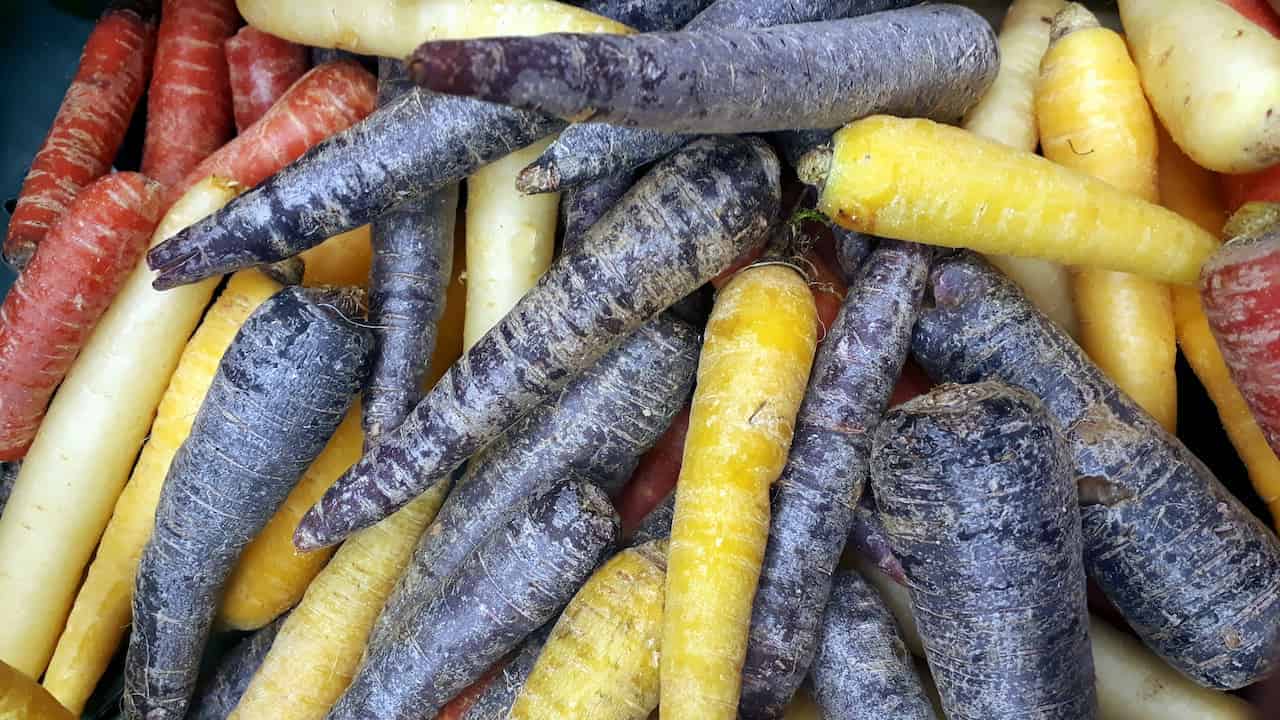
You can make your container garden stand out by growing unusual vegetables. Purple carrots add a splash of color and are easy to grow in pots.
Rainbow chard is another great option with its vibrant stalks, perfect for small spaces. These veggies don’t just look interesting; they also bring variety to your meals.
Growing unique vegetables is a fun way to spark conversations when friends visit your garden.
Use repurposed containers like teacups or tin cans

You can give old teacups a new life by turning them into charming plant pots. Their small size works well for succulents or herbs.
Tin cans are another great option. Just add drainage holes, fill with soil, and plant your favorite flowers or greens.
Using these containers adds personality to your garden while reducing waste. It’s an easy way to create a unique and inviting space.
Include a bird feeder nearby to attract wildlife chatter

Place a bird feeder close to your container garden to invite local birds. Using mixed seeds like sunflower seeds and peanuts works well to attract different species.
The birds bring lively sounds and movement that make your garden feel more vibrant. Remember to keep the feeder clean and filled to encourage regular visits. This simple addition adds both beauty and natural ambiance to your space.
Plant a container of cherry tomatoes for tasty talks

You can easily grow cherry tomatoes in containers, even with limited space. Choose a pot at least 12 inches wide and deep to give your plants enough room to thrive.
Cherry tomatoes need plenty of sunlight and consistent watering. As they grow, you’ll enjoy fresh, bite-sized tomatoes perfect for snacking or sharing.
Starting this simple container garden invites natural conversation and connects you with others over a fun, tasty hobby.
Add fairy lights around containers for cozy evenings

You can easily brighten your container garden by wrapping fairy lights around your pots. Battery-powered lights work well because you can move your containers anywhere without worrying about cords.
String lights add a soft, warm glow that creates a relaxing atmosphere for evenings outdoors. They make your space feel inviting without requiring much effort or expense.
Grow colorful peppers for a spicy conversation starter

You can grow vibrant peppers in containers, perfect for adding color to your patio or balcony. They thrive in sunny, well-drained spots, making them easy to manage even in small spaces.
Peppers come in many shapes and colors, turning your container garden into a lively display. Plus, they give you a tasty harvest to enjoy in your cooking.
Mix fragrant flowers like lavender with herbs

You can create a lovely container garden by pairing lavender with herbs like rosemary, thyme, or oregano. These plants enjoy similar growing conditions—full sun and well-draining soil—making them easy to care for together.
Lavender adds color and scent, while herbs bring texture and usefulness. This combination makes your garden both beautiful and practical. Plus, the fragrances can help keep pests away naturally.
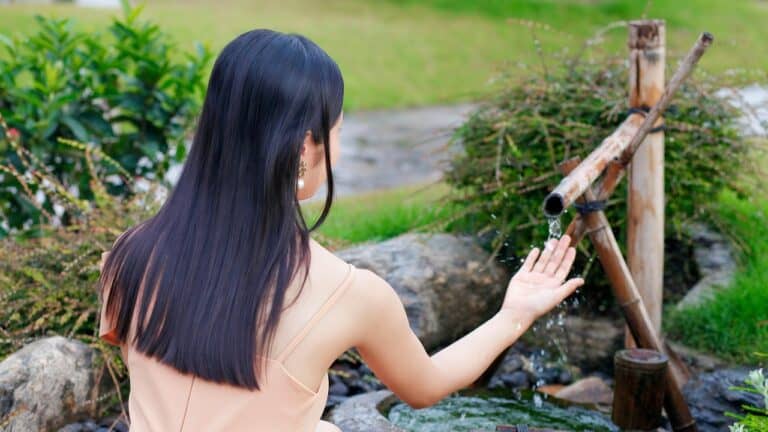
Include a small water feature for relaxing garden sounds

Adding a small water feature to your container garden can bring a soothing touch. You can choose a simple bowl fountain or a mini bubbler to create gentle water sounds.
The sound of running water helps create a calm space you’ll enjoy spending time in. It’s an easy way to add both beauty and tranquility to your garden setup.
Try vertical gardening with hanging pockets or wall planters

You can save space and add greenery by using hanging pockets or wall planters. They work well indoors or outdoors and let you grow herbs, flowers, or small vegetables.
Many options come with removable pots or self-watering features to make care easier. Vertical gardens turn bare walls into living spaces, perfect for small areas or patios.
Use a container of sunflowers to brighten any space
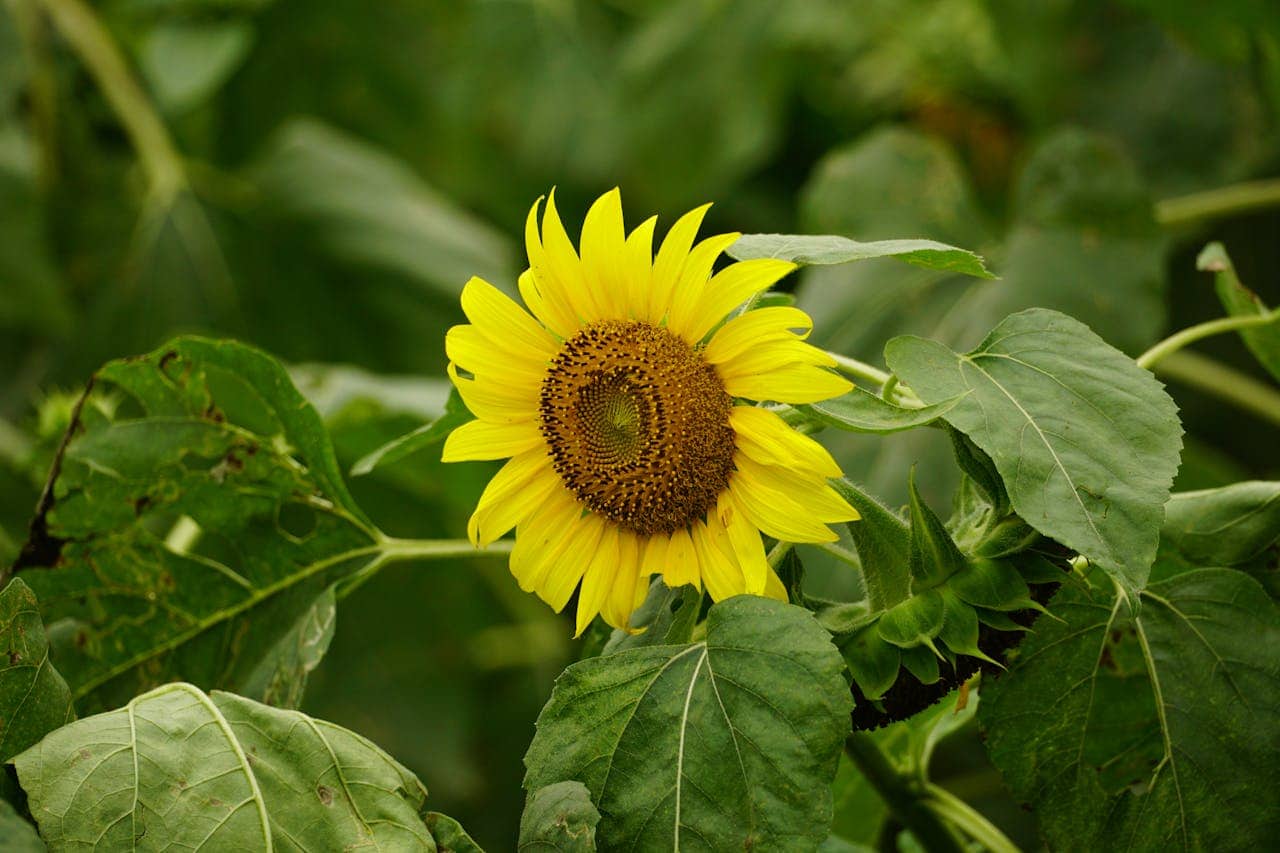
You can grow sunflowers easily in containers, even if your space is small. Choose a pot that drains well and place it where the plant gets at least 6 to 8 hours of direct sunlight daily.
Keep the soil moist but not waterlogged while your sunflowers sprout. Their bright blooms add a cheerful touch to balconies, patios, or indoor rooms.
Sunflowers also work well in seasonal container arrangements, bringing natural color and warmth to your home all summer long.
Invite guests to pick herbs to add to their meal
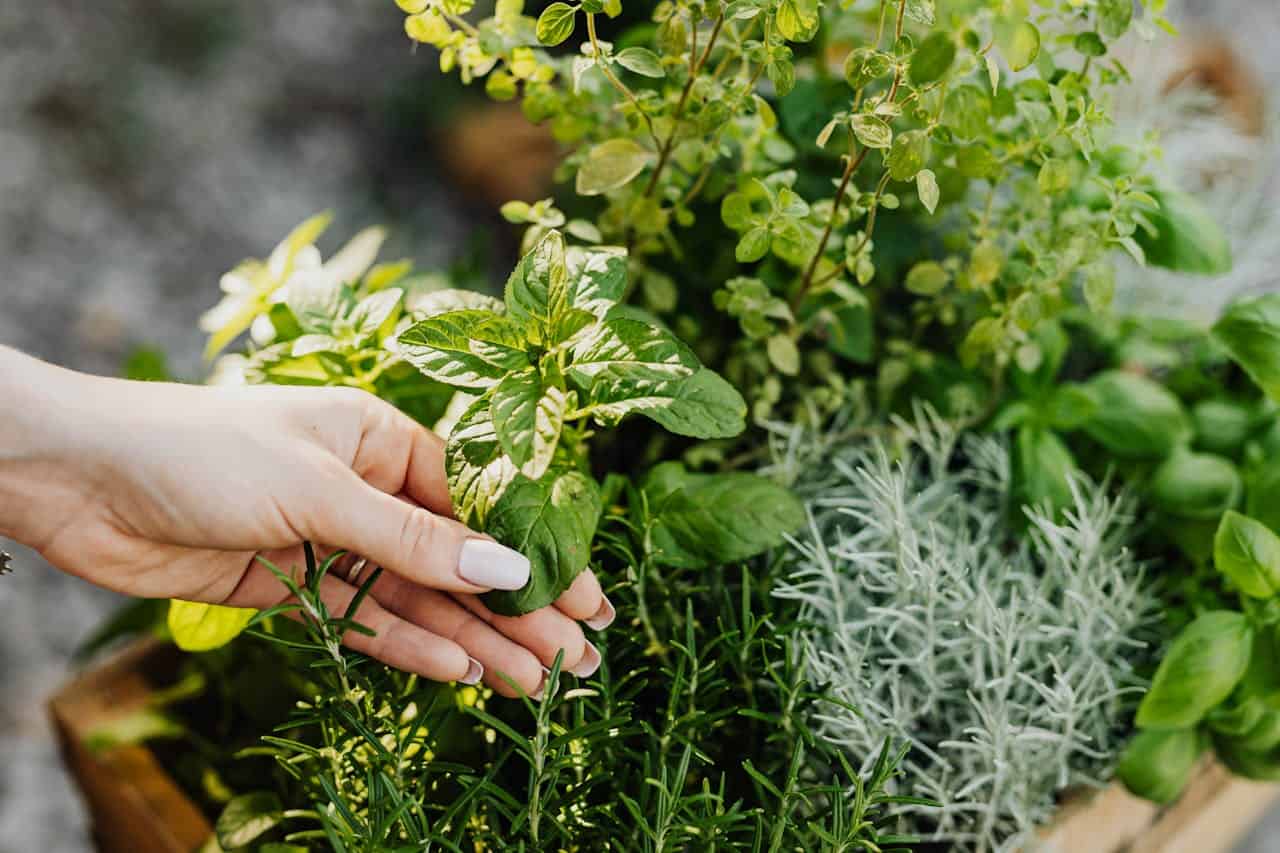
You can create a container garden with fresh herbs for your guests to harvest. This adds a fun, interactive touch to gatherings.
Place signs encouraging guests to pick only ripe herbs. Offer small scissors or snippers to make harvesting easy.
This gives your guests a chance to add fresh flavors to their plates right at the table. It also sparks great conversation.
Grow a mix of pollen-rich plants to support bees

You can help bees by growing a variety of pollen-rich flowers in your containers. Plants like marigolds, bee balm, lavender, and coneflowers offer nectar and pollen that attract pollinators.
Mixing different flowers ensures blooms throughout the season, giving bees a steady food source. This also makes your garden colorful and lively. Your efforts will support local bees while brightening your space.
Display containers on a decorative shelf cluster
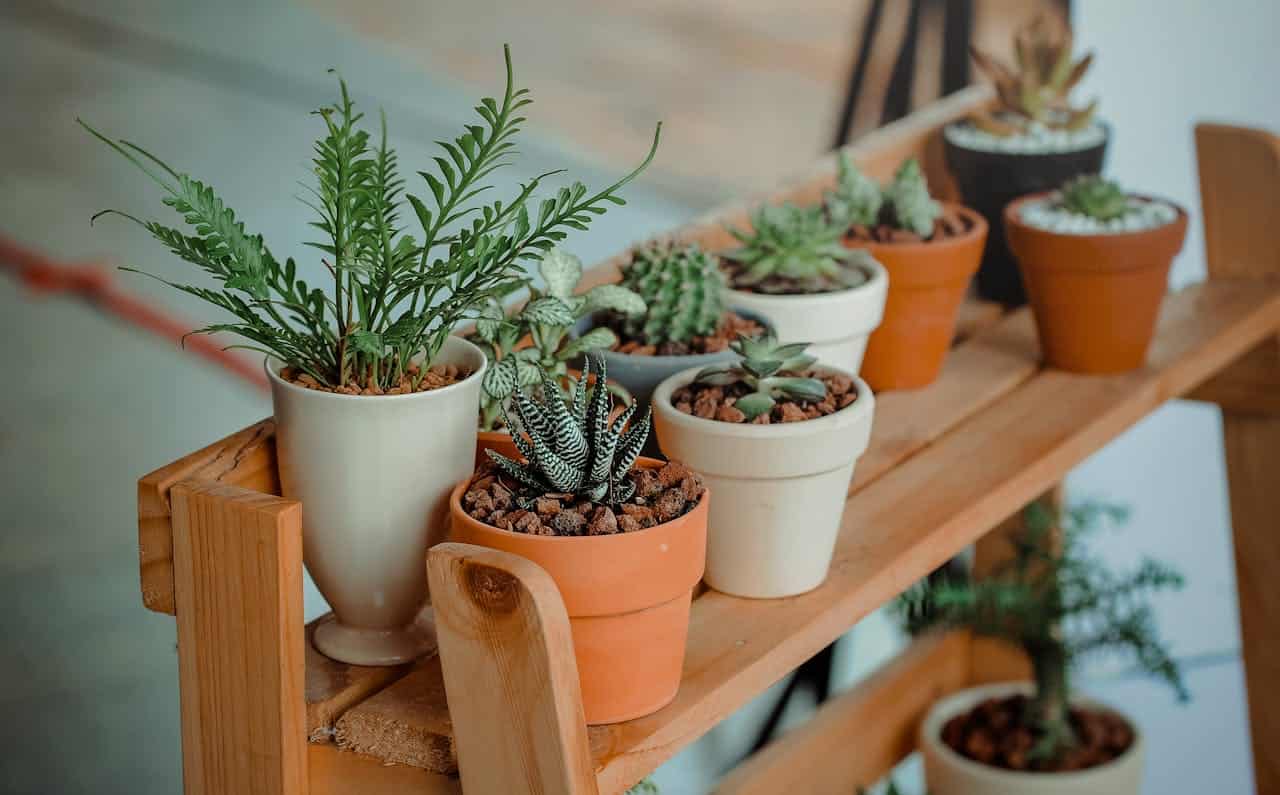
You can create a charming focal point by grouping container plants on a decorative shelf cluster. Arrange pots of different sizes and shapes to add variety and interest.
This setup works well indoors or on a covered porch. It helps you display multiple plants without taking up too much floor space.
Try mixing textures like ceramic, glass, and metal containers. Your shelf becomes a living, vibrant piece of art that’s easy to change whenever you like.