While we all appreciate the beauty of a lush, green lawn or a well-maintained garden, it’s important to acknowledge the darker side of plant life – invasive weeds that not only mar the look of your landscape but also act as vectors for disease. These pesky plants can harbor harmful pathogens, posing a threat to both human health and the wellbeing of your other plants.
Let’s identify 20 common weeds that spread disease, providing you with the knowledge you need to effectively manage your garden and protect your health. Let’s dive in.
Advertisement
1. Dandelion
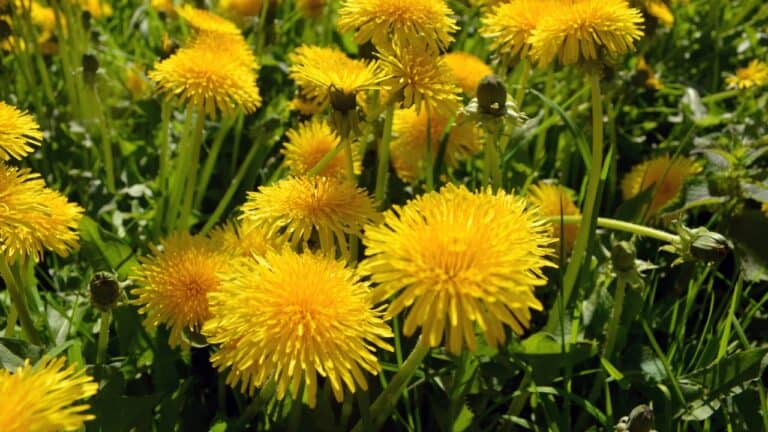
Image Credit: J H/PexelsDandelions, although often considered pretty, can spread bacterial diseases like Aster Yellows. This disease affects a broad range of plants causing deformities and stunted growth. Aster Yellows is spread by leafhoppers that feed on dandelions before moving on to your prized plants. The best way to prevent this is by regularly removing dandelions from your garden.
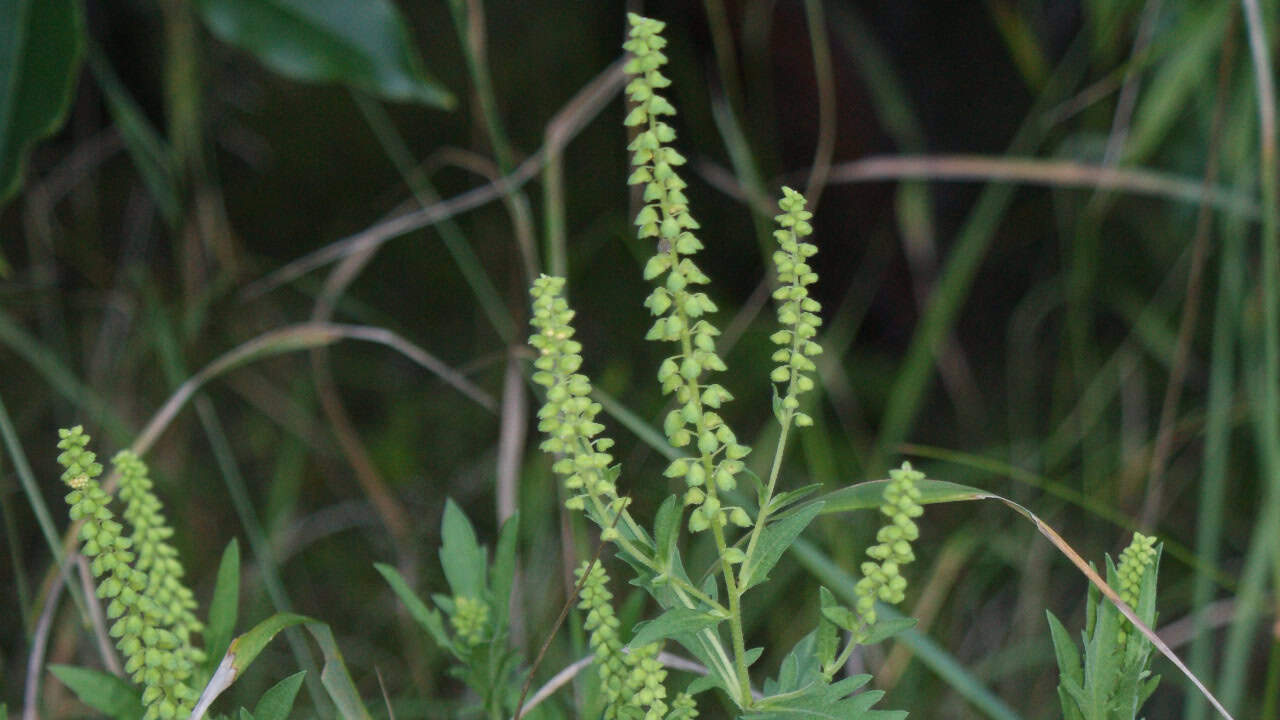
2. Ragweed
Image Credit: Krzysztof Ziarnek Kenraiz – CC BY-SA 4.0/Wiki CommonsRagweed is notorious for causing allergic reactions in many people, but it also harbors several disease pathogens that can affect your crops. These include fungi that cause plant diseases like downy mildew and powdery mildew. Managing ragweed populations in your garden is crucial for the health of your plants and potentially your own health.
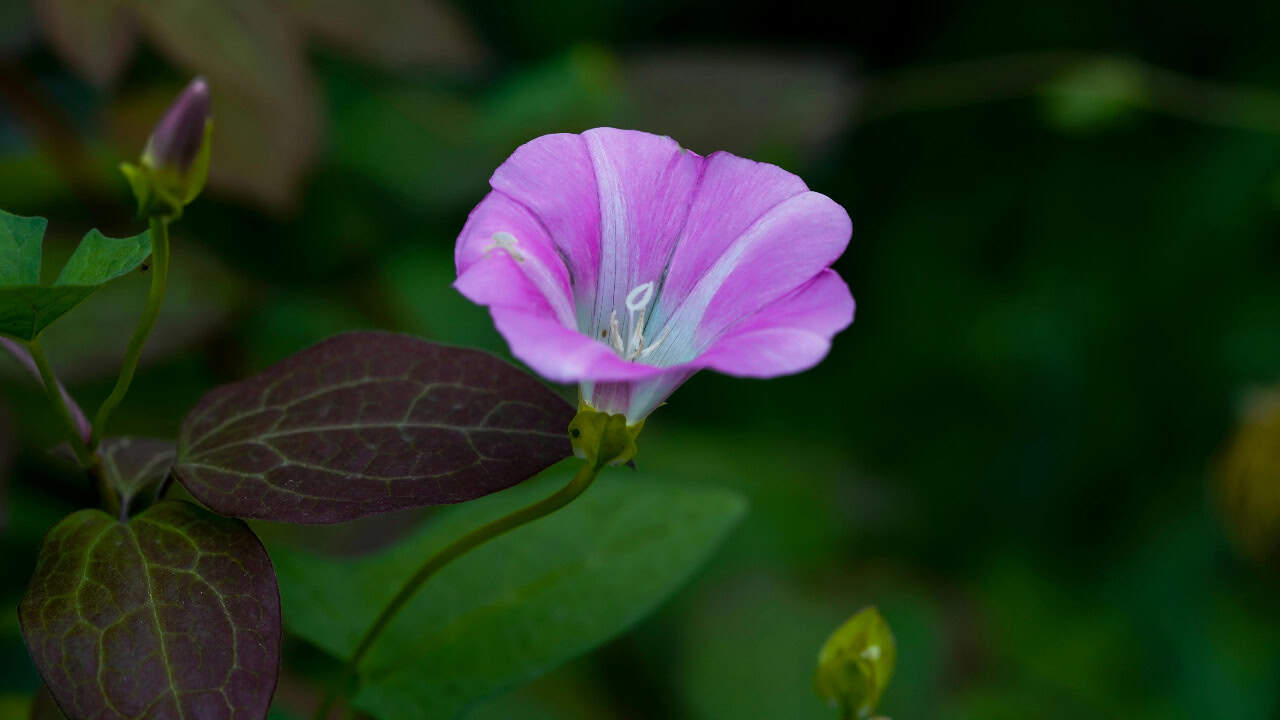
3. Bindweed
Image Credit: 대정 김/PexelsBindweed, a common garden invader, spreads disease by providing a home for pests like aphids and mites. These pests are vectors for plant viruses like the cucumber mosaic virus. Aphids, particularly, are known to transmit more than a hundred plant viruses. Thus, controlling bindweed can significantly reduce the spread of these diseases.
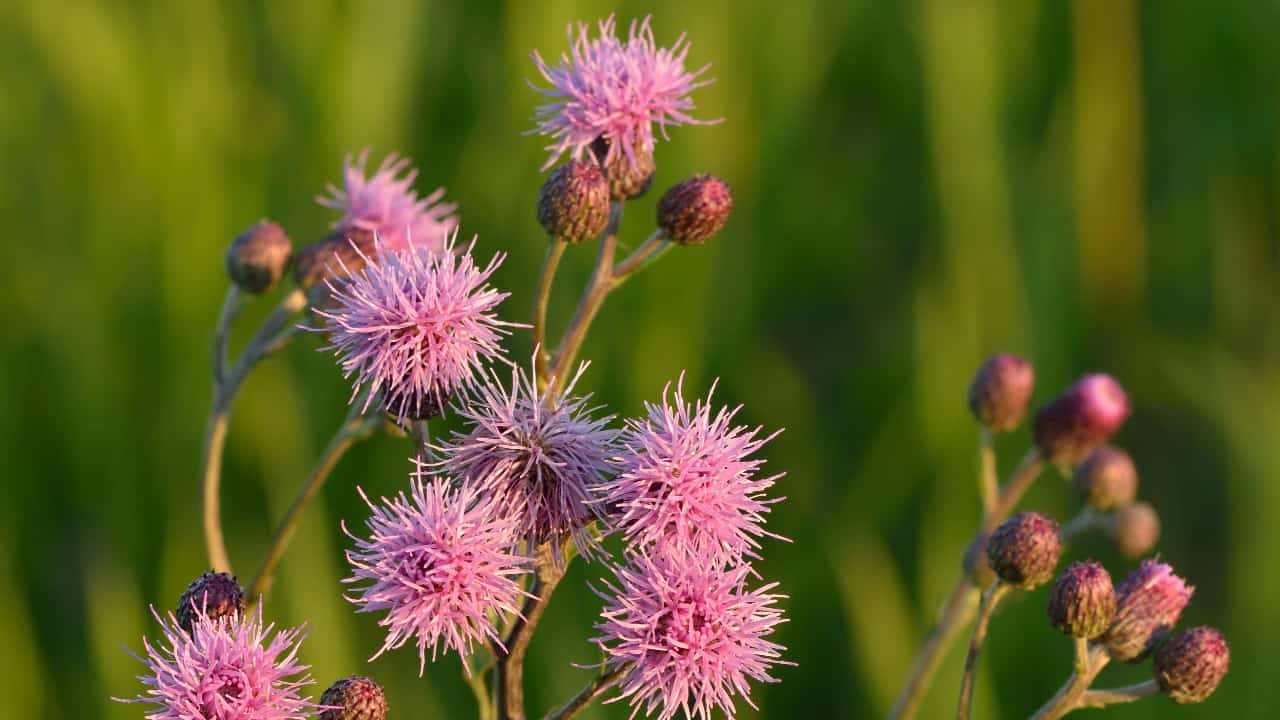
4. Canada Thistle
Image Credit: Ivar Leidus – CC BY-SA 3.0/Wiki CommonsThe Canada Thistle, although having a beautiful purple bloom, is a carrier for the bacterial disease, Pseudomonas syringae. This bacterium causes leaf spot diseases in many plants. Regularly removing Canada Thistles can help keep this disease at bay.
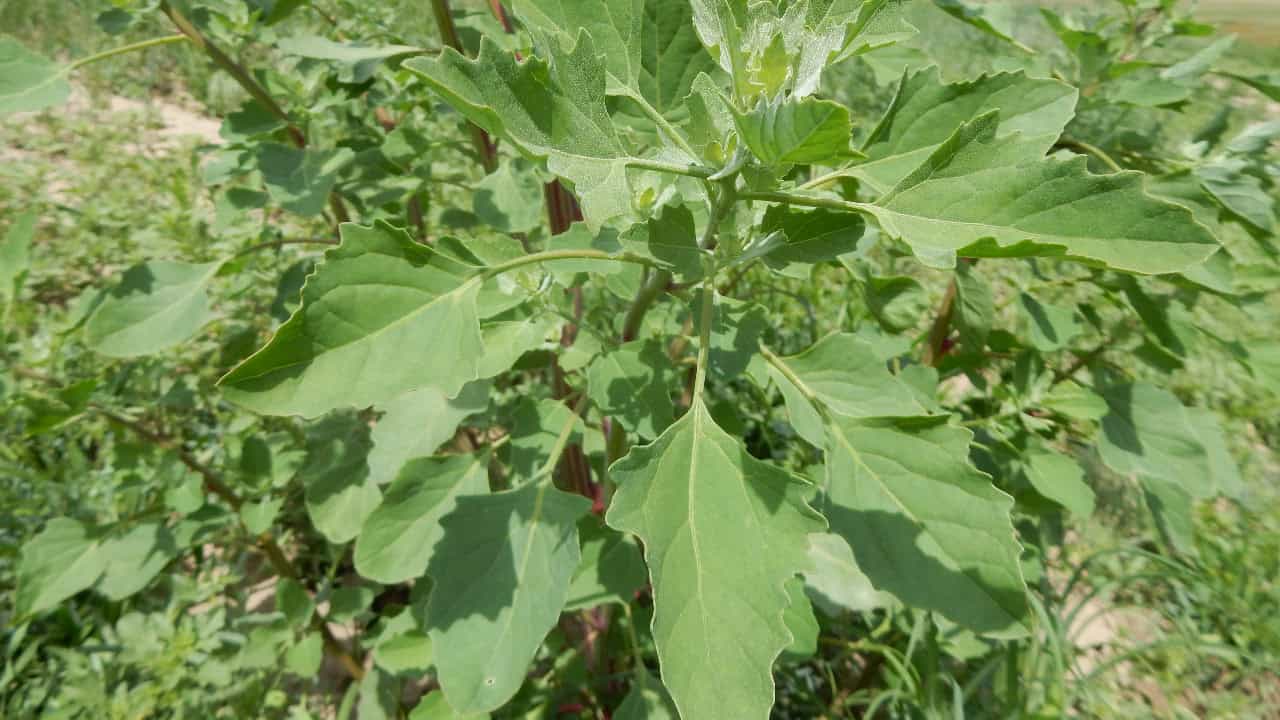
5. Lamb’s Quarters
Image Credit: Matt Lavin from Bozeman, Montana, USA – CC BY-SA 2.0/Wiki CommonsLamb’s Quarters, often seen in vegetable gardens, can harbor viruses that cause diseases like Curly Top and Beet Mosaic. These diseases cause significant crop loss if not controlled. Regular weeding can prevent these diseases from spreading.
6. Morning Glory
Image Credit: Morning-glory-C6295a.jpg: Fg2 (Frank J. Gualtieri Jr.) derivative work: Kaldari (talk) – Public domain/Wiki CommonsMorning Glory, while beautiful, can be a host to the sweet potato whitefly, a vector for spreading diseases like tomato yellow leaf curl virus. This disease is devastating for tomato crops. Keeping Morning Glory under control can help prevent the spread of this disease.
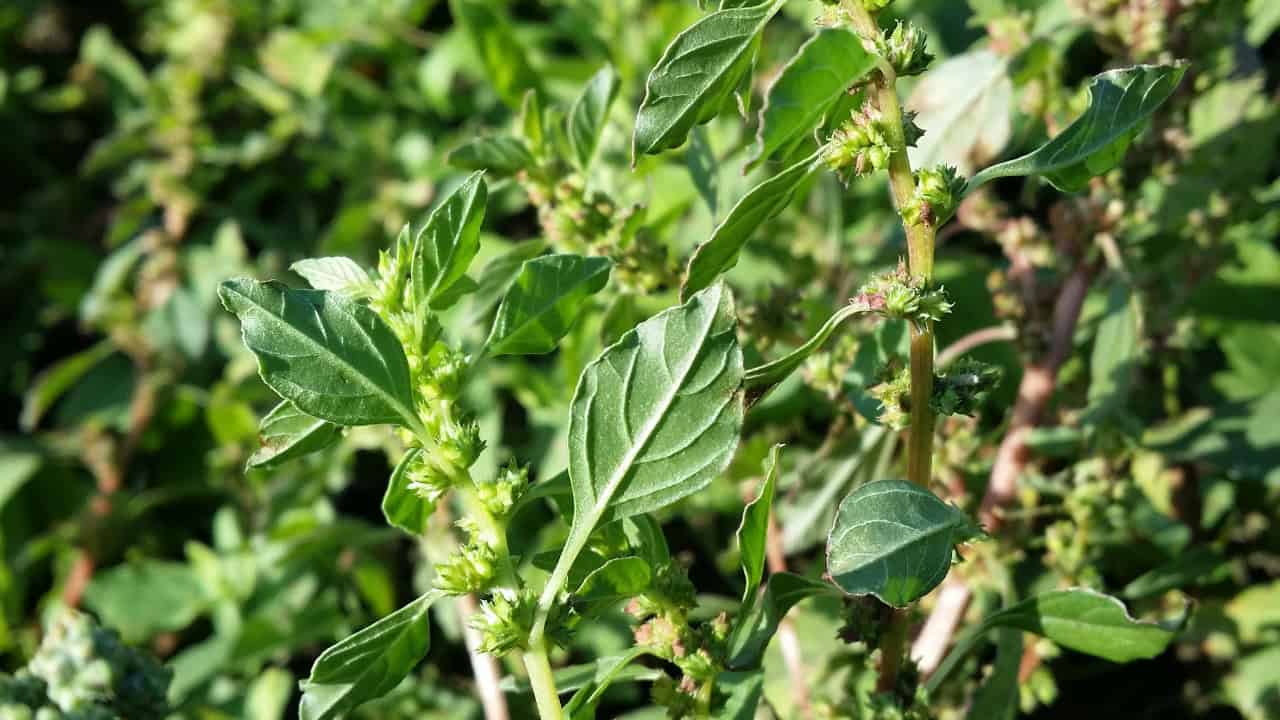
7. Pigweed
Image Credit: Stefan.lefnaer – CC BY-SA 4.0/Wiki Commons
Pigweed is associated with the spread of the cucumber mosaic virus and watermelon mosaic virus. Both these viruses can cause significant losses in your vegetable garden. Regular removal of pigweed is the solution to this problem.
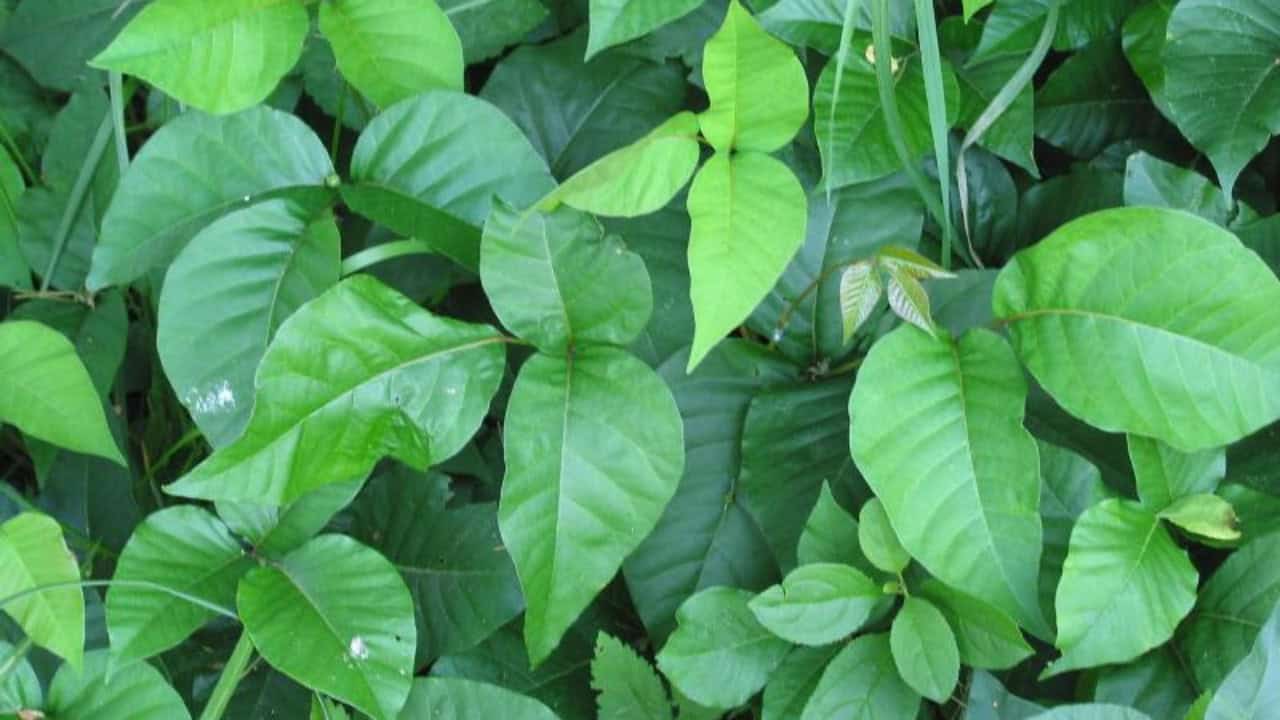
8. Poison Ivy
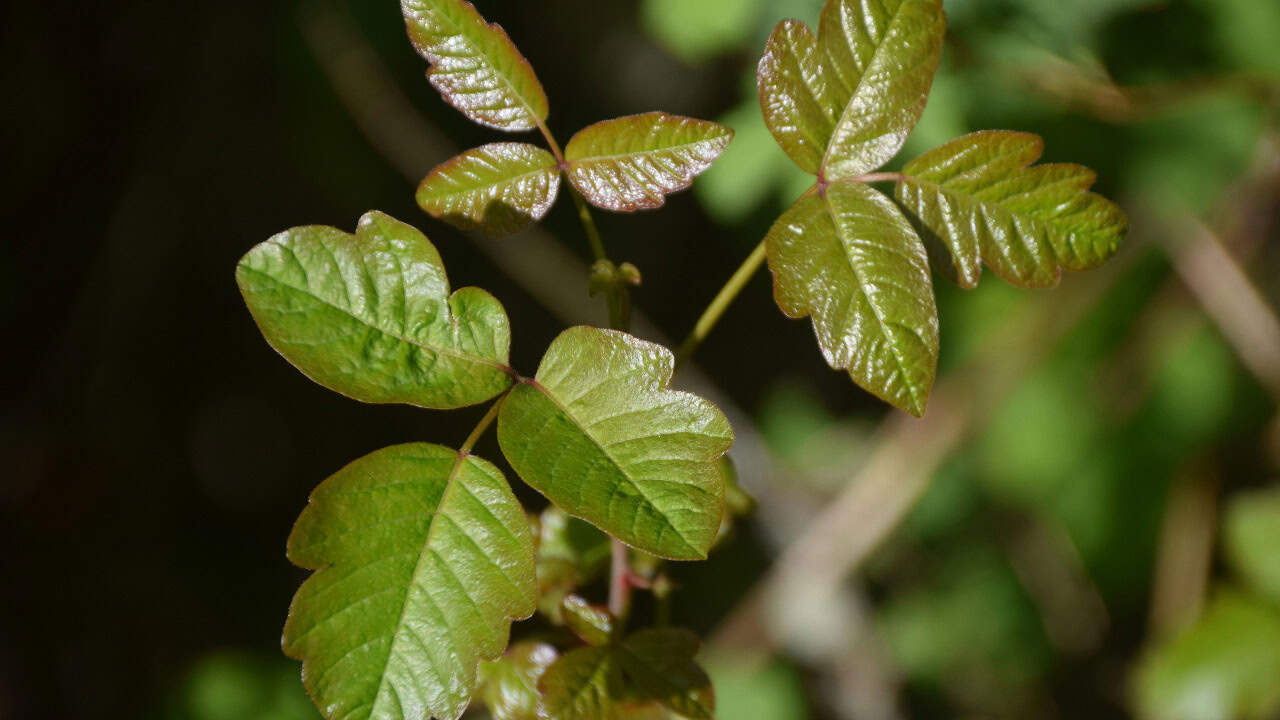
Image Credit: unknown – Public domain/Wiki CommonsPoison Ivy, apart from causing allergic reactions in humans, is also known to harbor pests like the Southern Red Mite. This mite is responsible for spreading several plant diseases. Removing Poison Ivy can also help prevent these diseases.
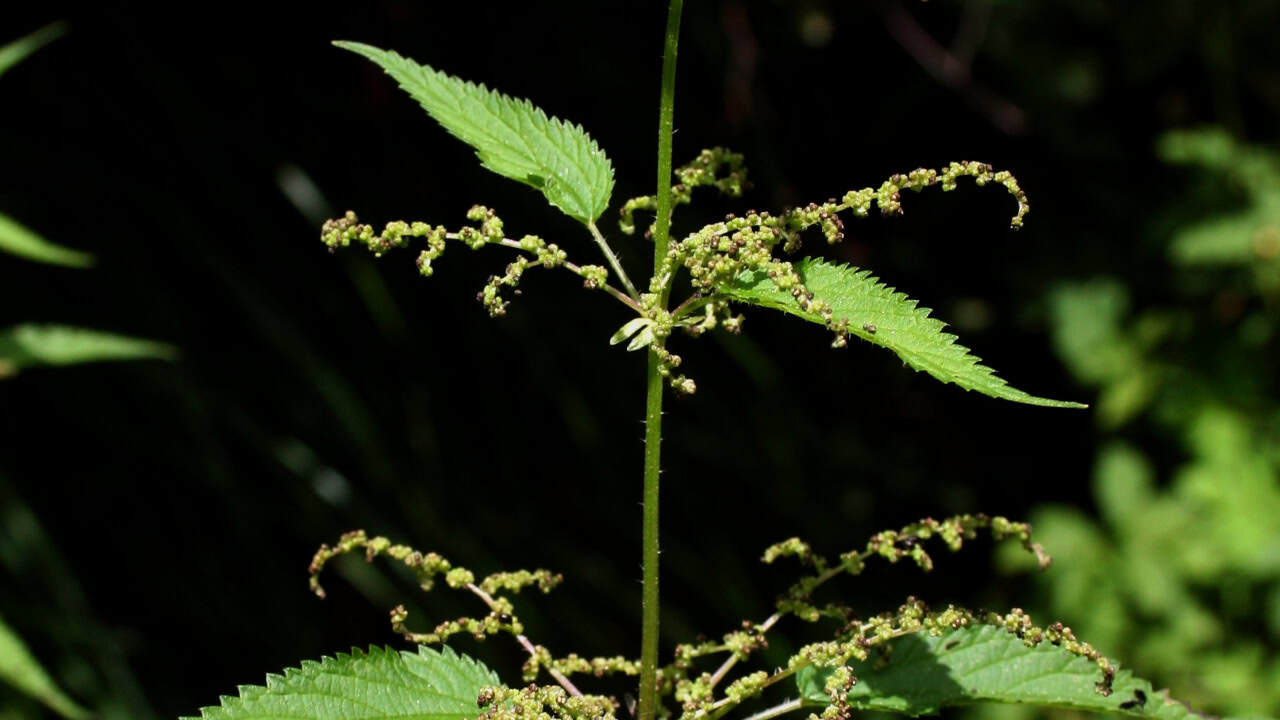
9. Stinging Nettle
Image Credit: Przykuta – CC BY-SA 3.0/Wiki CommonsStinging Nettle, apart from its painful sting, is a host for aphids that spread plant diseases. Regular removal of Stinging Nettle can help keep aphid populations and the diseases they carry under control.
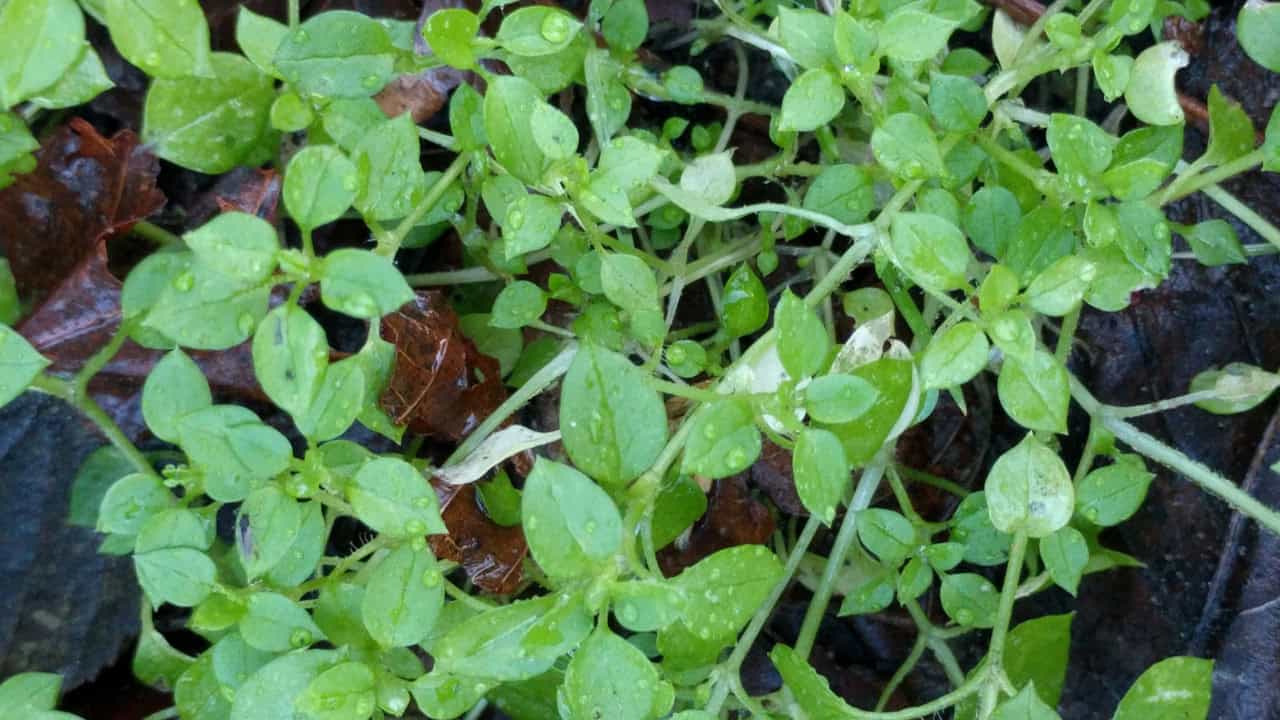
10. Chickweed
Image Credit: Michel Langeveld – CC BY-SA 4.0/Wiki CommonsChickweed is a common weed that can harbor several pests like thrips and aphids. These pests are responsible for spreading diseases like the tomato spotted wilt virus. Regularly removing chickweed can help prevent these diseases.
11. Groundsel
Image Credit: Peter O’Connor aka anemoneprojectors from Stevenage, United Kingdom – CC BY-SA 2.0/Wiki Commons
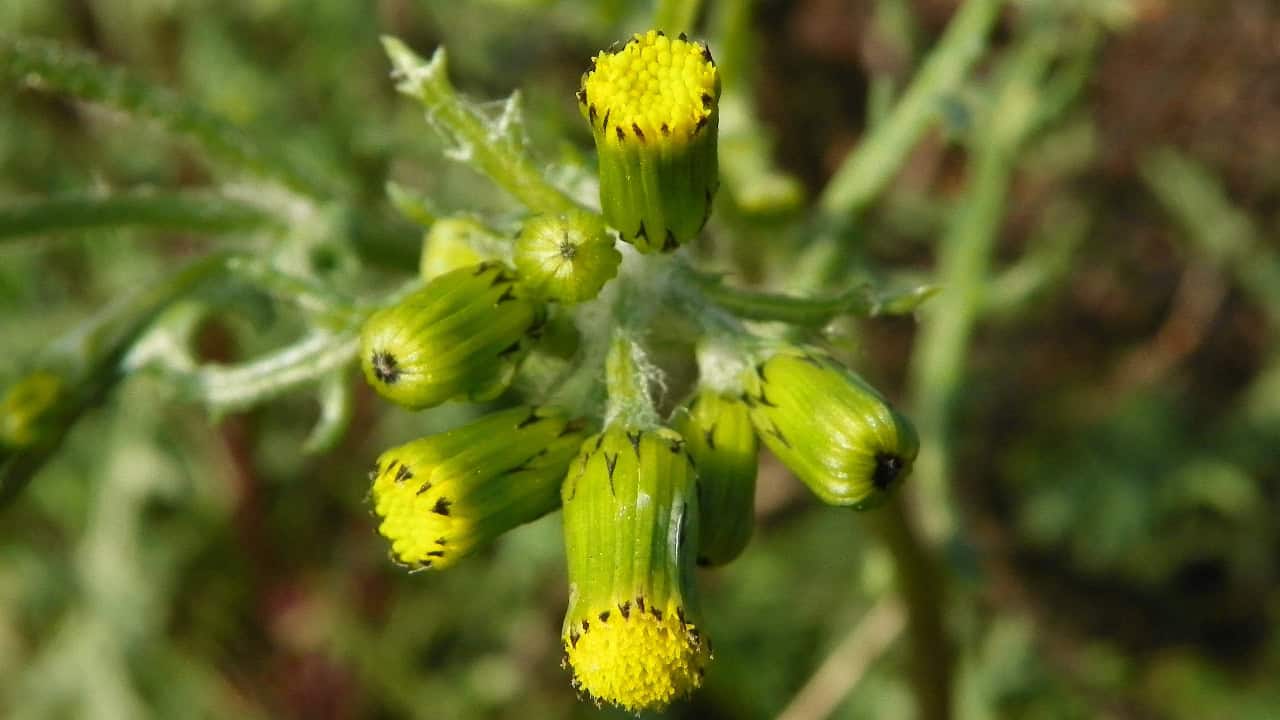
Groundsel acts as a reservoir for the fungus that causes the deadly Black Root Rot. This disease is harmful to a wide range of plants. Regular removal of groundsel can prevent the spread of this disease.
12. Henbit
Image Credit: Andy Reago & Chrissy McClarren – CC BY 2.0/Wiki Commons
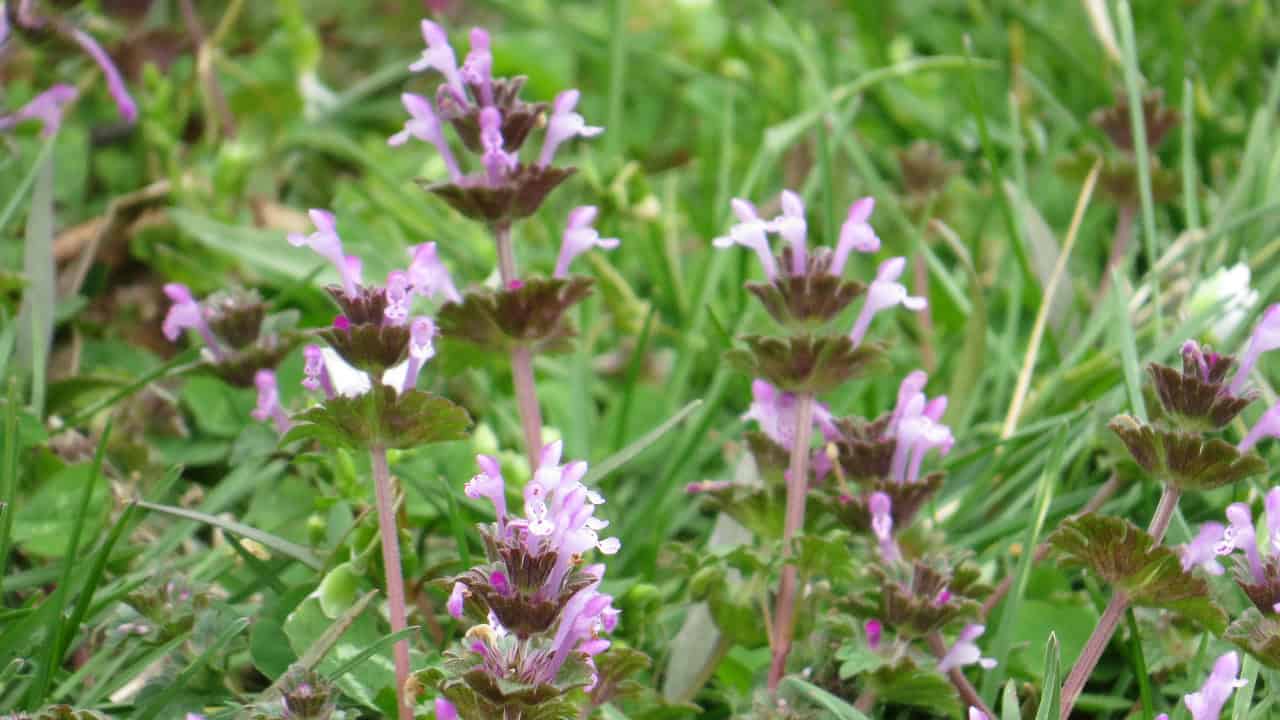
Henbit can harbor pests like aphids and mites that spread plant diseases. Regular removal of Henbit can help prevent the diseases these pests carry.
13. Shepherd’s Purse
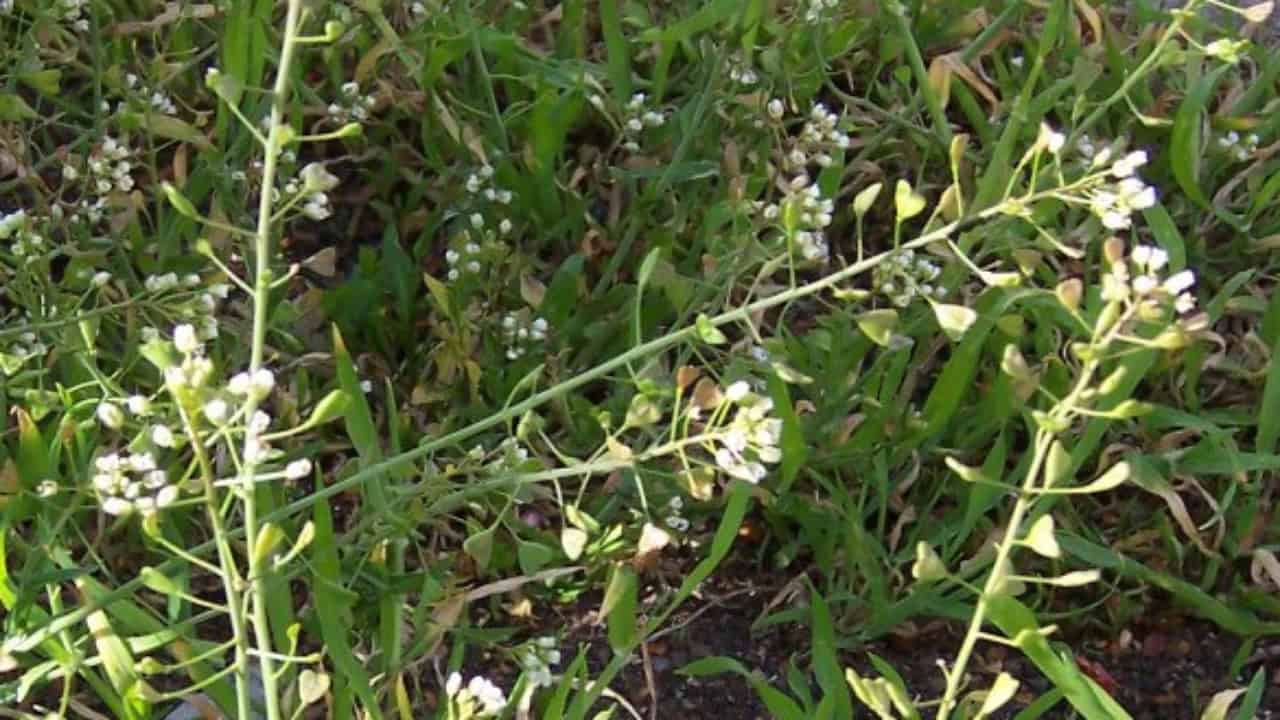
Image Credit: Eike Wulfmeyer – CC BY-SA 2.5/Wiki CommonsShepherd’s Purse is a host for the beet leafhopper, a vector for the beet curly top virus. This disease causes stunted growth and curled leaves. Regular control of Shepherd’s Purse can prevent the spread of this disease.
14. Burdock
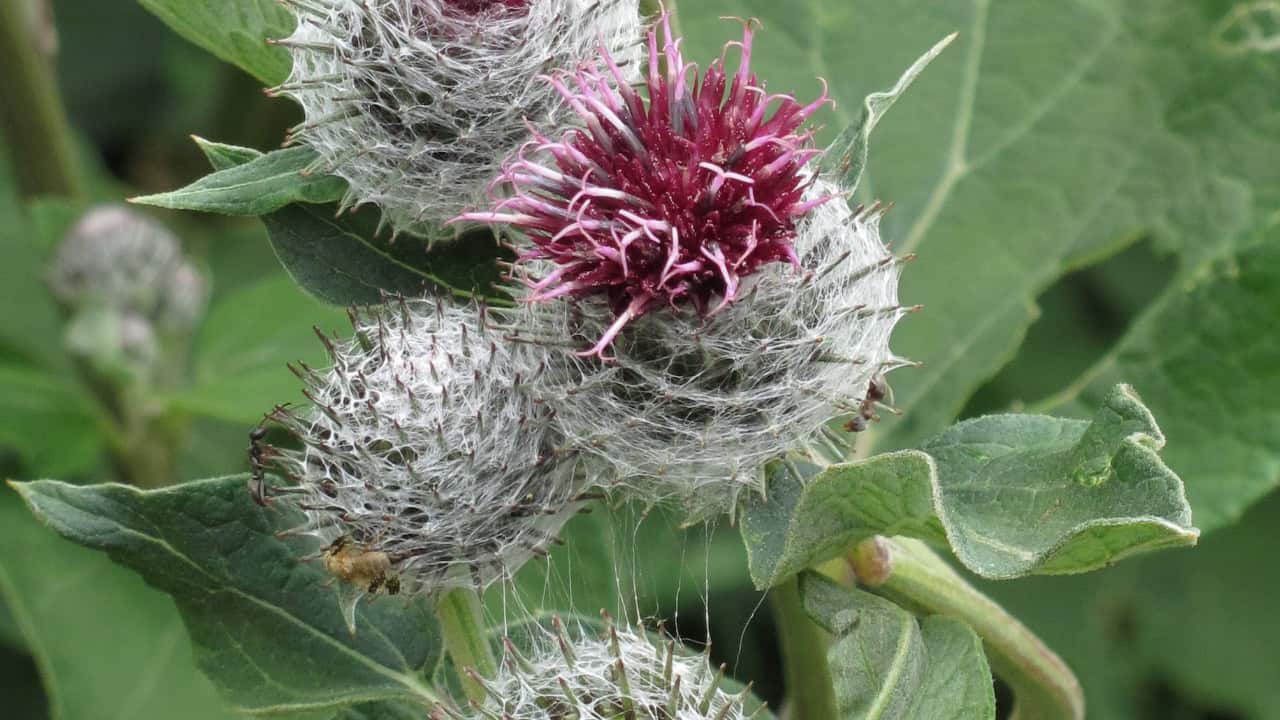
Image Credit: Robert Flogaus-Faust – CC BY 4.0/Wiki CommonsBurdock, apart from its annoying burrs, can harbor pests like aphids that spread plant diseases. Regular removal of Burdock can help keep aphid populations under control.
15. Common Mullein
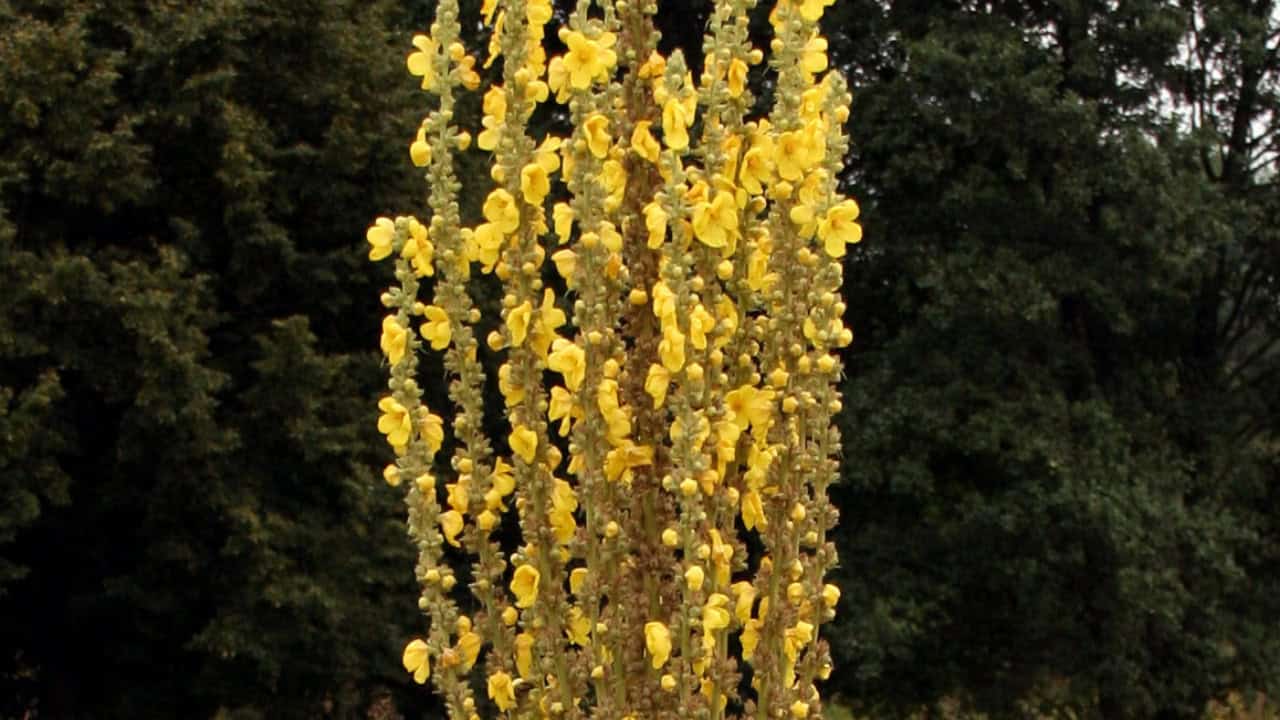
Image Credit: Pleple2000 – CC BY-SA 3.0/Wiki CommonsCommon Mullein is a host for the cucumber mosaic virus. Regular removal of this weed can help prevent the spread of this disease.
16. Yellow Toadflax
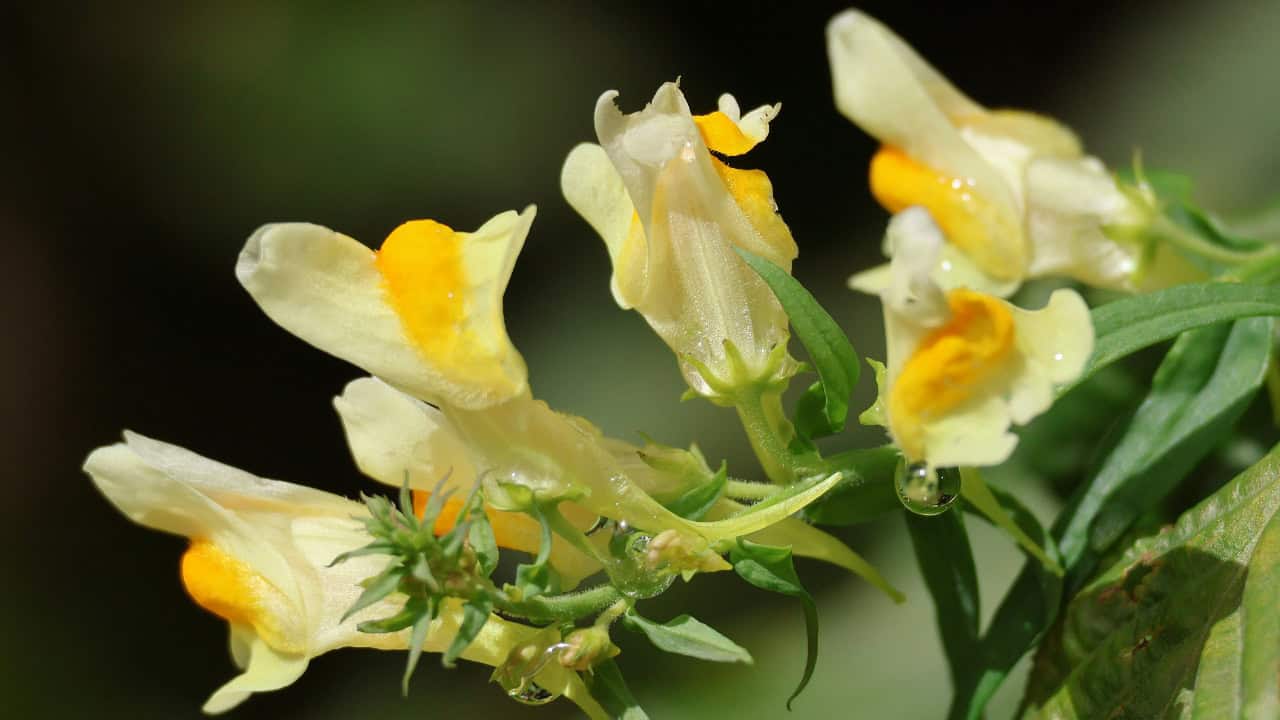
Image Credit: shooter__andy/UnsplashYellow Toadflax is associated with the spread of the cucumber mosaic virus. Regular removal of Yellow Toadflax can help prevent the spread of this disease.
17. Mustard
Image Credit: Pixabay/PexelsMustard plants can harbor pests like aphids that spread plant diseases like cabbage black ring spot virus. Regular removal of mustard plants can help prevent these diseases.
18. Wild Carrot
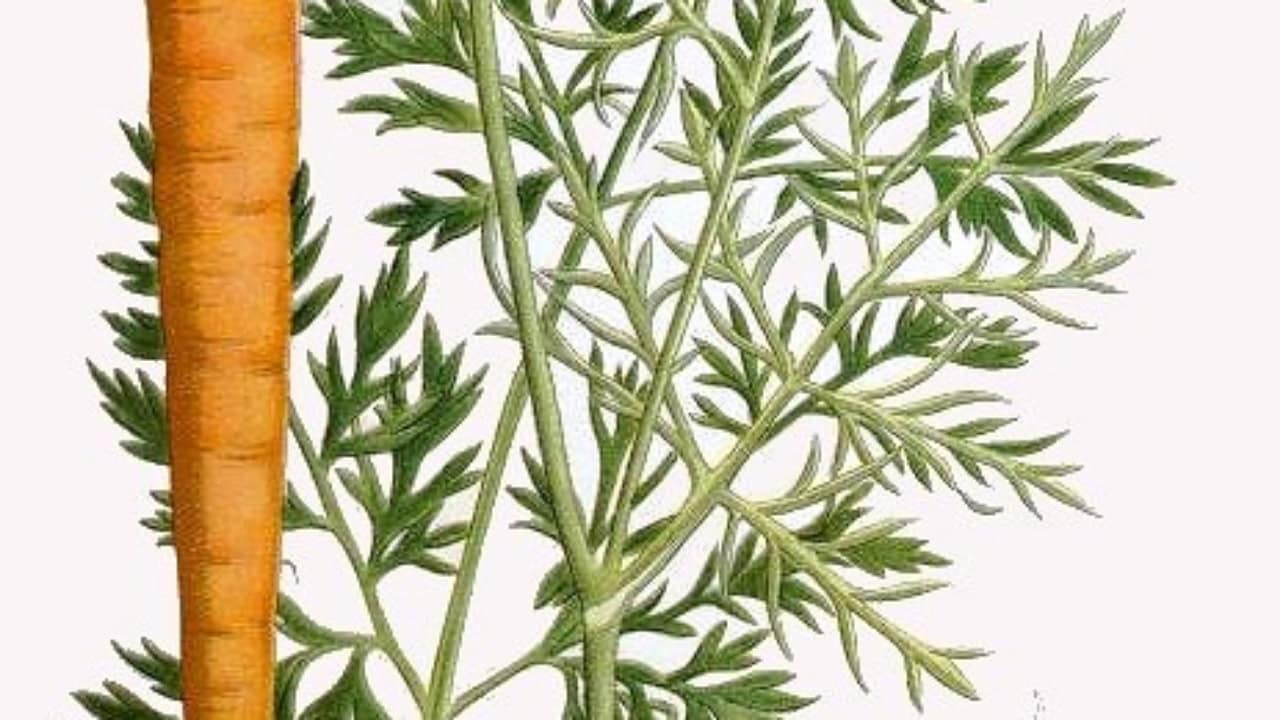
Image Credit: Carl Axel Magnus Lindman – Public domain/Wiki CommonsWild Carrot is a host for pests like the carrot rust fly, which spreads diseases like carrot soft rot. Regular removal of Wild Carrot can help prevent the spread of this disease.
19. Poison Oak
Image Credit: biokid23/Unsplash
Poison Oak, apart from causing allergic reactions in humans, is also known to harbor pests like the Southern Red Mite. This mite is responsible for spreading several plant diseases. Removing Poison Oak can also help prevent these diseases.
20. Crabgrass
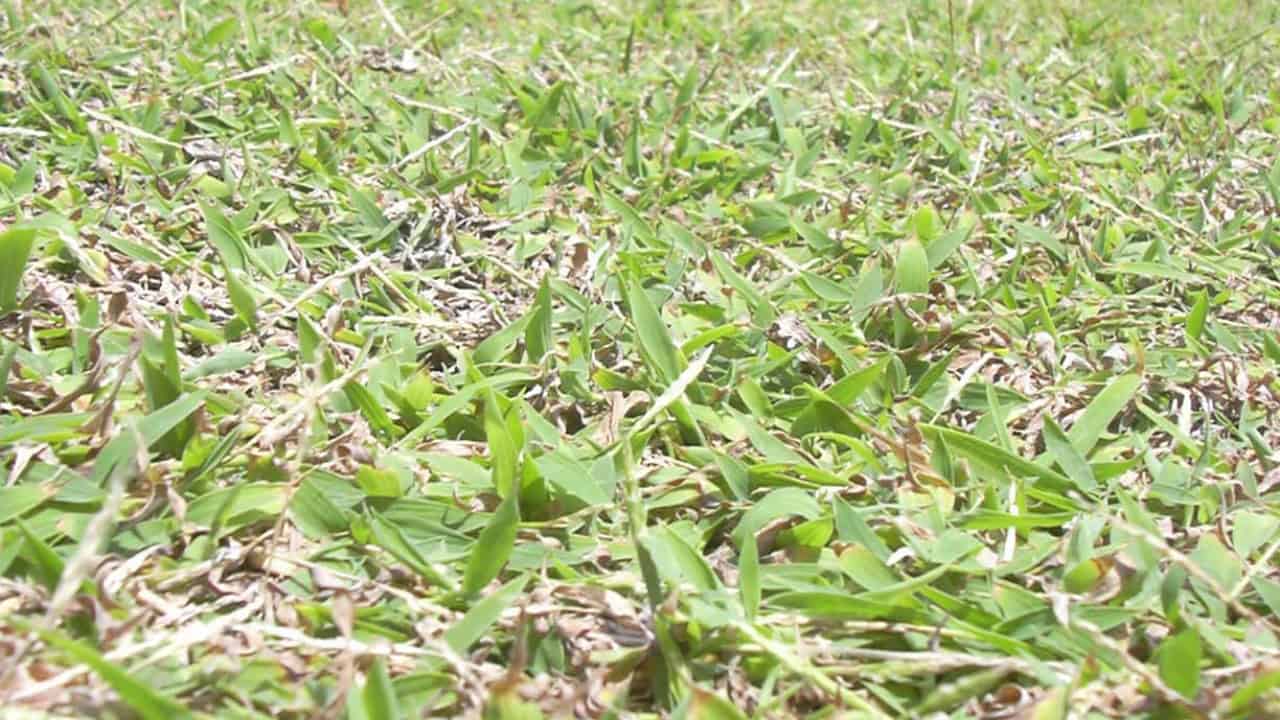
Image Credit: Forest & Kim Starr – CC BY 3.0/Wiki CommonsCrabgrass, a common weed in many lawns, can harbor several types of turf diseases. Controlling crabgrass can help keep your lawn healthy and disease-free. By learning to identify these common weeds and understanding their associated diseases, you can take the necessary steps to maintain a healthy, beautiful garden. Remember, prevention is always better than a cure, especially when it comes to plant health. Happy gardening!
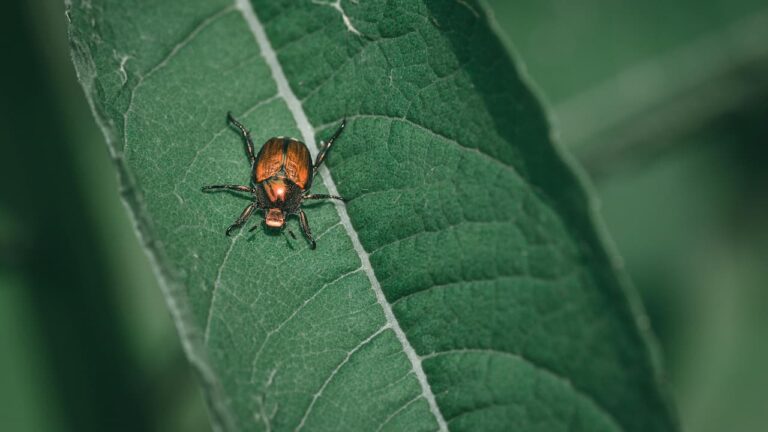
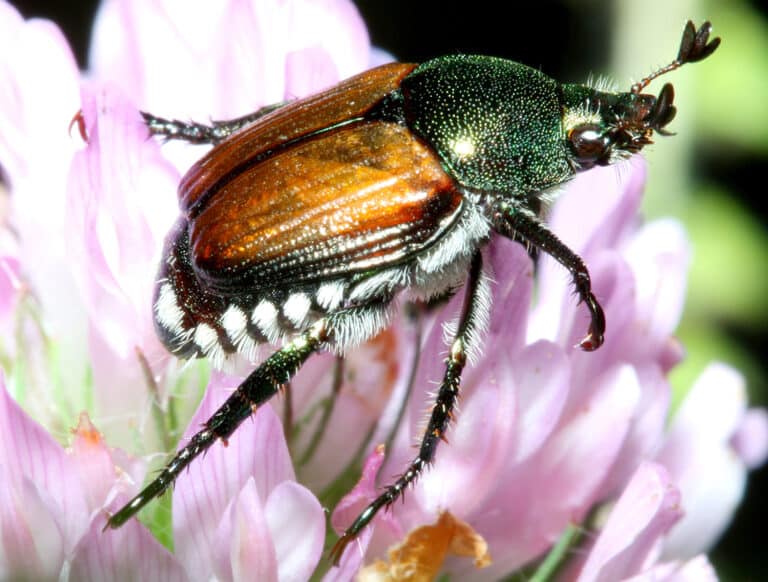
One of the most reviled garden pests is the Japanese Beetle, which is very difficult to get rid of. Fortunately, a small number of organic treatments work well.