1. Watering Your Plants Daily
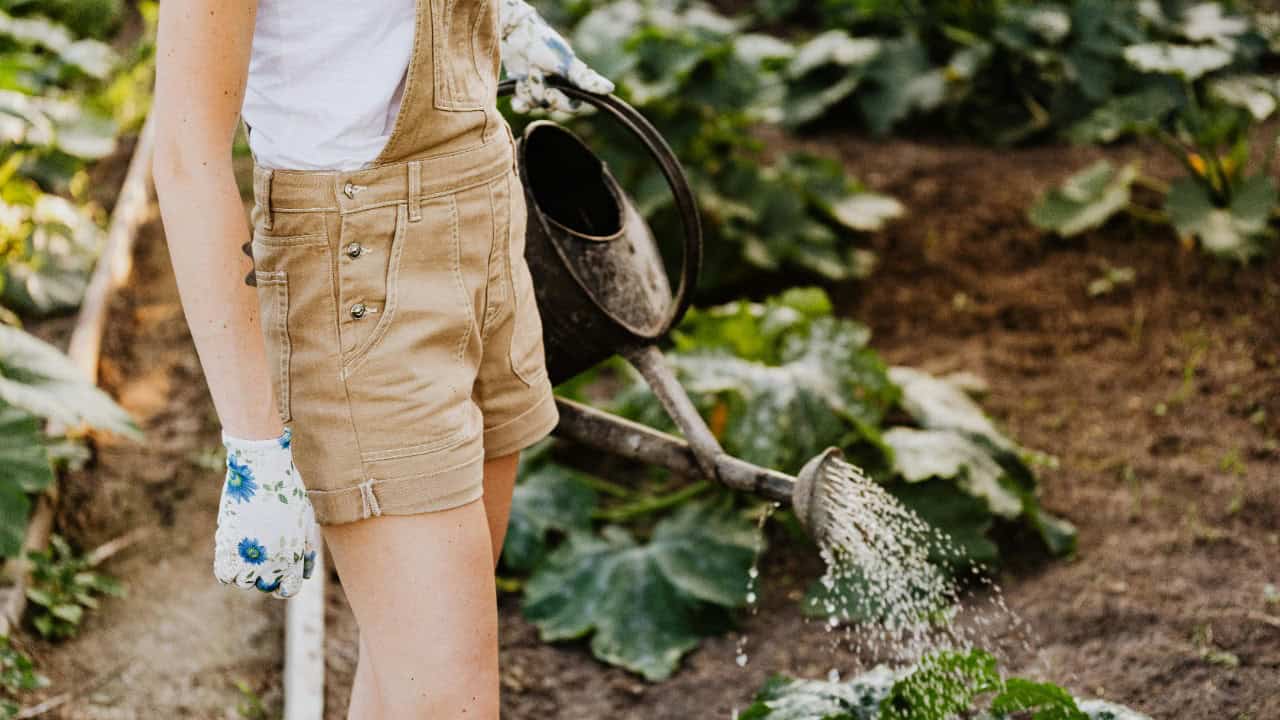
It’s a common misconception that watering your plants daily will keep them healthy and thriving. In reality, overwatering your plants is one of the most common causes of plant death.
Different plants have different water requirements, and overwatering can lead to root rot, a condition that is often fatal to plants. Instead of watering daily, it’s better to water deeply and less often, allowing the soil to dry out between watering. This encourages the roots to grow deeper, making the plant more drought-tolerant and healthy.
Advertisement
2. Planting Too Deeply
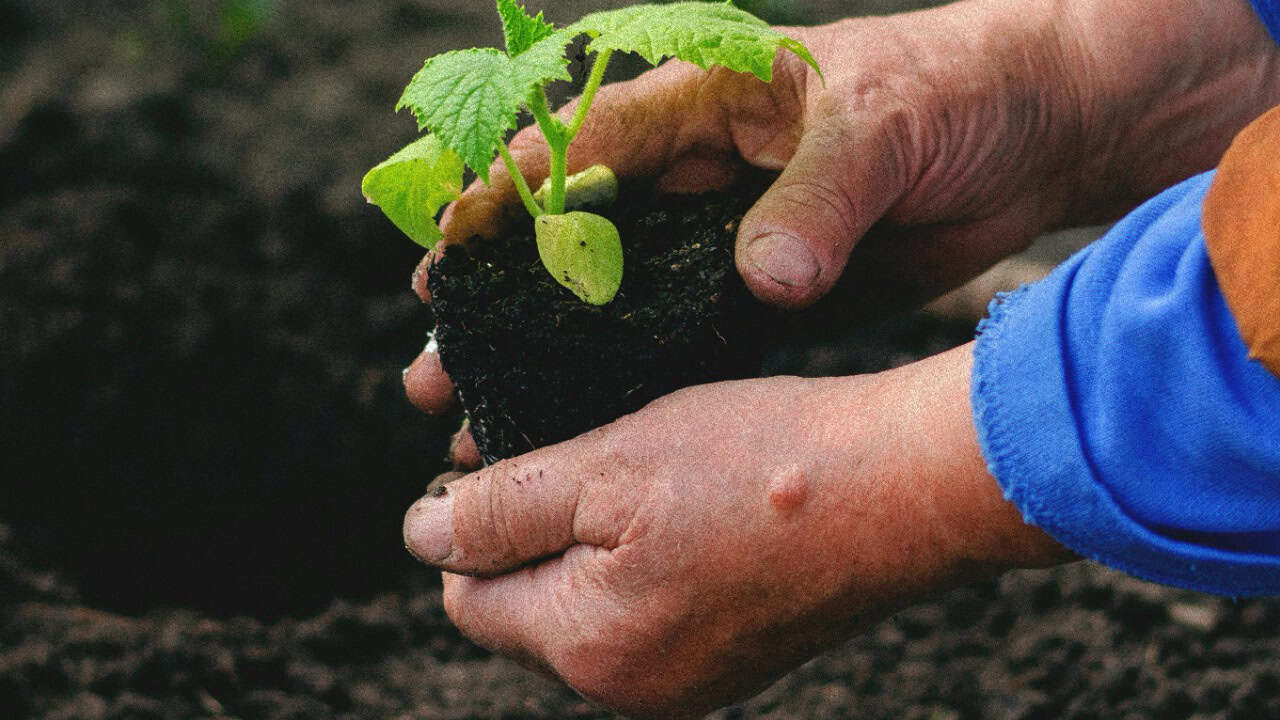
Many gardeners believe that the deeper you plant a seed or plant, the stronger it will grow. However, this is one of the gardening tips that can backfire.
Planting too deeply can suffocate the plant, making it difficult for the plant to push through the soil and reach the light. It can also increase the chances of root rot. It’s generally best to plant seeds and plants at the same depth they were growing in their previous container.
3. Using Too Much Mulch

Mulch is great for suppressing weeds and maintaining soil moisture, but using too much can be detrimental.
A thick layer of mulch can prevent water and air from reaching the soil, leading to root suffocation. It can also create a damp environment that favors the growth of fungi and pests. To avoid this, apply a 2-3 inch layer of mulch around your plants, leaving a gap around the stem to prevent rot.
4. Pruning in Late Fall or Winter
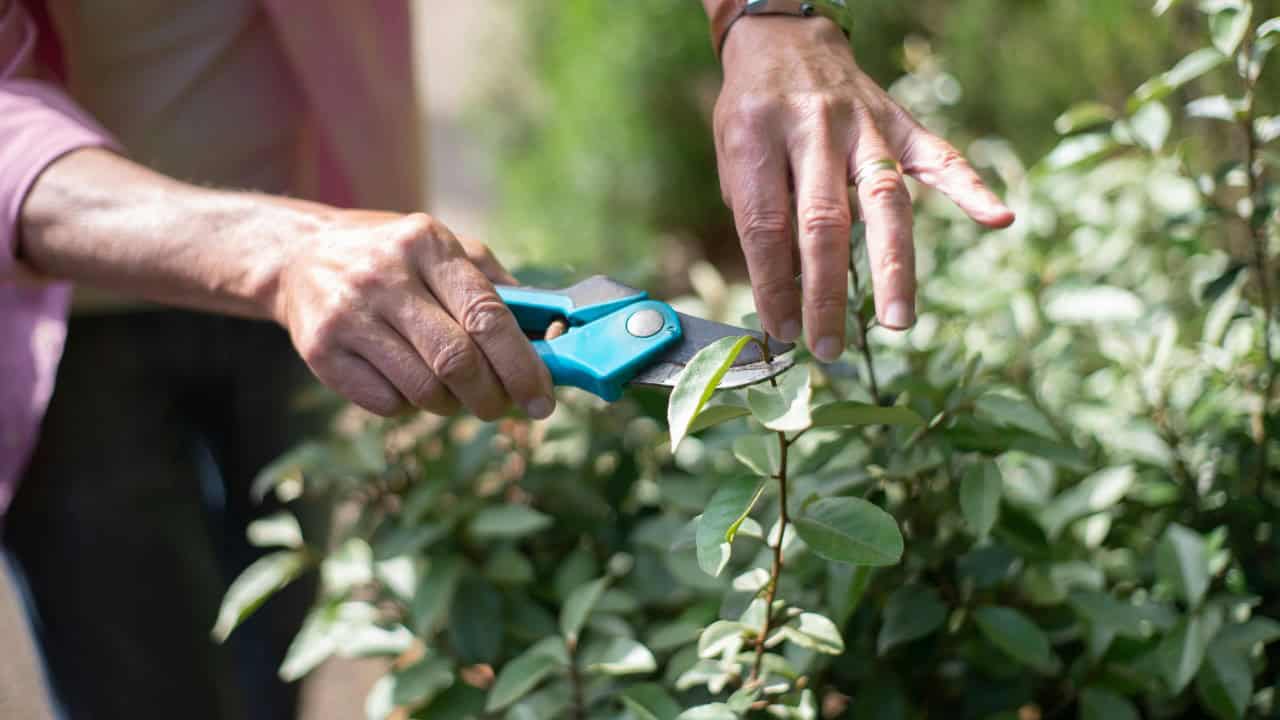
Pruning in late fall or winter is often recommended to get a head start on spring growth, but it can actually harm your plants.
Pruning stimulates new growth, which will be vulnerable to frost damage in the cold months. It’s generally better to prune in late winter or early spring, when the risk of frost has passed and plants are about to enter their most vigorous growth phase.
5. Fertilizing at Planting Time

Gardeners often believe that fertilizing at planting time will give their plants a head start. However, this can actually do more harm than good.
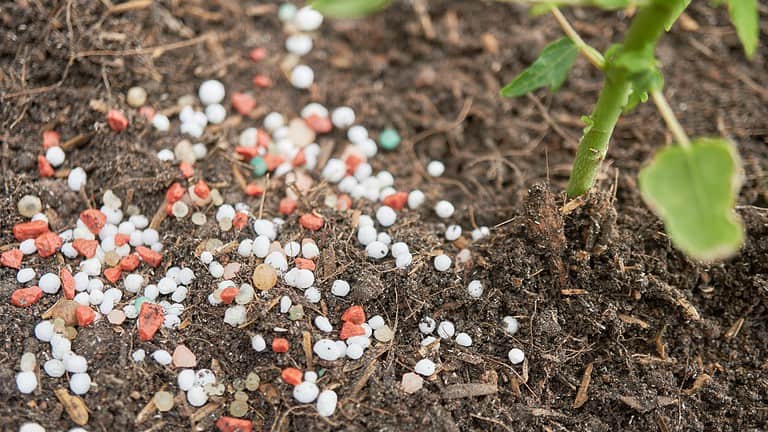
Newly planted plants are sensitive, and a heavy dose of fertilizer can burn their roots. It’s better to wait until the plant is established before starting to fertilize, usually about a month after planting.
6. Using Synthetic Pesticides
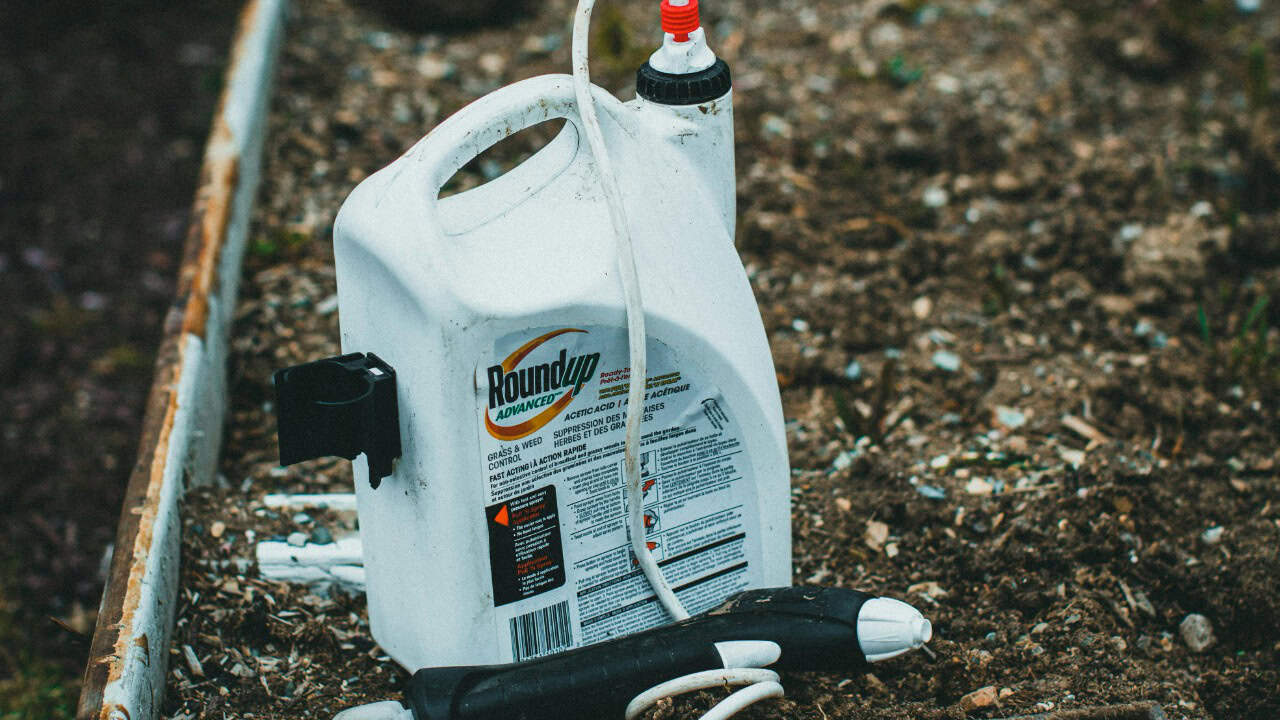
While synthetic pesticides may seem like a quick solution to pest problems, they often do more harm than good.
Synthetic pesticides not only kill the bad bugs but also the beneficial insects that keep pests in check. They can also leave harmful residues in your soil and on your plants. Instead, consider using organic pest control methods, like introducing beneficial insects, using homemade sprays, or planting pest-repelling plants.
7. Ignoring Soil pH
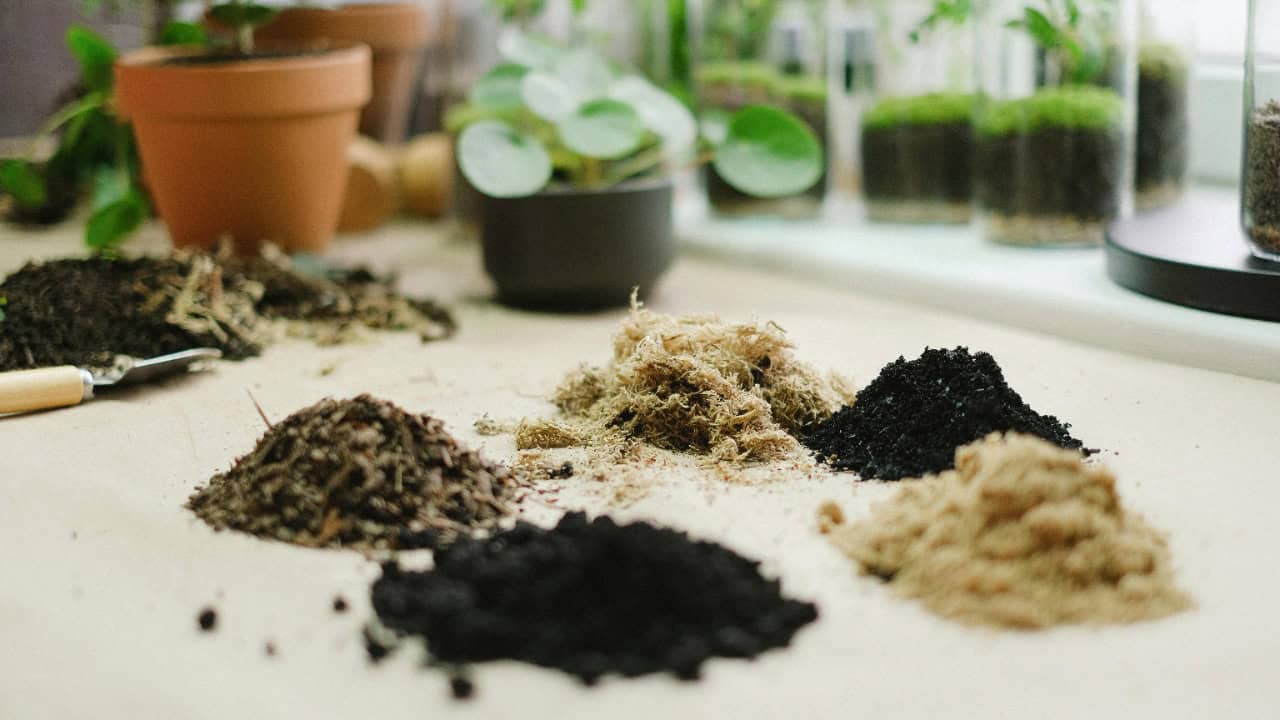
Many gardeners overlook the importance of soil pH, but it can make a big difference in how well your plants grow.
Plants have specific pH preferences and growing them in soil with the wrong pH can lead to nutrient deficiencies or toxicities. Before planting, test your soil’s pH and adjust it as necessary to suit the specific needs of your plants.
8. Planting Without Planning
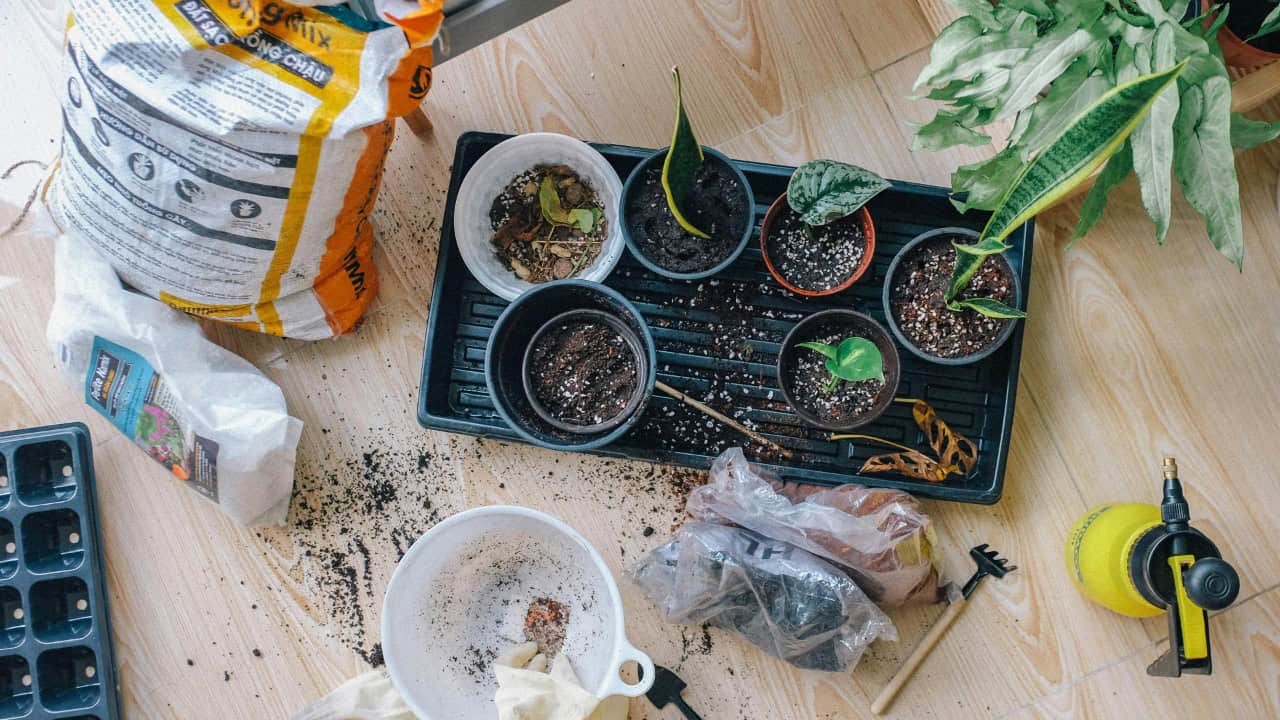
It can be tempting to plant as soon as you bring home new plants from the nursery, but planting without a plan can lead to problems.
Plants have specific light, water, and space requirements, and planting them in the wrong spot can lead to poor growth or even plant death. Before planting, take the time to research your plants and plan your garden layout accordingly.
9. Overcrowding Plants
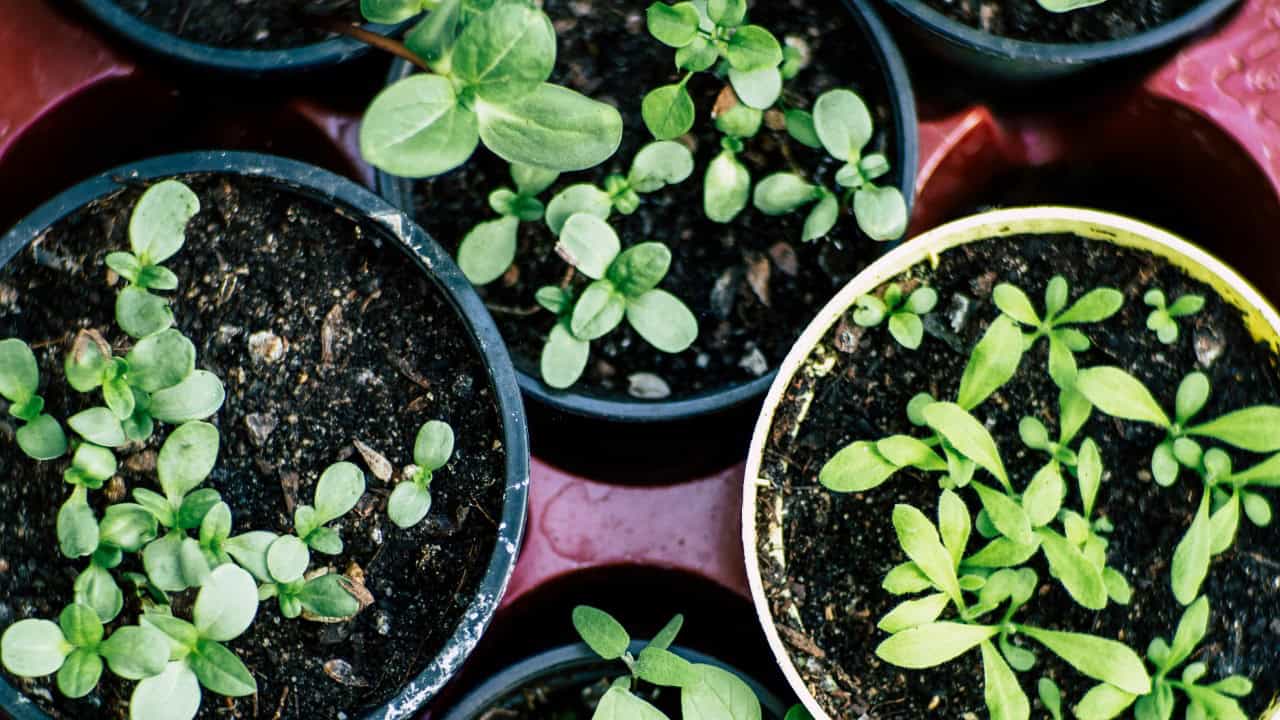
Overcrowding plants can lead to a host of problems, including poor air circulation, competition for nutrients, and increased susceptibility to diseases.
Give your plants plenty of space to grow and spread out. This not only helps them stay healthy but also makes your garden look more balanced and attractive.
10. Neglecting to Compost
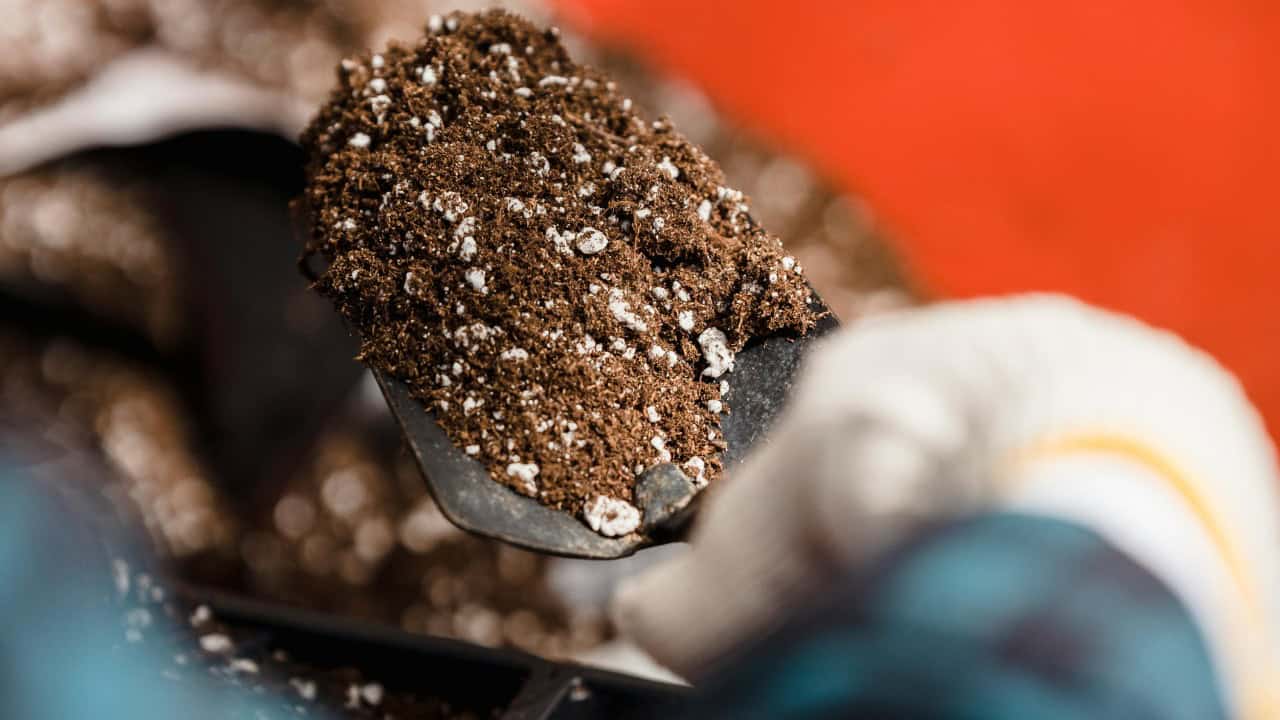
Compost is often hailed as “black gold” for gardeners, and for good reason. It’s rich in nutrients, helps improve soil structure, and is a great way to recycle kitchen and garden waste.
However, many gardeners neglect to compost, missing out on these benefits. Start a compost pile in your backyard or invest in a compost bin to make use of your organic waste and enrich your garden soil.
11. Tilling Every Year
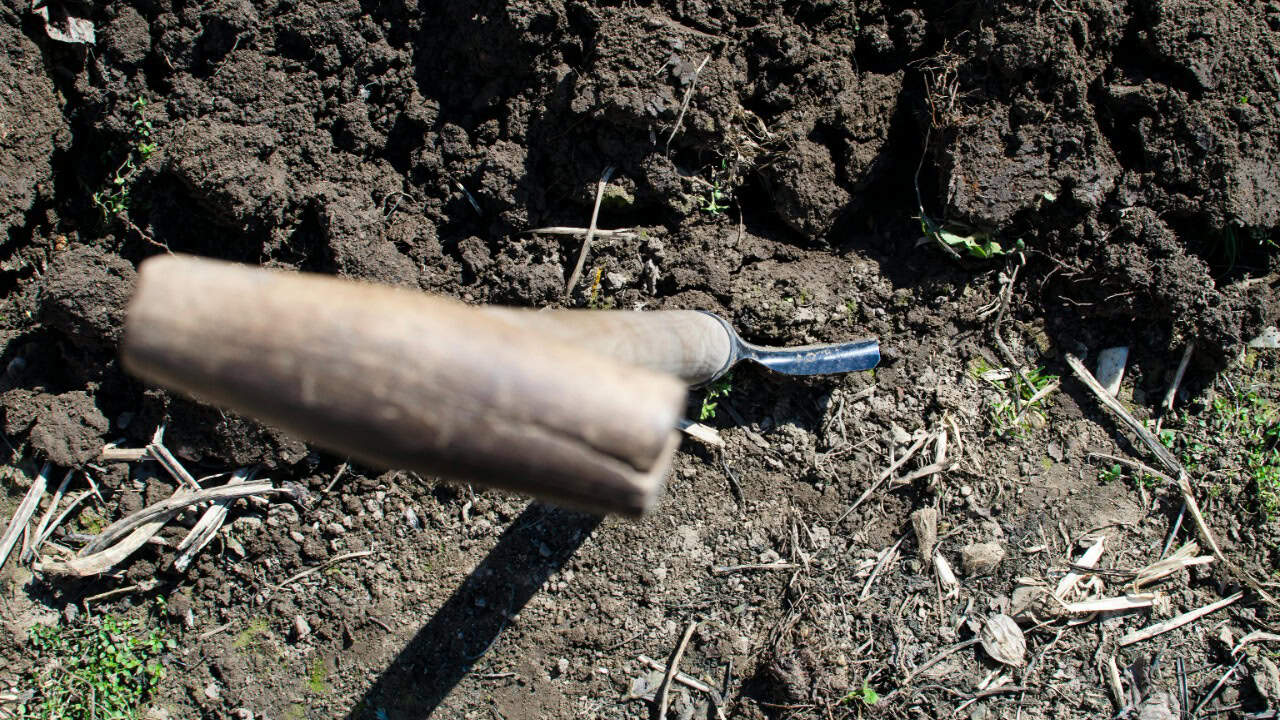
While tilling can help to aerate the soil and mix in organic matter, doing it every year can actually be harmful.
Excessive tilling can destroy the soil structure, kill beneficial soil organisms, and lead to soil compaction and erosion. Instead of tilling, consider using a no-dig gardening method, which involves adding organic matter to the soil surface and letting it decompose naturally.
12. Ignoring Plant Hardiness Zones
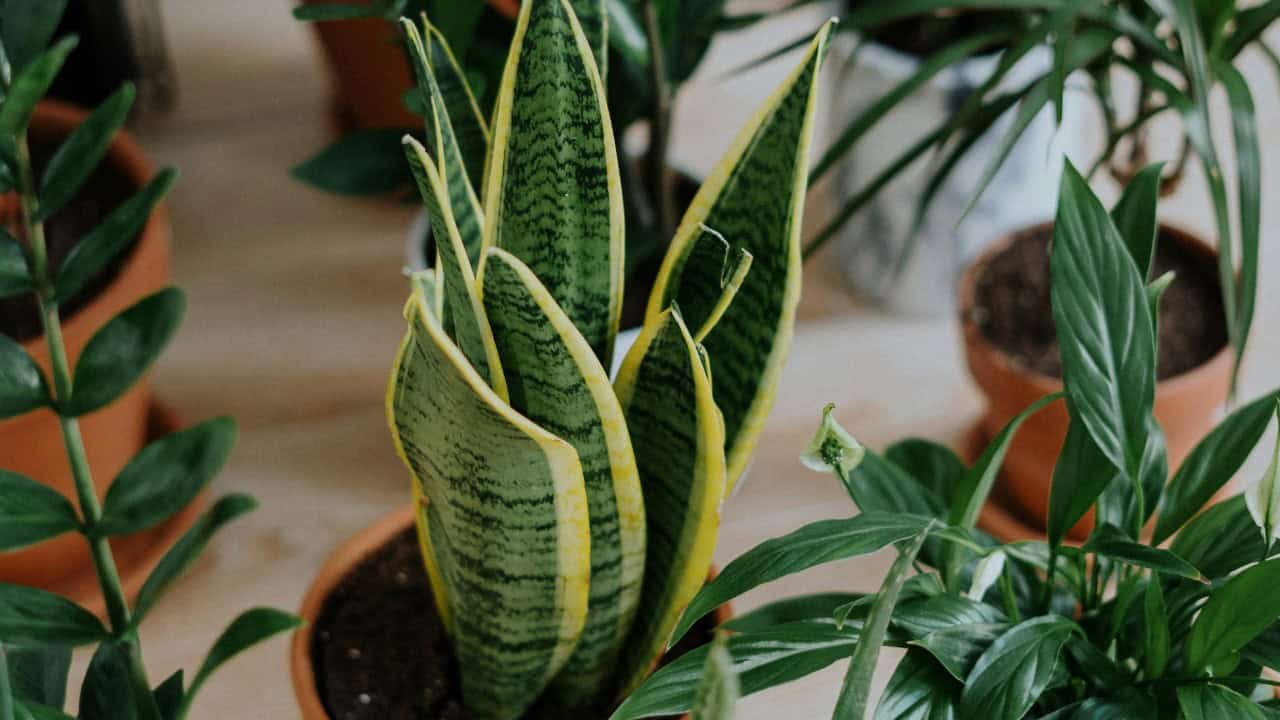
Plant hardiness zones are a crucial factor to consider when choosing plants for your garden. Ignoring them can lead to planting failures.
These zones are based on the average minimum winter temperature and can help you determine which plants are likely to survive and thrive in your area. Always check the hardiness zone of a plant before purchasing it.
13. Not Cleaning Your Tools
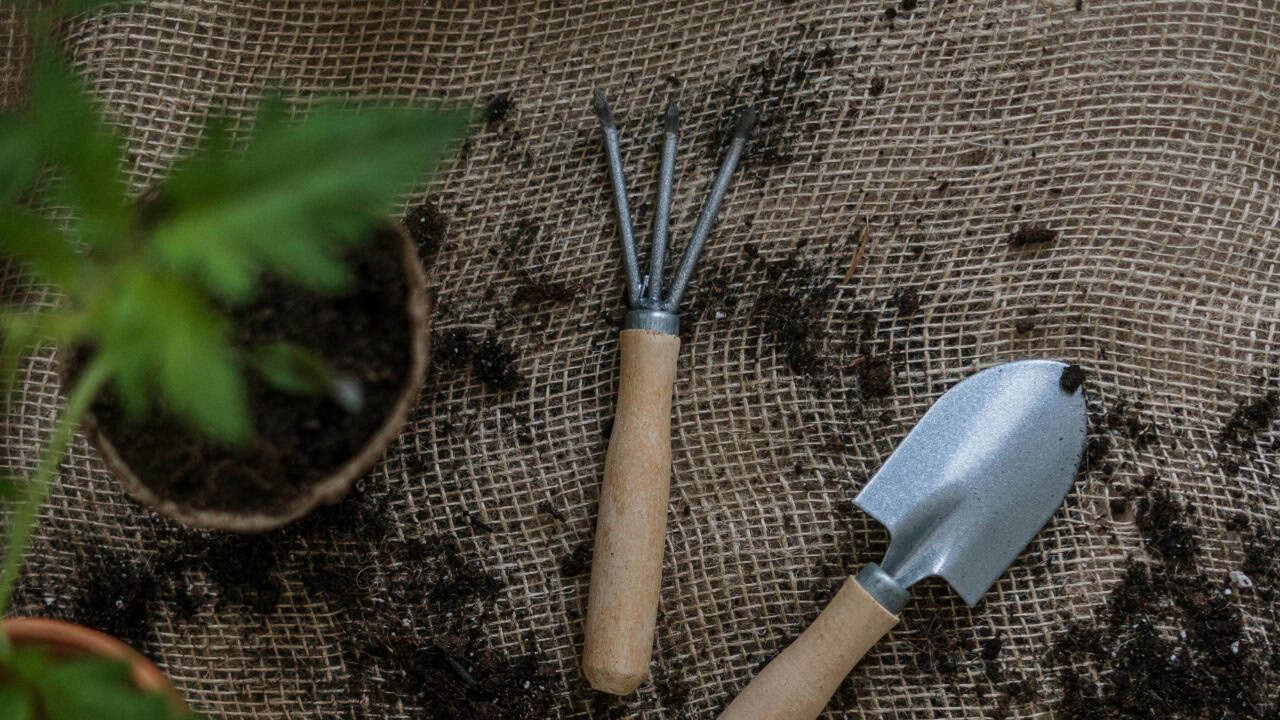
Dirty gardening tools can harbor diseases, pests, and weed seeds, which can spread to your plants and cause problems.
To avoid this, clean your tools regularly, especially when moving from one plant or area to another. It’s also a good idea to disinfect your tools after dealing with diseased plants.
14. Mowing Your Lawn Too Short
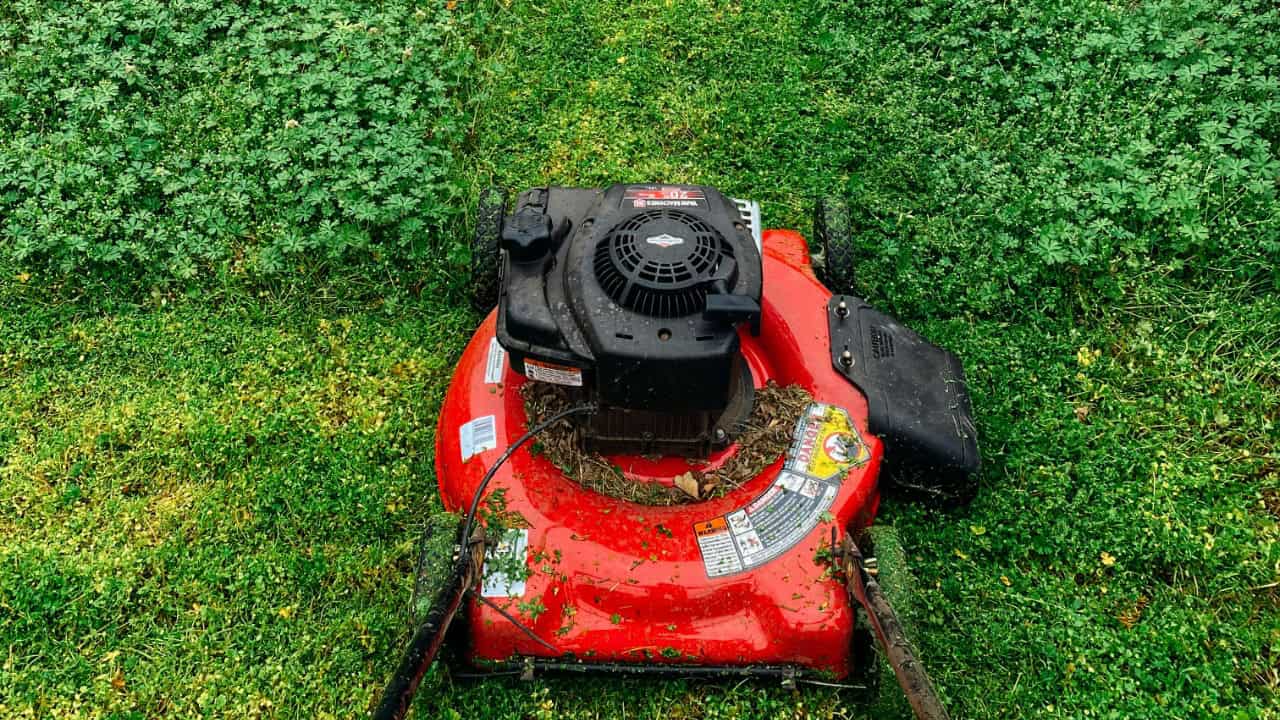
Mowing your lawn too short, or “scalping,” can stress your grass and make it more susceptible to pests, diseases, and drought.
A good rule of thumb is to never cut more than one-third of the grass blade at a time. This will help to keep your lawn healthy and lush.
15. Ignoring Weeds Until They Flower
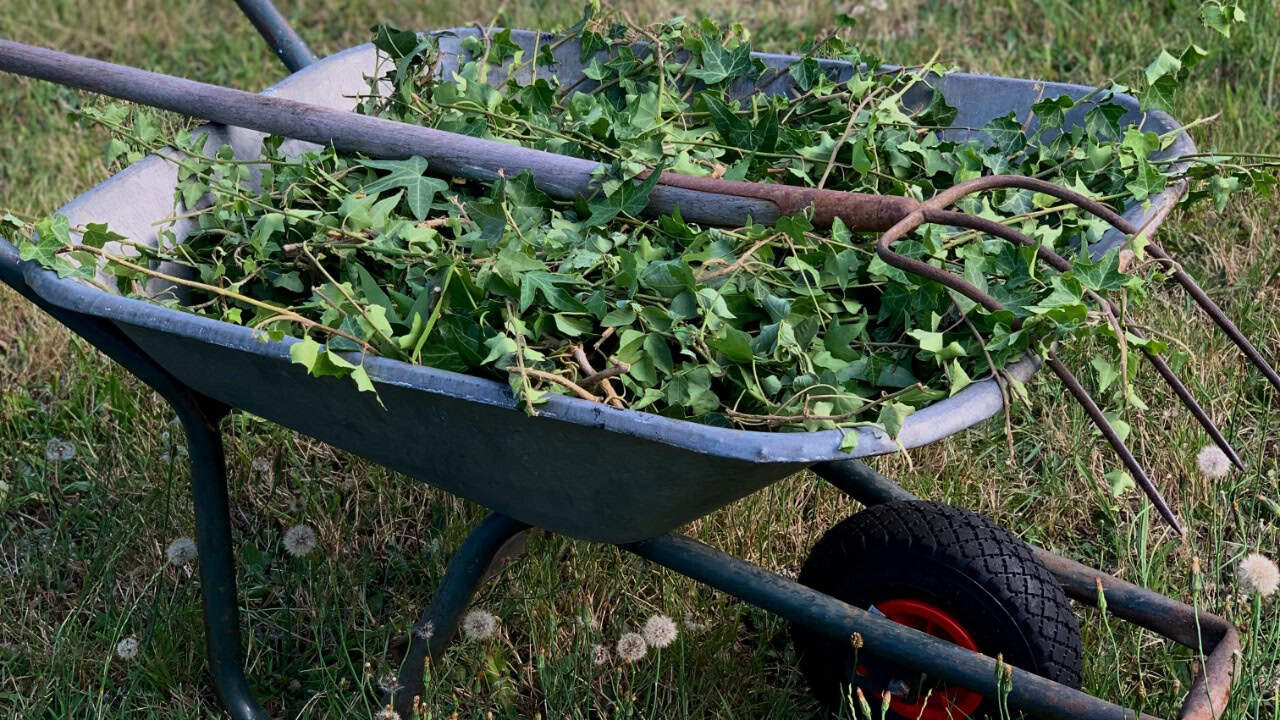
Weeds can be a nuisance in the garden, but ignoring them until they flower can make the problem even worse.
Weeds reproduce by producing seeds, and allowing them to flower means they can spread even more. To keep weeds under control, pull them out as soon as you see them, before they have a chance to flower and spread their seeds.
16. Planting Fruit Trees in Shady Areas
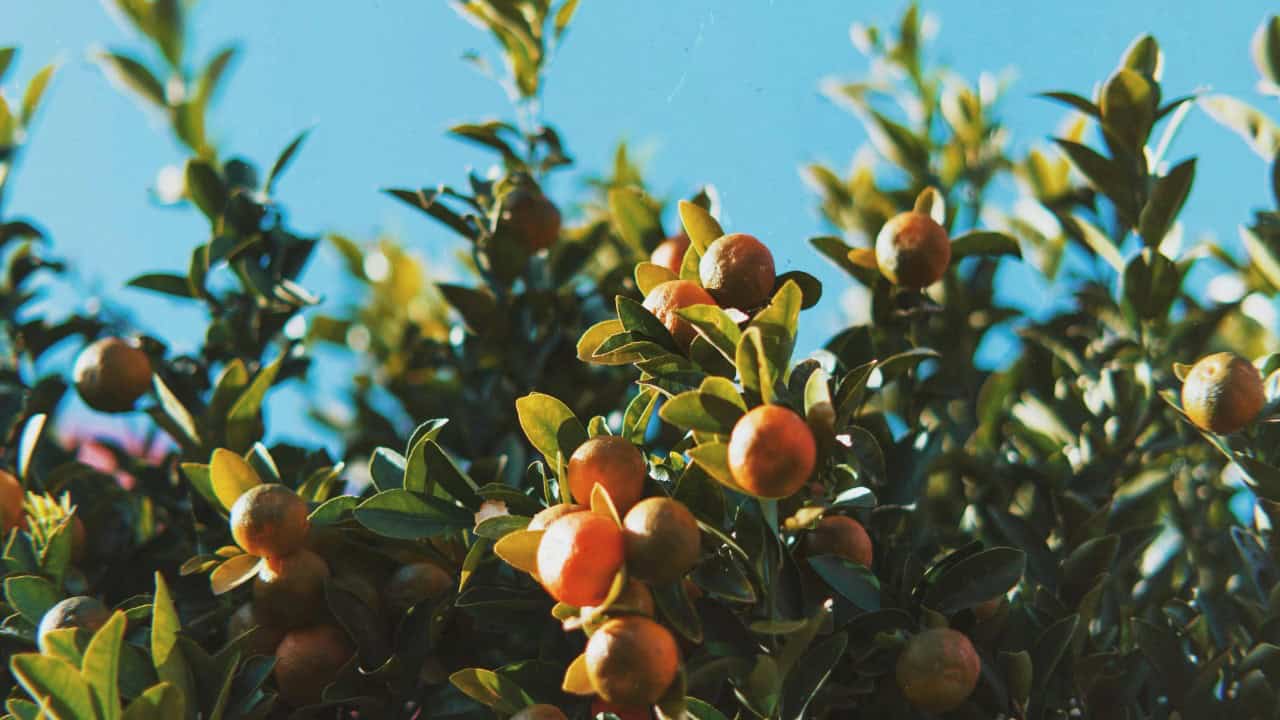
Fruit trees need plenty of sunlight to produce a good crop. Planting them in shady areas can lead to poor fruit production.
Choose a location that gets at least six hours of direct sunlight each day for your fruit trees. This will help to ensure a bountiful harvest.
17. Not Watering in the Morning
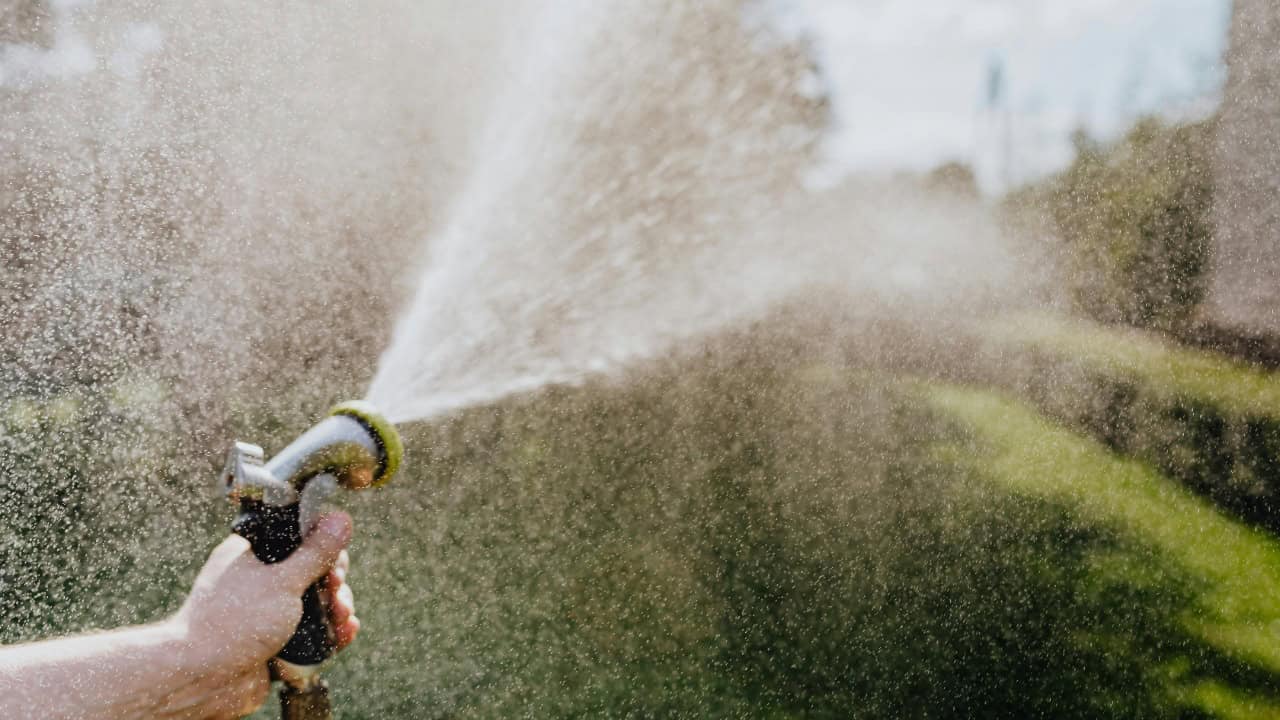
Watering in the evening or at night can leave your plants wet for a long period, which can promote the growth of fungi and other diseases.
It’s generally best to water your plants in the morning, which gives them time to absorb the water before the heat of the day and allows excess water to evaporate.
18. Over-fertilizing
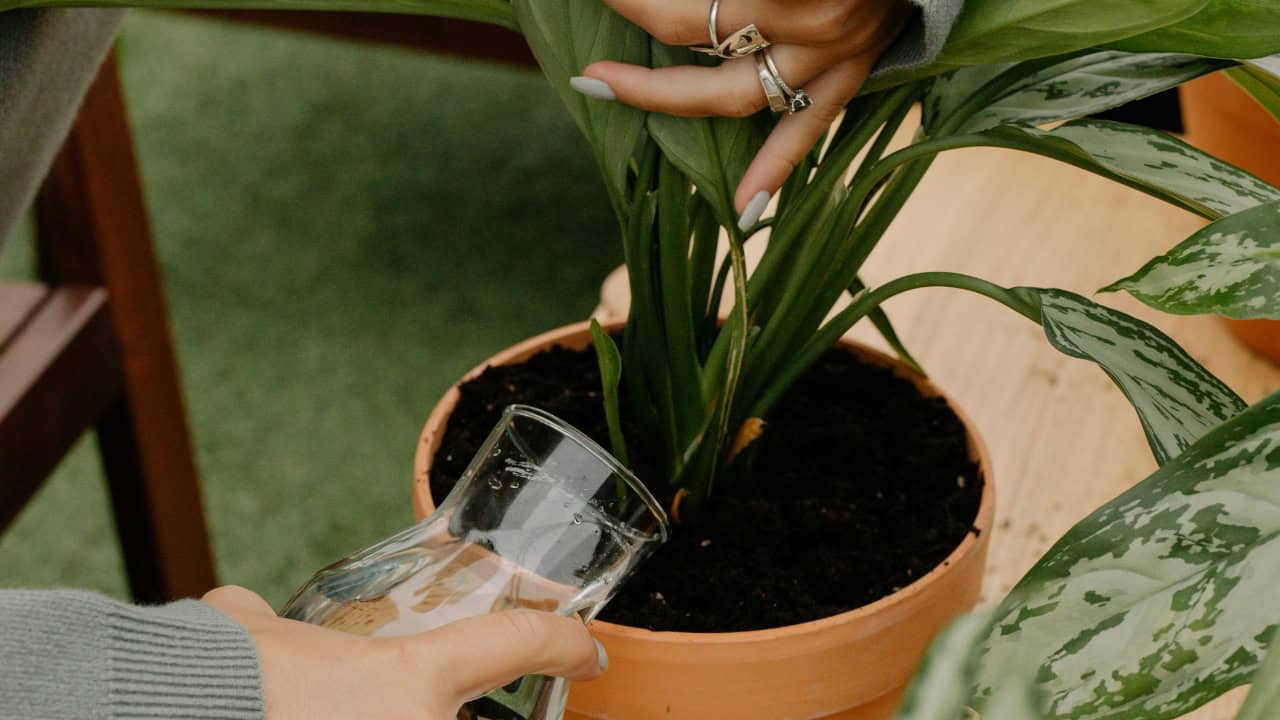
While fertilizing can provide your plants with necessary nutrients, over-fertilizing can burn your plants and damage your soil.
Follow the directions on your fertilizer package carefully, and remember that more is not always better when it comes to fertilizing.
19. Not Rotating Crops
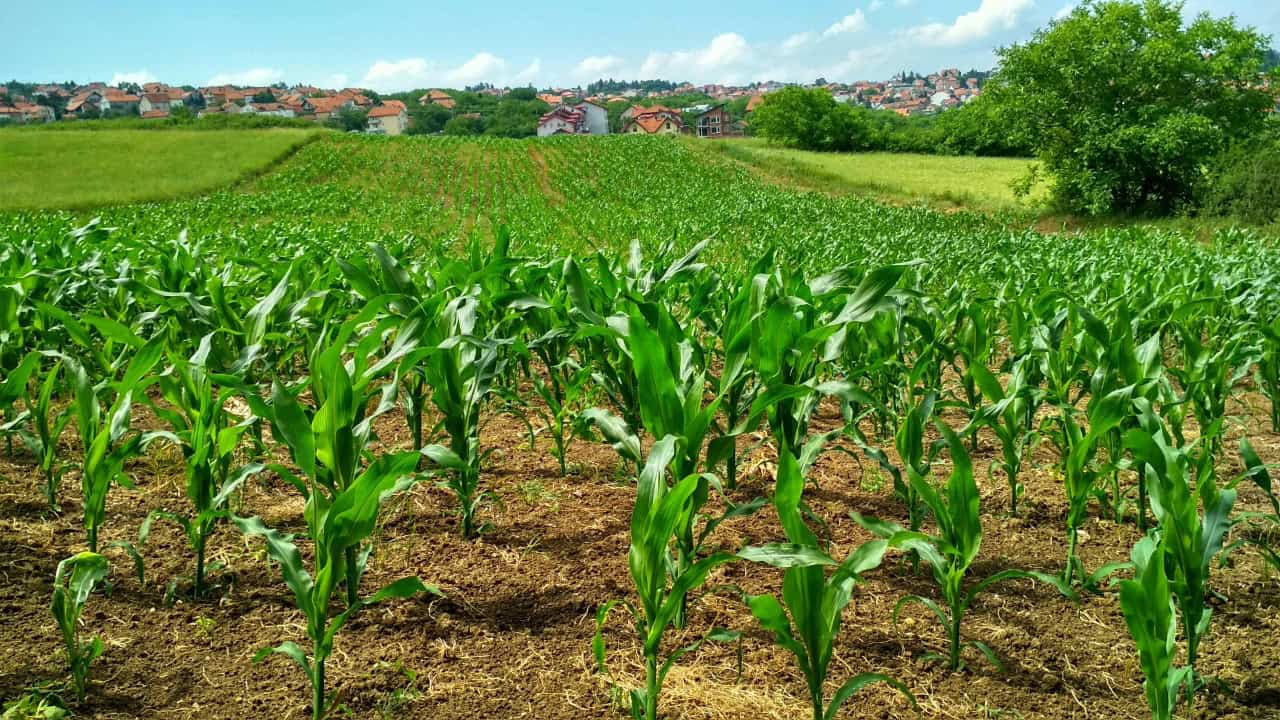
Crop rotation is a simple practice that can help to prevent diseases and pests, as well as improve soil fertility.
However, many gardeners neglect to rotate their crops, which can lead to a build-up of diseases and pests. Make a plan to rotate your crops each year to keep your garden healthy and productive.
20. Ignoring Beneficial Insects
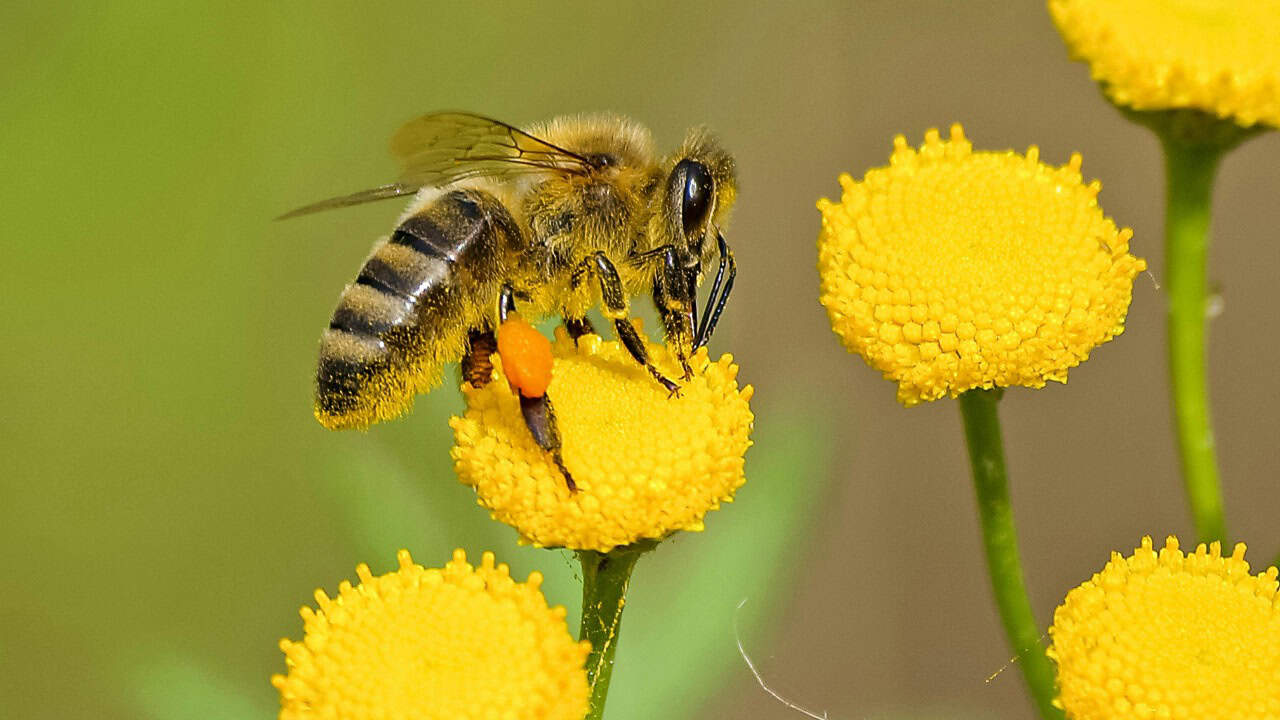
Not all insects are pests. Many are beneficial and can help to control pests, pollinate your plants, and improve your soil.
Ignoring these beneficial insects can lead to an imbalance in your garden and increase pest problems. Instead, encourage beneficial insects by planting a variety of plants, providing habitats, and avoiding synthetic pesticides.