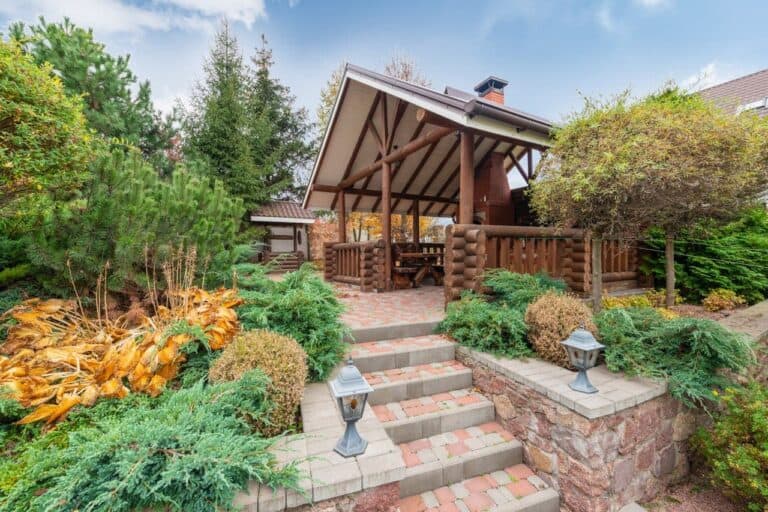
In the world of home improvement, gardening often gets overlooked. However, a well-maintained garden can significantly improve both the aesthetic appeal and value of your home. Unfortunately, not all garden upgrades are created equal—some can even detract from your property’s appeal.
Today, we’ll take a look at 20 common garden upgrades that often fail, so you can avoid these common pitfalls and create a garden that truly enhances your home.
Advertisement
1. Overcrowded Flower Beds

Overcrowded flower beds might seem like a good idea initially. You might think that the more plants you have, the more lush and vibrant your garden will look. However, plants need space to grow and breathe. Overcrowding can lead to competition for resources and subsequent plant death.
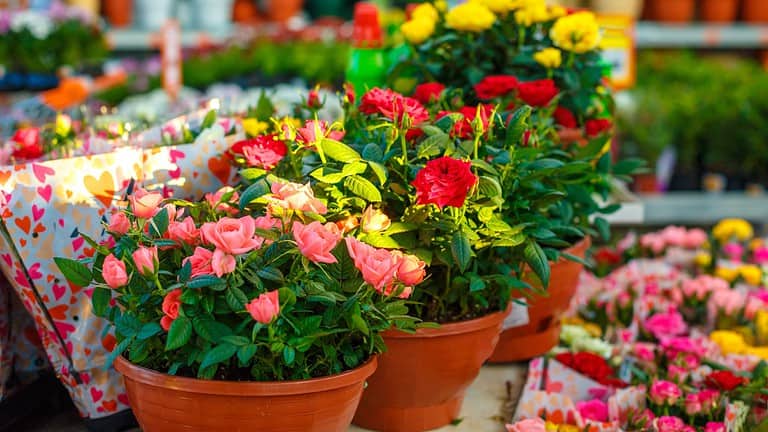
For instance, if you plant roses too closely together, they can become susceptible to diseases like black spot and powdery mildew. These diseases can spread rapidly in overcrowded conditions, potentially ruining your entire flower bed. Instead, allow ample space between plants. This will help your plants stay healthy and allow your garden to thrive.
2. Neglecting Soil Health
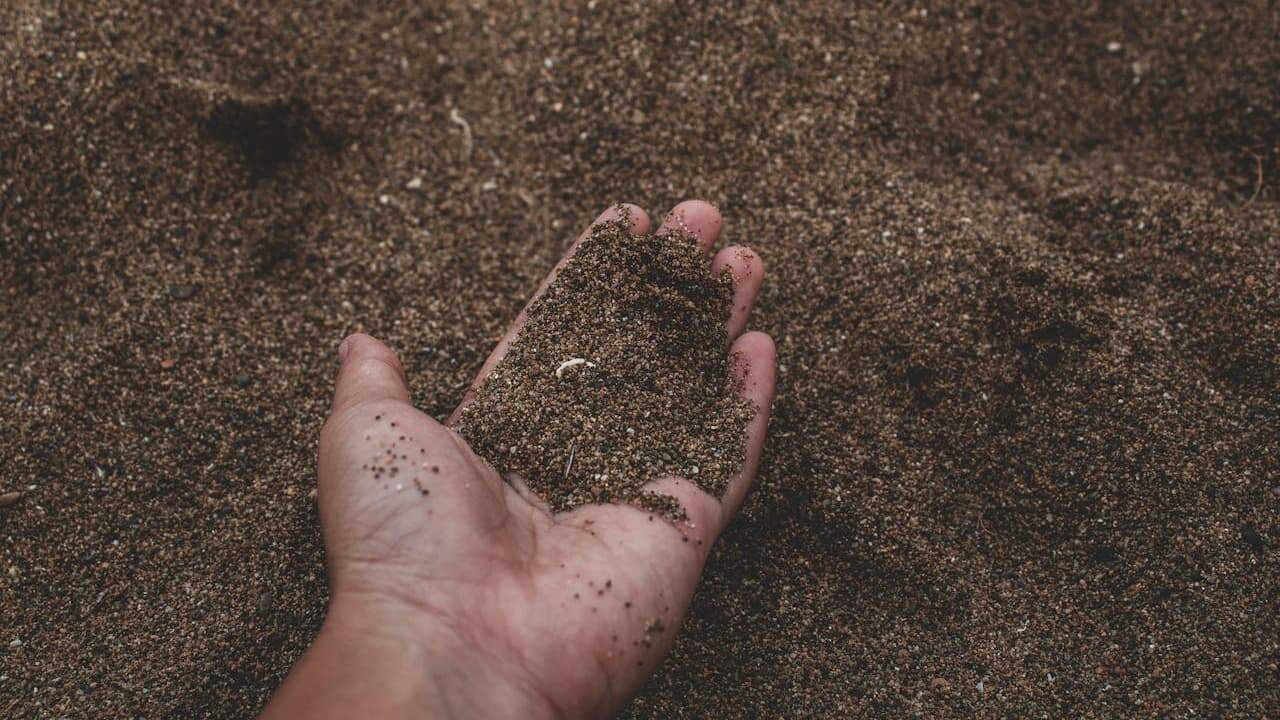
The health of your soil is crucial to the success of your garden. Neglecting to amend or improve your soil can lead to plant stress, stunted growth, and even plant death. Many gardeners make the mistake of adding plants without first checking the soil’s pH level or nutrient content.
For example, blueberries require acidic soil, while lavender prefers alkaline soil. If you plant these in the wrong soil type, they might not thrive or even survive. Before planting, check your soil’s pH level and amend it as necessary. Additionally, consider adding compost or other organic matter to improve soil structure and nutrient content.
3. Excessive Lawn Ornaments
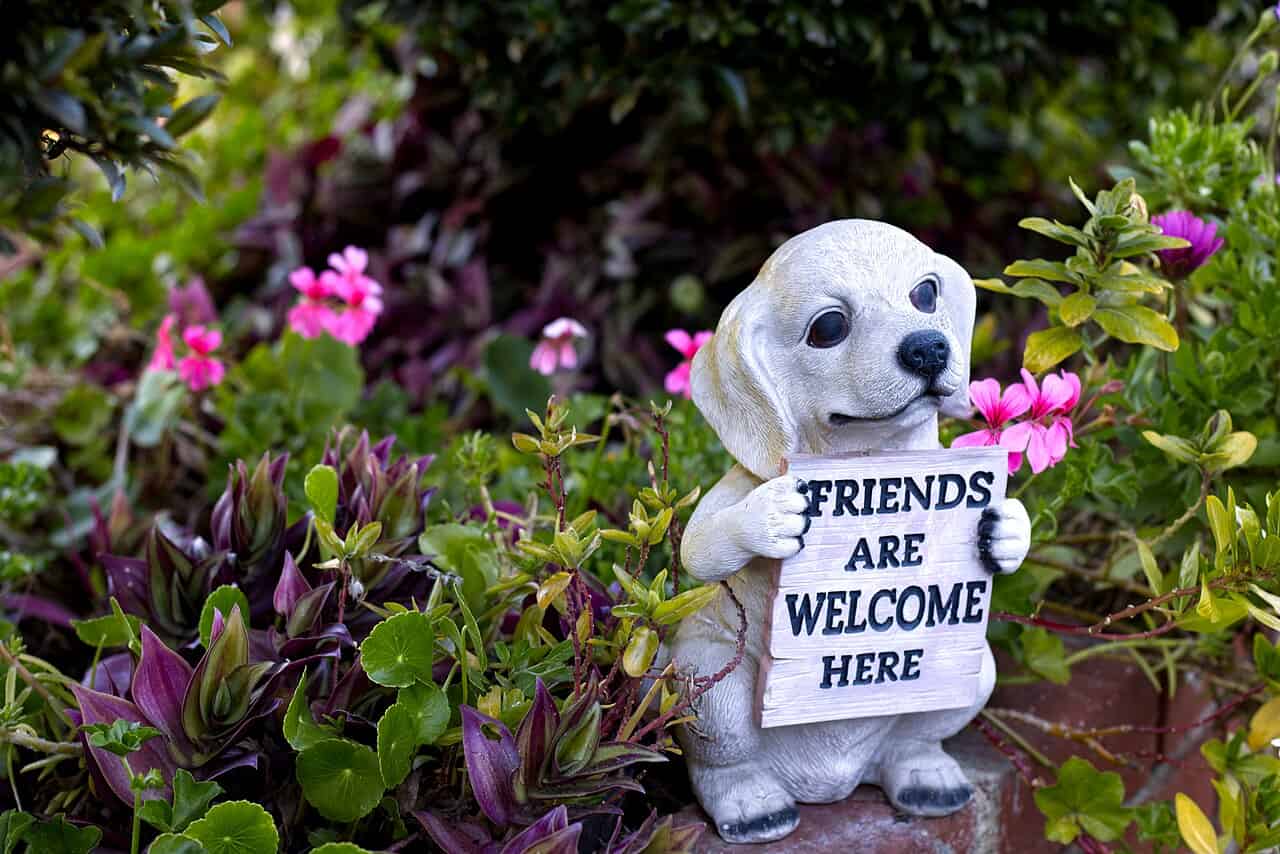
While lawn ornaments can add a unique touch to your garden, too many can make it look cluttered and detract from your plants’ natural beauty. This is especially true if the ornaments don’t match your home’s style or the garden’s theme.
Instead of crowding your lawn with various ornaments, choose a few that truly enhance your garden’s aesthetic. These could be a tasteful birdbath, a charming garden gnome, or an elegant sundial. Remember, sometimes less is more when it comes to garden decor.
4. Inappropriate Plant Selection
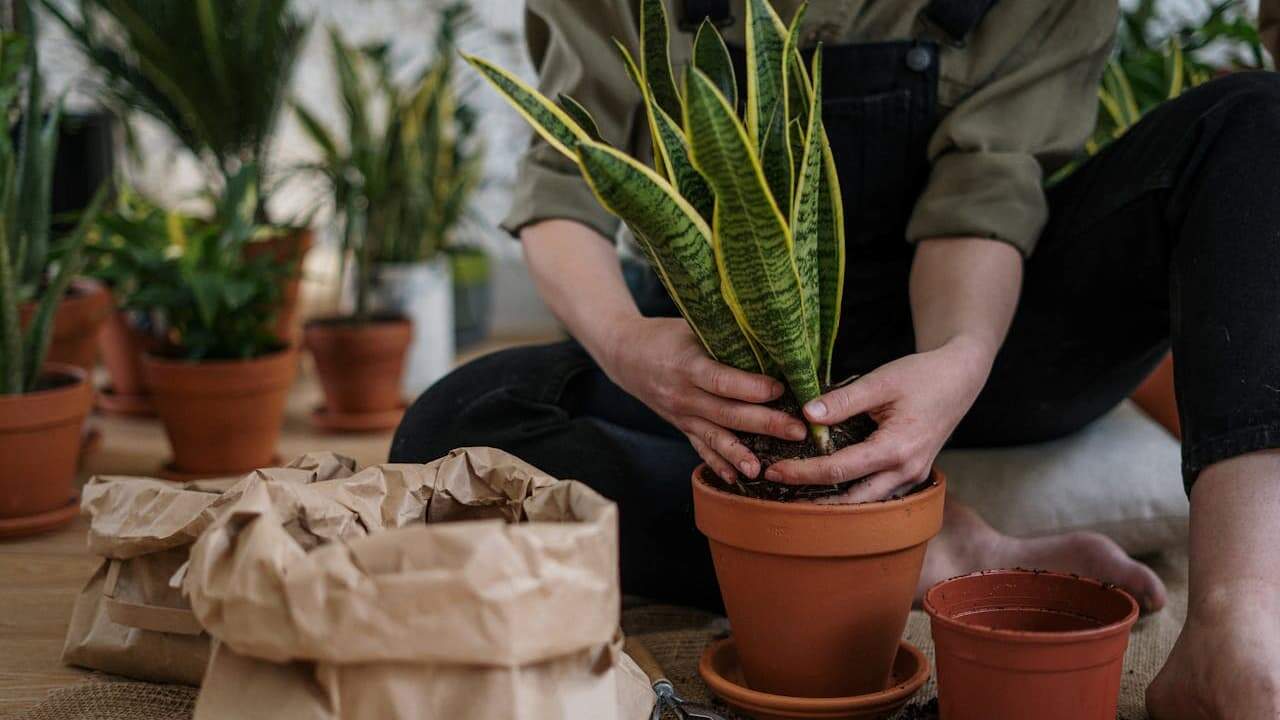
Choosing plants solely based on their appearance without considering their growing requirements is a common mistake. Some plants may require more sunlight, water, or specific soil conditions than your garden can provide.
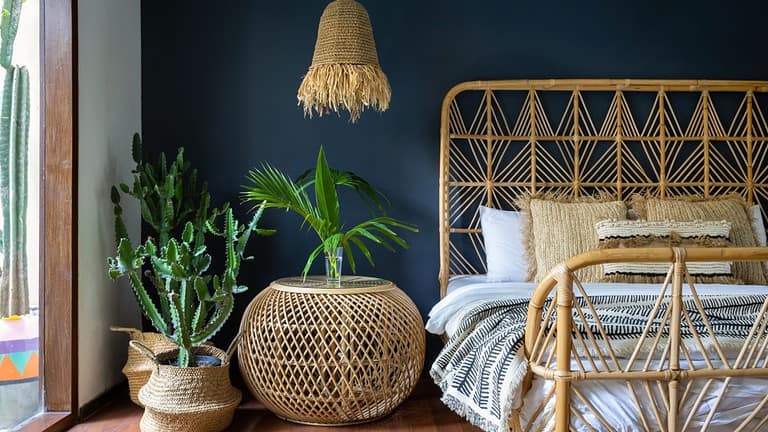
For instance, cacti and succulents require lots of sunlight and well-draining soil. If you plant these in a shady area with heavy clay soil, they are unlikely to survive. Research each plant’s needs before you add it to your garden to ensure it has the best chance of thriving.
5. Ignoring the Local Climate

Many gardeners are drawn to exotic plants that are not suited to their local climate. These plants often struggle to survive, leading to disappointment and wasted effort.
For example, palm trees might look great in your garden, but if you live in a cold climate, they’re not likely to last through the winter. Consider planting native species instead. These plants are adapted to your local climate and are more likely to thrive.
6. Forgetting About Maintenance

While designing a garden, it’s easy to forget about the maintenance that will be required. Complex designs with many different plant species can quickly become overwhelming to care for.
Remember, gardens require regular weeding, pruning, watering, and fertilizing. If you’re short on time, consider choosing low-maintenance plants or installing an automatic irrigation system. These can help reduce the amount of time and effort required to keep your garden looking its best.
7. Neglecting Wildlife
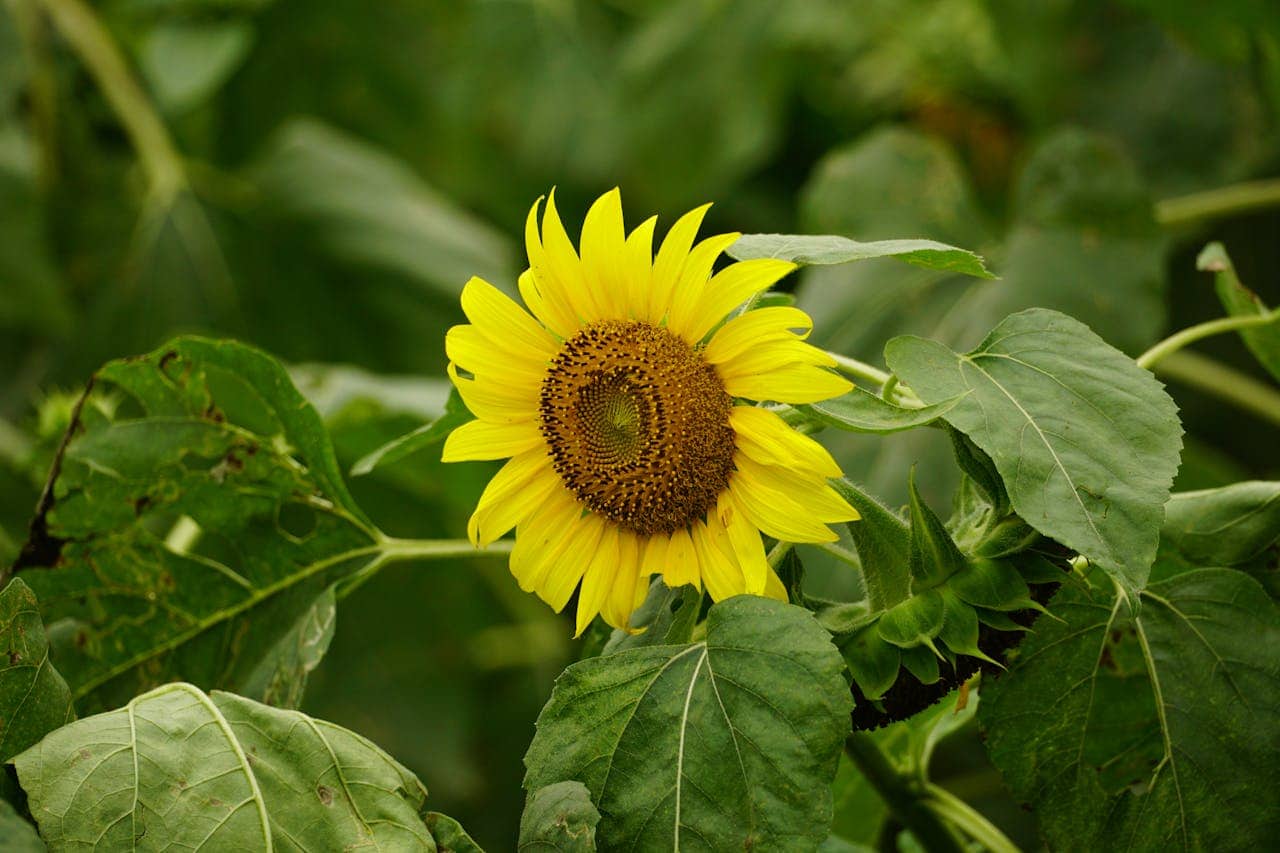
Ignoring the local wildlife is another common garden upgrade mistake. Without proper precautions, pests such as deer, rabbits, and insects can quickly decimate your garden.
Consider using plants that are resistant to the local pests in your area. There are also many non-toxic pest control options available, such as beneficial insects, bird feeders, and deer-resistant fencing. By taking the local wildlife into account, you can help ensure your garden thrives.
8. Over-Reliance on Annuals
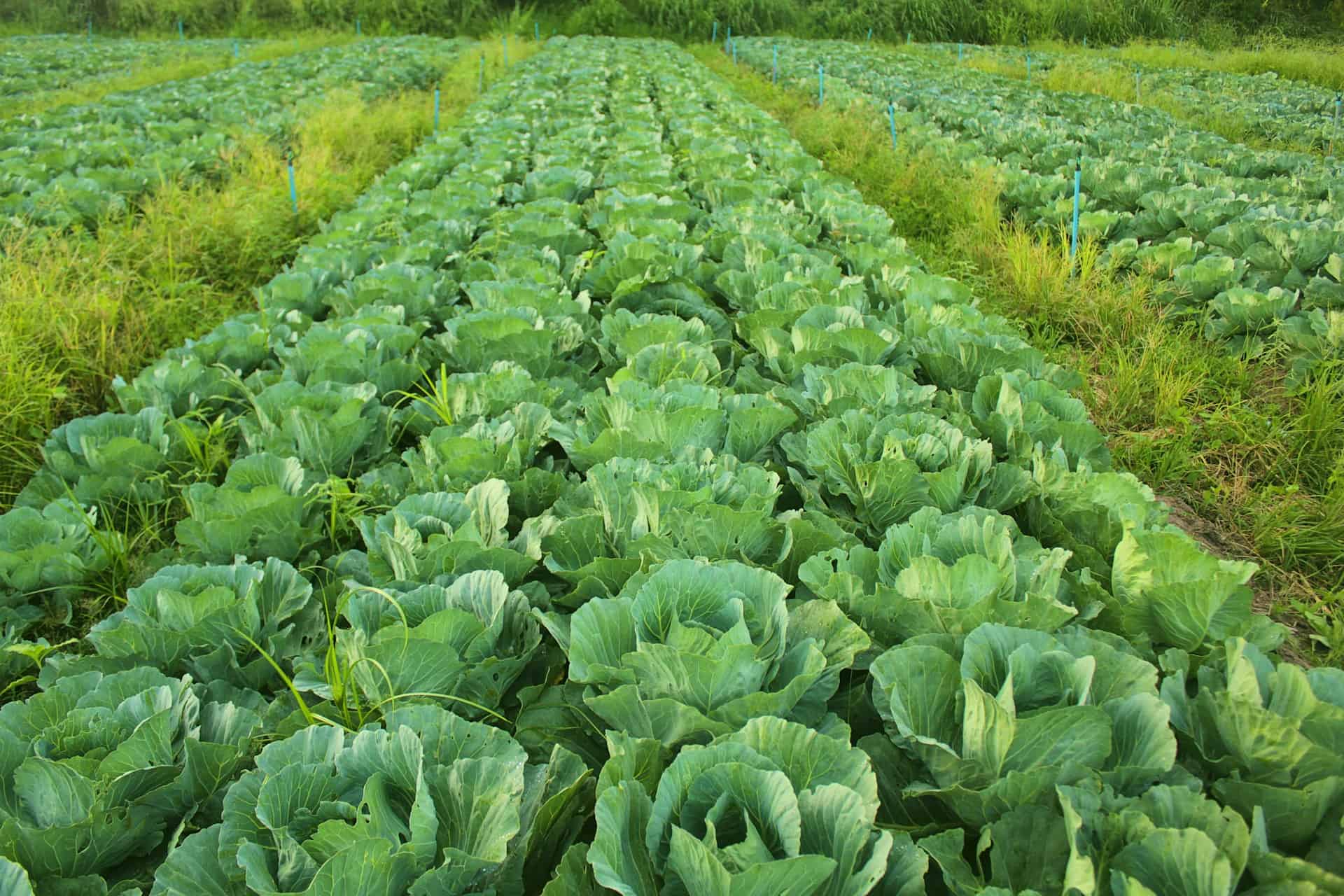
While annuals can provide a burst of color in your garden, they only last for one season. This can leave your garden looking bare and unappealing for much of the year.
Consider using a mix of annuals and perennials in your garden. Perennials come back year after year, providing consistent color and interest. They can also require less maintenance than annuals, as you don’t need to replant them each year.
9. Improper Pruning

Improper pruning can stunt plant growth, cause disease, and even kill plants. Many gardeners either prune too much, too little, or at the wrong time of year.
For example, pruning in late summer or fall can stimulate new growth that will be killed by winter frosts. Instead, most plants should be pruned in late winter or early spring when they are dormant. Make sure to research the correct pruning techniques for each of your plants to ensure they stay healthy and look their best.
10. Lack of Variety
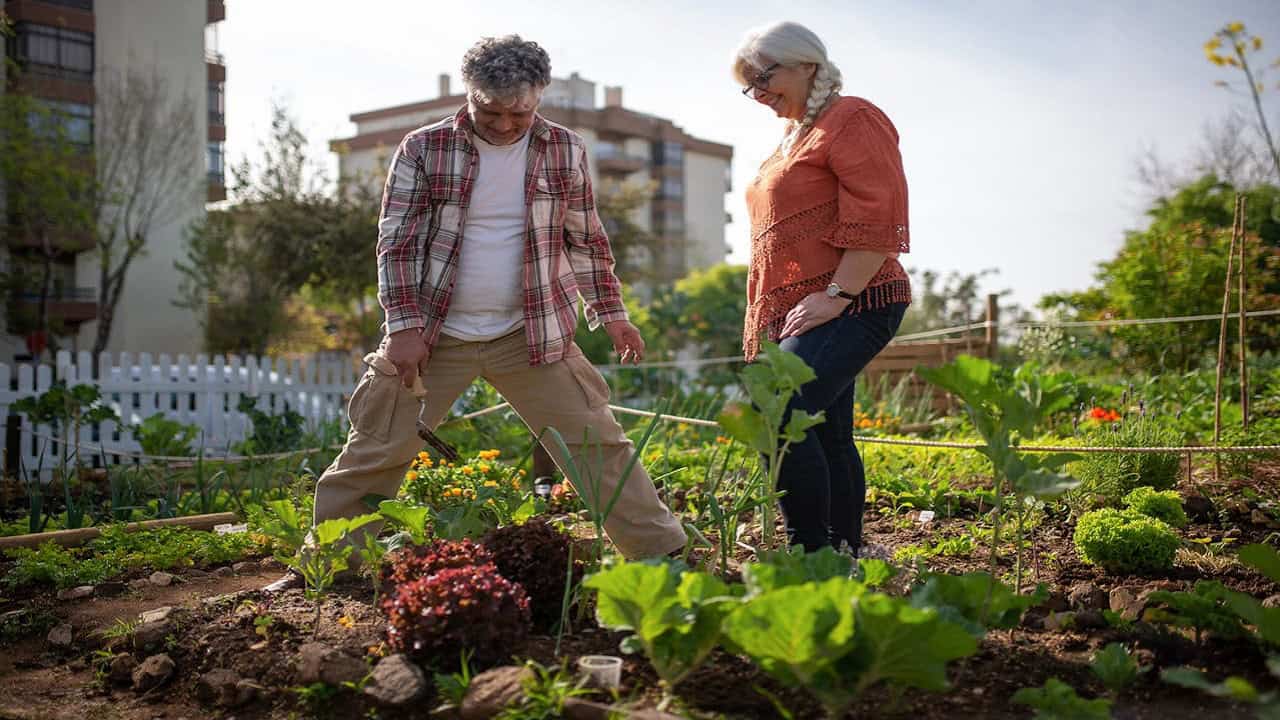
While it can be tempting to fill your garden with your favorite plant, this can lead to a lack of variety and visual interest. It can also make your garden more susceptible to disease and pests.
Instead, try to include a variety of plants in your garden. This can include different types of plants (such as trees, shrubs, and flowers), as well as different colors, shapes, and sizes. This can help create a more visually appealing garden and can also increase its overall health.
11. Overwatering or Underwatering
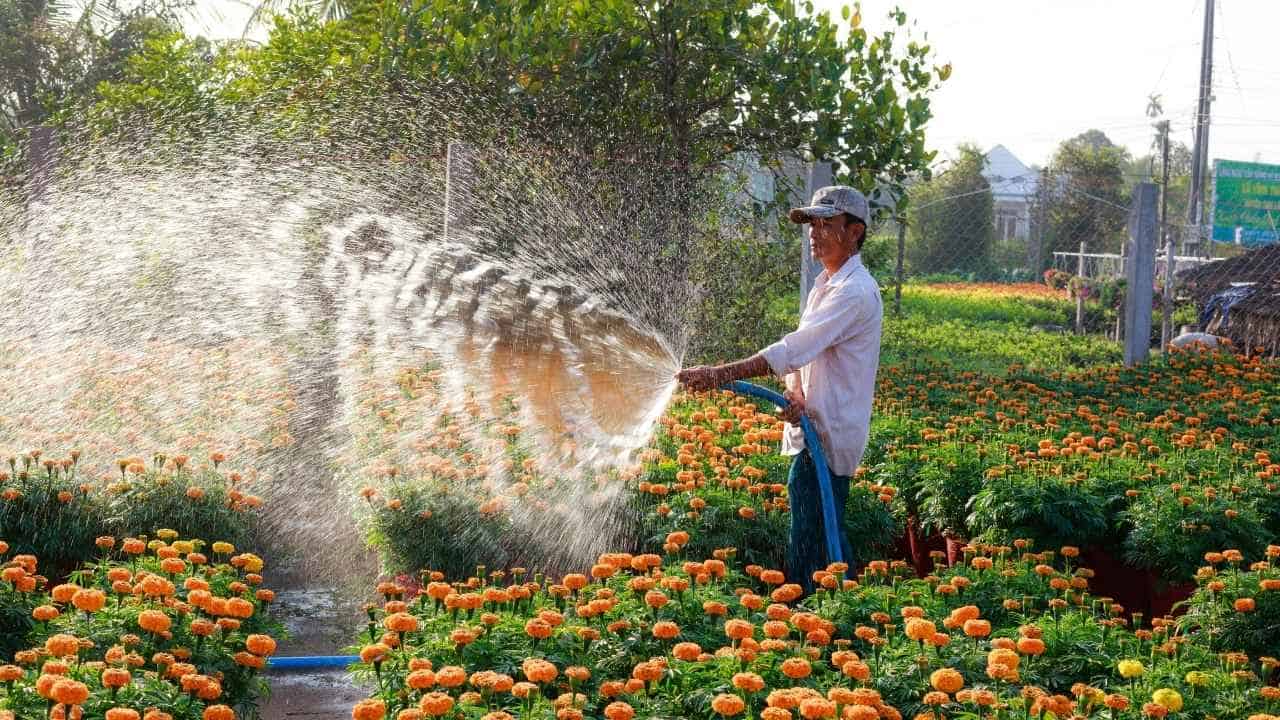
Watering is essential for plant health, but both overwatering and underwatering can cause problems. Overwatering can lead to root rot and other diseases, while underwatering can cause plants to wilt and die.
The amount of water your plants need will depend on their species, the local climate, and the soil type. Make sure to research each plant’s watering needs and adjust your watering schedule as necessary. Remember, it’s better to water deeply and infrequently than to water lightly and often.
12. Inadequate Lighting

Many gardeners underestimate the importance of lighting in their garden. Without adequate lighting, plants can become leggy and weak, and flower production can be reduced.
Consider the lighting needs of each plant before adding it to your garden. Some plants require full sun, while others prefer partial shade or even full shade. Make sure to place each plant in an area where it will receive the appropriate amount of light.
13. Ignoring the Changing Seasons
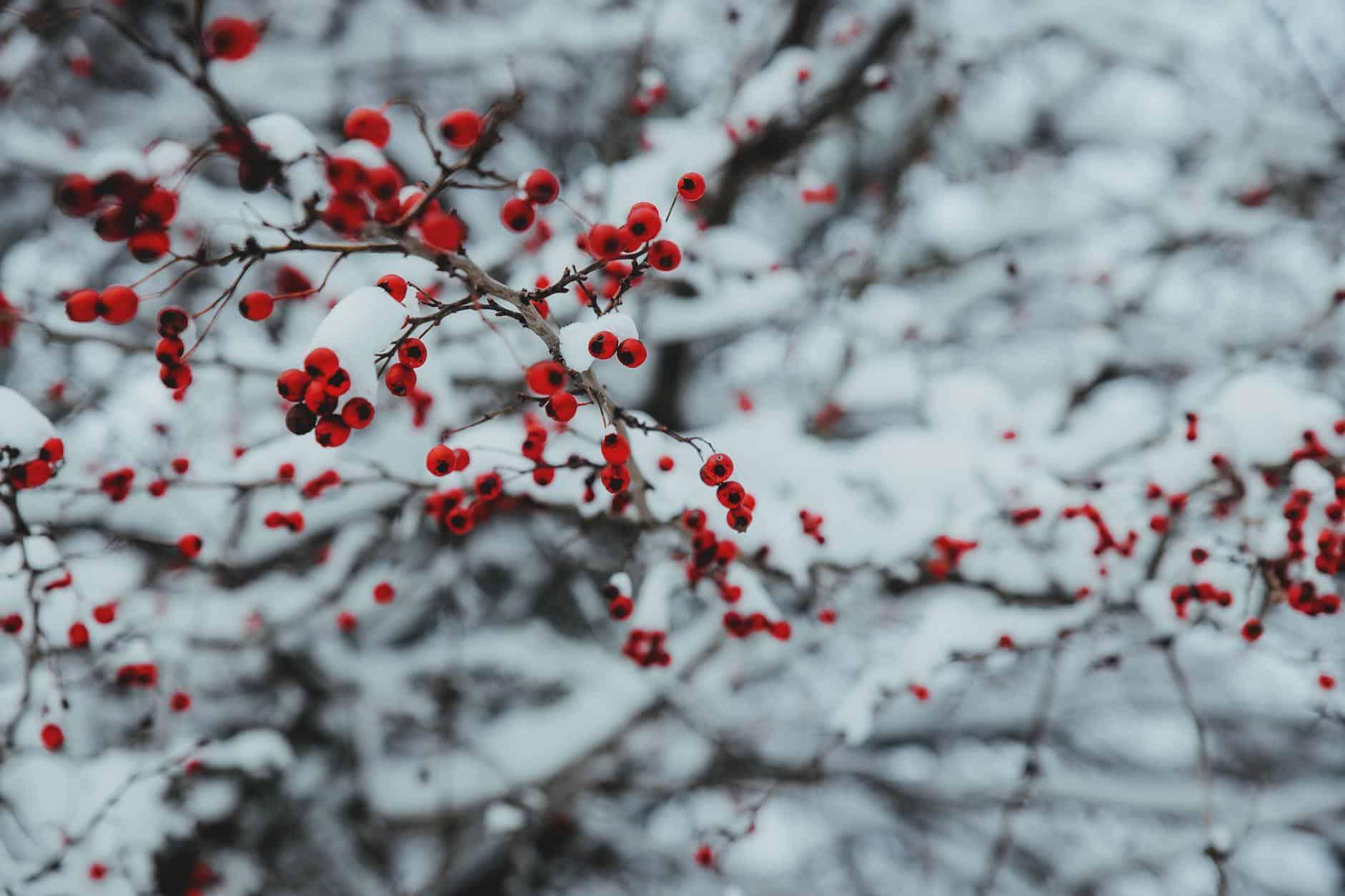
Many gardeners focus on creating a garden that looks great in the spring and summer but forget about the other seasons. This can leave your garden looking bare and unappealing during the fall and winter.
When planning your garden, consider how it will look throughout the year. Include plants that provide interest in all seasons, such as evergreen shrubs for winter color, deciduous trees for fall foliage, and flowering perennials for spring and summer blooms.
14. Poorly Planned Paths
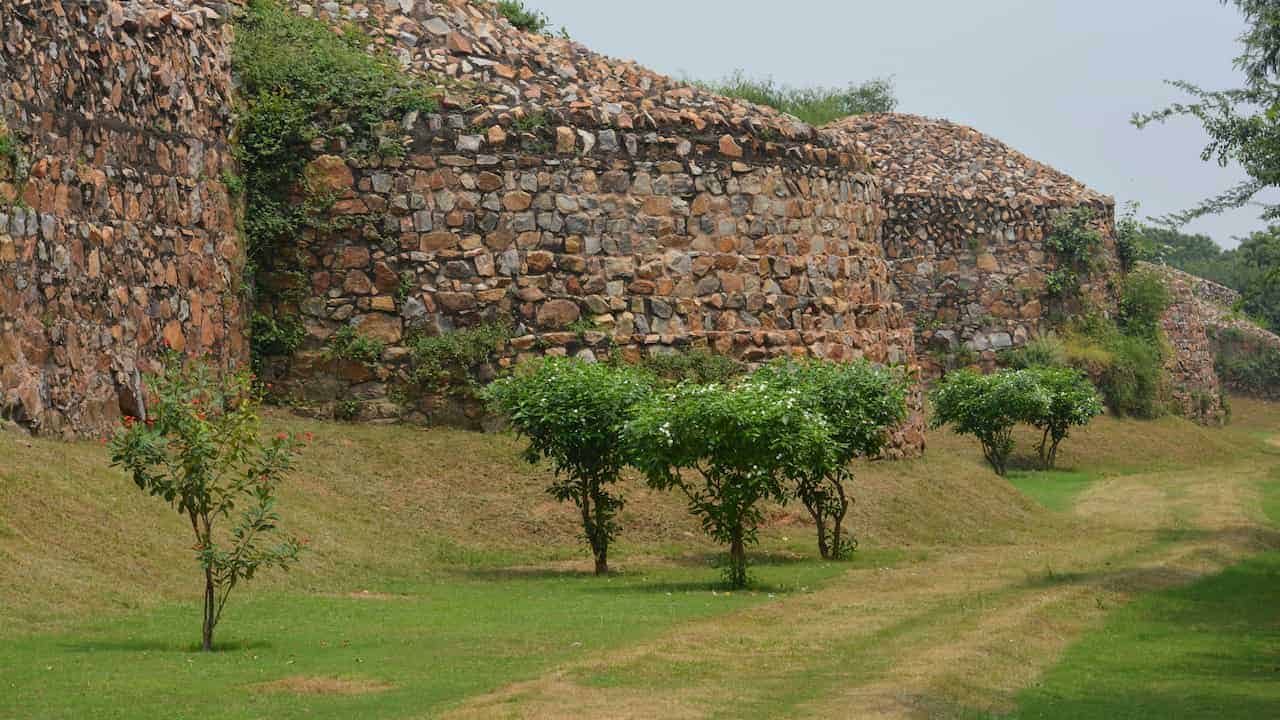
Paths are an important part of any garden, providing access to different areas and creating visual interest. However, poorly planned paths can detract from your garden’s appearance and function.
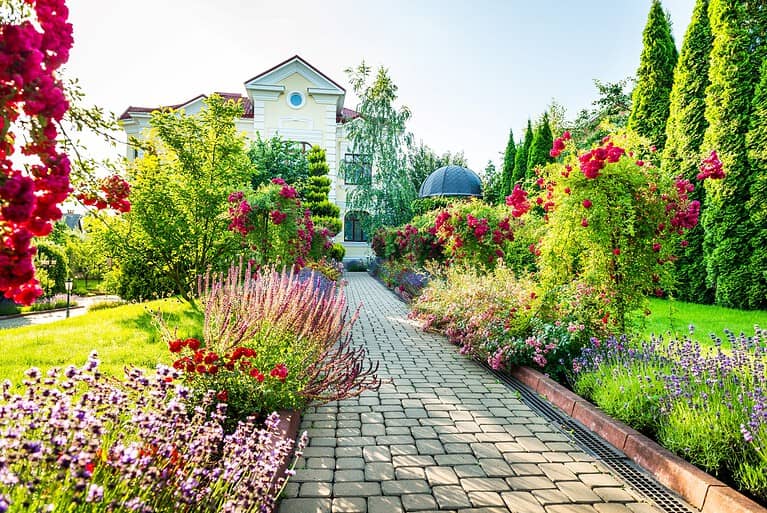
Consider the layout of your garden and the areas you will need to access regularly. Paths should be wide enough to walk on comfortably and should be made from a durable material that can withstand the local climate. Avoid placing paths where they will be constantly muddy or where they will interfere with plant growth.
15. Neglecting Vertical Space

Many gardeners focus solely on the ground level of their garden, neglecting the vertical space. This can lead to a flat, uninteresting garden design.
Consider adding vertical elements to your garden, such as trellises, arbors, or tall plants. These can add height and depth to your garden, creating a more visually interesting space. They can also provide additional growing space for climbing plants.
16. Failing to Compost

Compost is a great way to improve your soil’s health and fertility. However, many gardeners fail to compost, missing out on this valuable resource.
Composting is simple and can be done with kitchen scraps and yard waste. Not only does it improve your soil, but it also reduces the amount of waste you send to the landfill. Consider starting a compost pile or bin in your garden.
17. Ignoring Weeds
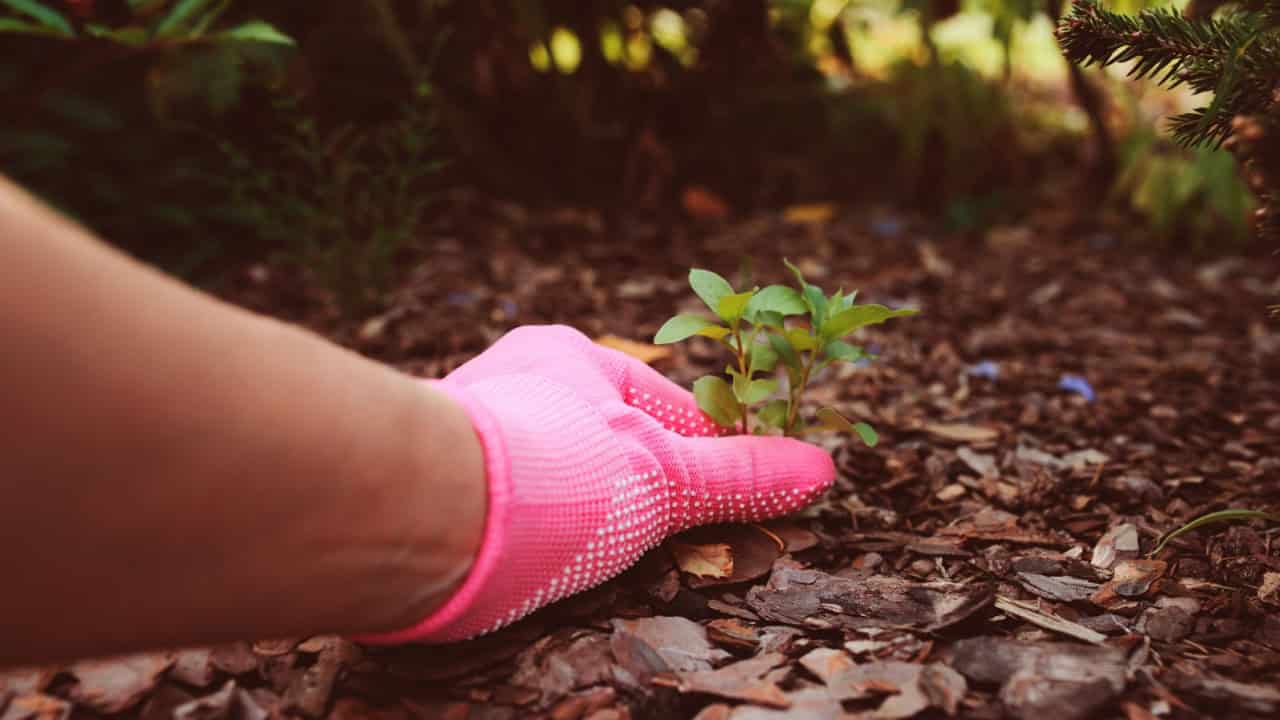
Weeds are a common problem in gardens and can quickly take over if not controlled. Many gardeners ignore weeds, allowing them to compete with their plants for resources.
Make sure to regularly weed your garden, removing any unwanted plants as soon as you see them. This can help prevent weeds from spreading and taking over your garden. Consider using mulch to suppress weed growth and make weeding easier.
18. Planting in the Wrong Place

Planting in the wrong place is a common mistake that can lead to poor plant growth. This can include planting in an area with poor soil, inadequate light, or in a spot that is prone to flooding or drought.
Make sure to consider each plant’s growing requirements before choosing where to plant it. This includes considering the soil type, light levels, and moisture levels. By choosing the right location for each plant, you can help ensure it thrives.
19. Ignoring Plant Size
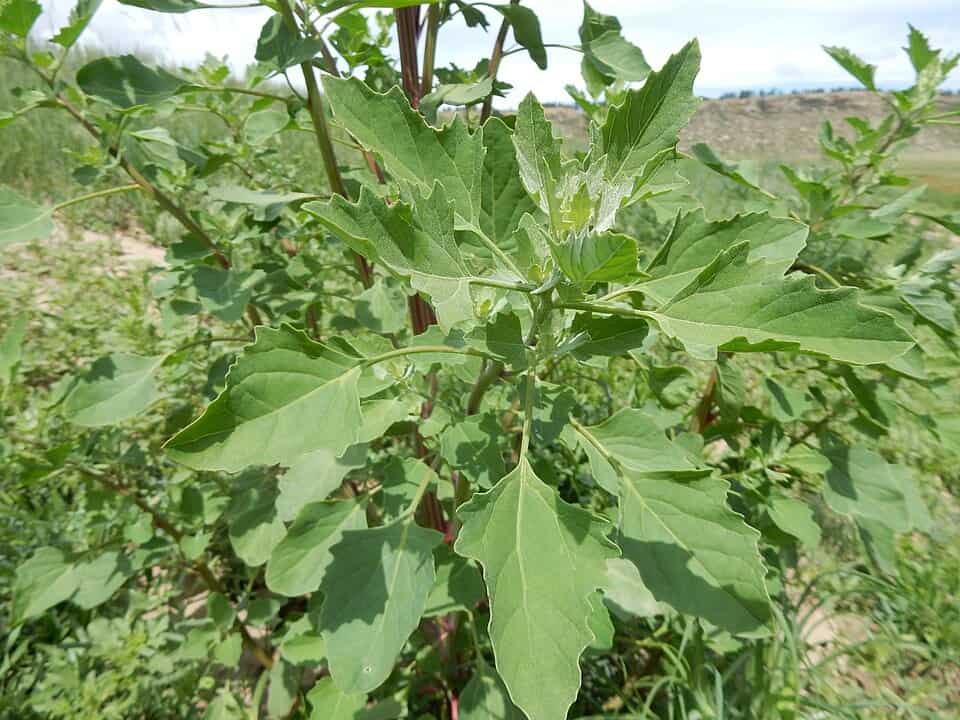
Many gardeners ignore the mature size of plants when adding them to their garden. This can lead to overcrowding and competition for resources as the plants grow.
When choosing plants for your garden, make sure to consider their mature size. Allow enough space between plants for them to grow and spread without crowding each other. This can help ensure all your plants have the resources they need to thrive.
20. Choosing the Wrong Plants for Your Lifestyle
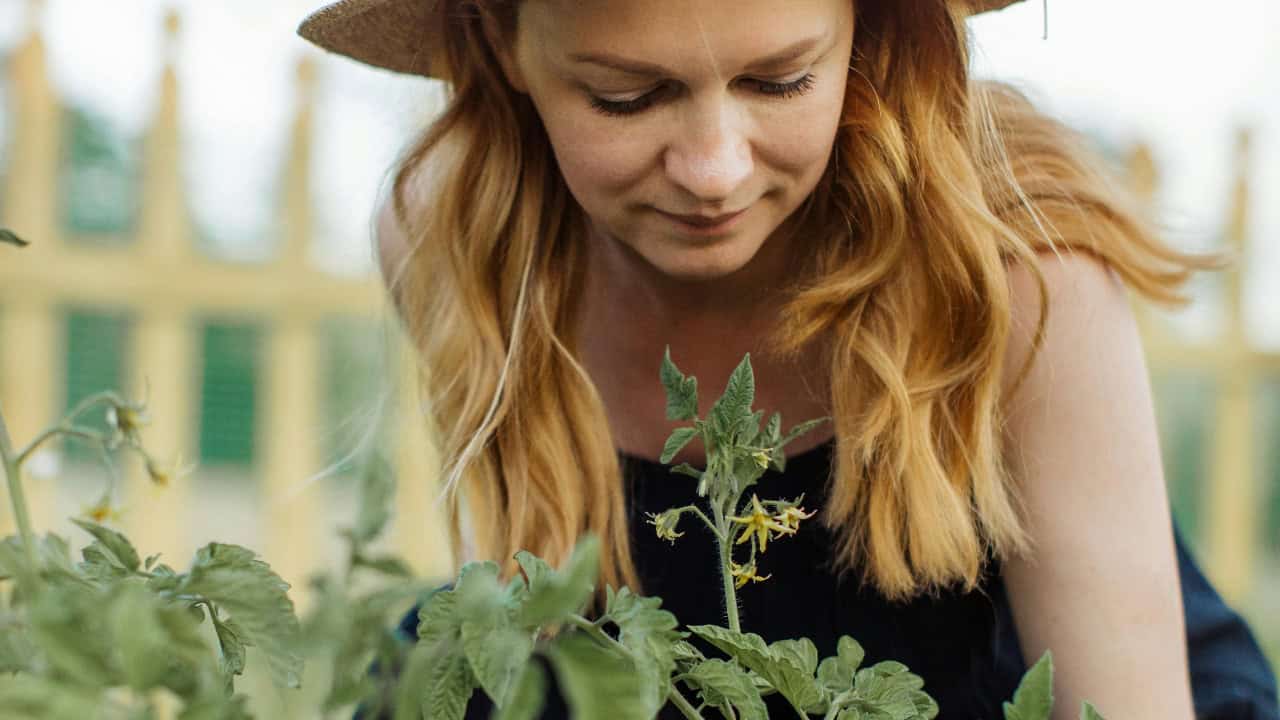
Finally, many gardeners choose plants that don’t fit their lifestyle. This can lead to a garden that is difficult to maintain and doesn’t bring joy.
Consider your lifestyle when choosing plants for your garden. If you have a busy schedule, choose low-maintenance plants. If you enjoy spending time in your garden, consider plants that require regular care. By choosing the right plants for your lifestyle, you can create a garden that you love and can easily maintain.