Just like humans, every flower has its unique requirements and characteristics. However, over time, a series of misconceptions and myths have sprung up around flower care. These myths can confuse even the most experienced gardeners, leading to less-than-optimal conditions for your precious plants.
Let’s debunk 20 common flower care myths to help you cultivate a vibrant, flourishing garden.
Advertisement
1. All Flowers Need Full Sunlight
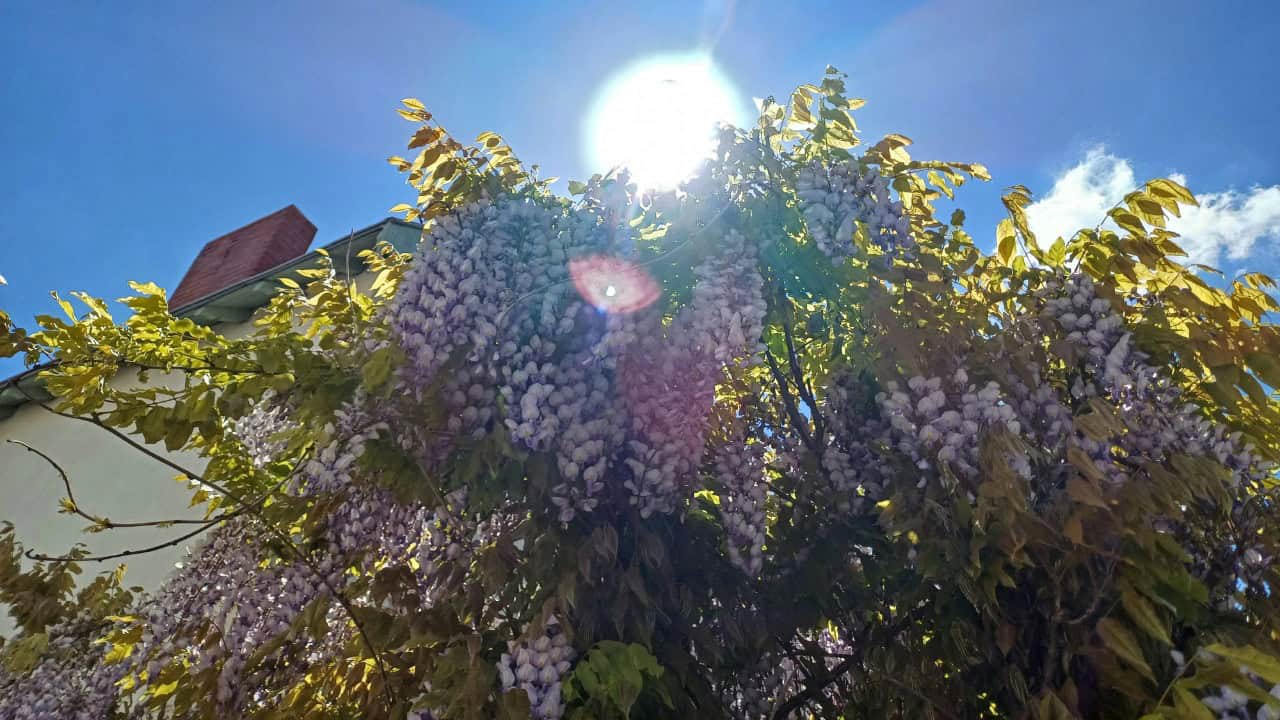
The assumption that all flowers require full sunlight to thrive is a common myth. While some flowers, like roses and marigolds, do enjoy full sun, others prefer partial shade or even full shade. For example, impatiens and begonias thrive in shaded areas. It’s crucial to research the specific sunlight requirements for each type of flower in your garden and adjust their location accordingly.
2. Watering Flowers at Noon Will Burn Their Leaves
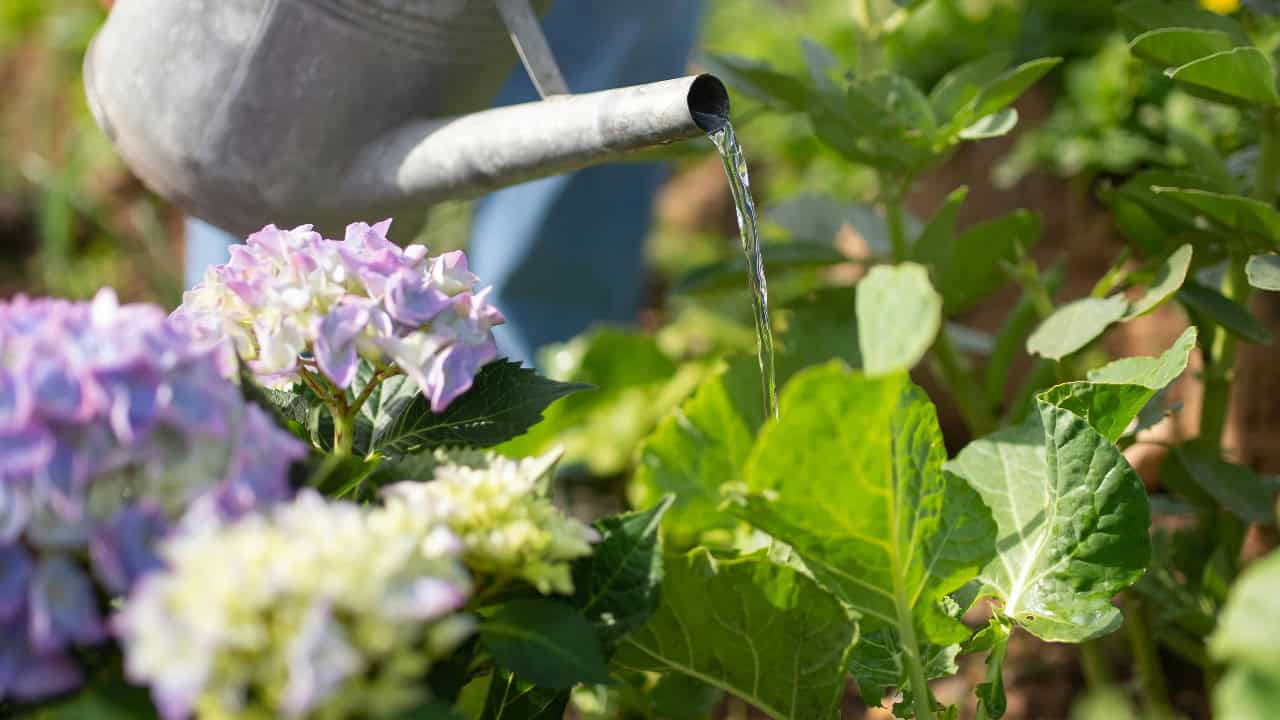
This myth claims that the water droplets act as tiny magnifying glasses, focusing sunlight and burning the leaves. However, multiple scientific studies have debunked this claim. While it’s true that watering in the morning or evening minimizes water evaporation, watering at noon won’t harm your flowers. Feel free to water your plants whenever it’s most convenient for you.
3. More Fertilizer Means More Blooms
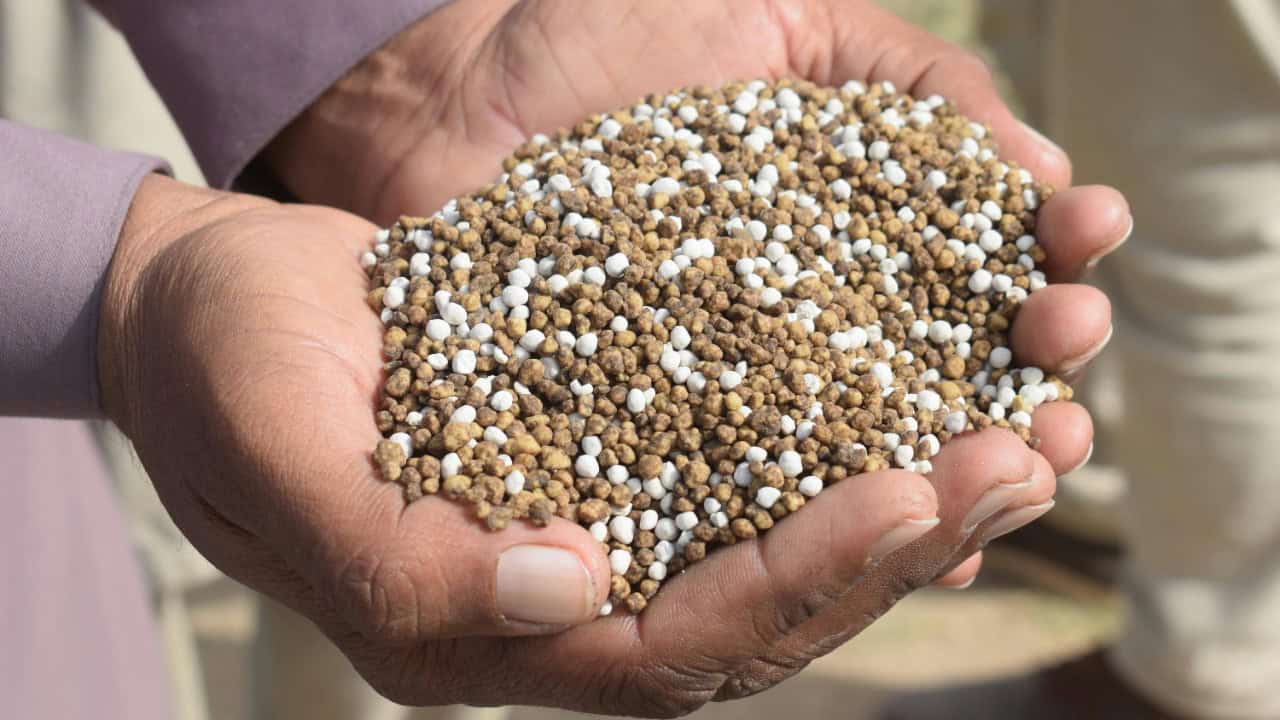
While it’s true that flowers need nutrients to grow and bloom, over-fertilizing can actually damage your plants. Excessive fertilizer can cause a buildup of salts that can burn plant roots and decrease water uptake, leading to wilting, yellowing leaves, and fewer blooms. Stick to the recommended fertilizer amounts and remember that more isn’t always better.
4. Deadheading is Always Necessary

Deadheading, or the process of removing spent blooms, can encourage some types of flowers to produce more flowers. However, not every flower benefits from this practice. Flowers like lilies, tulips, and daffodils are better left alone since removing spent blooms can actually decrease their vigor.
5. You Should Always Water Your Flowers Daily
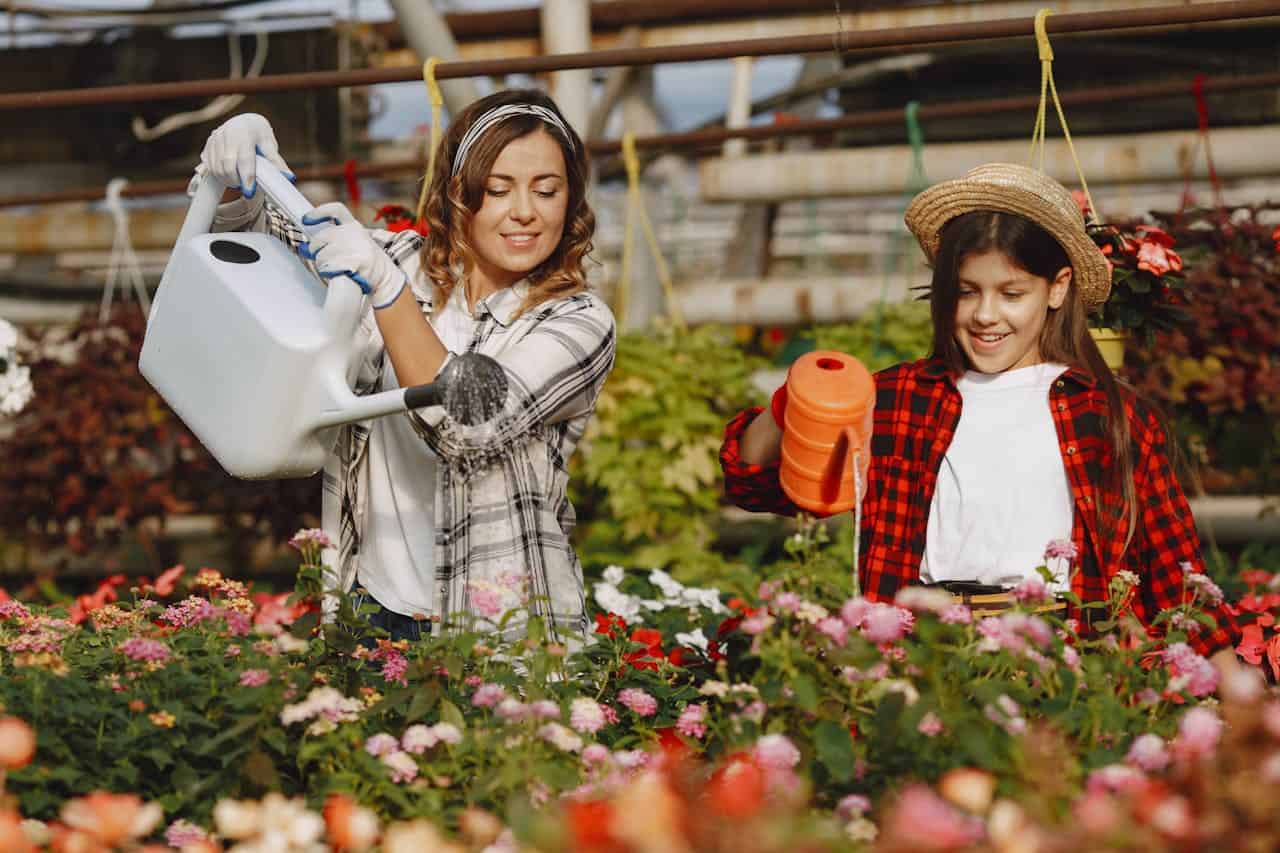
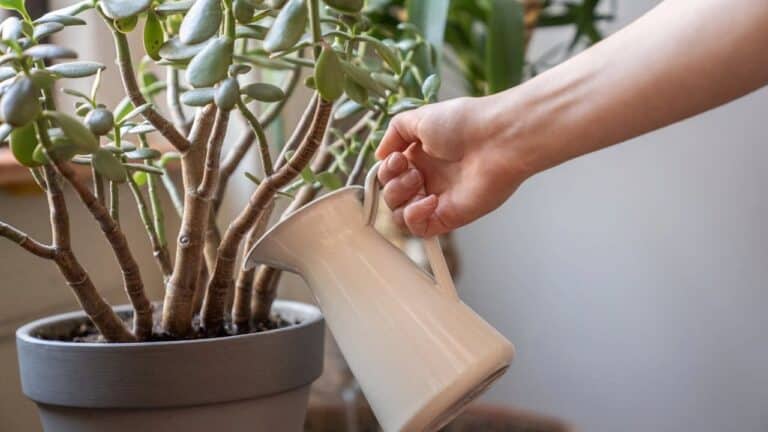
The frequency of watering really depends on the type of flower, the season, and the weather. Overwatering can lead to root rot and other diseases. Many flowers prefer soil that dries out slightly between watering. So, check the soil moisture levels regularly and adjust your watering schedule accordingly.
6. All Flowers Can Be Grown From Seeds

While many flowers can be grown from seeds, some varieties propagate better from cuttings, bulbs, or division. Examples of these include roses, hydrangeas, and irises. Always check the best propagation method for your chosen flowers to ensure successful growth.
7. Flowers Don’t Need Pruning
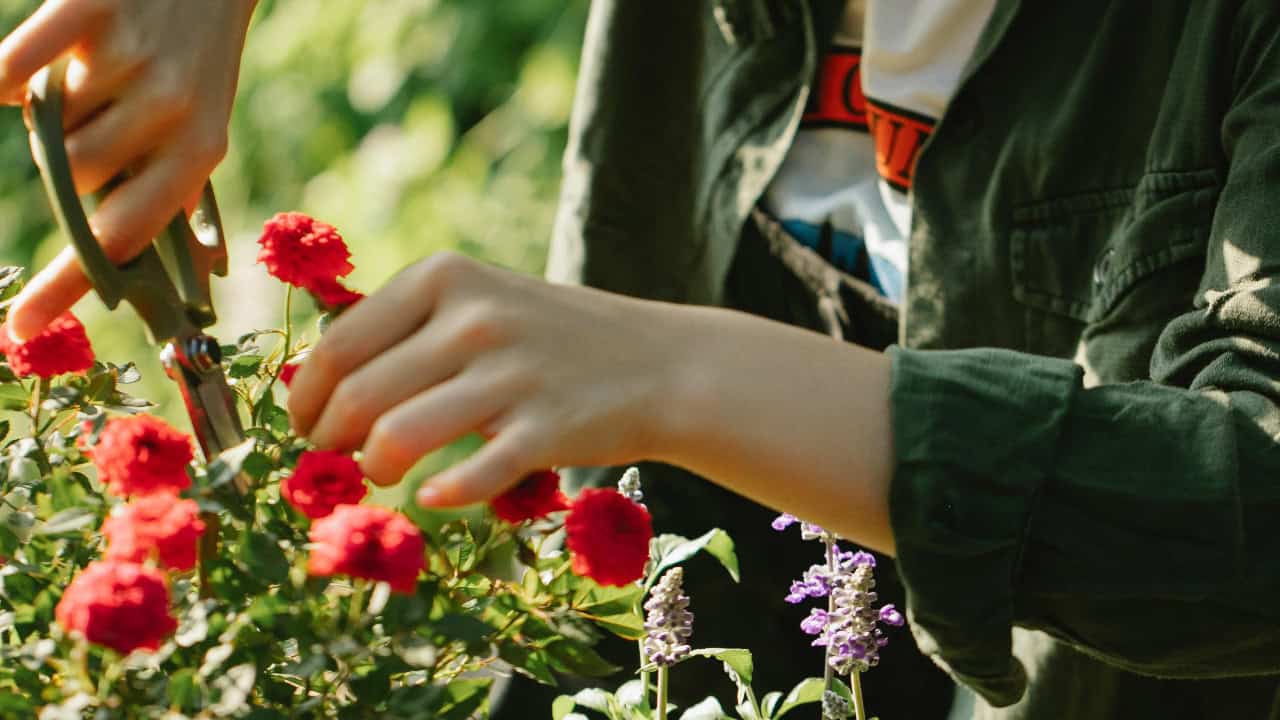
Pruning isn’t just for trees and shrubs. Many flowers benefit from regular pruning, which can encourage bushier growth and more blooms. However, the timing and method of pruning can vary widely between different types of flowers. Research your specific flowers to understand their pruning needs.
8. All Flowers Prefer Rich, Loamy Soil
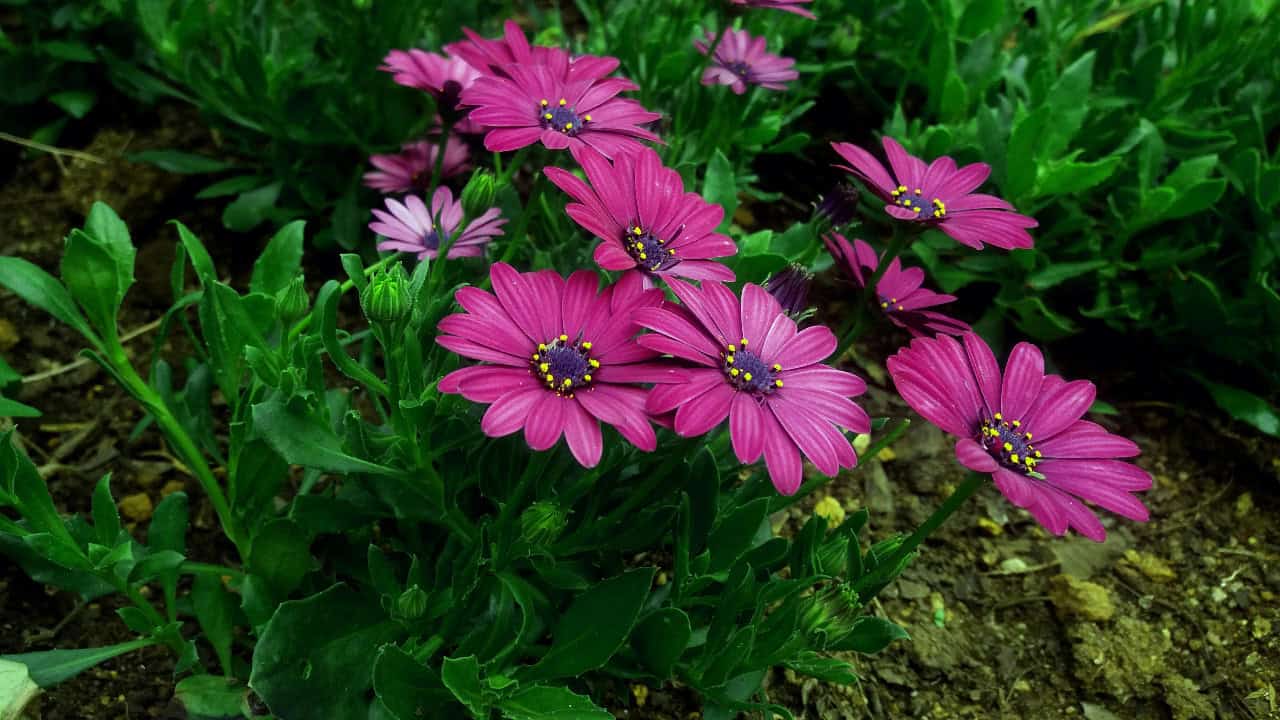
While many flowers do prefer rich, loamy soil, some can thrive in sandy or clay soil. For instance, lavender and poppies prefer sandy soil, while daylilies and asters can tolerate clay soil. Always research the specific soil preferences of your flowers to ensure they have the best growing conditions.
9. Pests are Always Bad for Flowers
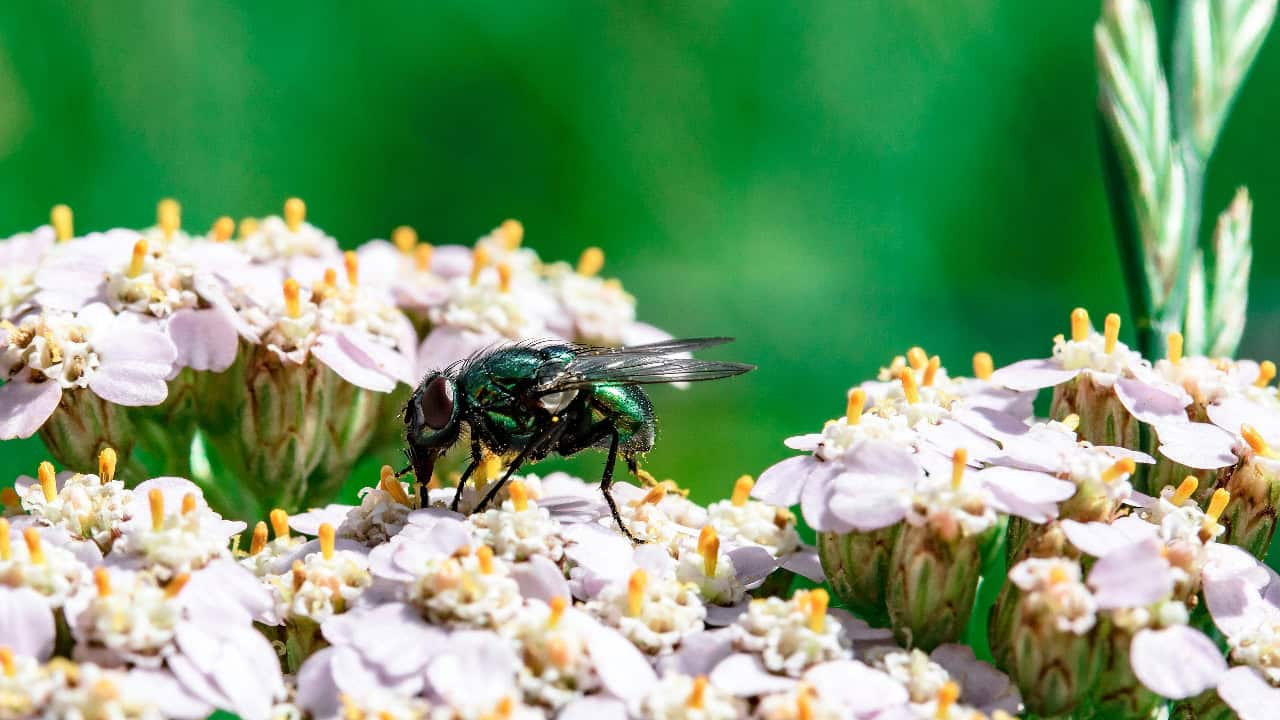
Not all insects are harmful to your flowers. In fact, many are beneficial and can help with pest control and pollination. Ladybugs, bees, and butterflies are all great for your garden. So, don’t be too quick to reach for the pesticide at the first sign of bugs.
10. You Should Always Plant Flowers in the Spring
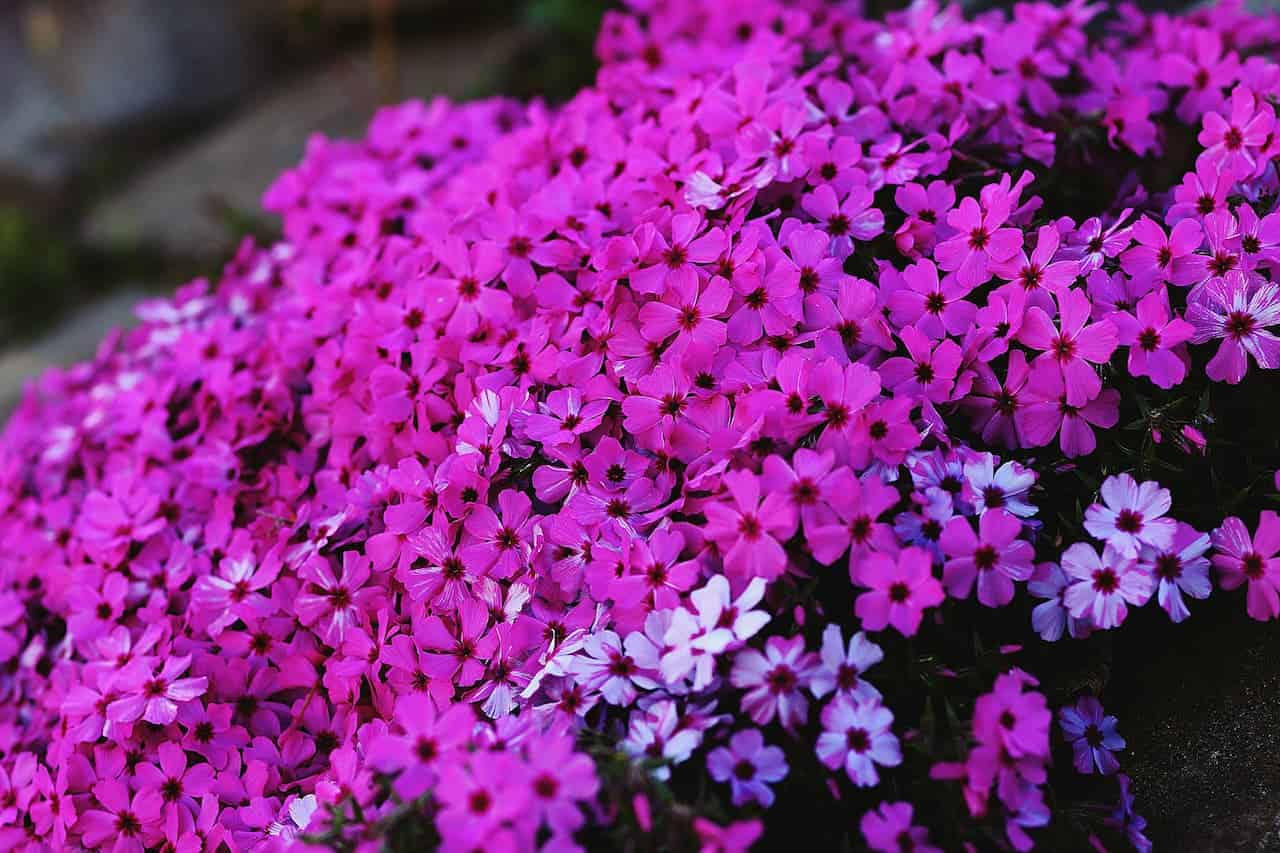
While spring is a popular time to plant flowers, it’s not the only time. Many flowers can be planted in the fall for a beautiful display the following year. For instance, daffodils, tulips, and alliums are all fall-planted bulbs. So, don’t limit yourself to just one planting season.
11. Mulch is Only for Aesthetics
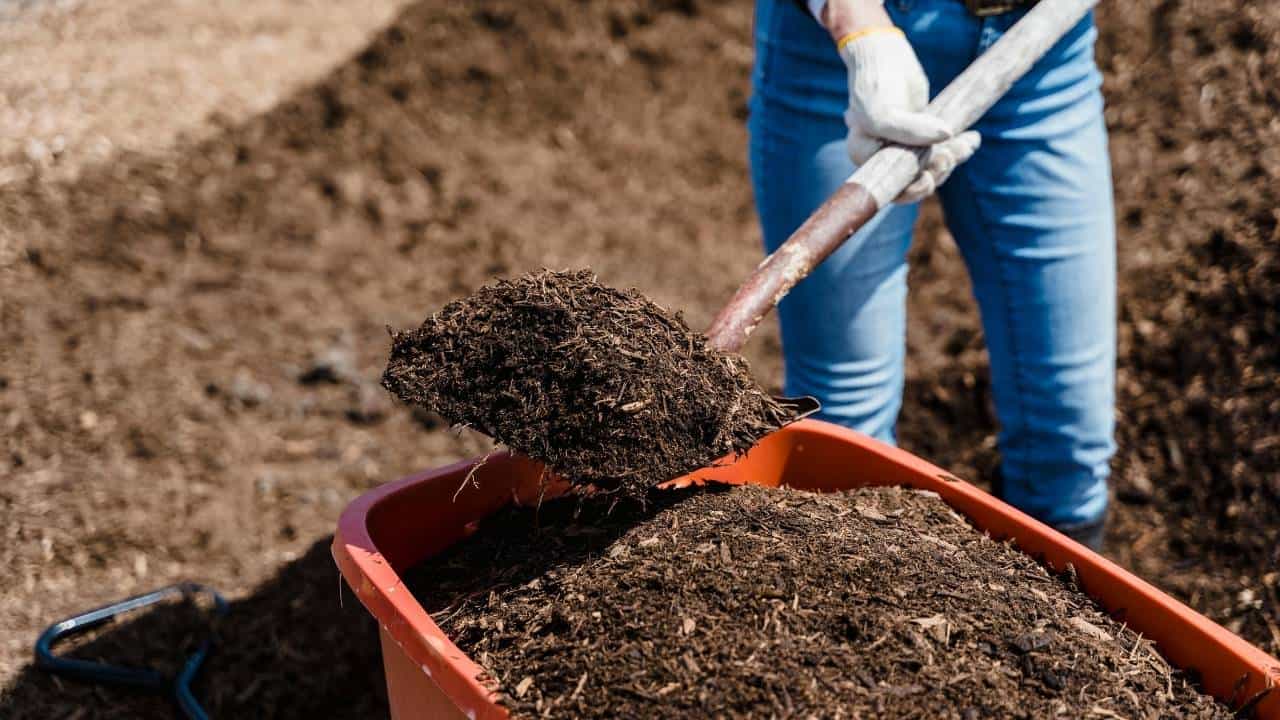
Mulch does more than just make your flower beds look neat and tidy. It also helps retain soil moisture, suppress weeds, and regulate soil temperature. Plus, organic mulches can break down over time, enriching your soil with nutrients. So, don’t overlook the benefits of mulching your flower beds.
12. All Flowers are Annuals
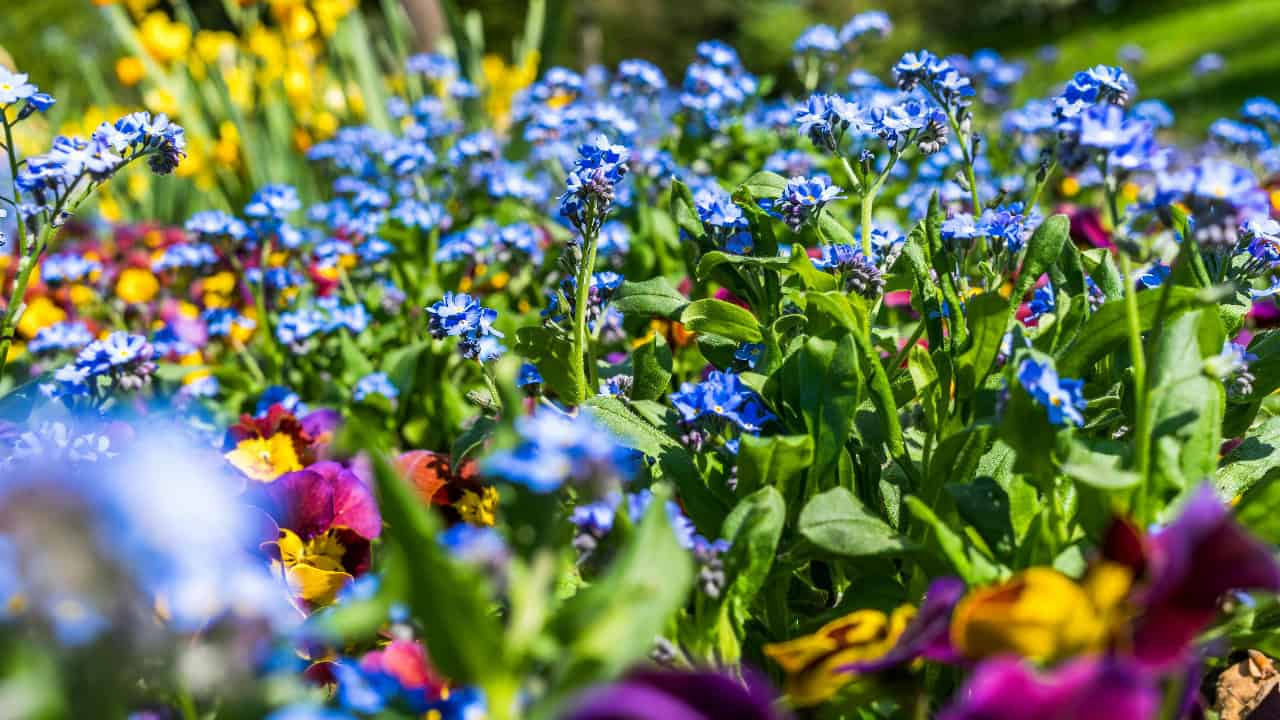
This myth couldn’t be further from the truth. While annuals, like marigolds and petunias, complete their life cycle in one year, perennials, like roses and daylilies, can live for many years. Plus, there are biennials, which have a two-year life cycle. Always check the lifecycle of your chosen flowers to plan your garden accordingly.
13. Flowers Don’t Need to be Rotated
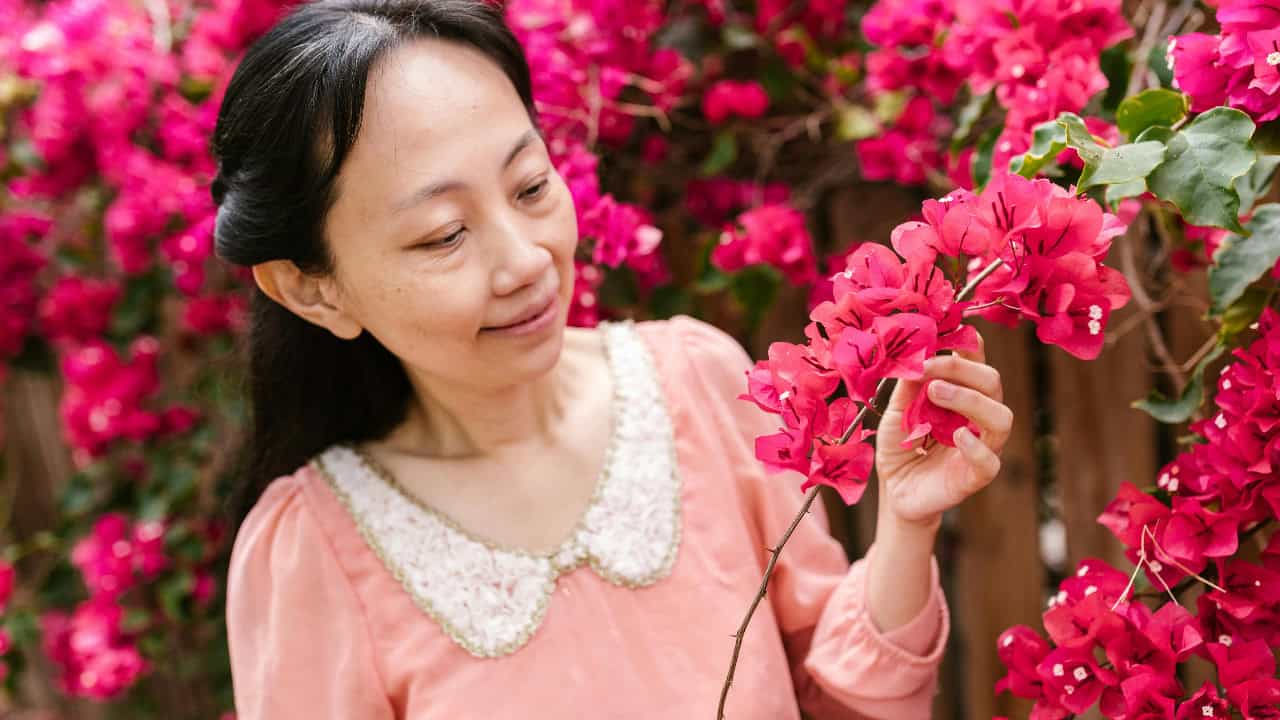
Just like crops, some flowers can benefit from rotation. Rotation can help prevent the buildup of diseases and pests in the soil. Plus, different flowers have different nutrient requirements, so rotation can help maintain soil fertility. Consider rotating your flowers, especially if you’re growing them in a small space or containers.
14. Taller Flowers are Always Better
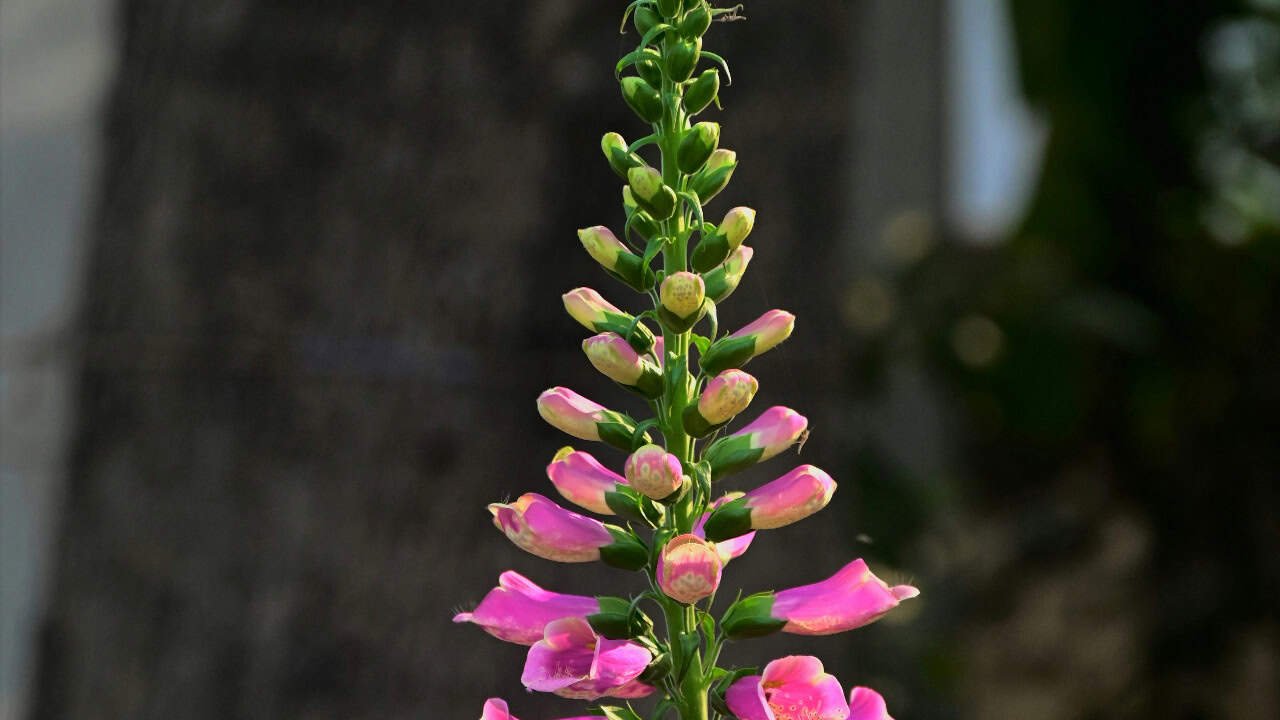
While tall flowers can make a dramatic statement, shorter flowers are just as beautiful and can be easier to care for. Plus, shorter flowers are less likely to need staking and can better withstand wind and rain. Consider planting a mix of tall and short flowers for a varied and interesting display.
15. Flowers Don’t Need Support

16. All Flowers are Edible
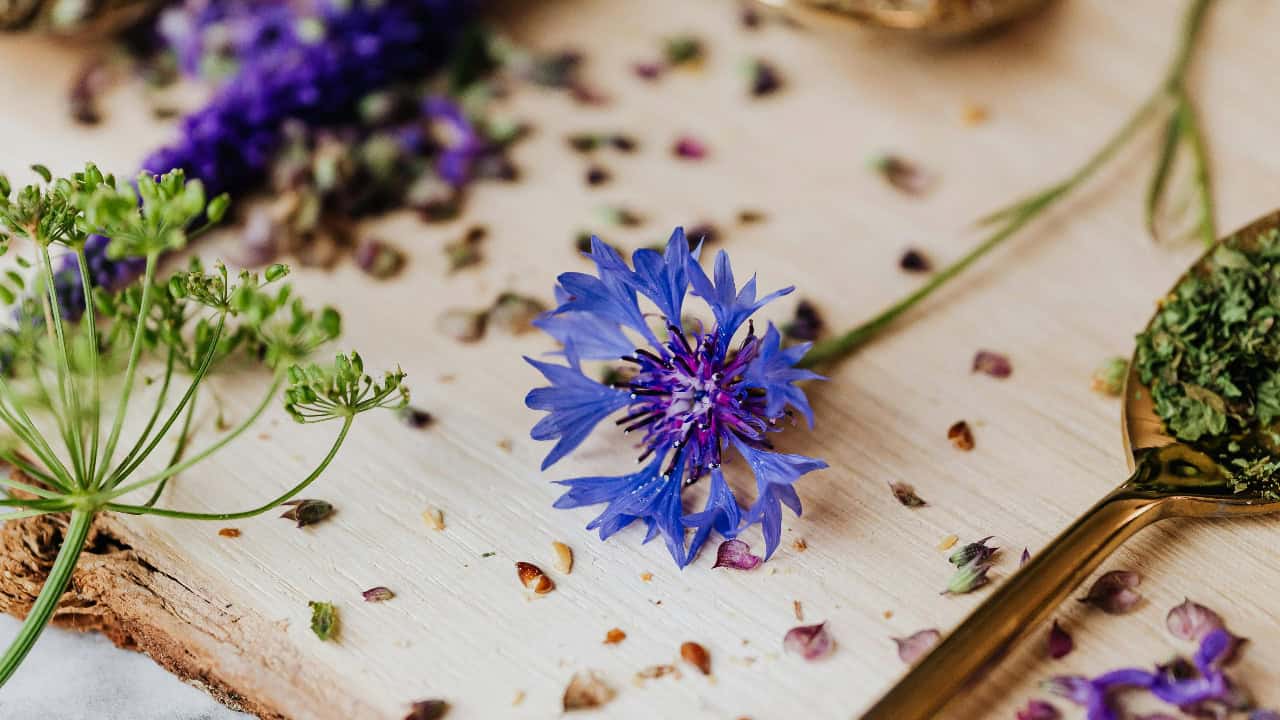
While some flowers, like nasturtiums and violets, are indeed edible, others can be toxic if consumed. Always check the edibility of a flower before adding it to your salad or dessert. And even if a flower is edible, make sure it hasn’t been treated with pesticides or other chemicals.
17. Flowers Can’t Grow in Containers
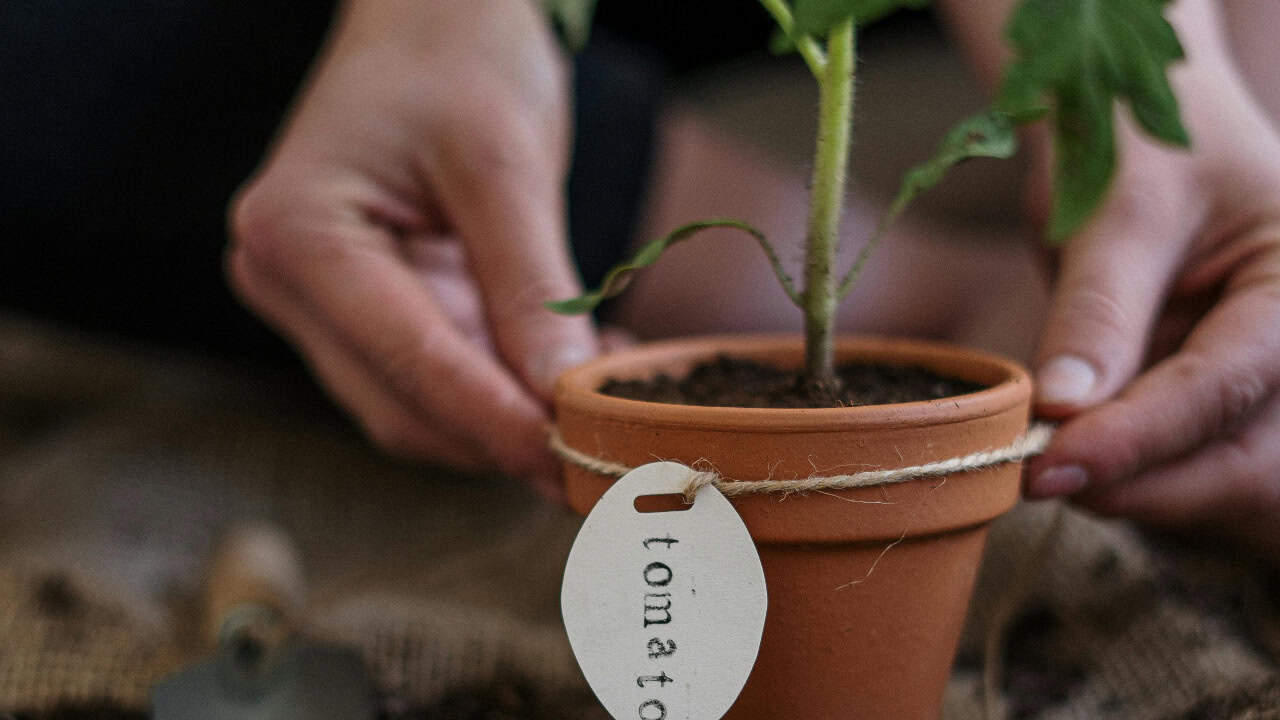
Many flowers can thrive in containers, making them a great option for those with limited garden space. Plus, growing flowers in containers allows you to easily control the soil quality and moisture levels. Just be sure to choose a container with good drainage to prevent waterlogged roots.
18. Flowers Don’t Grow in the Winter
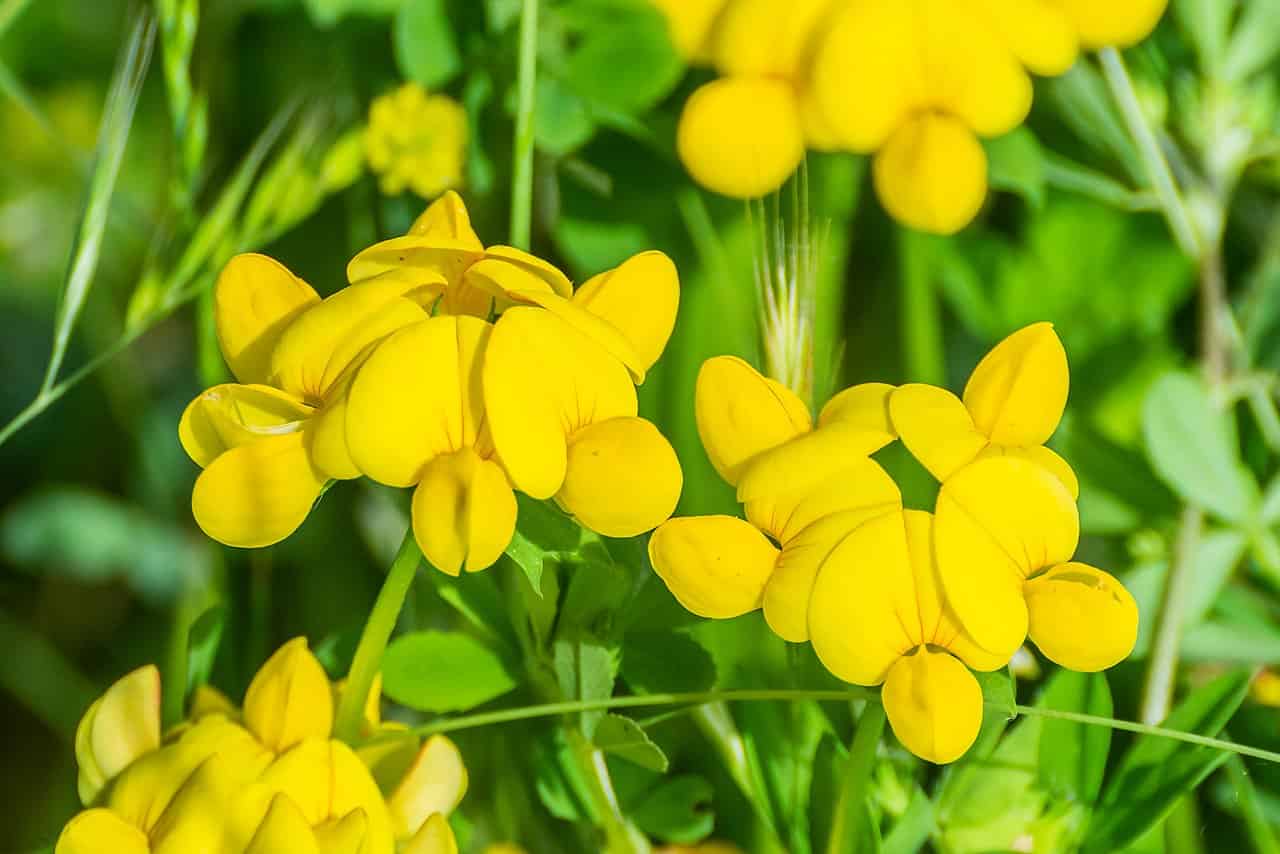
While it’s true that many flowers go dormant in the winter, some species actually bloom during the colder months. Examples include hellebores, snowdrops, and winter aconites. So, don’t give up on your garden just because it’s winter.
19. You Can’t Mix Flowers and Vegetables

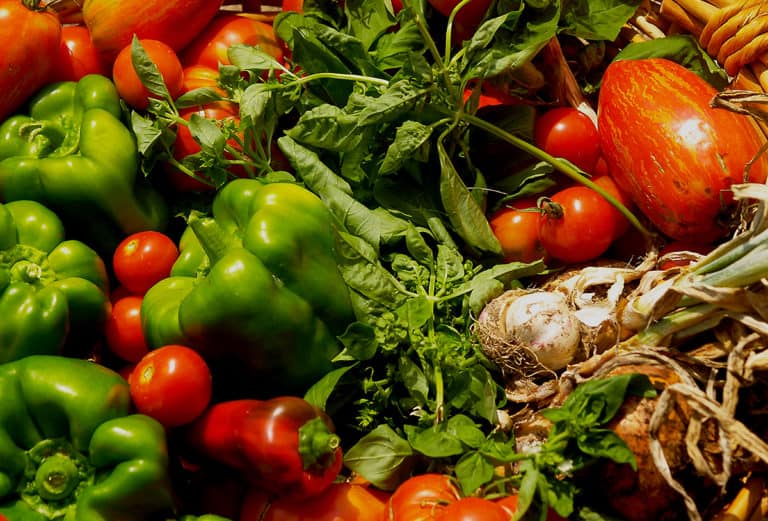
Flowers and vegetables can actually make great companions in the garden. Many flowers can attract pollinators, helping your vegetables to produce more fruit. Plus, some flowers can deter pests, reducing the need for pesticides. Consider planting marigolds with tomatoes or nasturtiums with cucumbers for a healthy and beautiful garden.
20. Flowers Only Need Care in the Growing Season
Flower care is a year-round job. Even in the off-season, there are tasks to be done, like mulching, pruning, and planning for the next growing season. Plus, some flowers, like fall-planted bulbs, actually need care in the fall and winter. So, don’t neglect your flowers just because they’re not in bloom.