Pests often find their way into your home through everyday habits and overlooked spots. You might not realize that simple things around your house can unintentionally invite insects and rodents inside.
Understanding how you could be creating a pest-friendly environment is the first step to keeping them away. By recognizing these common mistakes, you can take easy actions to protect your space and enjoy a more comfortable home.
Advertisement
Leaving standing water in birdbaths or plant saucers

You might not realize that standing water in birdbaths or saucers can attract pests like mosquitoes. These insects use still water to lay their eggs, which could increase their numbers around your home.
Try to empty or change the water every few days. If draining isn’t possible, consider drilling small holes in saucers to prevent water buildup. This simple step helps keep pests from settling nearby.
Stacking woodpiles close to the house
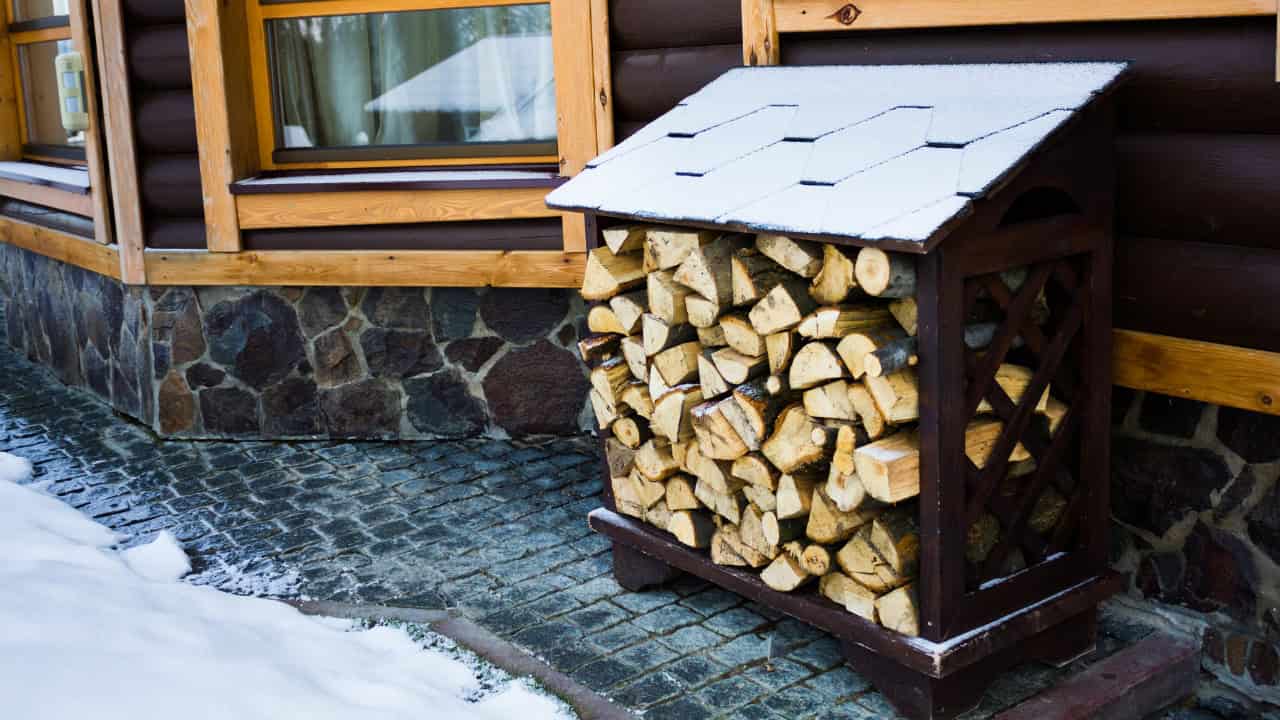
When you stack firewood right next to your home, you invite pests like termites and rodents to come closer. These critters often use the woodpile as a bridge to enter your living space.
It’s best to keep woodpiles a good distance away from your house. Also, raising them off the ground helps reduce moisture and pests in the wood.
This simple step can protect your home while keeping your firewood dry and ready to use.
Allowing plants or vines to touch the house walls
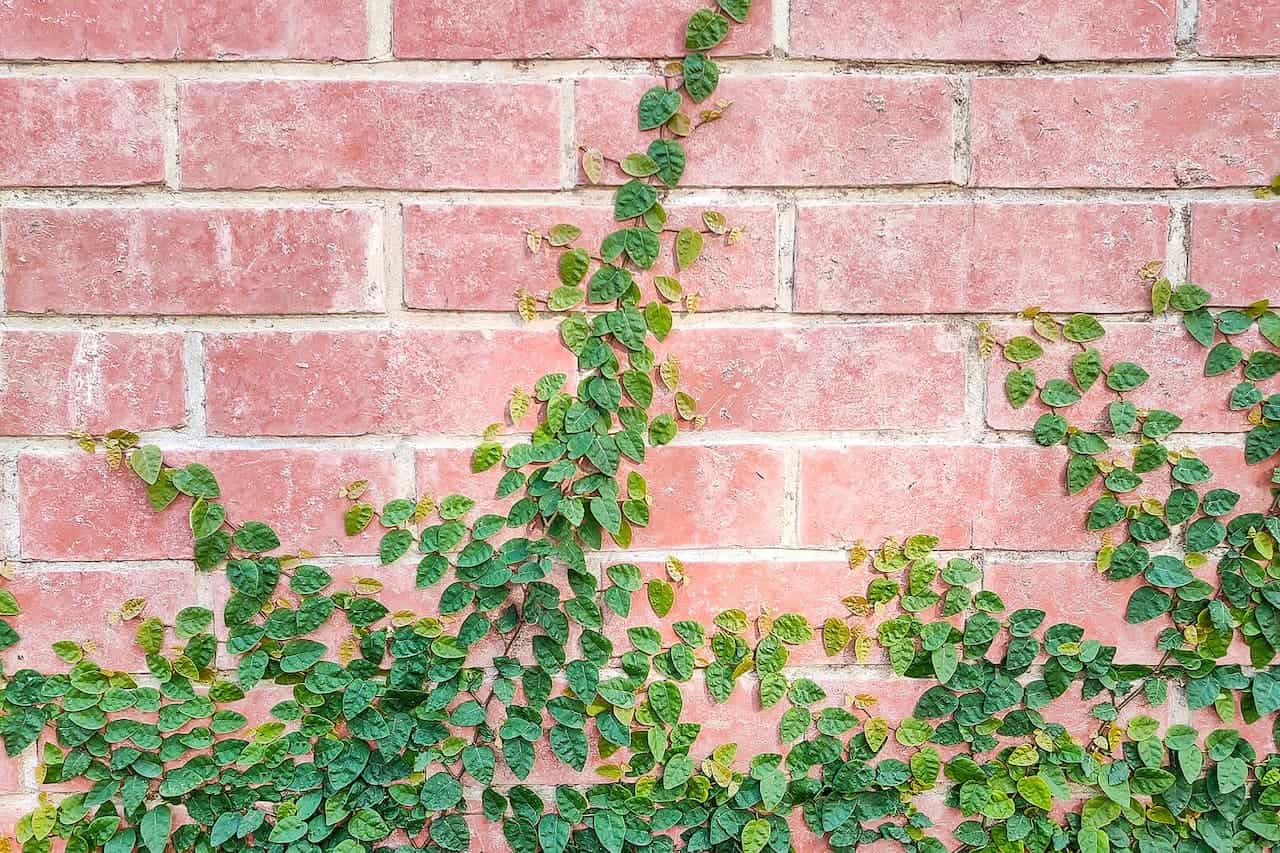
When plants or vines grow directly on your walls, they create easy access points for pests. Insects and rodents can use the plants as bridges to enter your home.
Keeping plants slightly away from your walls helps reduce these risks. It also prevents moisture buildup, which can damage your house exterior.
Try training vines on trellises or supports separated from your walls for a safer and healthier garden.
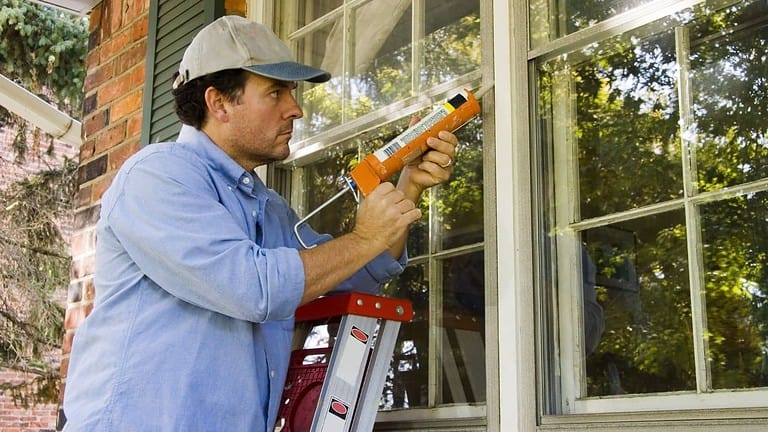
Neglecting to seal cracks and gaps in foundation or walls
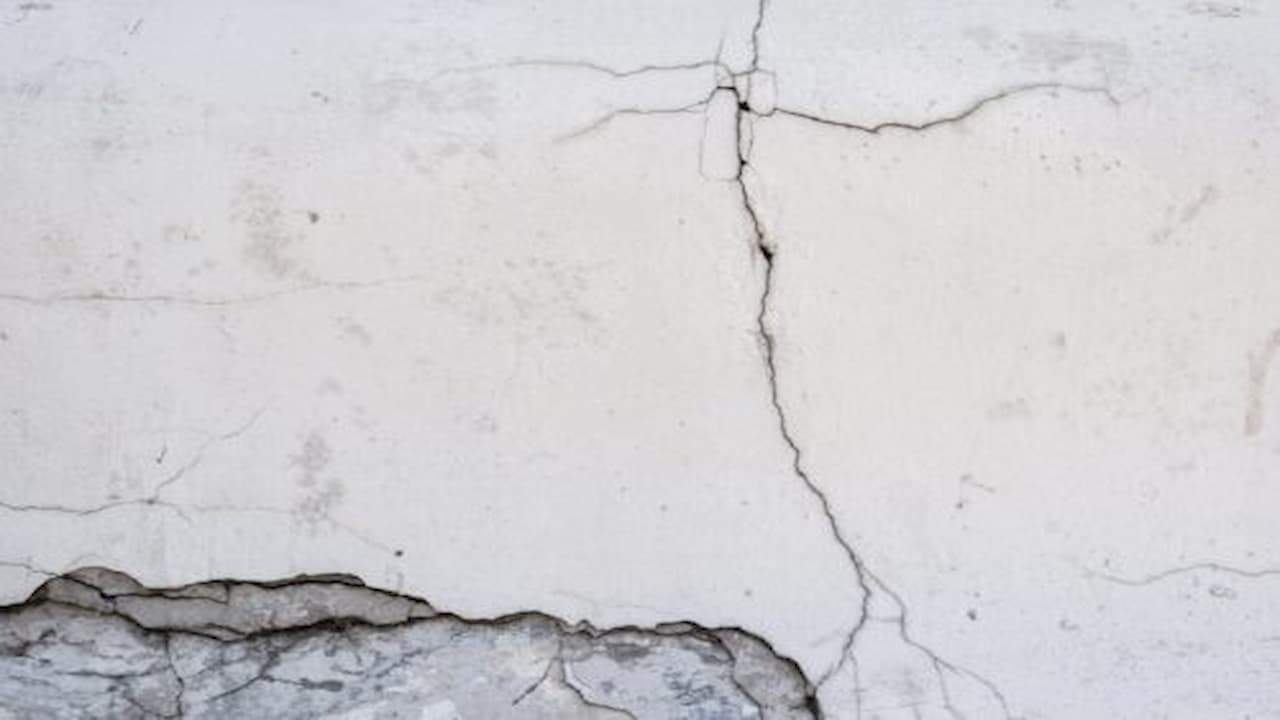
You might not realize how even small cracks in your foundation or walls can invite pests inside. These openings act like doorways for bugs and rodents looking for shelter.
Sealing these gaps is a simple way to block their entry points. It helps keep your home cleaner and more comfortable.
Check common areas like around pipes, baseboards, and window frames. Fixing these spots stops pests before they get in.
Leaving garbage bins open or overflowing
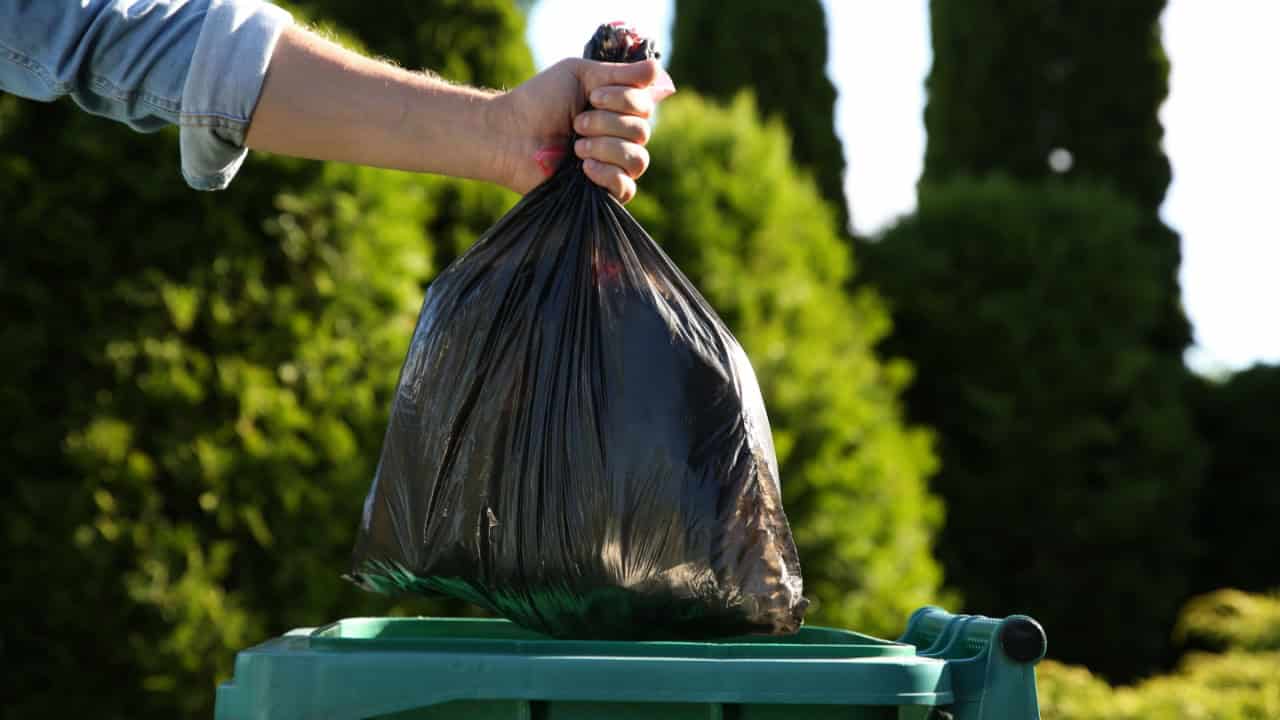
When your garbage bins are open or overflowing, you’re inviting pests like flies, rodents, and raccoons to come join the party. These critters are drawn by smells and easy access to food waste.
Keeping your bins closed and not letting them overflow reduces the chances of attracting these unwanted visitors. Regularly emptying and cleaning your trash containers also helps keep pests away.
Keeping leaf litter and garden debris next to the home
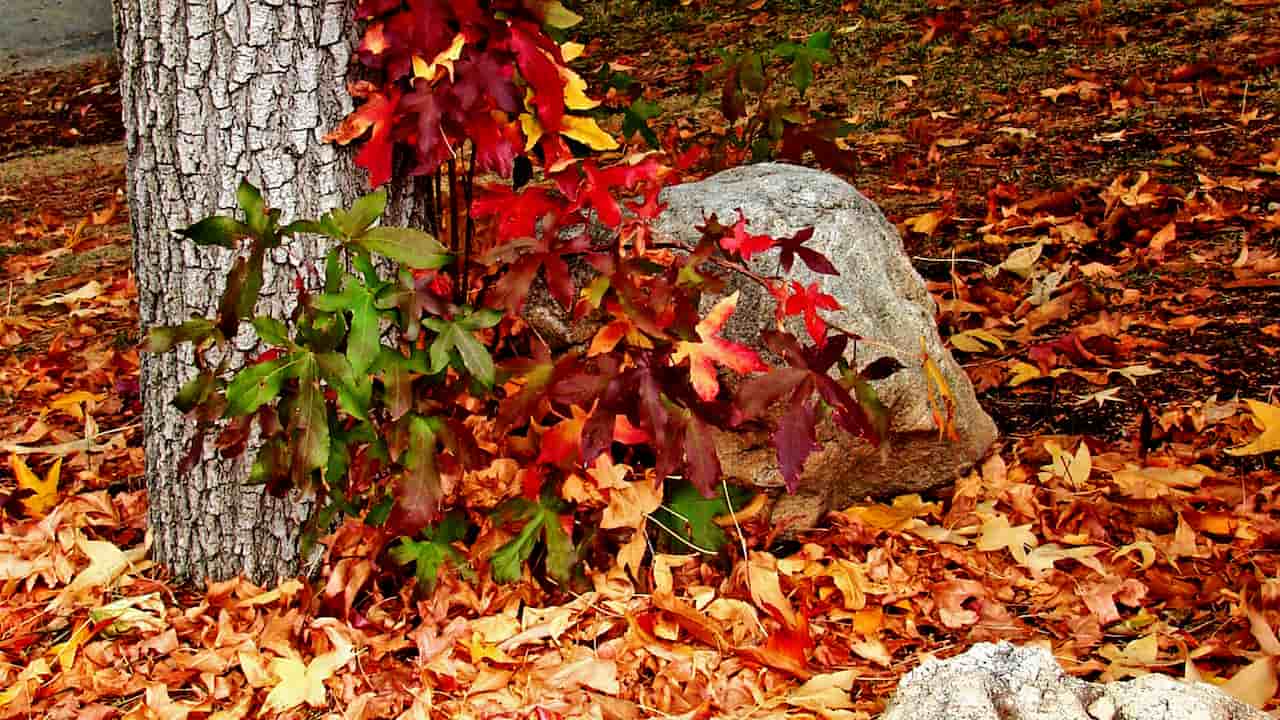
You might think piling leaves and garden debris near your foundation is harmless. However, this creates a perfect hiding spot for pests like rodents and insects.
Leaving debris next to your home can invite unwanted visitors right to your door. Instead, clear the area or compost leaves away from the foundation to reduce pest risks.
Using leaves for mulch or compost is beneficial, but keep these materials a few feet away from your home. This simple step helps keep pests at bay.
Ignoring regular lawn mowing and garden cleanup
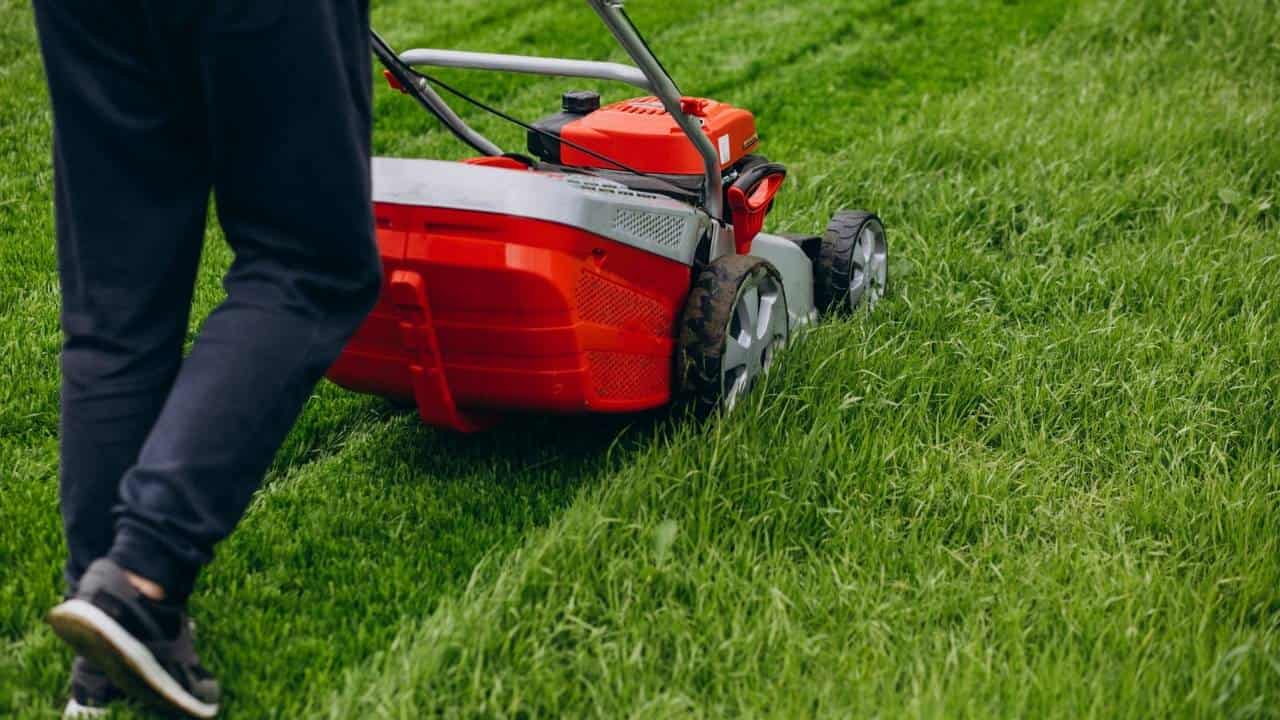
When you skip mowing and cleaning up your garden, you create hiding spots for pests. Tall grass and debris provide shelter and breeding grounds for insects and rodents.
Cutting back overgrown areas once or twice a year helps expose lower plants and keeps pests from settling in. Regular maintenance also improves the overall health of your yard, making it less attractive to unwanted visitors.
Allowing compost piles to get too wet or unmanaged
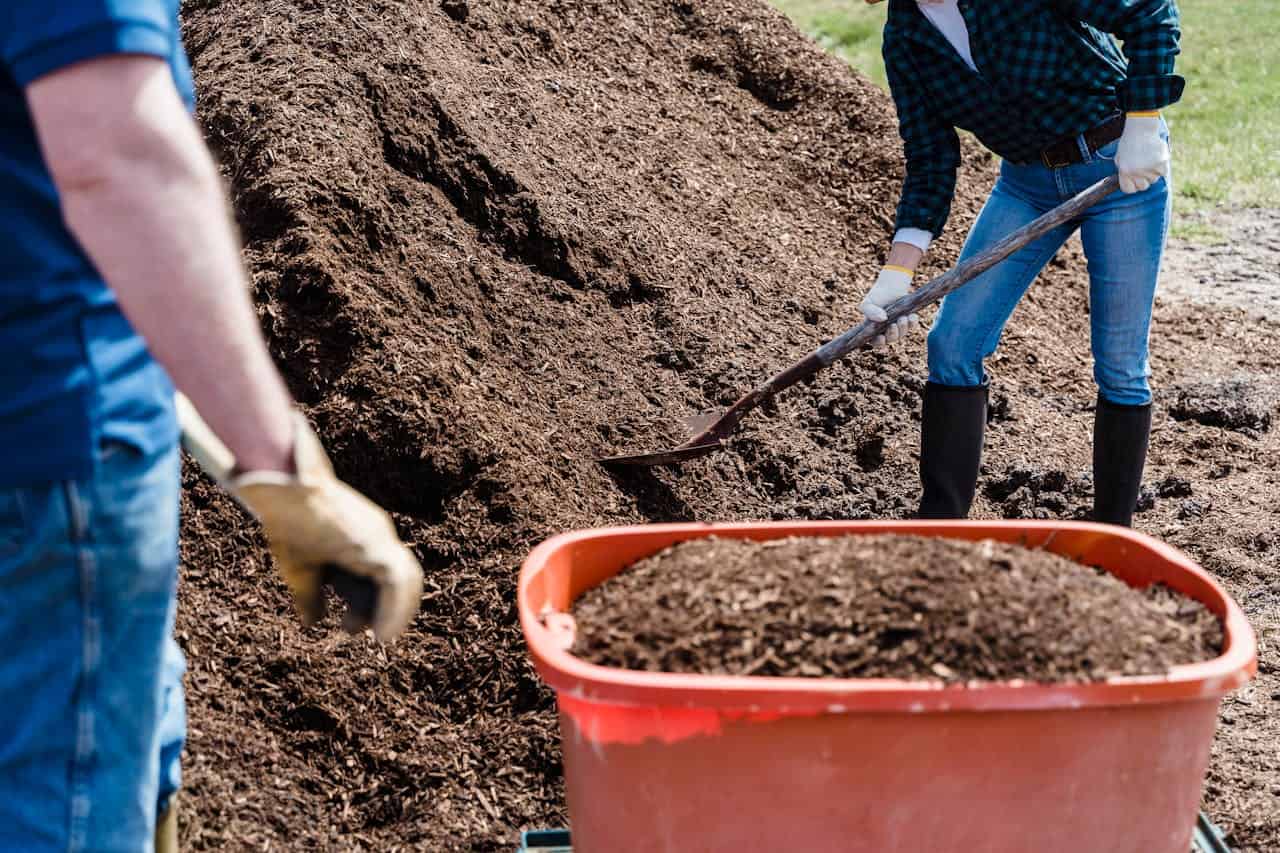
When your compost pile gets too wet, it creates a perfect environment for pests and unpleasant smells. Excess moisture can make worms try to escape and slow down the breakdown of materials.
To fix this, add dry materials like leaves or shredded paper. Turning your pile regularly also helps maintain the right balance. Keeping your compost drier and well-mixed stops pests from being attracted to it.
Using excessive mulch near the house foundation
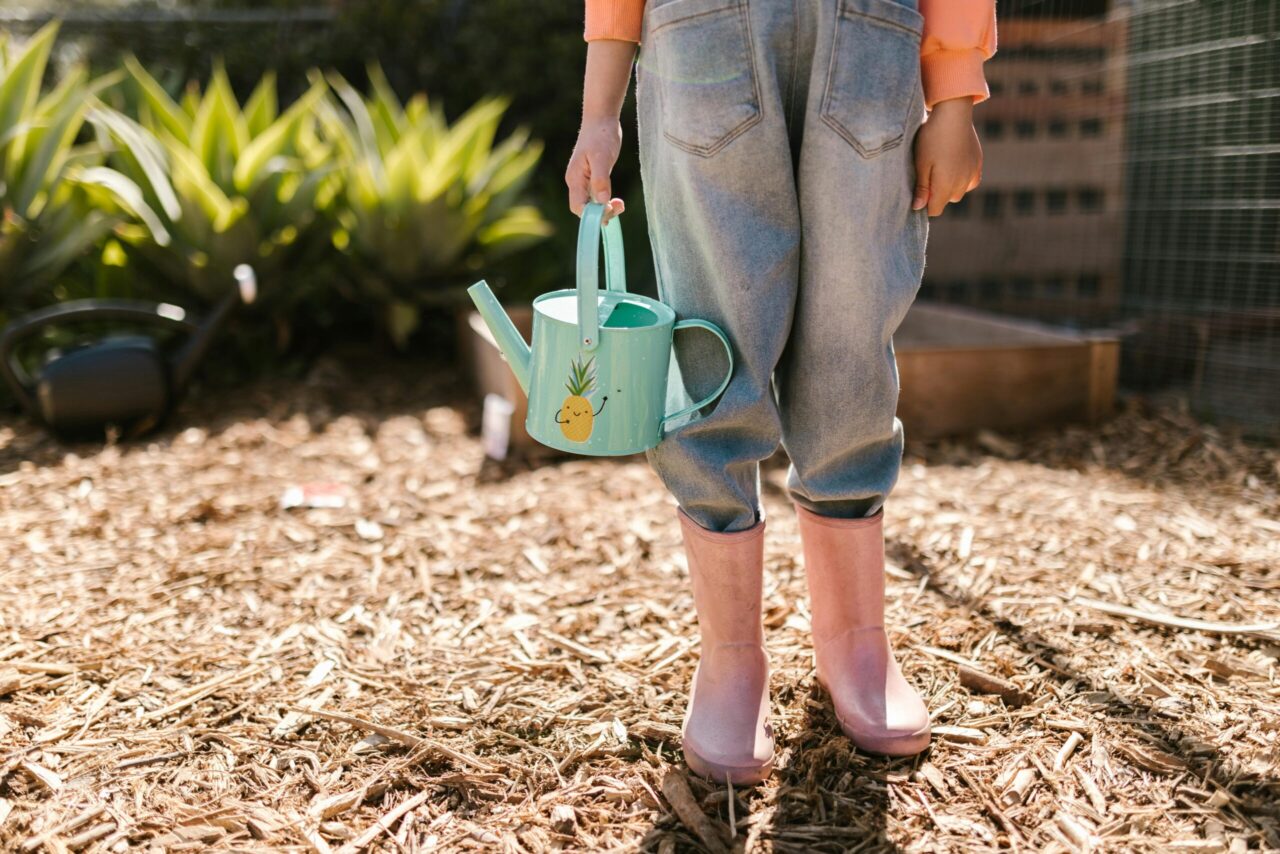
When you pile mulch too close to your foundation, it holds moisture against your home. This damp environment attracts pests like termites and ants.
Mulch also creates a cozy hiding spot for insects, protecting them from predators. To reduce risk, keep a mulch-free gap of at least one foot around your foundation.
This simple step helps you keep pests away while still enjoying the benefits of mulch in your garden.
Leaving pet food outside overnight
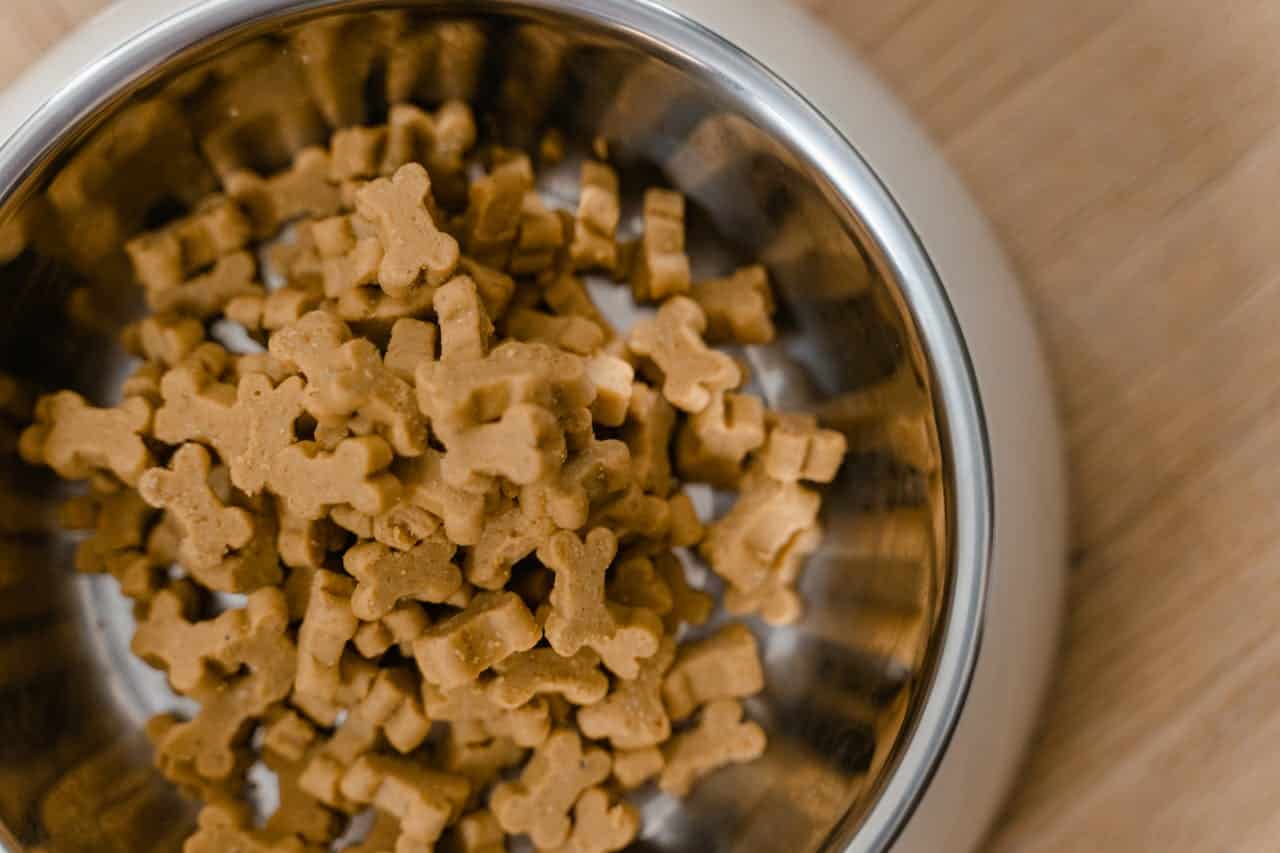
If you leave pet food outside overnight, you may attract unwanted pests like ants, rodents, and insects. These pests are drawn to the leftover food and can quickly become a problem around your home.
Storing pet food properly helps keep both your pets and your home safe. Try to feed your pets indoors or remove any uneaten food before nightfall. This simple step reduces the chances of turning your yard into a pest hotspot.
Ignoring leaks under sinks or appliances
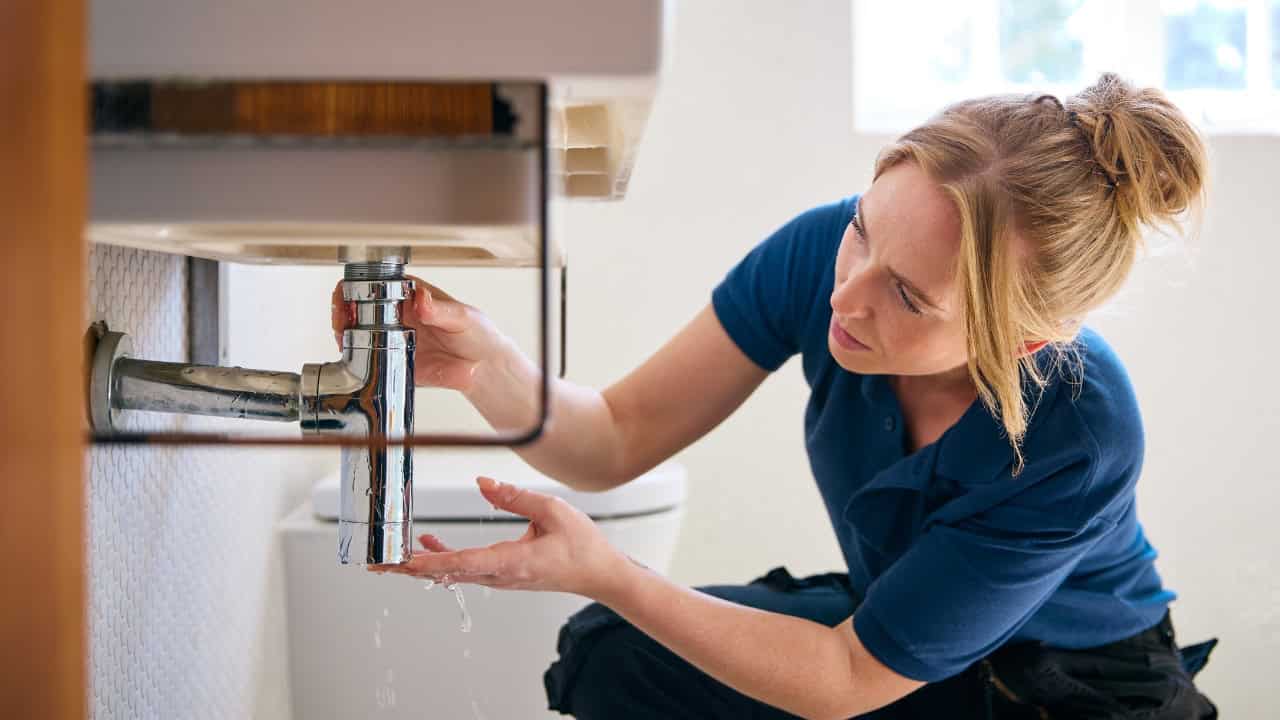
If you ignore leaks under your sink or appliances, you’re inviting pests like mold, ants, and cockroaches. Damp areas provide a perfect environment for them to thrive.
Leaks can also cause wood to rot and create hidden spaces that pests love to hide in. Fixing leaks promptly helps keep your home dry and less attractive to unwanted visitors.
Not regularly refreshing outdoor water sources

If you leave water standing outside, it becomes a perfect spot for pests like mosquitoes to breed. Even small amounts, like in plant saucers or birdbaths, can attract insects.
Make it a habit to refresh outdoor water every 2-3 days. This simple step helps reduce chances for mosquitoes and other pests to multiply around your home.
Planting dense shrubbery right against the house
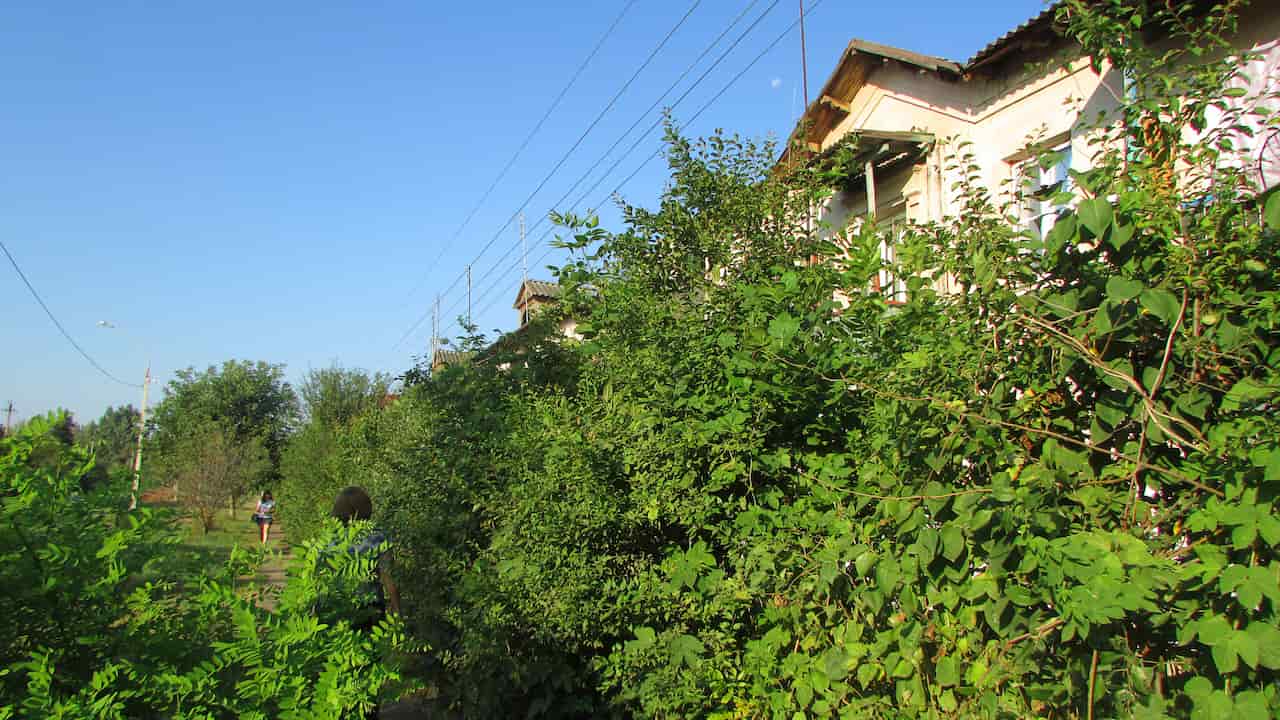
When you plant shrubs too close to your house, you create a cozy hiding spot for pests. This dense cover offers shelter and easy access to your home.
Shrubs touching the house can trap moisture, which may lead to damage and invite insects inside. Keeping a gap between plants and walls helps improve airflow and reduces pest problems.
Leaving unused outdoor equipment cluttered in the yard

When you leave equipment like old tools, toys, or furniture scattered outside, you create perfect hiding spots for pests. These items provide shelter and confuse natural predators.
Clutter also traps moisture, attracting insects and small animals. Keeping your yard tidy by storing or disposing of unused equipment helps reduce these pest-friendly spaces.
A clean, organized yard makes it harder for pests to find places to settle near your home.
Not controlling garden weeds near doorways

When you let weeds grow near doorways, you’re inviting pests closer to your home. Weeds provide shelter and food for insects, making it easier for them to enter.
Keeping these areas clear reduces hiding spots and discourages bugs from sticking around. Regularly removing or treating weeds near entrances helps protect your living space without harsh chemicals.
Ignoring drainage issues in the yard

If your yard has poor drainage, standing water can collect easily. This creates the perfect spot for pests like mosquitoes to breed.
You might not notice small depressions or compacted soil that hold water after rain. Fixing these by adding topsoil or creating gentle slopes helps water flow away from your yard.
Simple steps like building a swale or planting water-loving plants can reduce moisture and discourage pest activity near your home.
Failing to remove fallen fruit from trees promptly
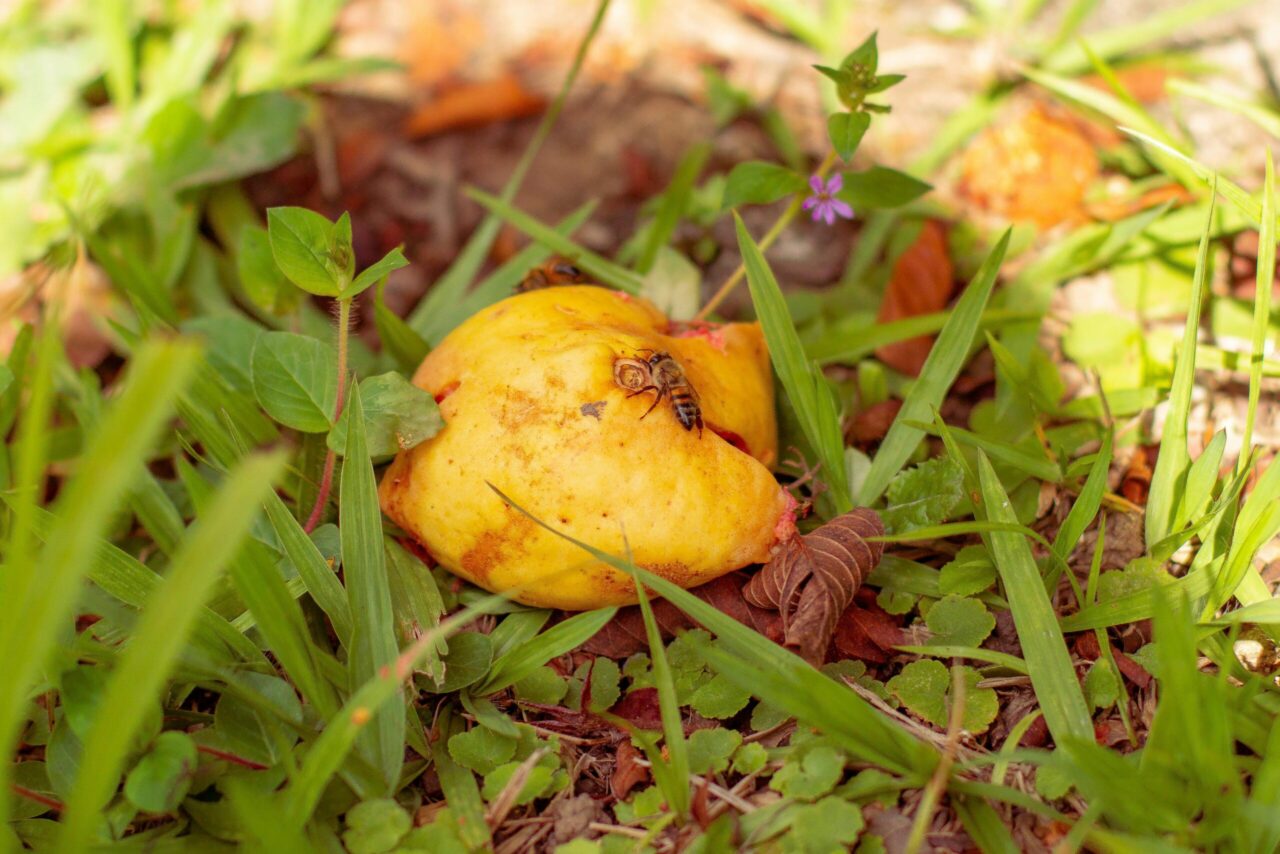
When you leave fallen fruit on the ground, it quickly attracts pests like insects and rodents. These pests can then spread to your healthy trees and plants.
Rotting fruit also encourages fungal growth and weed seeds to germinate. Picking up fallen fruit regularly helps keep your garden cleaner and reduces unwanted visitors naturally.
Not pruning plants to improve airflow around the house

When you don’t prune your plants, the leaves and branches can become crowded. This reduces airflow, creating a damp environment where pests like fungus and mold thrive.
Proper pruning helps keep air moving freely around your plants. This can lower the chance of pest infestations and keep your plants healthier overall.
Try to trim any dead or dense growth regularly. It’s a simple step that makes a difference in preventing pests in your home.
Ignoring cracks in window frames or door thresholds

You might not notice small cracks around your windows or doors, but pests sure will. These gaps give insects and rodents easy entry into your home.
Sealing every crack and crevice helps keep unwanted visitors outside. Plus, it improves energy efficiency by blocking drafts.
Make checking these spots part of your routine. A little maintenance can prevent bigger pest problems later.