We’ve all been there: Unwanted critters that seem to appear out of nowhere, disrupting our daily routines and causing a major headache. Whether it’s a trail of ants in the kitchen, a mouse in the attic, or a swarm of flies in the backyard, pests are a common and often frustrating problem. But did you know that you might actually be inviting these pests into your home without even realizing it? In this blog post, we’ll explore 19 unexpected ways you might be rolling out the welcome mat for pests. By becoming aware of these habits, you can make changes that will help you keep your home pest-free.
1. Leaving Food Out
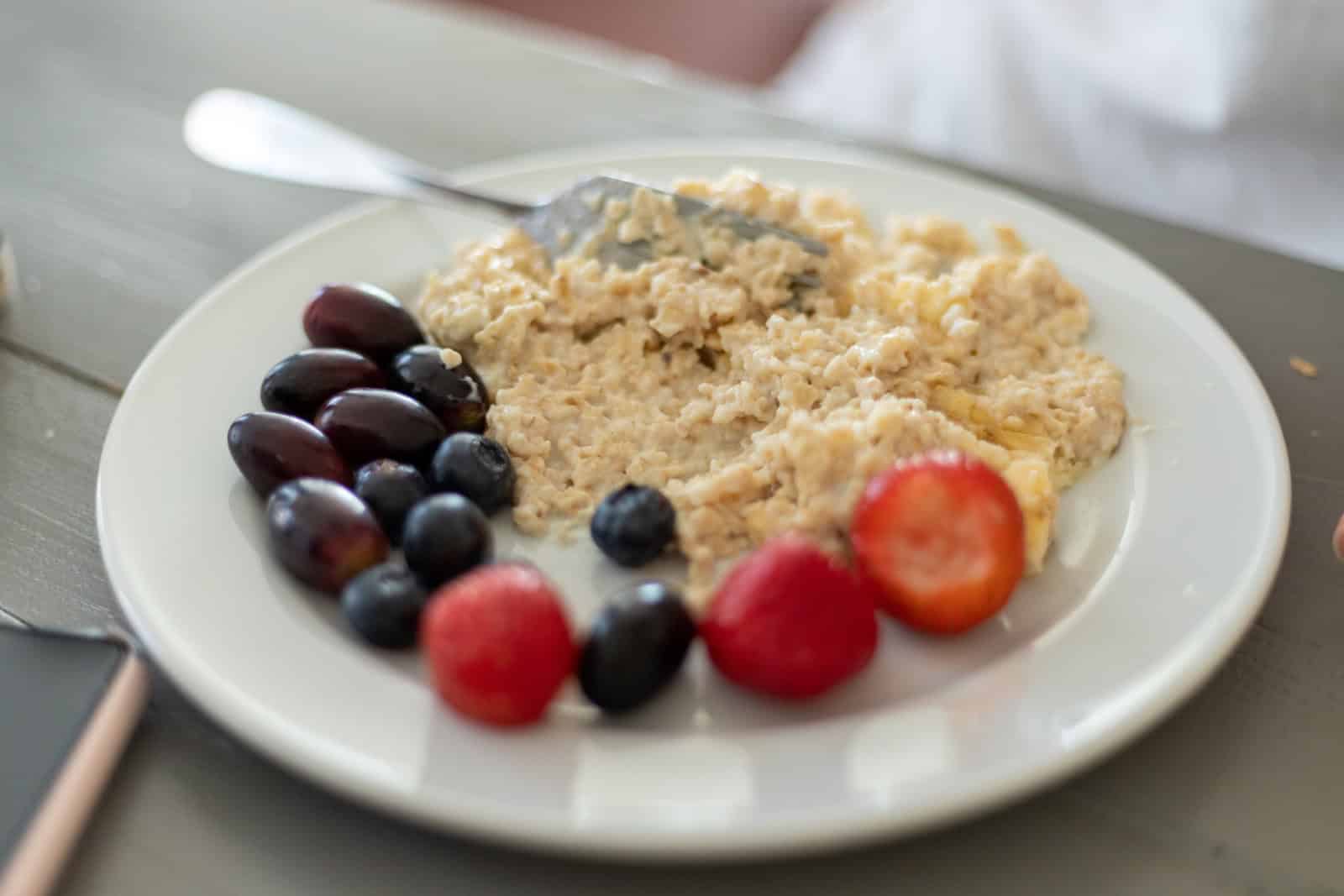
One of the biggest attractions for pests is food. Leaving food out on the counter or in open containers is like sending an open invitation to pests. Even small crumbs or spills can attract ants, roaches, and other pests.
Advertisement
For example, if you leave a bowl of fruit on the counter, it could attract fruit flies. Or if you spill some juice and don’t clean it up right away, it could draw ants. The best practice is to store food in airtight containers and clean up spills immediately. Also, remember to take out the trash regularly, as the smell of garbage can also attract pests.
2. Neglecting Home Repairs
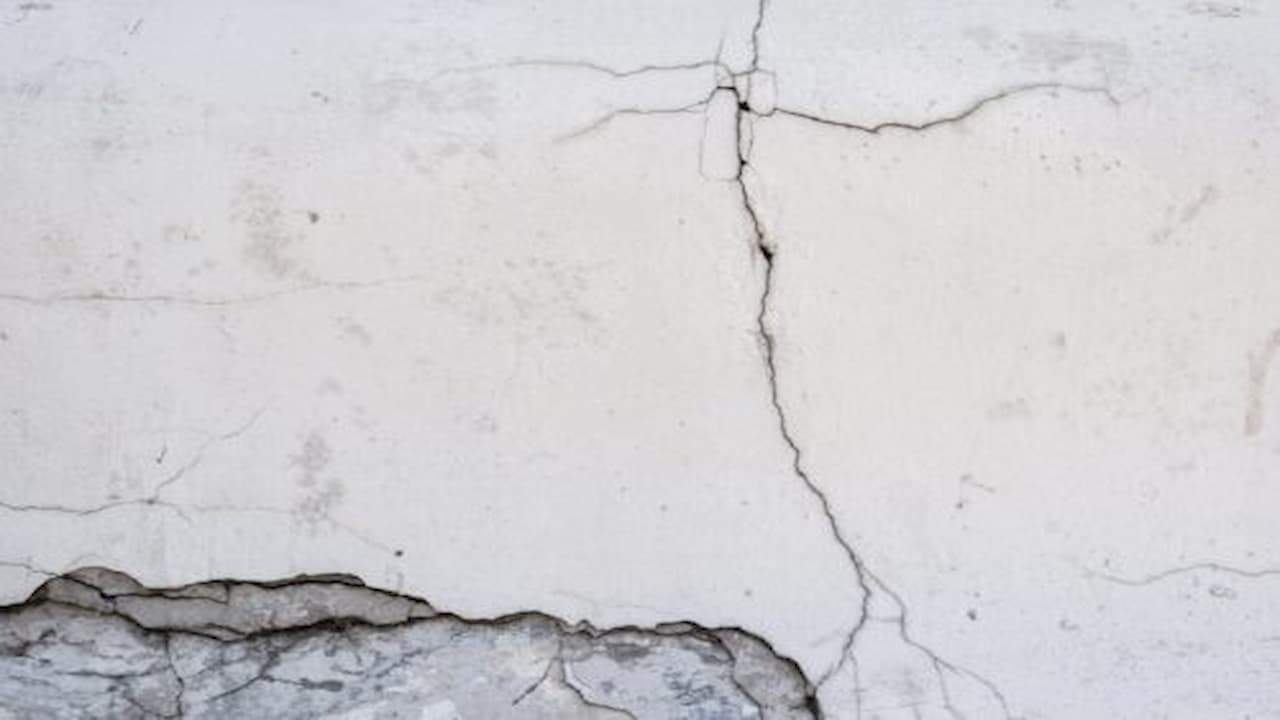
Pests often enter homes through small cracks and holes. If you neglect home repairs, you could be making it easy for pests to get in. For instance, a small crack in the wall could be a perfect entry point for ants or roaches. Or a hole in the roof could allow rodents to get into your attic.
It’s important to regularly inspect your home for any potential entry points and repair them as soon as possible. This includes sealing cracks and holes, fixing broken screens, and making sure doors and windows close tightly. This can go a long way in preventing pests from entering your home.
3. Overwatering Your Plants

Overwatering your plants creates a moist environment that many pests love. For example, mosquitoes lay their eggs in standing water, so if you overwater your plants and leave puddles of water, you could be creating a breeding ground for mosquitoes.
Instead, try to water your plants only when necessary and ensure that water isn’t accumulating in the saucers under your plants. Also, if you have outdoor plants, make sure they have proper drainage so water doesn’t pool up.
4. Keeping Clutter
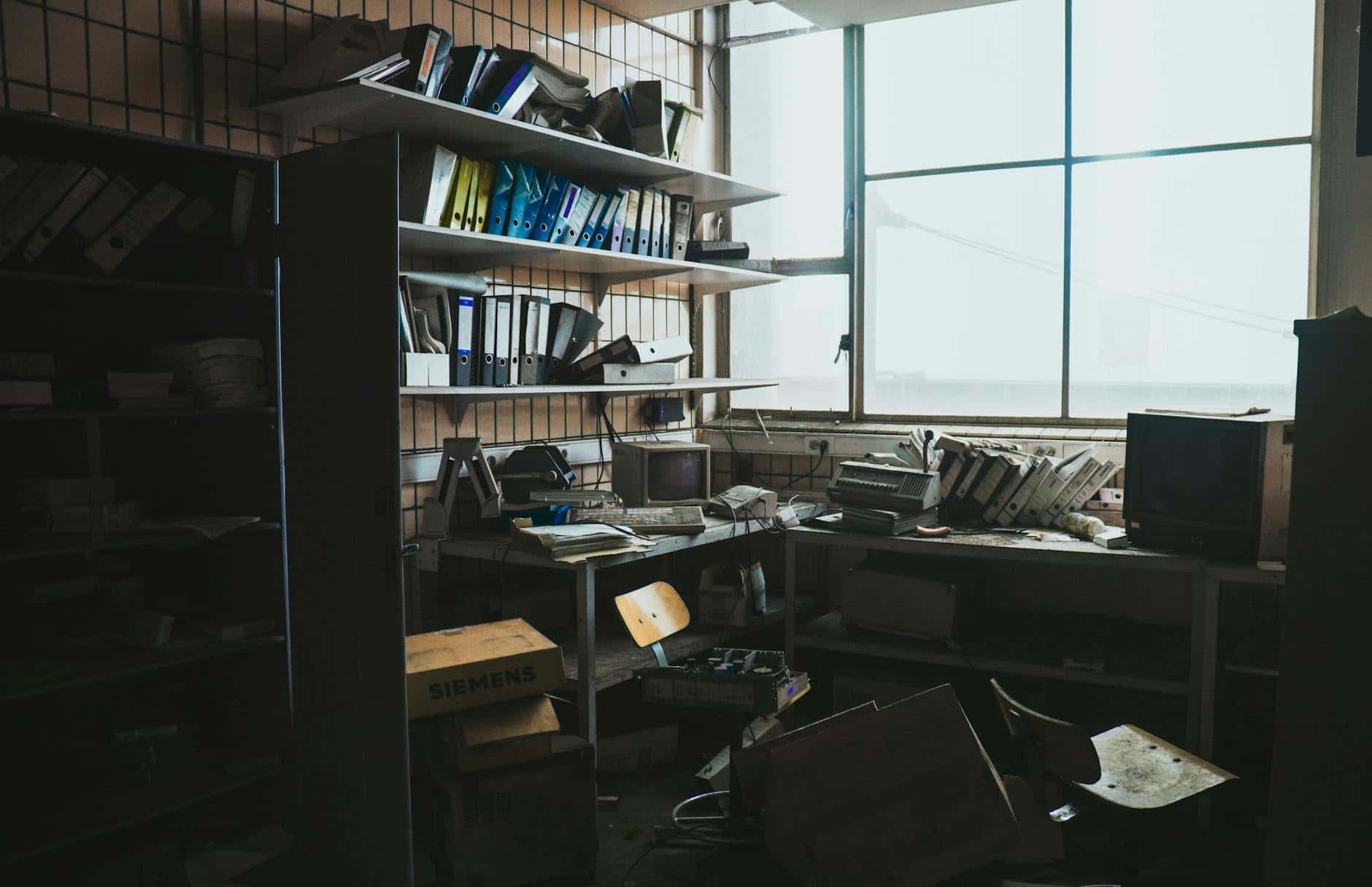
Pests love hiding places, and clutter provides the perfect environment for them. For instance, a stack of old newspapers might seem harmless to you, but to a cockroach, it’s a perfect place to hide and lay eggs.
Therefore, it’s important to keep your home clutter-free. Regularly sort through your belongings and get rid of anything you don’t need. This is especially important in areas like the kitchen and bathroom, which tend to attract pests due to food and moisture.
5. Leaving Pet Food Out
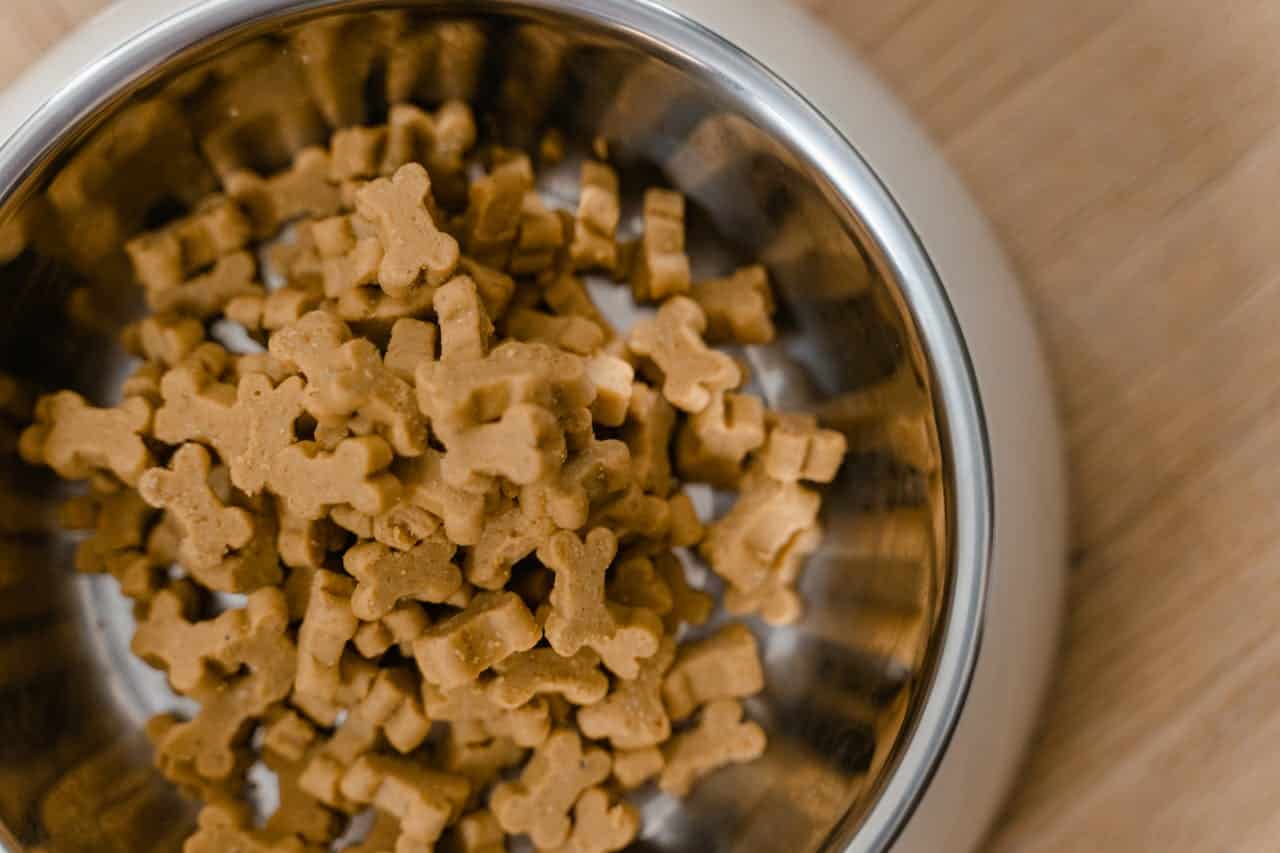
Just like human food, pet food can also attract pests. If you leave your pet’s food out all day, it could draw in ants, mice, and other pests.
To prevent this, try to feed your pet at specific times and remove any uneaten food immediately. Also, store pet food in airtight containers to keep pests out.
6. Ignoring Leaks
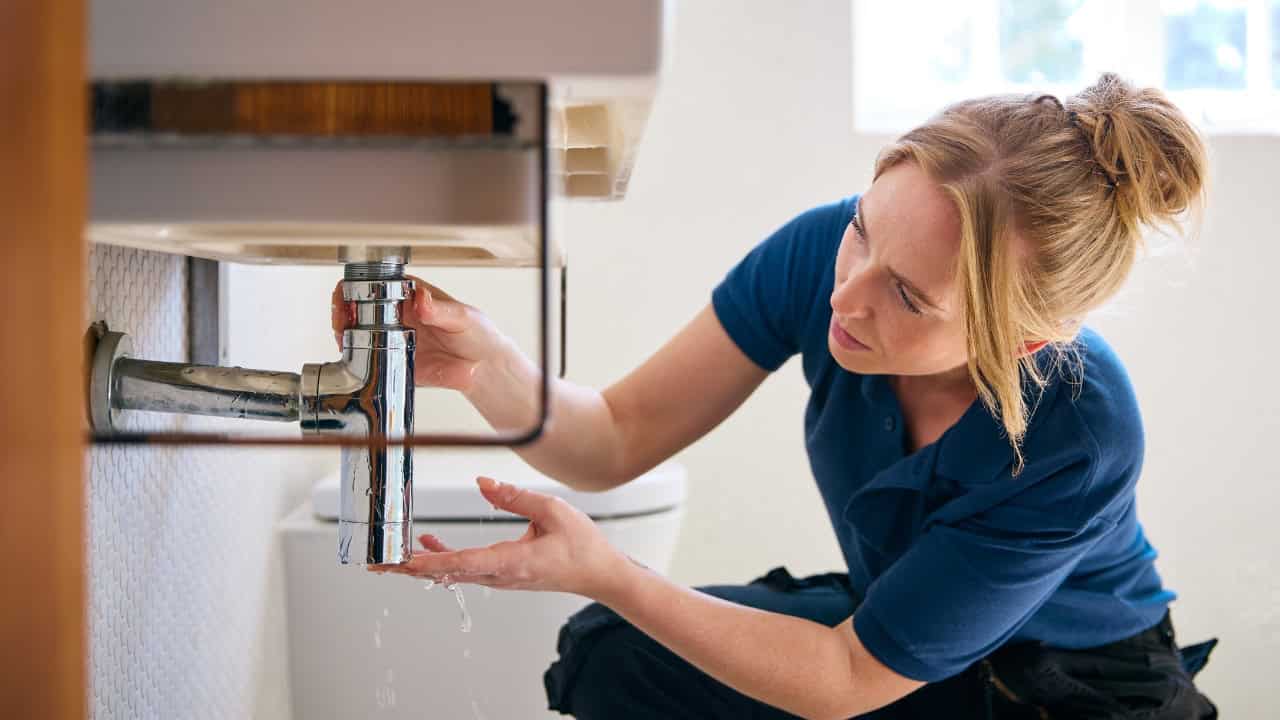
Just like overwatering plants, ignoring leaks in your home can create a moist environment that pests love. For example, a leaky pipe under your sink could attract cockroaches or ants.
Therefore, it’s important to regularly check for leaks and fix them as soon as possible. This includes checking under sinks, in the basement, and around the outside of your home.
7. Not Cleaning Regularly

A dirty home can attract pests. If you don’t clean regularly, you could be leaving behind food crumbs, spills, and other messes that pests love.
Therefore, try to keep a regular cleaning schedule. This includes sweeping and mopping floors, wiping down countertops, and cleaning up any spills immediately.
8. Keeping Firewood Close to Your Home
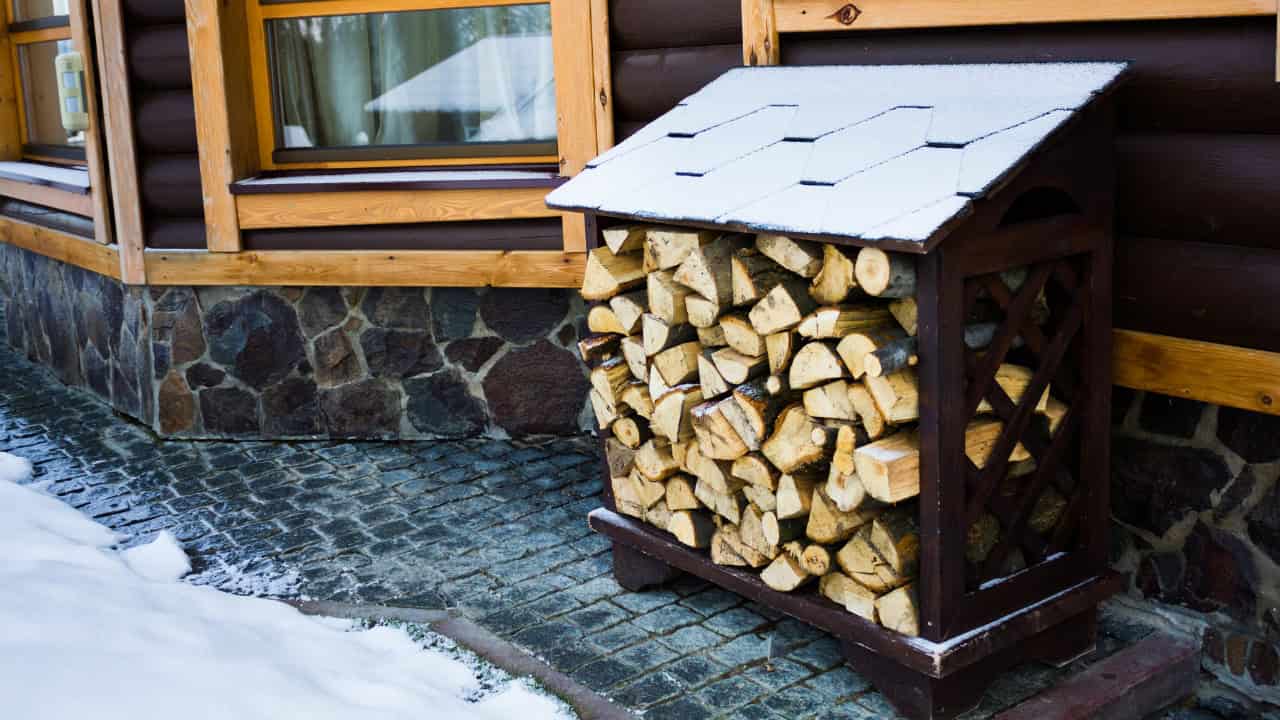
Firewood can attract pests like termites and ants. If you keep firewood close to your home, you could be inviting these pests in.
Instead, try to store firewood at least 20 feet away from your home and on a raised platform. This will help keep pests away and prevent them from easily entering your home.
9. Leaving Dirty Dishes in the Sink
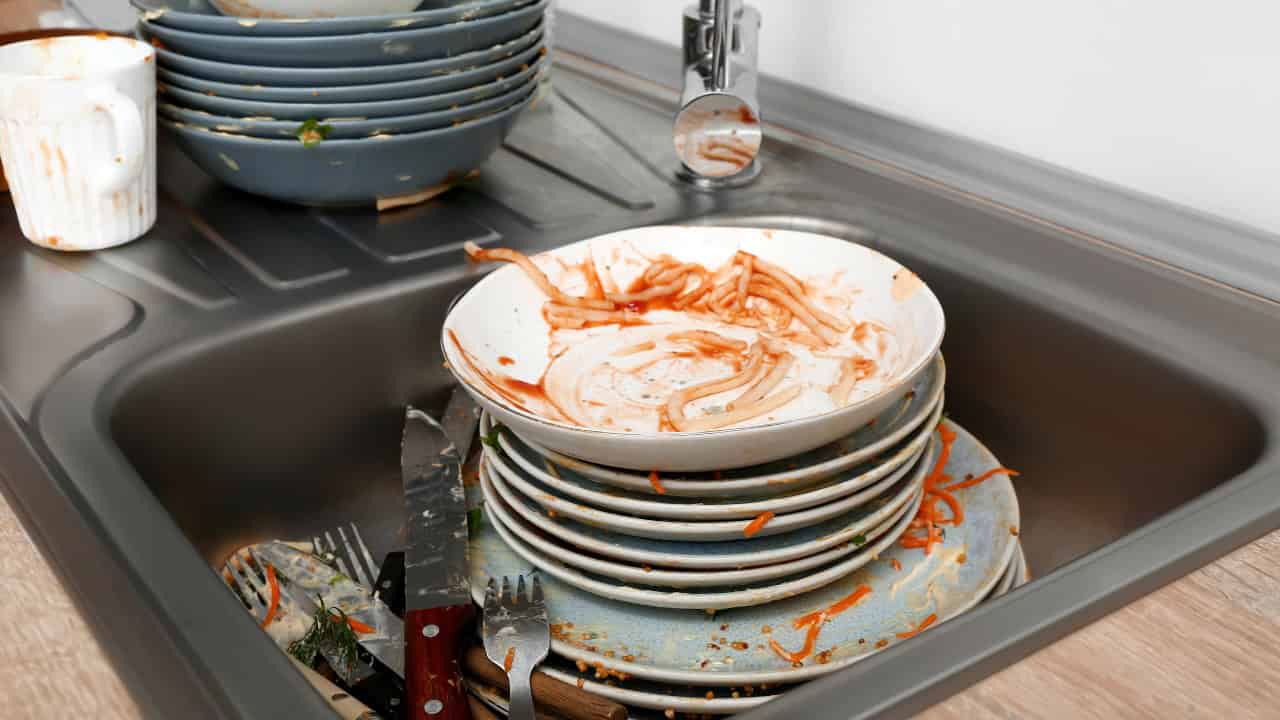
Leaving dirty dishes in the sink can attract pests like cockroaches and ants. Even a small amount of food residue can be enough to draw them in.
Therefore, try to wash dishes immediately after use or at least rinse them off and place them in the dishwasher. This will help remove any food that could attract pests.
10. Not Sealing Your Home Properly
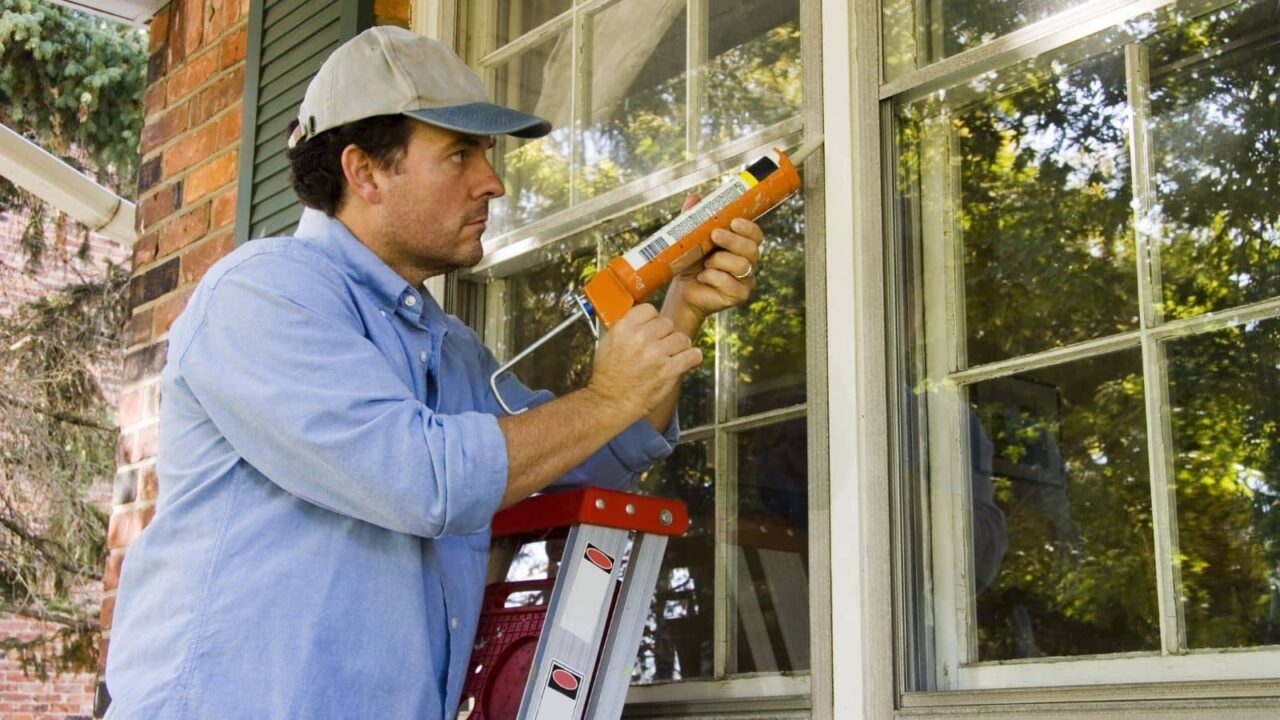
If your home isn’t sealed properly, pests can easily get in. This includes cracks and gaps around doors and windows, as well as holes in the roof or walls.
Therefore, regularly check your home for any potential entry points and seal them as soon as possible. This can be as simple as applying caulk around windows and doors, or as involved as hiring a professional to repair your roof.
11. Having a Dirty Bathroom

Bathrooms are often moist and humid, making them attractive to pests. If your bathroom is also dirty, it could be even more inviting to pests.
Therefore, try to keep your bathroom clean and dry. This includes regularly cleaning the shower, sink, and toilet, and using a fan or dehumidifier to reduce humidity.
12. Overgrown Landscaping

Overgrown landscaping can provide a perfect hiding place for pests. For instance, bushes that touch your home can provide a pathway for ants or other pests to get in.
Regularly trim your landscaping and keep it away from your home. This will help prevent pests from using it as a bridge to get inside.
13. Keeping Trash Cans Open

Open trash cans can attract pests. Even if the trash is in a bag, the smell can still draw in pests like flies, cockroaches, and rodents.
Therefore, try to keep your trash cans closed at all times. It’s also a good idea to regularly clean your trash cans to remove any food residue that could attract pests.
14. Using Bright Lights
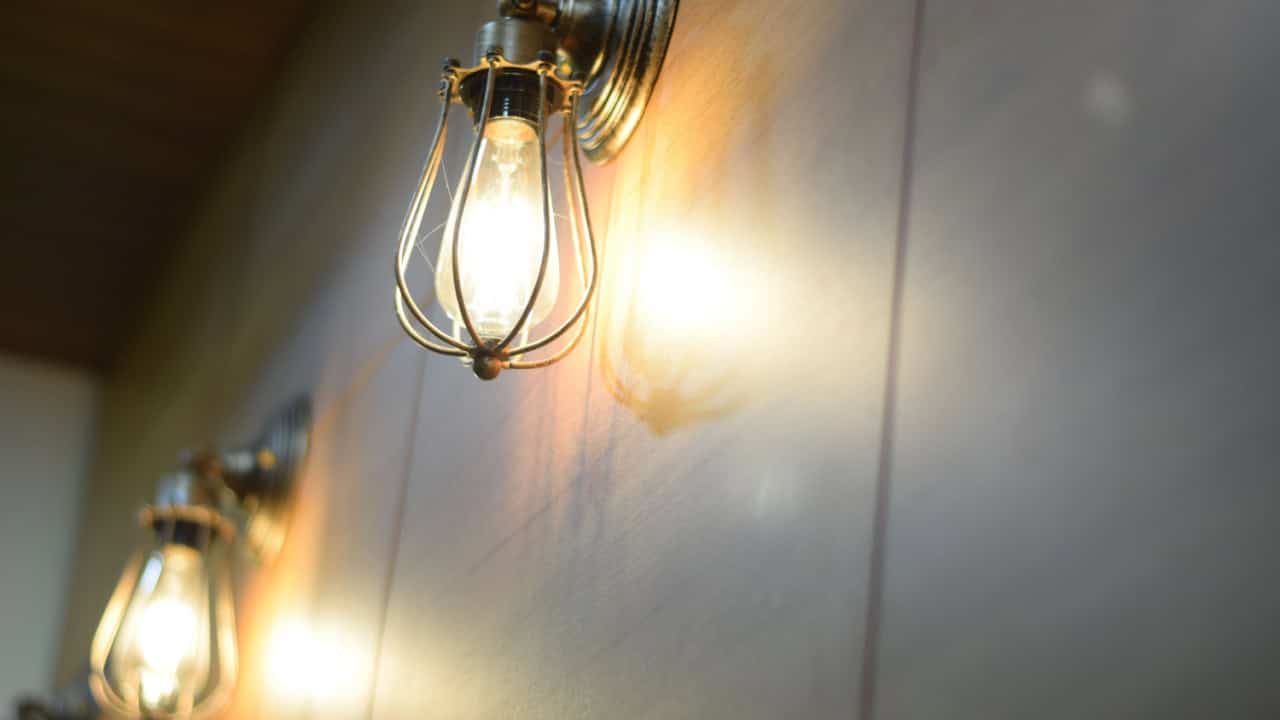
Bright lights can attract pests like moths and other flying insects. If these lights are near doors or windows, they could be drawing pests towards your home.
Consider using dimmer lights or yellow bulbs, which are less attractive to pests. Also, try to keep lights off when you’re not using them.
15. Ignoring Pest Problems
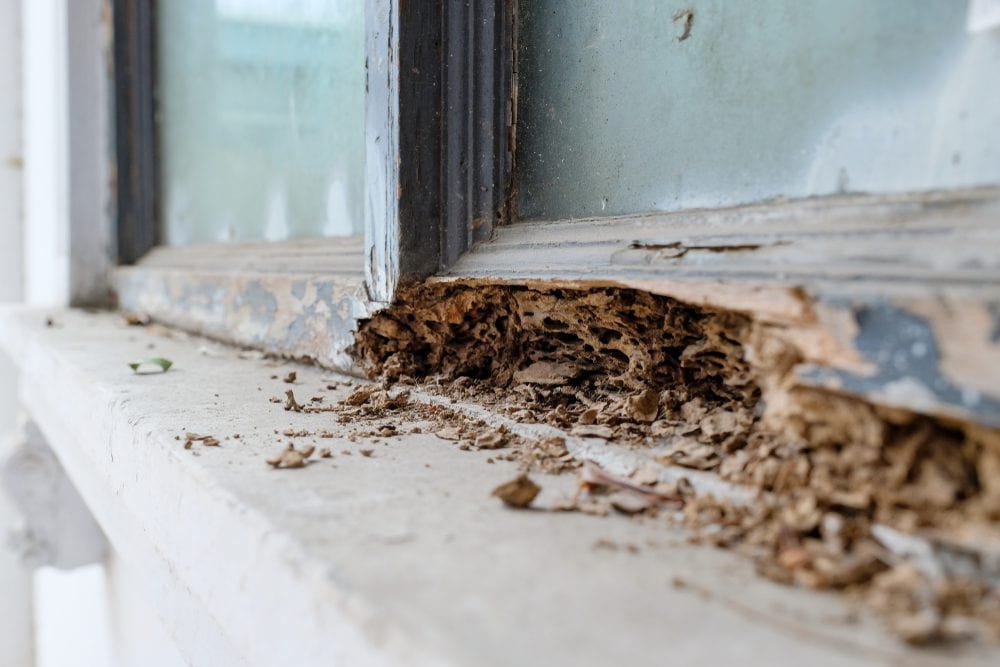
If you notice a pest problem, it’s important to address it as soon as possible. Ignoring it could allow the pests to multiply and become a much bigger problem.
If you notice signs of pests, such as droppings, damage to your home, or actually seeing the pests, it’s a good idea to call a professional pest control company. They can help identify the problem and suggest the best course of action.
16. Not Cleaning Your Gutters
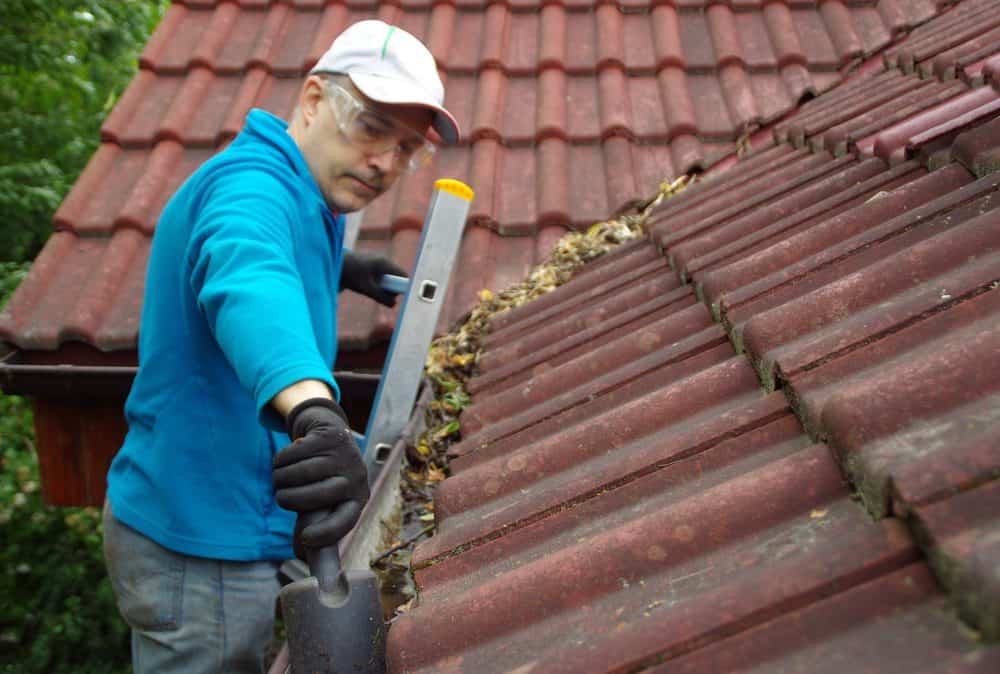
Gutters filled with leaves and other debris can create a moist environment that pests love. For example, mosquitoes can breed in the stagnant water that collects in clogged gutters.
Therefore, regularly clean your gutters to prevent water from pooling. This will help keep pests away.
17. Leaving Clothes on the Floor
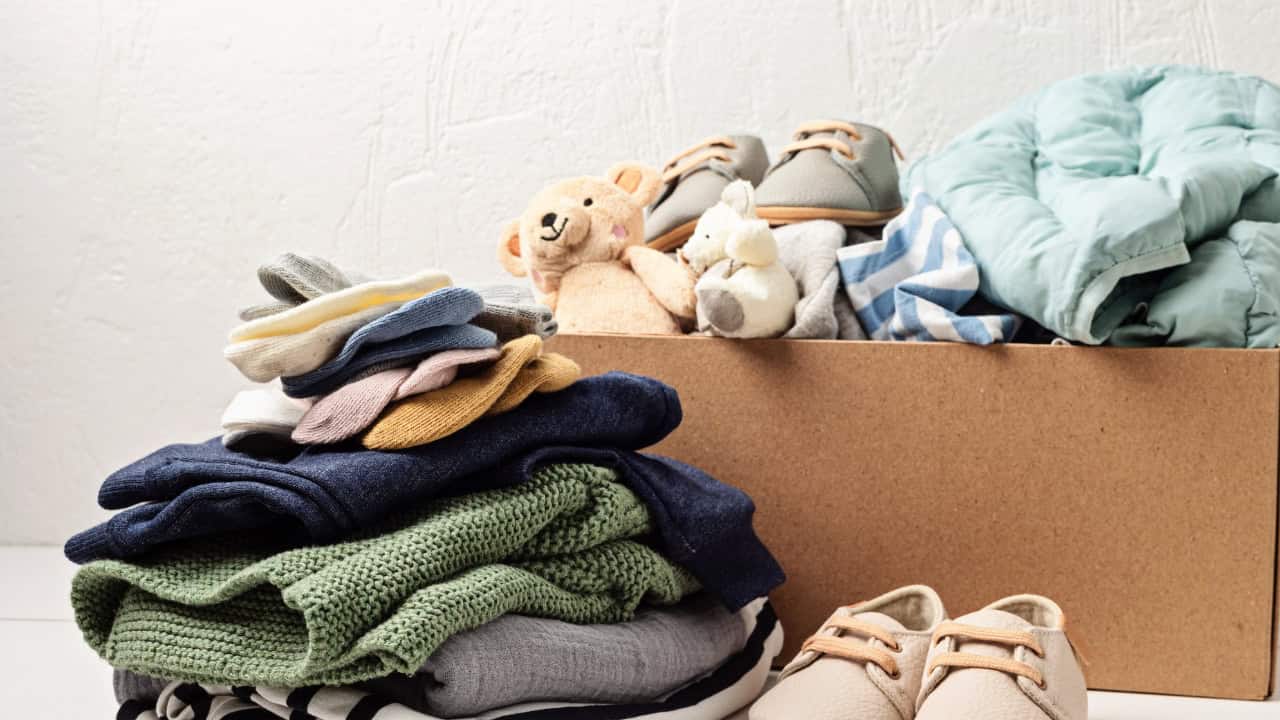
Clothes left on the floor can attract pests like silverfish and carpet beetles. These pests are attracted to natural fibers and can damage your clothes.
Try to keep clothes off the floor and store them in sealed containers or closets. This will help protect them from pests.
18. Keeping Old Cardboard Boxes

Cardboard boxes can attract pests like cockroaches and silverfish. If you have a lot of old cardboard boxes in your home, you could be inviting these pests in.
Try to get rid of old cardboard boxes as soon as possible. If you need to store items, consider using plastic containers instead, as they’re less attractive to pests.
19. Not Checking for Pests When You Bring Items In
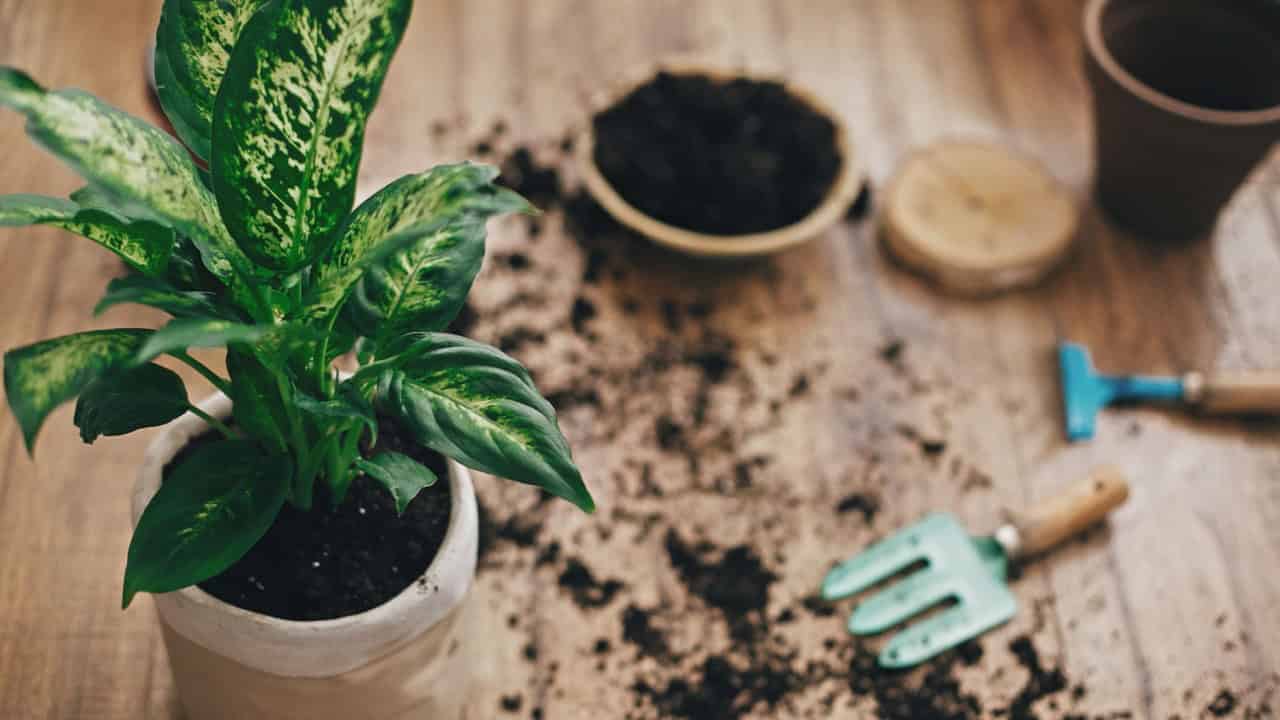
Pests can hitch a ride on items you bring into your home. For example, pests can hide in the folds of used furniture or clothing, or in the soil of potted plants.
Therefore, always check items for signs of pests before you bring them into your home. This includes thoroughly inspecting used items and shaking out clothing and blankets. If you’re bringing in a potted plant, consider repotting it in fresh soil to make sure it’s pest-free.