1. Overwatering
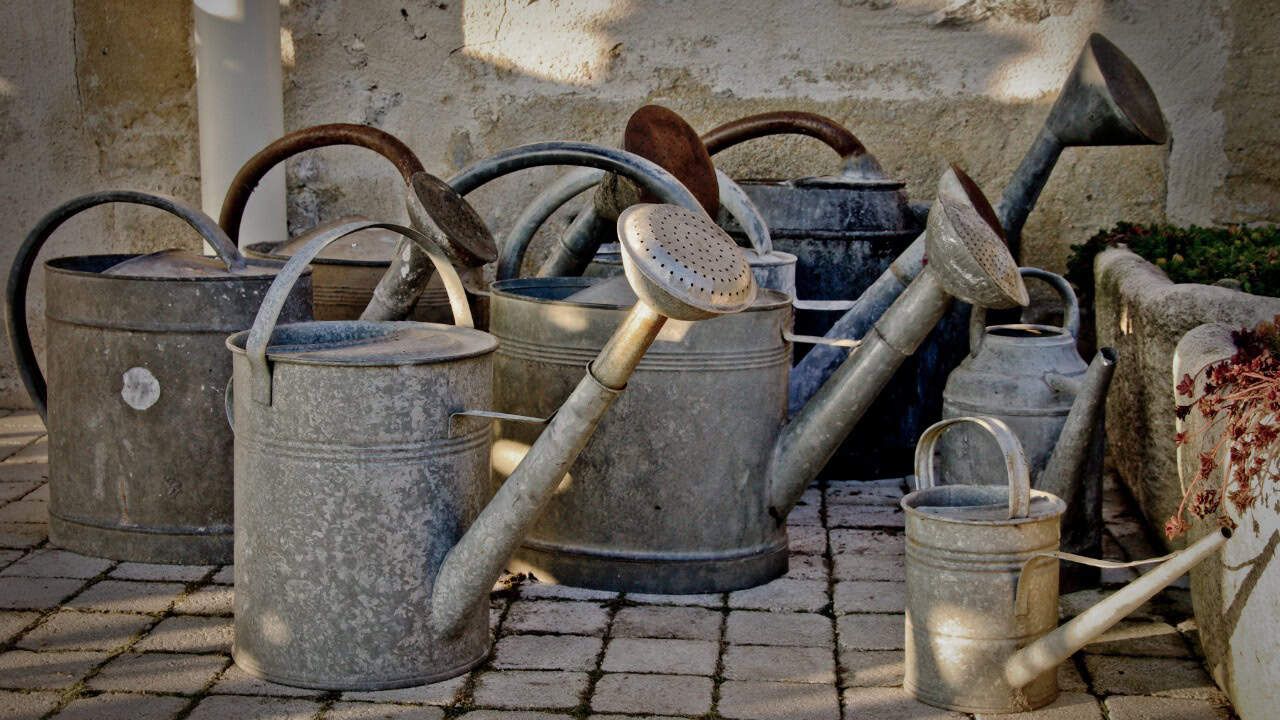
Water is vital for plant growth. It helps transport nutrients to the plant’s various parts and plays a key role in photosynthesis. However, too much of a good thing can be harmful. Overwatering your plants can cause their roots to become waterlogged and oxygen-starved. The excess water can also create an ideal environment for the growth of fungi and other harmful organisms.
A good rule of thumb is to water your plants when the top inch of soil is dry. This varies depending on the type of plant and its water needs. Some plants, like succulents, need minimal water, while others require more frequent watering. Pay attention to your plant’s specific needs and water accordingly.
Advertisement
2. Neglecting Sunlight Needs
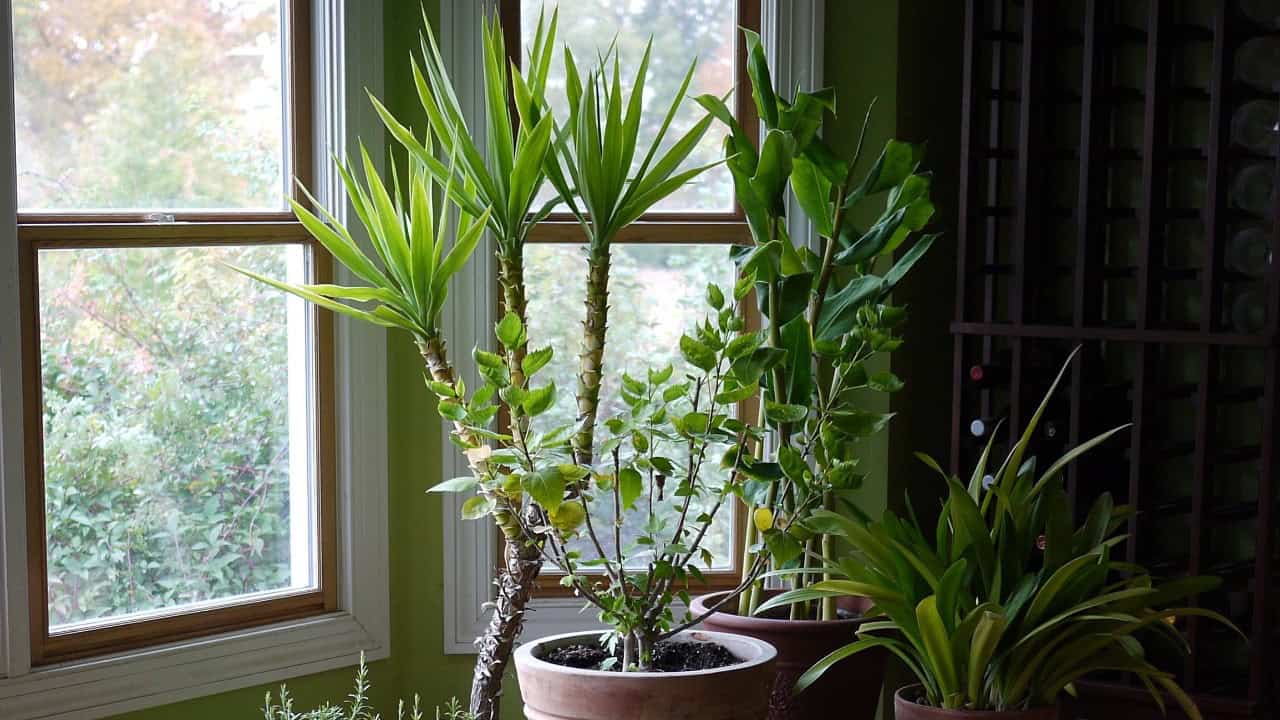
Sunlight is another crucial factor for plant growth. It’s imperative for photosynthesis, a process where plants convert sunlight into energy. But different plants have varied sunlight needs. Some plants require full sun, while others thrive in shade.
Neglecting your plant’s sunlight needs can lead to a host of problems. Plants that don’t receive enough sunlight may become leggy and weak, while those that get too much can end up with scorched leaves. Ensure your plant gets the right amount of sunlight by researching its specific sunlight needs and placing it in an appropriate location.
3. Using Unfit Soil
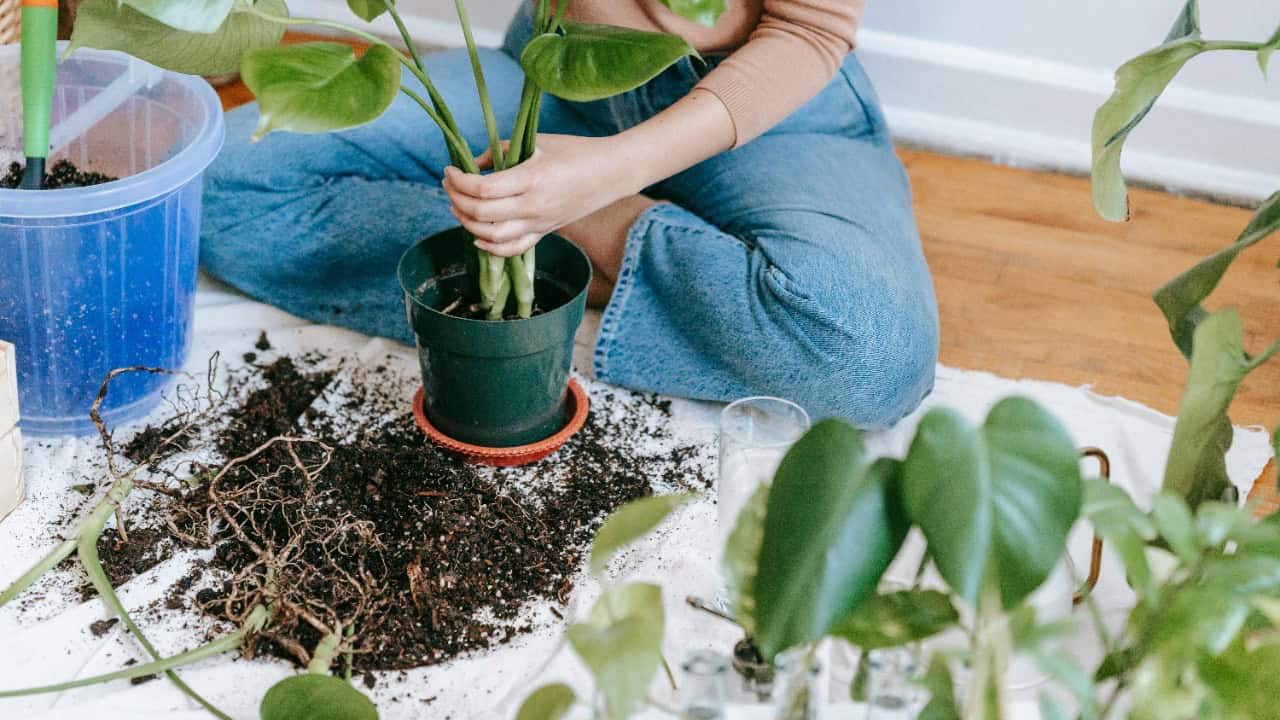
Soil serves as the foundation for your plants. It provides them with essential nutrients and serves as a medium for root support. However, not all soil is created equal. Different plants require different soil types to thrive.
Using unfit soil can lead to unhealthy or stressed plants. For example, succulents require well-draining soil, while ferns thrive in rich, moist soil. Using the wrong soil type can lead to poor nutrient absorption, waterlogging, or even root damage. Be sure to use the right soil type for your plant to ensure optimal growth.
4. Over-fertilizing
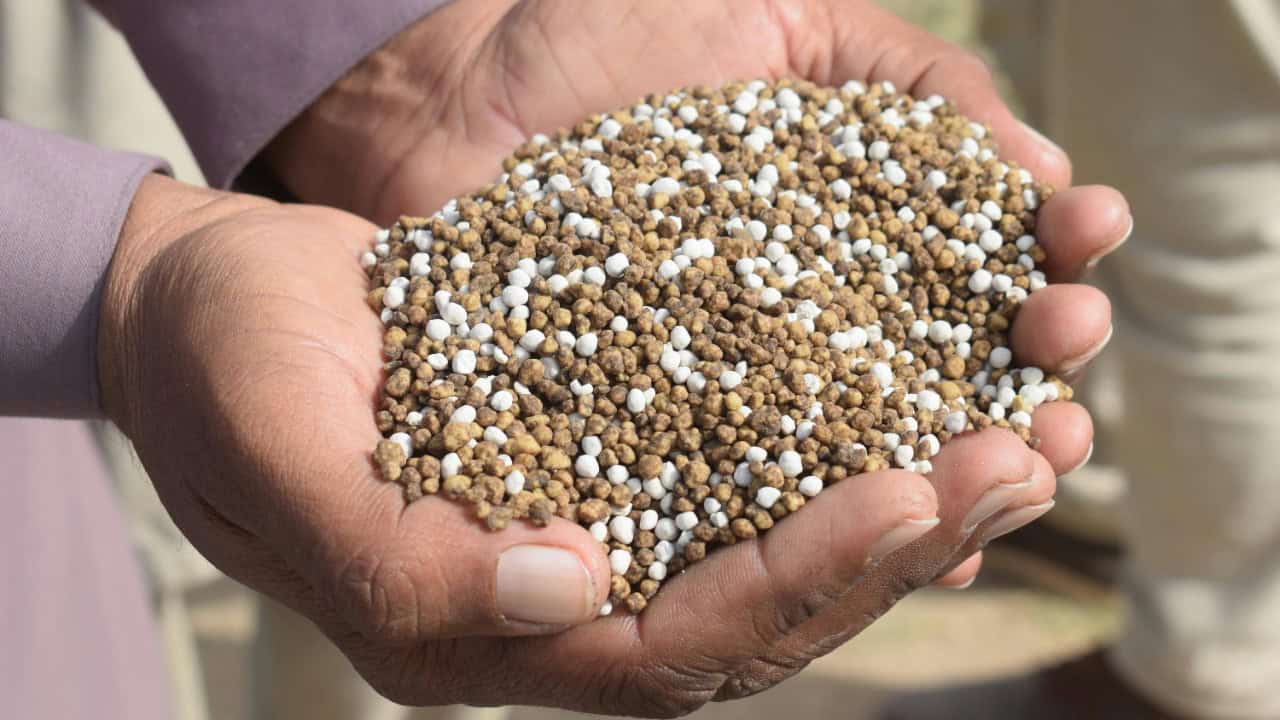
Fertilizing your plants is essential for providing them with nutrients not available in their current soil. However, over-fertilizing can lead to a build-up of salts that can damage the plant’s roots, causing them to burn and potentially die.
To avoid over-fertilizing, ensure you follow the instructions on the fertilizer package. Also, it’s crucial to know your plant’s specific nutrient needs. Some plants, like succulents, require minimal fertilizing, while others, such as roses, need more frequent feeding.
5. Ignoring Pest Infestations
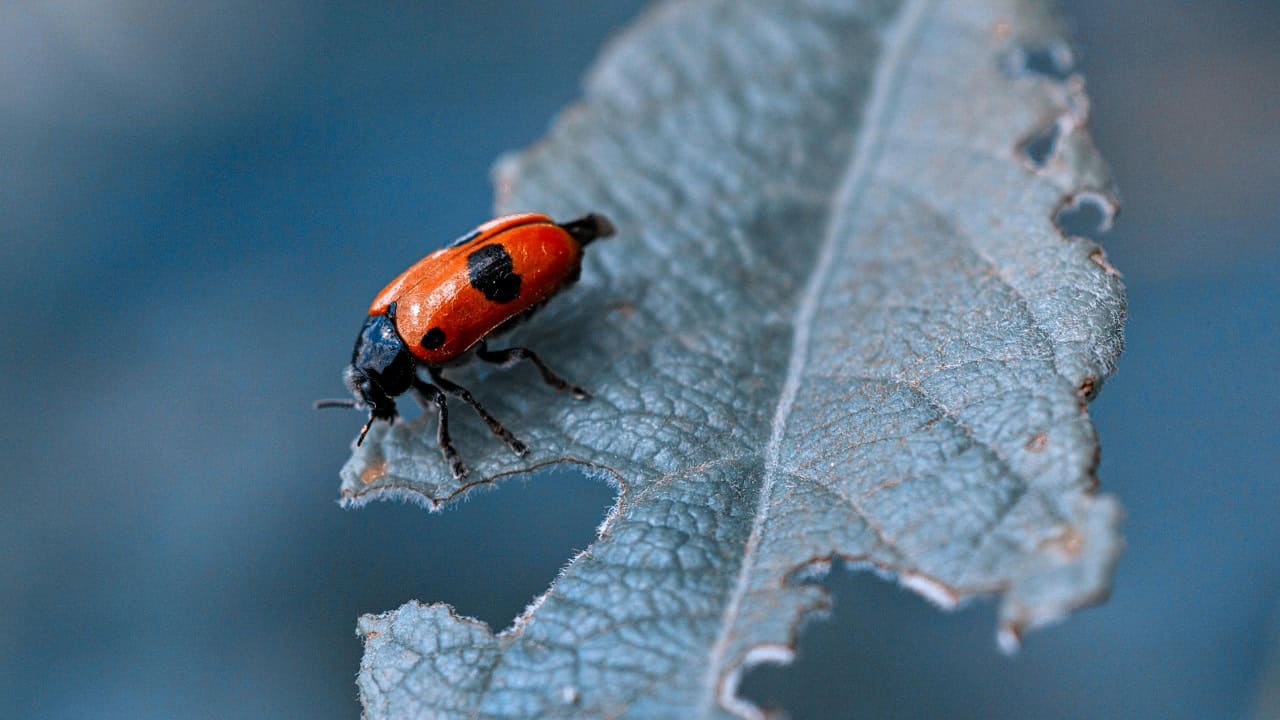
Pests can cause significant damage to your plants, often resulting in stunted growth, yellowing leaves, and in severe cases, plant death. If left unchecked, these pests can quickly multiply and infest your other plants.
The key to managing pest infestations is early detection and intervention. Regularly inspect your plants for signs of pest activity, such as chewed leaves or a sticky residue. If you spot these signs, take action immediately, whether it involves natural remedies like neem oil or commercial pest control products.
6. Using Poor Quality Water
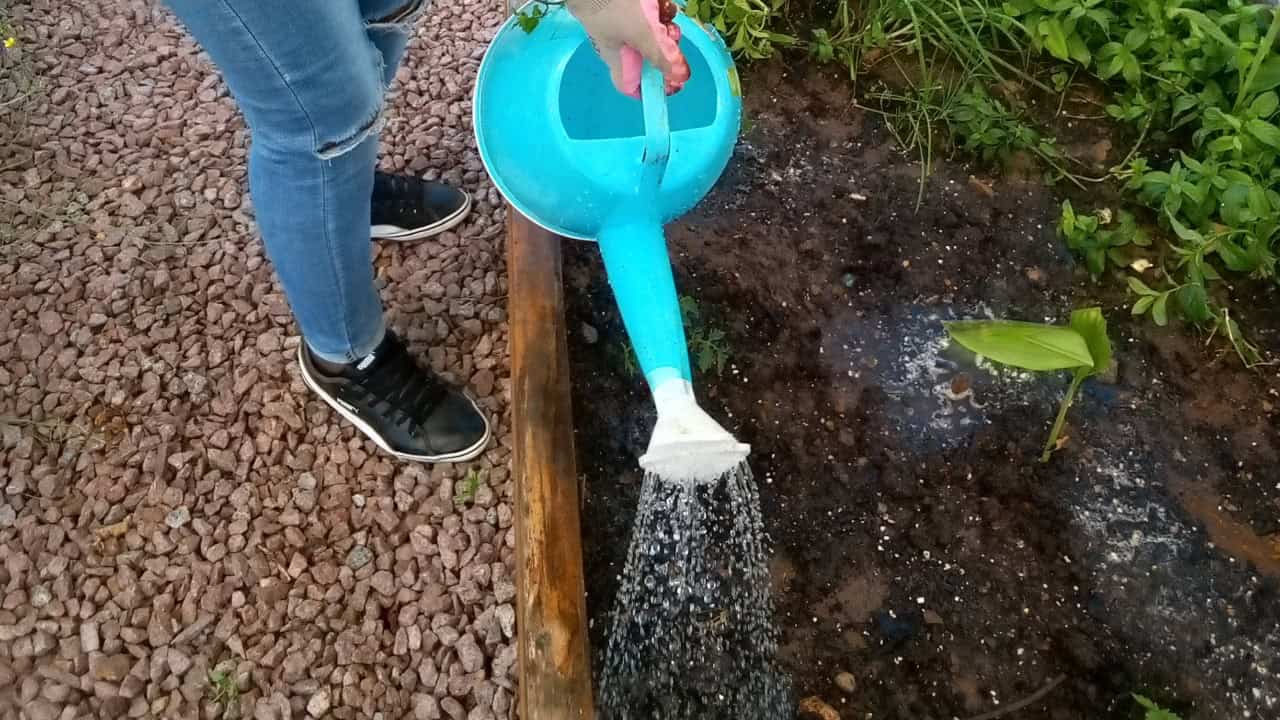
The quality of water you use can significantly affect your plants’ health. Tap water, for instance, often contains chlorine, which can harm your plants if used consistently over time.
To avoid stressing your plants with poor-quality water, consider using filtered or rainwater. If you must use tap water, let it sit overnight before watering your plants to allow the chlorine to evaporate.
7. Over-pruning
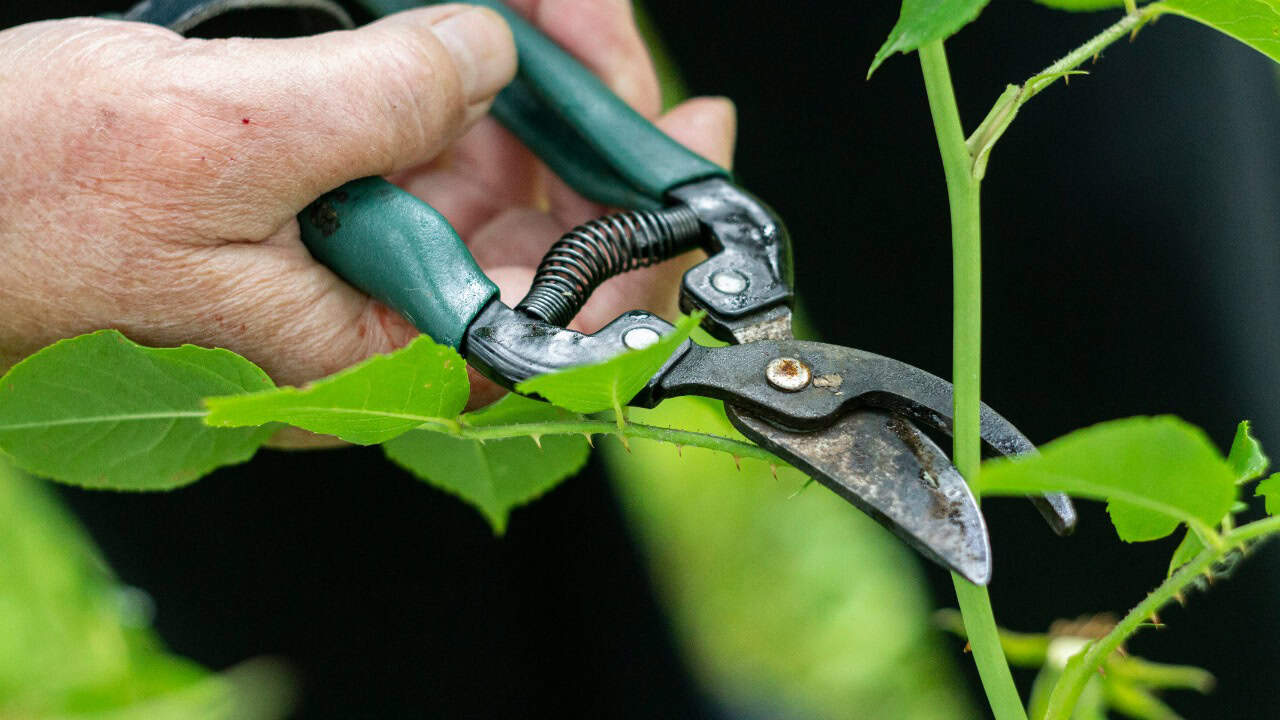
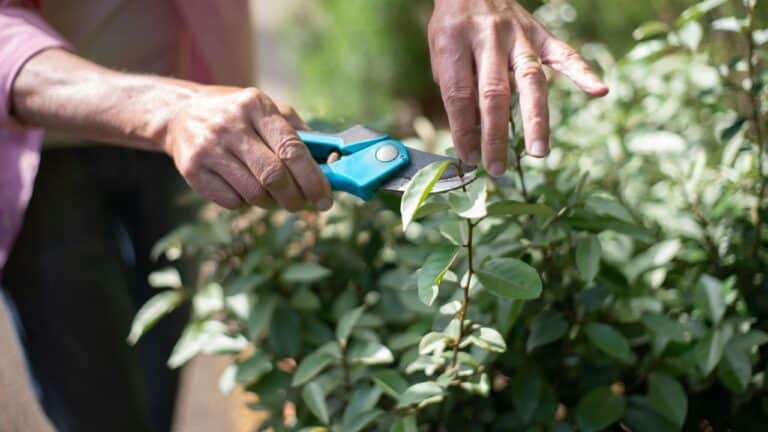
While pruning can help your plant maintain its shape and remove dead or diseased parts, overdoing it can stress your plant. Too much pruning can stunt its growth and make it more susceptible to diseases and pests.
As a general rule, never remove more than one-third of your plant at a time. Also, try to prune during the plant’s dormant period to minimize stress.
8. Ignoring Temperature Needs
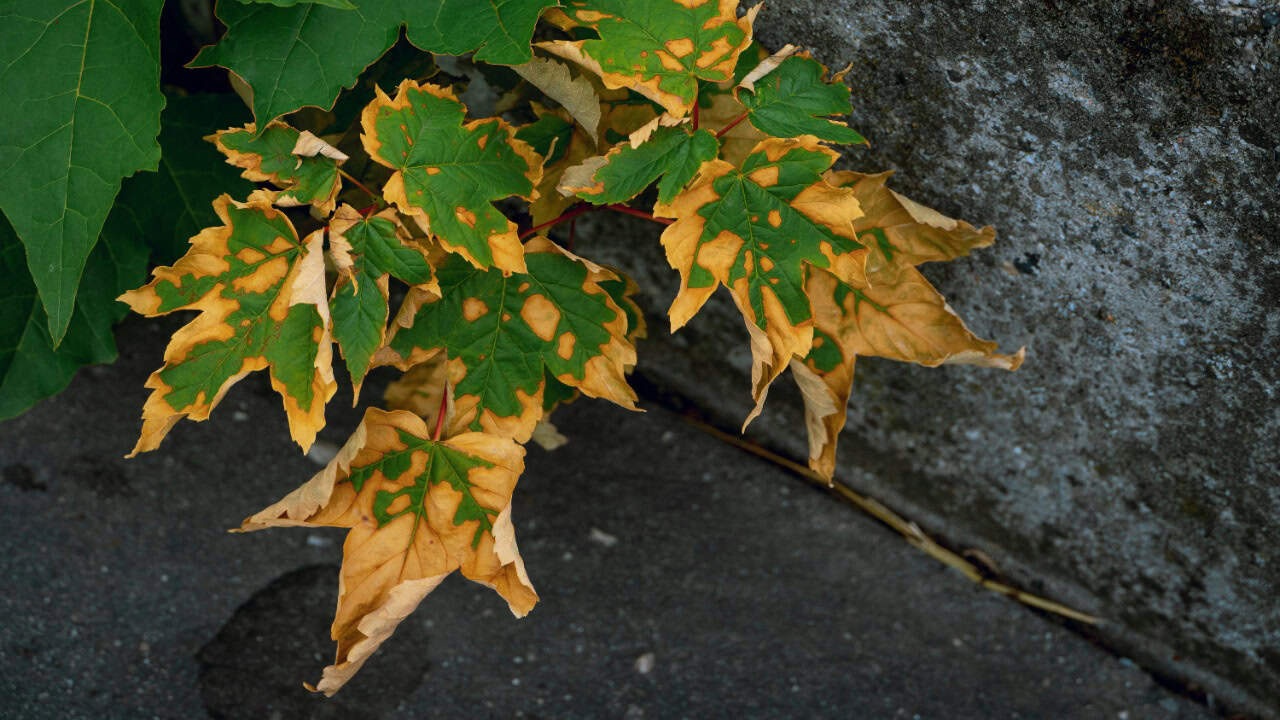
Just like humans, plants have preferred temperature ranges. Ignoring these needs can lead to your plant becoming stressed and potentially dying.
Research your plant’s preferred temperature range and try to maintain it. Keep in mind that temperatures can vary dramatically between day and night, and even between different parts of your home.
9. Repotting Too Often
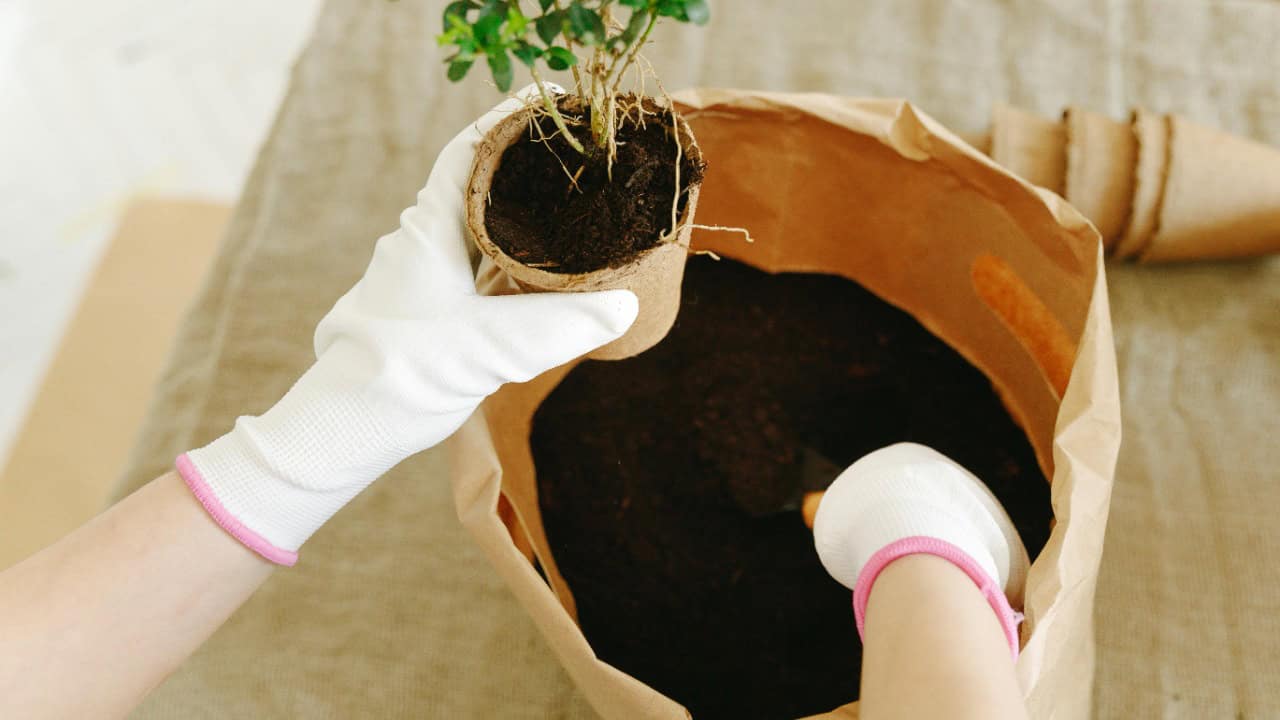
While repotting can give your plant more room to grow and fresh soil, doing it too often can stress your plant. Repotting can disturb the plant’s roots, leading to transplant shock.
To avoid this, only repot when necessary, such as when the plant has outgrown its current pot, or the soil has depleted its nutrients.
10. Using Dirty Tools
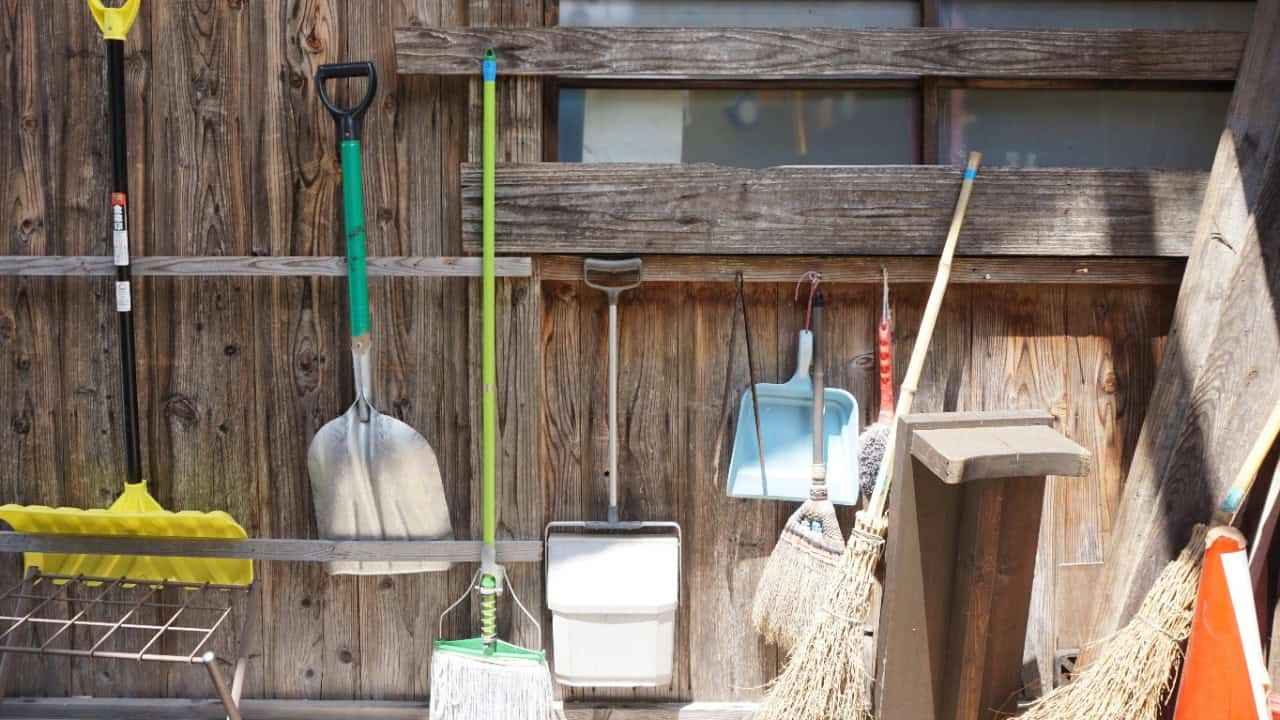
Dirty gardening tools can spread diseases and pests from one plant to another, causing unnecessary stress. Always clean and sterilize your tools before moving on to the next plant.
11. Planting Incompatible Plants Together
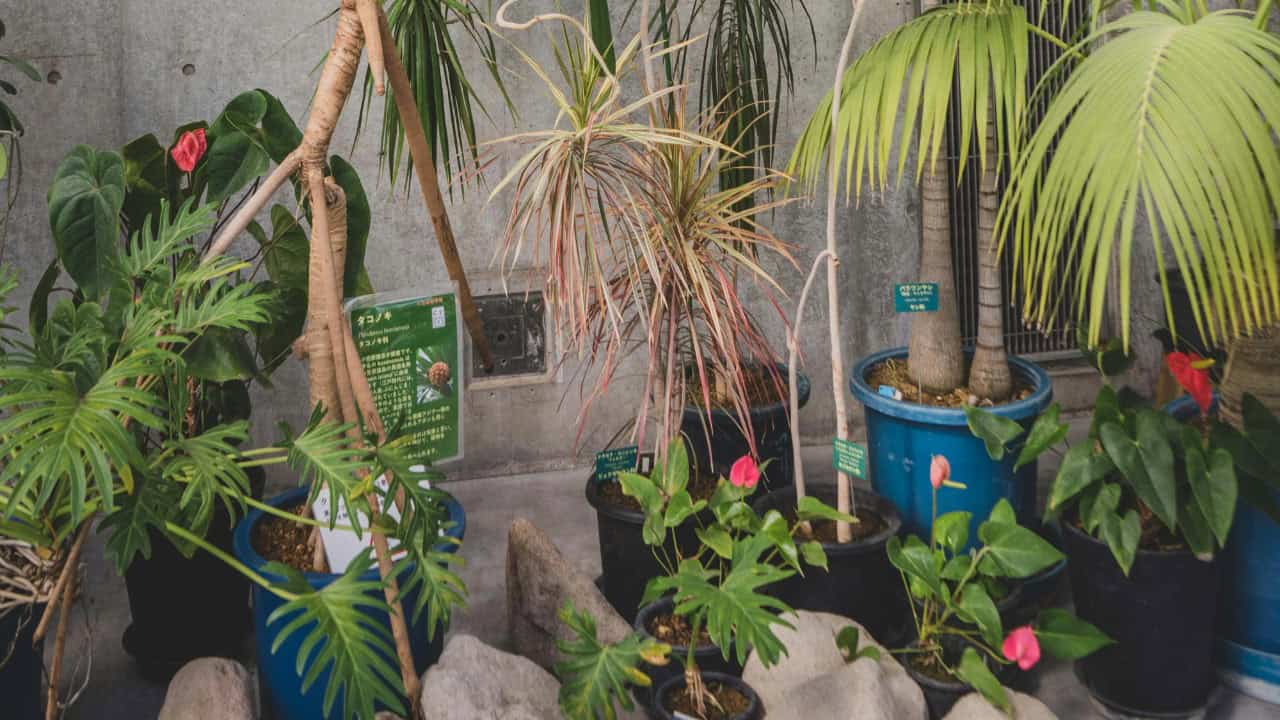
Some plants need lots of sunlight, while others prefer the shade. Some need lots of water, while others prefer dry soil. Planting incompatible plants together can lead to one or both becoming stressed.
12. Ignoring Humidity Needs
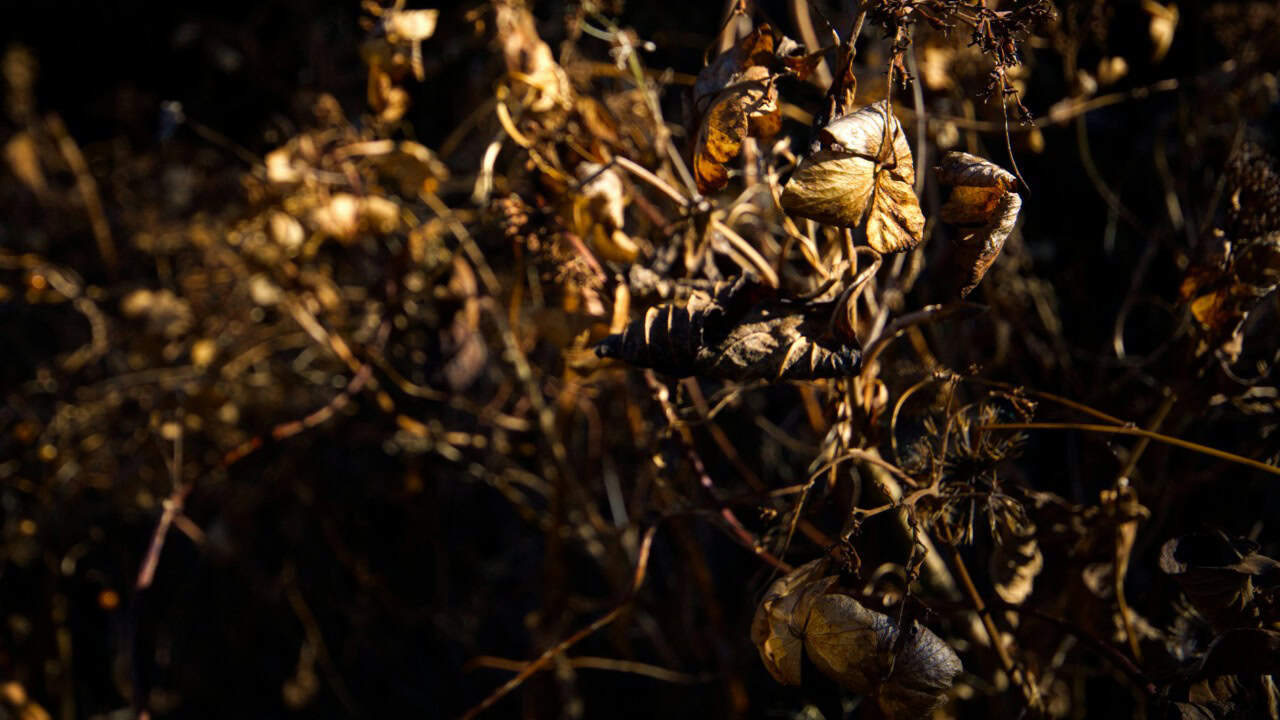
Just as plants have preferred temperature ranges, they also have preferred humidity levels. Ignoring these needs can lead to your plant becoming stressed and potentially dying.
13. Neglecting Air Circulation
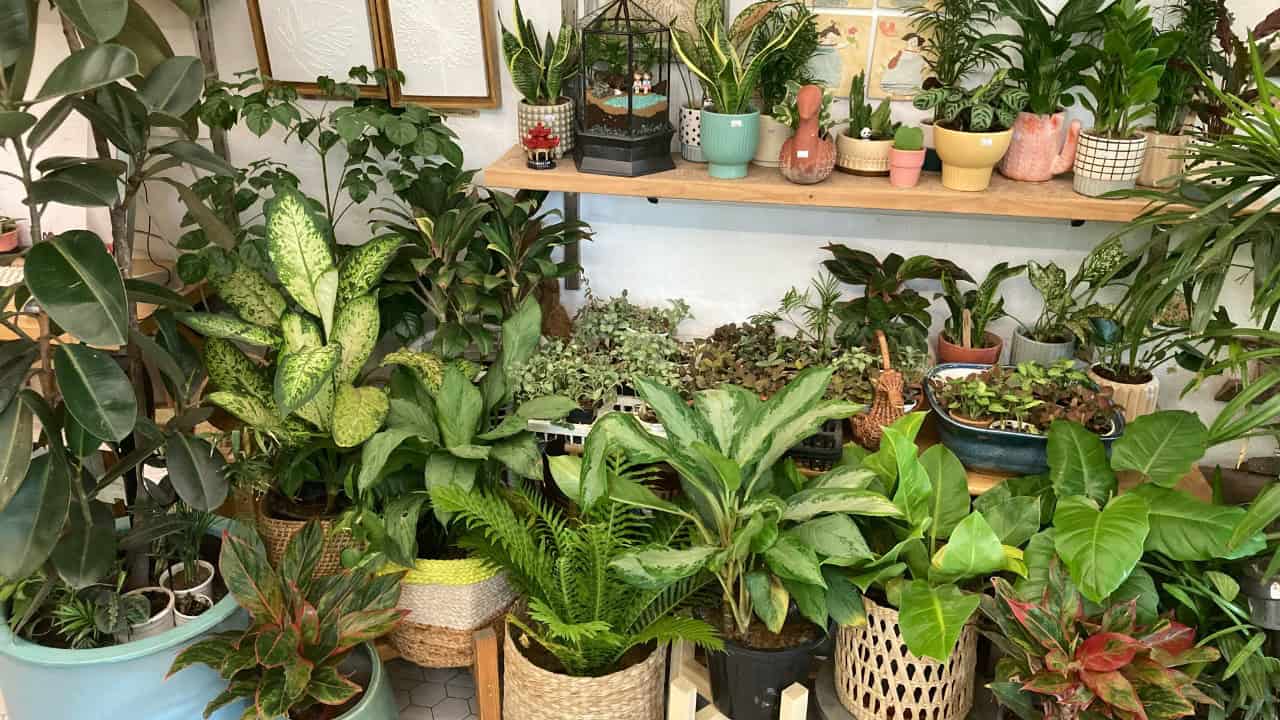
Plants need good air circulation to thrive. Without it, they can become prone to diseases and pests, leading to unnecessary stress.
14. Drowning In Deep Pots

Plants need room to grow, but if the pot is too deep, the roots can become waterlogged and oxygen-starved, leading to unnecessary stress.
15. Using Synthetic Pesticides
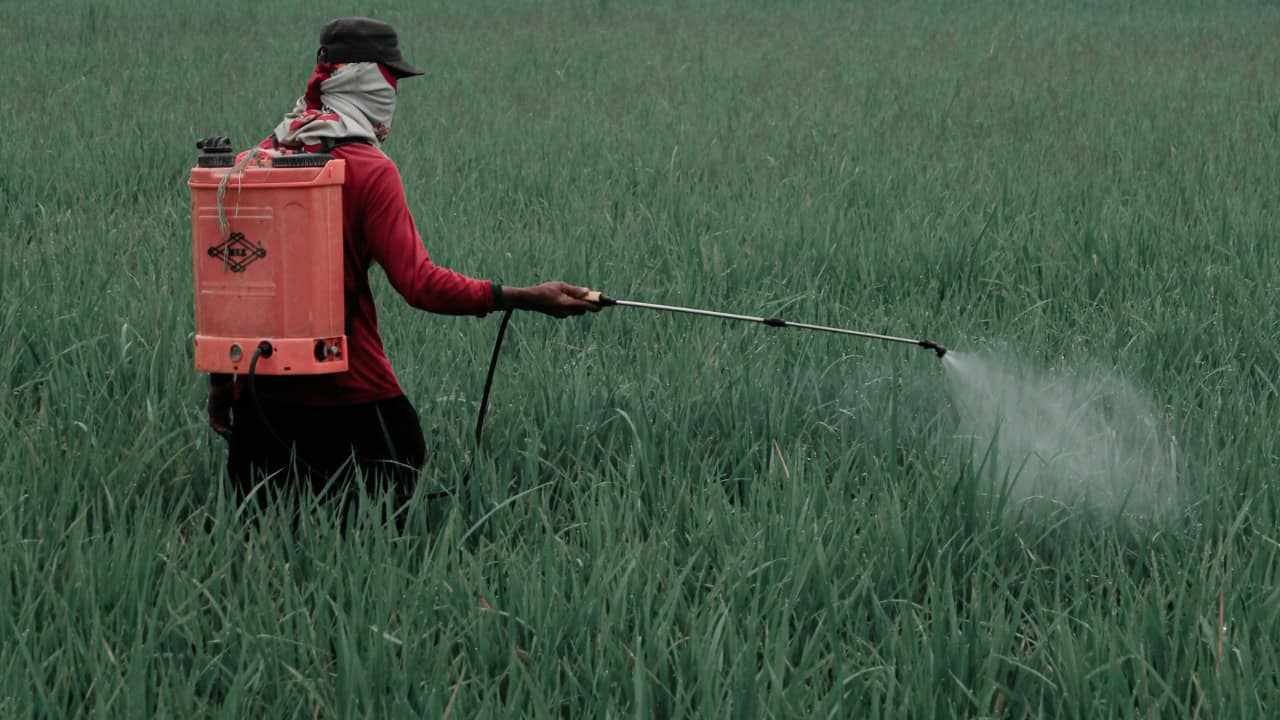
While synthetic pesticides can kill pests, they can also harm your plants and the beneficial insects that help them thrive. Try using organic pest control methods instead.
16. Planting At The Wrong Time
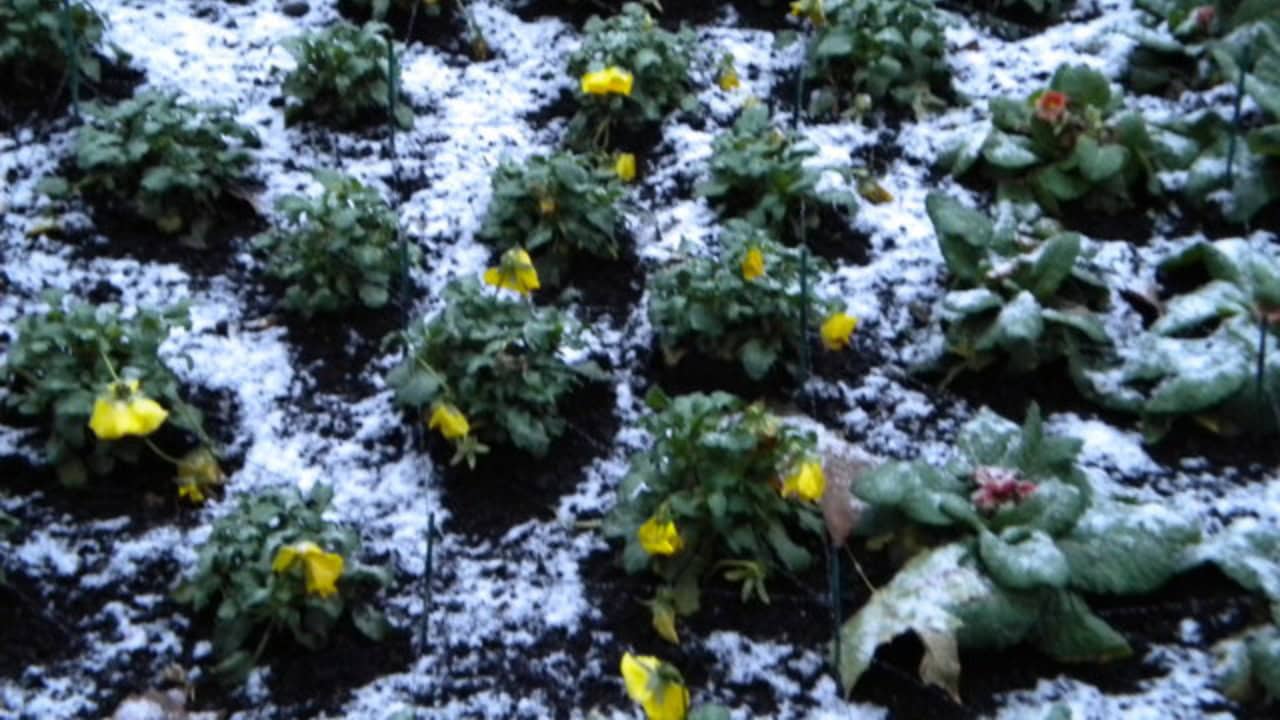
Planting at the wrong time can lead to your plant becoming stressed and potentially dying. Research the best time to plant to ensure your plant gets the best start.
17. Ignoring Disease Signs
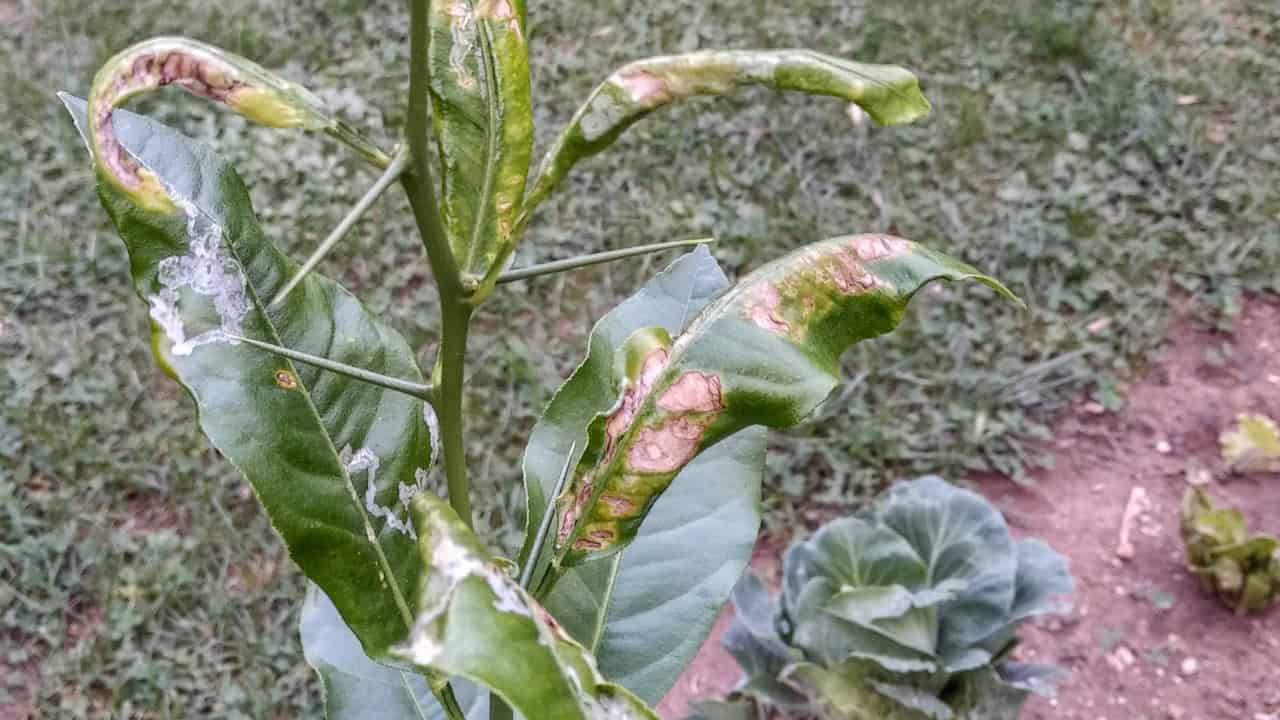
Ignoring the signs of plant disease can lead to unnecessary stress and potentially death. Always keep an eye out for signs of disease and take action immediately.
18. Neglecting Proper Spacing
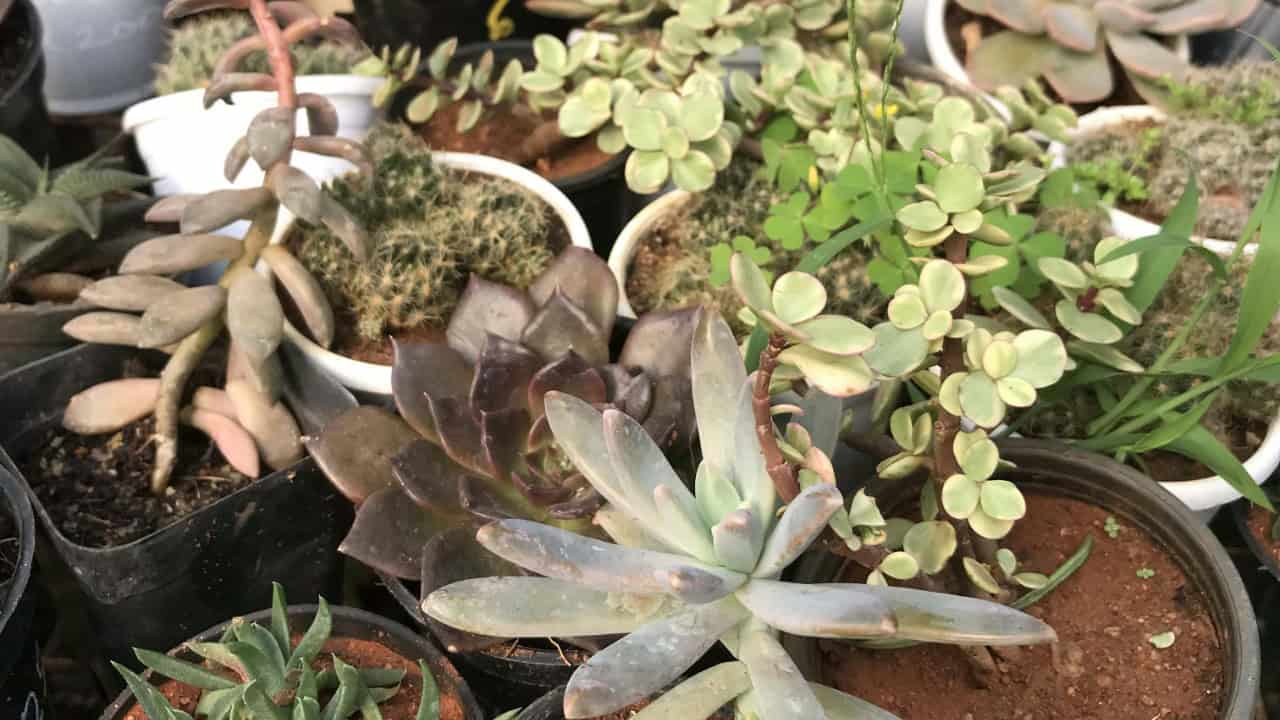
Plants need room to grow. Planting them too close together can lead to competition for resources, causing unnecessary stress.
19. Using Heavy Or Compacted Soil
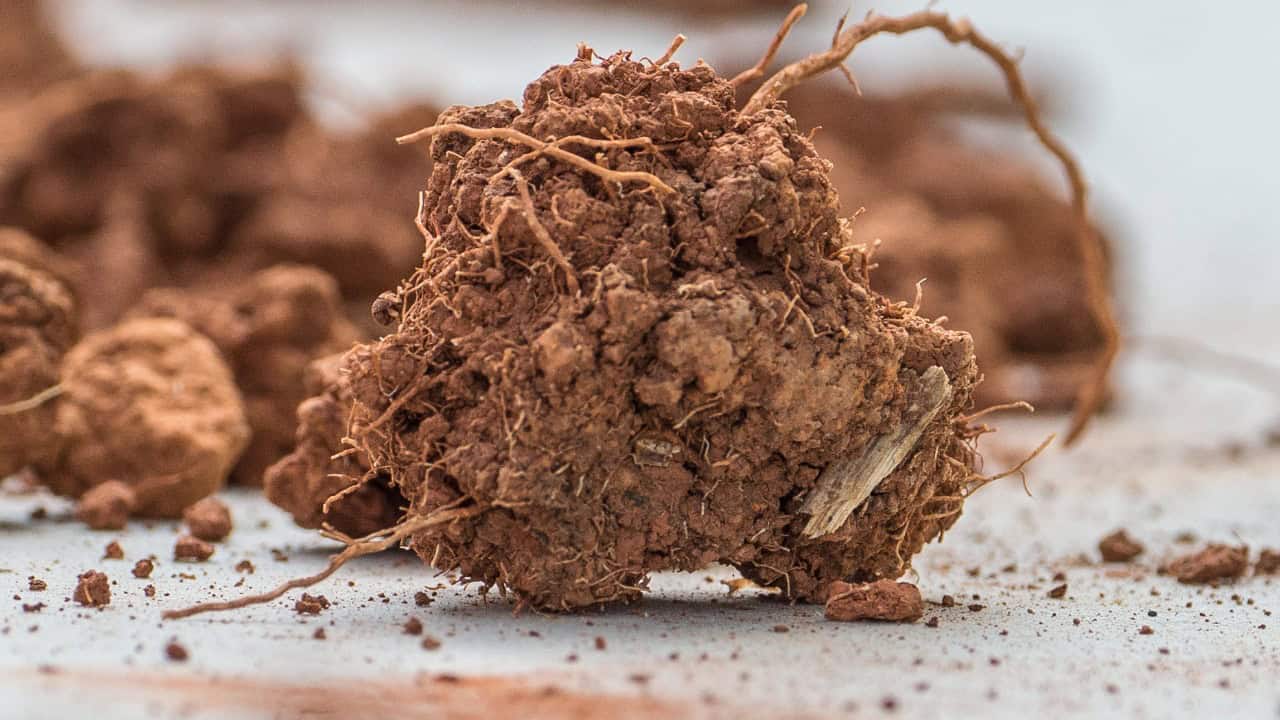
Heavy or compacted soil can suffocate plant roots, leading to unnecessary stress. Always use light, well-draining soil to ensure your plant has room to grow.