Every gardener, from beginners to seasoned pros, knows the joy of harvesting a perfect, juicy tomato from their own backyard. But what happens when that joy turns into despair as your tomato crop fails to thrive or even survive? Rather than celebrating the fruits of your labor, you’re left scratching your head and wondering what went wrong. The truth is, there are many potential pitfalls that can turn your tomato dreams into a garden nightmare. In this blog post, we’ll explore 19 ways you might be unwittingly ruining your tomato crop, so you can avoid these common mistakes and enjoy a healthy, bountiful harvest.
1. Planting Too Early
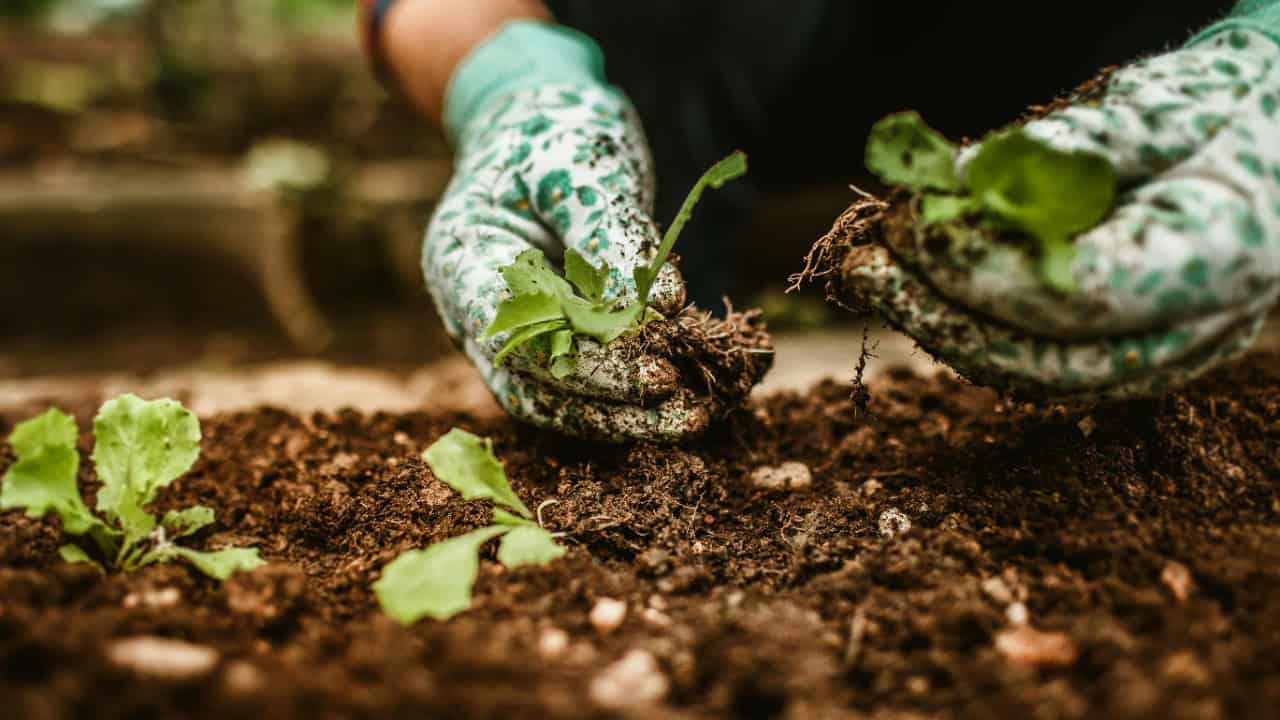
Tomatoes are heat-loving plants that require a soil temperature of at least 60°F to grow. Planting your tomatoes too early when the ground is still cold can stunt their growth or even kill them. Wait until after the last frost in your region, and if possible, use a soil thermometer to ensure the ground is warm enough.
Moreover, young tomato plants are more susceptible to damage from late frosts. If a frost is predicted after your tomatoes have been planted, protect them with a frost blanket or similar covering. It’s better to wait a little longer for the right conditions than to risk losing your plants to cold weather.
Advertisement
2. Overwatering

While tomatoes do need consistent watering, too much water can be just as harmful as too little. Overwatering can lead to root rot and other fungal diseases. The soil should be kept moist, but not waterlogged.
A good rule of thumb is to water deeply but infrequently. This encourages the plants to develop deep root systems, which will help them to be more drought-tolerant. Also, always water at the base of the plant to avoid getting the leaves wet, which can lead to disease.
3. Not Providing Enough Sunlight
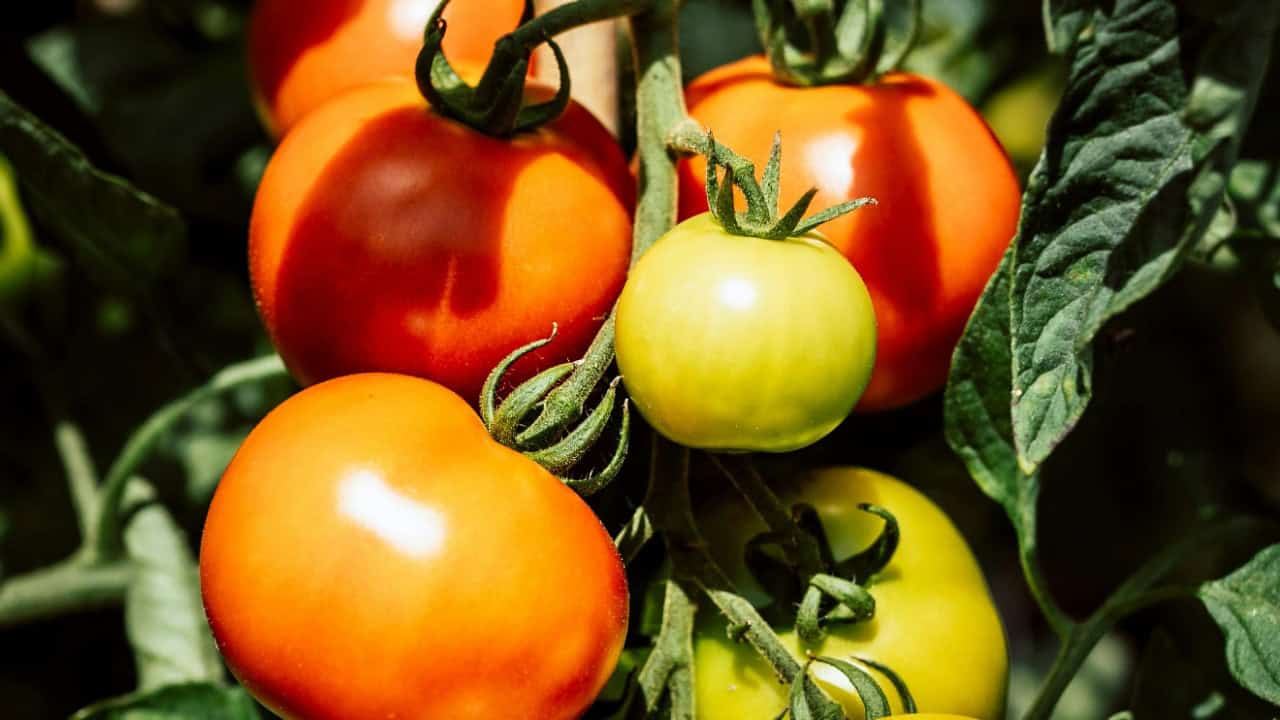
Tomatoes need at least 6 to 8 hours of direct sunlight each day. Without enough sunlight, your plants will become weak and spindly, and they’ll produce fewer, smaller fruit. Make sure you’re planting your tomatoes in a spot that gets plenty of sun.
If your garden doesn’t get enough sun, consider growing your tomatoes in containers that you can move to sunnier spots throughout the day. You can also use reflective surfaces, like aluminum foil or white plastic, to increase the amount of light your plants get.
4. Ignoring Soil Quality
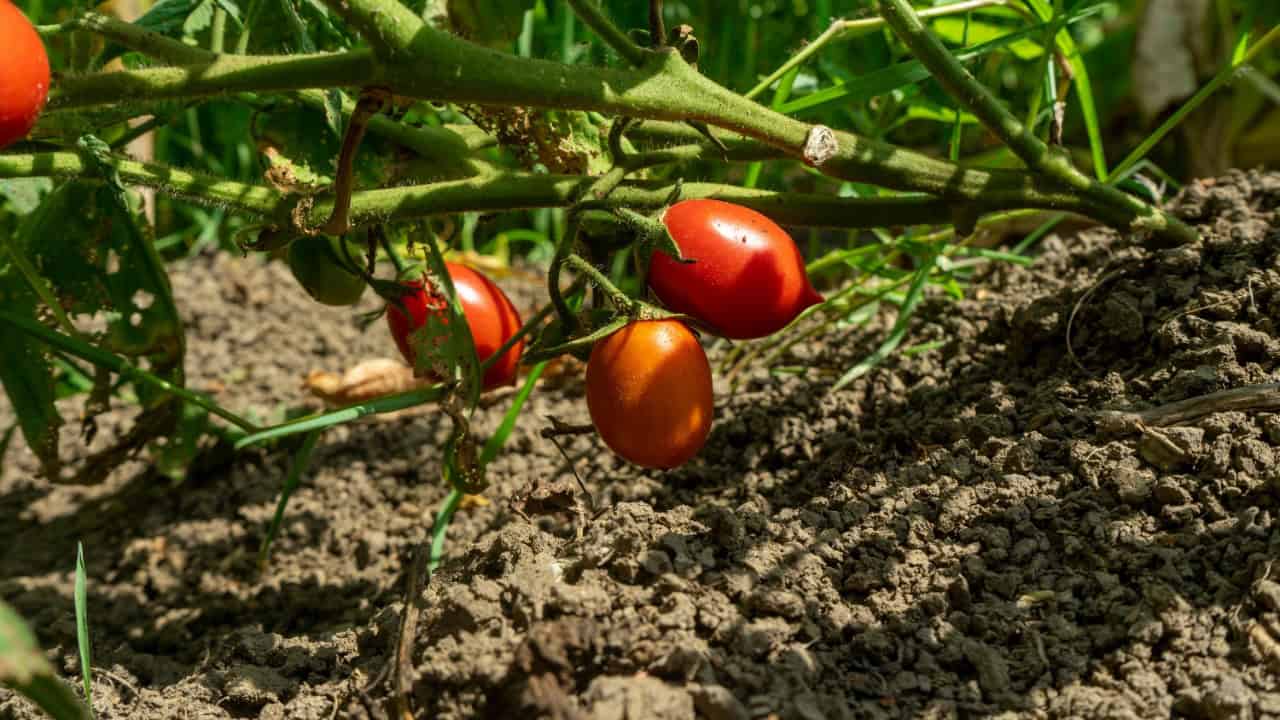
Tomatoes prefer well-drained, slightly acidic soil rich in organic matter. Ignoring your soil’s quality can lead to poor plant health and reduced yield. Before planting, test your soil’s pH level and amend it as necessary.
Additionally, adding compost or well-rotted manure to your soil can help improve its structure and nutrient content. Healthy soil is key to a successful tomato crop, so don’t skimp on this crucial step.
5. Planting the Same Varieties Every Year
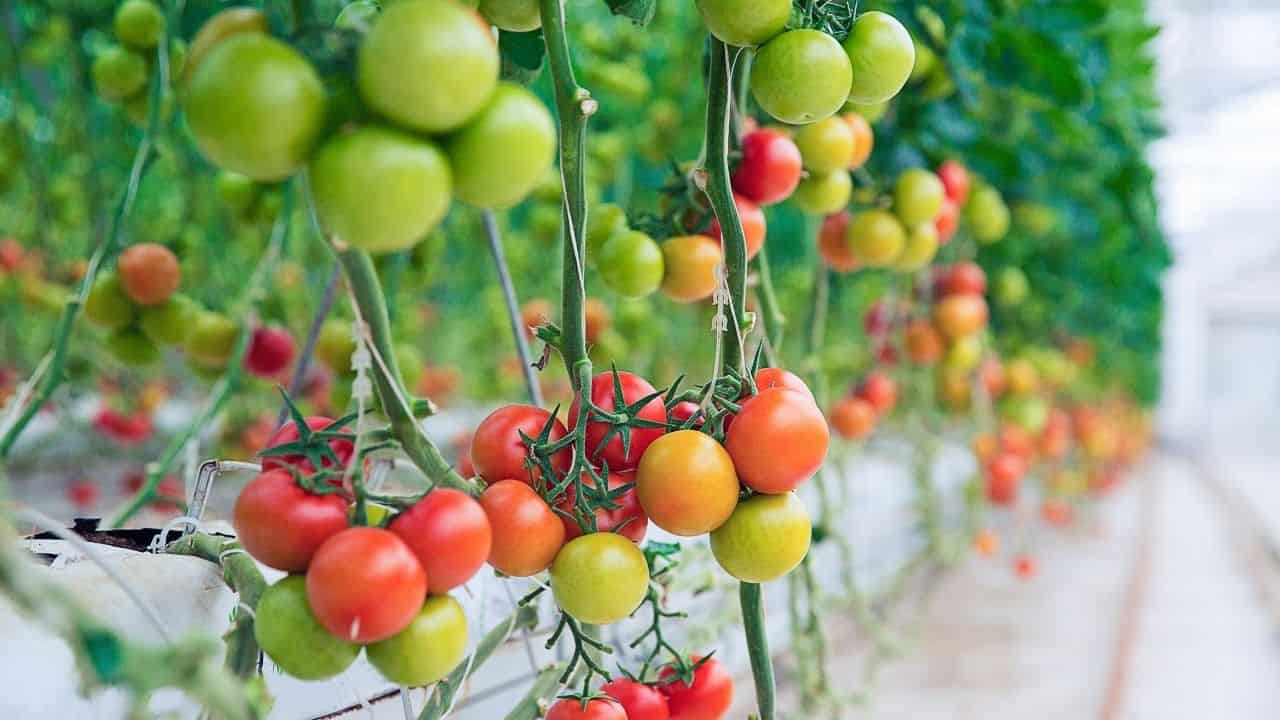
While it’s tempting to stick with what you know, planting the same tomato varieties year after year can lead to a buildup of diseases in your soil. Rotate your crops and try different varieties each year to keep your soil healthy and your garden interesting.
Try experimenting with both determinate and indeterminate varieties, as well as different colors and types of tomatoes. Not only will this help keep your soil healthy, but you might also discover a new favorite variety!
6. Neglecting to Prune
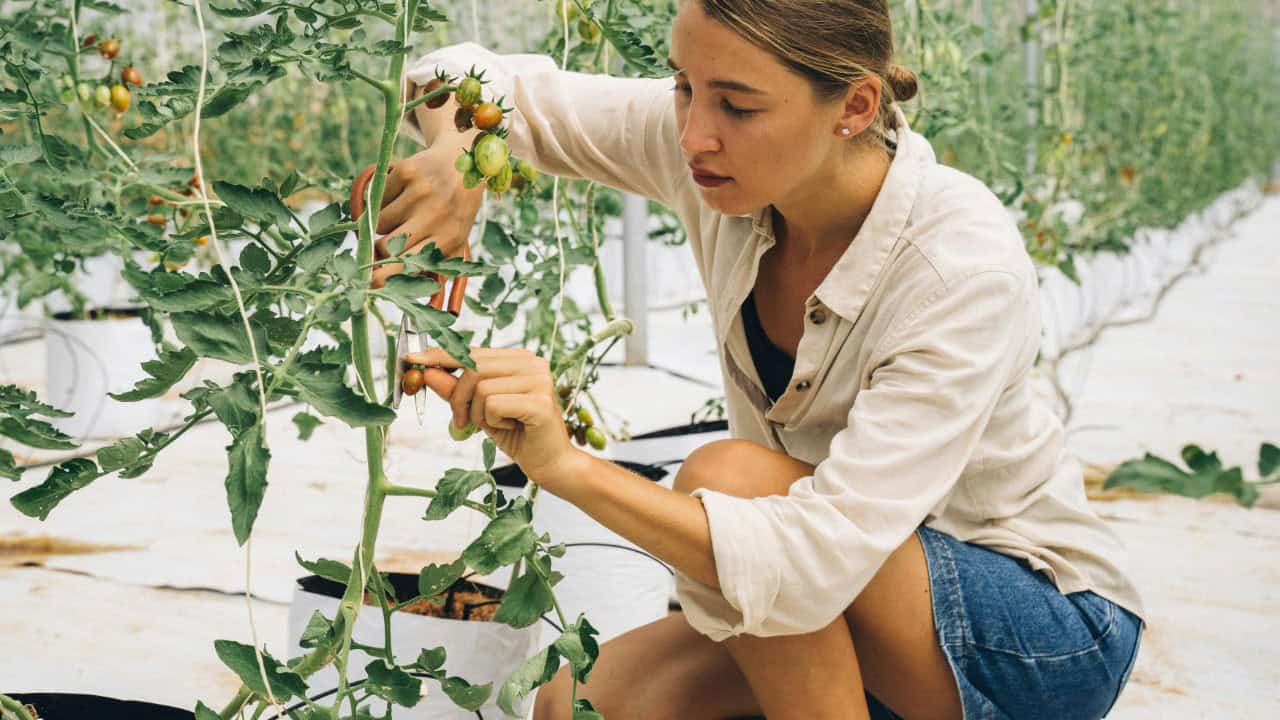
Tomatoes benefit from regular pruning to remove suckers and encourage better air circulation. Neglecting to prune your plants can lead to overcrowded conditions, which can encourage the spread of diseases.
Prune your plants by removing the small shoots that grow in the crotch joint of two branches. This will help your plants focus their energy on growing bigger, healthier fruits, rather than wasting energy on unnecessary foliage.
7. Planting Too Close Together
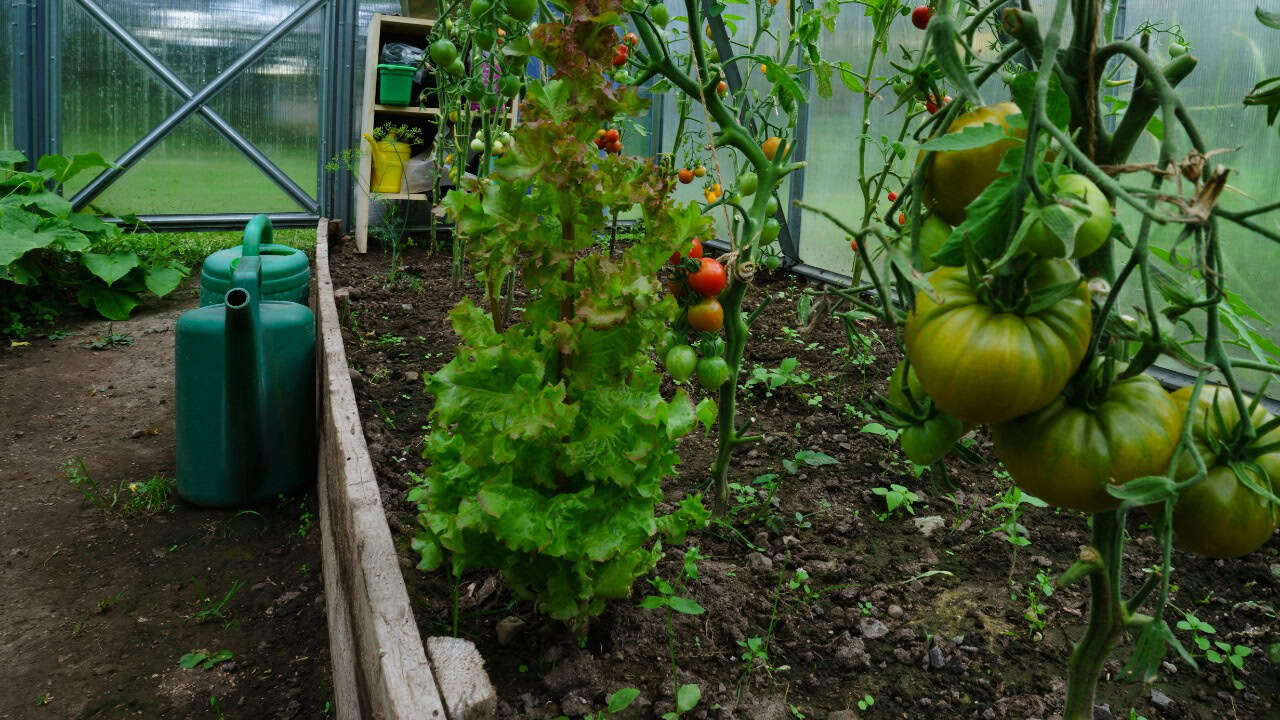
Like all plants, tomatoes need room to grow. Planting your tomatoes too close together can lead to overcrowding, which can reduce air circulation and promote the spread of diseases.
When planting your tomatoes, make sure to leave enough space between each plant for them to grow and spread. This will also make it easier for you to tend to your plants and harvest your tomatoes when they’re ready.
8. Not Rotating Your Crops
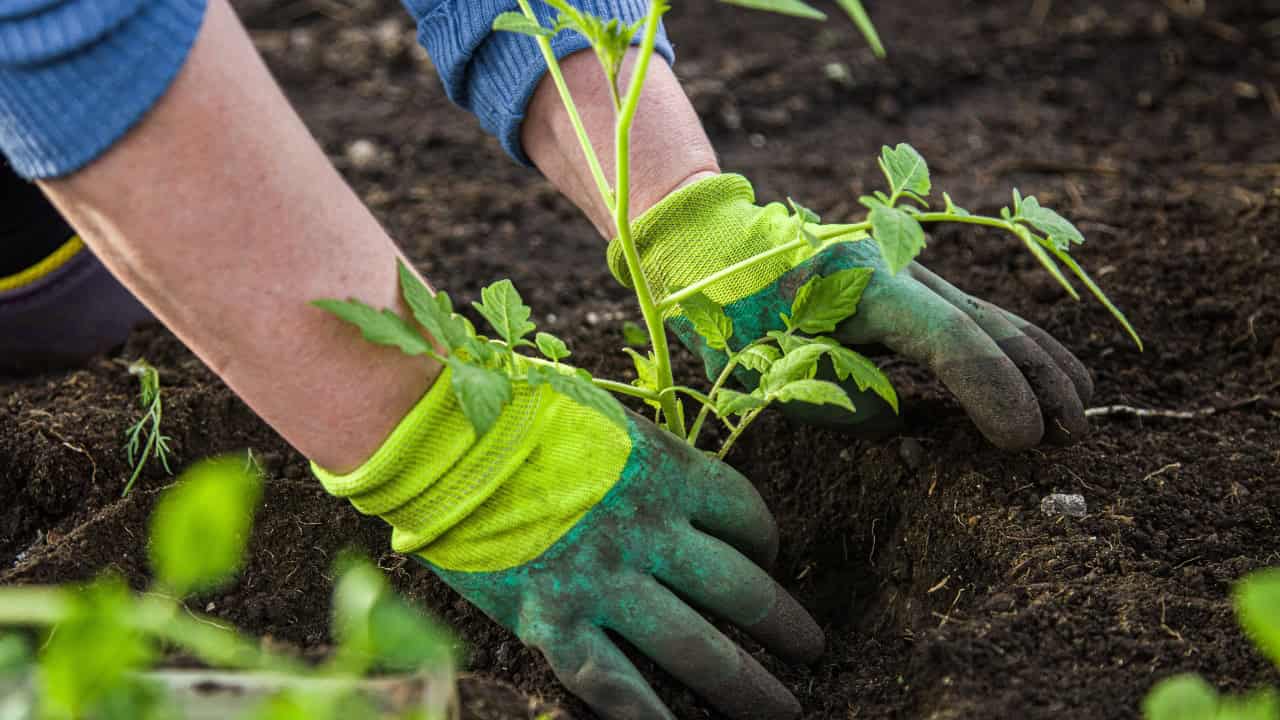
Crop rotation is a key part of maintaining a healthy garden. Planting tomatoes in the same spot year after year can lead to a buildup of diseases and pests in the soil, which can harm your plants.
Try to rotate your crops so that you’re not planting tomatoes in the same spot more than once every three years. This will help keep your soil healthy and reduce the risk of disease.
9. Ignoring Pests
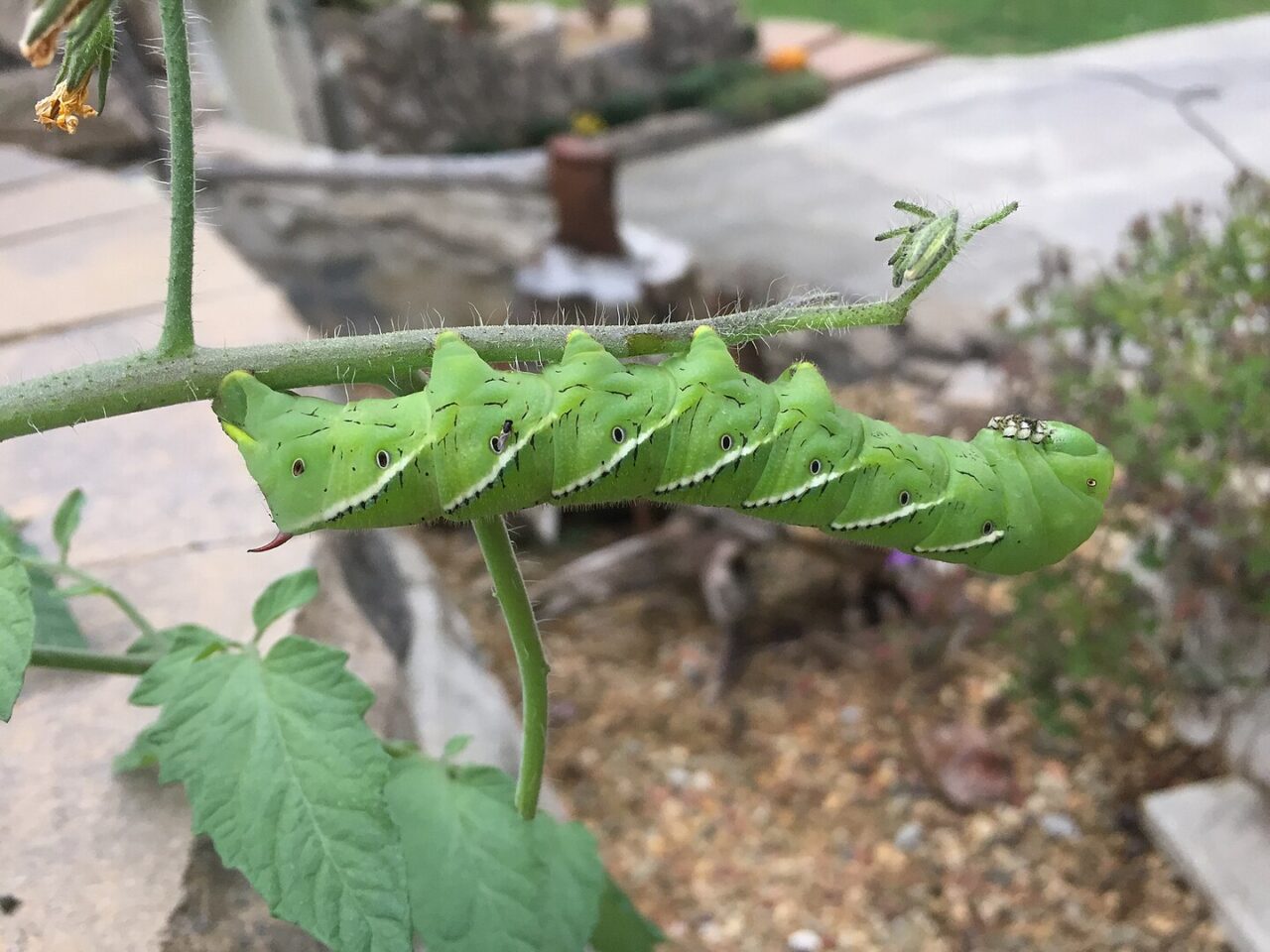
Pests like aphids, hornworms, and slugs can wreak havoc on your tomato plants. Ignoring these pests can lead to significant damage and even the loss of your crop.
Regularly check your plants for signs of pests and take action at the first sign of trouble. There are many organic pest control methods available, such as introducing beneficial insects, using homemade sprays, or hand-picking pests off your plants.
10. Over-Fertilizing
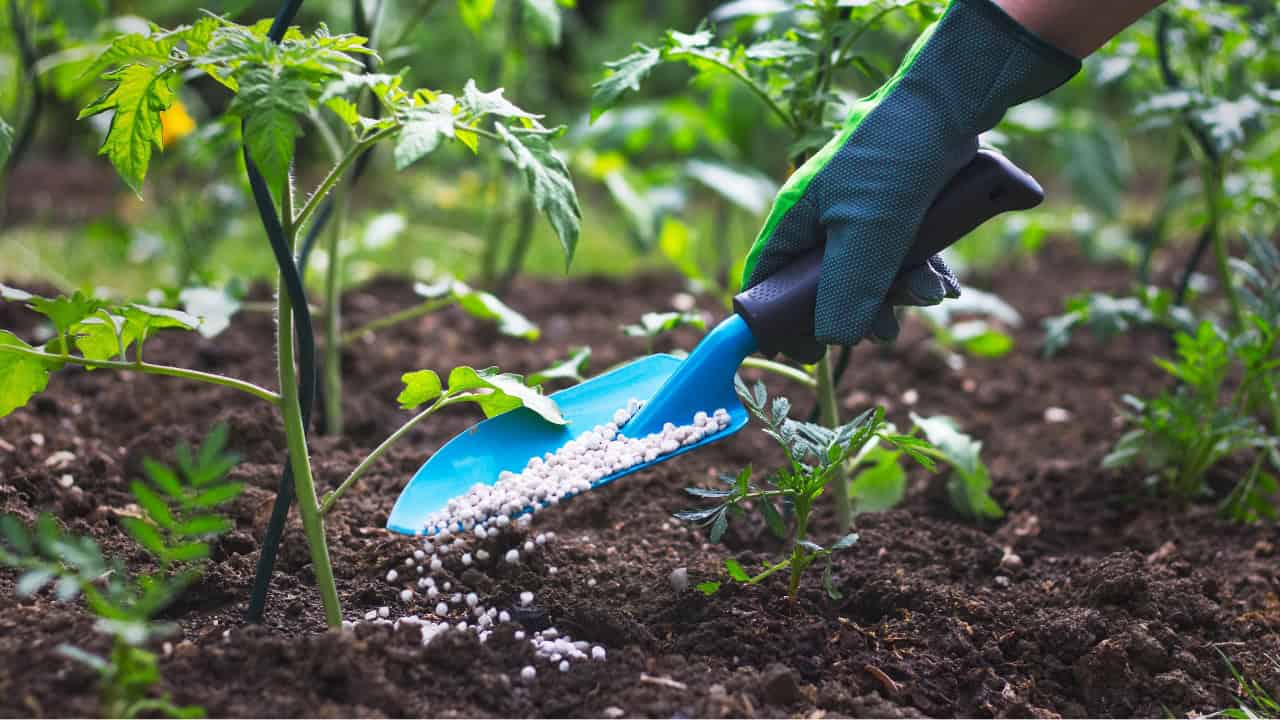
While tomatoes do need a good amount of nutrients to grow, over-fertilizing can be harmful. Too much nitrogen can lead to lots of lush green growth, but few fruits.
It’s important to use a balanced fertilizer and to follow the package instructions carefully. You should also consider getting your soil tested to determine what nutrients it may be lacking and adjust your fertilizing accordingly.
11. Not Staking or Caging
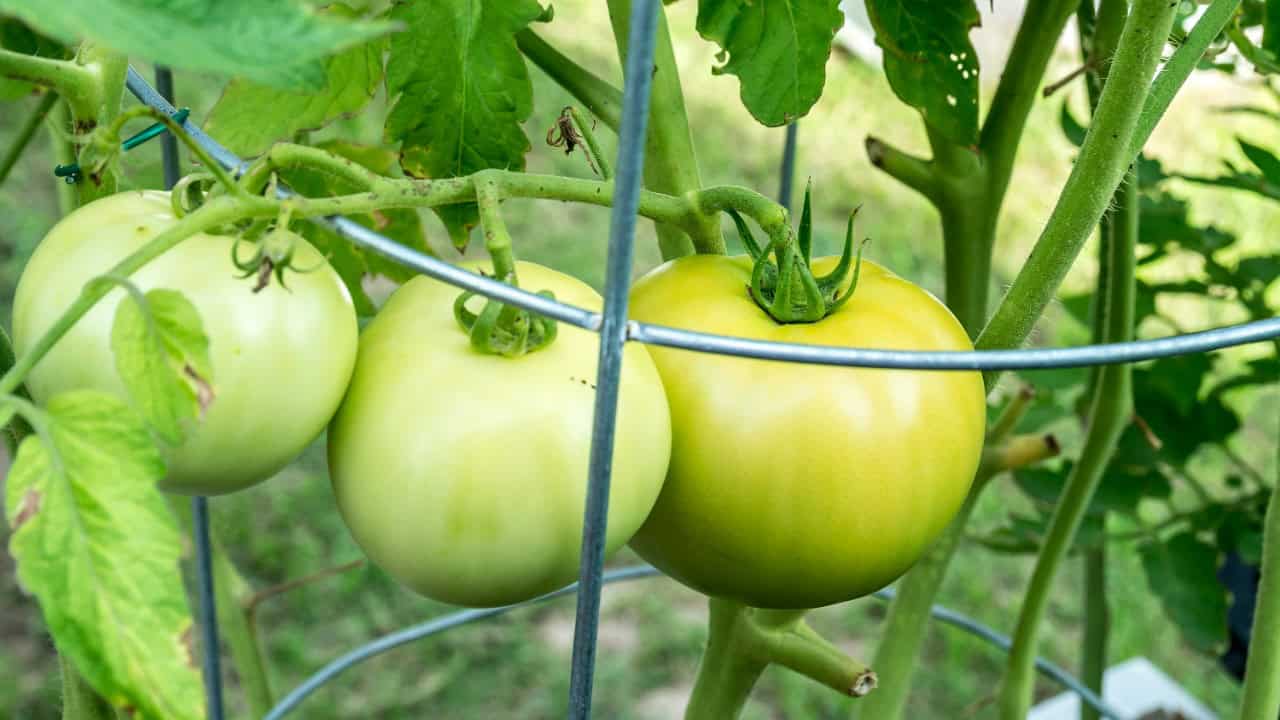
Tomatoes are vine plants that need support as they grow. Neglecting to stake or cage your tomato plants can lead to the plants becoming weighted down with fruit and potentially breaking.
Staking or caging your tomatoes helps to keep the plants upright, makes it easier to tend to the plants, and can even help to increase yield. There are many different methods and materials you can use to support your tomato plants, so find one that works best for you.
12. Ignoring Signs of Disease

Many common tomato diseases, like blight and fusarium wilt, can be managed if caught early. Ignoring signs of disease can lead to the loss of your entire crop.
Regularly check your plants for signs of disease, such as yellowing leaves, spots, or wilting. If you notice any of these signs, take action immediately to treat the disease and prevent it from spreading.
13. Not Hardening Off Seedlings
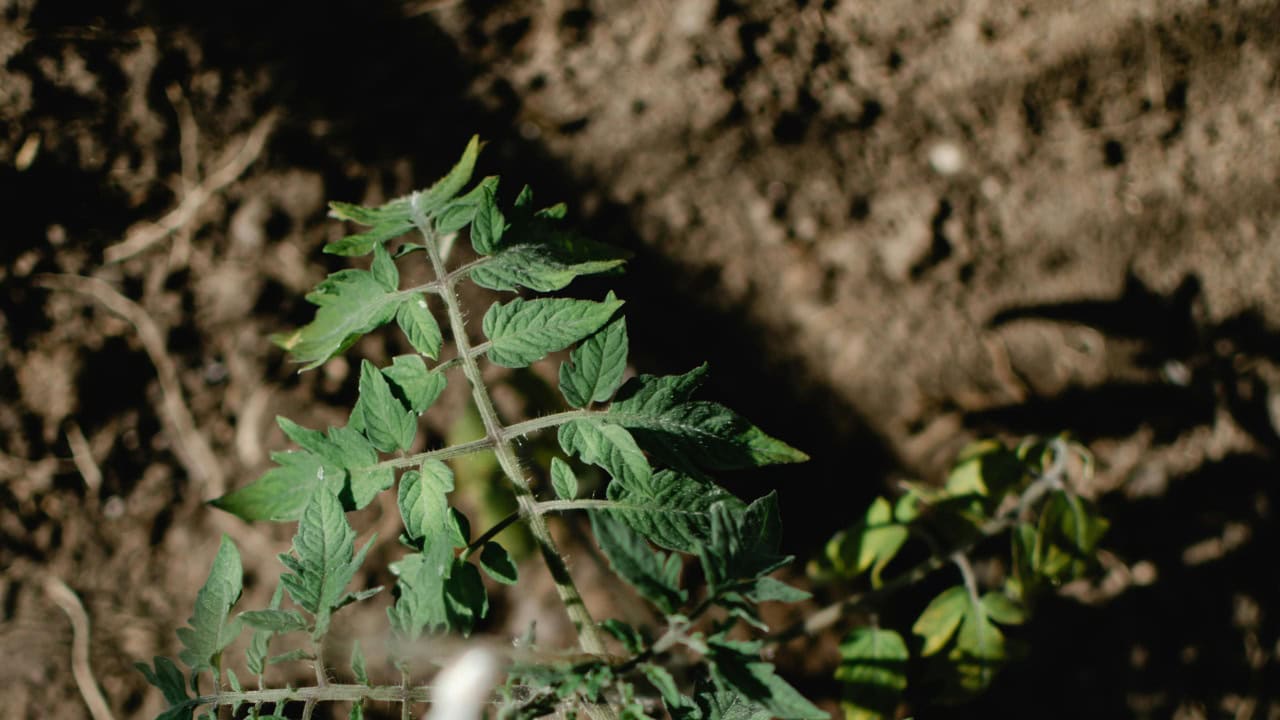
Tomato seedlings grown indoors need to be gradually acclimated to outdoor conditions before being planted in the garden. This process, known as hardening off, helps to prevent transplant shock, which can stunt growth or even kill the plant.
Start by placing your seedlings outside in a sheltered location for a few hours a day, gradually increasing the amount of time they spend outside and their exposure to sun and wind over a period of one to two weeks. This will help your plants to adjust to their new environment and set them up for success in the garden.
14. Planting in Shaded Areas
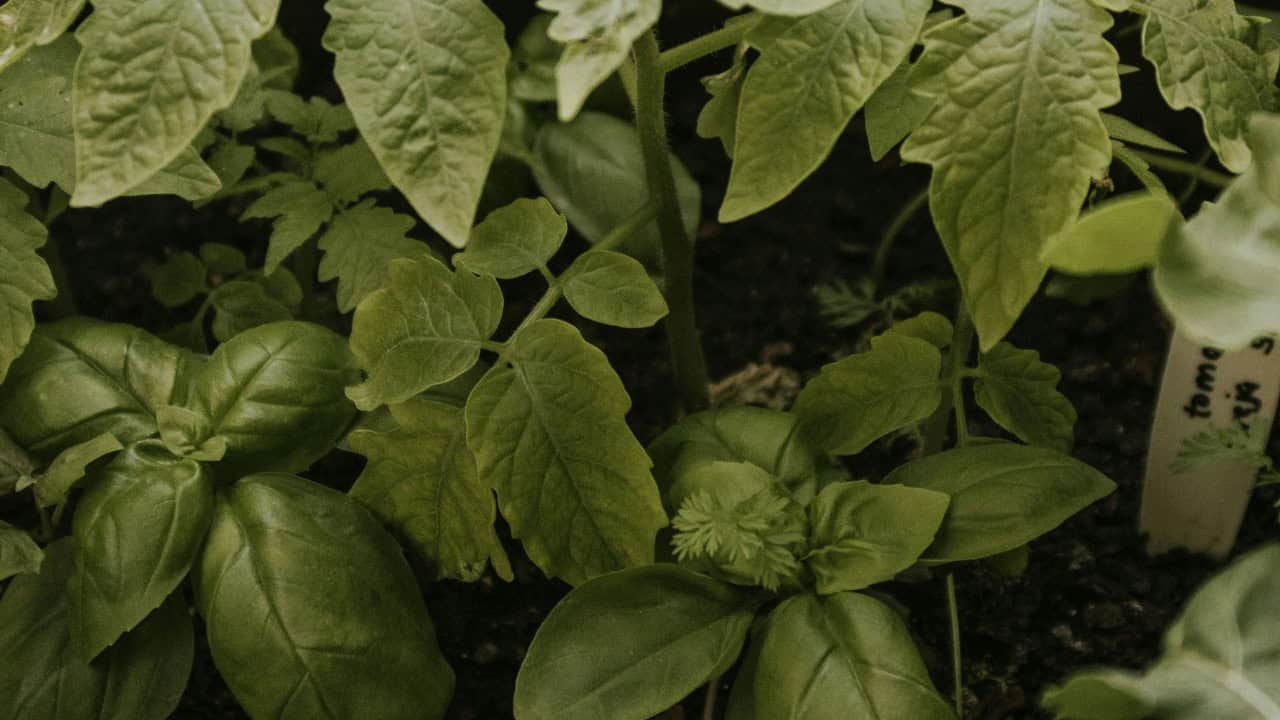
As mentioned earlier, tomatoes require plenty of sunlight to grow. Planting your tomatoes in shaded areas can result in weak, spindly plants and a reduced yield.
Before you plant your tomatoes, observe your garden throughout the day to identify the areas that receive the most sunlight. These are the best spots for your tomatoes. If your garden is heavily shaded, consider growing your tomatoes in containers that can be moved to sunnier spots.
15. Planting in Poor Drainage Areas
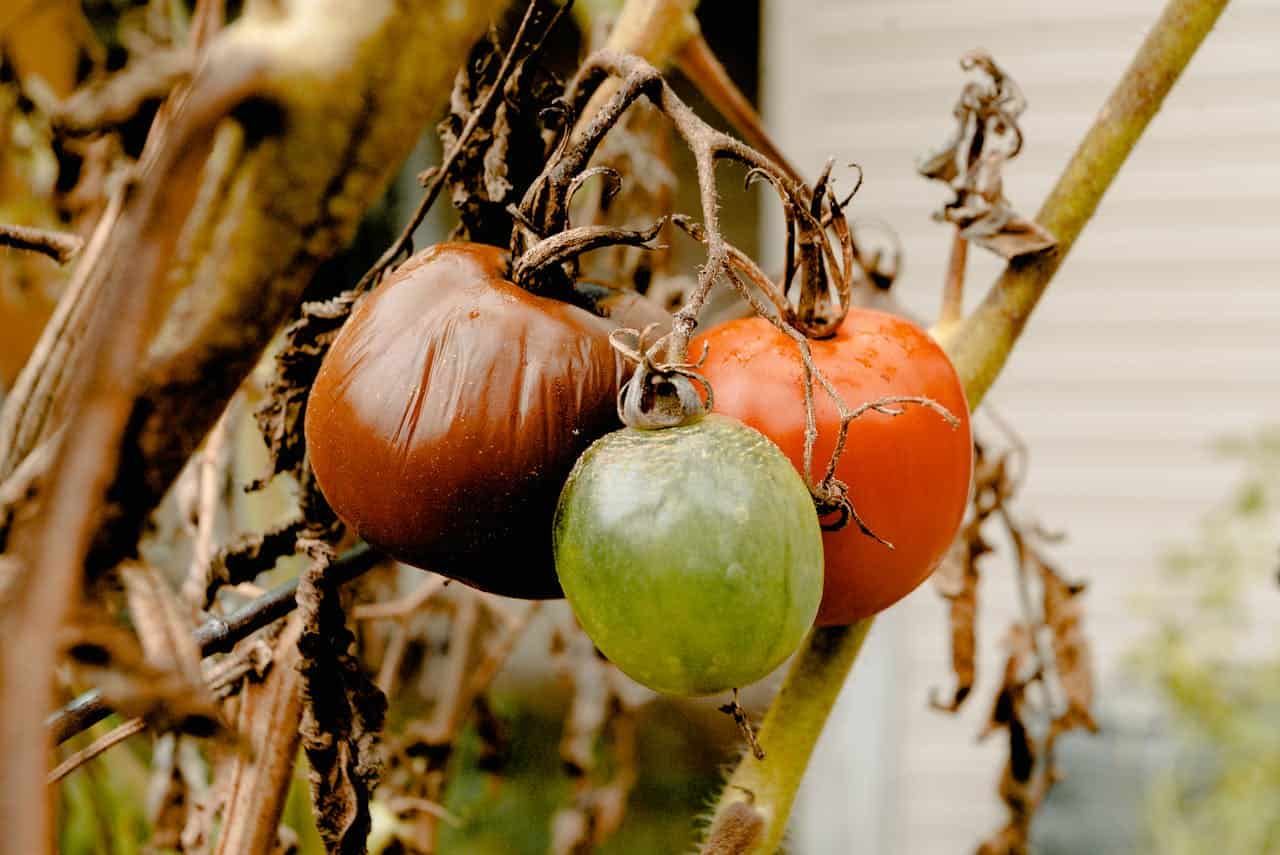
Tomatoes need well-drained soil to thrive. Planting your tomatoes in areas where water tends to pool can lead to root rot and other conditions that can harm or kill your plants.
Before planting, check the drainage in your garden by digging a hole and filling it with water. If the water drains away within a few hours, your soil has good drainage. If it takes longer, you may need to amend your soil or choose a different planting location.
16. Not Mulching
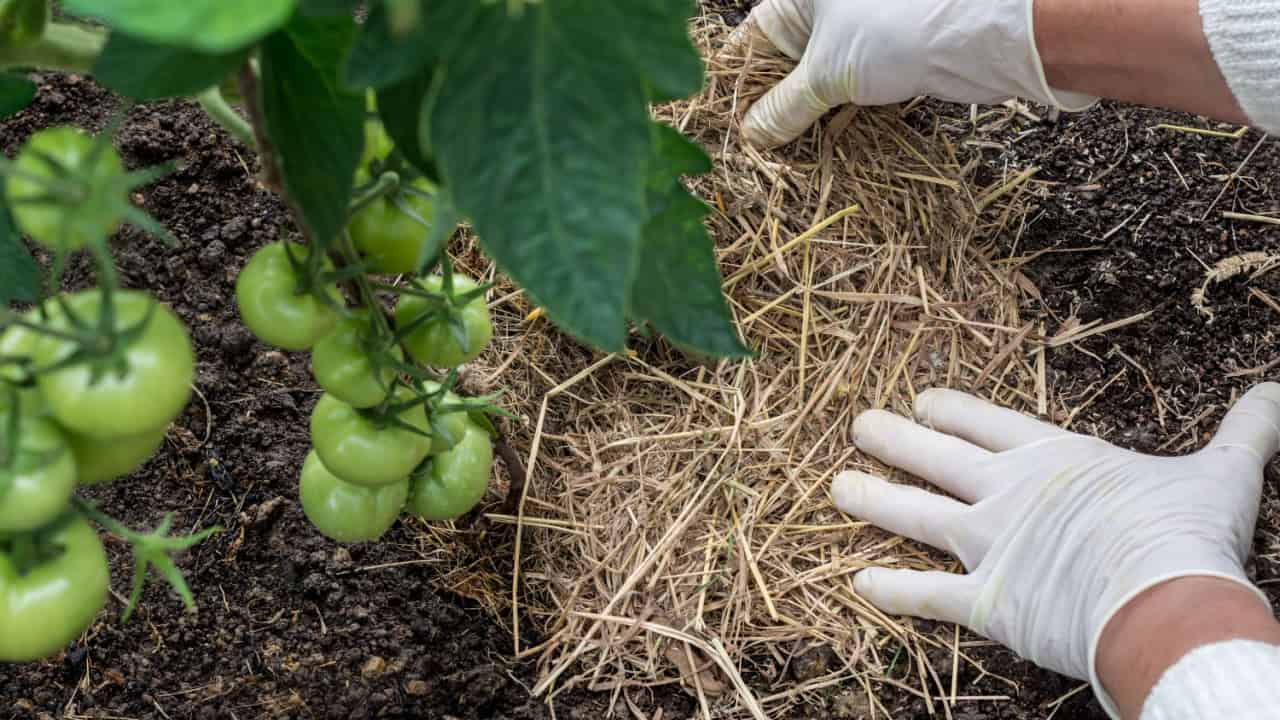
Mulch is a gardener’s best friend. It helps to retain soil moisture, suppress weeds, and regulate soil temperature. Not mulching your tomato plants can make it harder for them to thrive.
Use organic mulch, like straw or wood chips, around your tomato plants. This will help to keep the soil moist and cool, and it can also help to prevent soil-borne diseases from splashing up onto the plants.
17. Ignoring Weeds
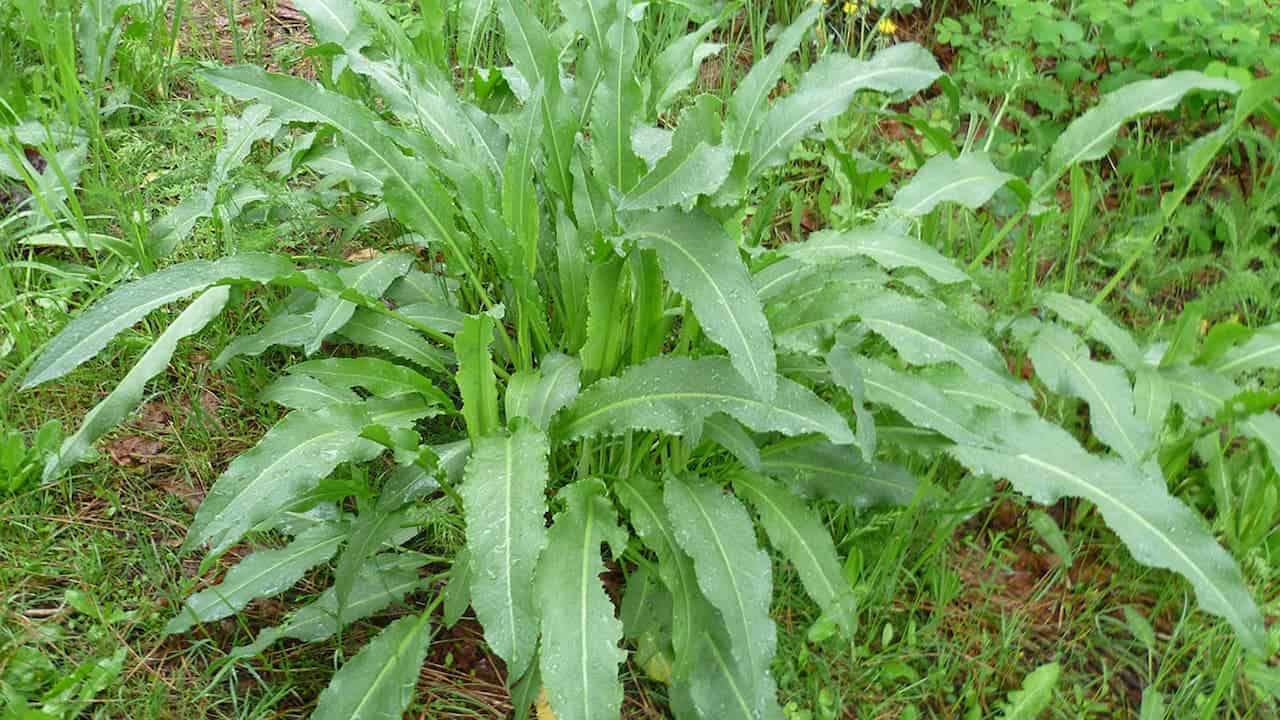
Weeds compete with your tomato plants for water, nutrients, and sunlight. Ignoring weeds can lead to a reduced yield and overall poor plant health.
Regularly weed your garden to ensure your tomato plants have the best chance of success. Mulching can also help to suppress weeds and make your job easier.
18. Using Dirty Tools
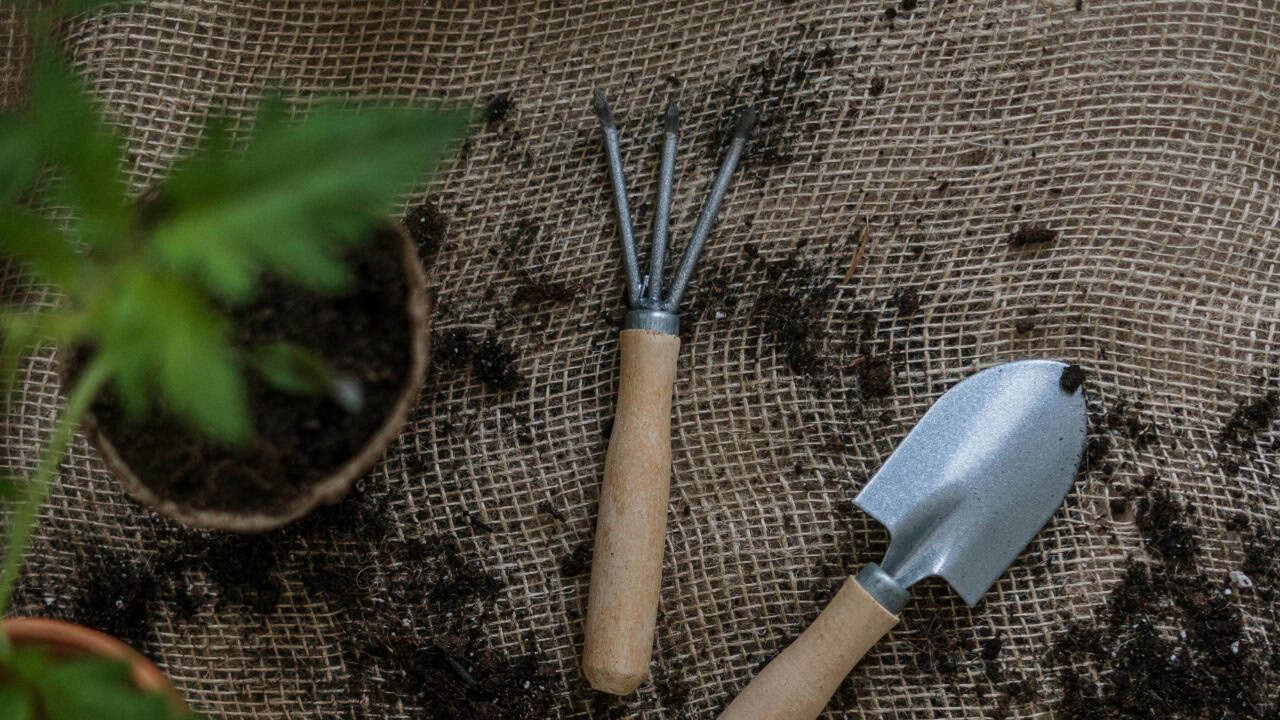
Dirty gardening tools can spread diseases from one plant to another. If you’re not cleaning your tools regularly, you could be unwittingly harming your tomato plants.
After each use, clean your tools with soap and water, and then dry them thoroughly to prevent rust. If you’ve been working with diseased plants, disinfect your tools with a solution of one part bleach to nine parts water to prevent the disease from spreading.
19. Not Enjoying the Process
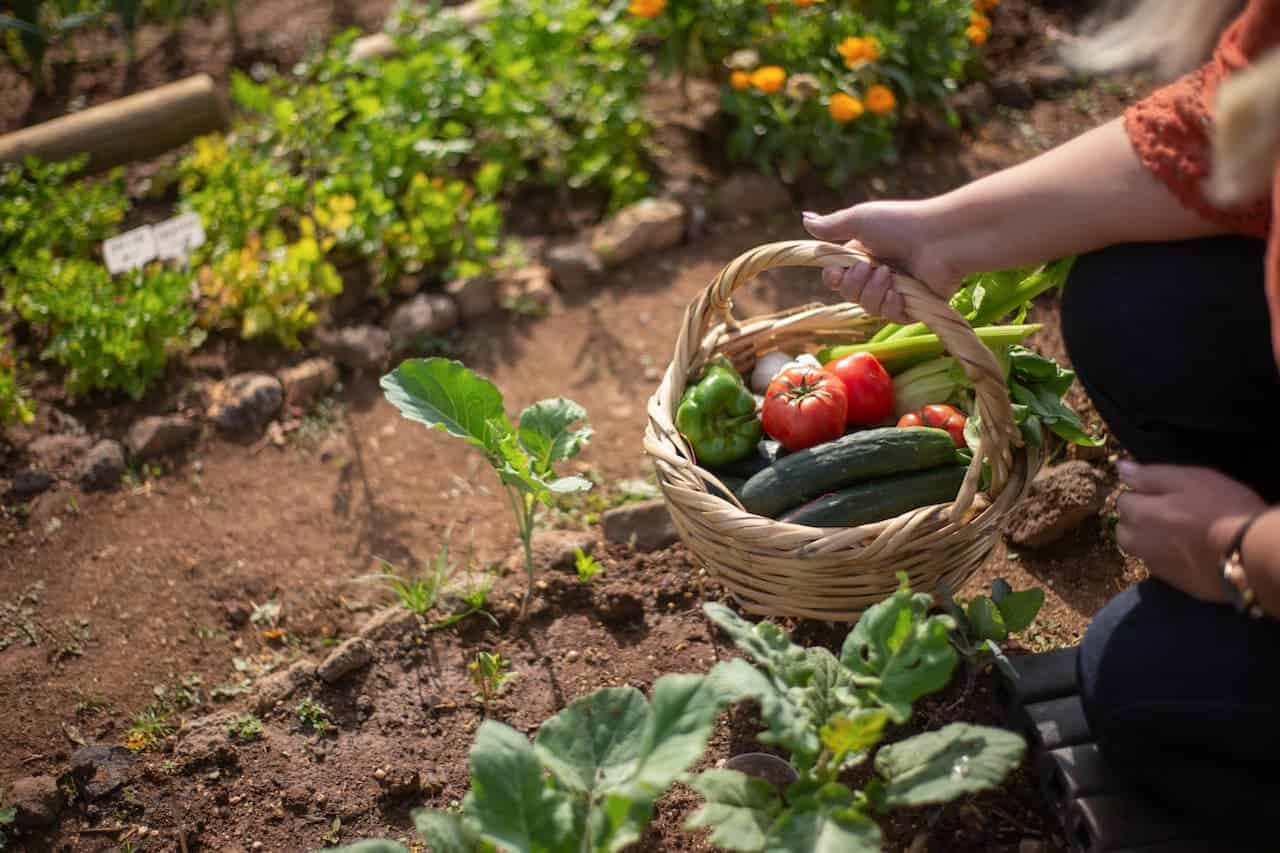
Gardening should be a joy, not a chore. If you’re not enjoying the process, you’re more likely to neglect your plants and make mistakes.
Take time to appreciate the miracle of growth, the beauty of your garden, and the taste of fresh, homegrown tomatoes. Gardening is as much about the journey as it is about the destination, so make sure to enjoy every step of the way!