If you’re a green thumb, you know the joy of watching your edible plants grow from seed to harvest. But it’s not always as straightforward as it seems. Even with the best intentions, it’s all too easy to make mistakes when watering your plants – mistakes that can be fatal to your budding greens. In this post, I’ll highlight 19 common watering errors that can spell disaster for your edible garden. The good news is, once you’re aware of these potential pitfalls, you can take steps to avoid them and keep your garden thriving.
1. Overwatering
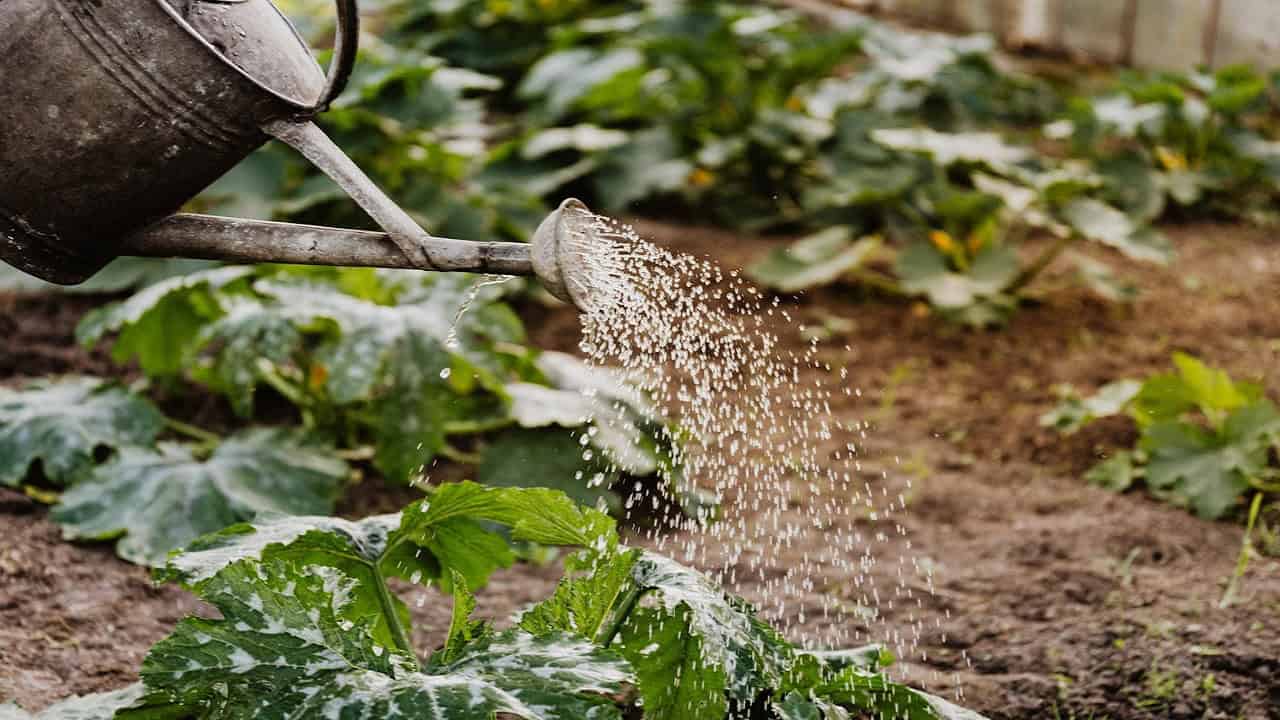
It’s a common misconception that the more water you give your plants, the better. However, this can often lead to overwatering which can be detrimental to your plants. Overwatering can lead to root rot, a condition that can quickly kill a plant.
Advertisement
The key to avoiding overwatering is to understand the specific needs of each plant species. For example, while lettuce and cucumbers may need a lot of water, others like tomatoes and peppers prefer less frequent watering. Get to know your plants and their watering preferences to keep them in optimal health.
2. Underwatering

On the flip side of overwatering is underwatering. While it might seem like a good idea to hold off on watering to prevent drowning your plants, this can also lead to their demise.
Plants need water for photosynthesis, the process they use to make food. Without sufficient water, they can wilt and die. Again, it’s essential to understand the specific watering needs of your plants. Some, like squash and watermelon, require more water, while others can tolerate drier conditions.
3. Watering at the Wrong Time of Day

Many gardeners make the mistake of watering their plants in the middle of the day. The problem with this is that the heat of the sun can cause the water to evaporate before the plant can absorb it.
Instead, try watering your plants early in the morning or late in the evening when temperatures are cooler. This allows the water to penetrate the soil and reach the roots of the plant before it evaporates.
4. Not Checking Soil Moisture Before Watering
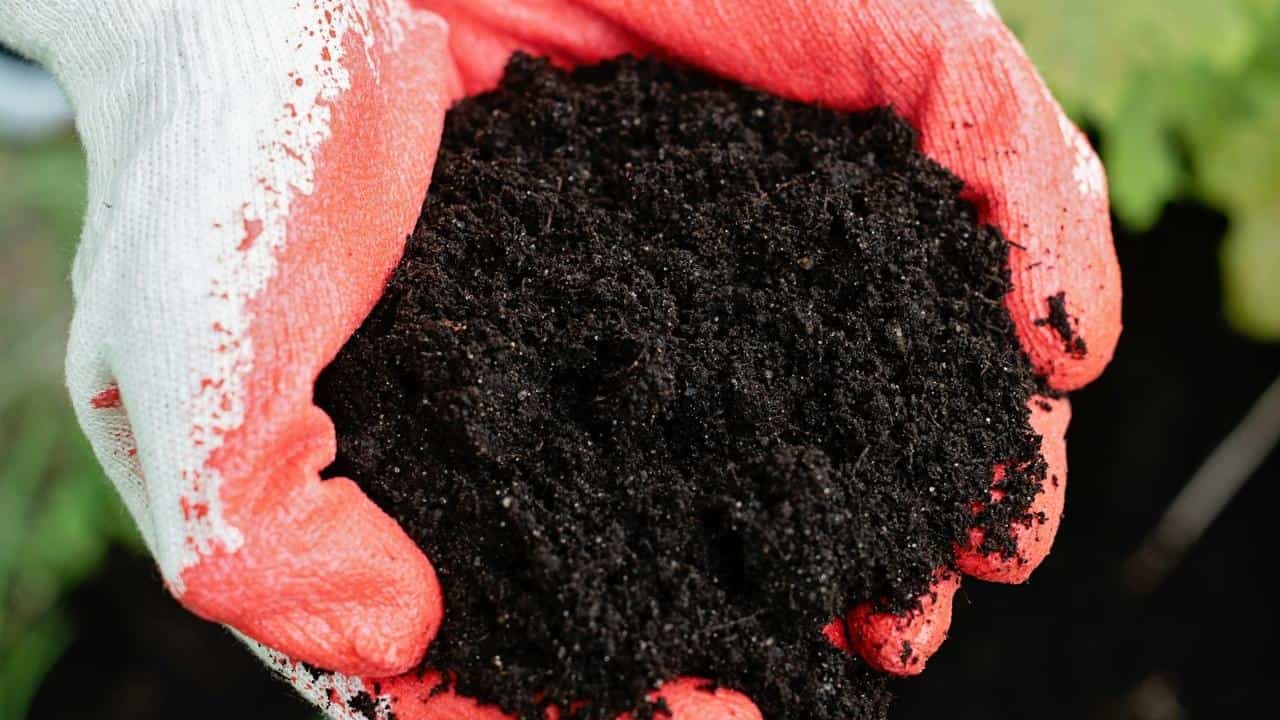
It’s easy to fall into a routine of watering your plants every day or every other day. But this routine might not always be what your plants need.
Before you water, check the moisture level of the soil. You can do this by simply sticking your finger into the soil. If it feels dry, it’s time to water. If it’s still moist, you can probably wait another day or two.
5. Using Cold Water

While this might not seem like a big deal, using cold water can shock your plants and slow their growth.
It’s best to use water that’s at room temperature. If you’re using a hose, let the water run for a few minutes before watering your plants to allow any cold water to flow out.
6. Watering Leaves Instead of Roots
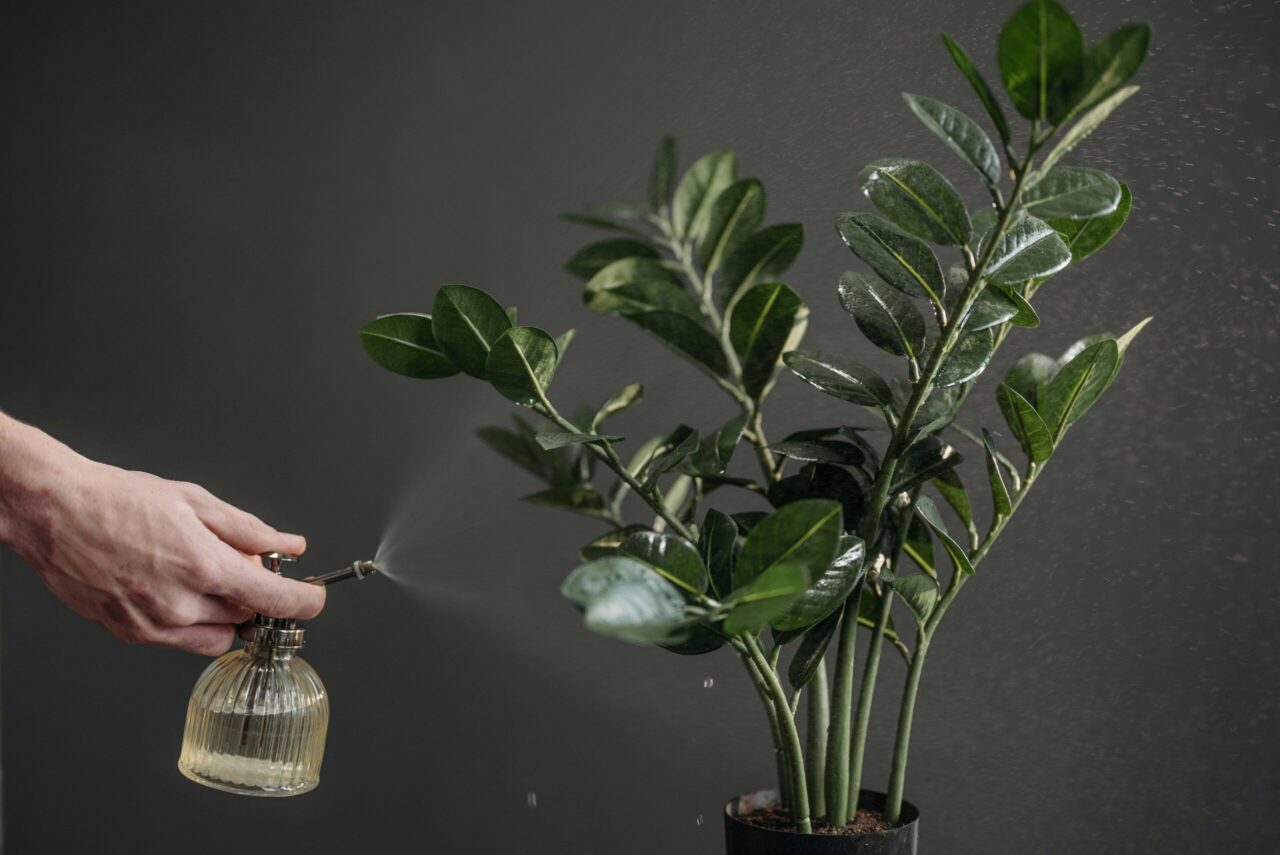
When watering your plants, it’s important to focus on the roots, not the leaves. Watering the leaves can lead to mold growth and other diseases.
Try to direct the water towards the base of the plant. This will ensure that the water reaches the roots where it’s needed most.
7. Not Adjusting Watering for Weather Conditions
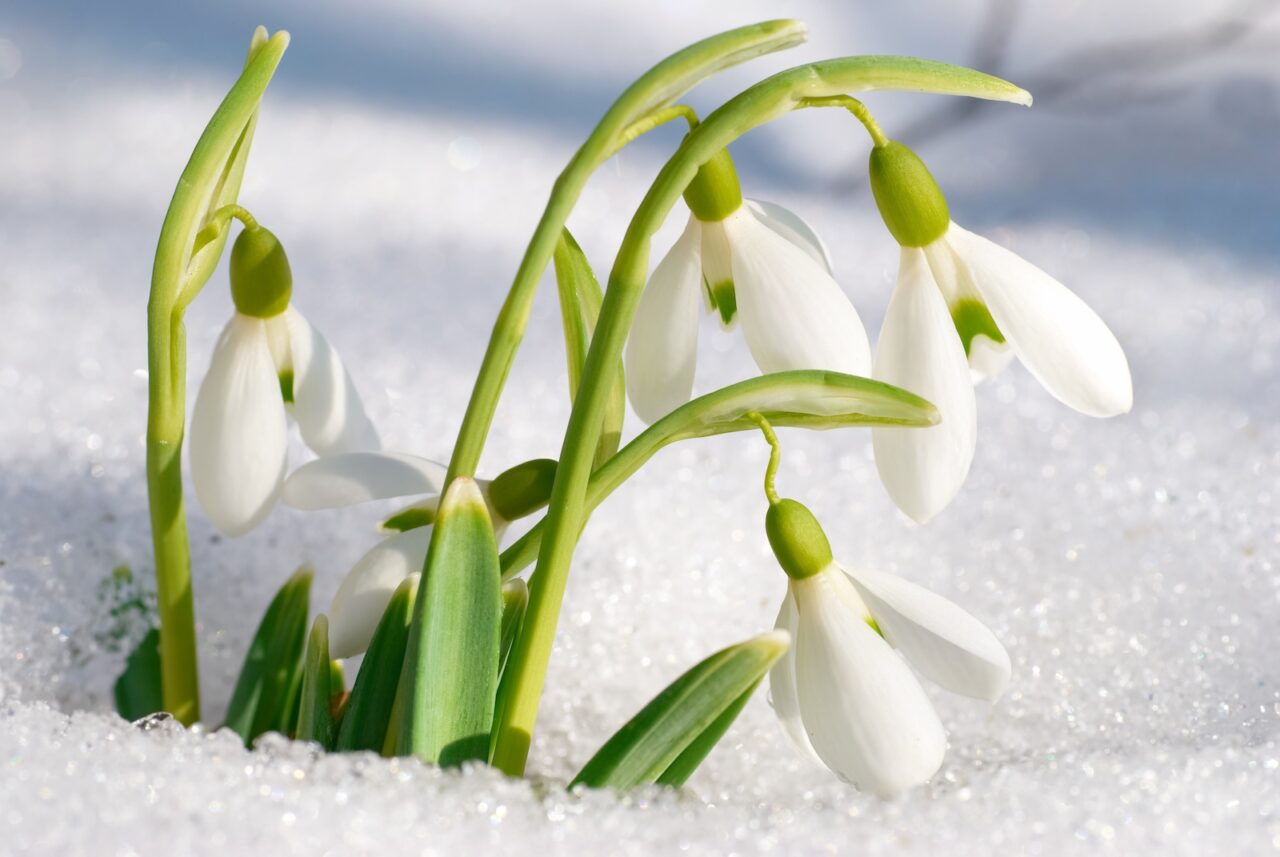
Weather conditions play a big role in how much water your plants need. In hot, dry weather, your plants will need more water. In cooler, wet weather, they’ll need less.
Keep an eye on the forecast and adjust your watering schedule as needed. Remember, it’s always better to underwater than overwater.
8. Using Poor Quality Water
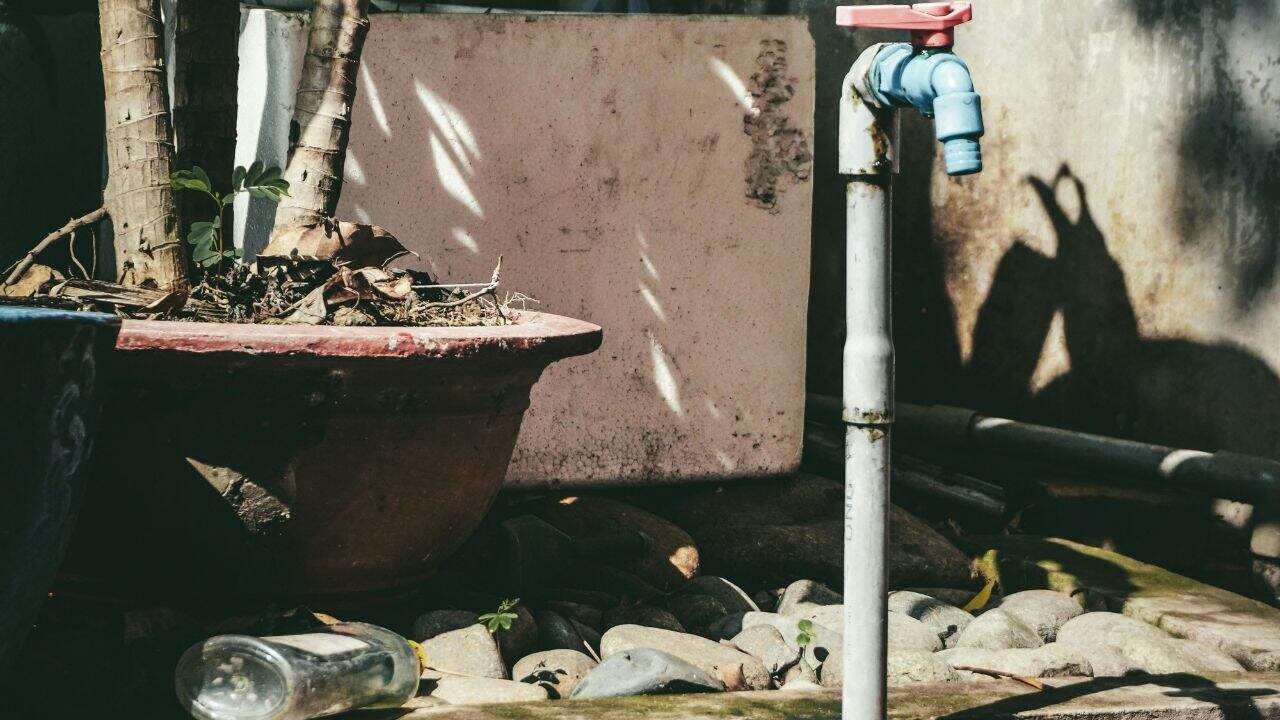
The quality of the water you use can have a big impact on the health of your plants. Using water that’s high in salts or chemicals can damage your plants.
It’s best to use filtered or rainwater if possible. If you have to use tap water, let it sit out overnight to allow any chlorine to evaporate before using it to water your plants.
9. Not Watering Deeply Enough

When watering your plants, it’s important to make sure the water penetrates deeply into the soil. This ensures that the water reaches the roots of the plant.
A good rule of thumb is to water until you see water coming out of the bottom of the pot (for potted plants) or until the top 6-8 inches of soil are moist (for garden plants).
10. Relying on Rain Alone

While rain can certainly help keep your plants hydrated, it’s not always enough. In dry climates or during periods of drought, you’ll need to supplement with additional watering.
Keep an eye on your plants and the weather, and water as needed. Remember, it’s better to water deeply and infrequently than to water lightly and often.
11. Ignoring Signs of Stress

Your plants will often show signs of stress if they’re not getting enough water. These can include wilting, yellowing leaves, or stunted growth.
If you notice any of these signs, check the moisture level of the soil. If it’s dry, give your plants a good watering and monitor them closely to see if their condition improves.
12. Not Using a Watering Can or Hose Attachment

Using a watering can or hose attachment with a gentle spray can help ensure that the water is distributed evenly and reaches the roots of the plant.
Without these tools, you risk overwatering some areas and underwatering others. Plus, a gentle spray is less likely to wash away soil or damage delicate plants.
13. Failing to Mulch
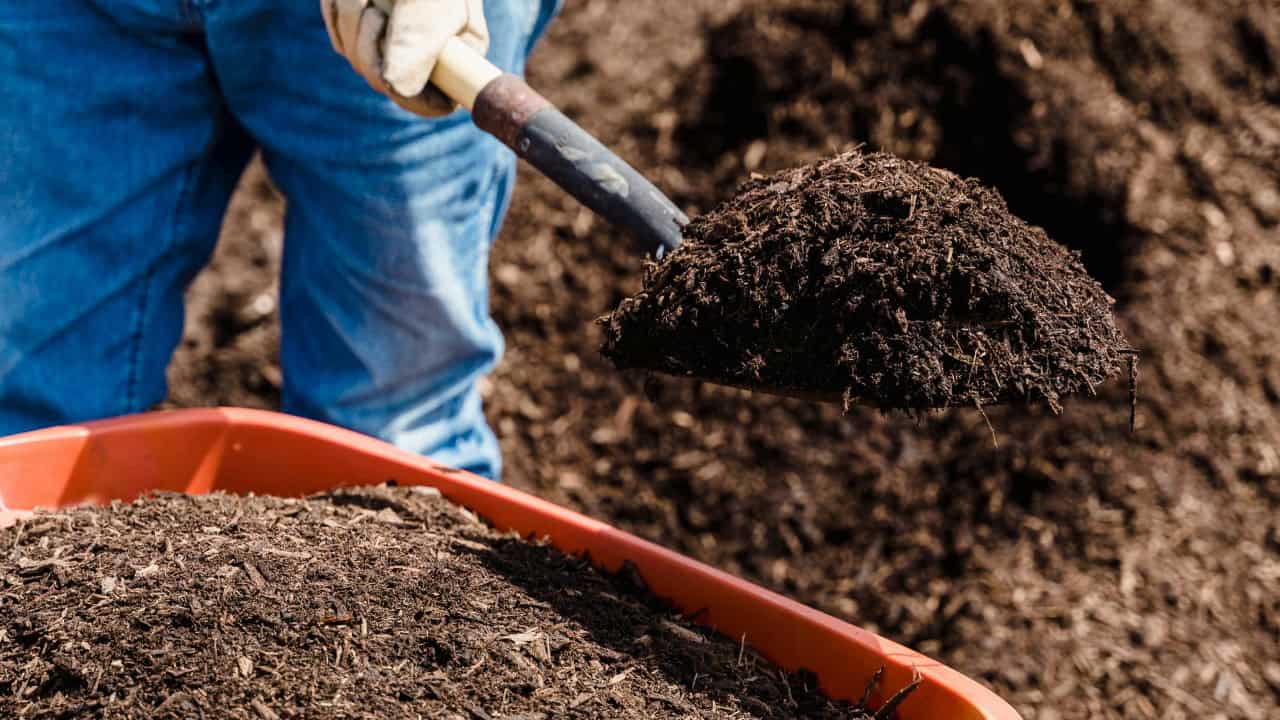
Mulch is a gardener’s best friend. It helps retain moisture in the soil, reducing the need for frequent watering.
Plus, it helps regulate soil temperature and suppresses weeds. If you’re not already using mulch in your garden, consider adding it to your routine.
14. Not Watering New Plants Enough
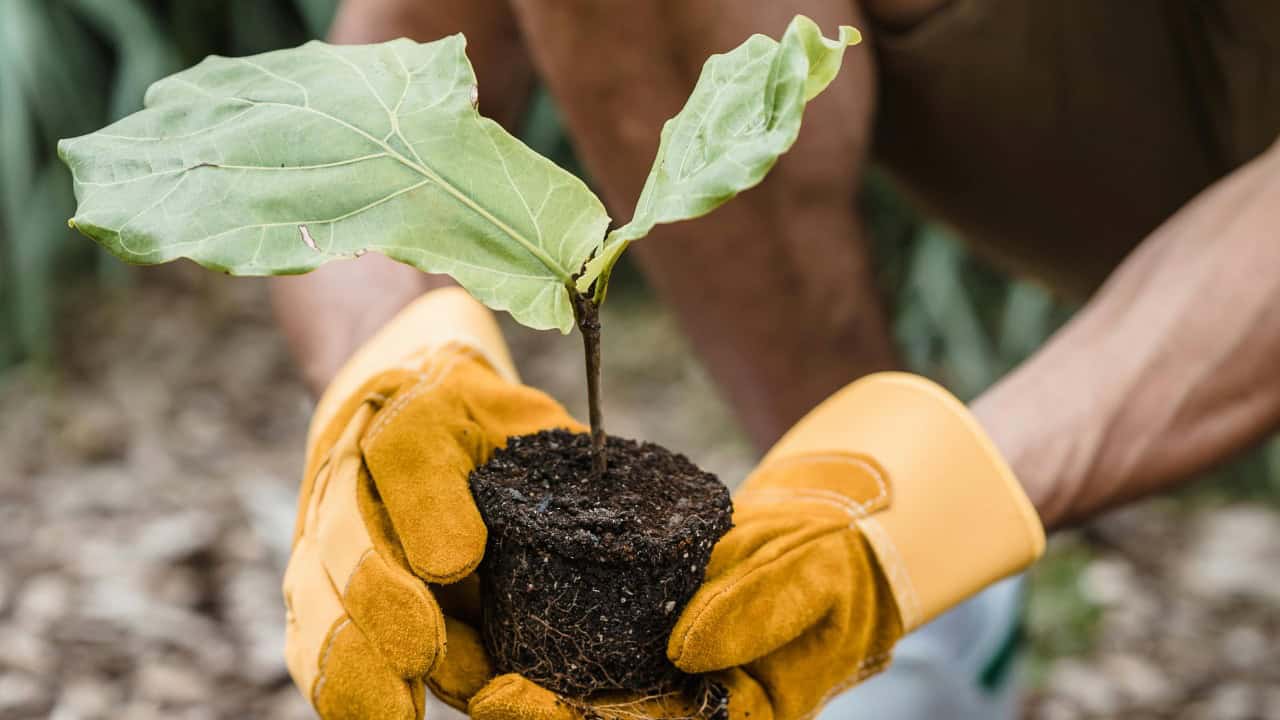
New plants, particularly those that have just been transplanted, need a lot of water to help establish their roots.
Make sure to keep the soil consistently moist (but not waterlogged) for the first few weeks after planting. After that, you can cut back to your regular watering routine.
15. Not Adjusting Watering for Plant Size

Larger plants need more water than smaller ones. This might seem obvious, but it’s easy to overlook.
Make sure to adjust your watering based on the size of your plants. Remember, the goal is to get water to the roots, which can be deeper in larger plants.
16. Using the Wrong Soil

Different types of soil retain water differently. For example, sandy soil drains quickly and may require more frequent watering, while clay soil holds onto water and can easily become waterlogged.
Choose a soil that’s appropriate for your plants and your climate. If you’re unsure, your local garden center can help guide you.
17. Expecting All Plants to Have the Same Water Needs
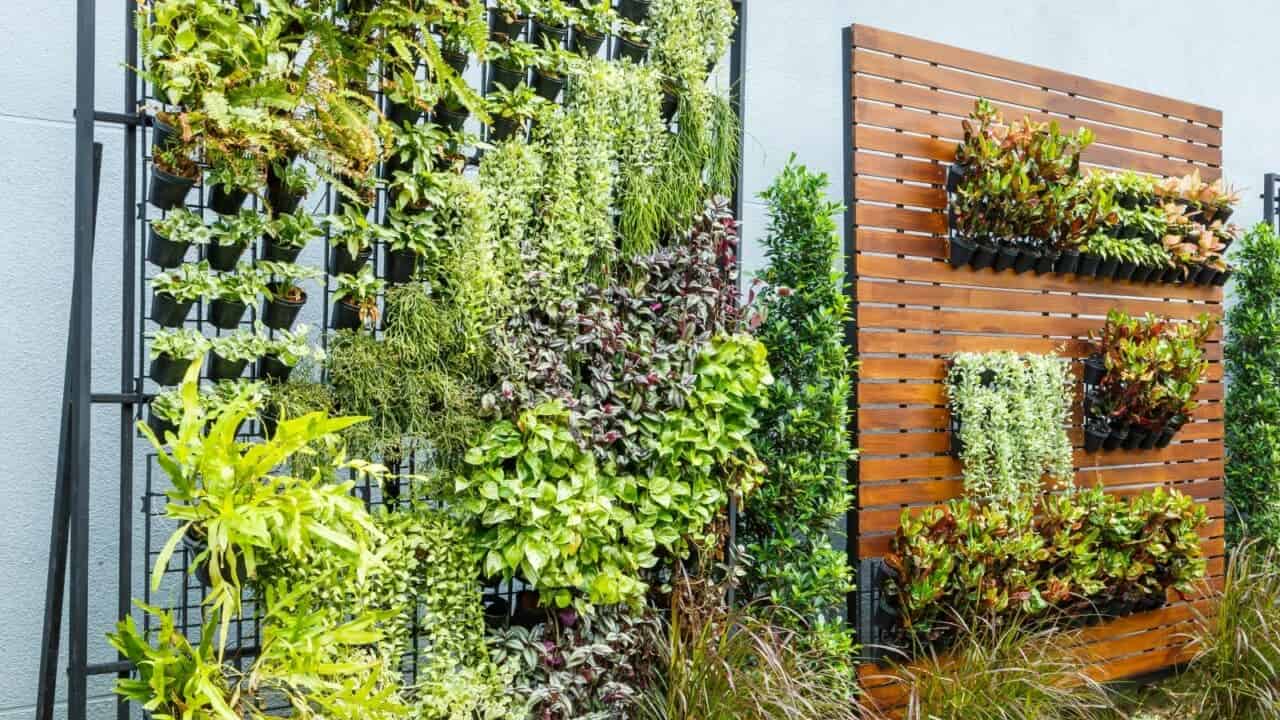
Each type of plant has its own specific water needs. Some plants, like succulents, need very little water, while others, like tomatoes, need a lot.
Do some research to understand the water needs of your plants. This will help you avoid both overwatering and underwatering.
18. Watering Too Frequently

Watering too frequently can lead to shallow root growth. This is because the roots don’t need to reach down deep into the soil to find water.
Instead, water deeply and less frequently. This encourages the roots to grow down deep, which helps the plant withstand periods of drought.
19. Ignoring the Plant’s Life Stage
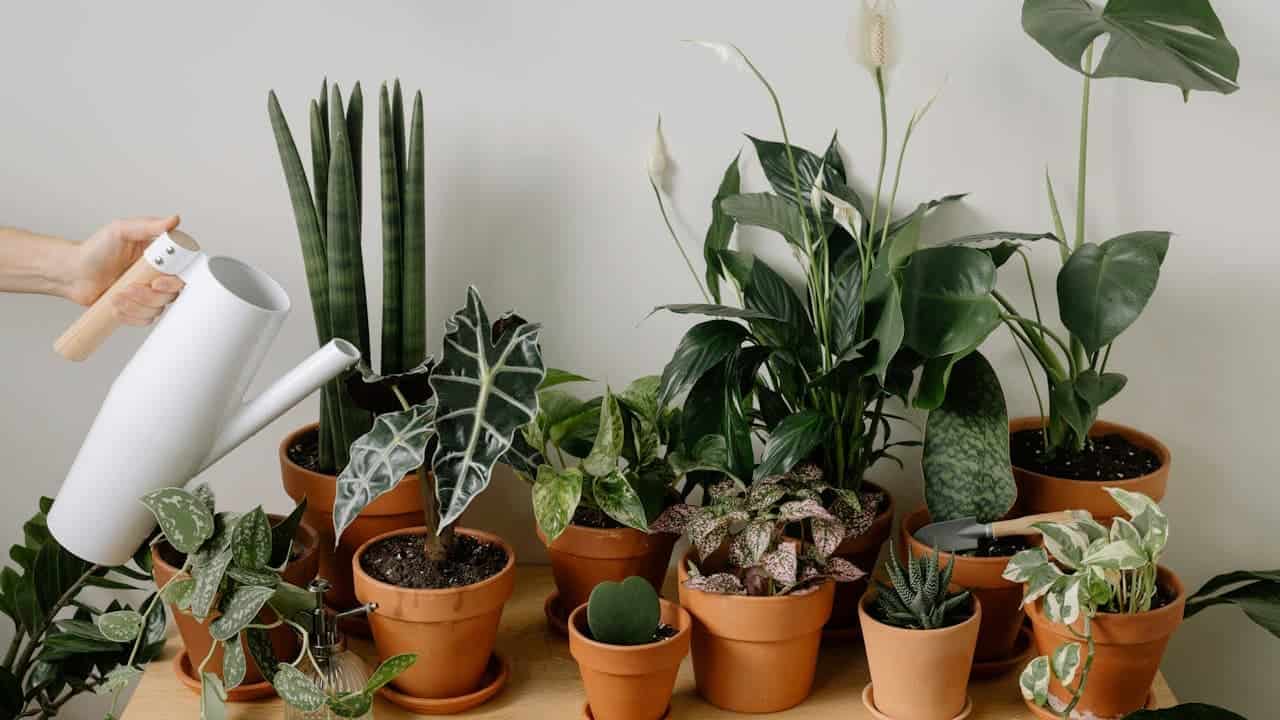
A plant’s water needs change throughout its life. For example, a seedling needs more water than a mature plant.
Adjust your watering based on your plant’s life stage. This will help ensure that it gets the right amount of water at each stage of its life.
Remember, the key to successful watering is understanding the specific needs of your plants. By avoiding these common mistakes, you can keep your edible garden healthy and thriving. Happy gardening!