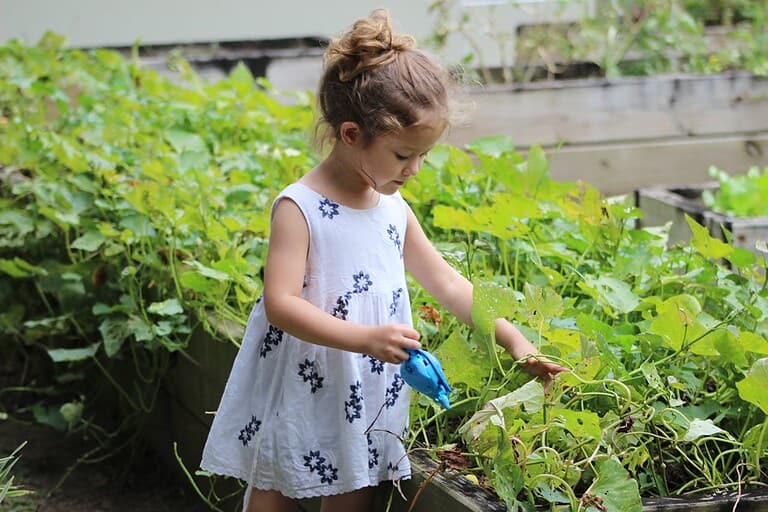
As city dwellers, we are becoming increasingly aware of the value and importance of growing our own food. Urban gardens have been sprouting up in cityscapes around the world, transforming balconies, rooftops, and even window sills into green oases. However, with this movement towards self-sustainability comes the challenge of dealing with urban garden pests. These critters can wreak havoc on your carefully nurtured plants if left unchecked.
Let’s walk through 19 urban garden pests you can’t ignore, providing you with insights on how to identify and manage them effectively.
Advertisement
1. Aphids

Aphids are small, pear-shaped insects that come in a variety of colors. They are often found in clusters on the undersides of leaves. Aphids feed on plant sap, causing leaves to curl, wilt or yellow.
There are several ways to control aphids. You can physically remove them from your plants, introduce natural predators like ladybugs, or use plant-friendly insecticidal soap. Planting garlic or onions near aphid-attracting plants can also deter these pests.
2. Slugs and Snails

Slugs and snails are notorious for destroying leafy greens and young plants. They leave behind a trail of mucus, which is a telltale sign of their presence.
To deter these slimy pests, try creating barriers with substances they dislike crossing, such as crushed eggshells or diatomaceous earth. Alternatively, you can set a beer trap. Snails and slugs are attracted to the yeast in beer and will drown in the trap.
3. Caterpillars

Caterpillars are the larvae of butterflies and moths. While they may seem harmless, they can cause significant damage by chewing large holes in the leaves, stems, and fruits of your plants.
You can manually pick caterpillars off your plants or introduce natural predators like birds and wasps. Bacillus thuringiensis (Bt), a natural bacterium, can also be used to control caterpillar populations.
4. Whiteflies

Whiteflies are tiny, white-winged insects that gather on the undersides of leaves. They suck the sap from plants causing wilting, yellowing, and stunted growth.
You can control whiteflies by introducing natural predators like ladybugs and lacewings. Yellow sticky traps can also be effective in catching them.
5. Spider Mites

Spider mites are nearly invisible to the naked eye, but the damage they cause is not. They feed on plant sap, causing leaves to develop yellow spots, turn brown, and fall off.
You can control spider mites by increasing humidity, introducing predatory mites, or using a plant-friendly miticide.
6. Japanese Beetles

Japanese beetles are metallic blue-green and bronze, and they can defoliate a plant in no time. They feed on both leaves and fruits.
Handpicking can be effective for small infestations. For larger populations, consider using a pheromone trap or introducing natural predators like birds.
7. Cabbage Worms

Cabbage worms are green caterpillars that blend in well with leaves. They are known for causing significant damage to cruciferous vegetables.
You can manually remove them or use Bt to control their population. Planting thyme or sage near your cruciferous vegetables can also deter these pests.
8. Leaf Miners

Leaf miners are larvae of certain flies, moths, and beetles. They tunnel through leaves, creating white trails that can damage plants.
Remove and dispose of infested leaves to control their population. Spinosad, an organic insecticide, can also be effective.
9. Fungus Gnats

Fungus gnats are tiny, dark flies that are attracted to moist soil. Their larvae feed on plant roots, which can stunt plant growth.
Allowing the top layer of soil to dry out between waterings can deter these pests. Yellow sticky traps can also be effective in catching the adult gnats.
10. Thrips

Thrips are tiny, slender insects that feed on plant sap. They cause discoloration and distortion of leaves.
Blue sticky traps can be effective in catching thrips. Introducing natural predators like ladybugs and lacewings can also help control their population.
11. Scales

Scales are small, round insects that attach themselves to plant stems and leaves. They suck the sap from plants, causing yellowing, wilting, and stunted growth.
You can manually remove scales or use an insecticidal soap. Introducing natural predators like ladybugs and parasitic wasps can also help control their population.
12. Root Maggots

Root maggots are the larvae of certain flies. They feed on the roots of plants, which can cause wilting and stunted growth.
Crop rotation and proper sanitation can help prevent root maggot infestations. Beneficial nematodes can also be introduced to control their population.
13. Cutworms

Cutworms are the larvae of certain moths. They chew through plant stems at the base, causing plants to fall over.
You can deter cutworms by placing collars around your plants. Beneficial nematodes or Bt can also be used to control their population.
14. Mealybugs

Mealybugs are small, white insects that look like they are covered in cotton. They suck the sap from plants, causing yellowing and stunted growth.
You can manually remove mealybugs or use an insecticidal soap. Introducing natural predators like ladybugs and parasitic wasps can also help control their population.
15. Squash Vine Borer

The squash vine borer is a moth whose larvae bore into squash stems, causing wilting and eventual death of the plant.
To control these pests, wrap the base of your plants with aluminum foil to prevent the moths from laying eggs. You can also inject Bt into the stems to kill the larvae.
16. Tomato Hornworm

The tomato hornworm is a large, green caterpillar that feeds on tomato plants. They can defoliate a plant in just a few days.
You can manually remove these pests or use Bt to control their population. Planting dill or basil near your tomatoes can also deter these pests.
17. Colorado Potato Beetle

The Colorado potato beetle is a yellow and black striped beetle that feeds on potatoes, tomatoes, and eggplants.
Handpicking can be effective for small infestations. For larger populations, consider using a natural insecticide like Spinosad.
18. Flea Beetles

Flea beetles are small, jumping beetles that feed on the leaves of plants. They create small, round holes that can damage young plants.
Using floating row covers can protect your plants from these pests. Introducing natural predators like ladybugs and spiders can also help control their population.
19. Cabbage Maggots

Cabbage maggots are the larvae of a small, gray fly. They tunnel into the roots of plants, causing wilting and stunted growth.
Crop rotation and proper sanitation can help prevent cabbage maggot infestations. Beneficial nematodes can also be introduced to control their population.