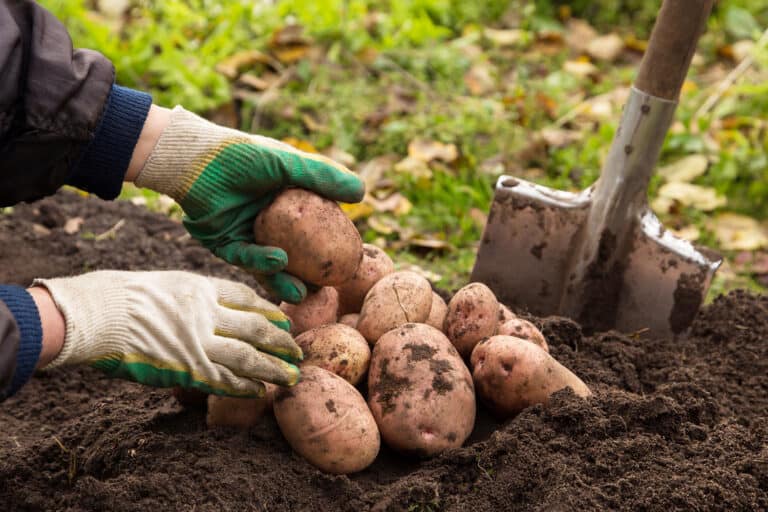
As the winter frost begins to thaw and the first signs of spring start to peek through, it’s time for gardeners to roll up their sleeves and get their hands dirty. Spring planting is a beloved ritual for those with a green thumb, offering the promise of lush landscapes and bountiful harvests in the months to come. However, even the most experienced gardeners can fall prey to common mistakes that can jeopardize their labor of love. In this post, we will walk you through 19 common spring planting blunders to avoid, to give your garden the best possible head-start.
1. Planting Too Early

One of the most common, yet serious mistakes is planting too early. The excitement of a new growing season can sometimes get the better of us, causing us to plant before the soil is ready. Freezing temperatures can kill tender young plants and even seeds. To prevent this, make sure you’re aware of the last expected frost date in your area. You can find this information online or from a local extension service. Remember, patience is key in gardening. Waiting for the right conditions can mean the difference between a successful garden or a disappointing season.
Advertisement
2. Neglecting to Test the Soil

Another common blunder is neglecting to test your soil before planting. Ignoring this step can lead to nutrient deficiencies or excesses, both of which can harm your plants. You can easily test the pH and nutrient content of your soil using a home test kit, available at most garden centers. If the results indicate that your soil is lacking in certain nutrients, you can amend it with organic matter or specific fertilizers to correct the imbalance.
3. Overwatering

Overwatering is a very common mistake that can lead to root rot and other diseases. While it’s important to keep your plants hydrated, more is not always better. A good rule of thumb is to water deeply, but infrequently. This encourages plants to develop deep root systems, which can help them to withstand dry periods. Keep in mind that different plants have different watering needs. Always research the specific requirements of your plants to ensure you’re not over- or under-watering them.
4. Planting Without a Plan

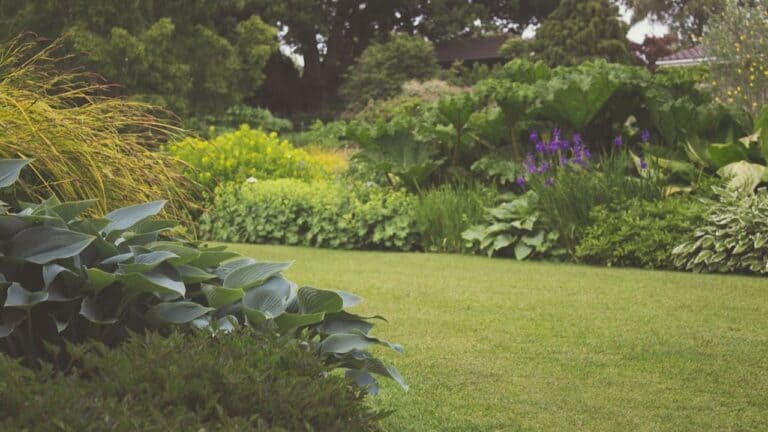
Planting without a plan can result in a chaotic garden where plants compete for resources. This can lead to poor growth and decreased yields. Before you put a single seed in the ground, take some time to plan out your garden. Consider factors like plant spacing, sunlight exposure, and companion planting. This will help you to maximize your space and ensure that each plant gets the resources it needs to thrive.
5. Ignoring the Weather

Ignoring the weather is a mistake that can lead to damaged plants and wasted effort. Weather conditions can quickly change, and plants that are not suitable for those conditions can suffer. To prevent this, always check the weather forecast before planting. If harsh conditions like frost, heavy rain, or intense heat are expected, it may be best to delay your planting. Additionally, consider planting varieties that are well-suited to your local climate for the best chances of success.
6. Neglecting to Harden Off Seedlings

If you start your seeds indoors, it’s crucial to gradually acclimate them to outdoor conditions before planting. This process, known as hardening off, can help to prevent shock and increase the survival rate of your seedlings. To harden off your seedlings, start by placing them outside in a sheltered spot for a few hours each day, gradually increasing the amount of time they spend outside over the course of a week or two. Be sure to bring them indoors if harsh weather is expected.
7. Planting in Poorly Drained Soil

Planting in poorly drained soil can lead to waterlogged roots and an increased risk of root rot and other diseases. It’s crucial to ensure your soil drains well before planting. If your soil is heavy clay or otherwise drains poorly, consider amending it with organic matter or sand to improve its drainage. Alternatively, you could plant in raised beds or containers, which typically drain better than in-ground gardens.
8. Planting Too Deeply

Planting seeds or seedlings too deeply can prevent them from sprouting or cause them to struggle to reach the surface. As a rule, seeds should be planted at a depth approximately two to three times their diameter. If you’re transplanting seedlings, be sure to plant them at the same depth they were growing at in their previous container. Planting them deeper can lead to stem rot and other problems.
9. Ignoring Pests and Diseases

Ignoring pests and diseases can quickly lead to a garden disaster. It’s crucial to monitor your garden regularly for signs of trouble and to act quickly when problems arise. If you notice signs of pests or diseases, such as discolored leaves, holes in leaves, or a decrease in plant vigor, take steps to identify and address the problem. This might involve using organic or chemical pesticides, introducing beneficial insects, or removing and destroying infected plants.
10. Neglecting Weeds

Weeds can quickly take over a garden if left uncontrolled, competing with your plants for resources and potentially harboring pests and diseases. To prevent a weed takeover, be sure to weed your garden regularly. You can also use mulch to suppress weeds and conserve soil moisture.
11. Planting the Same Crops in the Same Location Year After Year

Planting the same crops in the same location year after year, known as monoculture, can lead to nutrient depletion and a build-up of pests and diseases. To prevent this, practice crop rotation. This involves changing the location of your crops each year, which can help to maintain soil fertility and break pest and disease cycles.
12. Not Mulching

Mulch is a gardener’s best friend. It helps conserve soil moisture, suppress weeds, and regulate soil temperature. However, some gardeners neglect this important step. When you plant your garden, be sure to add a layer of mulch around your plants. This can be made from various materials, such as straw, wood chips, or even shredded leaves.
13. Using the Wrong Tools

Using the wrong tools can make gardening more difficult and can even harm your plants. It’s important to have the right tools for the job and to use them correctly. For planting, you’ll at least need a good shovel or trowel, a hoe for weeding, and a watering can or hose. Other tools, like pruners, may also come in handy depending on what you’re growing.
14. Over-Fertilizing

While it’s important to provide your plants with the nutrients they need, over-fertilizing can be just as harmful as not fertilizing at all. Over-fertilization can lead to nutrient burn and can upset the balance of nutrients in the soil. To prevent this, be sure to follow the instructions on your fertilizer package, and don’t be tempted to add more than recommended. If in doubt, it’s better to under-fertilize than to overdo it.
15. Ignoring Plant Spacing Guidelines

Ignoring plant spacing guidelines can result in overcrowded plants that compete for resources. This can lead to poor growth and decreased yields. When planting, be sure to follow the spacing guidelines provided on your seed packets or plant tags. Giving your plants plenty of space will allow them to grow and produce to their full potential.
16. Neglecting to Prune

Pruning helps to maintain the health and shape of your plants. However, some gardeners neglect this important task. Regular pruning can help to increase airflow around your plants, reduce the risk of disease, and encourage better flowering and fruiting. Remember, different plants have different pruning requirements, so be sure to research what’s best for your specific plants.
17. Planting Incompatible Plants Together

Some plants can benefit each other when planted together, but others can hinder each other’s growth. Planting incompatible plants together can result in competition for resources and can even attract pests and diseases. Before you plant, research which plants make good companions and which should be kept apart. There are many resources available online that can help you with this.
18. Not Supporting Climbing Plants

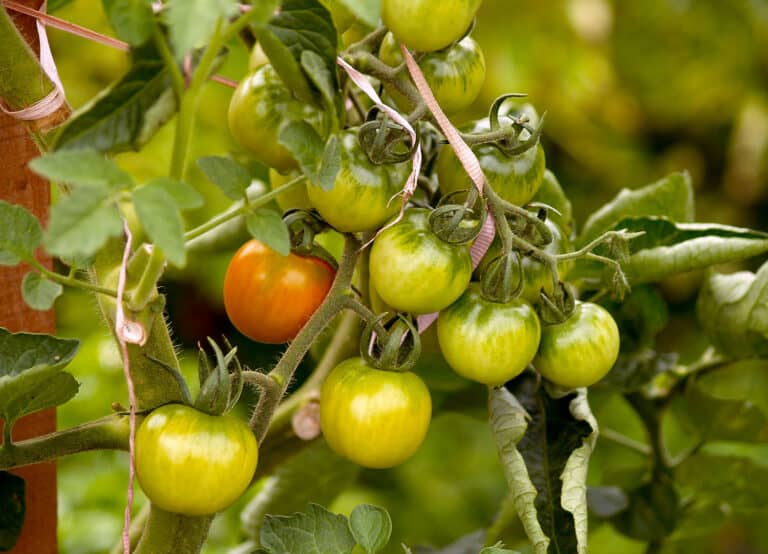
Climbing plants, like tomatoes and cucumbers, need support to grow properly. However, some gardeners neglect to provide this support, which can lead to damaged plants and decreased yields. When planting climbing plants, be sure to provide a sturdy support structure, like a trellis or tomato cage. This will help your plants grow upwards instead of sprawling on the ground, where they’re more susceptible to pests and diseases.
19. Planting Everything At Once

Lastly, planting everything at once can lead to a glut of produce that can’t be used up before it goes bad. To avoid this, consider staggering your plantings. This means planting a few seeds or seedlings every week or two, rather than all at once. This can provide a steady supply of fresh produce throughout the season, rather than a single, overwhelming harvest.