Keeping your yard looking great often means spending a lot of time on maintenance. However, there are ways to design and plant your outdoor space so you can enjoy a beautiful yard without the constant work.
These 19 landscaping ideas help you cut your yard work in half by focusing on low-maintenance plants, smart design, and efficient care techniques. With the right approach, you can create a comfortable and attractive outdoor space that fits your lifestyle.
Advertisement
Install low-maintenance native plants
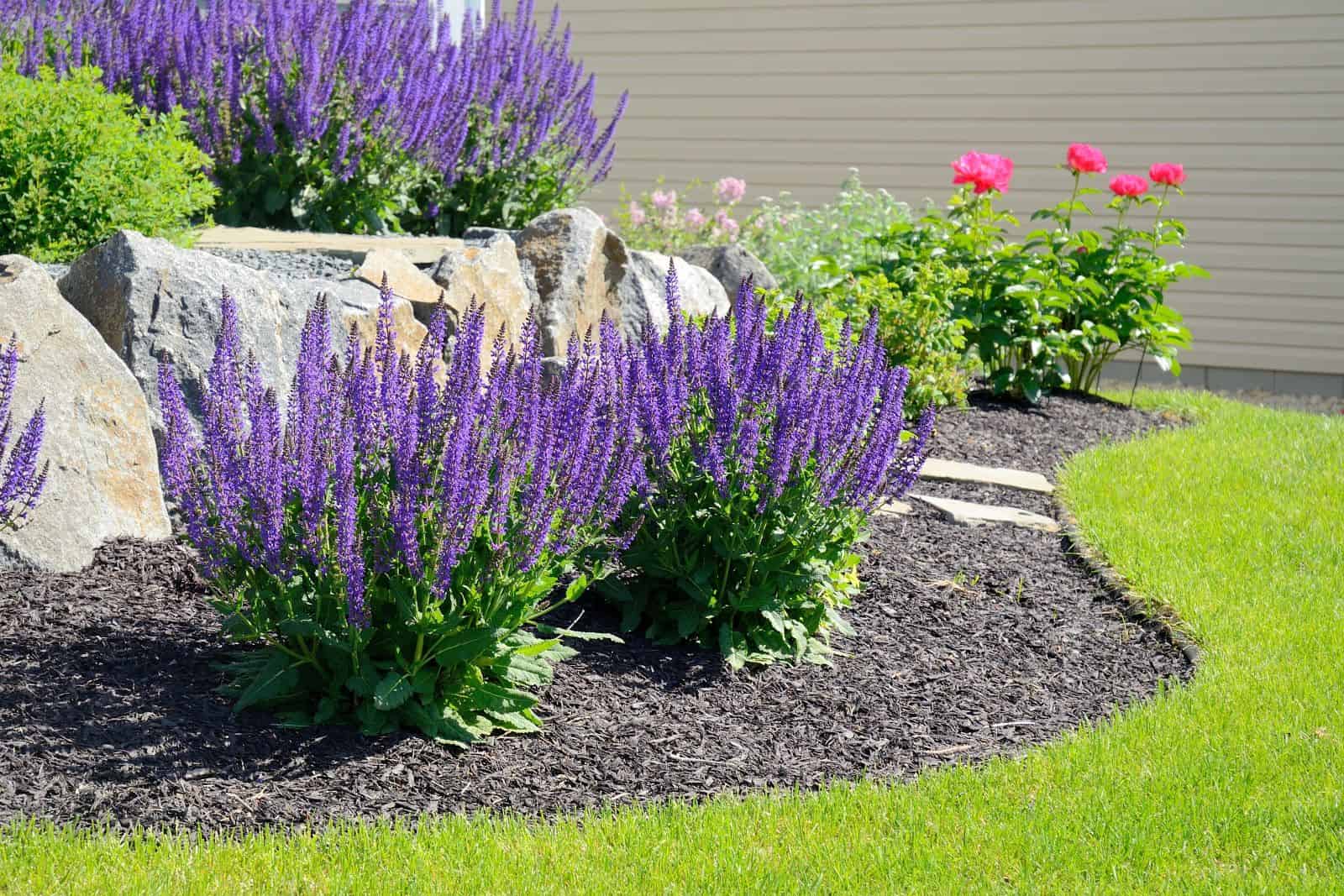
Choosing native plants for your yard means selecting species that naturally thrive in your local climate. This reduces the need for extra watering and care.
Native plants also support local wildlife, which can help keep pests in check.
By planting these, you create a garden that looks good without demanding much effort from you. You’ll enjoy a beautiful space with less yard work.
Use mulch to reduce weed growth

Mulch helps stop weeds by blocking sunlight, which they need to grow. You can spread organic mulch like wood chips or grass clippings in thin layers to keep weeds down.
Adding new mulch over old mulch builds a better barrier and improves soil health as it breaks down. This also helps keep your soil moist and cool, making gardening easier for you.
Create mulched flower beds to cut grass area

You can reduce mowing by turning part of your lawn into mulched flower beds. First, mow the grass short and mark the area you want to convert.
Then, create a clean edge between the lawn and the bed to keep grass from spreading. Adding mulch helps retain moisture and lowers maintenance.
Mulched beds also add color and texture, making your yard look neat with less effort.
Add hardscaping like pavers or gravel paths
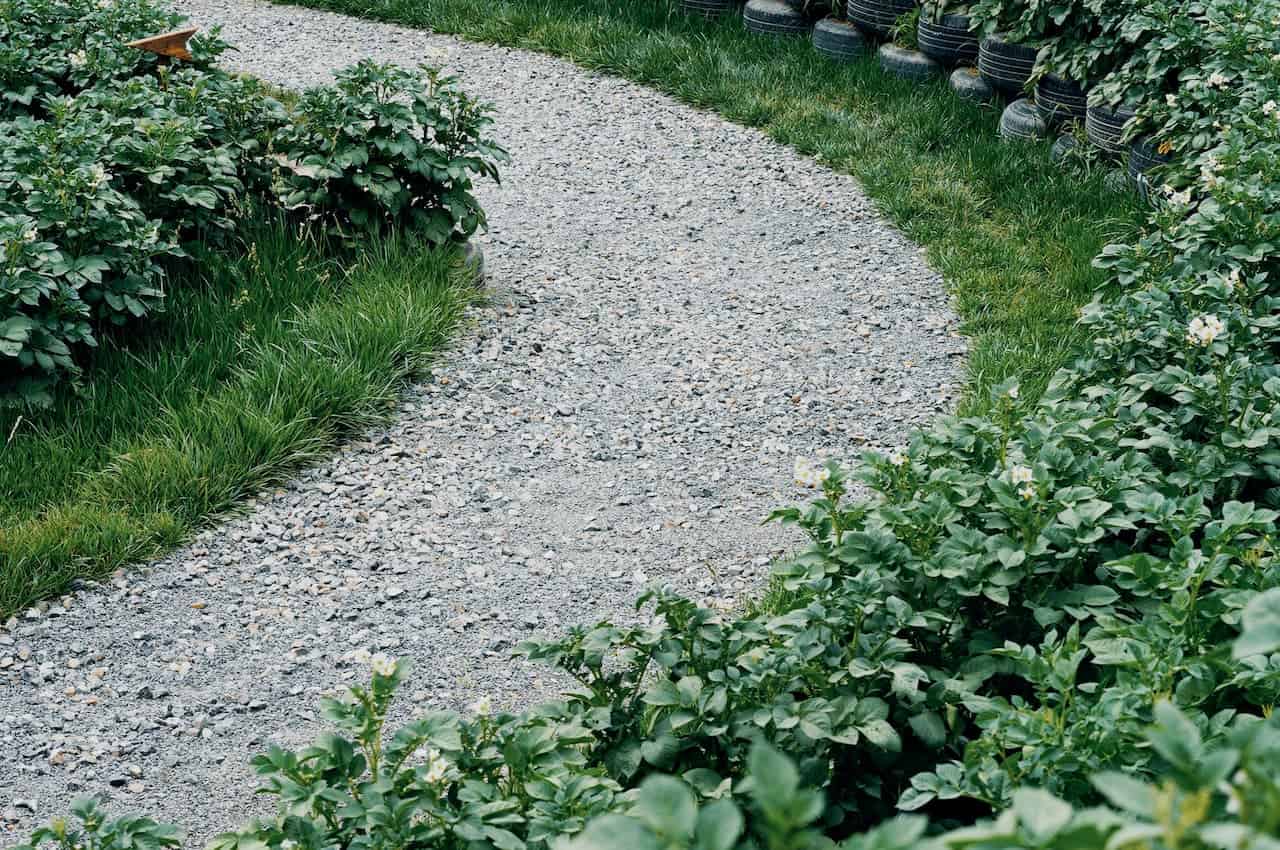
Adding pavers or gravel paths helps reduce lawn area, so you spend less time mowing and edging.
These materials create clean, defined walkways that are easy to maintain. You can arrange pavers in shapes like an L or use round stepping stones for a modern look.
Gravel paths allow water to drain well and don’t need regular upkeep like grass. Steel or aluminum edging can keep your hardscape tidy and separate from plants.
Incorporate raised garden beds
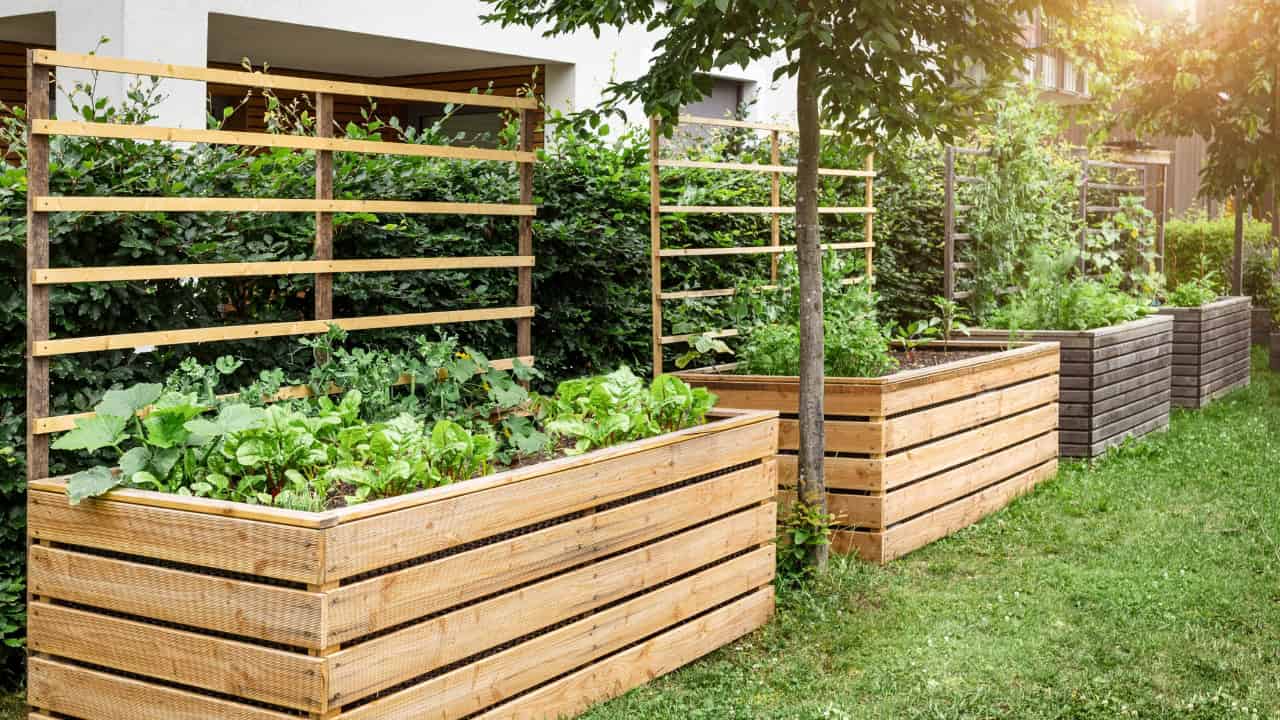
Raised garden beds make planting and maintenance easier by keeping soil contained and accessible. You can build them with wood, stone, or metal, depending on your style and budget.
Using raised beds reduces the need to bend over, saving your back and knees. They also help control weeds and improve drainage, which means less yard work for you. Adding paths with mulch or stepping stones around beds keeps the area tidy and simple to navigate.
Plant drought-tolerant shrubs
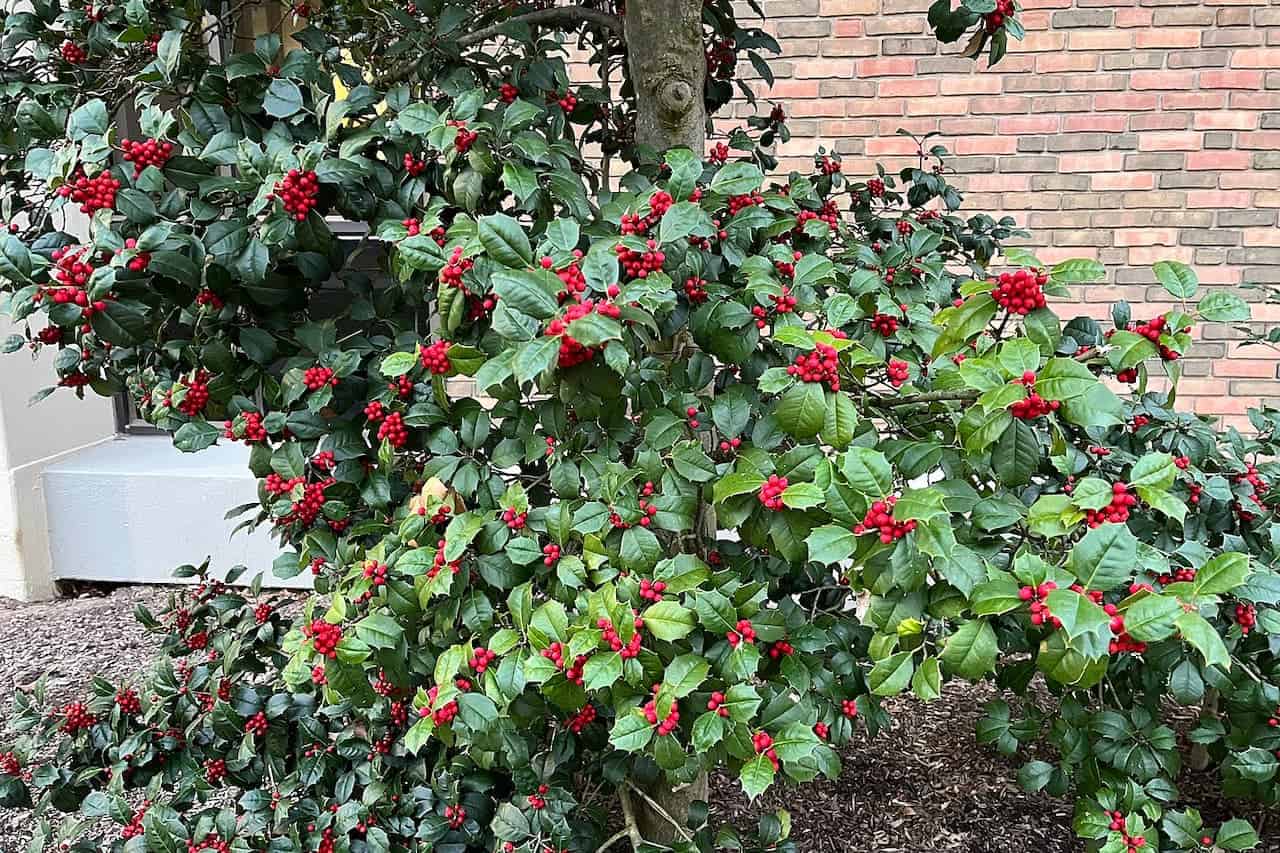
You can reduce watering and maintenance by choosing drought-tolerant shrubs. These plants thrive with less water, making your yard easier to care for.
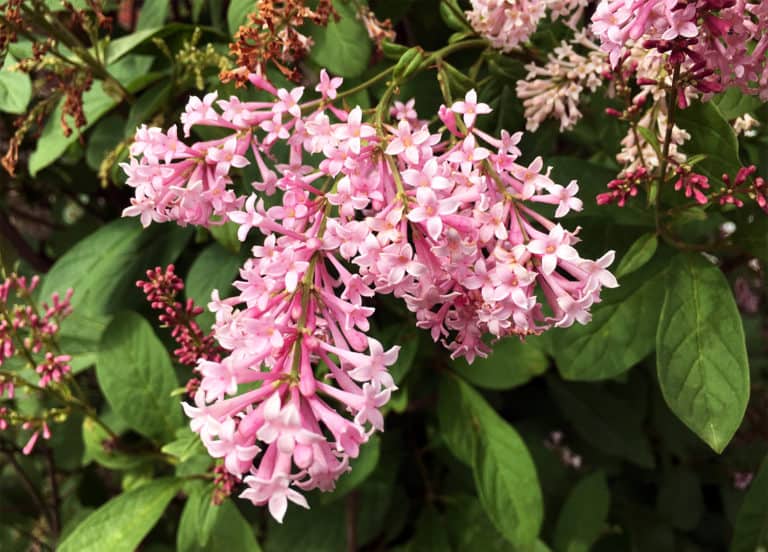
Shrubs like Abelia, Barberry, and Wild Lilac are good options. They stay healthy in dry conditions and add texture and color to your garden.
By planting these shrubs, you create a water-wise landscape that saves time and effort. Your yard will look good without demanding constant attention.
Install drip irrigation systems

You can save time watering by installing a drip irrigation system. It delivers water directly to the roots, reducing waste and keeping your plants healthy.
Set the tubing along garden beds and use emitters near each plant. This setup uses less water and cuts down on manual watering.
Drip irrigation is easy to customize and expand as your garden grows. It’s a simple upgrade that makes yard care more efficient.
Use ground covers instead of grass
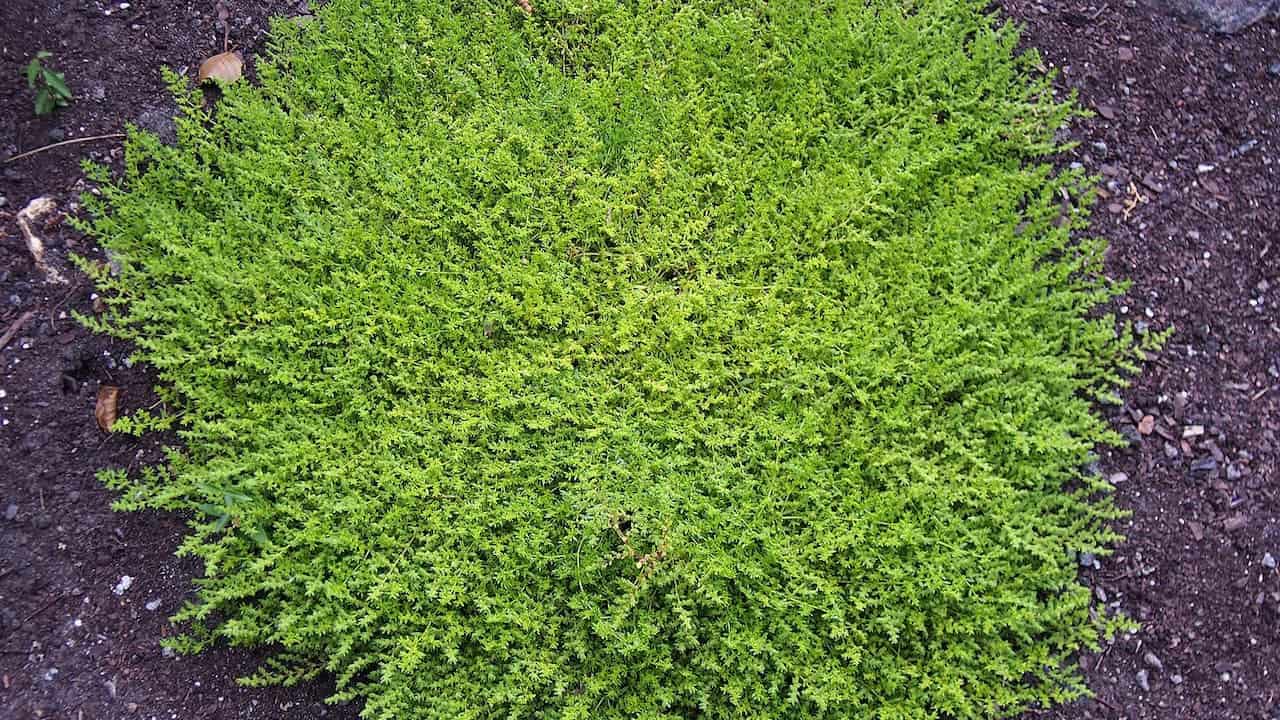
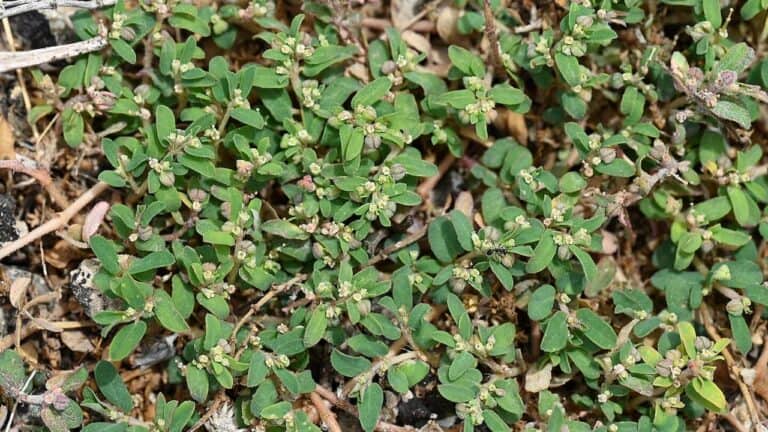
You can save time and effort by replacing grass with low-maintenance ground covers. These plants spread to fill bare spots and often need less watering and mowing.
Choose ground covers that feel soft on bare feet if you want a comfortable surface to walk on. They also add texture and color, making your yard more interesting without extra work.
Add vertical gardens with flowering vines

You can save space and reduce yard work by adding vertical gardens. Using flowering vines on trellises or walls brings color and texture without needing extra ground maintenance.
Choose fast-growing vines to fill in quickly and keep your garden lively. Vertical gardens also make watering and weeding easier since plants are off the ground. Your yard will look fuller with less effort.
Edge beds with metal or terracotta edging

You can use metal edging to create clean, low-maintenance borders around your garden beds. It’s durable and helps keep grass and weeds from creeping into your planting areas.
Terracotta edging offers a natural look that blends well with soil and plants. It is easy to install and adds a warm, textured element to your yard.
Both options simplify mowing and trimming, reducing the time you spend on yard work. Choose the one that fits your style and budget.
Replace lawn with artificial grass in high-traffic spots
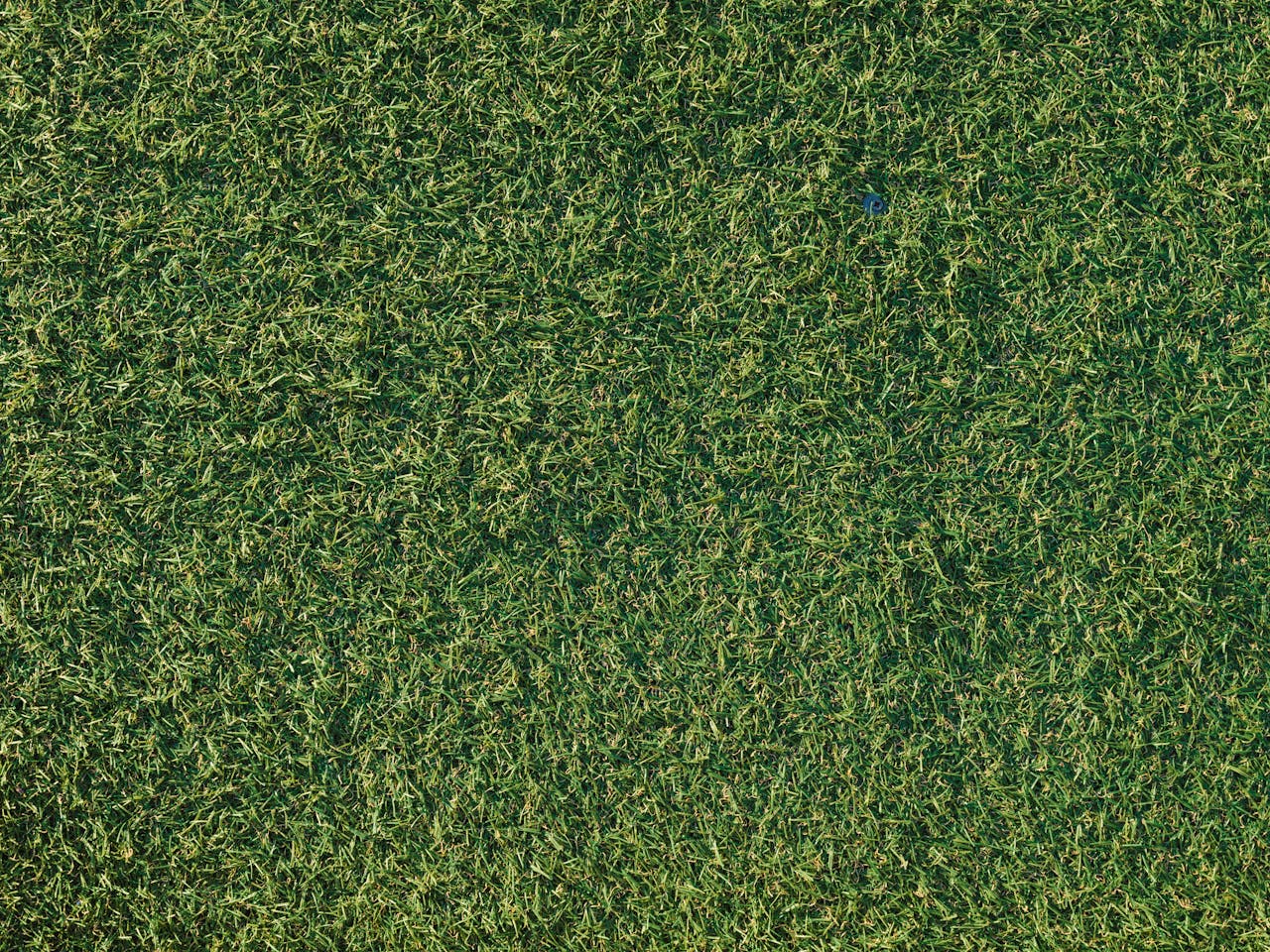
If you have areas where you and your family walk a lot, consider using artificial grass there. It stays green and neat without constant watering or mowing.
Artificial grass handles heavy use without turning brown or patchy. This means less time fixing worn spots and more time enjoying your yard.
It also reduces the need for fertilizers and pesticides, making your yard easier to maintain and more eco-friendly.
Design smaller lawn areas for easier mowing

You can reduce yard work by creating smaller lawn patches. This makes mowing quicker and less tiring.
Try using hardscaping or flower beds to break up large grassy sections. This also adds visual interest.
Keep your pathways neat and well-defined. Mowed paths that connect different garden sections help you maintain tidy spaces with ease.
Use a robotic lawn mower

You can save time by using a robotic lawn mower to keep your grass trimmed regularly. These mowers work little and often, so your lawn stays neat without much effort from you.
They handle obstacles and slopes well, making them suitable for many yard shapes. Just plan where to place the base station and clear paths for smooth operation.
Plant shrubs to break up large spaces
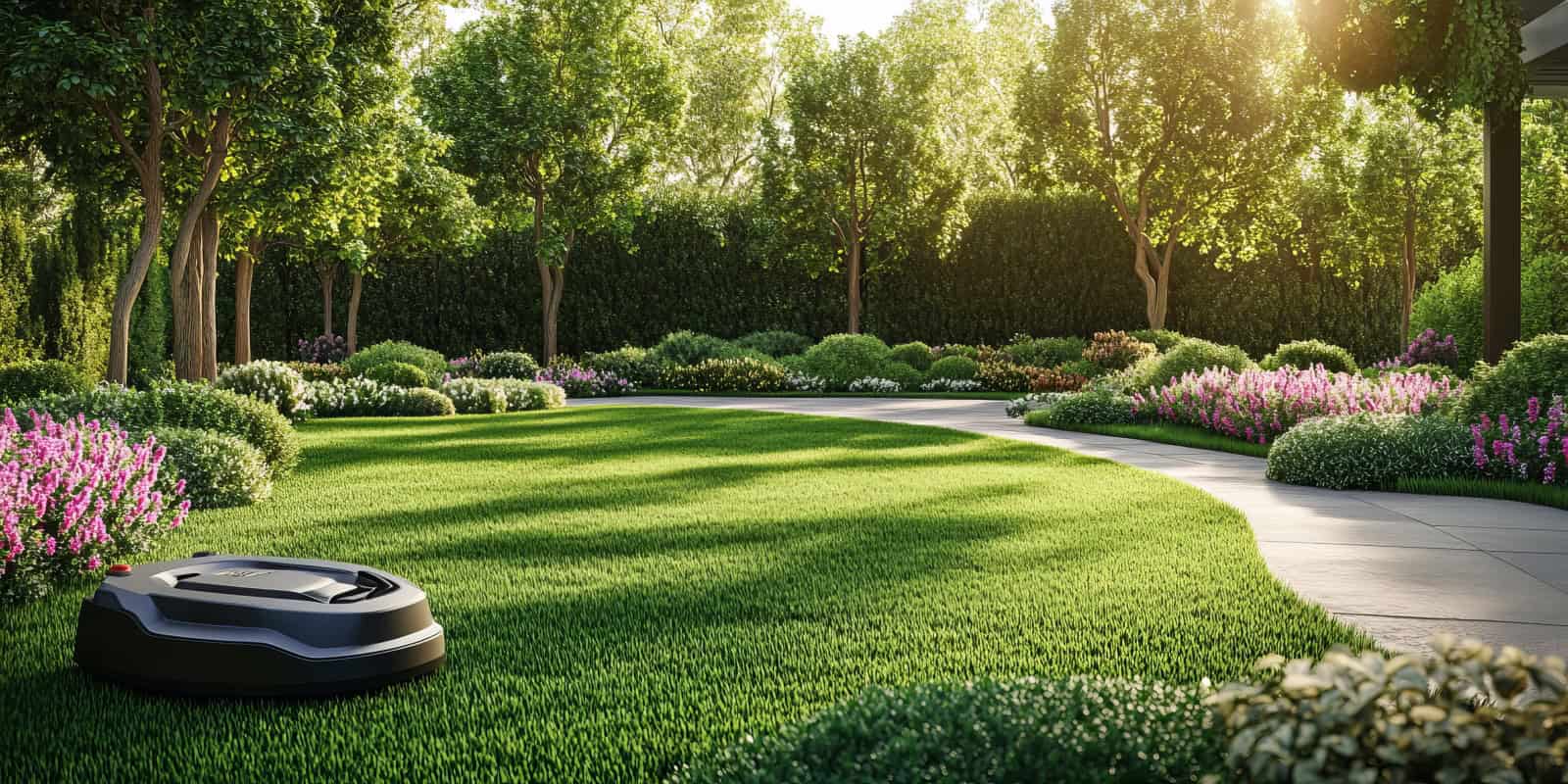
You can use shrubs to create natural divisions in your yard. This helps define different areas without the need for fences or walls.
Choosing low-maintenance shrubs like boxwoods or barberry keeps your yard tidy with minimal effort. They add color and texture while filling empty spaces.
Arranging them in groups or rows gives your landscape structure and reduces the amount of lawn you need to mow. This can cut your yard work in half.
Grow window box gardens to add color with little upkeep
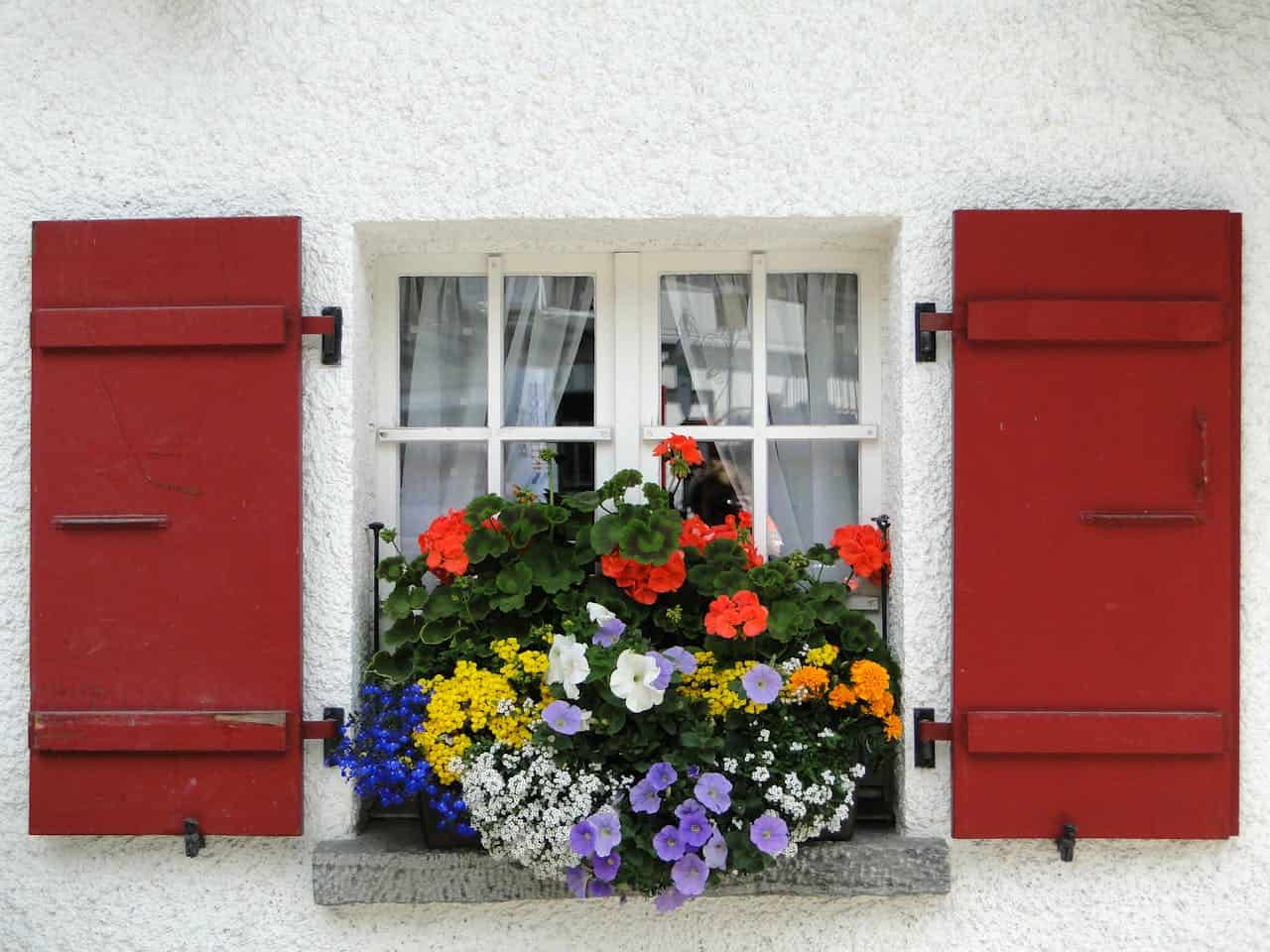
You can brighten your yard with window box gardens that need minimal care. Choose plants like ferns, cast iron plants, or camellias that thrive in shade if your space doesn’t get much sun.
Window boxes are easy to maintain because they require less watering and trimming. Plus, they add instant charm without taking up yard space.
Add decorative rock gardens

You can create a low-maintenance garden by using decorative rocks. Rock gardens need less watering and trimming compared to plants.
Mix different stone sizes and tuck small plants in between to add texture and interest. This design works well on slopes or flat areas.
Adding a bench or container plants can make your rock garden a cozy retreat without adding extra yard work.
Utilize container gardens for flexibility
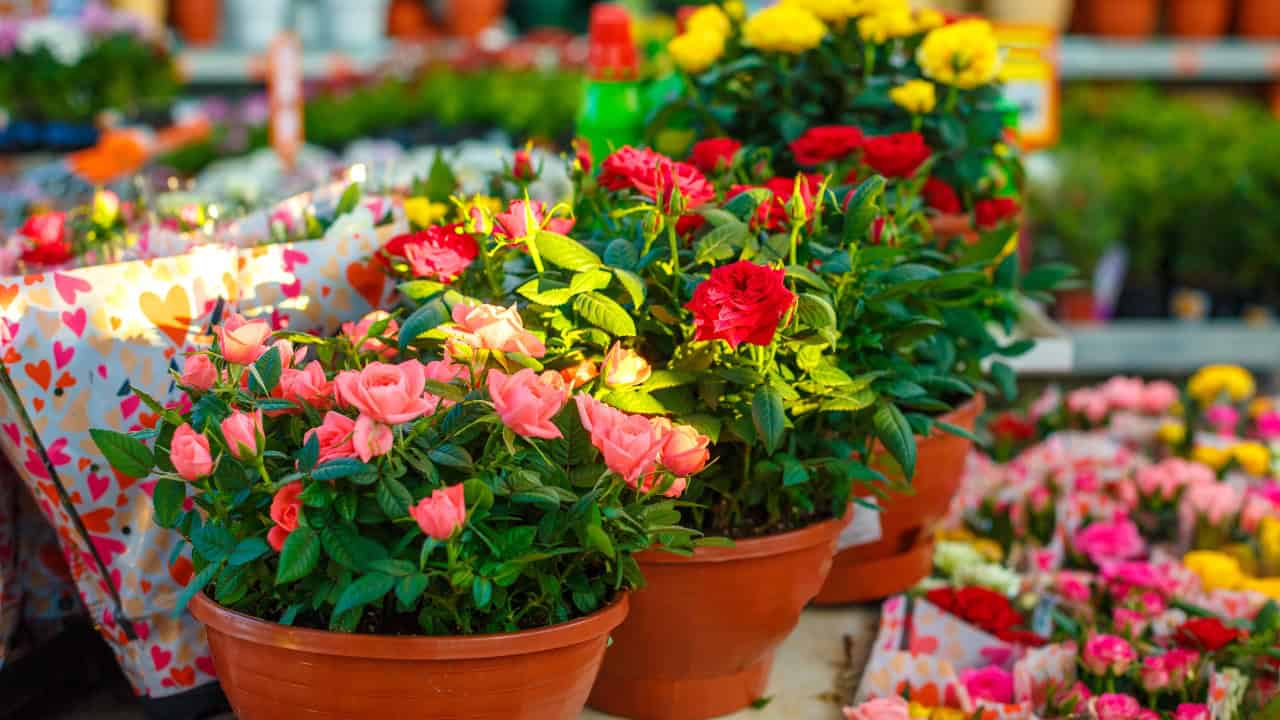
You can grow a variety of plants using container gardens, from herbs to vegetables and flowers. They work well even in small spaces or spots with good sunlight.
Containers make it easy to move plants around, so you can change your garden layout without much effort. This helps you adjust to different seasons or sunlight conditions.
Using containers also reduces the time spent on weeding and soil care, cutting down your overall yard work.
Install low-voltage landscape lighting on timers
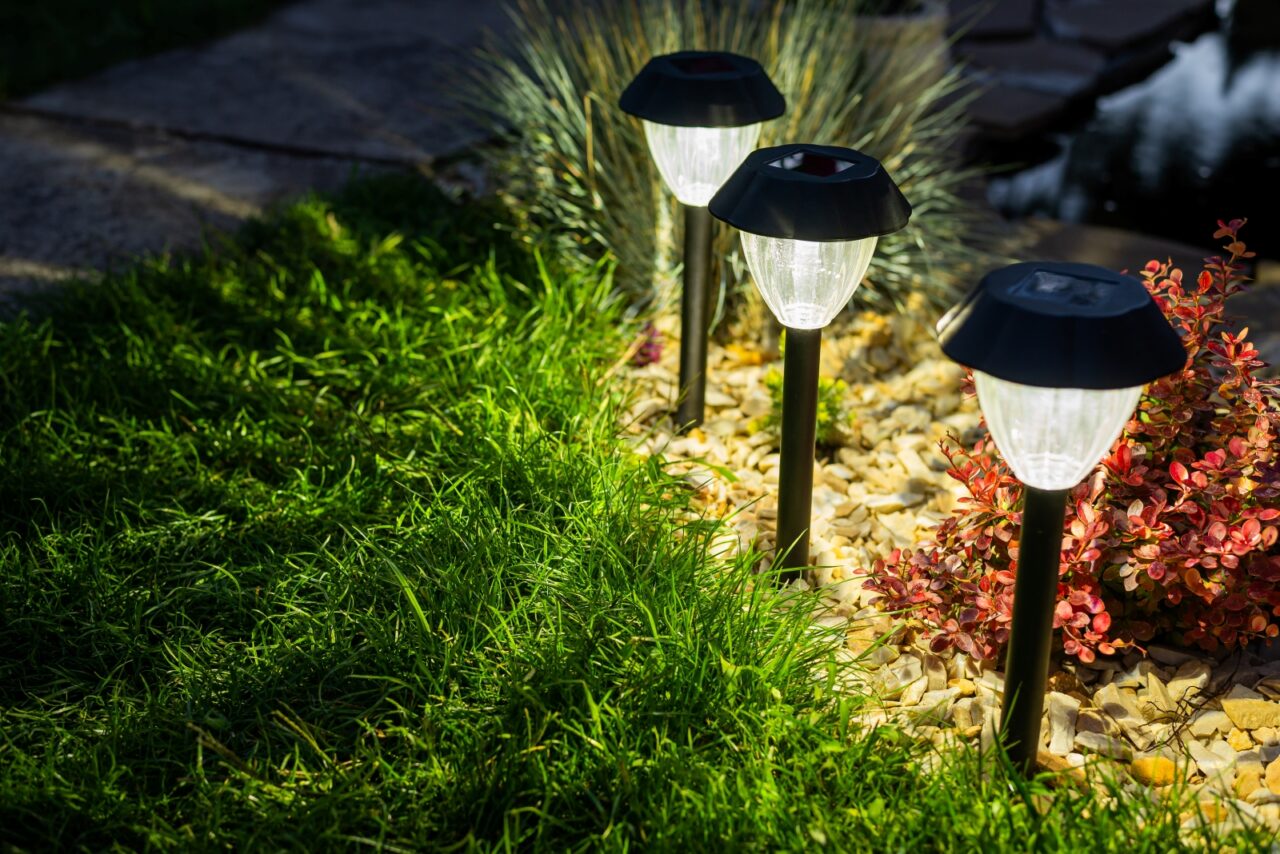
You can save time and effort by installing low-voltage landscape lighting on timers. This way, your lights turn on and off automatically without manual control.
Timers help extend bulb life and reduce energy use by operating only when needed. Setting them is simple, and you can adjust the schedule to fit your lifestyle.
Choosing low-voltage lights is safer and easier to install around your yard. With timers, your outdoor space stays illuminated consistently with minimal upkeep.
Create a rain garden to reduce watering

You can create a rain garden to catch and soak up stormwater runoff from your roof or driveway. This helps your yard use natural rainfall better and reduces the need for extra watering.
Plant native, water-loving plants in a shallow, sunken area designed to hold and filter water. This setup not only lowers water use but also adds color and supports local wildlife.