Landscaping is an art that can transform your outdoor space into a spectacular oasis, but it comes with its own set of challenges. While we all love the idea of a beautifully manicured lawn or a stunning flowerbed, maintaining these designs is not always a walk in the park. Some landscaping designs, though visually striking, can prove to be incredibly demanding when it comes to upkeep. This blog post will explore 19 such designs and explain why they are almost impossible to maintain. Let’s dive into the nitty-gritty of these gorgeous but high-maintenance landscaping designs.
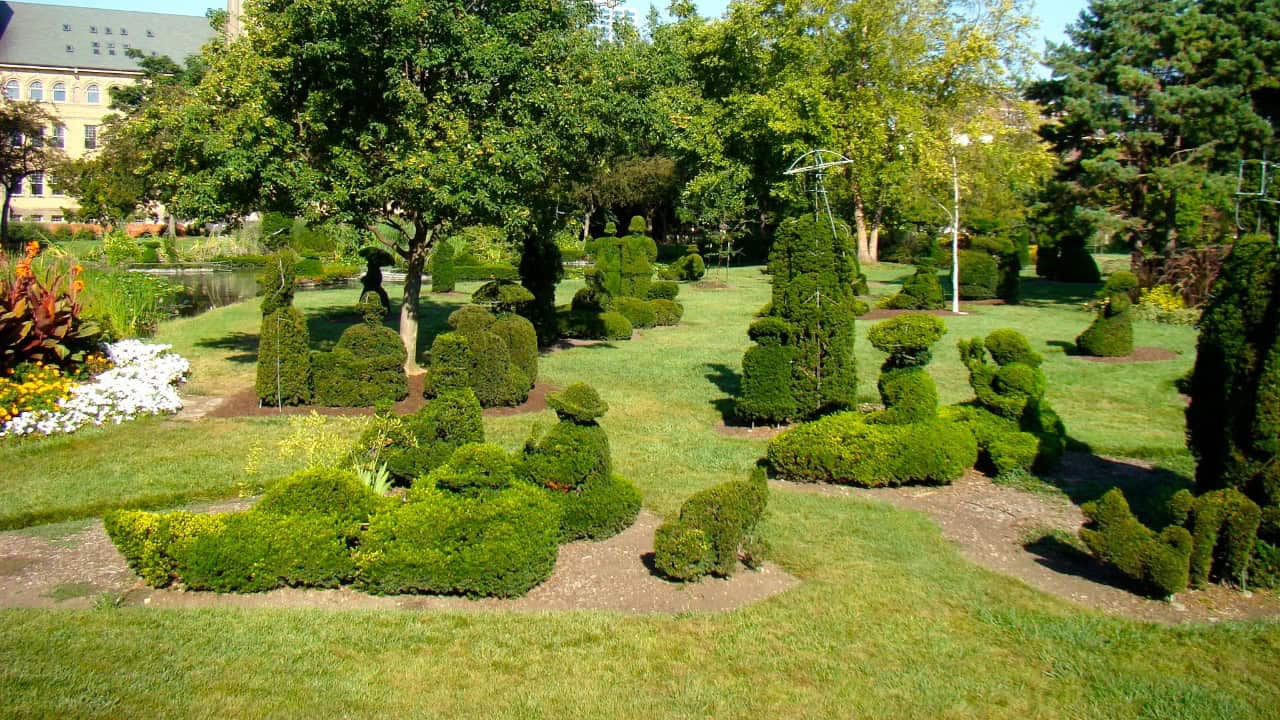
1. Topiary Gardens
2. Koi Ponds
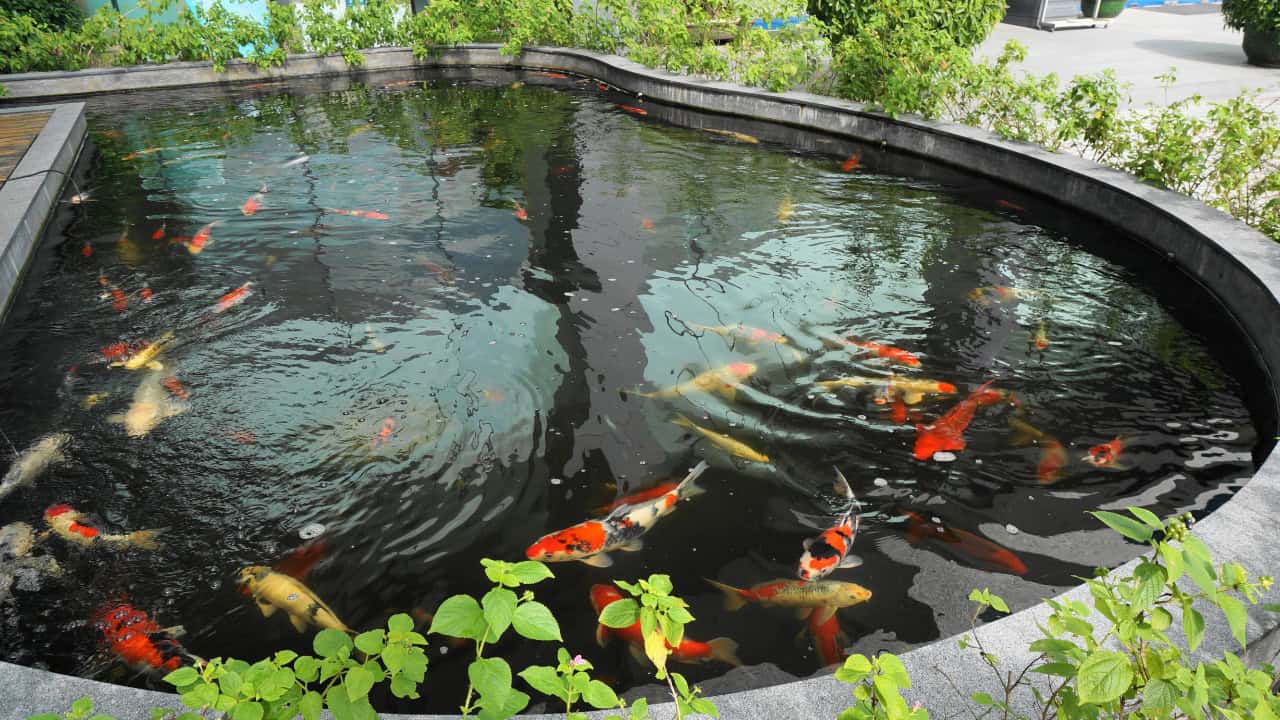
A koi pond can add an exotic touch to your backyard. The vibrant, colorful fish swimming in a serene water body is a sight to behold. However, keeping a koi pond can be more demanding than one might anticipate.
Koi are sensitive creatures that require a specific water temperature and pH level. Ensuring these conditions are met involves constant monitoring and adjustments. Also, koi are prone to various diseases, which means regular health checks are necessary. This can be a costly and time-consuming venture.
Advertisement
3. Vertical Gardens
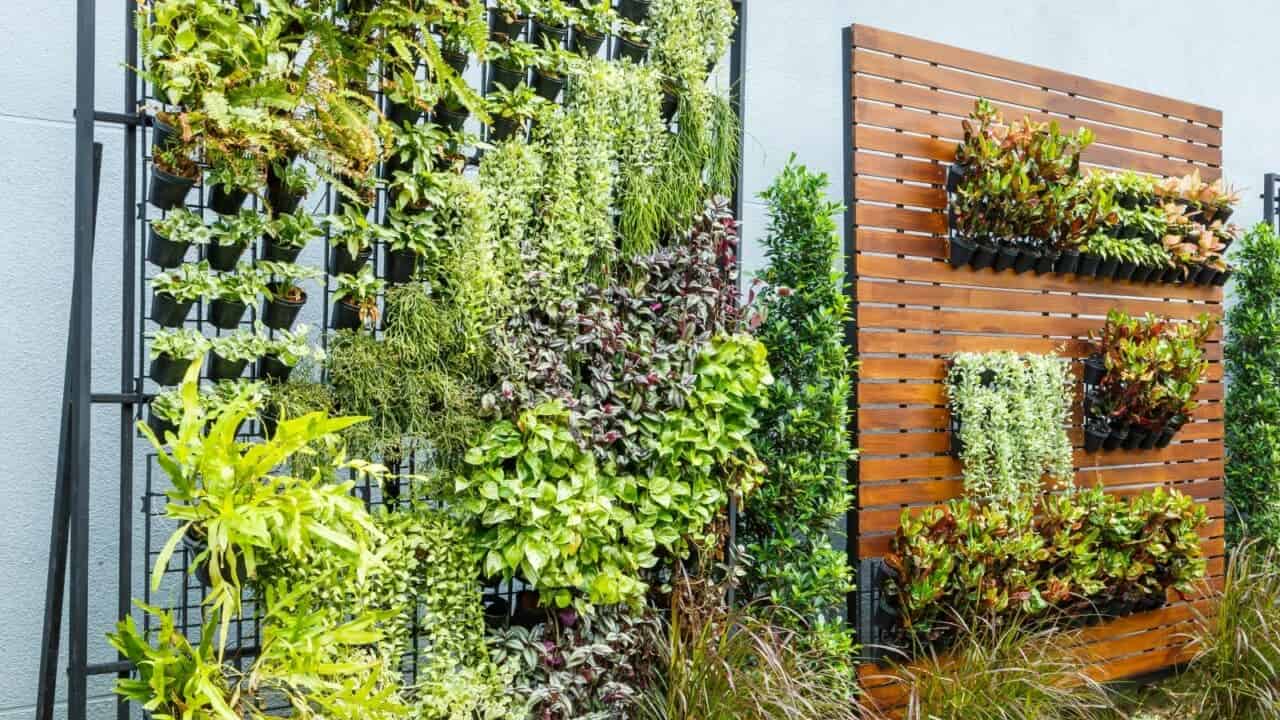
Vertical gardens, also known as living walls, are a mesmerizing blend of architecture and nature. They are perfect for urban dwellers lacking horizontal space. However, maintaining these green structures is a daunting task.
The watering system for vertical gardens needs to be precise to ensure each plant receives the correct amount of water. Moreover, since the plants are not grown in the ground, they depend on the nutrients provided externally. This means regular feeding is required. Lastly, as plants have a natural tendency to grow upwards, maintaining the desired look can be challenging.
4. English Gardens
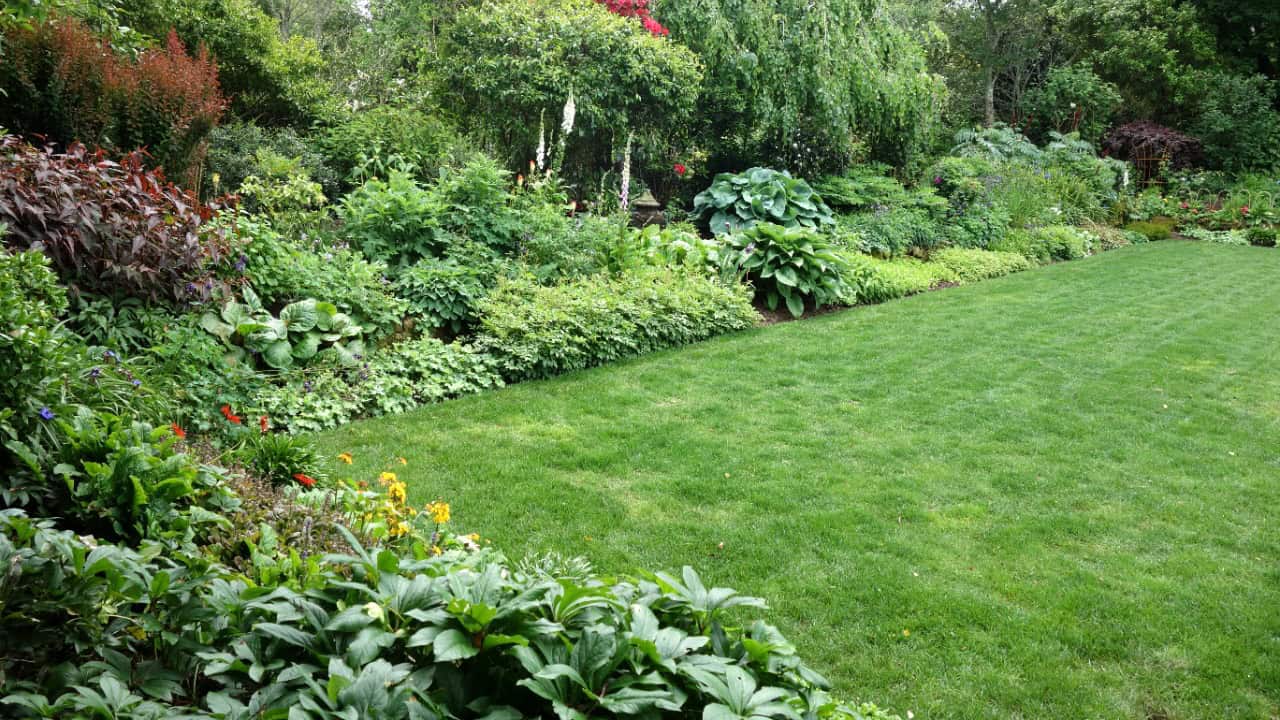
English gardens are known for their lush, romantic, and seemingly wild look. While this style of landscaping may appear to be “natural” or “effortless,” the reality is far from it.
The variety of plants and flowers used in English gardens require different care routines, making maintenance complex. Furthermore, to achieve the overflowing, verdant look typical of English gardens, constant pruning and replanting are necessary. This requires a lot of time, effort, and knowledge.
5. Maze Gardens
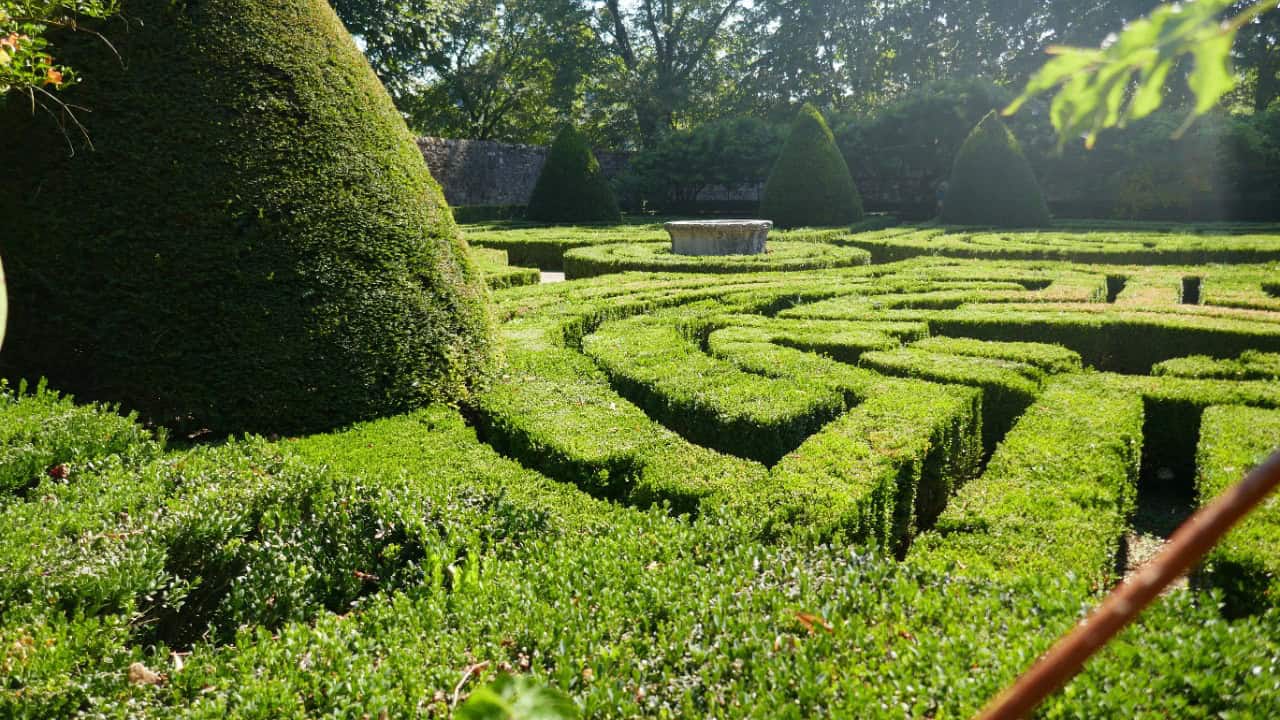
Maze gardens are a classic, bringing a sense of whimsy and intrigue to any landscape. However, maintaining these labyrinthine structures is a Herculean task.
The hedges used in maze gardens need to be pruned regularly to maintain their shape and height. This often requires professional help due to the size and intricacy of the maze. Additionally, these hedges can be prone to pests and diseases, necessitating regular inspections and treatments.
6. Japanese Rock Gardens
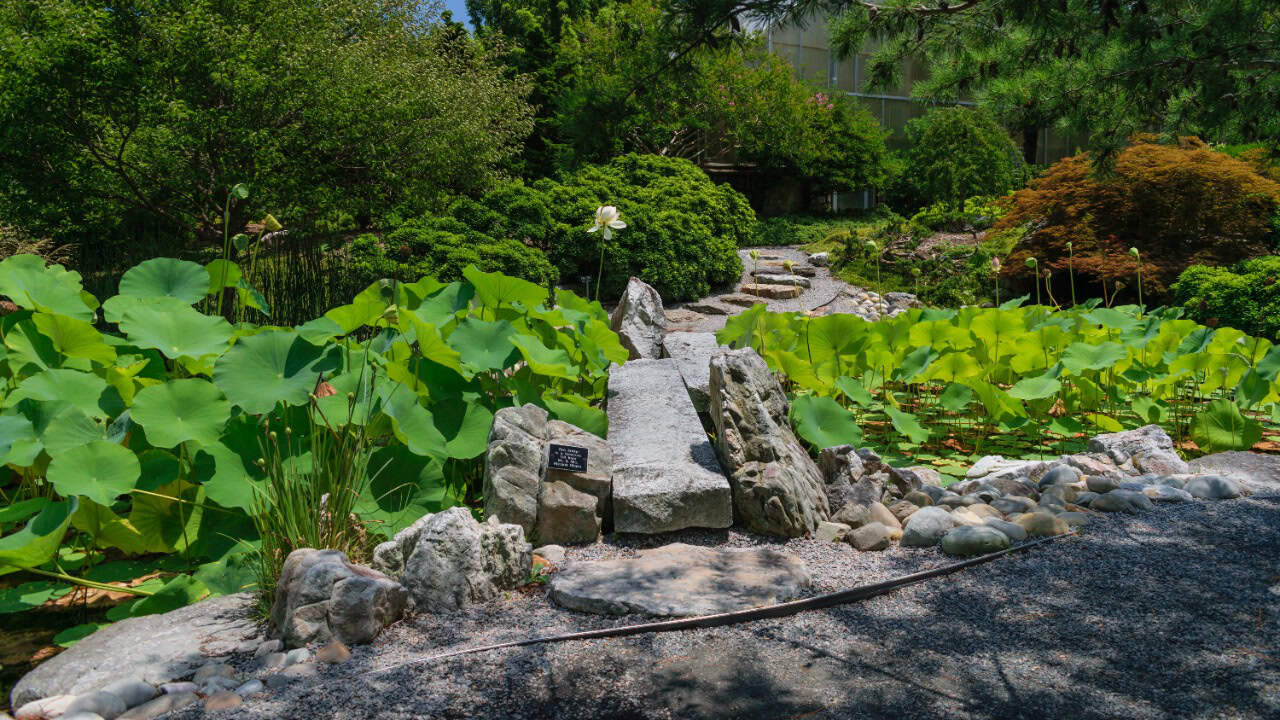
Japanese rock gardens, also known as zen gardens, are known for their minimalist, tranquil design. However, maintaining their simplicity is anything but simple.
These gardens require meticulous care to preserve their harmonious balance. The gravel or sand used must be raked frequently to maintain the distinctive patterns, and care should be taken to prevent the intrusion of weeds or moss. Additionally, the rocks used need to be cleaned regularly to prevent lichen growth.
7. Topiary Gardens
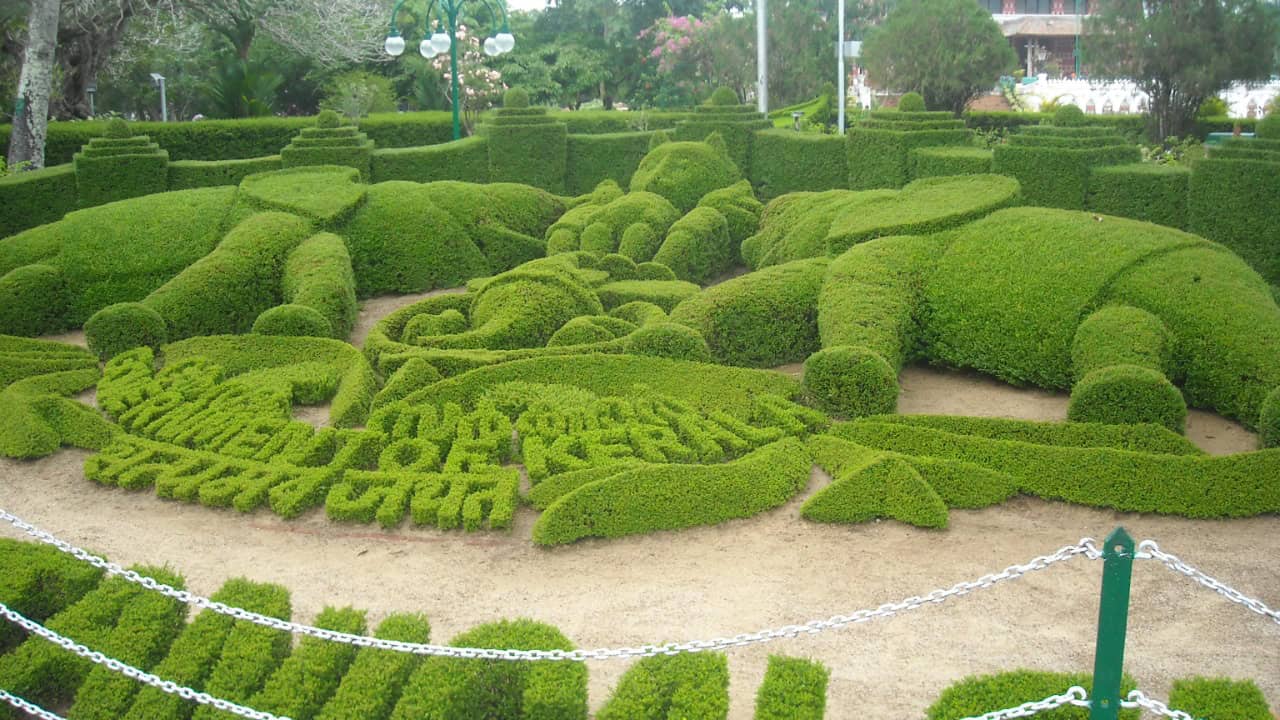
Topiary gardens are famous for their precisely sculpted plants and trees, often fashioned into creative shapes or figures. The results are breathtaking, but the level of commitment and patience required to maintain these designs is immense.
Topiary gardening involves regular pruning, watering, and fertilizing to keep the plants healthy and in shape. This constant attention is not feasible for busy homeowners. Furthermore, the precision required to maintain the exact shapes or figures can be quite challenging, often requiring professional assistance.
8. Succulent Gardens
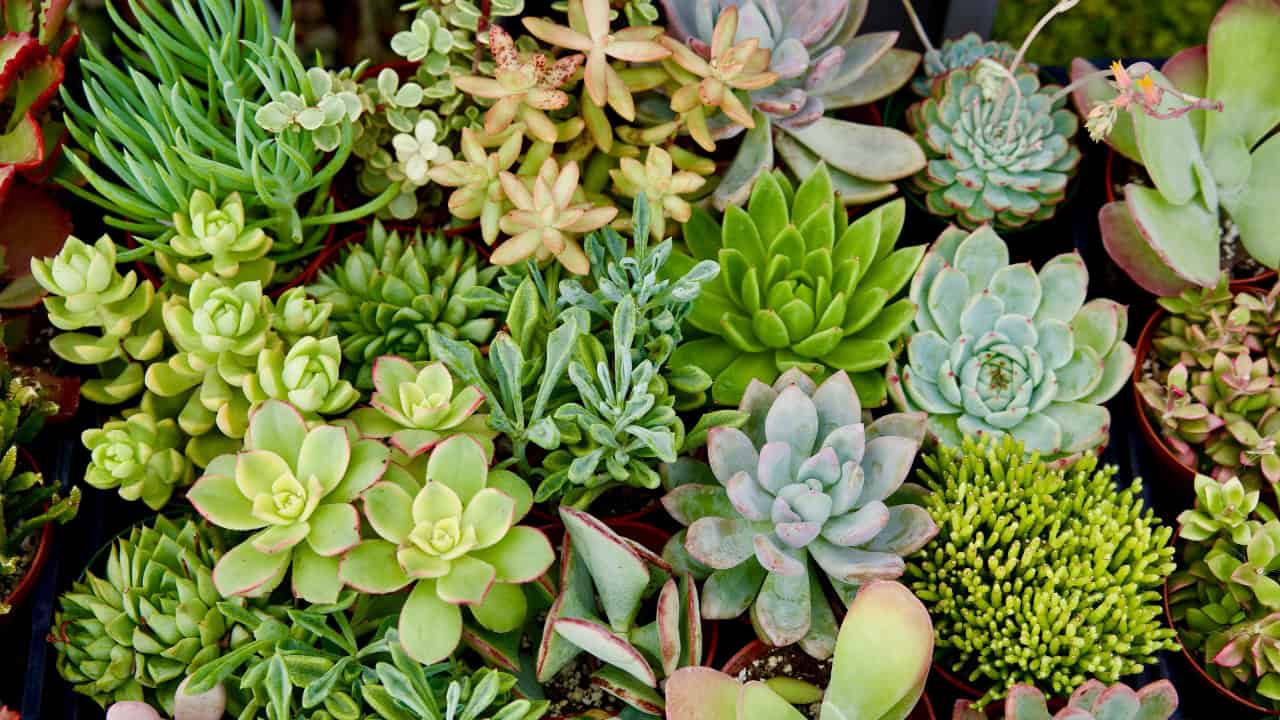
Succulent gardens are popular for their unique, exotic look and low-water requirement. However, while they may not need much water, they do need a lot of care.
Succulent plants require a particular type of soil and just the right amount of sunlight. Overwatering or underwatering can easily harm them. Also, succulents are often a target for pests. Regular inspections and treatments are necessary to keep these plants healthy.
9. Rain Gardens
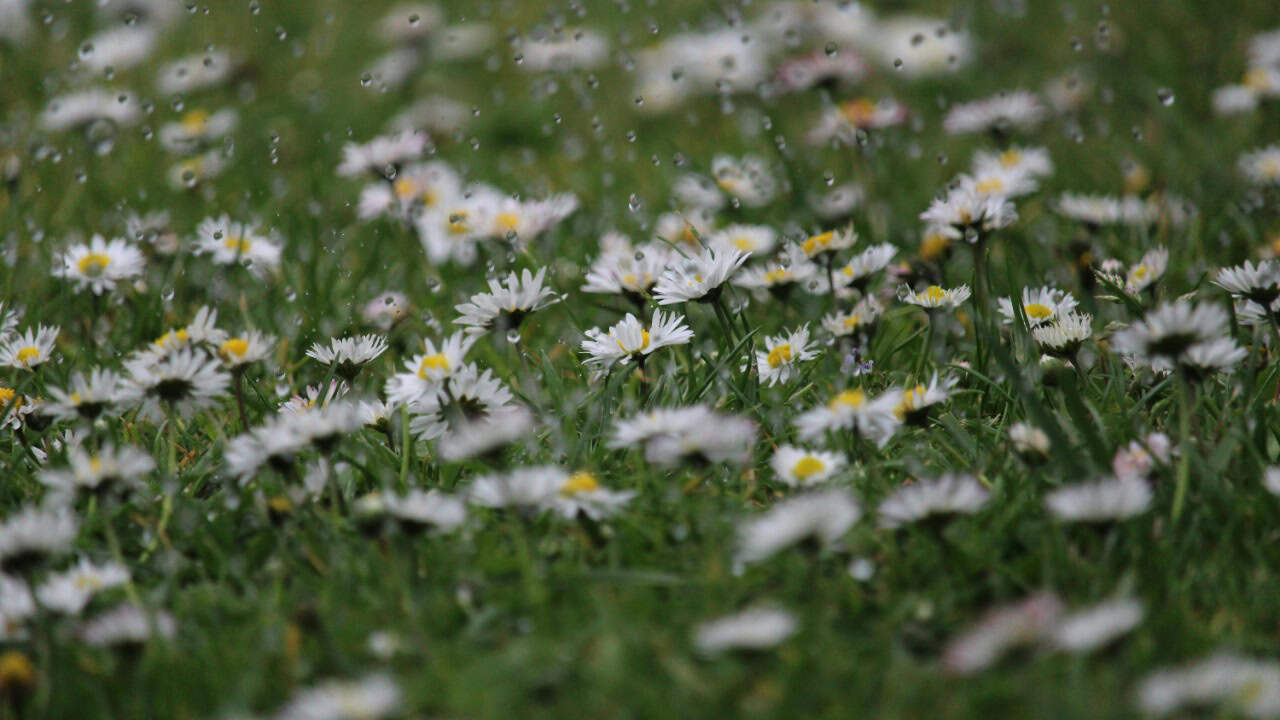
Rain gardens are designed to capture and absorb rainwater runoff. While this eco-friendly design is commendable, it’s not the easiest to maintain.
Rain gardens are composed of native plants that can withstand both flooding and drought. However, these plants still require care in the form of pruning and weeding. Moreover, the garden’s structure must be maintained to ensure efficient water absorption.
10. Mediterranean Gardens
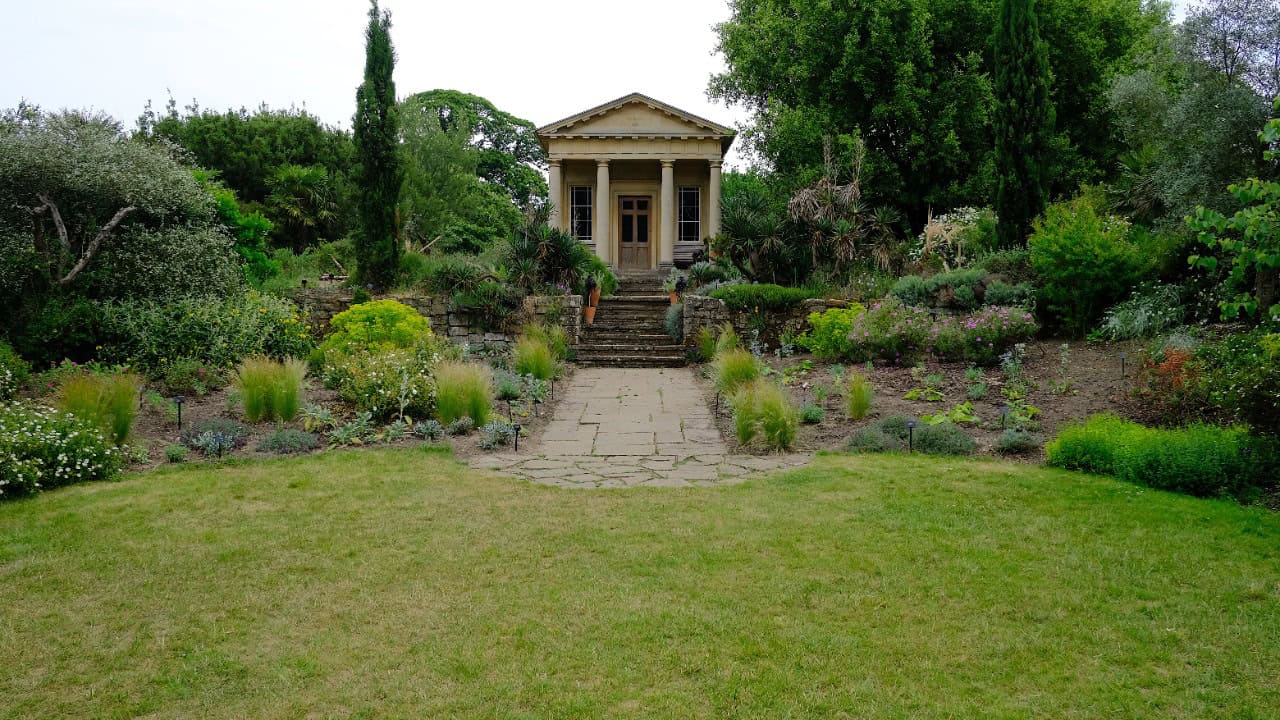
Mediterranean gardens are known for their vibrant, sun-loving plants and rustic elements. However, these gardens are not the easiest to maintain.
The plants used in Mediterranean gardens often require well-drained soil and plenty of sun. This means regular watering and fertilizing. Also, these gardens typically incorporate gravel or stone paths that need regular raking and weeding.
11. Xeriscaping

Xeriscaping is a landscaping style designed to reduce the need for irrigation. While this sounds low-maintenance, it’s not as simple as it seems.
Xeriscaping involves the use of drought-tolerant plants. However, these plants still require some watering and care. Also, the use of rocks and gravel in xeriscaping requires regular raking and cleaning.
12. Terraced Gardens

Terraced gardens are an excellent solution for hilly or sloped terrain. However, they come with their own set of maintenance challenges.
The retaining walls used in terraced gardens require regular inspection to ensure their stability. Also, the soil on each terrace should be enriched and irrigated properly. This can be a time-consuming task.
13. Formal Gardens
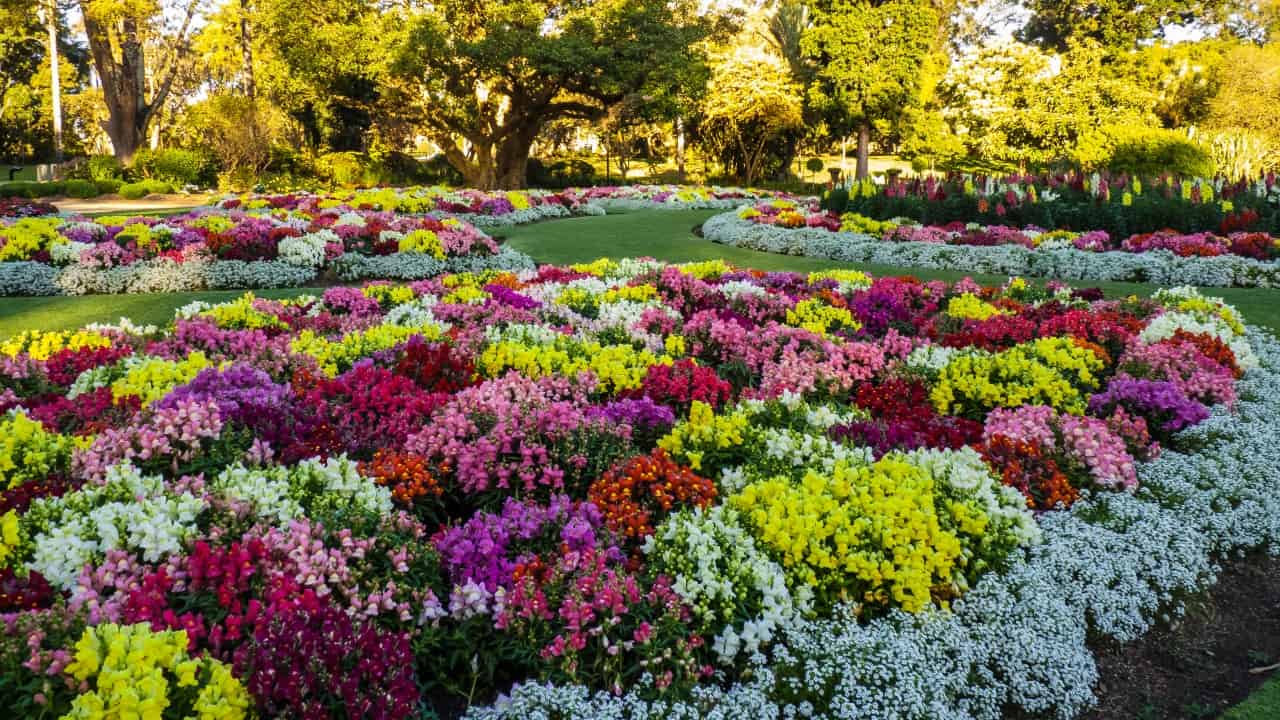
Formal gardens are characterized by their symmetrical designs and manicured plants. However, keeping them looking pristine is no easy feat.
The plants in a formal garden need regular pruning to maintain their shapes. Also, these gardens often feature water elements or statuaries that require cleaning and maintenance.
14. Tropical Gardens
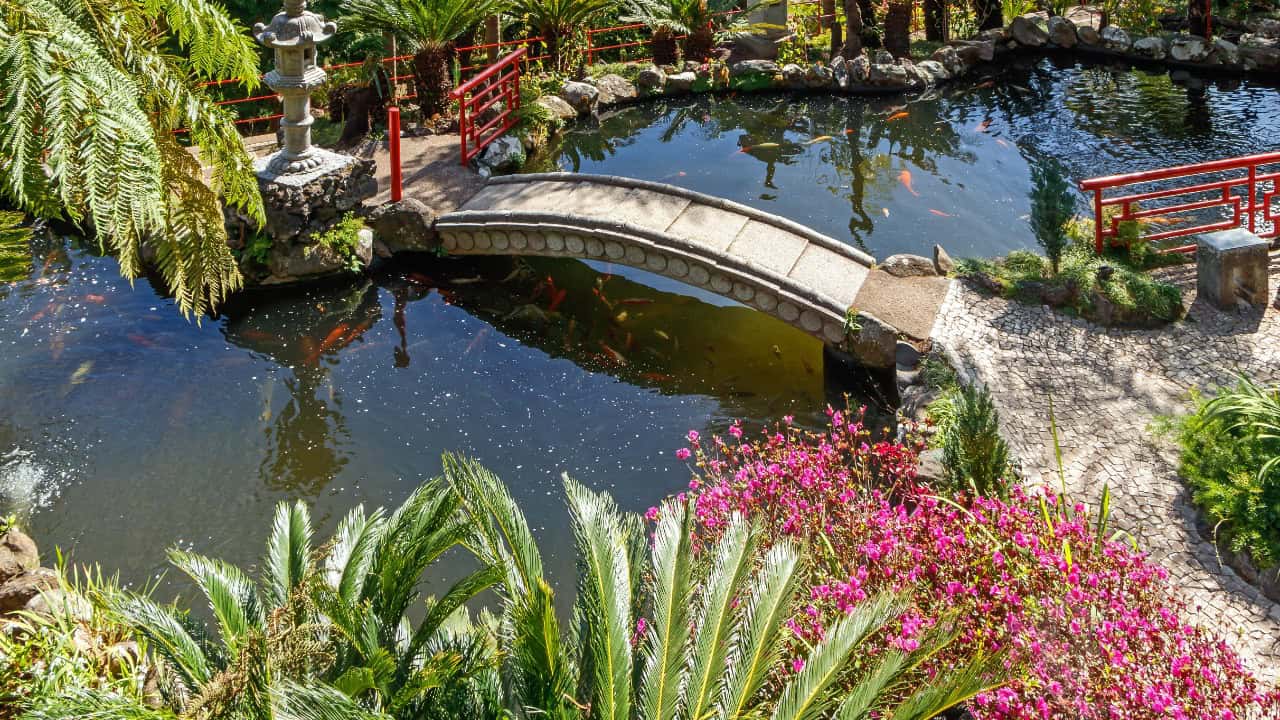
Tropical gardens are lush and vibrant, offering a sense of exotic escape. However, maintaining these gardens outside of a tropical climate can be challenging.
Tropical plants require warm temperatures, plenty of sunlight, and high humidity levels. This may necessitate the use of greenhouses or indoor growing spaces in temperate climates. Also, these plants are often prone to pests and diseases, requiring regular checks and treatments.
15. French Formal Gardens
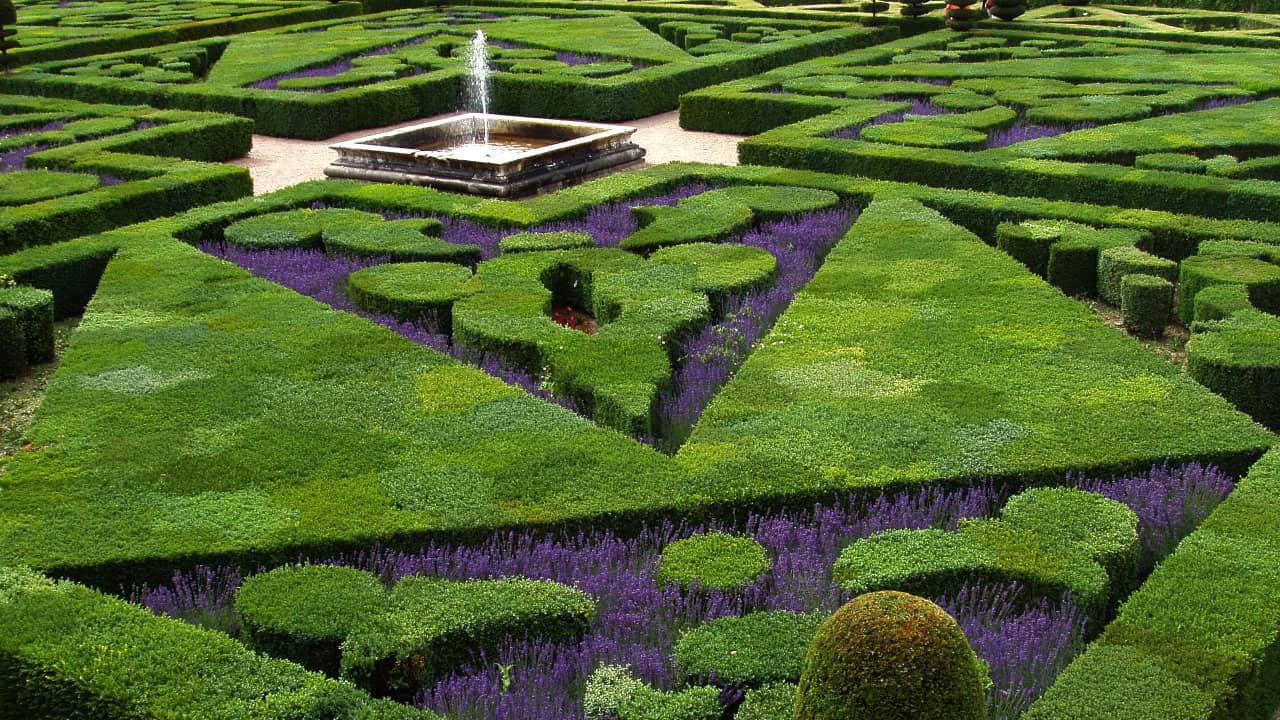
French formal gardens are known for their geometric shapes, symmetrical layouts, and manicured lawns. However, maintaining this level of perfection is demanding.
These gardens require regular mowing, pruning, and watering to keep their precise appearance. Also, the gravel paths often used in French formal gardens require frequent raking and weeding.
16. Water Gardens
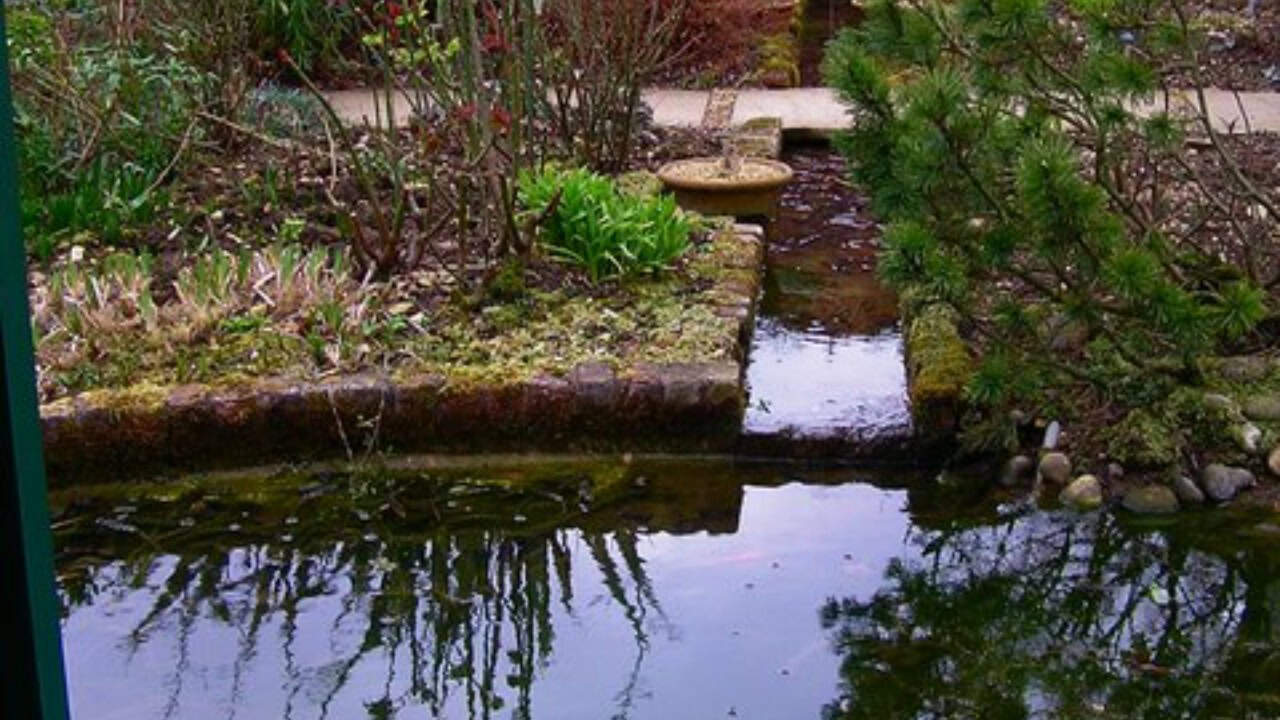
Water gardens, featuring ponds or streams, are peaceful and visually appealing. However, maintaining a balanced aquatic ecosystem can be a challenge.
The water quality in a water garden needs to be monitored regularly to ensure it’s suitable for the plants and fish. Also, the plants used in water gardens often require pruning and feeding to keep them healthy.
17. Wildlife Gardens
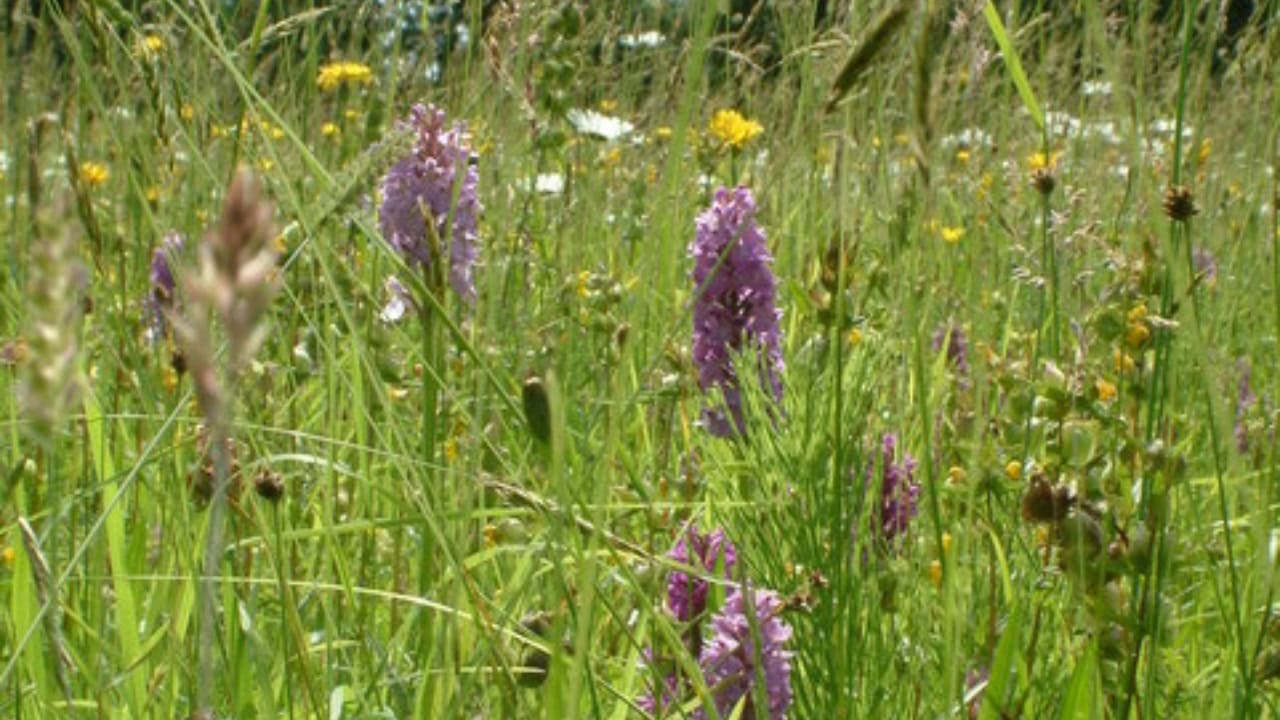
Wildlife gardens aim to create a habitat for local wildlife. While this is a wonderful idea, it’s not the easiest to maintain.
These gardens require a variety of native plants that attract different types of wildlife. However, these plants often require different care routines. Also, the presence of wildlife can lead to damage or mess that needs to be cleaned up.
18. Alpine Gardens
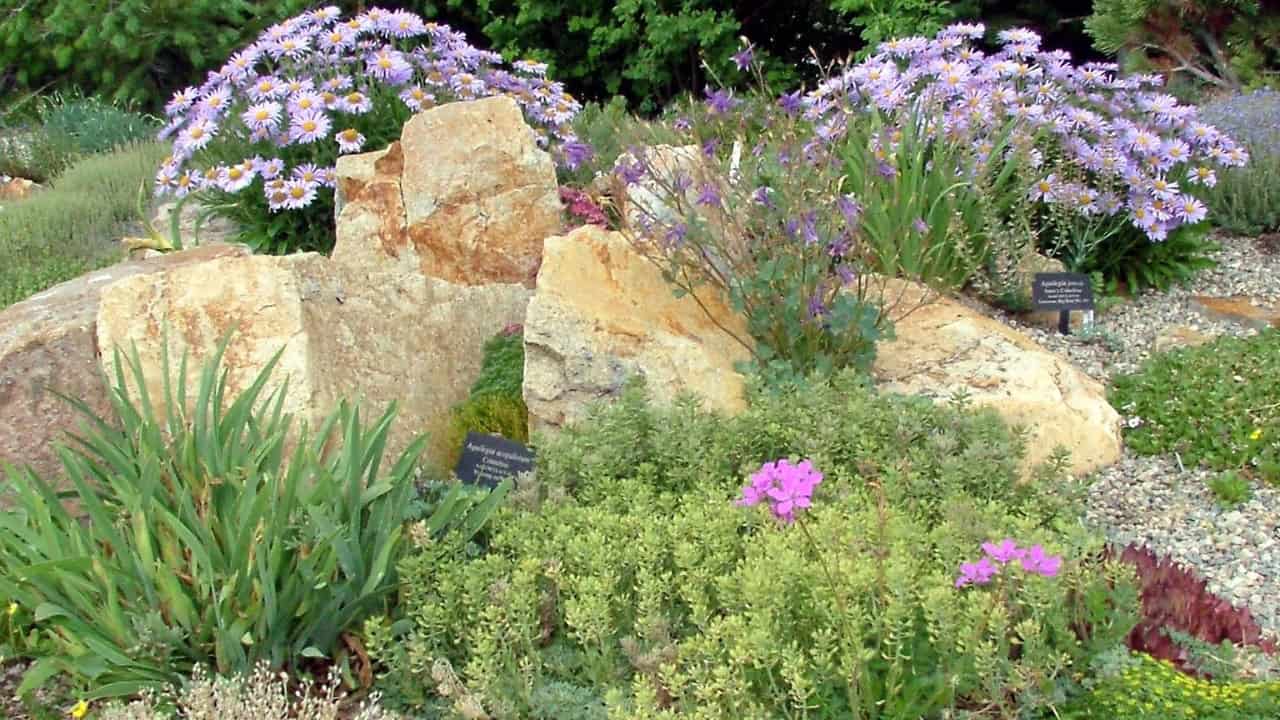
Alpine gardens, featuring hardy, low-growing plants, are designed to mimic high-altitude landscapes. However, these gardens are complex to maintain.
Alpine plants require well-drained soil and cool temperatures. This can be challenging to achieve in many climates. Also, these plants often require protection from excessive rain or snow.
19. Edible Gardens

Edible gardens are functional and rewarding, providing fresh produce. However, maintaining these gardens requires a significant amount of work.
Different vegetables and fruits have different growing requirements, making maintenance complex. Also, edible gardens often attract pests, requiring regular inspections and treatments. Additionally, the process of planting, harvesting, and replanting is time-consuming.