DIY home repairs are a great way to save money, enhance your skills, and even make your living space more comfortable and appealing. But, as with any other task, there’s a right way and a wrong way to do it. Unfortunately, many homeowners are making common mistakes that can lead to bigger problems down the line. This blog post will highlight 19 home repairs you’re probably doing wrong and give you the right way to do them. So grab your toolbox and let’s get started.
1. Over-tightening Screws
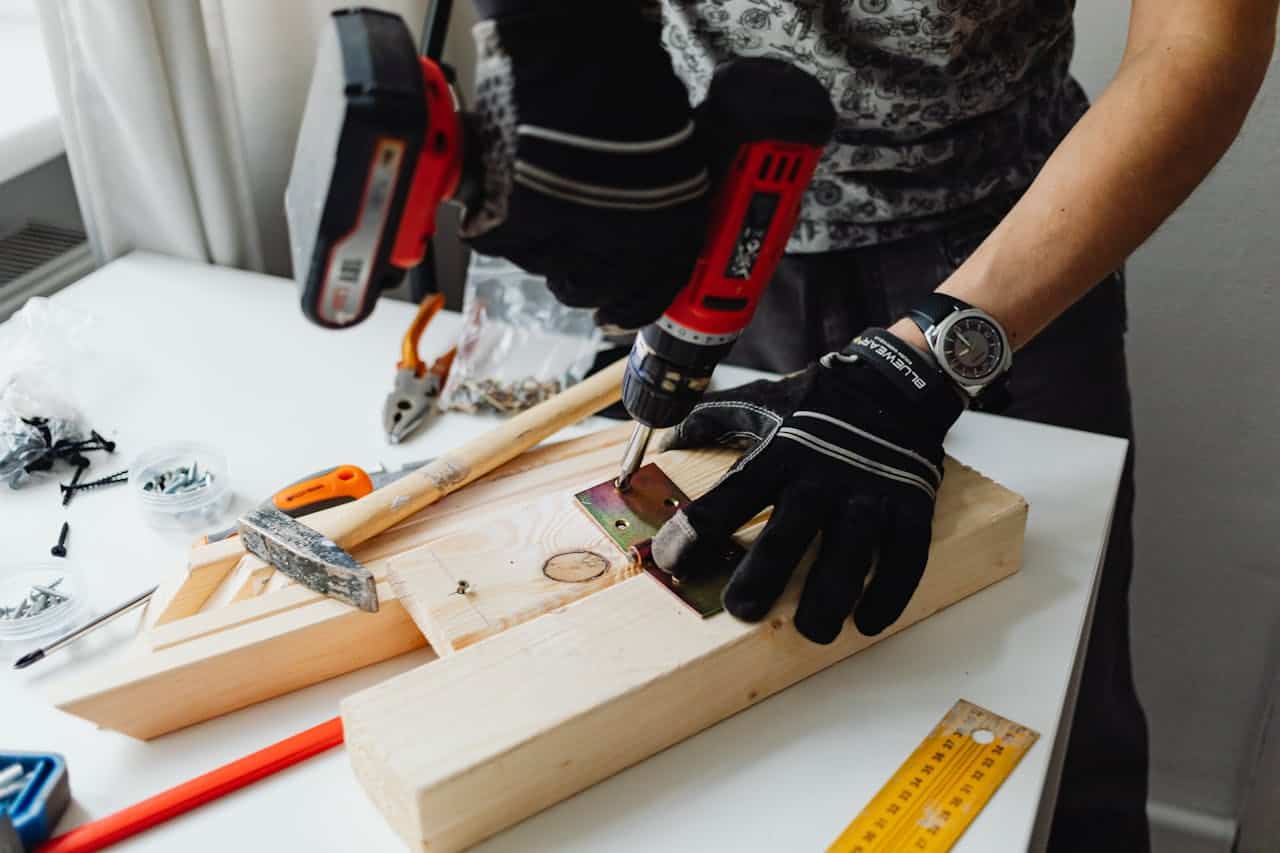
Over-tightening screws can cause significant damage to the material you’re working with. This can result in stripped screws, broken screw heads, and even cracked or split material.
Advertisement
When you’re working with screws, it’s crucial to apply just the right amount of pressure. Use a screwdriver that fits the screw head perfectly, and turn it until it’s snug, but not too tight. If you’re using a power drill, set it to a low torque setting to avoid over-tightening.
2. Ignoring Safety Measures
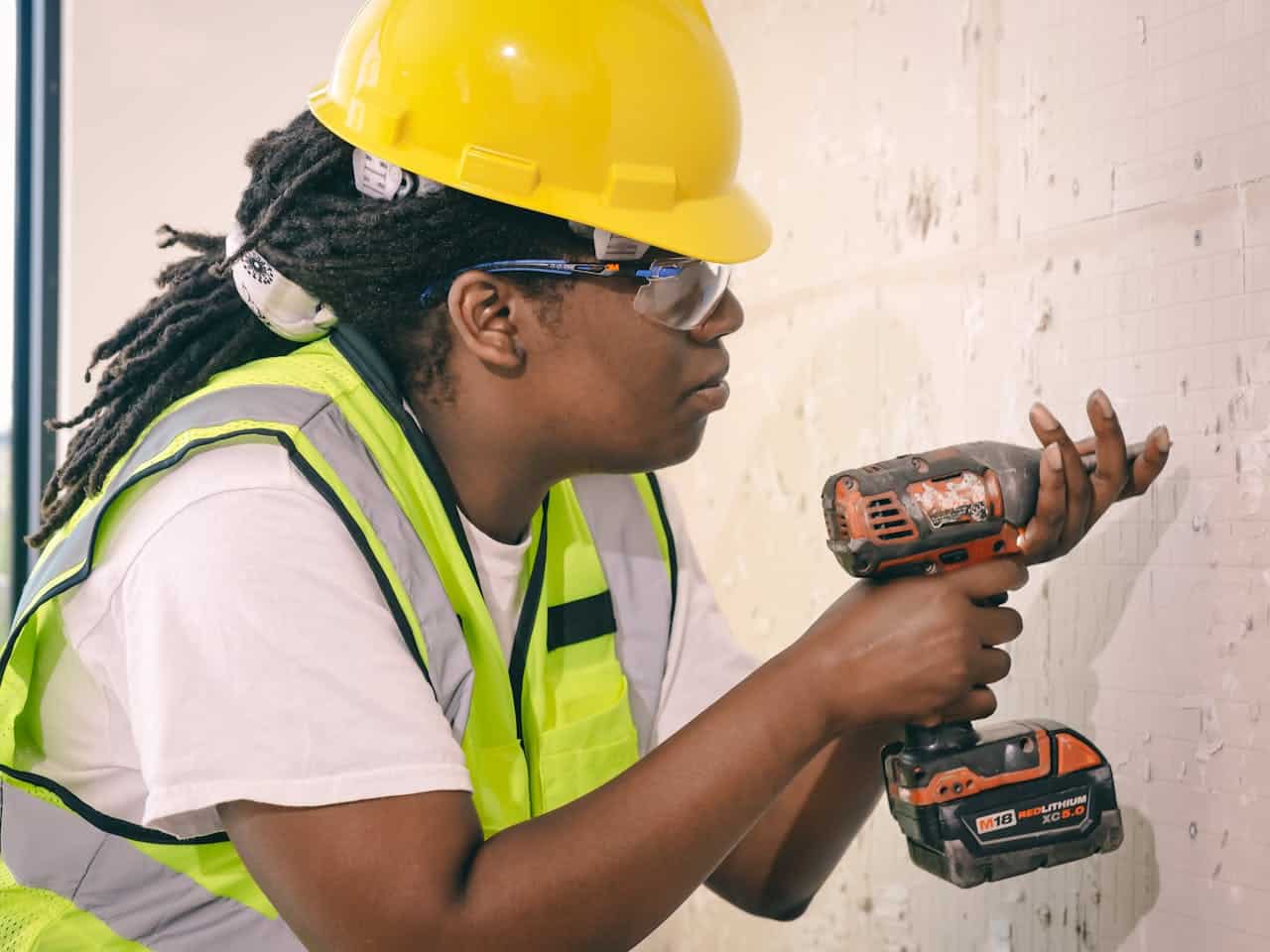
It’s easy to dismiss safety measures as unnecessary when you’re in the middle of a home repair task. But ignoring safety measures can lead to accidents and injuries.
For example, not wearing safety glasses when drilling can lead to eye injuries. Similarly, not wearing gloves when handling sharp objects can lead to cuts. Always prioritize safety over convenience when doing home repairs.
3. Using the Wrong Tools
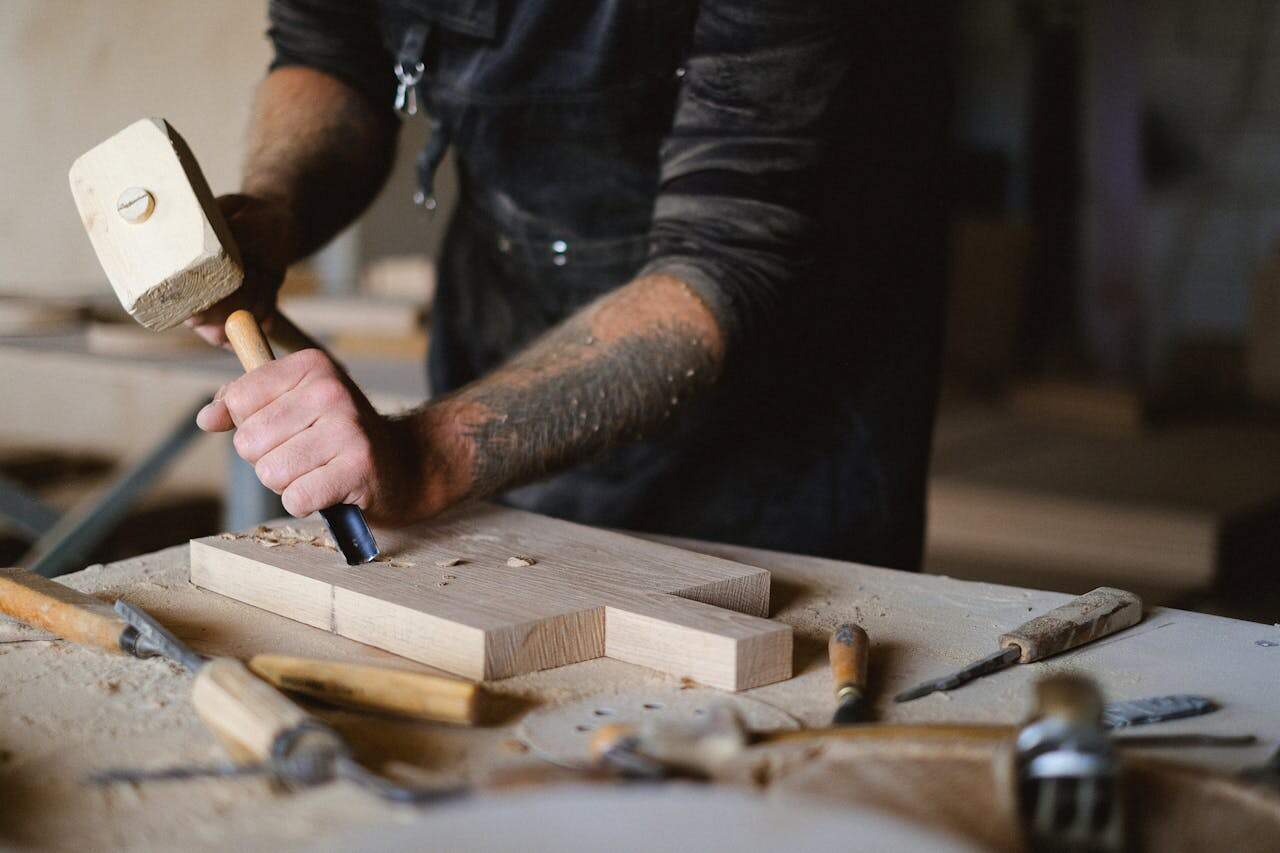
Using the wrong tools for a job can cause more harm than good. For instance, using a hammer instead of a mallet to drive a chisel can damage the chisel and make the job more difficult.
Always use the right tools for the task at hand. If you don’t have the right tool, it’s worth investing in one or borrowing from a friend. Using the right tools not only makes the job easier, but it also ensures a better finish and reduces the risk of damage.
4. Ignoring Manufacturer’s Instructions

Many homeowners ignore the manufacturer’s instructions when installing or repairing appliances. This can lead to improper installation, void warranties, and even damage to the appliance.
Always read and follow the manufacturer’s instructions when working with appliances. They contain important information about the correct installation and operation of the appliance.
5. Neglecting to Prep Surfaces
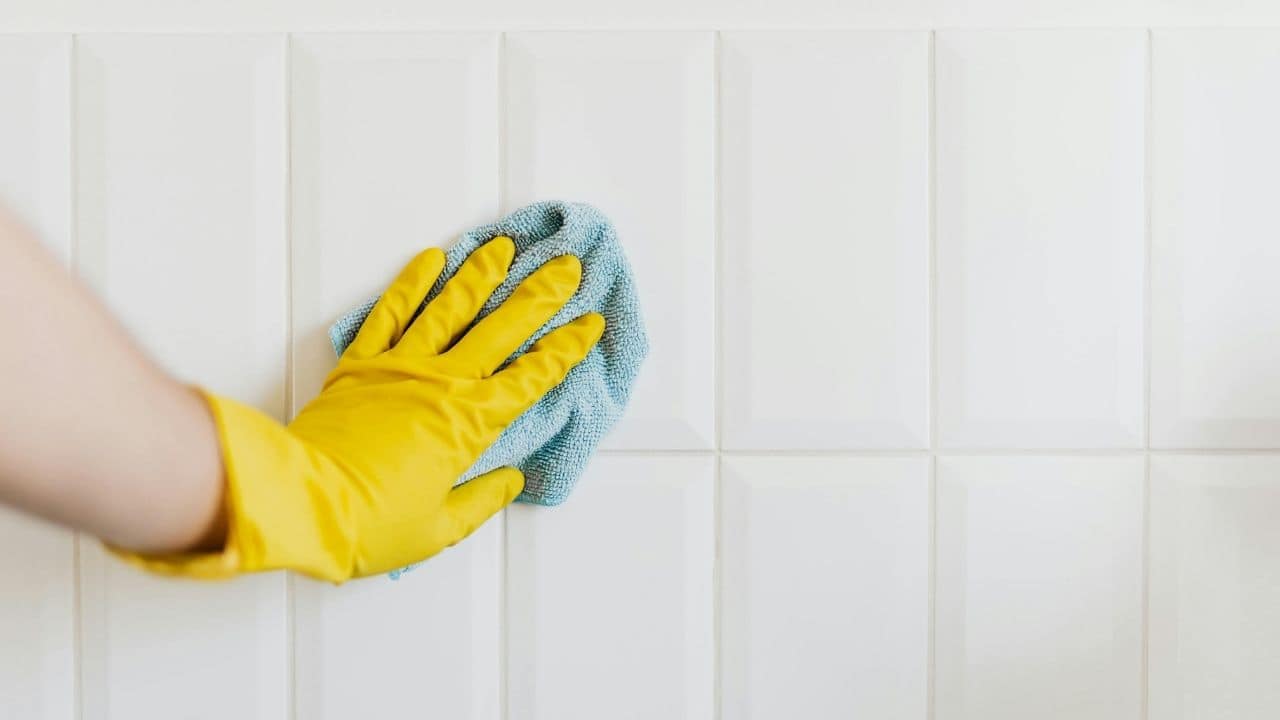
When painting or applying adhesive, many homeowners neglect to properly prepare the surface. This can result in a poor finish or the adhesive not sticking properly.
Always clean and sand the surface before applying paint or adhesive. This will ensure a smooth, even finish and a strong bond.
6. Using Mismatched Paint

Using mismatched paint can result in noticeable differences in color and finish. This is particularly problematic when trying to touch up a small area.
Always use the same brand and type of paint for touch-ups. If you’re not sure what type of paint was used, it’s better to repaint the entire surface.
7. Overloading Electrical Outlets
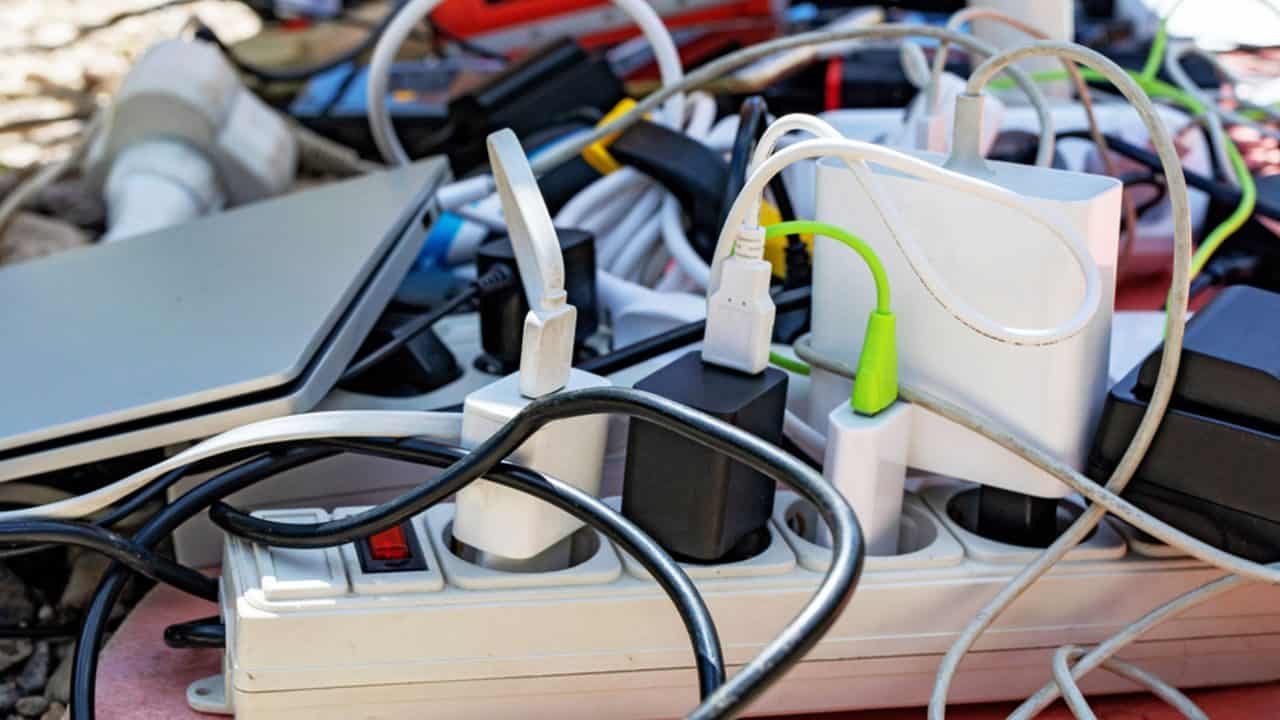
Overloading electrical outlets can lead to overheating and potentially fires. Many homeowners make the mistake of using multi-plug adapters to connect too many appliances to a single outlet.
It’s important to understand how much power your outlets can handle and not to exceed this limit. If you need to plug in more appliances, consider having more outlets installed.
8. Ignoring Plumbing Vents
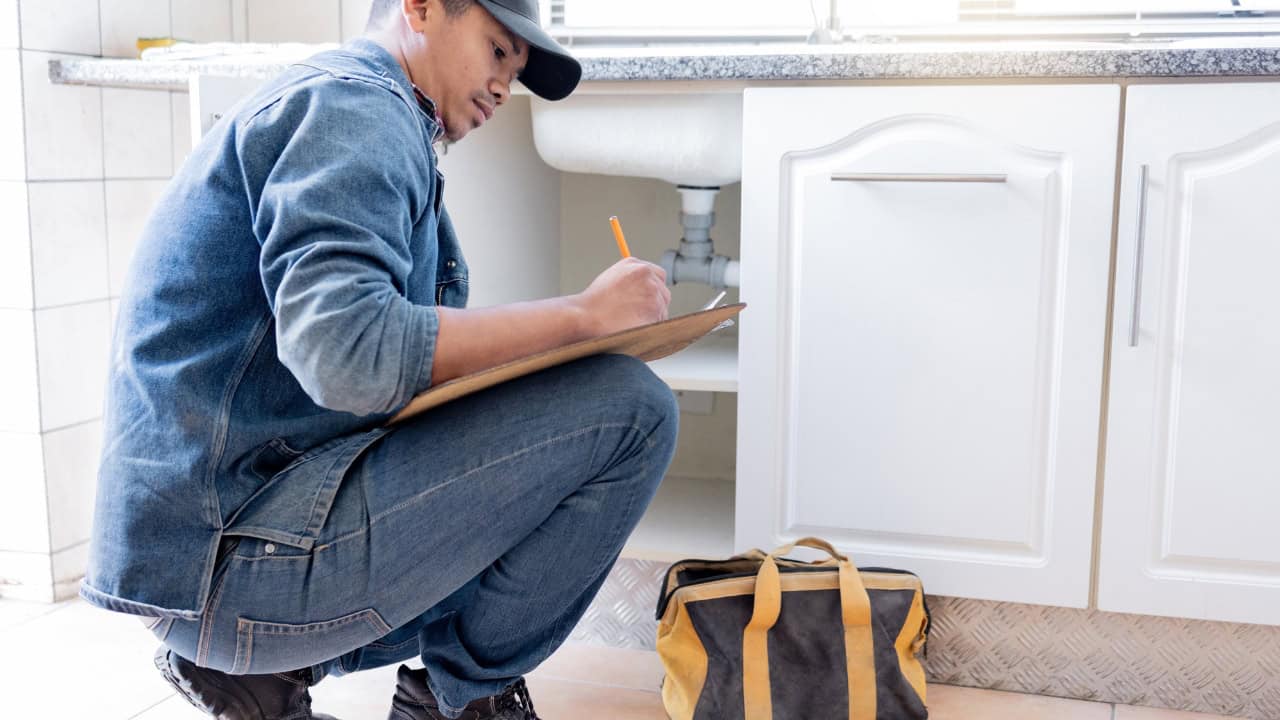
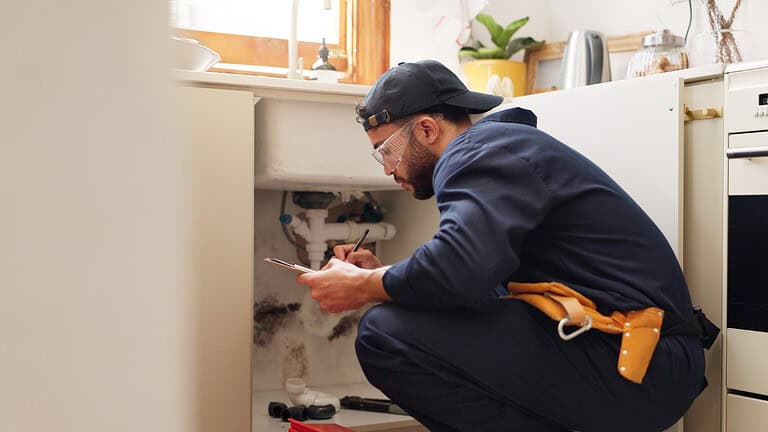
Many homeowners ignore plumbing vents when installing or repairing plumbing systems. But these vents are crucial for maintaining proper drainage and preventing sewer gases from entering the home.
Always ensure plumbing vents are properly installed and clear of obstructions. If you’re unsure about how to handle plumbing vents, it’s best to hire a professional.
9. Not Securing Heavy Items Properly
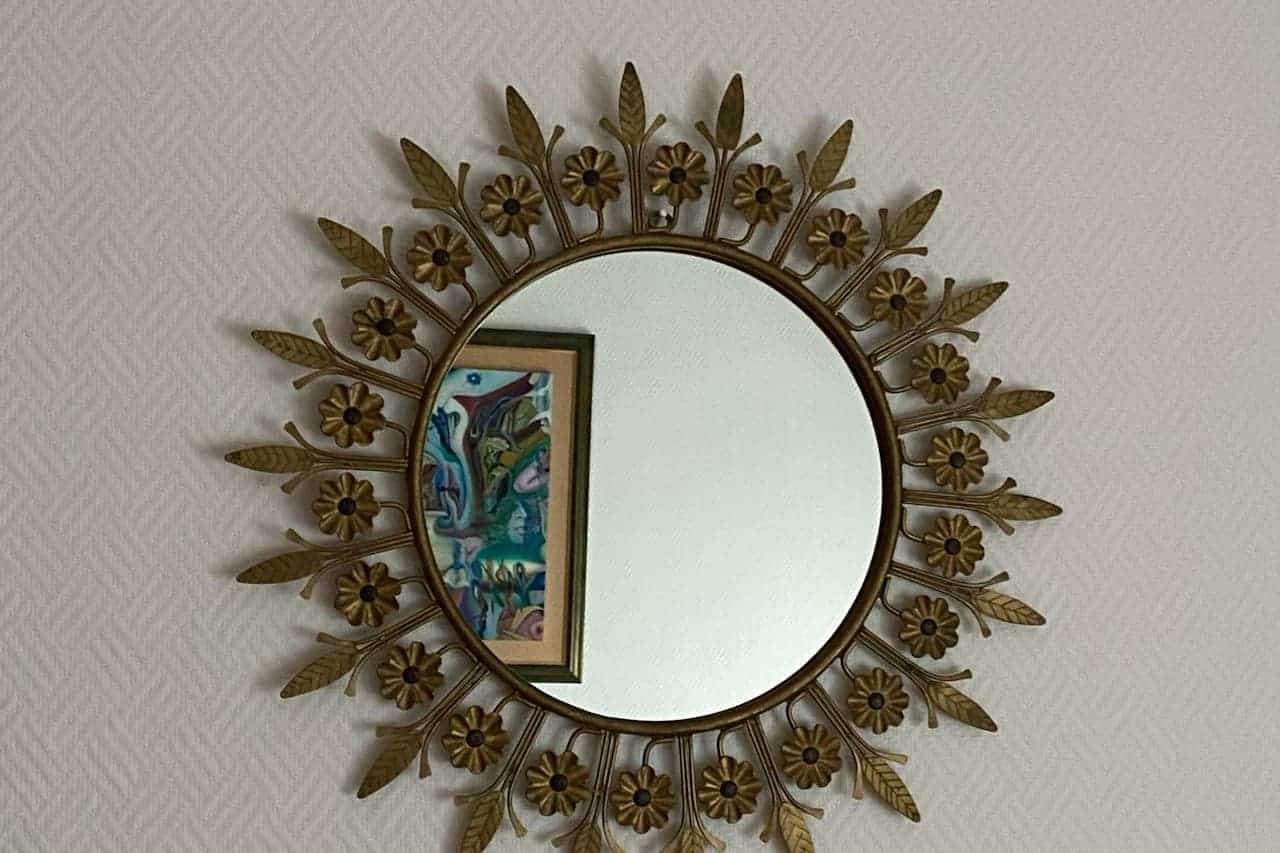
Heavy items like large mirrors or shelves need to be secured properly to prevent them from falling and causing damage or injury.
Always use the correct fittings and fasteners to secure heavy items. If you’re unsure, seek advice from a professional.
10. Installing Drywall Screws Too Deep
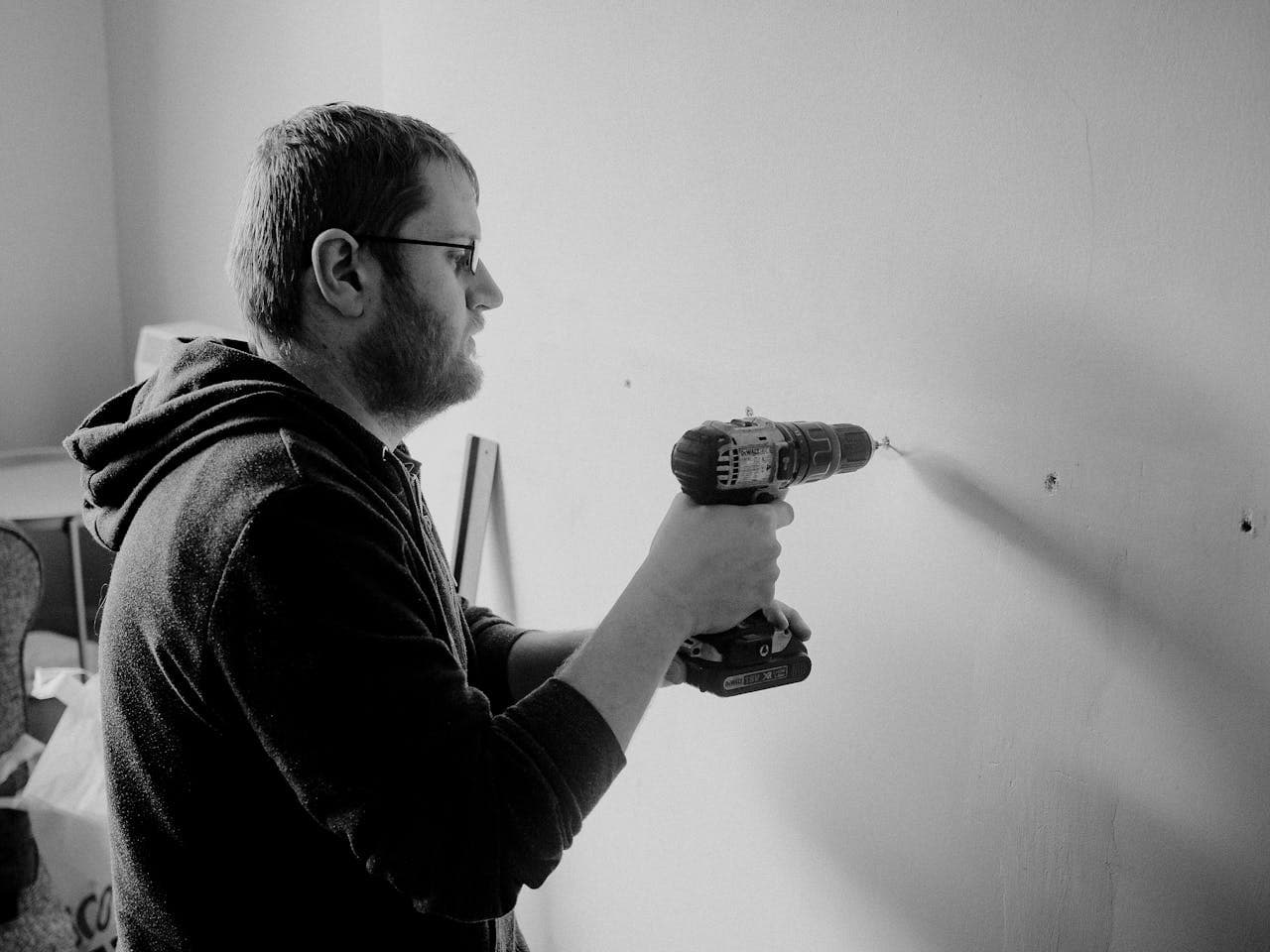
When installing drywall, many homeowners drive the screws too deep. This can damage the drywall and compromise its stability.
Drywall screws should be driven just below the surface of the drywall, not all the way through. Use a drywall bit to ensure the correct depth.
11. Neglecting to Measure Twice
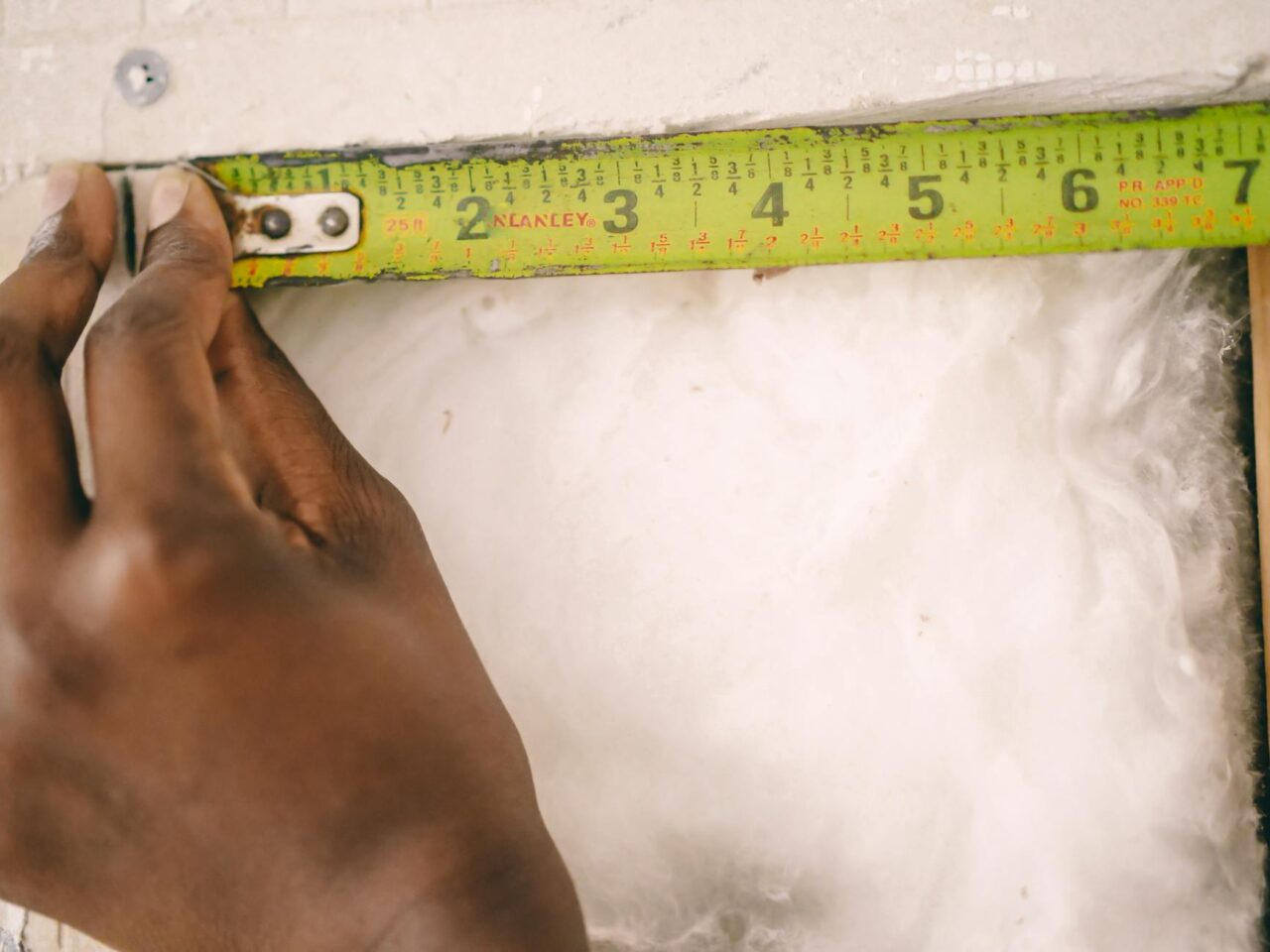
The old saying “measure twice, cut once” is as true today as it ever was. Many homeowners rush through the measuring process, leading to mistakes and waste.
Always take the time to measure accurately. When in doubt, measure again.
12. Using Too Much Caulk
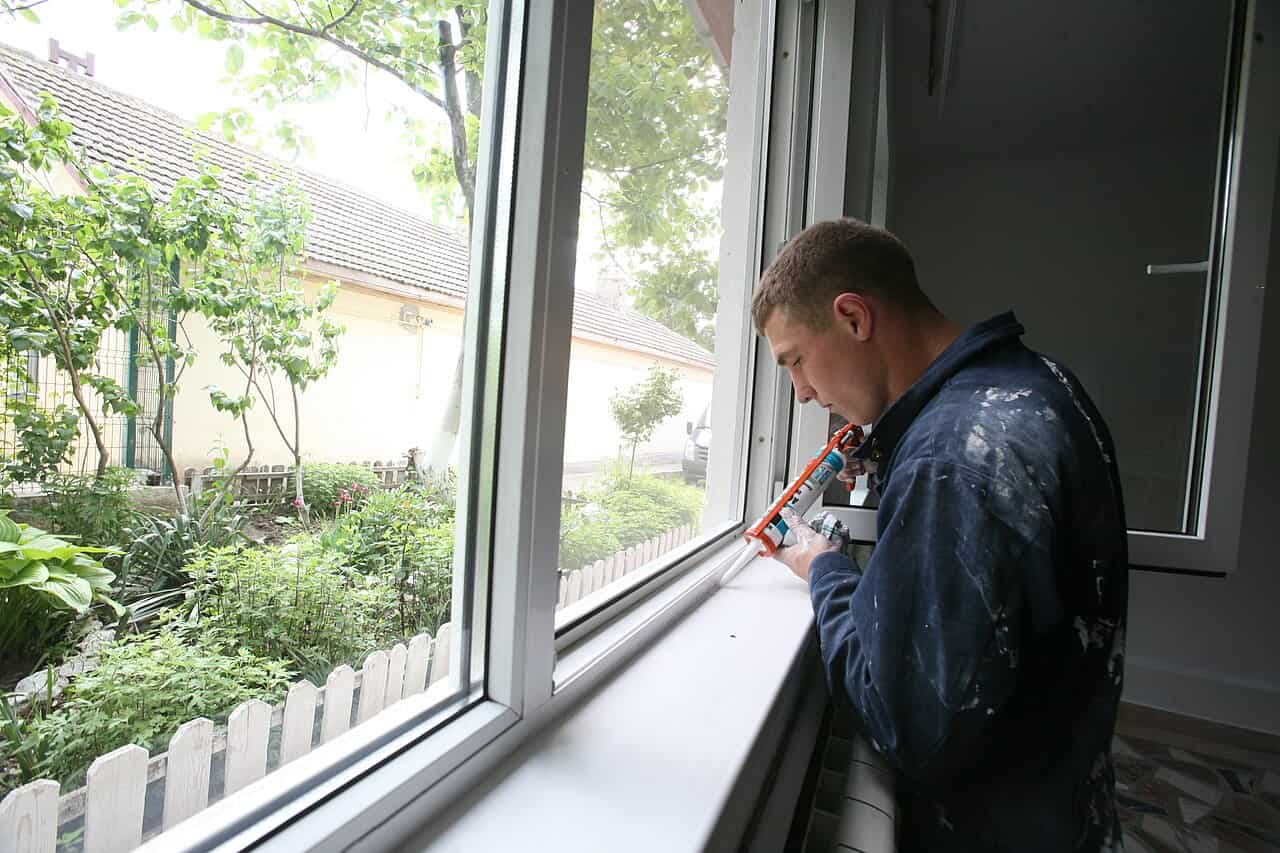
Using too much caulk can lead to a messy finish and make it harder to clean up. It can also waste caulk and make the job more expensive.
Always use just enough caulk to seal the gap. If you’re unsure, practice on a scrap piece of material first.
13. Not Factoring in Expansion and Contraction
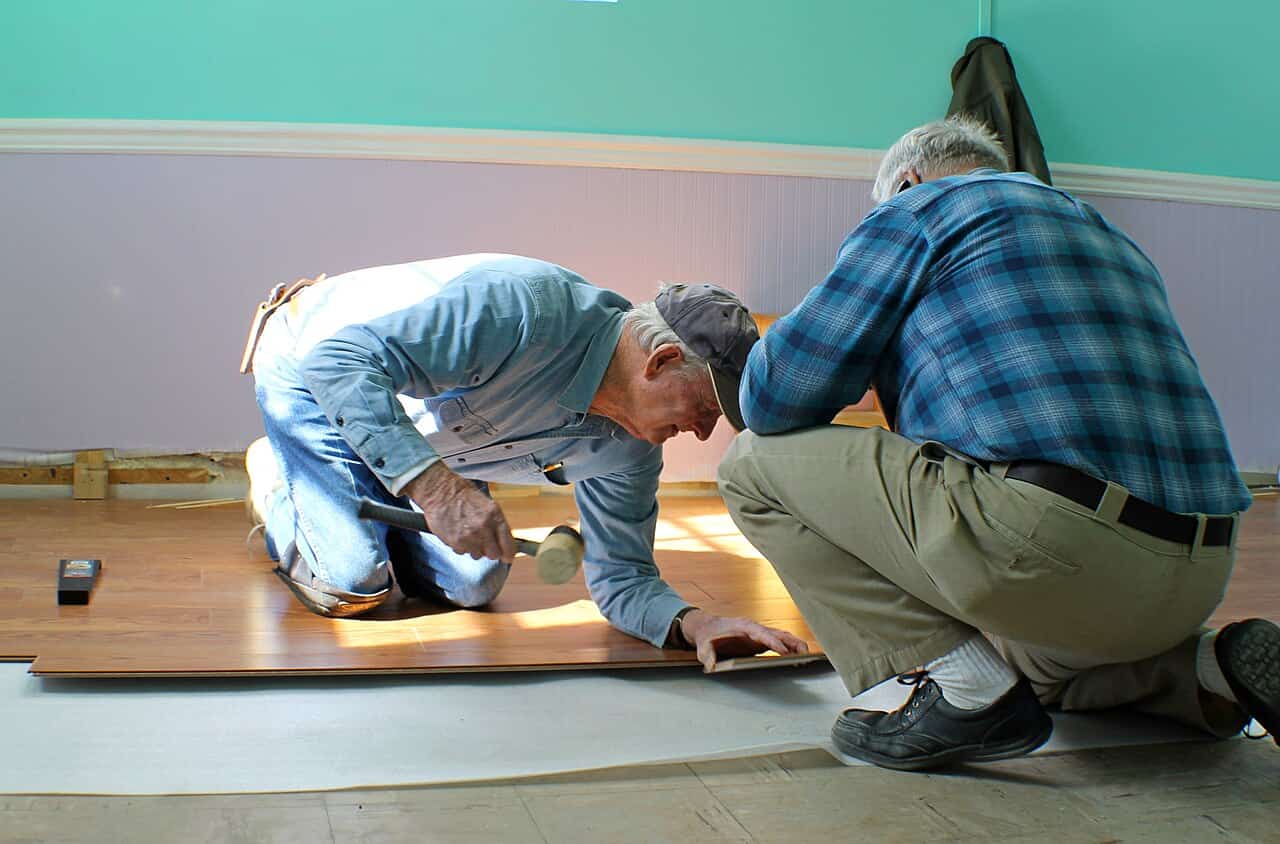
Many materials expand and contract with changes in temperature and humidity. Not factoring this in can lead to cracks and gaps.
Always leave a small gap to allow for expansion and contraction. This is particularly important when installing flooring and siding.
14. Not Testing Paint Colors
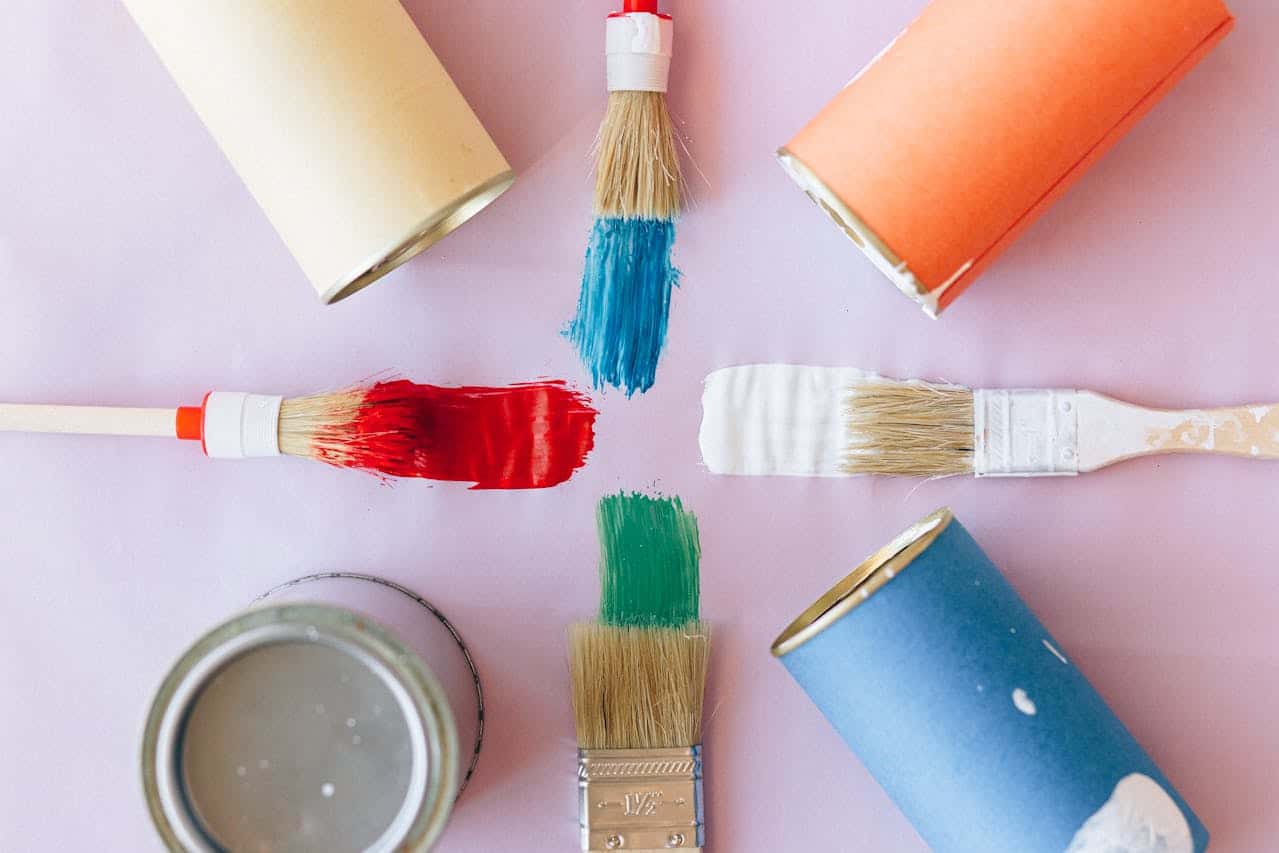
Many homeowners choose paint colors based on a swatch, only to find they don’t like the color once it’s on the wall.
Always test paint colors on a small area of the wall before painting the entire room. This will give you a better idea of how the color will look in your space.
15. Not Cleaning Up Properly
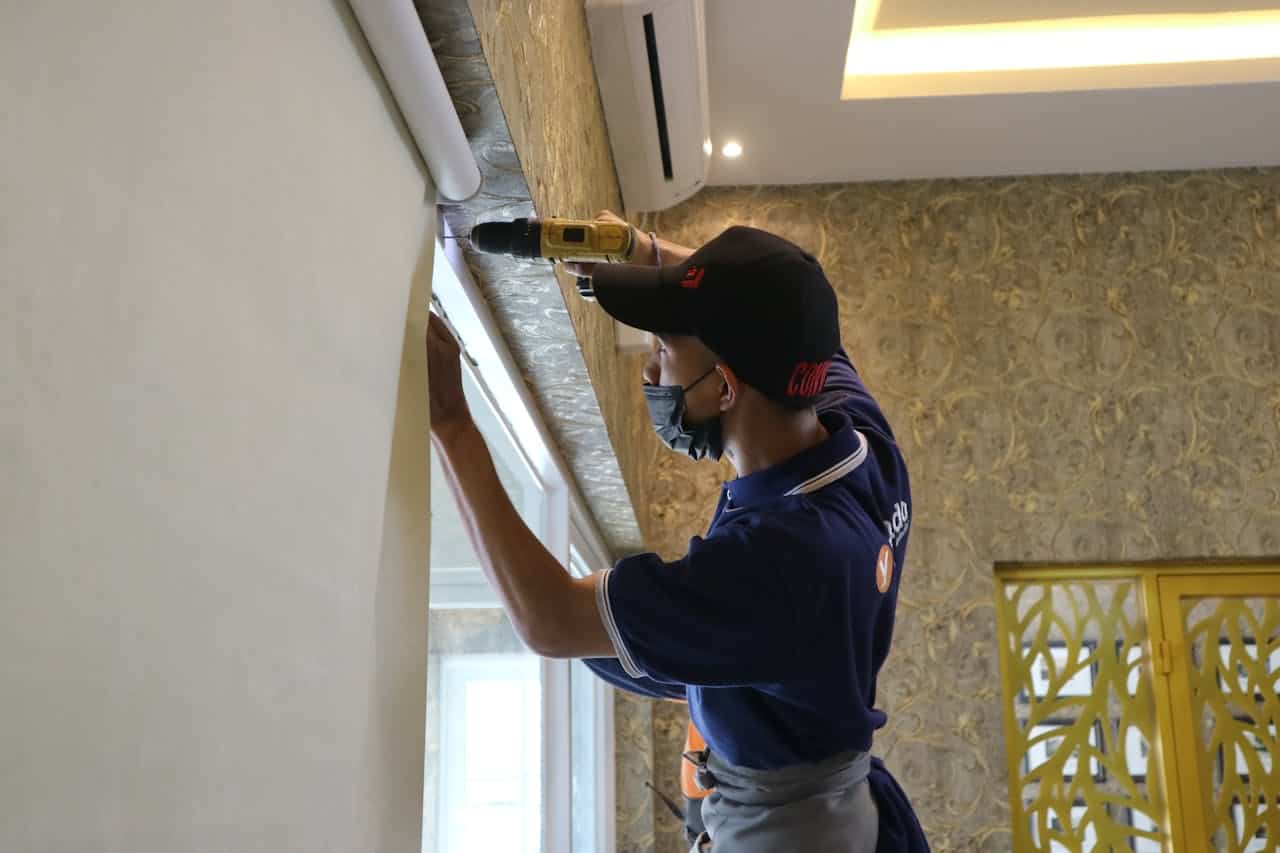
Not cleaning up properly after a job can leave behind hazards like nails or sharp tools. It can also damage materials and make the job more difficult.
Always take the time to clean up properly. This includes disposing of waste, cleaning tools, and storing materials.
16. Not Planning Ahead

Many homeowners jump into a project without proper planning. This can lead to mistakes, delays, and extra costs.
Always plan your projects in detail before starting. This includes making a list of materials, estimating the time required, and planning the steps in the correct order.
17. Not Getting the Necessary Permits

For certain types of work, you may need a permit from your local government. Not getting the necessary permits can result in fines or problems when you come to sell your home.
Always check whether you need a permit before starting work. If you’re unsure, it’s best to seek advice from a professional.
18. Ignoring Small Problems
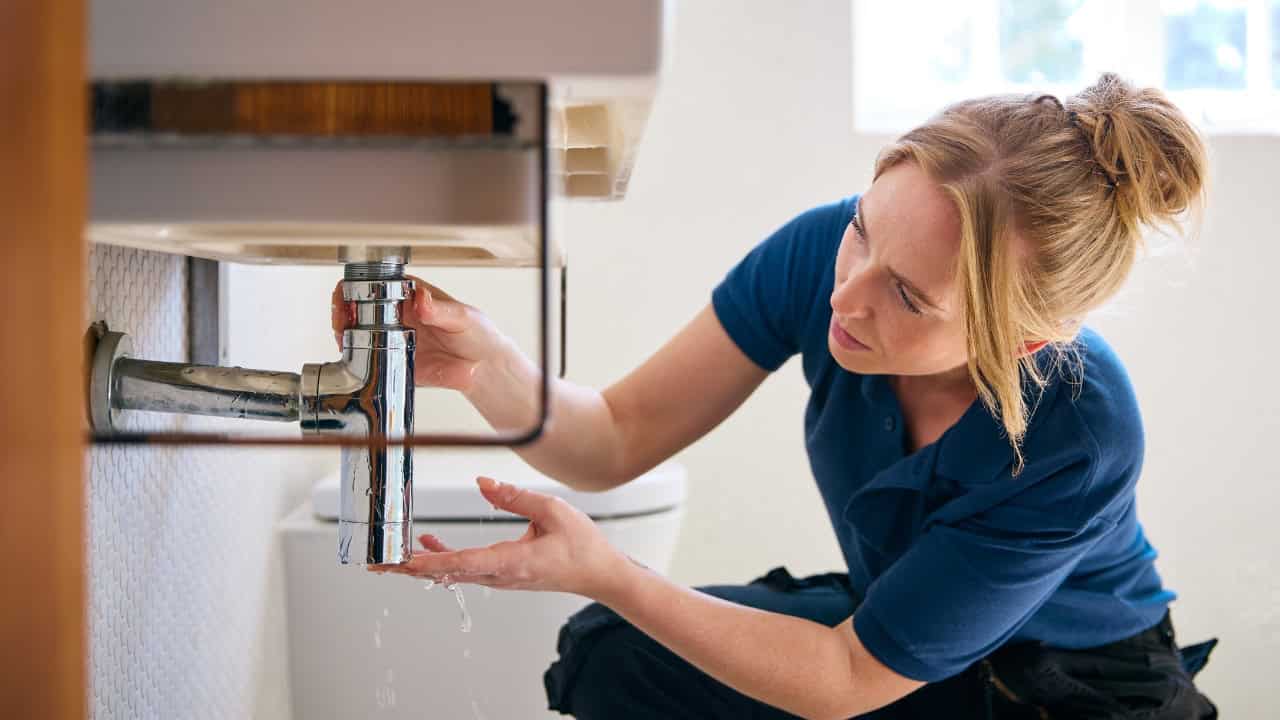
Many homeowners ignore small problems, thinking they’ll go away on their own. But small problems often turn into big ones if left unchecked.
Always fix small problems as soon as you notice them. This can save you time and money in the long run.
19. Doing It Yourself When You Should Hire a Professional
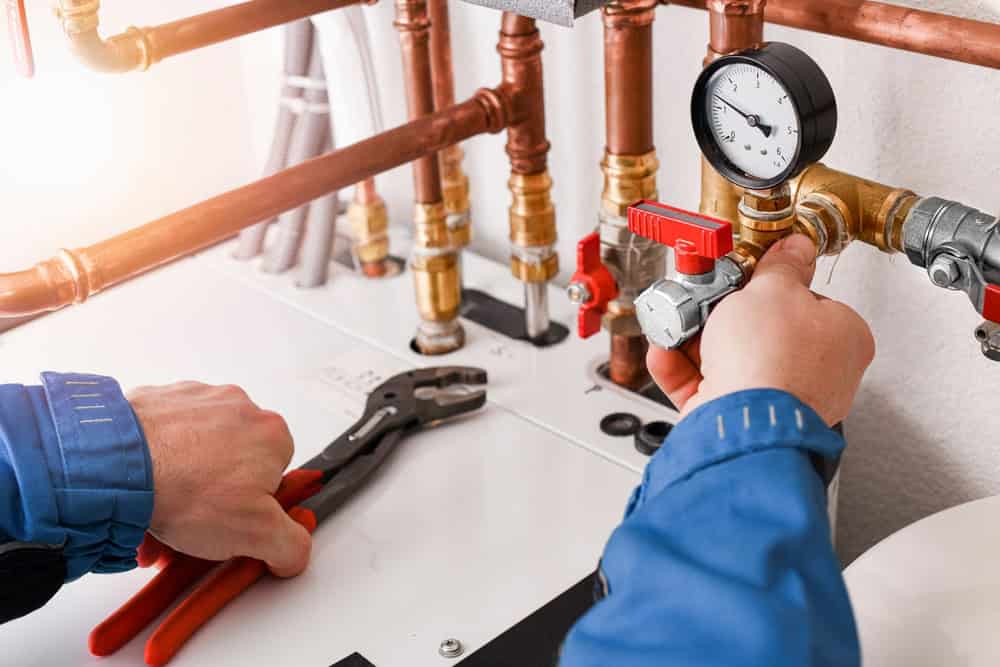
Finally, many homeowners try to tackle jobs they’re not equipped to handle. This can lead to mistakes, damage, or even injury.
Know your limits and don’t be afraid to hire a professional when necessary. It’s often more cost-effective in the long run.