Weeds can be a real hassle in any garden or yard. They take up space, steal nutrients, and make your outdoor spaces look messy. Using groundcovers is a smart way to keep weeds under control without a lot of work.
Groundcovers work by filling in empty spots on the ground, stopping weeds from getting sunlight and room to grow. When you pick the right plants, you can save time on weeding and keep your garden looking neat all season.
Advertisement
Creeping Mazus
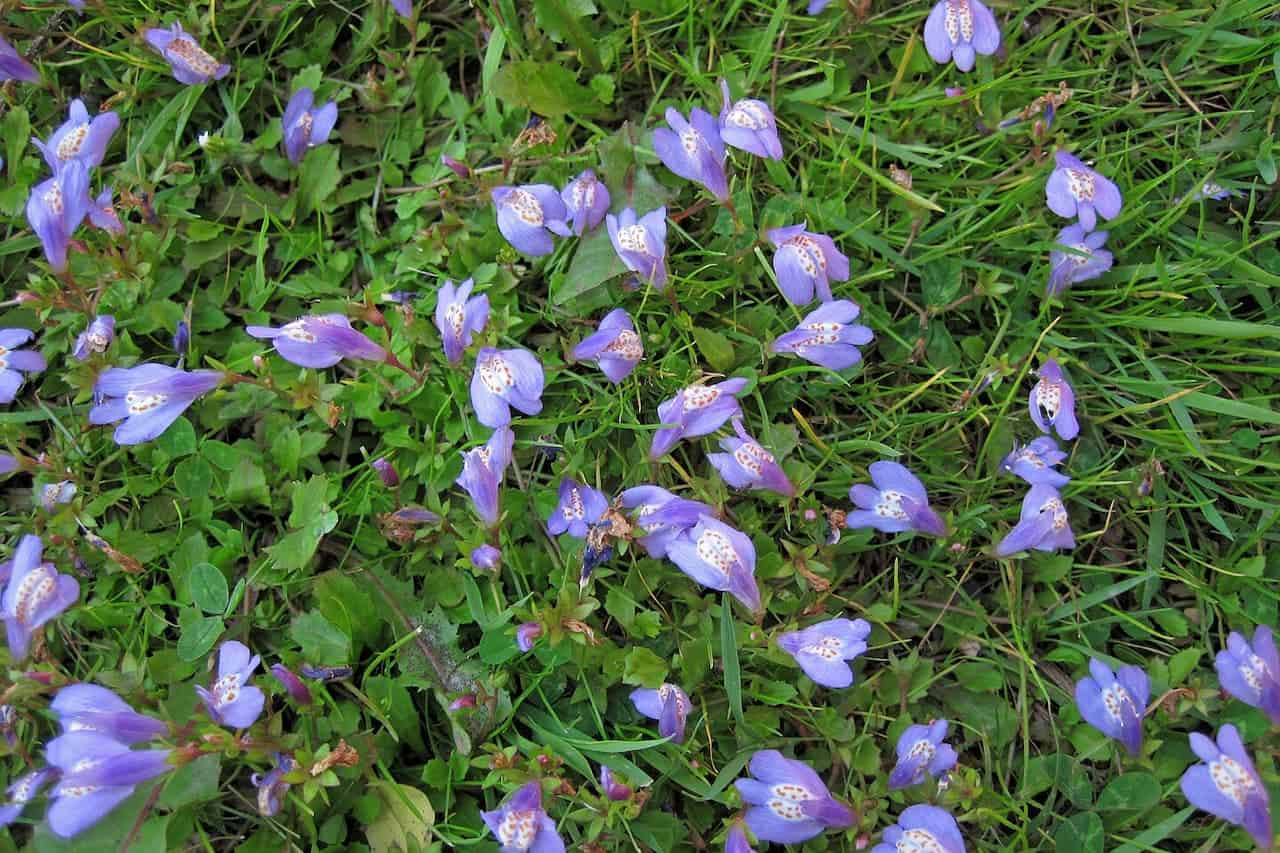
If you want a low-growing plant that spreads quickly, creeping Mazus is a solid choice. It forms a thick mat just a couple of inches tall, which helps block out weeds.
This ground cover can handle some foot traffic, making it great for paths or garden edges. Plus, it has small purple flowers that add a nice touch without much fuss.
Thymus (Wooly, Red, or Lemon Thyme)

You can use Wooly, Red, or Lemon Thyme as a groundcover to keep weeds down. These plants grow close to the ground and spread out, making it hard for weeds to take over.
They like sunny spots and don’t need much water once they are established. Plus, they smell nice when you walk on them. Mulching around them helps them grow better and stops new weeds from popping up.
Mondo Grass
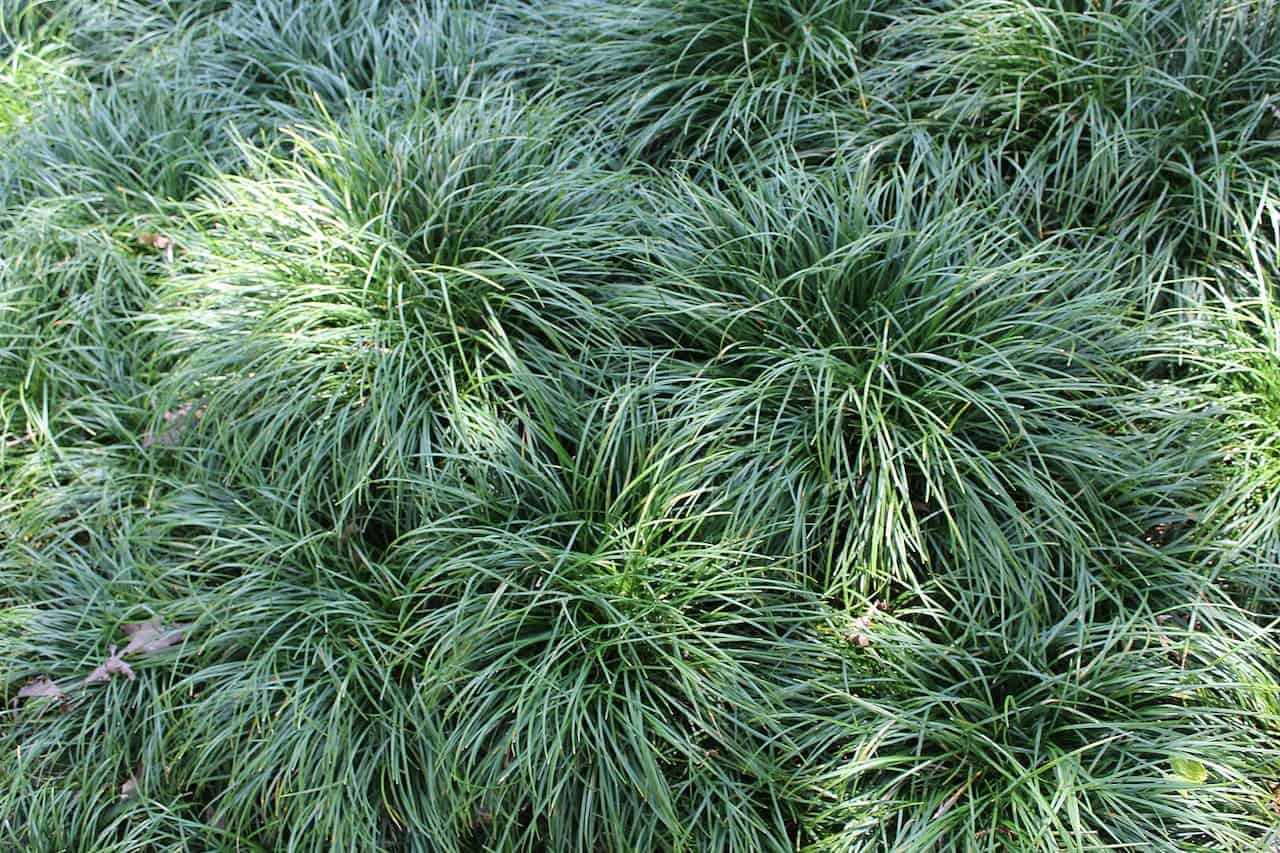
Mondo grass is a slow grower, but once it fills in, it can cover the ground well. It helps shade out weeds so they won’t spread.
You might need to pull weeds or use herbicides before it grows thick. It takes about a year or more to cover an area. Be careful with pests like slugs, as they can sometimes cause problems for mondo grass.
Liriope
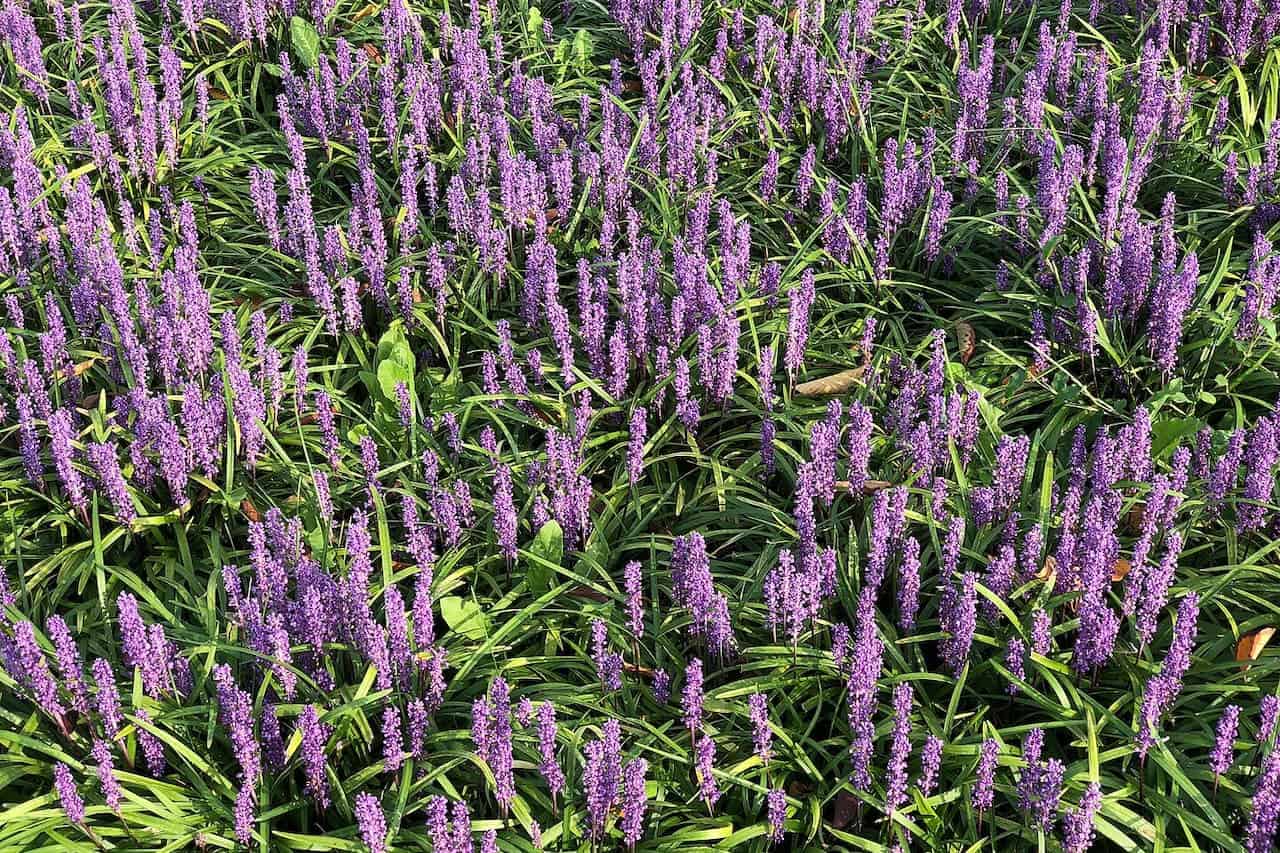
If you want a groundcover that keeps weeds down, Liriope is a solid choice. It grows thick and spreads fast, filling in bare spots well.
It doesn’t need much care and stays green most of the year. Plus, it only grows about 8-12 inches tall, so it’s easy to manage around your garden edges.
Comfrey
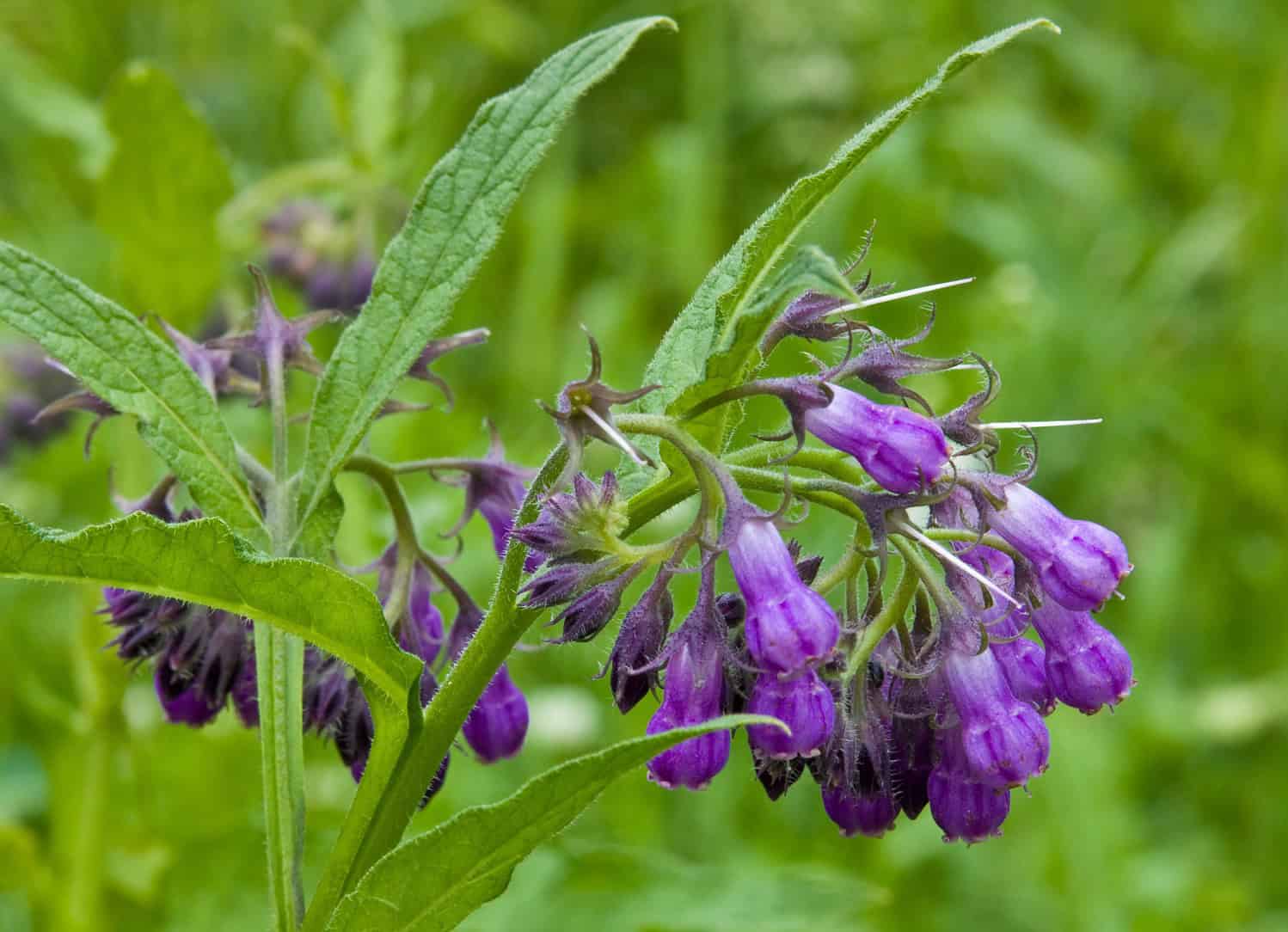
If you want to stop weeds from creeping into your garden, comfrey can be a good choice. It grows thick and fast, covering the ground well.
Comfrey also helps keep weeds down by shading the soil and making it hard for them to grow. You can cut it back and use the leaves as mulch to improve your soil too.
Geranium ‘Biokovo’
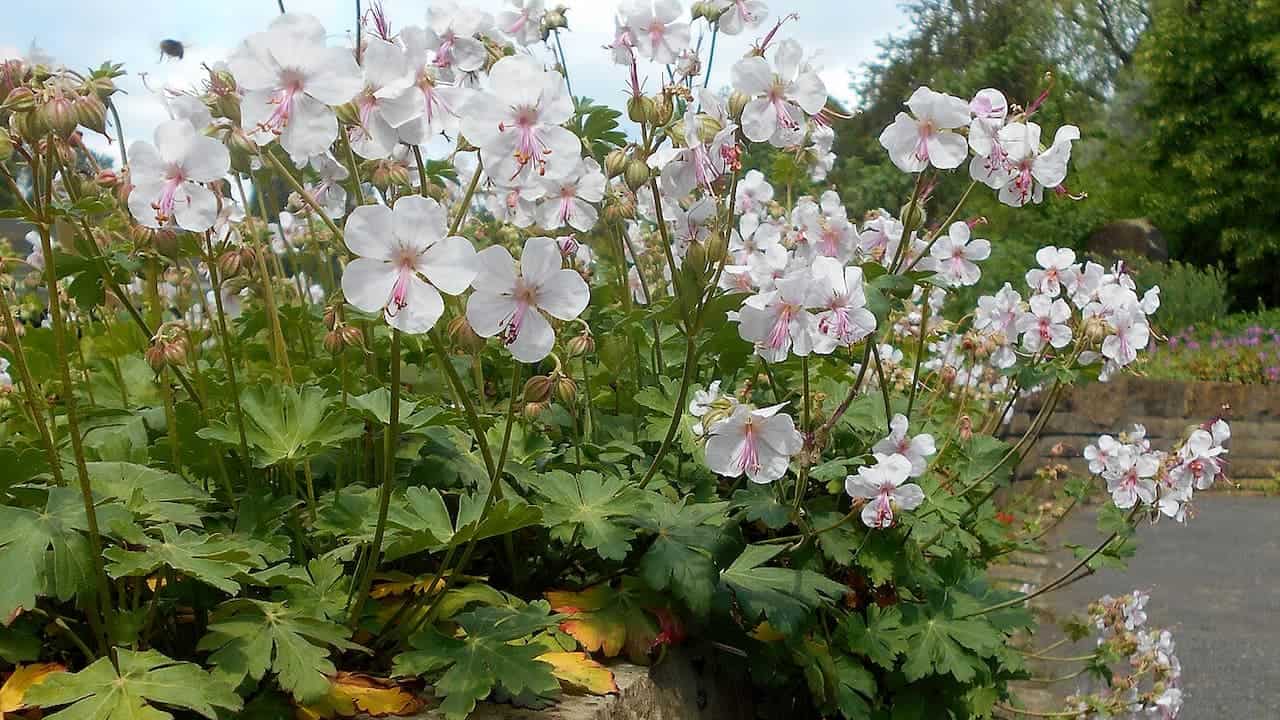
If you want a low-maintenance groundcover, Geranium ‘Biokovo’ is a good pick. It grows about 10 to 12 inches tall and spreads wide, making it great at blocking weeds.
The leaves are glossy and give off a nice scent when you touch them. It also produces soft pink flowers, adding some color to your garden. Once it’s set, it can handle some drought too.
Geranium ‘Karmina’
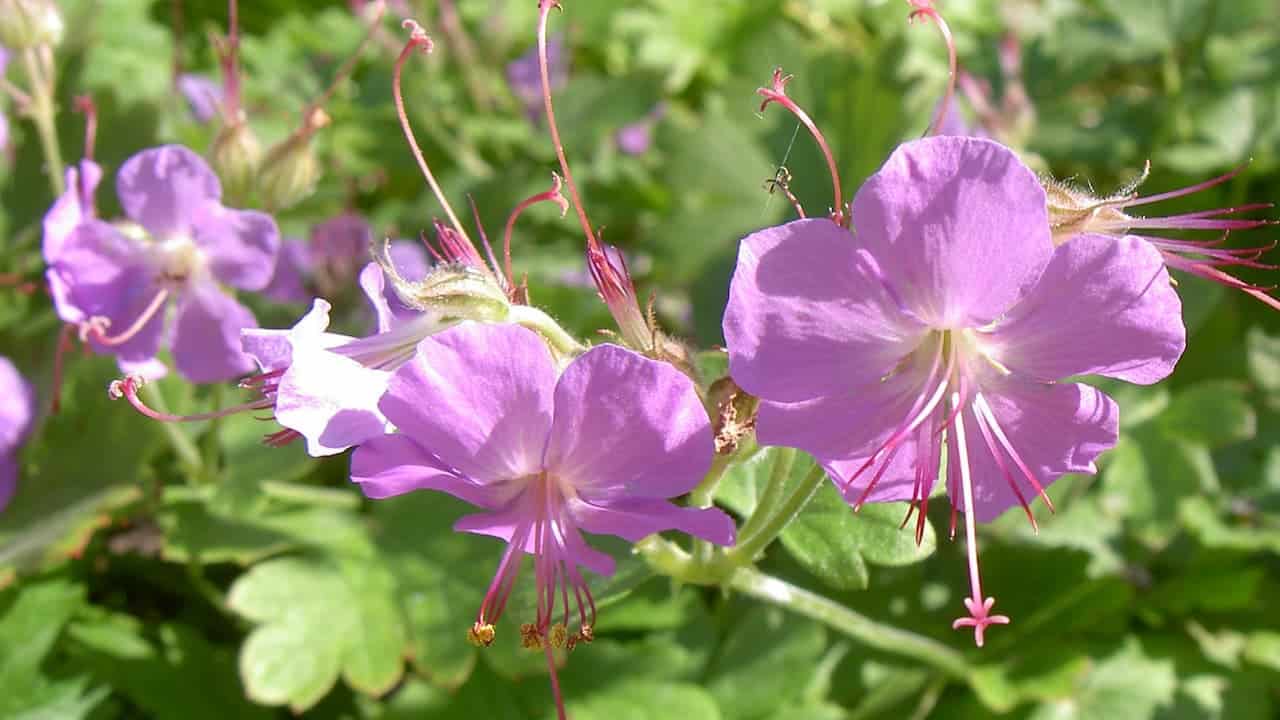
If you want a groundcover that stops weeds, Geranium ‘Karmina’ is a good choice. It grows low and forms a thick mat that blocks unwanted plants.
It likes part shade or full sun and well-drained soil. Plus, it’s tough against deer and rabbits, so your patch stays safe. You’ll also see butterflies visiting your garden with this plant around.
Cedar Mulch
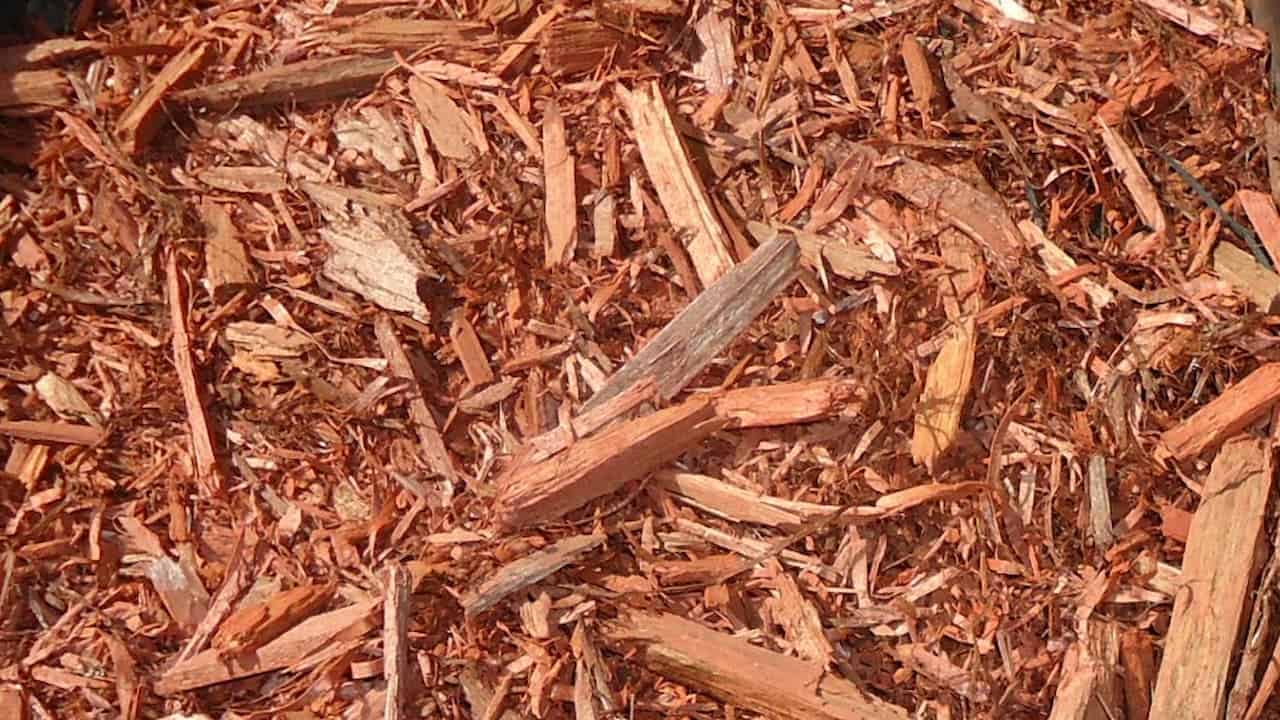
If you want to keep weeds down with little effort, cedar mulch is a good pick. It naturally stops weeds from growing while keeping your soil moist.
Cedar mulch also lasts longer than many other organic mulches, so you don’t have to replace it often. It’s a simple way to keep your garden looking neat.
Native Bearberry
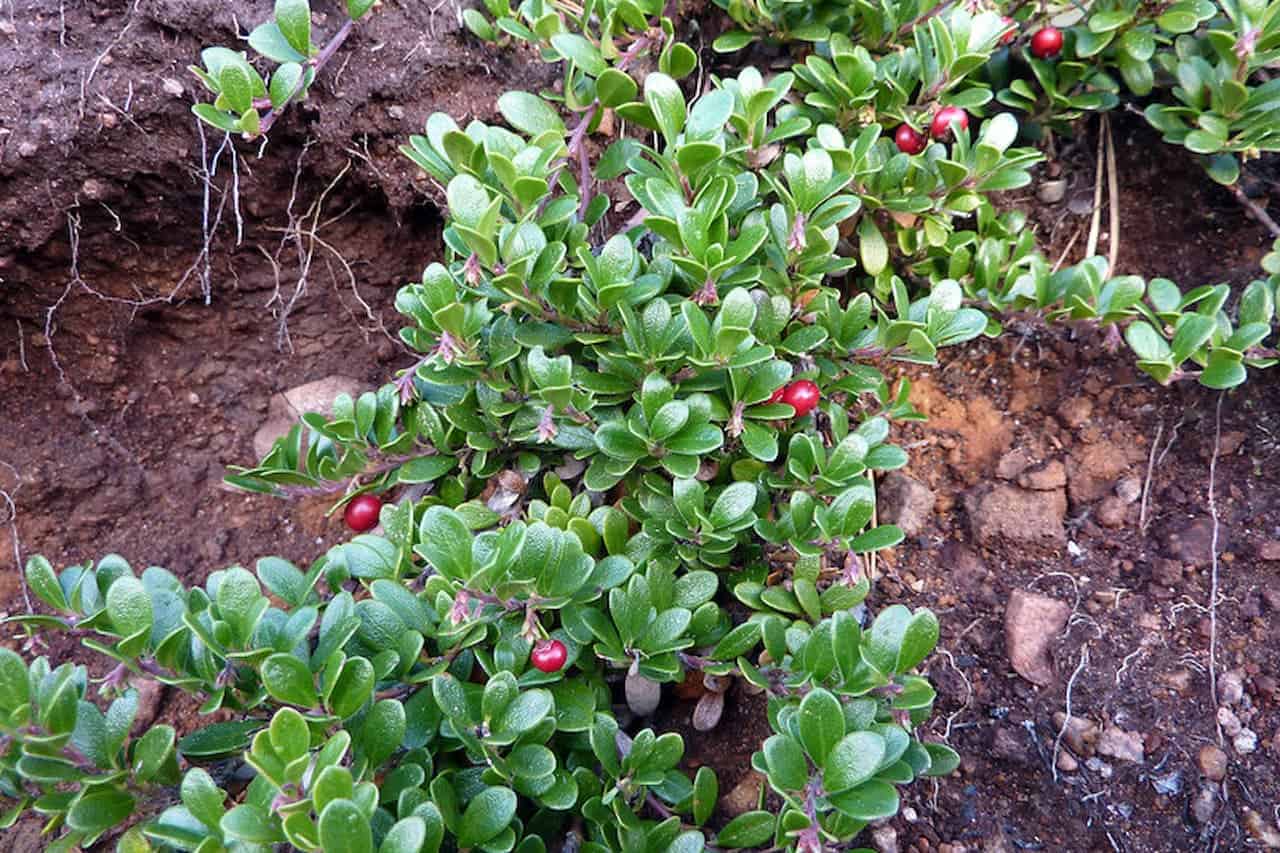
If you want a low-growing, tough groundcover, Native Bearberry is a good pick. It stays green all year and works well on slopes or dry spots.
It helps stop erosion and keeps weeds from taking over your space. Plus, you’ll get red berries that last into winter. It’s pretty easy to care for once it’s settled in.
Clover (White Dutch)

If you want a groundcover that helps keep weeds down, White Dutch Clover is a good choice. It grows fast and covers the soil well, so weeds have less space to grow.
It’s tough too, needing little water once established. Plus, it can grow in poor soil, making it easy to care for in many spots around your yard.
Ajuga (Bugleweed)
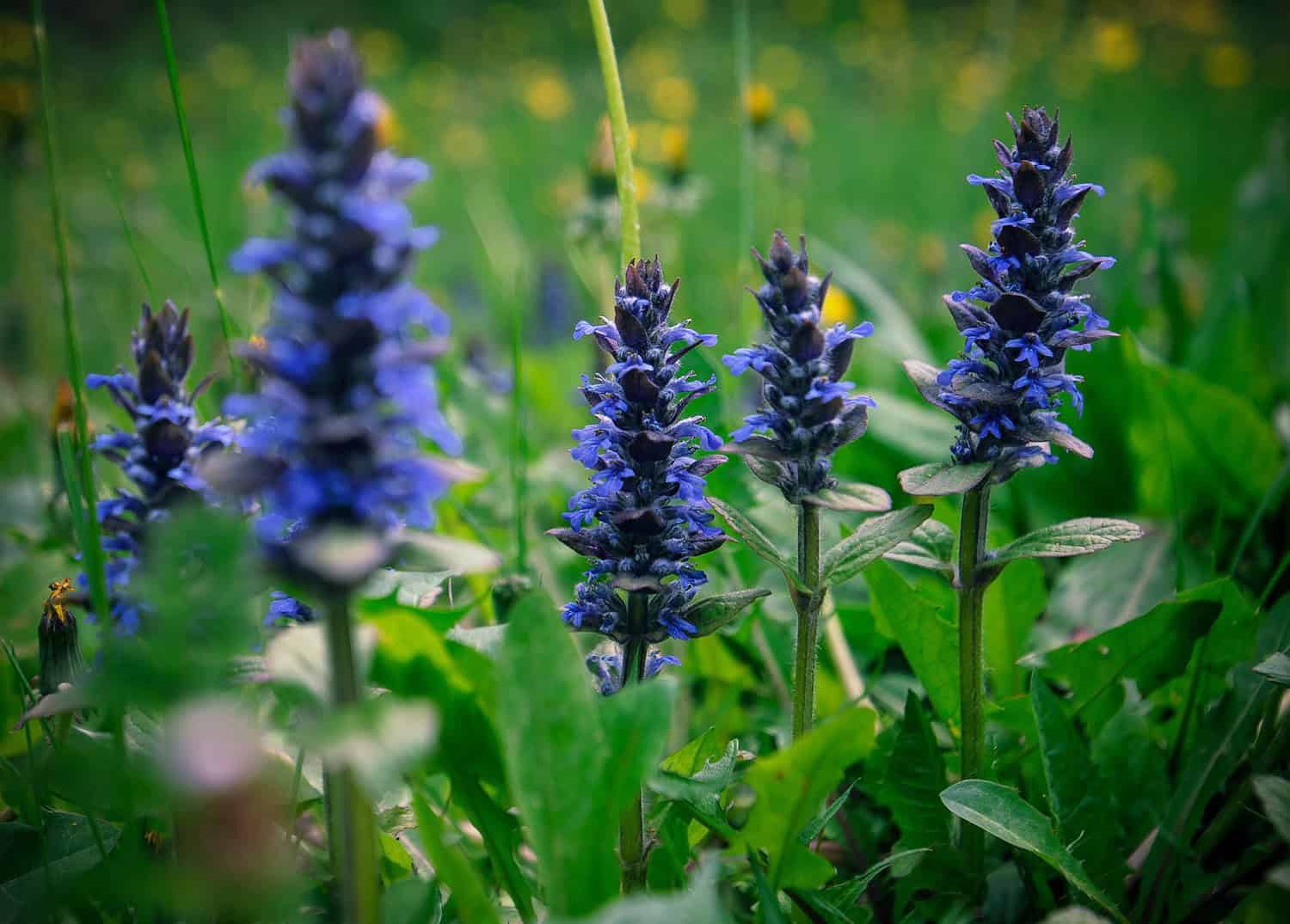
If you’re looking for a fast-growing groundcover, Ajuga is a great choice. It spreads across the ground with stems that root as they go, making thick mats.
These mats block weeds by covering the soil densely. Ajuga can also help prevent soil erosion, so it’s good for slopes or bare spots in your yard.
Sweet Woodruff
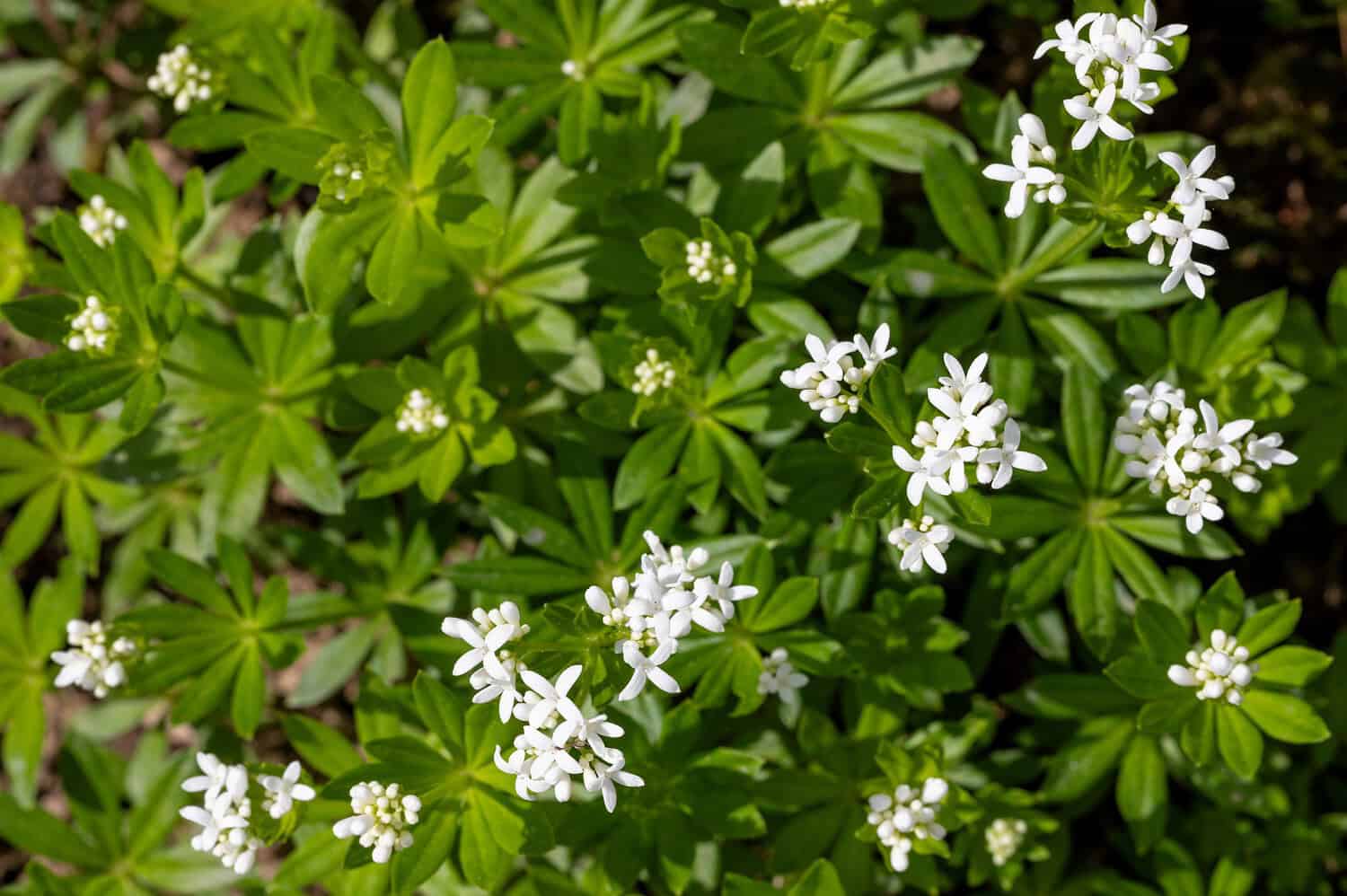
If you want a groundcover that works well in shady spots, sweet woodruff is a good pick. It grows low and spreads slowly, which helps keep weeds away.
You’ll need to mulch around it at first to stop weeds while it gets established. It smells nice and looks pretty with small white flowers in spring.
Mazus Reptans
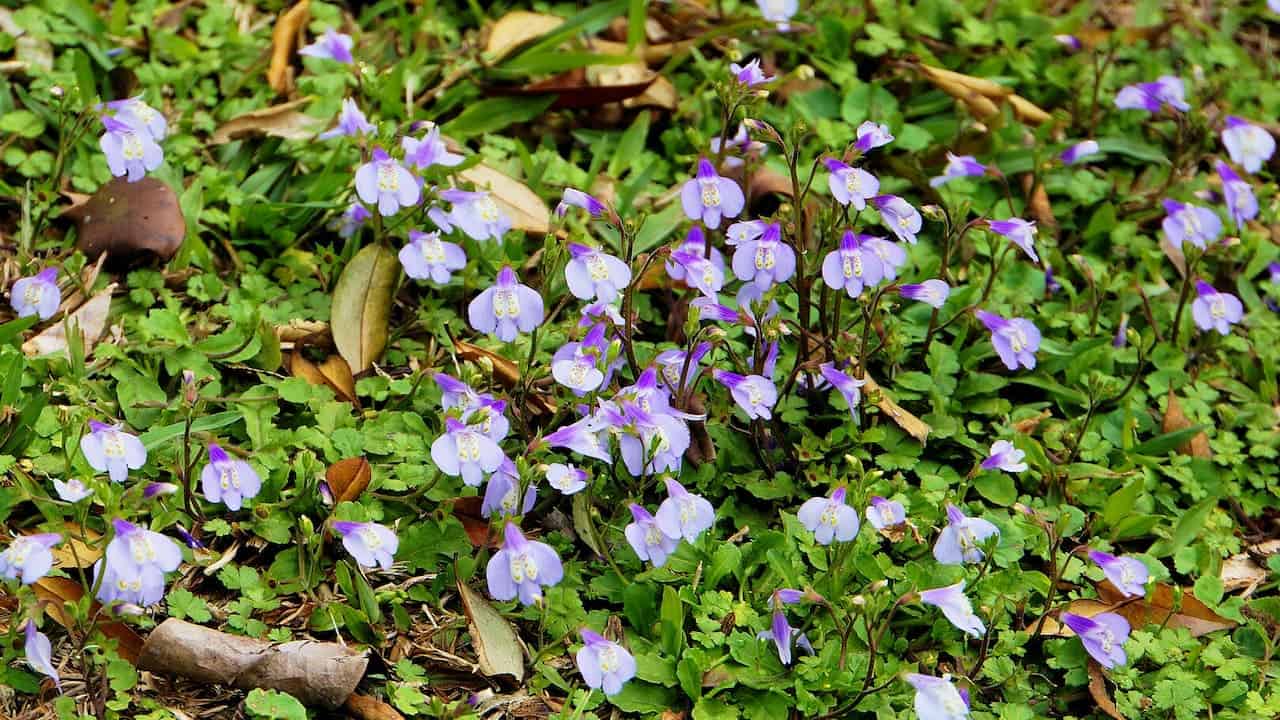
Mazus reptans is a low-growing groundcover that spreads quickly. You’ll like it if you want to stop weeds from growing in your garden.
It has small green leaves and pretty flowers that bloom in spring. It can handle light foot traffic, so it’s good for paths or lawn alternatives. This plant isn’t invasive, and it stays green most of the year. It’s an easy way to cover bare spots and keep weeds away.
Asian Jasmine
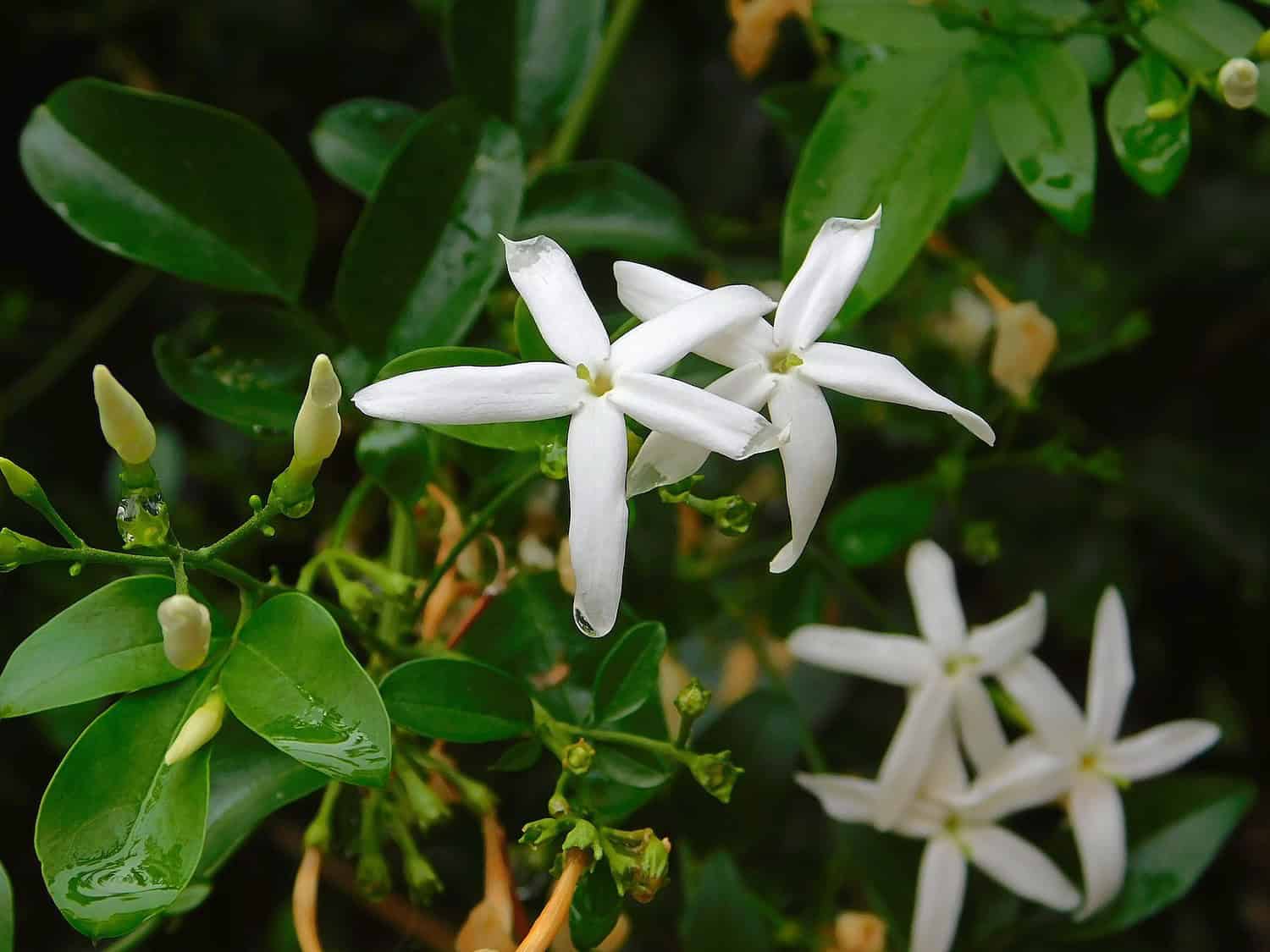
Asian jasmine is a tough ground cover that works well in shady areas. You can count on it to keep weeds from growing. It has small green leaves that spread quickly and make a thick mat on the ground.
If you want a low-maintenance plant that controls erosion and blocks weeds, this might be a good choice for your yard. Just know it can be hard to remove once it’s well established.
Sedum (Stonecrop)
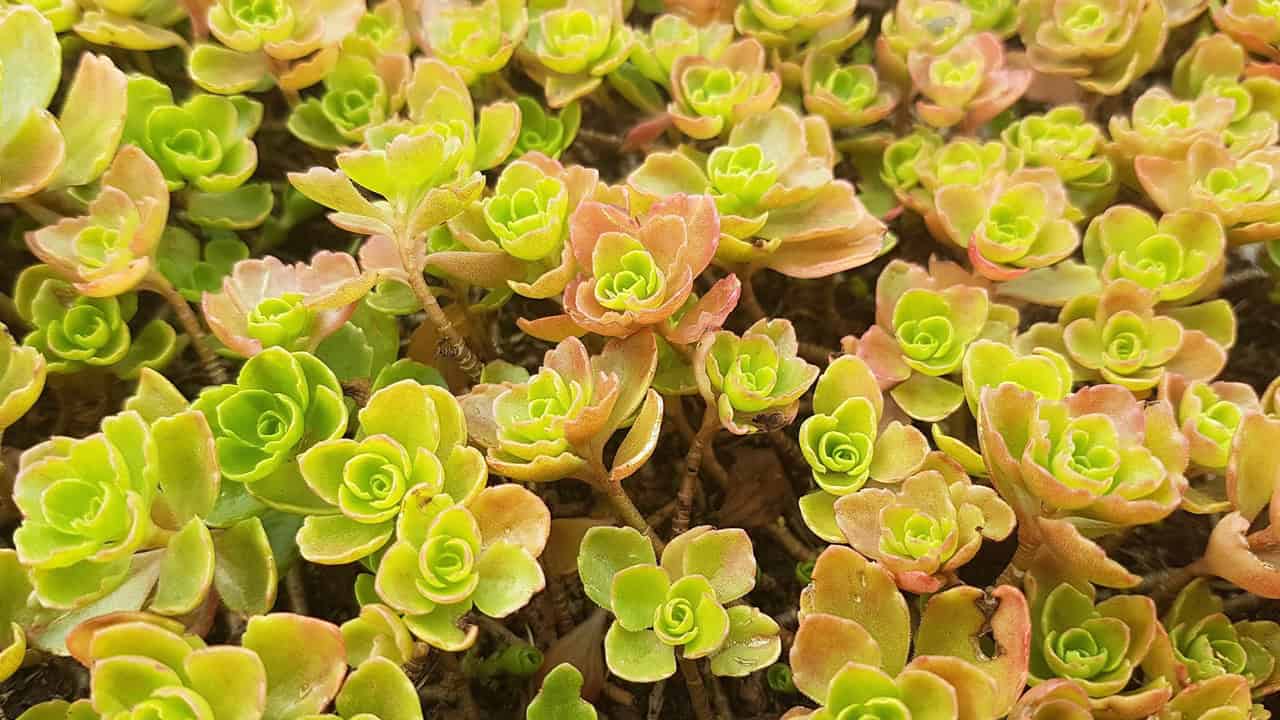
If you want a tough groundcover that fights weeds, sedum is a great choice. It spreads quickly and fills in bare spots fast.
Sedum does well in many conditions, from hot, dry areas to most USDA zones. You’ll like how low-maintenance it is, needing little water once it’s settled. This plant forms a thick mat that blocks weeds from growing through. It’s a solid option if you want something simple and effective.
Irish Moss
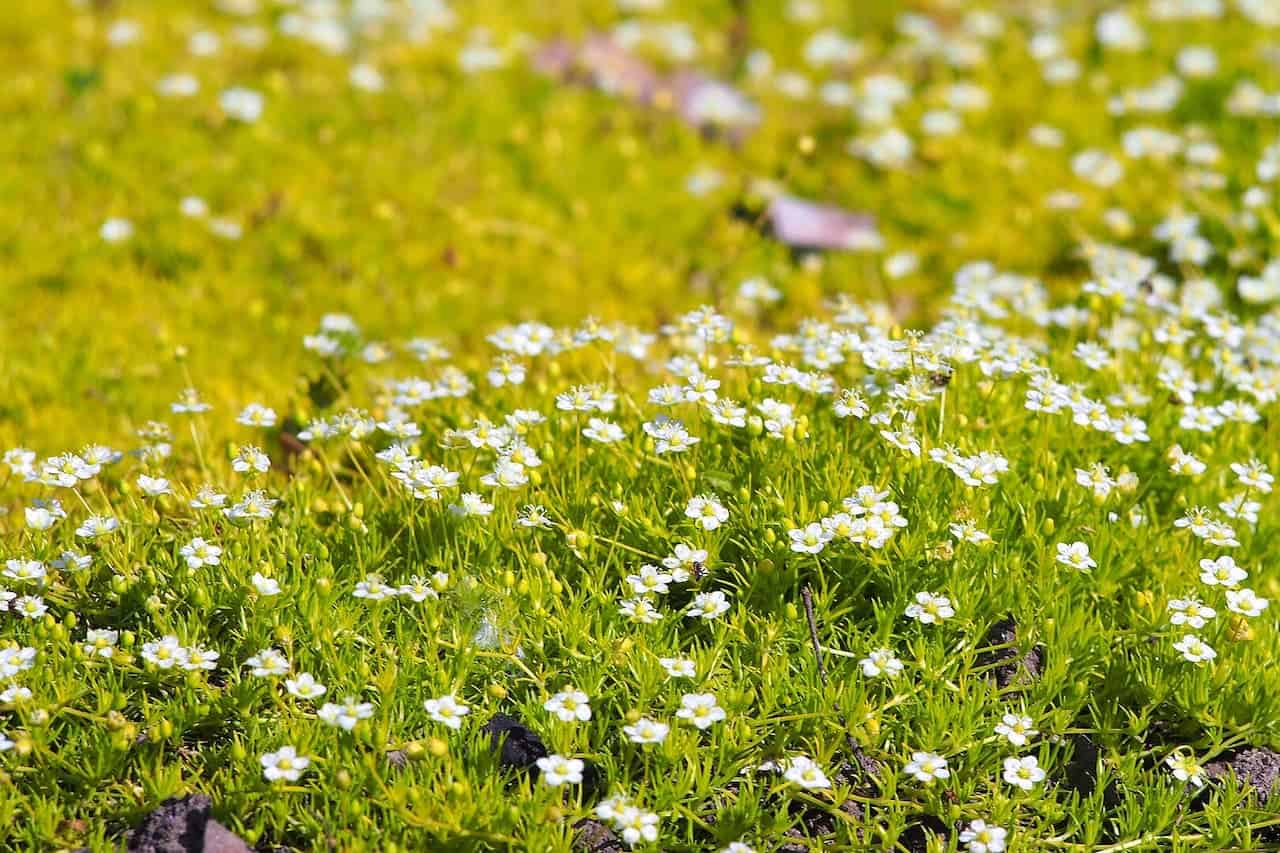
Irish moss makes a soft, green mat that covers the ground well. You can plant it in full sun or partial shade. If your area gets very hot, try to give it some afternoon shade to keep it healthy.
It grows low to the ground, so it helps block weeds by taking up space. This means you’ll spend less time pulling unwanted plants. It’s a good choice if you want something easy and pretty.
Bugleweed
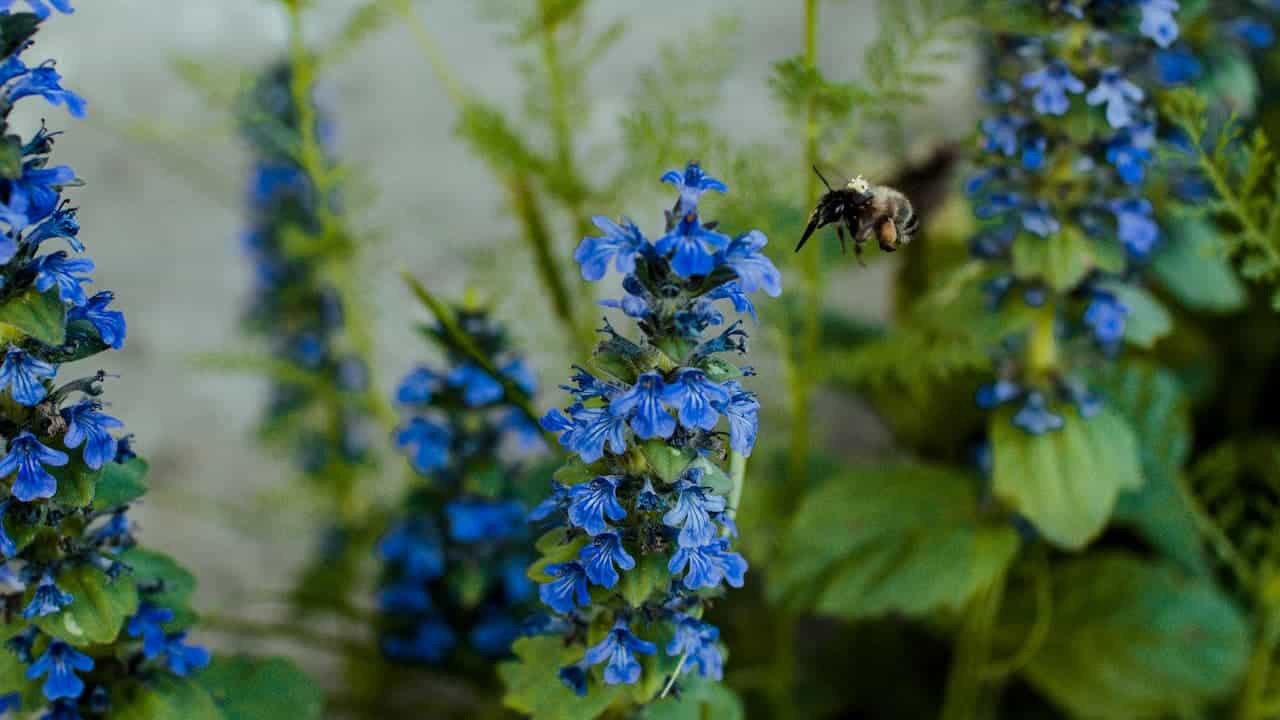
If you want a low-growing plant that spreads fast, bugleweed is a good choice. It works well as groundcover under shrubs and helps keep weeds out by making a thick carpet.
Bugleweed can grow in shady spots and different soil types, so it’s pretty easy to care for. Just don’t expect it to work as a lawn replacement because it stays low and spreads differently than grass.
Vinca Minor (Periwinkle)
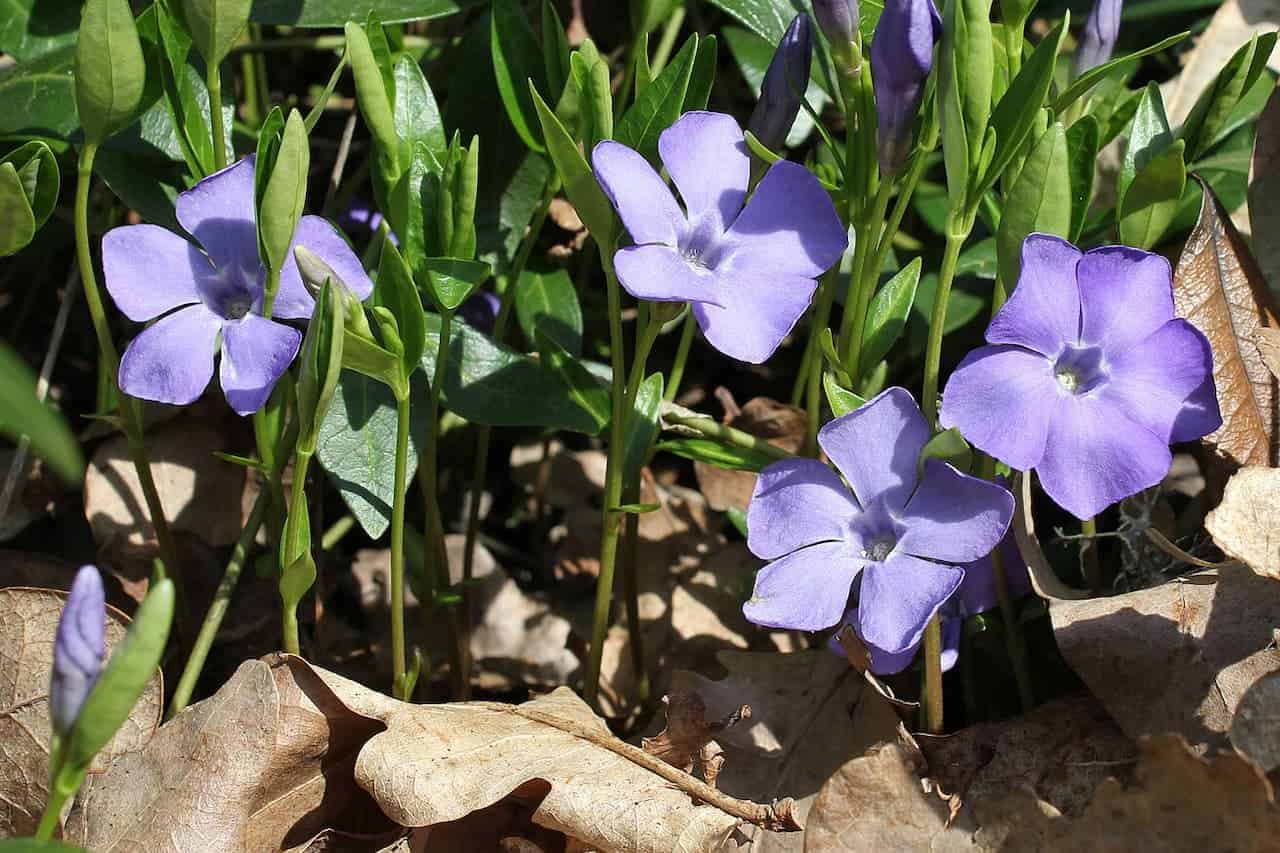
If you need a groundcover that grows well in the shade, Vinca minor is a good choice. It spreads out with trailing stems that root as they touch the soil. This helps stop weeds from growing and can also control erosion on slopes.
Keep in mind, it can spread fast and might take over if you’re not careful. But if you want a low-maintenance plant that covers bare spots, periwinkle works well.
Creeping Juniper
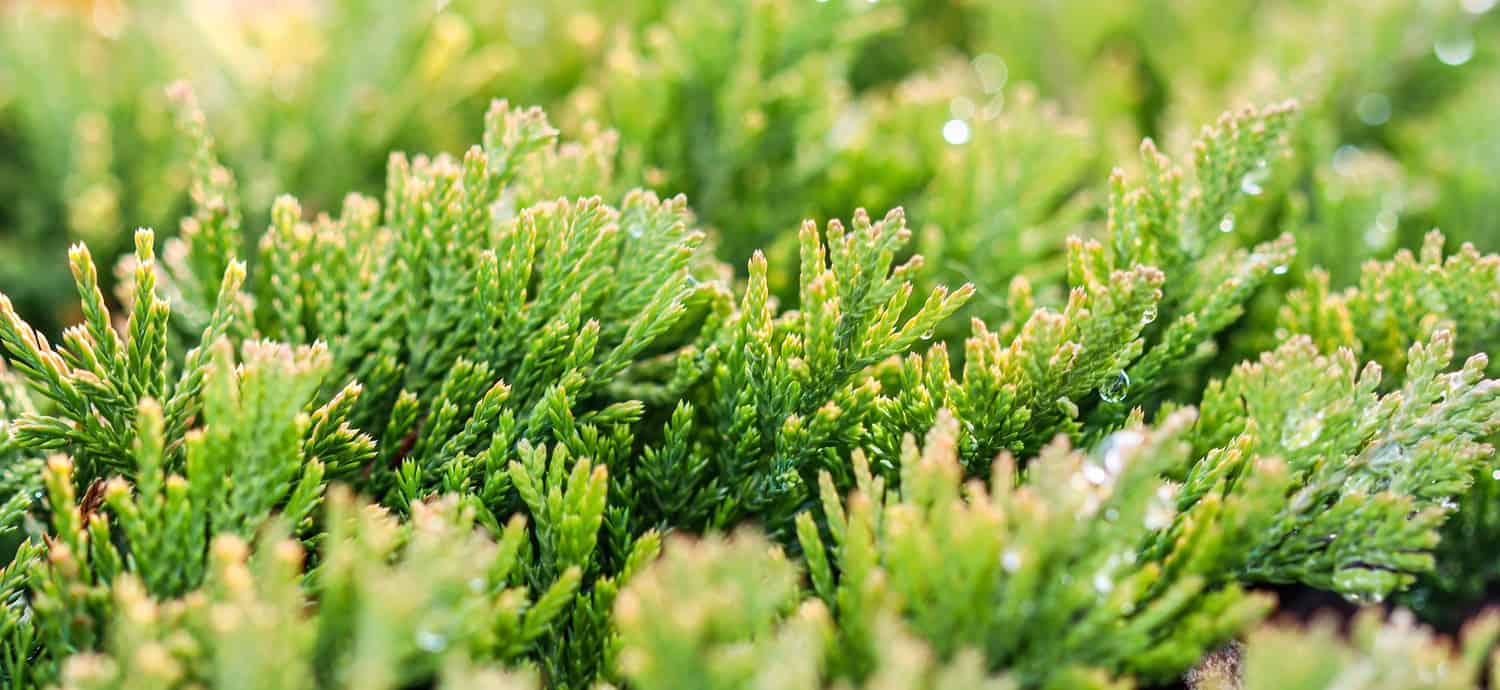
If you want a groundcover that helps stop weeds, creeping juniper is a solid choice. It grows low and spreads fast, making it hard for weeds to take hold.
You should avoid heavy pruning because junipers don’t do well with it. Adding mulch around it can keep the soil cool and reduce weed growth even more.