When it comes to gardening, not all flowers are created equal. While certain blooms attract beneficial pollinators, others can be a magnet for unwanted pests. This can lead to a host of problems, from plant damage to an increase in annoying insects.
Let’s explore 19 flowers that are notorious for attracting more pests than pollinators, so you can plan your garden accordingly and create a harmonious, healthy outdoor space.
Advertisement
1. Petunias
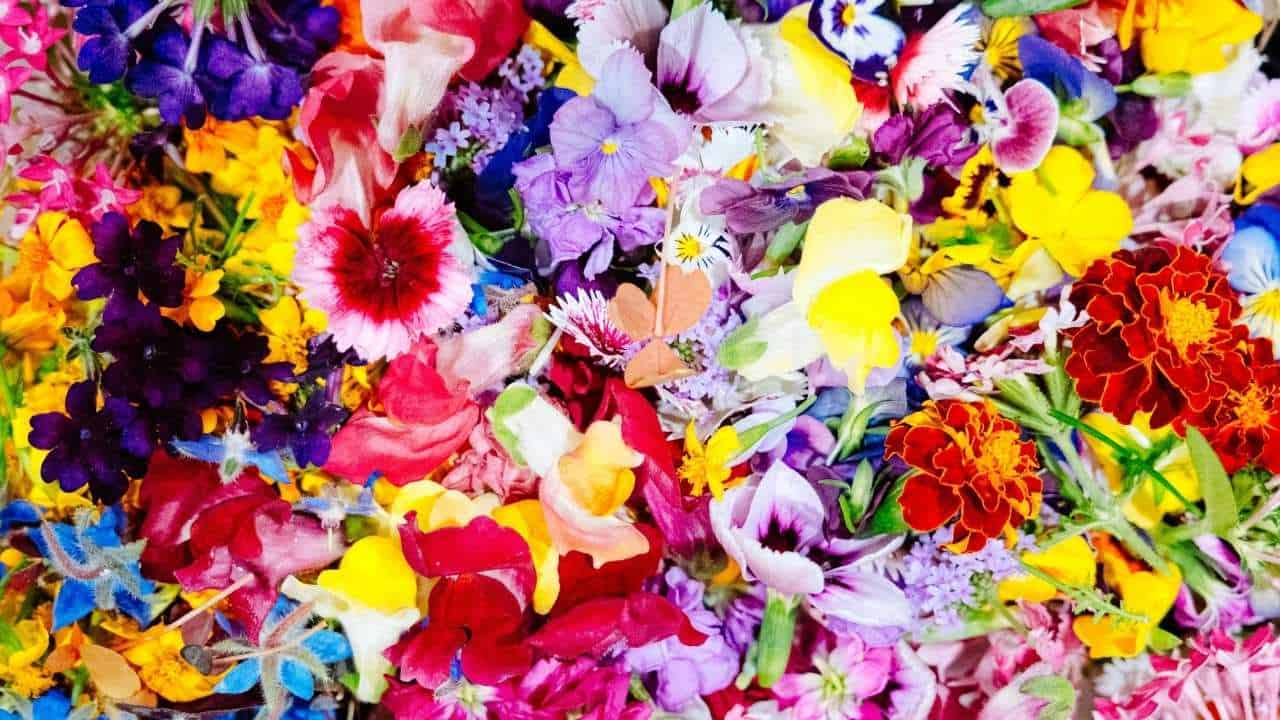
Petunias, with their vibrant colors and lovely fragrance, are a popular choice for many gardens. However, they tend to attract aphids, a common garden pest that feeds on plant sap, causing damage.
Aphids can cause the leaves to curl and stunt plant growth. They also produce honeydew, a sticky substance that encourages the growth of sooty mold. To keep aphids at bay, consider planting petunias alongside flowers that attract aphid predators, such as marigolds and nasturtiums.
2. Roses
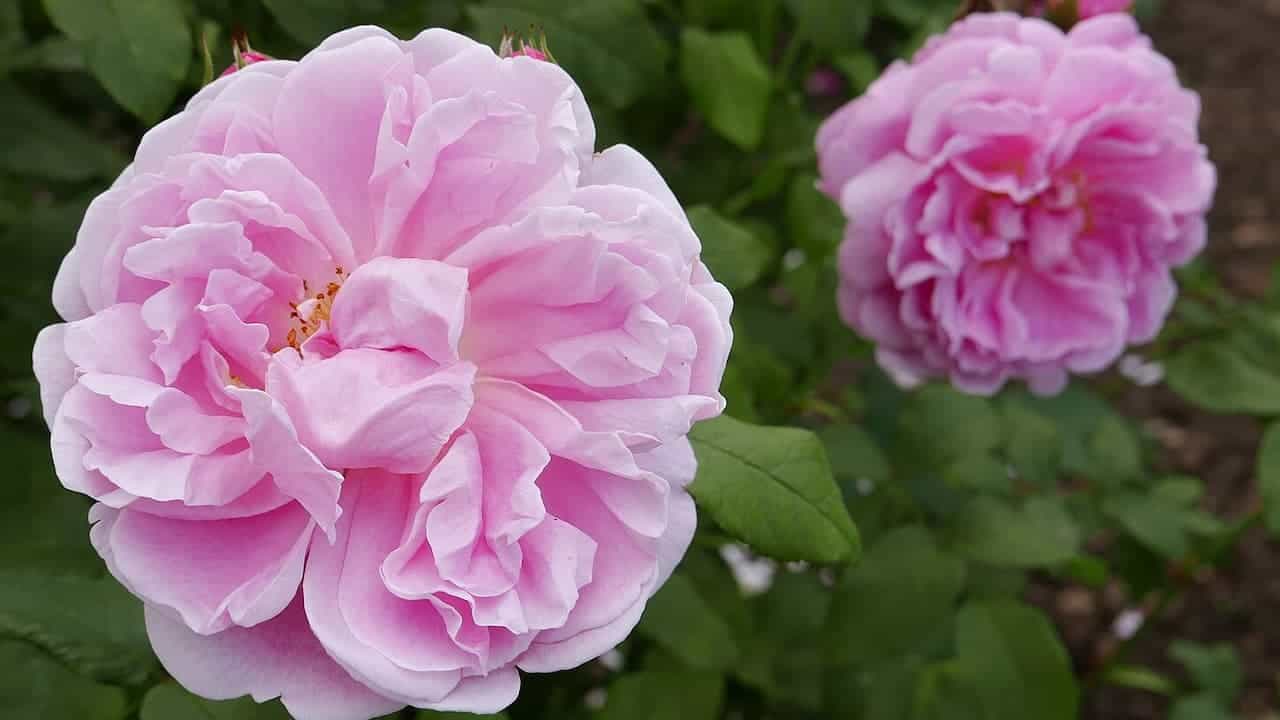
Roses are perhaps one of the most loved flowers, but they are also one of the most susceptible to pests. Japanese beetles, aphids, black spot fungus, and rose slugs are all common issues for rose plants.
Japanese beetles are particularly destructive, feeding on the leaves, flowers, and fruit of more than 300 species of plants. To protect your roses, consider introducing beneficial insects like ladybugs and lacewings, which are natural predators of many common rose pests. Also, regular pruning and proper watering can help keep your roses healthy and pest-free.
3. Sunflowers
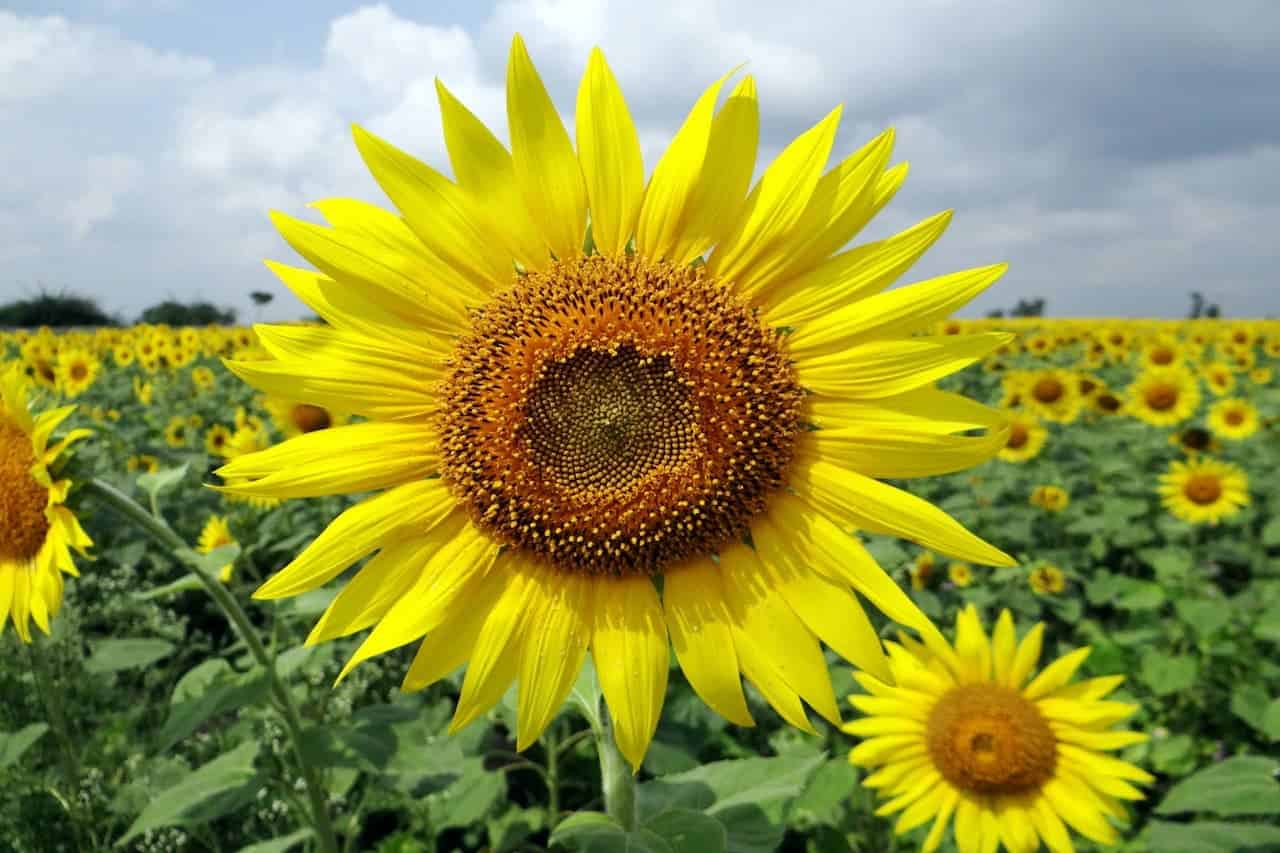
Sunflowers are a favorite of many gardeners for their beauty and the bird attraction they provide. However, they are also a favorite of many pests, including aphids, sunflower beetles, and cutworms.
Sunflower beetles and cutworms can cause significant damage to sunflowers, chewing holes in the leaves and stems. These pests can be difficult to control, but introducing natural predators, such as birds and beneficial insects, and practicing good garden hygiene can help keep them in check.
4. Zinnias

Zinnias are a delightful addition to any garden with their bright, colorful flowers. However, they are prone to powdery mildew and other fungal diseases, which can attract pests.
Powdery mildew is a common fungal disease that appears as a white powdery substance on the leaves of plants. It can weaken plants and make them more susceptible to other diseases and pests. To prevent powdery mildew, ensure your zinnias have good air circulation and avoid overhead watering, which can create a humid environment that promotes the growth of fungi.
5. Peonies

Peonies are a stunning addition to any garden, but they are known to attract thrips, a tiny insect that feeds on the flowers and leaves of plants.
Thrips can cause significant damage to peonies, leaving the flowers discolored and the leaves distorted. To control thrips, consider introducing beneficial insects, such as ladybugs and lacewings, which are natural predators. Regular pruning and proper watering can also help keep your peonies healthy and pest-free.
6. Dahlias
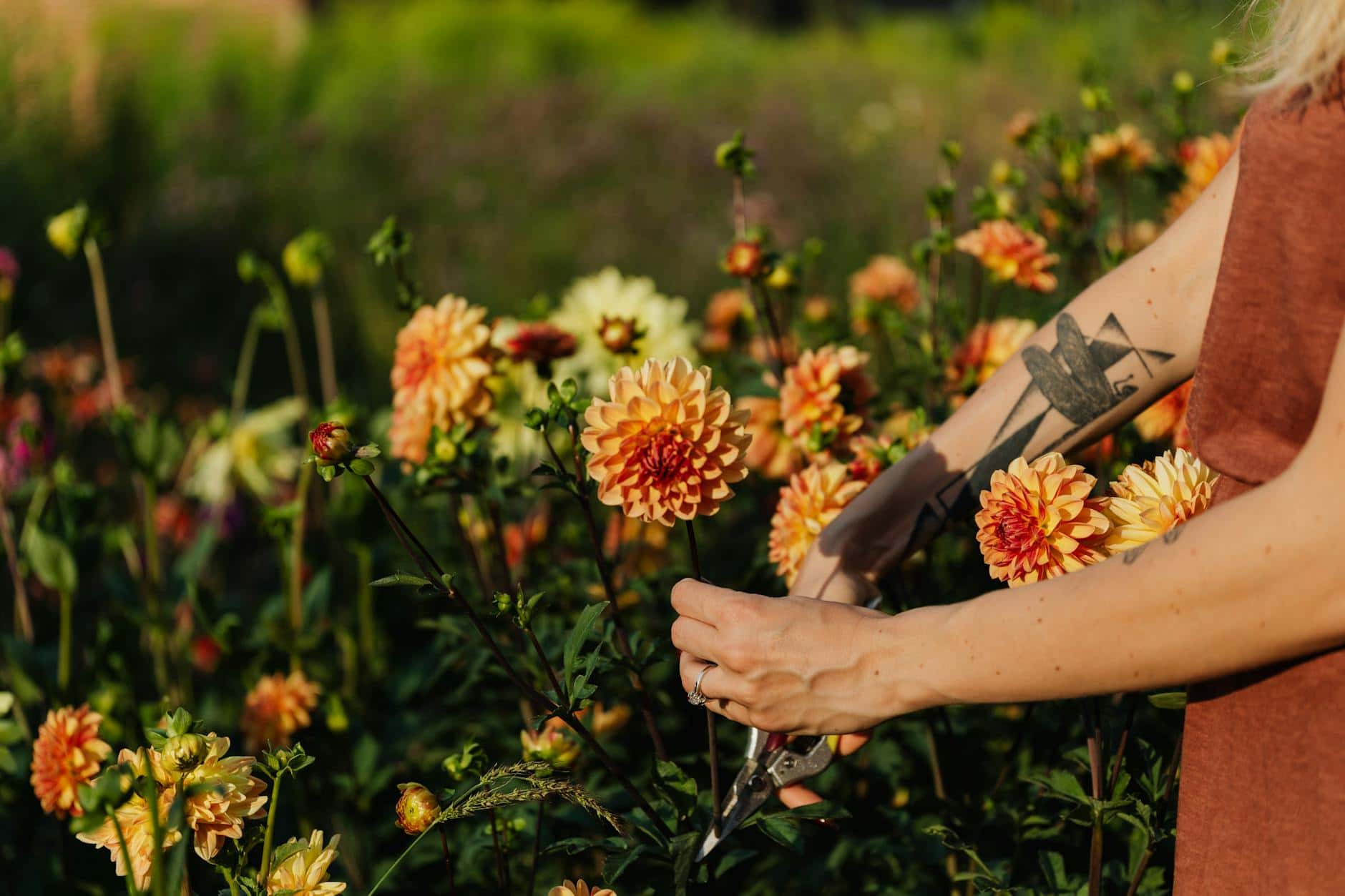
Dahlias are known for their stunning and intricate petals, but their lush foliage is a magnet for pests, especially slugs and snails.
These mollusks can cause significant damage to dahlias, chewing large holes in the leaves and petals. To control slugs and snails, consider using slug and snail bait, or introducing natural predators, like birds and toads, into your garden.
7. Marigolds
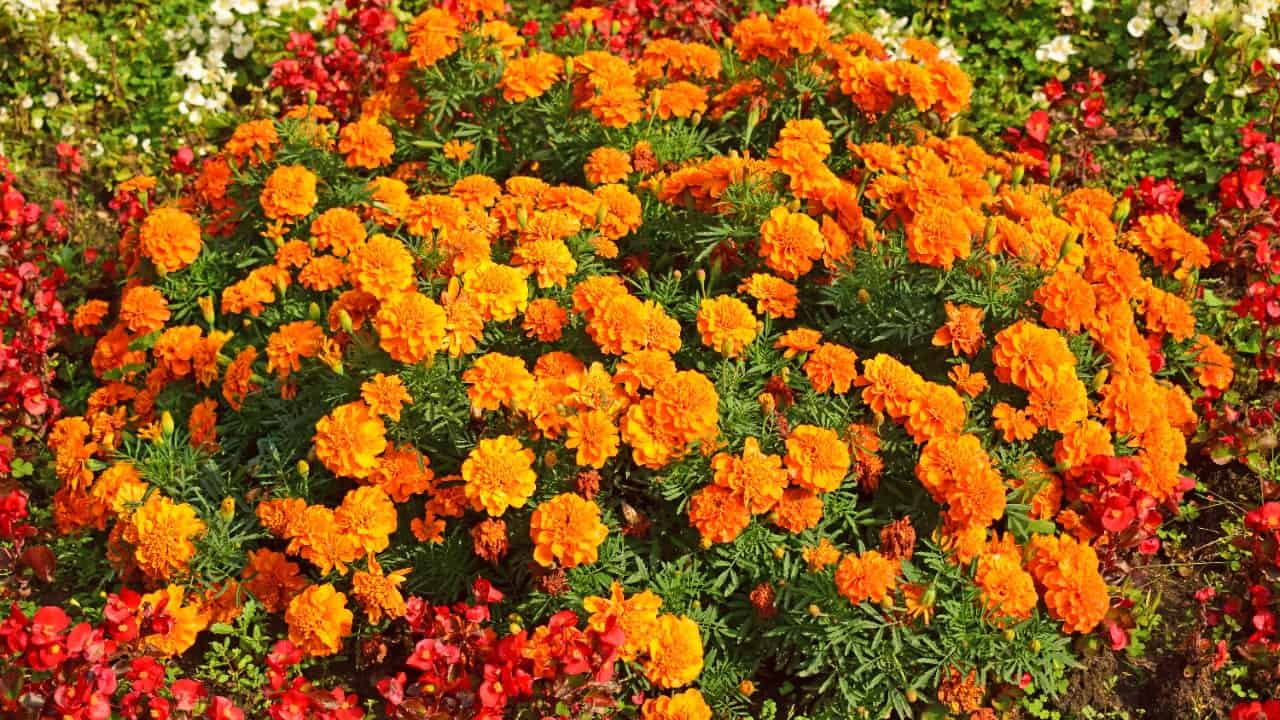
While marigolds are often used as a natural pest deterrent, they can actually attract spider mites and aphids.
This is particularly true for stressed plants, so it’s essential to keep your marigolds healthy to avoid attracting these pests. Regular watering, proper fertilization, and ensuring your marigolds have enough sunlight can help keep them healthy and less attractive to pests.
8. Chrysanthemums
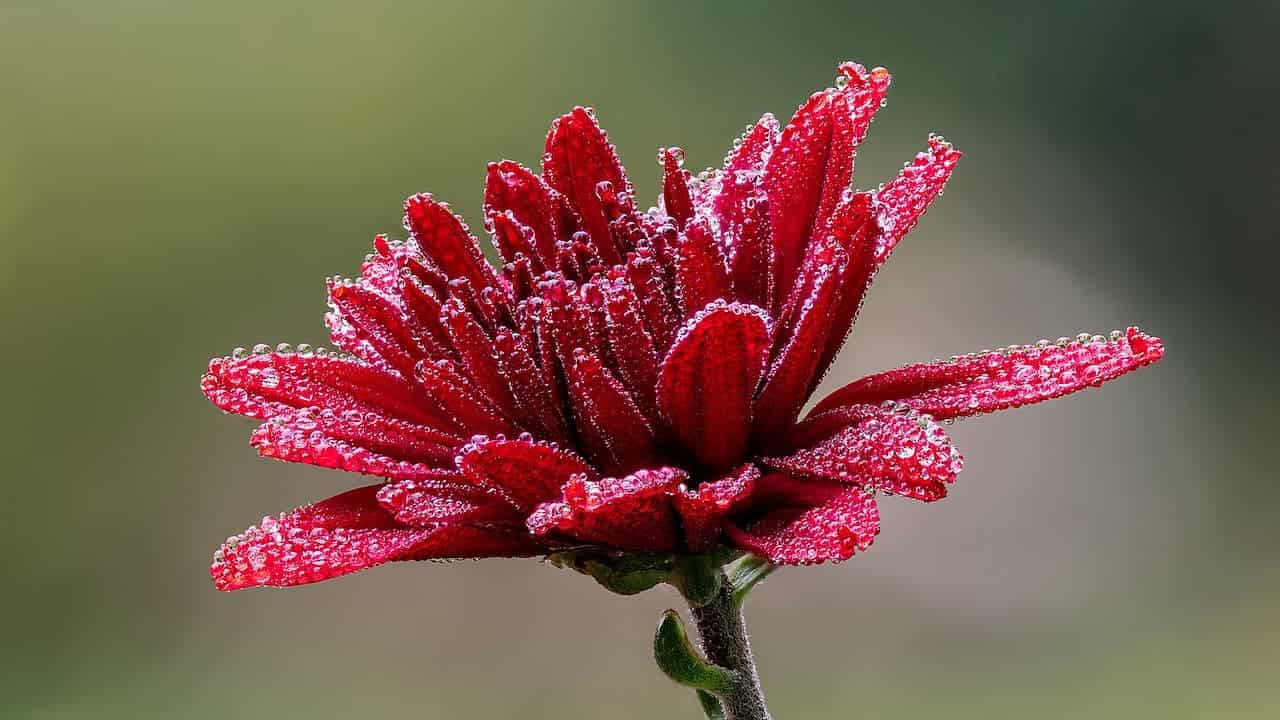
Chrysanthemums are a favorite fall flower, but their thick foliage can attract pests like aphids, thrips, and spider mites.
These pests can cause significant damage to chrysanthemums, feeding on the leaves and flowers. To control these pests, consider introducing beneficial insects, such as ladybugs and lacewings, which are natural predators. Also, regular pruning and proper watering can help keep your chrysanthemums healthy and pest-free.
9. Impatiens
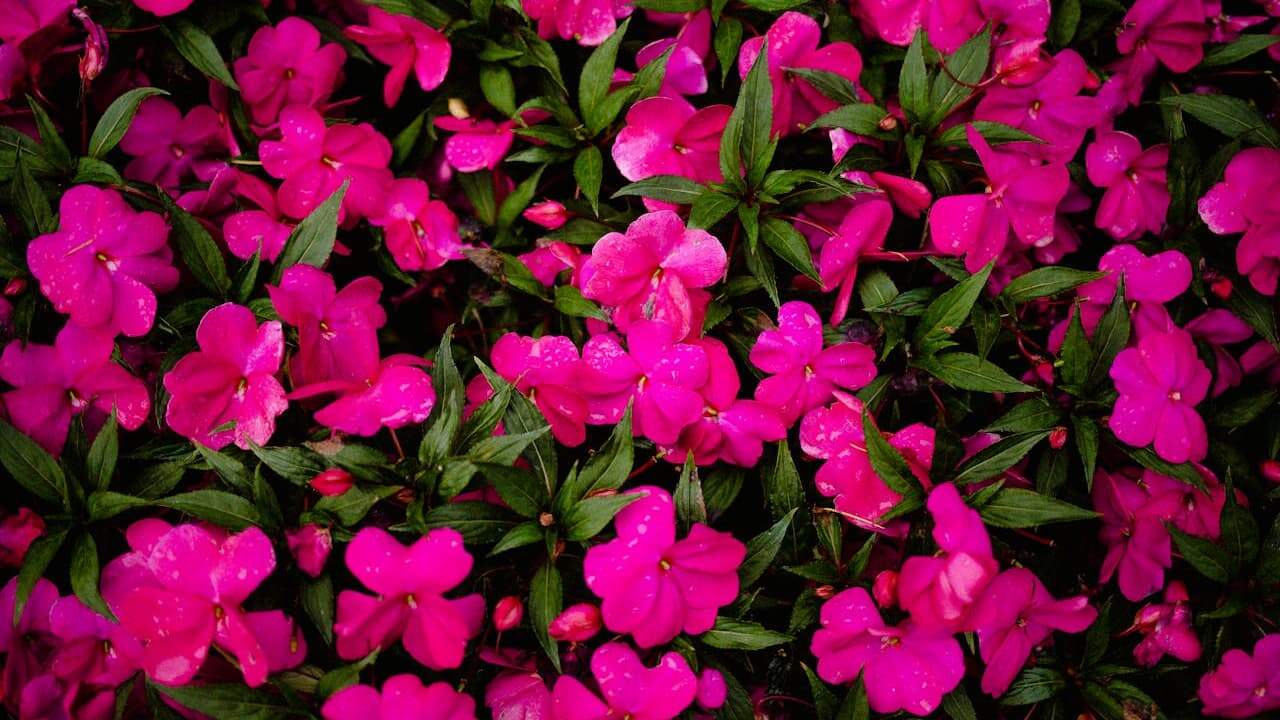
Impatiens are a popular choice for shady areas of the garden, but their soft, succulent stems and leaves can attract aphids and whiteflies.
These pests feed on plant sap, causing leaves to yellow and distort. Whiteflies can also produce honeydew, which can lead to the growth of sooty mold. To control these pests, consider introducing beneficial insects, such as ladybugs and lacewings, which are natural predators. Also, regular watering and proper plant spacing can help keep your impatiens healthy and pest-free.
10. Geraniums
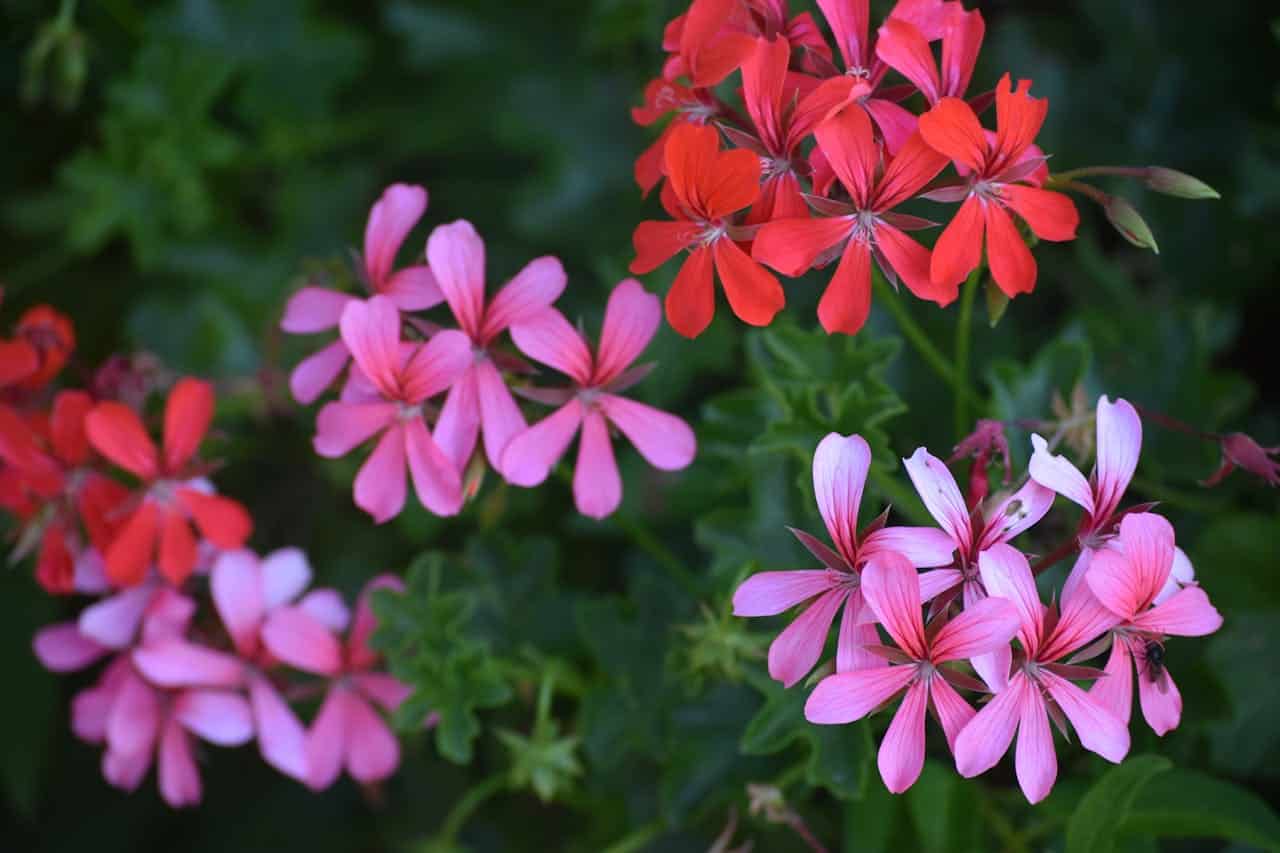
Geraniums are a favorite for their long-lasting blooms and variety of colors, but they can attract pests like aphids, whiteflies, and caterpillars.
These pests feed on the leaves and flowers of geraniums, causing damage and potentially spreading diseases. To control these pests, consider introducing beneficial insects, such as ladybugs and lacewings, which are natural predators. Also, regular pruning and proper watering can help keep your geraniums healthy and pest-free.
11. Cosmos
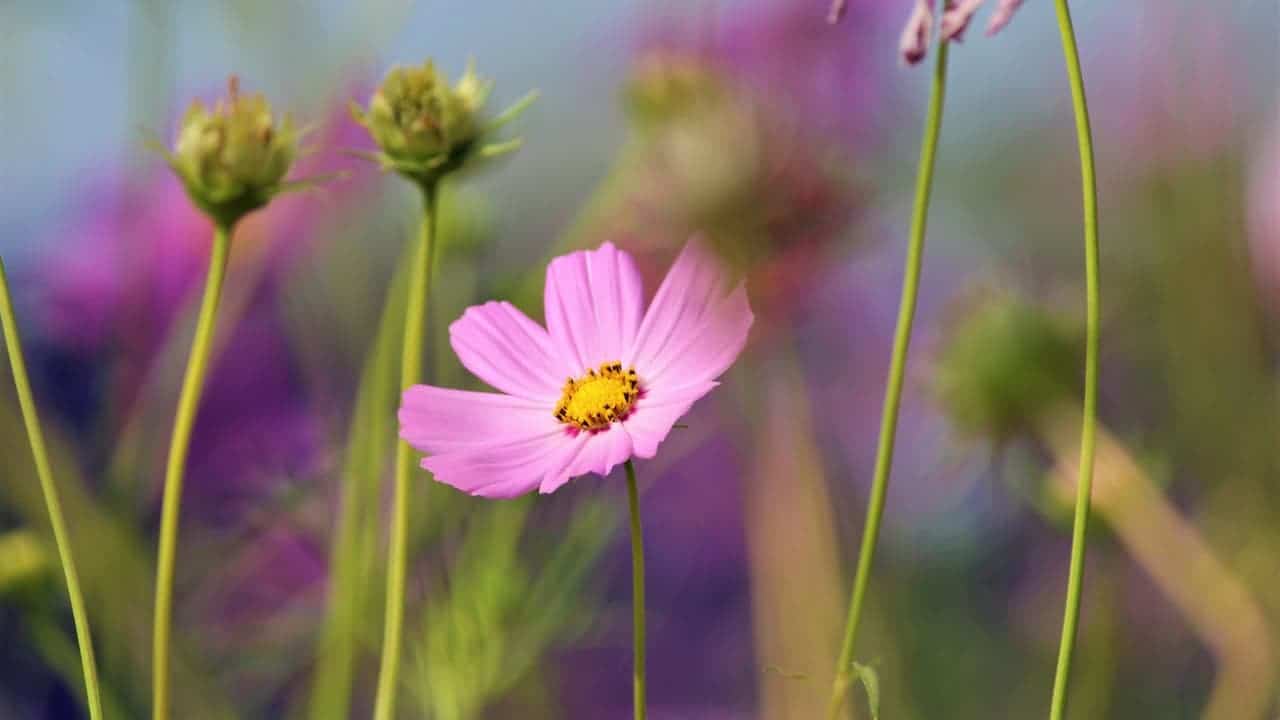
Cosmos are loved for their delicate, daisy-like flowers and easy care, but their tall, slender stems can attract aphids and thrips.
These pests feed on plant sap, causing leaves to curl and distort. Regular watering, proper plant spacing, and the introduction of beneficial insects can help control these pests and keep your cosmos healthy.
12. Hollyhocks

Hollyhocks are a favorite for their tall, stately appearance and beautiful blooms, but they are prone to hollyhock rust, a fungus that can attract pests.
Hollyhock rust appears as orange-yellow spots on the leaves and can weaken the plant, making it more susceptible to pests. To control hollyhock rust, ensure your plants have good air circulation and avoid overhead watering, which can create a humid environment that promotes the growth of fungi.
13. Snapdragons

Snapdragons are known for their unique, dragon-shaped flowers, but they can attract pests like aphids, leaf miners, and rust fungus.
These pests can cause significant damage to snapdragons, feeding on the leaves and flowers. To control these pests, consider introducing beneficial insects, such as ladybugs and lacewings, which are natural predators. Also, regular pruning and proper watering can help keep your snapdragons healthy and pest-free.
14. Morning Glories
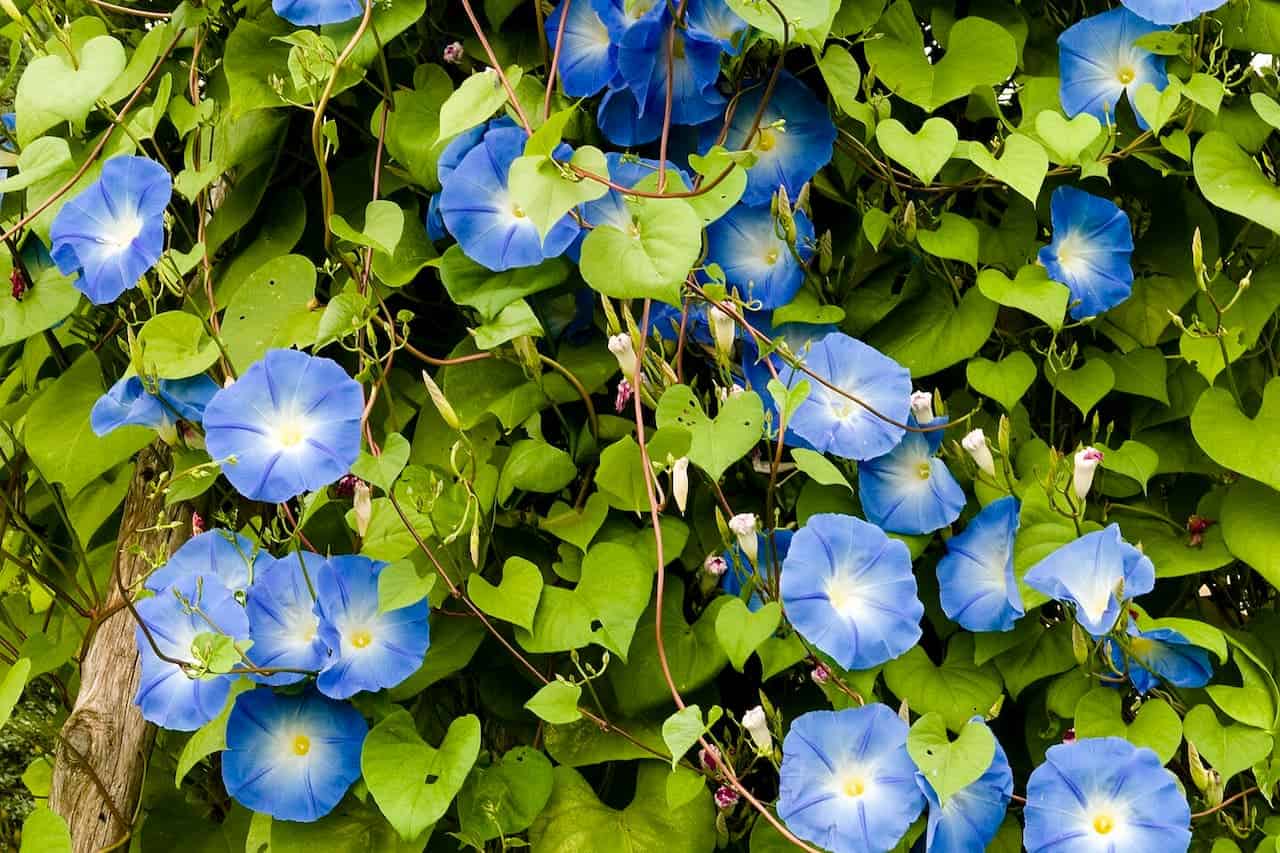
Morning glories are loved for their beautiful, trumpet-shaped flowers, but their lush foliage can attract pests like aphids and leaf miners.
These pests feed on plant sap, causing leaves to yellow and distort. Regular watering, proper plant spacing, and the introduction of beneficial insects can help control these pests and keep your morning glories healthy.
15. Hydrangeas
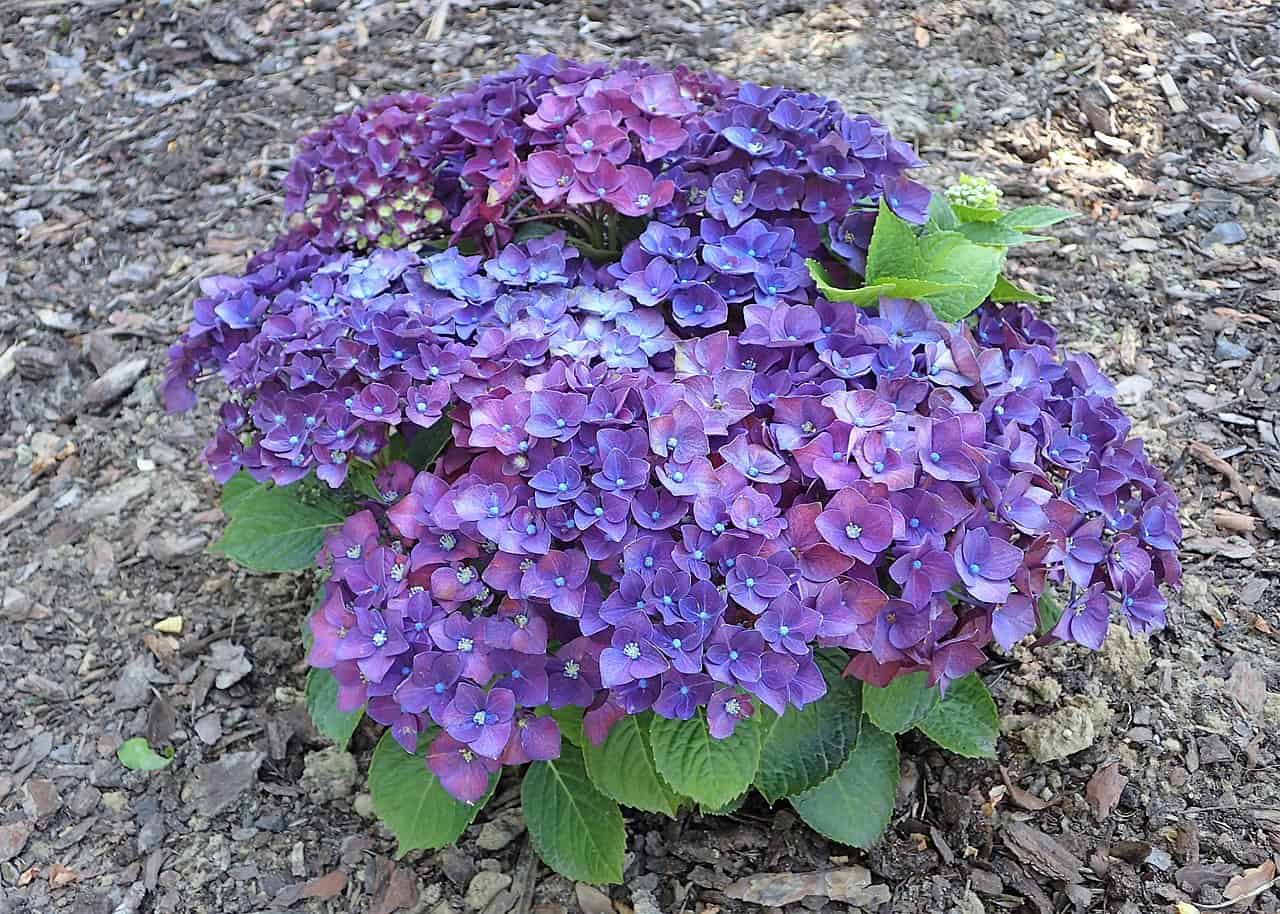
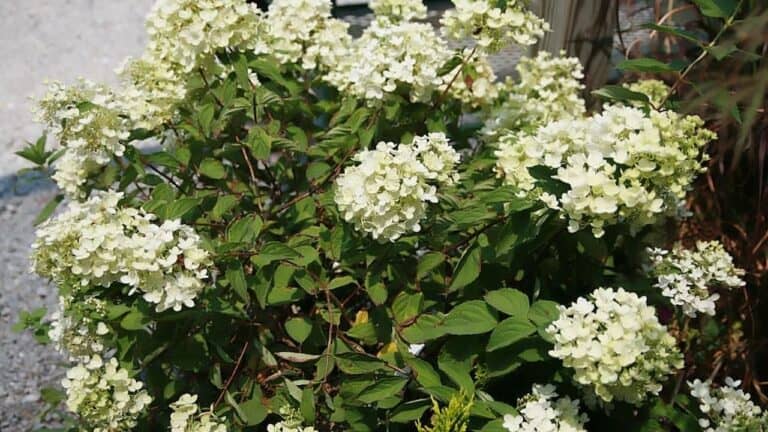
Hydrangeas are a favorite for their large, showy flowers, but they can attract pests like aphids, mites, and scale insects.
These pests feed on plant sap, causing leaves to yellow and distort. Regular watering, proper plant spacing, and the introduction of beneficial insects can help control these pests and keep your hydrangeas healthy.
16. Lilies
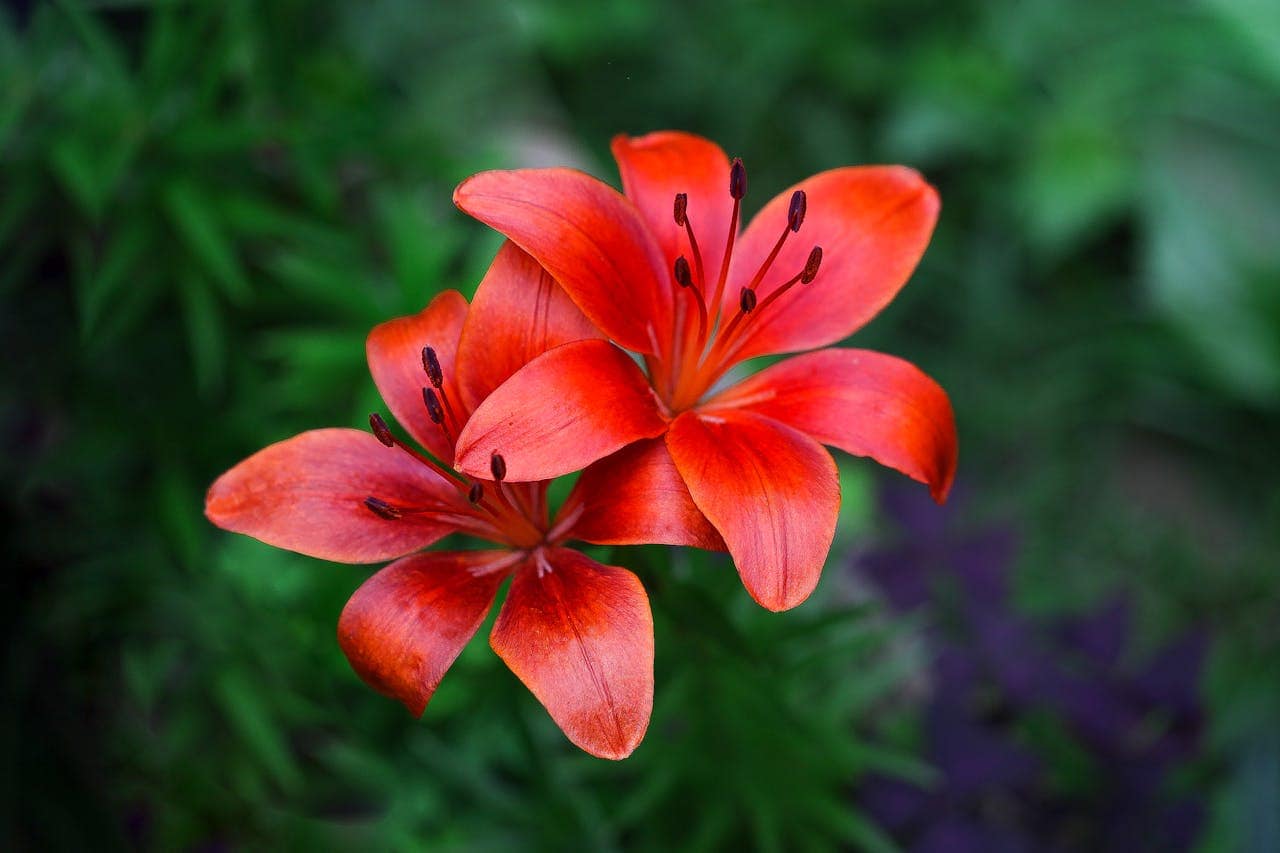
Lilies are loved for their fragrant and beautiful blooms, but they can attract pests like lily beetles and aphids.
These pests feed on the leaves, stems, and flowers of lilies, causing significant damage. To control these pests, consider introducing beneficial insects, such as ladybugs and lacewings, which are natural predators. Also, regular pruning and proper watering can help keep your lilies healthy and pest-free.
17. Daisies

Daisies are a favorite for their simple beauty and easy care, but they can attract pests like aphids and leaf miners.
These pests feed on plant sap, causing leaves to yellow and distort. Regular watering, proper plant spacing, and the introduction of beneficial insects can help control these pests and keep your daisies healthy.
18. Tulips
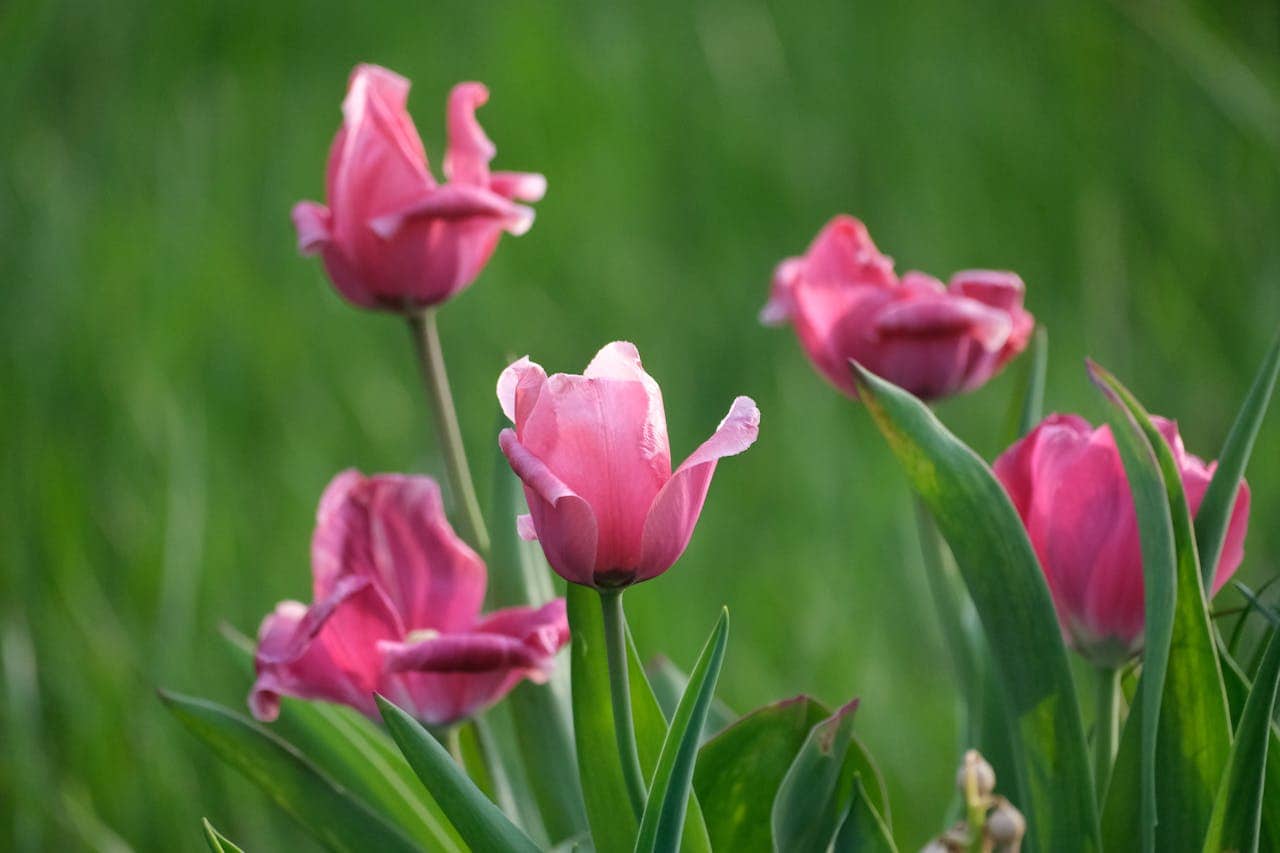
Tulips are a favorite for their vibrant colors and the touch of spring they bring, but they can attract pests like aphids and tulip fire, a fungal disease.
Aphids feed on plant sap, causing leaves to curl and distort, while tulip fire causes spots on the leaves and flowers. To control these issues, consider introducing beneficial insects, regular watering, and proper plant spacing.
19. Fuchsias
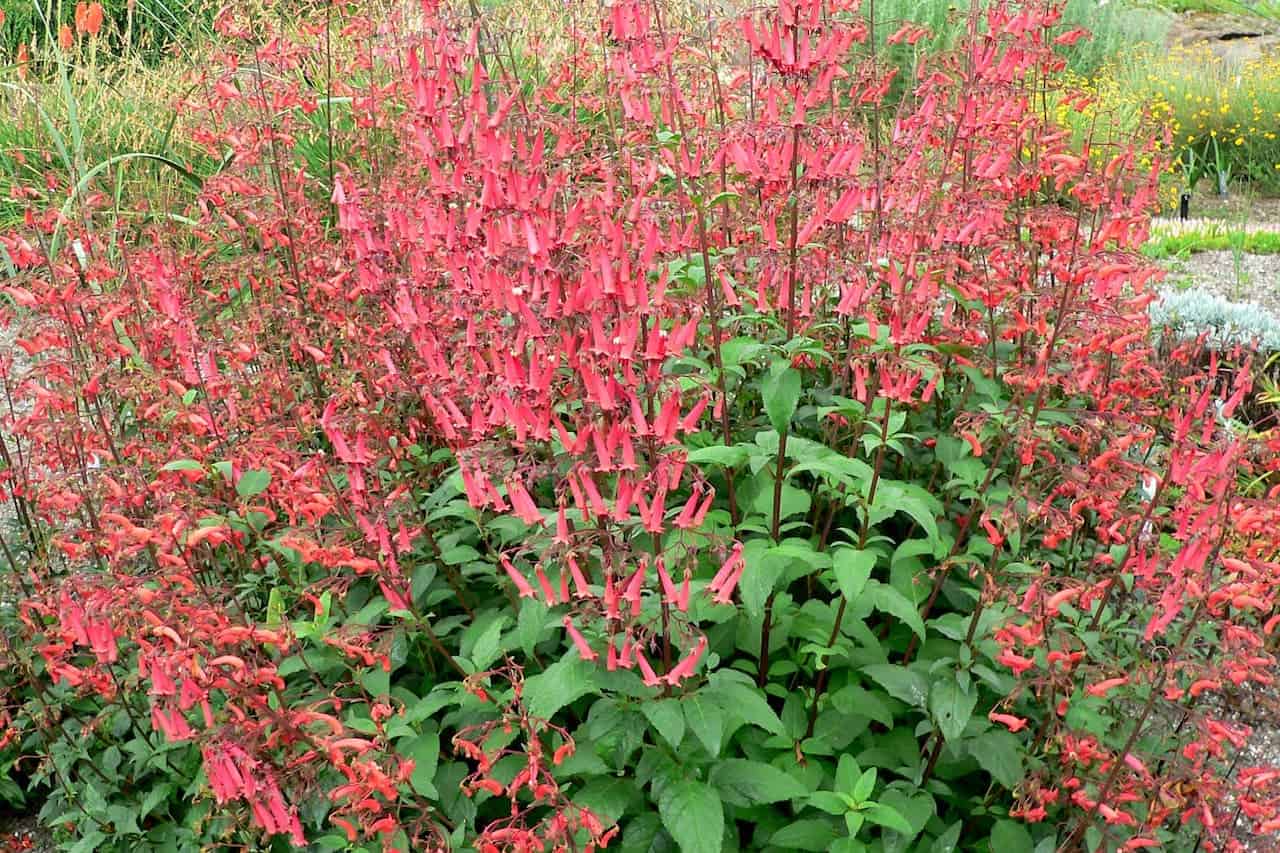
Fuchsias are loved for their unique, hanging flowers, but they can attract pests like fuchsia gall mites and aphids.
These pests feed on plant sap, causing leaves to curl and distort. Regular watering, proper plant spacing, and the introduction of beneficial insects can help control these pests and keep your fuchsias healthy.