Gardening is often considered a therapeutic activity, and for good reason. It allows us to connect with nature, tend to something with care, and watch it flourish under our attention. However, any gardener, novice or experienced, will tell you about the incessant war they wage against one common enemy: weeds. These unwanted invaders can strangle your beloved plants, hogging all the nutrients and sunlight, and eventually leading to their demise.
For that reason, it’s crucial to recognize these destructive weeds, and learn how you can prevent them from wreaking havoc in your garden.
Advertisement
1. Dandelions
Image Credit: Marek Levak/Pexels
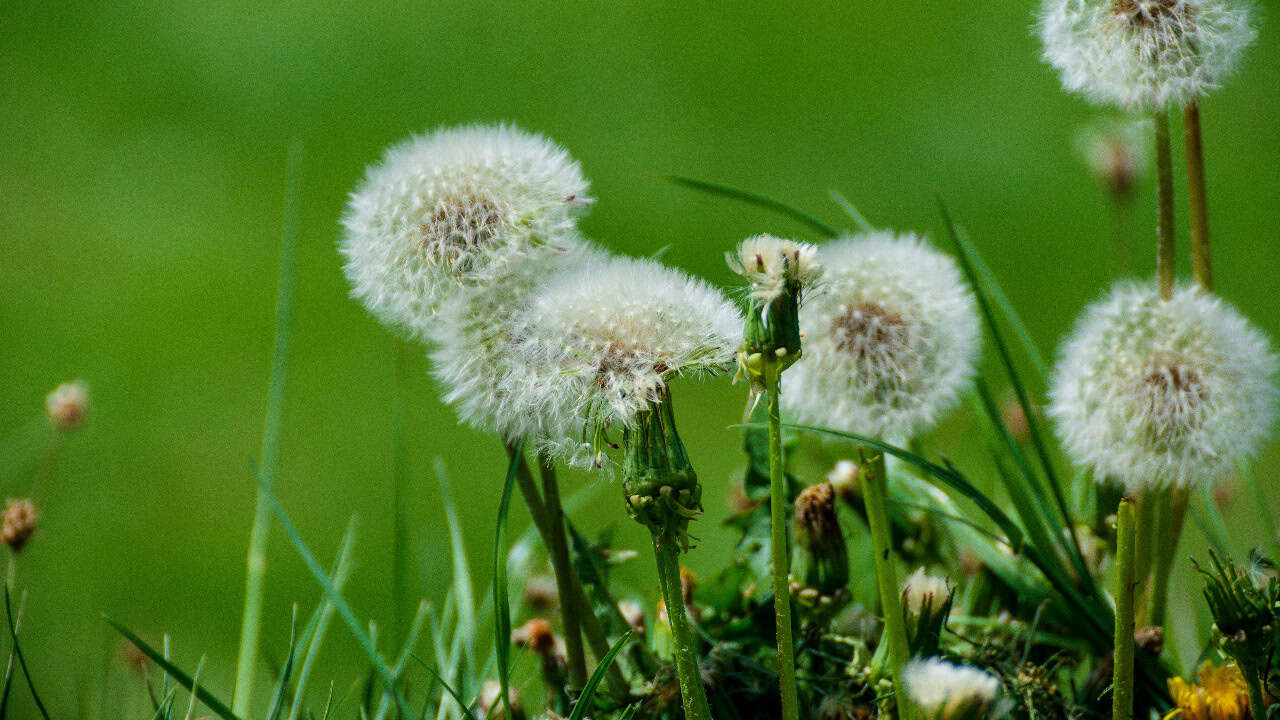
Dandelions, while beautiful in their own right, are a nightmare for gardeners. Their long taproot allows them to extract water and nutrients from deep within the soil, depriving your precious plants. Furthermore, each dandelion can produce up to 200 seeds that take hold in your garden and quickly multiply. Practical advice includes regular weeding, especially in spring when they are easier to pull out. You can also prevent their spread by ensuring you remove the entire taproot. Using a specialized dandelion digger can make this task easier. If you have a large infestation, consider using a selective herbicide that targets broadleaf plants without harming your grass.
2. Bindweed
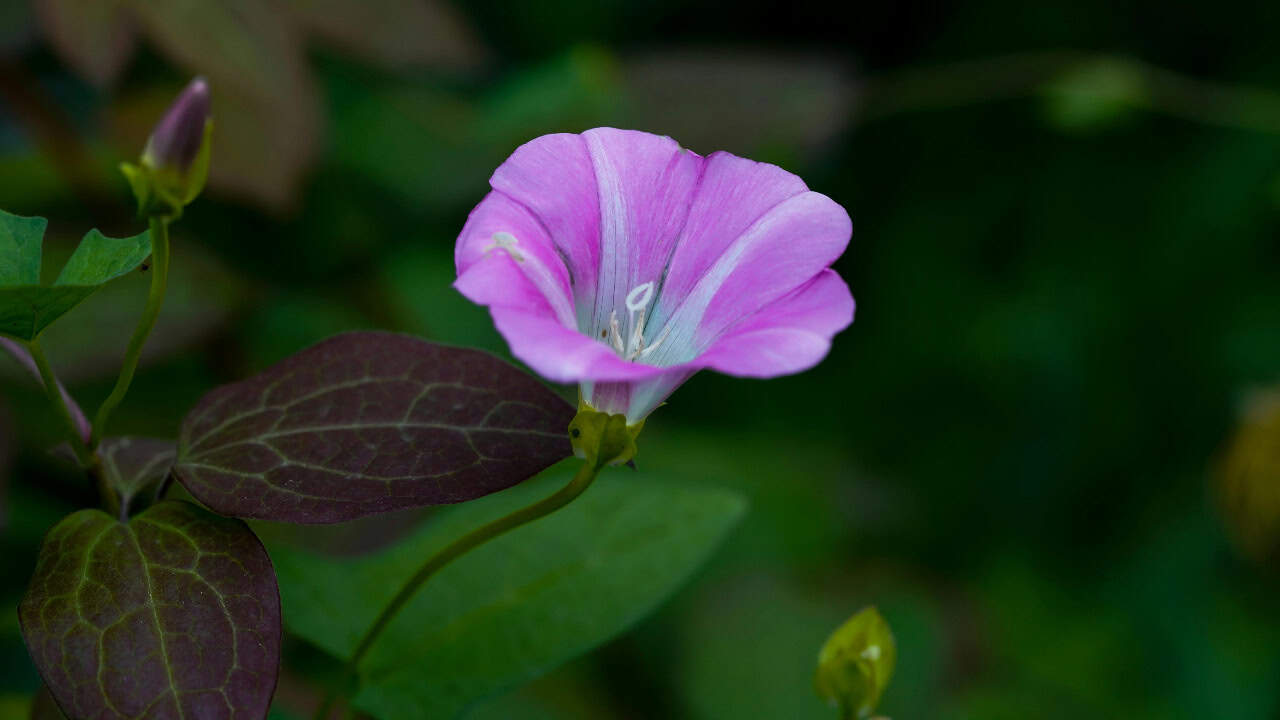
Image Credit: 대정 김/PexelsBindweed is a climbing weed that, as its name suggests, binds itself around your plants, eventually strangling them. It features heart-shaped leaves and trumpet-shaped flowers, giving it an innocent appearance that belies its destructive nature. To control bindweed, you need to be persistent. This weed has a strong root system that can extend up to 10 feet deep in the soil, making it very difficult to eradicate. Regularly removing the tops of the plant can help weaken it over time. A glyphosate-based herbicide may also be necessary for larger infestations, but be careful to avoid spraying your desired plants.
3. Crabgrass
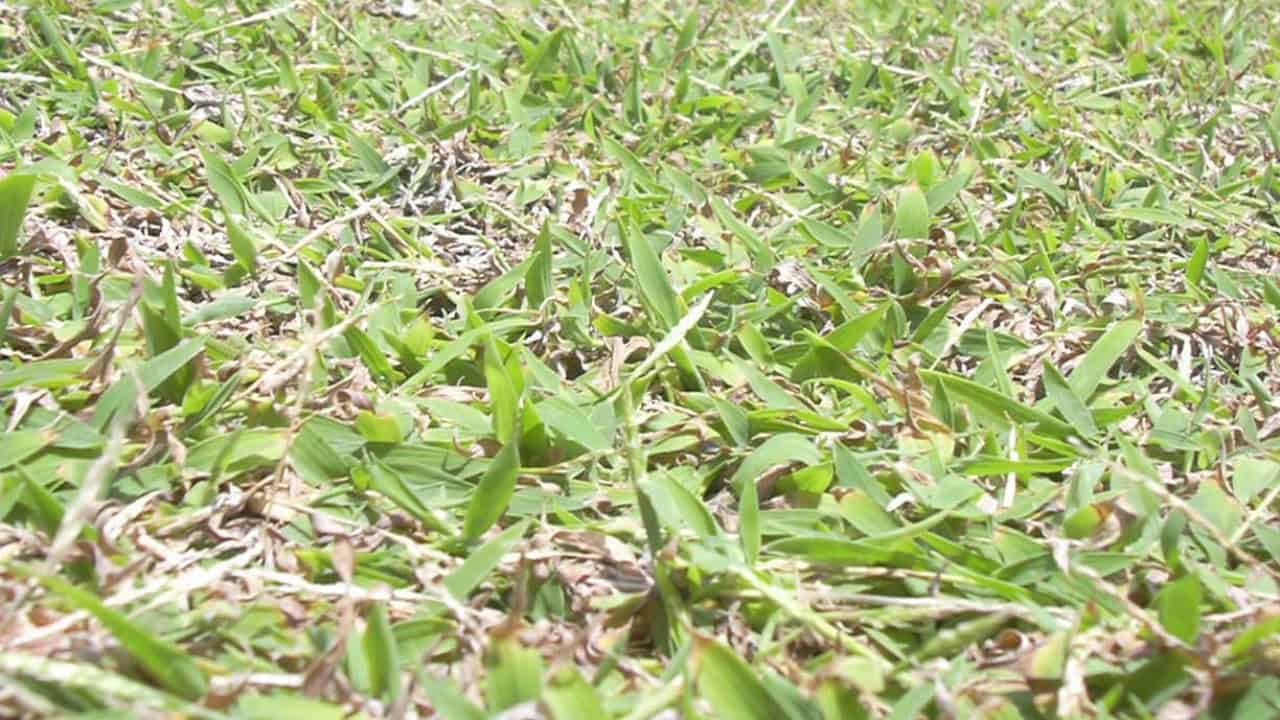
Image Credit: Forest & Kim Starr – CC BY 3.0/Wiki CommonsCrabgrass is an annual weed that thrives in warm weather. It grows rapidly and can quickly take over your lawn or garden if left unchecked. Its ability to produce thousands of seeds that can survive for years in the soil makes it particularly troublesome. Preventing crabgrass is easier than trying to control it. Applying pre-emergent herbicide in early spring can stop the seeds from germinating. Regular mowing and watering can also discourage its growth. If you notice crabgrass in your garden, pull it out before it has a chance to seed.
4. Poison Ivy
Image Credit: unknown – Public domain/Wiki Commons
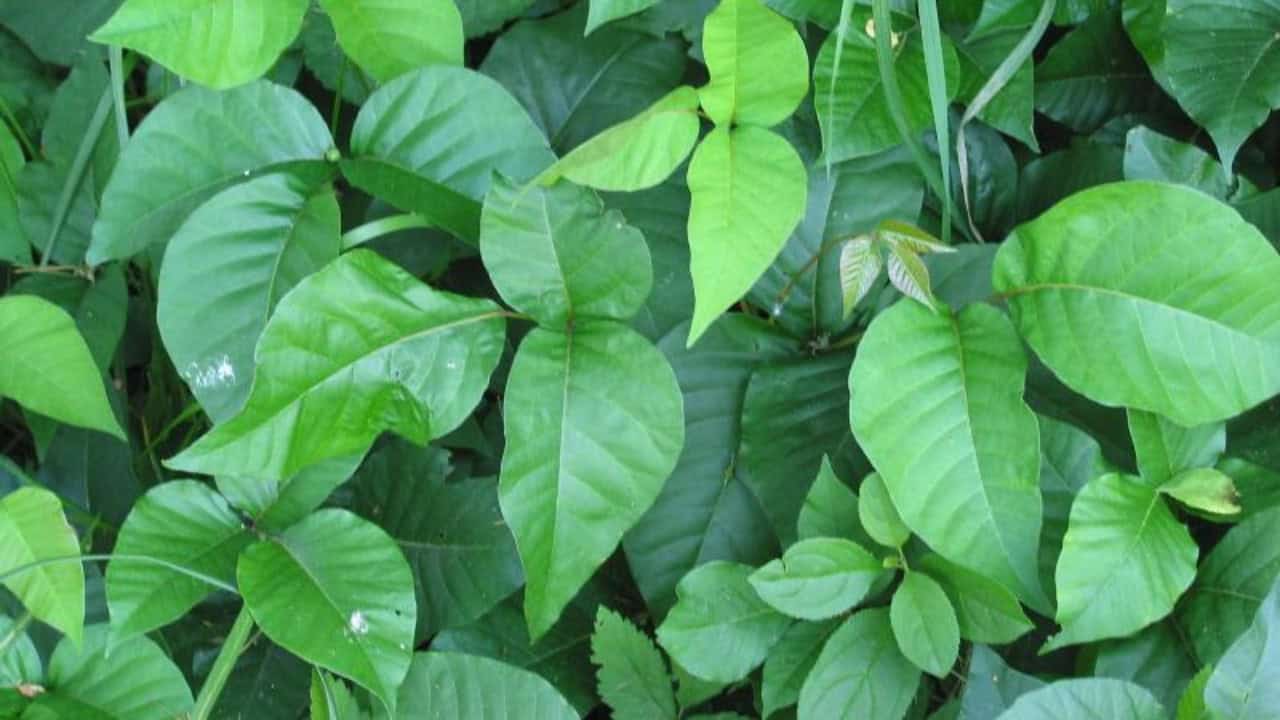
Not only does poison ivy kill your plants, but it can also cause an itchy, painful rash if you touch it. This weed is characterized by its clusters of three leaves and can grow as a vine or a shrub. Be cautious when removing poison ivy. Wear gloves and long sleeves to avoid skin contact, and wash your clothes immediately after. It’s best to pull it out manually or use a non-selective herbicide. Never burn poison ivy, as the smoke can carry the plant’s irritating oils and cause severe respiratory problems.
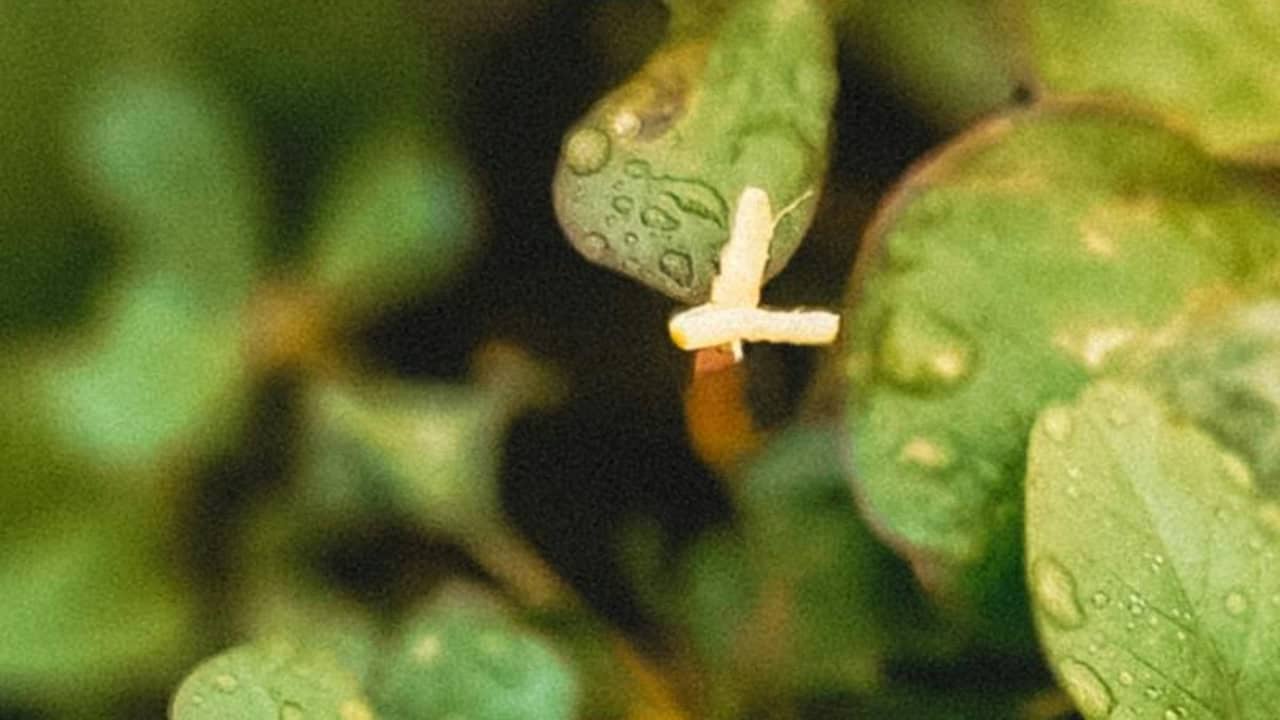
5. Purslane
Image Credit: Tahamie Farooqui/PexelsPurslane is a persistent weed that thrives in dry, compacted soil. It can quickly form a dense mat that smothers your plants. Its fleshy leaves and yellow flowers can make it seem harmless, but it’s anything but. Regular weeding can help control purslane. It’s important to remove the entire plant, including the roots, as it can regrow from stem fragments. If purslane has taken over your garden, consider using a pre-emergent herbicide in the spring.
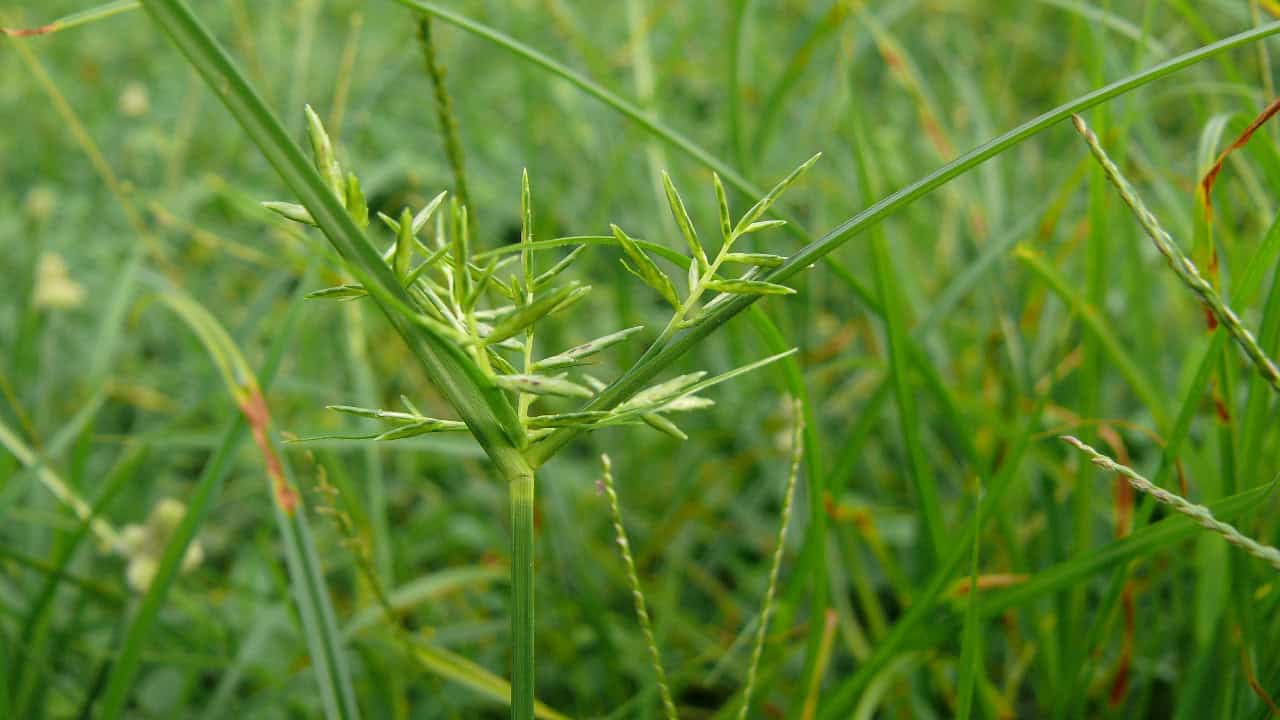
6. Nutgrass
Image Credit: Arria Belli (Arria Belli) – CC BY-SA 2.0/Wiki CommonsAlso known as nutsedge, this is a perennial weed that’s particularly tricky to control due to its underground tubers. It prefers wet, poorly drained soil, but can survive in dry conditions as well. Regular mowing and hand-pulling can help manage small infestations of nutgrass. However, for larger infestations, a selective herbicide may be necessary. Improving your soil’s drainage can also discourage its growth.
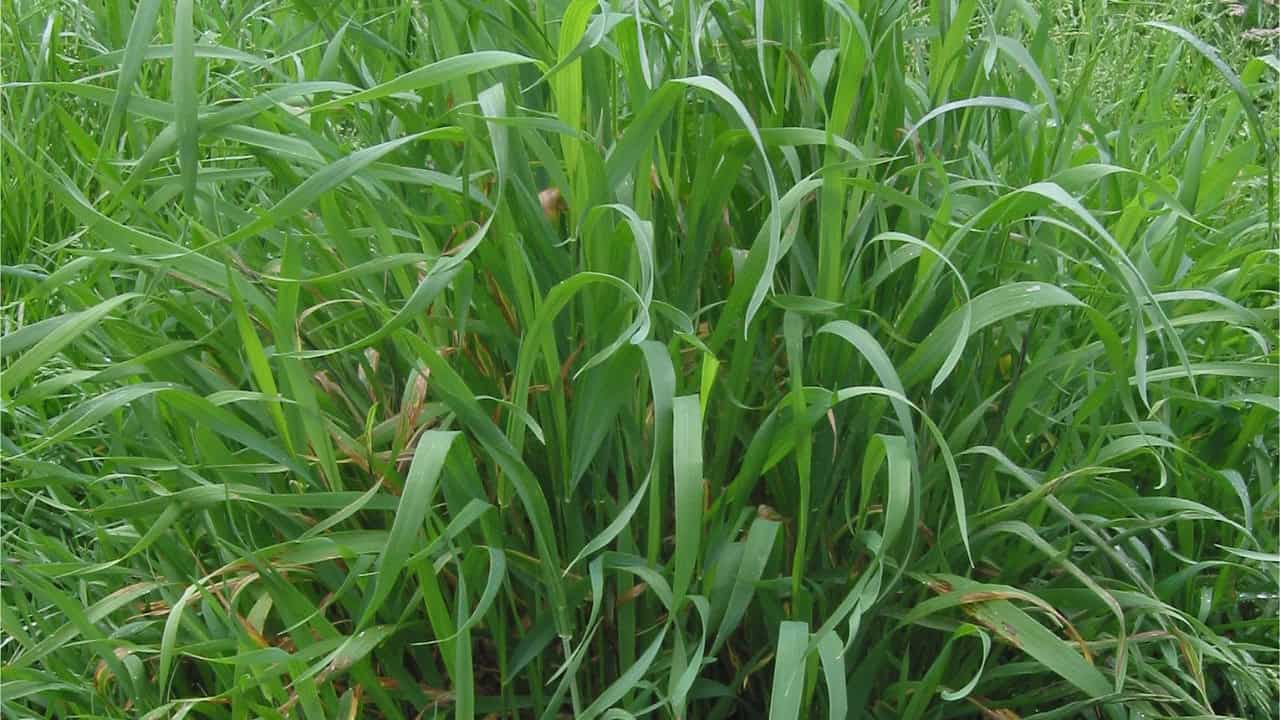
7. Quackgrass
Image Credit: Rasbak – CC BY-SA 3.0/Wiki CommonsQuackgrass is a perennial grassy weed that can quickly take over your garden if left unchecked. It has a strong root system that allows it to survive in a wide range of conditions. Regular mowing can help control quackgrass, but be sure to dispose of the clippings properly to avoid spreading the seeds. A non-selective herbicide may be necessary for larger infestations.
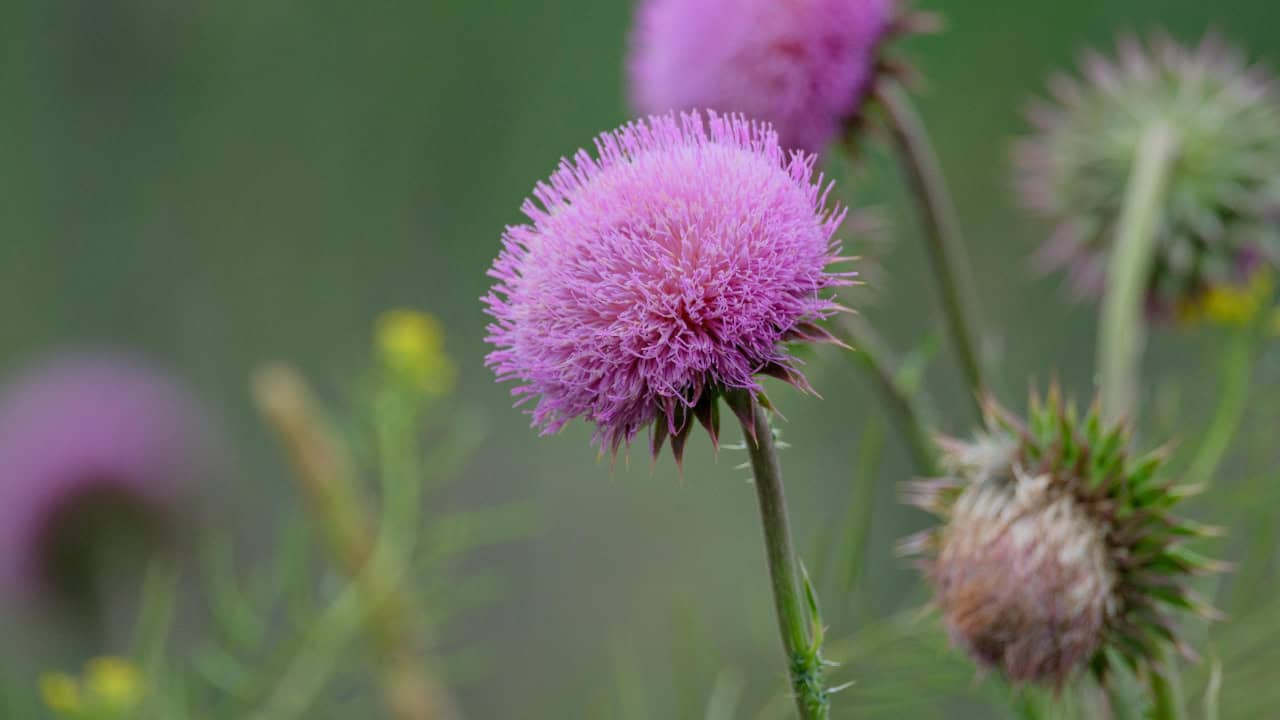
8. Thistles
Image Credit: Đào Thân/PexelsThistles are biennial weeds with spiny leaves and purple flowers. Their deep taproot and prolific seed production make them difficult to control. Regular weeding can help manage thistles. Be sure to remove the entire root, as thistles can regrow from root fragments. A selective herbicide may be necessary for larger infestations.
9. Ground Ivy
Image Credit: Freepik.Ground ivy, also known as creeping Charlie, is a perennial weed that forms a dense mat that chokes out your plants. It’s most common in shady, moist areas. Regular weeding can help control ground ivy. However, because it spreads via stolons (horizontal stems), it’s important to remove all of the plant, including the stems. A selective herbicide may be necessary for larger infestations.
10. Lambsquarters
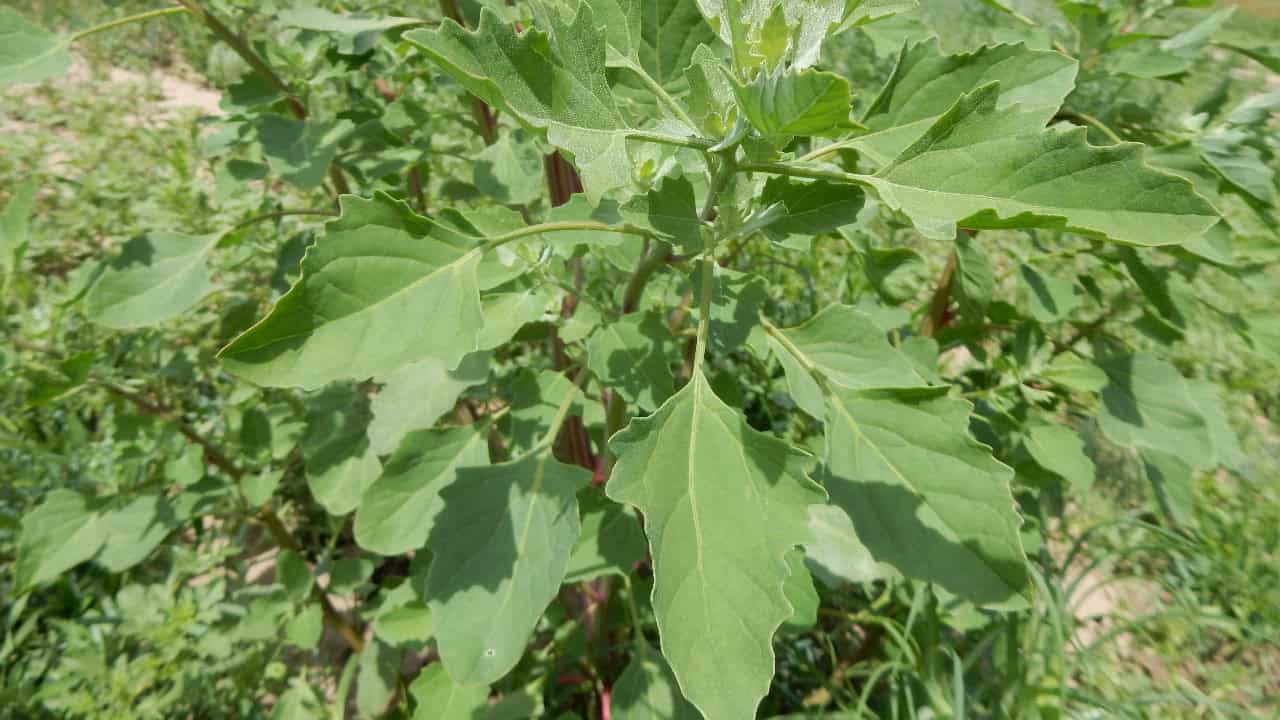
Image Credit: Matt Lavin from Bozeman, Montana, USA – CC BY-SA 2.0/Wiki CommonsLambsquarters is an annual weed that can grow up to five feet tall. It competes with your plants for nutrients and can quickly take over your garden if left unchecked. Regular weeding can help control lambsquarters. Because it produces a large number of seeds, it’s important to remove the plants before they have a chance to seed. A pre-emergent herbicide can also be effective.
11. Burdock
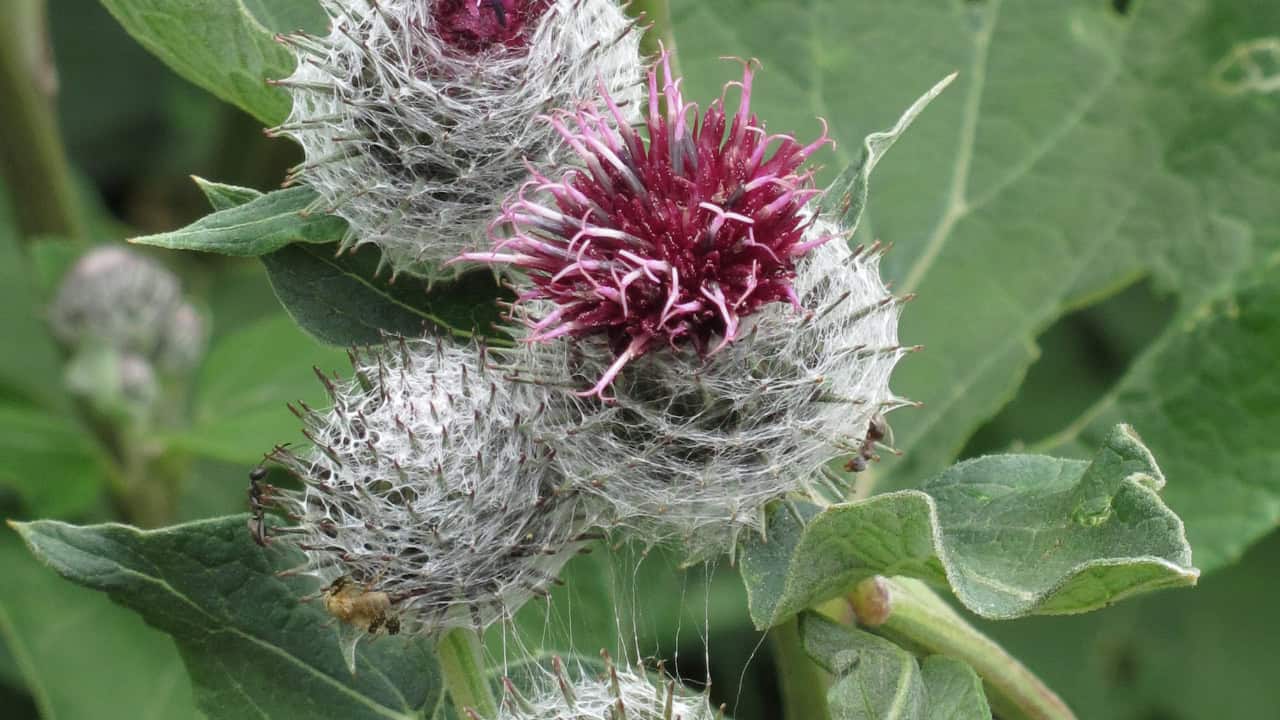
Image Credit: Robert Flogaus-Faust – CC BY 4.0/Wiki CommonsBurdock is a biennial weed that can grow up to six feet tall. Its large leaves can shade out your plants, and its bur-like seeds can stick to clothing and animal fur, spreading the weed far and wide. Regular weeding can help control burdock. Be sure to remove the entire root, as burdock can regrow from root fragments. A selective herbicide may be necessary for larger infestations.
12. Pigweed
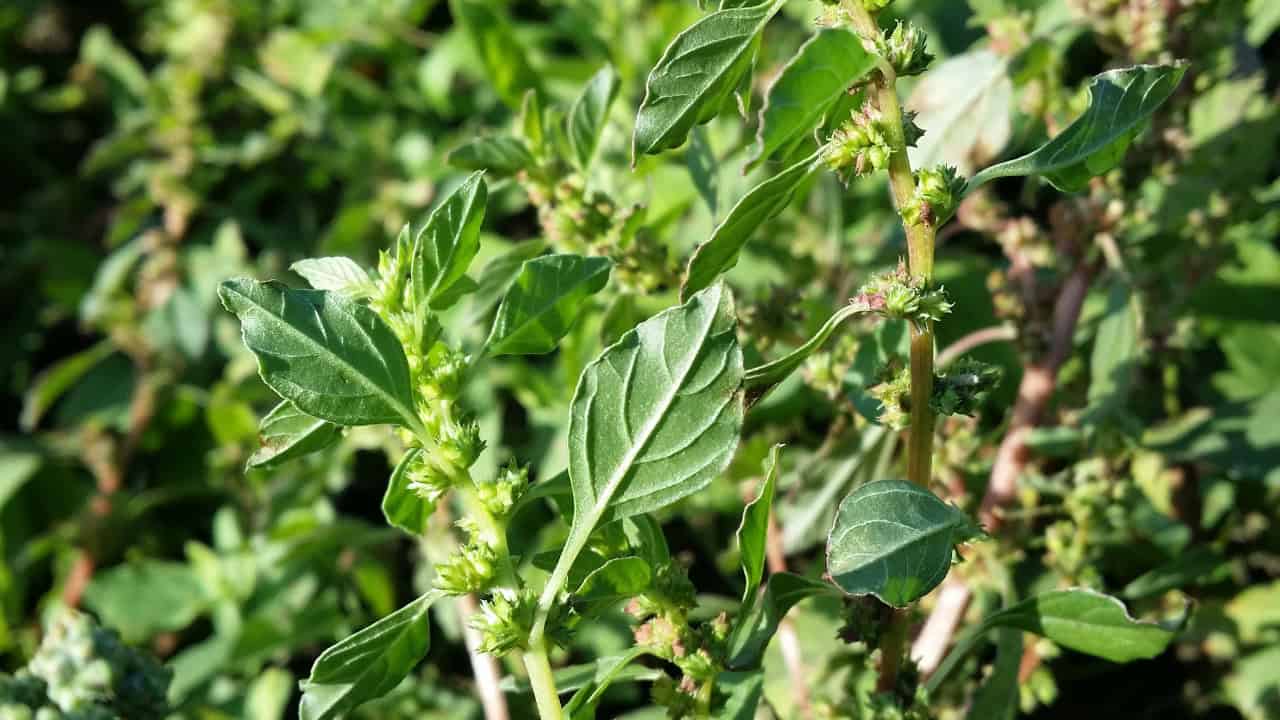
Image Credit: Stefan.lefnaer – CC BY-SA 4.0/Wiki CommonsPigweed is an annual weed that can grow up to six feet tall. It competes with your plants for nutrients and can produce thousands of seeds that can remain viable in the soil for years. Regular weeding can help control pigweed. Because it produces a large number of seeds, it’s important to remove the plants before they have a chance to seed. A pre-emergent herbicide can also be effective.
13. Chickweed
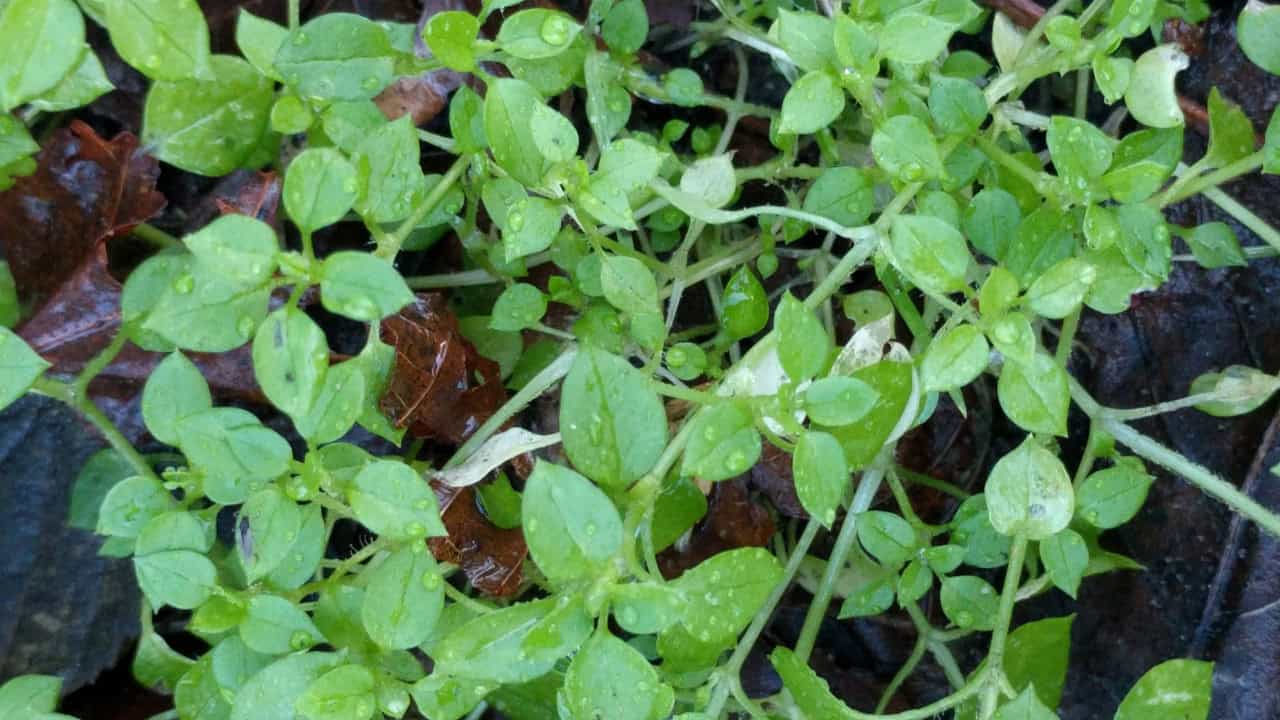
Image Credit: Michel Langeveld – CC BY-SA 4.0/Wiki CommonsChickweed is a winter annual weed that can quickly form a dense mat that smothers your plants. It thrives in cool, moist conditions. Regular weeding can help control chickweed. A pre-emergent herbicide applied in the fall can also be effective.
14. Ragweed
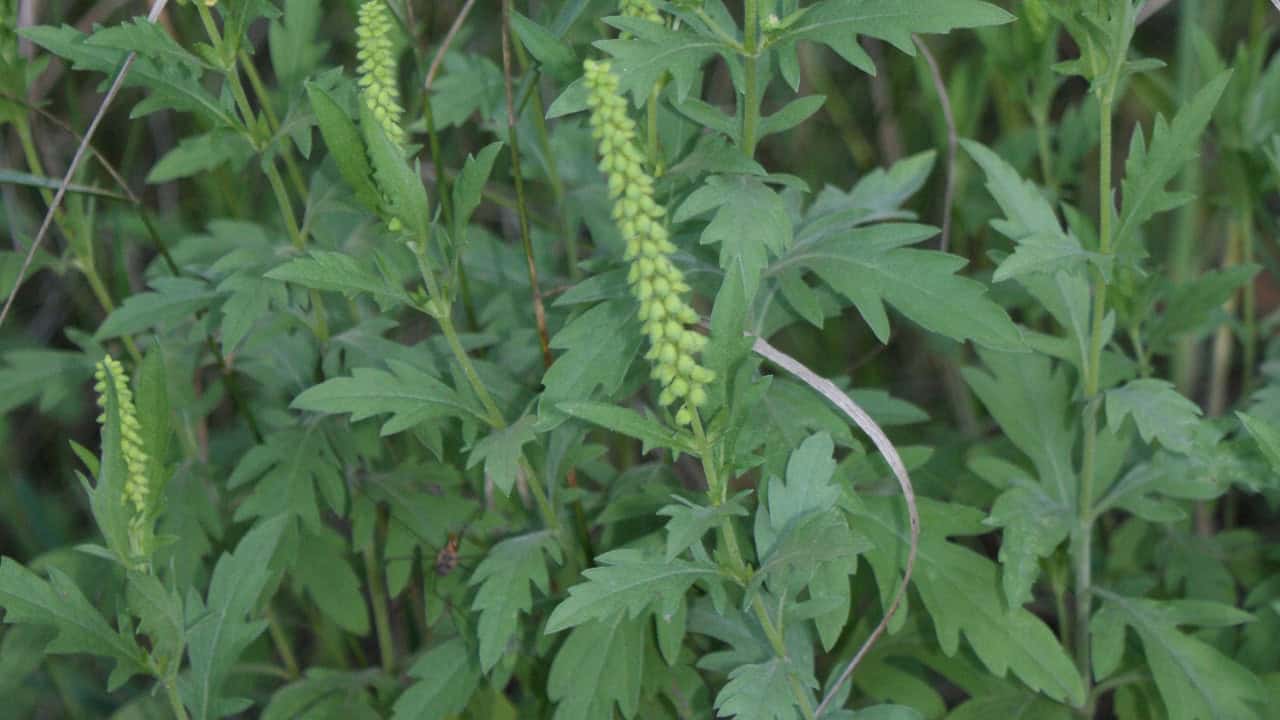
Image Credit: Krzysztof Ziarnek Kenraiz – CC BY-SA 4.0/Wiki CommonsRagweed is an annual weed that can grow up to six feet tall. It competes with your plants for nutrients and is also a major cause of hay fever. Regular weeding can help control ragweed. Because it produces a large number of seeds, it’s important to remove the plants before they have a chance to seed. A pre-emergent herbicide can also be effective.
15. Henbit
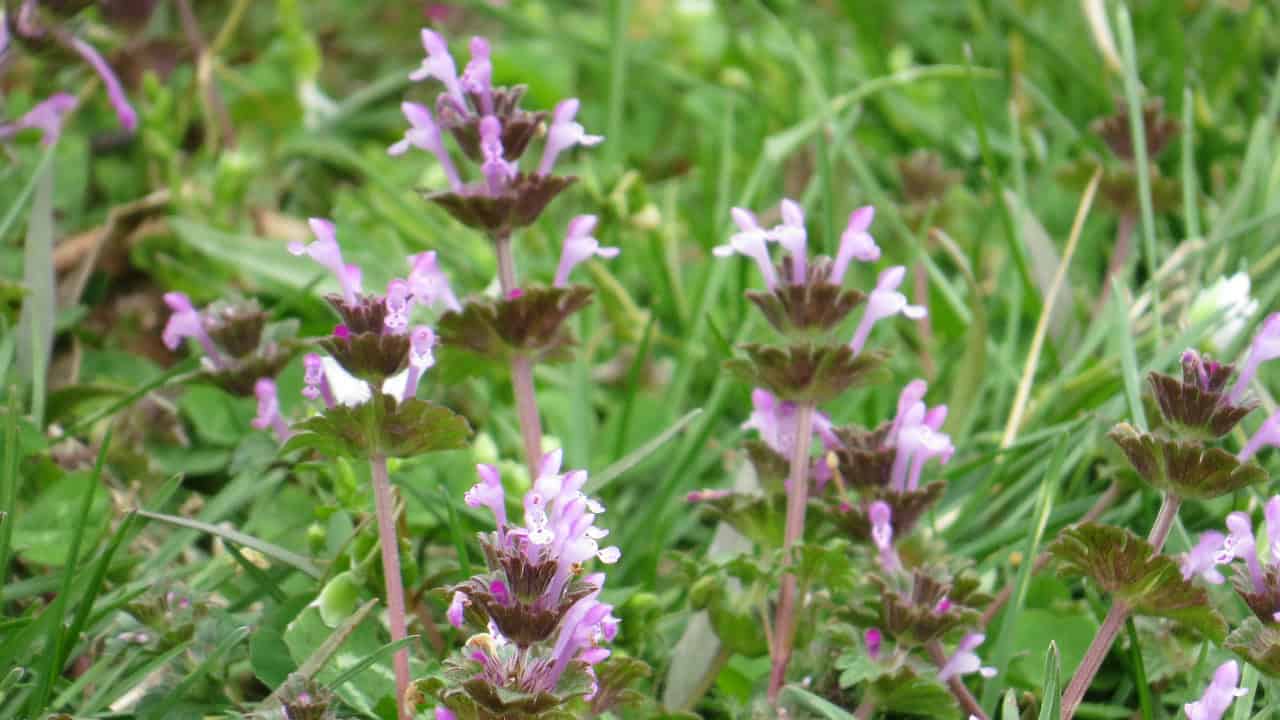
Image Credit: Andy Reago & Chrissy McClarren – CC BY 2.0/Wiki CommonsHenbit is a winter annual weed that can form a dense mat that smothers your plants. It thrives in cool, moist conditions. Regular weeding can help control henbit. A pre-emergent herbicide applied in the fall can also be effective.
16. Yellow Nutsedge
Image Credit: User: Blahedo – CC BY-SA 2.5/Wiki Commons
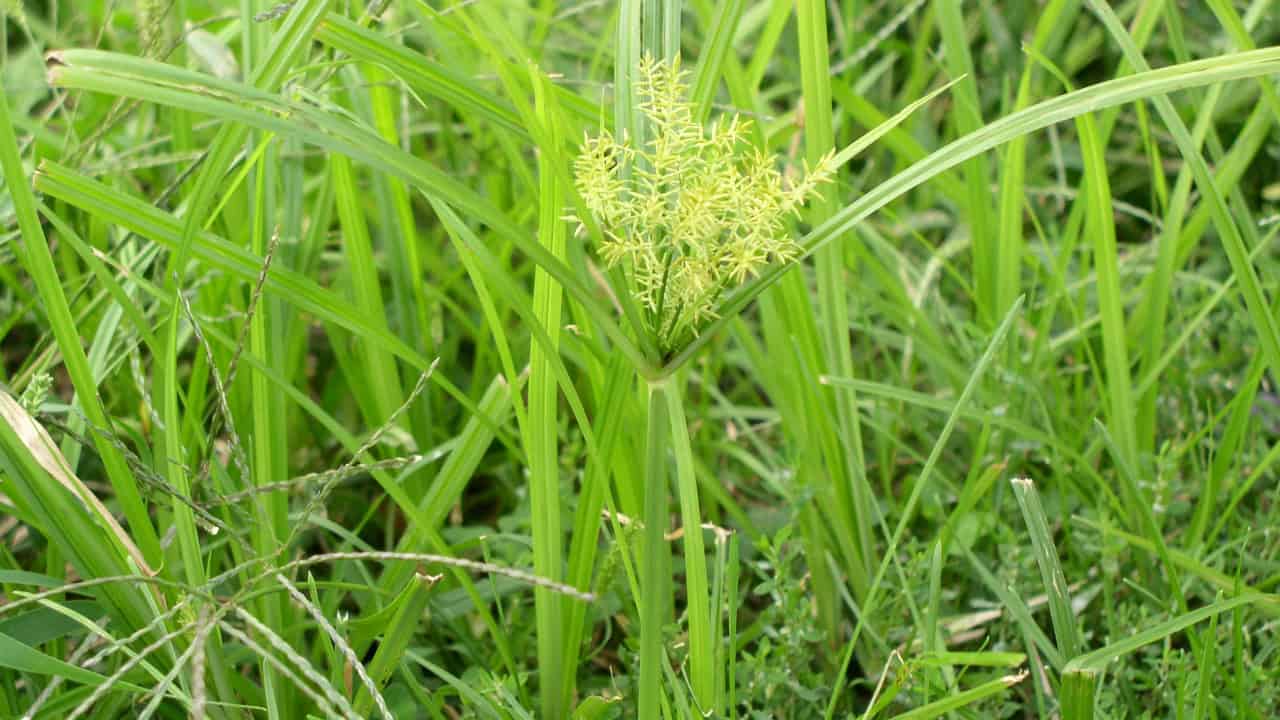
Yellow nutsedge is a perennial weed that’s particularly tricky to control due to its underground tubers. It prefers wet, poorly drained soil, but can survive in dry conditions as well. Regular mowing and hand-pulling can help manage small infestations of yellow nutsedge. However, for larger infestations, a selective herbicide may be necessary. Improving your soil’s drainage can also discourage its growth.
17. Canada Thistle
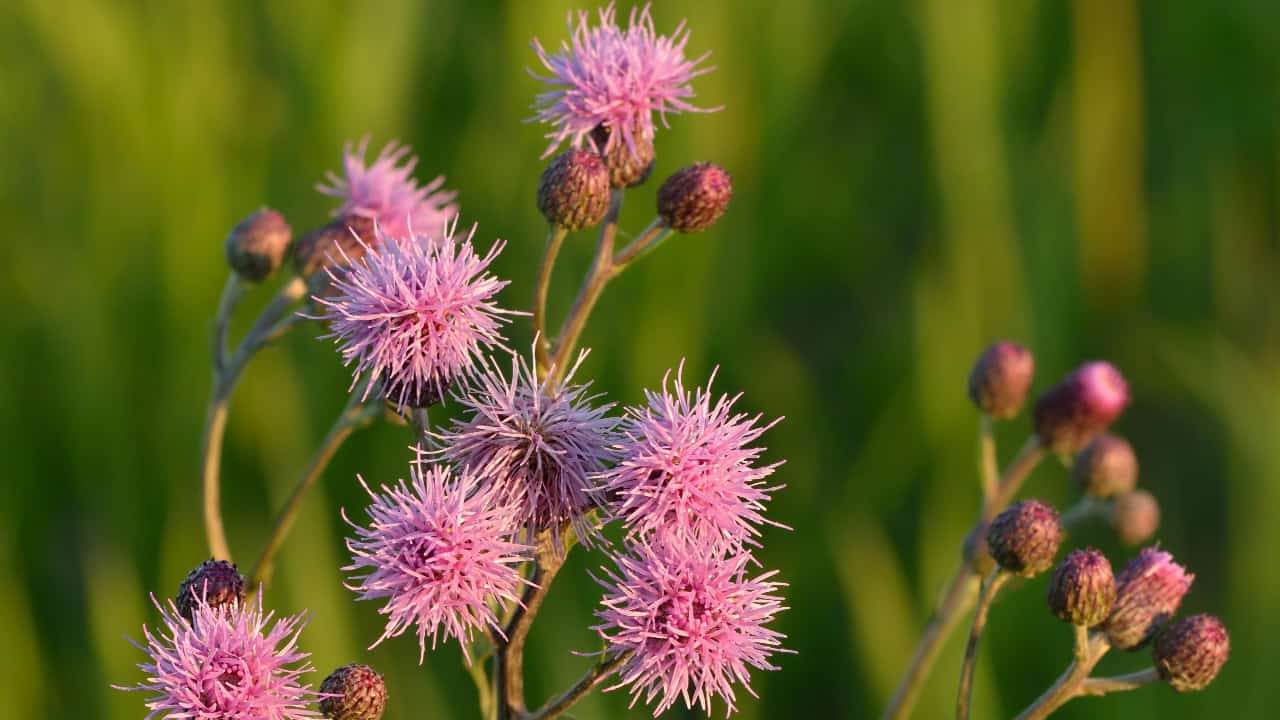
Image Credit: Ivar Leidus – CC BY-SA 3.0/Wiki CommonsCanada thistle is a perennial weed with spiny leaves and purple flowers. Its deep root system and prolific seed production make it difficult to control. Regular weeding can help manage Canada thistle. Be sure to remove the entire root, as thistles can regrow from root fragments. A selective herbicide may be necessary for larger infestations.
18. Plantain
Image Credit: Any Lane/PexelsPlantain is a perennial weed that can form a dense mat that smothers your plants. Its broad leaves can shade out your plants, and it can survive in a wide range of conditions. Regular weeding can help control plantain. Because it spreads via stolons (horizontal stems), it’s important to remove all of the plant, including the stems. A selective herbicide may be necessary for larger infestations.