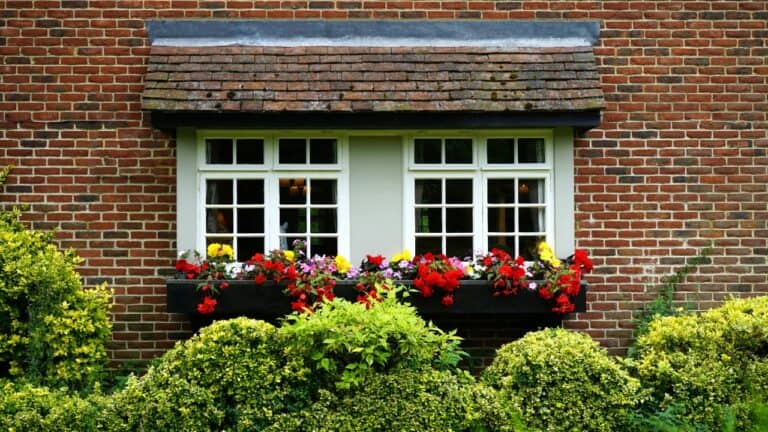
While we often look for tips and advice on how to make our gardens thrive, it’s equally important to understand what not to do. A beautiful, lush garden can easily be sabotaged by a few common, yet disastrous, gardening mistakes. This list of 18 ways to sabotage your garden is not intended as a guide for destruction, but rather a lesson in prevention. By understanding these common pitfalls, you can ensure you’re providing your plants with the best possible care.
1. Overwatering Your Plants
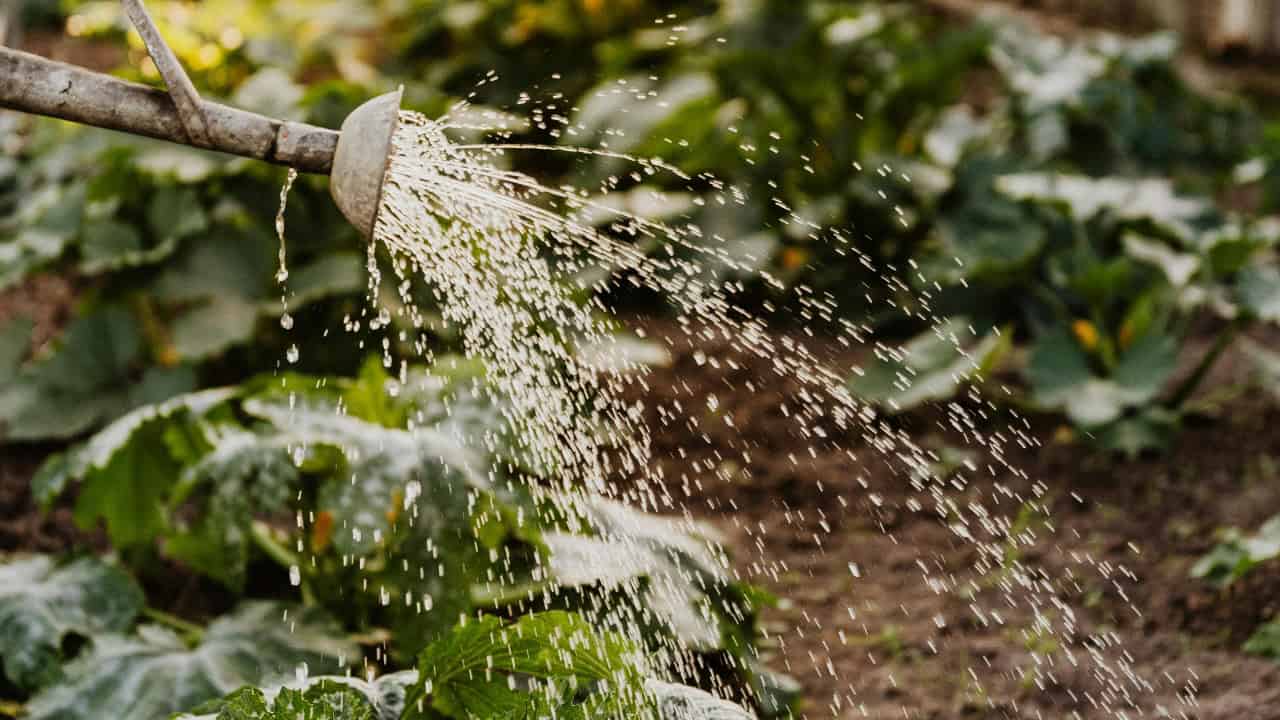
Overwatering is one of the most common mistakes made by gardeners, especially beginners. While it’s important to keep your plants hydrated, too much water can actually do more harm than good. Overwatering can lead to a condition known as root rot, which can be fatal for your plants.
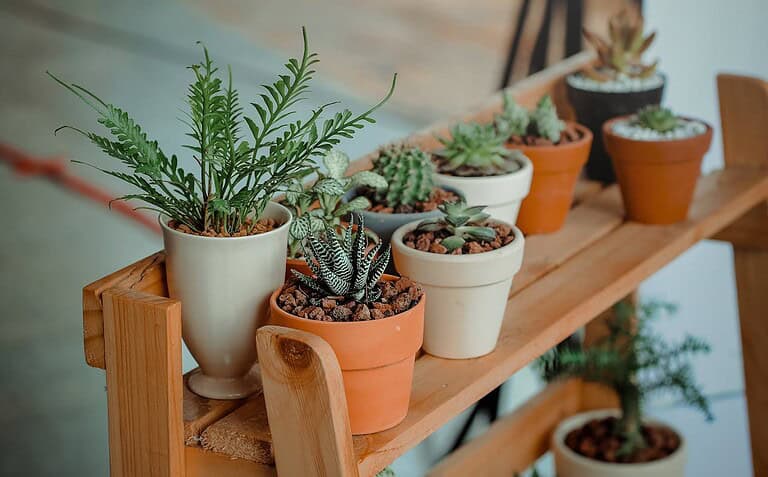
A general rule of thumb is to water your plants when the top inch of soil is dry. However, different plants have different watering needs, so it’s important to understand the specific requirements of each plant in your garden. For example, succulents and cacti require much less water than other plants, while ferns and peace lilies thrive in a more humid environment.
Advertisement
2. Ignoring Soil Quality

The quality of your soil is fundamental to the success of your garden. Poor soil quality can lead to unhealthy, weak plants, or even prevent plants from growing altogether. Soil that is too sandy won’t hold onto water or nutrients well, while clay-heavy soil can become waterlogged and suffocate plant roots.
To maintain good soil health, it’s important to incorporate organic matter like compost or well-rotted manure regularly. This not only improves the soil structure but also introduces beneficial microorganisms that contribute to plant health. If you’re unsure about the quality of your soil, consider getting a soil test. This can provide valuable information about the soil’s pH level and nutrient content.
3. Planting Too Close Together
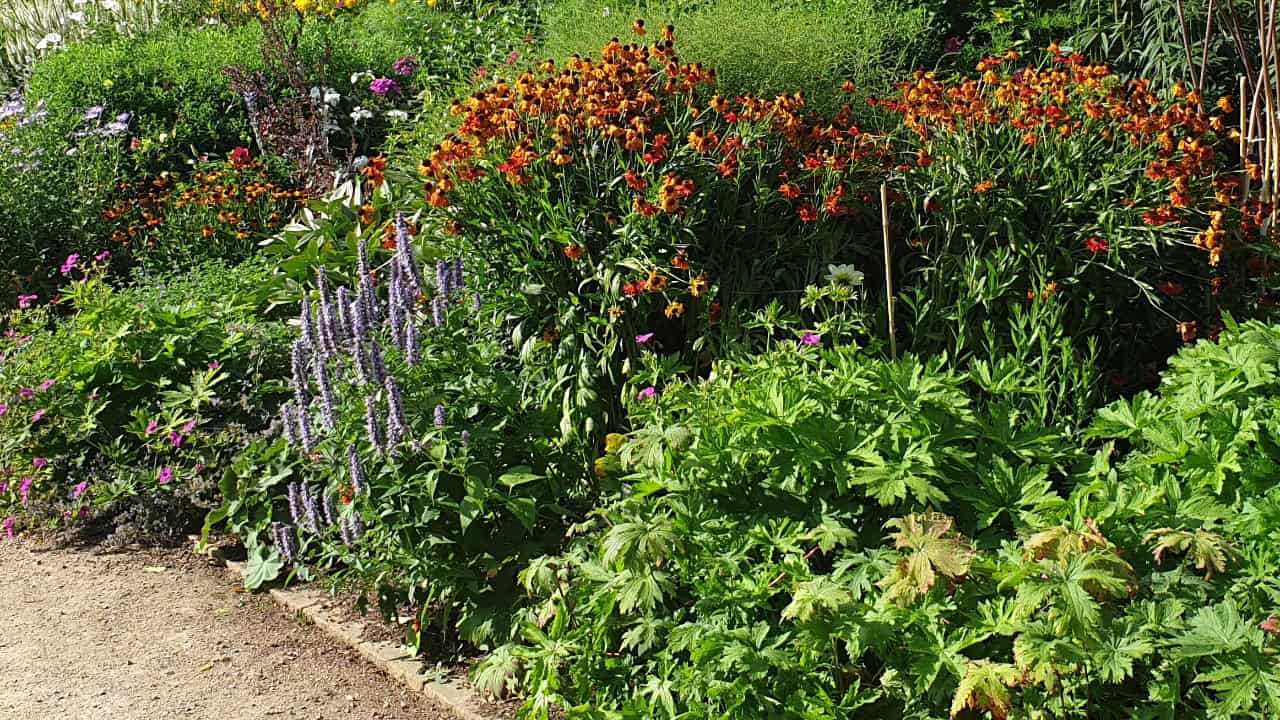
When planting your garden, it can be tempting to pack as many plants as possible into the space. However, planting too close together can lead to competition for resources, such as sunlight, water and nutrients. This can result in weaker, smaller plants and increase the likelihood of disease spreading between plants.
To avoid this, make sure you’re giving your plants enough room to grow. Each plant has different spacing requirements, so make sure to read the plant tag or seed packet for specific instructions. Generally, larger plants need more space than smaller ones, and vegetables often need more room than flowers.
4. Neglecting Weeds
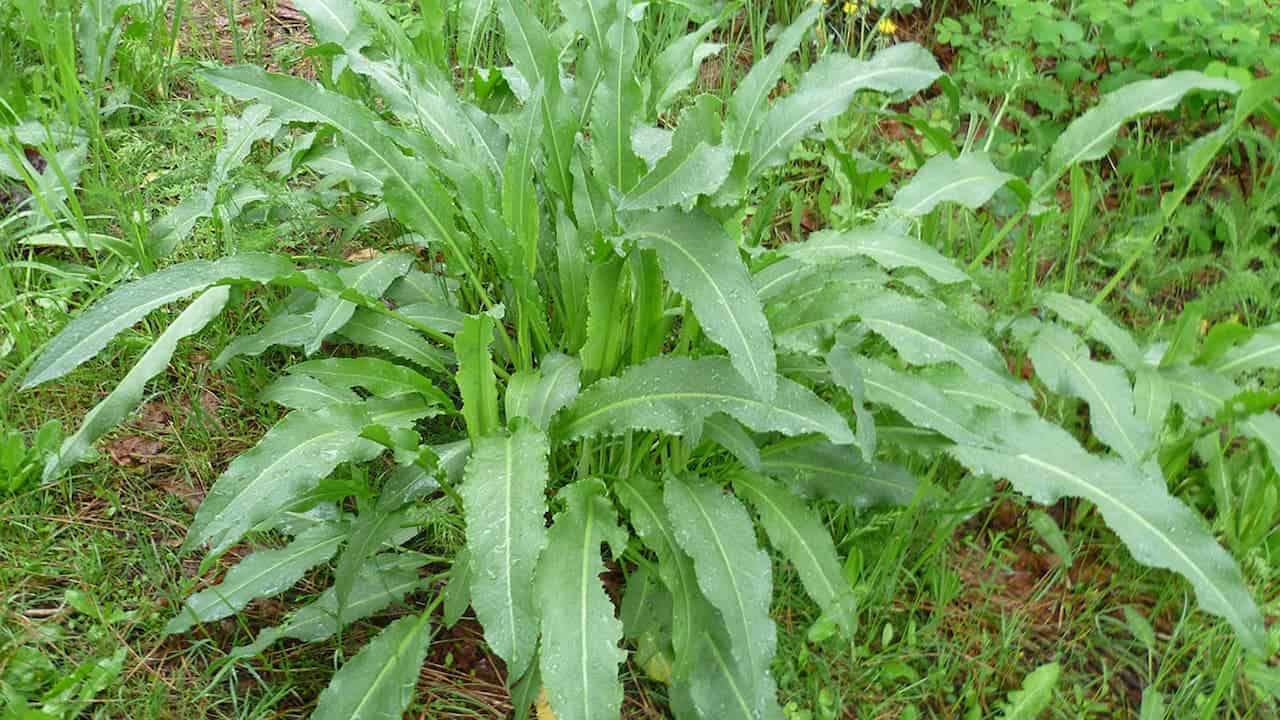
Weeds are not just unsightly, they can also be detrimental to your garden. They compete with your plants for resources and can even harbor pests and diseases. Ignoring weeds and allowing them to spread can quickly sabotage your garden.
Regular weeding is essential for a healthy garden. Pulling out weeds by hand can be time-consuming, but it’s often the most effective method. Mulching can also help suppress weeds and prevent them from germinating. If you’re dealing with a large weed problem, consider using a selective herbicide that won’t harm your plants.
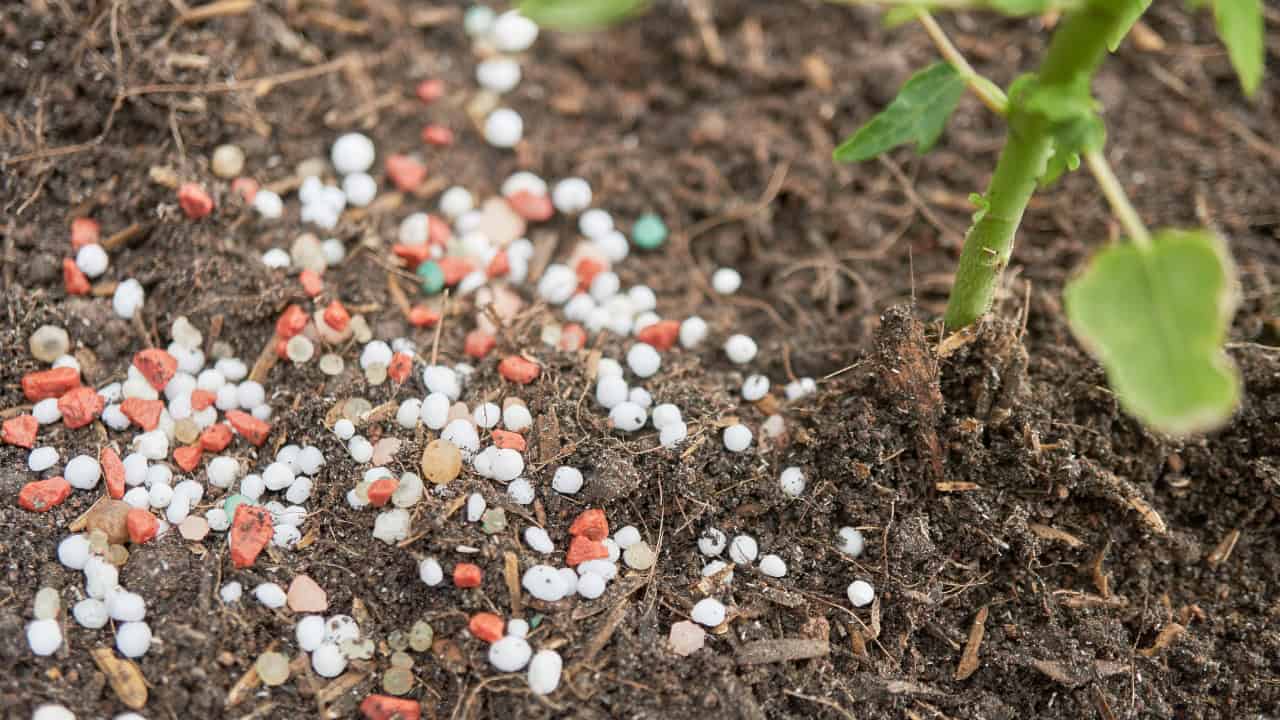
5. Over-Fertilizing
6. Not Pruning
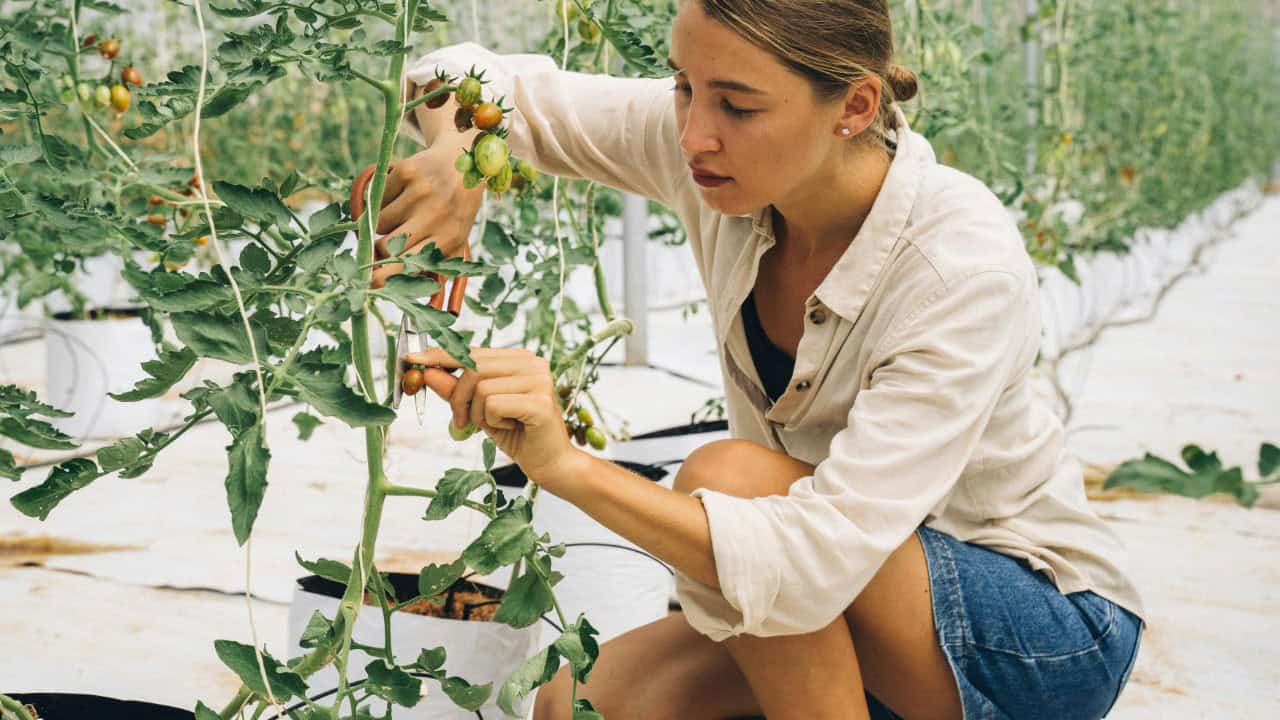
Pruning is an essential gardening task that many people neglect. Without regular pruning, plants can become overgrown and unruly. This can lead to decreased air circulation, which can increase the risk of disease.
Pruning should be done at the right time of year for each specific plant. Most flowering plants benefit from being pruned after they’ve finished blooming, while many trees and shrubs should be pruned in late winter or early spring. Always use clean, sharp pruning shears to avoid spreading disease between plants.
7. Ignoring Pests
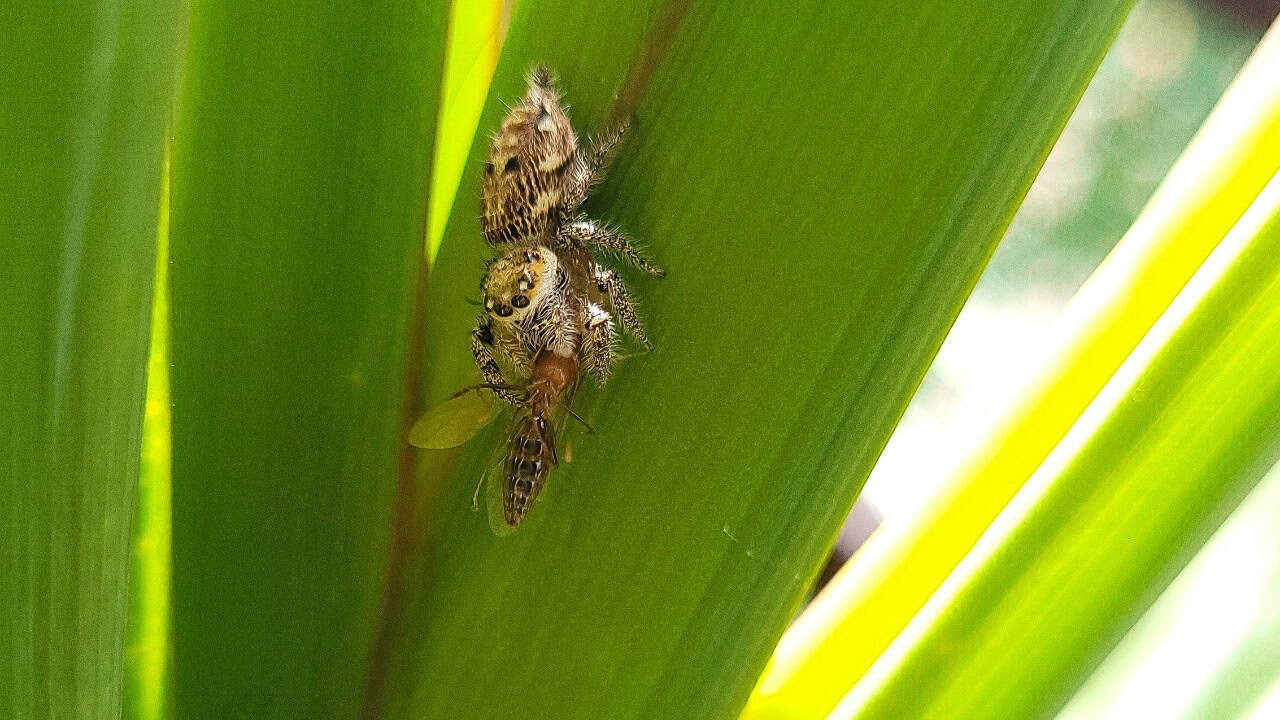
Pests can quickly wreak havoc on a garden. From nibbling on leaves to spreading disease, pests can cause a lot of damage if left unchecked.
Regularly inspect your plants for signs of pests, such as holes in leaves, discolored spots, or a sticky residue. If you spot pests, try using an organic pesticide or introducing beneficial insects, like ladybugs or lacewings, which are natural predators of many common garden pests.
8. Planting in the Wrong Location

Different plants have different light, soil, and moisture requirements. Planting them in the wrong location, such as a shade-loving plant in full sun, can stress the plants and lead to poor growth or even death.
Before planting, research each plant’s specific requirements. Consider factors like sunlight exposure, soil type, and drainage when choosing a location for each plant in your garden.
9. Not Planning for Growth
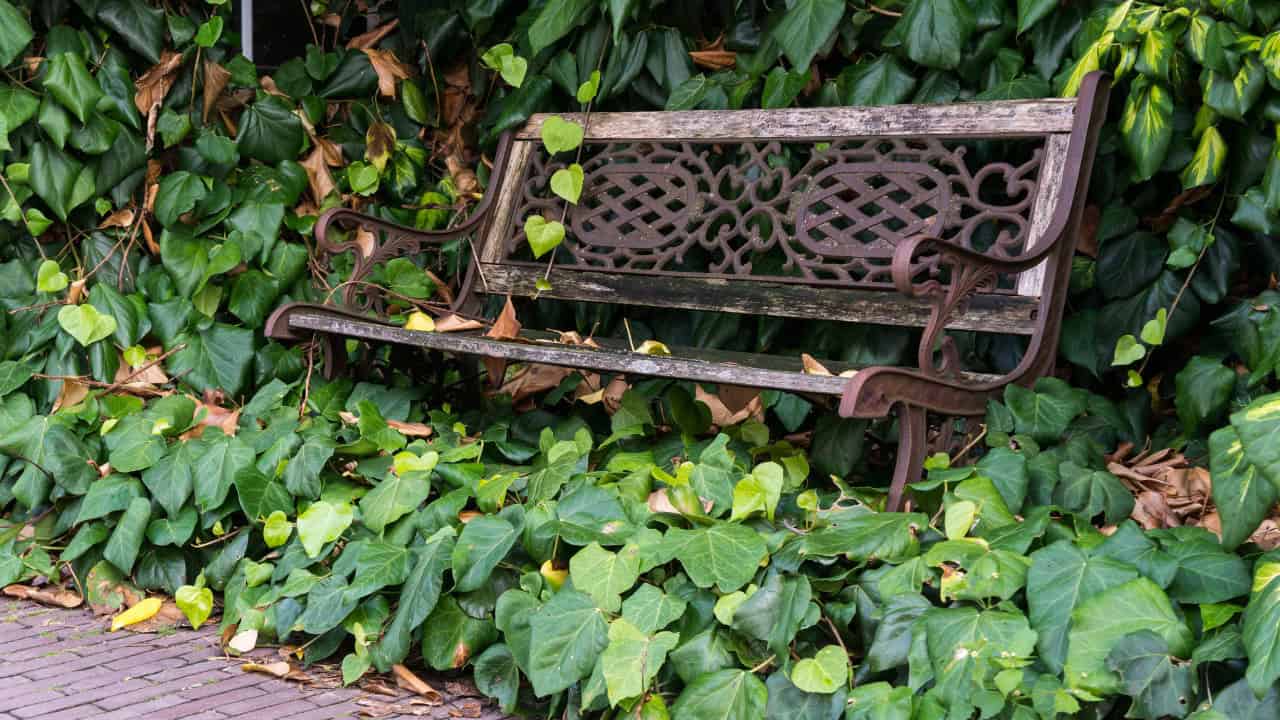
Many plants can grow quite large, and failing to account for this growth can lead to overcrowding and competition for resources.
When planting, consider the mature size of each plant and space them accordingly. This will give them plenty of room to spread out and grow without encroaching on each other’s space.
10. Choosing the Wrong Plants
11. Ignoring Planting Times
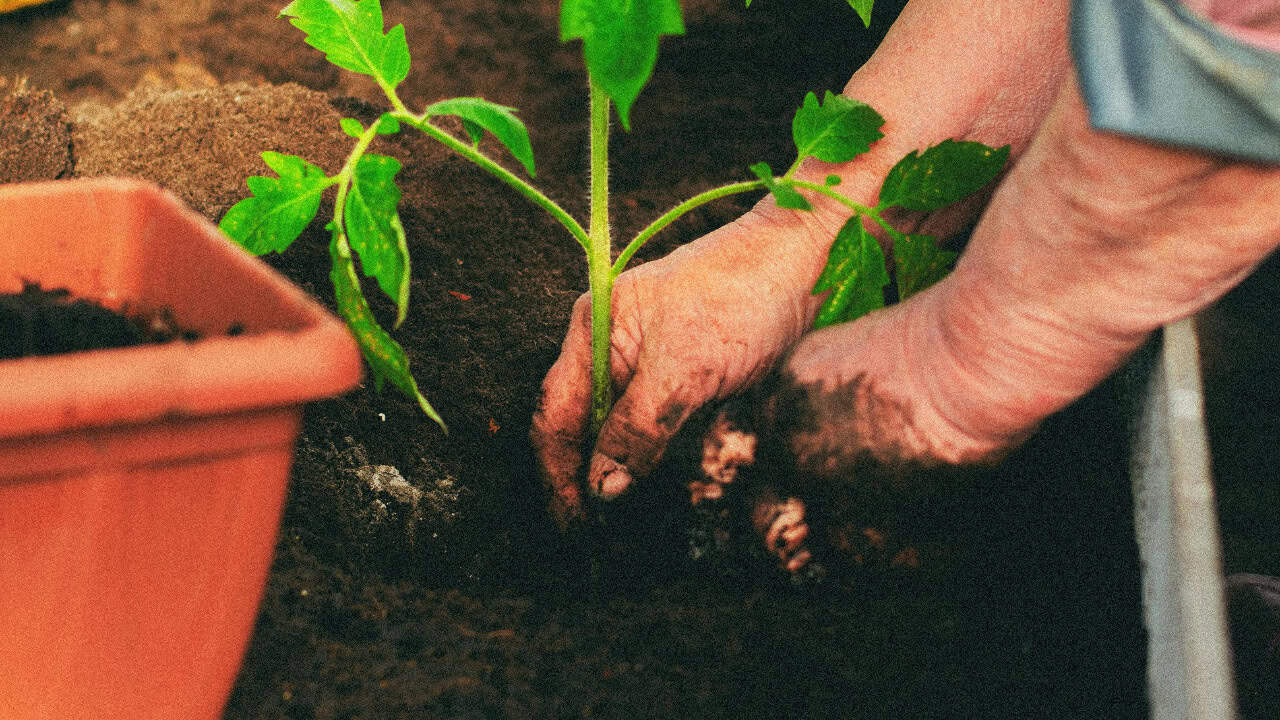
Different plants have different planting times, and ignoring these can lead to poor growth or failed plants.
Always check the recommended planting times for each plant. Some plants, like tomatoes, should be started indoors before being transplanted outside, while others, like peas, can be sown directly into the ground.
12. Neglecting Mulch

Mulch is a gardener’s best friend. It helps retain moisture, suppress weeds, and improve soil health. Neglecting to mulch can lead to a multitude of problems.
Apply a 2-3 inch layer of organic mulch around your plants each year. This will help keep the soil cool in the summer and warm in the winter, and it will gradually break down to improve the soil’s fertility and structure.
13. Overlooking pH Levels

Soil pH affects how well plants can take up nutrients from the soil. Ignoring pH levels can lead to nutrient deficiencies and poor plant health.
Test your soil’s pH and adjust it if necessary. Most plants prefer a pH between 6 and 7, but some plants, like blueberries and azaleas, prefer more acidic soil.
14. Not Rotating Crops
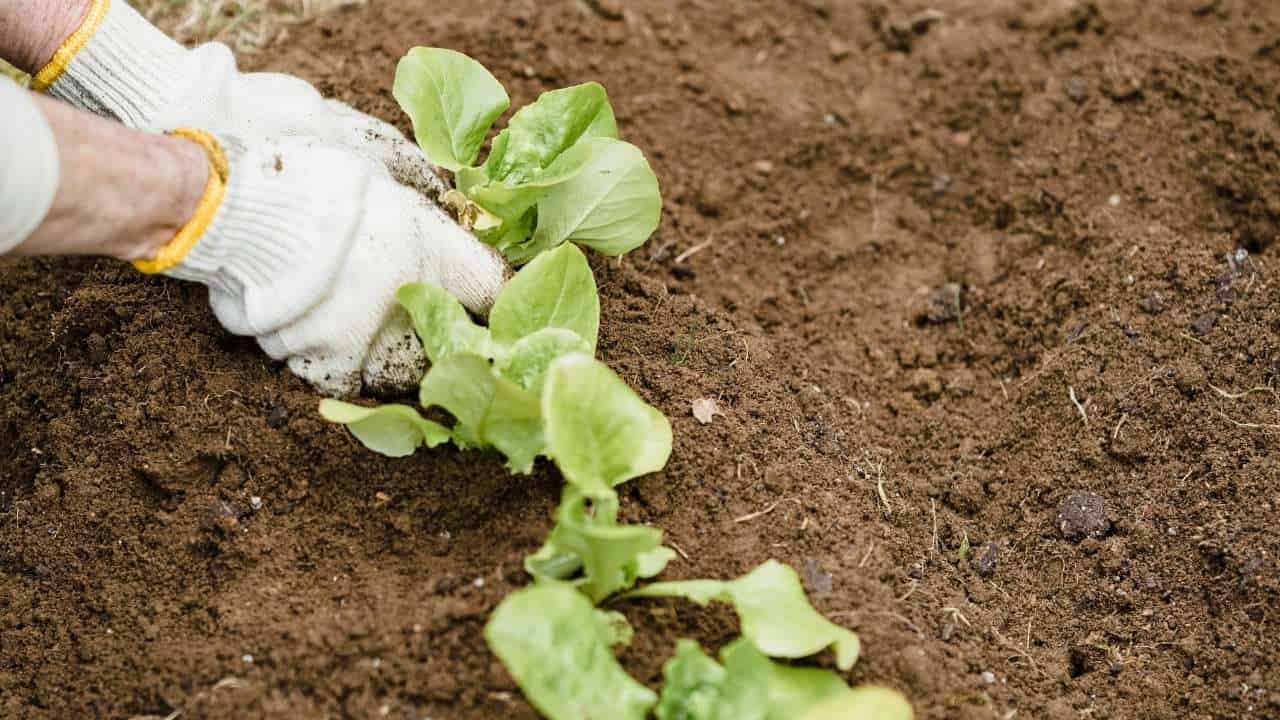
Crop rotation is crucial for maintaining soil health and preventing disease. Planting the same crop in the same place year after year can deplete the soil and encourage the buildup of pests and diseases.
Rotate your crops each year, ideally in a 3 or 4 year cycle. This will help keep the soil fertile and reduce the risk of disease.
15. Planting Non-Native Species
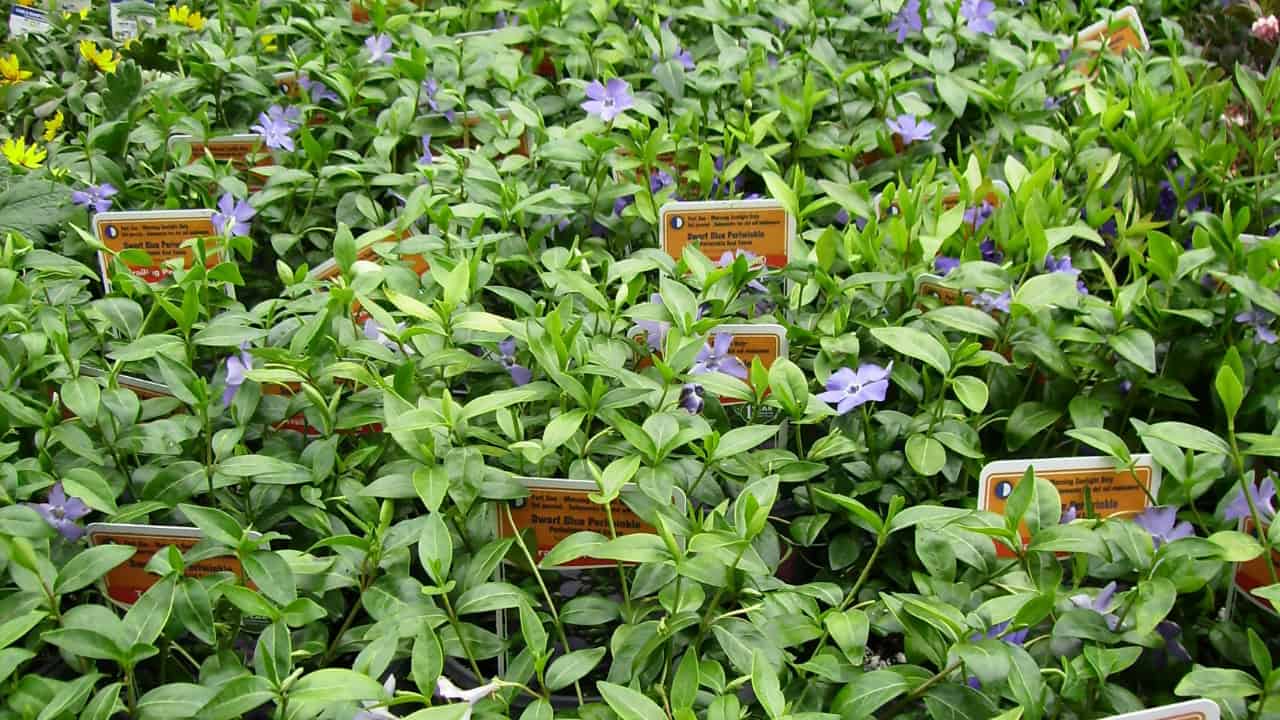
Try to plant native species whenever possible. They’re adapted to your local conditions and will often require less maintenance than non-native plants.
16. Ignoring Compost
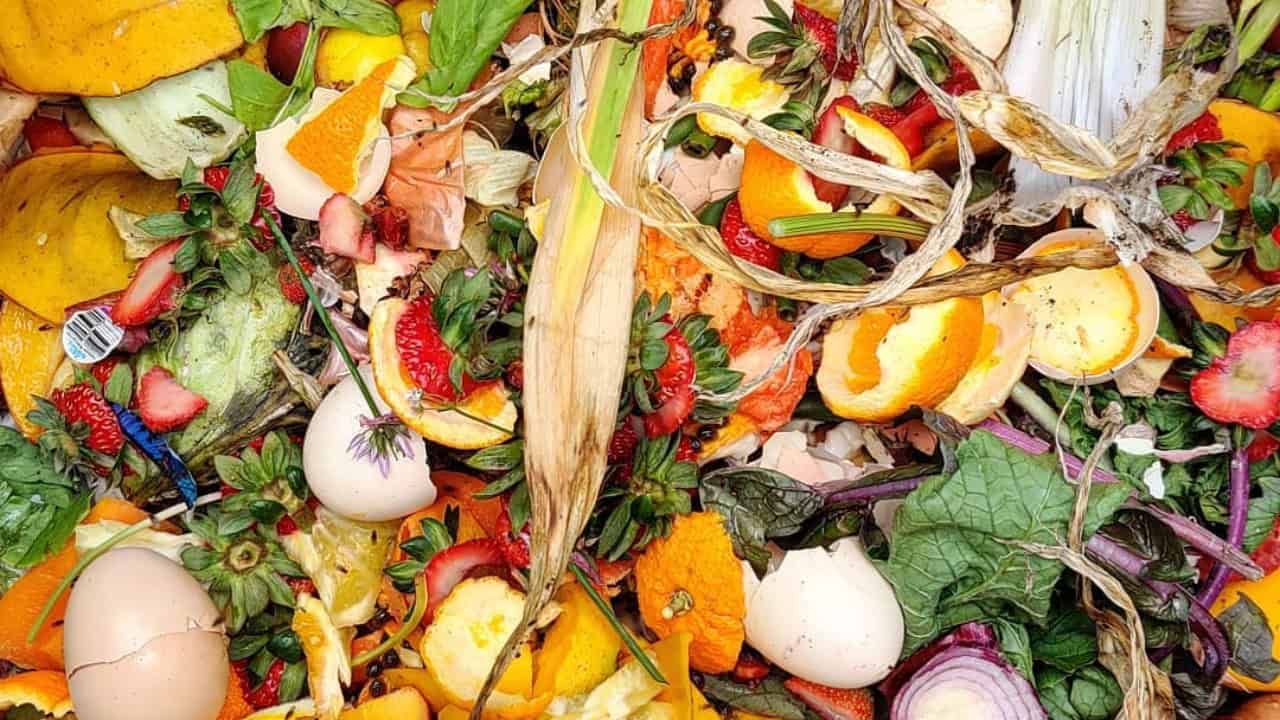
Compost is a fantastic soil amendment that can improve soil structure, provide nutrients, and increase soil fertility. Ignoring compost can lead to poor soil health.
Start a compost pile in your backyard and add kitchen scraps, yard waste, and other organic material. Turn the pile regularly to help it decompose, and add the finished compost to your garden beds each year.
17. Not Cleaning Tools
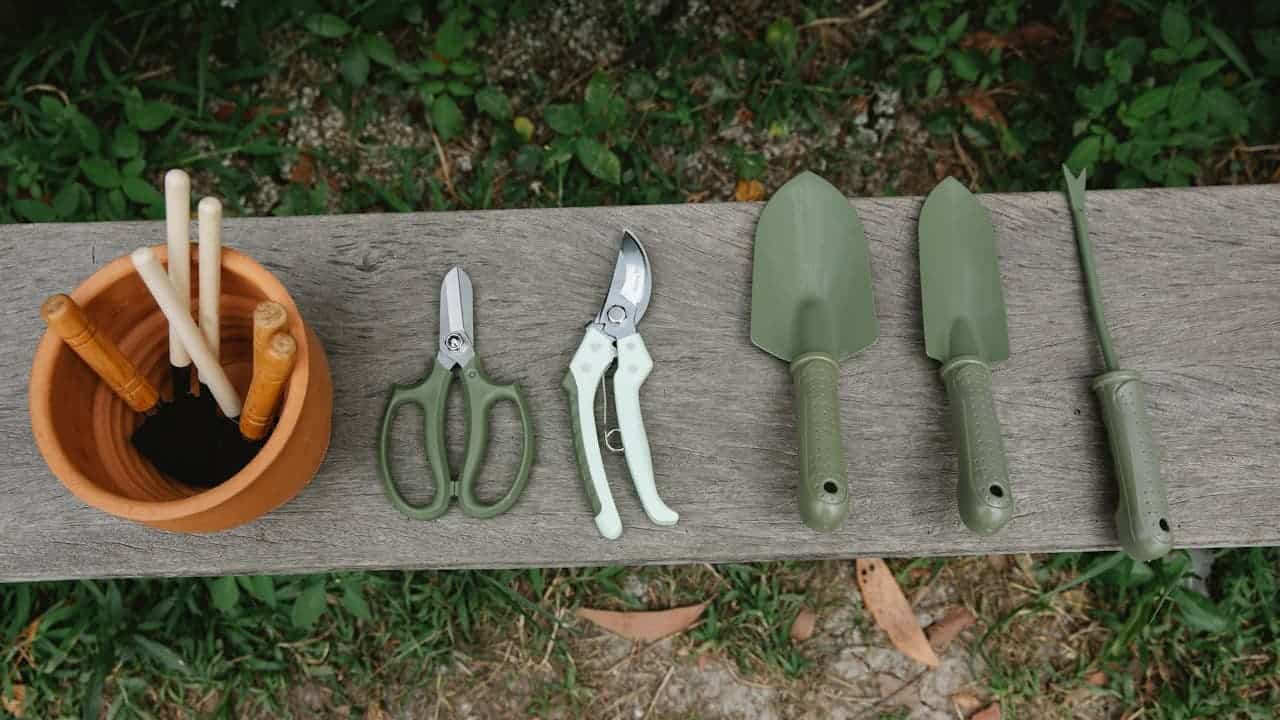
Dirty tools can spread disease between plants. Not cleaning your tools can lead to the spread of fungal, bacterial, and viral diseases.
Clean your tools regularly, especially after using them on diseased plants. A simple solution of bleach and water can be used to disinfect tools.
18. Not Enjoying the Process

Gardening should be a joy, not a chore. If you’re not enjoying the process, you’re less likely to put in the time and effort required to maintain a healthy garden.
Take time to enjoy your garden. Stop to smell the flowers, watch the butterflies, and enjoy the fruits (and vegetables!) of your labor. After all, a garden is more than just a collection of plants; it’s a place of beauty and enjoyment.