Soil health, like human health, is vital for the well-being of our planet. It’s the foundation of all terrestrial life supporting plant growth, storing and filtering water, recycling nutrients, and providing habitat for billions of organisms. However, we often neglect the soil health, leading to its degradation, which, in turn, affects our food production and environment. It’s high time we recognized the mistakes we’re making and take corrective measures.
Today, we’ll explore 18 ways we might be unintentionally killing our soil health.
Advertisement
1. Overuse of Chemical Fertilizers

Chemical fertilizers might seem like a quick fix to enhance plant growth, but they’re a double-edged sword. They might provide essential nutrients in the short term, but their excessive use can lead to soil degradation in the long run. Chemical fertilizers can kill beneficial soil organisms, disrupt the natural nutrient cycle, and increase the soil’s acidity, making it less fertile. For instance, excess nitrogen from fertilizers can lead to soil acidification, affecting the availability of essential nutrients like phosphorus, potassium, and calcium. Moreover, it can pollute groundwater, contributing to the eutrophication of bodies of water, leading to massive fish kills. Instead, consider using organic fertilizers or practicing crop rotation, which can naturally replenish soil nutrients.
2. Overwatering

Just like plants, soil needs a balance of water and air for optimal health. Overwatering your plants can lead to waterlogged soil, which can suffocate the roots and beneficial soil organisms. This can lead to root rot, soil compaction, and nutrient leaching, all of which are detrimental to soil health. For example, constantly waterlogged soil can deplete the oxygen levels, causing plant roots to drown and die. This can also create an environment for anaerobic bacteria, which can produce harmful toxins. To prevent overwatering, consider implementing an irrigation system that allows you to control the amount and frequency of water application.
3. Monoculture Farming

Monoculture, the practice of growing a single crop over a large area for many years, can deplete soil nutrients and promote the spread of pests and diseases. This practice fails to mimic nature’s diverse ecosystem, which naturally replenishes nutrients and controls pests. For instance, corn, a common monoculture crop, is notorious for depleting soil nitrogen. Growing corn year after year can exhaust this essential nutrient, requiring farmers to apply more and more synthetic fertilizers. Instead, consider implementing crop rotation or intercropping, which can help preserve soil nutrients and disrupt pest cycles.
4. Overgrazing
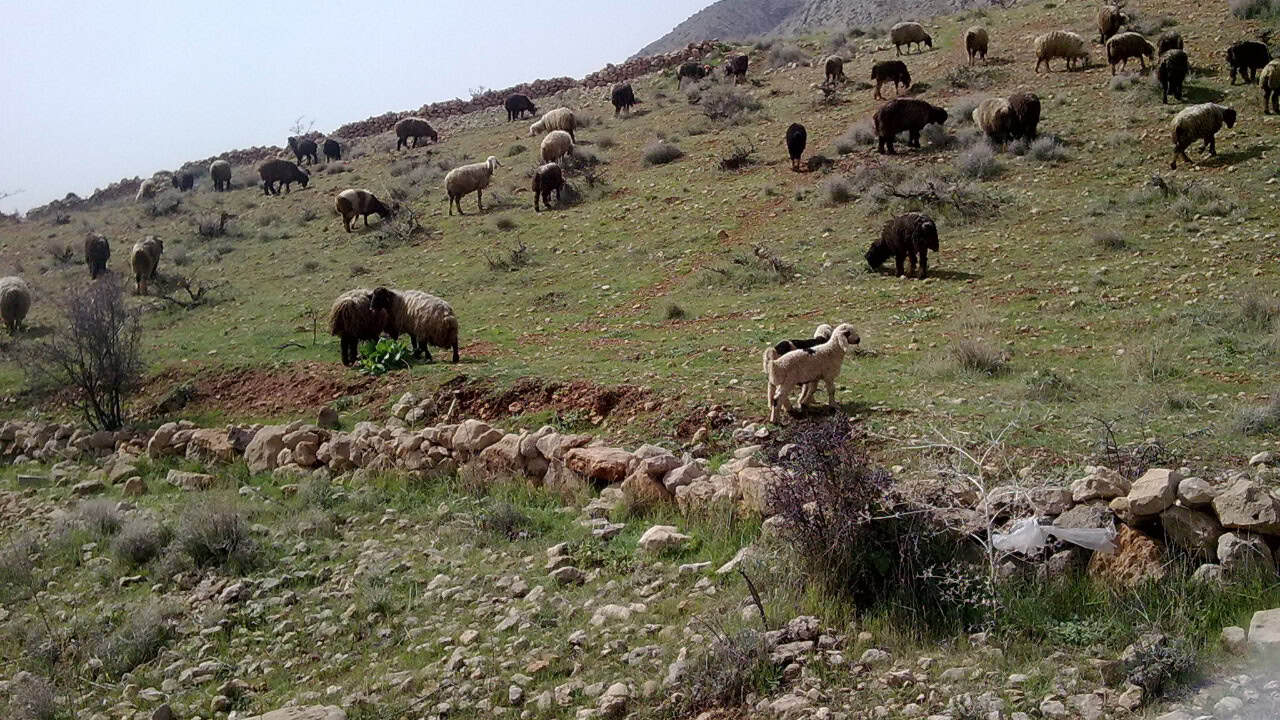
Overgrazing, where livestock feed on grasses faster than they can regrow, can lead to soil erosion and compaction. This practice can strip the soil of its protective vegetation, making it vulnerable to wind and water erosion. Additionally, it can compact the soil, making it difficult for water and air to penetrate. For example, in the arid regions of Africa, overgrazing has led to desertification, turning once fertile lands into barren deserts. To prevent this, consider implementing rotational grazing, allowing pastures time to recover before they’re grazed again.
5. Ignoring Soil pH

Soil pH, a measure of soil acidity or alkalinity, plays a significant role in nutrient availability. Ignoring soil pH can lead to nutrient deficiencies or toxicities, affecting plant growth and soil health. For instance, iron is more available in acidic soils, while phosphorus is more available in slightly acidic to neutral soils. If your soil pH is too high or too low, it can lock up essential nutrients, making them unavailable to plants. Regularly testing your soil pH and making necessary adjustments can help maintain optimal nutrient availability.
6. Burning Crop Residues

Burning crop residues might seem like an easy way to prepare fields for the next planting season, but it can harm soil health. This practice can kill beneficial soil organisms, deplete soil organic matter, and contribute to air pollution. For example, burning rice residues can release harmful pollutants like carbon monoxide, methane, and nitrous oxide. Instead, consider incorporating crop residues into the soil, which can enhance soil organic matter and improve soil structure.
7. Over-Tillage
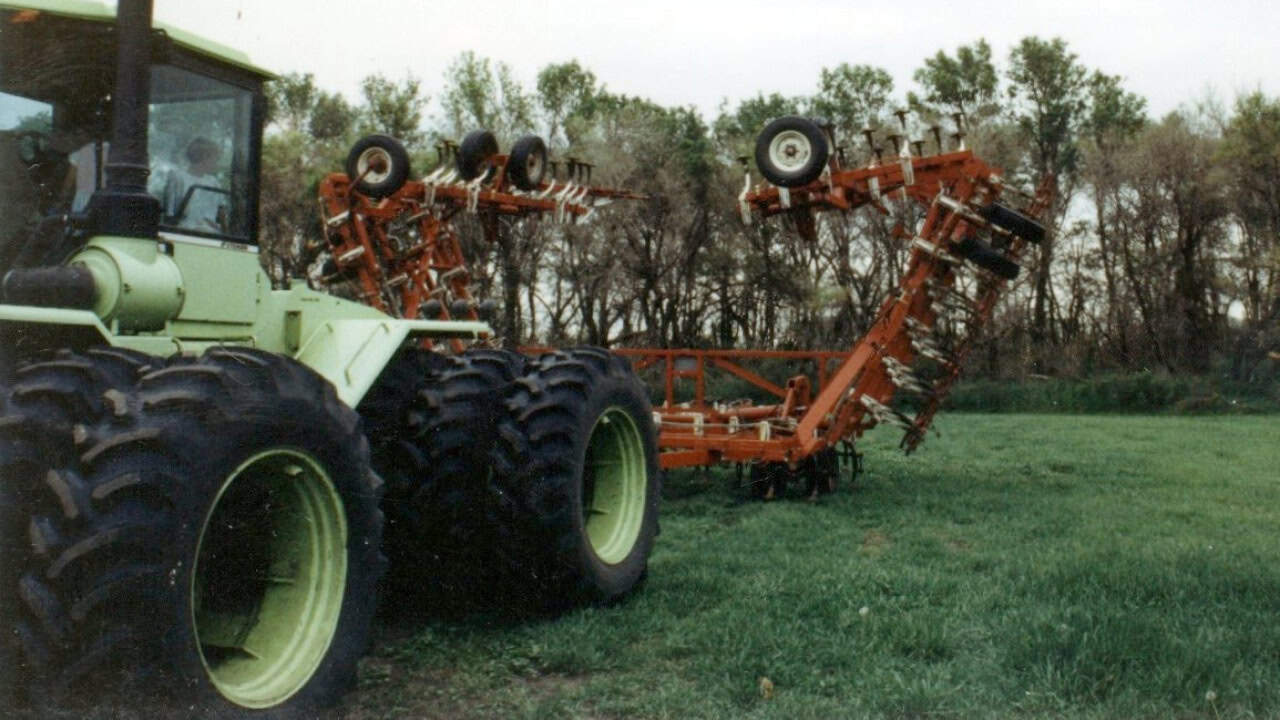
Tillage, the process of breaking up soil to prepare for planting, can harm soil health when done excessively. Over-tillage can disrupt soil structure, cause soil compaction, and increase the risk of soil erosion. For instance, conventional tillage can break up soil aggregates, reducing soil’s ability to hold water and nutrients. Instead, consider implementing reduced tillage or no-till farming practices, which can preserve soil structure and enhance soil health.
8. Neglecting Cover Crops
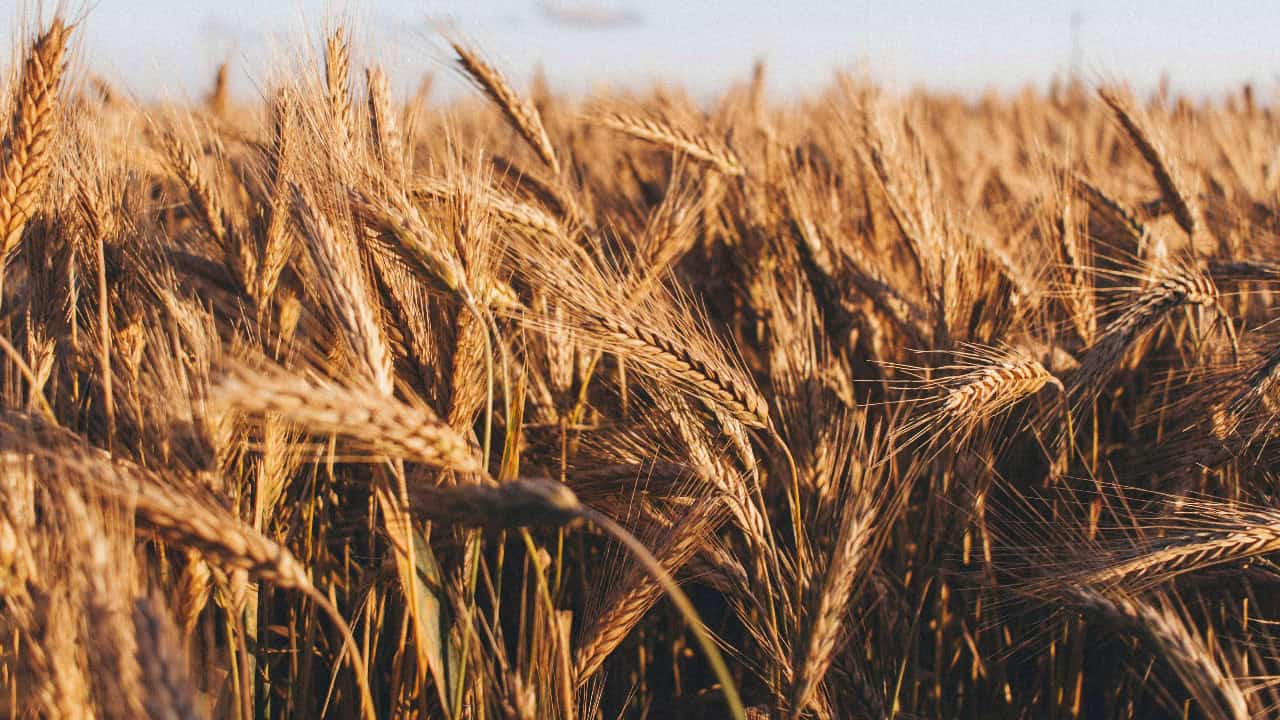
Skipping cover crops can leave your soil bare and vulnerable to erosion. Cover crops, like clover or rye, can protect the soil, suppress weeds, and improve soil fertility. For instance, legume cover crops can fix atmospheric nitrogen, reducing the need for synthetic fertilizers. Incorporating cover crops into your cropping system can help maintain soil health during fallow periods.
9. Using Heavy Machinery

Heavy machinery, while useful for large-scale farming, can compact the soil, reducing its porosity. This can make it difficult for plant roots to penetrate and for water and air to circulate. For example, a study found that heavy machinery can compact the soil to a depth of 40 cm, affecting crop yields. To prevent this, consider using lighter machinery or implementing controlled traffic farming, which restricts machinery movement to specific paths.
10. Ignoring Organic Matter

Neglecting to replenish organic matter can deplete soil fertility. Organic matter, like compost or manure, can improve soil structure, enhance nutrient and water holding capacity, and provide food for beneficial soil organisms. For example, a study found that organic matter can increase soil’s ability to hold water by up to 20%. Regularly incorporating organic matter into your soil can help maintain its fertility and health.
11. Planting Invasive Species
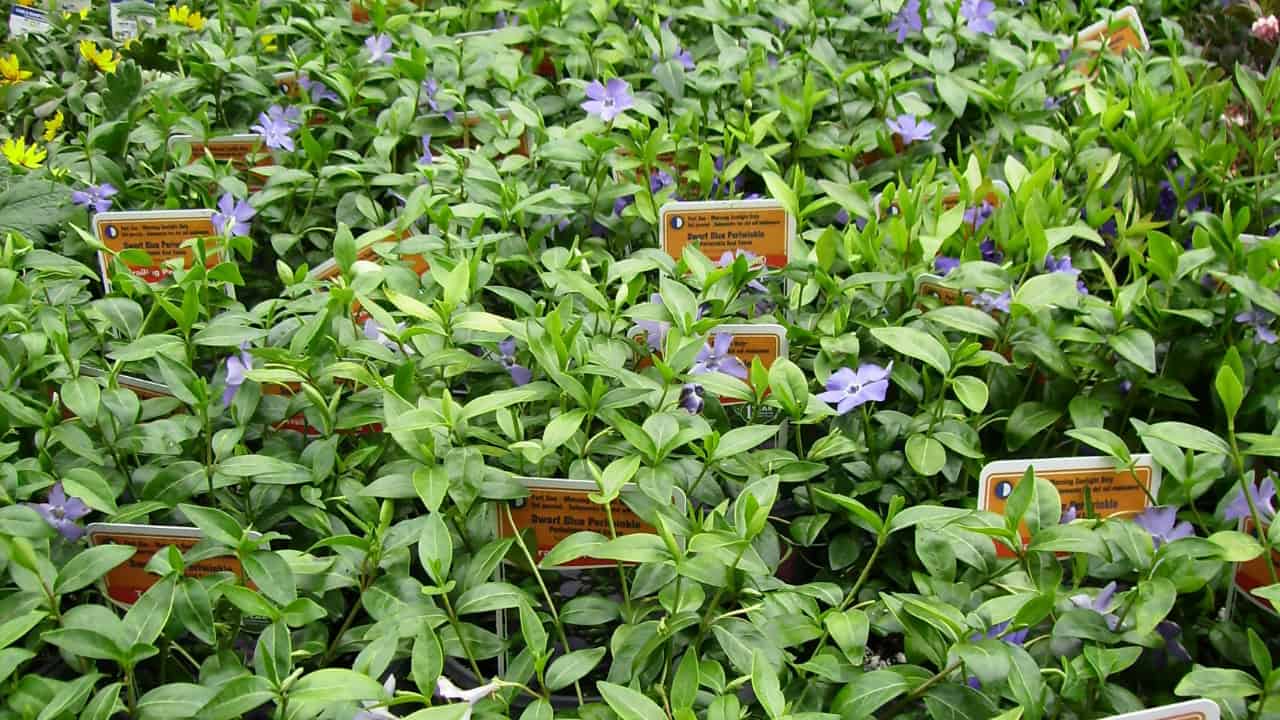
Planting invasive species can harm native plants, disrupt ecosystems, and degrade soil health. These plants can outcompete native species for resources, alter soil chemistry, and promote soil erosion. For example, the invasive plant kudzu can alter soil nitrogen levels, affecting native plant growth. Before planting, research whether the plant is invasive in your area and consider planting native species instead.
12. Ignoring Soil Erosion

Ignoring soil erosion can lead to the loss of topsoil, the most fertile layer of soil. Soil erosion can deplete soil nutrients, degrade soil structure, and reduce crop yields. For example, the Dust Bowl of the 1930s was caused by severe soil erosion, leading to massive crop failures. Implementing erosion control measures, like cover crops, terracing, or contour plowing, can help protect your soil.
13. Not Testing Soil

Skipping soil testing can leave you in the dark about your soil’s health. Soil testing can provide valuable information about soil nutrient levels, pH, and organic matter content, allowing you to make informed management decisions. For example, a soil test can help you determine the right amount and type of fertilizer to apply, preventing nutrient imbalances. Regularly testing your soil can help you monitor its health and adjust your management practices as needed.
14. Neglecting Soil Biology

Ignoring soil biology can overlook a crucial aspect of soil health. Soil is teeming with life, from bacteria and fungi to earthworms and insects, all of which play vital roles in nutrient cycling, organic matter decomposition, and disease suppression. For instance, mycorrhizal fungi can help plants access nutrients in exchange for sugars. Incorporating practices that support soil biology, like adding organic matter or reducing tillage, can enhance soil health.
15. Ignoring Crop Residue

Leaving crop residue on the field can protect the soil, improve soil organic matter, and reduce erosion. However, removing it for other uses, like animal feed or bioenergy production, can deplete soil nutrients and organic matter. For example, a study found that removing corn residue can decrease soil organic carbon by up to 50%. If you must remove crop residue, consider replacing the lost nutrients and organic matter with compost or cover crops.
16. Excessive Use of Pesticides
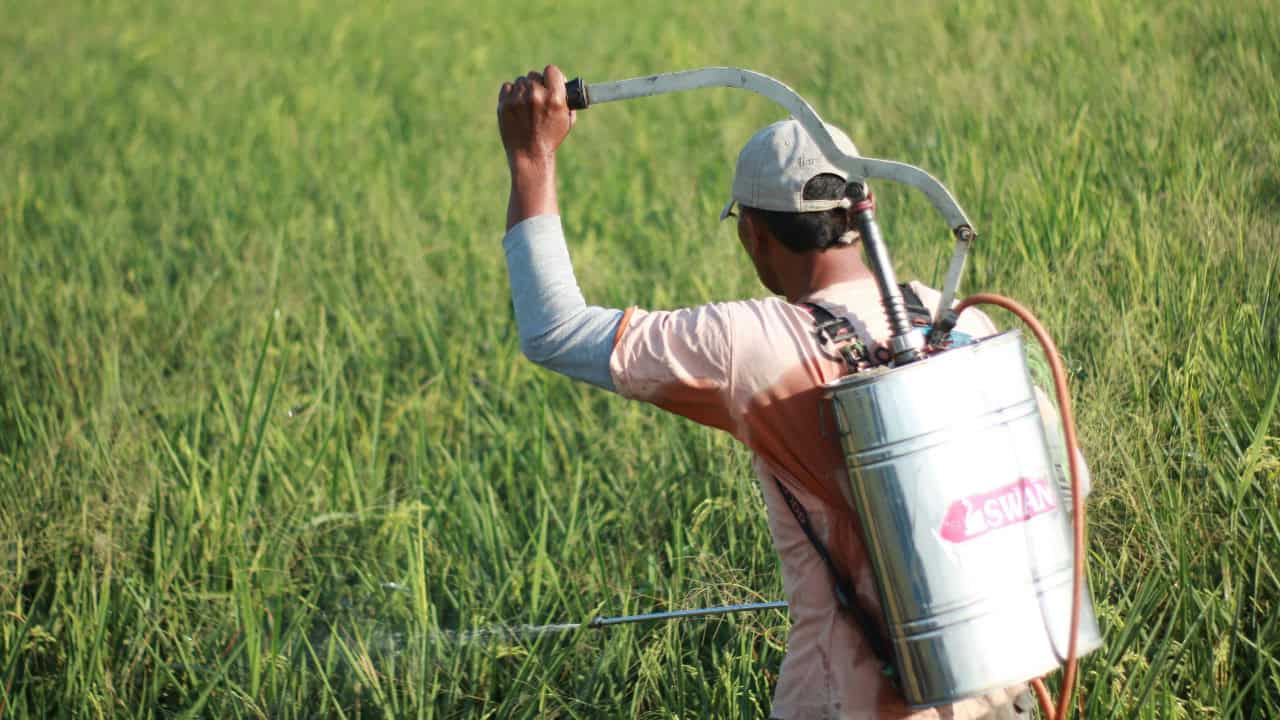
While pesticides can help control pests and diseases, their excessive use can harm beneficial soil organisms and disrupt ecosystems. For instance, certain pesticides can kill earthworms, which play a crucial role in nutrient cycling and soil structure formation. Instead of relying solely on pesticides, consider implementing integrated pest management, which combines biological, cultural, and chemical control methods to manage pests.
17. Ignoring Soil Compaction
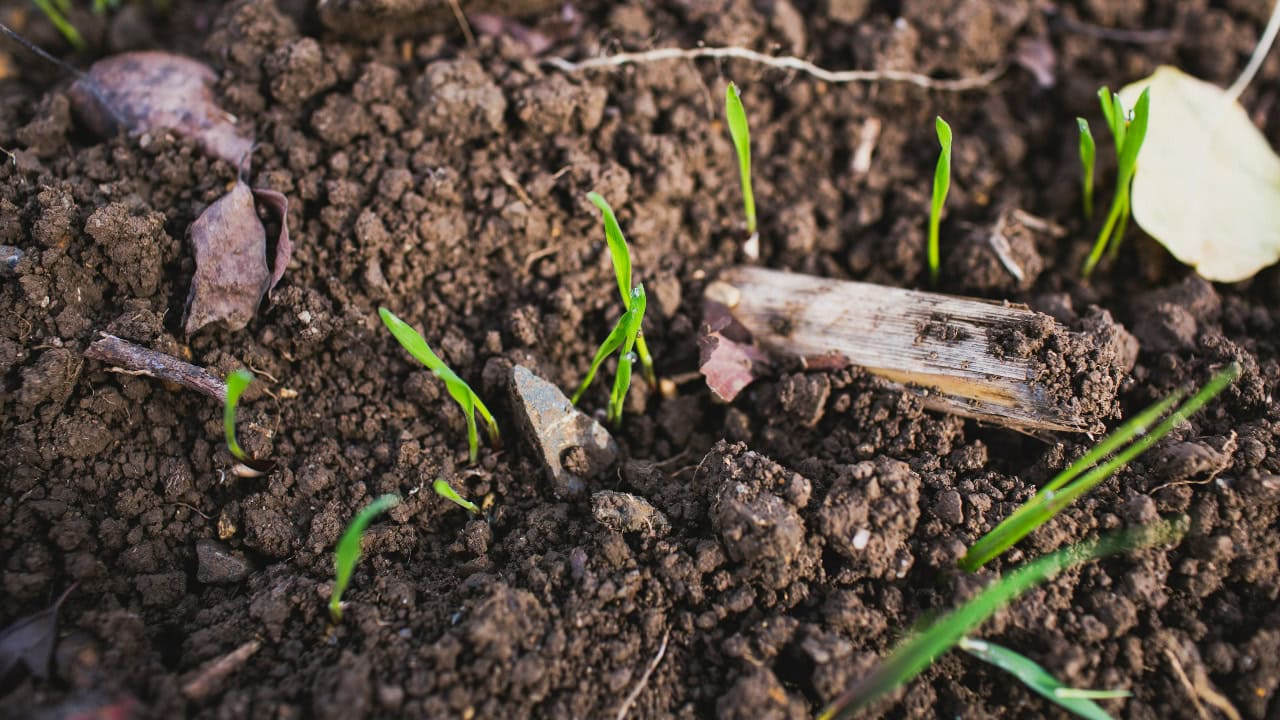
Soil compaction, often caused by heavy machinery or livestock, can reduce soil porosity, making it difficult for plant roots to penetrate and for water and air to circulate. For example, compacted soil can reduce crop yields by up to 50%. To prevent soil compaction, consider using lighter machinery, implementing controlled traffic farming, or using cover crops with deep roots to break up compacted layers.
18. Neglecting Buffer Strips
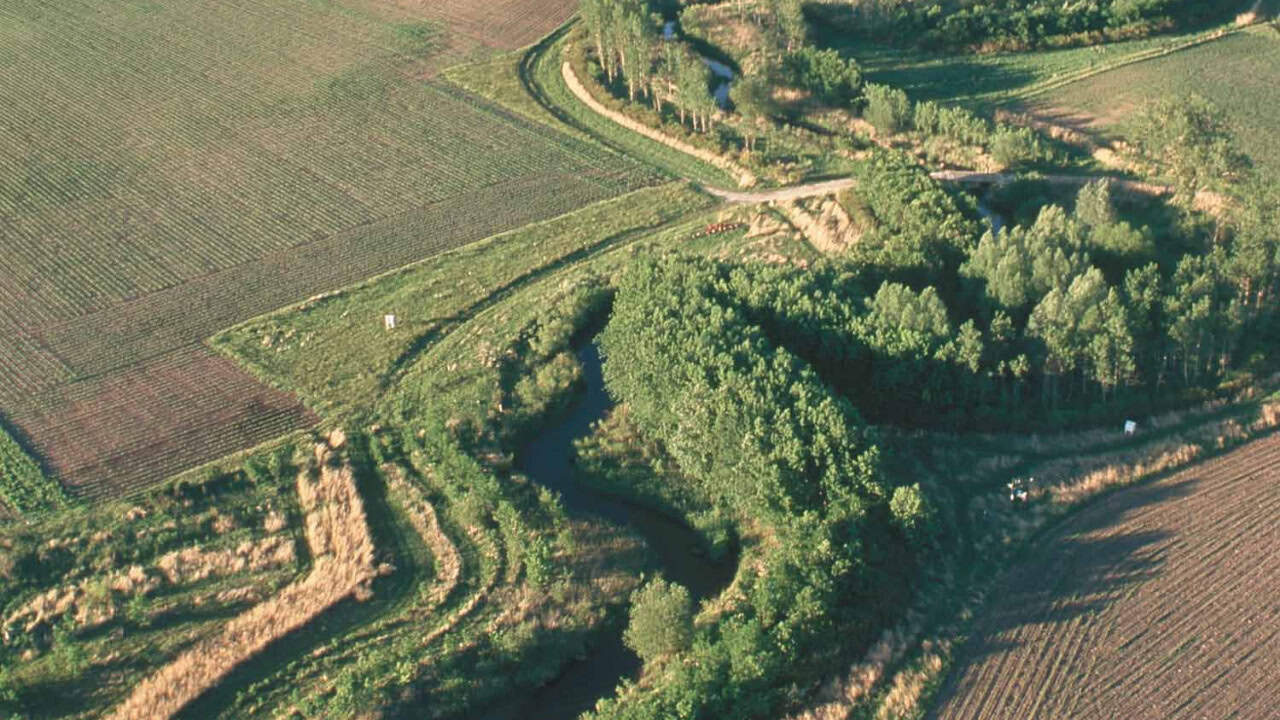
Neglecting to install buffer strips, areas of vegetation planted between fields and bodies of water, can allow runoff to carry soil and pollutants into waterways. This can degrade water quality and contribute to soil erosion. For instance, buffer strips can reduce sediment, nitrogen, and phosphorus runoff by up to 70%. Installing buffer strips around your fields can help protect both your soil and the environment.