If you want to bring more hummingbirds into your yard, creating a hummingbird-friendly landscape is a great way to do it. These tiny birds are drawn to specific plants and features that provide food, shelter, and safe resting spots.
By making simple changes to your outdoor space, you can attract hummingbirds and enjoy their lively presence throughout the season. With the right approach, your garden can become a buzzing hotspot for these fascinating birds.
Advertisement
Plant red tubular flowers like trumpet vine and hummingbird trumpet to attract them fast

If you want to draw hummingbirds quickly, planting red tubular flowers is a smart move. They’re naturally drawn to shapes that fit their long beaks.
Try trumpet vine or hummingbird trumpet in your garden. These flowers offer easy access to nectar and stand out with their bright colors. Grouping these plants together can also help you create a hummingbird hotspot in your yard.
Install wooden trellises for climbing plants that hummingbirds love
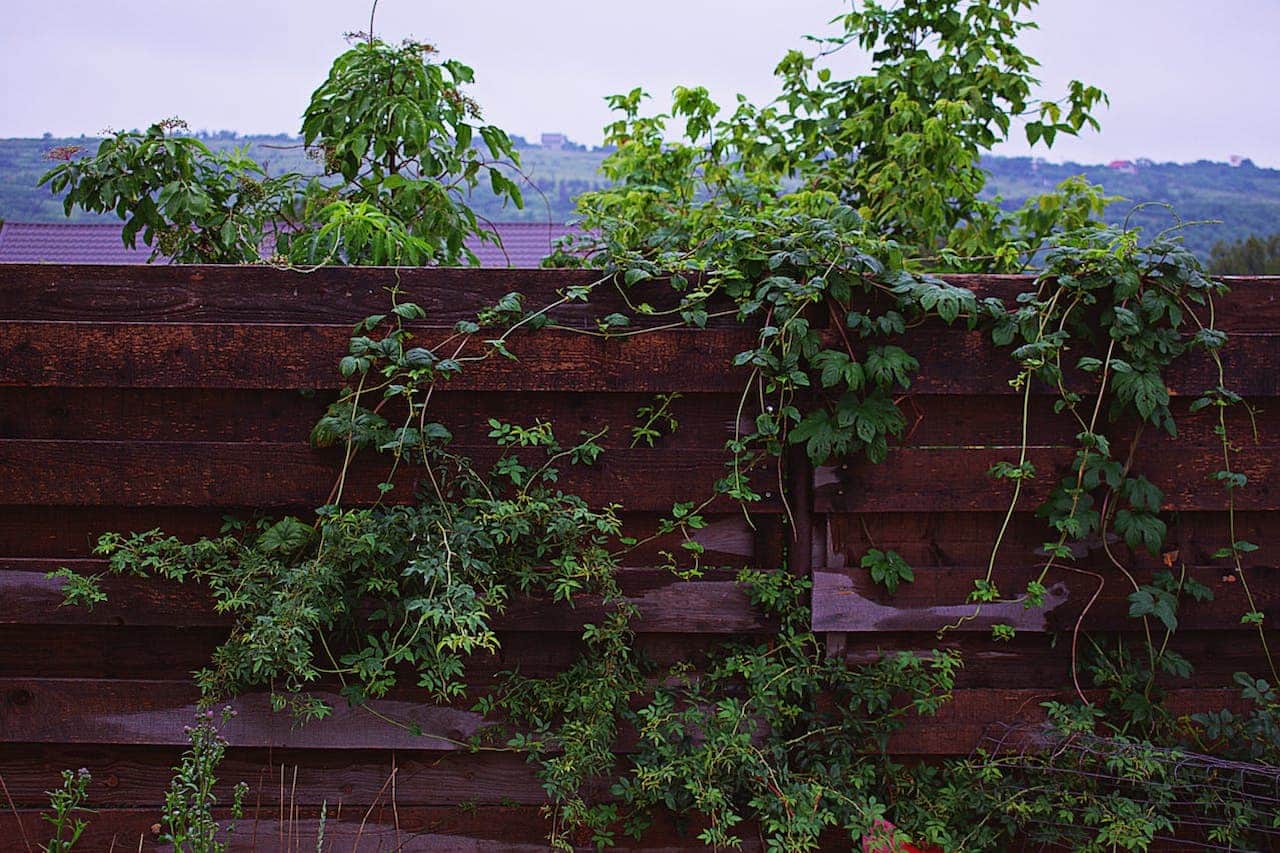
You can add wooden trellises to support climbing plants like trumpet vine or honeysuckle. These flowers provide a natural food source that hummingbirds enjoy.
Trellises also create vertical interest in your garden, giving hummingbirds places to perch. Building a simple trellis is easy and helps your plants grow strong.
Add window boxes filled with bee balm and salvia
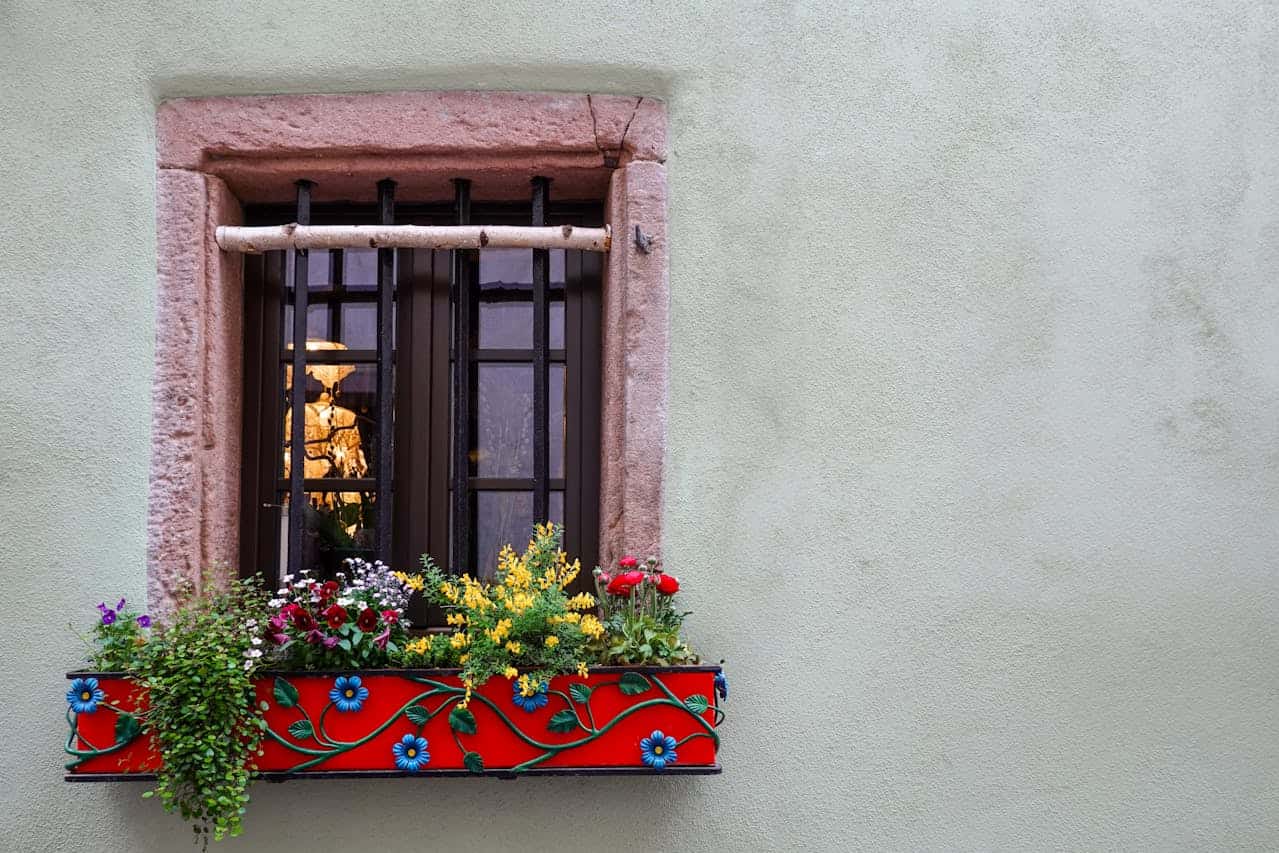
You can easily attract hummingbirds by planting bee balm and salvia in window boxes. These flowers offer bright colors and nectar that hummingbirds love.
Window boxes are great if you don’t have a big garden. Plus, they add a splash of color right outside your window.
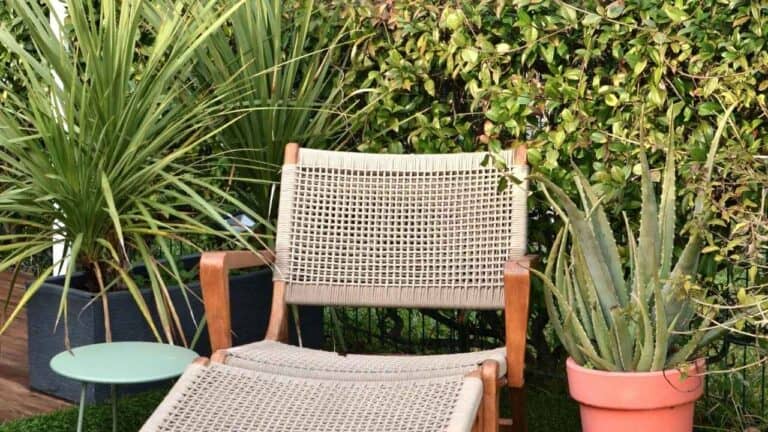
Use ceramic pots to create a colorful terrace effect

You can use ceramic pots to add color and height to your garden. Arrange them at different levels to create a terrace look that catches the eye.
These pots are great for planting hummingbird-friendly flowers in a compact space. Plus, they brighten up patios or small yards without needing much ground area.
Keep feeders in shady spots near resting perches
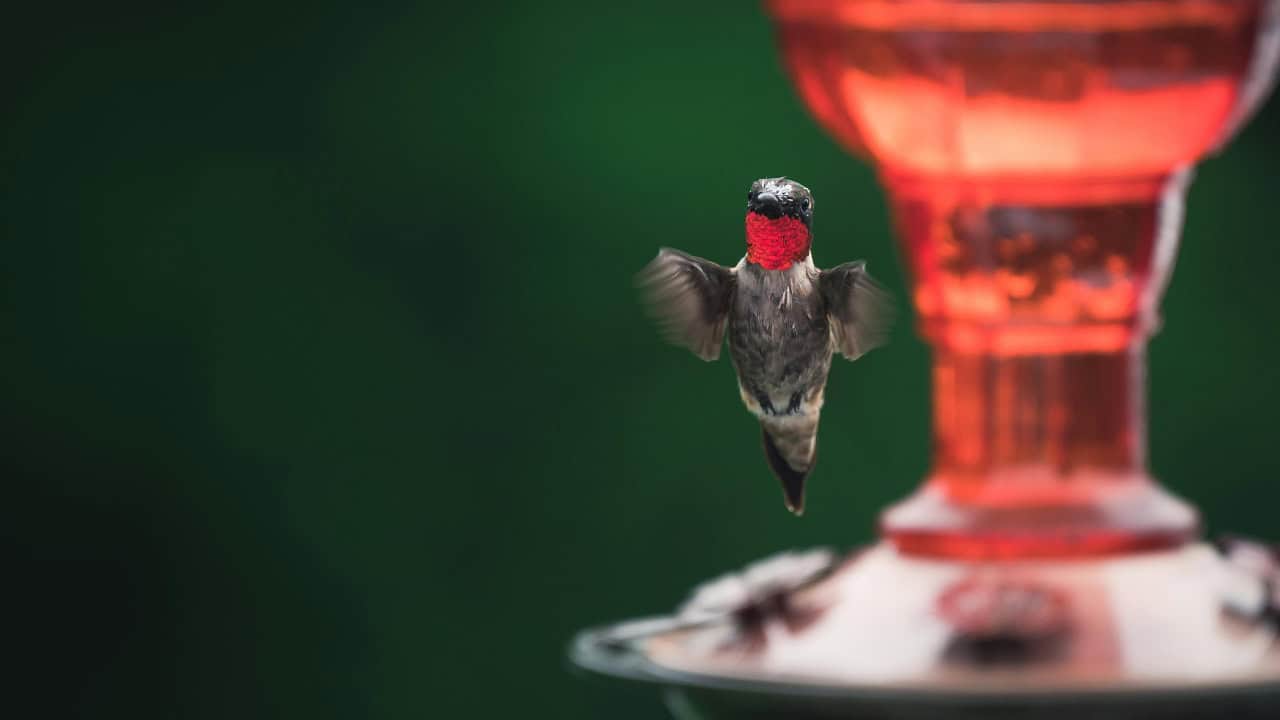
You want to place your feeders in shady areas to keep the nectar fresh longer. Hummingbirds also appreciate some cover from the sun while they feed.
Make sure there are plenty of nearby perches. This gives the birds a place to rest and keep an eye on their territory. Clear space around feeders helps them spot potential predators easily.
Include native plants like columbine and red buckeye
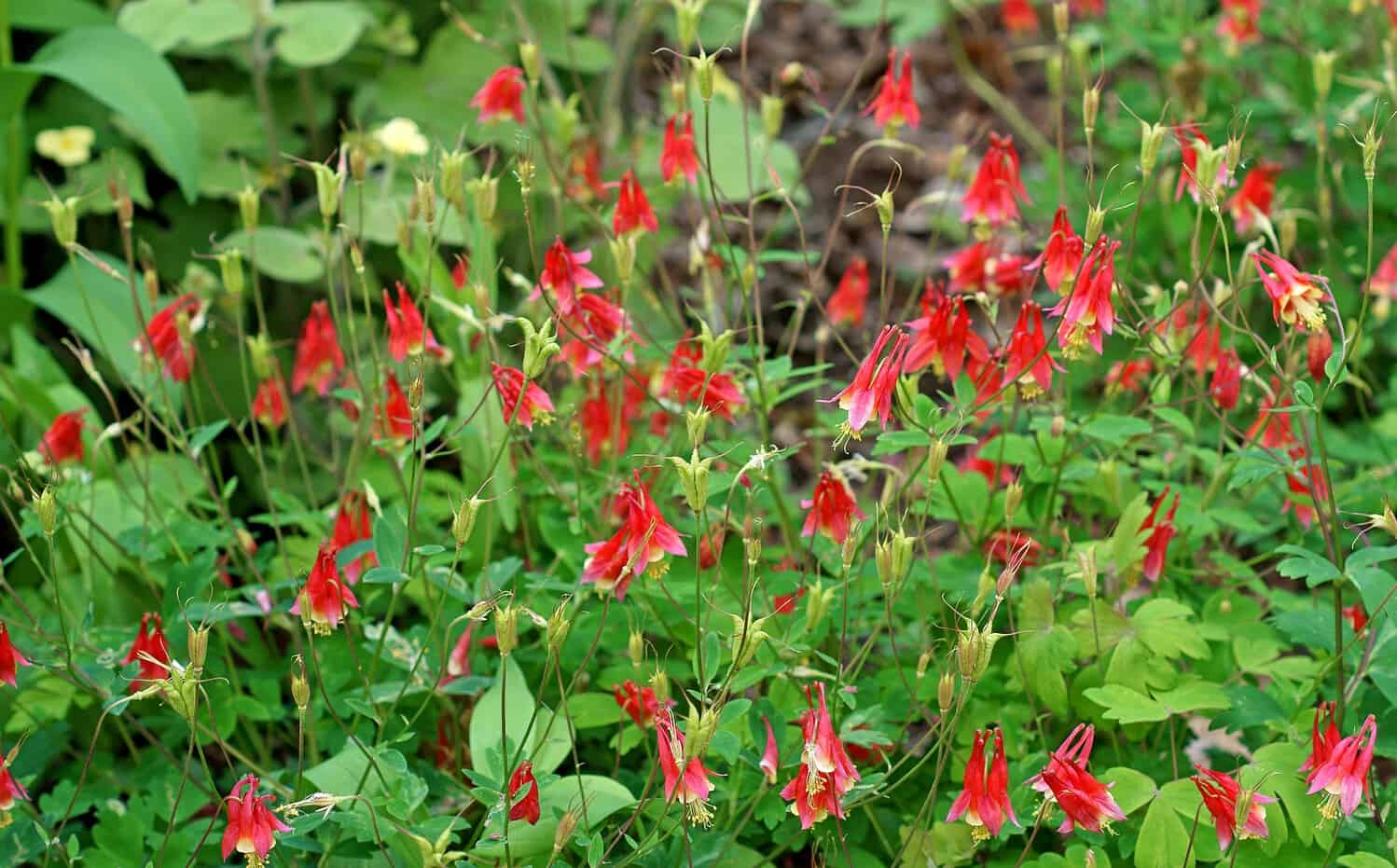
You can attract hummingbirds by planting native flowers like columbine and red buckeye. These plants provide early spring nectar, perfect for when hummingbirds return.
Both do well in partial shade, making them easy to fit in your garden. Adding these natives helps create a natural, hummingbird-friendly space that supports local wildlife.
Set up garden sheds as windbreaks and cover spots
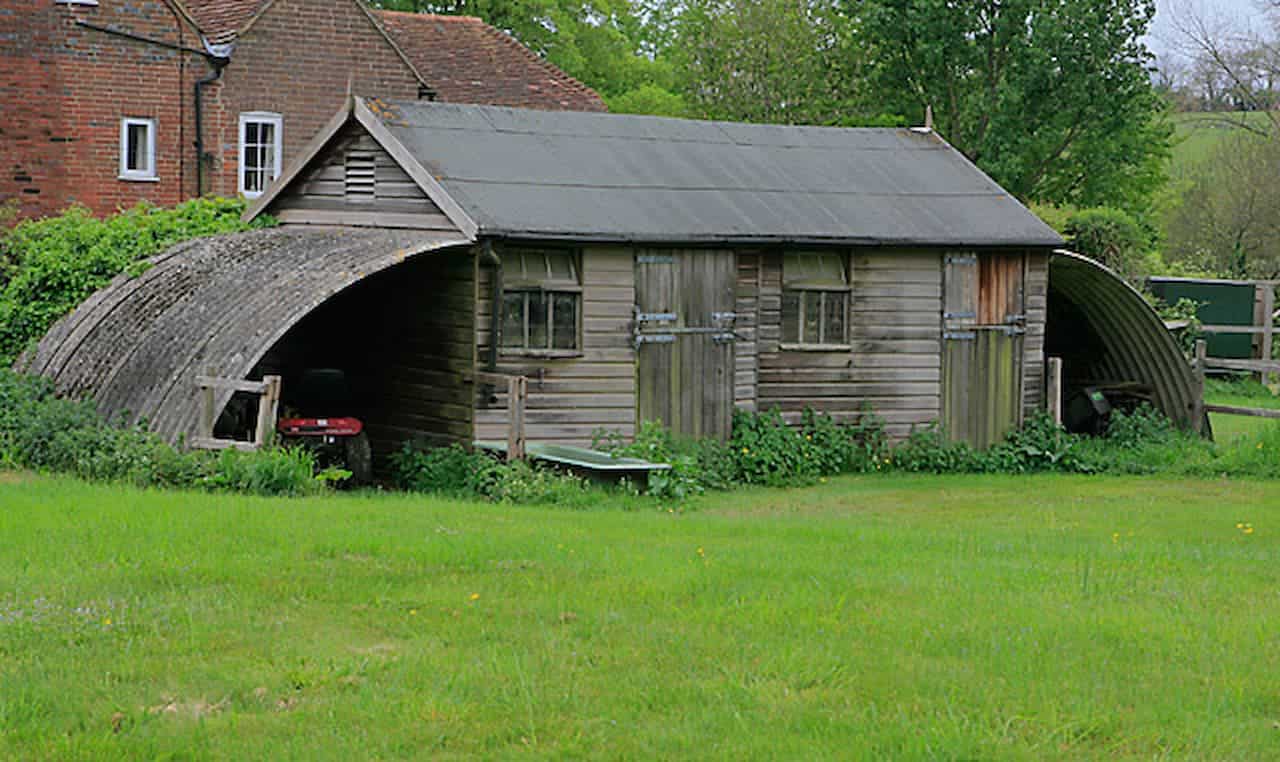
You can use garden sheds to block strong winds, creating a calm area where hummingbirds feel safe. This helps protect their delicate wings while they feed or rest.
Sheds also provide shaded spots nearby where hummingbirds can escape harsh sun or bad weather. Setting them up thoughtfully adds shelter to your hummingbird-friendly landscape.
Add tall perennials such as butterfly bush for perches
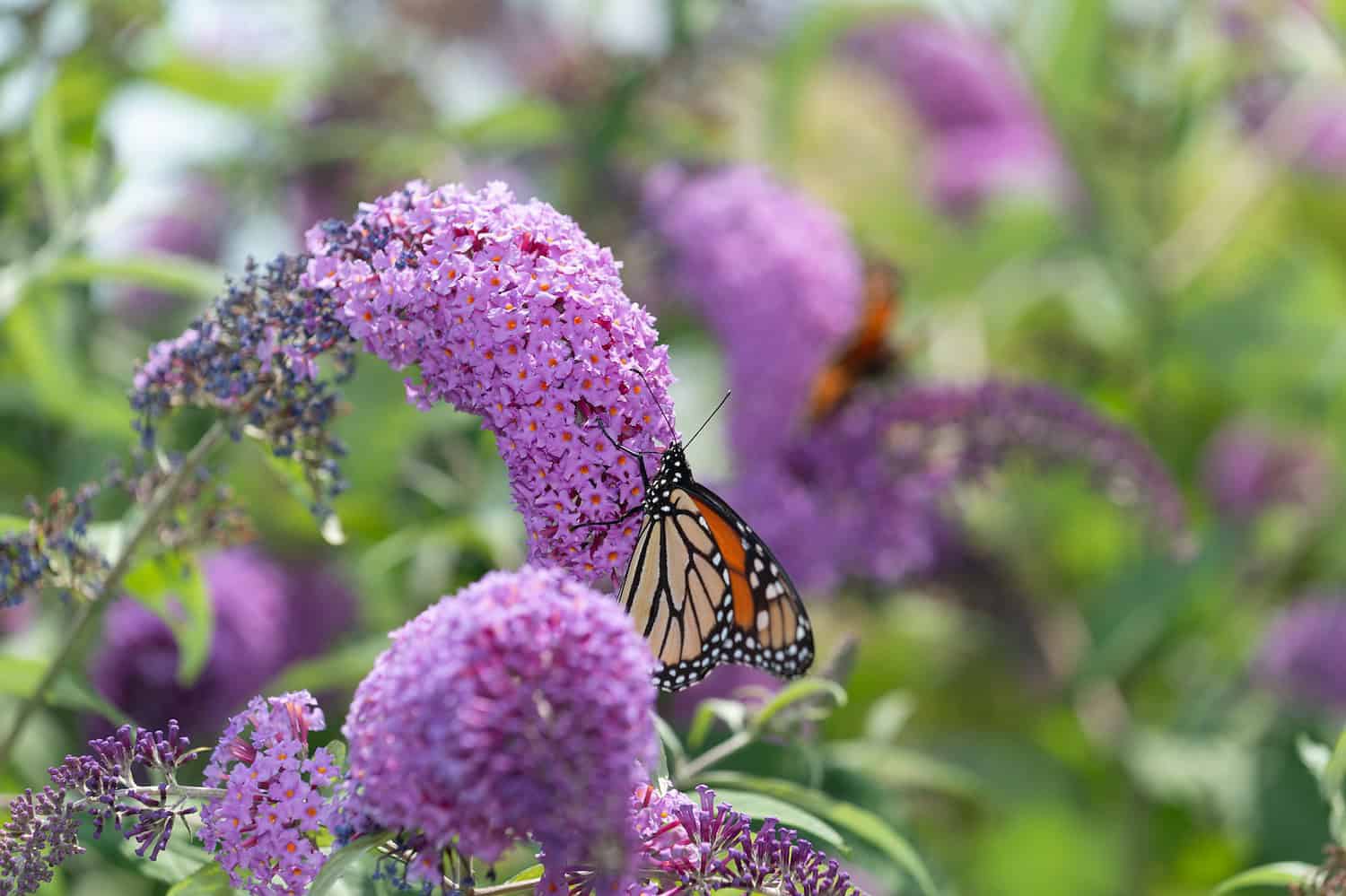
You can attract hummingbirds by adding tall perennials like butterfly bush to your landscape. These plants provide natural perches where hummingbirds can rest between feeding.
Butterfly bushes also offer nectar-rich flowers, making them a double win. Plus, their height gives hummingbirds a good vantage point to watch for predators or rivals. Using tall plants helps create a welcoming environment that hummingbirds will keep coming back to.
Leave small branches on shrubs as natural resting spots
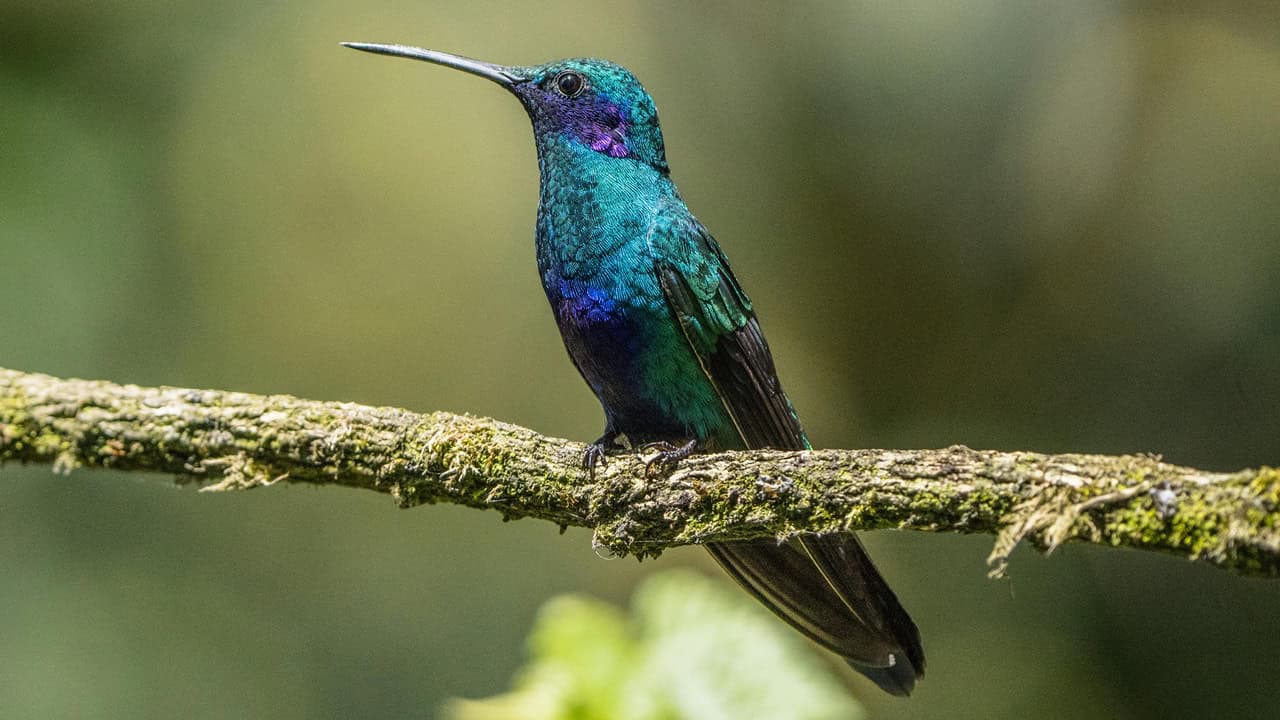
You can help hummingbirds by leaving some small branches or sticks on your shrubs. These spots give them a place to rest between feeding.
If you don’t have natural branches, placing a dead branch near your flowers works too. It’s a simple way to make your yard more welcoming for hummingbirds.
Avoid pesticides to protect hummingbirds and their food insects
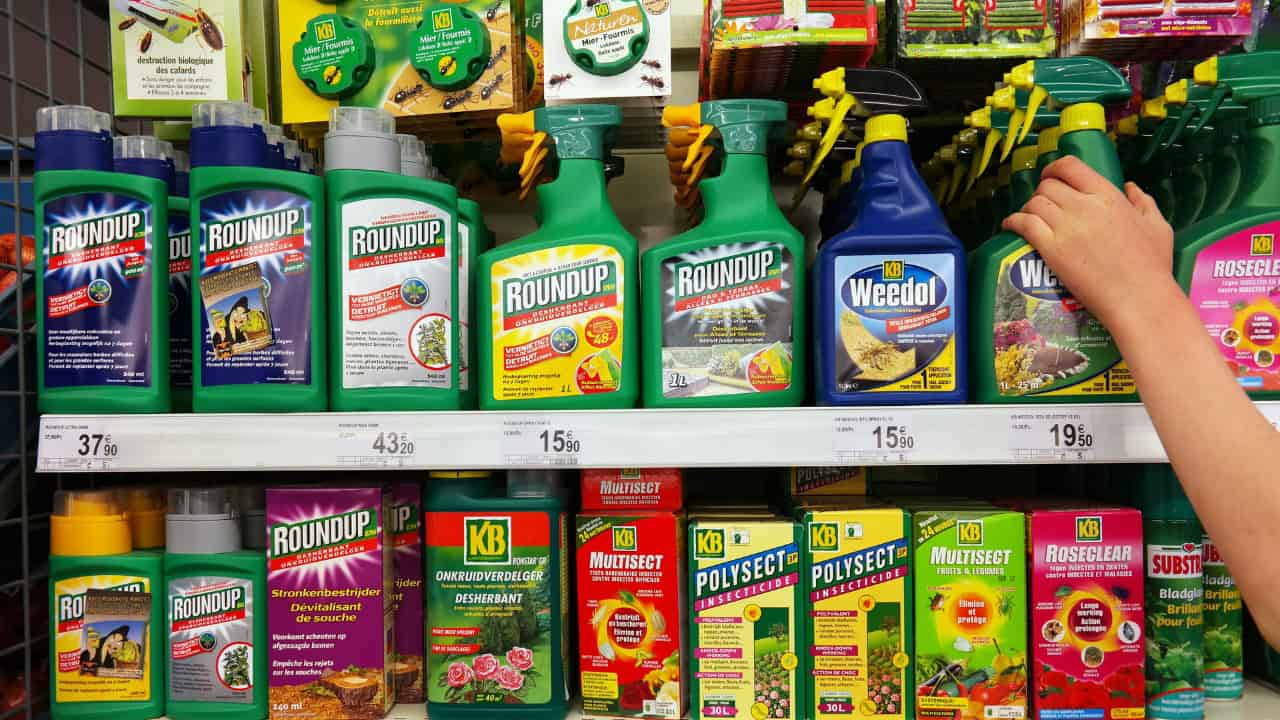
You’ll want to skip pesticides in your yard. These chemicals can harm hummingbirds directly or reduce the number of insects they eat.
Keeping your garden pesticide-free also helps maintain a healthy population of insects that hummingbirds rely on for protein. If you want to attract hummingbirds, focus on natural pest control methods and choose native plants that support local wildlife.
Use compost to enrich soil and encourage insect life

When you add compost to your soil, you improve its texture and nutrient content. This helps your plants grow stronger and produce more flowers that hummingbirds love.
Compost also supports a healthy population of insects like caterpillars and beetles. These insects provide additional food for hummingbirds, making your garden even more inviting.
You can mulch with leaves or shredded plant material to keep the soil moist and feed beneficial soil organisms. This natural recycling helps keep your garden healthy and hummingbird-friendly.
Place hummingbird feeders near trees or bushes for cover
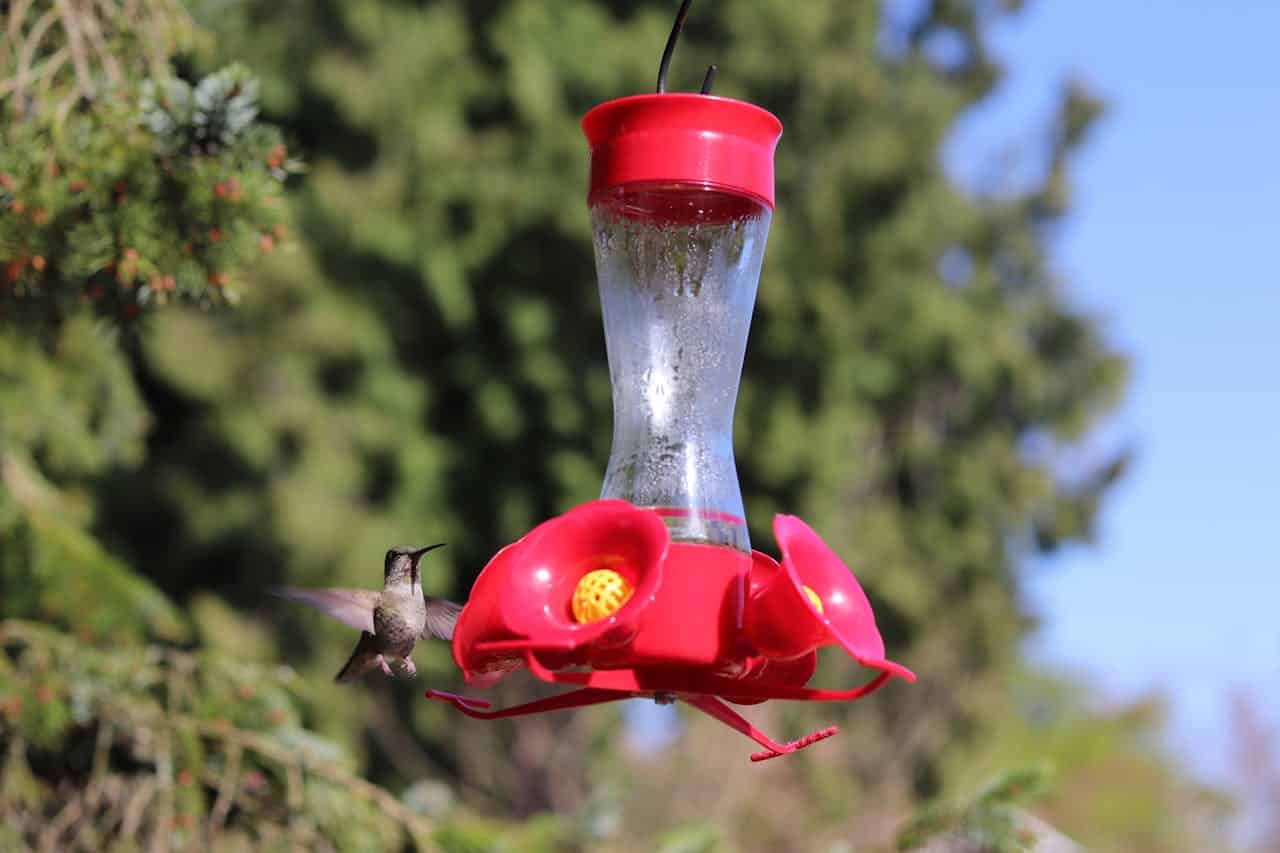
You want to give hummingbirds a sense of safety. Placing feeders close to trees or bushes offers them shelter from predators and harsh weather.
These natural perches also let them rest between feedings. Make sure the plants are sturdy and not too crowded so the feeders stay visible and accessible. This setup encourages hummingbirds to stick around longer in your yard.
Plant early bloomers like penstemon to start the season
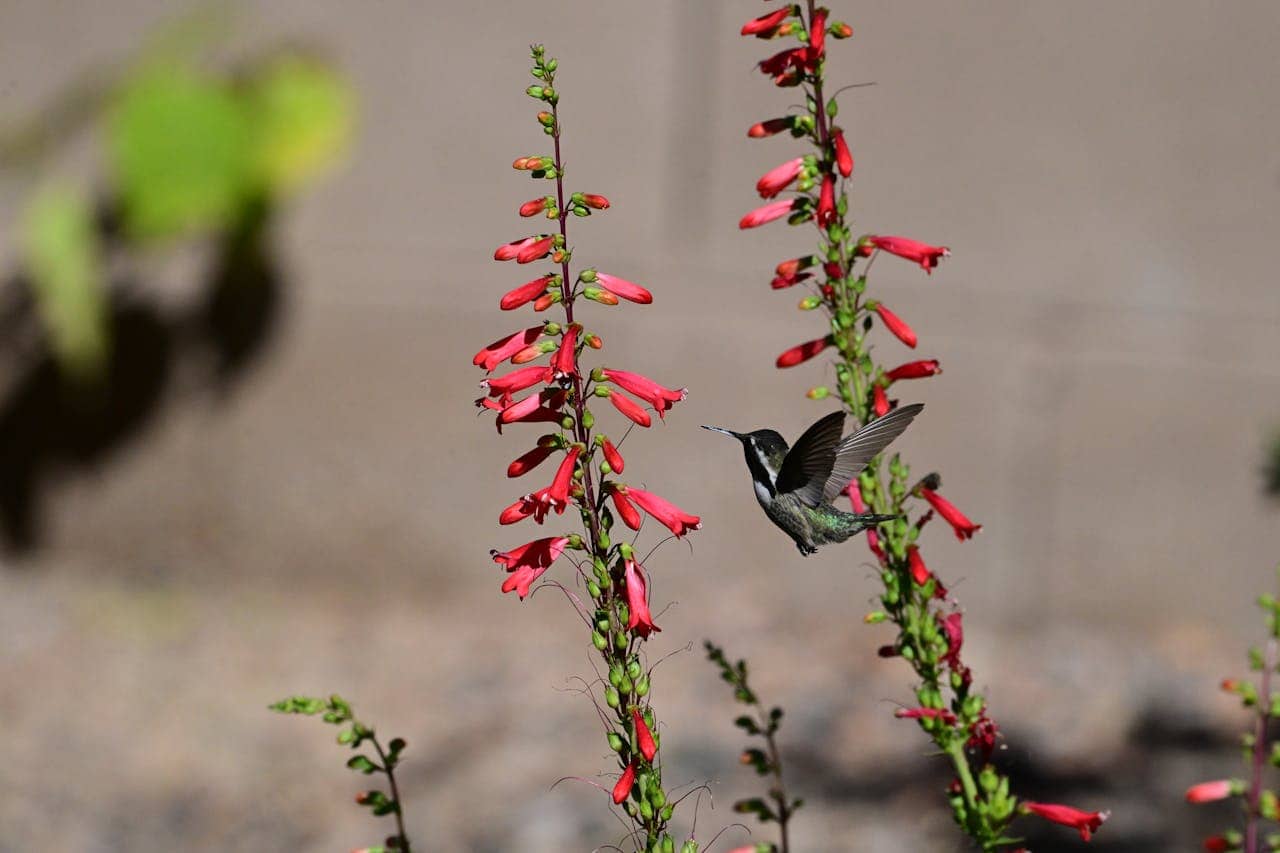
You can attract hummingbirds early by planting flowers like penstemon. These tubular, nectar-rich blooms provide an important food source when other flowers haven’t opened yet.
Penstemon thrives in many garden settings and offers color and nectar that hummingbirds love. Starting your season with plants like penstemon gives these birds a reason to visit your yard right away.
Add native trumpet-shaped flowers in clusters
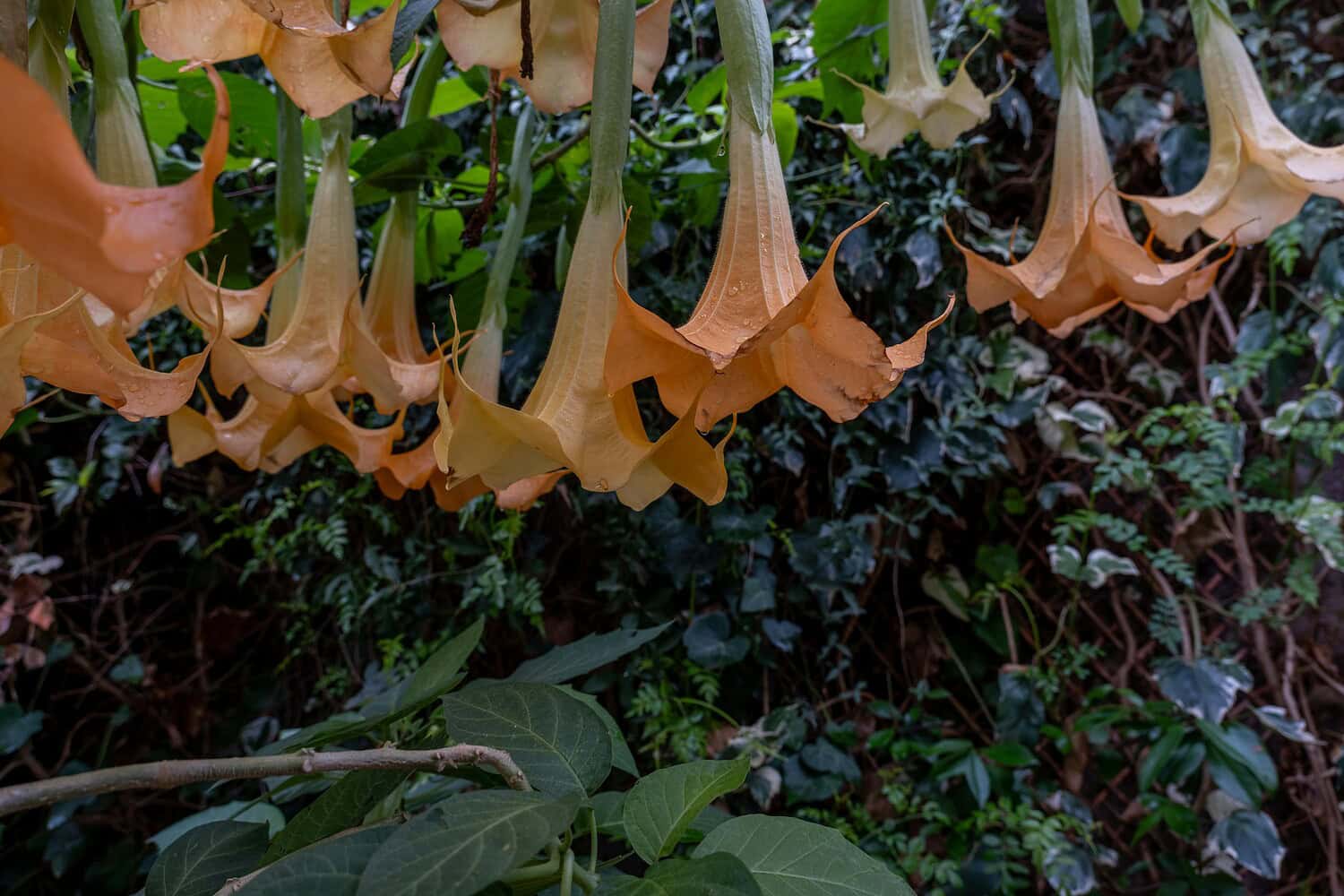
You want to pick native flowers with trumpet-shaped blooms. These shapes make it easy for hummingbirds to reach the nectar with their long beaks.
Planting these flowers in groups helps hummingbirds find food quickly. Clusters of bright red or orange blossoms work best to catch their attention. This approach also supports local ecosystems by using plants suited to your area’s climate and soil.
Keep nectar fresh by cleaning feeders biweekly
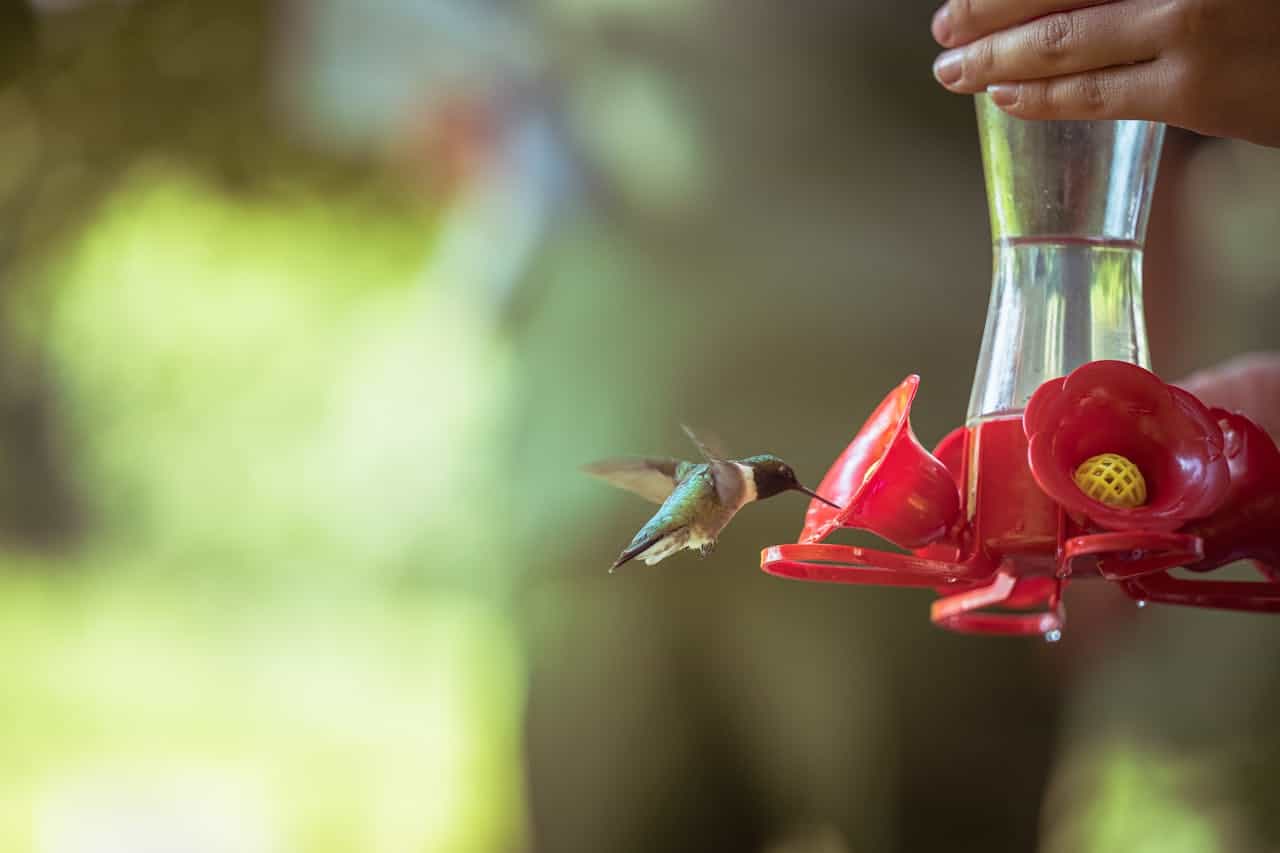
You should clean your hummingbird feeders at least every two weeks to keep the nectar fresh. Old nectar can ferment and grow mold, which is harmful to hummingbirds.
Rinse the feeder thoroughly with hot water and scrub away any residue. Refill with fresh nectar to keep your yard inviting and safe for the birds.
Create layered plantings with shrubs, perennials, and vines

You want to mix different heights and types of plants to give hummingbirds plenty of spots to feed and rest. Shrubs offer shelter, while perennials provide vibrant flowers that attract them.
Add vines to climb fences or trees, creating cozy spots for hummingbirds to perch. This variety makes your yard more appealing and lively for these tiny visitors.
Let some thorny bushes stay for safe perches
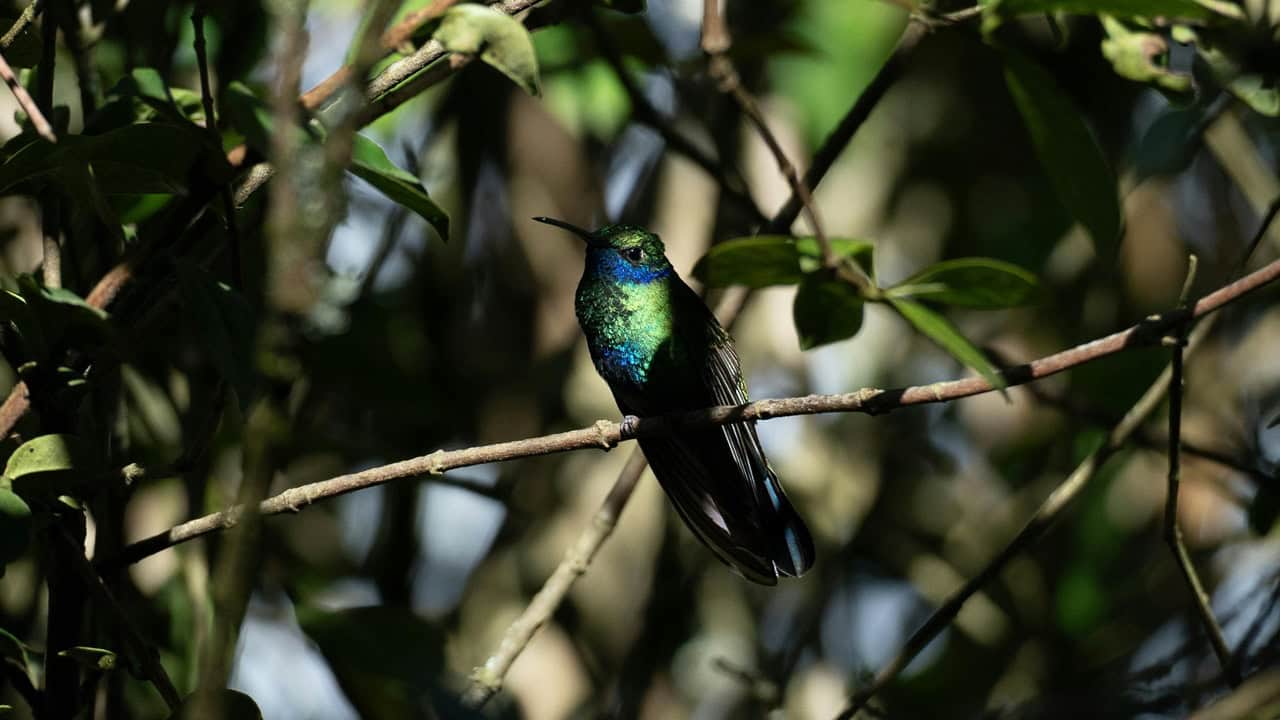
You can leave thorny bushes in your yard to give hummingbirds safe spots to rest. The thorns keep predators away, so the birds feel protected.
These bushes also provide good places for hummingbirds to watch for food or other birds. It’s a simple way to make your landscape more welcoming.
Hang feeders near a water source like a birdbath
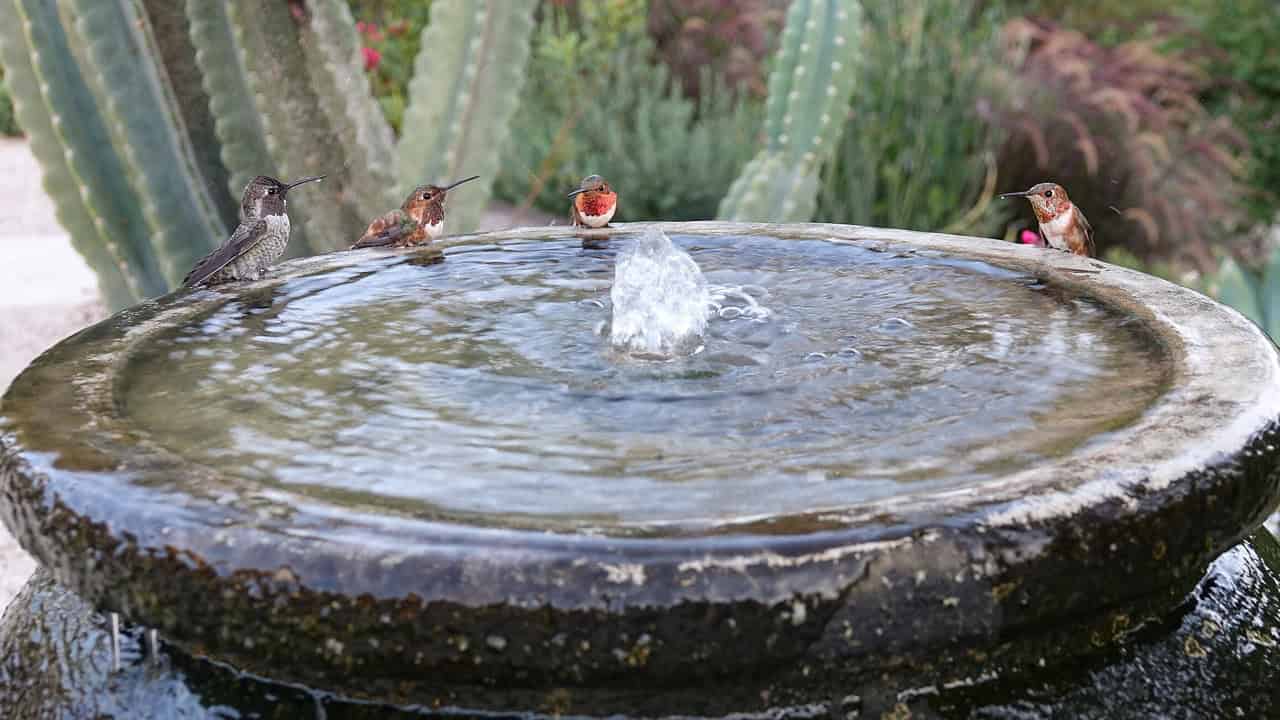
You can attract more hummingbirds by placing feeders close to a water source, such as a birdbath. Hummingbirds like to drink and bathe, so having both nearby makes your yard more inviting.
Make sure the water is clean and fresh. Position feeders where birds can easily move between the bath and nectar without feeling exposed.