Gardening can be a wonderfully fulfilling hobby, providing not only a source of fresh produce and beautiful flowers but also a powerful therapeutic exercise. However, even the greenest thumbs can fall victim to some common perennial pitfalls. Perennials, unlike annuals, are plants that live for more than two years, offering a long-term investment for gardeners. But, they can be a bit tricky to maintain, and some common mistakes could accidentally kill them.
Here are 18 ways you might be inadvertently hurting your perennials, and how you can avoid these deadly mistakes.
Advertisement
1. Overwatering
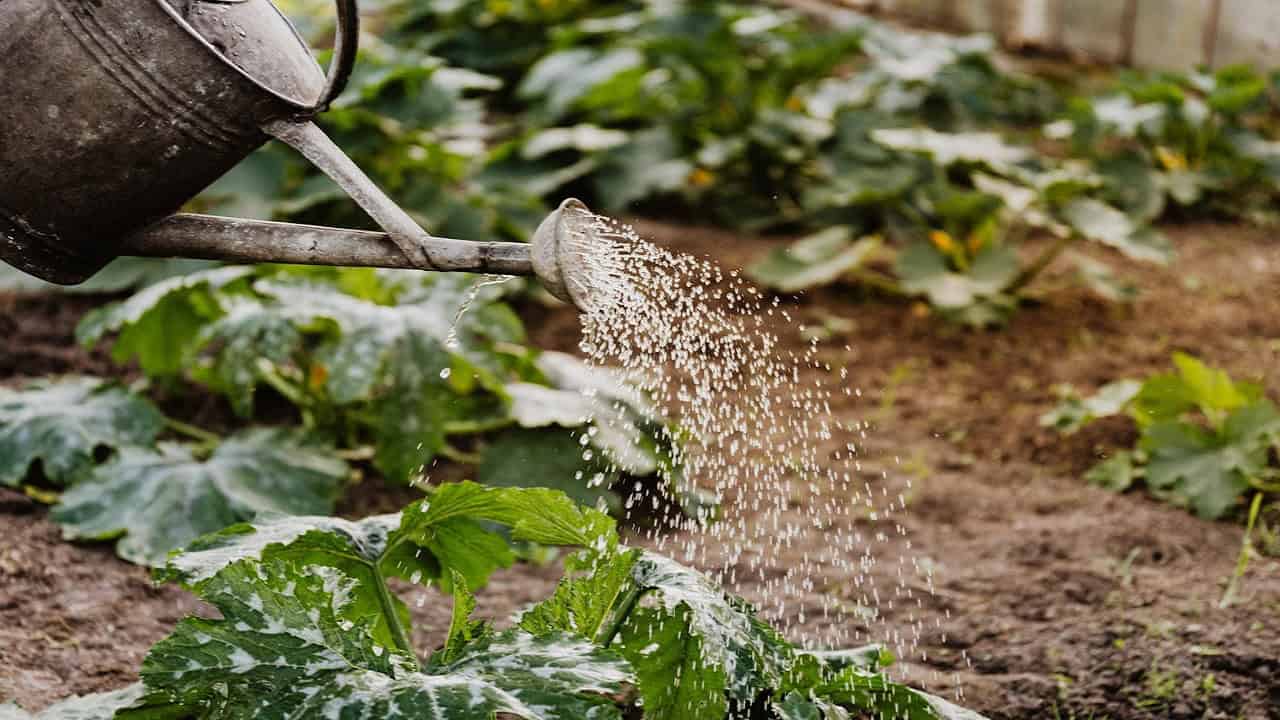
Overwatering is one of the most common mistakes gardeners make, especially beginners. It’s easy to assume that more water equals more growth, but this is not always the case. In fact, overwatering can lead to root rot, a condition that can quickly kill your perennials.
When you overwater a plant, the excess water fills up all the air pockets in the soil, leaving no room for oxygen. This lack of oxygen can cause the roots to suffocate and rot. If you notice that your plants’ leaves are turning yellow or the plant is wilting despite regular watering, these could be signs of overwatering. To avoid this, make sure you’re following the specific watering needs of each type of plant in your garden, as they can vary.
2. Planting Too Deeply
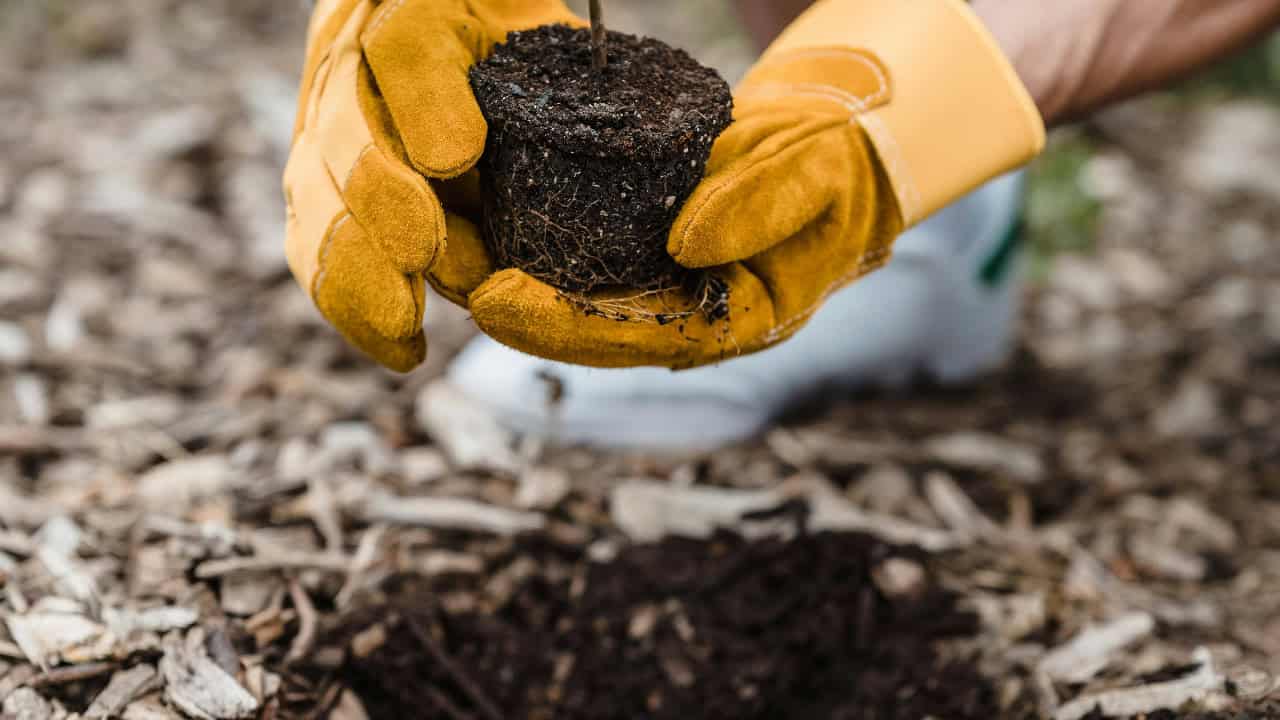
Depth is key when planting perennials. Planting too deeply can suffocate the plant and lead to root rot, similar to overwatering. It’s critical to plant at the correct depth to allow proper root growth and access to necessary nutrients.
When planting, the crown of the plant (where the stem and roots meet) should be at soil level. If the crown is too deep, the plant may struggle to emerge from the soil and could become susceptible to diseases. On the other hand, if it’s too high, the roots may be exposed and dry out. Use a ruler or your hand as a guide to ensure you’re planting at the right depth.
3. Ignoring Soil pH

Soil pH, or the measure of how acidic or alkaline your soil is, plays a crucial role in the health of your perennials. Different plants prefer different pH levels, and planting in unsuitable soil can hinder their growth or even kill them.
A soil pH that is too high or too low can prevent plants from absorbing nutrients, even if those nutrients are present in the soil. For instance, blueberries prefer acidic soil, while lilacs thrive in more alkaline conditions. Regular soil testing can help you monitor your soil’s pH and make necessary adjustments, ensuring your perennials have the optimum environment to grow.
4. Overfertilizing
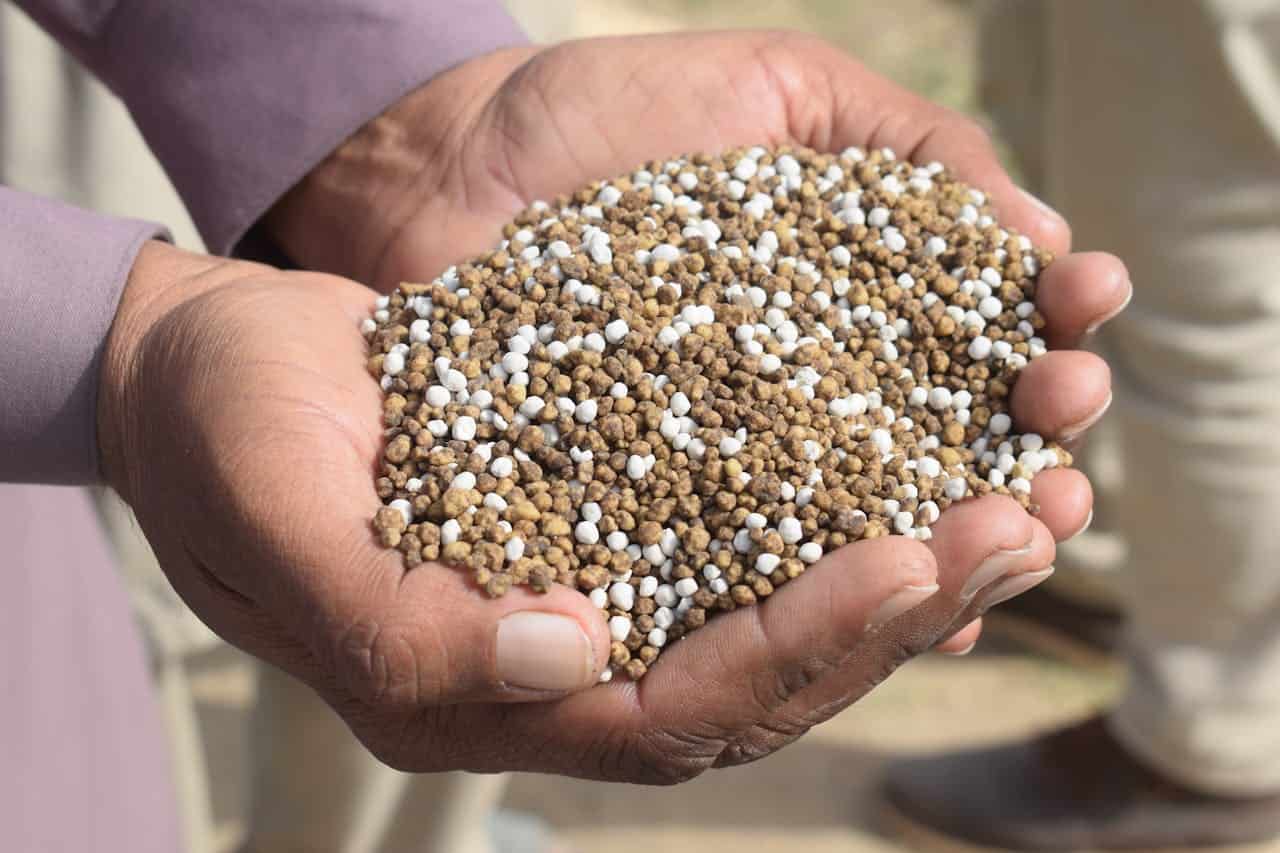
While fertilizers can provide essential nutrients and boost your plants’ growth, using them excessively can harm your perennials. Overfertilizing can lead to a buildup of salts that can burn your plants’ roots, disrupt their water uptake, and ultimately cause them to die.
Many gardeners make the mistake of thinking that if a little fertilizer is good, a lot must be better. However, it’s important to follow the recommended amounts on the fertilizer package and consider the specific needs of your plants. Regular soil testing can also help you determine if your soil is lacking any essential nutrients that need to be supplemented.
5. Planting in the Wrong Location
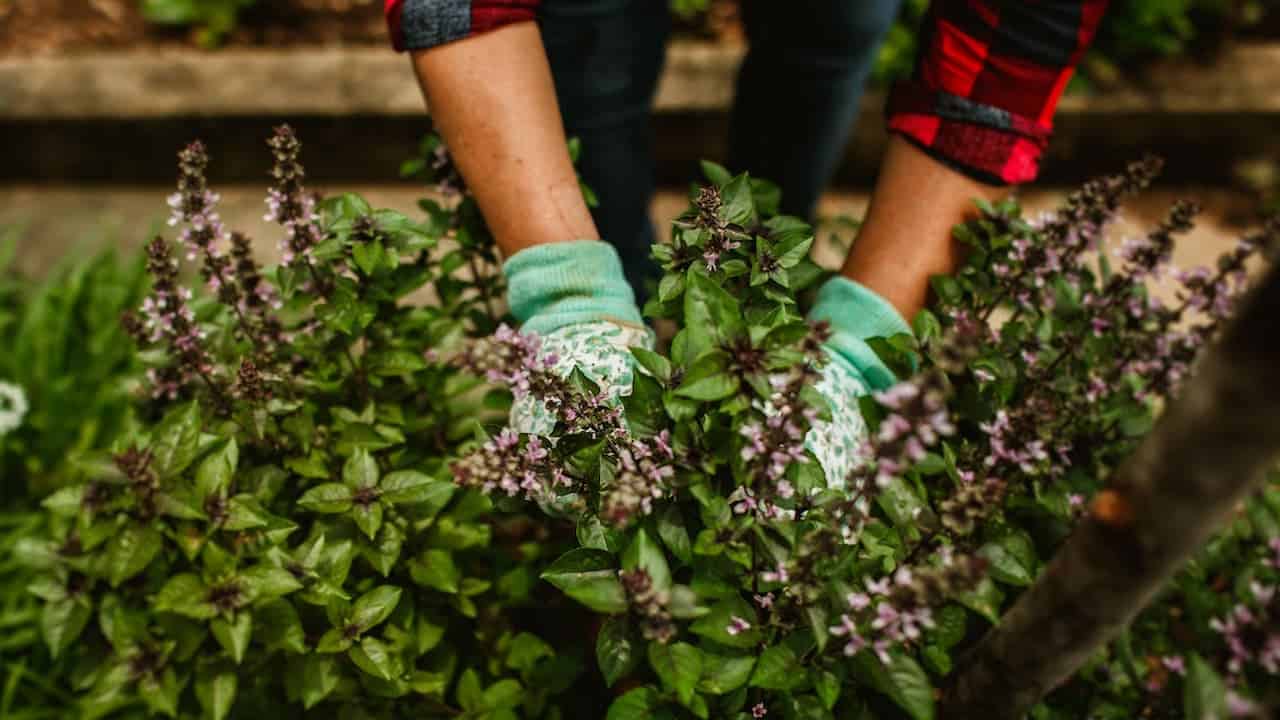
Just like humans, plants need the right environment to thrive. Each plant has its own light, water, and soil preferences, and ignoring these can lead to an unhealthy, or even dead, plant.
Before planting, it’s essential to research or ask about the specific needs of each plant. Some plants may need full sunlight to thrive, while others might prefer shady areas. Similarly, some perennials prefer well-drained soil, while others thrive in moist conditions. Ensuring each plant is in its ideal location can significantly improve its health and longevity.
6. Neglecting to Mulch

Mulching is a simple but crucial step in maintaining healthy perennials. Mulch helps retain soil moisture, suppress weeds, and regulate soil temperature. However, neglecting to mulch, or doing it improperly, can threaten the health of your plants.
When mulching, it’s important not to mound the mulch up against the stem of the plant, as this can cause rot and invite pests. Instead, spread it evenly around the base of the plant, leaving a small gap around the stem. Using organic mulches, like wood chips or compost, can also improve your soil’s fertility as they break down.
7. Ignoring Pest Control
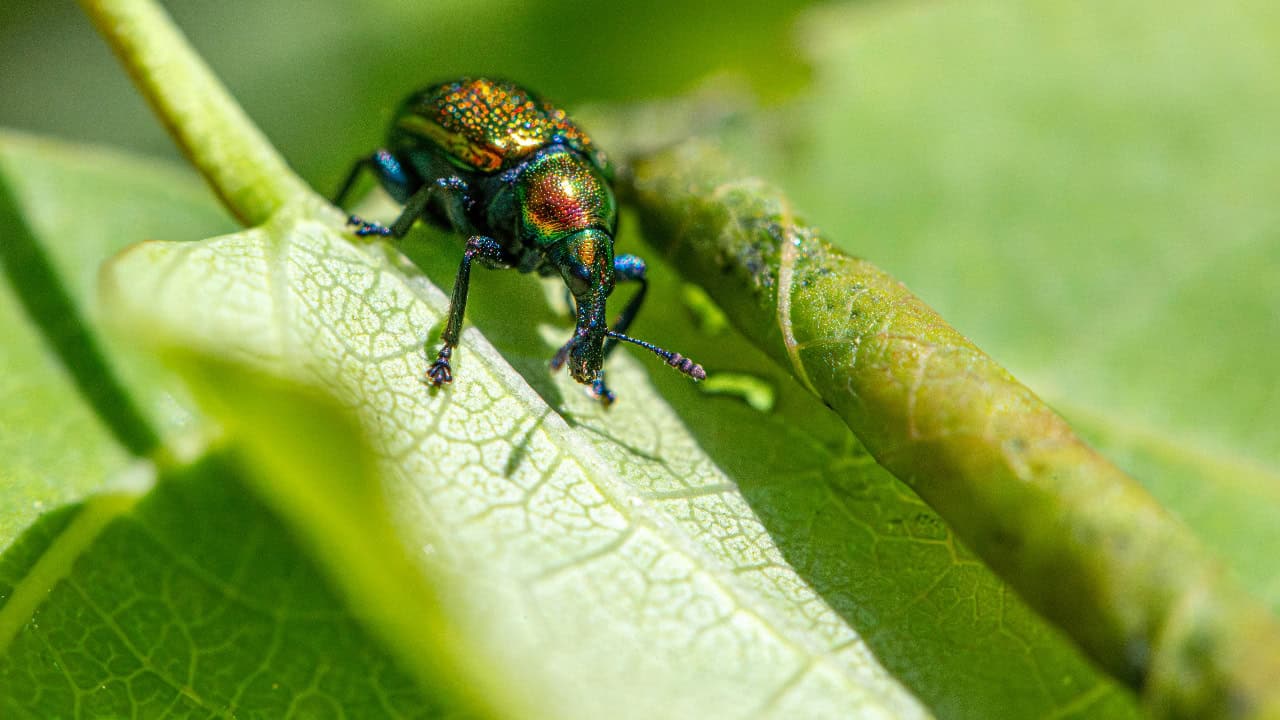
Pests pose a significant threat to perennials. From aphids to slugs, these creatures can cause severe damage, and in some cases, kill your plants. Ignoring pest control measures can lead to an infestation that’s hard to control.
Regularly inspecting your plants for signs of pests can help you catch and address infestations early. If you notice holes in leaves, a sticky residue, or the pests themselves, it’s time to take action. There are many organic and chemical pest control options available, so choose one that best fits your gardening philosophy and the specific pests you’re dealing with.
8. Not Pruning

Pruning is important for promoting healthy growth and maintaining the shape of your perennials. However, not pruning, or doing it at the wrong time, can harm your plants.
Different plants require different pruning schedules. Some should be pruned in the spring to promote summer growth, while others should be pruned in the fall after they’ve finished blooming. Research your specific plants to find out when and how they should be pruned, and make sure not to overdo it. Too much pruning can stress the plant and potentially kill it.
9. Planting Invasive Species
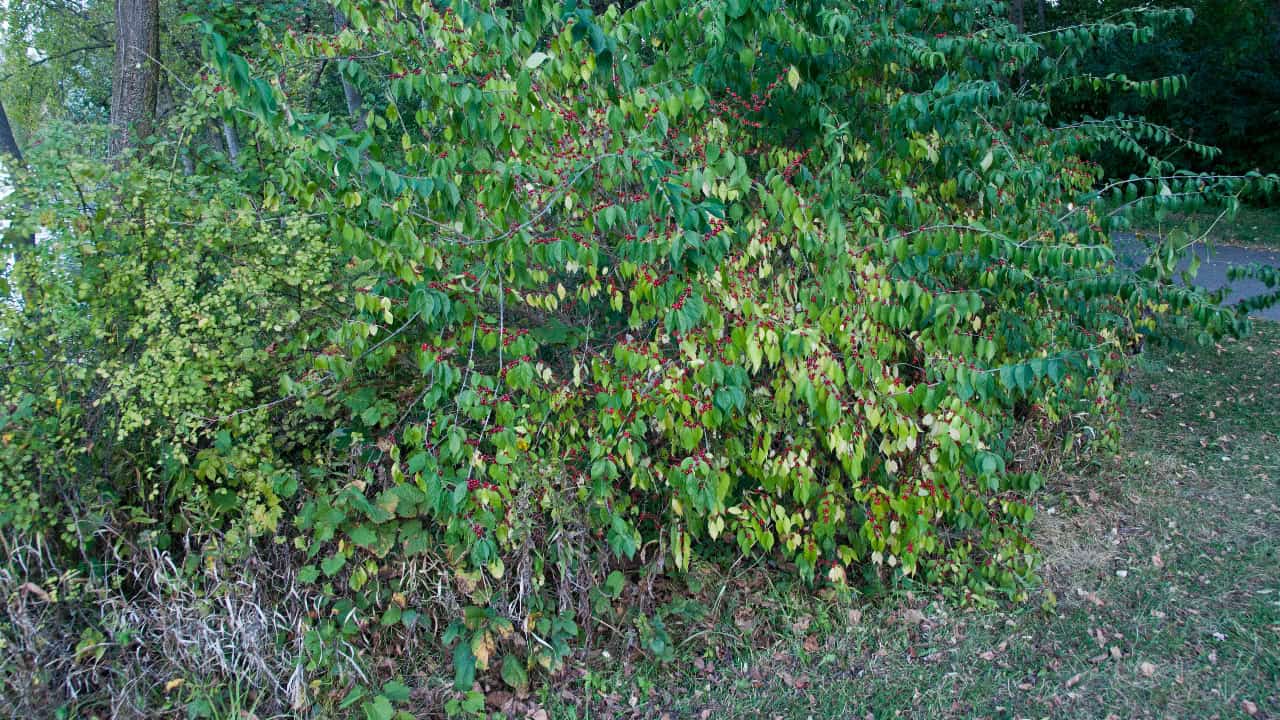
While some perennials are great for filling in a garden, others can quickly take over and choke out your other plants. Planting invasive species, either accidentally or without proper management, can lead to a monoculture in your garden, threatening the diversity and health of your other plants.
Before planting anything, research whether it’s considered invasive in your area. If you do choose to plant an invasive species, make sure to manage it carefully to prevent it from taking over. This can involve regular pruning or even growing it in a container to limit its spread.
10. Ignoring Weather Conditions
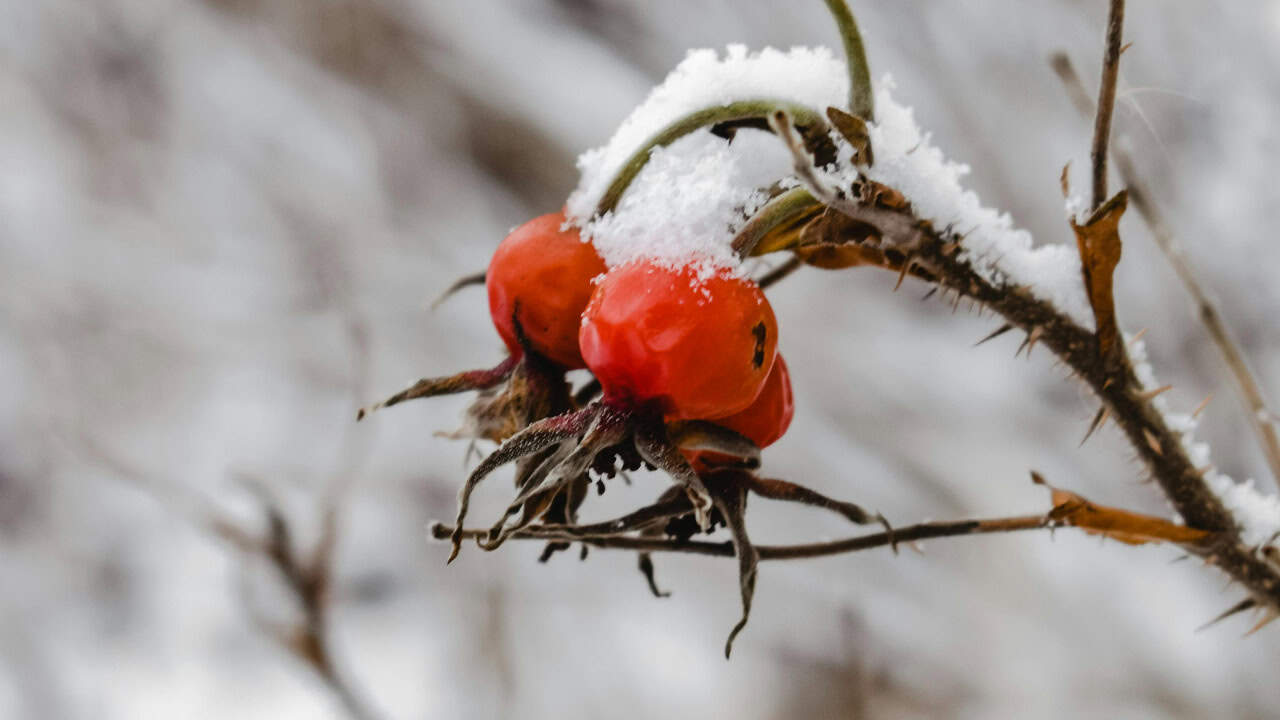
Weather conditions can greatly impact the health of your perennials. Ignoring cold snaps, heatwaves, or prolonged periods of rain can potentially kill your plants.
To protect your plants from cold, you can use horticultural fleece or move potted plants indoors. During heatwaves, make sure your plants are well-watered and consider using shade cloth to protect them from intense sun. If heavy rain is in the forecast, check if your garden has good drainage, as standing water can lead to root rot.
11. Neglecting to Deadhead
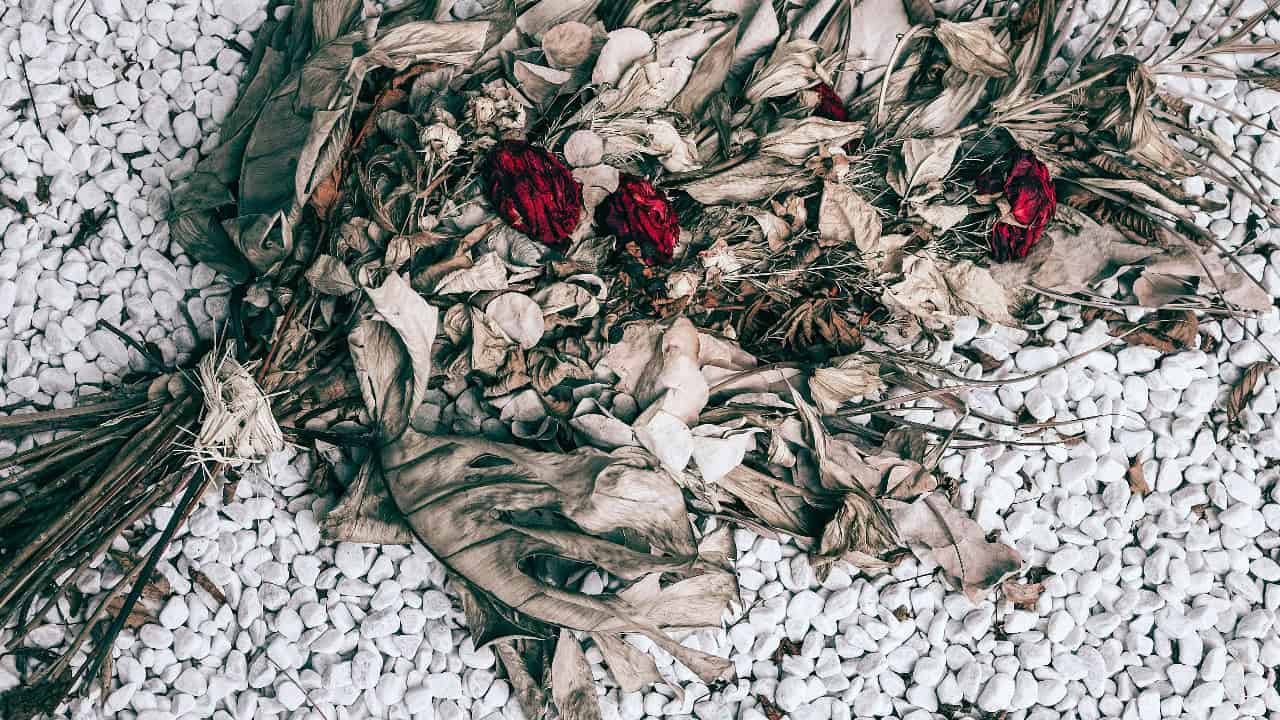
Deadheading, or removing spent flowers, can prolong the blooming period of many perennials. However, neglecting to do so can cause the plant to divert energy into seed production instead of growth and future blooms.
To deadhead, simply cut or pinch off the faded blooms. This not only keeps the plant looking tidy but also encourages more flowers to form. However, be aware that some perennials, like lupins and delphiniums, might not rebloom after deadheading.
12. Forgetting to Harden Off

Hardening off, or gradually acclimating plants to outdoor conditions, is crucial when transplanting perennials from an indoor environment. Forgetting to do so can shock the plants, leading to wilting or death.
Start by placing your plants outdoors in a shaded, protected spot for a few hours each day, gradually increasing the time and exposure to sun and wind over a week or two. This slow introduction will help your plants adjust to their new environment and reduce transplant shock.
13. Overcrowding

While it might be tempting to fit as many plants as possible into your garden, overcrowding can lead to competition for resources and increase the risk of disease.
Each plant needs enough space to spread its roots and leaves without interfering with its neighbors. Overcrowded plants may struggle to get enough light, water, and nutrients, leading to weak growth and vulnerability to pests and diseases. Always follow the recommended spacing guidelines when planting.
14. Ignoring Plant Hardiness Zones
Every plant has a range of climates in which it can survive and thrive, known as its hardiness zone. Ignoring these zones and planting perennials that aren’t suited to your climate can lead to disappointment and dead plants.
Before purchasing a plant, check its hardiness zone and compare it to your own. If your garden is in zone 5, for example, a plant that’s only hardy to zone 8 likely won’t survive your winter. Choosing plants that are well-suited to your climate will increase their chances of survival and reduce maintenance.
15. Planting Disease-Prone Varieties
While some perennials are easy to grow and resistant to most common diseases, others are more susceptible and require careful management. Planting disease-prone varieties without taking appropriate precautions can lead to plant loss.
Before planting, research common diseases for the species you’re interested in and consider whether you’re prepared to manage them. Choosing disease-resistant varieties can also help reduce maintenance and increase the health and longevity of your garden.
16. Neglecting to Amend Poor Soil
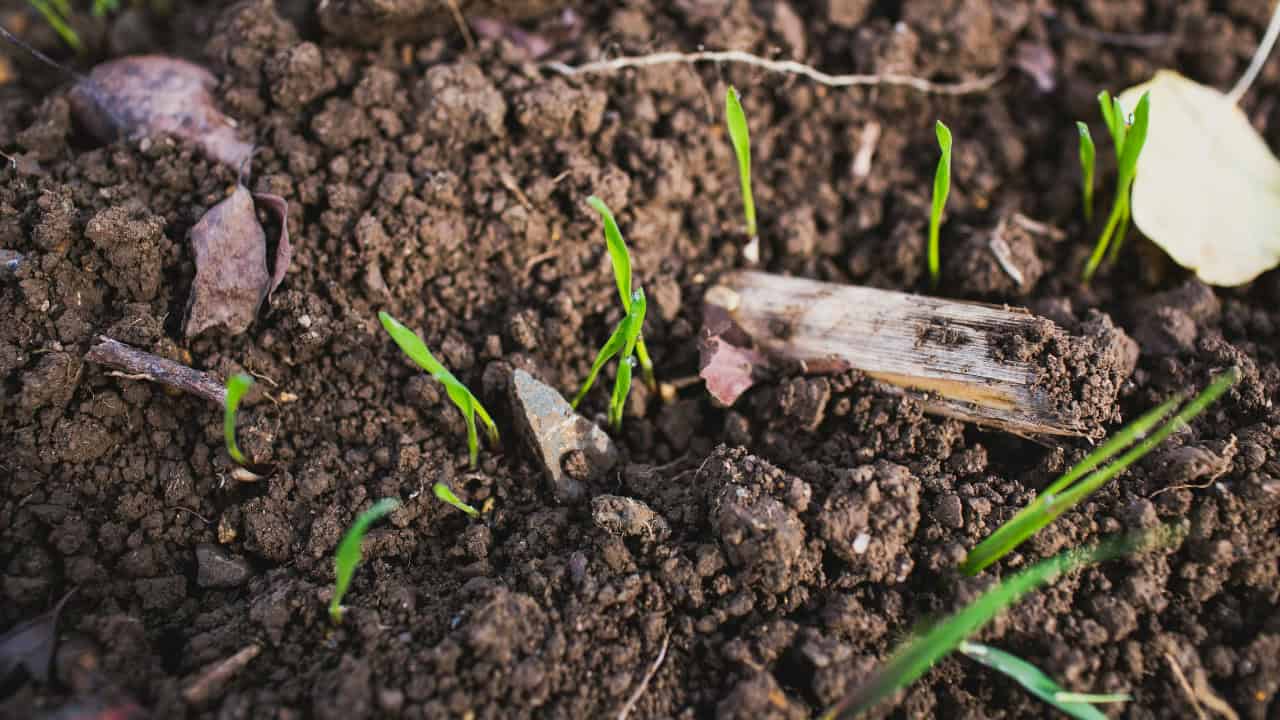
Soil is the foundation of any garden, and poor soil can lead to weak plants. Neglecting to amend poor soil with compost or other organic matter can limit your perennials’ growth and make them more susceptible to pests and diseases.
If your soil is heavy clay or sandy, adding organic matter can improve its texture and nutrient content. Regular soil testing can also help you identify any nutrient deficiencies or pH imbalances that need to be corrected.
17. Not Accounting for Growth
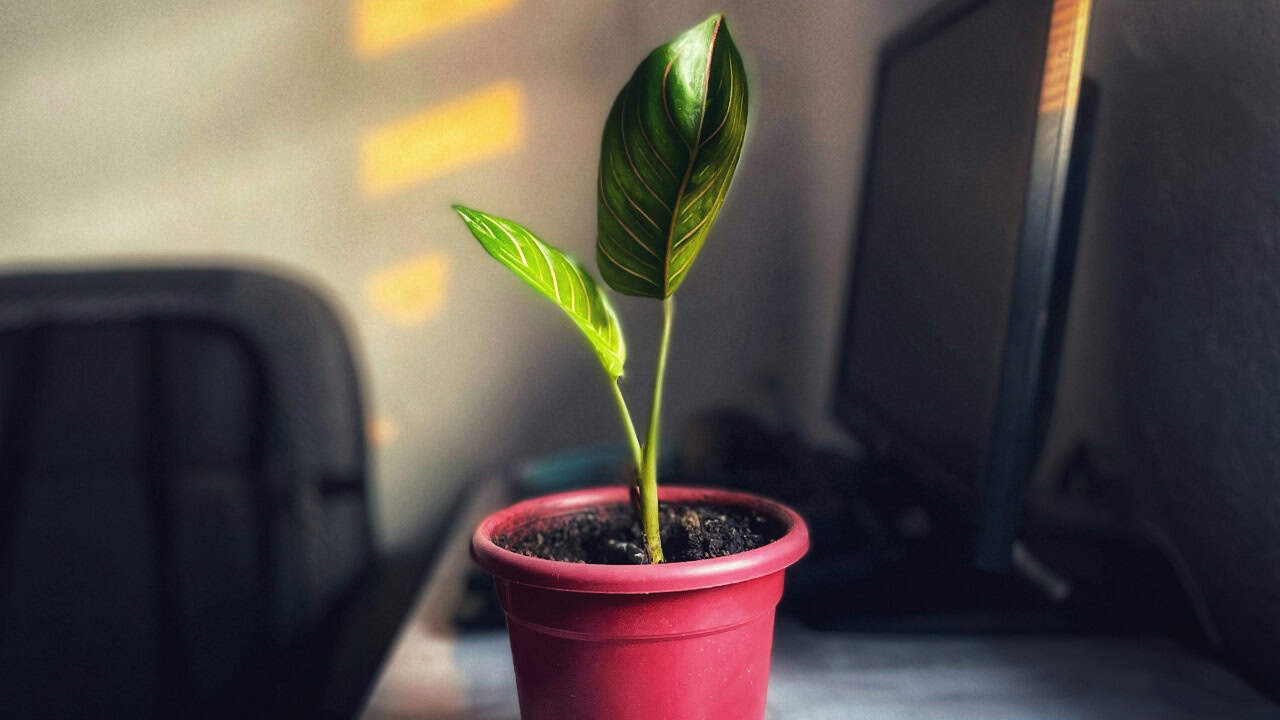
Perennials may start out small, but many grow significantly over the years. Not accounting for this growth when planting can lead to overcrowding and competition for resources.
When planting, consider the mature size of each perennial and space them accordingly. This might mean your garden looks a bit sparse in the beginning, but it will fill in over time as the plants grow. Remember, it’s easier to fill in gaps later than it is to move mature plants.
18. Ignoring Signs of Stress

Finally, one of the quickest ways to unintentionally kill your perennials is to ignore signs of stress. Whether it’s wilting leaves, stunted growth, or signs of pests or disease, these are your plants’ way of telling you something is wrong.
Regularly examining your plants and responding quickly to any issues can greatly improve their health and survival. Remember, it’s much easier to address problems when they’re small than when they’ve become major issues.