Finding plants that thrive in shady areas can be a challenge. But it doesn’t mean you have to sacrifice color or life in those darker garden spots.
With the right perennials, you can bring brightness and interest to corners that don’t receive much sunlight.
Advertisement
These 18 shade-loving perennials are perfect for adding visual appeal and vitality to your low-light spaces. They are easy to grow and designed to flourish where many other plants might struggle.
Hosta

Hostas are a great choice if you want lush, leafy plants for your shady spots. Their wide leaves come in different colors and textures, adding interest to darker corners.
You’ll find many varieties that range in size, so you can pick one that fits your garden space. They thrive well in partial to full shade and are easy to care for.
Bigroot Geranium
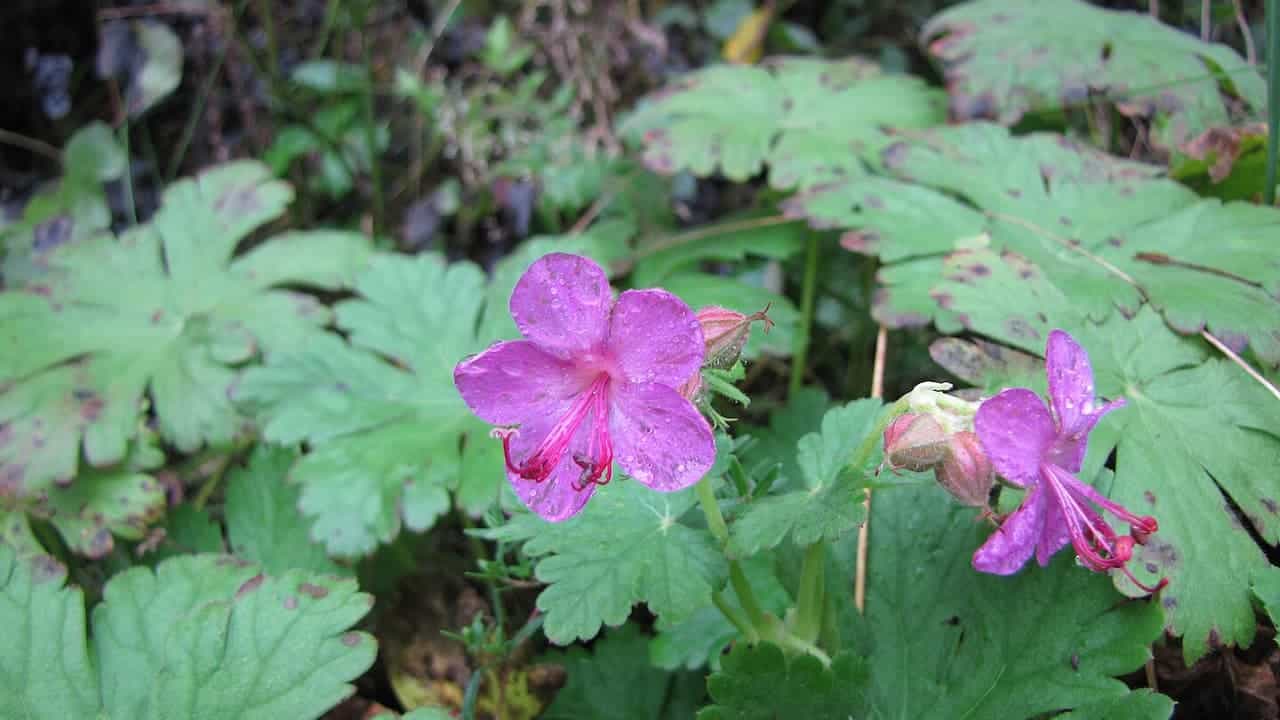
Bigroot geranium is a reliable choice if you want a tough plant for shady spots. It handles heat, drought, and dry shade with ease.
You’ll appreciate its attractive foliage and the pop of color from its delicate flowers. It grows well in Zones 4 to 8 and reaches about 2 feet tall.
This plant tends to be ignored by deer and rabbits, making it low-maintenance for your garden.
Heuchera (Coral Bells)
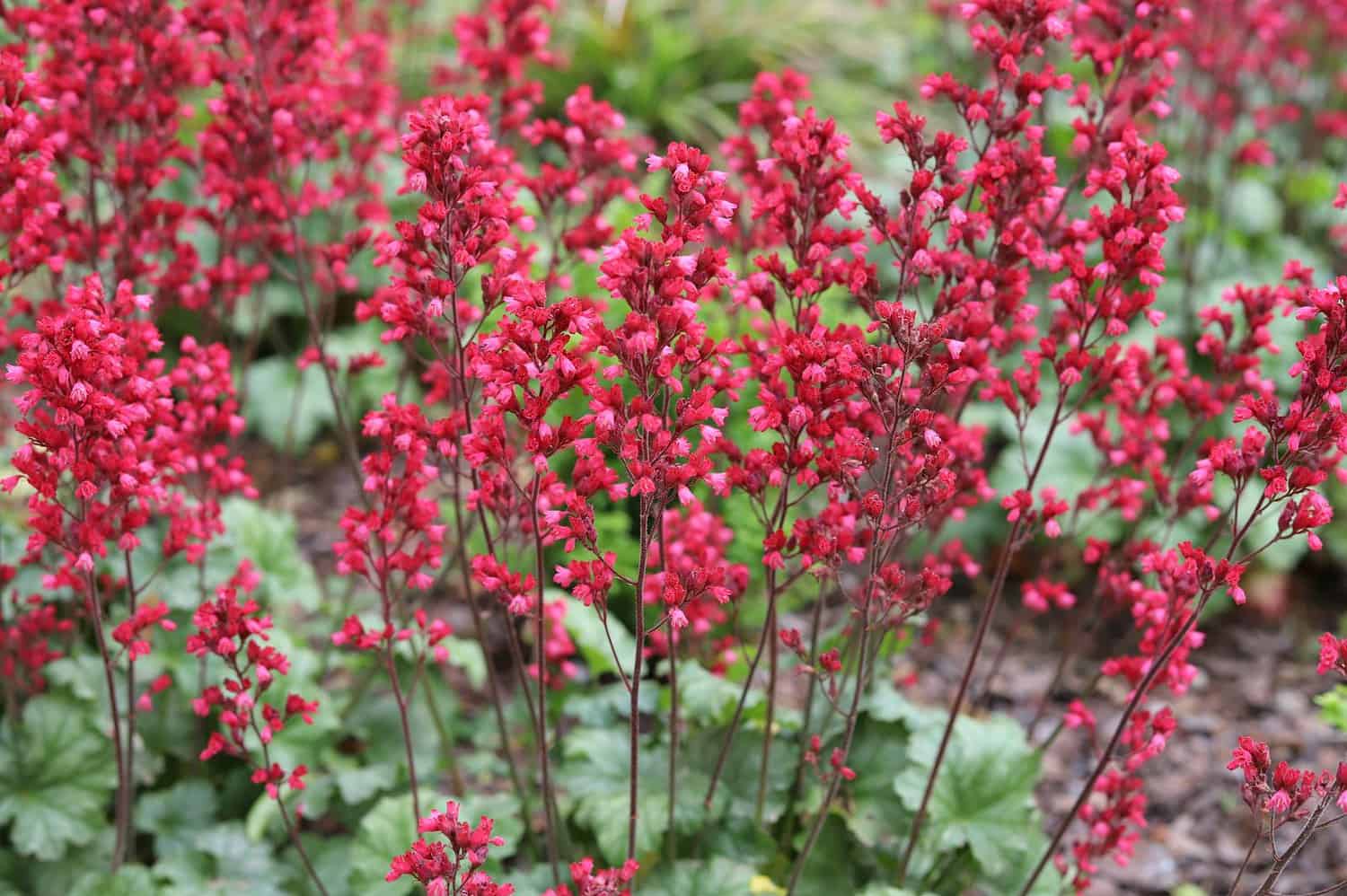
Heuchera, or coral bells, are perfect if you want to brighten shady spots in your garden. Their colorful foliage ranges from deep purples to bright greens, adding interest even without flowers.
They also produce delicate flowers that attract hummingbirds, giving your garden a little extra life.
Oakleaf Hydrangea
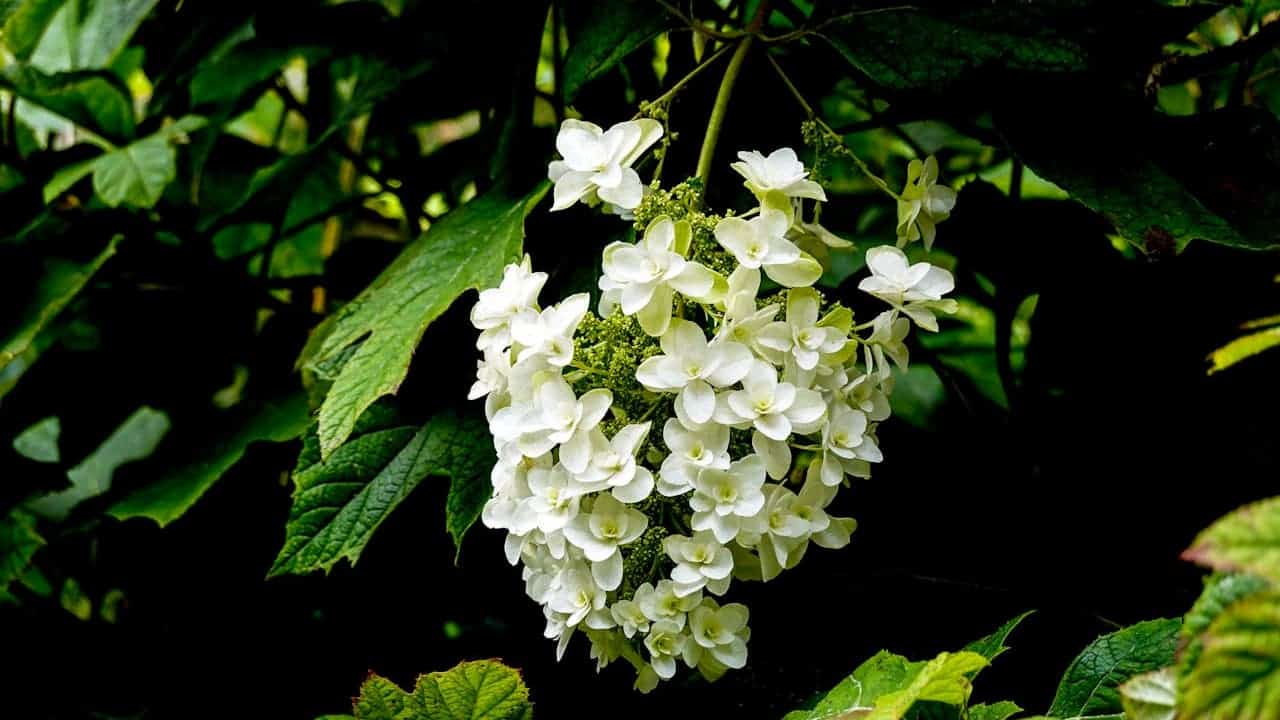
If you have a shady spot that needs brightening, the oakleaf hydrangea is a great choice. It thrives in part shade and can handle some sun, especially in cooler areas.
You’ll enjoy its large, textured leaves that turn bright yellow in fall. In summer, it produces big, white flower clusters that slowly fade to red.
Climbing Hydrangea
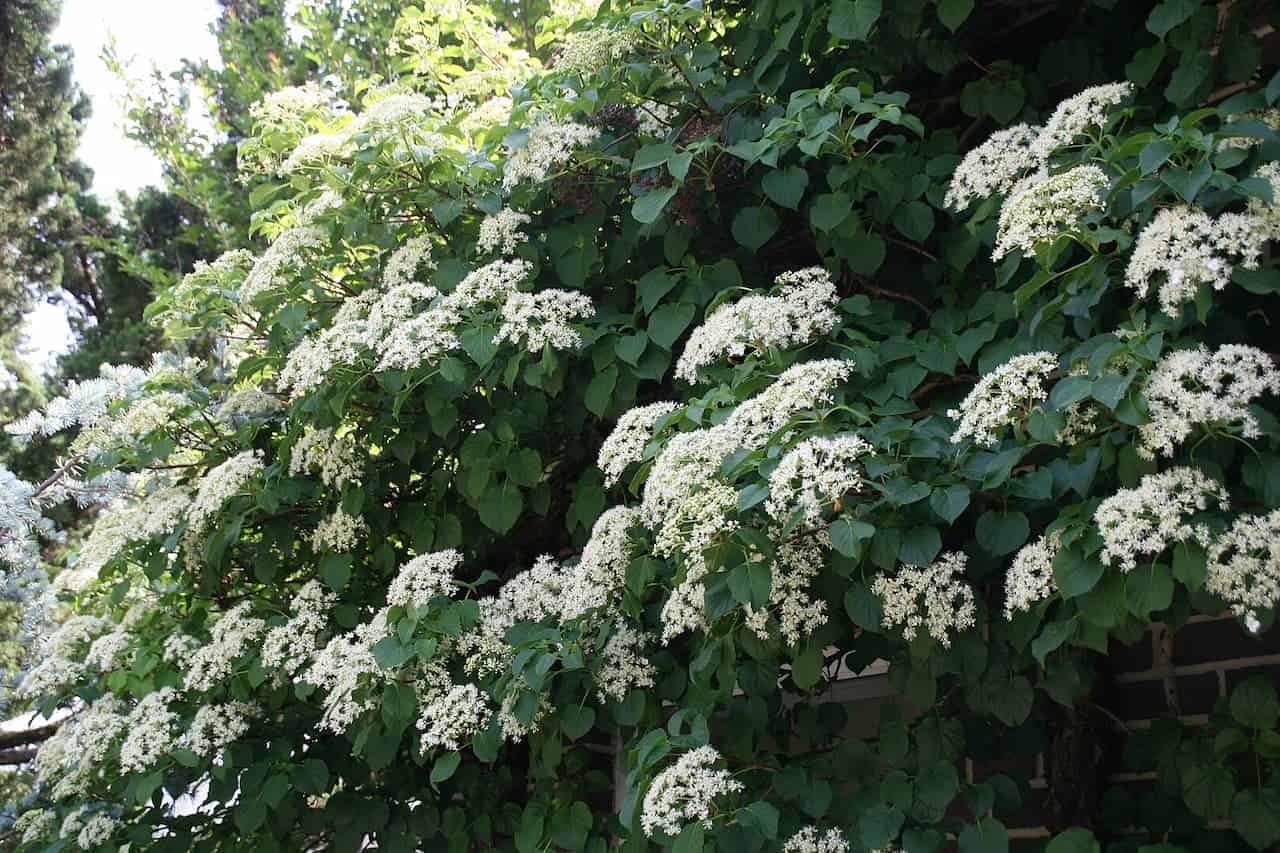
If you have a shady wall or fence, climbing hydrangea is a great choice. It thrives in partial to full shade and will slowly cover surfaces, adding greenery and texture.
You’ll enjoy its white summer flowers, which brighten up dark corners gently. It requires some support like a trellis and benefits from morning sun with afternoon shade.
Rose Sensation Hydrangea Vine
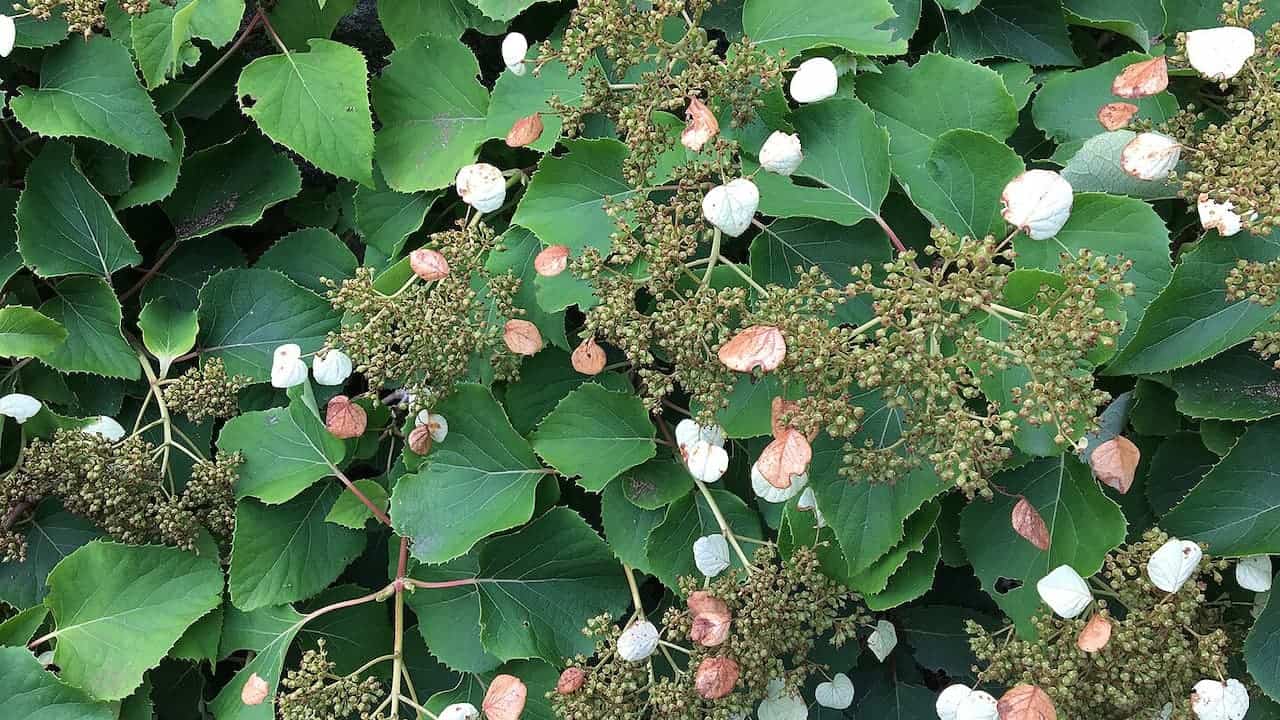
If you have a shady spot, Rose Sensation Hydrangea Vine is a great choice. It produces large clusters of pink and white flowers that stand out in low light.
You can train it to climb walls, trees, or fences. Prune in late winter to control its size and shape.
This vine can grow quite tall but fits well in many garden spaces.
New Guinea Impatiens
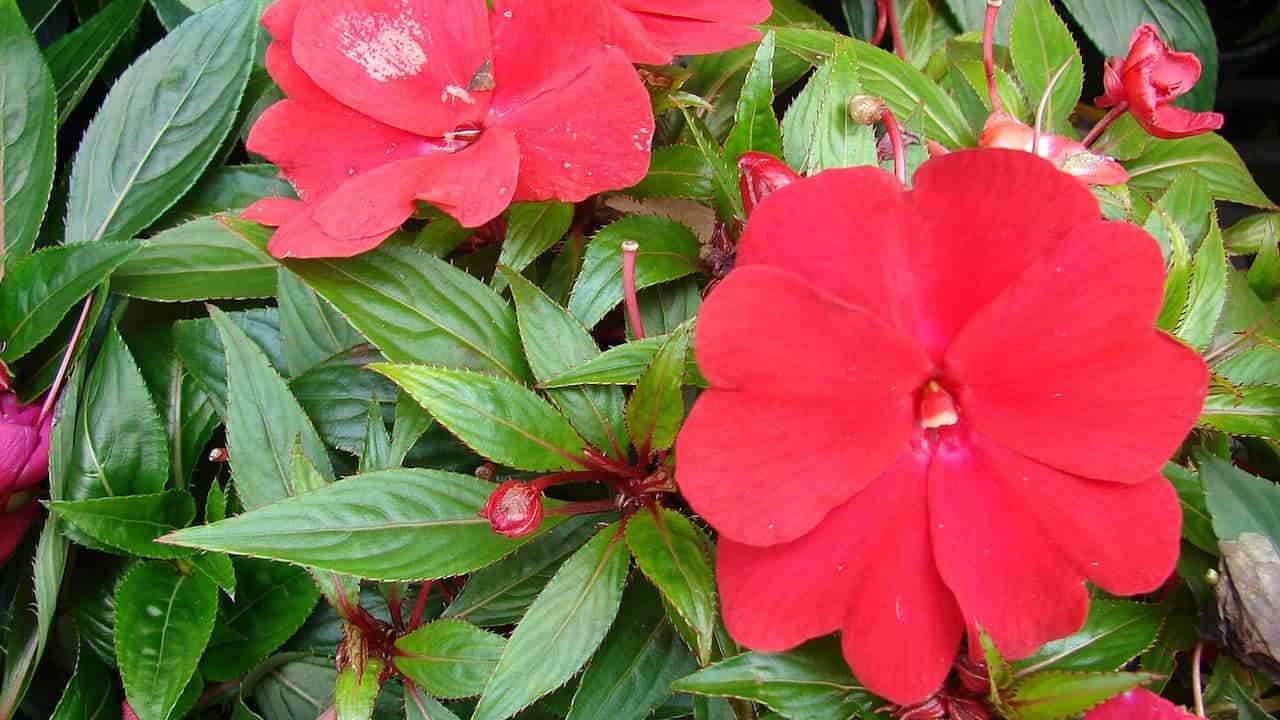
You can brighten shady spots in your garden with New Guinea impatiens. They do well in part shade but can also handle some sun if they get afternoon shade.
Keep their soil moist and well-drained to help them thrive. These plants add vibrant color and have a long blooming period.
Standard Impatiens

You’ll find standard impatiens thrive in partial to full shade, making them perfect for brightening darker garden spots. Their colorful blooms come in various shades like red, pink, and white.
These plants do well in containers or mixed borders. They require regular watering but are low-maintenance.
Caladium
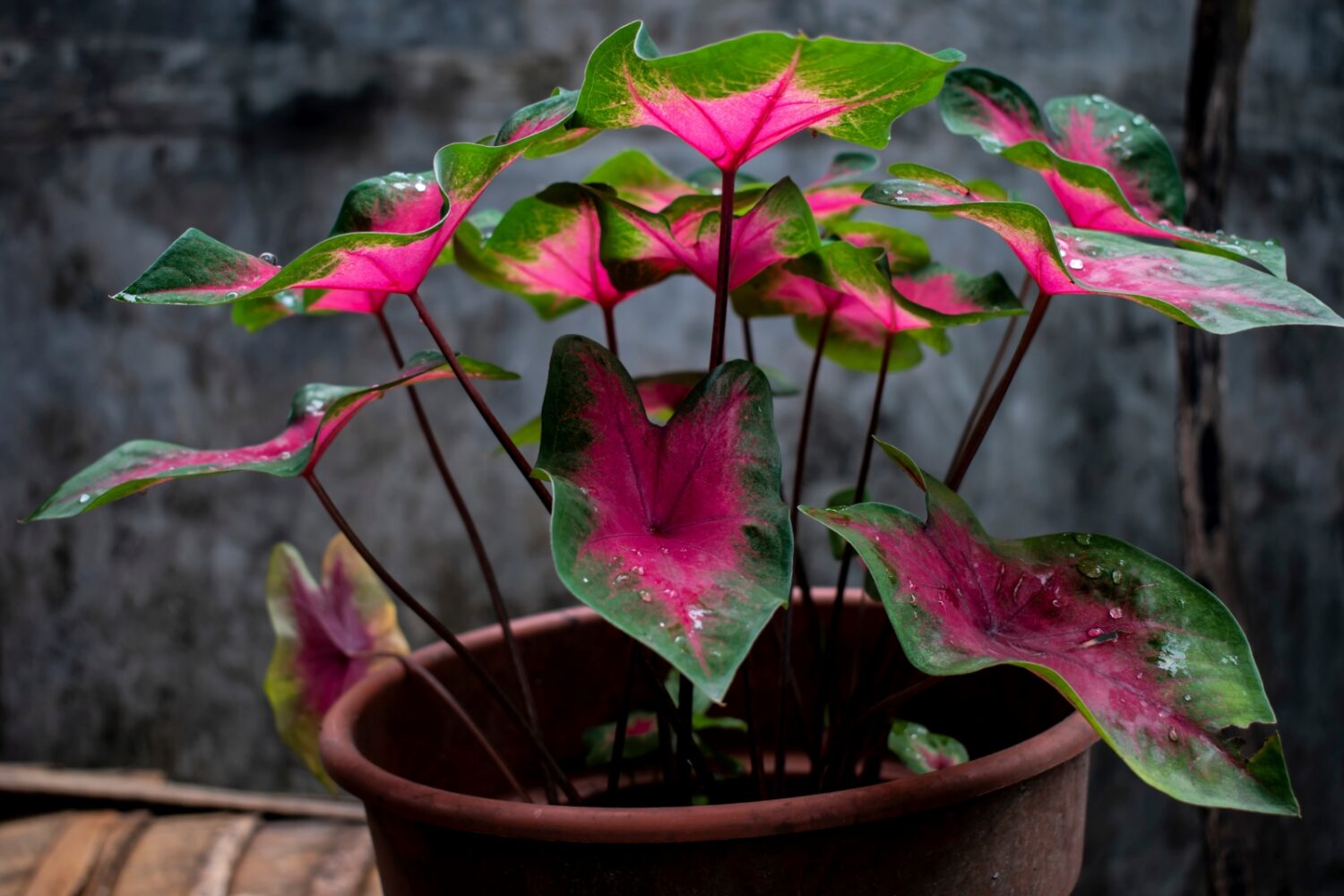
Caladiums are a great choice if you want to add bright color to a shady spot in your garden. They thrive in partial to full shade, although some types can handle a bit more sun.
Plant them in groups to create a striking display. Their large, colorful leaves can really brighten up dark corners.
You can also grow caladiums in containers for flexible placement.
Coleus
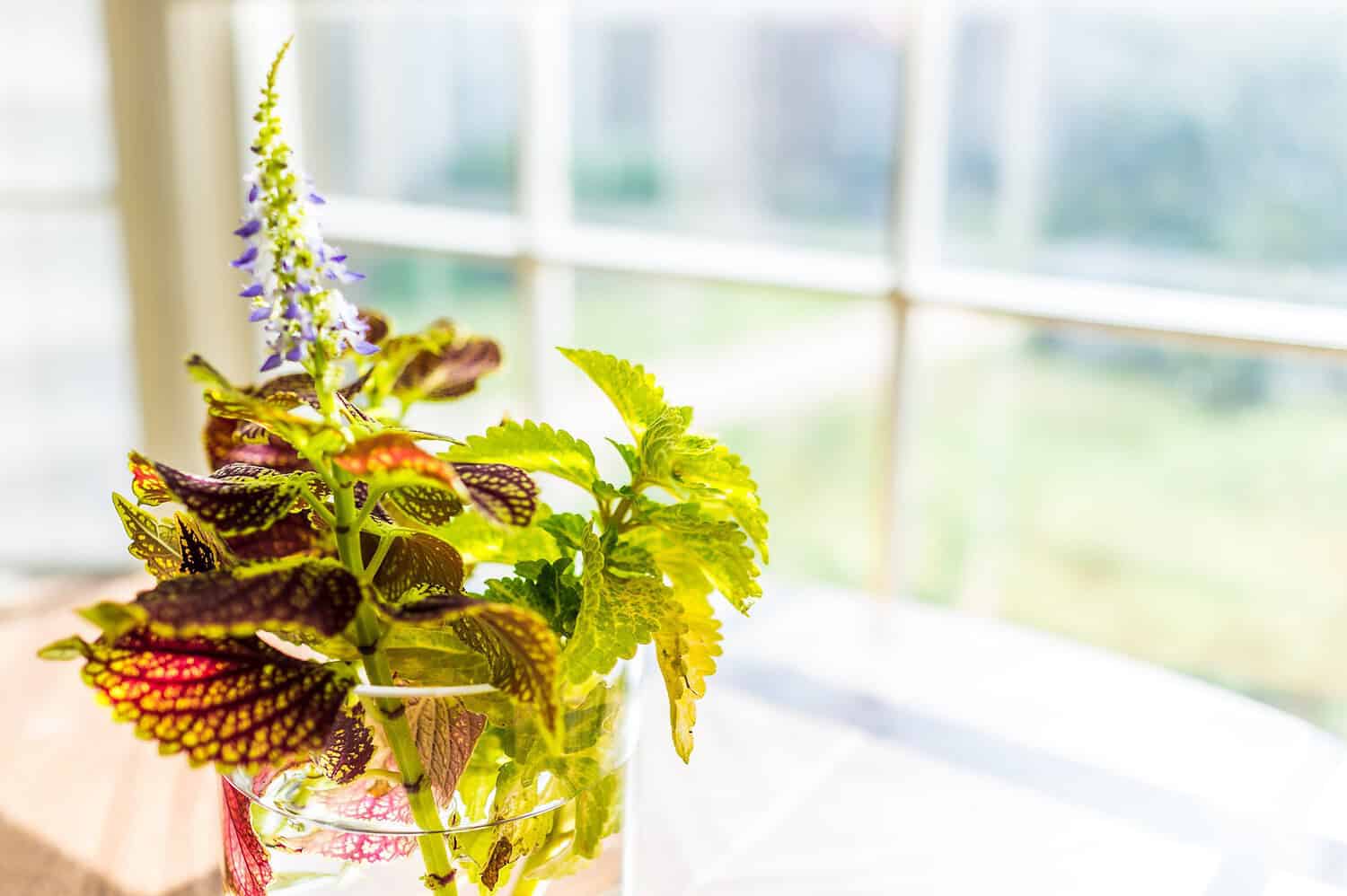
Coleus is a great choice if you want to add color to shady spots. You’ll find many varieties that thrive in shade and some that tolerate sun too.
Its vibrant leaves come in many colors and patterns, brightening dark corners easily. Just watch for too much direct sun at first, as coleus can burn when newly planted.
Snake Plant

The snake plant is great if your corner gets very little light. You don’t need to worry much because it adapts well to shade and requires little care.
It also helps improve air quality, making your space feel fresher. You can leave it alone for weeks, and it will keep growing steadily.
Peace Lily

You’ll find peace lilies are great for brightening dark corners with their elegant white flowers. They can grow well in low light but prefer bright, indirect light if you want faster growth.
Avoid placing your peace lily in direct sunlight, as this can dry out the leaves. Keep it near a north or east-facing window for best results.
Fern

Ferns are a great choice for shaded spots in your garden. Their delicate, feathery leaves add texture and softness to dark corners.
You can try varieties like cinnamon fern, which forms an elegant, vase-shaped clump, leaving space for smaller plants underneath.
Ferns thrive in moist, shady areas and can brighten your space without needing much direct sunlight.
Chinese Evergreen

You’ll find Chinese Evergreen is perfect for low-light spots in your home. Its broad, colorful leaves add a touch of life to darker corners without much fuss.
This plant enjoys humidity but adapts well to indoor conditions. It’s slow-growing and needs minimal care.
Pothos

You’ll find pothos to be a great option for dark corners. It can tolerate low light conditions, making it easy to care for.
This plant’s trailing vines add a nice touch to any shady spot. Just keep in mind, brighter indirect light helps its leaves stay colorful.
Pothos is forgiving if you forget to water sometimes, so it’s perfect if you want a low-maintenance perennial.
Begonias
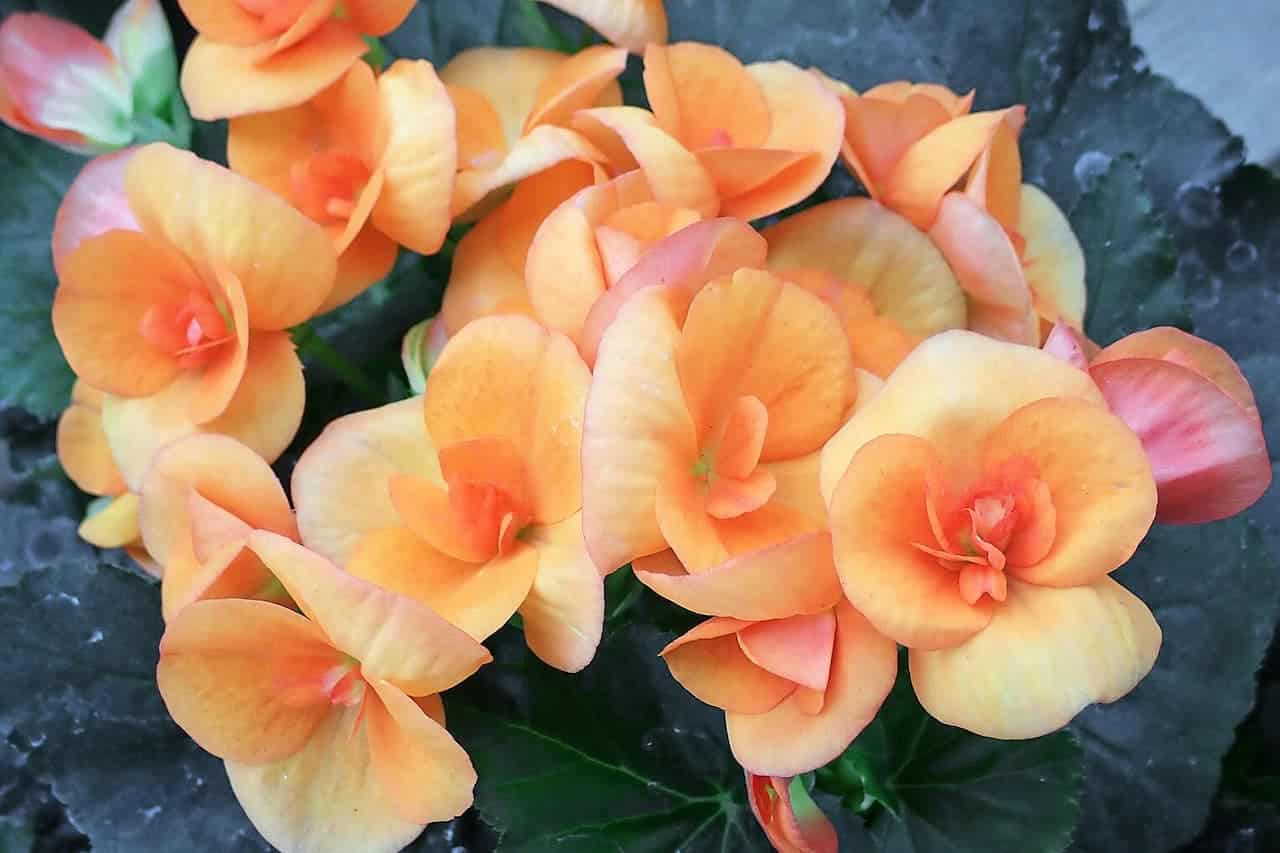
You’ll find begonias are great for brightening shady spots in your garden. They thrive in partial to full shade and don’t need much direct sunlight.
Begonias produce colorful flowers that bloom from summer through fall, adding long-lasting color. They are also easy to care for and require little water.
Plant begonias in moist, well-drained soil to keep them healthy and vibrant.
Taxus cuspidata ‘Dwarf Bright Gold’
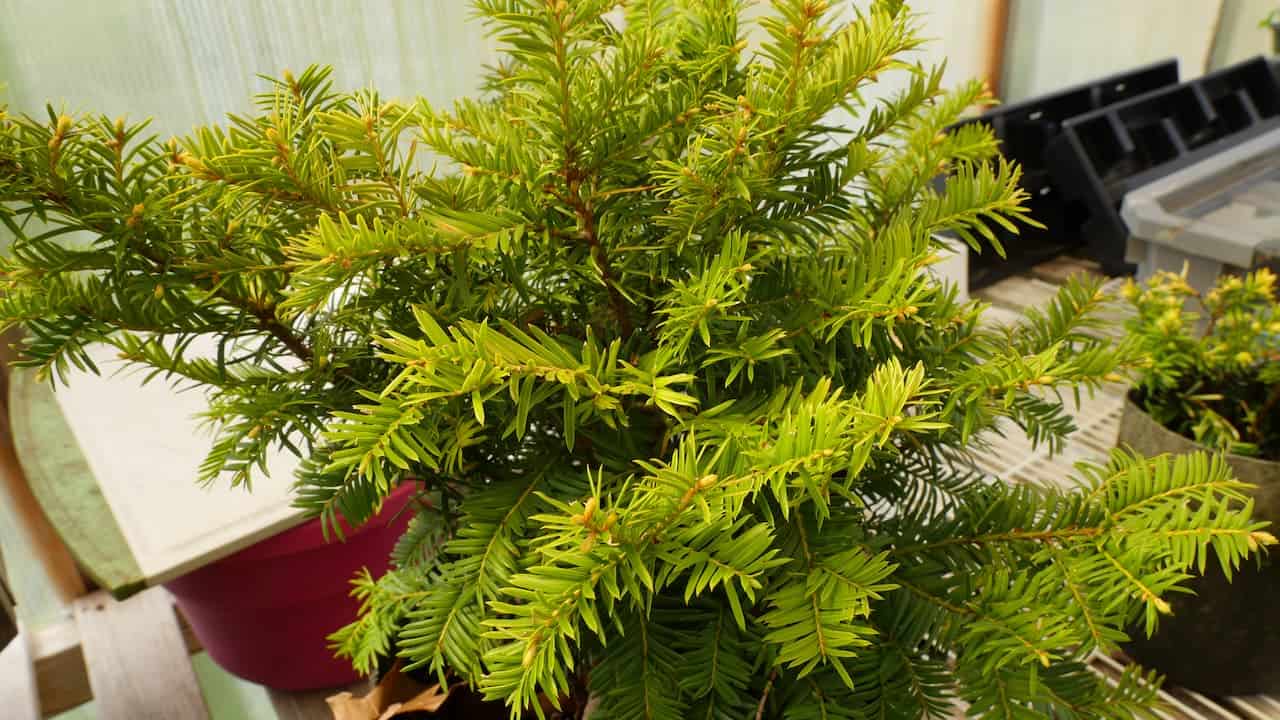
You’ll like Taxus cuspidata ‘Dwarf Bright Gold’ if you want a low-maintenance evergreen for shady spots. It grows slowly, reaching about 3 to 4 feet tall and wide, making it great for tight spaces.
In full sun, its needles turn a bright gold, adding color to darker areas. In shade, the foliage stays green but remains attractive.
It prefers moist, well-drained soil and tolerates deep shade well.
Taxus cuspidata ‘Nana Aurescens’
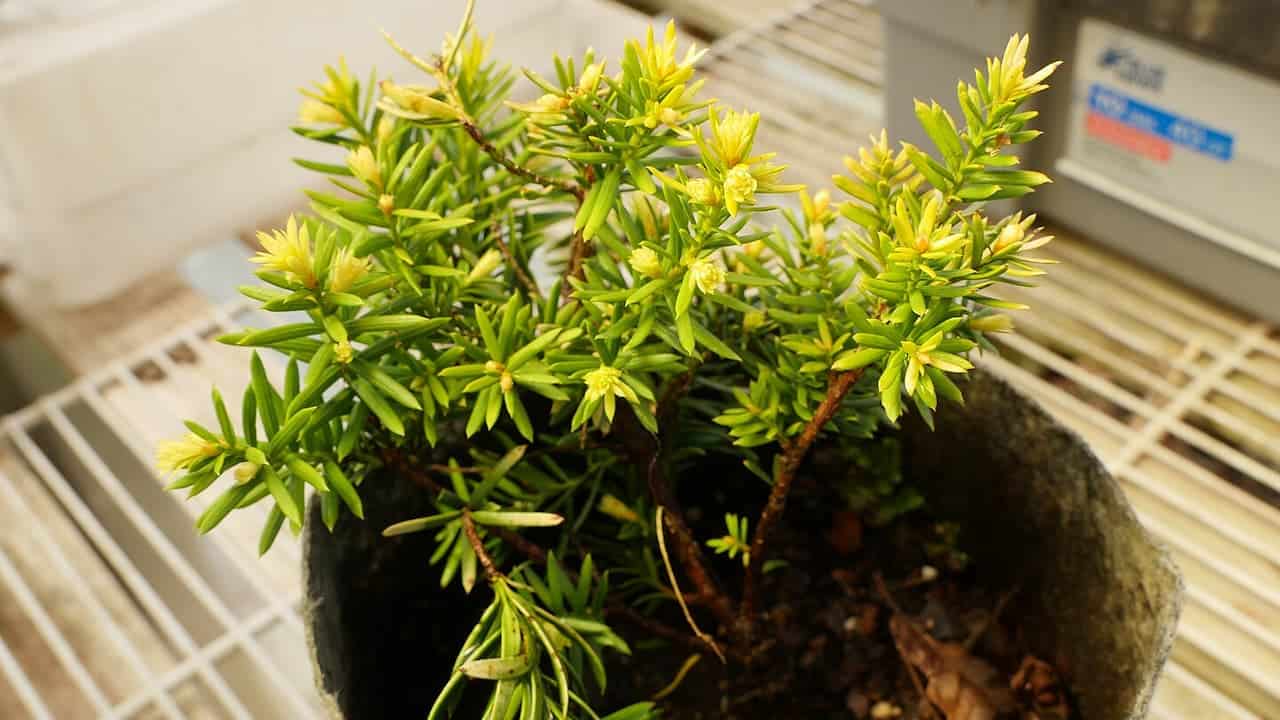
If you want a slow-growing evergreen that adds structure, Taxus cuspidata ‘Nana Aurescens’ fits well. It spreads wider than it grows tall, reaching about 2 feet high and 3 to 4 feet wide over 10 years. This shrub thrives in part shade to full sun.
It prefers well-drained, medium moisture soils. Its golden-yellow new growth brightens shady spots nicely without demanding much care.