Have you ever wondered why your container plants keep dying even though you’re following all the care instructions to a tee? Well, you’re not alone. Container gardening is a fantastic way to grow your own food, create a lush living space, or simply enjoy the therapeutic benefits of nurturing plants. However, it can be profoundly frustrating when your green-thumb efforts are met with wilting, yellowing, or dead plants.
Let’s explore 18 reasons why your container plants might be dying and offer practical solutions to help you turn your container garden into a thriving green space.
Advertisement
1. Inadequate Drainage

The importance of proper drainage in container gardening cannot be overstated. When water can’t escape the pot, it can lead to waterlogged soil and ultimately, root rot.
Many pots come with drainage holes at the bottom but if you’re using a container without them, it’s crucial to create your own. You can use a drill to make several holes at the bottom of the pot. To prevent soil from washing out through these holes, place a piece of mesh or a coffee filter at the bottom before adding soil.
2. Wrong Soil Type

Not all soil is created equal. Using the wrong type of soil can lead to poor plant health or even death.
Garden soil is heavy and can compact in containers, leading to poor drainage and root health. Instead, opt for a high-quality potting mix designed for container plants. These mixes are lighter and contain the right balance of nutrients for your plants.
3. Overwatering

Overwatering is one of the most common reasons for container plants dying. It’s easy to think that more water equals more growth, but this is a misconception.
When plants receive too much water, their roots can become waterlogged and oxygen-starved. It’s better to let the soil dry out slightly between waterings. Remember, it’s easier to revive a slightly dry plant than a drowned one.
4. Underwatering

Just as overwatering can be detrimental, so can underwatering. Plants need water to transport nutrients, so if they’re not getting enough, they can wilt and die.
Check the moisture level of the soil before watering. If the top inch of the soil is dry, it’s usually a good time to water. During hot weather, container plants may need watering more than once a day.
5. Lack of Sunlight

Photosynthesis, the process by which plants make food, requires sunlight. If your plants aren’t getting enough light, they can’t produce the energy they need to grow.
Most vegetables and flowers need at least six hours of direct sunlight each day. If your plants are in a shady spot, consider moving them to a sunnier location or supplementing with grow lights.
6. Too Much Sunlight

While plants need sunlight to grow, too much can cause damage. Sunscald can cause leaves to turn white or brown and eventually die.
If your plants are getting too much sun, consider moving them to a slightly shadier location, or providing some form of shade during the hottest part of the day.
7. Nutrient Deficiency
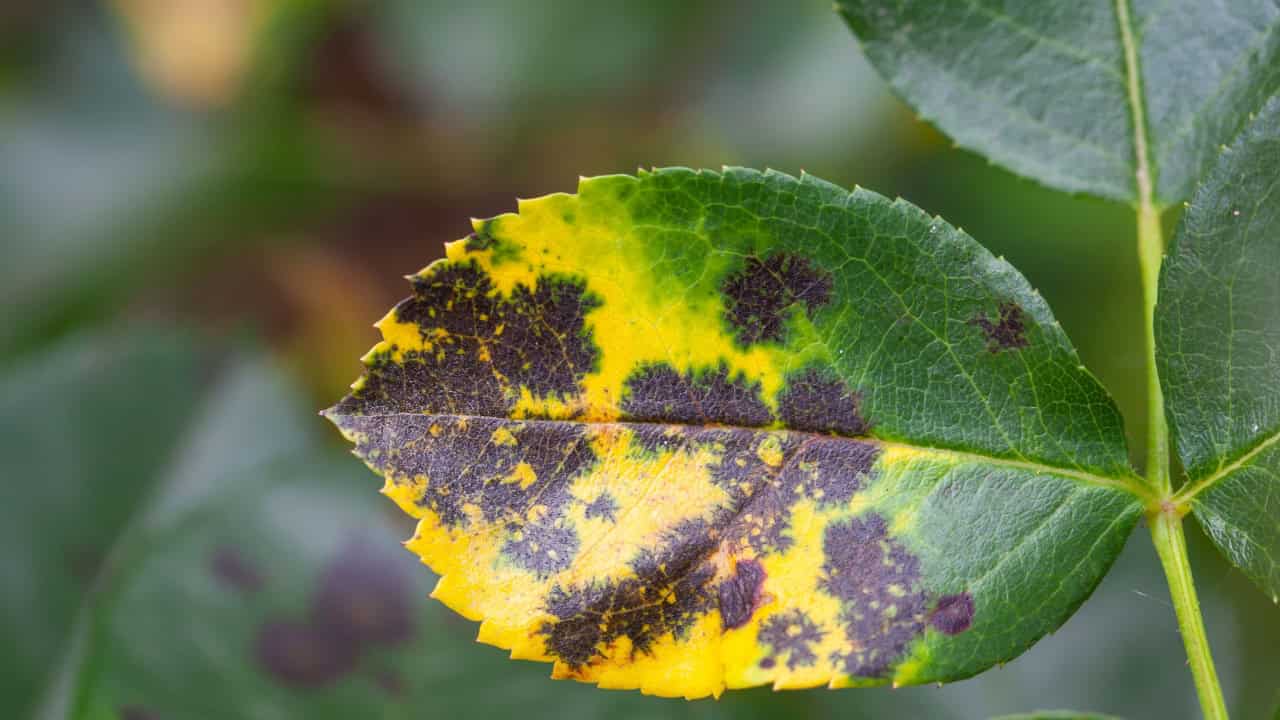
Plants require a variety of nutrients to thrive. A lack of any one nutrient can lead to stunted growth, discoloration, or death.
Use a balanced, slow-release fertilizer designed for container plants. Follow the package instructions for application rates and frequency.
8. Over-fertilization

While plants need nutrients to grow, too much of a good thing can be harmful. Over-fertilization can lead to salt buildup, which can burn plant roots and cause wilting or death.
Always follow the package instructions when applying fertilizer. If you suspect over-fertilization, flush the soil with water to remove excess salts.
9. Incorrect pH

The pH level of the soil can affect a plant’s ability to absorb nutrients. If the pH is too high or too low, it can lead to nutrient deficiencies.
Most plants prefer a slightly acidic to neutral pH (6.0-7.0). You can purchase a soil test kit to check the pH of your soil and adjust as necessary with lime (to raise pH) or sulfur (to lower pH).
10. Overcrowding
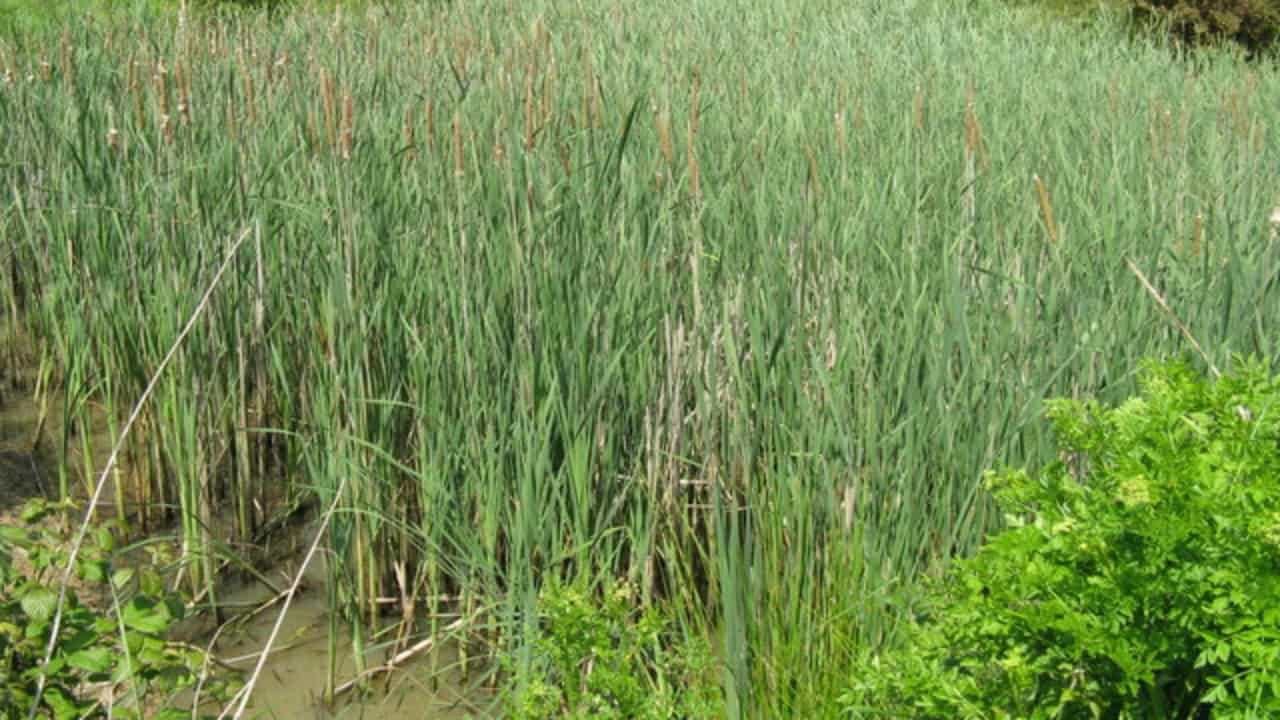
Plants need space to grow. Overcrowding can lead to competition for resources and increase the risk of disease.
Ensure each plant has enough space to grow to its full size. If plants become overcrowded, consider transplanting some to another container.
11. Disease
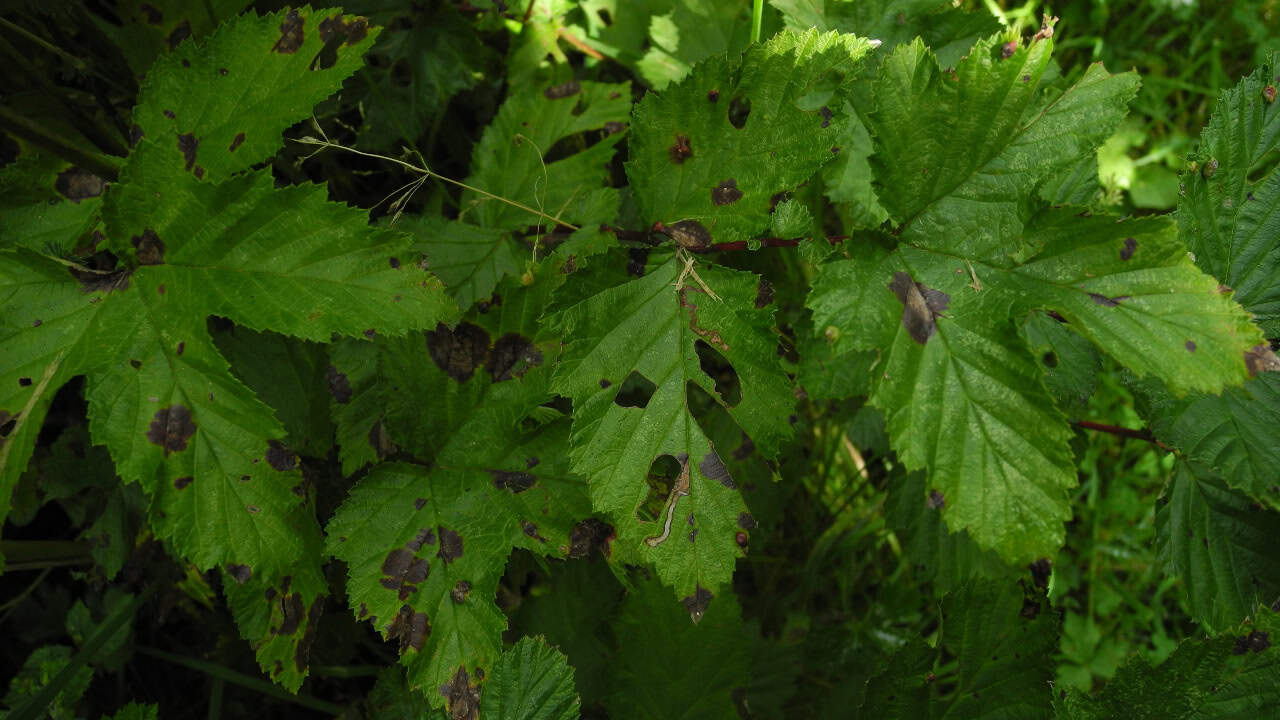
Plant diseases can quickly spread and kill off your container plants. Common diseases include powdery mildew, root rot, and various fungal infections.
If you notice discolored leaves, spots, or unusual growth, isolate the affected plant and diagnose the problem. Use organic or chemical treatments as necessary.
12. Pests
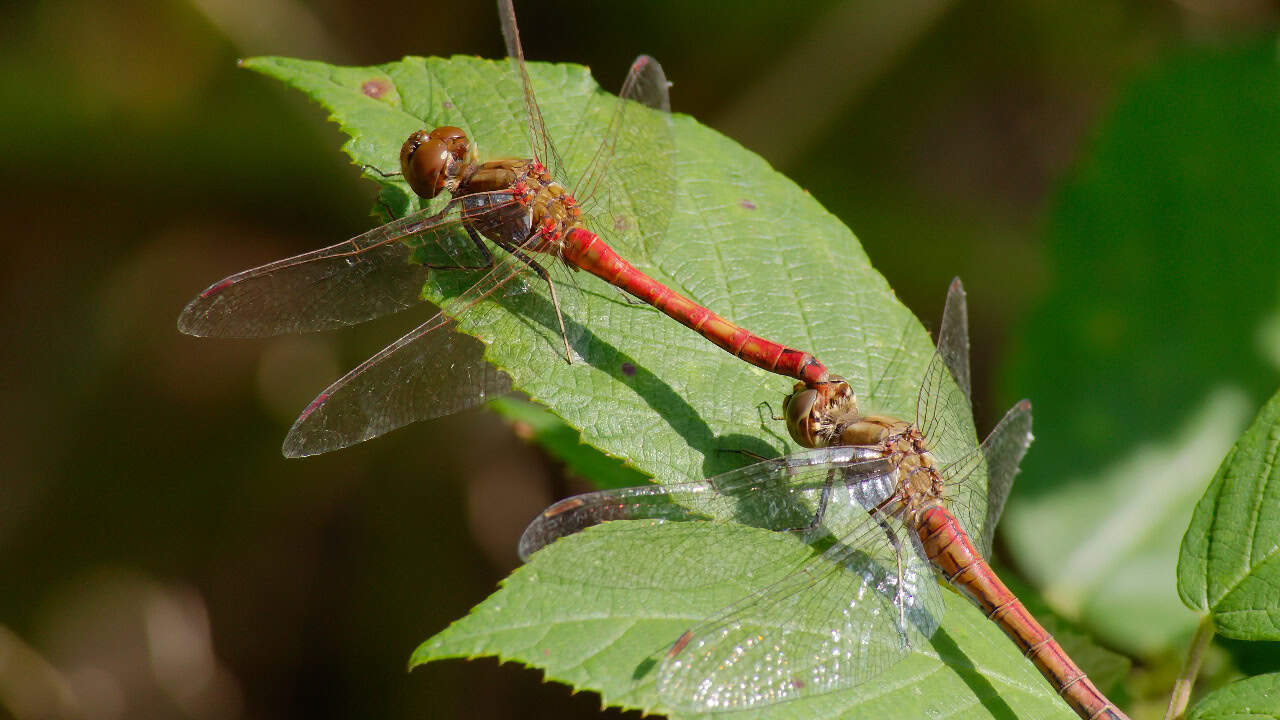
Pests can cause significant damage to container plants. Common pests include aphids, spider mites, and slugs.
Keep an eye out for signs of pests, such as chewed leaves or a sticky residue. Use organic or chemical pest control methods as necessary.
13. Temperature Stress

Plants have specific temperature ranges in which they can thrive. Too hot or too cold, and they can suffer stress or even die.
Monitor the temperature of your growing environment and choose plants that are suited to your climate. Protect plants from extreme temperatures with insulation or moving them indoors.
14. Poor Air Circulation
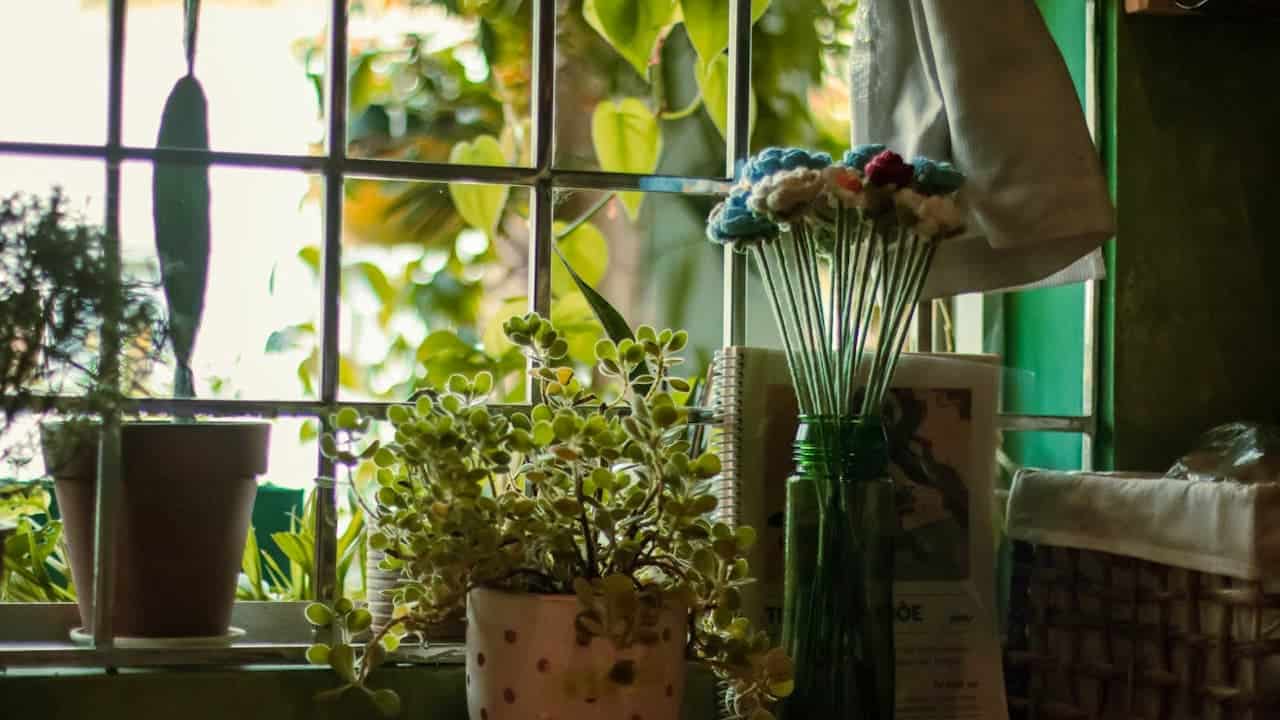
Good air circulation is vital for plant health. It can help prevent the spread of disease and pests, and promotes healthy growth.
Ensure your plants are not too crowded and that there is good airflow around your containers. If necessary, use a fan to improve circulation.
15. Planting Depth

Planting depth can significantly impact a plant’s health. Planted too deep or too shallow, and the plant can suffer.
As a general rule, most plants should be planted at the same depth they were growing in their nursery pot. Check the plant tag for specific planting depth instructions.
16. Poor Quality Plants

Sometimes, the problem isn’t you – it’s the plants. Poor quality plants are often already stressed or diseased and may not survive no matter how well they’re cared for.
Buy your plants from a reputable nursery and check for signs of disease or stress before purchasing.
17. Planting at the Wrong Time

Every plant has an ideal planting time, usually based on temperature and daylight hours. Planting at the wrong time can lead to poor growth or death.
Check the plant tag or ask at your local nursery for the best time to plant each type of plant in your container garden.
18. Not Acclimatizing Plants
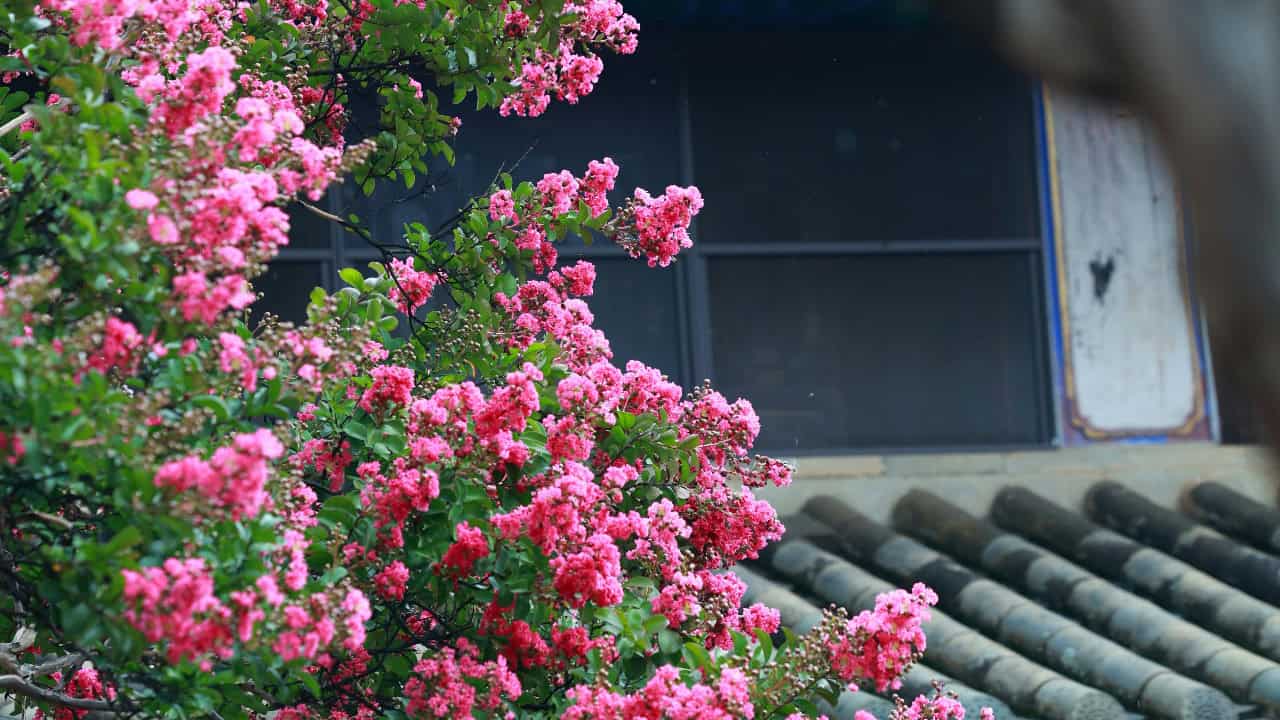
Plants need time to adjust to new conditions. If moved from a greenhouse to your outdoor garden without acclimatizing, they can suffer shock and die.
Introduce new plants to your garden gradually, increasing their exposure to sunlight and outdoor conditions over a week or so. This process, known as hardening off, can greatly improve your plants’ chances of survival.
By understanding these 18 reasons why your container plants might be dying, you can take steps to ensure a healthy, thriving garden. Happy gardening!