Gardening enthusiasts and plant lovers alike often have a list of favorite plants they’d love to see flourish in their gardens. However, some of these popular plants can become more of a headache than a delight. These invasive plants can quickly spread, out-competing native species, altering habitats, and damaging ecosystems.
To help you better understand the plants that could potentially wreak havoc in your garden, we’ve compiled a list of 18 popular plants that can turn into invasive nightmares.
Advertisement
1. English Ivy

This evergreen climbing vine is popular for its ability to create a lush, green cover over walls, fences, and trees. However, English Ivy is notoriously difficult to control. It grows rapidly, spreading its roots and vines across your garden and suffocating other plants. Its dense growth prevents sunlight from reaching the plants underneath it, causing them to die. Removing it is a daunting task as it requires pulling out the roots completely.
English Ivy can also cause structural damage if it’s allowed to grow on walls or buildings. The roots can get into cracks and crevices, causing them to widen over time. If you must have this plant in your garden, ensure that it is regularly pruned and kept in check.
2. Bamboo
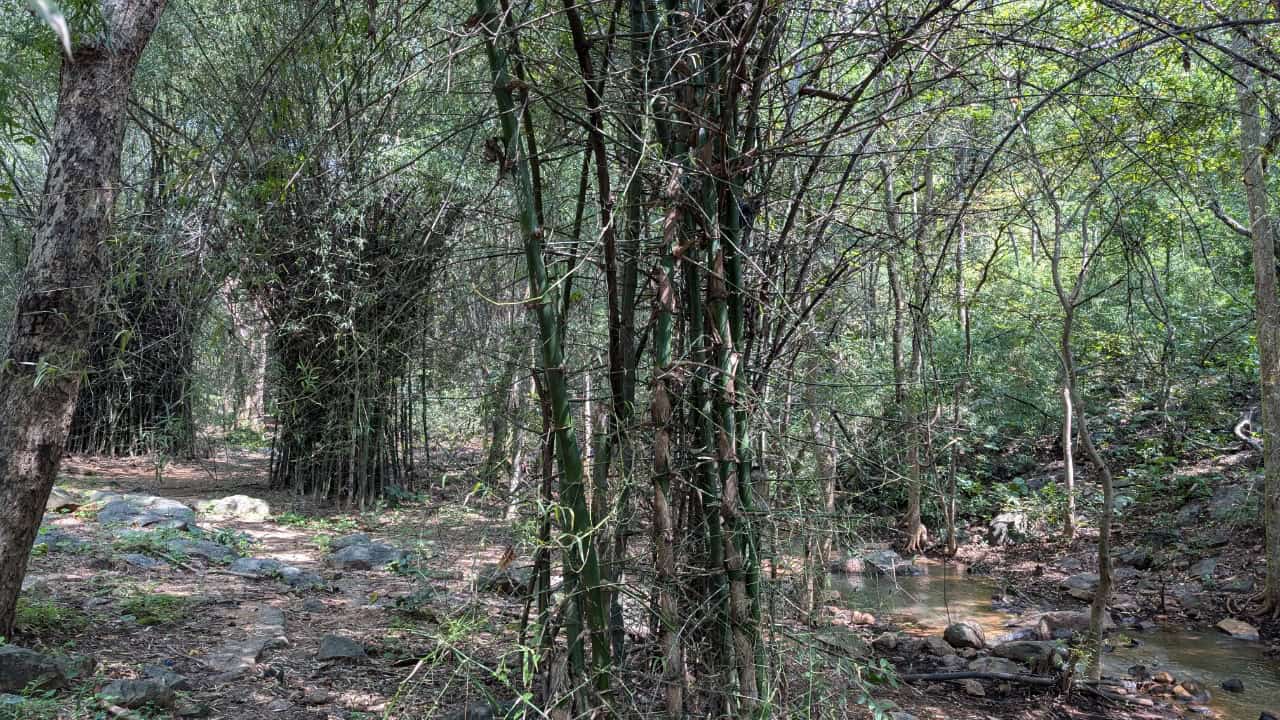
Bamboo is loved for its exotic look and fast growth. It’s often used as a privacy screen due to its dense growth. However, bamboo is a real nightmare when it comes to invasiveness. It’s a robust grower, and its roots, called rhizomes, can spread extensively and rapidly.
Bamboo can quickly take over your garden and even spread to your neighbor’s yard. The plants are extremely difficult to remove as the rhizomes grow deep into the ground. To prevent bamboo from becoming invasive, it’s recommended to plant it in containers or use rhizome barriers when planting in the ground.
3. Morning Glory
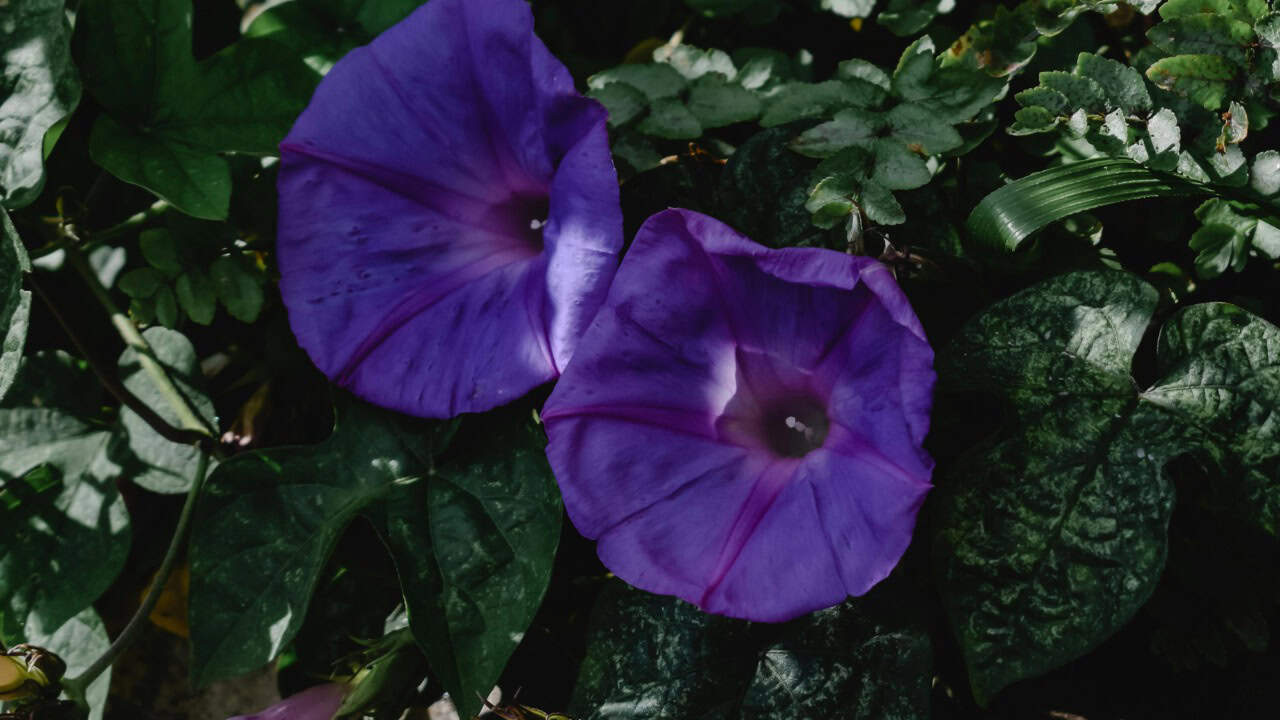
The Morning Glory vine is admired for its beautiful, trumpet-shaped flowers that bloom in the morning. But this plant can become an invasive nightmare as it can grow up to 10 feet in a single season, smothering other plants in its path.
The seeds of Morning Glory can remain viable for many years, making it even more challenging to control. The plant can also self-seed, meaning new plants can sprout without any human intervention. If you choose to grow this plant, make sure to remove the flowers before they produce seeds, and regularly check for any new growth.
4. Kudzu
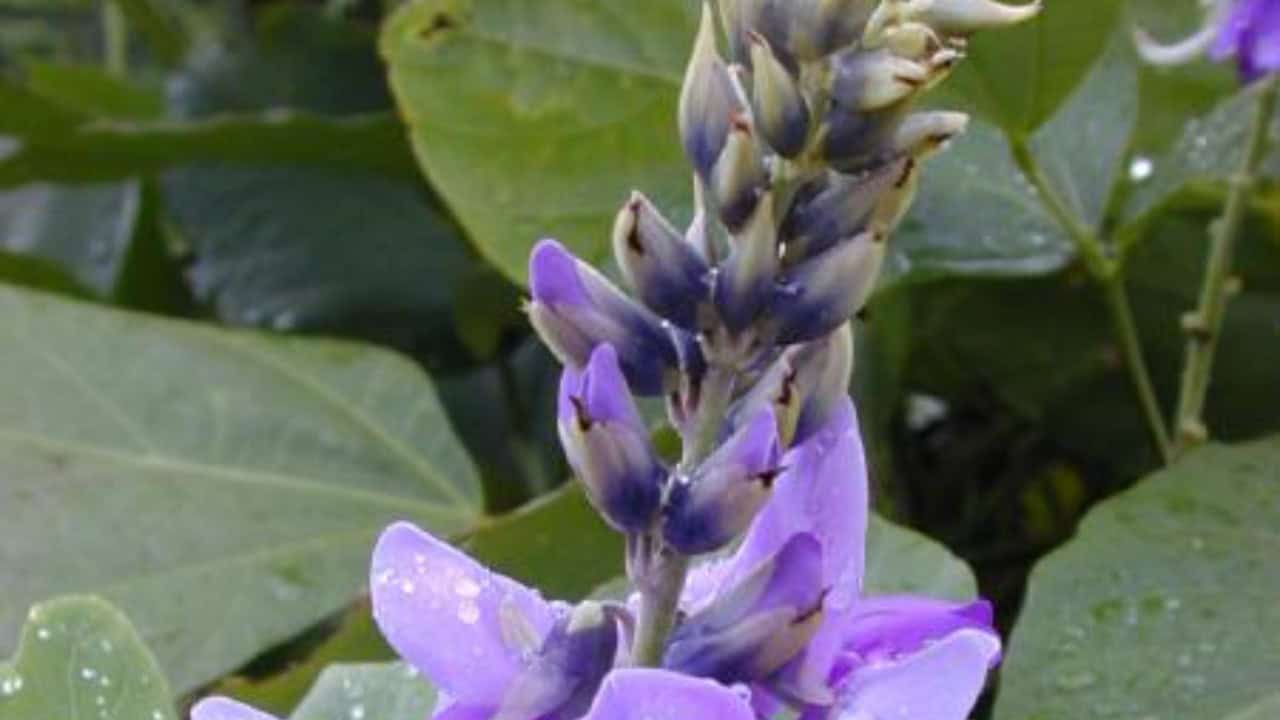
Kudzu is a fast-growing vine native to Asia. It was introduced to the United States as a way to prevent soil erosion, but it quickly became a problem due to its rapid growth rate. Kudzu can grow up to a foot a day and completely cover trees, shrubs, and even buildings if left unchecked.
Kudzu is difficult to control as it can regrow from its root system even after the vines have been cut down. This plant can also strangle trees and shrubs by wrapping around them and blocking their access to sunlight. If Kudzu is growing in your yard, it’s recommended to seek professional help to remove it.
5. Japanese Knotweed
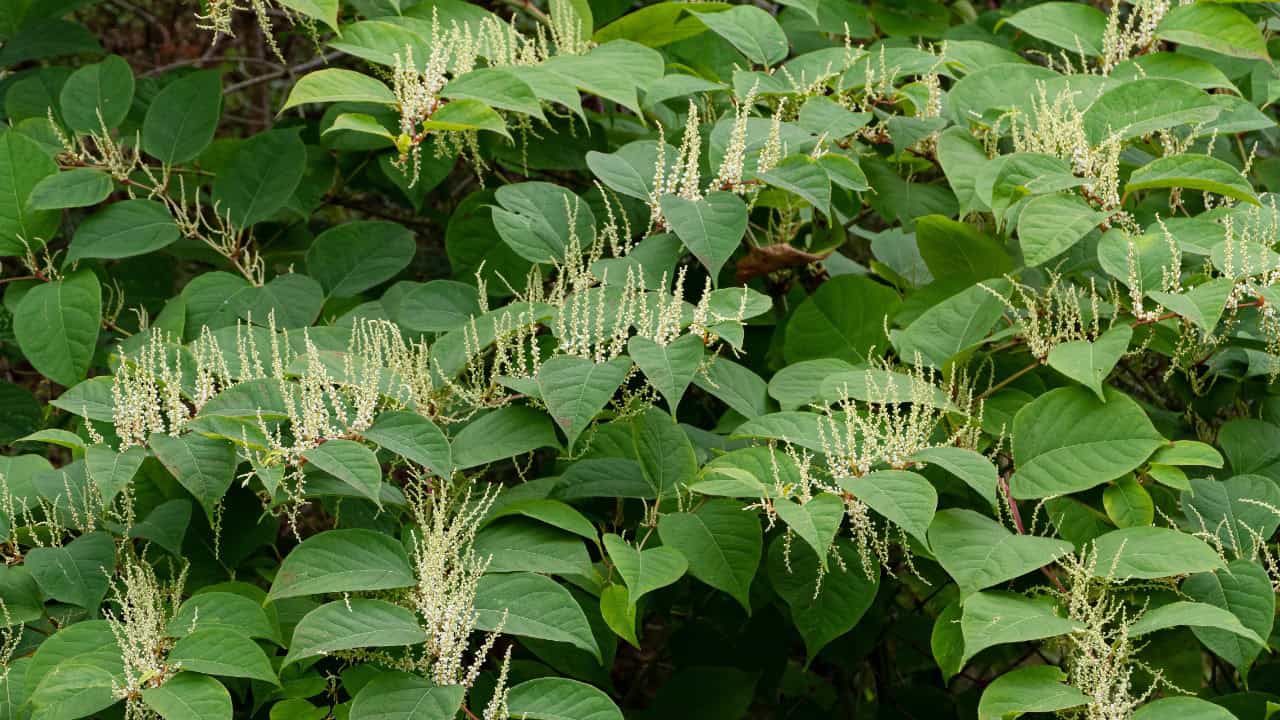
Japanese Knotweed is a plant that has been causing headaches for homeowners and gardeners alike. It’s a robust plant that can grow through concrete and even damage building structures with its strong root system. It spreads quickly and can take over a garden in no time.
Control of Japanese Knotweed is a challenging task, and it often requires professional help. The plant can regrow from a tiny piece of its root, so it’s essential to remove the entire root system. If you see this plant on your property, act quickly to prevent it from spreading further.
6. Water Hyacinth
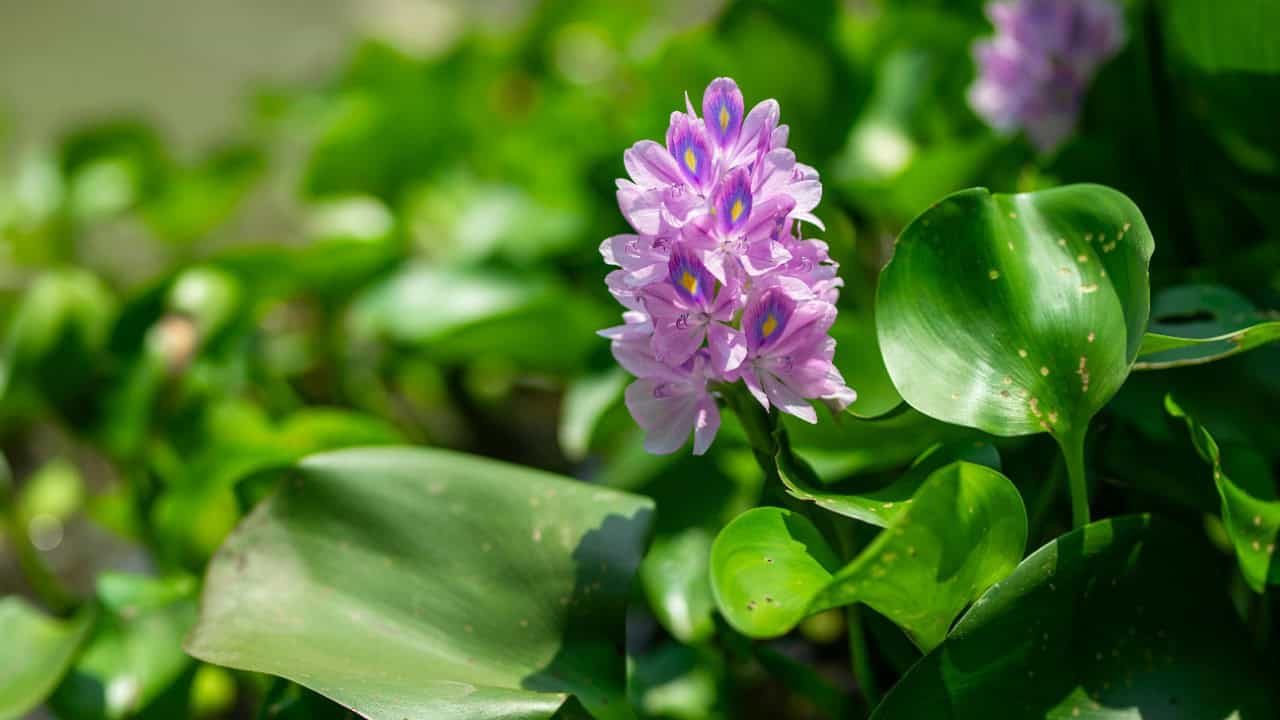
Water Hyacinth is a floating plant that’s often used in ponds and water features for its beautiful purple flowers. However, left unchecked, this plant can rapidly cover the entire surface of a pond or lake, blocking sunlight and reducing oxygen levels in the water, which can harm fish and other aquatic life.
The best way to control Water Hyacinth is by regularly removing the plants from the water. It’s also important to ensure that the plants don’t spread to other bodies of water, as they can easily take over and become a nuisance.
7. Purple Loosestrife
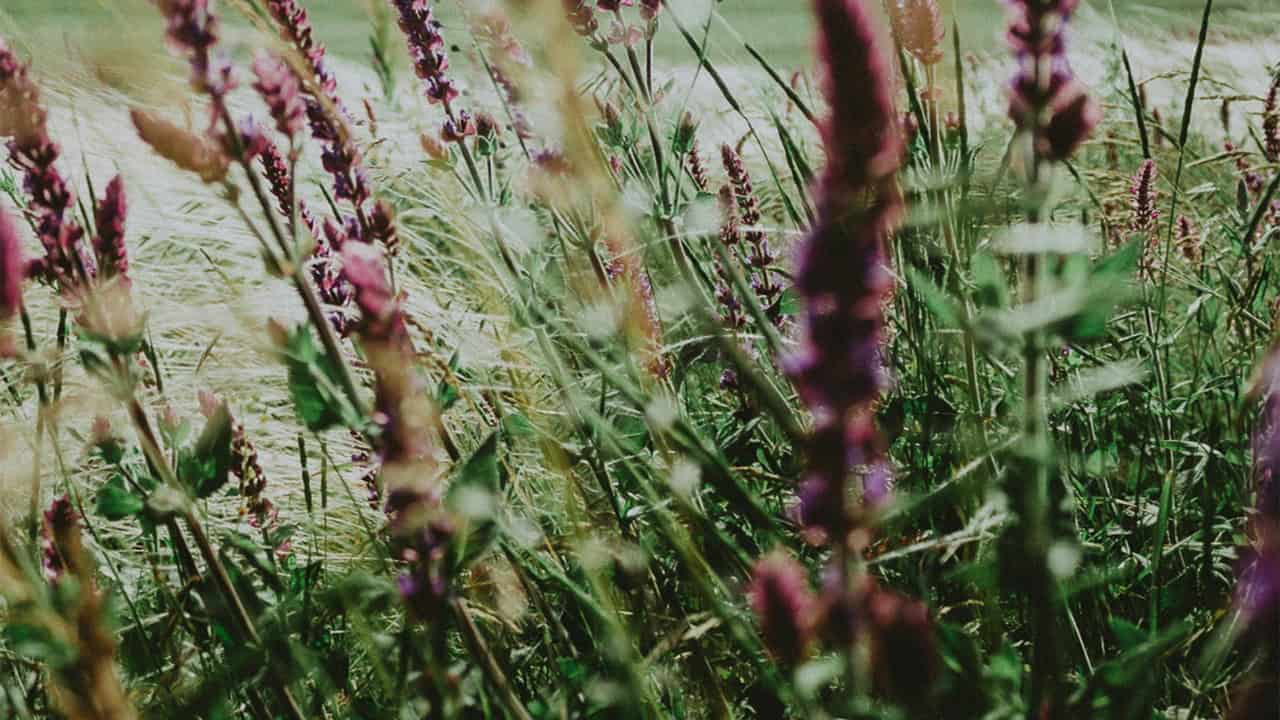
Purple Loosestrife is a beautiful plant with tall spikes of purple flowers, but it’s also one of the most invasive plants in North America. It can quickly take over wetlands, displacing native plants and degrading habitats for wildlife.
Controlling Purple Loosestrife is difficult because it produces a large number of seeds that can spread and grow new plants. If you have this plant in your garden, it’s recommended to remove it and replace it with native plants that provide better habitat for local wildlife.
8. Canada Thistle
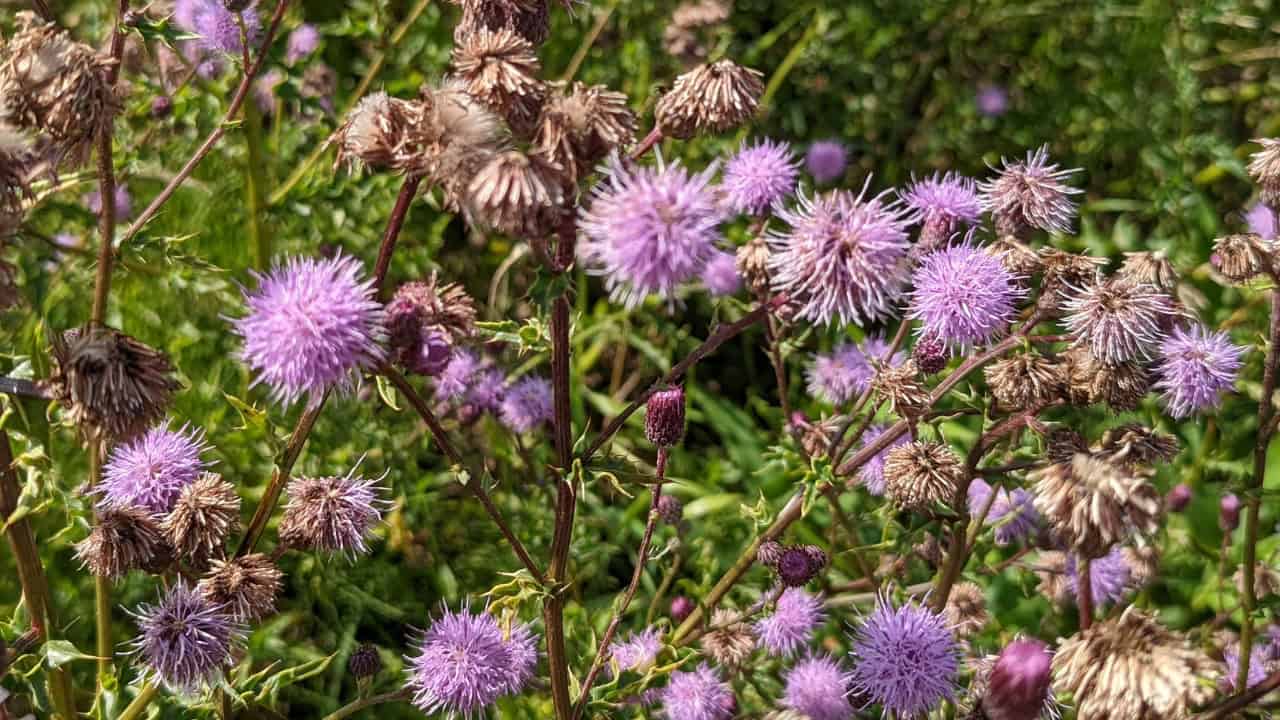
Canada Thistle, despite its name, is actually native to Europe and Asia, and it’s a real nightmare for gardeners. It’s a robust plant that can grow in a variety of conditions, and it spreads by both seeds and an extensive root system.
Controlling Canada Thistle can be challenging because the plant can regrow from small pieces of root left in the soil. Regular mowing or cutting can help prevent the plant from spreading, but it’s often necessary to use a combination of methods to fully control this invasive weed.
9. Garlic Mustard
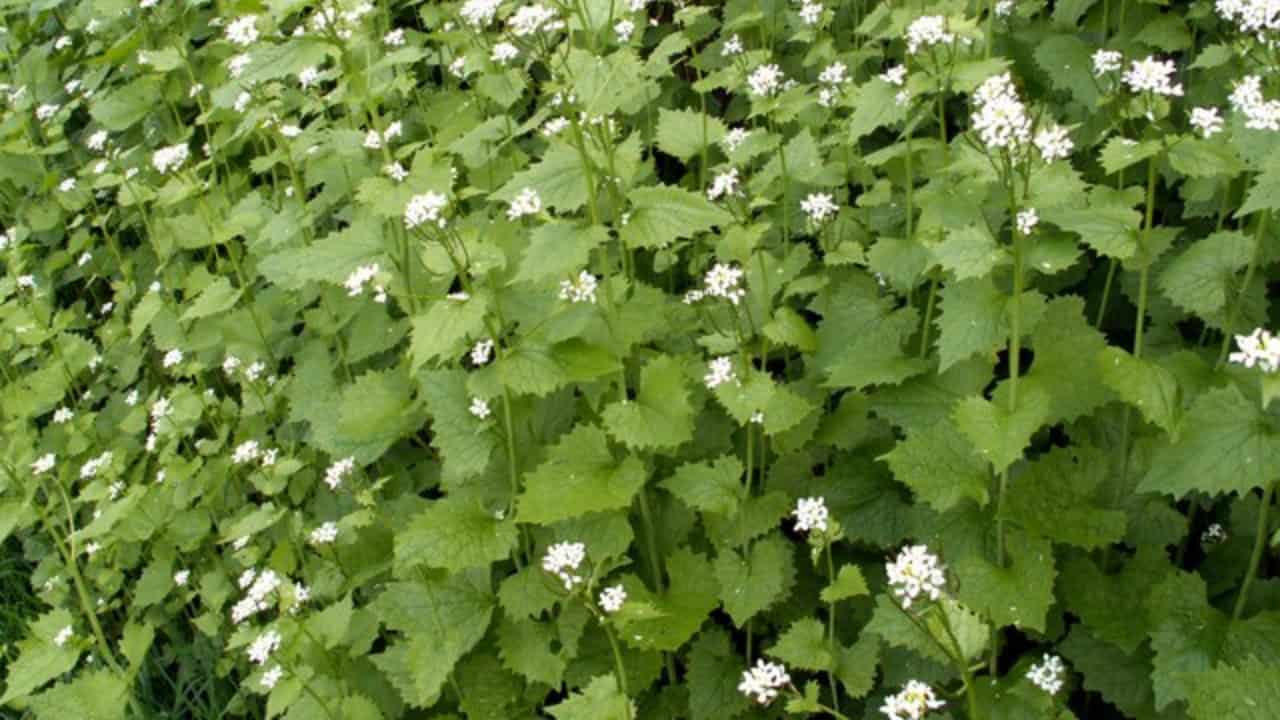
Garlic Mustard is a biennial plant that’s native to Europe and Asia. It’s an invasive plant in many parts of North America, where it can quickly take over forests and displace native plants.
Garlic Mustard is difficult to control because it produces a large number of seeds that can remain viable in the soil for many years. The best way to control this plant is by pulling it out by hand before it has a chance to produce seeds.
10. Tree of Heaven
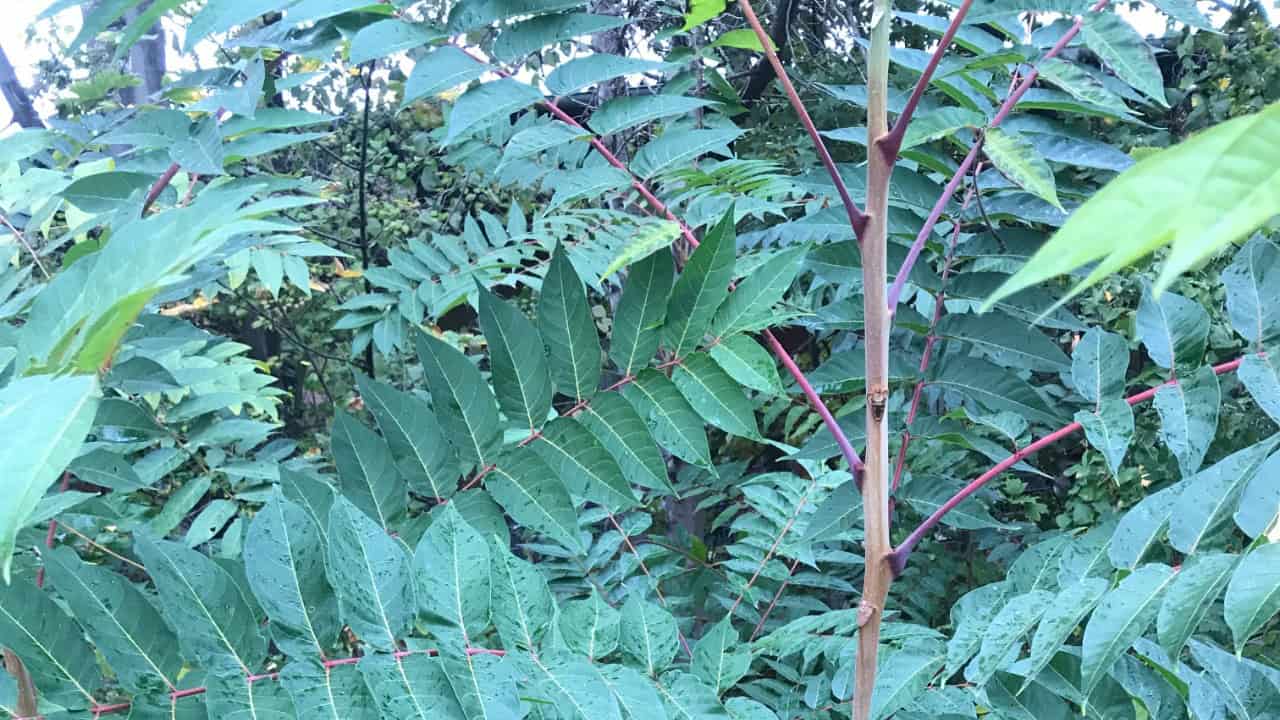
The Tree of Heaven is a fast-growing tree that’s native to China. It’s an invasive species in many parts of the world, including North America, where it can quickly take over urban and natural areas.
The Tree of Heaven is difficult to control because it can regrow from its root system, even after the tree has been cut down. It also produces a large number of seeds that can spread and grow new trees. If you have this tree in your yard, it’s recommended to seek professional help to remove it.
11. Japanese Honeysuckle
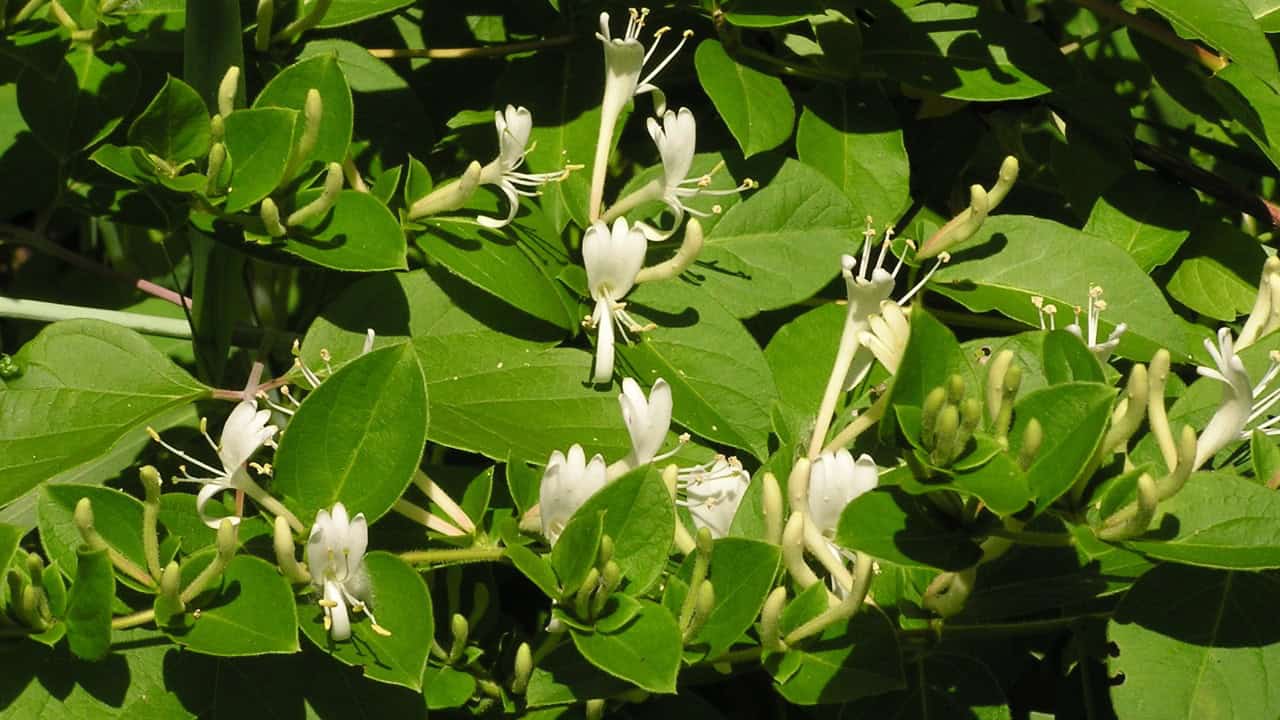
Japanese Honeysuckle is a sweet-smelling vine that’s often used in gardens for its beautiful flowers and pleasant fragrance. However, this plant can quickly become invasive, covering trees and shrubs and preventing them from getting enough sunlight.
Controlling Japanese Honeysuckle can be difficult because the plant can grow back from its root system even after the vines have been cut down. Regular pruning can help control this plant, but it’s often necessary to use a combination of methods to fully control it.
12. Privet
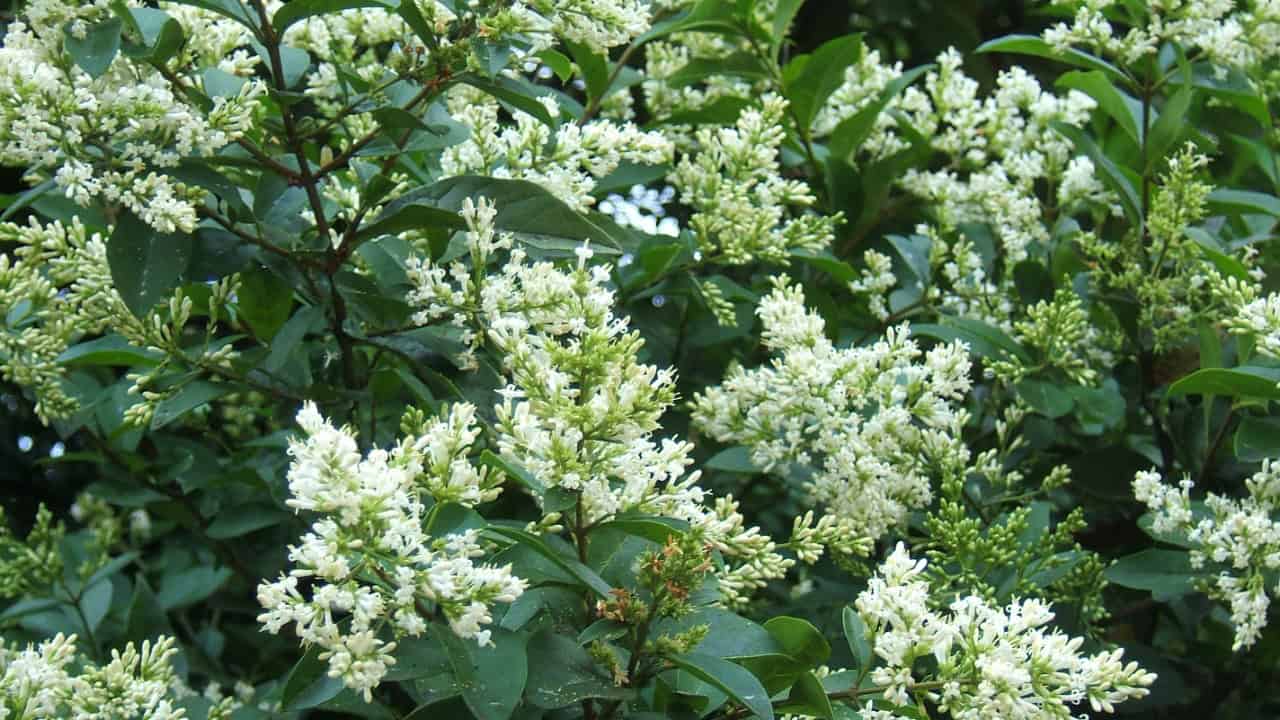
Privet is a popular plant for hedges due to its fast growth and dense foliage. However, if left unchecked, privet can quickly spread and take over native vegetation.
Privet produces a large number of seeds that can easily spread to new areas. Regular pruning can help control this plant, but it’s often necessary to remove the entire plant, including the root system, to prevent it from growing back.
13. Russian Olive
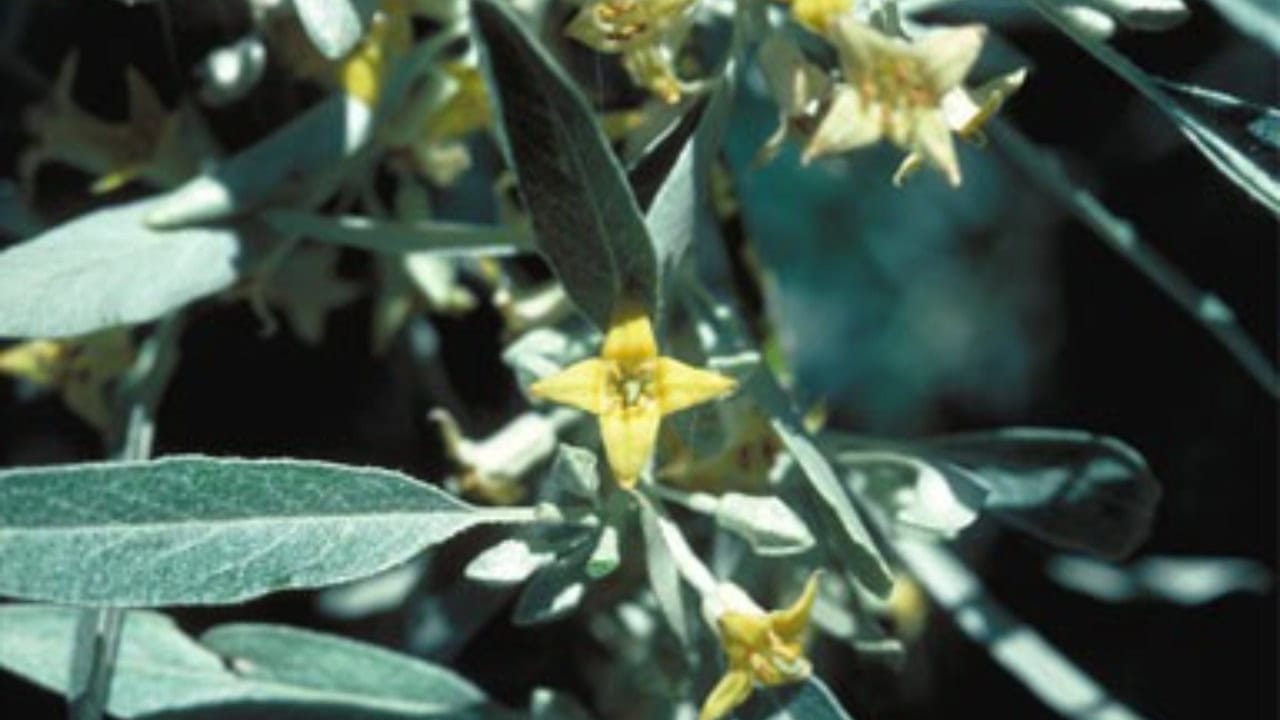
The Russian Olive tree is often planted for its ornamental silver foliage and fragrant flowers. However, this tree can quickly become invasive, outcompeting native trees and altering habitats.
The Russian Olive tree is difficult to control because it can grow back from its root system, even after the tree has been cut down. It also produces a large number of seeds that can spread and grow new trees. If you have this tree in your yard, it’s recommended to seek professional help to remove it.
14. Multiflora Rose
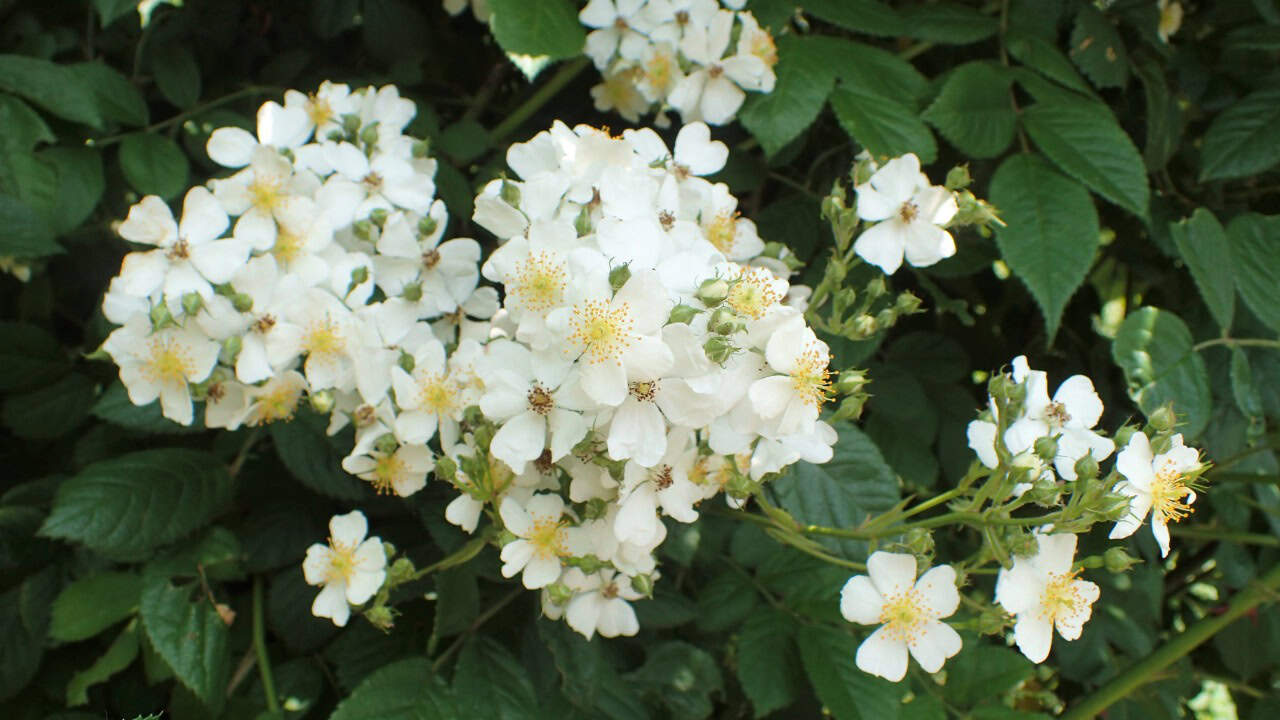
The Multiflora Rose is a thorny shrub that was originally planted for its beautiful flowers and use as a living fence. However, this plant can quickly spread and take over fields and forests.
The Multiflora Rose is difficult to control because it produces a large number of seeds that can spread and grow new plants. It’s also a tough plant that can survive in a variety of conditions. If you have this plant on your property, it’s recommended to seek professional help to remove it.
15. Buckthorn
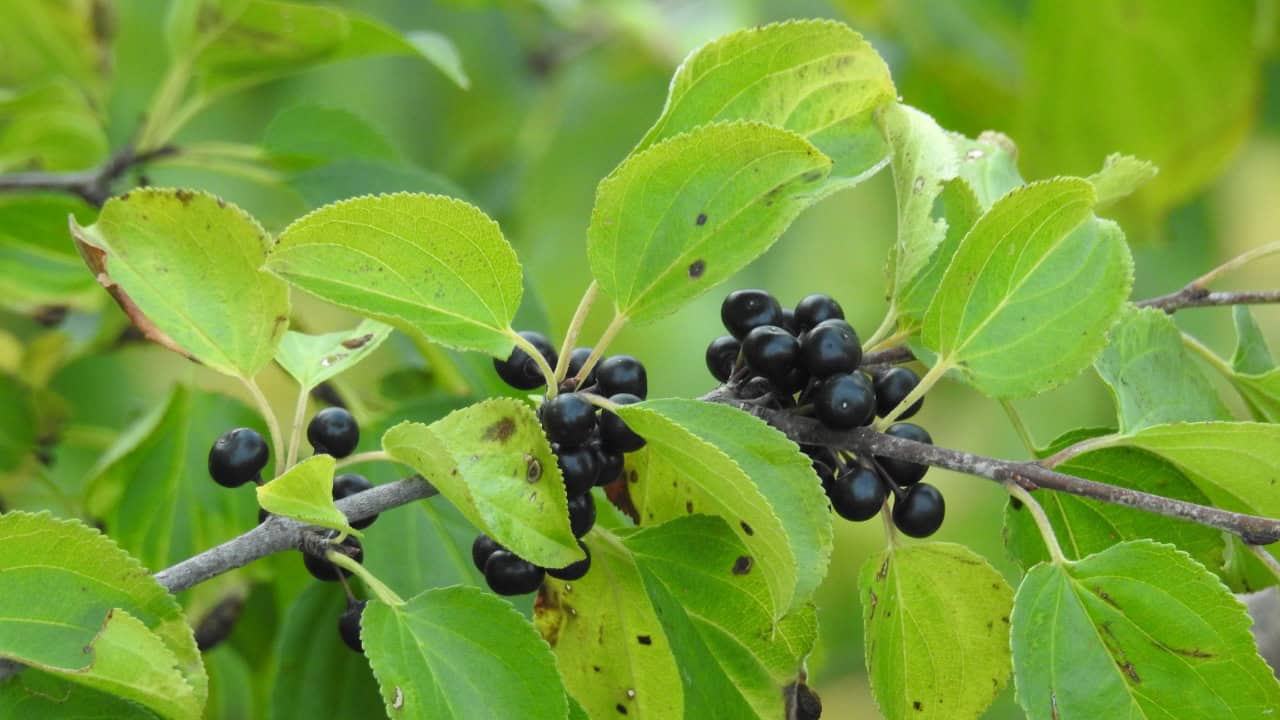
Buckthorn is a dense shrub that was originally planted for its use as a hedge or windbreak. However, this plant can quickly spread and outcompete native vegetation.
Buckthorn is difficult to control because it produces a large number of seeds that can easily spread to new areas. It’s also a tough plant that can survive in a variety of conditions. If you have this plant on your property, it’s recommended to seek professional help to remove it.
16. Autumn Olive
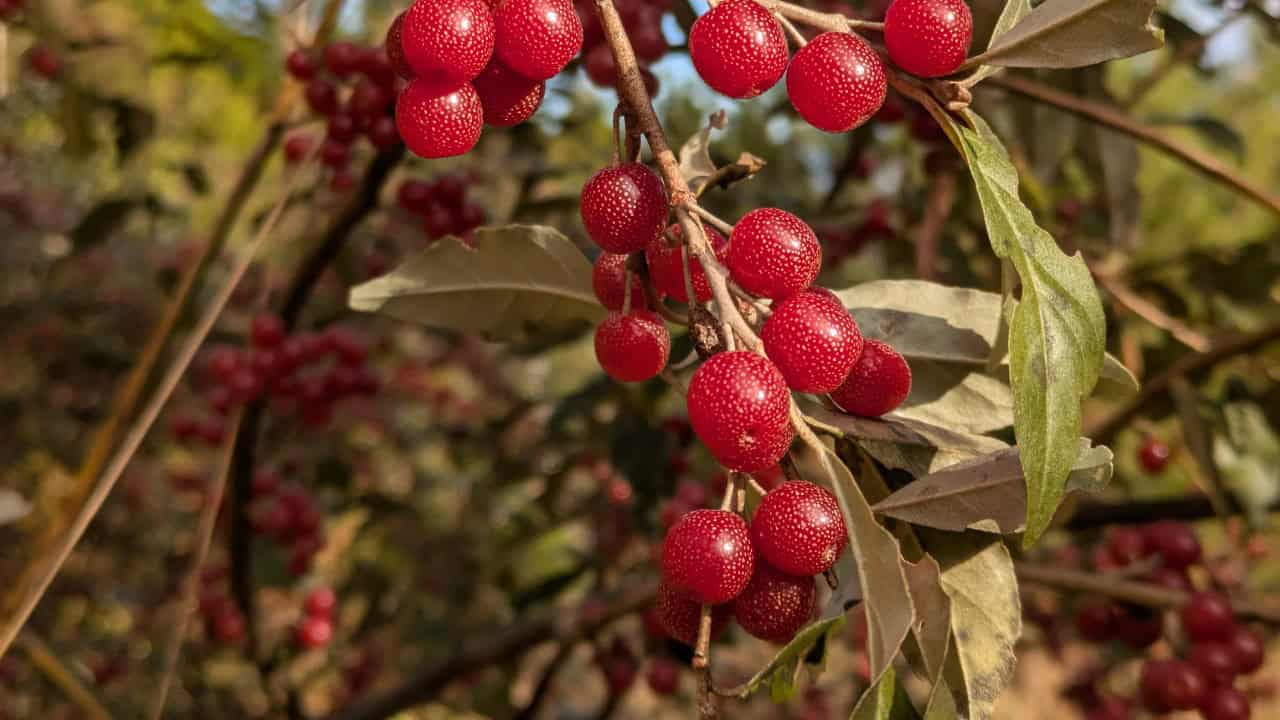
The Autumn Olive is a shrub that’s often planted for its beautiful silver foliage and red berries. However, this plant can quickly spread and outcompete native vegetation.
The Autumn Olive is difficult to control because it produces a large number of seeds that can spread and grow new plants. It’s also a tough plant that can survive in a variety of conditions. If you have this plant on your property, it’s recommended to seek professional help to remove it.
17. Giant Hogweed
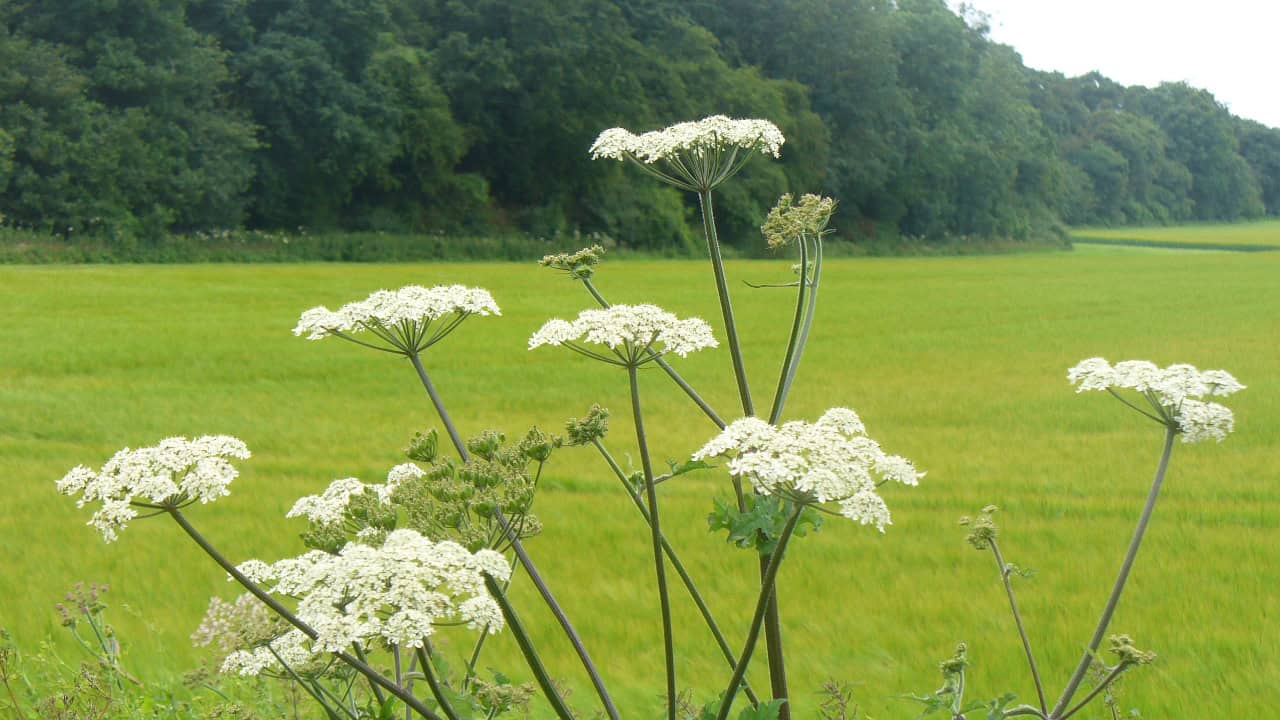
Giant Hogweed is a tall plant that’s often planted for its dramatic appearance. However, this plant can quickly spread and take over fields and forests. It’s also a health hazard, as its sap can cause severe burns and blisters.
Giant Hogweed is difficult to control because it produces a large number of seeds that can spread and grow new plants. If you come across this plant, it’s recommended to avoid touching it and seek professional help to remove it.
18. Johnson Grass
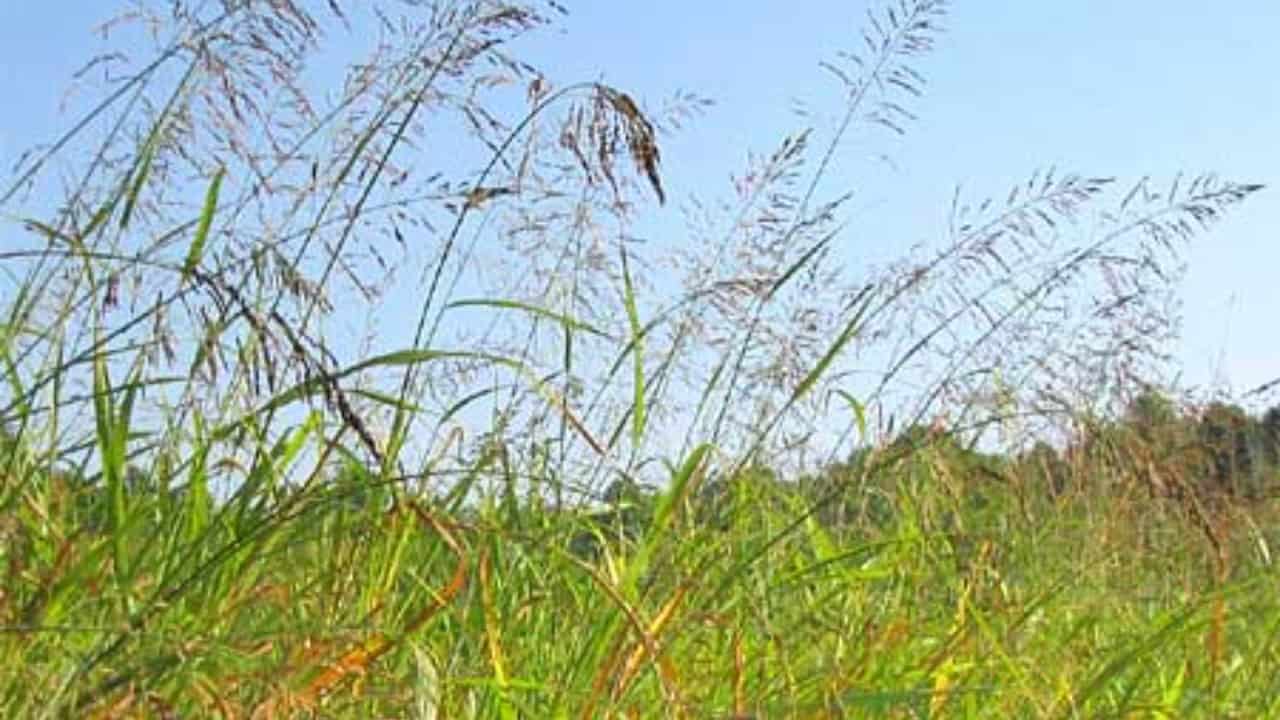
Johnson Grass is a tall, perennial grass that’s often used for forage. However, this plant can quickly become invasive, spreading by both seeds and rhizomes, and taking over fields and pastures.
Johnson Grass is difficult to control because it can grow back from its rhizomes, even after the grass has been cut down. Regular mowing can help control this plant, but it’s often necessary to use a combination of methods to fully control it.
While these plants may seem attractive at first glance, they can quickly become a gardener’s nightmare due to their invasive nature. It’s always best to research plants before introducing them to your garden and to opt for native plants whenever possible.