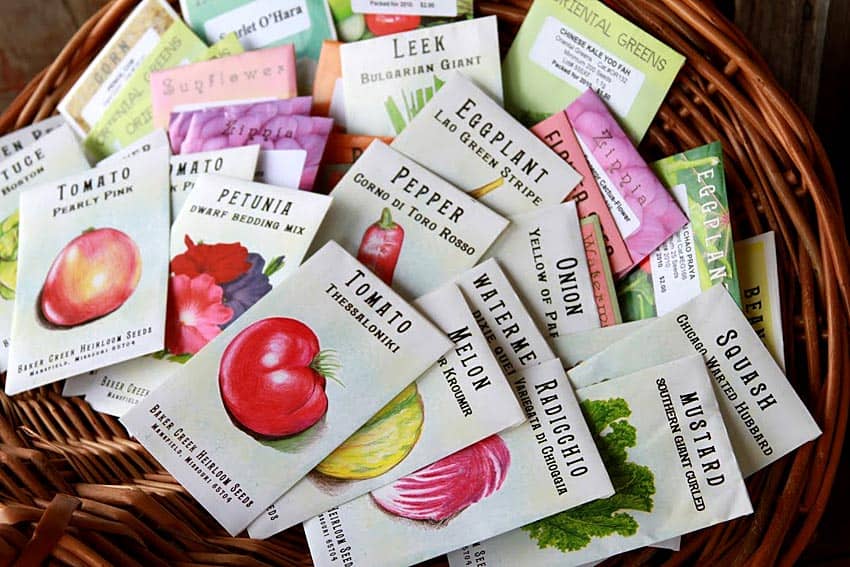
You might be surprised by how many plants you can grow from items you already buy at the grocery store. Using scraps or leftover parts is an easy way to start a small garden without spending extra money on seeds or seedlings.
Growing plants from grocery store items lets you turn waste into fresh ingredients for your kitchen. This approach is perfect for anyone who enjoys gardening or wants to try growing food in a simple and sustainable way.
Advertisement
Basil

You can easily grow basil from a grocery store plant. Carefully separate the stems or take cuttings to create new plants.
Make sure to keep your basil well-watered, as it dries out quickly. Plant it in good soil and give it plenty of sunlight.
With a bit of care, your basil can thrive all summer and provide fresh leaves whenever you need them.
Mint

You can grow mint easily from a few sprigs bought at the grocery store. Place the sprigs in water by a sunny window and wait for roots to develop.
Once roots appear, transfer the mint to a pot with moist soil. Keep it in a container, as mint spreads quickly and can take over your garden.
Rosemary

You can grow rosemary easily from grocery store stems. Choose fresh, healthy sprigs with no signs of wilting.
Plant your rosemary cutting in well-draining soil, like a mix of compost and vermiculite. Water it about once a week, allowing the soil to dry out between waterings.
With patience, your rosemary will root and grow into a fragrant, useful kitchen herb.
Cilantro

You can grow cilantro from coriander seeds found in grocery stores. These seeds have a hard outer shell that helps with germination.
Plant the seeds in a shallow container with good potting soil. Keep the soil moist and place the container in a spot with full sun or light shade.
With regular watering and care, you’ll see sprouts in about one to two weeks. Cilantro also tends to re-seed itself if you let some flowers go to seed.
Thyme
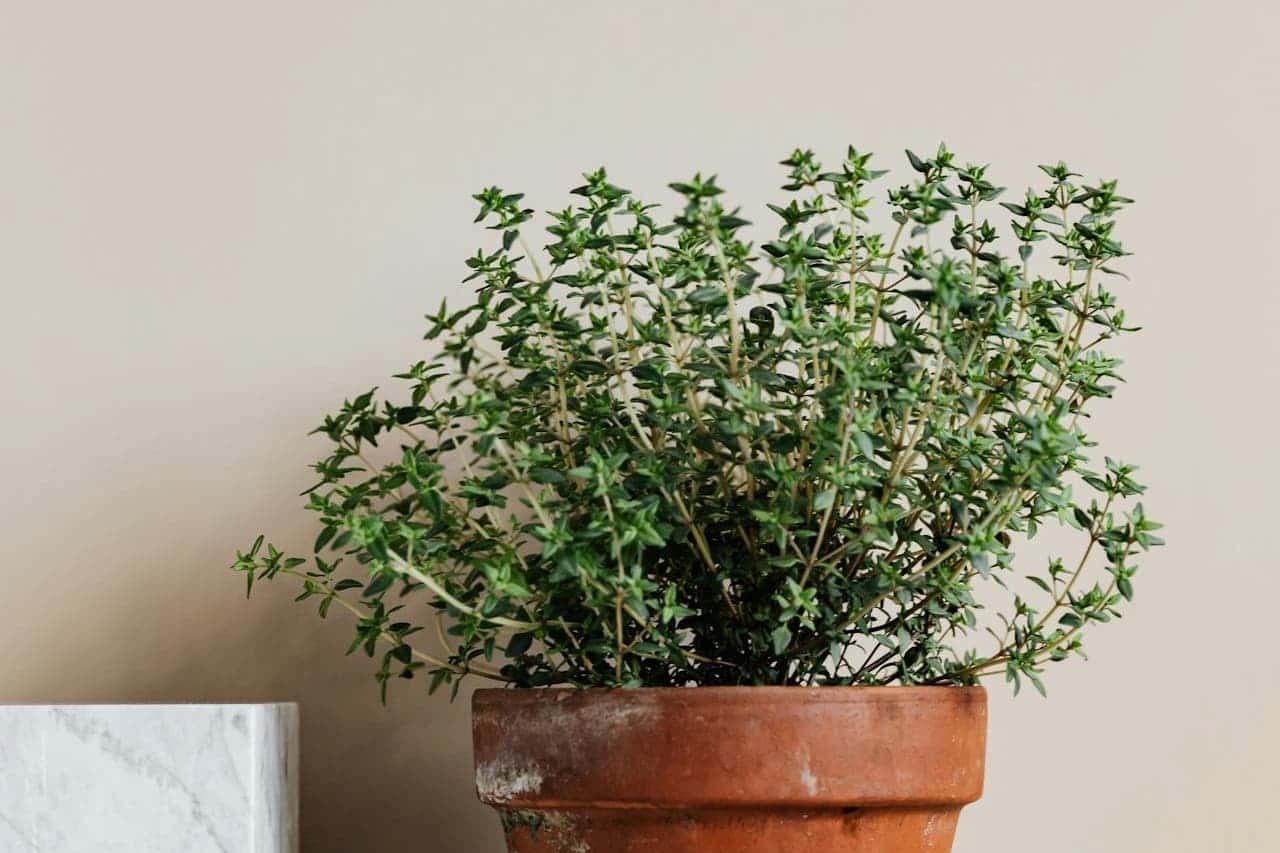
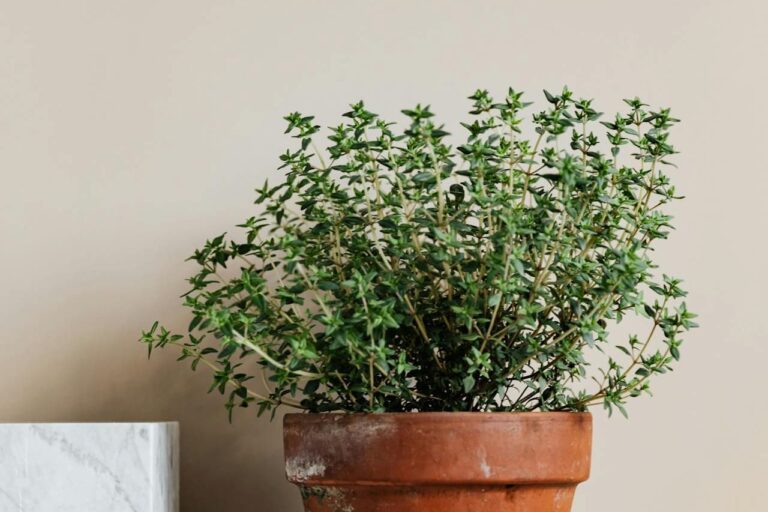
You can grow thyme easily from grocery store cuttings. Choose stems with new green growth, as older brown stems won’t root well.
Place your thyme in a sunny spot where it gets six to eight hours of light daily.
Keep the soil well-drained and avoid overwatering to help your plant thrive. With a little care, your thyme can become a lasting addition to your kitchen garden.
Oregano

You can grow oregano easily from a grocery store plant. It prefers a sunny spot but benefits from some afternoon shade if you live in warmer regions.
Plant it in well-drained soil and water moderately to keep it healthy.
Oregano grows well indoors or outdoors and can reach about 12-18 inches tall. Its strong fragrance also helps repel pests if planted near other vegetables.
Garlic cloves

You can grow garlic from grocery store cloves, though seed garlic is usually better for larger bulbs. Start by separating the bulb into individual cloves without peeling them.
Place the cloves in the fridge for about a month to encourage sprouting. Then plant them in well-mulched soil in early winter for best results.
With proper care, you’ll get fresh garlic ready to harvest the following summer.
Ginger rhizome

You can grow ginger from the fresh ginger root you buy at the store. Choose a healthy piece with visible “buds” or eyes.
Plant it in a breathable medium like sphagnum moss or loose soil. Keep it warm and moist, but don’t overwater it.
Covering the pot with plastic can help create a mini greenhouse effect until shoots appear. With patience, your ginger will start to sprout and grow.
Spring onions
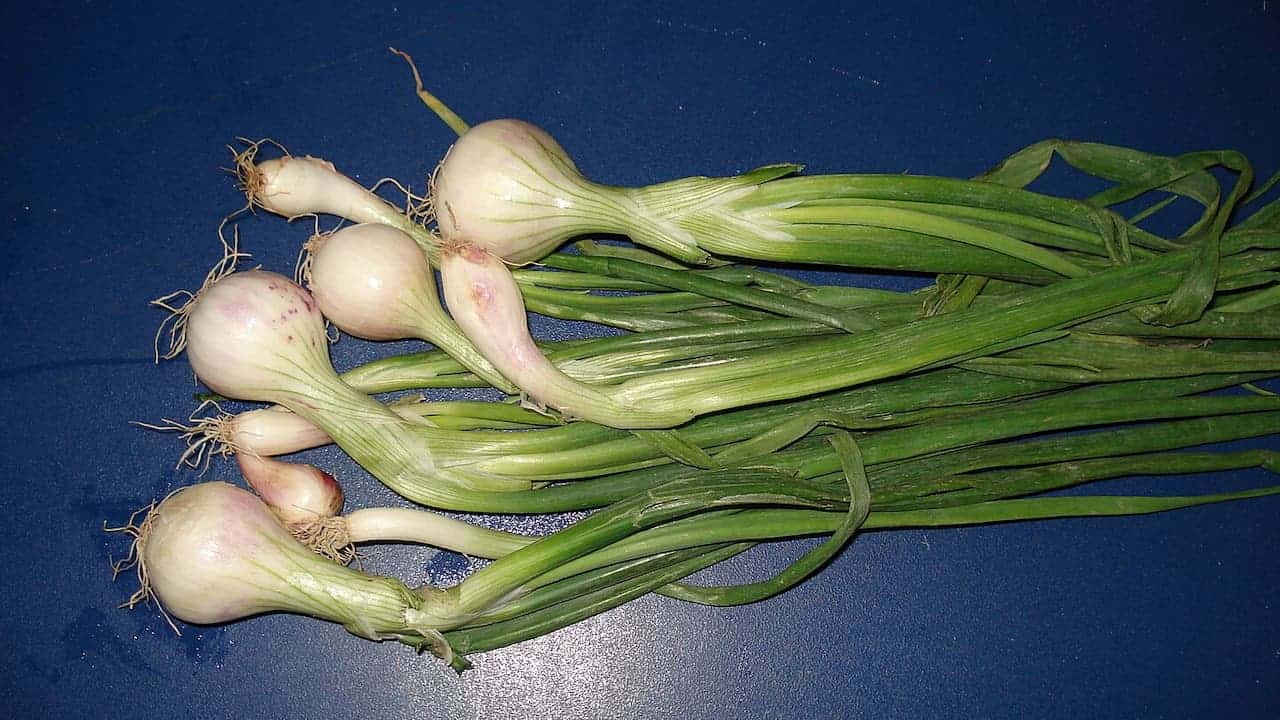
You can easily regrow spring onions from the roots you buy at the grocery store. Just place the white root ends in a glass of water, leaving the green shoots above water.
Within a few days, you’ll see new green growth. Change the water regularly to keep it fresh, or plant them in soil once roots develop for continued growth.
Celery base
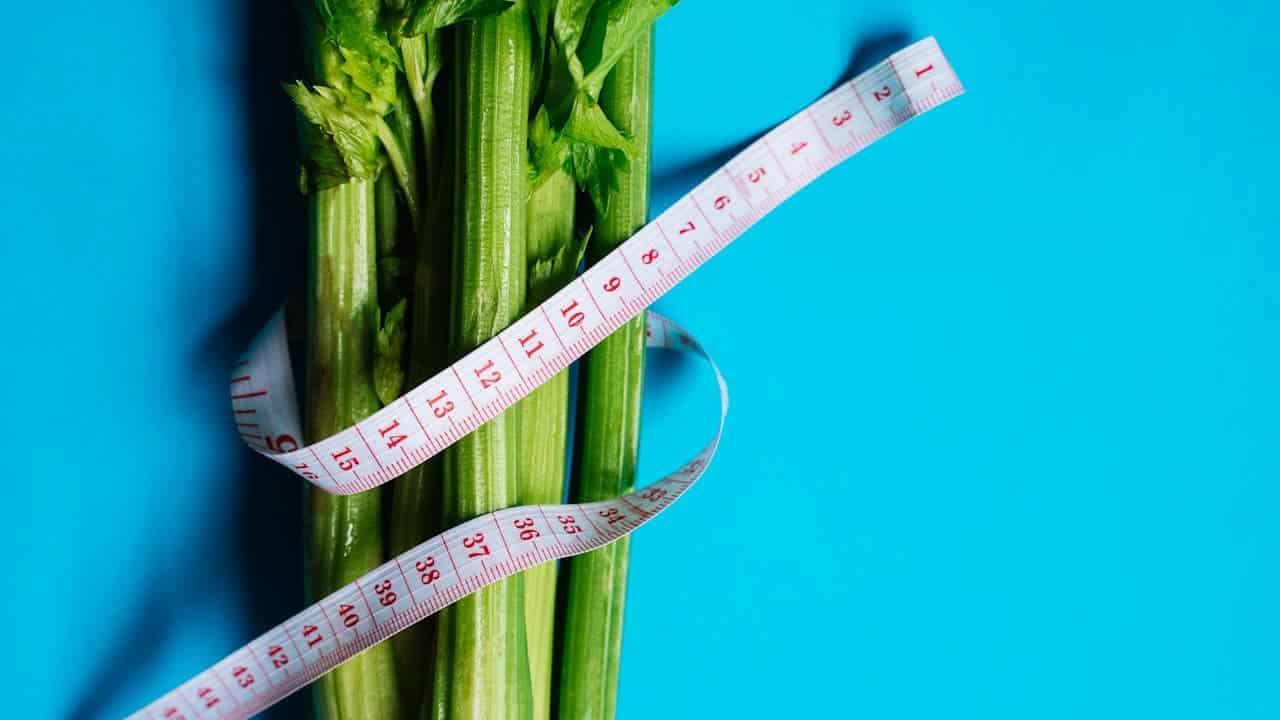
Start by cutting the base of the celery stalk. Place it in a shallow dish or jar with water, making sure the bottom is submerged.
Keep it in a sunny spot and change the water every few days. You’ll notice new growth from the center in about a week.
Once roots and leaves appear, you can transfer it to soil. Celery grows well in rich, draining soil with part shade or full sun.
Romaine lettuce
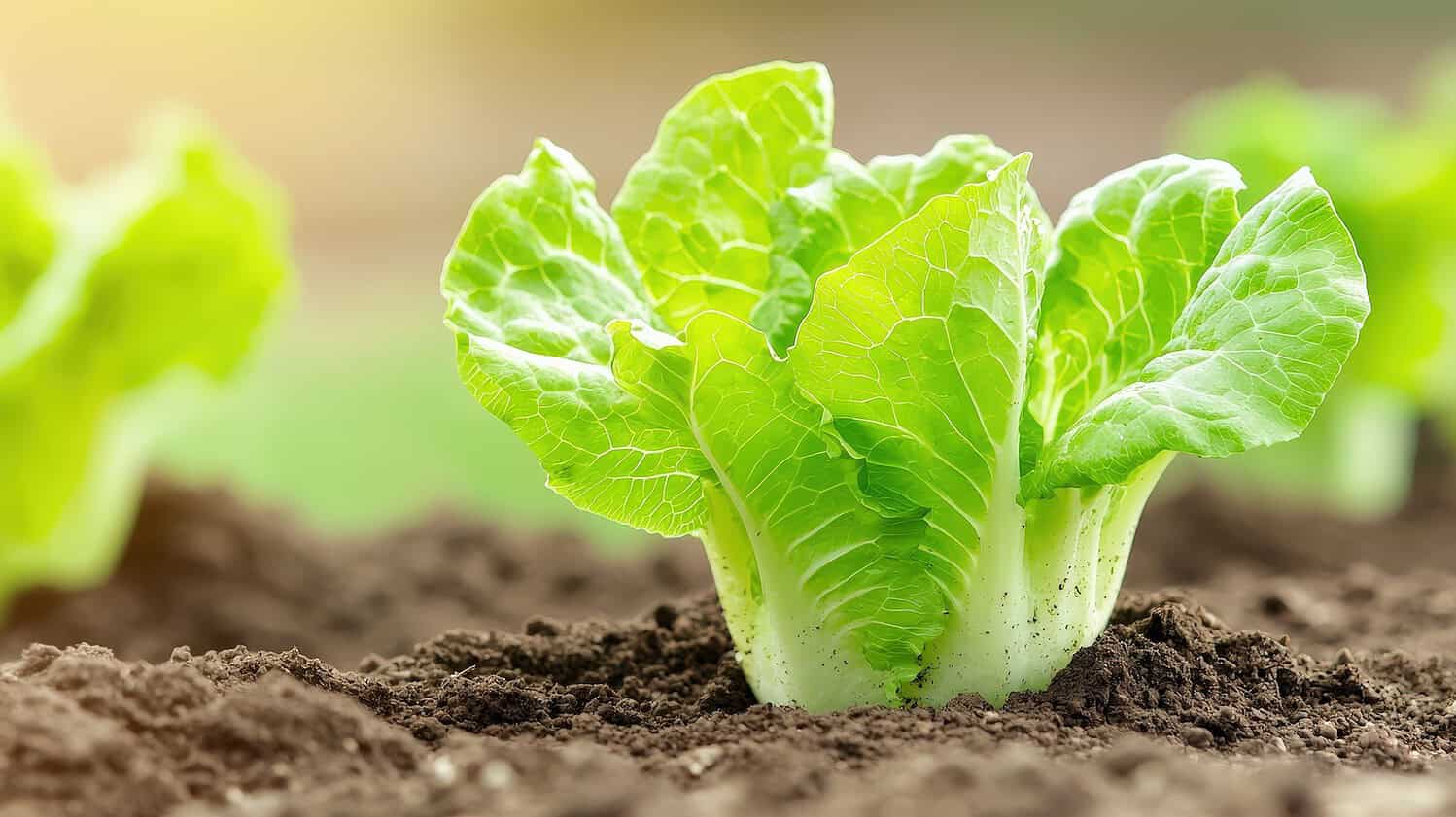
You can regrow romaine lettuce easily from the base of a store-bought head. Cut the bottom inch and place it in water, making sure the cut side is down.
Within a few days, roots and new leaves will start to appear. After about two weeks, transplant it to soil to encourage fuller growth.
Keep the soil moist and provide plenty of light. Your lettuce will keep producing fresh leaves for weeks.
Bok choy
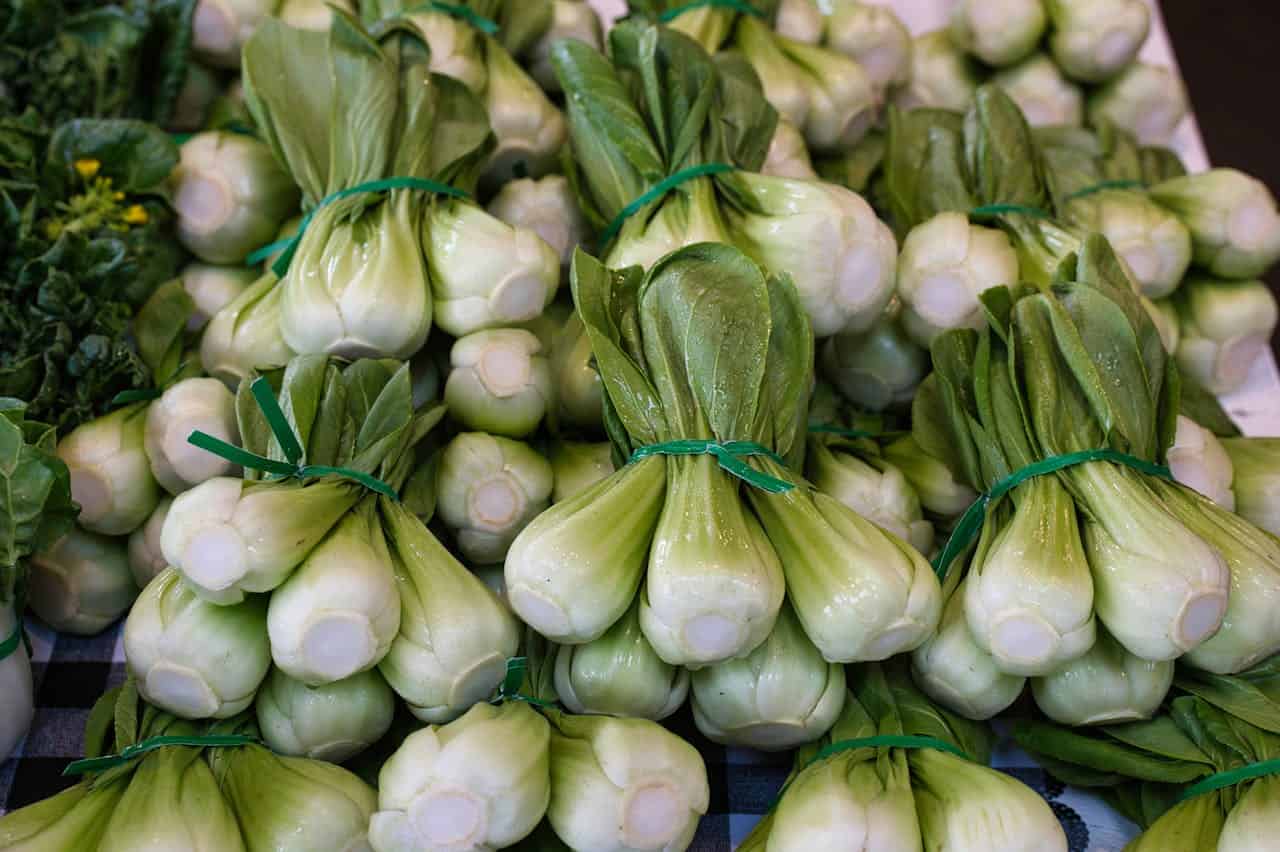
You can easily regrow bok choy from the leftover base after using the leaves. Just place the thick bottom part in a bowl with some water.
Keep it by a sunny window and change the water every couple of days. New leaves will start growing within a week. Once roots develop, you can plant it in soil for continued growth.
Cabbage core
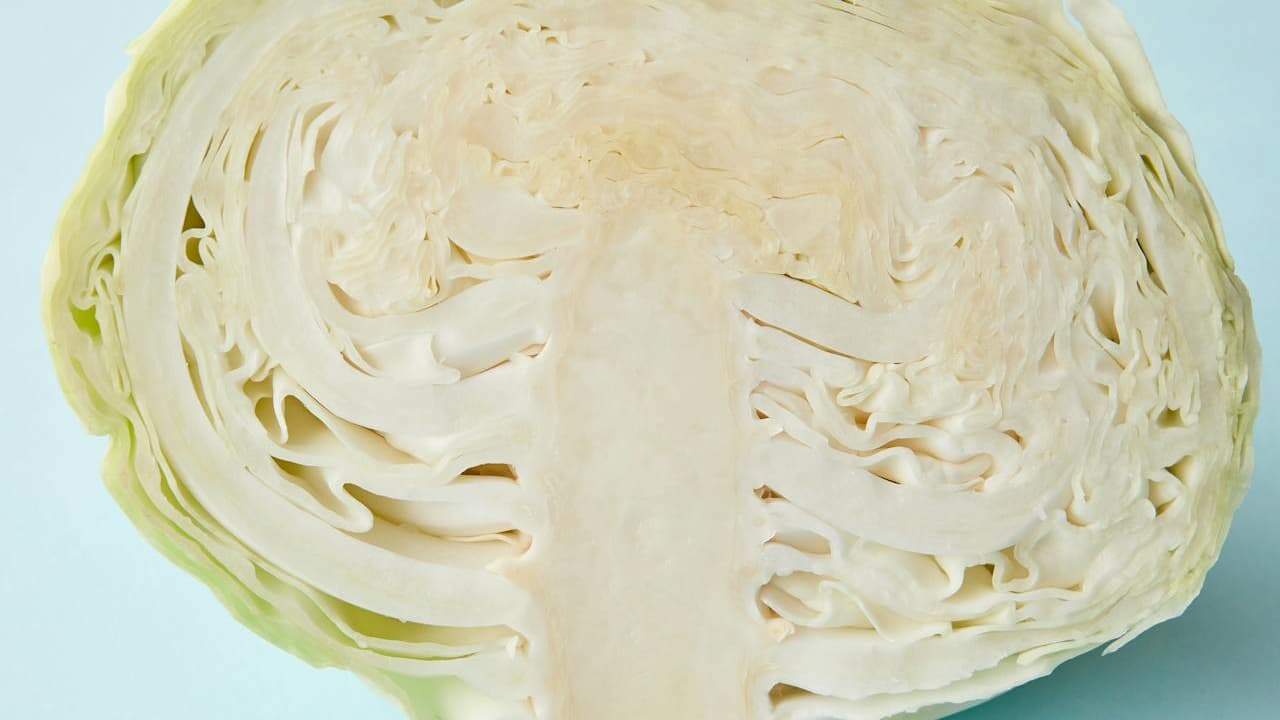
You can regrow cabbage from the core you usually discard. Cut the base into a few inches and place it in a shallow container with water.
Change the water regularly and give the core enough space to grow roots. After some time, you’ll see new leaves start to form.
With care, the core may even develop multiple heads, giving you fresh cabbage right from scraps.
Pineapple crown

You can grow a pineapple plant easily from the leafy crown of a store-bought pineapple. Start by cutting off the top and letting it dry for a few days.
Plant the crown about an inch deep in well-drained soil. Keep the soil moist but not soggy.
It takes 18 to 24 months for your pineapple plant to fully grow and produce fruit. Patience is key!
Avocado pit

You can easily grow an avocado plant from the pit of a store-bought avocado. Start by cleaning the pit and suspending it over water using toothpicks or a small sprouting device.
Roots and a stem will begin to grow after a few weeks. Once the roots are strong, transfer the pit to soil.
Patience is key because it takes time for the seed to sprout and develop into a small plant.
Beetroot greens
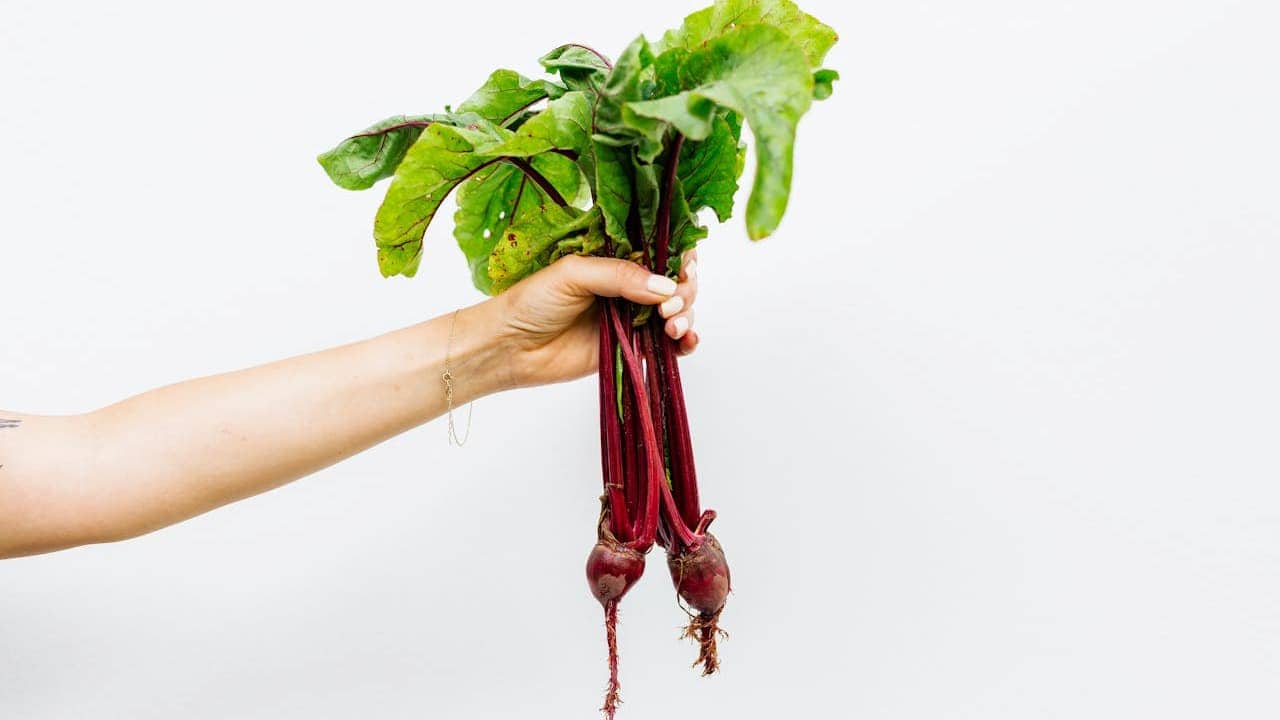
You can regrow beetroot greens easily from the tops of supermarket beets. Just leave about an inch of the beetroot attached and place it in water or soil.
In a few days, you’ll see fresh leaves starting to grow. These greens are perfect for salads or cooking, giving you extra fresh produce with minimal effort.
Turmeric root

You can grow turmeric easily from the root you buy at the grocery store. Plant the rhizome about two to three inches deep in well-draining soil.
Keep the soil consistently moist and warm. Turmeric prefers temperatures above 55°F (13°C) to sprout well.
In about a month, you should see new shoots. Growing turmeric in containers is a great way to enjoy fresh roots at home.
Fennel bulb
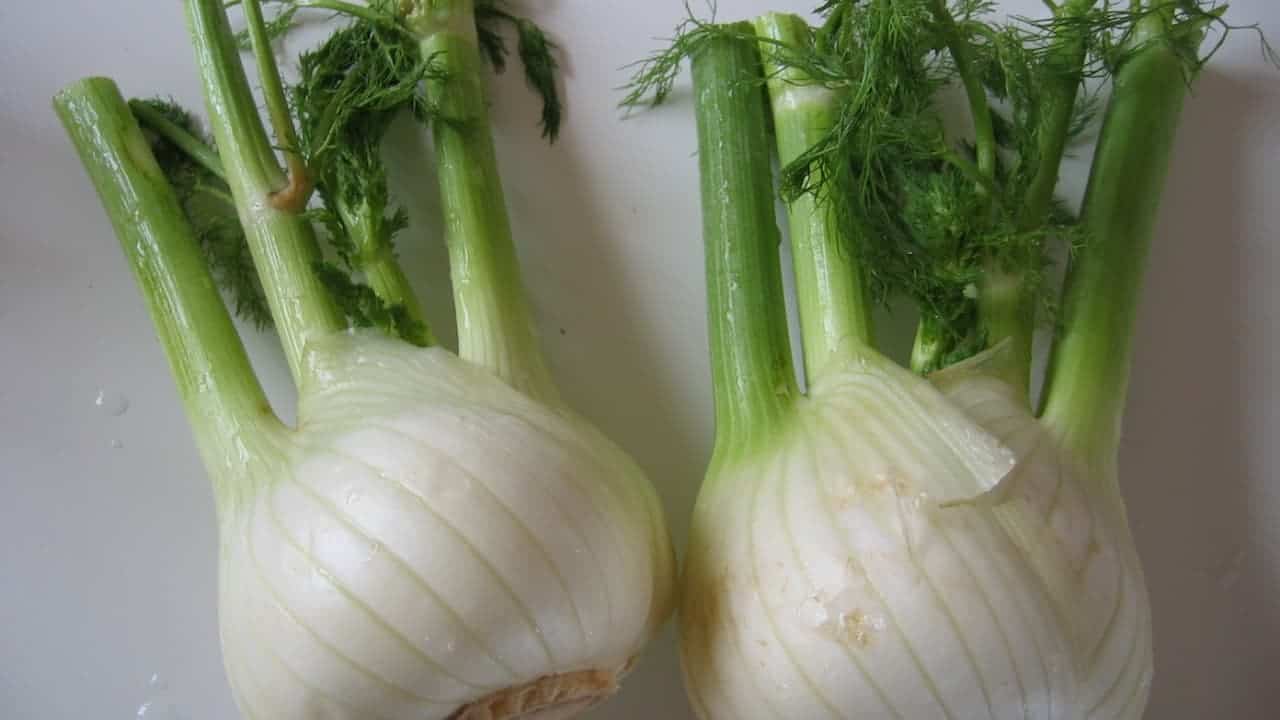
You can regrow fennel bulbs from the base you buy at the grocery store. Just cut off the bottom part with the roots and place it in water.
Keep the roots submerged and watch new shoots sprout in a few days. When it grows, plant it in soil with enough space to avoid crowding.
Fennel prefers cool temperatures and plenty of light for the best flavor and growth.