With the increasing interest in gardening and plant care, it’s crucial for gardeners to be aware of the misleading labels on plant products. Misinformation can lead to improper plant care or even plant death, and it can be frustrating to invest time and resources into a plant that doesn’t thrive due to inaccurate labeling.
Misleading labels can also give you a false impression about a plant’s needs, such as its light requirements, watering frequency, or ideal temperature range. With this in mind, let’s delve into 18 plant labels that lie and the truth behind them.
Advertisement
1. “Indoor Plant”

Just because a label claims a plant is suitable for indoors doesn’t necessarily mean it will thrive in all indoor conditions. Various factors, such as light availability, humidity, and temperature, play significant roles in a plant’s growth.
For instance, an “indoor” plant placed in a dark corner of your home may wilt and die due to insufficient light. Similarly, some indoor plants may require specific humidity levels that aren’t typically found in most households. Research the plant’s specific needs before buying, and place it in a suitable environment accordingly.
2. “Drought Resistant”

Many plants are labeled as “Drought Resistant”, implying that they require little to no watering. However, this can be incredibly misleading as these plants often still require regular watering, especially in their growth phase.
Drought-resistant plants, such as succulents or cacti, can indeed survive with less water than other plants, but they still need to be watered. This label often leads to underwatering, causing the plant to die. It’s crucial to learn about a plant’s water requirements and adjust your watering schedule accordingly.
3. “Full Sun”

“Full Sun” is a commonly used term on plant labels, suggesting that the plant needs sunlight all day long. However, this is not always the case.
While it’s true that many “full sun” plants thrive in bright light, they can also tolerate, and sometimes even prefer, a few hours of shade throughout the day. Furthermore, “full sun” in cooler climates is very different from “full sun” in hotter areas. Therefore, it’s best to gradually expose your plants to the sun, monitor their reaction, and adjust their location as necessary.
4. “Easy to Grow”
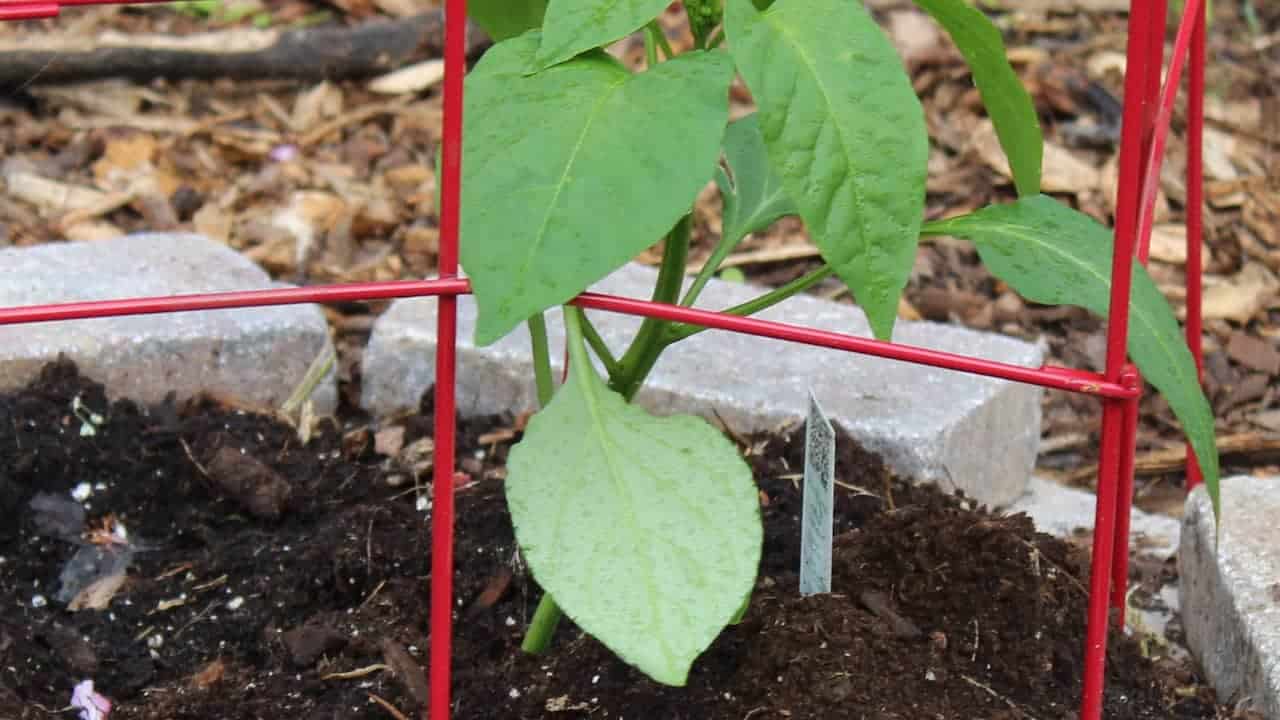
The label “Easy to Grow” can be quite deceptive as what is easy for one person may not be for another. This term is highly subjective and depends on several factors like the gardener’s experience, the local climate, and the specific care requirements of the plant.
For example, a plant that is considered easy to grow in one region might struggle in another due to differences in climate. Similarly, a novice gardener might find a plant labeled “easy to grow” to be quite challenging if it has specific care requirements that they’re unfamiliar with. Always research the plant’s needs and evaluate if you can provide them before purchasing.
5. “Deer Resistant”
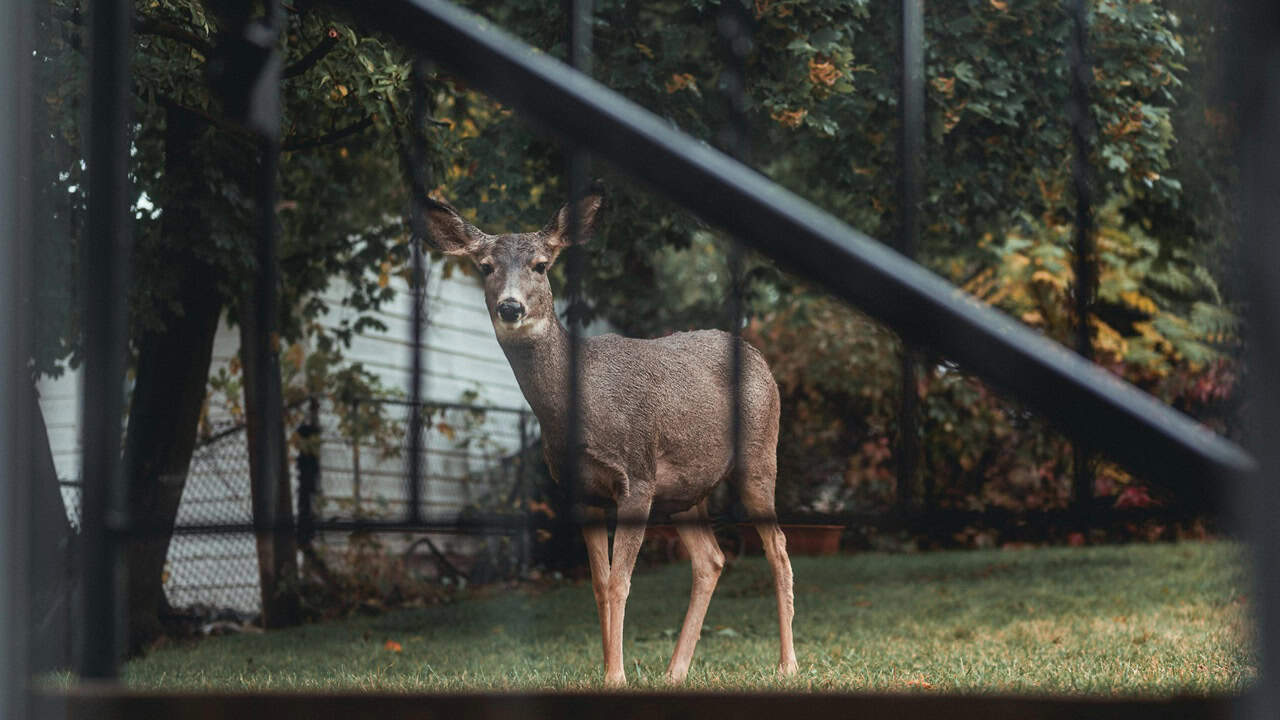
“Deer Resistant” is another misleading label that can give a false sense of security to those trying to protect their plants from wildlife. The truth is, when hungry enough, deer will eat almost anything.
While some plants are less appealing to deer, no plant is truly deer-proof. Instead of relying solely on this label, consider other deer-deterrent strategies such as fencing or using deer-repellent sprays on your plants.
6. “Fast Growing”
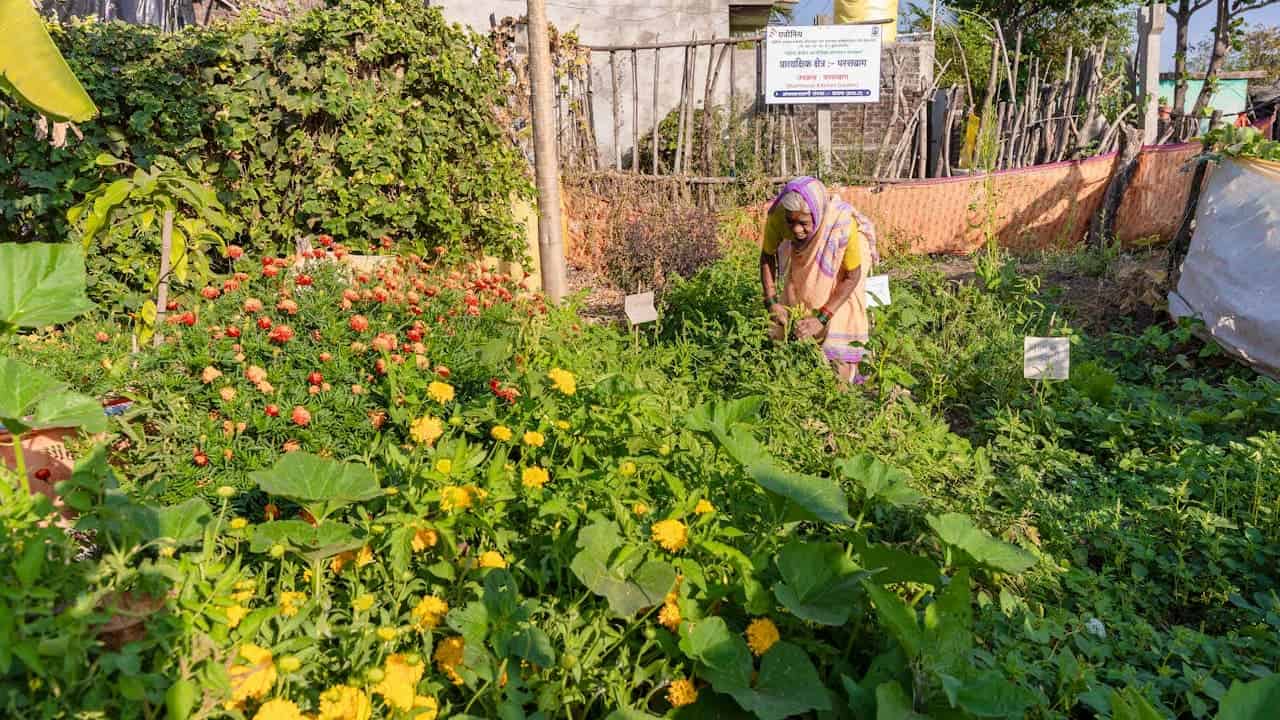
While “Fast Growing” sounds appealing, it’s important to remember that growth rates can vary greatly and are influenced by numerous factors such as soil quality, light availability, and watering practices.
“Fast Growing” can also have negative implications. Some fast-growing plants can quickly become invasive if not properly managed. Before purchasing a plant labeled as “fast growing”, research its growth habits and make sure you’re prepared to manage it.
7. “Edible”

While it’s true that many plants are edible, it’s important to remember that not all parts of these plants are safe to consume. Some plants have edible fruits but toxic leaves or roots.
Furthermore, even if a plant is labeled “edible”, it may not be palatable or nutritious. It’s always a good idea to do thorough research on how to safely prepare and consume any plant labeled as “edible.”
8. “Perennial”

Perennials are plants that live for more than two years. However, just because a plant is labeled as “perennial” doesn’t mean it will survive indefinitely in all conditions.
Perennials can indeed survive year after year if they’re grown in their ideal hardiness zones. However, a perennial plant might behave like an annual if it’s grown outside of its preferred climate zone. It’s always best to verify the hardiness zone for any perennial plant you’re considering.
9. “Organic”

The term “organic” on plant labels can be quite misleading. While it might imply that the plant has been grown without synthetic pesticides or fertilizers, it’s not always the case.
Many countries lack strict regulations for labeling plants as “organic”. To be sure that you’re buying a truly organic plant, look for official organic certification logos on the label.
10. “Non-GMO”
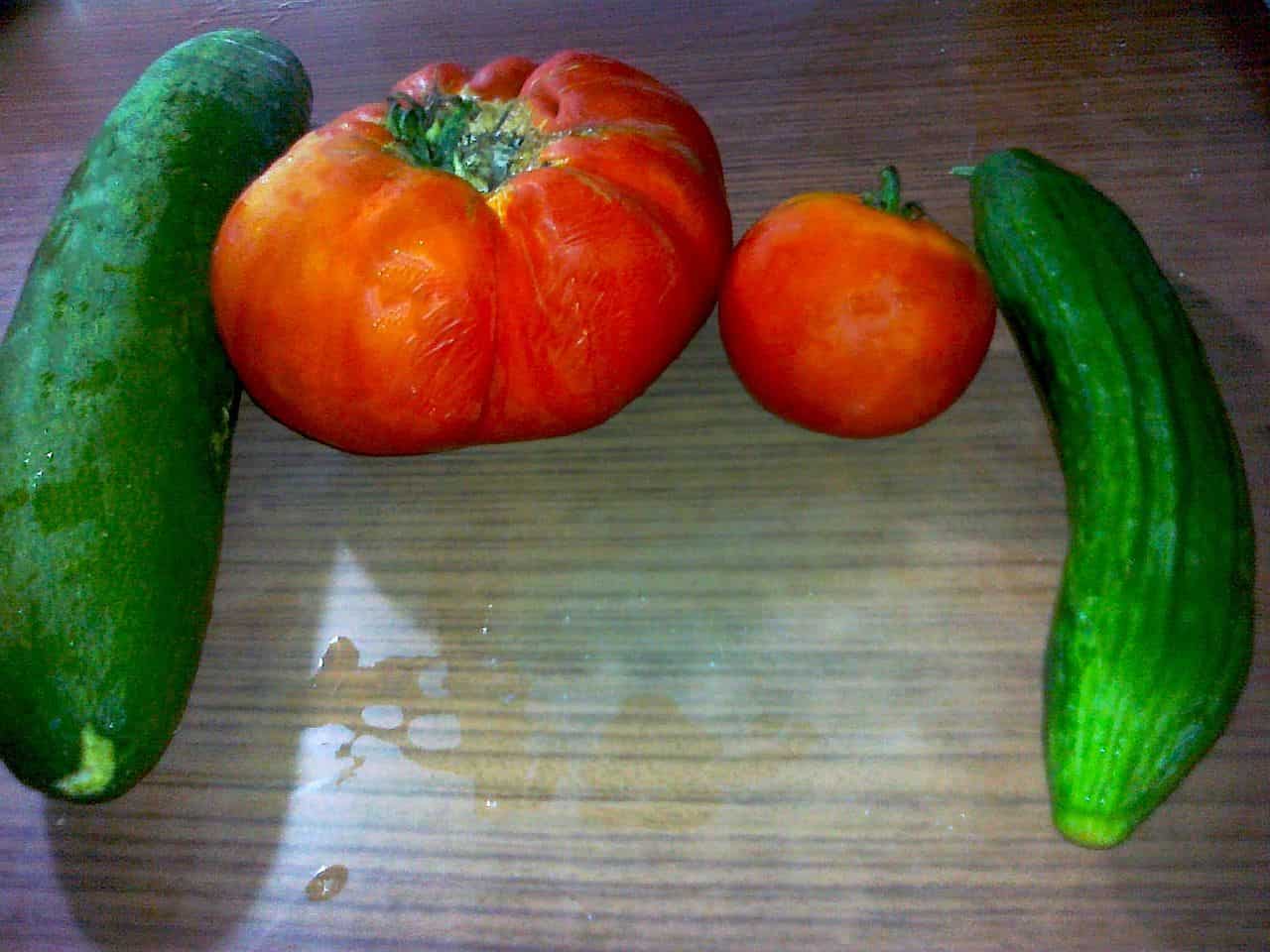
The “Non-GMO” label can be quite misleading as it implies that other plants are genetically modified. However, very few plants available to home gardeners have been genetically modified.
The Non-GMO Project Verified label is more about marketing than about providing useful information to gardeners. It’s best not to pay too much attention to this label.
11. “Heirloom”
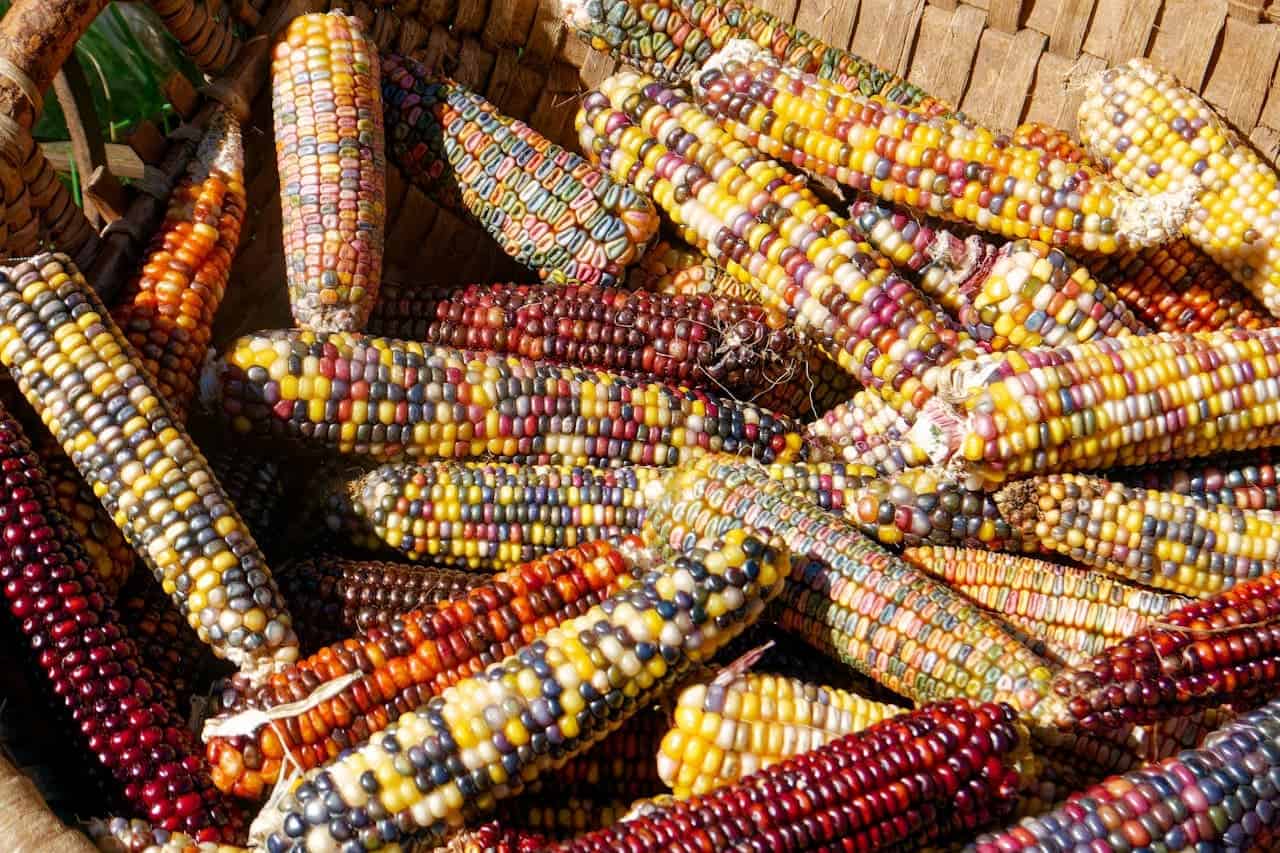
“Heirloom” plants are often associated with superior taste and quality. However, the term “heirloom” simply refers to plants that have been propagated through open pollination for a certain number of generations.
While heirloom plants can indeed have unique flavors and traits, they’re not necessarily superior to other types of plants. Don’t be fooled by the “heirloom” label and instead choose plants based on your specific needs and preferences.
12. “Native”
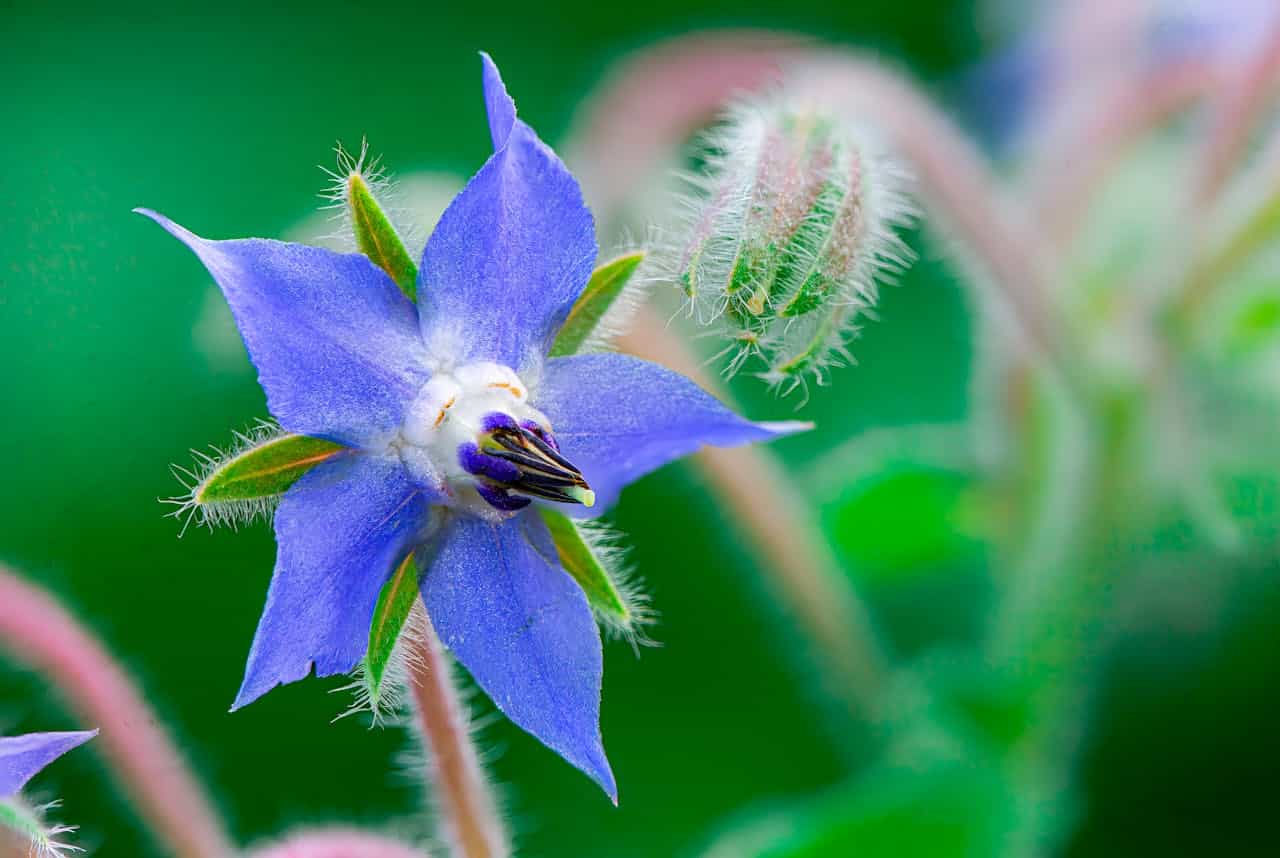
The term “native” on plant labels can imply that the plant is native to your specific location. However, it might actually refer to the plant being native to any part of the country or even another country altogether.
Research the plant’s native habitat before purchasing to ensure it will thrive in your garden. Native plants are great for supporting local wildlife, but they need to be truly native to your area.
13. “Pest Resistant”

While some plants are naturally less attractive to certain pests, no plant is completely pest-proof. The “pest resistant” label can give a false sense of security.
Preventive care, such as properly spacing plants for good air circulation and regularly checking for signs of pests, is the best approach for keeping plants healthy. Remember, even “pest resistant” plants can become infested if conditions are right.
14. “No Maintenance”
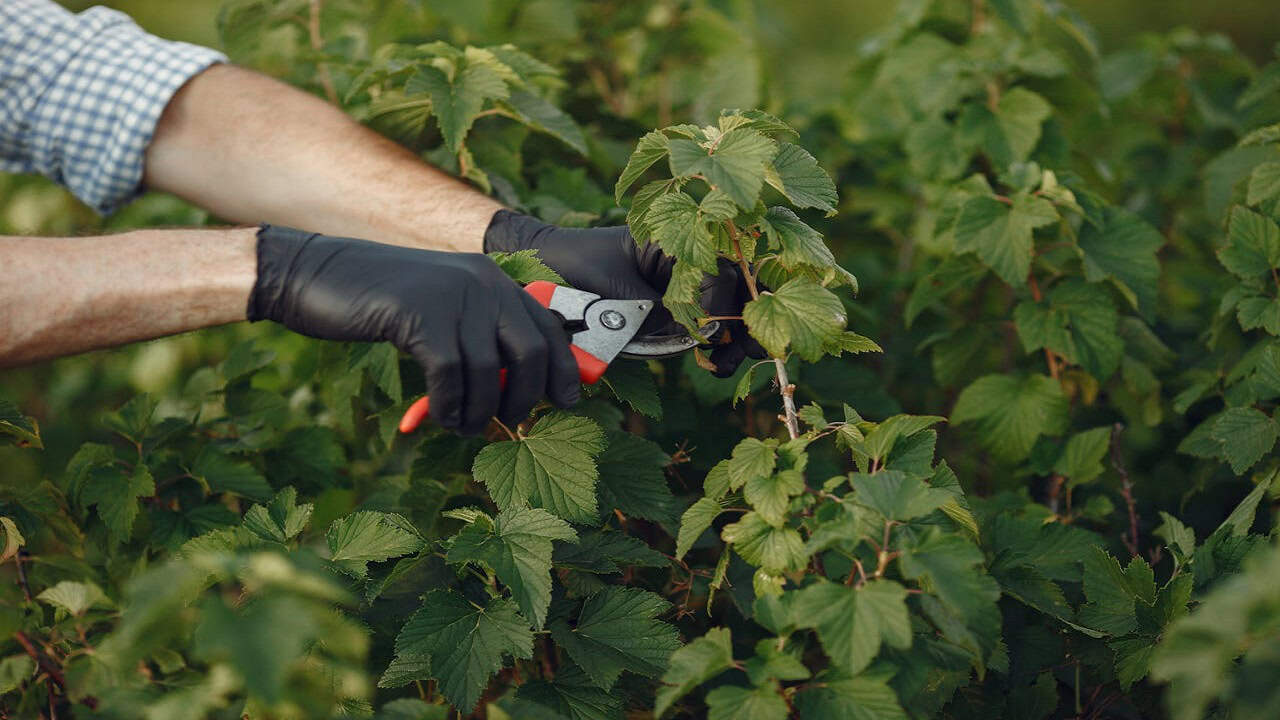
There’s no such thing as a “no maintenance” plant. All plants require some level of care, whether it’s watering, pruning, or fertilizing.
Even low-maintenance plants will need some attention to thrive. Instead of looking for a “no maintenance” plant, find one that suits your lifestyle and the amount of time you can dedicate to plant care.
15. “Self-Pollinating”
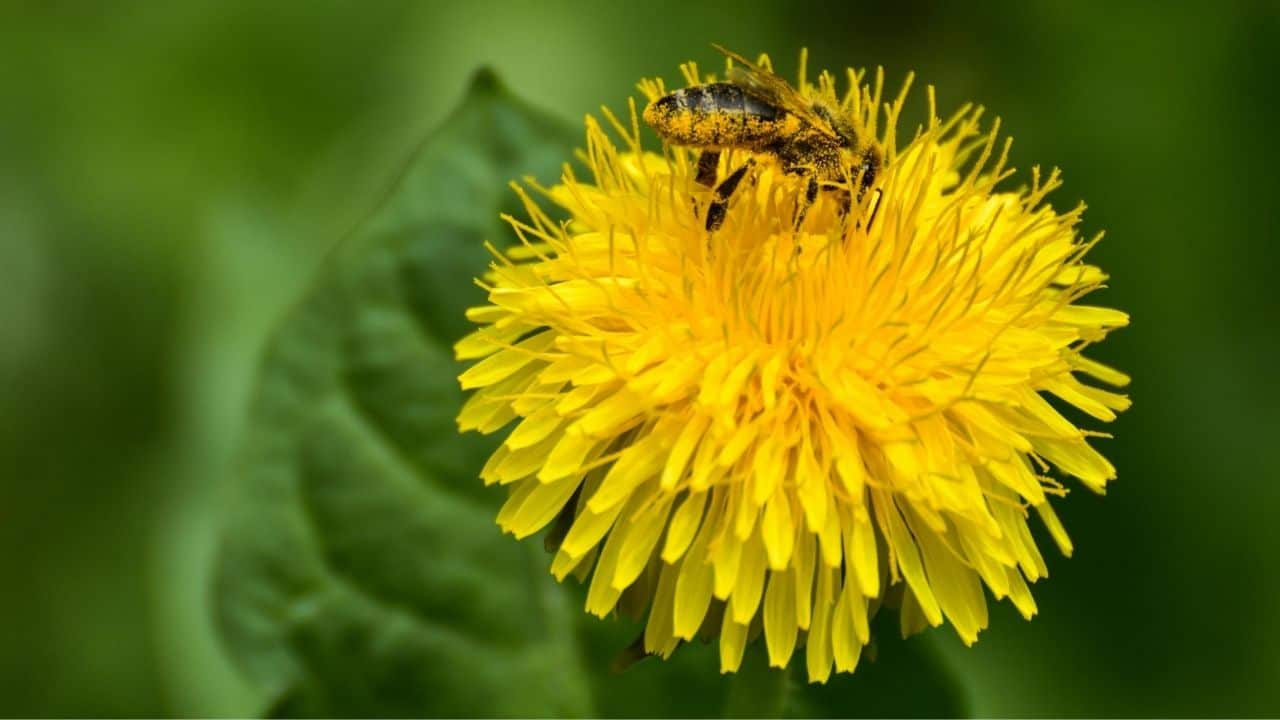
While it’s true that some plants are capable of self-pollination, they often still benefit from cross-pollination with other plants.
Don’t assume that a “self-pollinating” plant doesn’t need any other plants around to produce fruit. If possible, plant several specimens to increase your chances of a good harvest.
16. “Shade Tolerant”
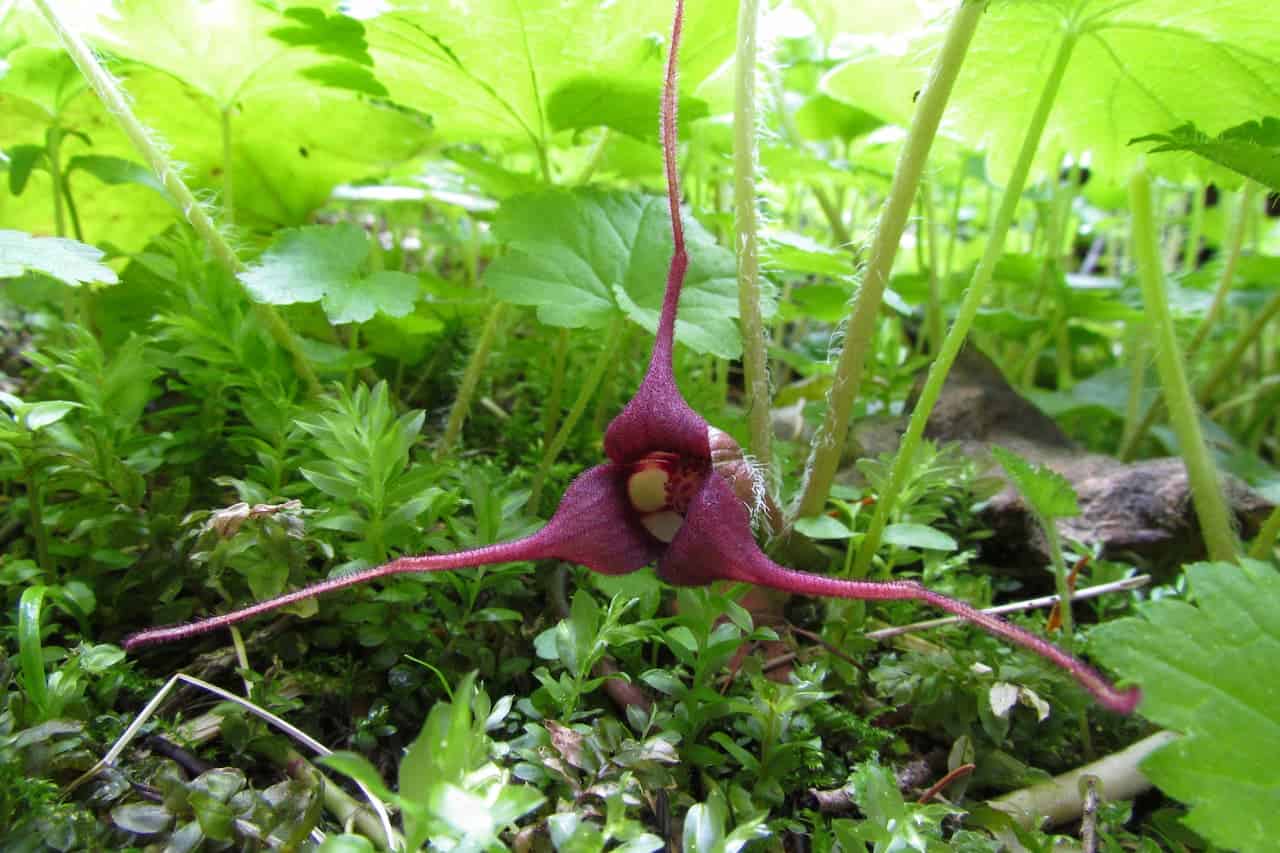
“Shade Tolerant” can be a misleading label as it suggests that the plant can thrive in deep shade. However, most shade-tolerant plants still need some light to grow well.
Instead of relying on this label, consider the light conditions in your garden and choose plants that will thrive in those conditions. Remember, even shade-tolerant plants need some light.
17. “Disease Resistant”

“Disease Resistant” plants are often advertised as being invulnerable to plant diseases. However, this is not entirely true.
While these plants might be resistant to some specific diseases, they can still be susceptible to others. Regularly checking your plants for signs of disease is the best defense against plant diseases.
18. “Long Blooming”

“Long Blooming” suggests that the plant will provide color in your garden for an extended period. However, the length of a plant’s blooming period can depend on many factors.
Weather, soil conditions, and proper care can all affect how long a plant blooms. A “long blooming” plant might disappoint you if it’s not grown under optimal conditions.
Remember, while plant labels can provide useful information, they can also be misleading. Always do your own research and consider your specific conditions before purchasing a plant.