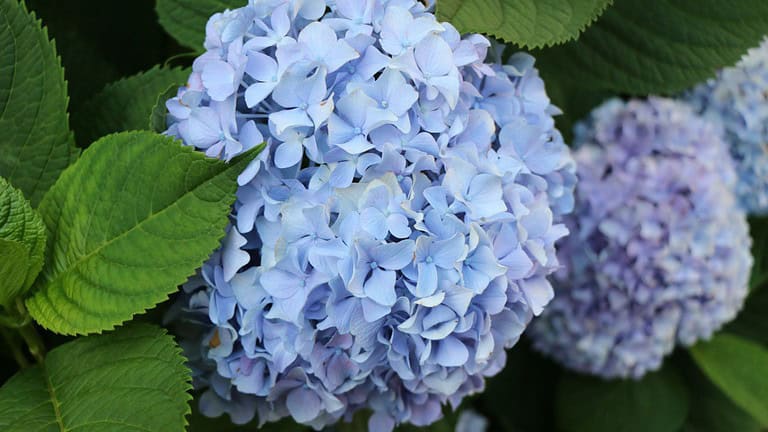
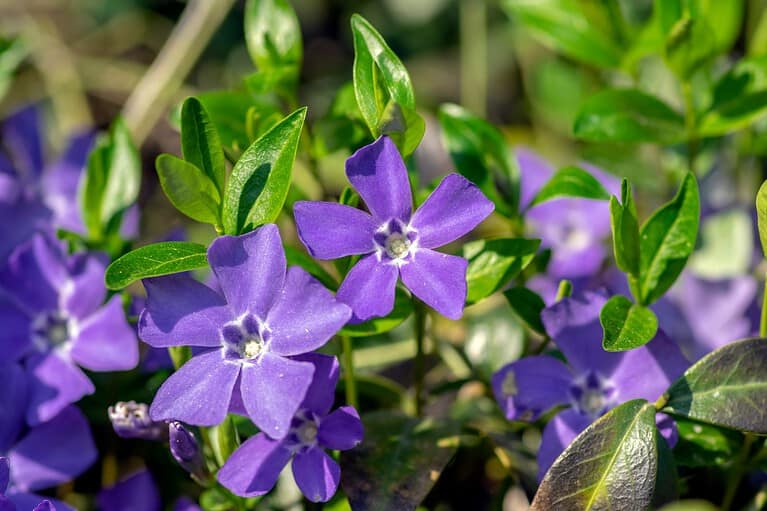
If you’re looking to create a garden that grows and expands with minimal effort, perennials are a great choice. These plants come back year after year, often spreading to fill your garden with more color and life over time.
You can enjoy a thriving, low-maintenance garden that evolves naturally season after season.
Advertisement
Bearded Iris
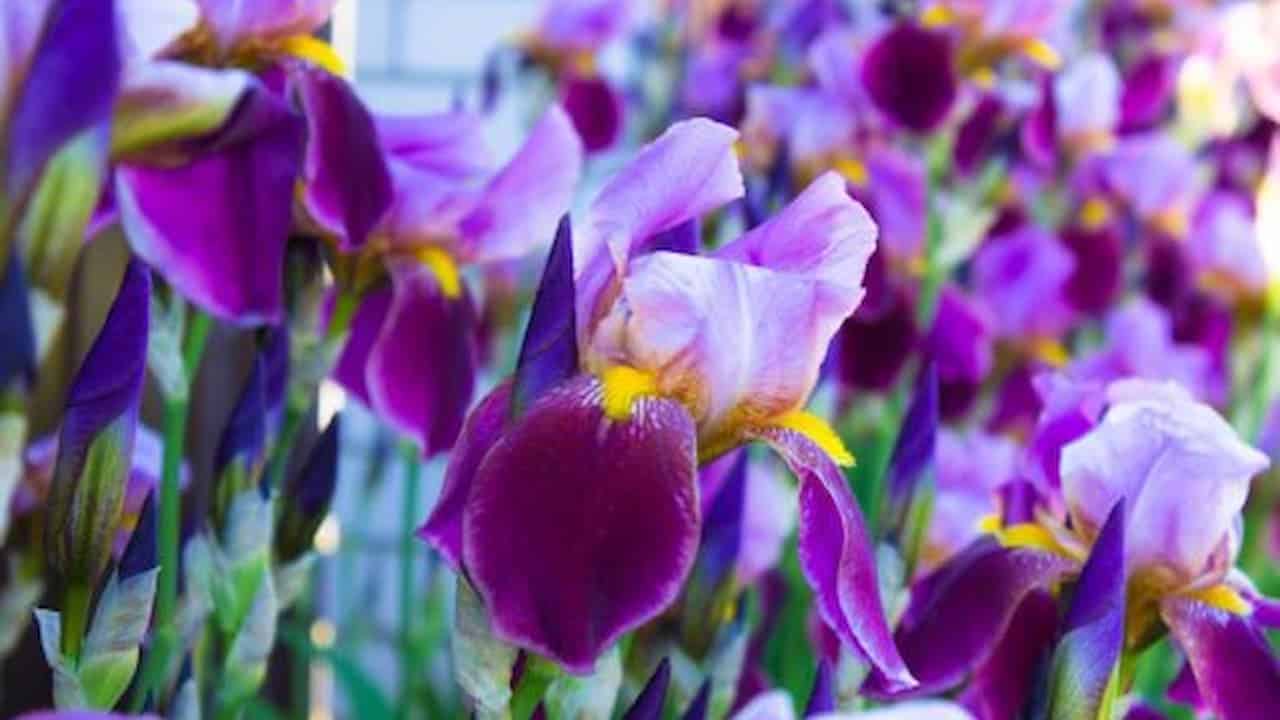
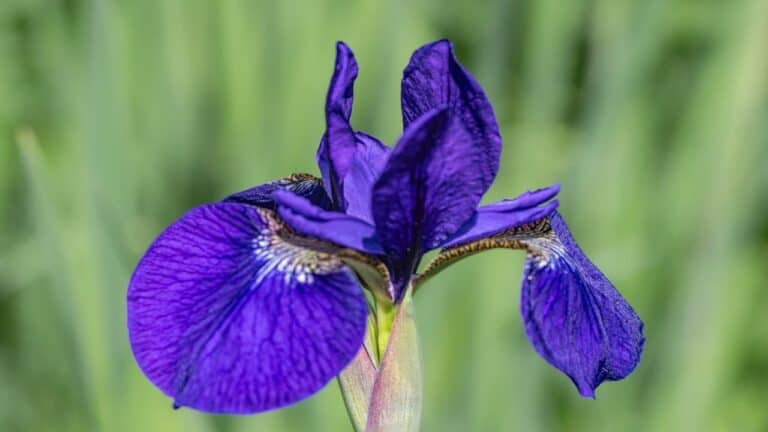
Bearded iris are easy to grow and multiply each year, making them a great choice for your garden. They are hardy perennials that come back reliably with little effort.
These irises resist deer and rabbits. Some varieties even bloom more than once a season. Plant them in the fall for vibrant spring flowers that keep coming year after year.
Rudbeckia Hirta (Black-Eyed Susan)
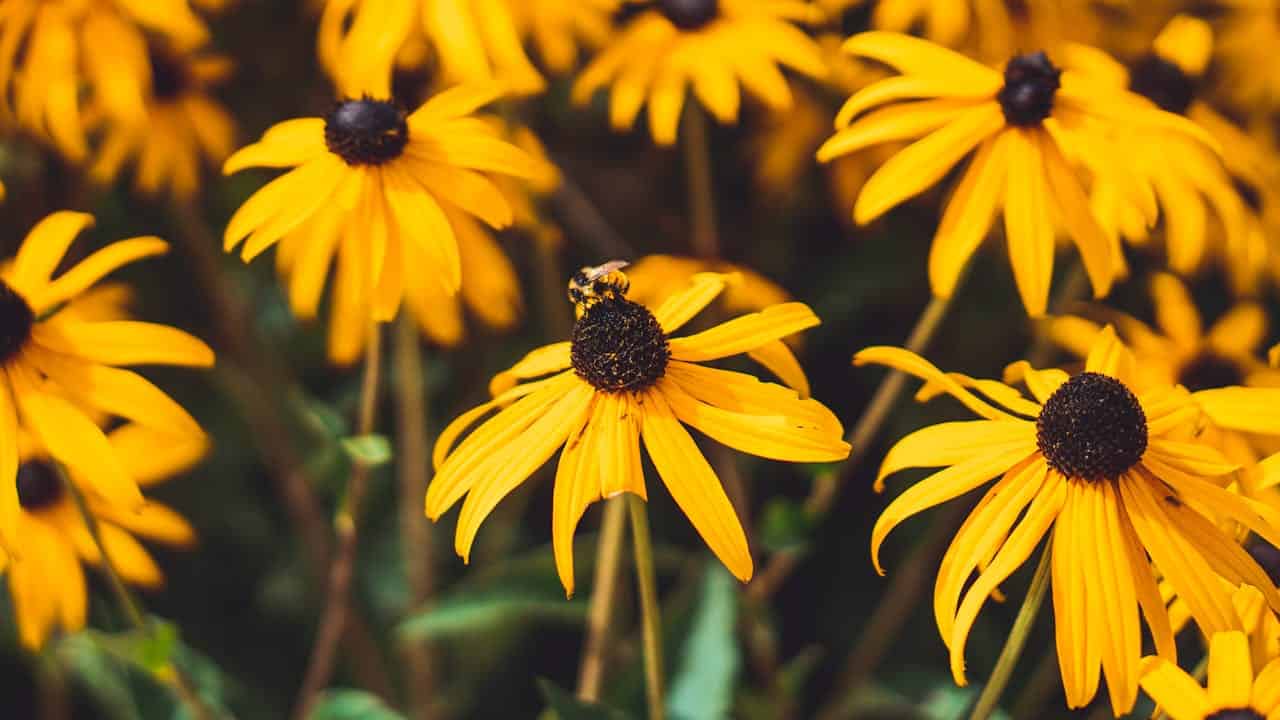
You’ll enjoy Rudbeckia hirta for its bright yellow petals and dark centers. These flowers typically bloom from summer to early fall, attracting bees and butterflies to your garden.
They grow in clumps and tend to multiply each year, making them a low-maintenance choice. You can expect hairy foliage and stems that add texture to your planting beds.
Hydrangeas

Hydrangeas are reliable perennials that come back year after year. You can expect big, colorful blooms that brighten up your garden or patio.
They grow slowly but steadily, often taking a few years to reach full size. Some varieties, like reblooming hydrangeas, offer flowers on both old and new wood for longer blooming periods.
Lavender
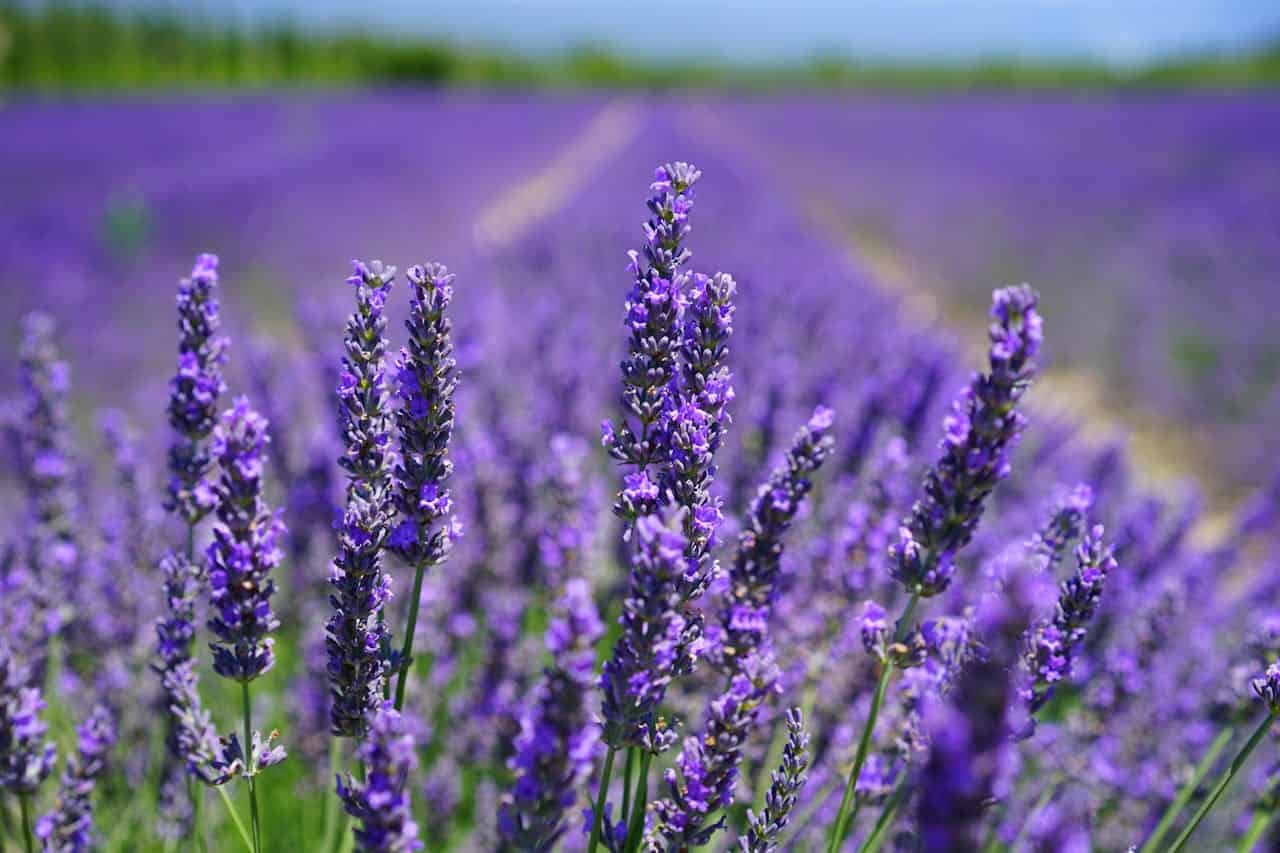
Lavender is a wonderful addition to your garden if you want a plant that spreads gently each year. It prefers full sun and well-drained soil to thrive.
You’ll enjoy not only its soft purple blooms but also the calming scent it brings. Lavender’s low maintenance makes it perfect for beginners too.
Roses
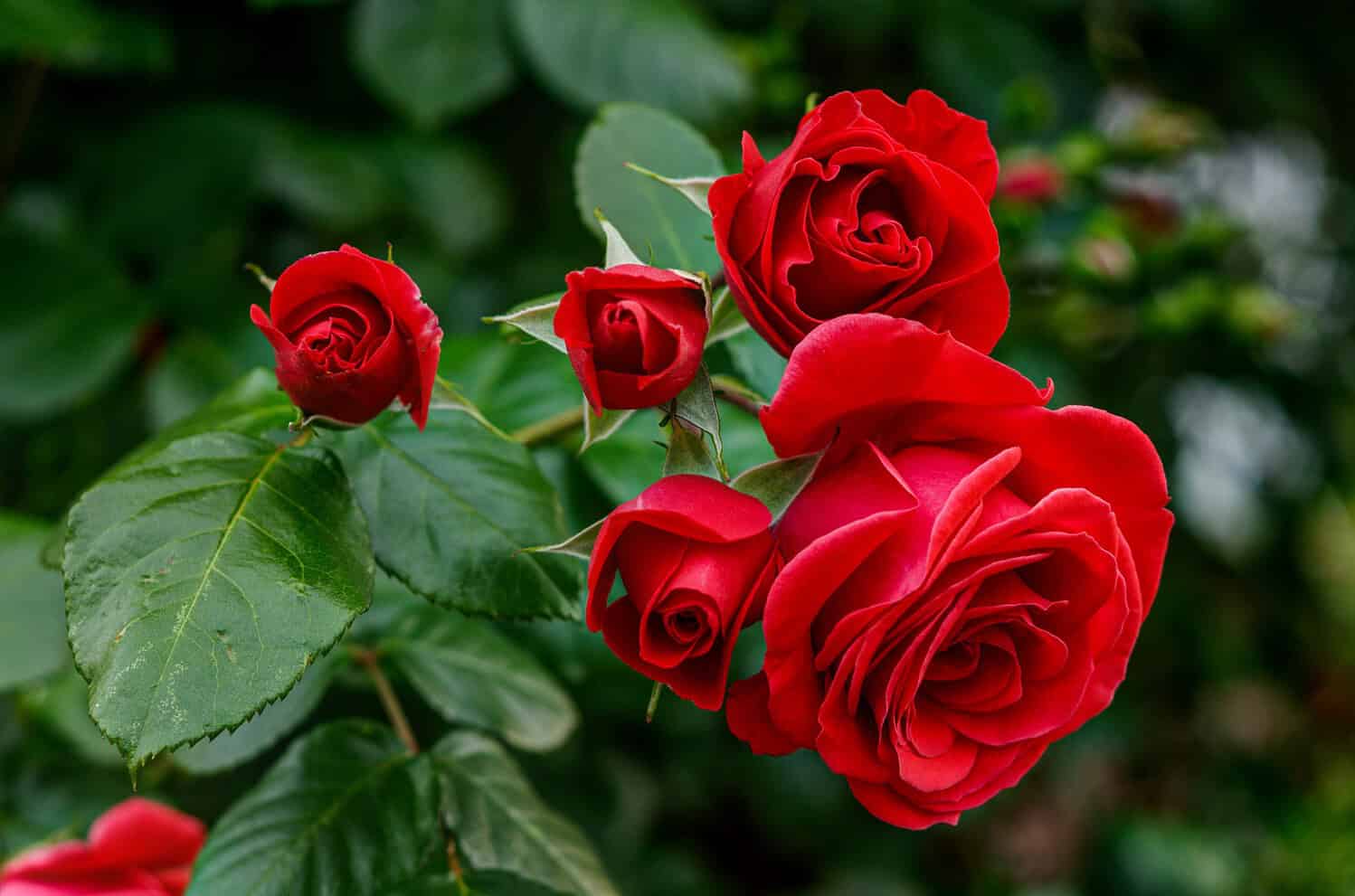
Roses are a classic choice that can multiply in your garden year after year. Many varieties send up new shoots from the base, gradually expanding their presence.
You’ll find roses thrive best when planted in the right zone, usually between 5 and 8. With proper care, they’ll reward you with blooms season after season.
Peonies

Peonies are wonderful perennials that come back year after year, rewarding your garden with large, showy blooms. They can live for decades with little care, making them a lasting addition to your space.
You’ll find different types, like herbaceous, tree, and Itoh peonies, each blooming at slightly different times. With patience, your peonies will multiply and fill your garden beautifully.
Nepeta ‘Walker’s Low’
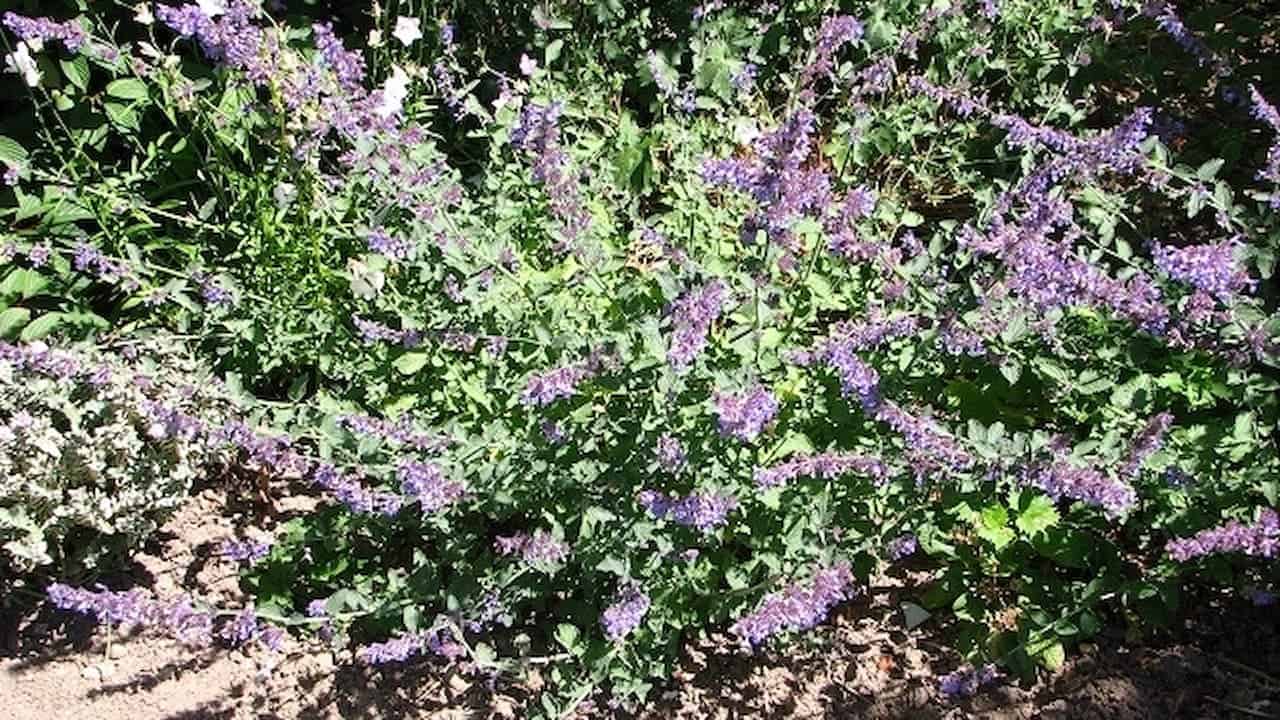
You’ll find Nepeta ‘Walker’s Low’ easy to grow and long-lasting in your garden. It prefers full sun and well-drained soil to thrive.
This plant produces lovely spikes of small purple-blue flowers in midsummer. Regular deadheading helps you enjoy blooms multiple times a year. Shearing it back in spring encourages compact growth. Plus, it resists deer and rabbits, making it a practical choice for many gardeners.
Sedum ‘Matrona’
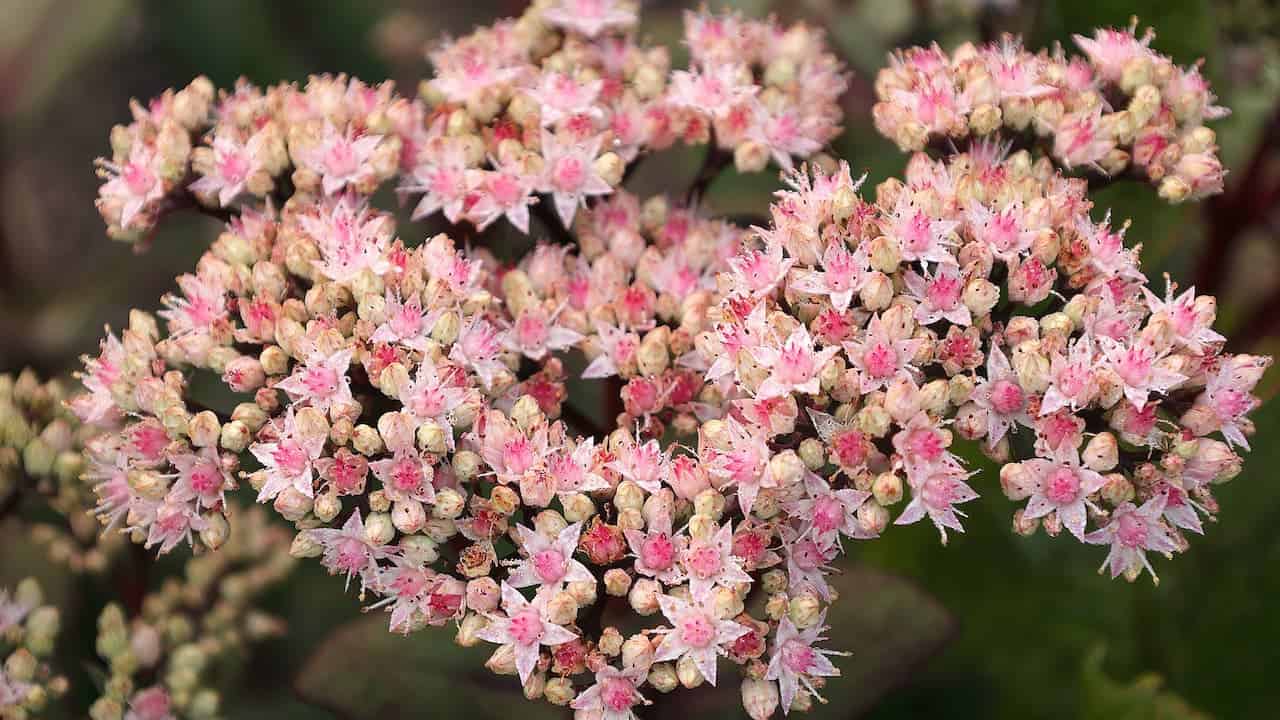
You’ll enjoy Sedum ‘Matrona’ for its attractive pale pink flowers and gray-green leaves with purple veins. It adds soft color to your garden, especially among darker plants.
This plant is easy to care for and thrives in well-drained soil with plenty of sun. It’s a reliable perennial that comes back each year and slowly spreads for more coverage.
Russian Sage
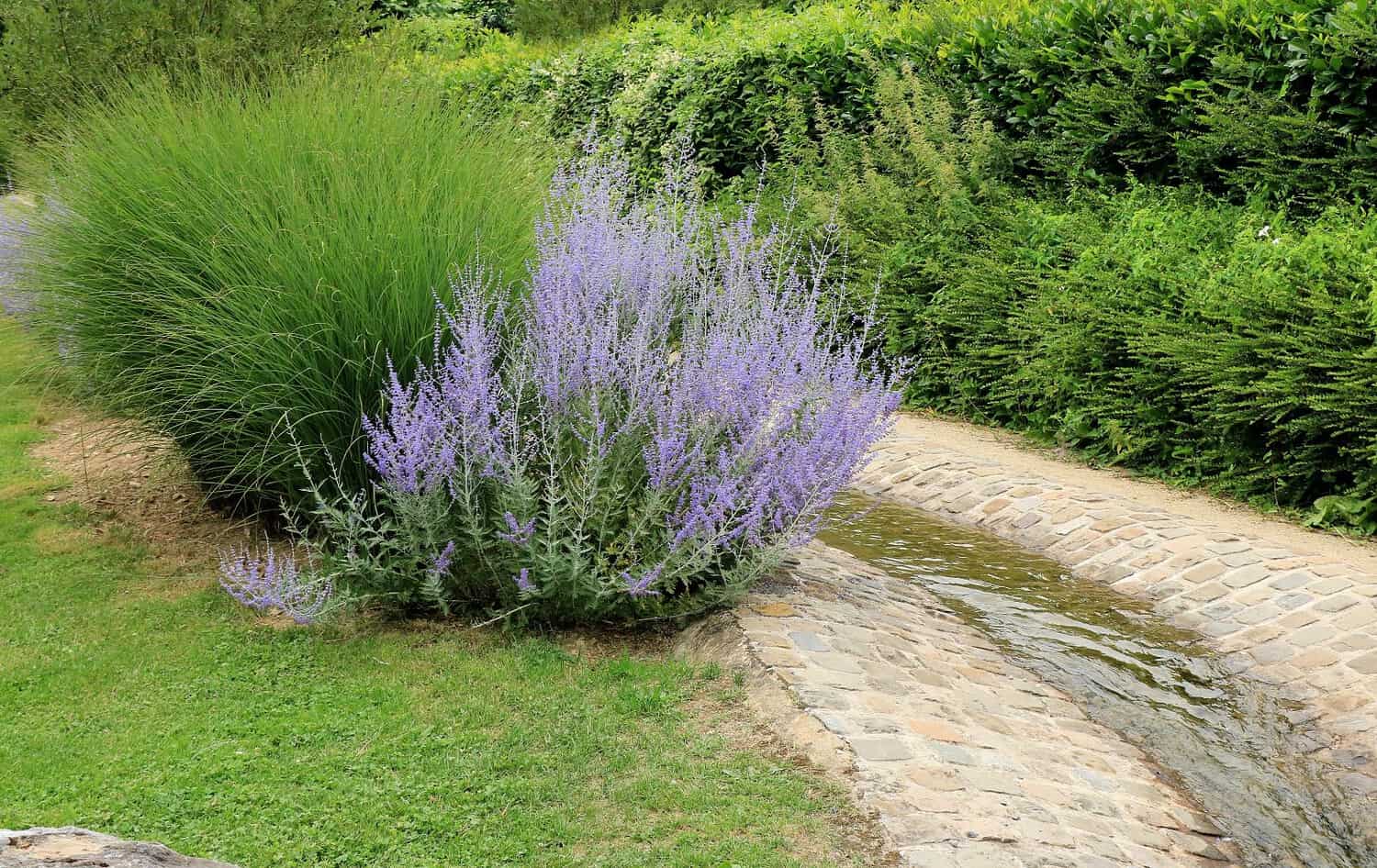
You’ll appreciate Russian sage for its low maintenance and drought tolerance. It produces lavender-blue flowers that add cool color to your garden during hot summer months.
This perennial grows well in full sun and can reach up to 8 feet, though dwarf varieties stay smaller. It spreads reliably, multiplying year after year with little effort from you.
Yarrow (Achillea)

You’ll appreciate yarrow for its hardiness and low maintenance. It thrives in poor soil and handles drought well, making it perfect if you want a resilient garden.
The flat flower clusters add a lovely touch from summer into fall. Yarrow spreads easily, so you’ll see it return and fill in spots year after year.
Michaelmas Daisy (Aster)
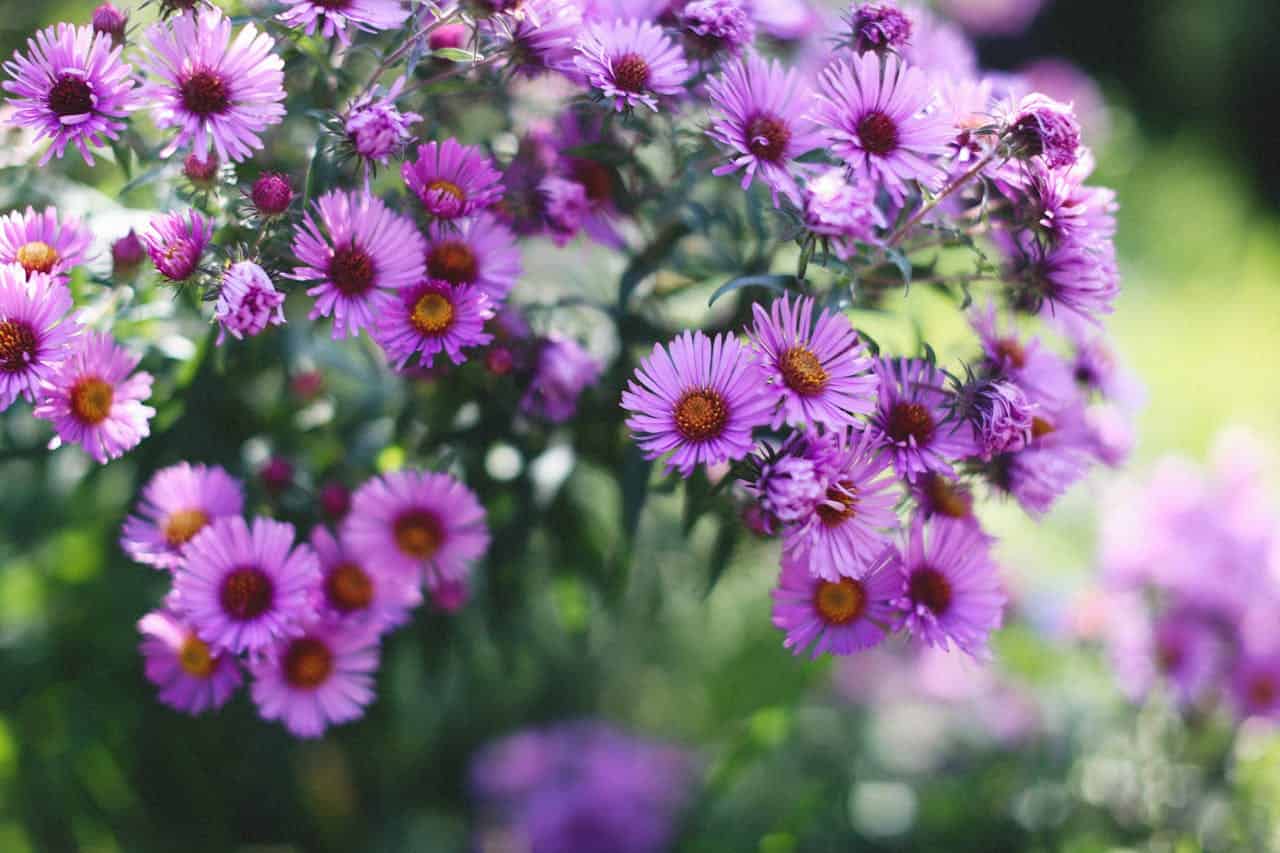
You’ll enjoy Michaelmas daisies for their late summer to fall blooms. They produce lovely lavender or purple flowers that attract pollinators.
These perennials grow well in full to partial sun and need regular watering. Most range from 12 to 48 inches tall, fitting nicely in many garden spaces. They spread slowly each year, multiplying to fill your borders with color.
Bergenia (Elephant’s Ears)
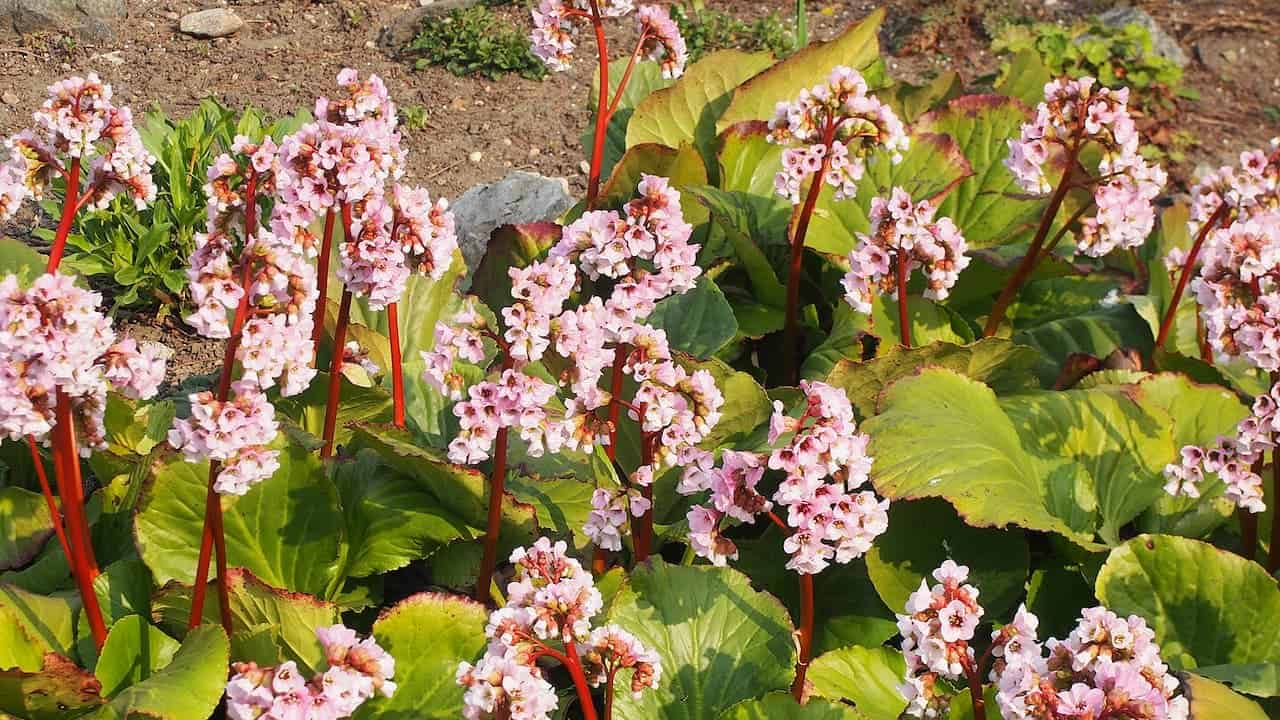
You’ll appreciate bergenia for its large, rounded leaves that stay evergreen. Its thick clusters of rosy flowers bloom in early spring, adding color when many plants are just waking up.
This tough perennial thrives in both sun and light shade, making it easy to grow in many garden spots. It spreads slowly, multiplying each year to fill your borders nicely.
Crocosmia
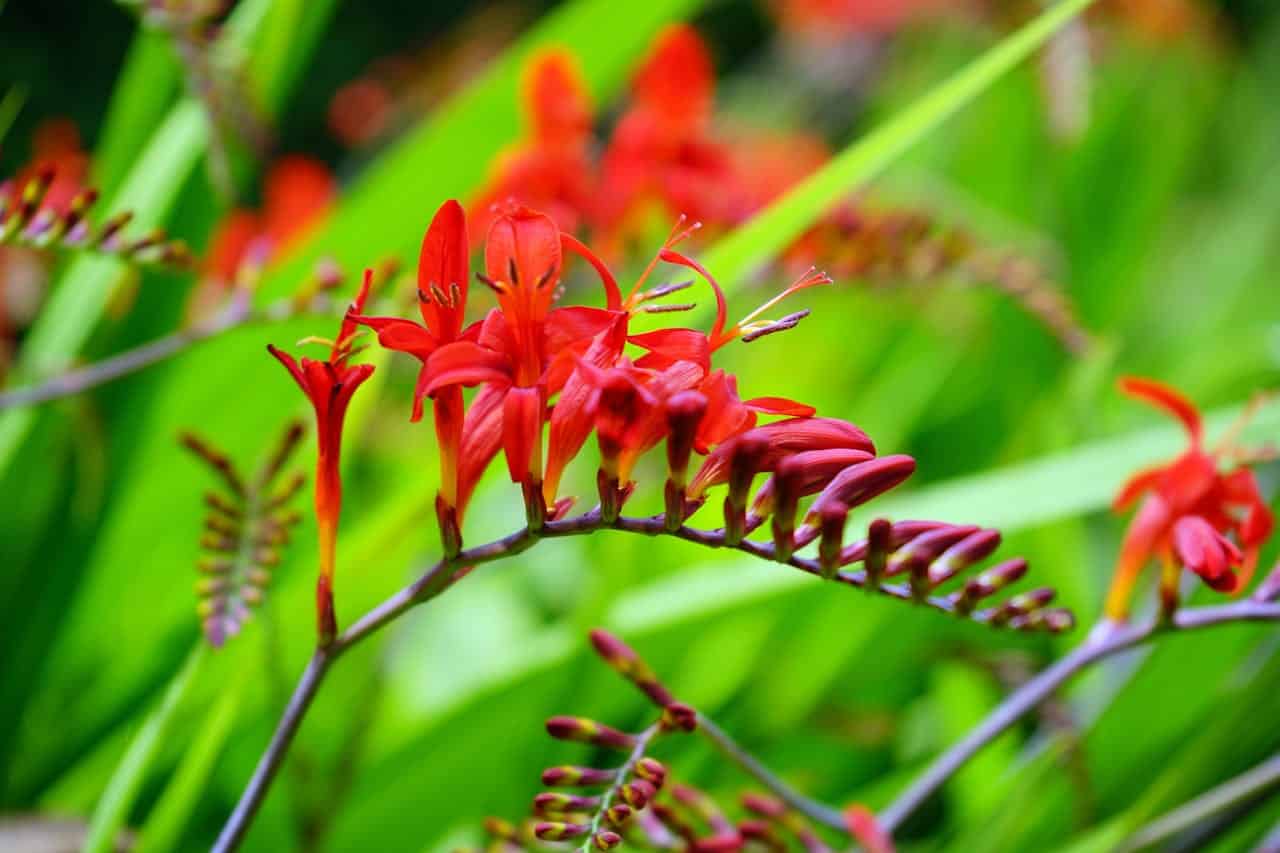
Crocosmia is a reliable perennial that multiplies through corms beneath the soil. You’ll notice it returns year after year and spreads steadily.
To keep your Crocosmia healthy and prevent overcrowding, divide the clumps every 2 to 3 years. Doing this in early spring or fall works best for you. It thrives in sunny spots and adds bright color to your garden with minimal effort.
Delphinium
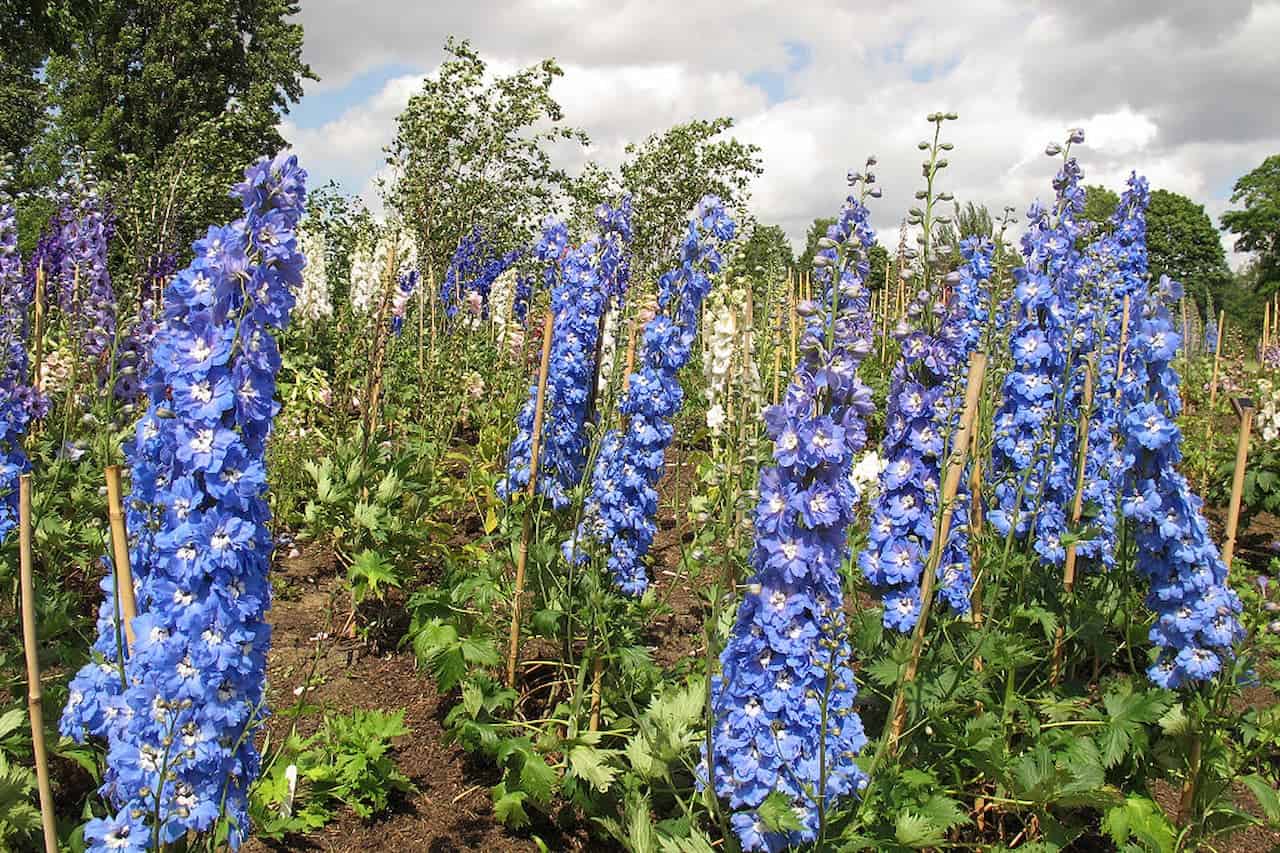
You’ll enjoy watching delphiniums multiply year after year in your garden. These perennials prefer moist soil and full sun but can tolerate some shade.
The tall flower spikes add height and color, making them great for cutting. Giving your plants space and feeding them well can help them thrive for many seasons.
Sea Holly
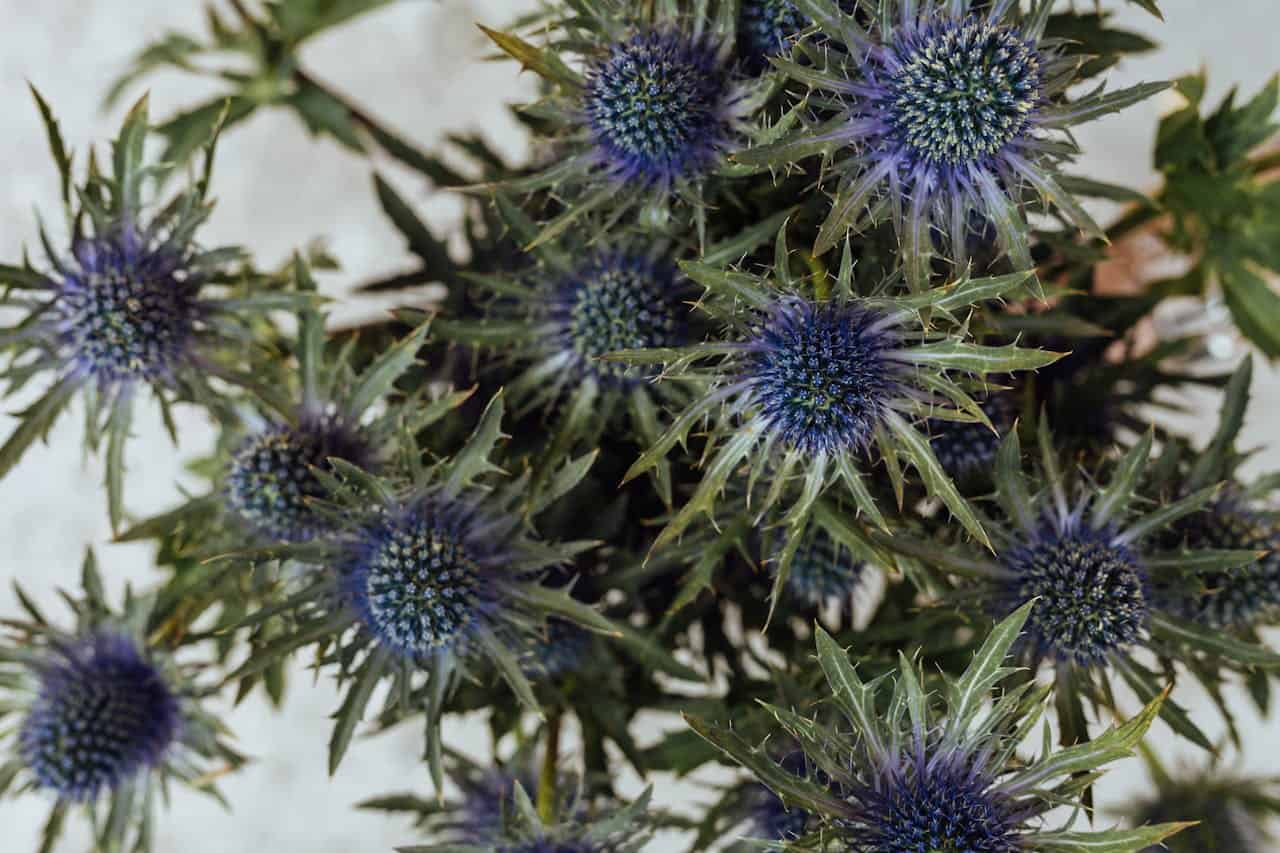
You’ll want to plant sea holly in full sun with well-drained, sandy soil. It’s drought-tolerant and low-maintenance, making it a great choice for easy care.
Sea holly produces spiny, blue to purple flowers that bloom from mid to late summer. It’s hardy in many zones and spreads slowly, multiplying year after year in your garden.
Threadleaf Coreopsis
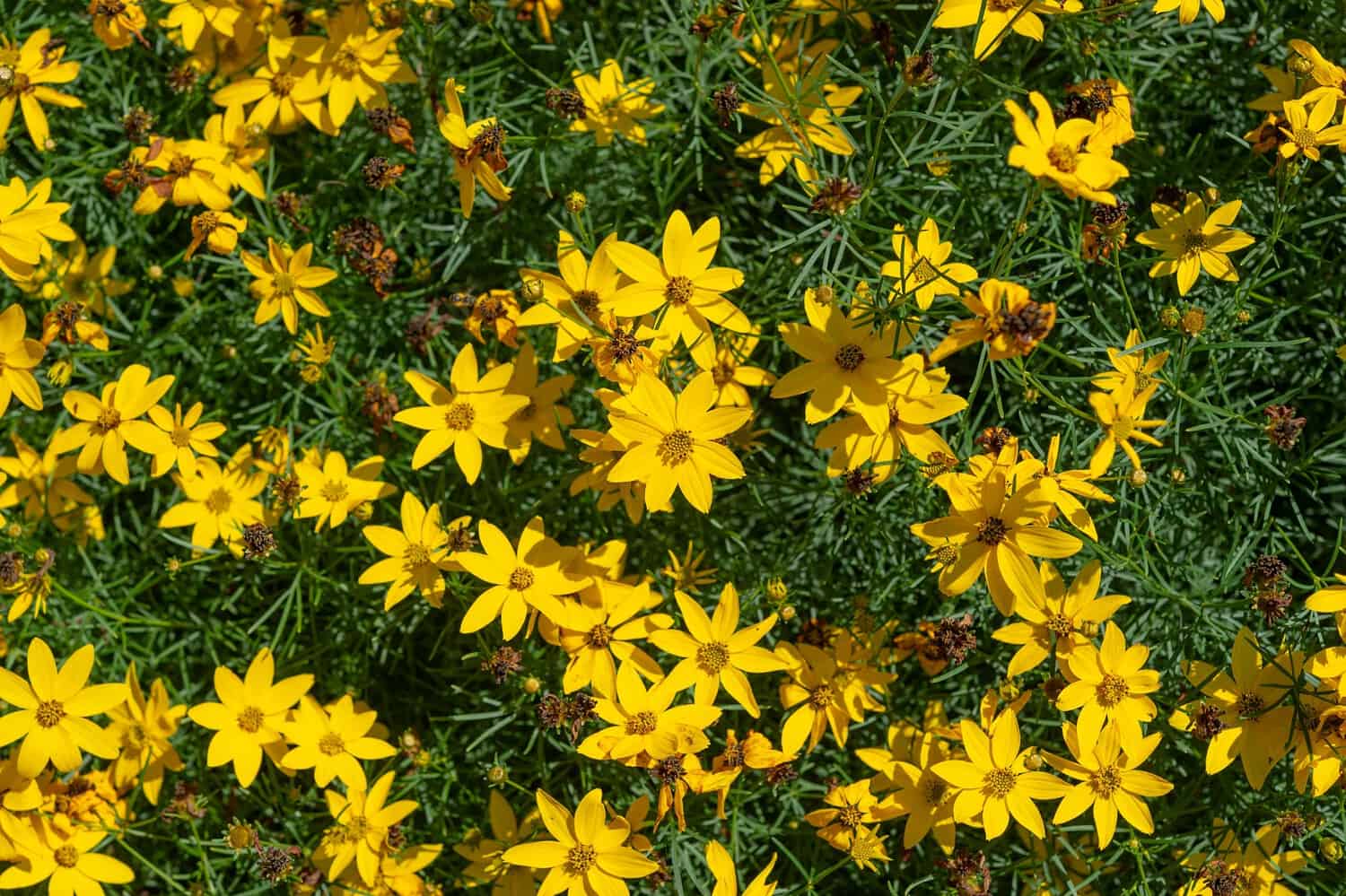
You’ll enjoy watching Threadleaf Coreopsis slowly spread each year, creating a lovely carpet of green foliage. Its soft yellow flowers add a cheerful touch to your garden through summer.
This resilient perennial grows 2-3 feet tall and thrives in many conditions. It’s a low-maintenance choice that multiplies reliably without much effort from you.
Summer Phlox
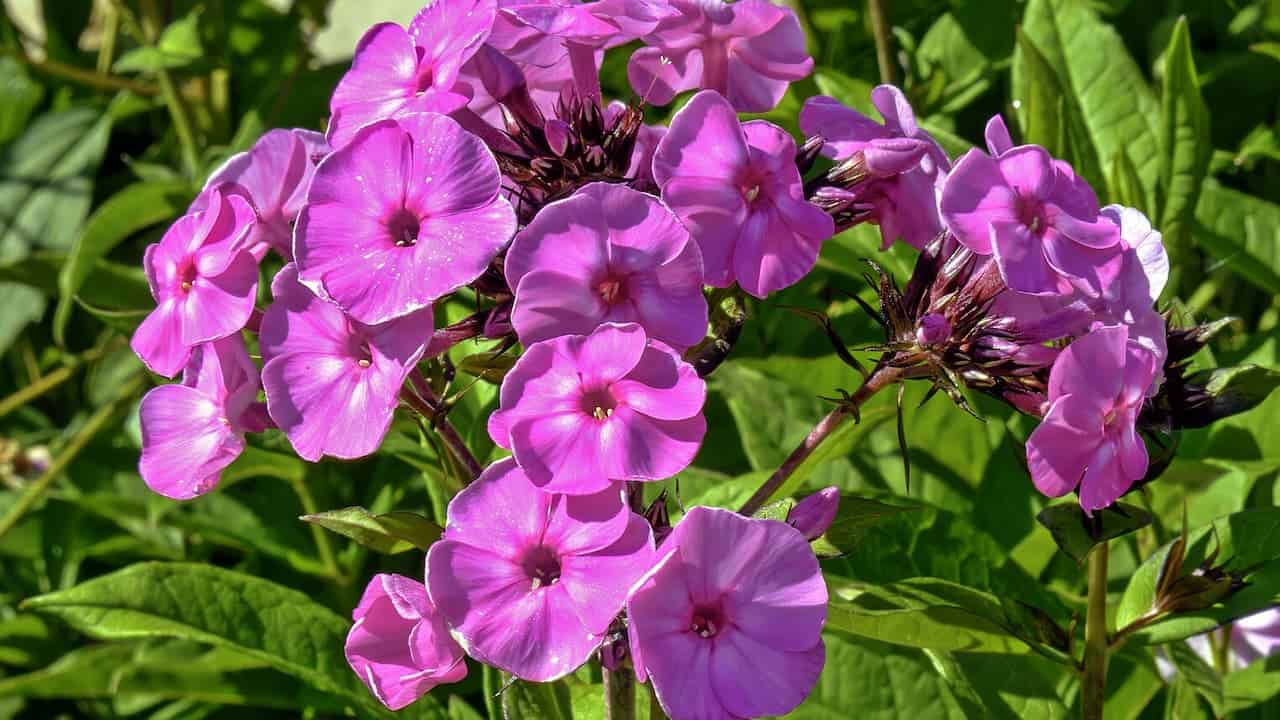
You’ll find summer phlox adds bright color to your garden from mid to late summer. These perennials typically grow between 18 inches and 3 feet tall.
They come in shades of pink, purple, white, and red, bringing variety to your outdoor space. Summer phlox plants are easy to care for and will come back year after year with proper maintenance.
Variegated Solomon’s Seal
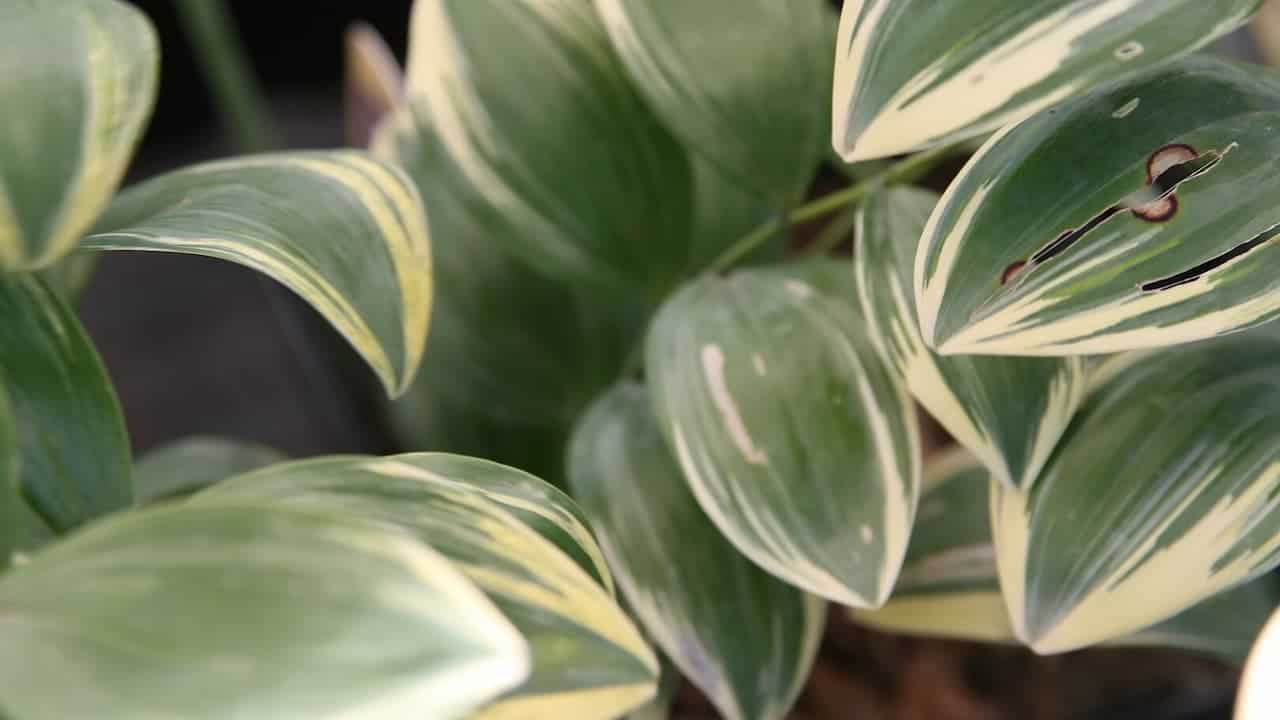
You’ll find Variegated Solomon’s Seal a beautiful addition to shady spots. It grows 18 to 24 inches tall with soft green and white striped leaves.
Its foliage turns a lovely golden yellow in autumn. This perennial produces delicate greenish-white flowers in late spring. You can propagate it by dividing the clumps as it spreads each year.