Finding plants that bloom well in partial shade can be a challenge for many gardeners. You want vibrant flowers without needing full sun all day.
Fortunately, there are plenty of perennials that thrive in these conditions and bring color to those tricky spots in your garden.
Advertisement
With the right choices, your shaded garden spaces can become just as lively and beautiful as sunlit ones. You’ll discover options that suit a range of garden styles and care levels.
Hosta

Hostas are a great choice if your garden has partial shade. You’ll find them thriving in spots where sunlight is limited but not completely blocked.
They are known for their attractive foliage and occasional blooms that add subtle charm. If you have areas with a bit more sun, some sun-tolerant varieties can handle that too, as long as the soil stays moist.
Astilbe
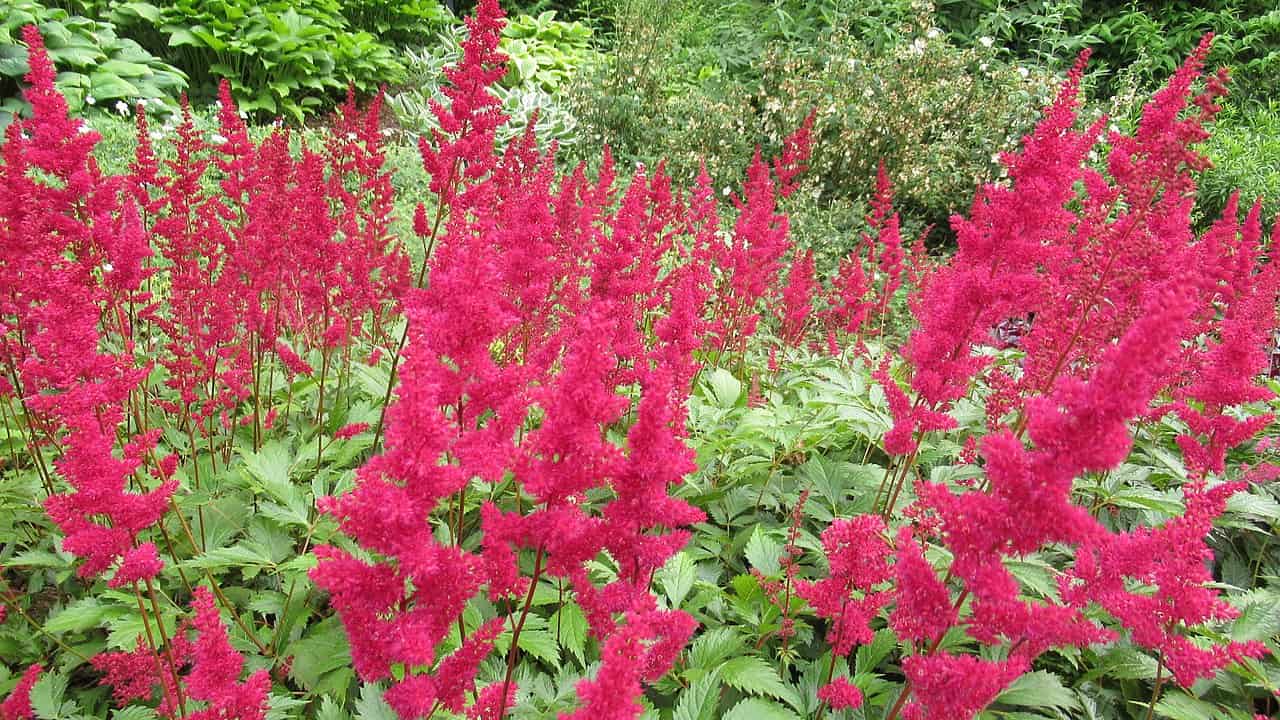
Astilbes thrive in partial shade and prefer moist, rich soil. You’ll find their feathery flowers brighten shady spots in your garden.
If you live in a hot climate, providing afternoon shade helps keep them healthy. These low-maintenance plants also do well with regular watering during dry periods.
Bleeding Heart
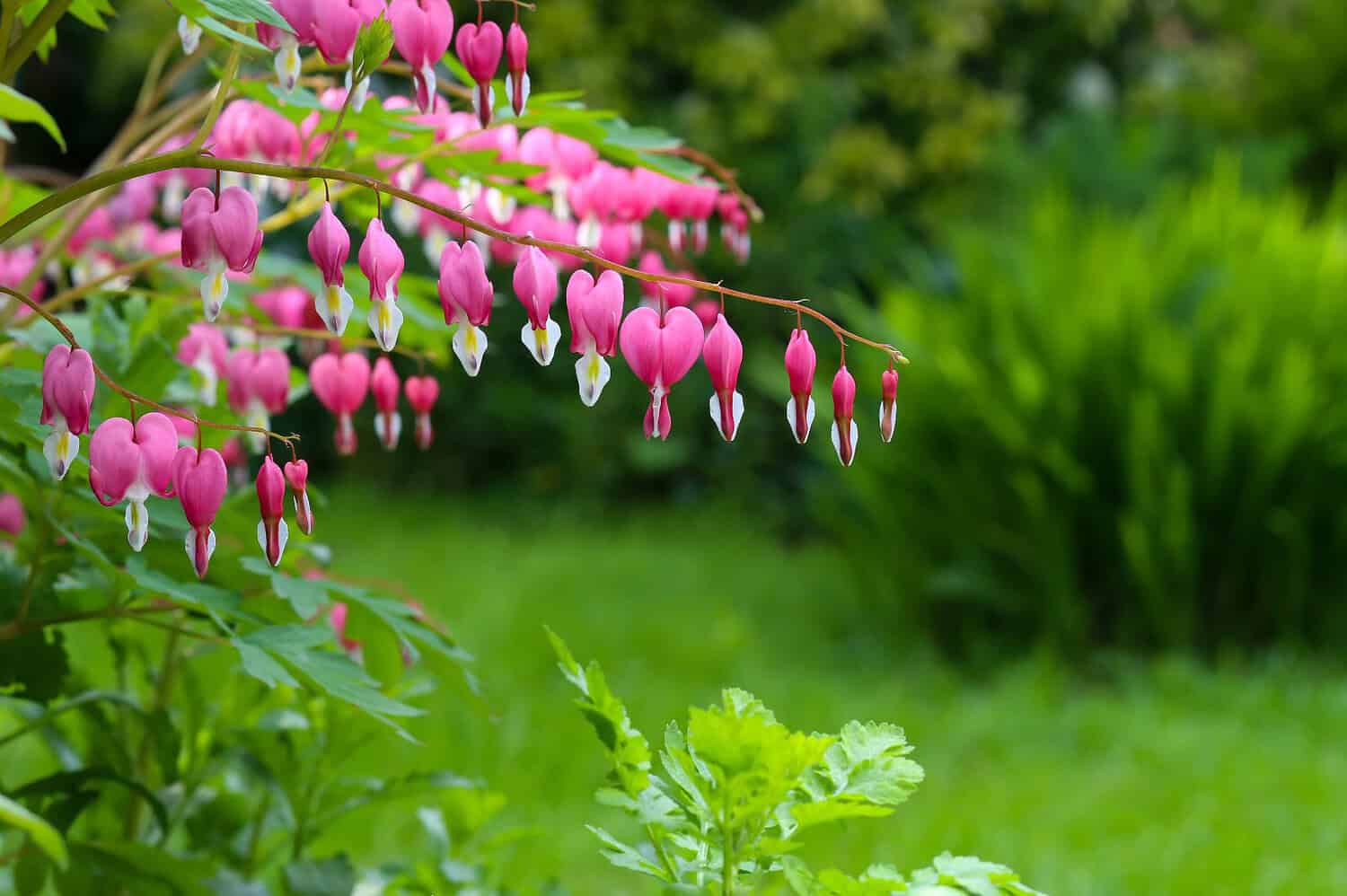
You’ll love how Bleeding Heart brings charm to your shade garden with its unique heart-shaped flowers. This perennial thrives in partial to full shade, making it ideal for spots where other plants might struggle.
Its blooms last for several weeks, adding color and interest through spring and early summer. Plant it with other shade-lovers to create a soft, romantic look.
Solomon’s Seal
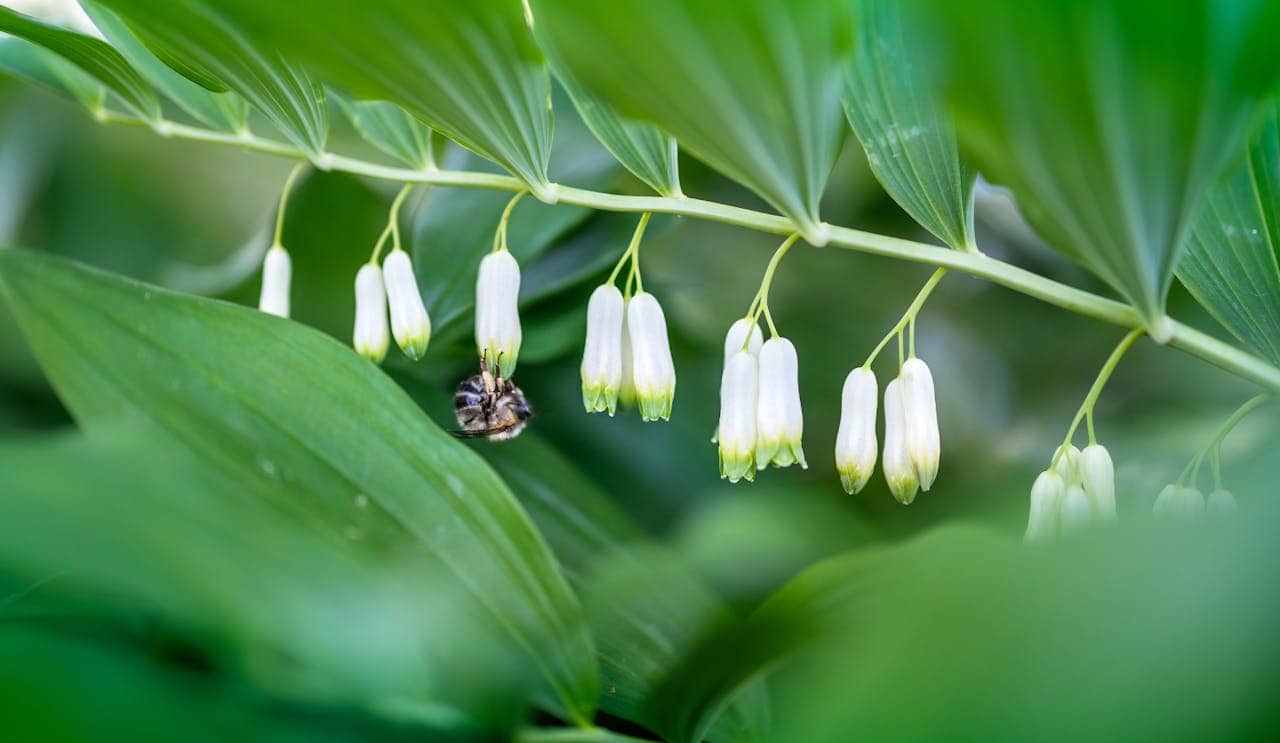
Solomon’s Seal is a great choice if your garden has partial to full shade. You’ll notice its graceful, arching stems and lovely, small bell-shaped flowers hanging beneath the leaves.
It prefers rich, moist, well-drained soil, so planting it in shady spots with good soil will help it thrive. This plant naturally drops its flowers, so you don’t need to deadhead.
Toad Lily
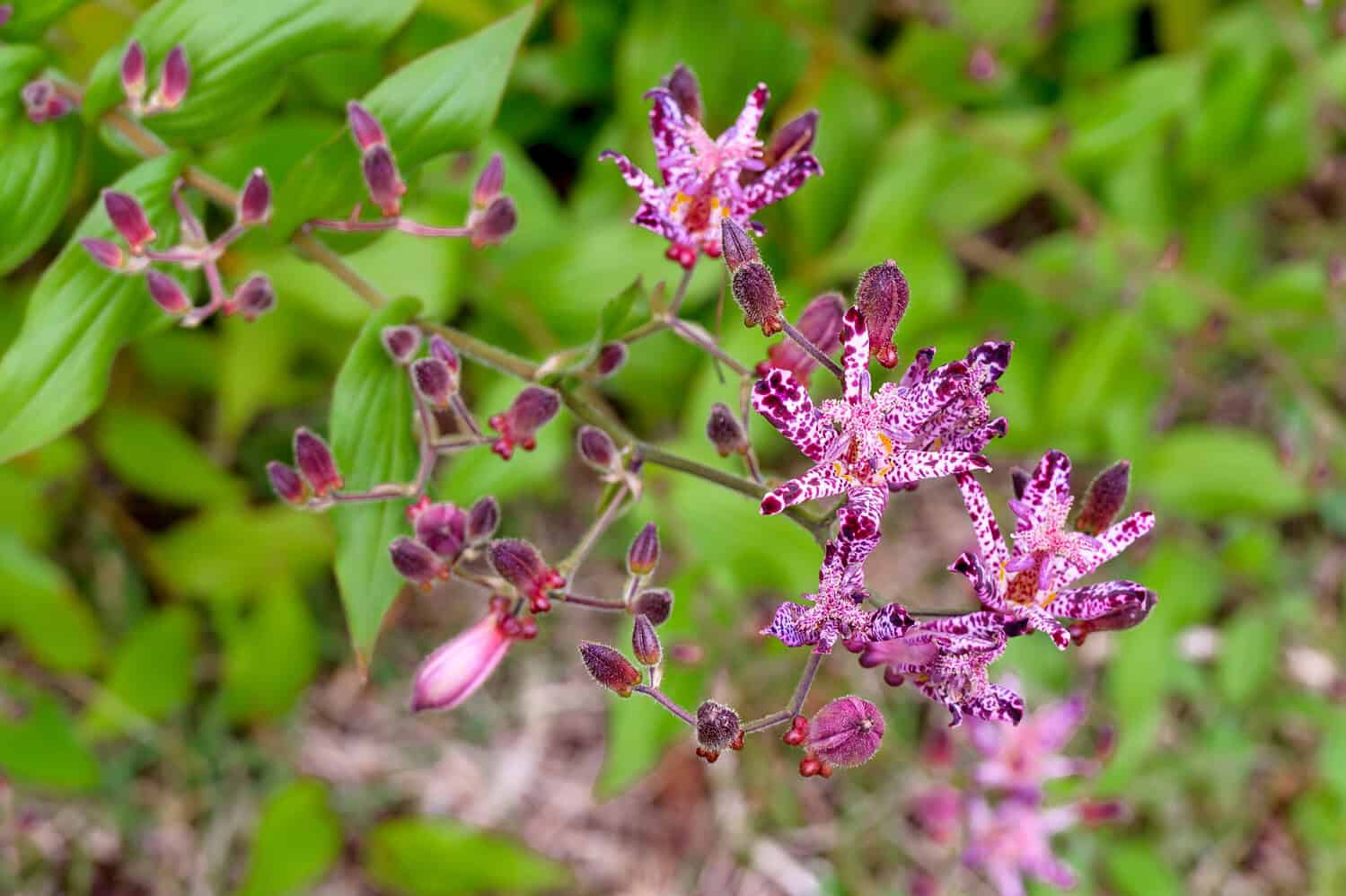
Toad lilies thrive in partial to full shade, making them perfect for spots where sunlight is limited. You’ll want to plant them in moist, well-drained soil rich in organic matter.
Their unique, orchid-like flowers bloom in late summer and can add interest to your shady garden areas.
Brunnera
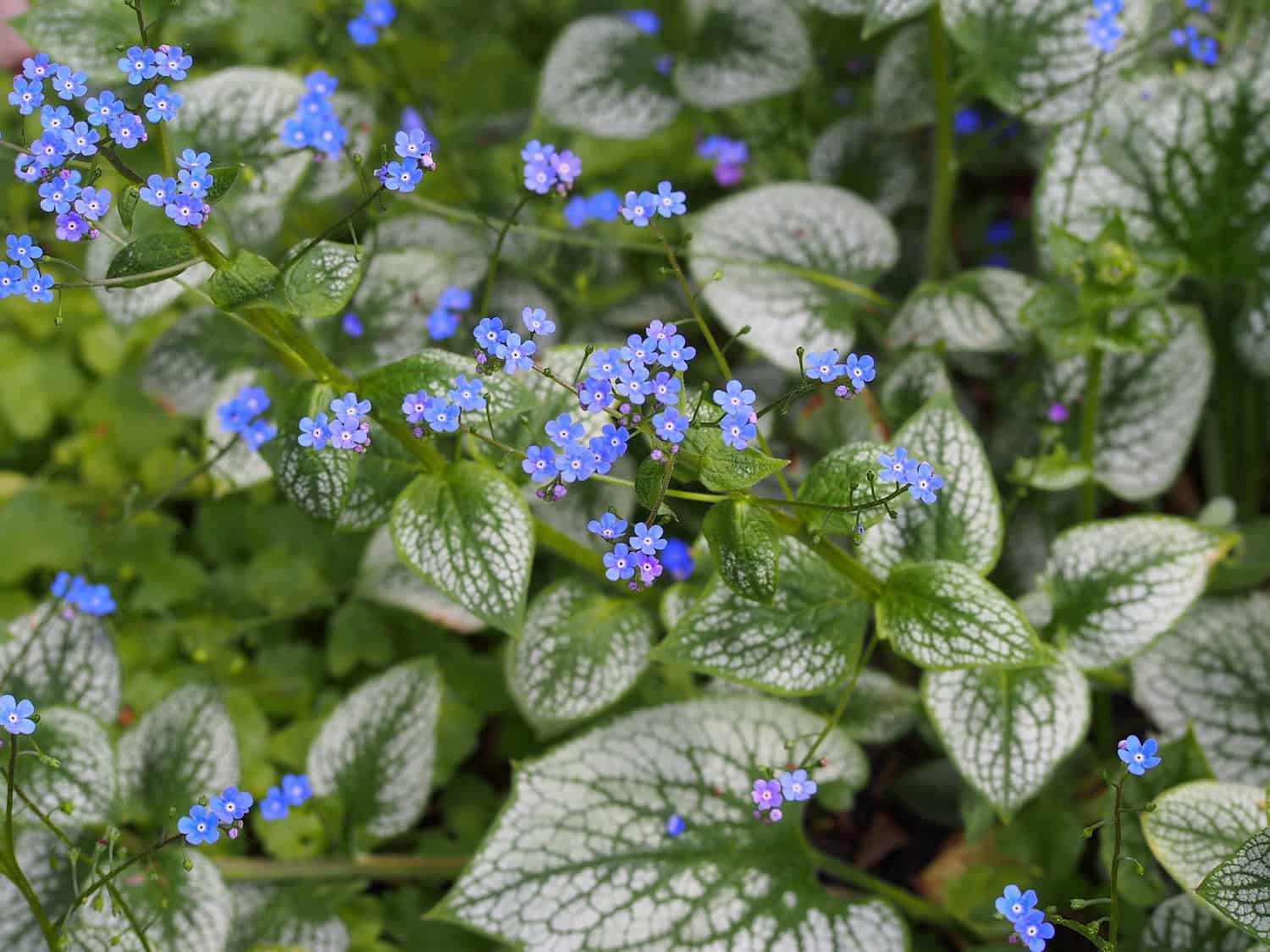
Brunnera is a great choice if your garden has partial to full shade. You’ll enjoy its attractive, heart-shaped leaves that often have a silvery pattern.
It grows slowly and spreads gently, reaching about 8 to 18 inches tall. In spring, you’ll see small, delicate blue flowers adding a nice touch. Keep its soil consistently moist, especially in warmer areas, and Brunnera will brighten your shady spots beautifully.
Foamflower (Tiarella)
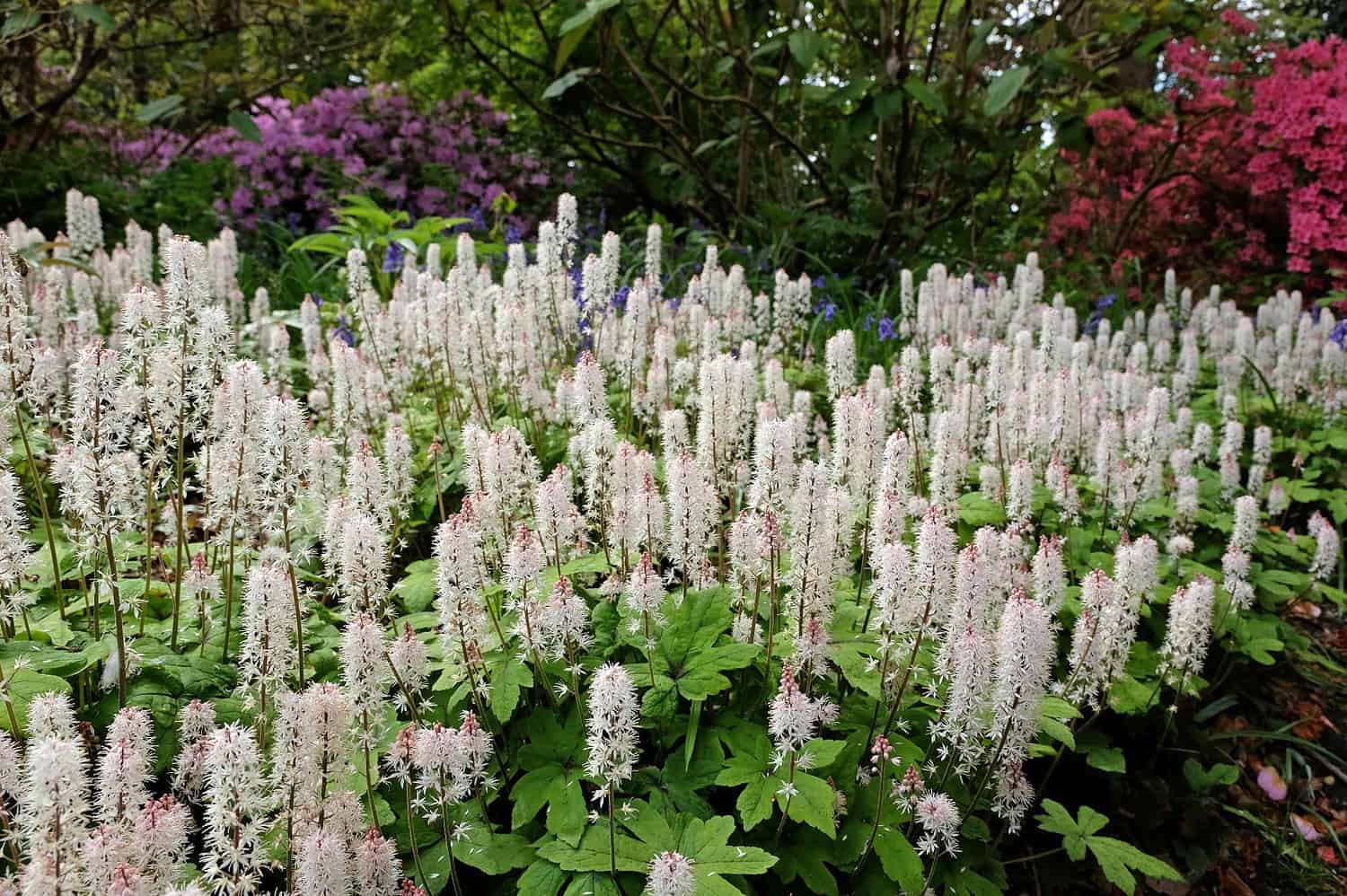
If you’re looking for a woodland perennial, foamflower is a great choice. It grows well in partial to full shade and prefers moist, humus-rich soil.
You’ll like its delicate, creamy white flowers and attractive heart-shaped leaves with dark centers. Foamflower spreads slowly by runners, making it ideal for naturalizing shady spots.
Jacob’s Ladder (Polemonium)
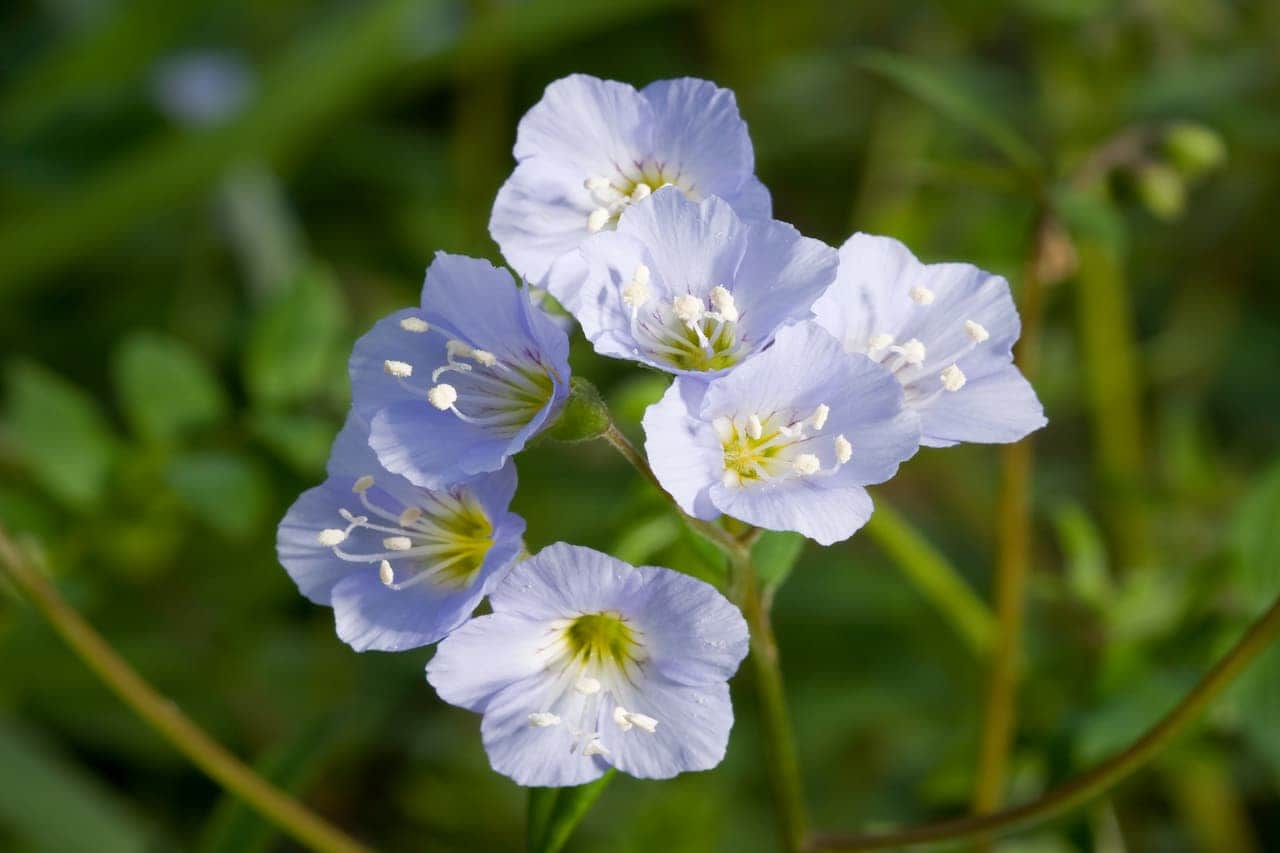
You’ll find Jacob’s Ladder thrives in partial shade, making it perfect for woodland gardens or shaded spots. It prefers cool, moist soil that drains well.
The plant features delicate blue or violet flowers in early summer. Its fern-like leaves can add a soft texture to your garden.
Japanese Forest Grass (Hakonechloa)
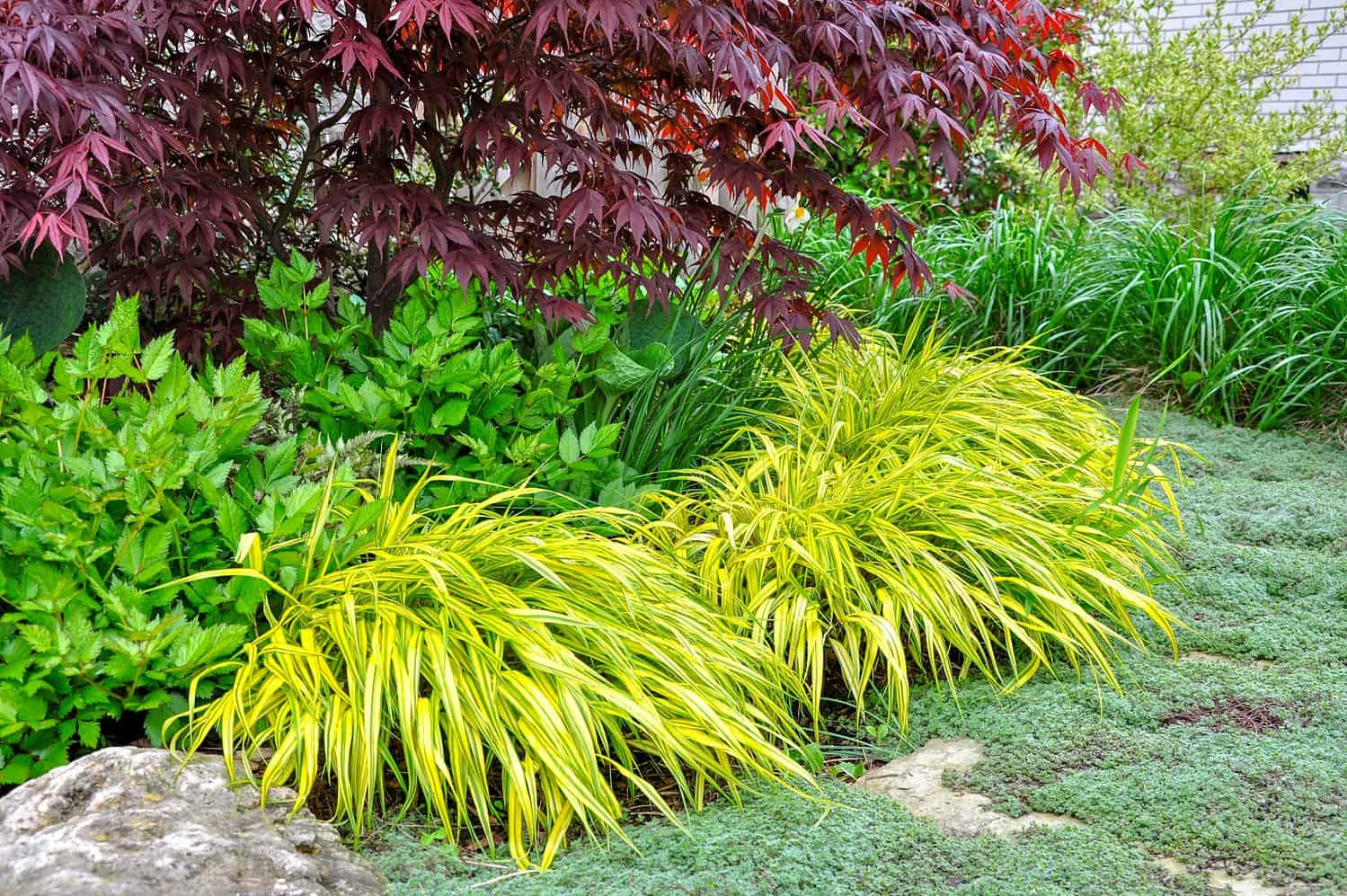
Japanese Forest Grass is a great choice if you want something that thrives in partial shade. You’ll find it does well in cooler climates where it can handle a bit more sun, but it prefers filtered light or dappled shade.
This grass grows in neat clumps, reaching about 12 to 18 inches tall. Its leaves are long and graceful, often with a golden hue that brightens up shady spots in your garden. Keep the soil moist, but avoid soggy conditions to help it stay healthy.
Lamium
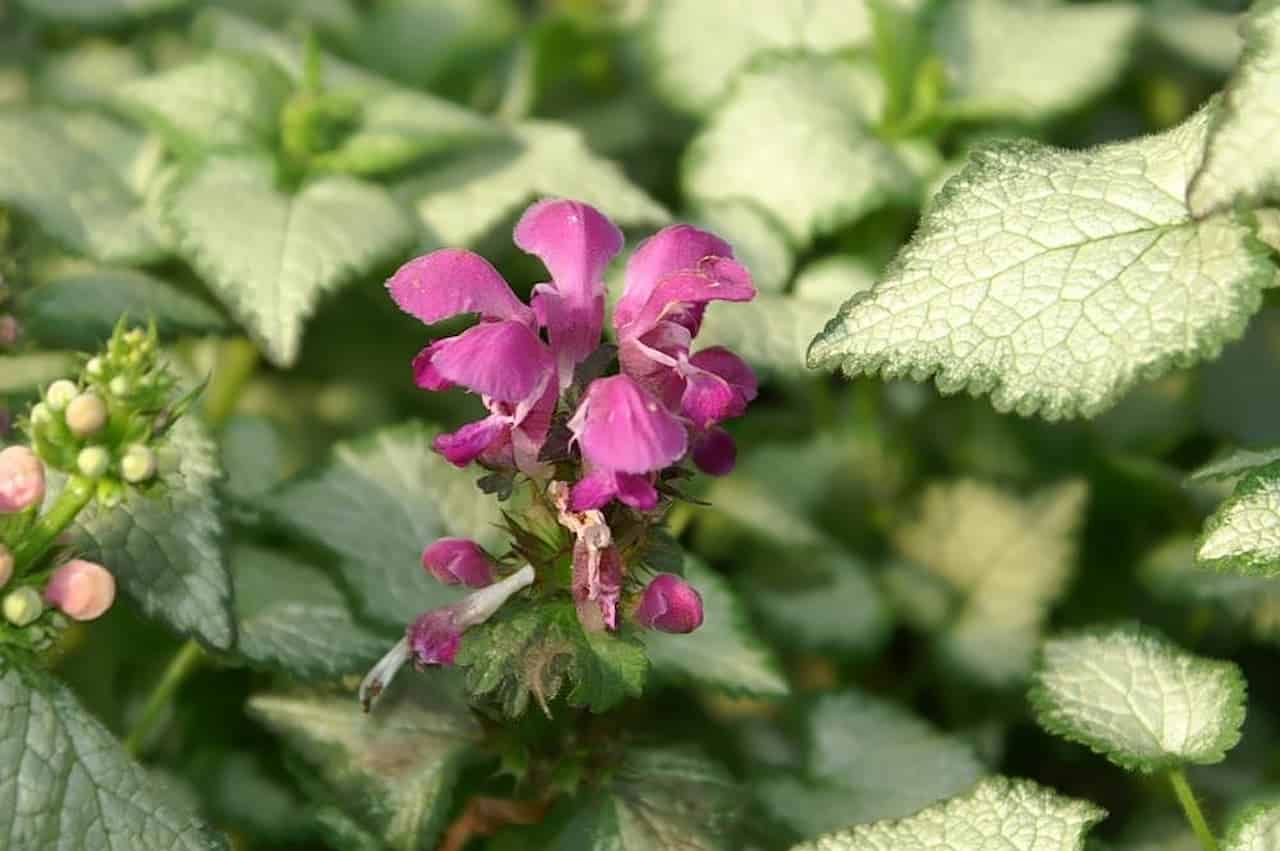
Lamium is a great choice if you want a low-maintenance plant for partial shade. You’ll appreciate its attractive leaves and pretty blooms that brighten shady spots.
It spreads nicely without being invasive, making it useful as a groundcover in your garden. Lamium tolerates dry shade well, especially in cooler climates. You don’t need to worry much about soil conditions, but avoid planting it in full sun or very dry soil for best results.
Lungwort (Pulmonaria)
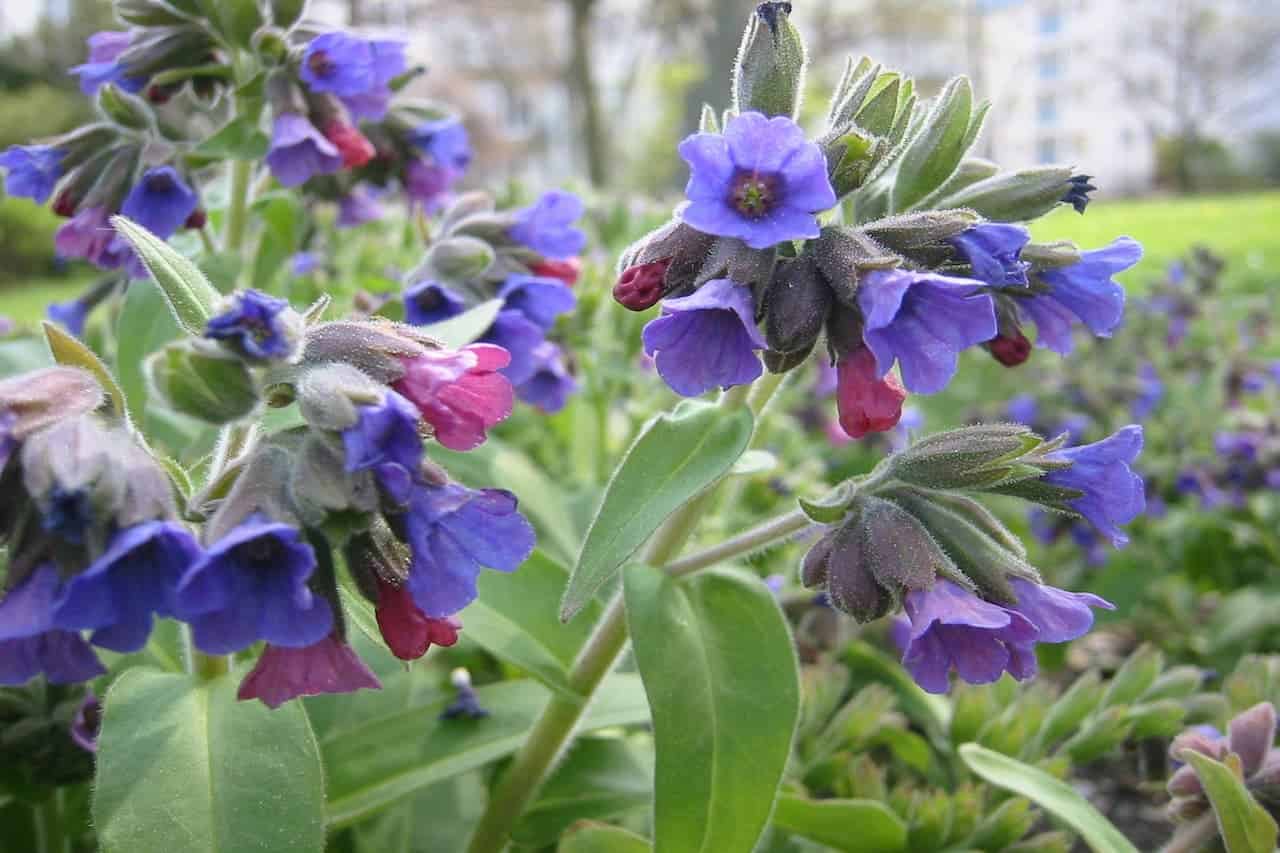
You’ll find Lungwort thrives in partial to full shade, making it great for spots with less direct sunlight. It prefers moist, well-drained soil rich in organic matter.
Its unique flowers start as pink buds and change to blue, adding color to your garden in late winter or early spring. The attractive spotted foliage stays interesting even after the flowers fade.
Sweet Woodruff
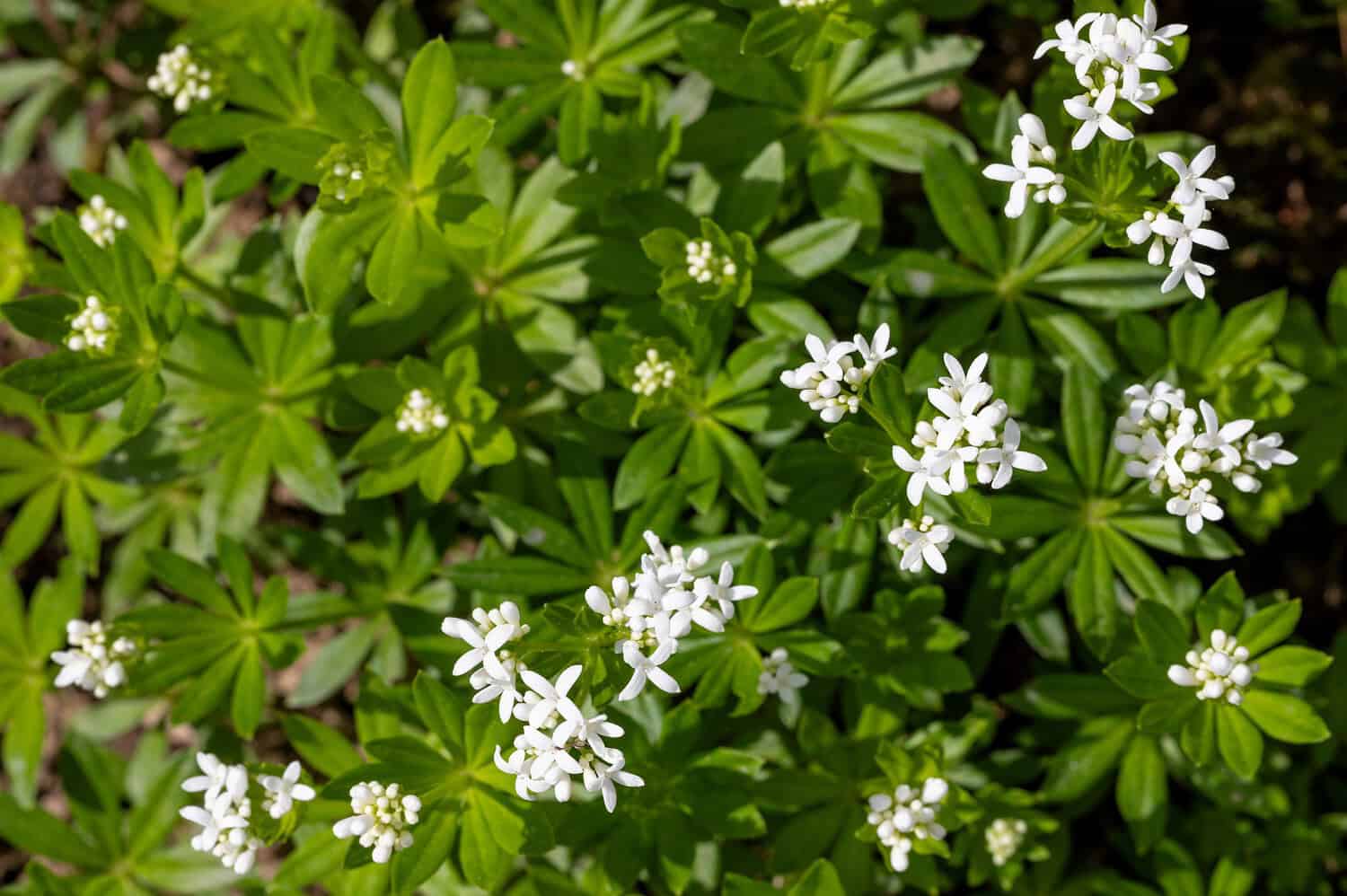
You’ll appreciate Sweet Woodruff for its ability to thrive in partial to full shade. It has pleasant green foliage and produces small white flowers in spring.
This plant grows best in well-drained, average soil and spreads nicely as a groundcover. It stays compact, usually 6 to 12 inches tall, making it ideal under trees or shady spots in your garden.
Ajuga
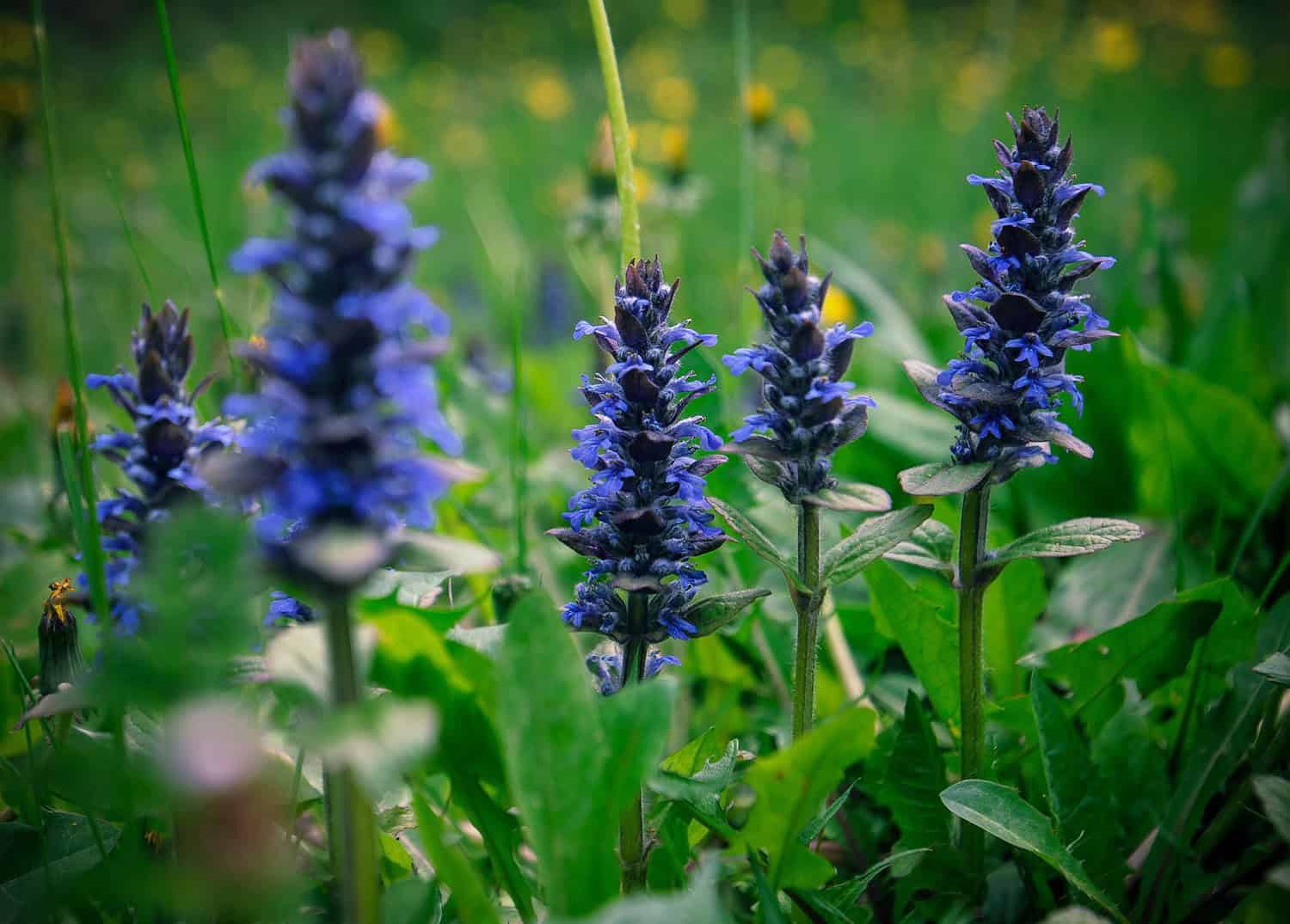
Ajuga, also known as bugleweed, is a great choice if you want vibrant ground cover in partial shade. It produces spikes of blue flowers that attract hummingbirds in late spring.
You can plant Ajuga under trees or along garden edges. It tolerates some foot traffic but not heavy trampling. Its colorful foliage adds texture and interest year-round.
Virginia Bluebells

You’ll enjoy planting Virginia Bluebells if you have a shady spot. They thrive in part to full shade with moist, rich soil.
These perennials bloom with lovely blue flowers in early spring, brightening woodland gardens. Once established, they spread slowly, creating a charming, natural-looking carpet. They need little care from you.
Cimicifuga (Black Cohosh)
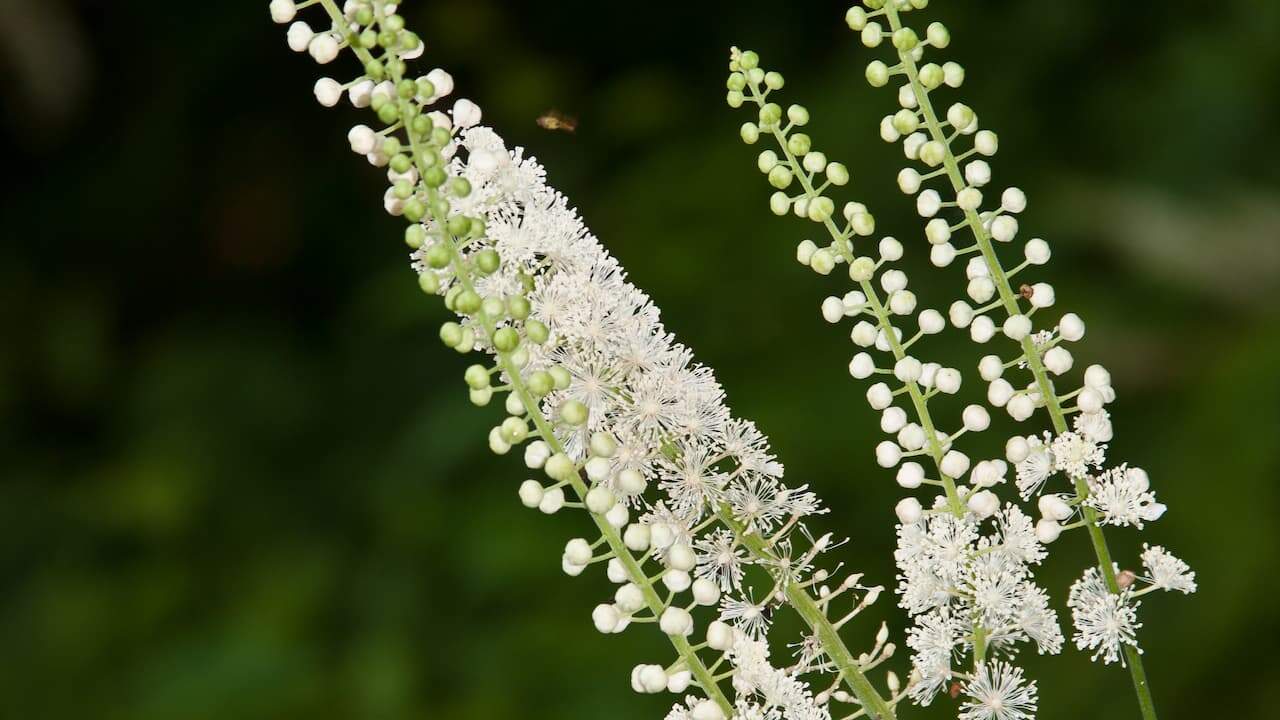
If you want a tall perennial with graceful white flowers, Cimicifuga, or Black Cohosh, is a great choice. It loves partial to full shade and moist, rich soil.
You’ll enjoy its long, arching flower spikes that bloom in mid to late summer. Its fern-like foliage adds texture to your garden, especially in shady spots.
Hydrangea paniculata
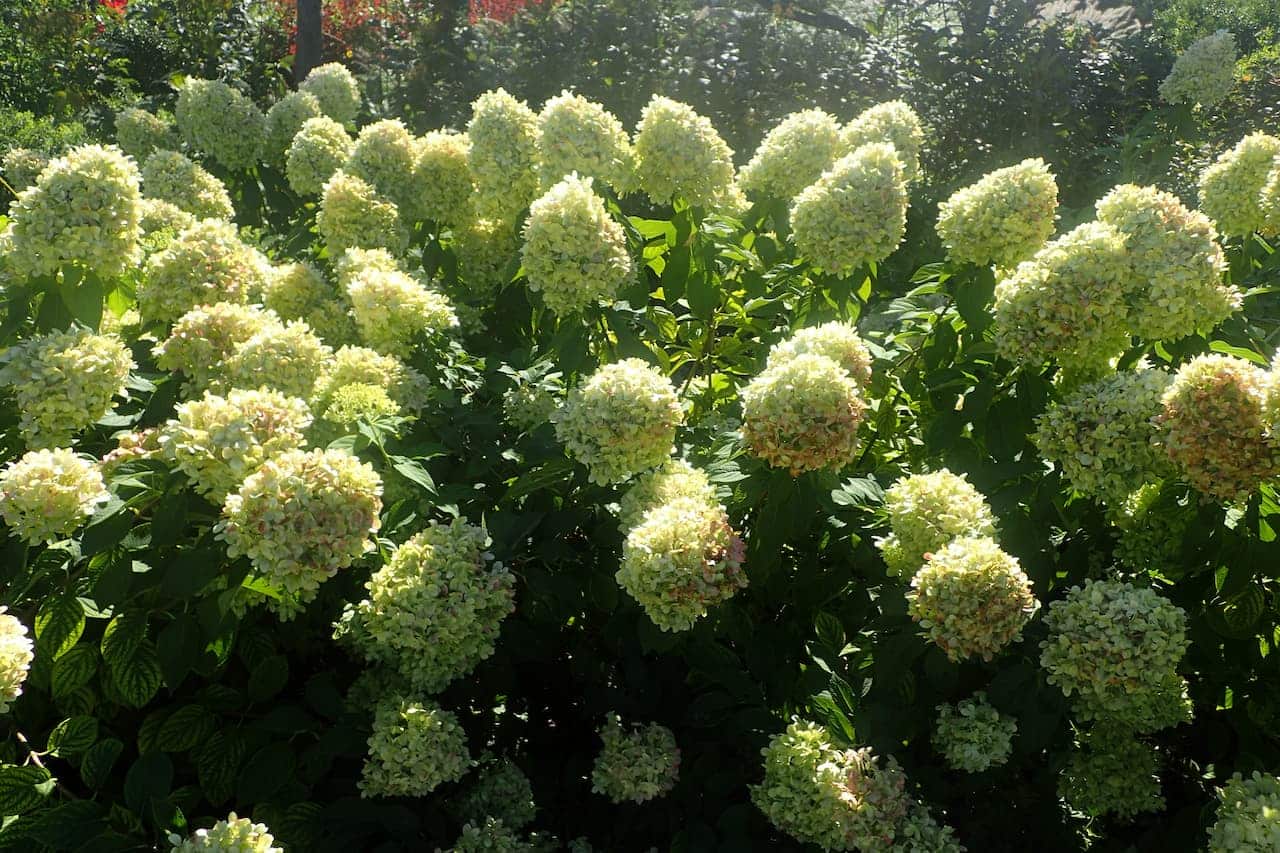
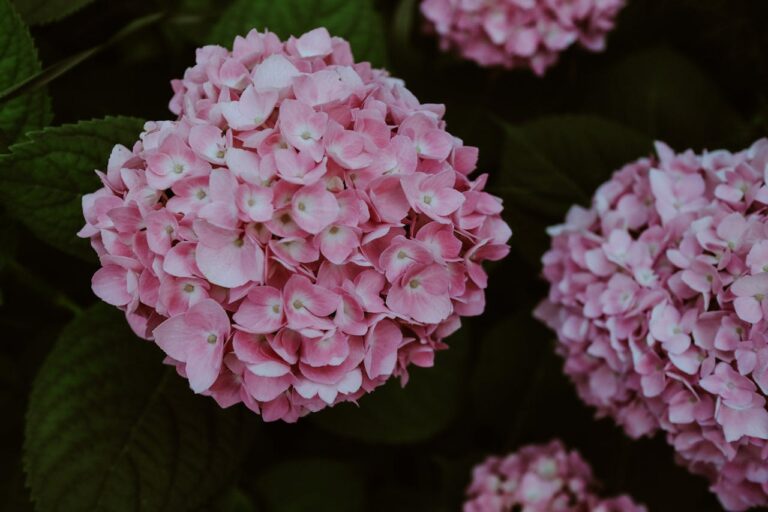
Hydrangea paniculata thrives in partial shade but can also handle full sun. You’ll love its large, cone-shaped flower clusters that start white and slowly turn pink as they mature.
These blooms last for weeks, adding color to your garden from summer into fall.
This plant grows well in most soils and reaches around 3 to 5 feet tall. Its sturdy stems hold the flowers upright, making it a reliable choice for your garden’s middle or back borders.
Epimedium
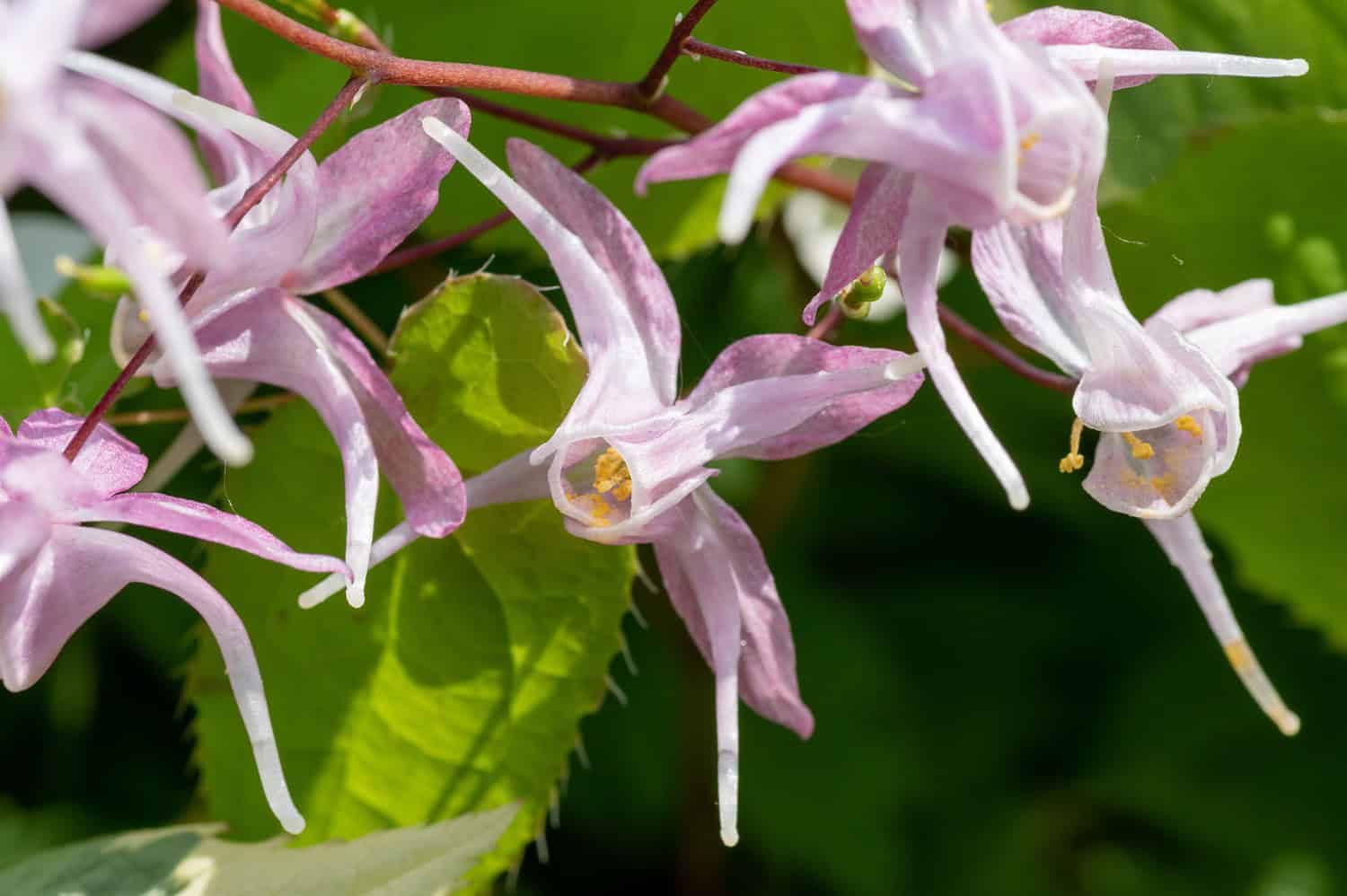
Epimedium is a great choice if your garden has partial shade. You’ll find it thrives under trees or in areas with dappled sunlight.
These low-growing perennials offer delicate flowers and interesting foliage, adding texture throughout the growing season. They are easy to care for and can tolerate full shade, making them perfect if you want color without much fuss.
Coral Bells (Heuchera)
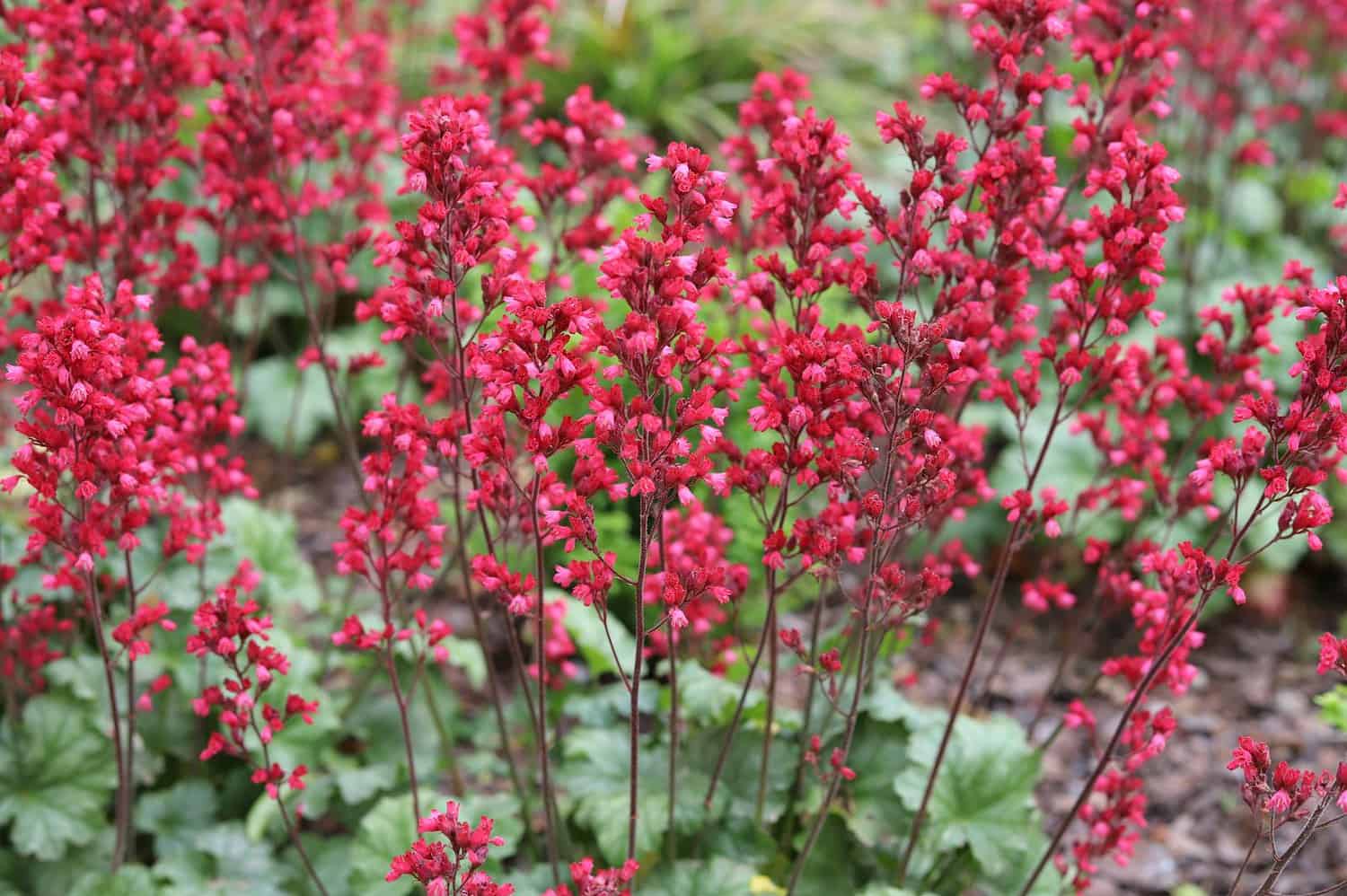
You’ll find Coral Bells are perfect for partial shade, brightening your garden with colorful foliage. They’re easy to grow and low maintenance.
Their blooms attract hummingbirds, adding life to your shady spots. Just plant them in well-drained, humus-rich soil.