As we head into the colder months, the urge to stay indoors and snuggle under a blanket with a good book or a binge-worthy series can be quite tempting. However, before you surrender to the cozy warmth of your home, remember that your outdoor space needs some love and care too. There are outdoor tasks that simply can’t wait until next year. Neglecting them now can lead to significant problems and hefty costs down the line.
So, let’s roll up our sleeves and look at 18 outdoor tasks that need your attention before you put your feet up.
Advertisement
1. Clean Your Gutters
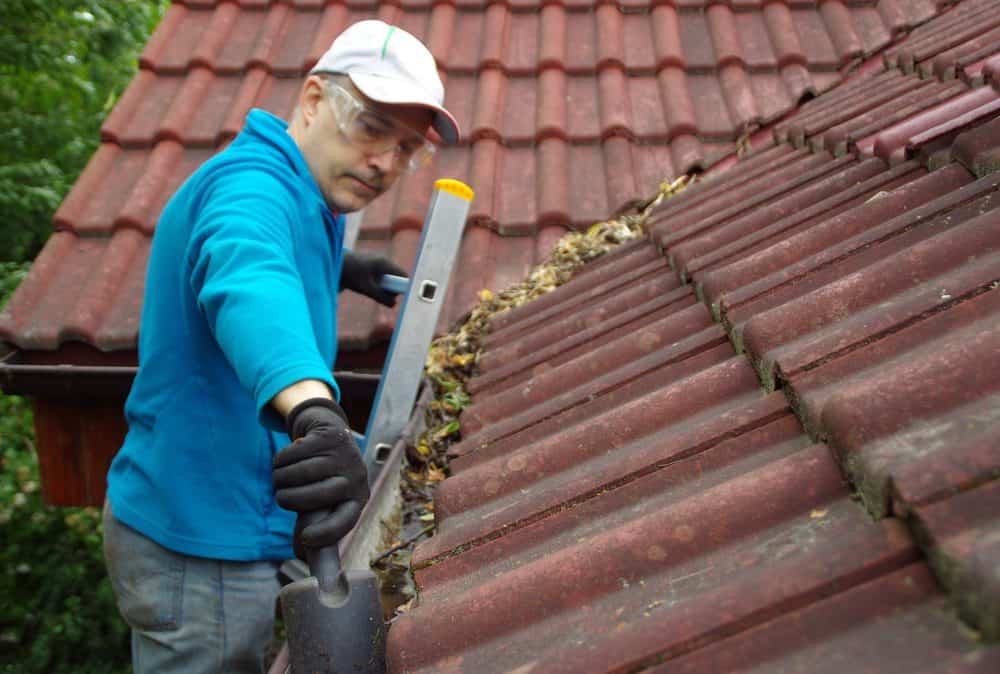
One of the most important outdoor tasks that you can’t afford to put off is cleaning your gutters. Gutters filled with leaves, sticks, and other debris can lead to water damage in your home. This is particularly problematic during the winter months when snow and ice can exacerbate the issue.
Start by safely climbing a ladder and manually removing as much debris as you can. After the bulk of the material is removed, use a garden hose to rinse out the gutters and downspouts. This will also help you spot any leaks that need to be repaired.
2. Seal Your Deck

If your deck is not properly sealed, it can suffer from water damage. This is especially true during the winter months when snow and ice can seep into the wood and cause it to warp or rot.
Start by thoroughly cleaning your deck. Once it’s clean, apply a waterproof sealant. Make sure to get in between the boards and cover all surfaces. This will protect your deck from the elements and prolong its lifespan.
3. Prune Your Trees
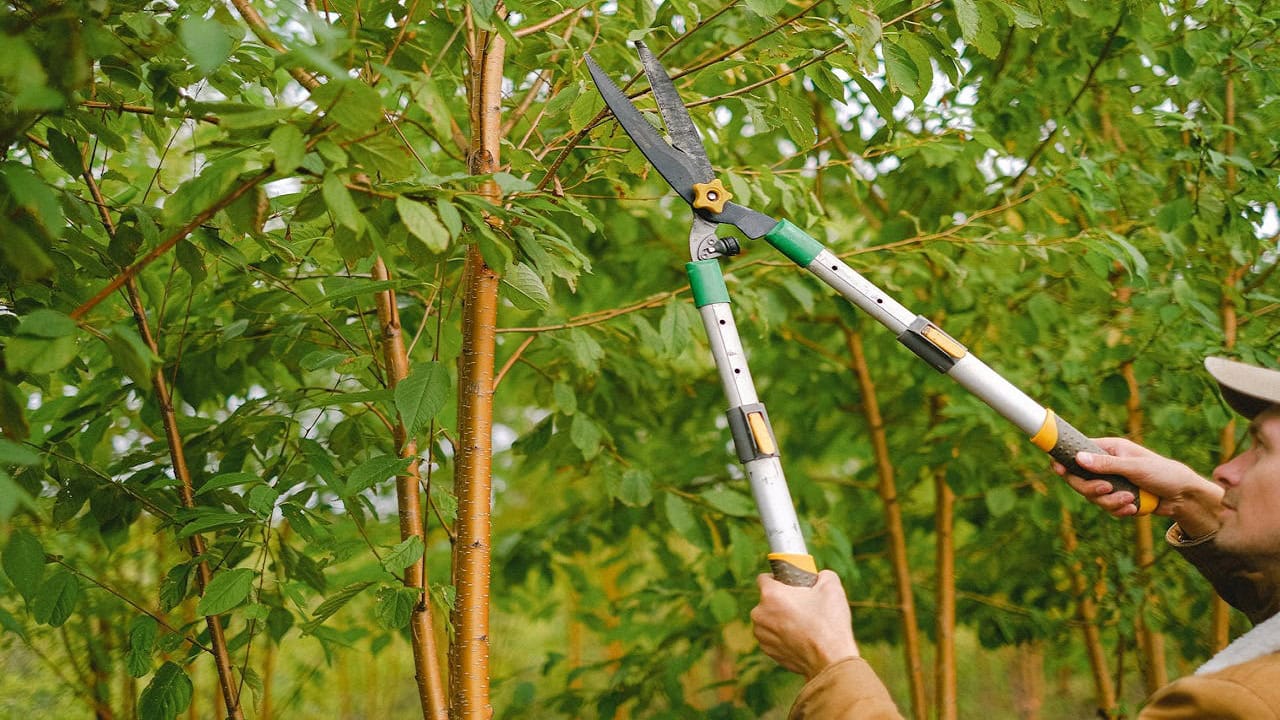
Winter is the best time to prune most trees because they’re dormant. Pruning helps to improve the tree’s health and appearance, and it can also prevent damage from falling branches during heavy snowfall or ice storms.
Start by removing any dead or dying branches. Then, trim back any branches that are growing too close to your home or power lines. If you’re unsure about how to properly prune your trees, consider hiring a professional arborist. They’ll have the knowledge and tools to do the job safely and effectively.
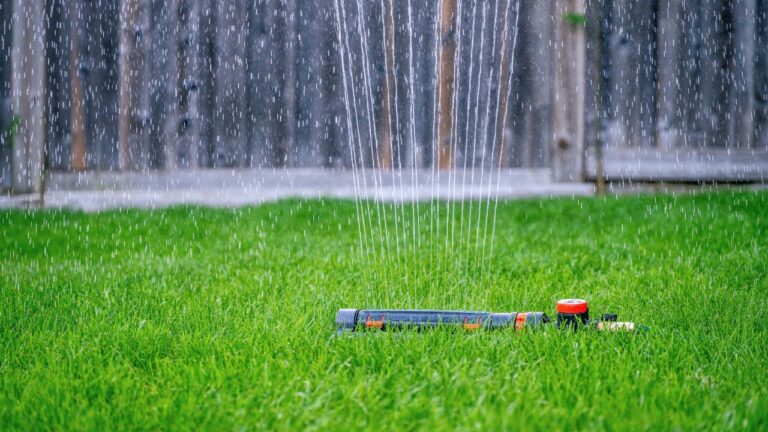
4. Winterize Your Sprinkler System

If you live in an area where temperatures drop below freezing, it’s crucial to winterize your sprinkler system. Failing to do so can result in frozen pipes and costly repairs.
Begin by turning off the water supply to the sprinkler system. Then, use a compressor to blow out any remaining water in the pipes. Lastly, insulate any above-ground pipes to protect them from freezing temperatures. If you’re uncomfortable doing this yourself, many landscaping companies offer sprinkler winterization services.
5. Protect Your Outdoor Furniture

Outdoor furniture can be quite an investment, so it’s important to protect it from the harsh winter weather. Leaving it exposed to the elements can result in damage such as rust, warping, and fading.
To protect your furniture, clean it thoroughly and then cover it with a waterproof furniture cover. If possible, store smaller items indoors. For larger items that can’t be moved, make sure they’re properly covered and secured so the covers don’t blow away in strong winds.
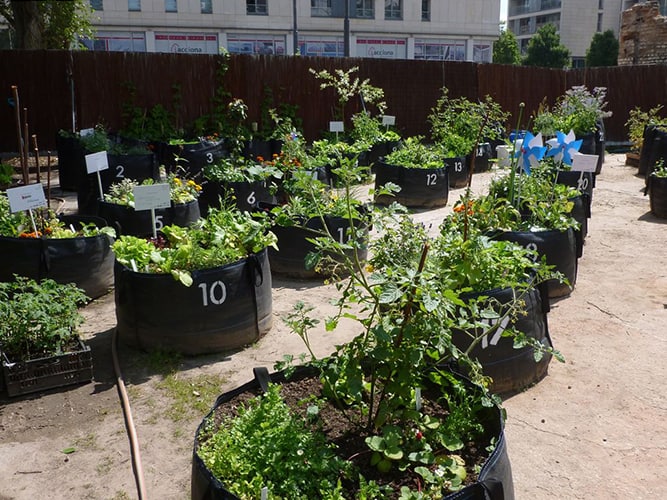
6. Prep Your Garden for Winter
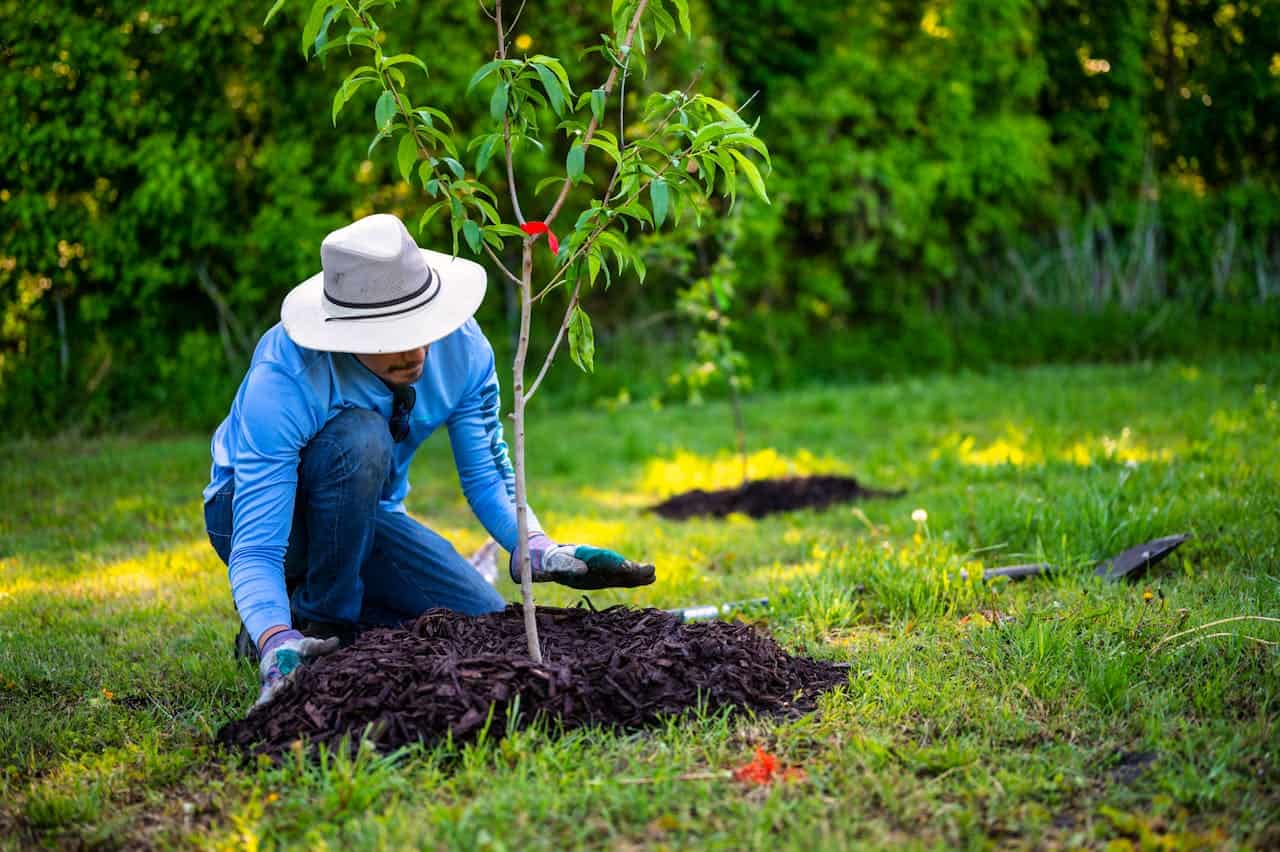
Preparing your garden for winter is crucial to ensure a healthy and productive garden next spring. Neglecting this task can lead to diseased plants and a lower yield.
Start by removing any dead plants and weeds. Then, add a layer of compost or mulch to help protect the soil and provide nutrients. If you have perennials, cut them back and cover with a layer of straw or leaves for protection.
7. Check Your Roof
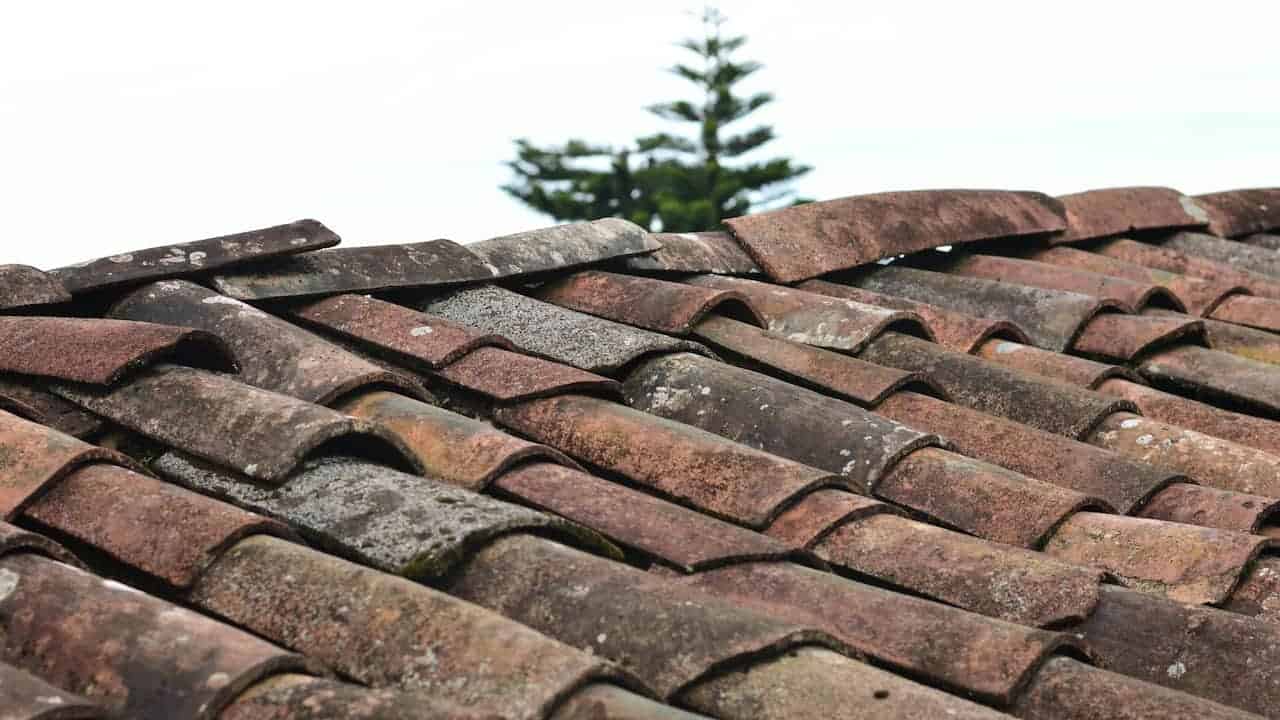
Before winter hits, it’s a good idea to inspect your roof for any potential issues. Leaking or damaged roofs can lead to significant water damage inside your home.
Look for loose or missing shingles, signs of leaks, or other damage. If you notice any issues, it’s best to hire a professional roofer to make the necessary repairs.
8. Stock Up on Winter Supplies
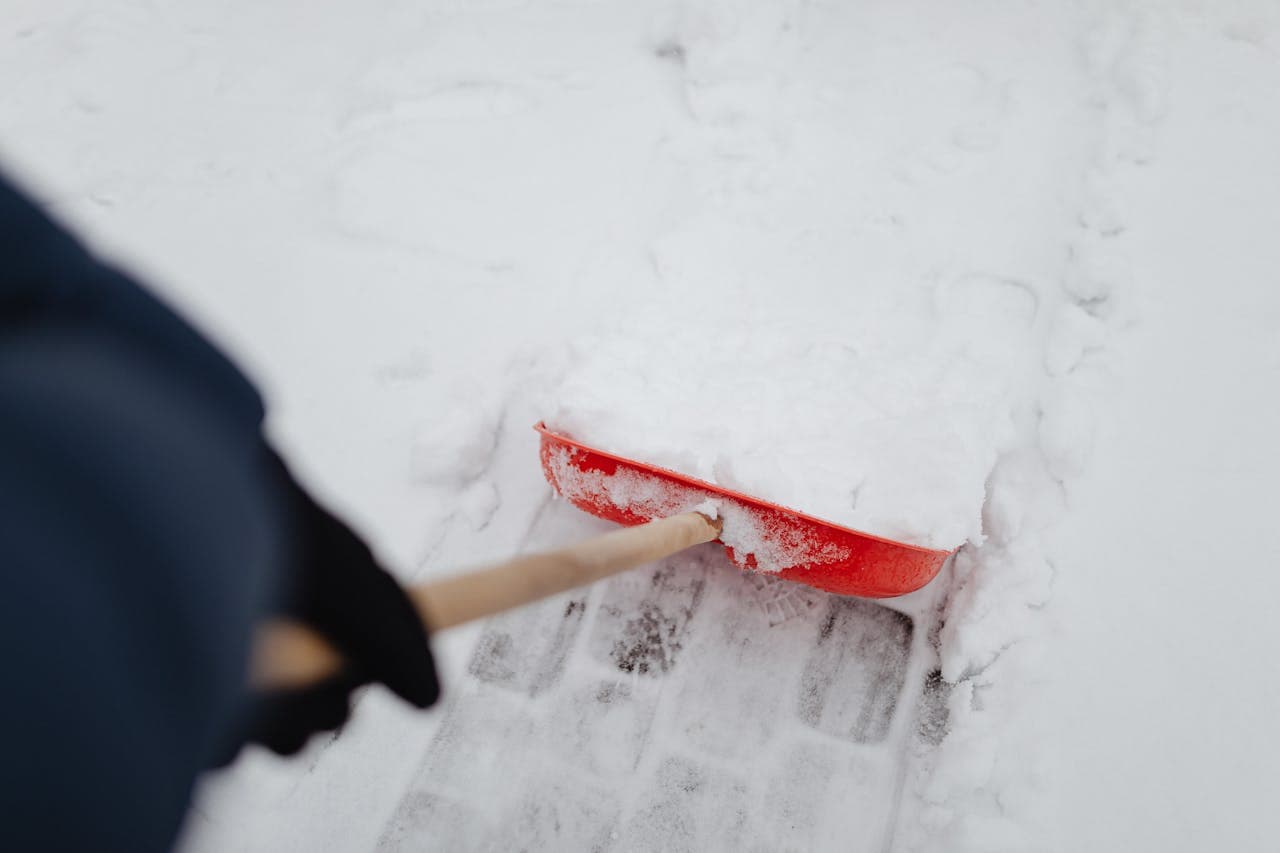
Before the first snowfall, make sure you’re well-stocked with winter supplies. This includes items like salt or sand for your driveway, a good quality snow shovel, and perhaps even a snow blower if you live in a particularly snowy area.
Having these supplies on hand before the snow hits will save you the stress of scrambling to find them in a pinch. Plus, you’ll be able to keep your driveway and sidewalks clear and safe.
9. Wrap Your Shrubs

Wrapping your shrubs in burlap can protect them from winter winds, heavy snow, and ice. This is especially important for young shrubs and those that are sensitive to cold temperatures.
To wrap your shrubs, start by driving a few stakes into the ground around the shrub. Then, wrap burlap around the stakes, creating a barrier. Make sure the burlap is secure, but not too tight.
10. Clear Your Driveway and Walkways

Clearing your driveway and walkways is not just about convenience – it’s about safety. Slippery, snow-covered surfaces can lead to falls and injuries.
Stay on top of snow removal by shoveling regularly, especially after a heavy snowfall. Consider using a snow blower if you have a large area to clear. And don’t forget to apply salt or sand afterwards to prevent ice build-up.
11. Install Outdoor Lighting

As the days get shorter, outdoor lighting becomes more important. It not only helps you navigate your property safely, it can also deter potential burglars.
Consider installing motion sensor lights in key areas like your driveway and entrance. Solar-powered pathway lights are also a great option as they’re easy to install and eco-friendly.
12. Inspect Your Chimney
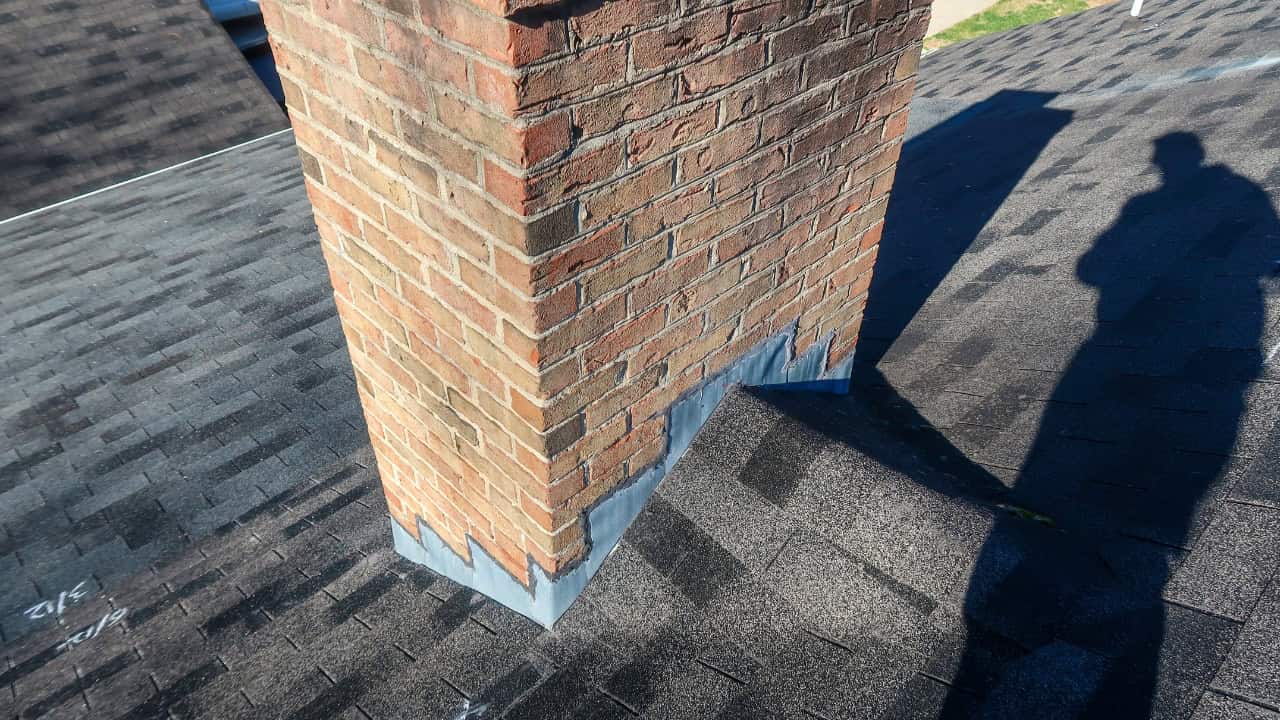
Before you light your first fire of the season, it’s essential to have your chimney inspected and cleaned. A blocked or damaged chimney can lead to a house fire or carbon monoxide poisoning.
Hire a professional chimney sweep to ensure your chimney is safe and ready for use. They’ll remove any buildup of soot or creosote, and check for any signs of damage.
13. Store Your Lawn Mower

Before you put your lawn mower away for the season, there are a few steps you should take to ensure it’s ready to go next spring.
Clean off any grass clippings or dirt, and make sure to drain any remaining gas. Storing your mower with gas in the tank can lead to a number of issues, including difficulty starting it in the spring.
14. Install Gutter Guards
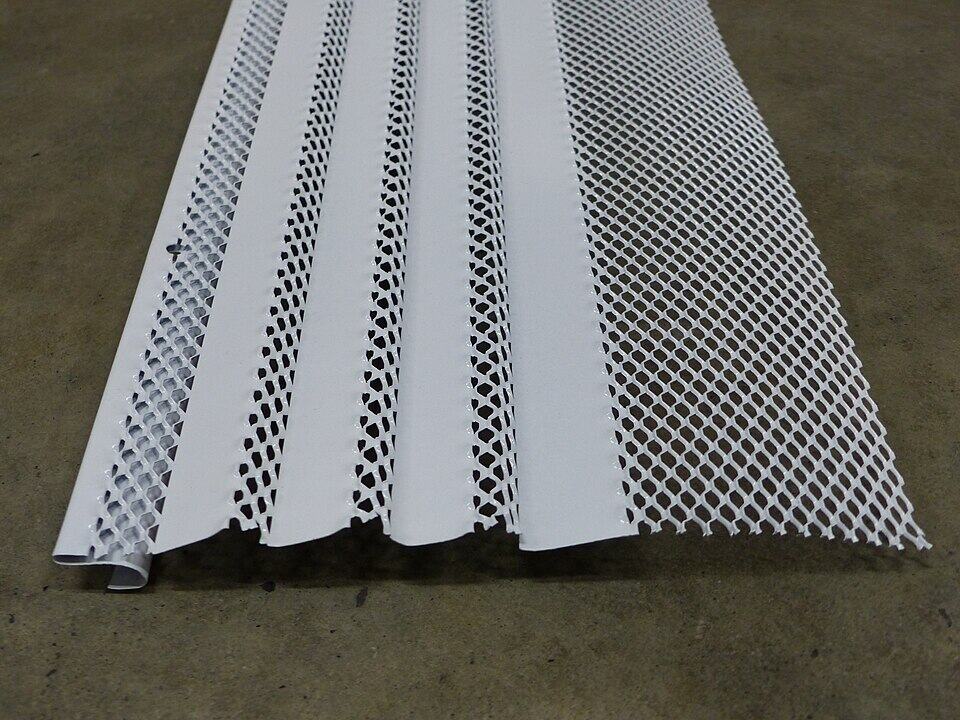
If you live in an area with a lot of trees, consider installing gutter guards. These devices prevent leaves and other debris from clogging your gutters, reducing the need for frequent cleanings.
While there are many DIY gutter guard options available, it may be worth it to hire a professional. They’ll be able to properly install the guards and ensure they’re a good fit for your gutters.
15. Clean Your Outdoor Grill
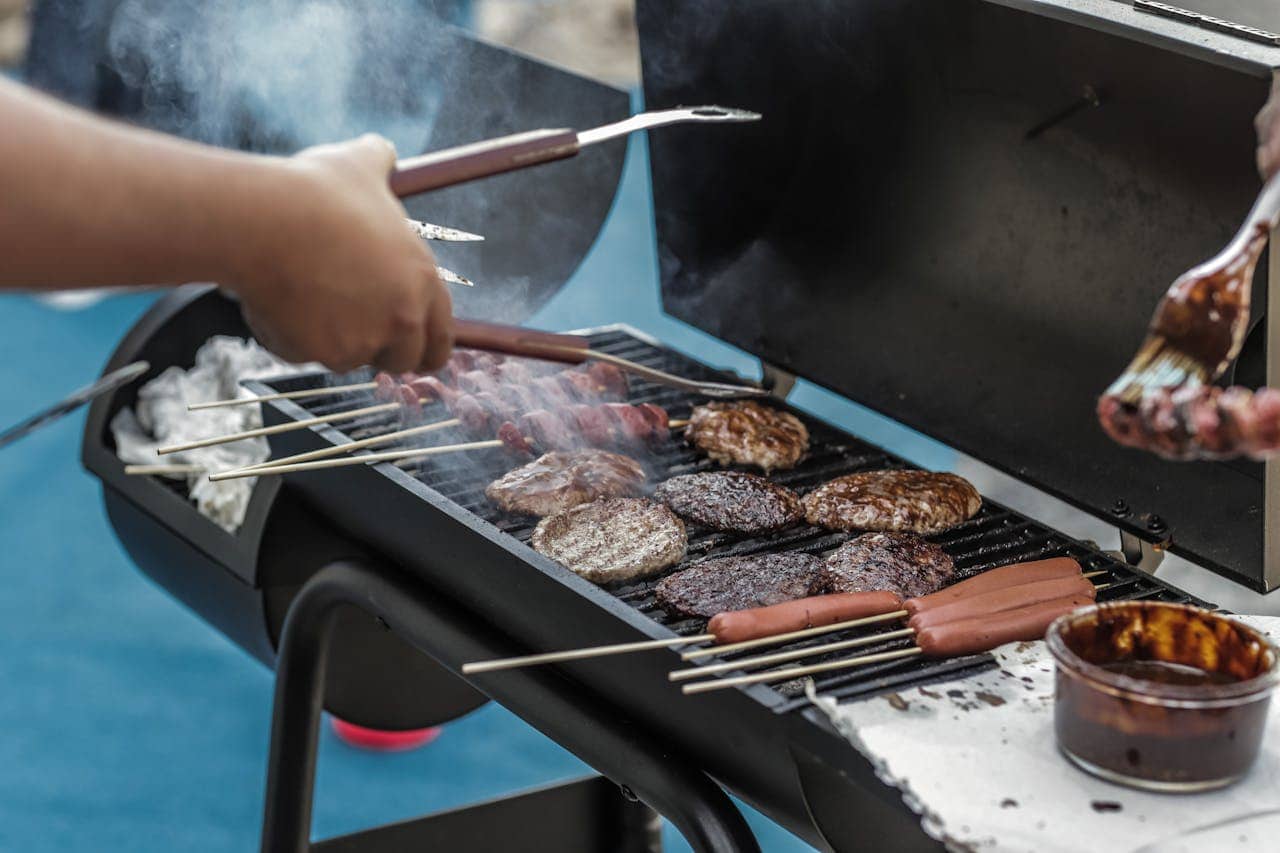
Cleaning your outdoor grill might not be the most exciting task, but it’s an important one. Leaving food residue on your grill can attract pests and potentially cause a fire risk.
Give your grill a thorough cleaning before you cover it up for the winter. Make sure to clean the grates, burners, and the inside of the grill. Once it’s clean, cover it with a waterproof grill cover to protect it from the elements.
16. Trim Back Perennials

Trimming back your perennials in the fall can help them come back stronger in the spring. It also helps to keep your garden looking tidy throughout the winter.
Cut back your perennials to about 2-3 inches above the ground. Make sure to dispose of the cuttings properly – they can harbor diseases that could affect your plants next year.
17. Mulch Your Garden Beds

Applying a layer of mulch to your garden beds can protect your plants from harsh winter temperatures. Mulch acts as an insulator, keeping the soil warm and preventing it from drying out.
Choose a natural mulch like straw, leaves, or wood chips. These materials will break down over the winter, improving your soil’s fertility and structure.
18. Check Your Home’s Exterior for Cracks

Lastly, take a walk around your home’s exterior and check for any cracks or gaps. These can let in cold air, leading to higher heating costs.
Use caulk to seal any cracks around your windows and doors. For larger gaps, you might need to use an expanding foam. This simple task can make a big difference in keeping your home warm and cozy this winter.
By tackling these 18 outdoor tasks now, you can avoid potential problems down the line and enjoy a stress-free winter. So, grab your gloves and get started – your future self will thank you!