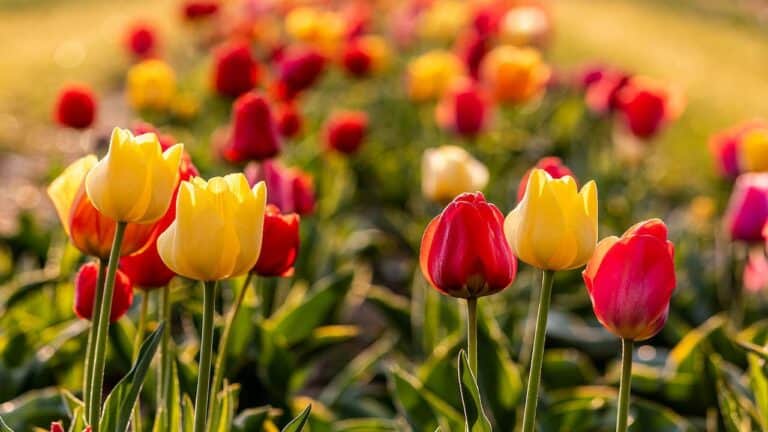
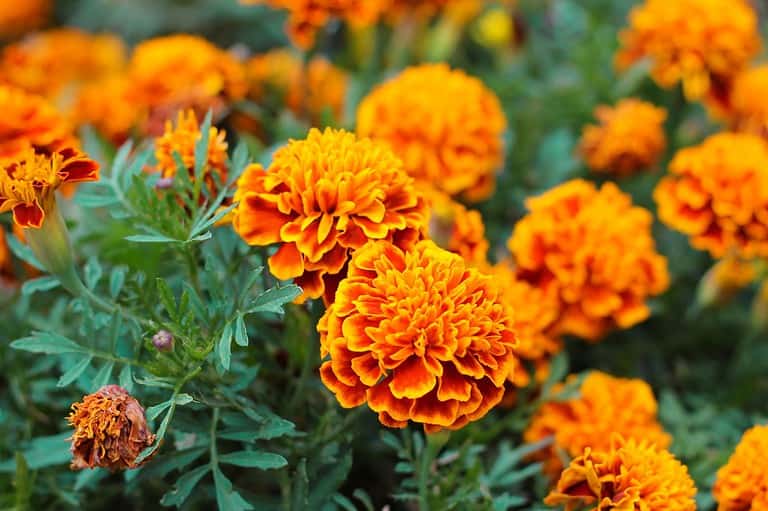
If you want a garden that stays colorful for months, choosing the right plants is key. Long-blooming perennials offer reliable and lasting beauty without needing constant replanting or extra care.
These perennials keep your garden vibrant throughout multiple seasons, giving you more enjoyment with less effort. Whether you’re a seasoned gardener or just starting out, adding these plants to your beds can make a noticeable difference in how your garden looks all year long. For more on these dependable blooms, check out 18 long-living perennials that will last for decades with little care.
Advertisement
Echinacea (Coneflower)
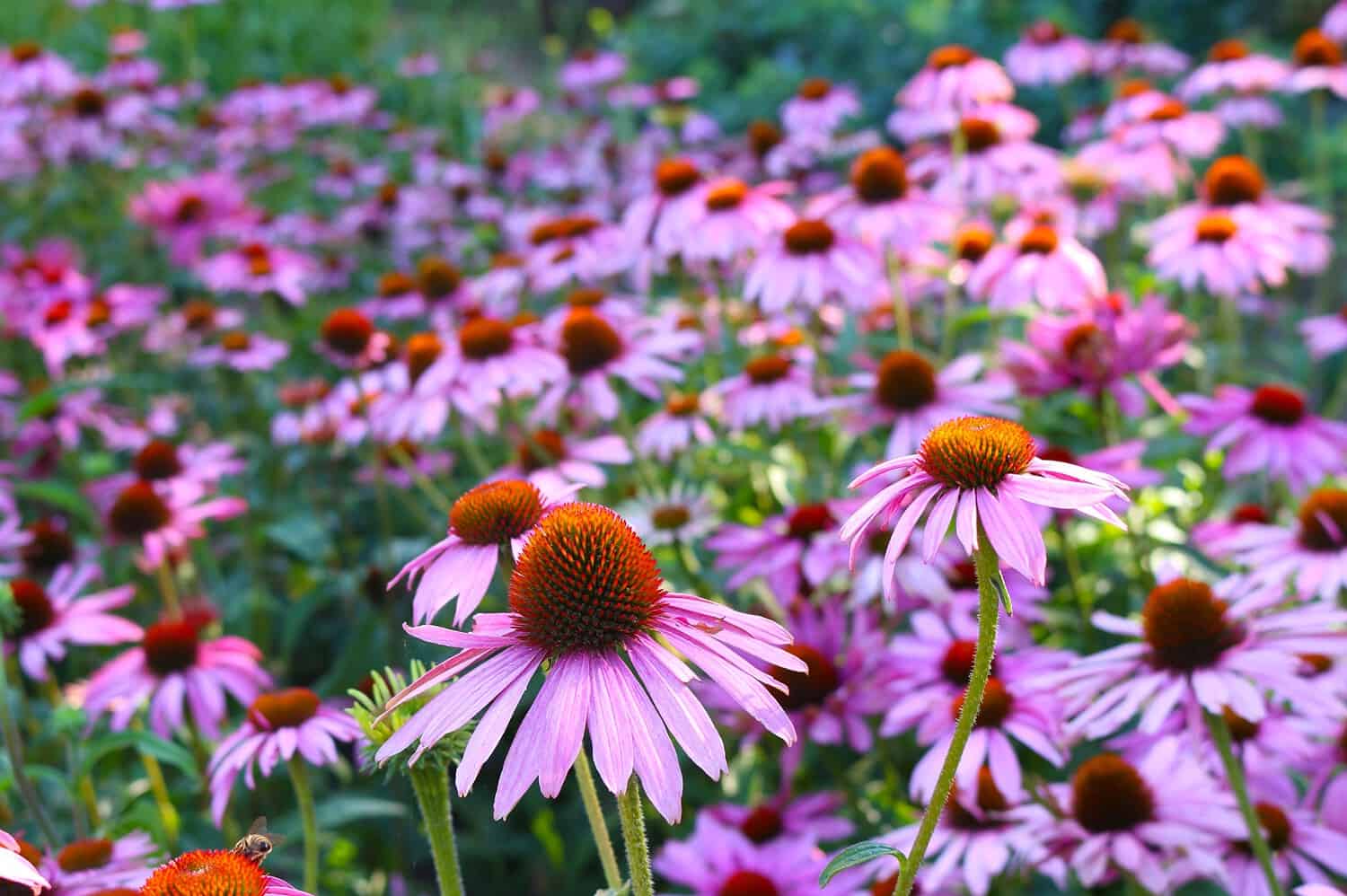
If you want a reliable, low-maintenance perennial, echinacea is a solid pick. These perennials grow between 2 to 3 feet tall and bloom from late spring to mid-summer.
They love full sun but can handle some shade in hotter areas. Make sure the soil drains well, and you’ll enjoy their colorful flowers for weeks. Learn more about how to grow echinacea in your garden bed here.
Black-eyed Susan
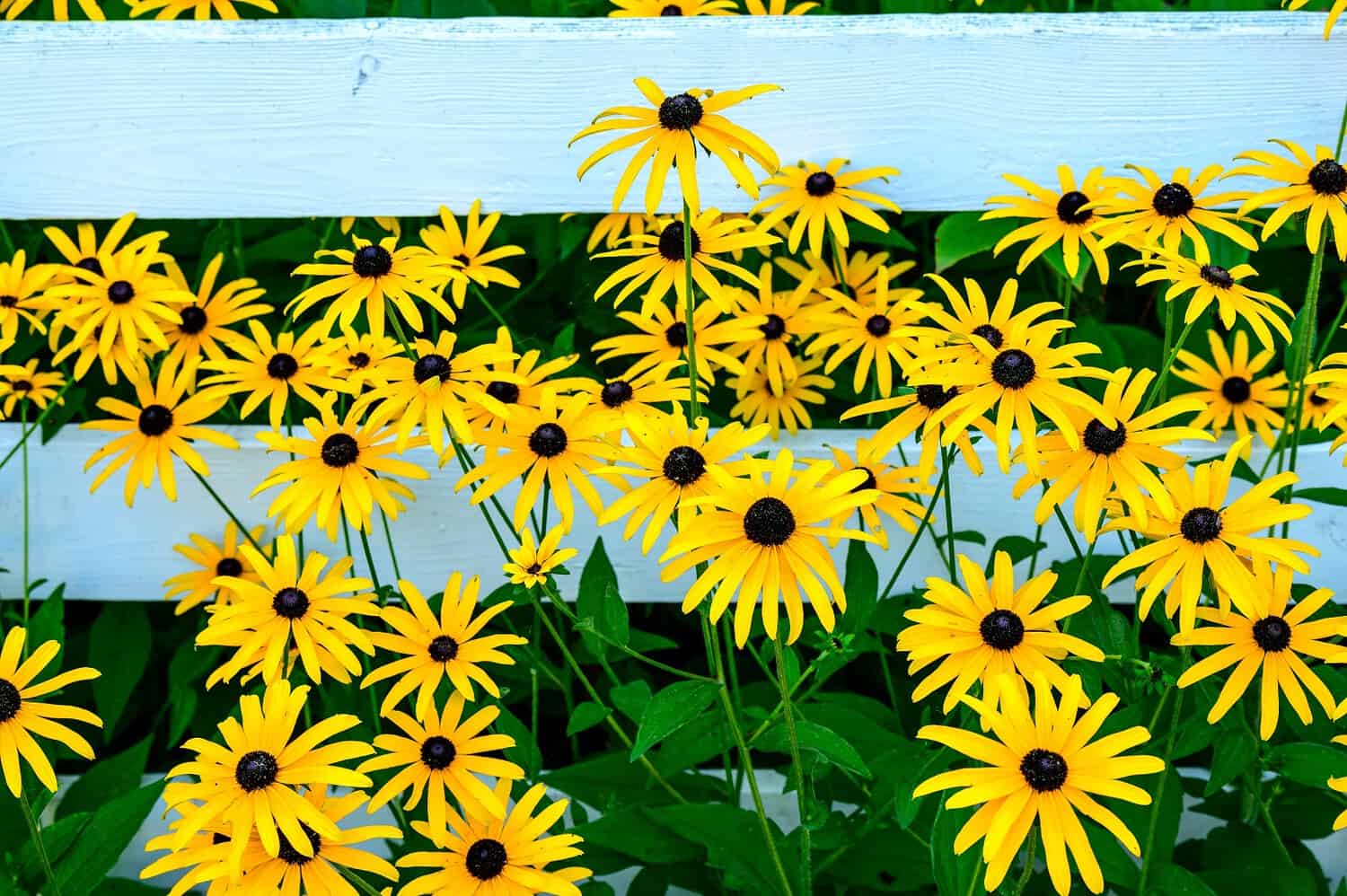
If you want a reliable flower, black-eyed Susans are a solid pick. They bloom bright yellow with dark centers and can light up your garden from late summer to frost.
You’ll like how easy they are to grow. They handle drought, poor soil, and deer pretty well. Just give them plenty of sunshine for the best blooms. Learn more about growing black-eyed Susans here.
Sedum ‘Autumn Joy’
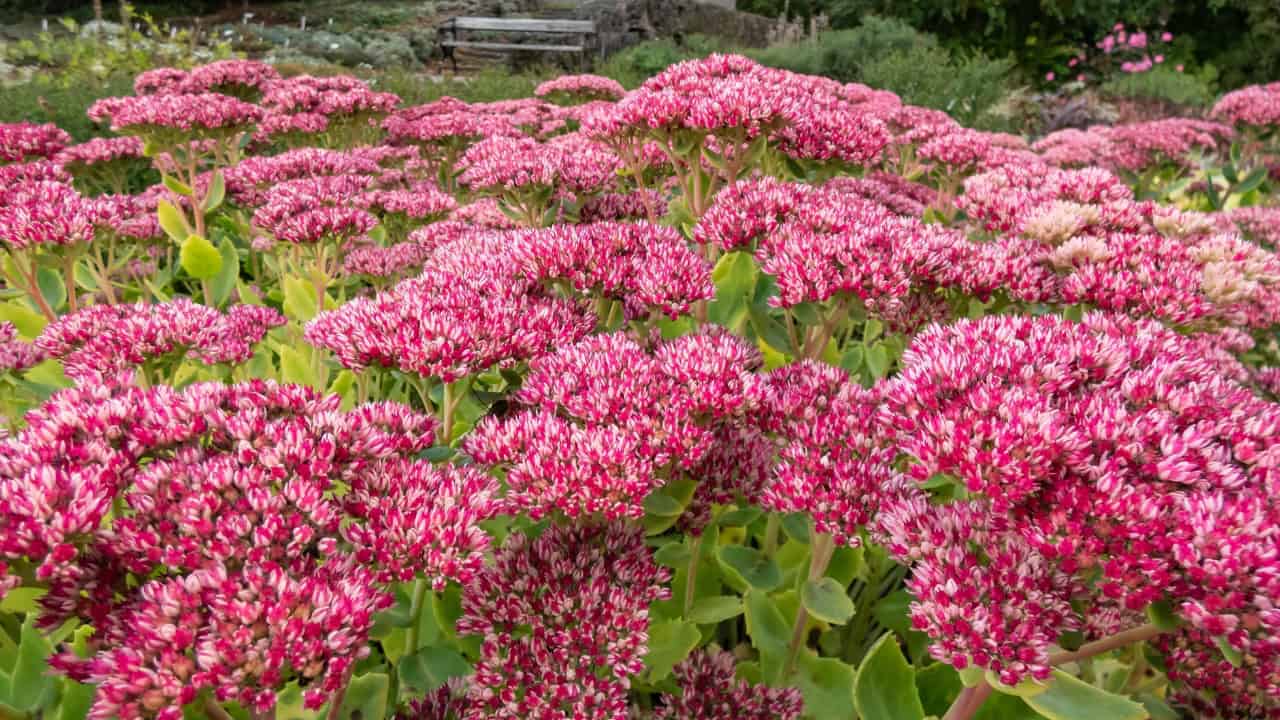
You’ll love Sedum ‘Autumn Joy’ for its easy care and long-lasting blooms. It grows about 18 to 24 inches tall and spreads around 18 inches wide, fitting nicely in sunny spots.
It thrives in well-drained soil and full sun. Plus, its tiny flowers attract bees in late summer, making your garden more lively.
Perennial Geranium
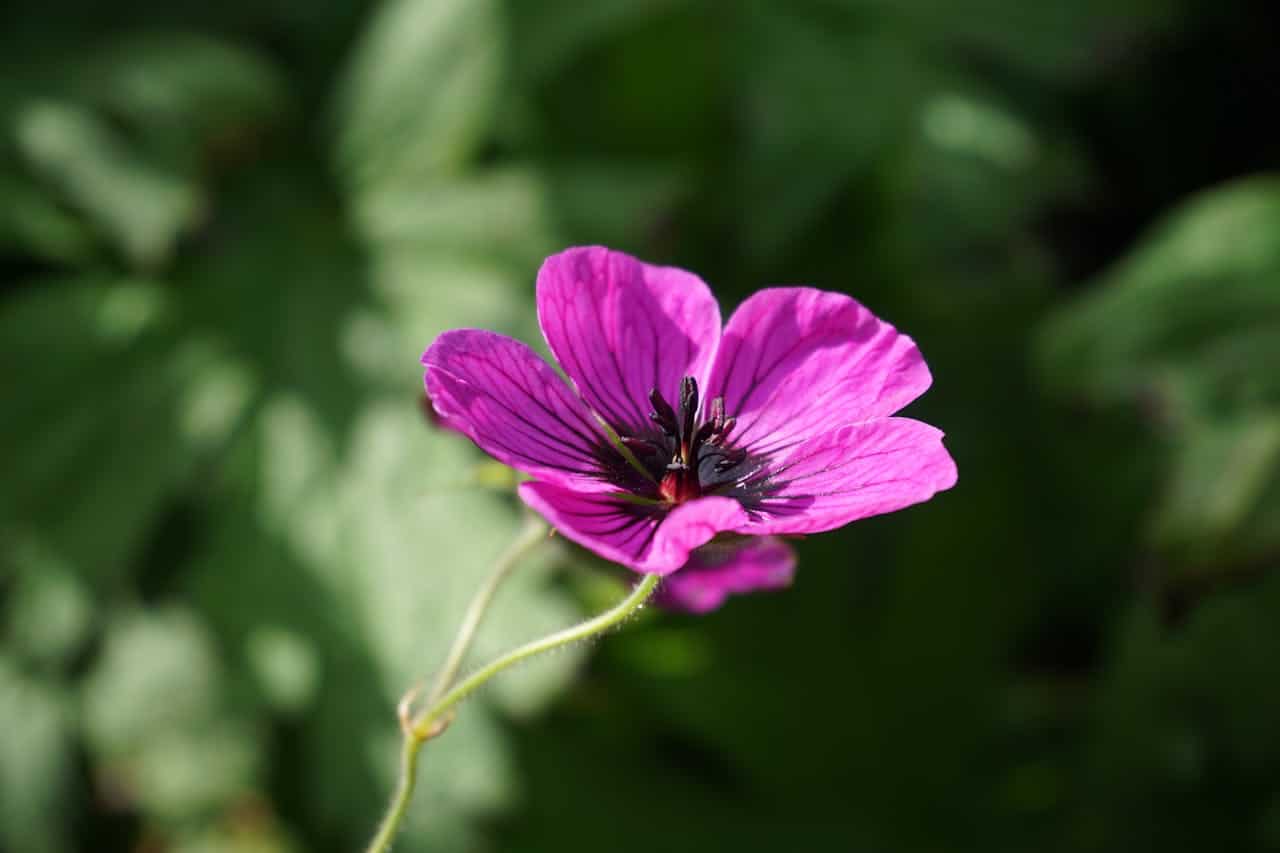
Perennial geraniums are a great choice if you want flowers that last a long time with minimal fuss. They thrive in many soil types, from sandy to clay, and don’t need much care once established.
You’ll find varieties like ‘Johnson’s Blue’ that bloom bright blue flowers and grow well in Zones 4-8. These hardy plants fit easily into most garden beds and add steady, reliable color.
Salvia
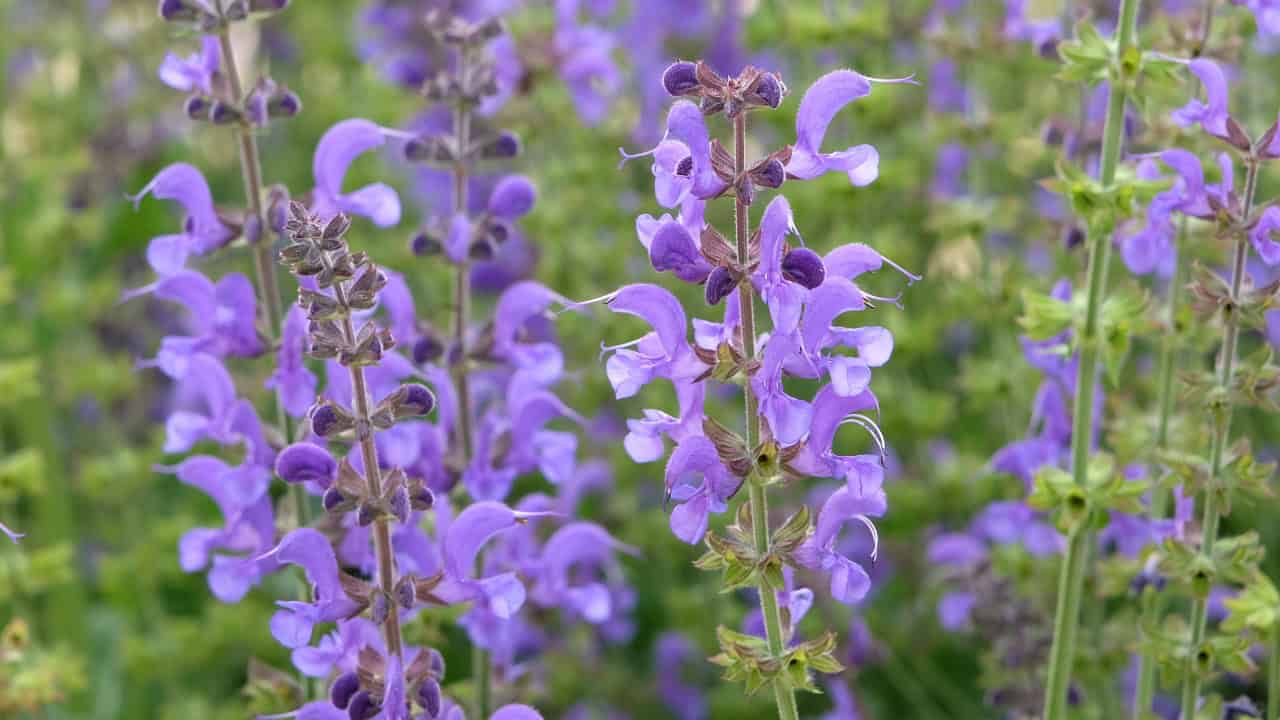
Salvia is a great choice if you want color and fragrance in your garden. These perennials often bloom for months, sometimes from late summer into early winter.
You can start salvia from seeds indoors about 8 to 10 weeks before your last frost date to get early blooms. They’re pretty low-maintenance and attract pollinators like bees and butterflies, making your garden lively. For more on growing and caring for these plants, check out a detailed guide to planting and growing salvia.
Lantana
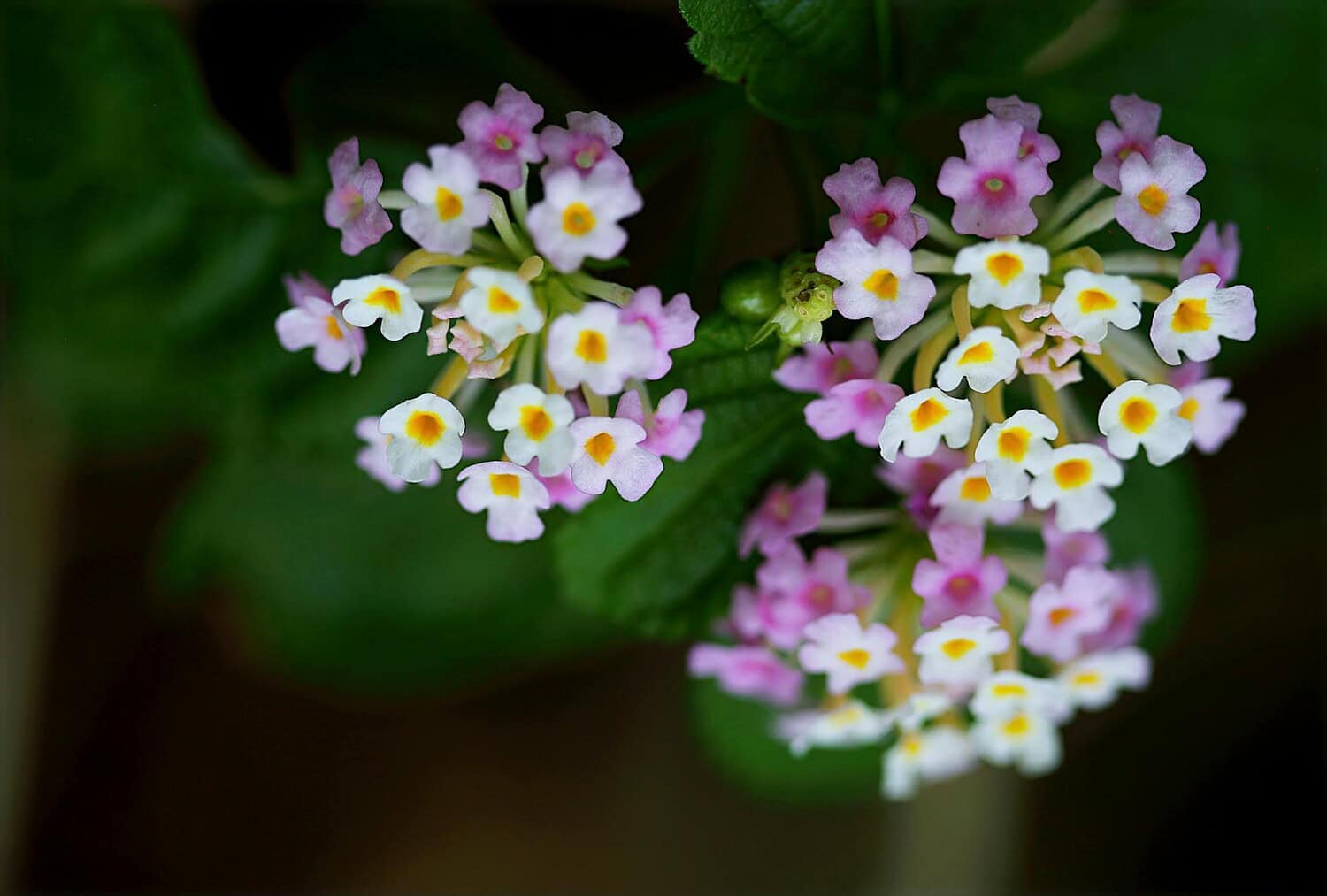
You’ll love lantana if you want bright, colorful flowers all summer long. It’s super heat tolerant and doesn’t need much water, making it great for low-maintenance gardens.
Lantana attracts bees, butterflies, and hummingbirds, so your garden will get lots of lively visitors. It works well in beds or containers and keeps blooming until frost.
Buddleia (Butterfly Bush)

If you want flowers that keep going from summer to fall, Buddleia is a solid pick. These shrubs love sun and bring tasty nectar for butterflies and hummingbirds to your garden.
You’ll find them in lots of colors, plus they give off a sweet, honey-like scent that draws pollinators in. Check out some of the best varieties for your garden bed here.
Knock Out Roses
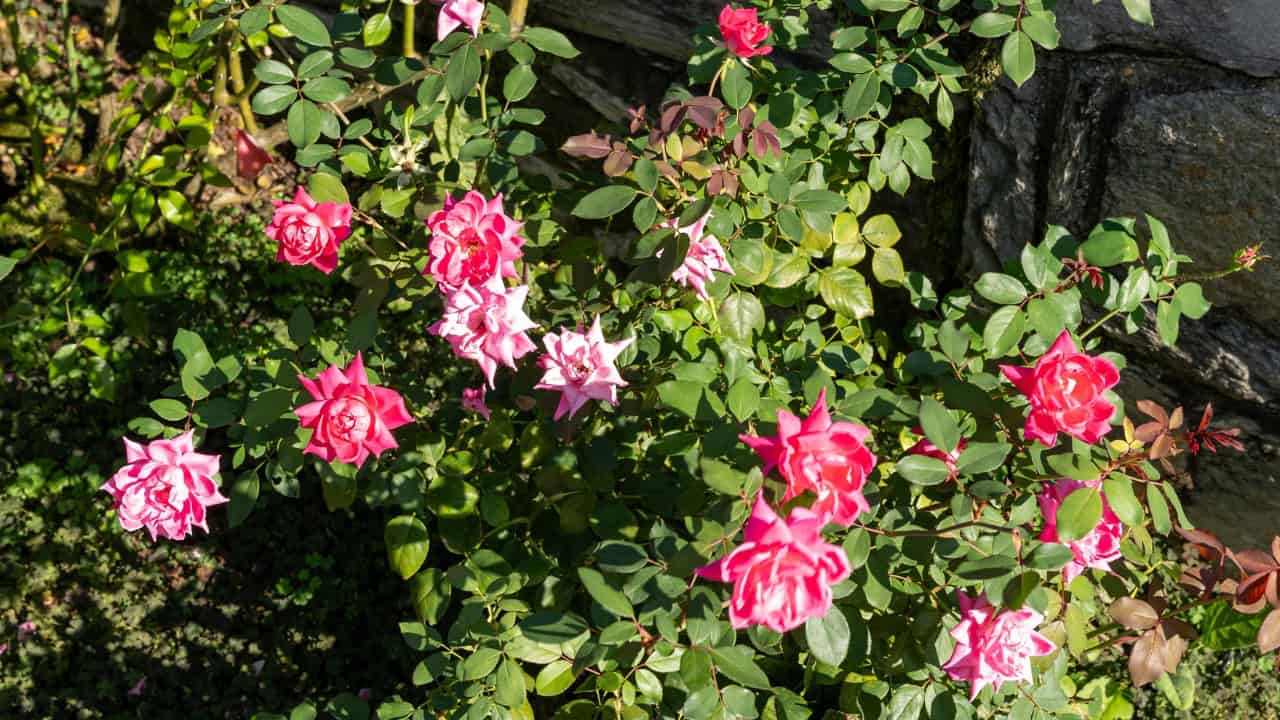
You’ll appreciate how low maintenance Knock Out Roses are. They bloom nonstop from spring through late fall, giving you about 5-7 cycles of flowers.
These roses need at least 6 hours of sun to thrive, so pick a sunny spot in your garden. They fit well among other shrubs and perennials without needing special care.
Chrysanthemums
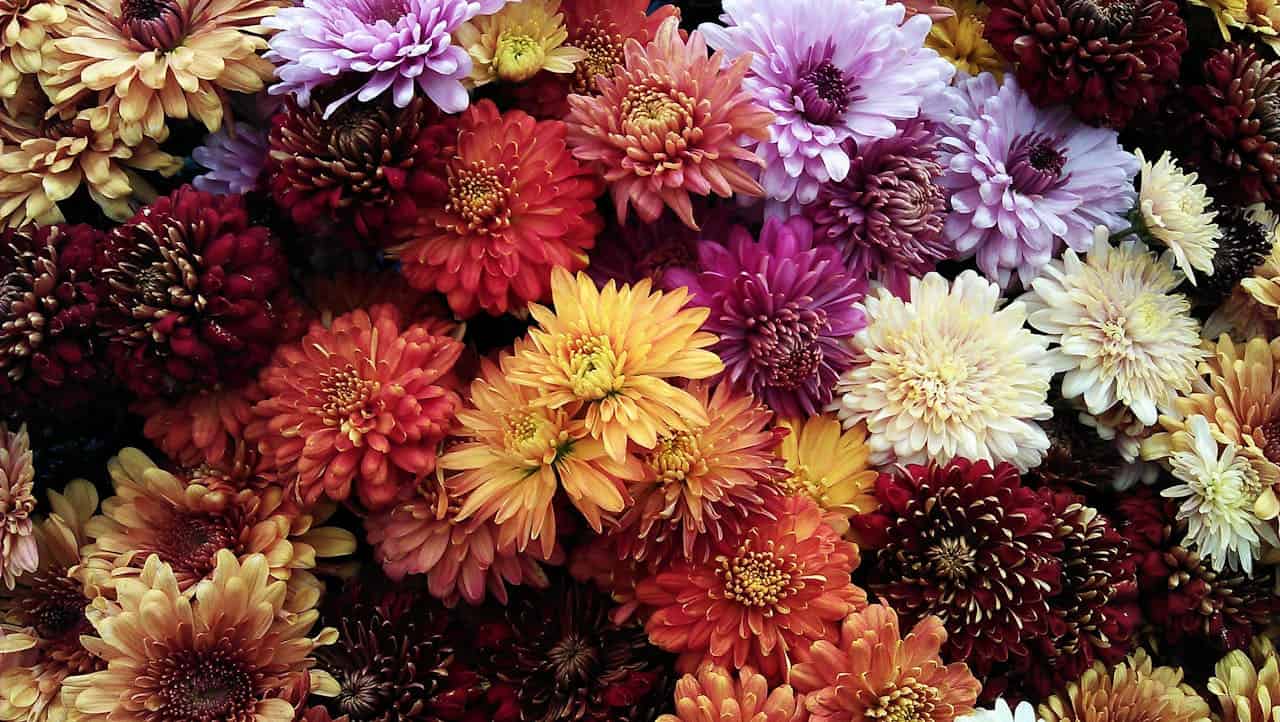
Chrysanthemums, or mums, are great if you want flowers that come back every year. They often bloom late in the season, adding color when many other plants are fading.
You’ll find varieties like the Painted Daisy, which offers unique white and tri-color blooms. These perennials are pretty low-maintenance and fit well in most garden beds. For tips on easy-to-grow mums, check out this collection of garden-worthy chrysanthemums.
Rudbeckia
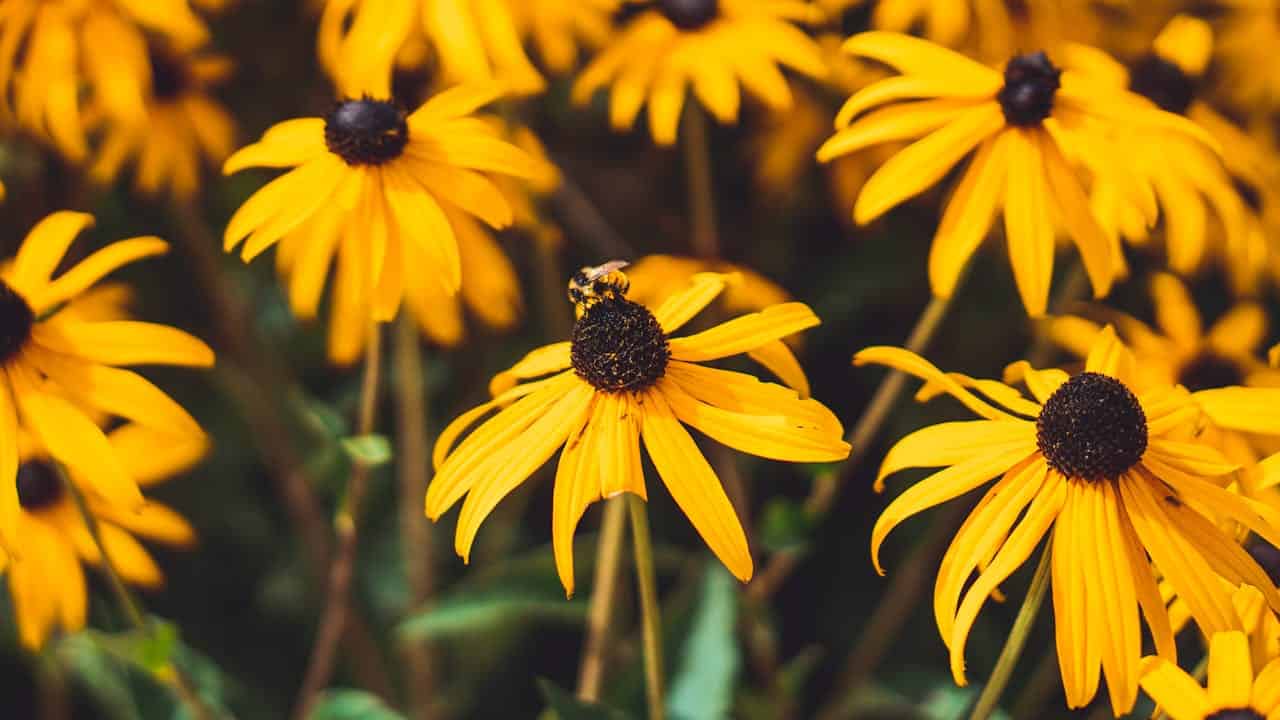
If you want flowers that bring bright yellow color late in the season, Rudbeckia is a great choice. These cheerful blooms often appear in late summer and can last for weeks.
They’re pretty low-maintenance and do well with minimal care. You’ll find they thrive in well-drained soil and full sun. For a detailed growing guide, check this Rudbeckia growing guide.
Lavender
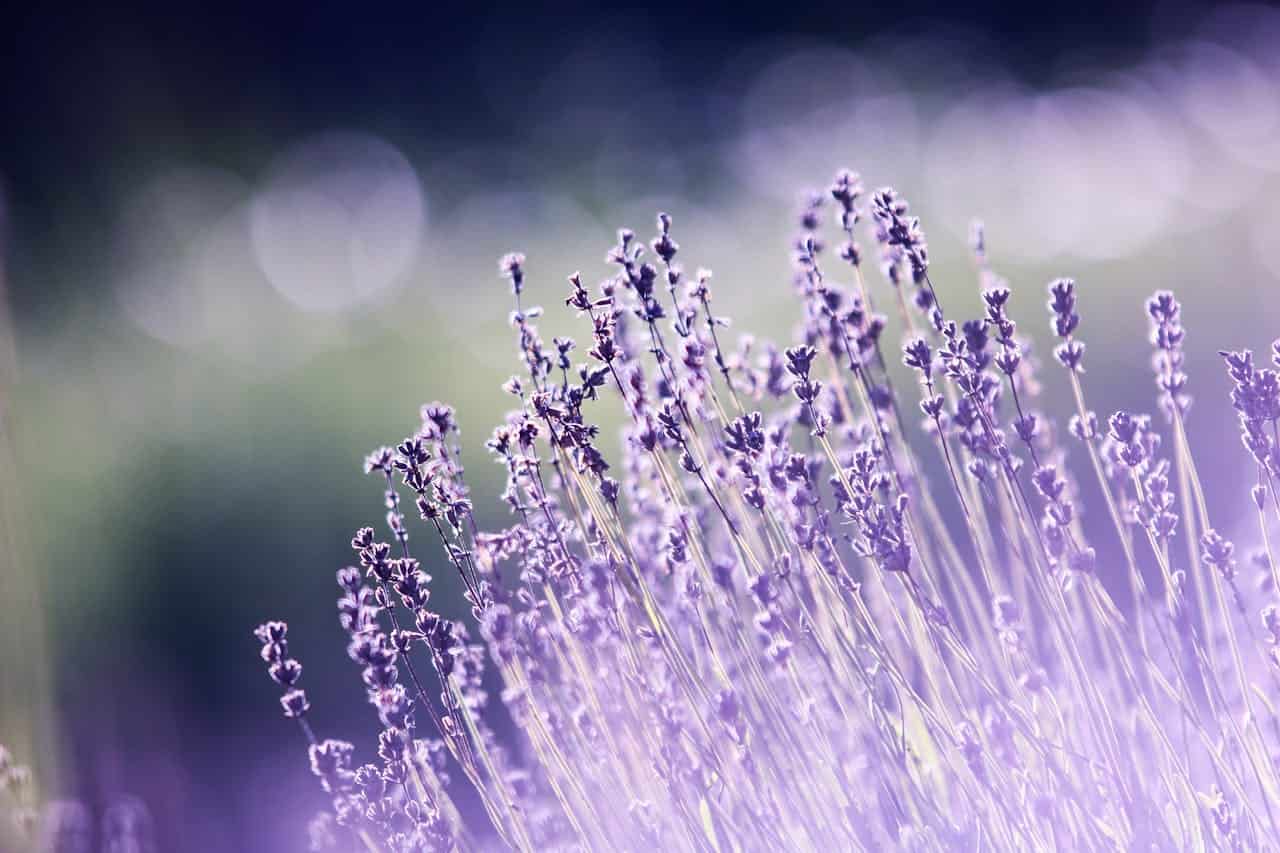
Lavender is a great choice if you want something low-maintenance that still looks and smells amazing. You’ll get beautiful purple blooms that last well into summer.
It attracts pollinators like bees and butterflies, which is a bonus for your garden’s health. Plus, its scent can be pretty relaxing when you step outside.
Coreopsis
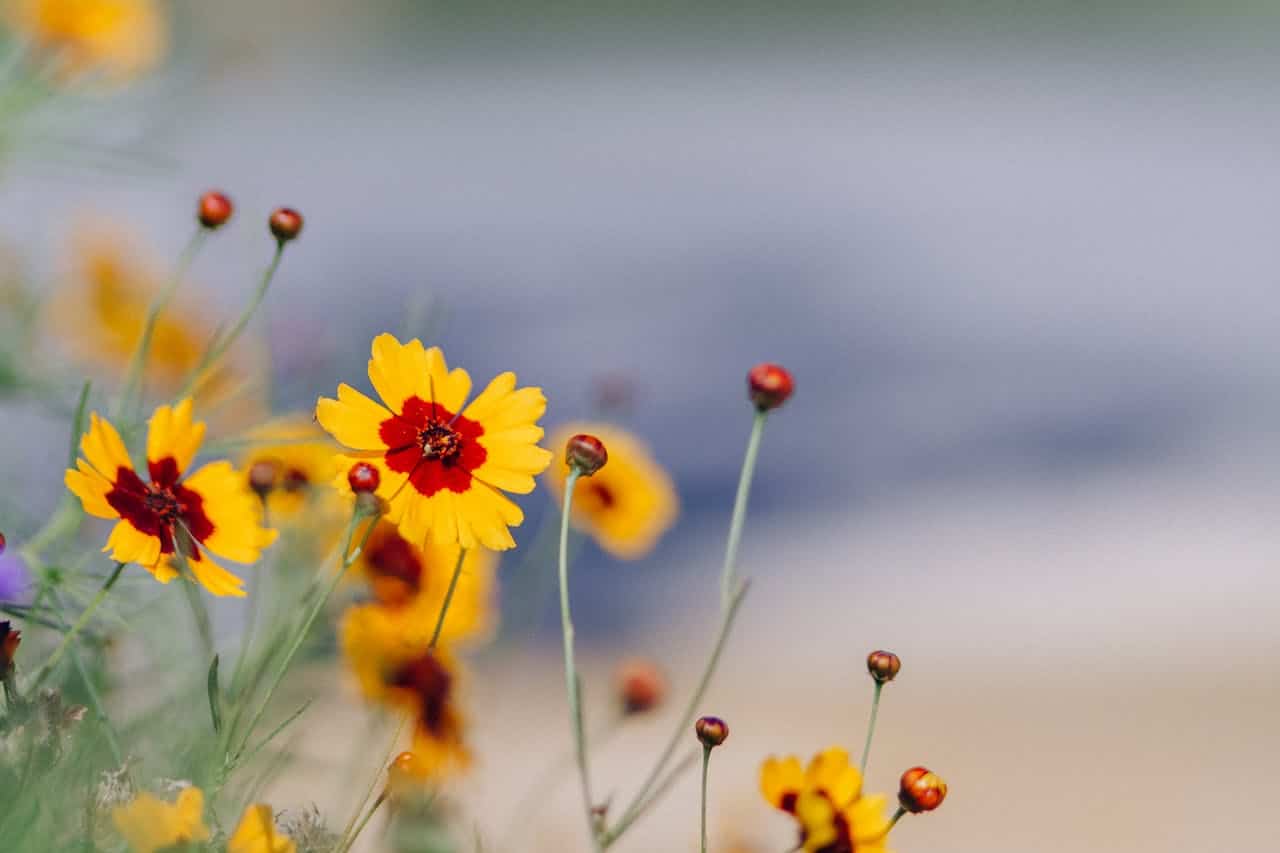
You’ll love adding coreopsis to your garden for its bright, cheerful blooms. These flowers usually come in sunny yellows and can bloom from mid-summer well into fall. Coreopsis is pretty easy to grow and can handle most garden soils. Just give them some deadheading to keep those blooms coming strong.
They’re great for garden beds or containers and make a lively splash almost nonstop during the growing season. For more tips, check how to grow and care for coreopsis the right way.
Gaillardia (Blanket Flower)

You’ll like Gaillardia for its bright red and yellow daisy-like flowers. They bloom from early summer through fall, adding color for months.
These plants do best in full sun, needing at least 6 to 8 hours a day. They’re low maintenance and thrive in sunny garden beds or even open prairies. For more details, check out this guide on growing Blanket Flower.
Phlox paniculata

If you want a reliable summer bloomer, Phlox paniculata is a great pick. It grows about three feet tall and fills your garden with clusters of fragrant flowers from mid-summer to early fall.
This plant adds color and scent to your beds without needing much fuss. You can expect blooms that last six weeks or more, making it perfect for a longer flowering season. Check out more details about garden phlox here.
Daylilies

Daylilies are a great pick if you want flowers that keep blooming all season. You’ll find many varieties that come back strong year after year with bright, colorful blooms.
They’re pretty low-maintenance, making them perfect for beginners. Plus, some types even rebloom, giving you extra flowers beyond the usual season. Check out these daylilies for ideas to add to your garden.
Yarrow
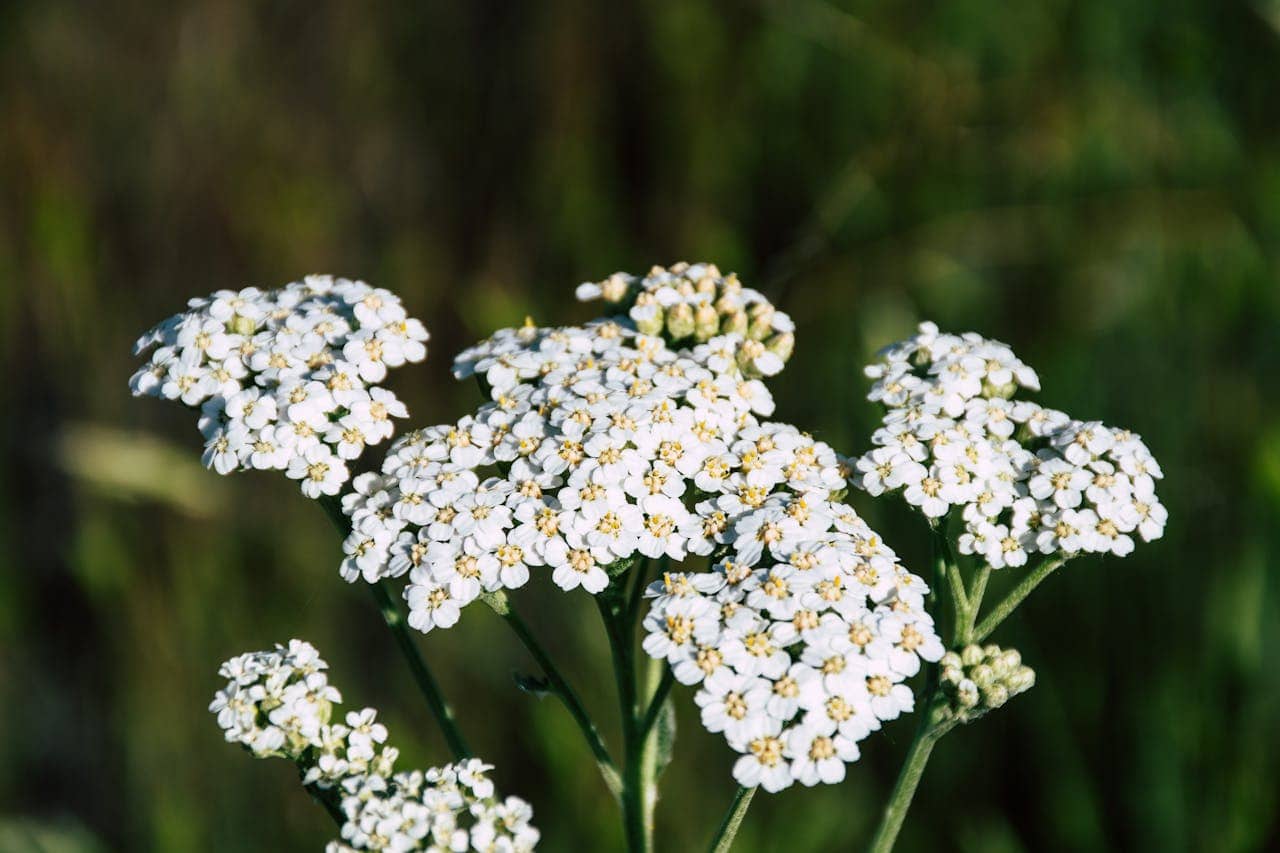
Yarrow is a tough perennial that thrives in hot, dry spots. You won’t need to fuss over rich soil since it actually prefers poor, well-drained ground. It blooms from June through September, adding clusters of colorful flowers to your garden.
It’s low maintenance and attracts pollinators, making it a great choice if you want vibrant blooms without much effort. Learn more about growing yarrow here.
Catmint (Nepeta)
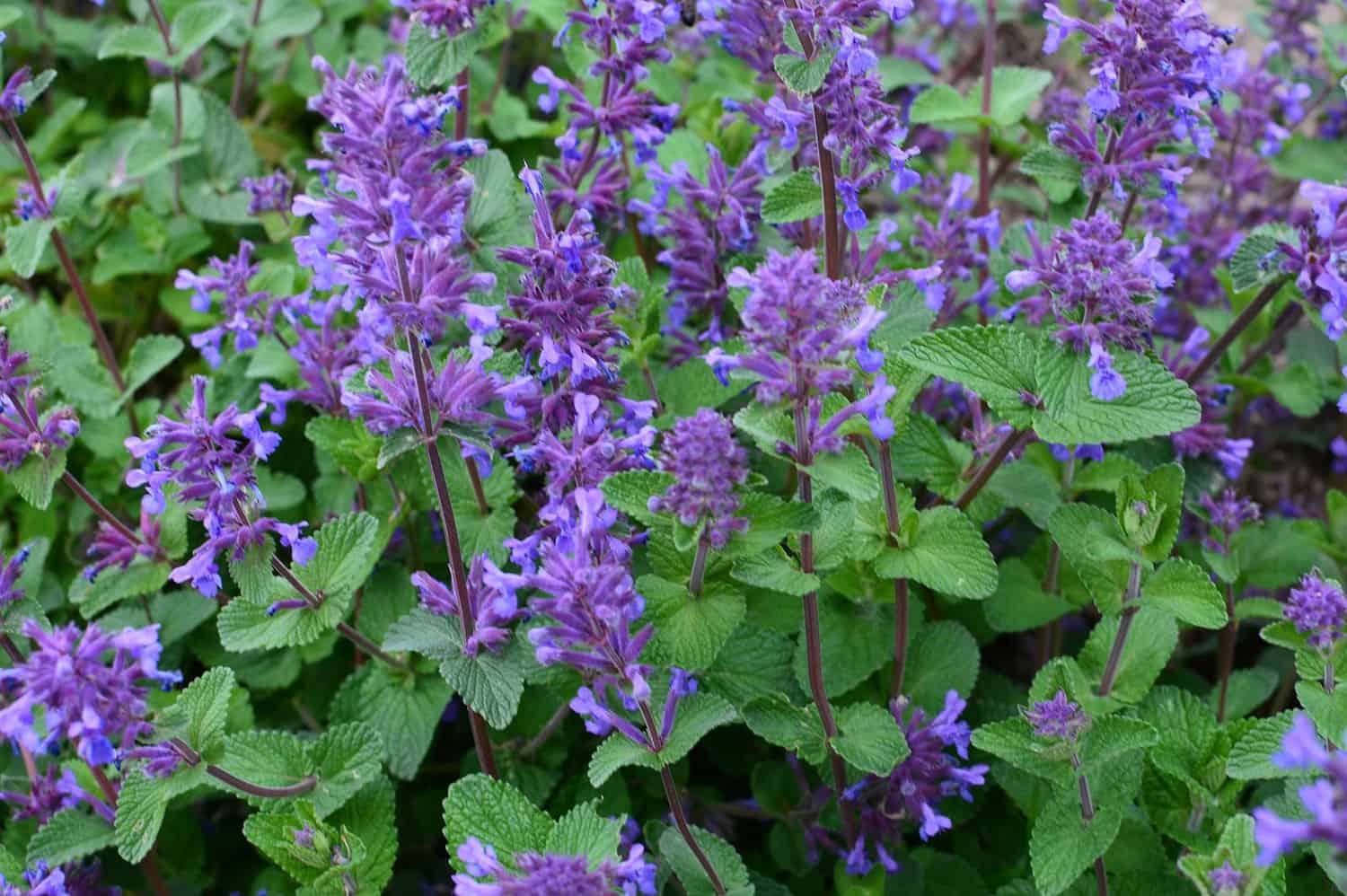
You’ll love adding catmint to your garden for its long bloom time, usually from late spring through early fall. It’s super low-maintenance, making it perfect if you want pretty purple or blue flowers without much fuss.
Catmint is also great for small spaces or mixed beds because it stays neat and attracts pollinators throughout the growing season.
Russian Sage
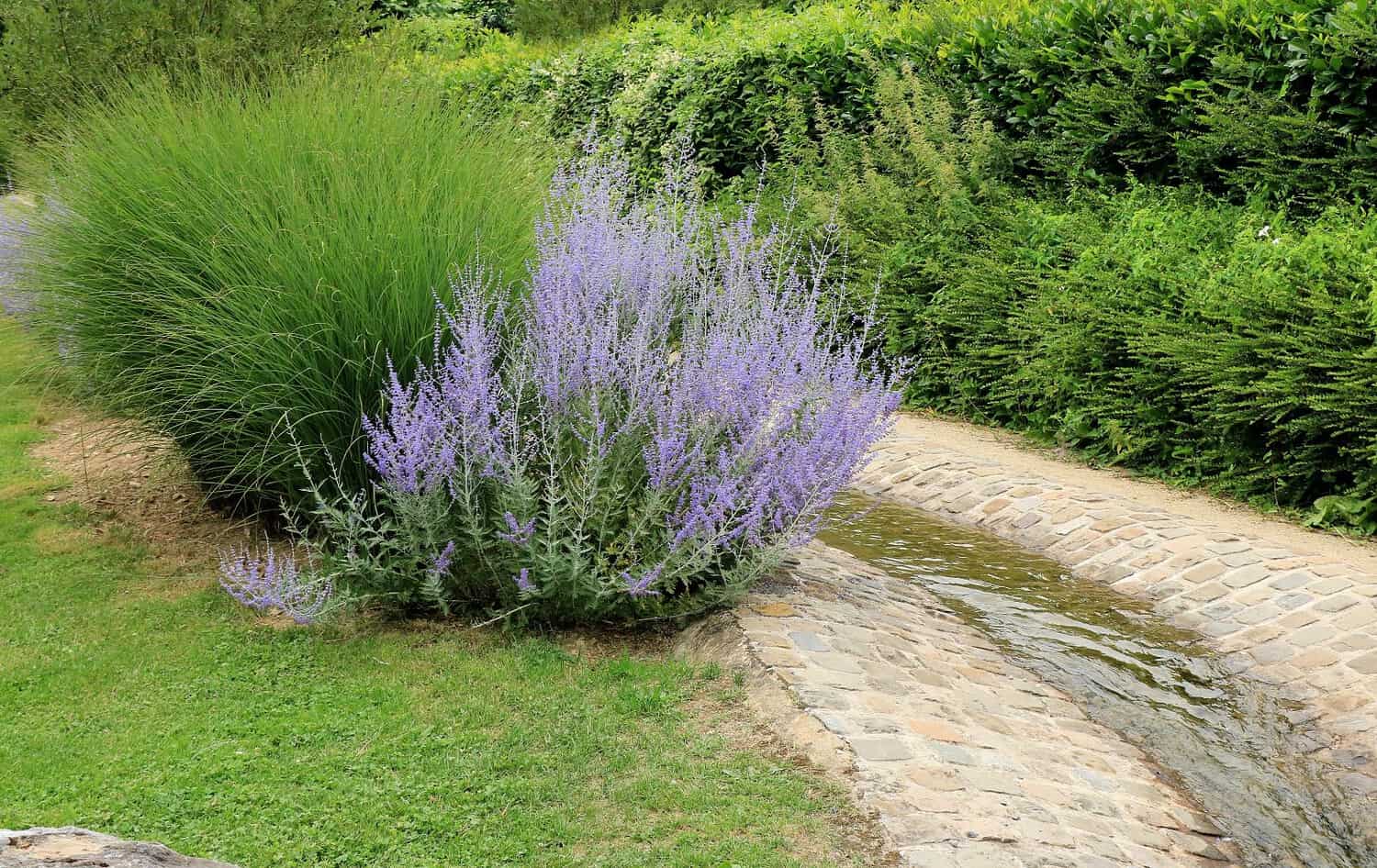
If you want a low-maintenance plant, Russian Sage is a solid pick. It blooms with soft lavender flowers that last a long time.
Plant it in a sunny spot with well-drained soil, and give it about 18 inches of space for good airflow. It handles drought well and looks great in any garden bed. Learn more about growing Russian Sage here.