Gardens are beautiful, aren’t they? They add a splash of life to our homes, give us a hobby to pour our hearts into, and provide a serene place to relax. But, have you ever thought that your dear garden could be causing harm to your home? It might be surprising, but it’s true. Your garden, if not properly managed, can lead to some serious home issues. It’s crucial to know about these potential problems and how to prevent them. Let’s explore 17 ways your garden could be damaging your home.
1. Overgrown Trees

Trees are an excellent addition to any garden. They provide shade, are visually pleasing, and even help clean the air. However, if left unchecked, trees can grow too close to your house, causing significant damage. Overgrown trees can have branches that scrape against your house or roof, which can lead to structural damage.
Advertisement
In addition, the roots of large trees can spread underground and interfere with your home’s foundation, causing it to crack or shift. It’s wise to plant trees at a safe distance from your home and regularly trim the branches. If you already have a tree that is too close to your house, consider consulting a professional arborist to assess the situation.
2. Invasive Plants

Certain types of plants can be quite invasive and, if not properly managed, can wreak havoc on your home. For example, plants like English ivy or bamboo are known for their rapid growth and invasive nature. They can quickly take over your garden and start creeping into your home through cracks and crevices.
These plants can cause structural damage to your walls, foundation, and even your roof. To prevent this, it’s essential to be mindful of the types of plants you choose for your garden. If you already have invasive plants, consider replacing them with less aggressive varieties or ensure regular pruning to control their spread.
3. Poor Drainage
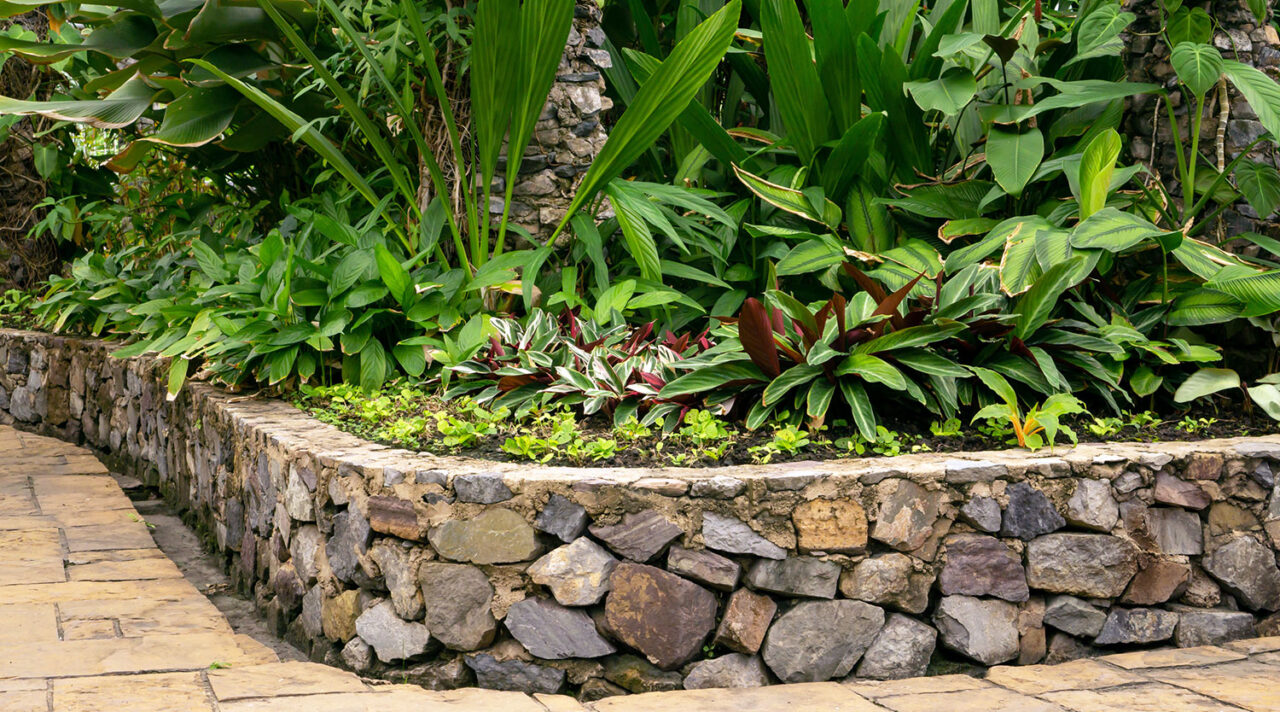
A well-designed garden should have a proper drainage system. Without this, rainwater can accumulate in your garden, leading to waterlogged soil. This excessive moisture can seep into your home’s foundation, causing it to weaken over time.
Poor drainage can also lead to the growth of mold and mildew, which can cause health problems for you and your family. To ensure proper drainage, grade your garden away from your home and consider installing a French drain or other drainage solutions. It’s also a good idea to consult with a landscaper or a drainage expert for a professional opinion.
4. Pests

Gardens can be a haven for various pests like rodents, insects, and other wildlife. While some of these creatures are beneficial for your garden, others can cause damage to your home. For example, termites can cause severe structural damage, while rodents can chew through wires, insulation, and even wood.
To prevent pests from invading your home, keep your garden clean and well-maintained. Remove any potential food sources or hiding places for pests. If you notice signs of a pest infestation, consider hiring a professional pest control company to handle the problem.
5. Soil Erosion

If your garden doesn’t have enough ground cover, heavy rain can lead to soil erosion. This can cause the land around your home to sink, leading to potential foundation damage. Over time, this can cause your home to become unstable and even lead to serious structural issues.
To prevent soil erosion, consider planting ground cover plants, building retaining walls, or installing erosion control mats. You can also install gutters and downspouts to direct rainwater away from your home and garden, preventing erosion.
6. Falling Leaves and Debris
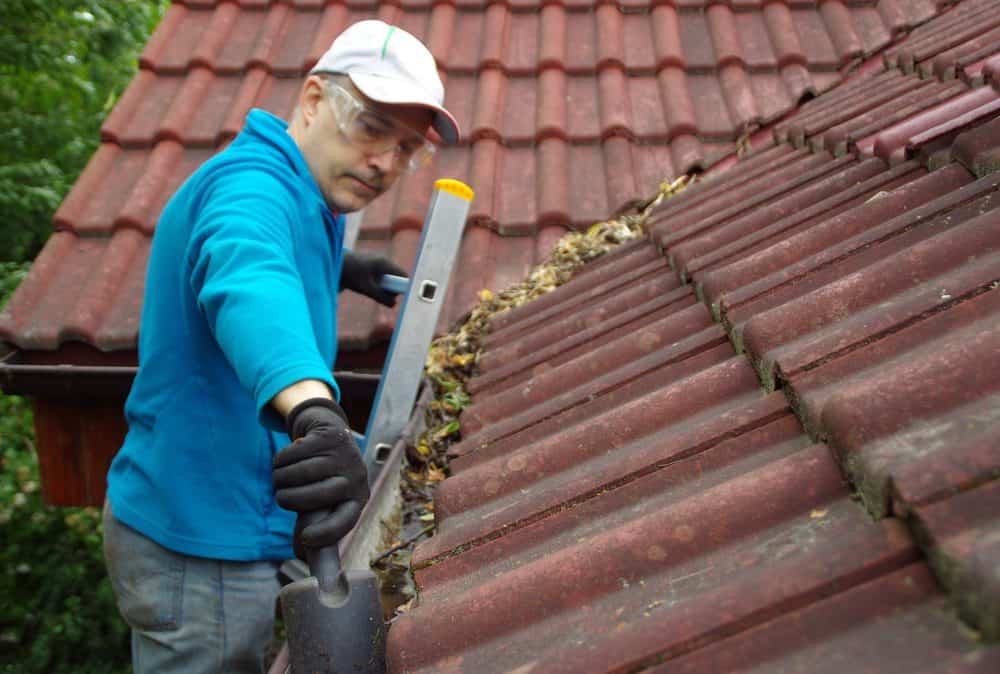
While beautiful to look at, trees shedding their leaves can lead to a build-up of debris on your roof and in your gutters. This can cause water to back up and leak into your home, causing water damage.
To prevent this, regularly clean your gutters and remove any debris from your roof. If you have large trees near your home, consider having them professionally trimmed to reduce the amount of leaves and debris they shed.
7. Allergens

Certain plants and trees can release allergens, which can cause allergic reactions in people. These allergens can make their way into your home through open windows and doors, causing discomfort and health issues for you and your family.
To minimize the risk of allergens, research plants before you add them to your garden. Choose hypoallergenic plants or those that release their pollen at times when you’re less likely to be outside.
8. Wild Animals
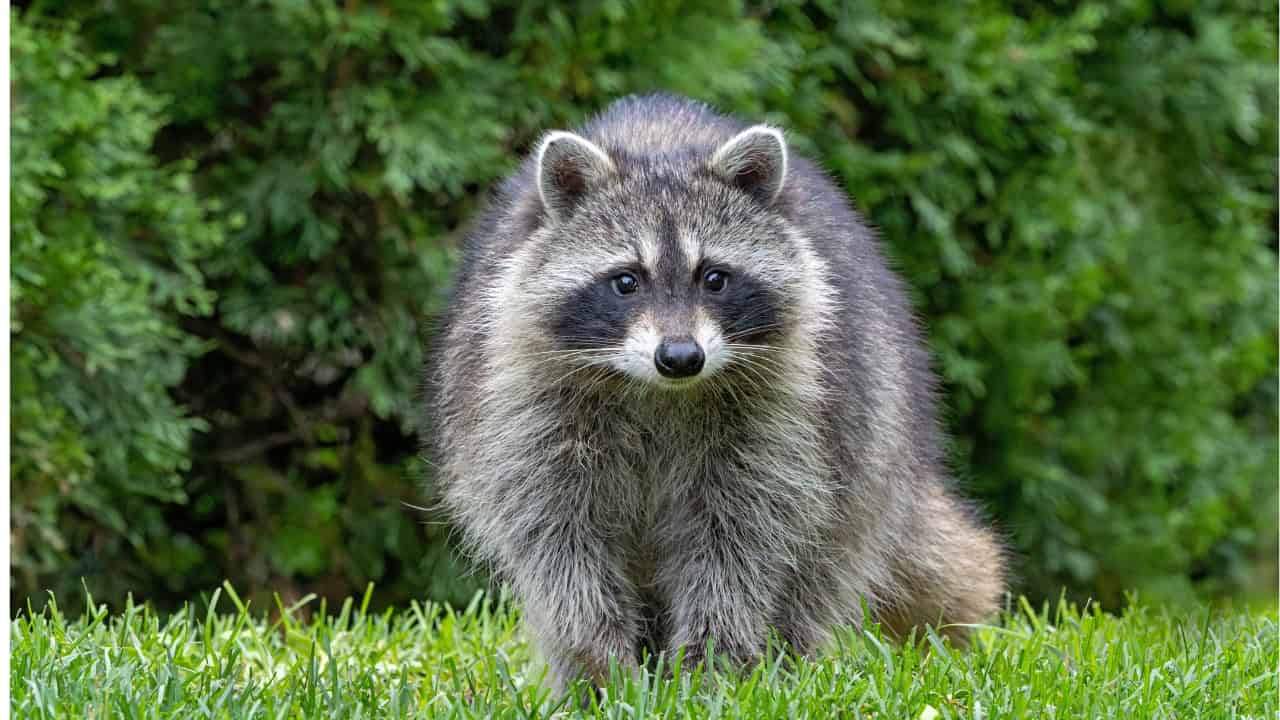
A lush, vibrant garden can attract a variety of wild animals. While some, like birds and butterflies, are welcome visitors, others can cause harm to your home. For example, raccoons can rummage through your trash, while squirrels can chew through your roof and insulation.
To deter wild animals from your property, secure your trash cans, remove potential food sources, and seal any openings into your home. If you have a persistent problem, consider hiring a professional wildlife removal service.
9. Fungal Growth
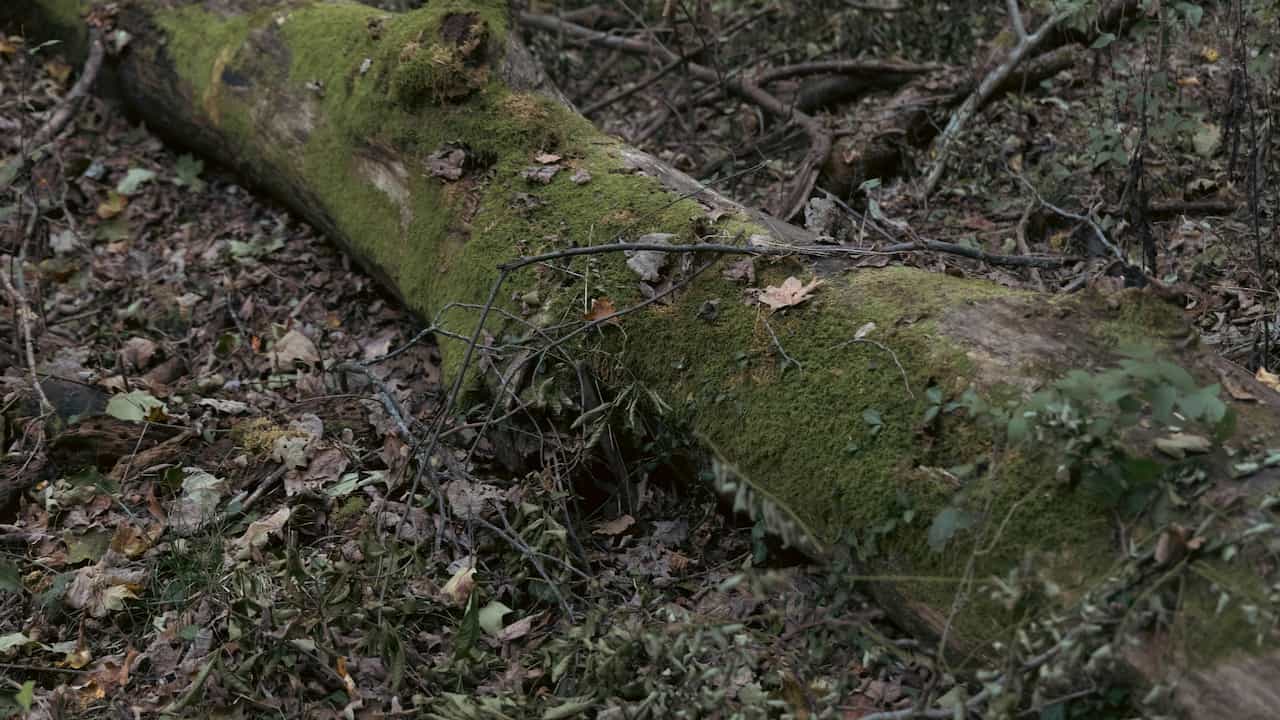
A damp, shady garden can be a breeding ground for fungi like mold and mildew. These fungi can make their way into your home, causing damage and potential health risks.
To prevent fungal growth, ensure your garden has proper drainage to avoid standing water. Additionally, trim overgrown trees and shrubs to allow more sunlight into your garden.
10. Cracked Pavements
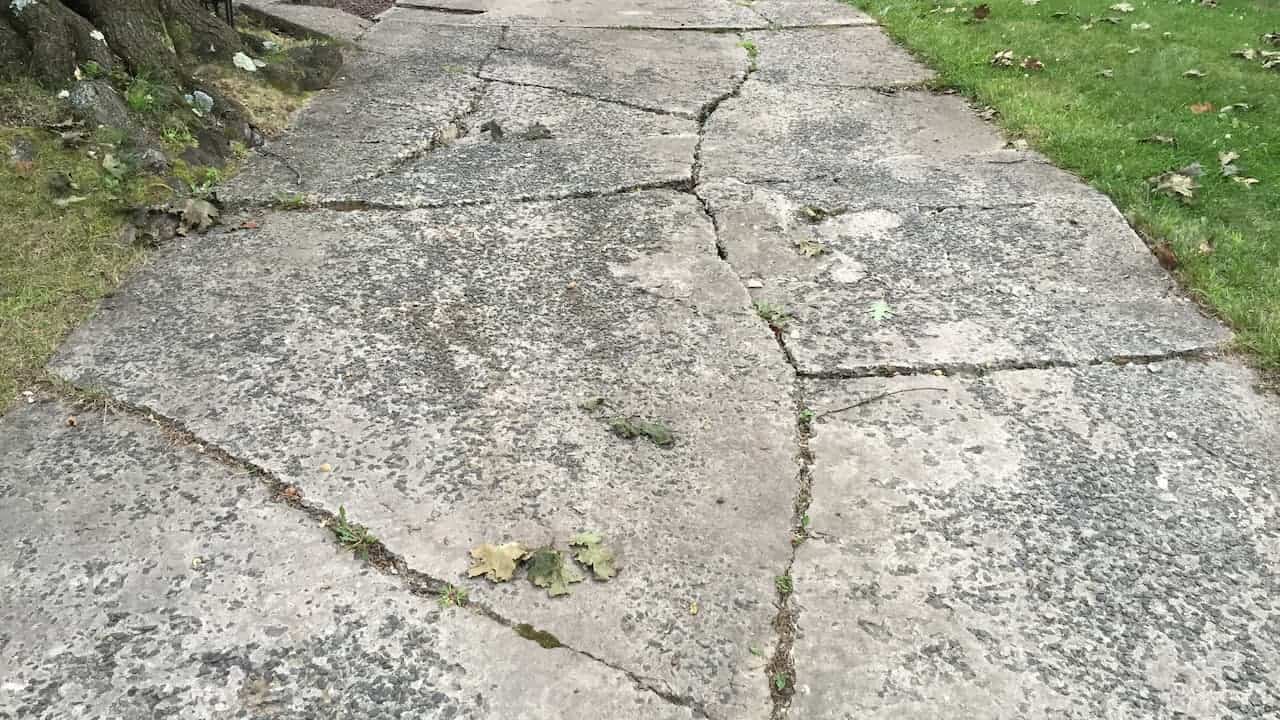
Tree roots can cause your driveway or walkway to crack and uplift, creating trip hazards and damaging the aesthetics of your property.
Ensure you plant trees a safe distance from any paved areas, and if you’re already experiencing this problem, consult with a professional for possible solutions, which may include removing the tree or repairing the pavement.
11. Plant Debris in Air Conditioning Unit
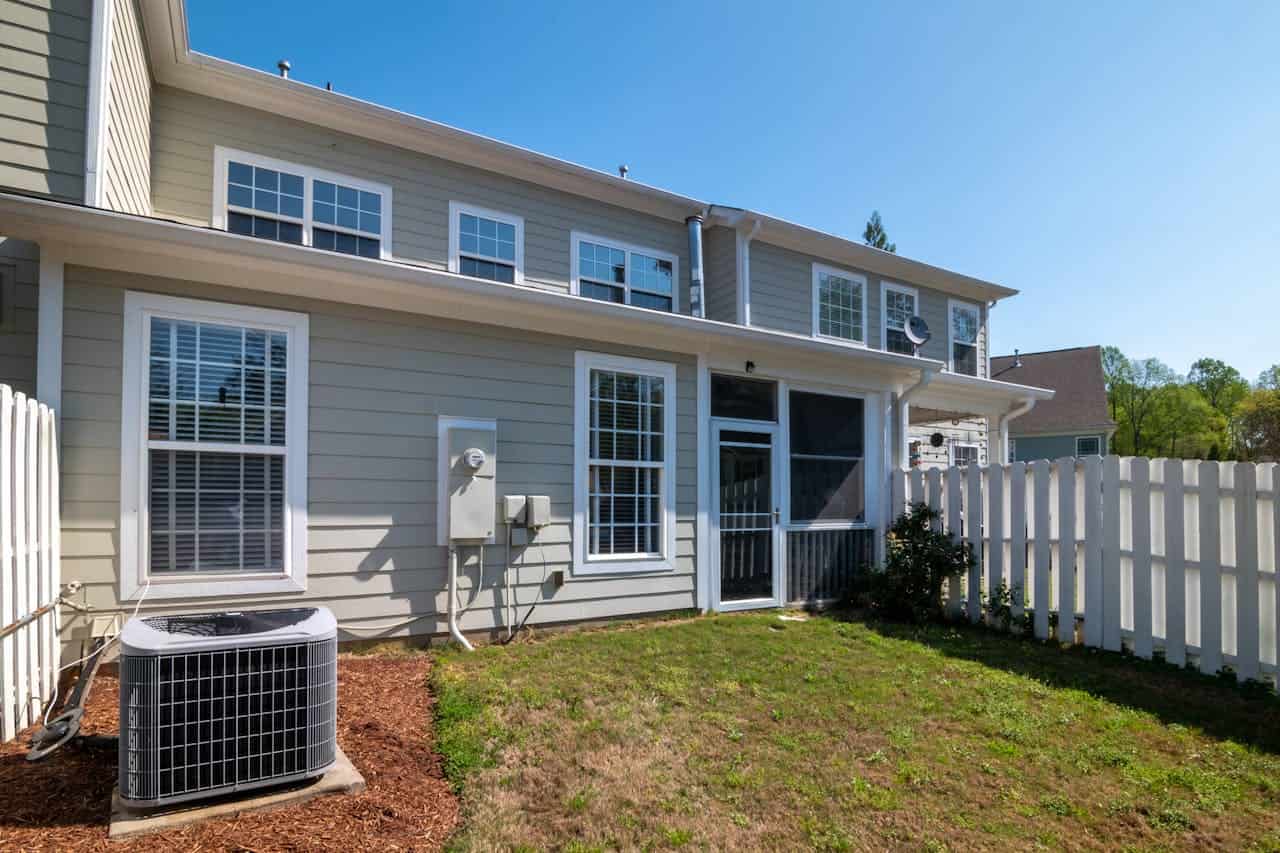
Leaves, twigs, and other plant debris can get into your outdoor air conditioning unit, causing it to work less efficiently or even break down.
Regularly clean around your unit and trim any nearby plants to prevent debris from getting in.
12. Ice Dams
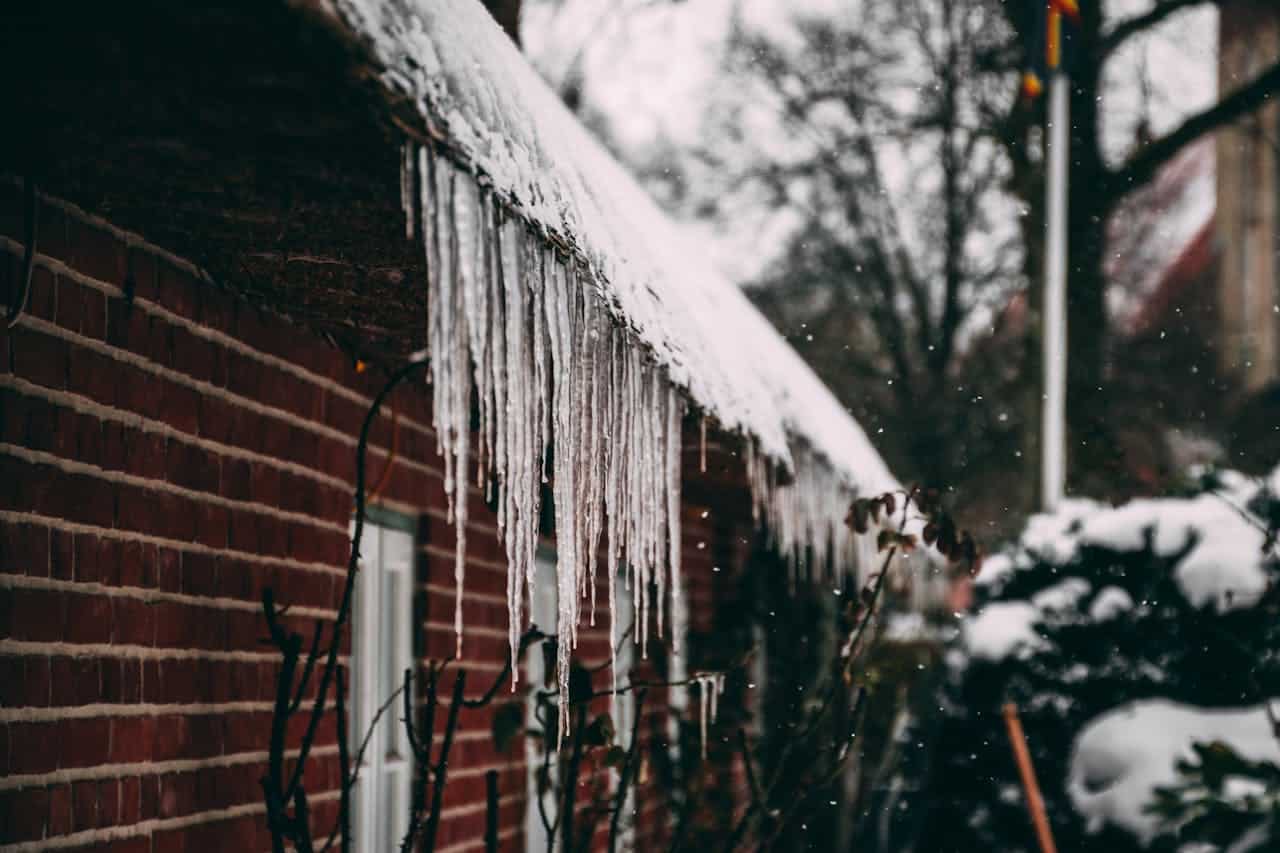
In colder climates, the heat from your home can cause snow on your roof to melt. If the water refreezes on your colder eaves, it can create an ice dam, which can lead to water damage in your home.
Ensure you have good attic insulation to prevent heat from escaping your home, and consider installing heated cables on your eaves to prevent ice dams.
13. Garden Tools

Leaving garden tools outside can not only damage the tools, but can also damage your property if they’re blown around by the wind.
Ensure you store your tools properly after each use to prevent any potential damage.
14. Pools and Hot Tubs

While pools and hot tubs are great garden additions, they can cause humidity and water damage if they’re too close to your home.
Ensure any pools or hot tubs are a safe distance from your house, and install a good drainage system to prevent water from seeping into your foundation.
15. Sprinkler System

A poorly installed or maintained sprinkler system can cause water damage to your home and can even lead to mold growth.
Regularly check and maintain your sprinkler system to ensure it’s working correctly and not causing any water damage.
16. Fire Hazards

Dry leaves, plants, and trees can be a fire hazard, especially in warmer climates.
Ensure you keep your garden well-watered and clear any dry debris to reduce the risk of a fire.
17. Soil Quality
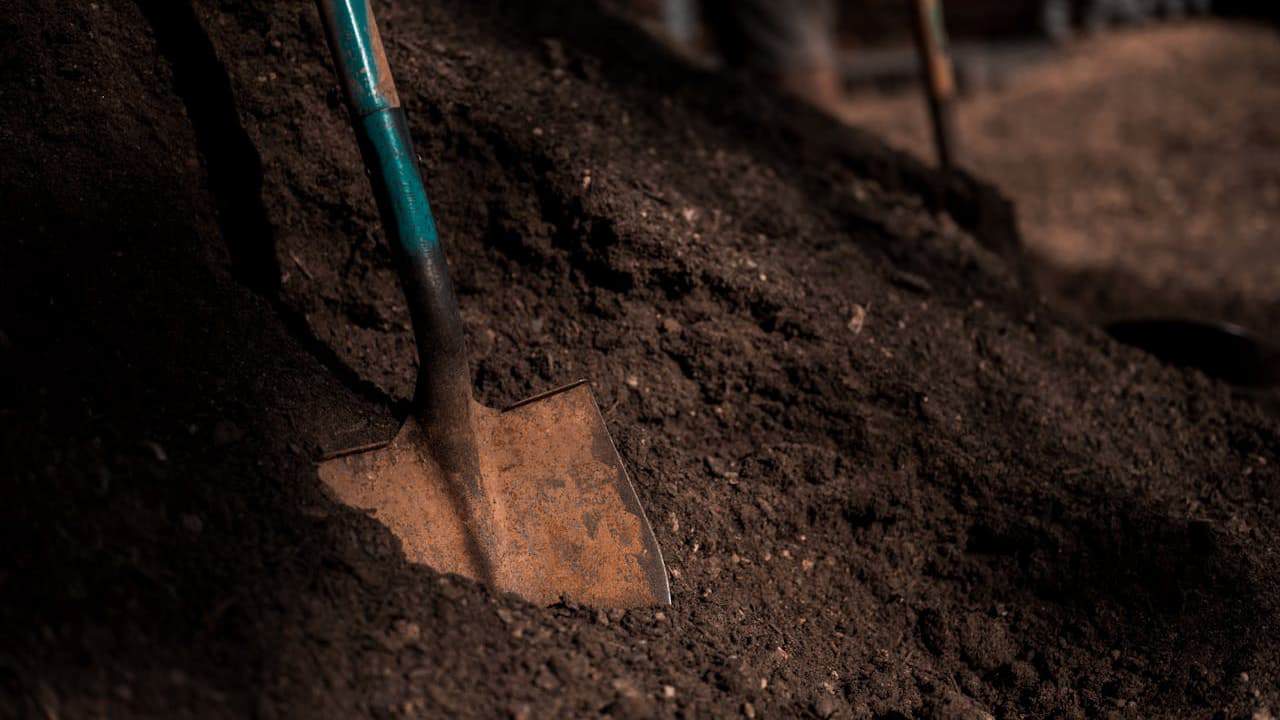
Poor soil quality can lead to poor plant health, which can in turn affect your home’s curb appeal.
Ensure you regularly check and improve your soil quality to keep your garden looking its best and to maintain your home’s value.
In conclusion, while gardens can indeed cause damage to your home if not properly managed, the benefits they bring are undeniable. By being aware of potential issues and taking preventative measures, you can enjoy a beautiful, damage-free garden and home.