As winter rolls in, many of us begin to prepare for the challenges that the season brings. From icy roads to frosty lawns, there’s a lot to consider. However, despite our best efforts, winter prep can often go wrong, leaving us with frozen pipes, drafty homes and a whole host of other issues. In this blog post, we will explore 17 ways that winter prep can go awry, and provide you with tips and tricks to avoid these common pitfalls.
1. Neglecting to Winterize Your Pipes
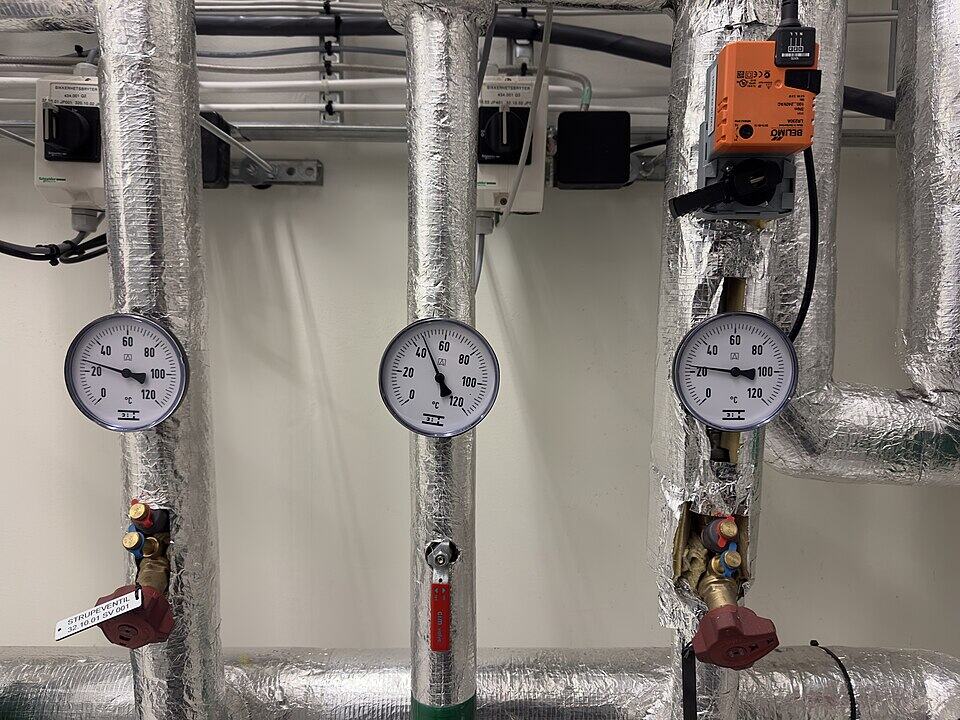
One of the most damaging winter missteps is neglecting to winterize your pipes. This is particularly important if you live in an area with freezing temperatures. When water freezes, it expands, which can cause your pipes to burst, resulting in significant water damage.
Advertisement
To avoid this, insulate your pipes before the cold weather hits. This can be done using pipe insulation, which can be purchased at most hardware stores. Additionally, remember to disconnect your garden hose and drain the outdoor faucets.
2. Not Checking Your Heating System
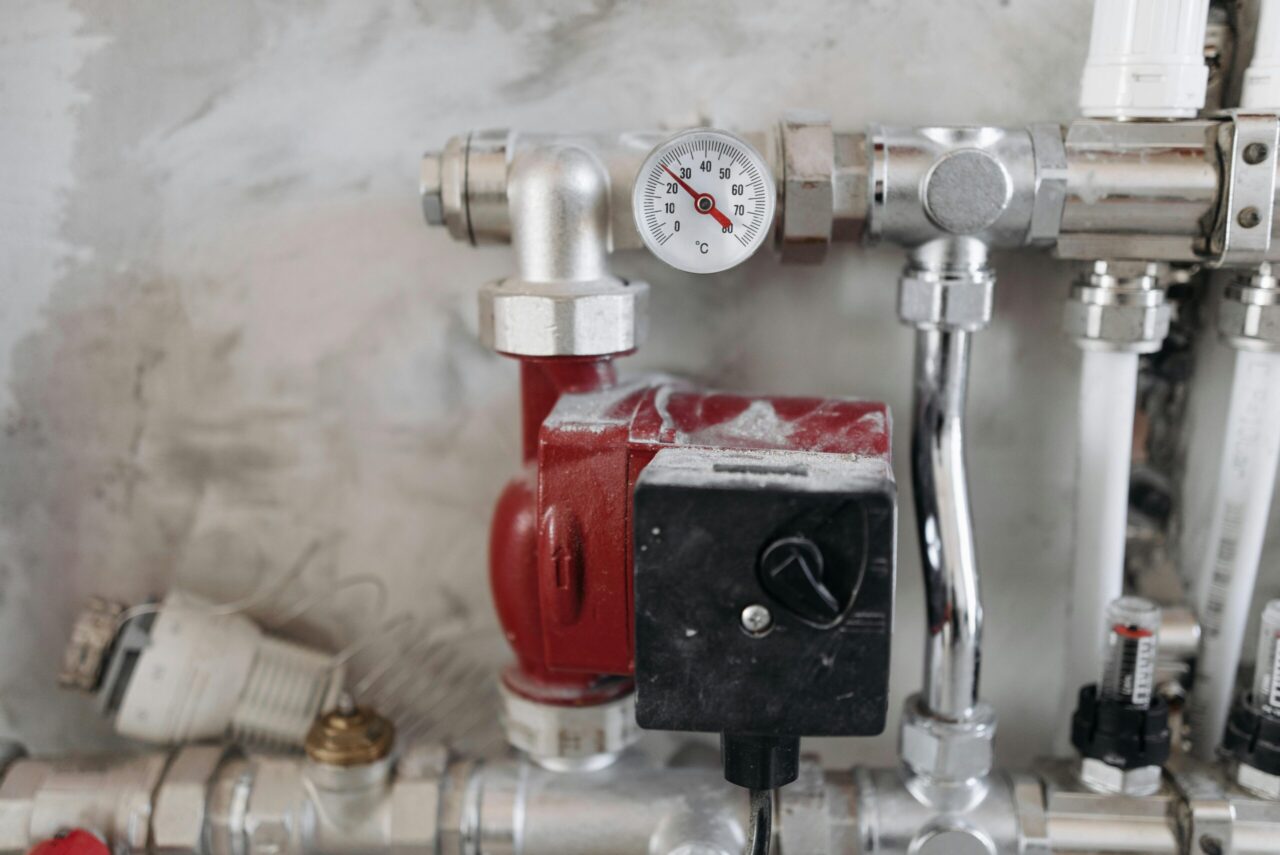
It’s easy to forget about your heating system during the warmer months. However, failing to check and maintain your heating system before winter can lead to uncomfortable cold spells and costly repairs.
Make sure to schedule a professional inspection of your heating system before winter. They’ll check for any issues and perform necessary maintenance. It’s also a good idea to change your air filters regularly to ensure your system runs efficiently.
3. Ignoring Your Roof
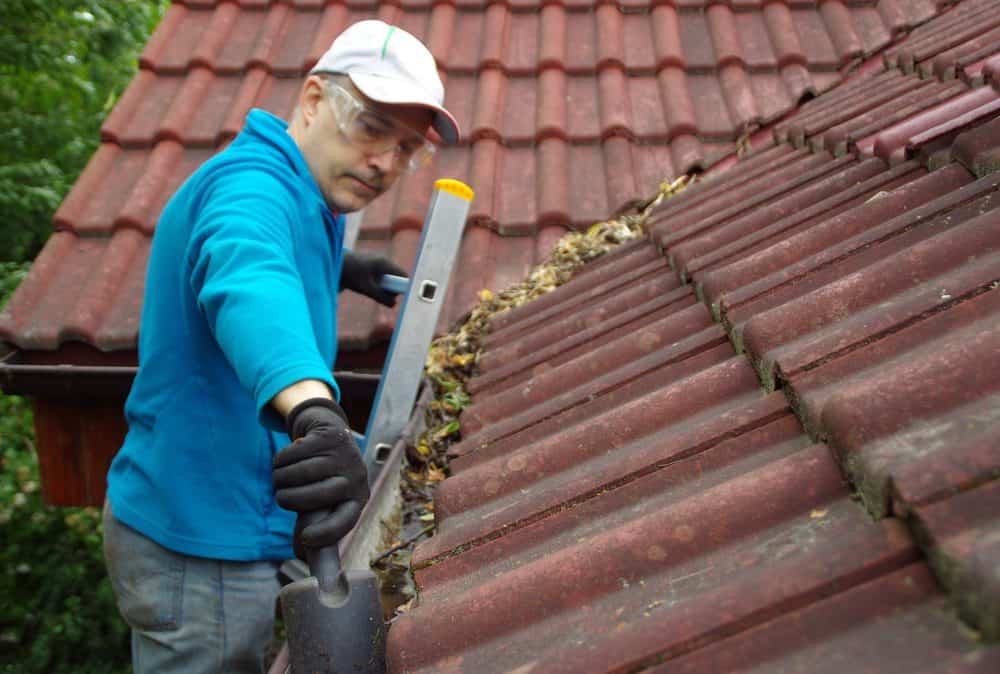
Your roof is your home’s first line of defense against the elements. Ignoring it in your winter prep could lead to leaks, ice dams, and structural damage.
Before winter, have a professional inspect your roof for any signs of damage or wear. Clean your gutters to prevent ice dams, and consider installing heating cables to prevent ice build-up.
4. Forgetting About Your Lawn

Your lawn also needs to be prepared for winter. Leaving leaves or other debris on your lawn can suffocate it, leading to dead patches in the spring.
Before the first snowfall, rake up and remove any leaves on your lawn. Also, give it one last mow and apply a winter fertilizer to help it survive the cold months.
5. Not Sealing Your Home
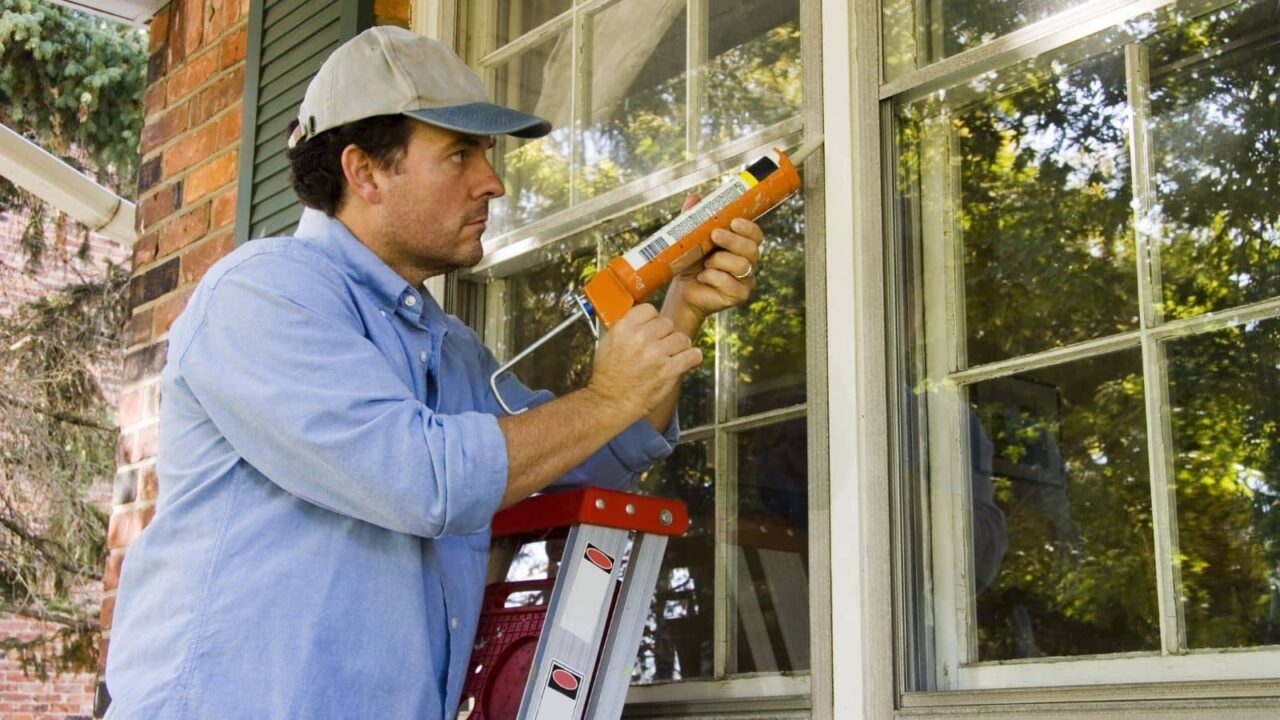
Drafty windows and doors not only make your home uncomfortably cold but can also lead to sky-high heating bills.
Before winter, check your home for drafts. For windows, you can use weatherstripping or a window insulation kit. For doors, consider using a door sweep to block cold air from coming in.
6. Neglecting Your Chimney
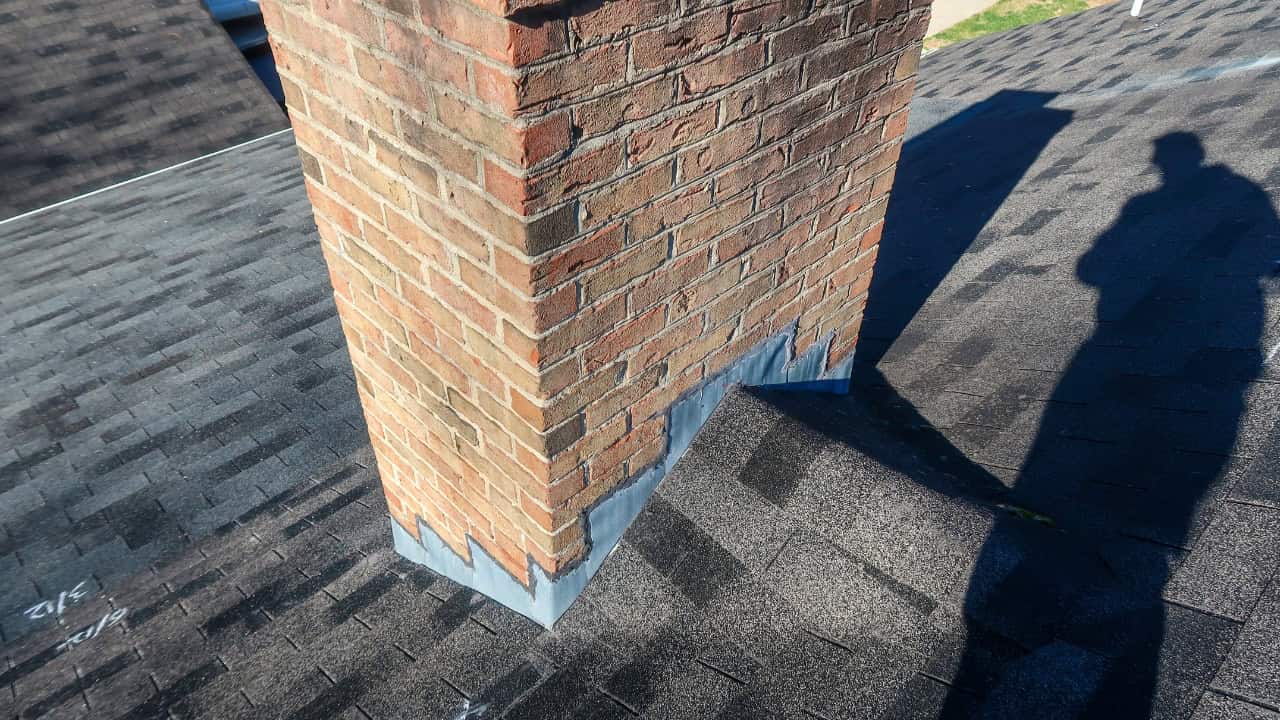
If you have a fireplace, failing to clean and inspect your chimney can lead to dangerous situations. A blocked or damaged chimney can cause carbon monoxide buildup or a chimney fire.
Hire a professional to clean and inspect your chimney before you use it for the first time each winter. They can remove any soot buildup and check for any damage or blockages.
7. Not Preparing Your Car
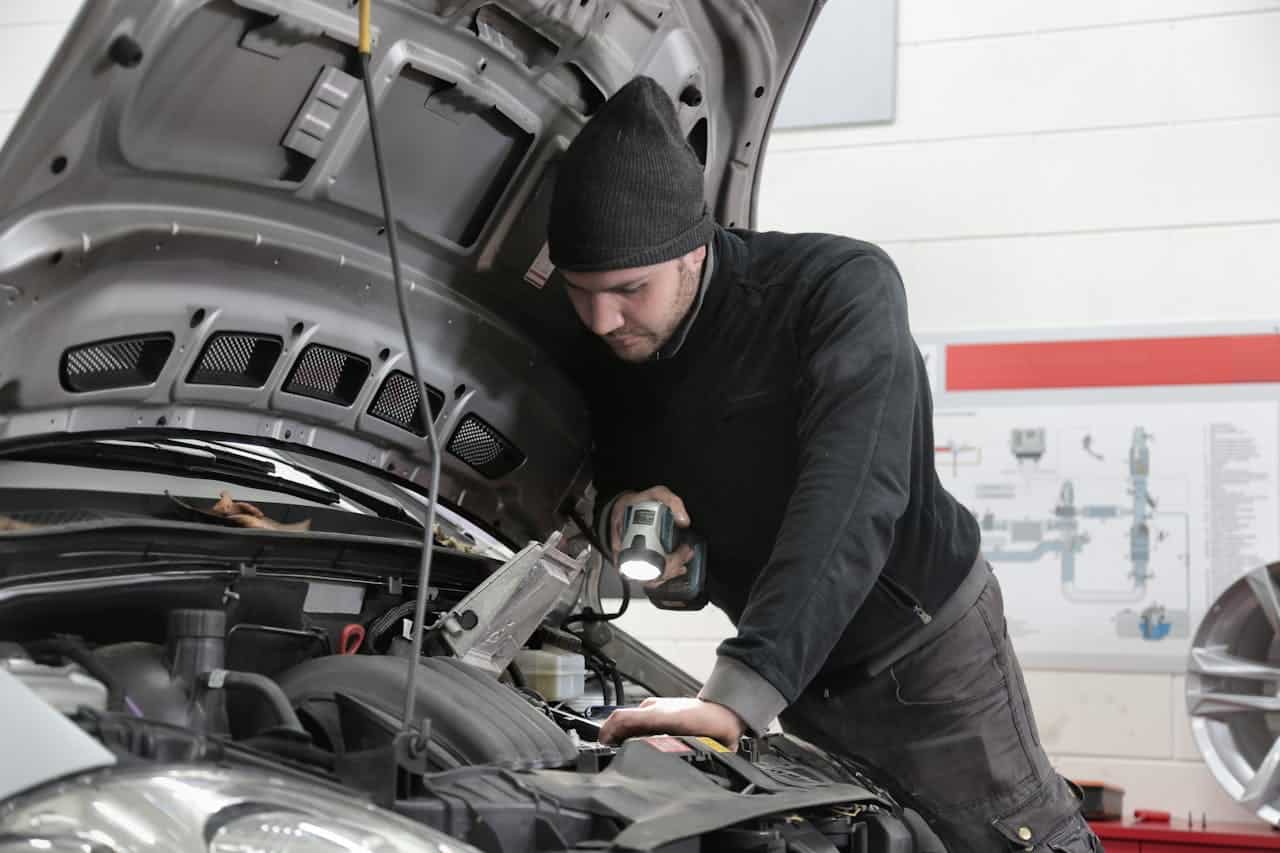
Winter driving can be hazardous, and failing to prepare your car can leave you stranded or worse.
Consider getting winter tires for better traction. Check your battery, as cold temperatures can affect its performance. Also, keep an emergency kit in your car, including items like blankets, a flashlight, and non-perishable food.
8. Forgetting About Your Outdoor Furniture
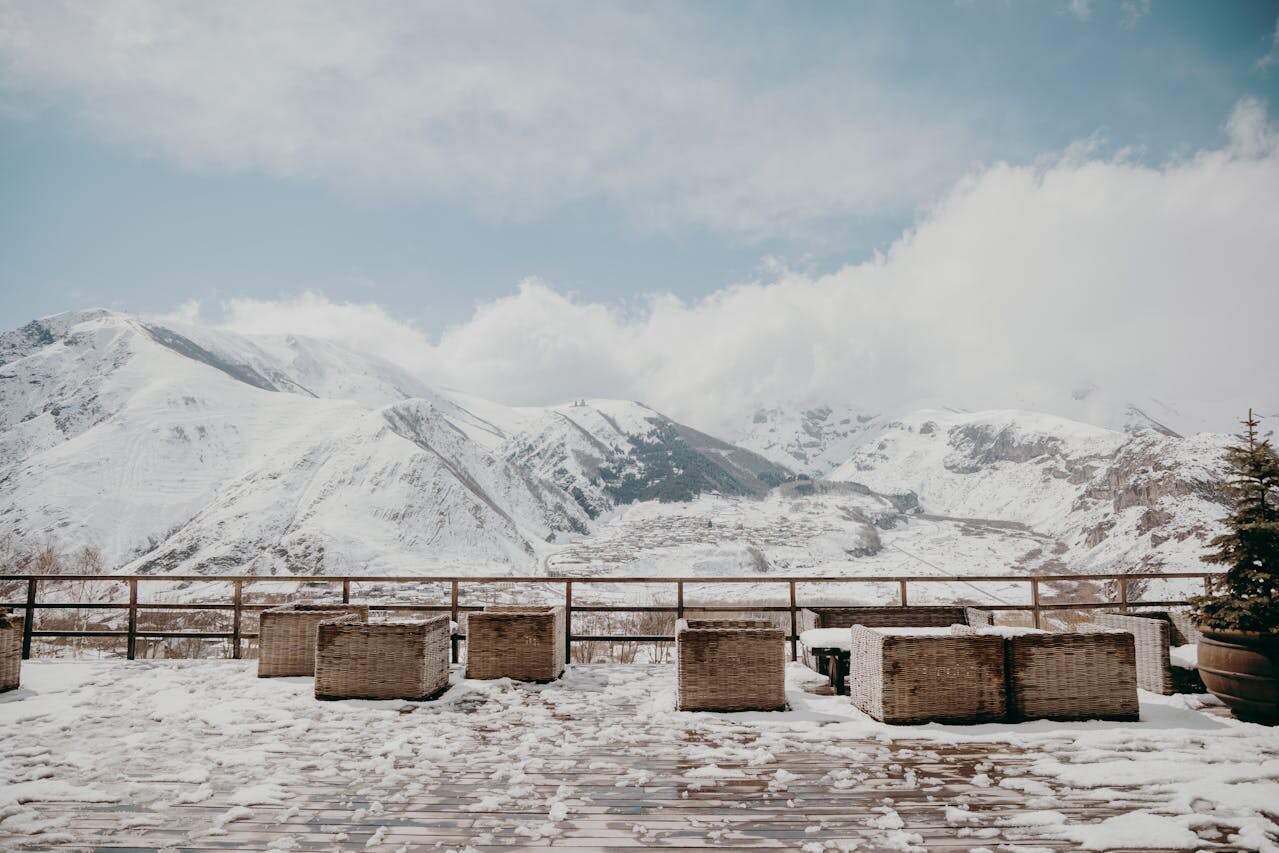
Outdoor furniture can be damaged by winter weather, especially if it’s not designed for the cold.
Before winter, clean and store your outdoor furniture. If you don’t have storage space, consider using outdoor furniture covers to protect it from the elements.
9. Ignoring Your Garden

Your garden also needs to be prepared for winter. Failing to do so can damage your plants and make your spring gardening more difficult.
Before winter, remove any dead plants and apply a layer of mulch to protect your soil. If you have any delicate plants, consider bringing them inside or using plant covers.
10. Not Checking Your Insulation
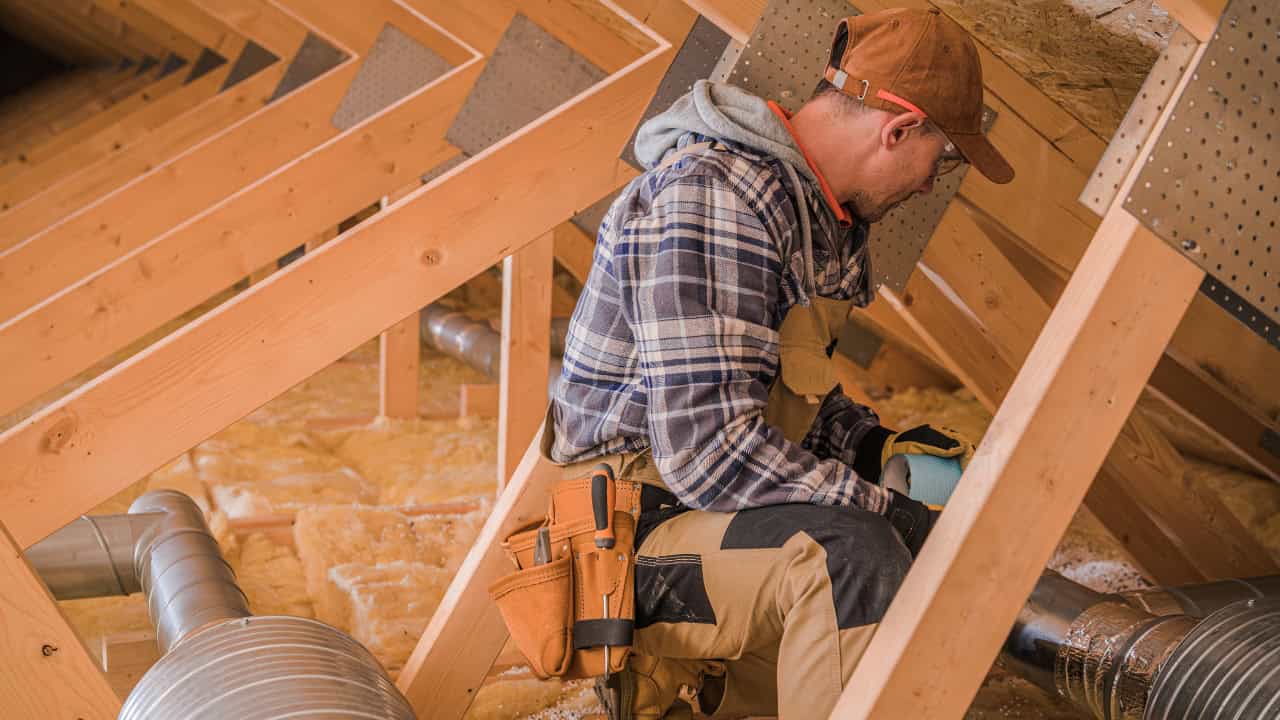
Insulation is vital for keeping your home warm. However, it can deteriorate over time, reducing its effectiveness.
Before winter, check your insulation, particularly in your attic. If it’s damaged or insufficient, consider adding more. This can make a significant difference in your home’s comfort and heating bills.
11. Forgetting About Your Pets

Pets can also be affected by winter weather. Failing to prepare for their needs can put them at risk.
If you have outdoor pets, make sure they have a warm shelter. For all pets, check their paws regularly, as ice and salt can cause issues. Also, remember that pets may need extra calories during cold weather to stay warm.
12. Not Preparing for Power Outages
Winter storms can cause power outages. Failing to prepare can leave you in the dark and cold.
Before winter, consider getting a generator. Also, have a supply of flashlights, batteries, and blankets on hand.
13. Neglecting Your Walkways
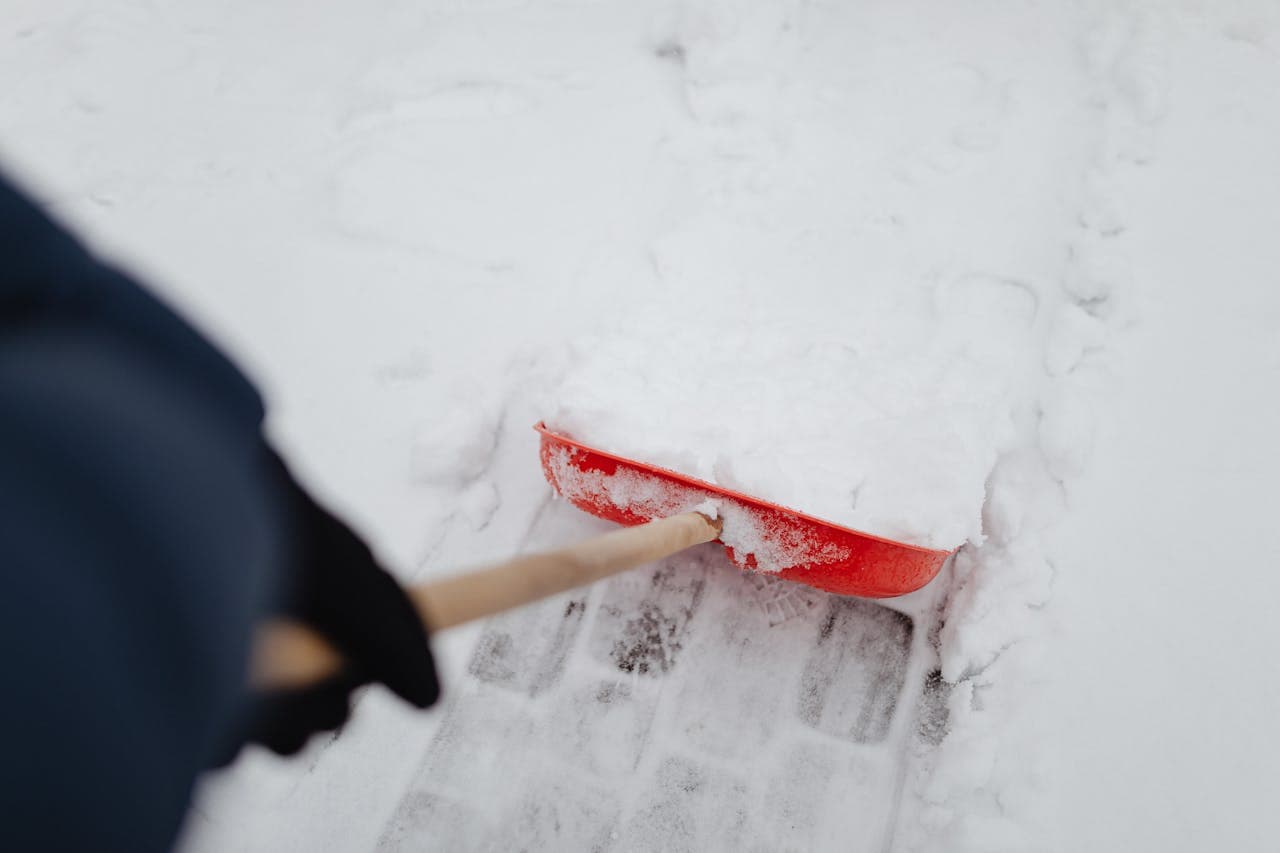
Icy walkways can be a fall hazard. Failing to clear and salt them can lead to injuries.
Keep a supply of salt or sand on hand for icy conditions. Also, consider getting a sturdy snow shovel or a snow blower to make clearing snow easier.
14. Not Winterizing Your Air Conditioning

Your air conditioning also needs to be winterized. Failing to do so can lead to damage.
Before winter, clean your air conditioning unit and cover it to protect it from the elements. Also, consider removing any window units, as they can be a source of drafts.
15. Forgetting About Your Pool
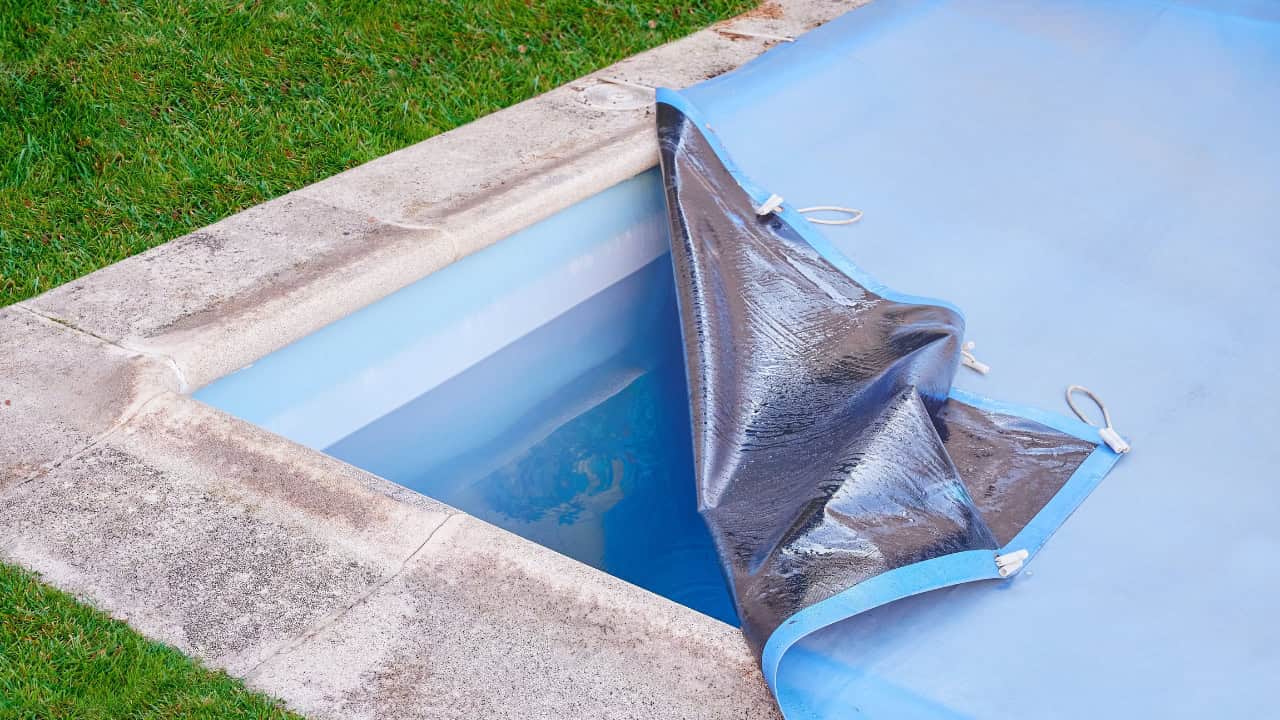
If you have a pool, it also needs to be winterized. Failing to do so can lead to damage.
Before winter, balance your pool’s chemicals, lower the water level, and cover it.
16. Not Preparing Your Emergency Kit
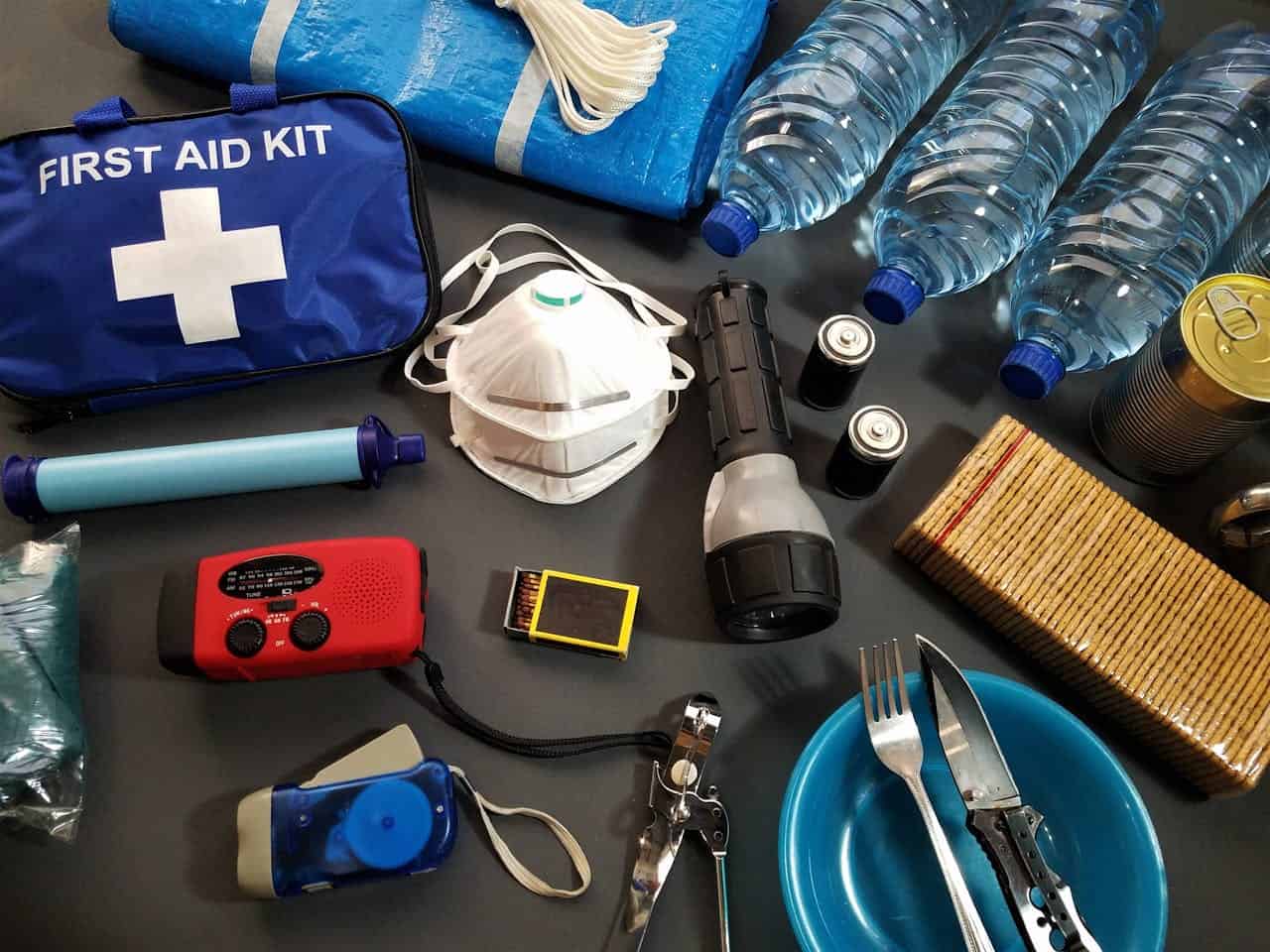
Winter weather can lead to emergencies. Failing to prepare can leave you without necessary supplies.
Before winter, prepare an emergency kit. This should include items like food, water, medicine, and a first-aid kit.
17. Ignoring Your Trees
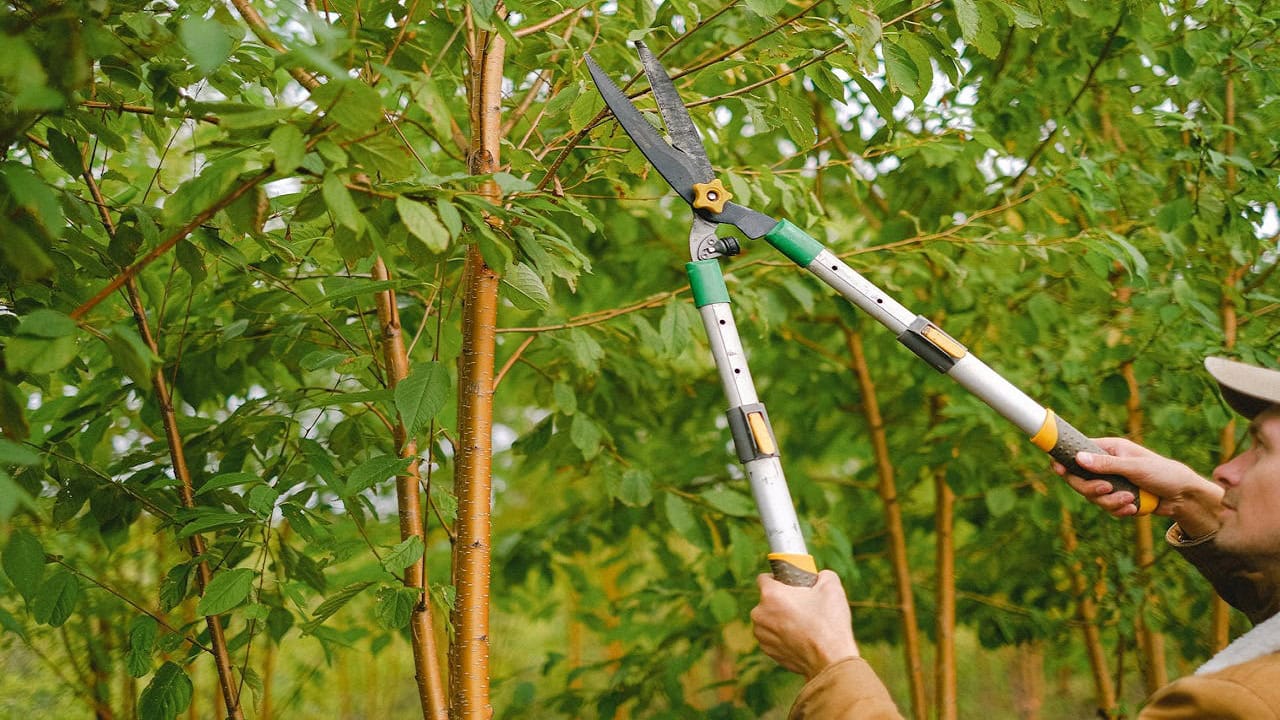
Winter weather can also damage your trees. Failing to prepare can lead to fallen branches or worse.
Before winter, have a professional trim any dead or overhanging branches. Also, consider wrapping young or delicate trees to protect them from the cold.