
A glorious flower garden can be the pride of a home, an oasis of tranquility amidst the hustle and bustle of life. But just as it takes time, effort, and knowledge to grow a lovely garden, it can be surprisingly easy to ruin one as well. Understanding what not to do can be just as important as knowing what to do. If you’re a gardening enthusiast or a novice thinking about starting a flower garden, this list of 17 ways to ruin a beautiful garden could save you from making common mistakes. So without further ado, let’s dive in!
1. Neglecting the Soil

The bedrock of a successful garden is the soil. Neglecting the soil’s health can spell disaster for your garden. Failing to understand the type of soil you have, ignoring the soil’s pH level, or not amending the soil with organic matter can lead to poor plant health.
For instance, some flowers thrive in acidic soil while others prefer alkaline conditions. Understanding your soil type can help you select the right plants or amend the soil to suit your plants. Regularly adding compost or other organic matter helps improve soil structure, boosts its nutrient content, and promotes healthy root growth.
2. Overwatering or Underwatering

Watering seems like a straightforward task, but it’s a common area where gardeners err. Both overwatering and underwatering can ruin your garden. Overwatering can lead to root rot, fungal diseases, and ultimately plant death. On the other hand, underwatering can leave your plants parched and stressed, hindering their growth.
It’s important to understand the watering needs of your plants. Some plants have high water needs, while others are drought-tolerant. Also, the soil type plays a role in watering. Sandy soils drain quickly and may need more frequent watering, while clay soils retain water longer.
3. Planting in the Wrong Location

Just as we humans have our preferred spots in the house, plants too have their favorite spots in the garden. Planting them in the wrong location can lead to poor growth or even plant death. Some plants need full sun to bloom profusely, while others need shade to thrive.
For example, roses need at least six hours of sun each day. Planting them in a shady spot can lead to fewer blooms and increased susceptibility to diseases. On the other hand, hostas prefer shade, and planting them in full sun can scorch their leaves.
4. Ignoring Pest or Disease Signs

Pests and diseases can quickly turn a beautiful garden into a plant graveyard if not addressed promptly. Ignoring the early signs of pest infestation or disease can lead to widespread damage.
For instance, aphids can multiply rapidly and suck the sap out of your plants, leading to yellow, distorted leaves. Regularly inspecting your plants and taking prompt action at the first sign of trouble can save your garden. Likewise, diseases such as powdery mildew or black spot can spread quickly and damage or kill your plants. Early detection and treatment are key to managing these issues.
5. Not Pruning or Deadheading

Pruning and deadheading are essential tasks in flower gardening, which, if neglected, can ruin your garden’s aesthetics and health. Pruning involves removing dead, diseased, or damaged branches, which helps prevent disease spread and encourages new growth. Deadheading, or removing spent flowers, encourages more blooms.
For example, roses benefit from annual pruning to maintain their shape, remove dead wood, and promote vigorous growth. Failing to prune your roses can lead to overgrown, unproductive plants. Similarly, deadheading spent blooms on plants like marigolds and geraniums can stimulate more blooms and prolong the flowering season.
6. Planting Too Close Together

Planting flowers too close together can lead to overcrowding, competing for nutrients, water, and sunlight. This competition can stress plants, leading to poor growth and increased susceptibility to diseases and pests.
For instance, planting sunflowers too close together can result in tall, leggy plants with small heads due to competition for sunlight. Giving your plants room to grow not only helps them thrive but also improves air circulation, reducing the risk of fungal diseases.
7. Not Mulching

Mulch is a gardener’s best friend. It helps retain soil moisture, suppress weeds, and improve soil health. Not using mulch can leave your soil exposed to the harsh elements, lead to water loss, and give weeds a chance to establish.
For example, a layer of organic mulch like straw or wood chips can keep the soil cool and moist in summer, reducing the need for frequent watering. Mulch also breaks down over time, adding nutrients to the soil.
8. Ignoring the Changing Seasons

Ignoring the changing seasons can be detrimental to your garden. Each season has its tasks, and neglecting them can lead to a less-than-stellar garden. Spring is for planting and mulching, summer is for watering and deadheading, fall is for cleaning and preparing for winter, and winter is for planning and ordering seeds.
For instance, neglecting to clean up fallen leaves in fall can lead to a wet, soggy mess that harbors diseases and pests. Likewise, failing to properly prepare your garden for winter can result in winter damage.
9. Over-fertilizing
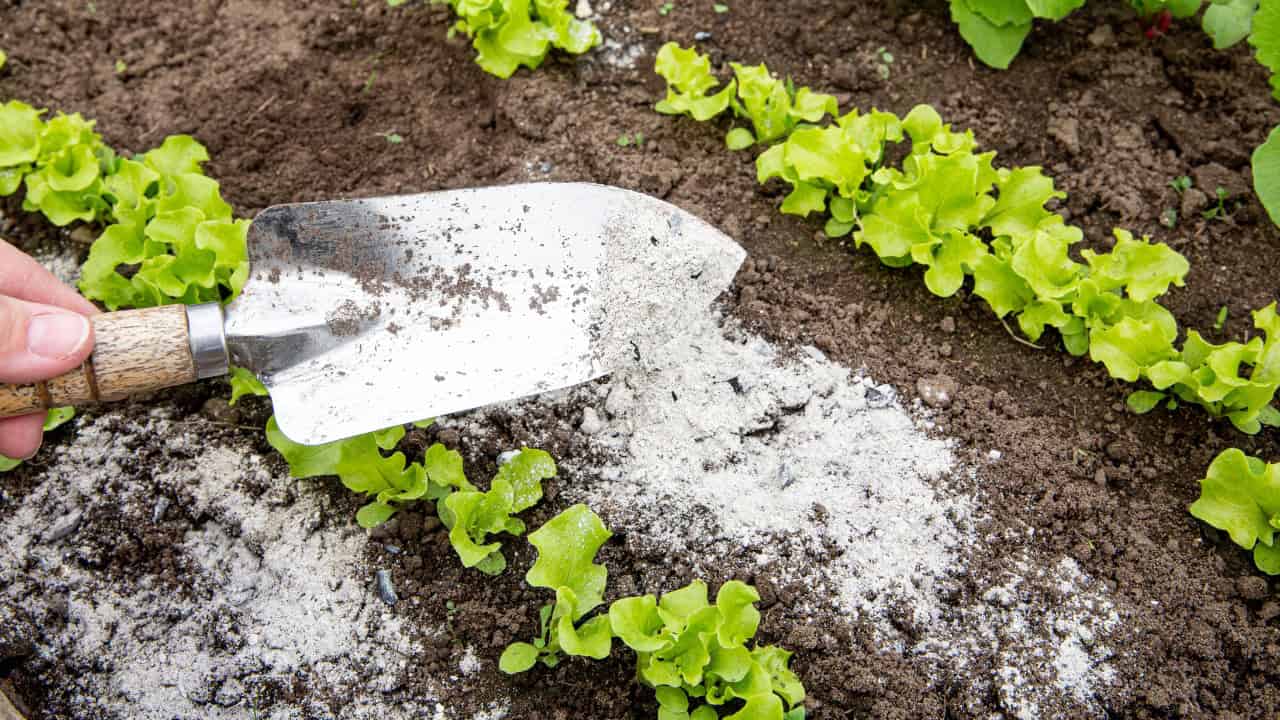
While plants need nutrients to grow, over-fertilizing can be harmful. Excessive nitrogen can lead to lush, green growth but few flowers. Too much phosphorus can harm beneficial soil organisms. Over-fertilizing can also lead to salt buildup, which can damage plant roots.
For example, over-fertilizing tomatoes can lead to lots of foliage but few fruits. It’s important to understand the nutrient needs of your plants and to apply fertilizers according to the package instructions.
10. Planting Non-native Species
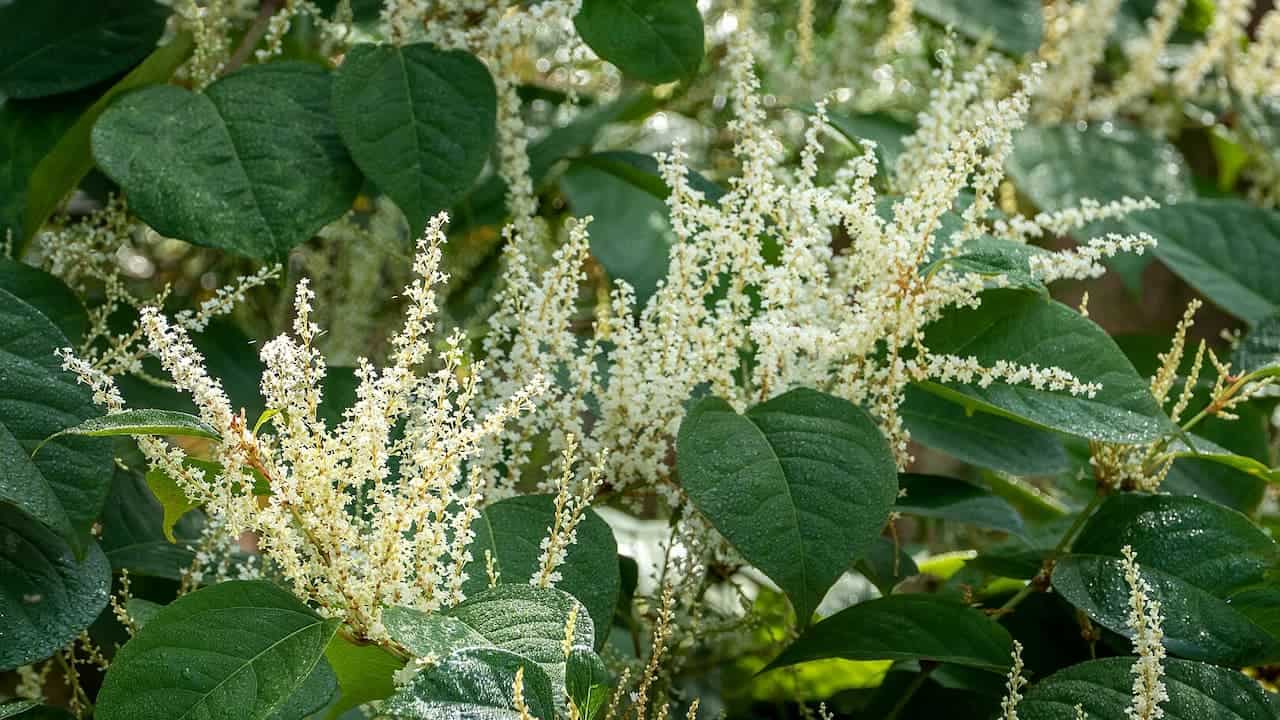
Planting non-native species can disrupt the local ecosystem and lead to poor plant performance. Non-native plants may not be adapted to the local climate and soil, leading to poor growth. They can also become invasive, outcompeting native plants.
For example, planting Japanese knotweed, a non-native plant, can lead to an invasive nightmare as this plant can spread rapidly and is difficult to eradicate. On the other hand, planting native plants like coneflowers or milkweed can support local pollinators and thrive with little care.
11. Failure to Rotate Crops
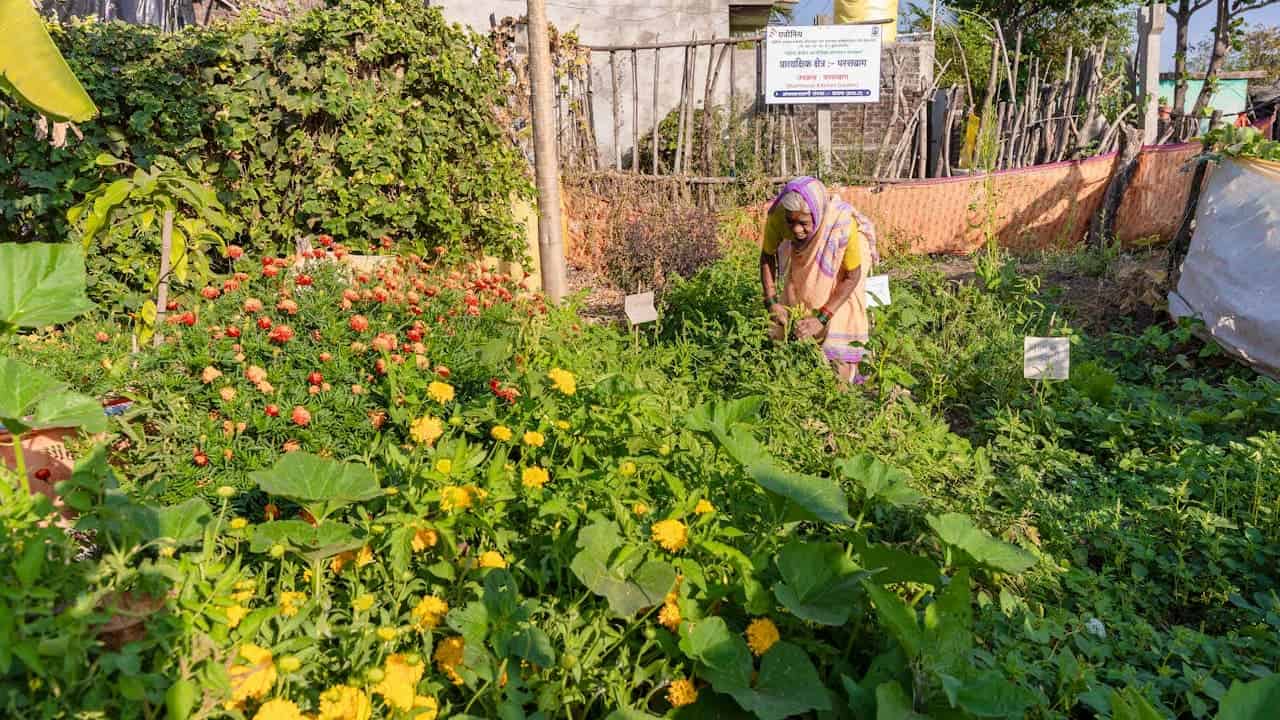
Failure to rotate crops can lead to a buildup of pests and diseases in the soil. Crop rotation involves changing the location of specific plants each year to disrupt the life cycles of pests and diseases and improve soil health.
For instance, planting tomatoes in the same spot year after year can lead to a buildup of soil-borne diseases like tomato blight. Rotating your crops can help keep your soil healthy and your plants disease-free.
12. Not Preparing for Wildlife

While wildlife can be a wonderful addition to the garden, some animals can cause damage. Not preparing for wildlife like deer, rabbits, or squirrels can leave your garden vulnerable to their feasting.
For example, deer love to munch on roses, and without proper protection like fencing or deer-resistant plants, you could wake up to a garden stripped of its blooms. A little planning can help coexist with local wildlife while protecting your garden.
13. Planting Invasive Species

Planting invasive species can quickly turn your garden into a jungle, overtaking native plants and disrupting ecosystems. Invasive plants spread rapidly and can be difficult to control.
For instance, planting English ivy might seem like a good idea for a fast-growing ground cover, but this plant can quickly get out of hand, climbing trees and buildings and smothering other plants. It’s best to research plants before planting and avoid known invasive species.
14. Not Considering Plant Height and Spread

Not considering the mature height and spread of plants can lead to overcrowding, shading of smaller plants, and an overall unbalanced garden design.
For example, planting a sunflower in front of a row of marigolds would result in the marigolds being shaded out as the sunflower reaches its mature height. Always consider the height and spread of plants when planning your garden.
15. Forgetting about Pollinators

Forgetting about pollinators when planning your garden can lead to fewer blooms and a less productive garden. Pollinators like bees, butterflies, and hummingbirds help plants reproduce by moving pollen from one flower to another.
For example, planting a variety of nectar and pollen-rich flowers can attract pollinators to your garden, increasing its productivity and supporting local wildlife. Including plants like butterfly bush, bee balm, and zinnias can provide a feast for these beneficial creatures.
16. Ignoring the Future Growth of Trees
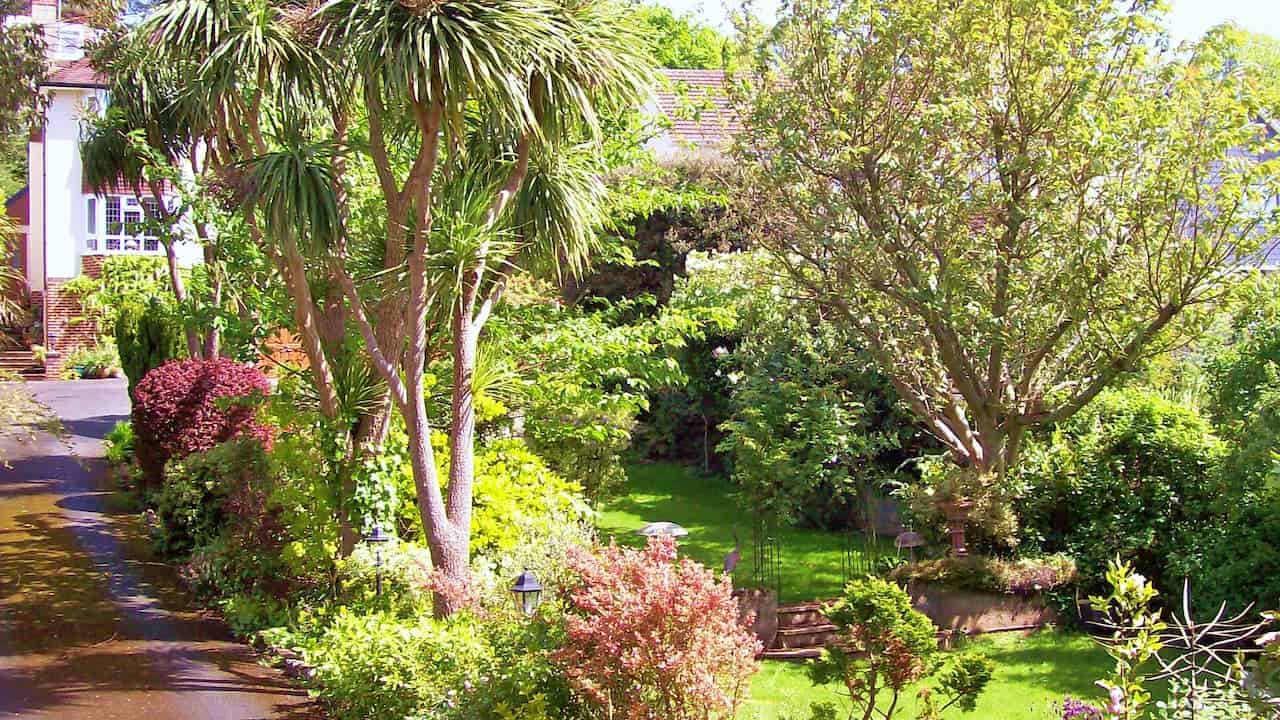
Ignoring the future growth of trees when planting your garden can lead to problems down the road. As trees grow, they can cast shade on sun-loving plants, their roots can compete with other plants for water and nutrients, and falling leaves can smother smaller plants.
For example, planting a rose garden under a young maple tree might work initially, but as the tree grows, the roses may struggle with the increased shade and competition from tree roots. It’s important to consider the mature size of trees when planning your garden.
17. Not Enjoying the Process

Gustavo Fring/Pexels.
Lastly, not enjoying the process of gardening can take a toll on your garden. Gardening is meant to be a joyous activity, a way to connect with nature and find peace. If it becomes a chore, the garden may suffer.
Remember, a garden is not just about the end result, but also about the journey. Take time to enjoy each step, from planning to planting to nurturing and eventually, harvesting or appreciating the blooms. A garden grown with love and joy is always more beautiful!

