When it comes to garden storage, it’s easy to accumulate items that take up valuable space but rarely get used. You might find yourself wondering which tools or accessories are truly necessary and which ones are just cluttering your area.
Knowing which items are actually useless in your garden storage can help you free up space and keep your tools more organized and accessible. Clearing out unnecessary items means you can focus on what really matters for your gardening tasks.
Advertisement
Expired seed packets
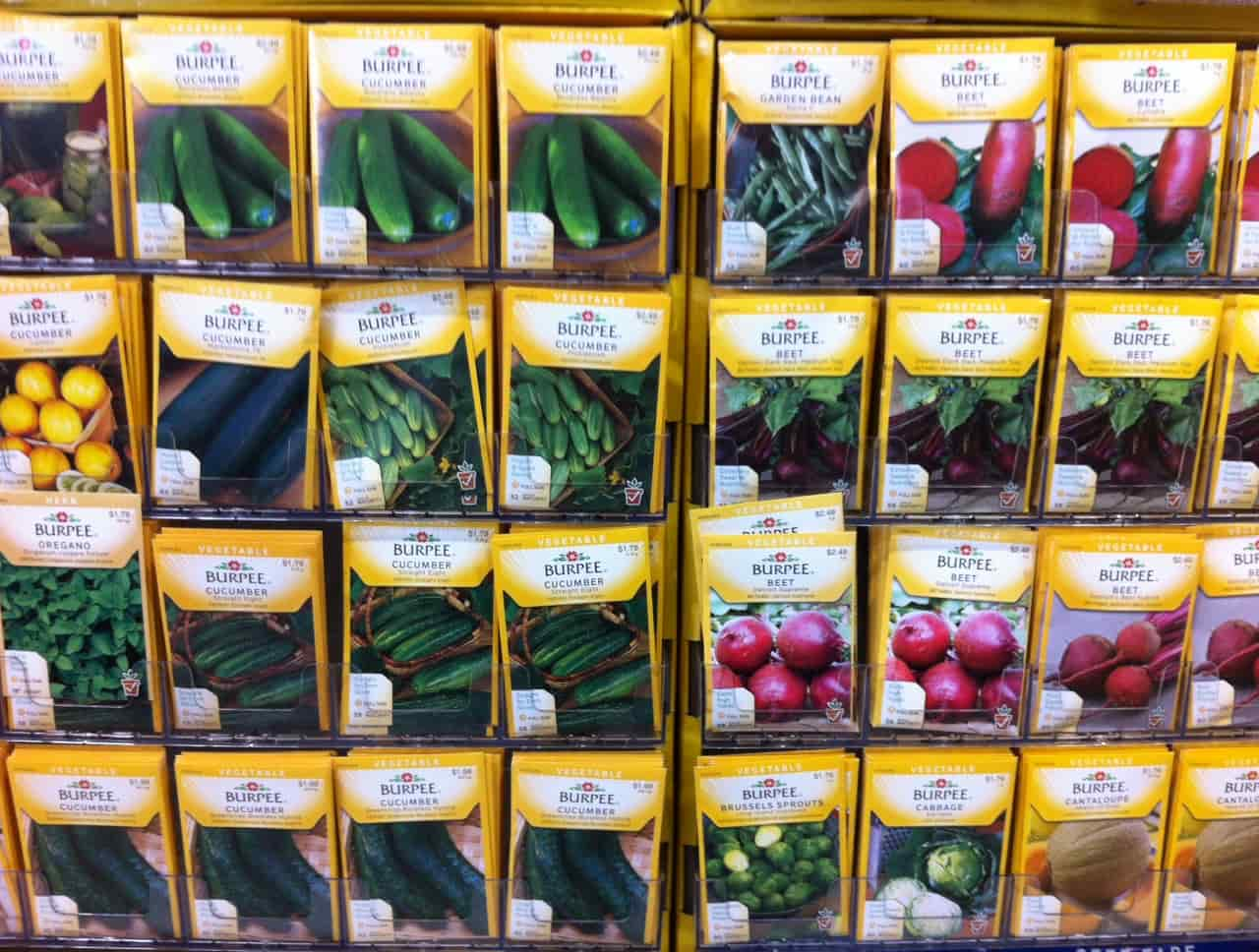
You might have seed packets in your garden storage that are long past their prime. While seeds do lose viability over time, they don’t become harmful or useless immediately.
If you’re unsure, you can test old seeds by planting a few to see if they sprout. Keeping seeds cool, dry, and dark helps extend their life. Still, holding onto many expired packets can clutter your space without much benefit.
Dried out plant markers

You might have plant markers that no longer show the names clearly because the ink has faded or dried out. These markers can clutter your storage without serving their purpose.
Instead of keeping old, unusable markers, swap them for durable ones or use upcycling ideas to make new labels. This helps keep your garden organized and your storage space free.
Cracked plastic pots
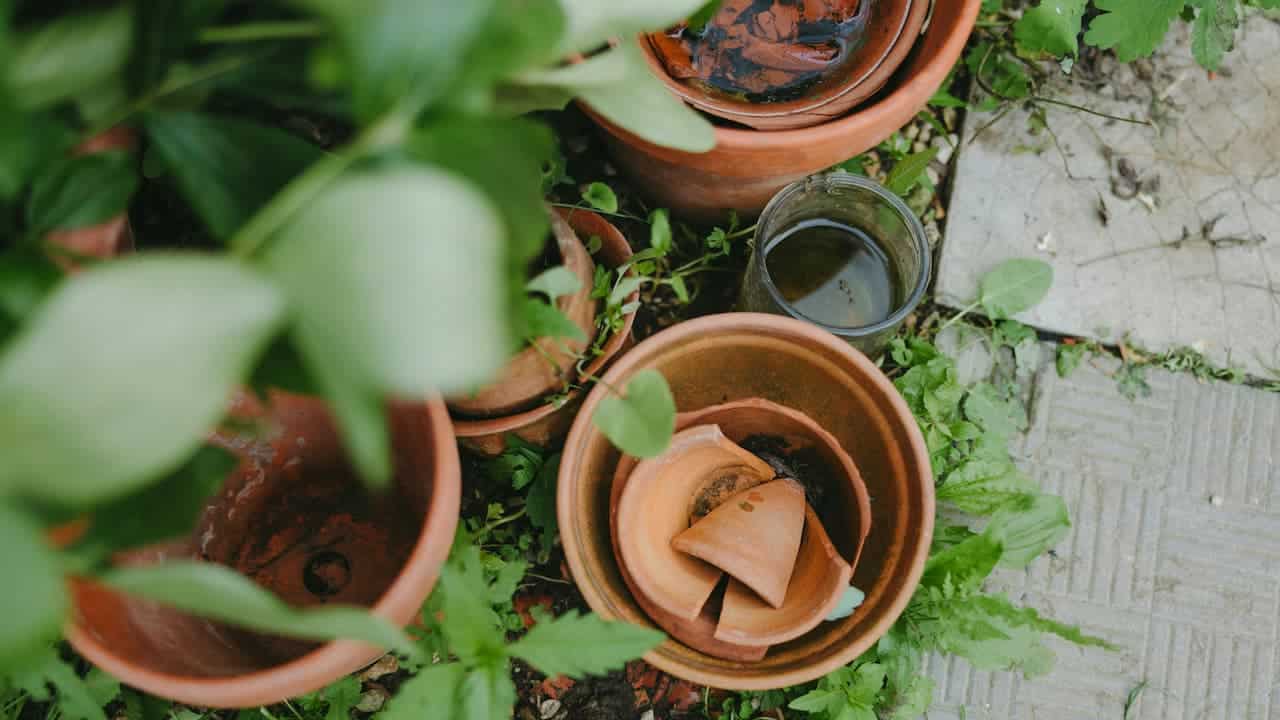
Cracked plastic pots are one of those items you probably keep but rarely reuse. They can break easily and don’t hold soil or water well anymore.
You might think they’re harmless, but they can create a mess or cause injury with sharp edges. Recycling them properly or returning them to garden centers is usually a better option.
If you must repair, a strong glue can work temporarily, but often it’s more trouble than it’s worth.
Rusty garden tools

Rusty tools take up space but rarely get used. If your tools are rusty, they become harder to handle and less effective in your garden.
You can clean them with simple items like vinegar or salt, then scrub off the rust. Keeping tools dry after use helps prevent rust from forming.
Consider tossing tools beyond repair to free up storage and make room for items you actually use.
Empty plastic bottles
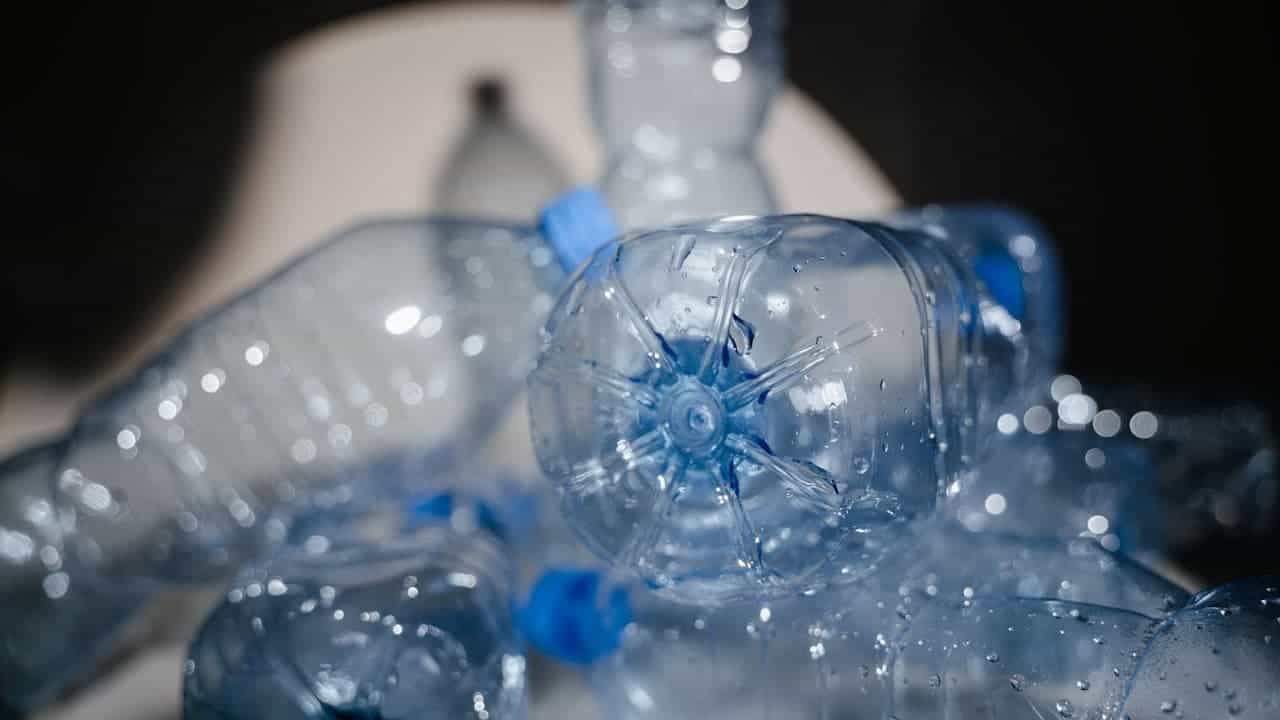
You probably have a bunch of empty plastic bottles taking up space in your garden shed. They often pile up because you think you might reuse them someday.
In reality, these bottles rarely get used for gardening tasks and just clutter your storage. Consider recycling them to free up room and keep your space tidy.
If you want, keep a few for specific purposes, but avoid stockpiling large amounts that just collect dust.
Torn gardening gloves
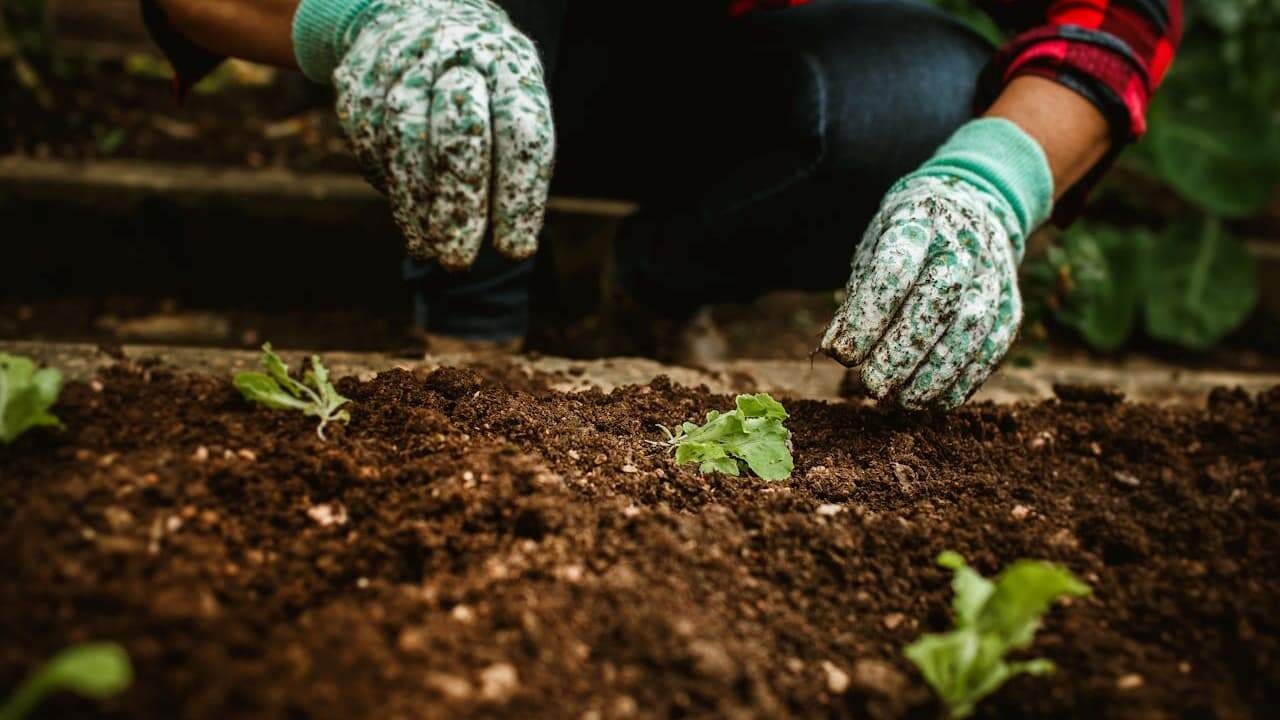
Torn gardening gloves can quickly become useless in your garden shed. Once the material rips, they lose protection and comfort, making tasks harder and riskier.
You might be tempted to keep them, but damaged gloves won’t shield your hands from thorns or dirt. It’s often better to replace them than hold on to worn-out pairs.
Broken watering cans
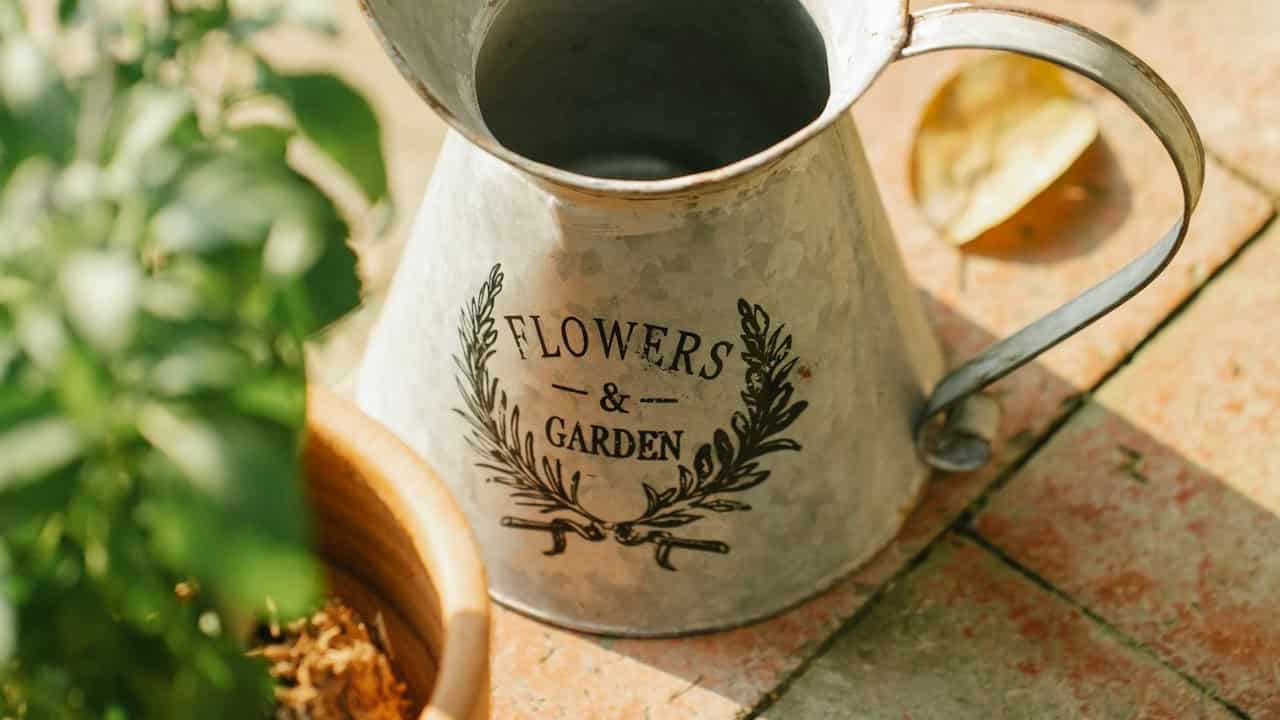
You probably have a watering can that’s cracked or leaking. These broken cans take up space but don’t do the job well. Instead of keeping damaged cans, consider repairing small cracks or recycling them if you can’t fix them.
Having a few functional watering cans is enough. Clearing out the broken ones frees up storage and makes your garden tasks easier.
Stale potting soil bags

You might have potting soil bags tucked away that haven’t been used for years. Over time, soil can lose nutrients and become compacted, making it less effective for planting.
However, stale soil isn’t always useless. You can refresh it by mixing in compost or fresh soil to improve its texture and nutrient content.
If it smells bad or has mold, it’s better to discard it. Otherwise, give it a little boost before your next gardening project.
Moldy garden fabric
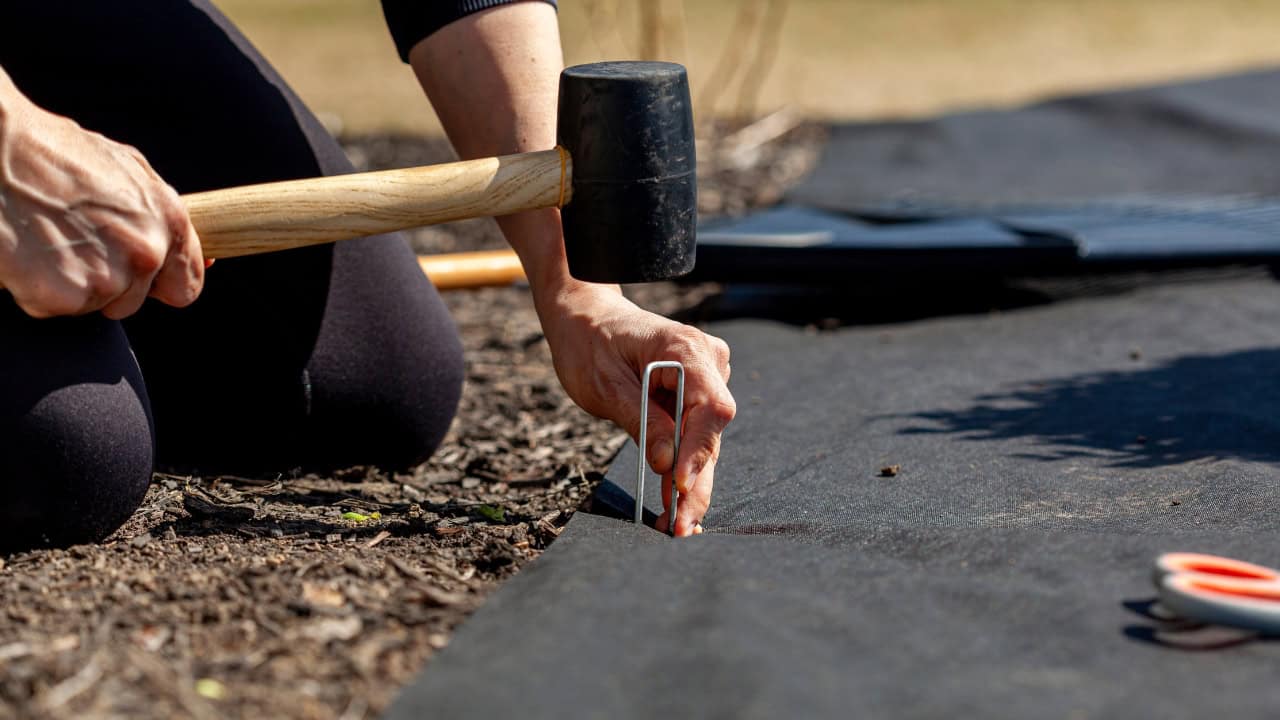
If you store garden fabric damp or in a poorly ventilated space, mold can quickly develop. The fabric holds moisture and doesn’t dry out well, creating the perfect environment for mold growth.
You’ll want to keep your fabric dry and store it somewhere with good airflow. This helps prevent mold from taking over and ruining the material.
Checking your fabric regularly and letting it air out can stop mold before it spreads. Moldy fabric is not only unpleasant but can also affect your plants later on.
Old plant fertilizer containers

You might have old fertilizer containers taking up space in your garden shed. These often end up empty but stick around because you think you might need them again.
However, once they’re empty, they usually don’t serve much purpose and can become clutter. You can recycle or properly dispose of them to free up room for tools or seeds you actually use.
Unused seedling trays

You might have several seedling trays tucked away, taking up space but rarely used. These trays can pile up over time, especially if you switch planting methods or forget about starting seeds indoors.
If your trays are still clean and intact, consider repurposing or donating them. Otherwise, they just add unnecessary bulk to your garden storage, making it harder to find tools you actually use.
Bent pruning shears

If your pruning shears have bent blades, they won’t cut properly and can make gardening more frustrating. You might be tempted to keep them, but bent shears usually don’t improve with simple fixes.
Straightening blades requires tools or professional help, which adds extra hassle. It’s often better to replace them with a fresh, sharp pair designed for durability. This frees up storage space and gives you better cutting results.
Outdated garden magazines
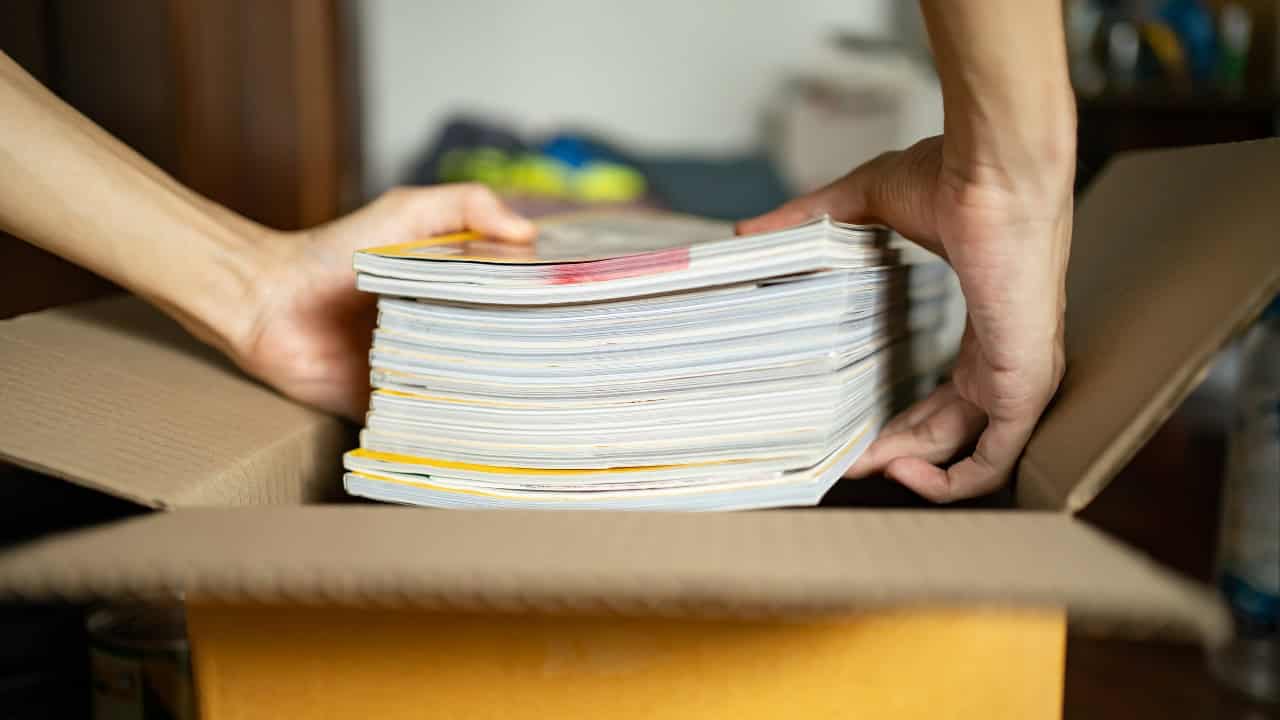
You might find old garden magazines tucked away in your storage, but they often take up space without offering much practical use. While some vintage issues have nostalgic value, the gardening advice inside can be outdated or no longer relevant.
Keeping stacks of these magazines can clutter your space. Consider recycling them or digitizing favorite articles to save room and keep your garden storage tidy.
Empty pesticide cans

KnF Supplies/ebay.
You might think empty pesticide cans are safe to toss into storage. However, they often still contain small pesticide residues. These containers should be triple rinsed before storing or disposal. Leaving them as-is takes up space and poses safety risks.
Keep your garden safe by properly rinsing and labeling any empty pesticide cans you keep. It helps your storage stay organized and secure.
Weather-beaten garden signs

You might have a few old garden signs that have seen better days. Their faded paint and worn wood can make them blend into the background, serving little purpose.
While they add some charm, these signs often end up just taking space in your storage. Consider whether you really need them or if it’s time to let them go.
Dried-out twine rolls

You might find old twine rolls tucked away in your garden shed. Over time, they dry out and become brittle, making them hard to use.
If your twine snaps easily or crumbles in your hands, it’s time to toss it. Keeping fresh twine is more useful than holding onto these useless dried-out rolls. They only take up space you could use for better tools.
Non-working garden lights

You probably have a few garden lights that don’t turn on anymore. Solar lights can fail if the batteries die or the solar cells get damaged over time.
Sometimes, only some lights in a pack stop working, creating clutter in your storage. If you notice the solar covers are dull, a bit of clear nail polish might help restore them temporarily.
If fixing them feels like a hassle, it might be time to clear them out to free up space.