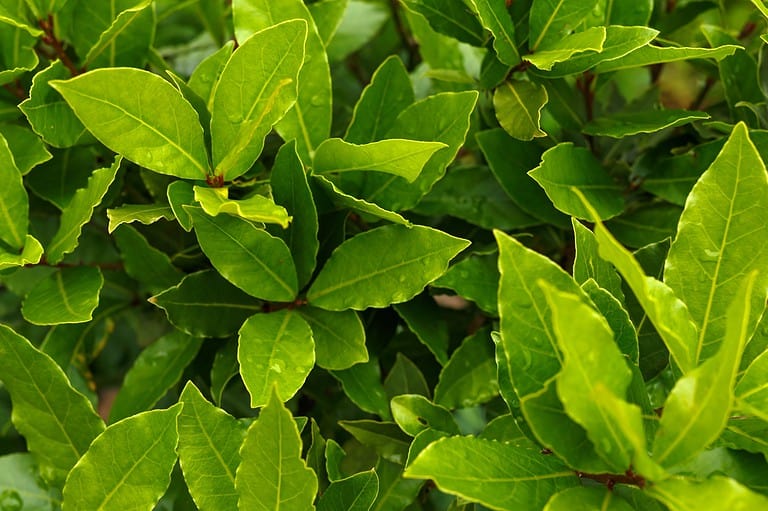
Maintaining a garden can be time-consuming, especially if you want it to look great without constant effort. Finding ways to simplify your yard work can help you enjoy your outdoor space more and stress less about upkeep.
You’ll discover practical ideas that make garden care easier and save you time. These ideas focus on creating attractive, manageable spaces that fit your lifestyle without overwhelming your schedule.
Advertisement
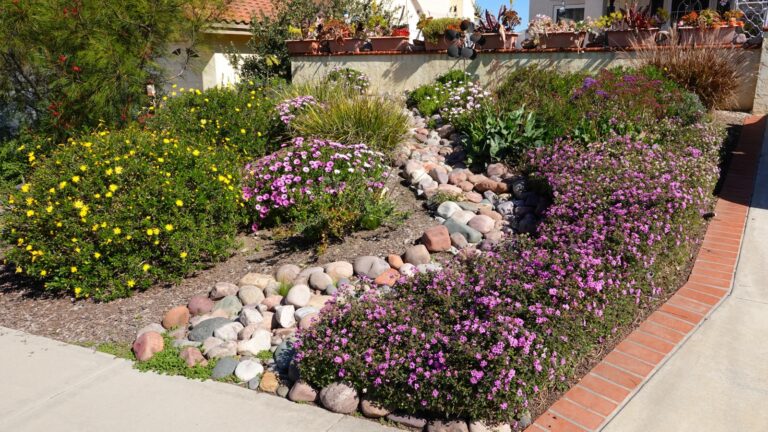
Use native plants to minimize watering and soil care

Using native plants in your garden helps reduce the need for extra watering. These plants are adapted to your local climate and soil, so they thrive with less attention.
Native plants also improve soil health by increasing water retention and reducing erosion. This means you spend less time fixing soil problems and more time enjoying your garden.
Install an automated drip irrigation system
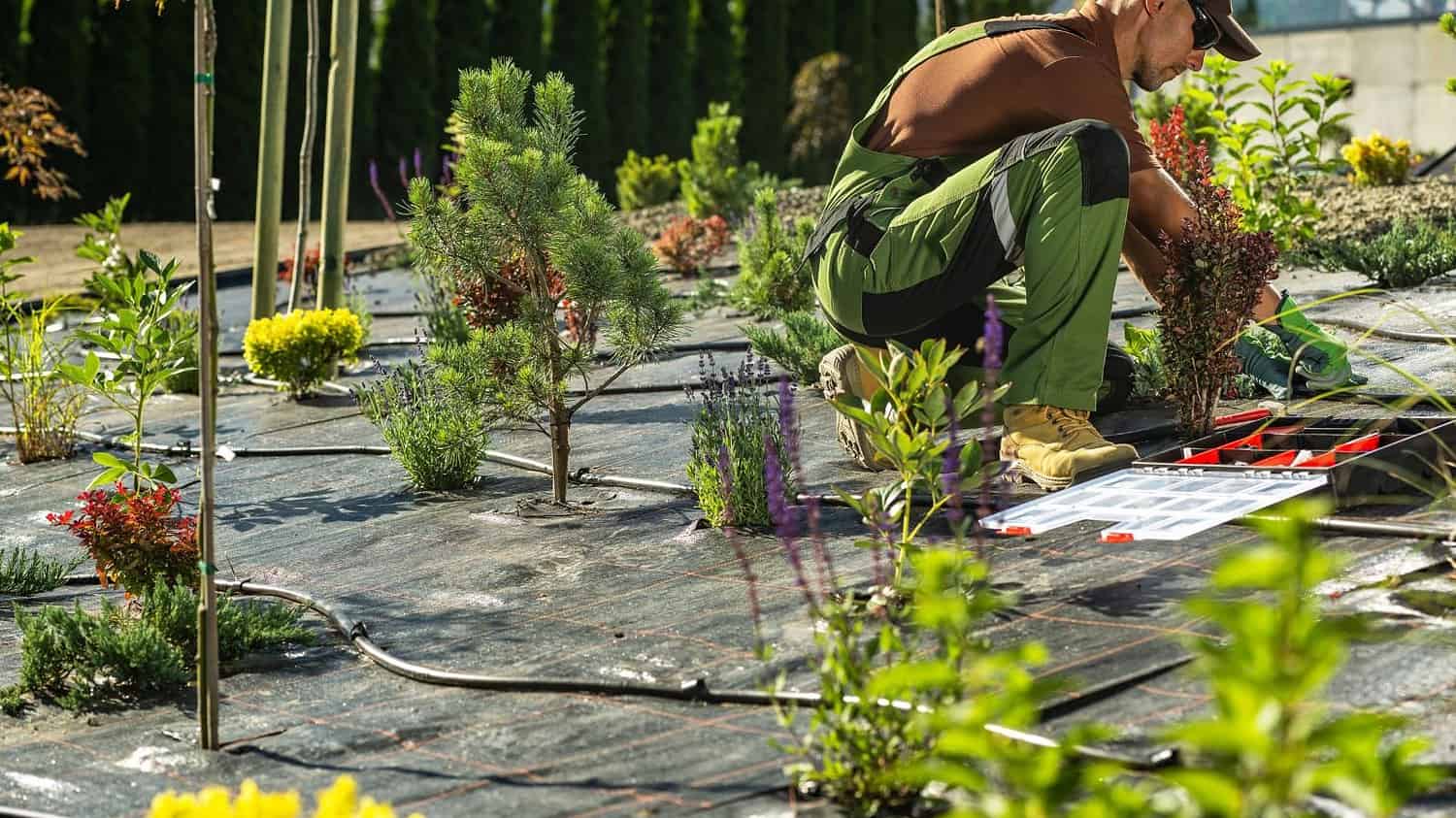
You can save time and water by installing an automated drip irrigation system. It delivers water directly to your plants’ roots, reducing waste and keeping soil evenly moist.
Setting up the system is simple, and many kits connect easily to garden hoses. Once installed, it waters your garden on a schedule, so you don’t need to hand water every day.
This system works well in raised beds, planters, and vegetable gardens, helping your plants stay healthy with less effort.
Plant low-maintenance shrubs like boxwood or lavender
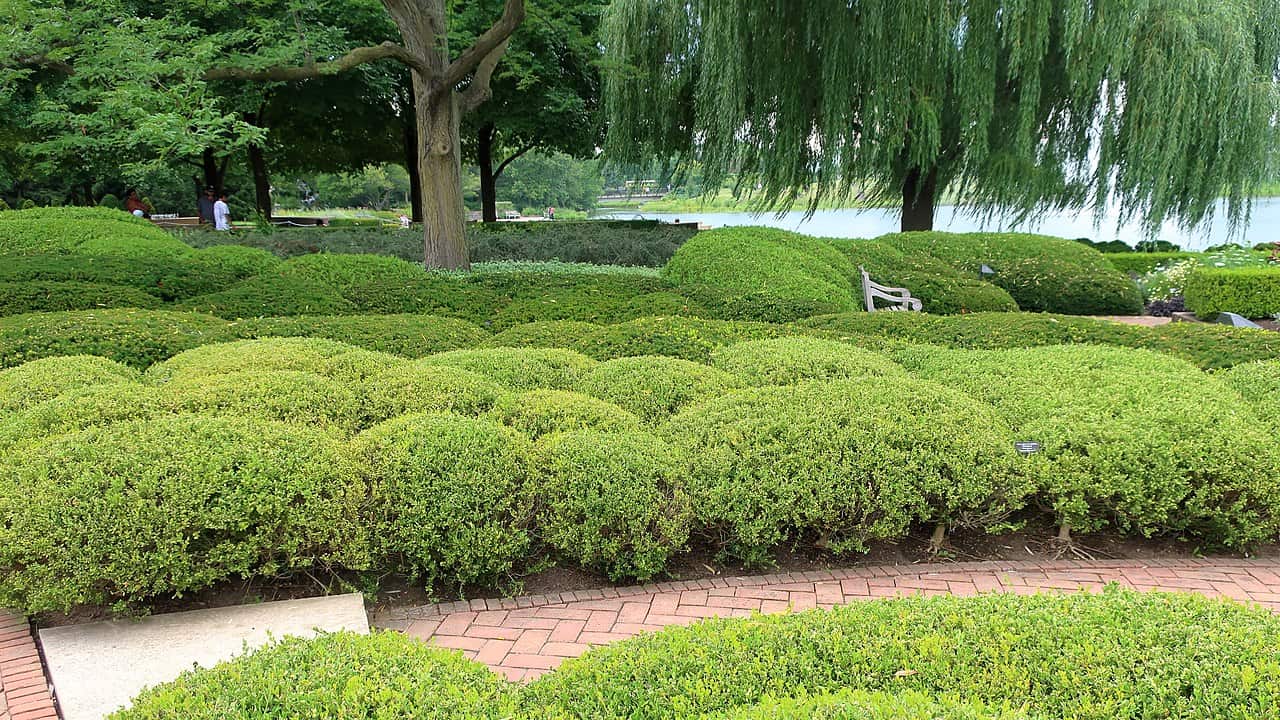
You can add structure to your garden with boxwood, a classic evergreen shrub. It stays green year-round and requires minimal pruning.
Lavender is another great option. It’s fragrant and drought-tolerant, which helps cut down on watering.
For smaller spaces, try compact lavender varieties like ‘Munstead.’ Both plants give your garden a tidy look without much effort.
Create raised beds for easier access and less weeding
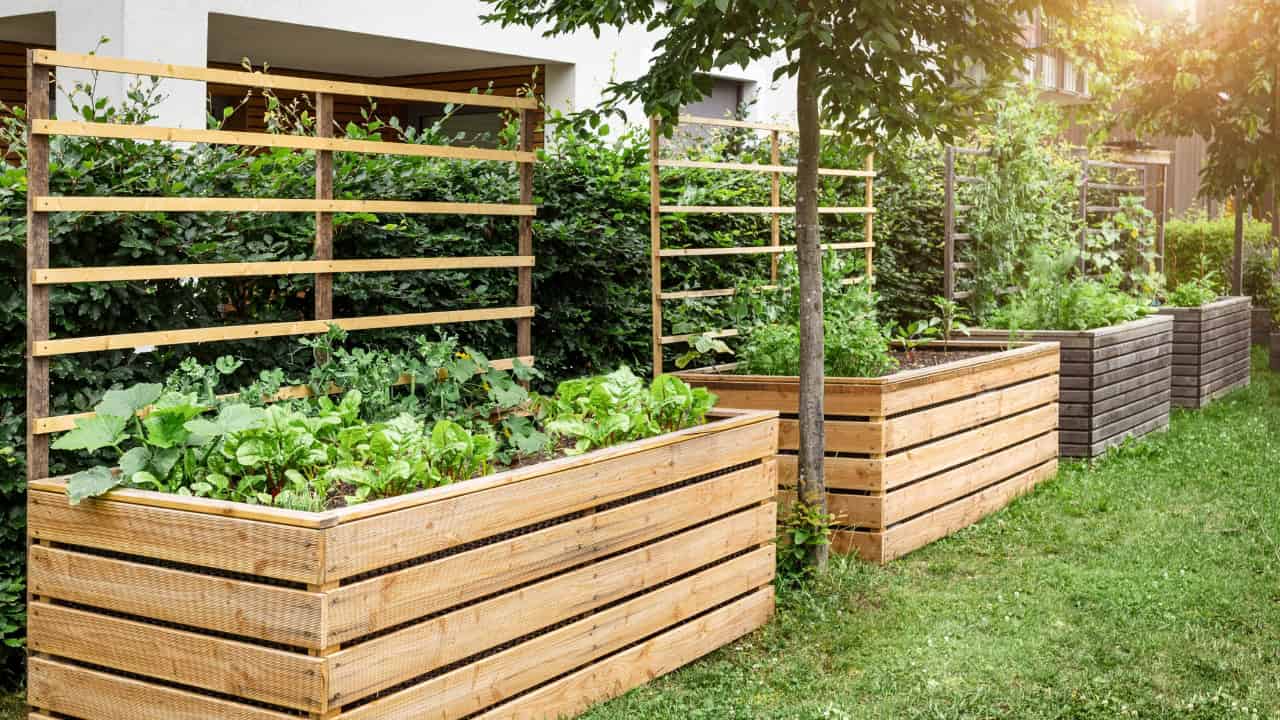
Raised beds lift your garden off the ground, making it easier to reach plants without bending too much. This reduces strain on your back and saves time when tending to your garden.
They also help keep weeds down by defining clear planting areas and improving soil drainage. With better soil control, your plants can grow stronger and healthier.
Building raised beds can be simple and affordable, even using recycled materials or inexpensive wood.
Use large containers to reduce frequent watering needs
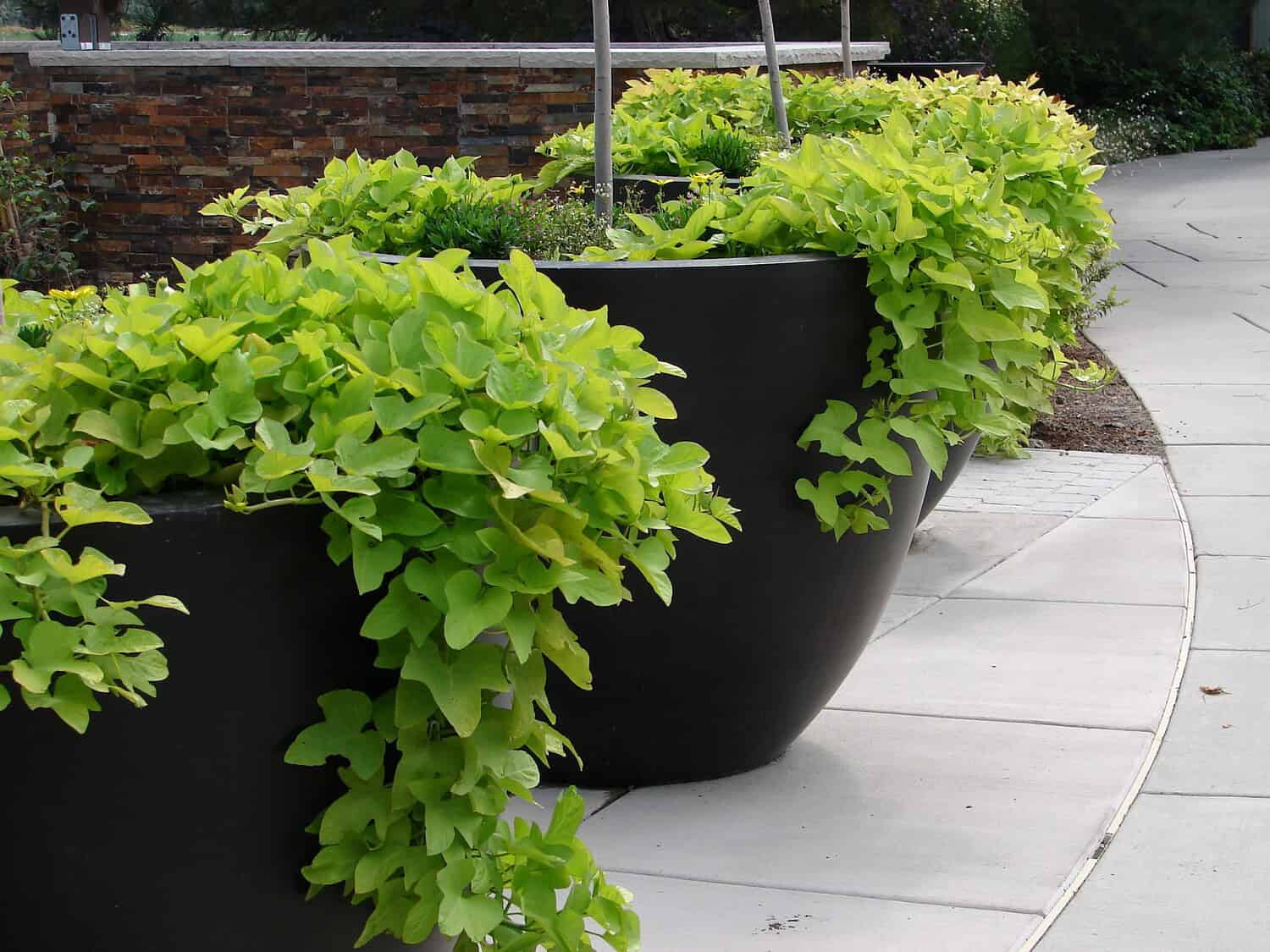
Using large containers for your plants helps hold more soil and water. This means you won’t need to water as often.
Bigger containers also allow roots to spread out better. Your plants stay healthier and use water more efficiently.
Choose containers that fit your space but give enough room for growth. This simple change saves you time and effort in garden care.
Mulch heavily with wood chips or bark to suppress weeds
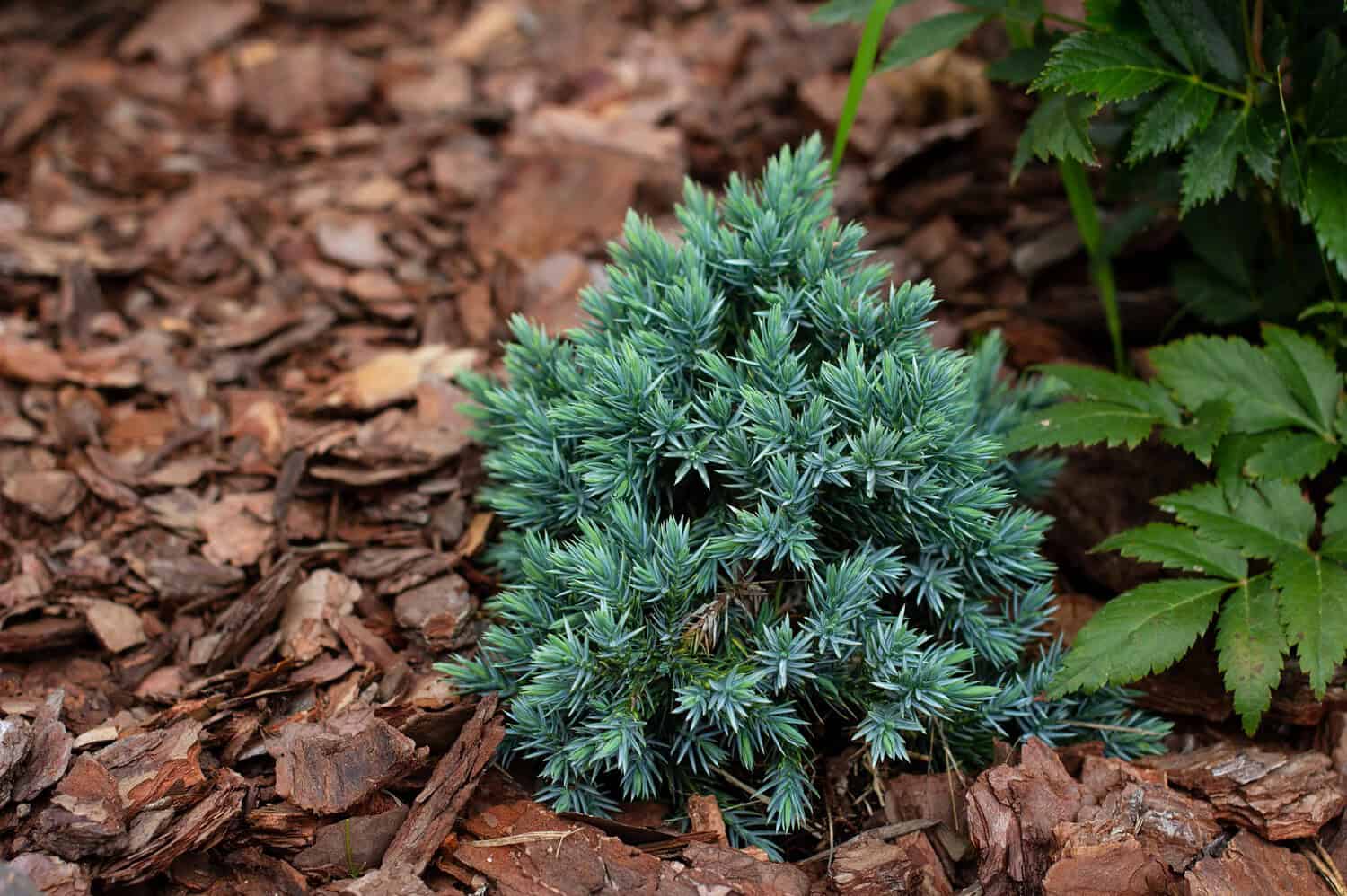
You can reduce weeding by applying a thick layer of wood chips or bark mulch. Aim for at least 4 to 7 inches to block sunlight and prevent weed seeds from sprouting.
Using arborist wood chips or shredded bark works better than decorative bark, as they break down more slowly. Mulching also helps keep soil moist, which means you’ll water less often.
Incorporate self-propagating plants like bromeliads

You can simplify your garden care by adding bromeliads, which are low-maintenance and self-propagate easily. These plants produce offsets, or “pups,” that grow into new plants without much effort.
Bromeliads thrive in various conditions and add an interesting visual texture to your garden. They need minimal watering and can brighten shady spots. Including them helps you enjoy a fuller garden with less work.
Replace traditional lawns with ground covers such as clover

If you want a low-maintenance lawn, try replacing grass with clover. Clover needs less water and mowing than regular grass.
It also helps your soil by adding nitrogen naturally, which means you use fewer fertilizers. Plus, clover stays green longer through dry spells.
Using clover as a ground cover can give your garden a fresh look while cutting down your garden chores. It’s a simple switch that benefits both you and the environment.
Add wooden decks or composite patios to cut down grassy areas

You can reduce the amount of grass you need to maintain by adding wooden decks or composite patios. These surfaces provide durable, low-maintenance areas where you can relax or entertain.
Using composite materials means less upkeep than traditional wood. You also have design flexibility with shapes and finishes that fit your yard. This way, you keep greenery in smaller, easier-to-manage spots.
Choose drought-tolerant perennials like sedum and yarrow
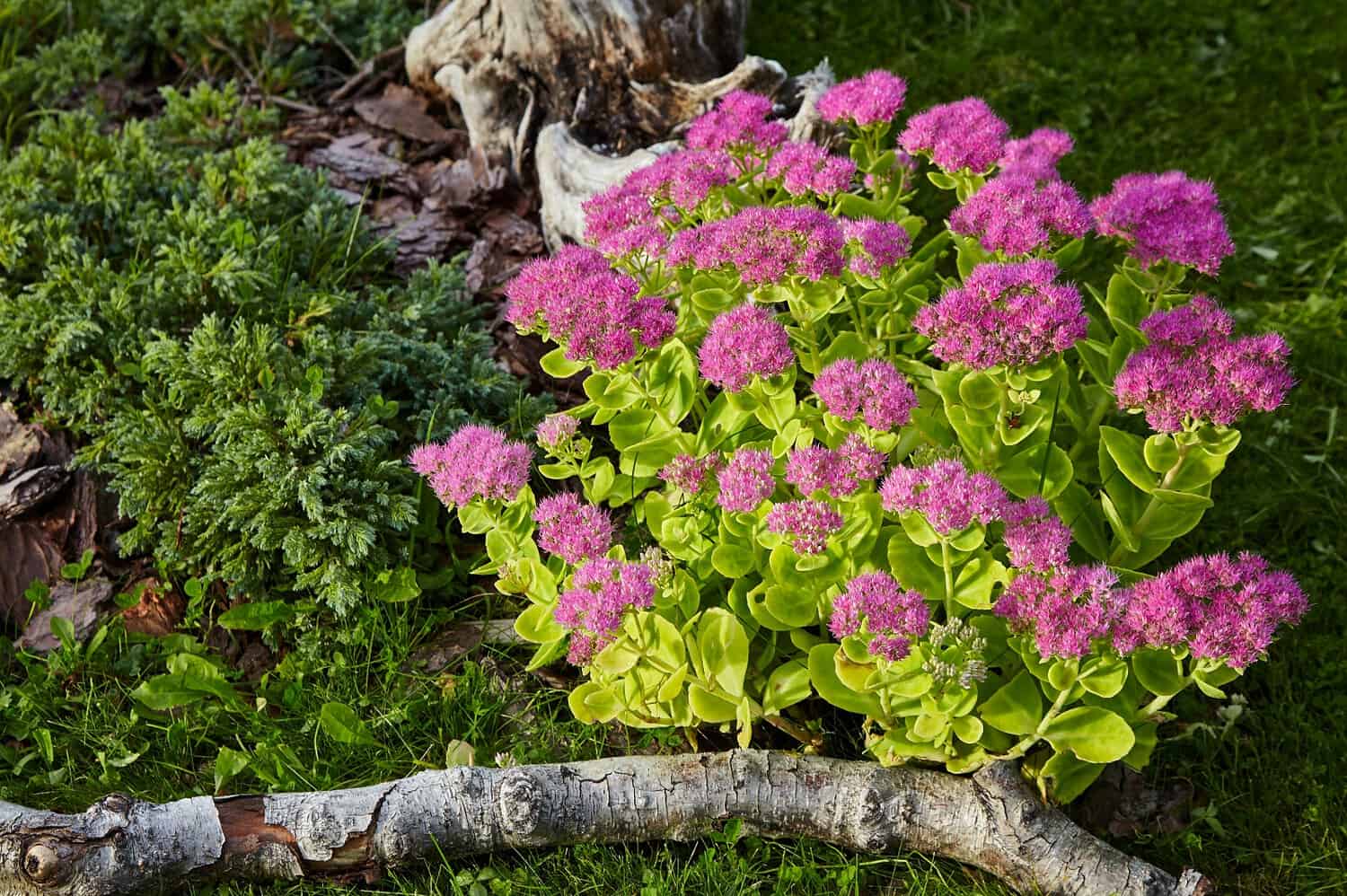
You can cut down on garden watering by picking drought-tolerant perennials. Sedum stores water in its thick leaves, making it a low-maintenance option for dry spots. Yarrow is tough and thrives with minimal water, adding color without much fuss.
These plants are also great for hot summers and poor soil. By choosing them, you make your garden easier to care for while still enjoying beautiful blooms.
Group plants by water requirements for efficient irrigation

You can save time and water by grouping plants with similar water needs together. This helps you avoid overwatering some plants while underwatering others.
Creating these “hydrozones” makes your irrigation system more efficient. It delivers the right amount of water to each plant type, keeping your garden healthy and reducing water waste.
Try grouping drought-tolerant plants like succulents separately from moisture-loving flowers. This way, your watering routine suits each group’s needs perfectly.
Opt for vegetable plug plants for faster, healthier growth

You can save time by choosing vegetable plug plants instead of starting from seeds. These young plants are already established, giving your garden a head start.
Plug plants adapt quickly when transplanted, helping you avoid the delicate seedling phase. This means fewer worries about pests or weather-related damage early on.
Using plugs also helps you achieve a uniform garden look and promotes consistent growth. Your veggies will be stronger and ready to thrive with less effort.
Limit the number of different plant species to simplify care
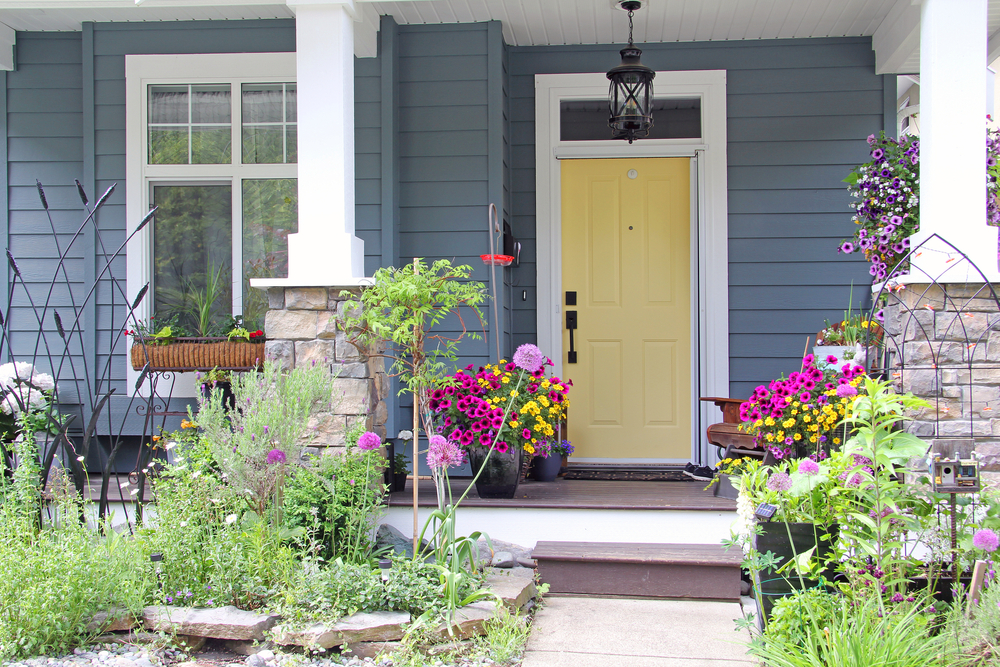
When you reduce the variety of plants in your garden, you make maintenance much easier. Fewer species mean less time learning individual water, sunlight, and soil needs.
Choosing plants with similar care requirements helps you streamline watering and feeding routines. It also reduces the chance of pests and diseases spreading between different plants.
Sticking to a limited selection allows you to focus more on enjoying your garden and less on daily upkeep.
Use gift-worthy, award-winning plants that are guaranteed hardy
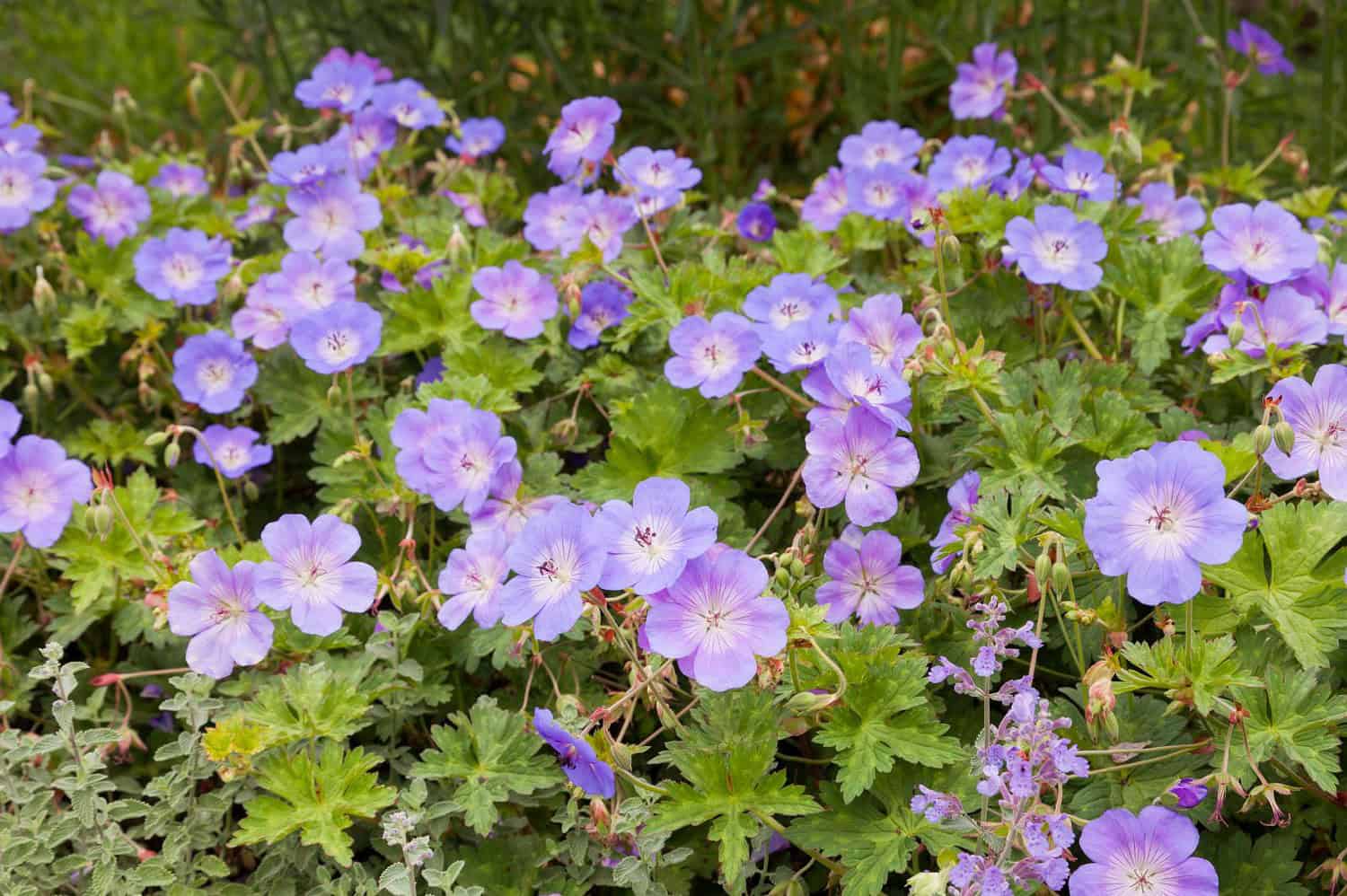
Choose plants known for their resilience and low care needs to save time and effort. Award-winning varieties are often tested for hardiness, making them reliable choices for your garden.
These plants also make thoughtful gifts for fellow gardeners. They thrive in diverse conditions, so you won’t have to worry much about special treatment.
Include evergreen shrubs that require minimal pruning
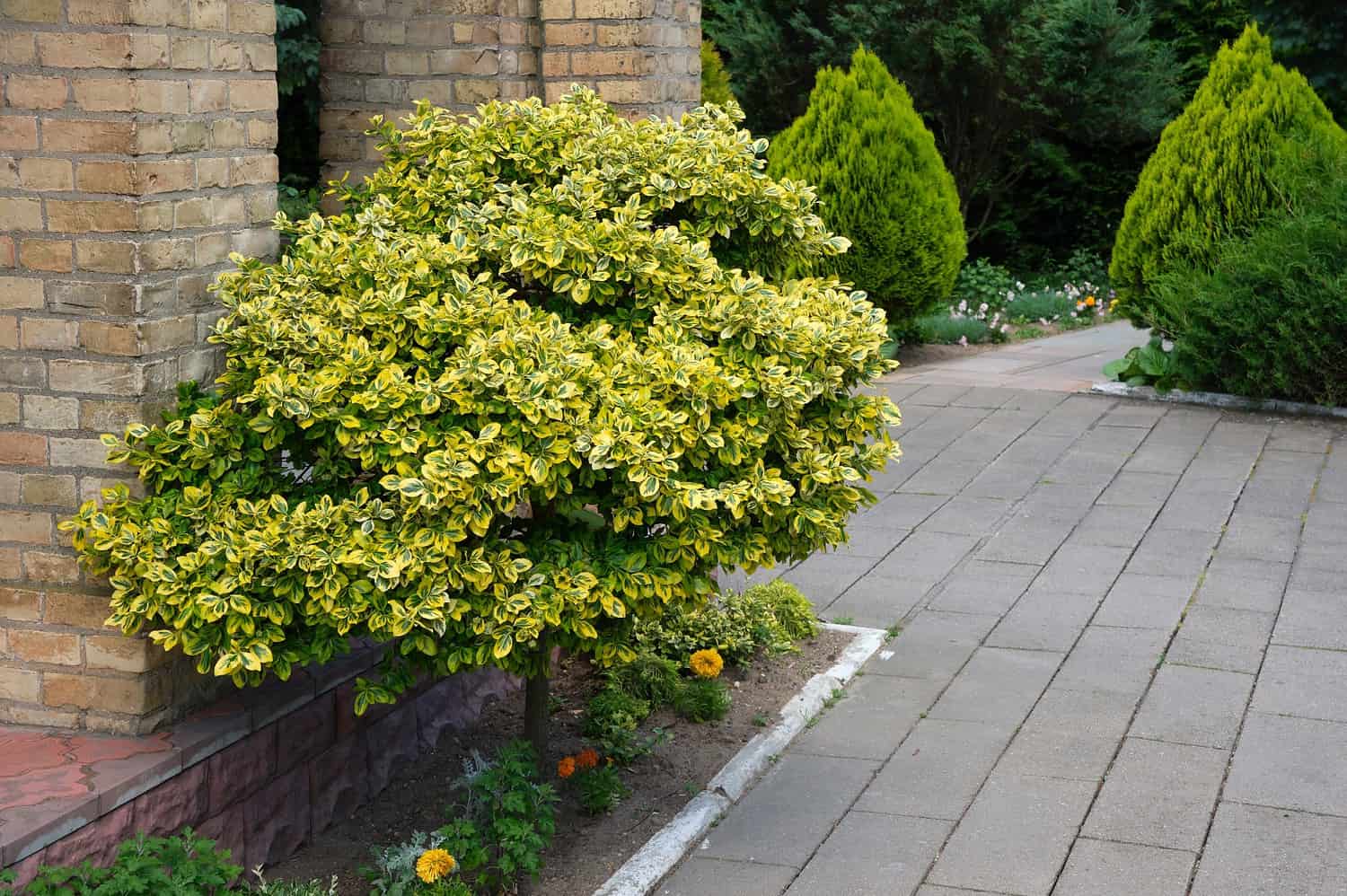
Evergreen shrubs like boxwood, yew, and juniper are great for keeping your garden looking fresh year-round without much effort. These plants need only occasional tip pruning to maintain a tidy shape.
Choosing low-maintenance evergreens means less time spent trimming and more time enjoying your garden. They also provide consistent greenery, even in colder seasons.
Plant fruit bushes like blueberries for low maintenance yield

You can add fruit bushes like blueberries to your garden for a simple, low-maintenance harvest. Blueberries thrive best in acidic soil with a pH between 4.0 and 5.0, so testing your soil helps.
These bushes don’t need much attention once established, just occasional watering and mulching. Plus, they attract helpful insects when planted near companion plants like borage, which also supports garden health.
Apply cardboard under mulch to kill existing weeds naturally

You can place cardboard directly on top of weeds or grass to block sunlight. This helps kill existing growth without using chemicals.
Cover the cardboard with a 2 to 4-inch layer of mulch to keep it in place. The mulch also retains moisture and improves soil conditions.
Over time, the cardboard breaks down, enriching your soil. This method reduces the effort needed for weeding and helps you maintain a cleaner garden bed.