Growing your own food indoors is not only sustainable and eco-friendly, but it can also be a rewarding hobby. As urbanization continues to reduce outdoor spaces, indoor farming is becoming increasingly popular. However, just like any other gardening activity, it has its fair share of dos and don’ts. If you want to get the best out of your indoor garden, you need to know what to avoid.
We’ve put together a list of 17 things to avoid when growing food indoors.
Advertisement
1. Ignoring the Importance of Light

Indoor plants need sufficient light for photosynthesis. Without it, they will fail to produce the food they need to grow. It’s important to understand the light requirements of each plant species you choose to grow, as different plants have different light needs. For example, leafy greens and herbs can thrive in low light, while fruiting plants like tomatoes need much more.
In general, south-facing windows can provide the most light, but if this isn’t an option, you can supplement natural light with grow lights. There are many affordable LED grow lights on the market that can provide a full spectrum of light.
2. Overwatering

Overwatering is one of the most common mistakes people make when growing plants indoors. Plants need water, but too much can lead to root rot and other fungal diseases. The trick is to understand the watering needs of different plants and adjust accordingly.
A good rule of thumb is to water your plants when the top inch of soil is dry. However, this can vary depending on the plant species, the size of the pot, and the environment. For instance, a small pot in a dry, hot room will need watering more frequently than a large pot in a cool, damp room.
3. Poor Humidity Control
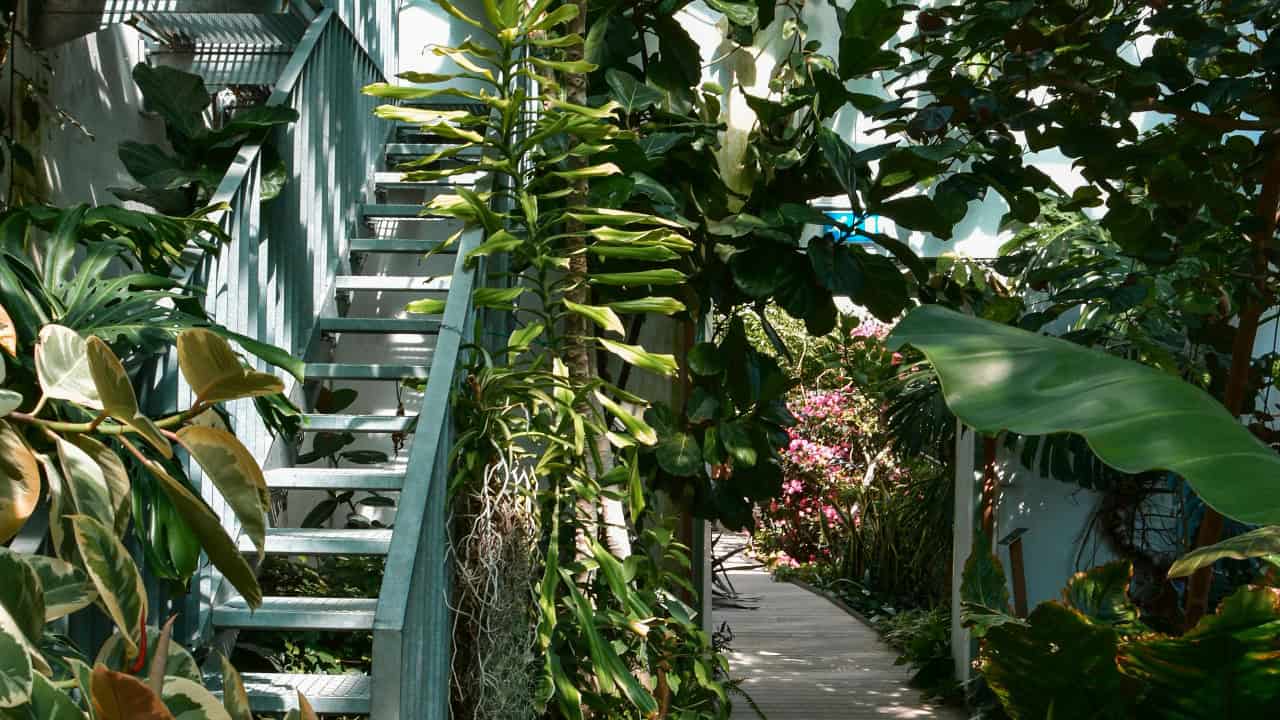
Indoor air is often drier than outdoor air, which can lead to problems for plants that prefer a high humidity environment. If your plants’ leaves start to brown at the edges, it could be a sign that your home’s air is too dry.
You can increase humidity by misting your plants, placing a tray of water near your plants, or using a humidifier. However, keep in mind that too much humidity can also be harmful, leading to mold and other issues.
4. Not Providing Enough Space

Just like humans, plants need their space to grow. Crowding your plants can limit their growth and lead to competition for resources. It can also encourage the spread of pests and diseases.
Ensure each plant has enough room to grow. This includes not only horizontal space but also vertical space for taller plants. If you’re short on space, consider using vertical gardening techniques or choosing dwarf or mini versions of your favorite plants.
5. Neglecting Pest Control
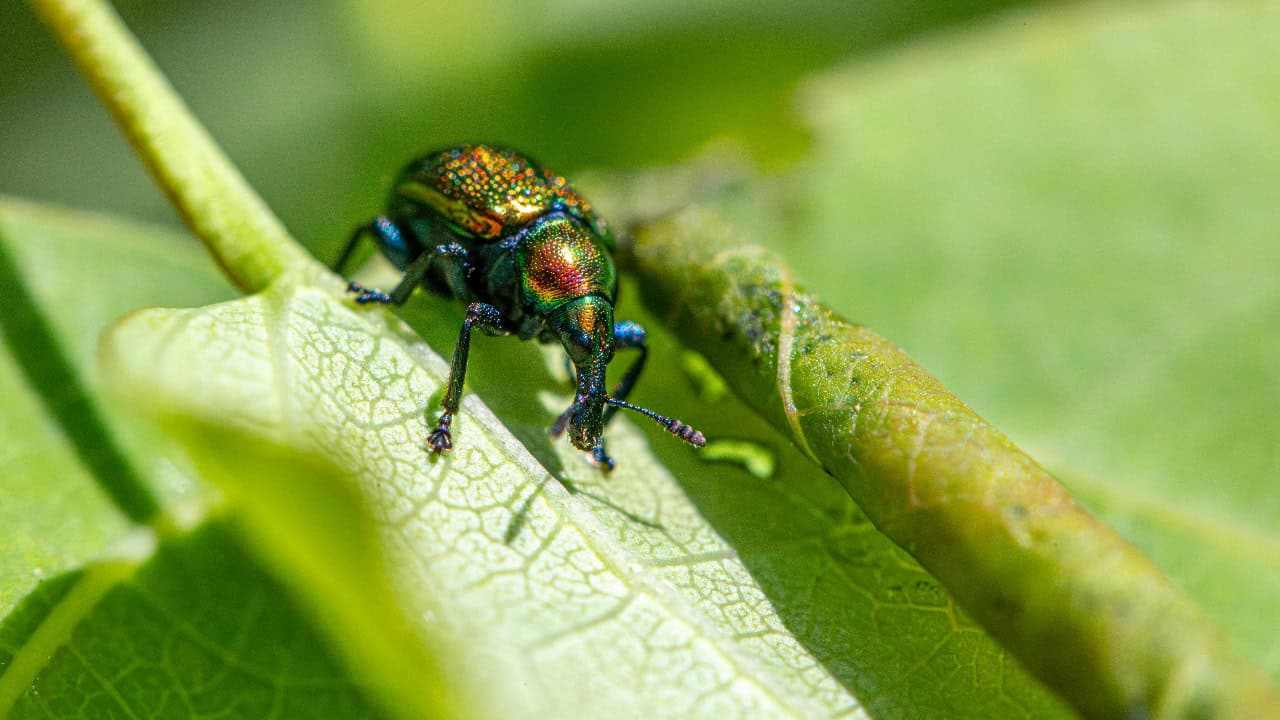
Just because your plants are indoors doesn’t mean they’re safe from pests. In fact, indoor plants can be more susceptible to pests because they lack the natural defenses found in an outdoor environment.
Keep an eye out for common indoor pests like aphids, spider mites, and fungus gnats. If you spot any, remove them manually if possible, or use a gentle insecticidal soap. Make sure to inspect any new plants for pests before bringing them into your home.
6. Ignoring the Needs of Each Plant
Different plants have different needs when it comes to light, water, temperature, and soil type. Ignoring these needs can result in poor growth or even death of the plant.
Before you start growing a plant, research its specific needs and make sure you can provide the right conditions. For example, a cactus will need well-draining soil and plenty of light, while a fern will prefer a humid environment and indirect light.
7. Choosing the Wrong Soil
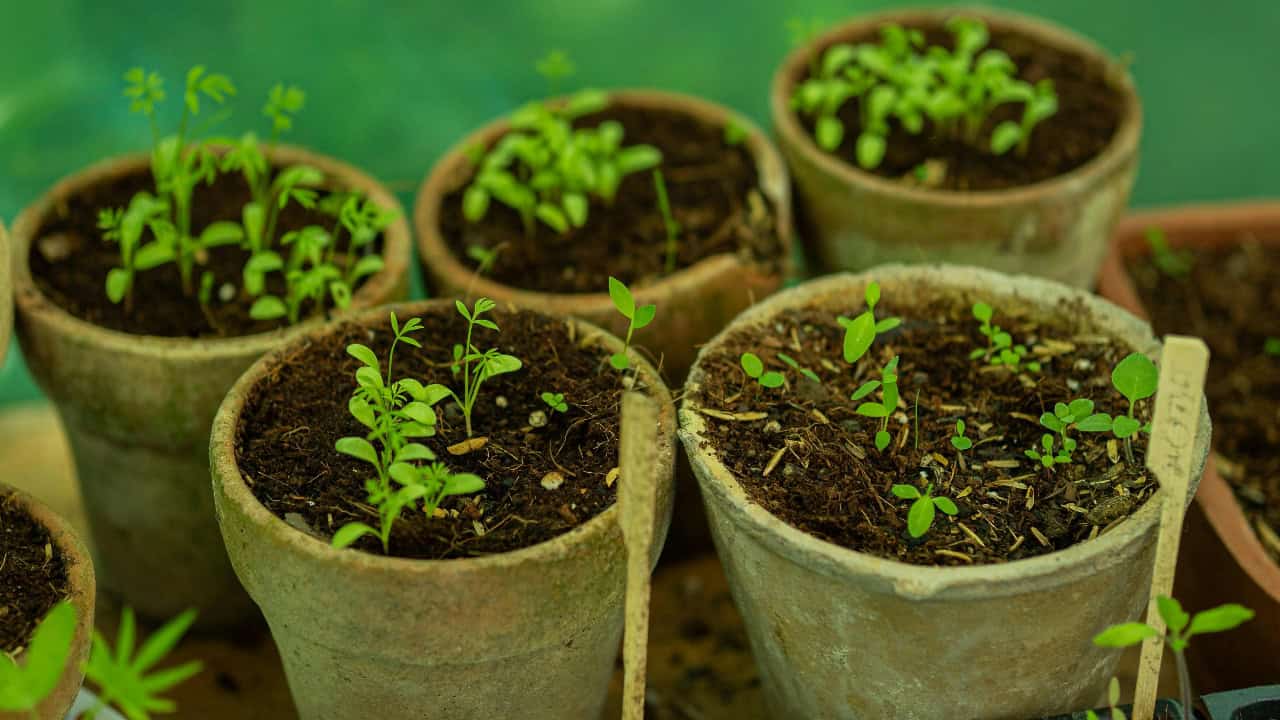
Not all soils are created equal. The right soil can make the difference between a thriving plant and a struggling one. Indoor plants usually do best in a good quality potting mix that drains well.
Avoid using garden soil for indoor plants, as it can compact in pots and doesn’t drain well. It can also carry pests and diseases. Instead, choose a potting mix designed for indoor plants, or make your own by mixing equal parts peat moss or coconut coir, perlite or vermiculite, and compost.
8. Avoiding Fertilization
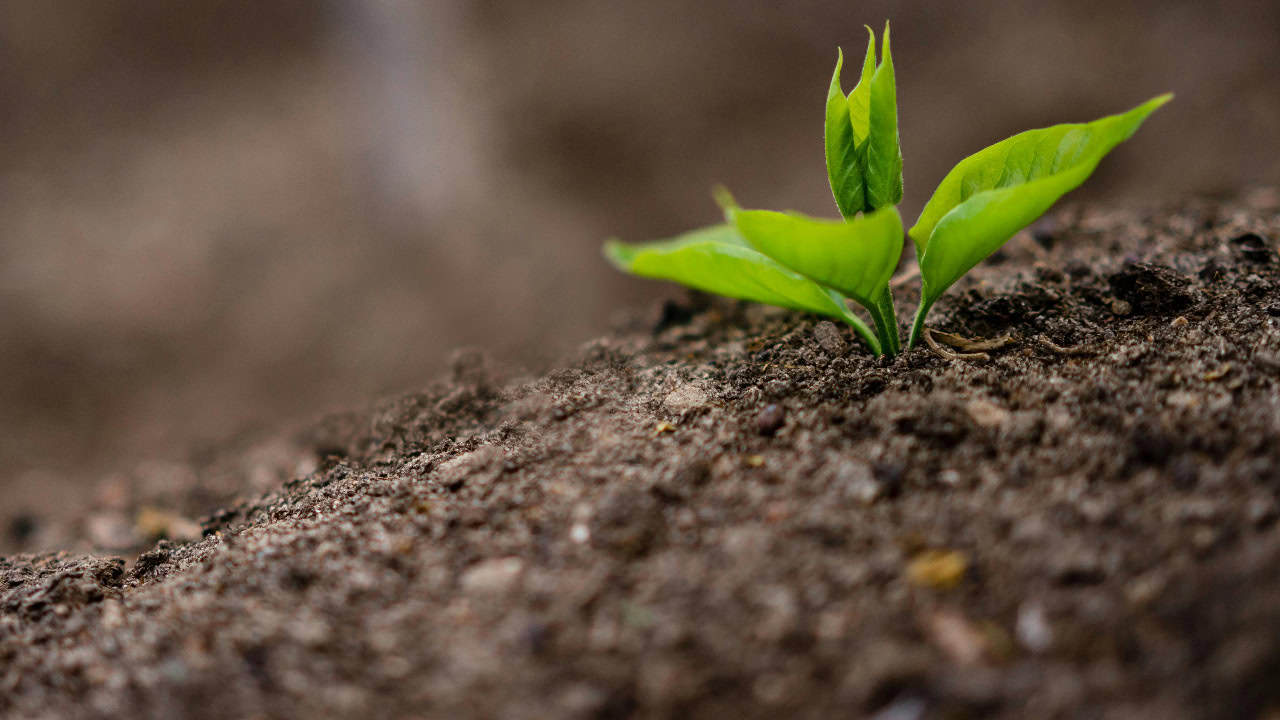
While it’s true that over-fertilizing can harm your plants, avoiding fertilization altogether isn’t the solution. Indoor plants need nutrients to grow, and these aren’t always available in the potting mix.
Use a balanced, water-soluble fertilizer and follow the package directions for how much to use and how often to apply it. Keep in mind that different plants have different nutrient needs, so it’s a good idea to research each plant’s requirements.
9. Forgetting to Repot
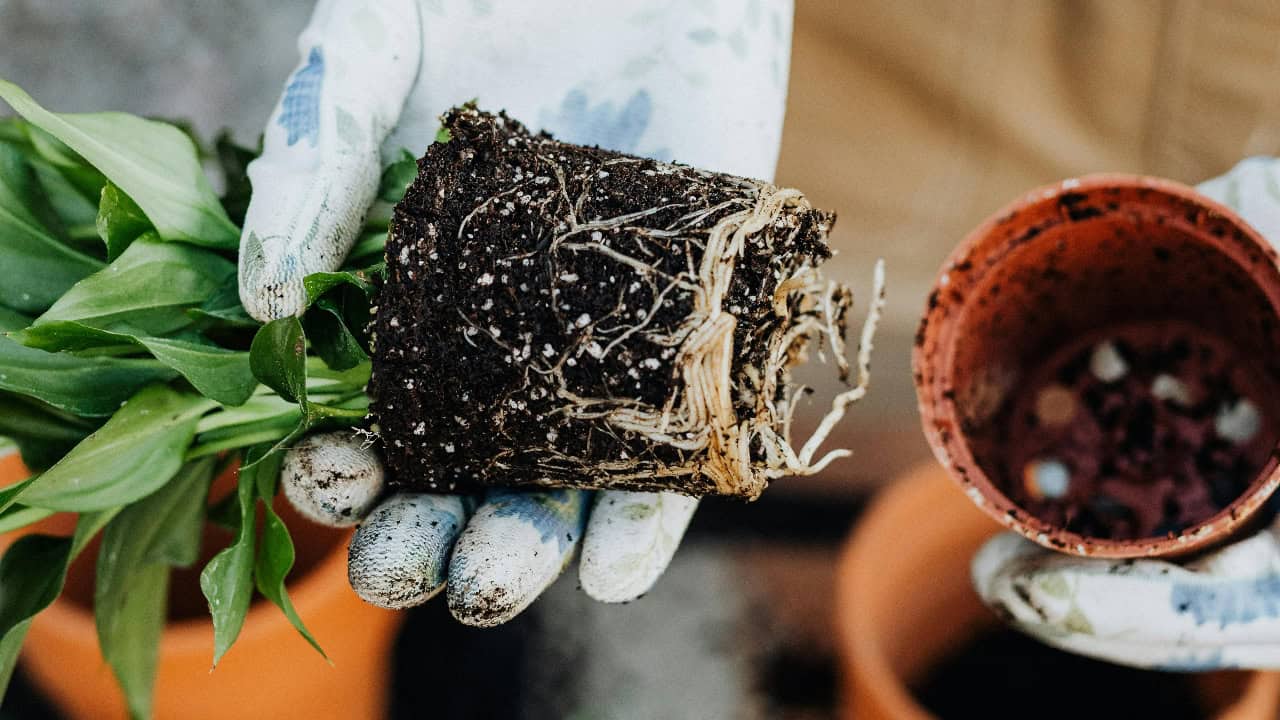
Plants grow, and as they do, they may outgrow their pots. A pot that’s too small can restrict root growth and limit the plant’s access to water and nutrients.
If you notice your plant’s growth has slowed or stopped, it may be time to repot. Choose a pot that’s one size larger than the current pot and make sure it has good drainage.
10. Keeping Plants in Drafty Areas
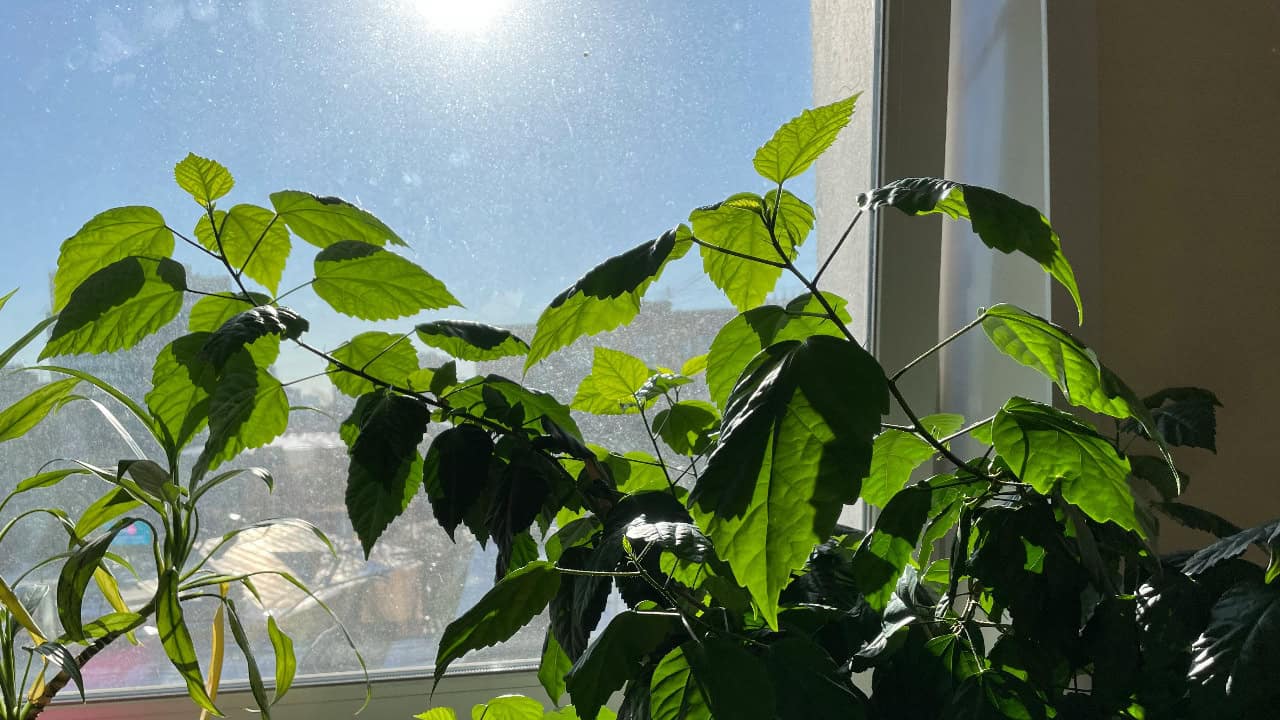
Plants, especially tropical ones, don’t like drafts. Cold drafts can cause leaf drop, while hot drafts can dry out the plant.
Avoid placing plants near air vents, doors, or windows that are often opened and closed. If you must place a plant near a window, make sure it’s well-insulated.
11. Not Cleaning Plant Leaves
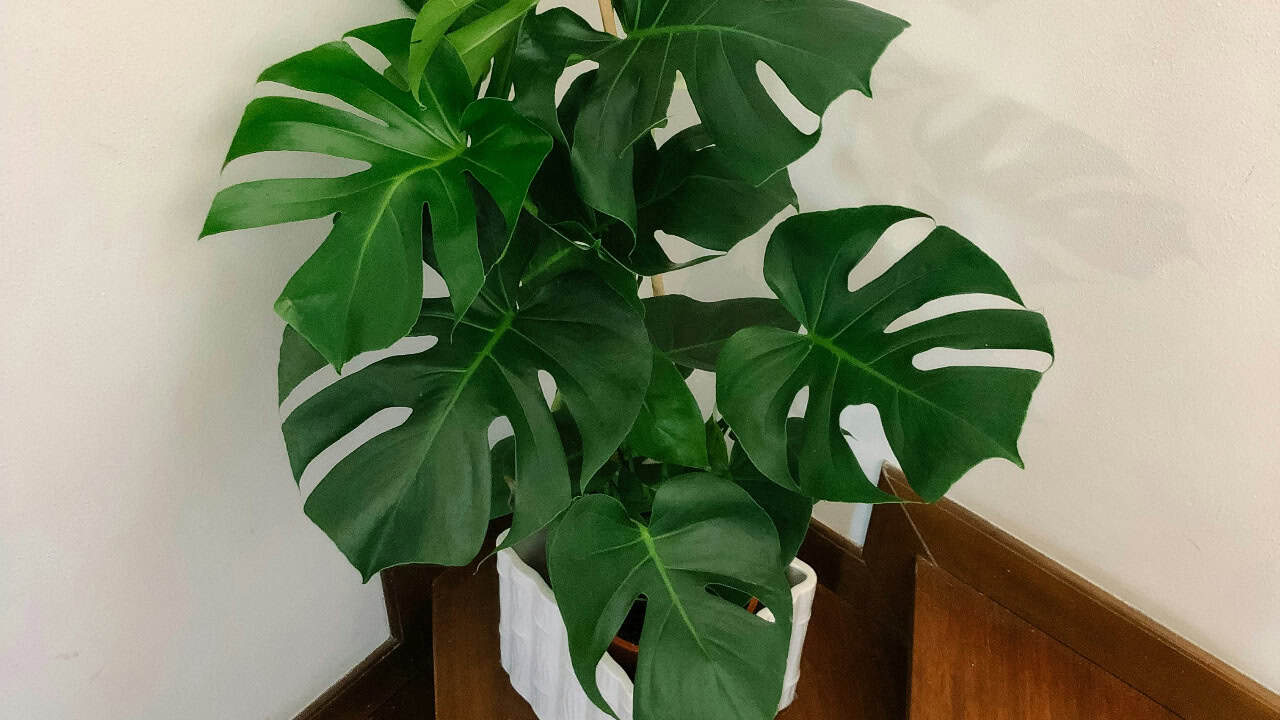
Dust can accumulate on the leaves of indoor plants, blocking light and reducing the plant’s ability to photosynthesize.
To clean the leaves, you can gently wipe them with a damp cloth or give the plant a light shower. Avoid using leaf shine products, as these can block the plant’s pores.
12. Using Untreated Tap Water
Tap water often contains chlorine, which can be harmful to plants. If you’re using tap water to water your plants, let it sit out for 24 hours first to allow the chlorine to evaporate.
Or, consider using rainwater or distilled water, which are free of chlorine and other chemicals.
13. Not Checking Plants Regularly
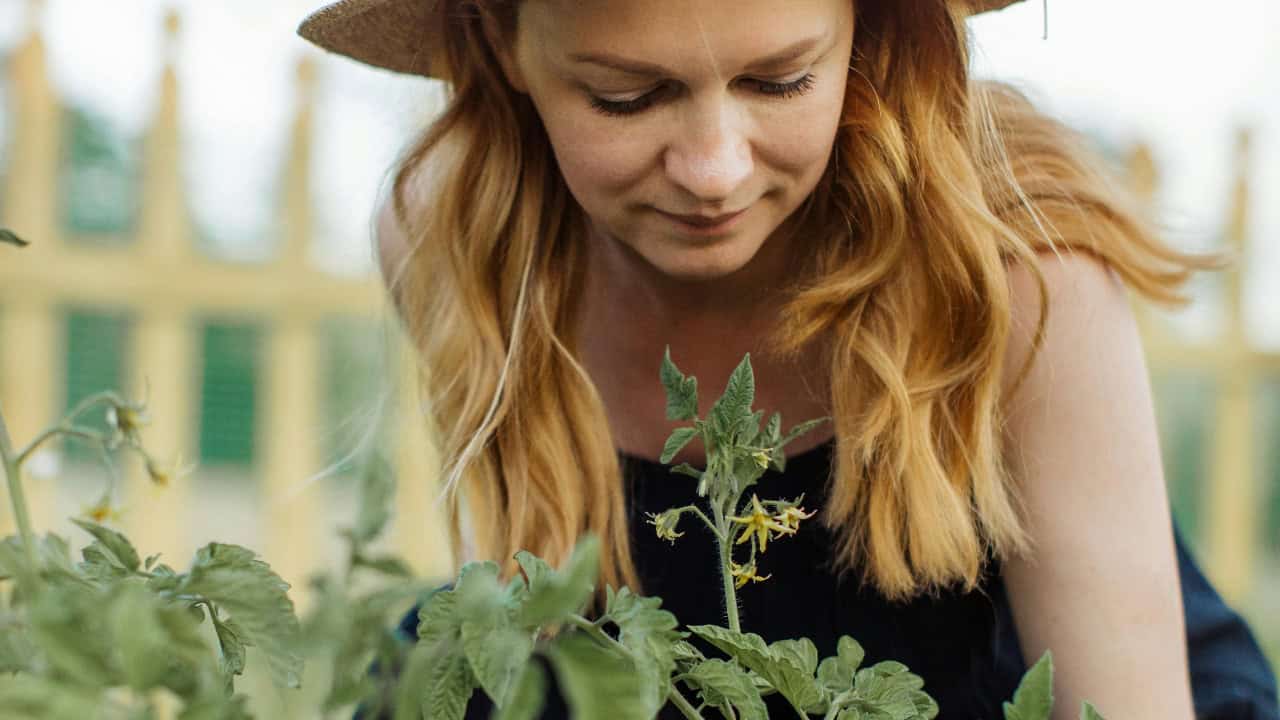
Plants can’t tell us when they’re not feeling well, so it’s up to us to check on them regularly. Look for signs of disease, pests, or other issues, and address them promptly.
Also, keep an eye on the plant’s growth. If it’s not growing as expected, it may need more light, water, or nutrients.
14. Not Adjusting Care with the Seasons
Just like outdoor plants, indoor plants have a growing season and a resting season. During the growing season, they’ll need more water and nutrients, while during the resting season, they’ll need less.
Most indoor plants grow in the spring and summer and rest in the fall and winter. Adjust your care routine accordingly.
15. Not Providing Adequate Drainage
Without adequate drainage, water can accumulate in the pot, leading to root rot and other issues. Make sure all pots have drainage holes and are placed on a tray or saucer to catch any excess water.
If you’re using a pot without drainage holes, add a layer of pebbles or activated charcoal at the bottom to help prevent waterlogging.
16. Using Pots Without Drainage Holes
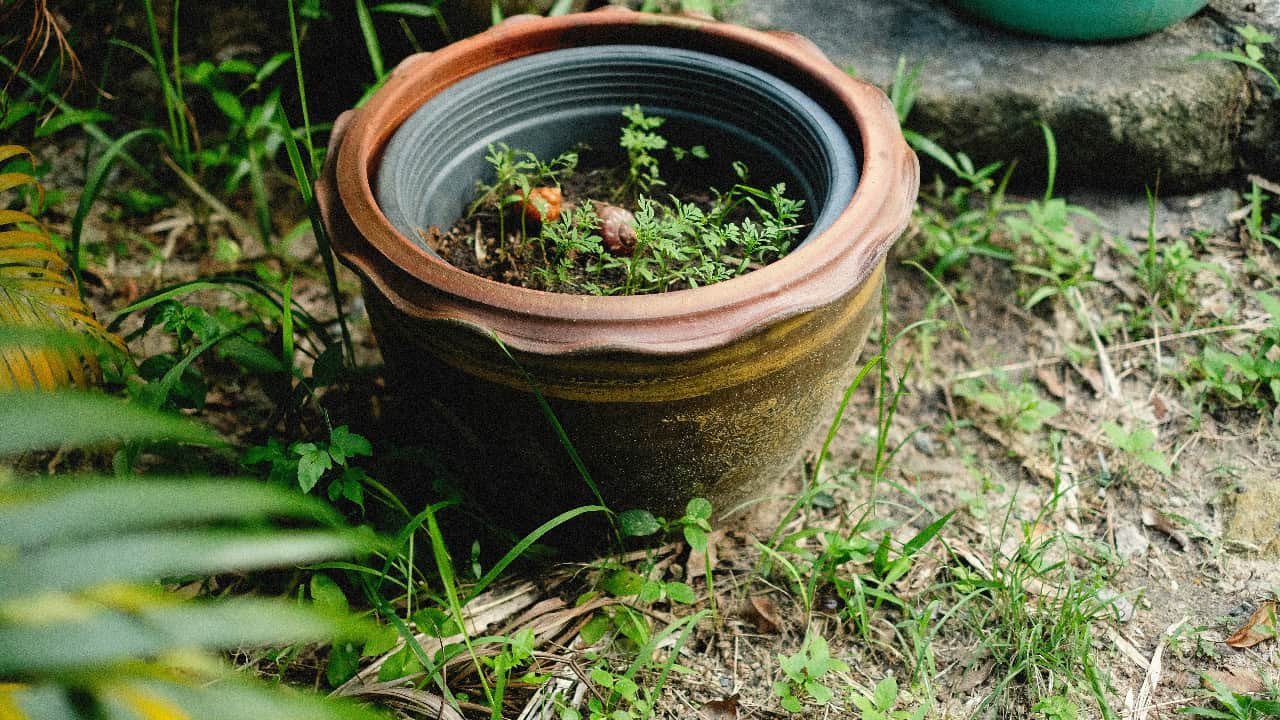
It can be tempting to use decorative pots without drainage holes, but these can cause problems for your plants. Without a way for excess water to escape, the soil can become waterlogged and the roots can rot.
If you really want to use a pot without drainage holes, consider using it as a cachepot. Simply place your plant in a smaller pot with drainage holes, then place that pot inside the decorative pot.
17. Not Having Fun
Last but not least, remember to have fun! Growing food indoors can be a rewarding hobby, but only if you enjoy it. Don’t stress too much about getting everything perfect – even the most experienced gardeners make mistakes.
Try different plants, experiment with different growing methods, and most importantly, enjoy the process. After all, gardening is as much about the journey as it is about the destination.