If you’re a homeowner with a love for gardening, there’s nothing quite as frustrating as a fruit tree that refuses to bear fruit. You’ve invested time, money, and hope into your fruit tree, only to be rewarded with barren branches year after year. There may be a myriad of reasons for this disappointing result. In this blog post, we’ll explore 17 potential culprits that might be hindering your tree’s productivity, providing you with actionable solutions to make your fruit tree flourish.
1. Your Tree Is Too Young
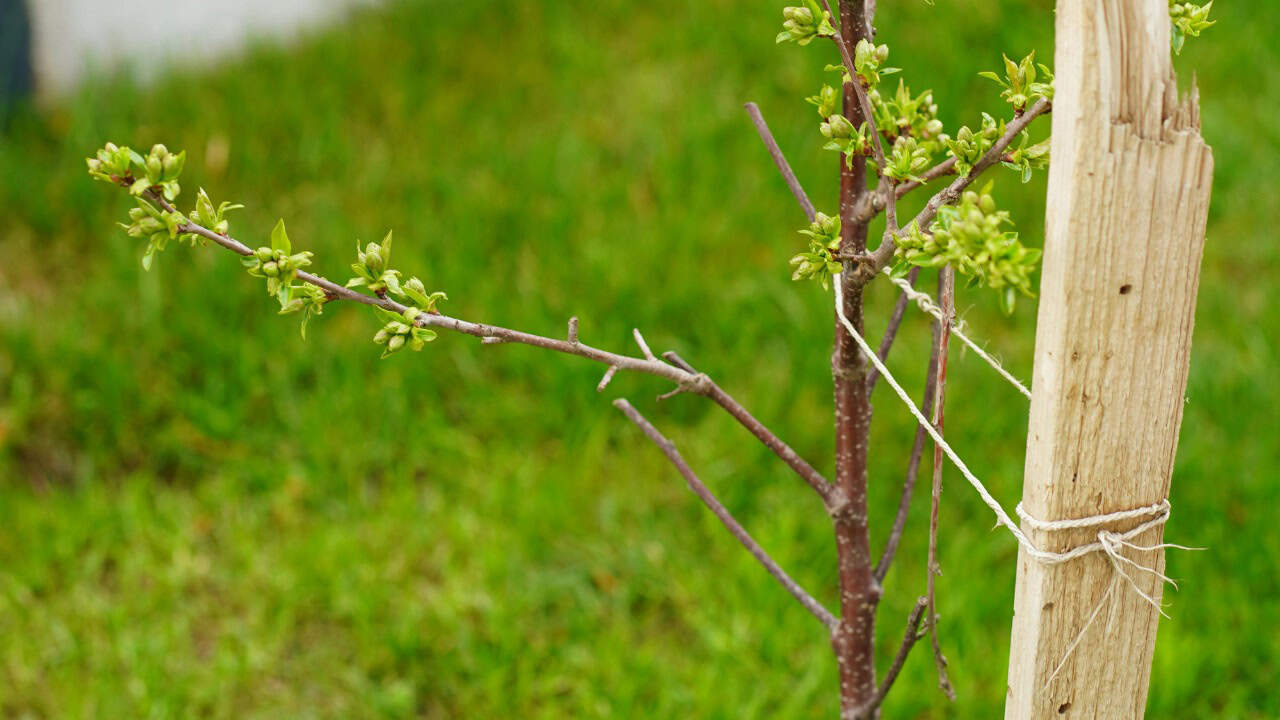
Most fruit trees won’t start bearing fruit until they’re of a certain age. Apple trees, for example, typically don’t produce fruit until they’re 4 to 6 years old. Plum trees may take even longer, often requiring 6 to 10 years before they begin to bear fruit.
Advertisement
It’s crucial to be aware of your tree’s expected timeframe for fruit production. If your tree is still young, patience may be all you need. While waiting, you can focus on providing optimal care for your tree to ensure a healthy yield when it’s ready.
2. Lack of Pollination
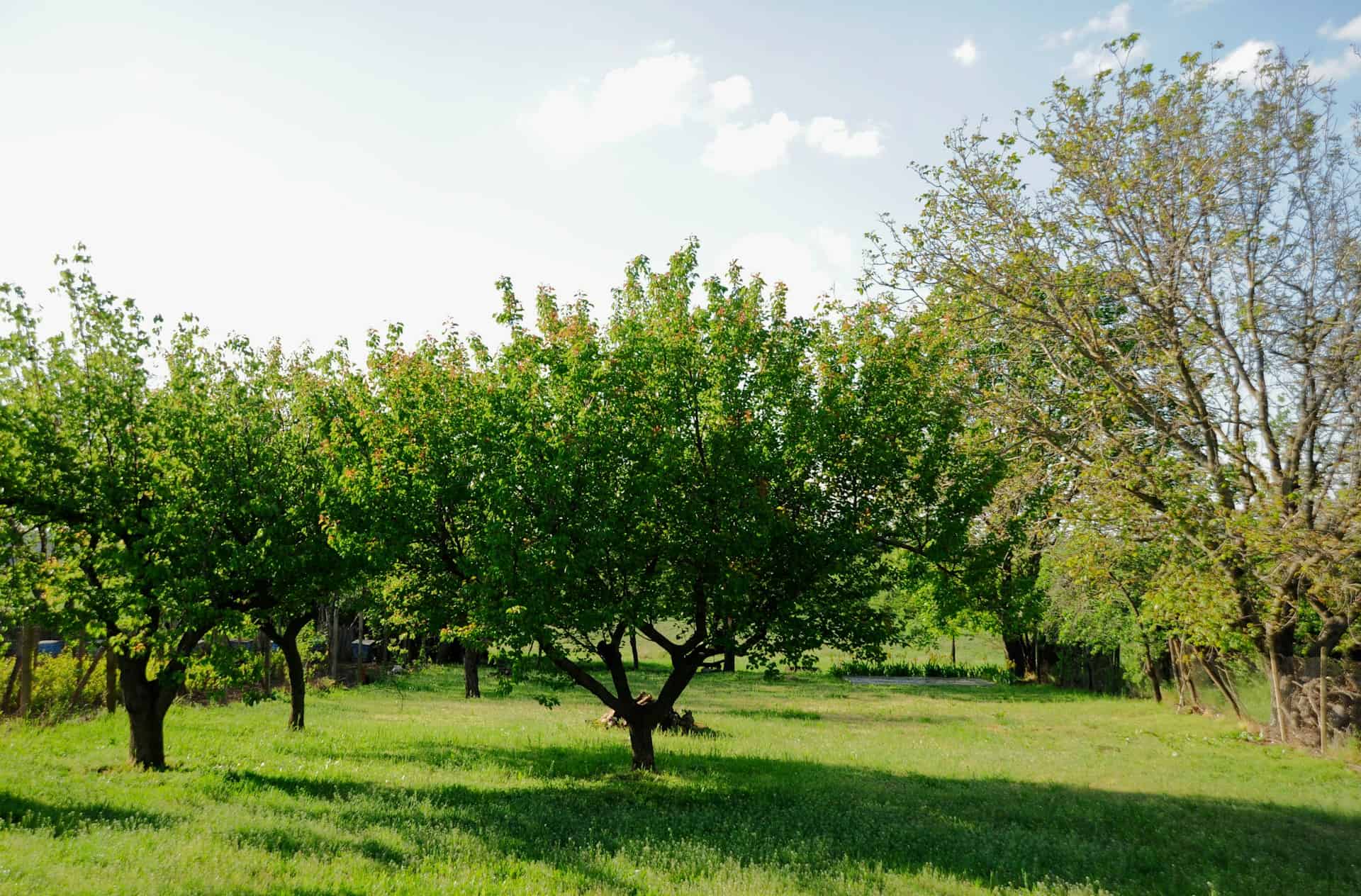
Many fruit trees require cross-pollination to bear fruit. This means they need pollen from a different variety of the same fruit tree. For instance, if you have a Golden Delicious apple tree, it won’t produce fruit unless there’s a different apple variety, like a Granny Smith, nearby.
You can solve this problem by planting different varieties of the same fruit tree in your garden. Alternatively, you can attract pollinators like bees and butterflies by growing flowers around your fruit trees. Some gardeners also hand-pollinate their trees using a small paintbrush to transfer pollen.
3. Incorrect Pruning

Pruning is essential for fruit tree health, but incorrect pruning can prevent fruit production. Over-pruning can remove the buds that will turn into fruit. On the other hand, under-pruning can lead to overcrowded branches, hindering the tree’s ability to bear fruit.
To prune correctly, remove only dead, diseased, or damaged branches. You should also thin out some of the interior branches to let light and air reach the entire tree. It’s best to prune fruit trees in late winter or early spring.
4. Poor Soil Conditions

Like all plants, fruit trees need specific soil conditions to thrive. If the soil lacks essential nutrients or has an unsuitable pH level, your tree may struggle to bear fruit.
Before planting a fruit tree, it’s a good idea to test your soil. This will tell you whether you need to amend it with specific nutrients or adjust its pH. For most fruit trees, well-draining soil with a pH of 6.0 to 7.0 is ideal.
5. Insufficient Light
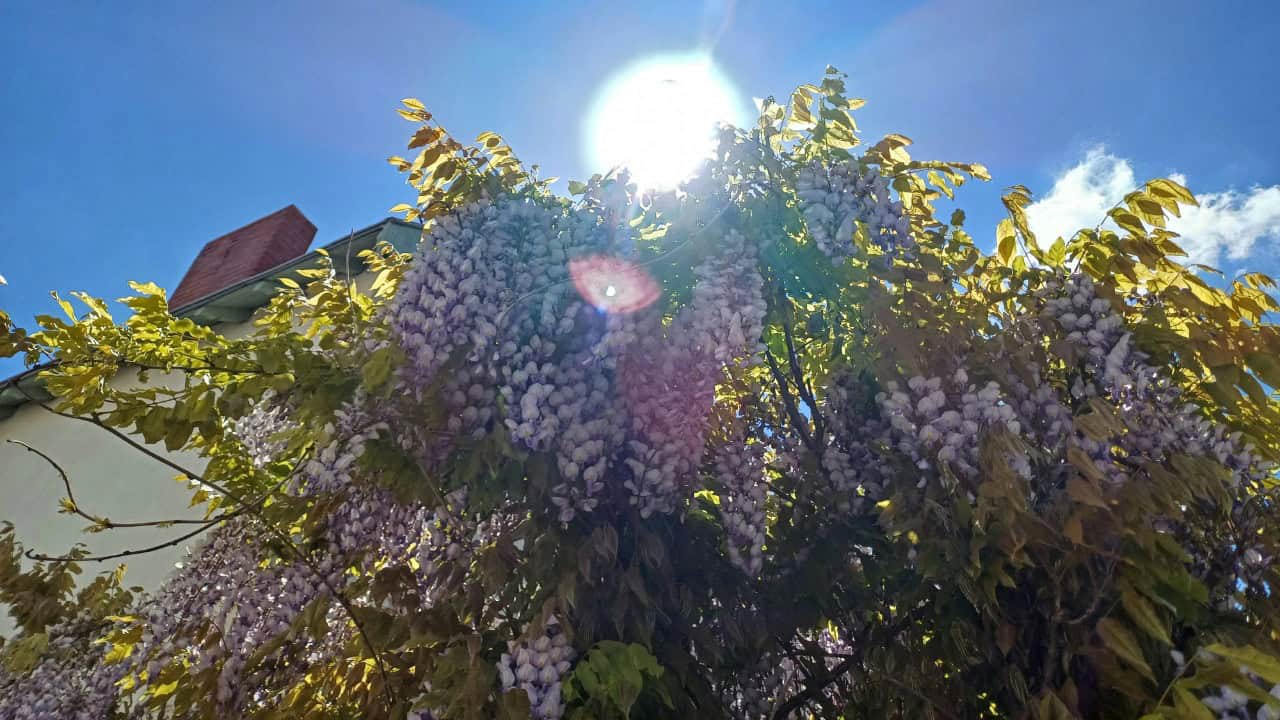
Fruit trees need plenty of sunlight to photosynthesize effectively and produce fruit. If your tree is in a shaded area, it may not receive the light it needs to bear fruit.
Ensure your fruit tree gets at least six hours of direct sunlight each day. If your tree is currently in a shaded area, you may need to consider transplanting it to a sunnier spot.
6. Inappropriate Tree Spacing
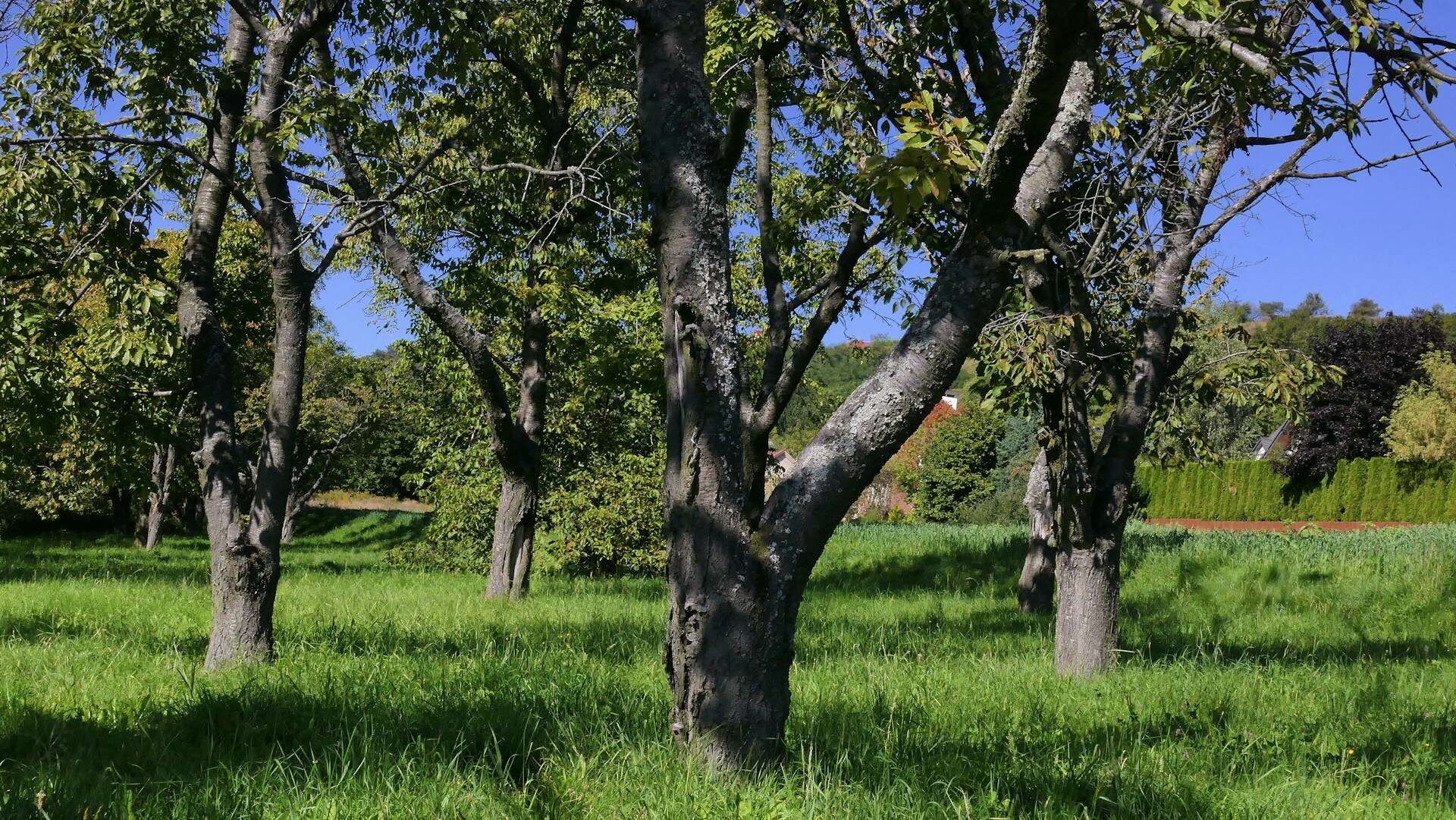
If your fruit trees are too close together, they may compete for resources and inhibit each other’s growth. This competition can result in poor fruit production or no fruit at all.
Each type of fruit tree has its spacing requirements. For instance, apple trees need about 15-20 feet of space between them, while cherry trees require 20-30 feet. Make sure you know the appropriate spacing for your tree type before planting.
7. Drought Stress
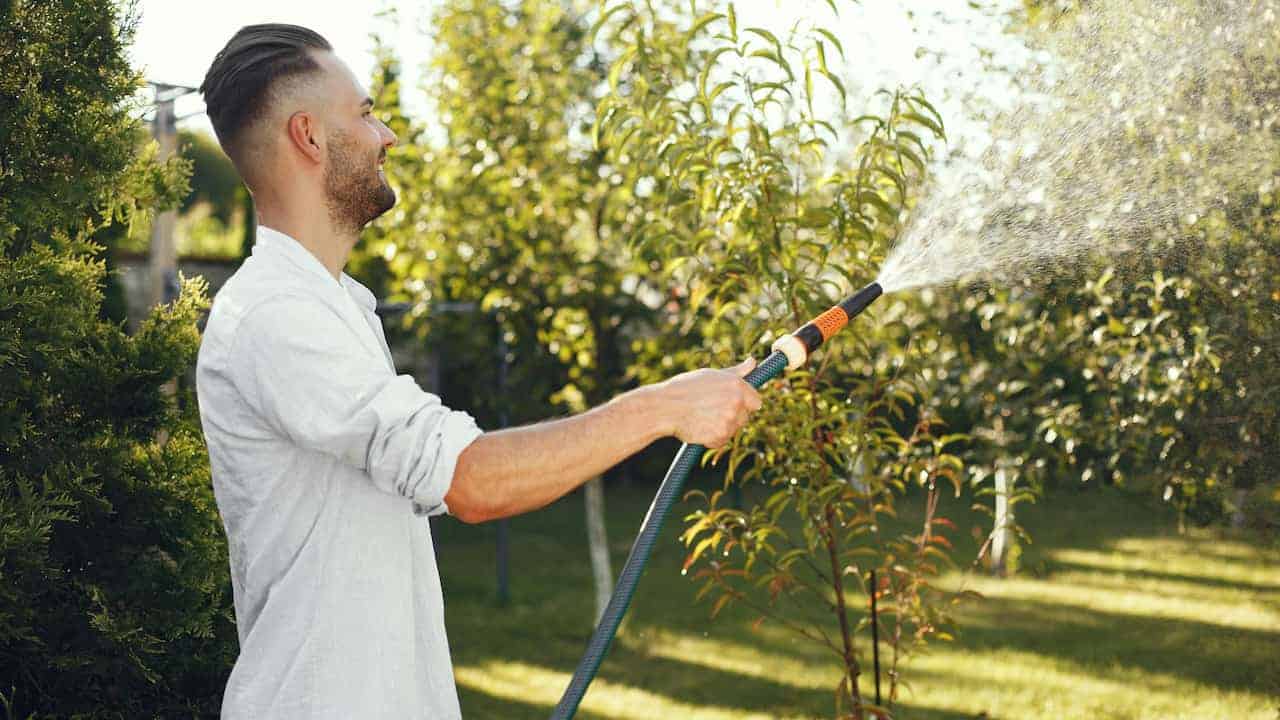
Water is essential for fruit production. If your tree doesn’t get enough water, especially during dry periods, it may drop its fruit prematurely or fail to produce fruit at all.
To prevent this, water your fruit trees deeply and regularly, especially during dry spells. A layer of mulch around the base of the tree can also help retain soil moisture.
8. Over-Fertilization
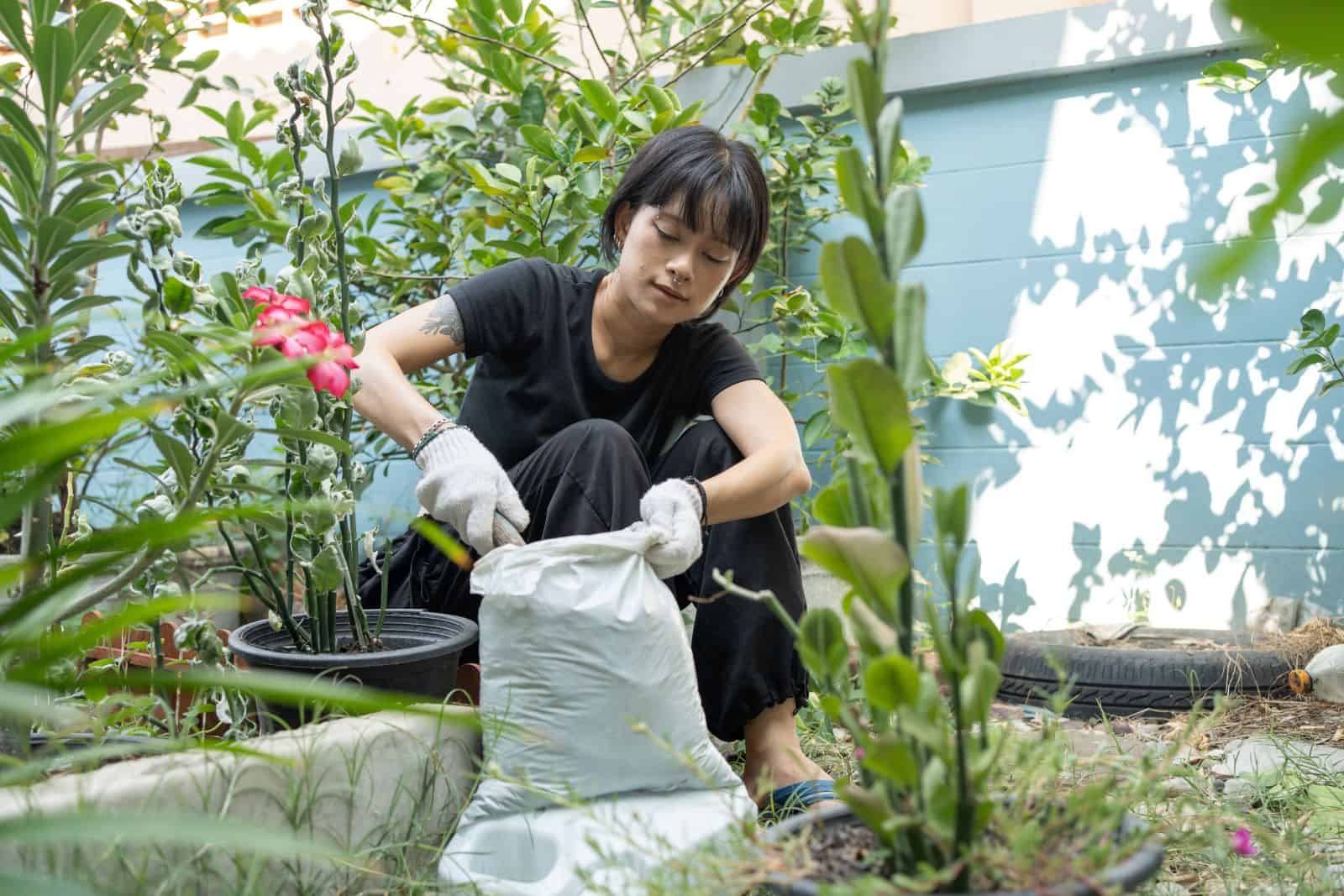
While fertilization is necessary for tree growth and fruit production, too much of it can cause problems. Over-fertilization can lead to excessive leafy growth at the expense of fruit production.
It’s essential to strike a balance. A soil test can help you determine the right amount and type of fertilizer your tree needs. Avoid using high-nitrogen fertilizers, which can promote leaf growth over fruit production.
9. Disease or Pest Infestation
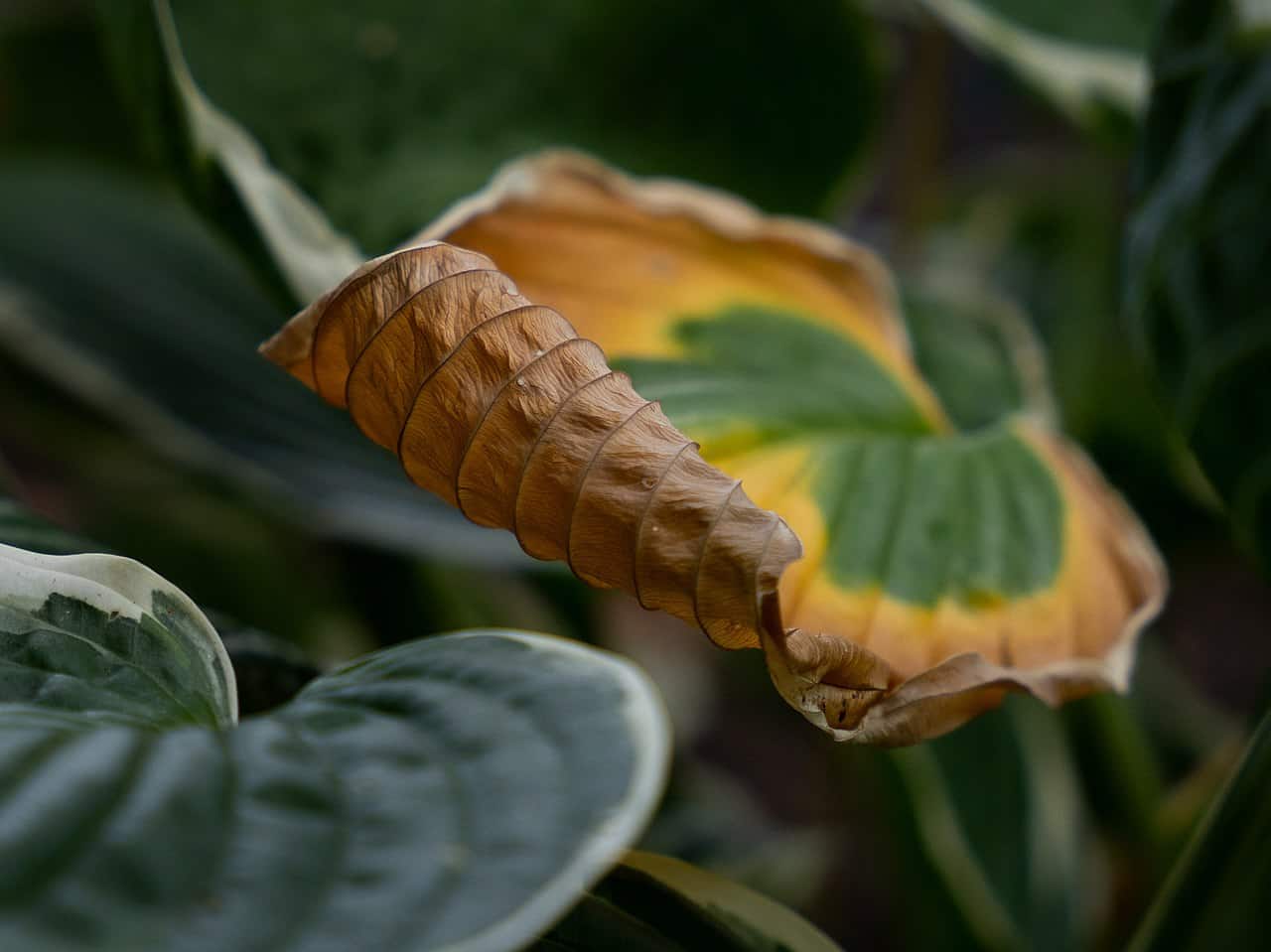
Fruit trees are susceptible to a range of diseases and pests that can affect fruit production. Common issues include apple scab, peach leaf curl, and codling moth infestation.
Regularly inspect your tree for signs of disease or pests. If you notice anything unusual, take a sample to your local extension service or nursery for diagnosis and treatment recommendations.
10. Improper Tree Variety for Your Climate
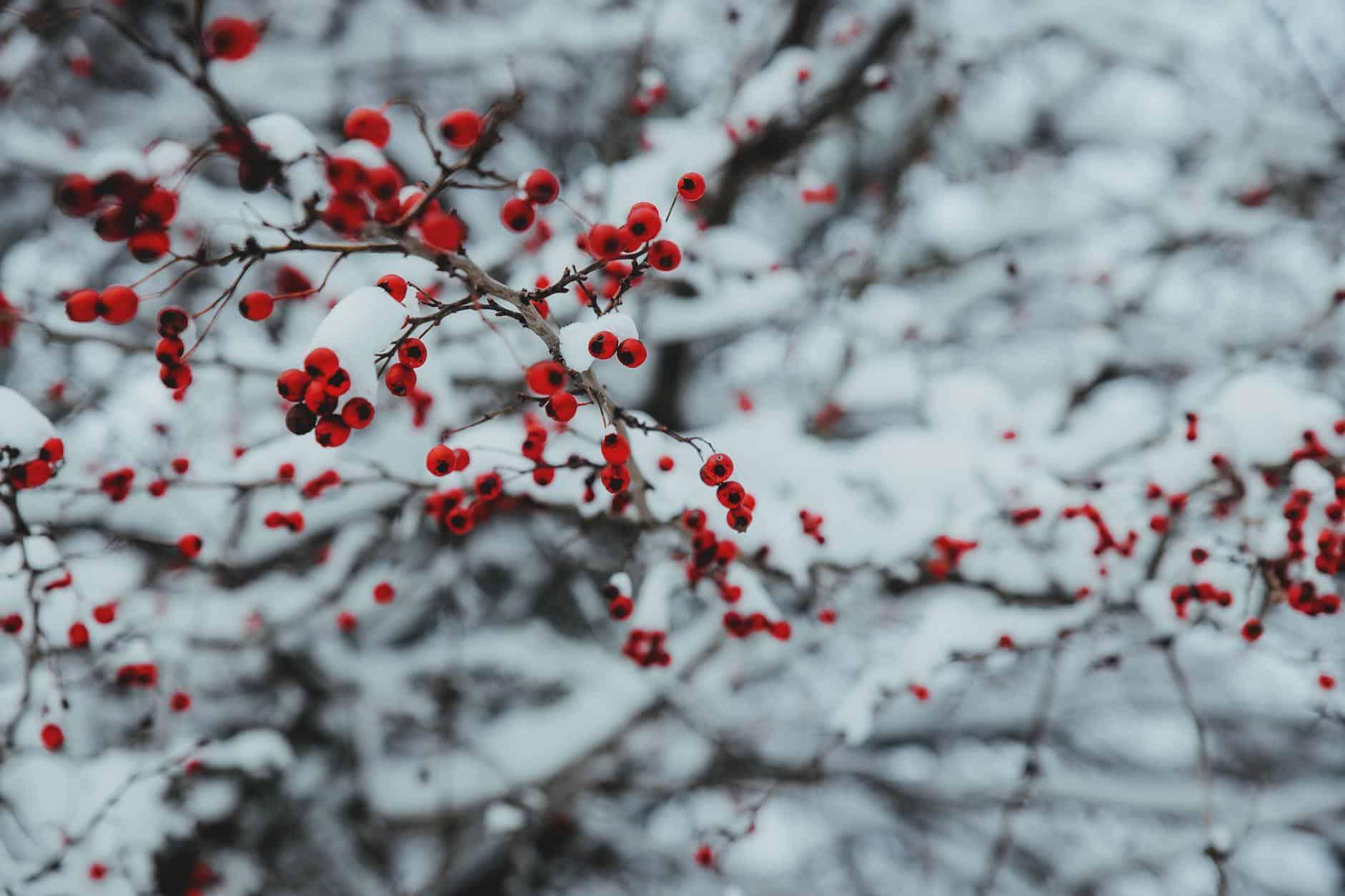
Not all fruit trees can thrive in all climates. If you’ve chosen a tree variety that’s unsuitable for your region’s climate, it may struggle to produce fruit.
Before choosing a fruit tree, research which varieties do well in your area. Your local extension service or nursery can also provide advice on the best fruit trees for your climate.
11. Lack of Chilling Hours
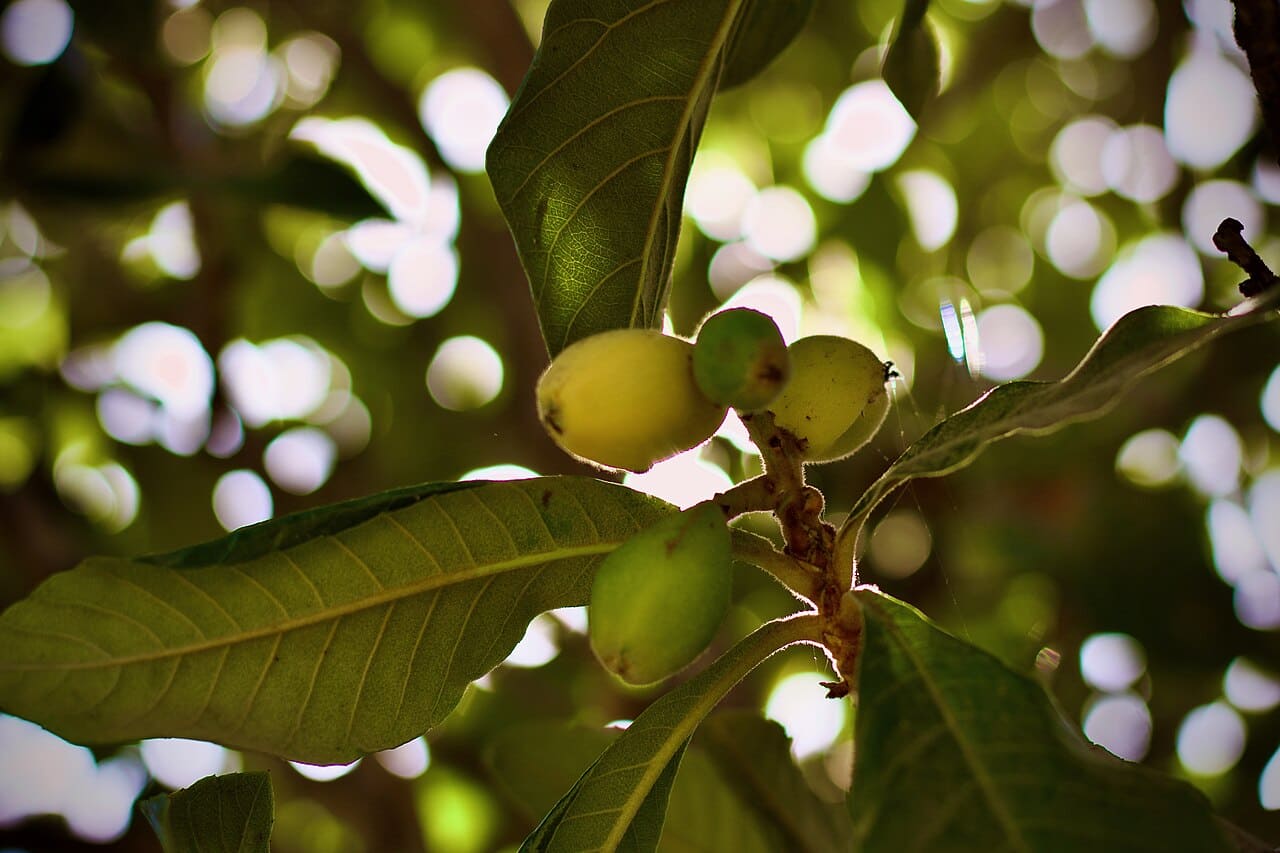
Many fruit trees require a certain number of “chilling hours” — hours below a certain temperature — in winter to bear fruit in spring. If your tree doesn’t get enough chilling hours, it may not produce fruit.
Research your tree’s chilling hour requirements and compare them to the average winter temperatures in your area. If your tree isn’t getting enough chilling hours, you may need to choose a different variety that’s better suited to your climate.
12. Poor Tree Health

If your tree is unhealthy, it may struggle to bear fruit. Illness can affect a tree’s overall strength and vitality, reducing its ability to produce fruit.
Ensure your tree is in good health by regularly checking for signs of disease or pest infestation. If you notice any problems, address them promptly to prevent further damage.
13. Lack of Proper Care

Fruit trees require regular care and maintenance to thrive. If you neglect to water, fertilize, or prune your tree, it may not bear fruit.
Establish a regular care routine for your fruit tree, including watering, fertilizing, and pruning as necessary. This will help ensure your tree stays healthy and productive.
14. Tree Damage

Physical damage to the tree, such as broken branches or damage to the trunk, can affect its ability to bear fruit. This damage can be caused by severe weather, animals, or accidental impact.
Inspect your tree regularly for signs of physical damage and take action to repair it as necessary. This may involve pruning damaged branches or applying a tree wound dressing to the trunk.
15. Incorrect Planting Depth
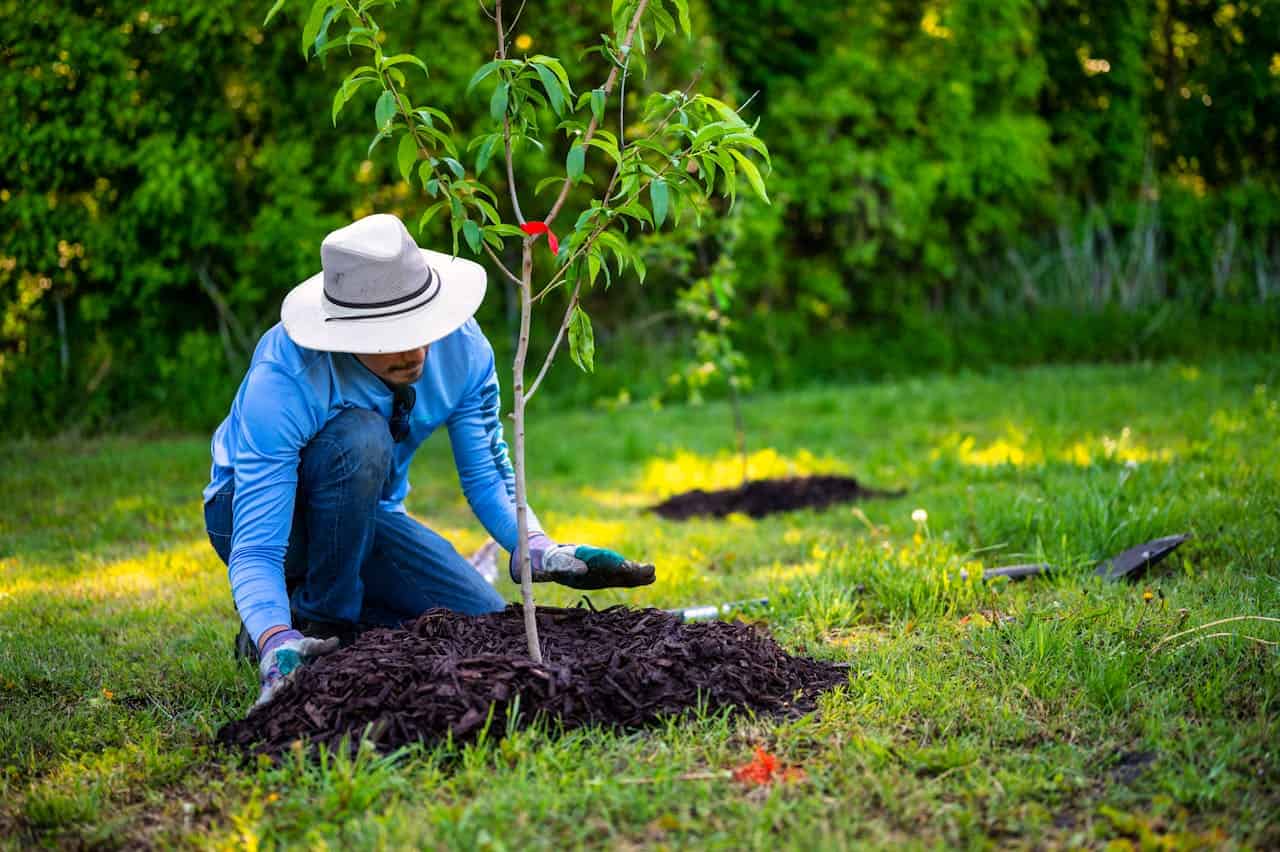
Planting your fruit tree at the right depth is crucial for its health and productivity. If the tree is planted too deep, it may struggle to get the nutrients it needs, reducing its ability to bear fruit.
When planting a fruit tree, ensure that the top of the root ball is level with or slightly above the ground surface. This will allow the tree to access the nutrients and water it needs to produce fruit.
16. Genetic Issues
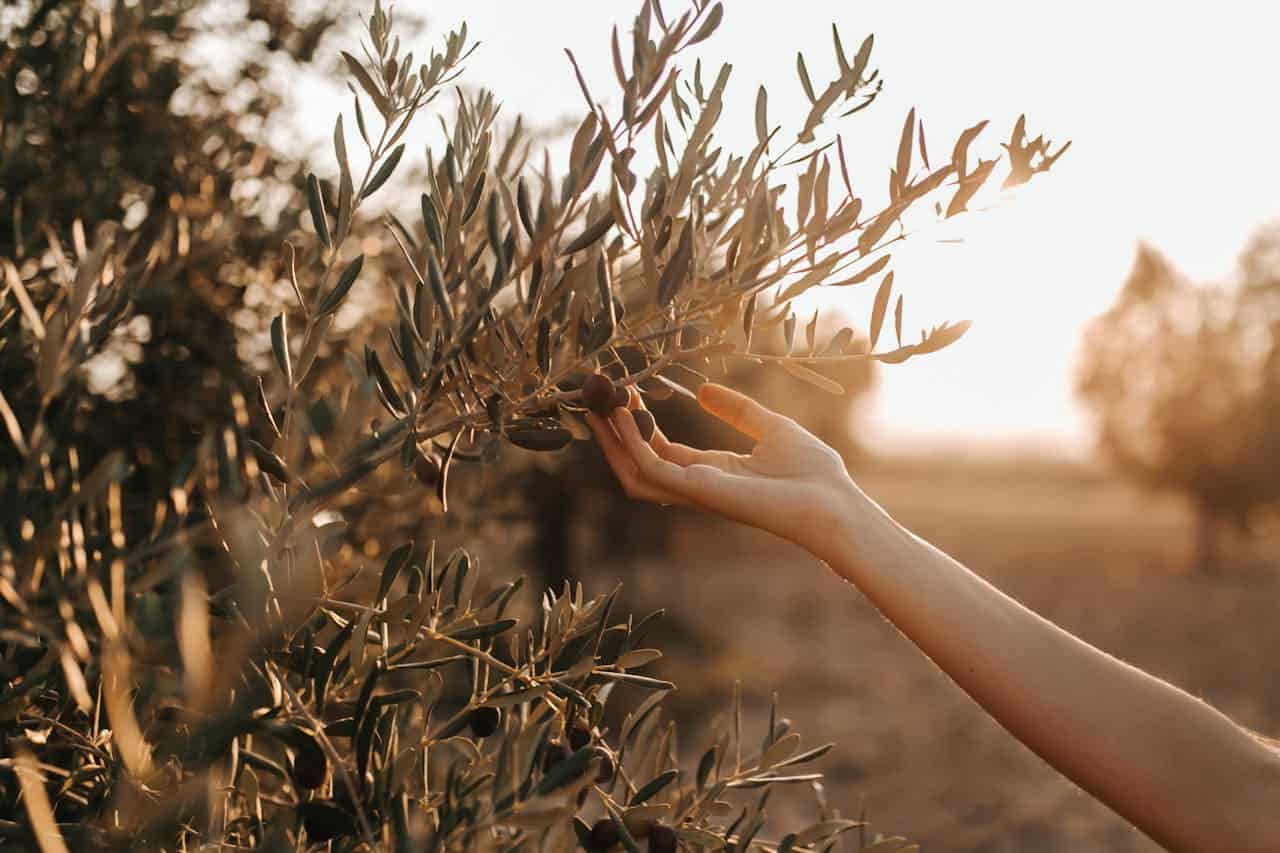
Some fruit trees are simply not genetically predisposed to bear fruit. This is often the case with seed-grown trees, which may not inherit their parent tree’s fruit-bearing traits.
To ensure a fruit-bearing tree, consider purchasing a grafted tree from a nursery. These trees are produced by attaching a fruit-bearing branch to a rootstock, ensuring that the resulting tree will bear fruit.
17. Unfavorable Weather Conditions
Lastly, unfavorable weather conditions, such as frost, high winds, or excessive heat, can affect a fruit tree’s ability to bear fruit. For example, a late spring frost can kill the tree’s blossoms, preventing fruit production.
Protect your tree from unfavorable weather conditions by planting it in a sheltered location, using frost covers, or applying a layer of mulch around the base to regulate soil temperature.