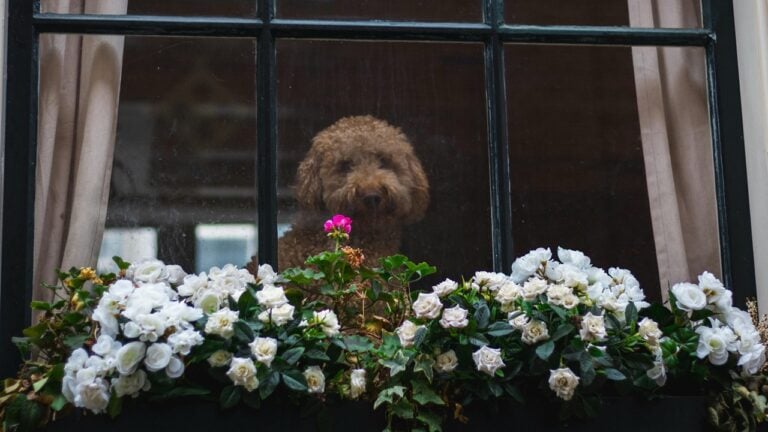
Sometimes, certain spots in your garden or yard can feel dull or even unattractive. Whether it’s a patch of bare soil, a neglected corner, or an area with a less-than-pleasing view, these spaces don’t have to stay that way.
You can use the right plants to turn those ugly areas into eye-catching, vibrant showpieces that enhance your outdoor space. With the right choices, what once felt like a problem spot can become a highlight you’re proud to show off.
Advertisement
Monstera Deliciosa for lush, dramatic foliage
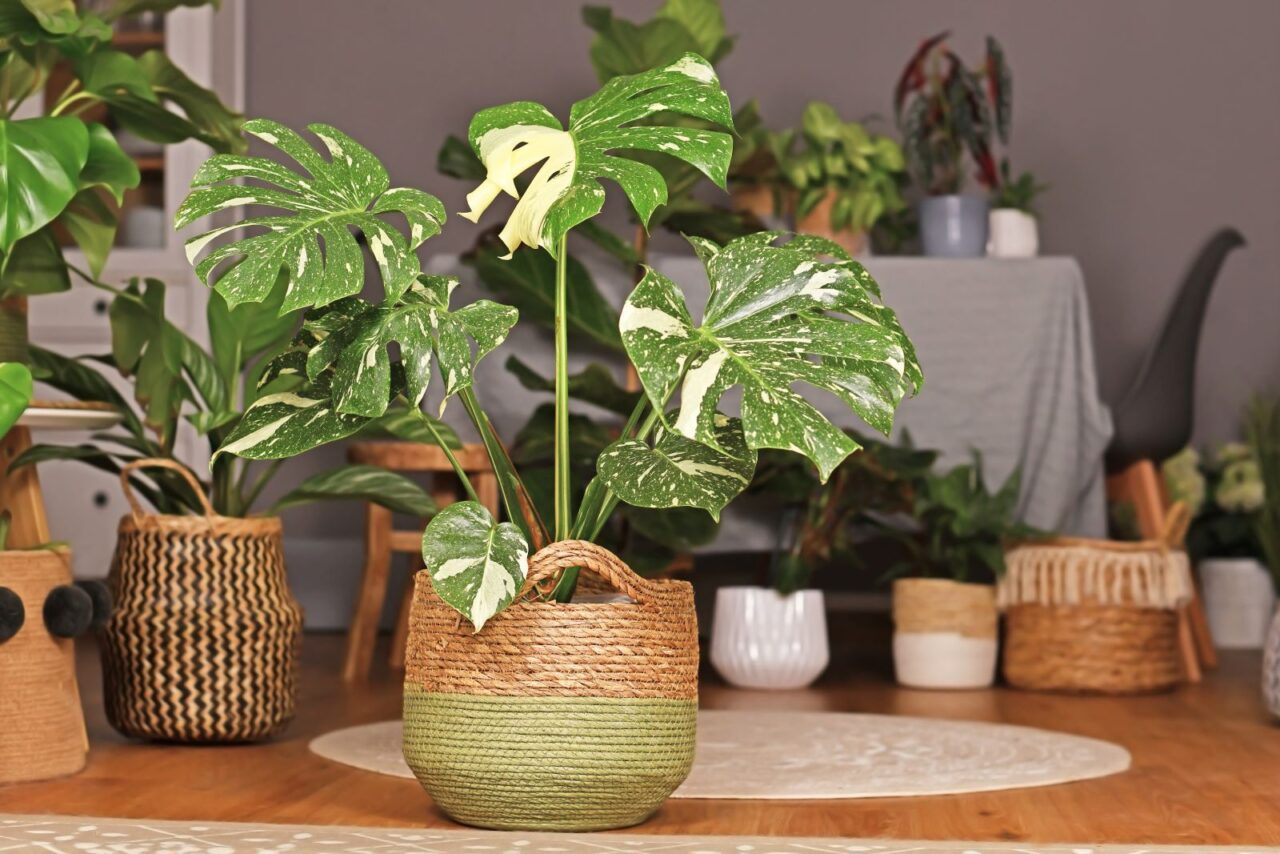
You’ll love how Monstera Deliciosa fills a space with large, glossy leaves that bring life to any corner. Its unique leaf holes add character, making the plant stand out without much effort.
This plant grows quickly and is easy to care for, so you’ll see your space transform in no time. It’s great for adding a bold, natural touch that doesn’t scream for attention but definitely catches the eye.
Hostas to brighten shady, bare spots
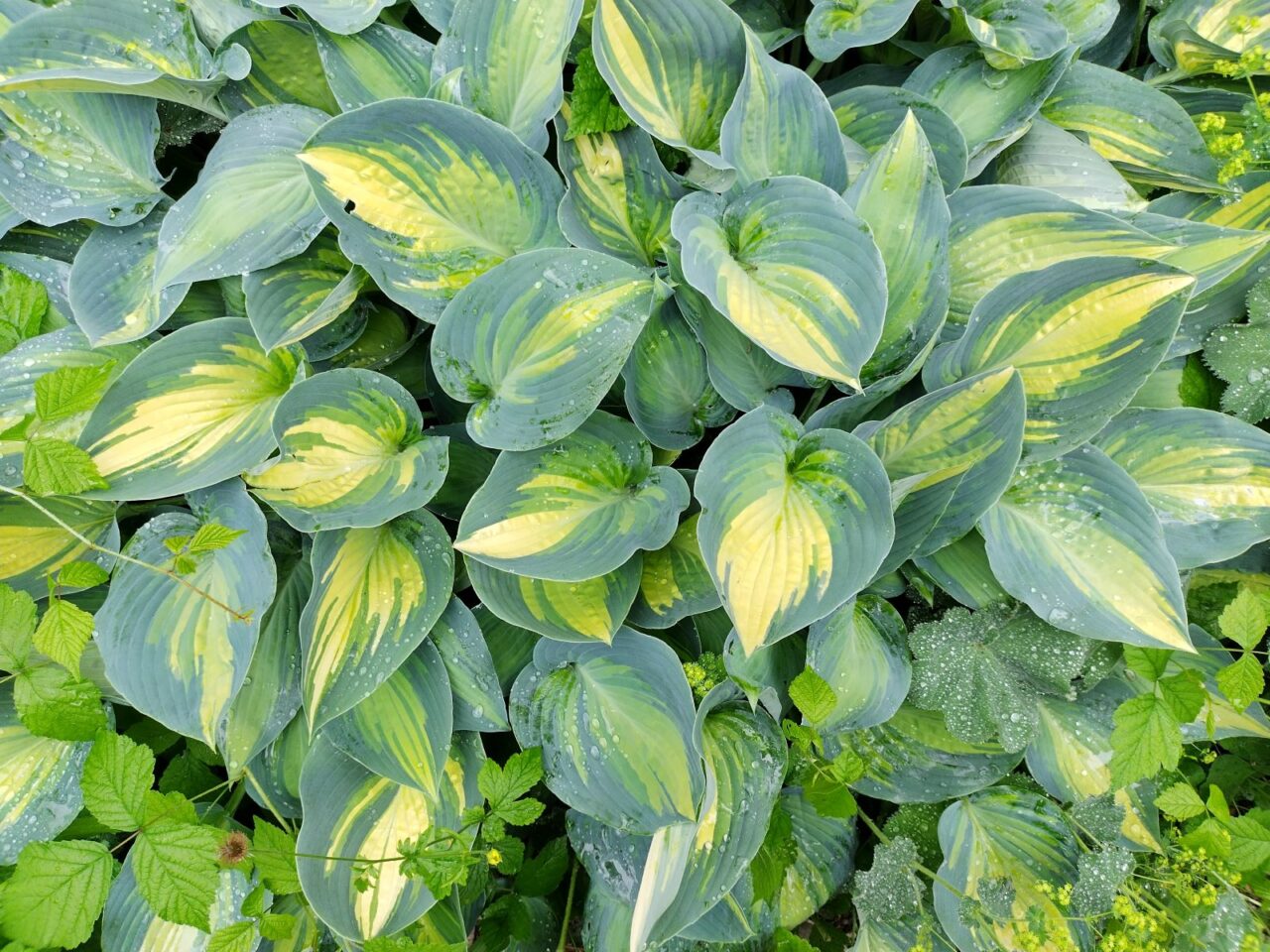
If you have a shady patch that looks dull, hostas are a great choice. They thrive in low light and add lush greenery to bare areas.
Hostas come in many sizes and shapes, so you can find one to fit your space perfectly. Their leaves vary in color, often with striking patterns.
These plants die back in fall but come back strong in spring, getting fuller each year. You’ll appreciate their low maintenance and shade-loving nature.
Wichita Blue Juniper to hide unsightly fences
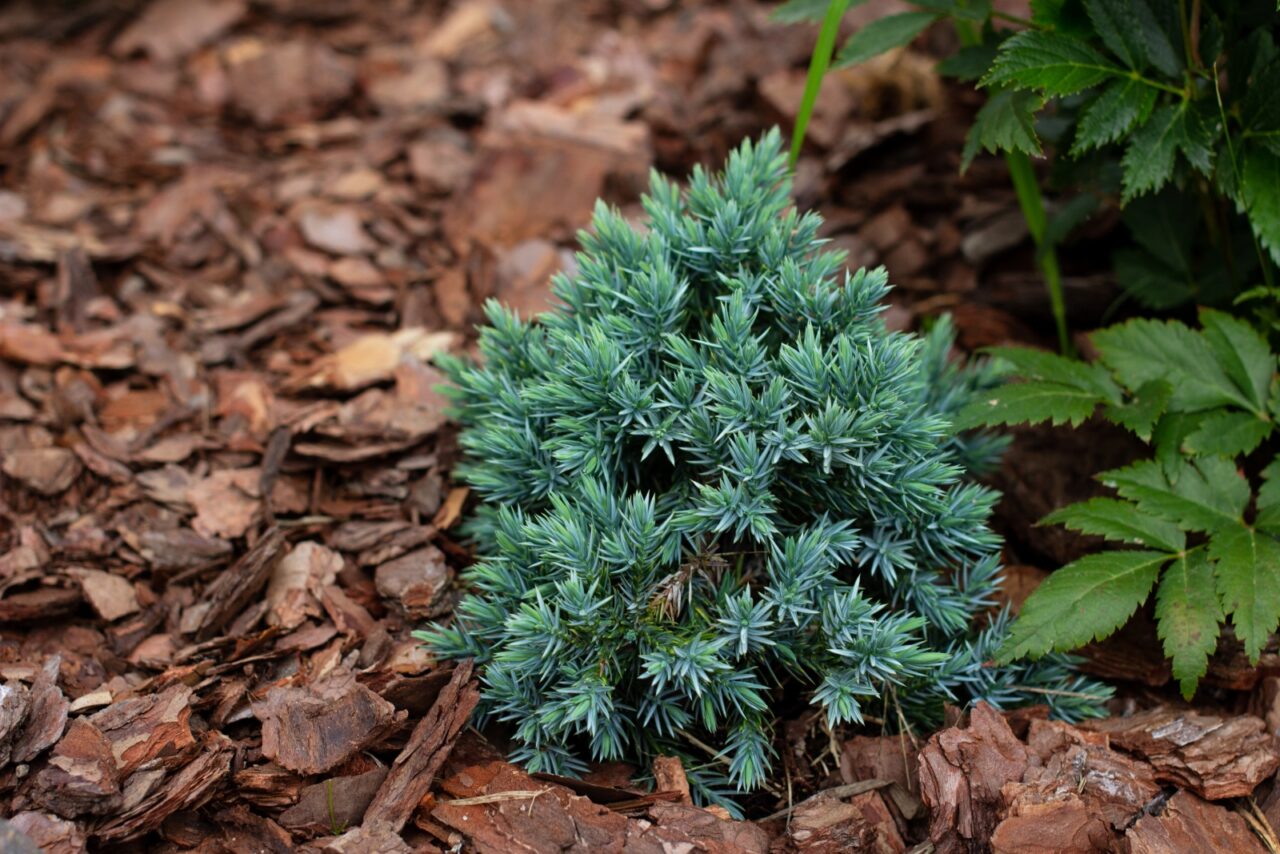
You can use Wichita Blue Juniper to easily cover old or unattractive fences. Its dense, blue-green foliage provides good privacy without needing much care.
This plant grows steadily and adapts well to different soils. It also stays neat with minimal trimming, making your fence line look tidy year-round.
Savin Junipers as low evergreen groundcover
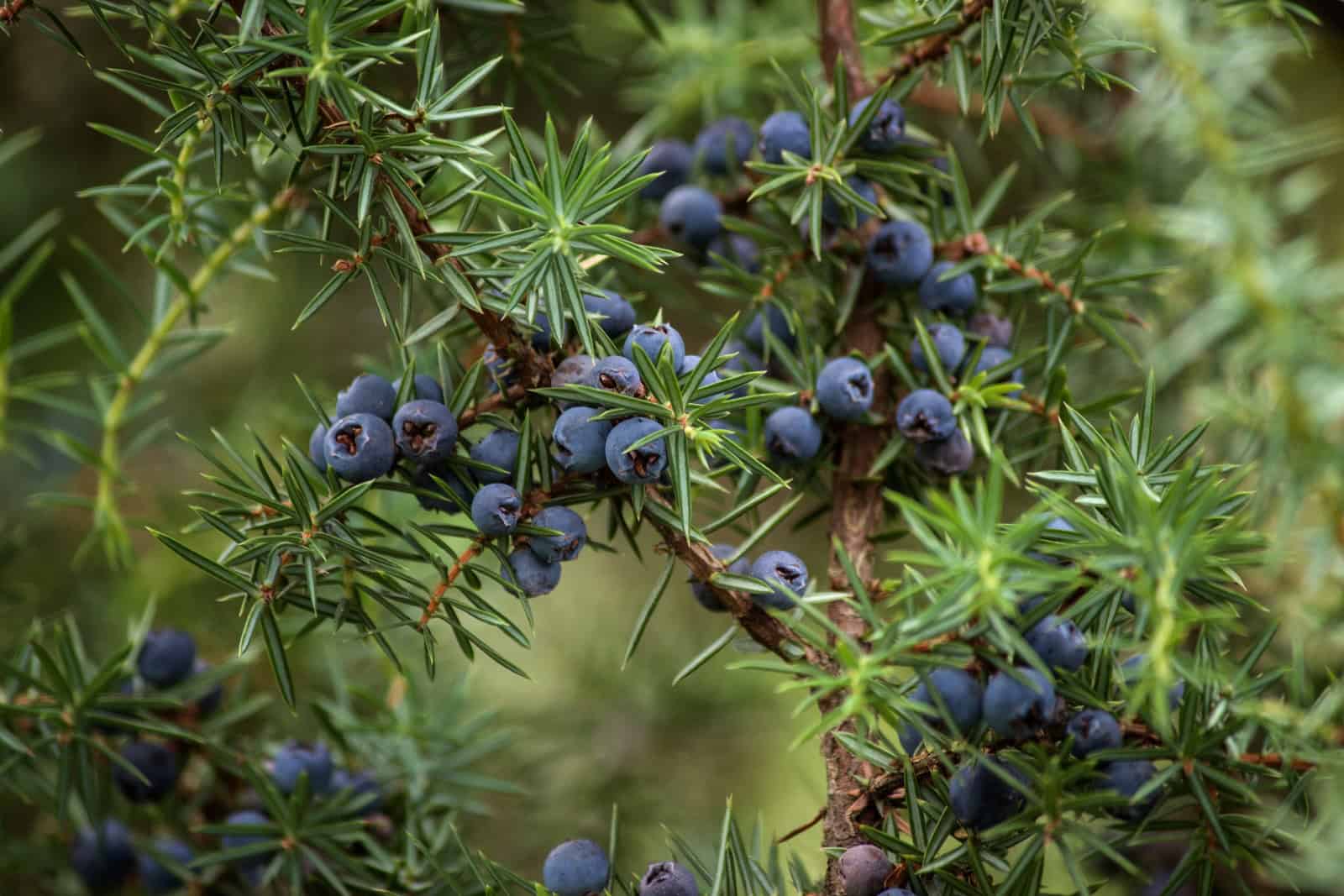
You can use Savin Junipers to cover bare spots with a lush, green carpet. Their spreading branches grow low, usually between 1 and 2 feet tall and up to 6 feet wide.
These plants work well on slopes or rock gardens, adding texture without needing much care. They stay green year-round, helping your yard look fresh even in winter.
Begonia Ferox for quirky texture and charm
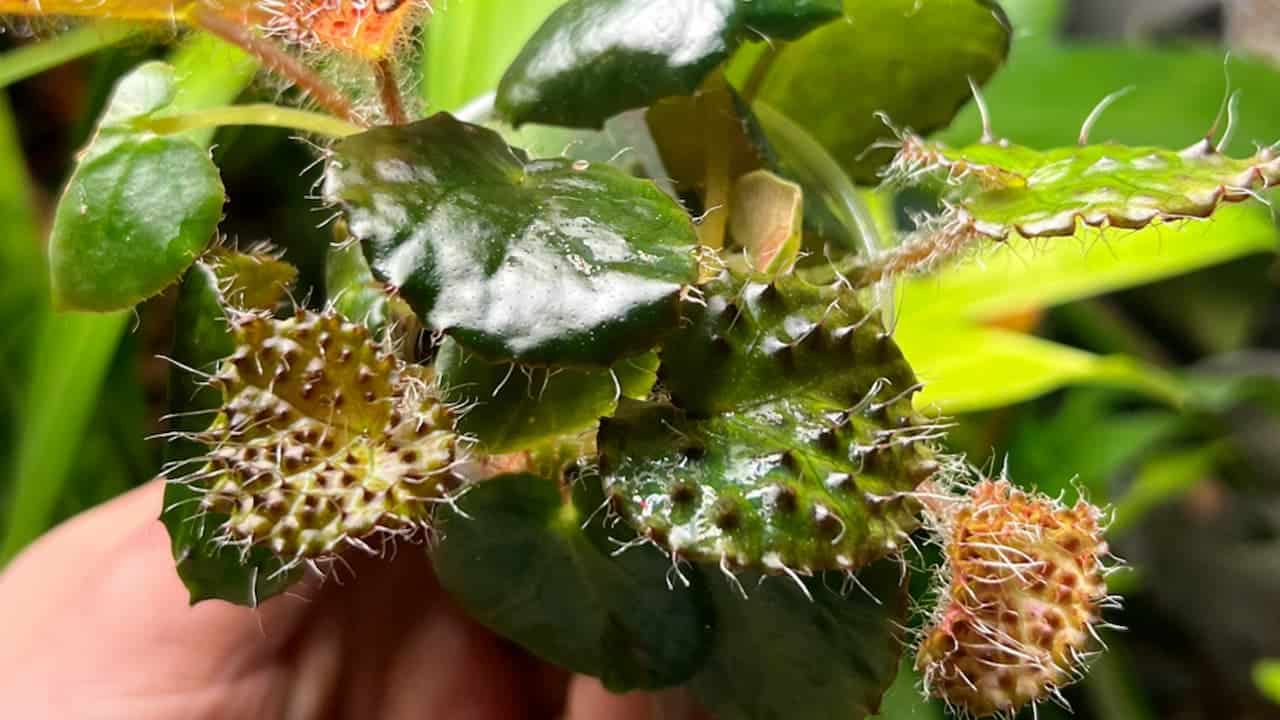
You’ll appreciate the Begonia Ferox for its unique, rough-textured leaves that add an interesting twist to any space. Its compact size makes it perfect for small, neglected corners.
This plant can be a bit fussy, so keep its environment stable—avoid extreme heat or cold. With a little patience, you’ll turn this quirky plant into a charming focal point.
Boston Fern to soften hard edges

You can use a Boston fern to soften sharp corners or harsh lines in your space. Its feathery, arching fronds create a gentle, natural look.
Place it where it gets indirect light, avoiding direct sun that can burn its leaves. Keep the soil consistently moist but not soggy for best results.
Boston ferns thrive in humidity, so misting or occasional soaking helps keep them lush. They add a refreshing, green touch that blends well with many styles.
Climbing Ivy to cover walls and trellises
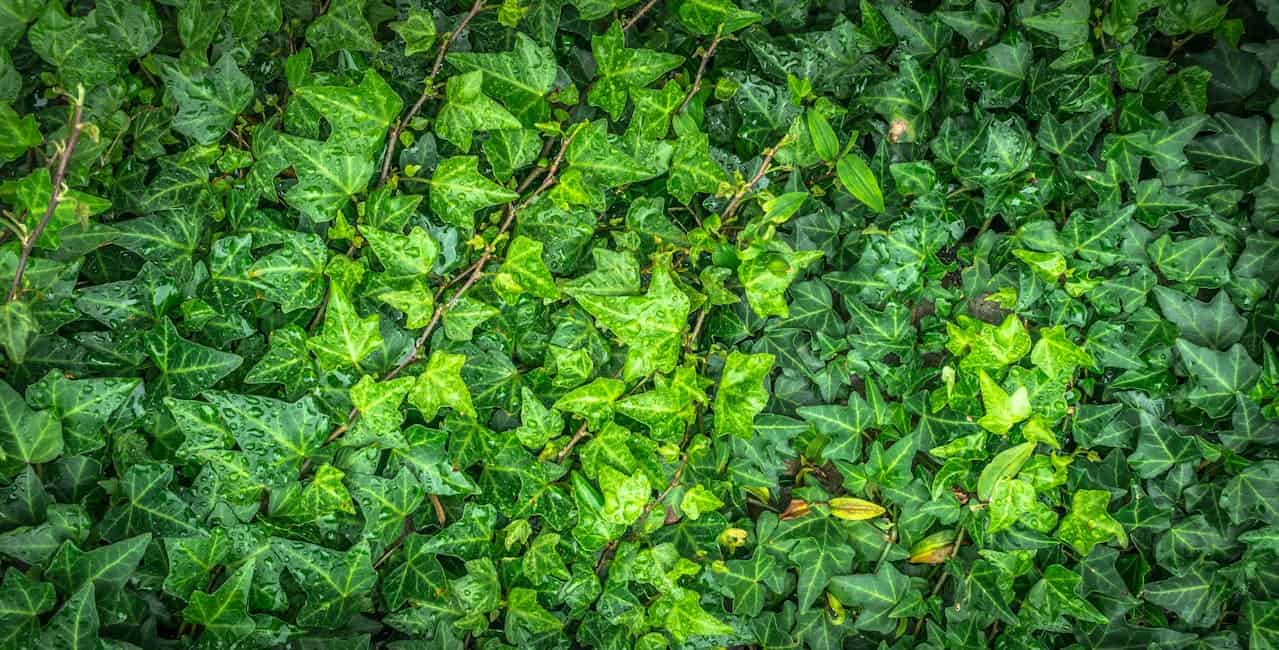
You can use climbing ivy to quickly cover plain walls or trellises. It adds a natural look while hiding unsightly areas.
Ivy is low-maintenance and grows densely, creating a lush green screen. When trained on a trellis, it brings height and texture to small spaces.
Artificial ivy is another option if you want easy upkeep and instant coverage. Both real and fake ivy can refresh your outdoor or indoor spots nicely.
Caladium for vibrant, colorful leaves
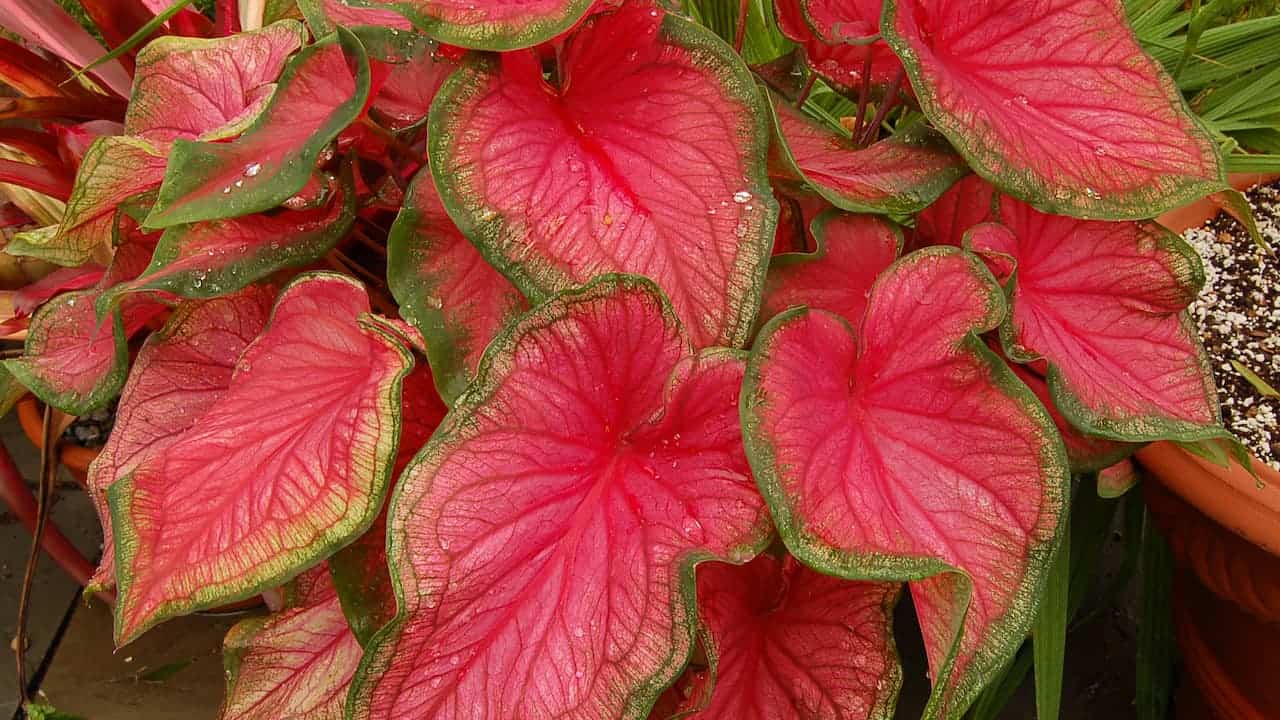
If you want to brighten up a shady spot, caladiums are a great choice. Their leaves come in striking patterns and colors, from speckled to striped.
You can easily plant them in pots or garden beds. These plants add a lively touch to any space with their large, heart-shaped leaves.
Caladiums work well both indoors and outdoors, making them versatile for your landscape or containers. They’re simple to care for and offer lasting color.
Japanese Maple for distinctive silhouette and color

You can use Japanese maples to add a unique shape to any space. Their twisted or upright branches create interesting silhouettes that catch the eye.
These trees also bring vibrant fall colors, ranging from fiery red to soft orange. Many varieties require little care, making them easy to maintain.
Whether you pick a compact type for a small area or a taller one for more impact, Japanese maples enhance your garden with subtle beauty.
Boxwood for neat, sculpted greenery
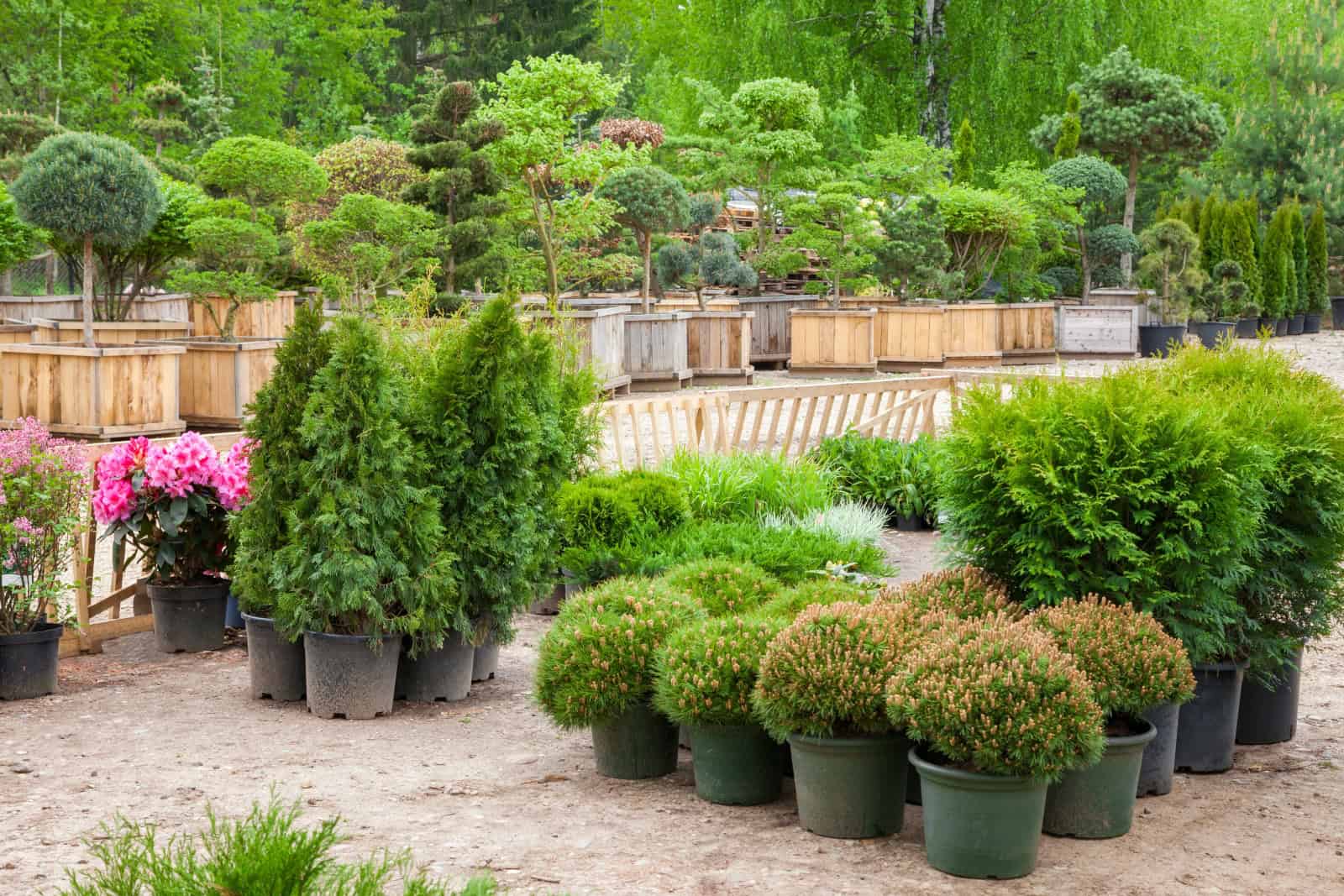
If you want tidy, shaped greenery, boxwood is a great choice. You can prune it into clean lines or interesting shapes.
Boxwood stays green year-round, making your space look fresh even in colder months.
It’s low maintenance and adapts well to different light conditions, though too much direct sun can cause discoloration. You’ll enjoy how easy it is to keep looking neat.
Lavender for fragrance and soft purple blooms

You can use lavender to add a gentle pop of soft purple color to any dull spot. Its fragrant blooms create a calming vibe in your outdoor space.
Lavender grows as an evergreen perennial with lovely purple spikes and subtle blue-green leaves. It’s quite easy to care for if you give it plenty of sunlight and well-drained soil.
Pair it with other water-wise plants like echinacea or black-eyed Susans to keep your garden looking vibrant without extra effort.
Ornamental Grasses to add movement and texture
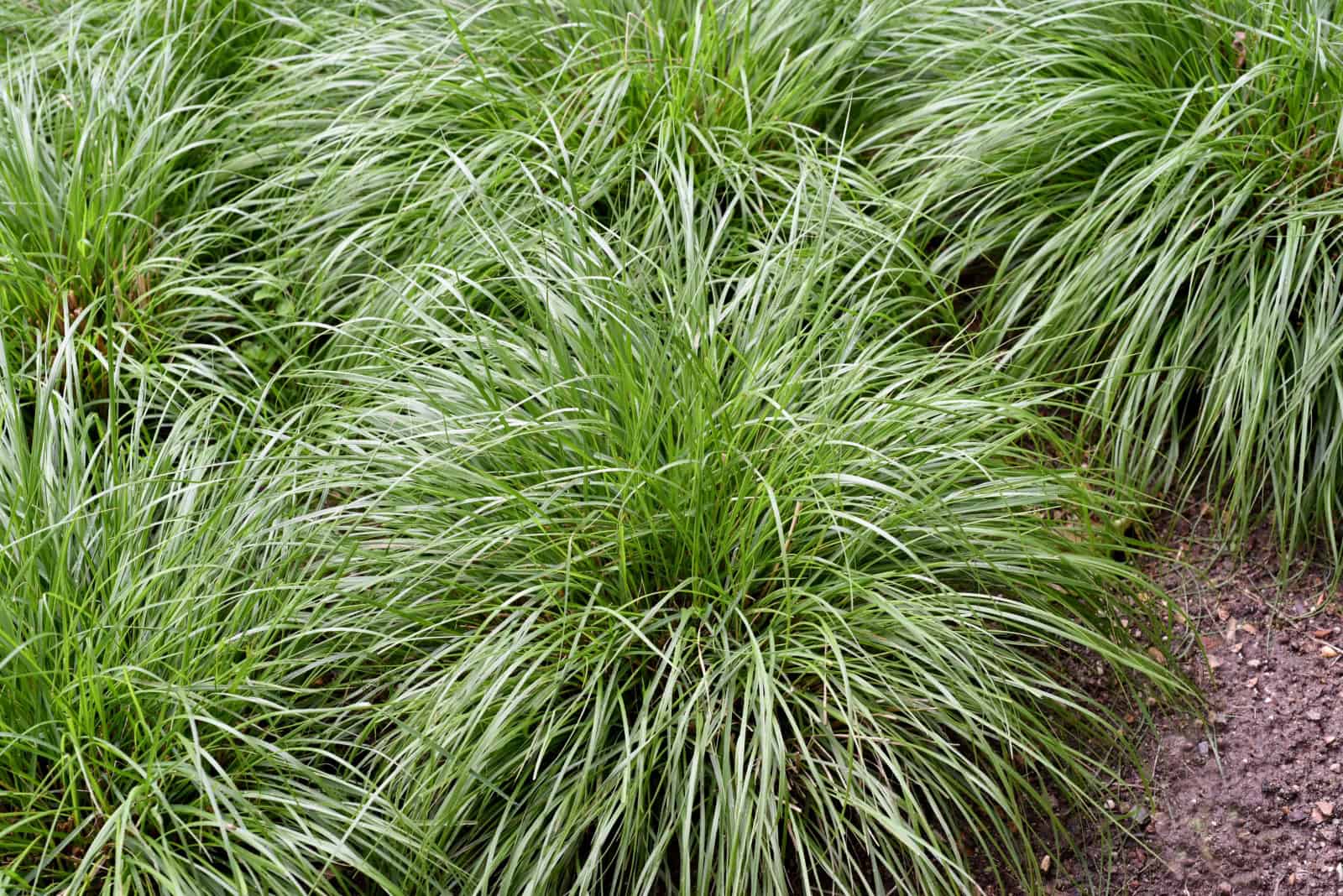
Ornamental grasses bring gentle movement to your garden, swaying with the breeze. This adds a dynamic element that softens hard edges or unattractive spots.
Their varied textures and colors create visual interest throughout the year. You can use them to hide utility areas while keeping access easy. Adding these grasses gives your space subtle beauty without much effort.
Hydrangea for big, showy flowers
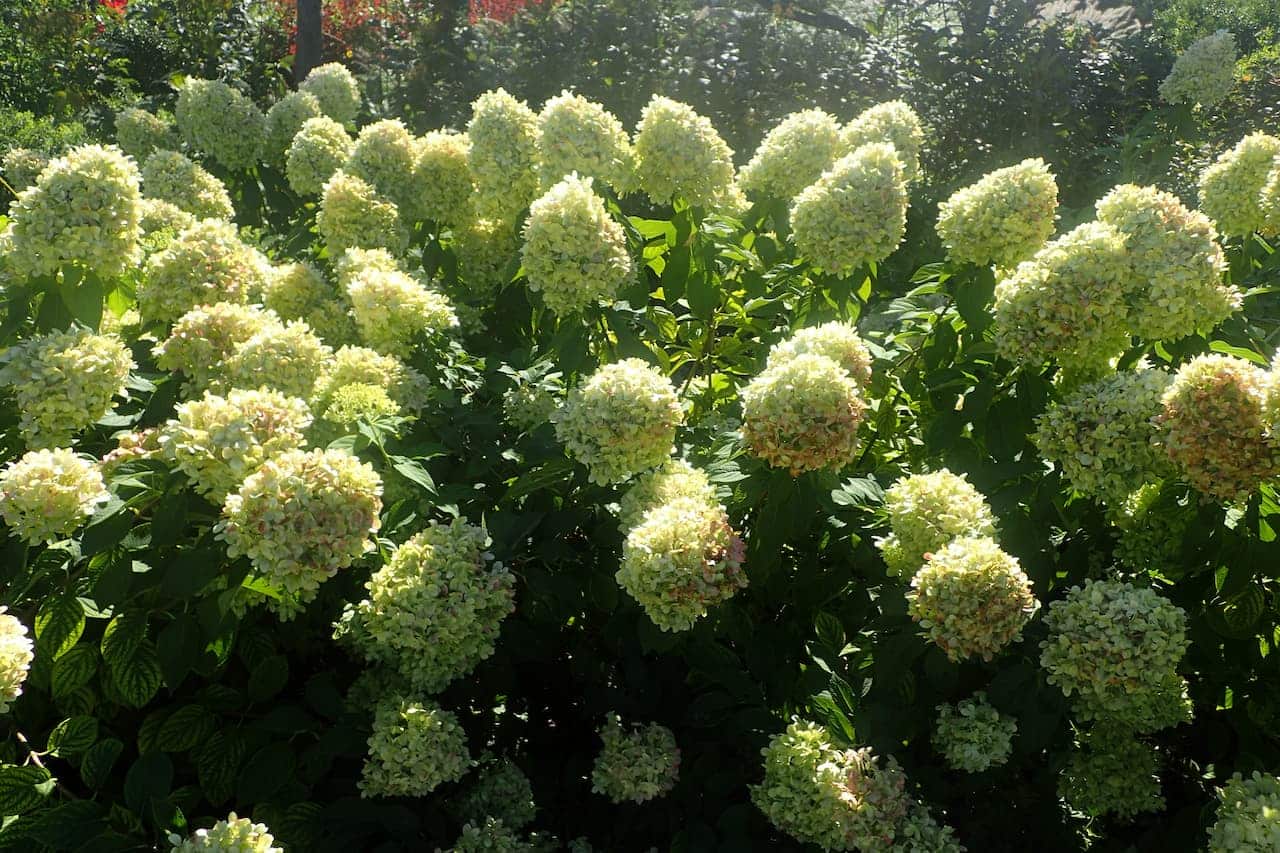
If you want bold blooms that stand out, hydrangeas are a great choice. Varieties like Incrediball® offer big, sturdy flowers that won’t flop over, making your space look neat and vibrant.
Oakleaf hydrangeas handle shade well and grow large enough to hide fences or unsightly areas. You can also try Tuxedo® hydrangeas if you prefer dense, compact plants with lots of flowers.
Coral Bells for vibrant foliage contrast
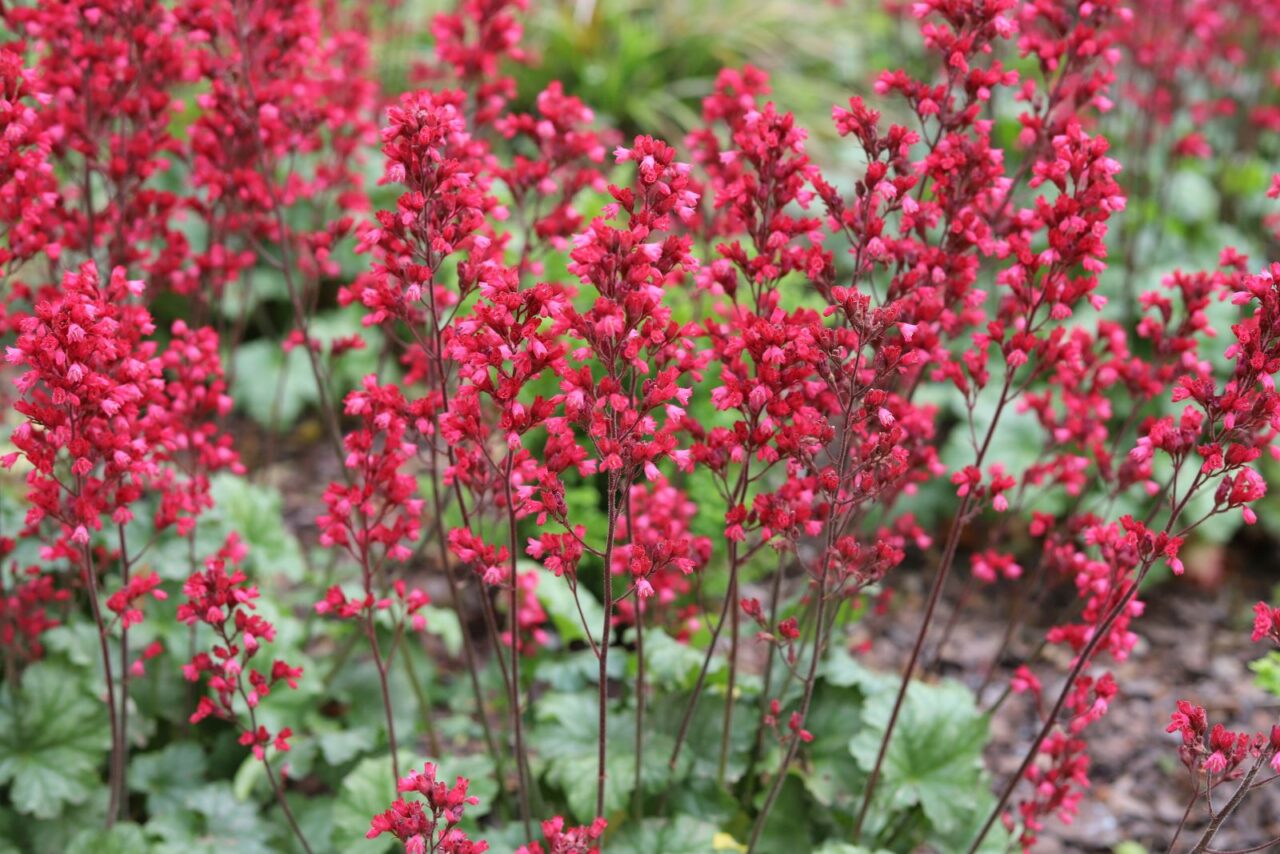
You can brighten shady spots with Coral Bells, which offer colorful leaves in shades of purple, green, and burgundy. These plants add a lively touch to dull garden corners.
Coral Bells are low-growing perennials that stay evergreen or semi-evergreen depending on your climate. Their small bell-shaped flowers also add a delicate detail to your landscape.
Azalea to brighten dull garden corners
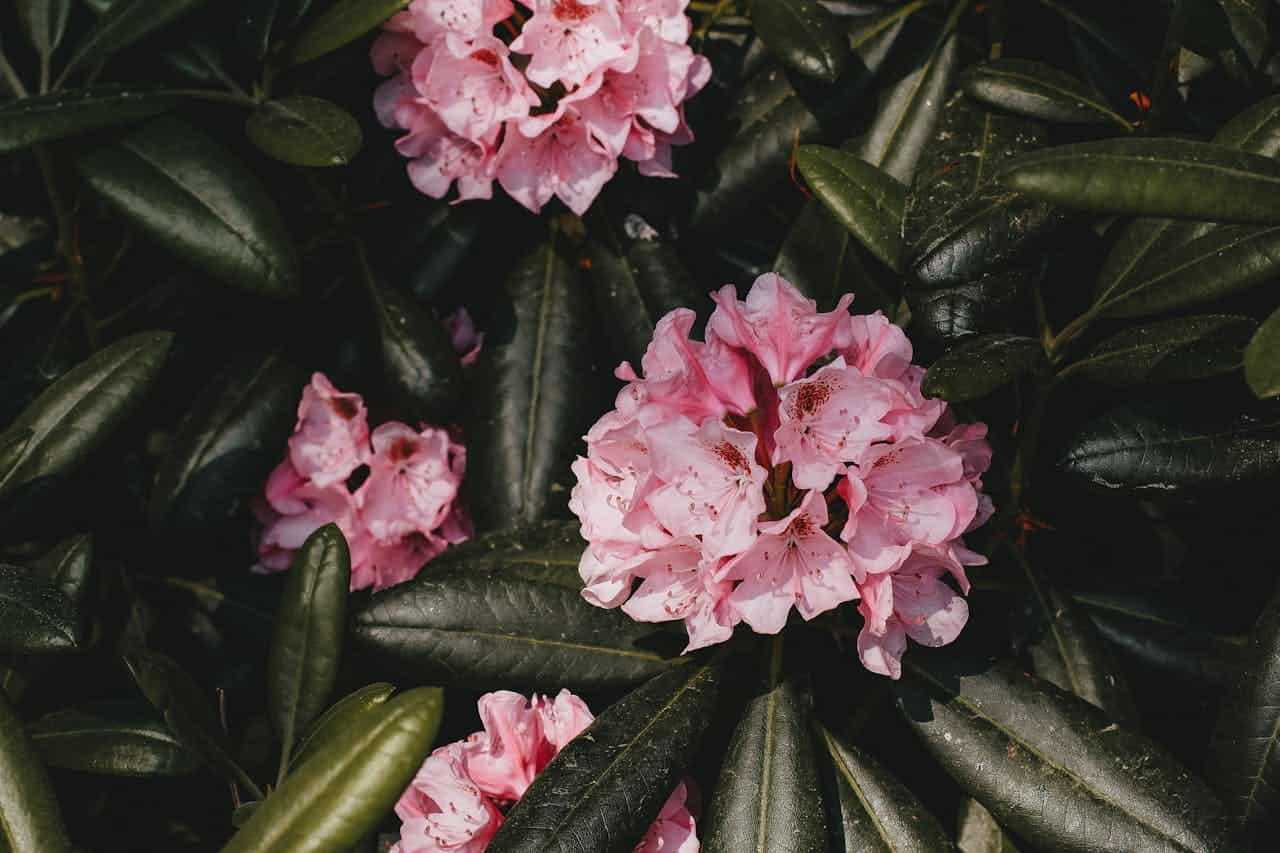
You can use azaleas to add color and life to shady or dull spots in your garden. They prefer partial shade and will tolerate moisture from lawn sprinklers.
Azaleas have showy flowers and evergreen leaves that keep your garden looking fresh for months. They are low-maintenance and can thrive where many plants struggle.
Planting azaleas in corners gives a soft, natural look that brightens up the area without requiring full sun.
Ficus Pumila to quickly cover ugly surfaces
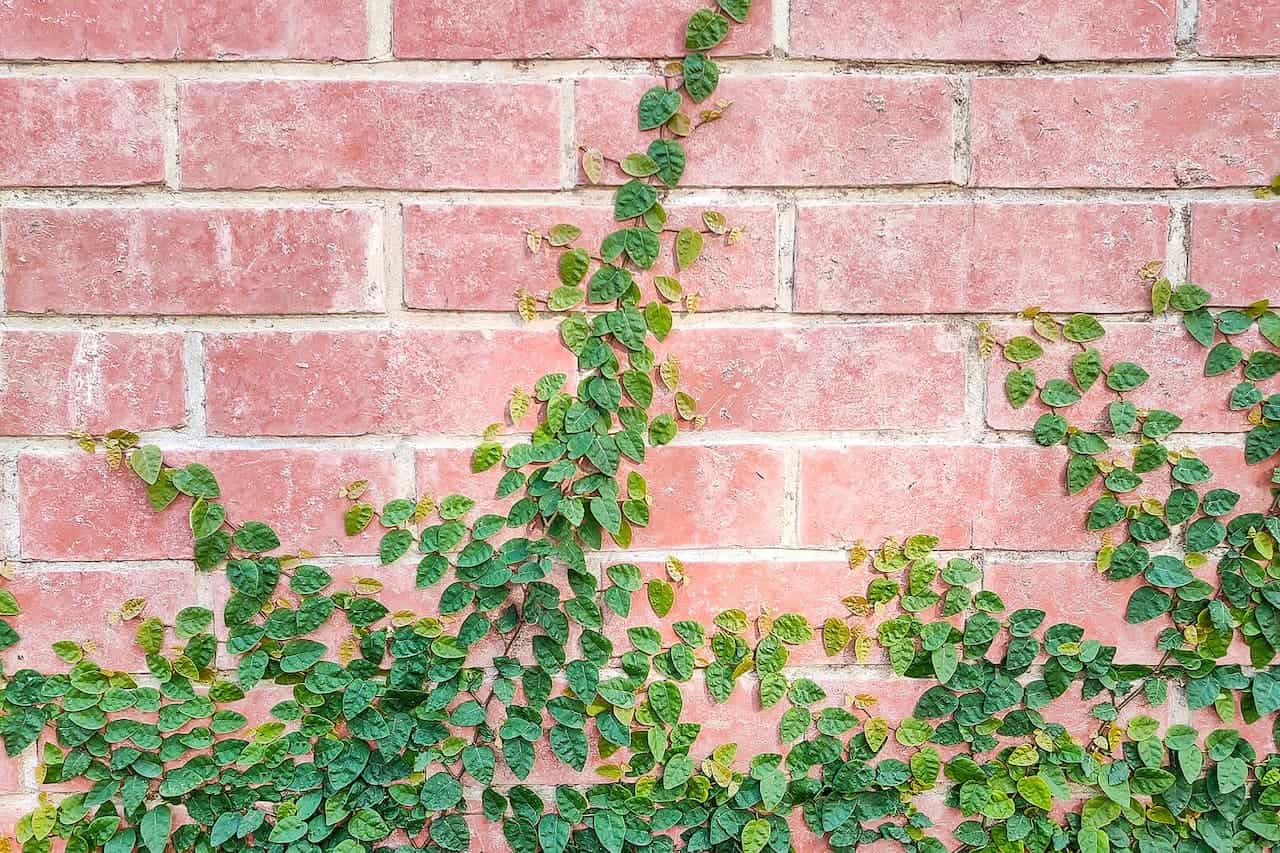
If you have an ugly wall or fence, Ficus pumila is a great option to cover it fast. This creeping fig grows quickly and clings tightly to surfaces, creating a natural green cover.
You don’t need much space, and it’s easy to maintain. Its evergreen leaves help keep your area looking fresh year-round. Perfect for hiding imperfections without much effort.
Hostas for instant curb appeal under trees

You can brighten shaded spots under your trees with hostas. These plants thrive in low light and add lush green texture to dull areas.
Hostas come in many sizes and leaf colors, so you can pick the perfect style for your yard. They’re low-maintenance and work well in zones 3 to 8.
Planting hostas around tree bases also helps hide bare soil and makes your curb appeal look more polished.