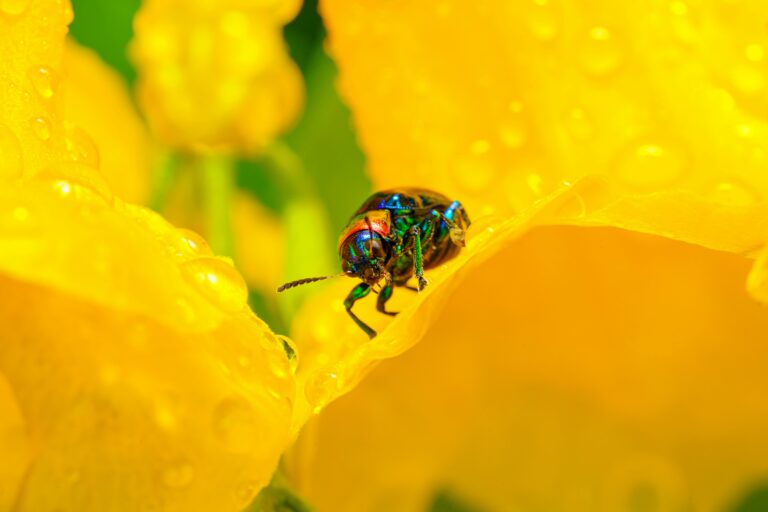
Creating a garden that supports pollinators can make a big difference for your local environment. Pollinators like bees, butterflies, and hummingbirds help plants reproduce, which is vital for healthy ecosystems.
Choosing the right perennials for your garden can attract these important visitors while adding beauty and low-maintenance greenery to your space. This guide will introduce you to 17 perennials that work well in pollinator-friendly gardens.
Advertisement
Purple Coneflower (Echinacea purpurea)
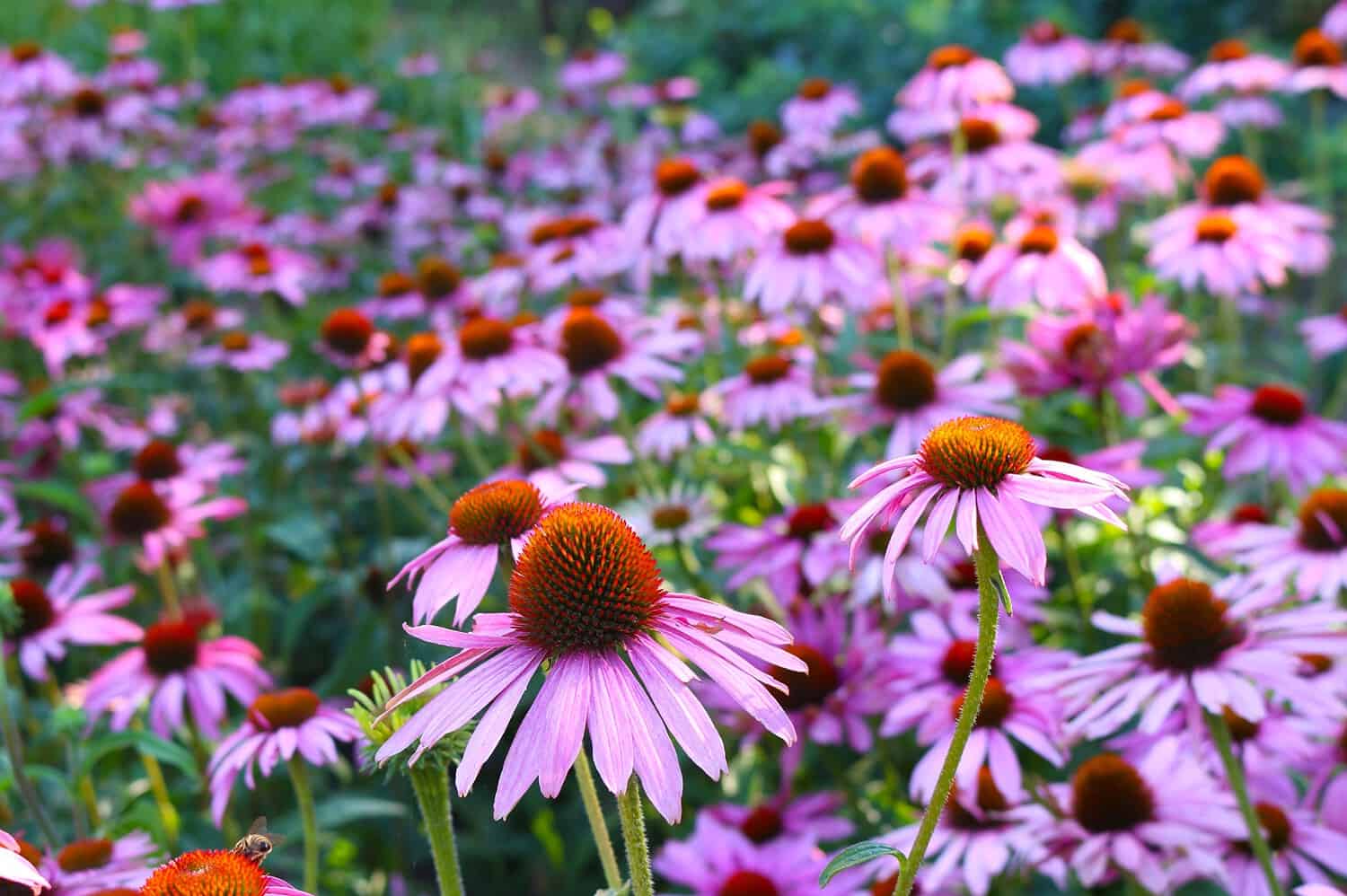
You’ll find Purple Coneflower easy to grow in most garden conditions. It prefers full sun and well-drained soil, making it great for beds and borders.
This plant blooms with striking purple petals that attract bees, butterflies, and other pollinators. It’s a lovely way to support wildlife while adding color to your garden.
Bee Balm (Monarda didyma)
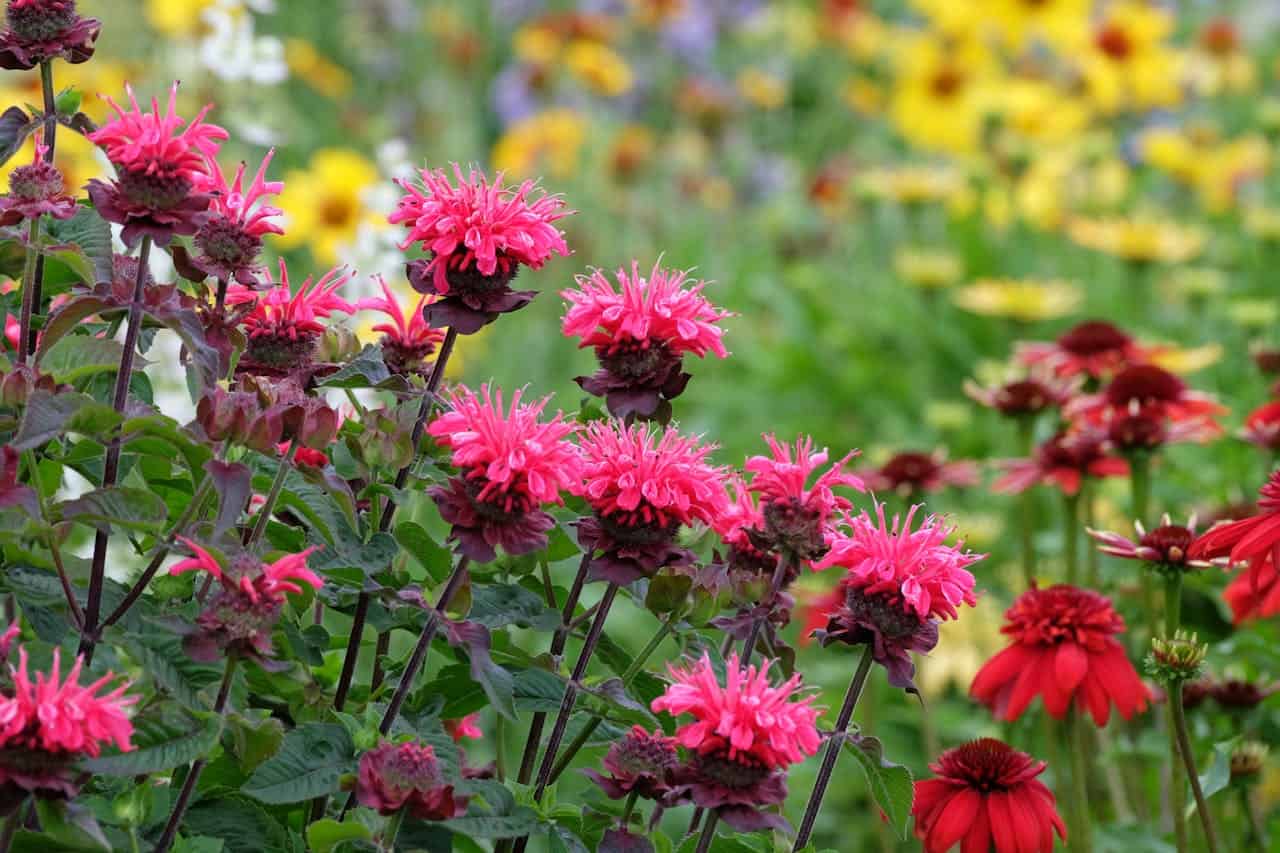
Bee Balm is a great choice for your pollinator garden. It prefers medium to wet soil and grows best in sun to part sun.
You can expect bright, colorful flowers that attract bees, butterflies, and hummingbirds. Some varieties grow 3-4 feet tall, while compact types stay around 1-2 feet. Make sure your garden zone fits USDA zones 4-8 for the best results.
Black-eyed Susan (Rudbeckia hirta)
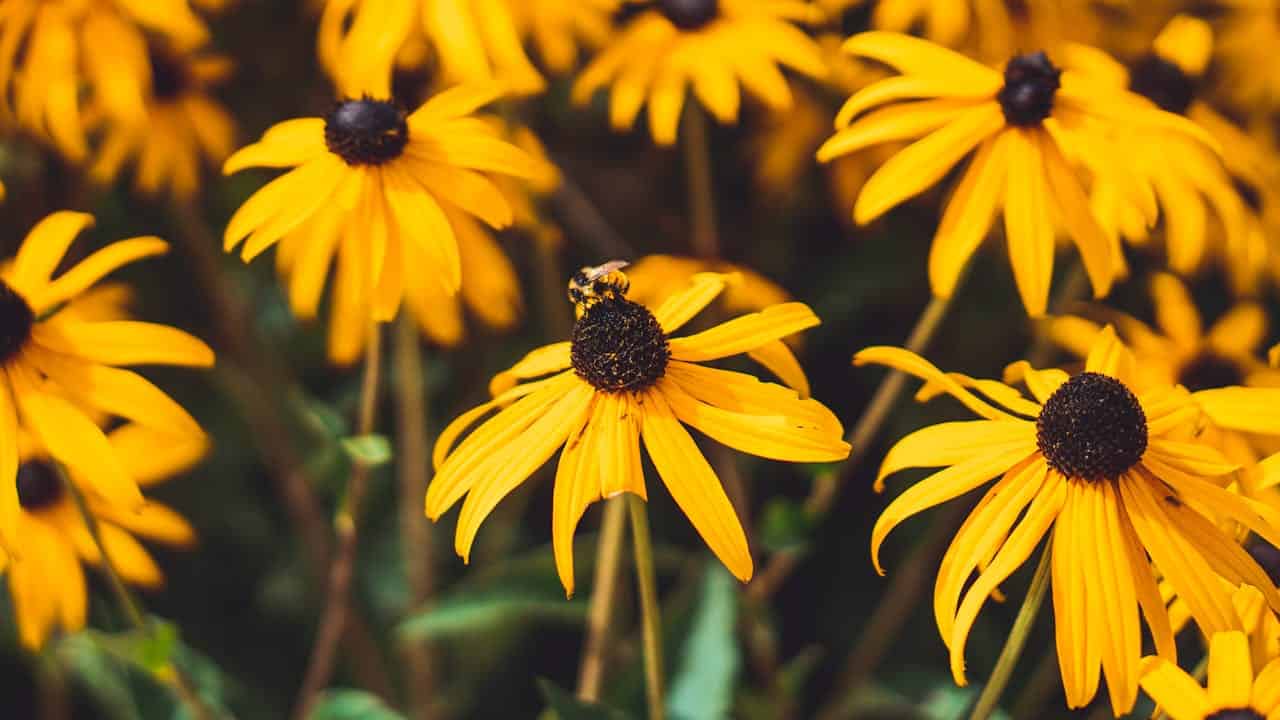
You’ll find Black-eyed Susans bring a bright, cheerful splash to your garden from summer to fall. They attract pollinators like bees, butterflies, and even hummingbirds.
These plants are easy to grow and drought-tolerant. Keep in mind, they often reseed themselves to come back each year.
Milkweed (Asclepias tuberosa)

If you want to attract butterflies and other pollinators, milkweed is a great choice. Its bright orange flowers bring color and activity to your garden.
This hardy perennial thrives in dry conditions and blooms through much of the summer. You’ll enjoy watching bees and butterflies visit as they feed on its nectar.
Catmint (Nepeta racemosa)
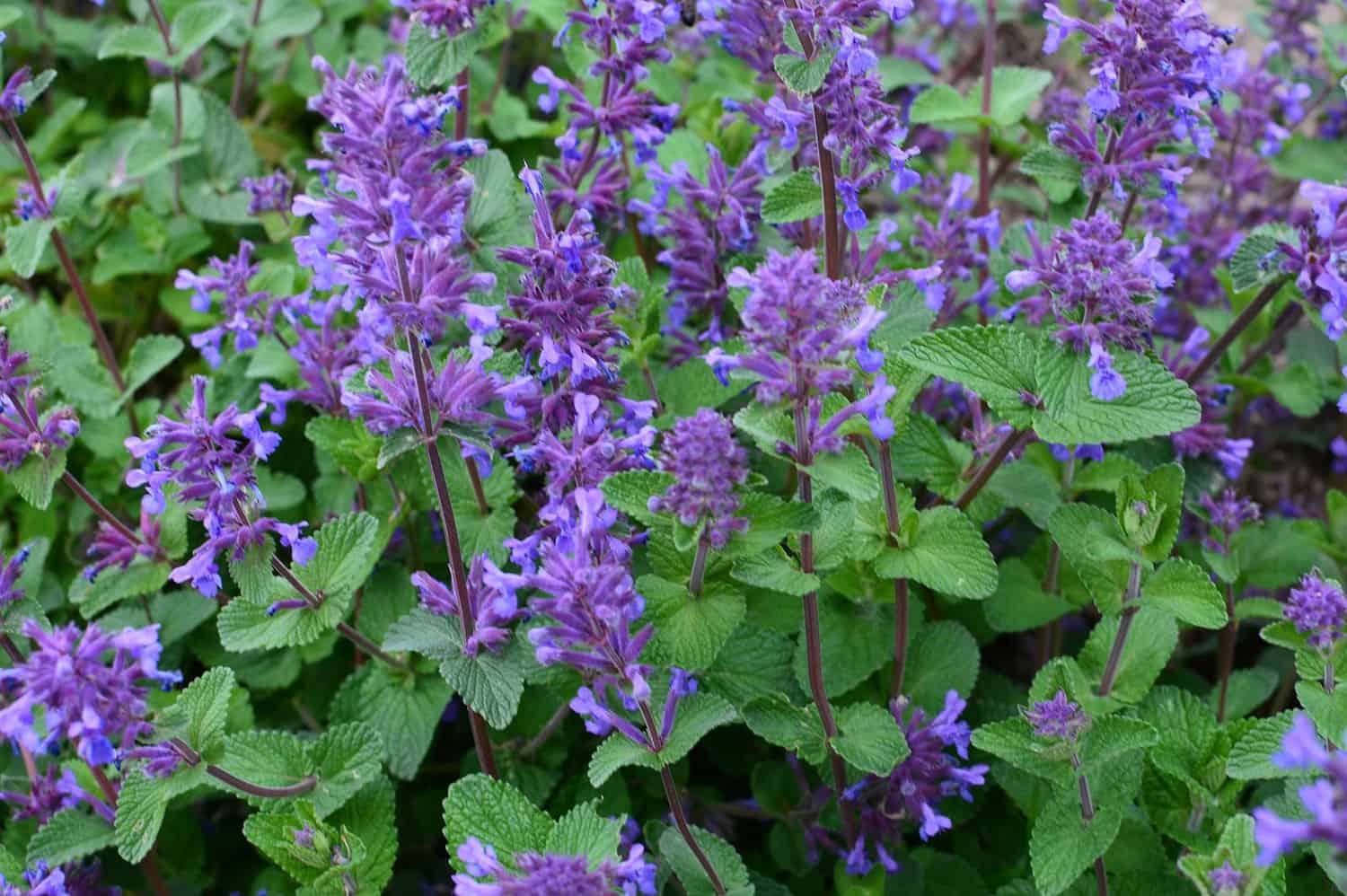
You’ll find Catmint easy to grow and low maintenance. It blooms for months and attracts lots of bees and other pollinators to your garden.
This perennial handles drought well and fits nicely in containers or borders. Plus, it pairs beautifully with many other plants without needing much care.
Butterfly Weed (Asclepias tuberosa)

You’ll love adding Butterfly Weed to your garden. Its bright orange flowers attract butterflies, bees, and hummingbirds.
This plant is drought tolerant once established and prefers full sun with well-drained soil. It also serves as a host for Monarch butterfly larvae.
Wild Bergamot (Monarda fistulosa)
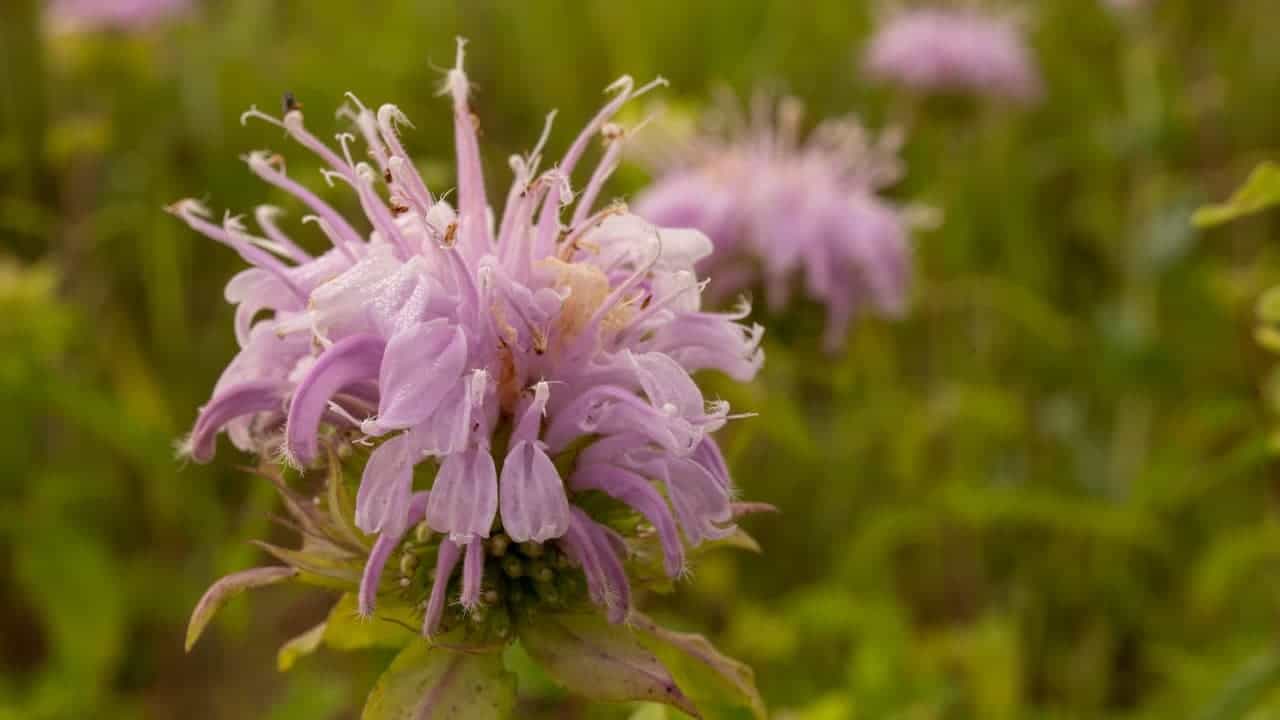
You’ll love adding Wild Bergamot to your garden for its fragrant, lilac-purple flowers. It grows in clumps and attracts many pollinators like bees, butterflies, and hummingbird moths.
This perennial prefers well-drained soil and plenty of sunlight. It’s easy to grow and works well in spaces where you want to support pollinators naturally.
Blazing Star (Liatris spicata)

You’ll love Blazing Star for its tall, spiky purple flowers that attract many pollinators. It grows well in full sun and prefers well-drained, moderately moist soil.
This perennial is also easy to grow and tolerates drought. It adds vertical interest to your garden while supporting bees and butterflies.
Purple Prairie Clover (Dalea purpurea)
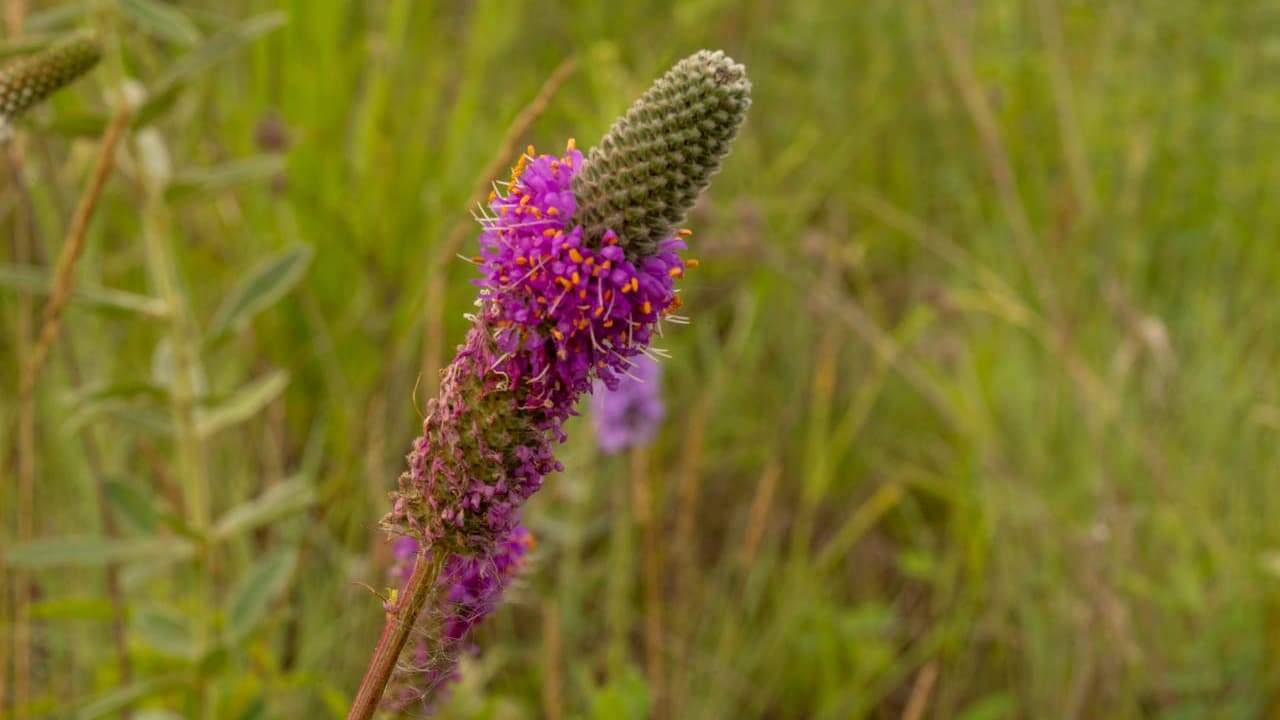
You’ll find Purple Prairie Clover thrives in dry, sunny spots, making it perfect for your pollinator garden. It attracts bumble bees and butterflies with its nectar-rich flowers.
This hardy perennial adds soft, airy texture and long-lasting color. Plant it in well-drained soil and watch beneficial insects visit your garden throughout the season.
Bluebeard (Caryopteris x clandonensis)
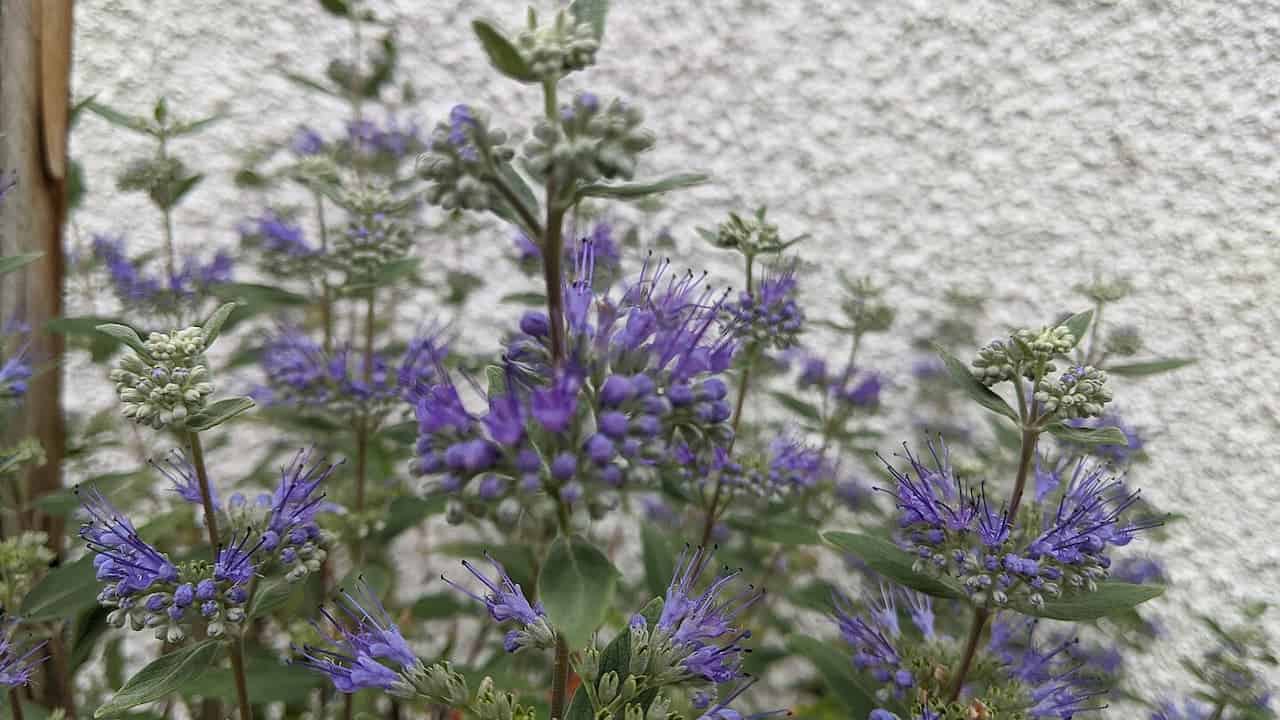
You’ll love Bluebeard for its bright blue flowers that bloom late into the season. It’s low maintenance and drought tolerant, making it easy to care for in your garden.
Bluebeard attracts bees, butterflies, and even hummingbirds. Its long blooming period adds color and life when many other plants have finished flowering.
Columbine (Aquilegia canadensis)
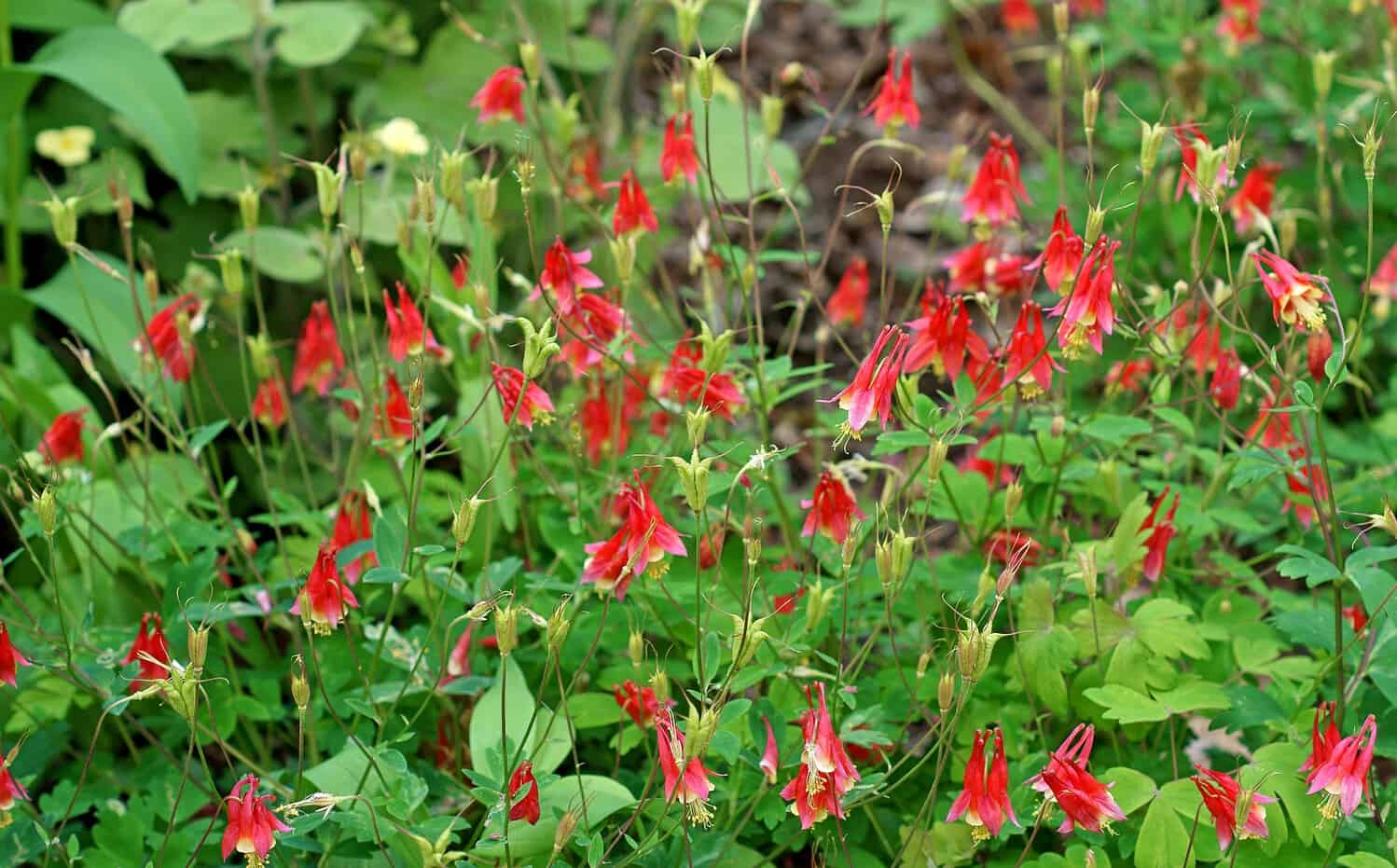
You’ll find Columbine is a great choice for attracting pollinators like hummingbirds and bees to your garden. It grows well in partly shaded areas but can handle full sun, too.
This plant is deer-resistant and adapts to many soil types. It fits nicely in woodland or naturalized garden settings.
Viburnum dentatum
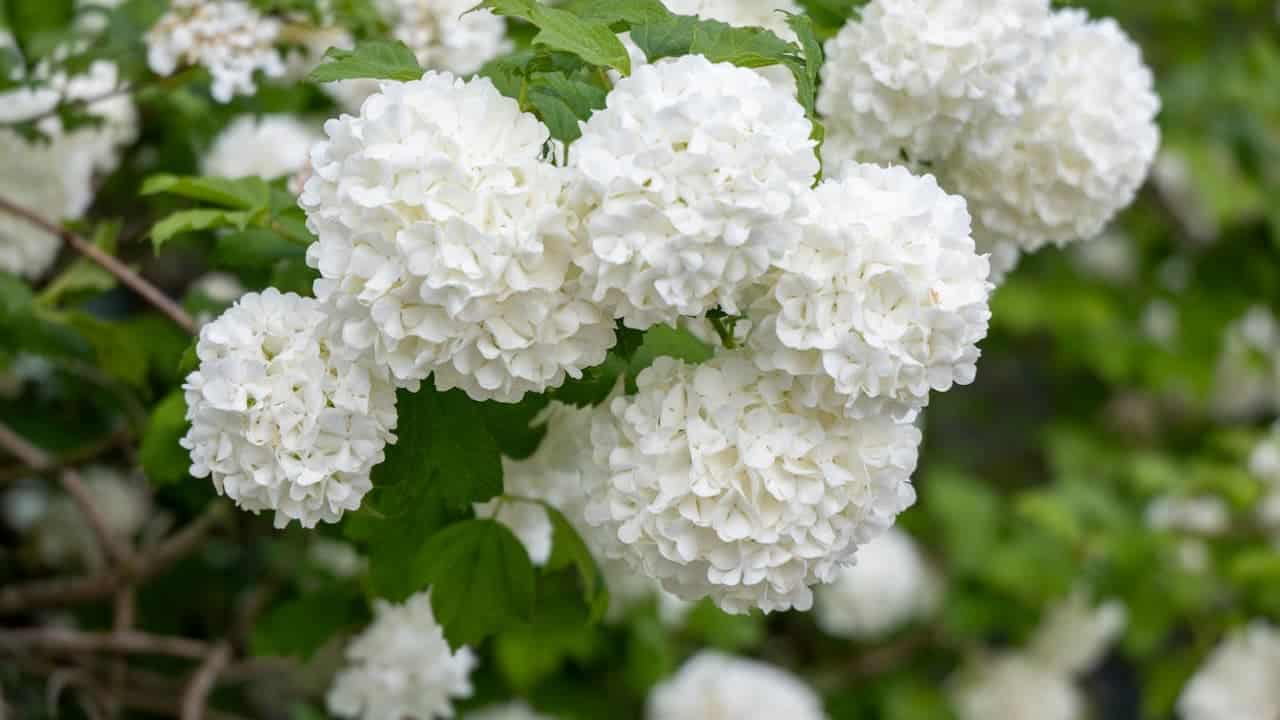
If you want a shrub that attracts pollinators and offers seasonal interest, Viburnum dentatum is a good choice. You’ll see clusters of white flowers in late spring that draw in bees and butterflies.
To get fruit in the fall, plant at least two shrubs nearby for cross-pollination. The blue berries provide food for birds and add color to your garden.
Astilbe
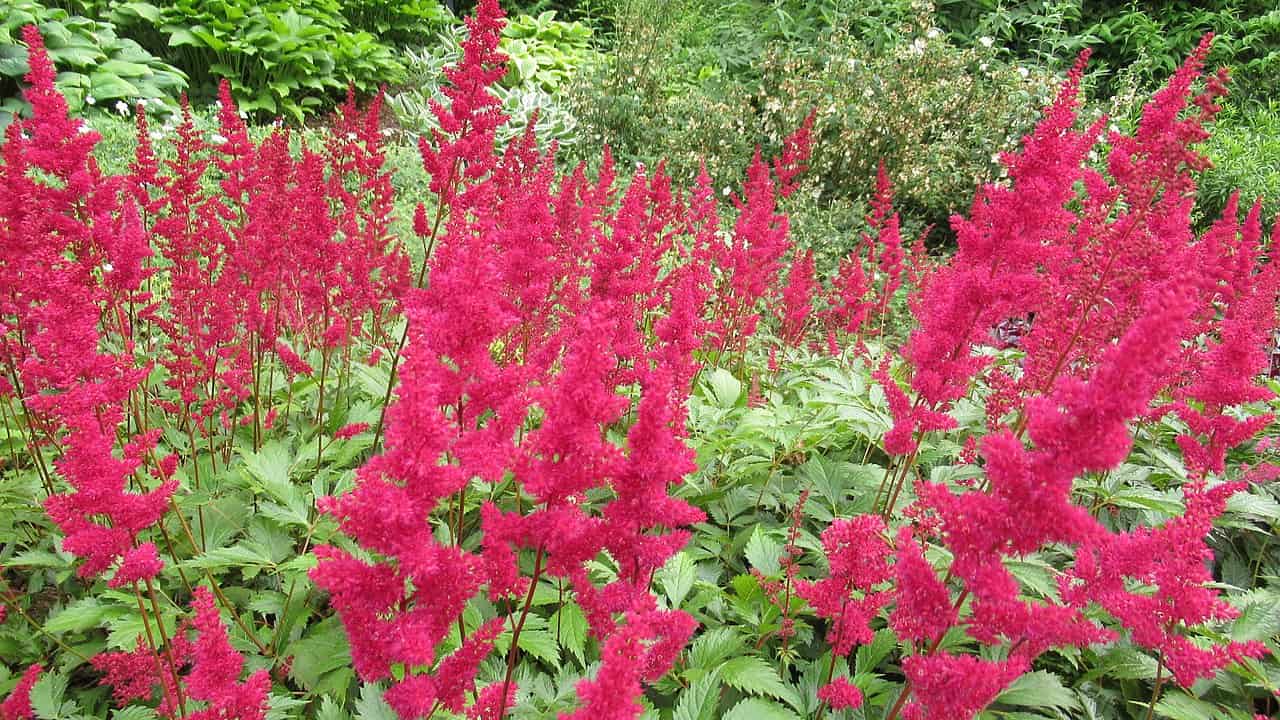
Astilbe is a great choice for shady spots in your garden. Its feathery flowers attract bees, butterflies, and other pollinators.
You’ll enjoy its colorful plumes that come in shades of pink, white, and red. Astilbe adds texture and life to any pollinator-friendly space.
Bleeding Heart (Dicentra spectabilis)
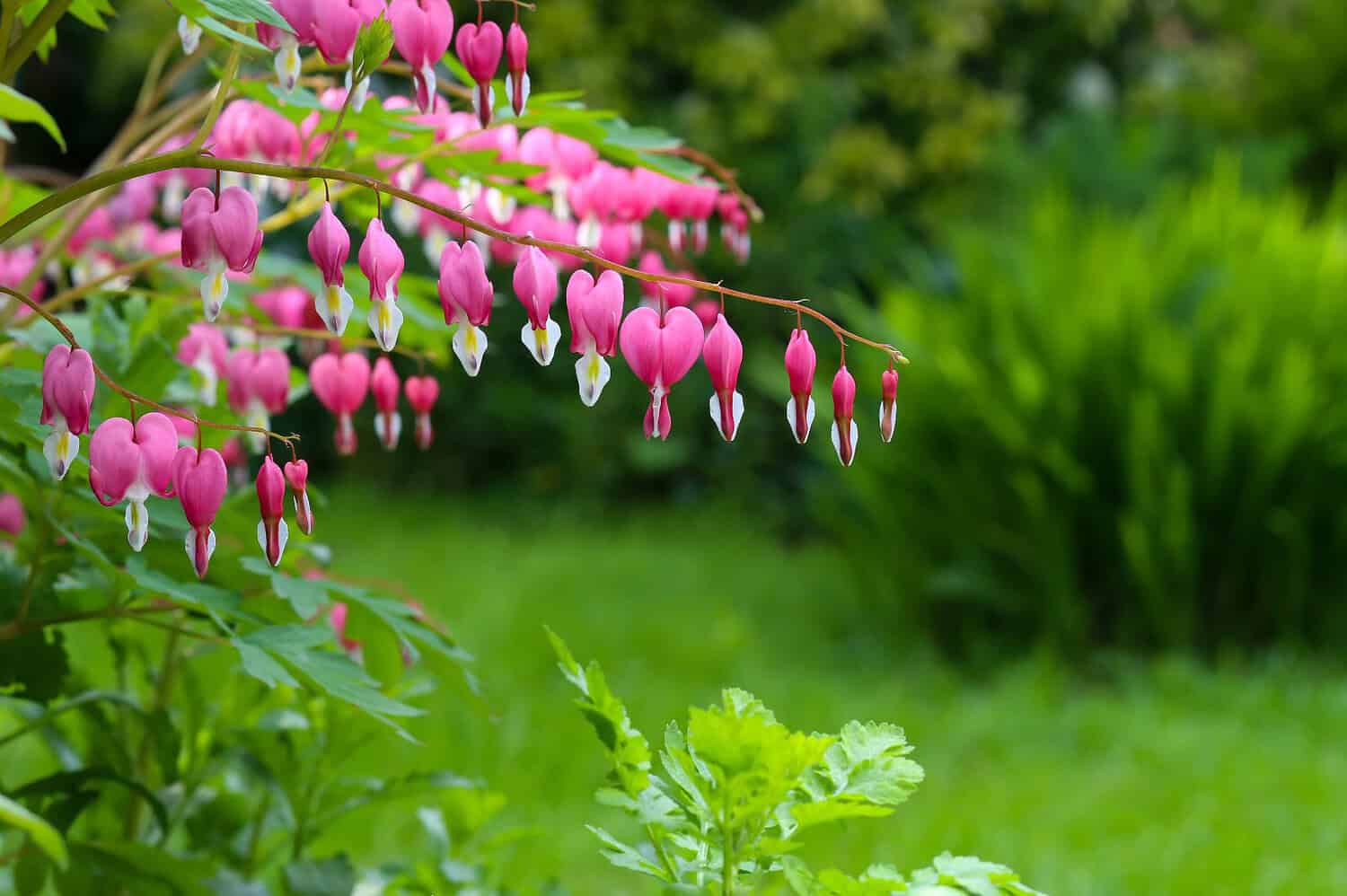
You’ll love adding Bleeding Heart to your garden if you want charming, heart-shaped flowers in spring. It grows well in light shade and reaches about 24-30 inches tall.
This plant fits nicely among spring bulbs, helping to hide fading foliage. It prefers moist, well-drained soil and blooms before many other perennials start to flower.
Hot Lips Sage (Salvia microphylla)
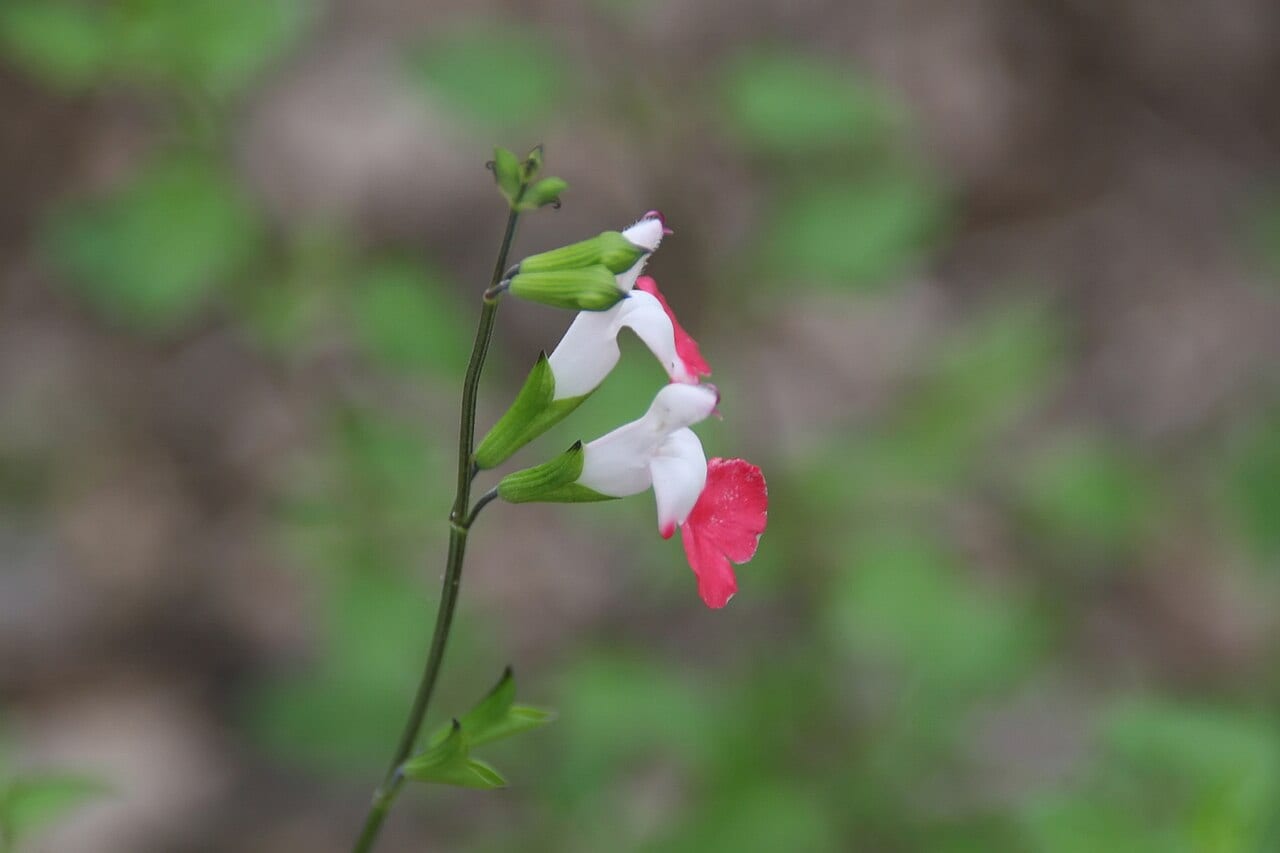
You’ll love Hot Lips Sage for its bright red and white flowers that bloom all summer. It grows quickly and forms a wide clump, adding color and texture to your garden.
This plant thrives in full sun and well-drained soil. Once established, it handles drought well.
Hot Lips Sage also attracts hummingbirds.
Sunflowers (Helianthus annuus)
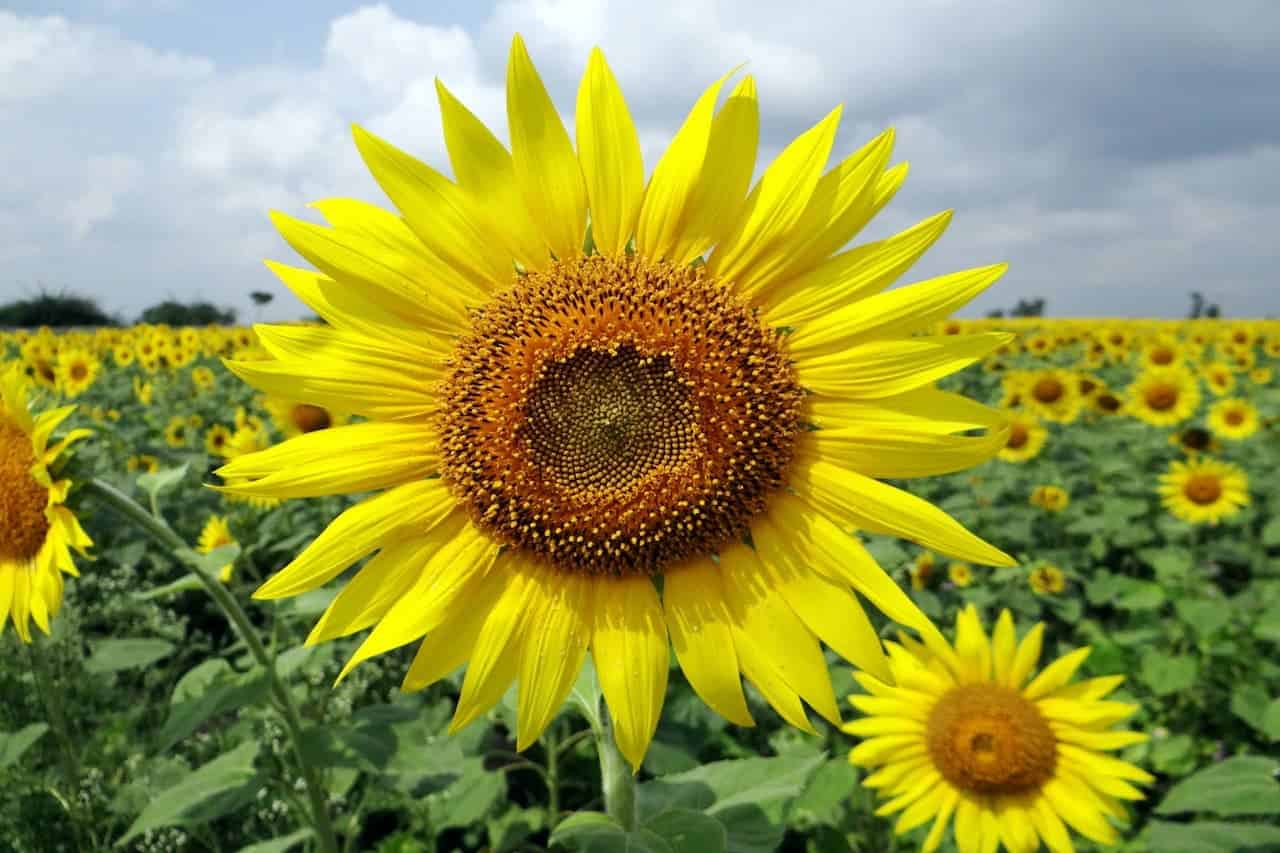
You can attract many pollinators with sunflowers. Their large, bright flower heads provide easy access to nectar and pollen.
Sunflowers grow tall, often reaching 5 to 6 feet, making them a striking addition to your garden. They have both petals and central disc flowers, which are loved by bees and other insects.
Goldenrod (Solidago spp.)

You’ll find goldenrod brightening your garden with clusters of small yellow flowers in late summer. It’s a reliable nectar source for many pollinators, especially in the late season when other flowers fade.
Goldenrod also supports caterpillars, making it a valuable host plant. It adapts well to different soils and tolerates both wet and dry conditions, fitting easily into your garden.