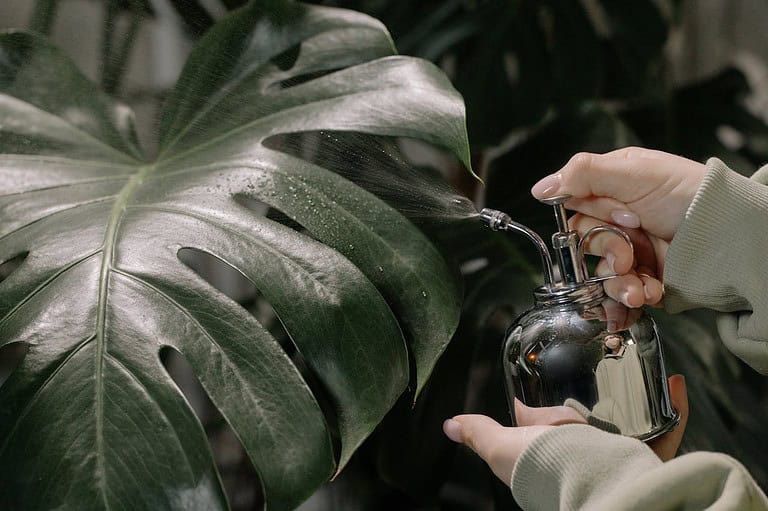
The health and beauty of a garden is often the product of careful planning, consistent nurturing, and a wealth of gardening knowledge. However, even with the best intentions, we can sometimes fall prey to gardening myths that are widely circulated. These misconceptions can lead us to make mistakes that hinder our garden’s growth and vitality. This is why it’s crucial to dispel these myths and rely on accurate information to cultivate a flourishing garden. In this article, we’ll debunk 17 common gardening myths that could be harming your garden’s health.
1. Watering Plants At Midday Will Burn Their Leaves

It’s a common myth that watering plants in the heat of the day will cause the water droplets to act like mini magnifying glasses, scorching the leaves. However, several studies have debunked this myth. While it is true that water droplets can theoretically focus sunlight, the amount of damage this could cause is negligible. The issue with watering at midday isn’t about burning – it’s about water evaporation. Watering at midday is less efficient because most of the water will evaporate before the plants can absorb it. Early morning or late evening watering is generally best, as it allows the water to soak into the soil and reach the plant roots.
Advertisement
2. More Fertilizer Means More Growth
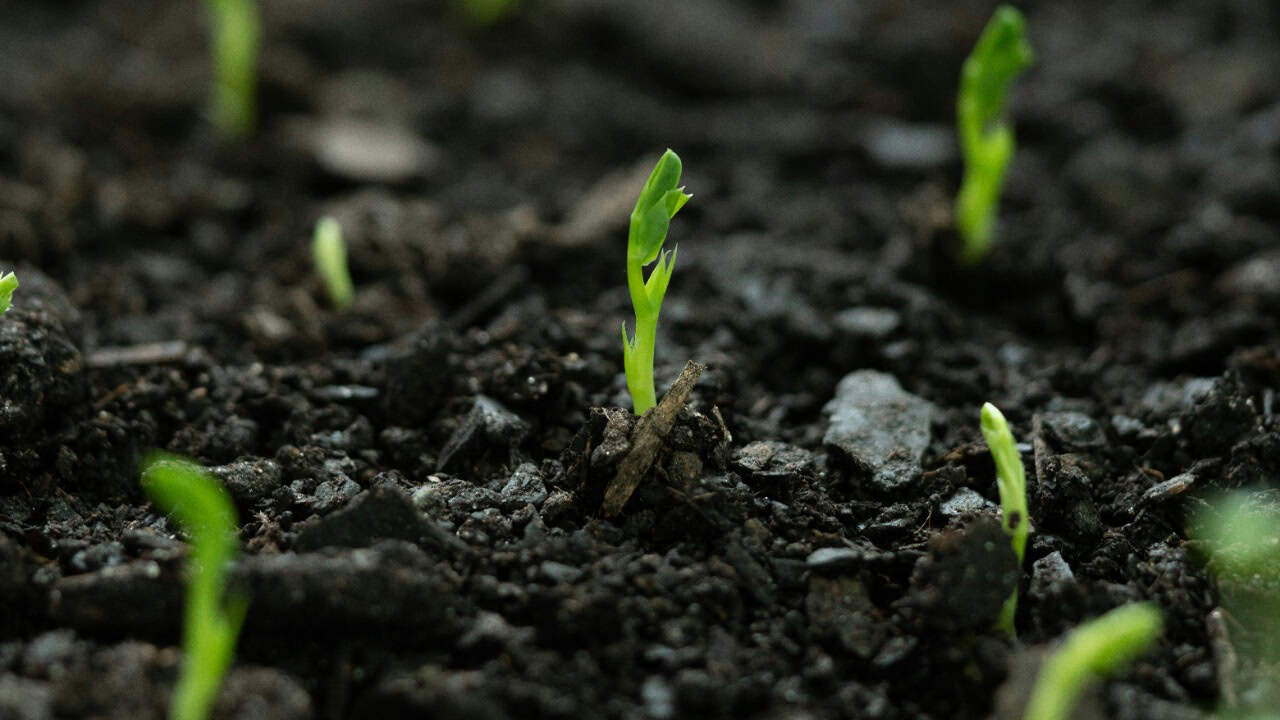
This is a classic case of ‘too much of a good thing’. While plants need nutrients to grow, an excess of fertilizer can actually harm them. Over-fertilization can cause rapid, weak growth, make plants more susceptible to pests and diseases, and even burn plants by creating a high salt concentration in the soil. A good gardener knows the importance of nutrient balance. It’s essential to understand the specific nutritional needs of your plants and apply fertilizer accordingly.
3. Organic Pesticides Are Safer Than Synthetic Ones

Just because a pesticide is organic doesn’t mean it’s harmless. Many organic pesticides are designed to kill pests, meaning they can also harm beneficial insects, pets, or even humans if misused. Always read and follow the instructions on the label, regardless of whether the pesticide is organic or synthetic. And remember, the best pest control is often a healthy plant. Pests tend to attack plants that are already weakened by stress or disease.
4. New Wood Chips Attract Termites
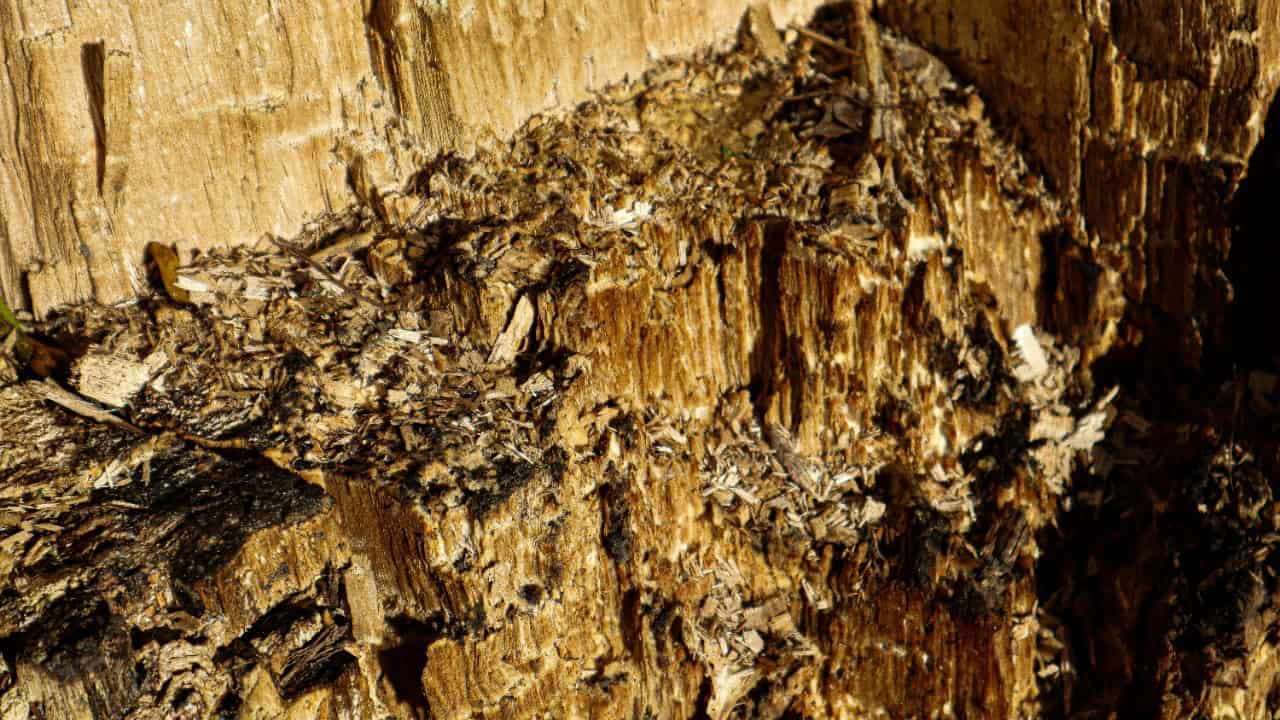
The belief that fresh wood chips attract termites is a widespread misconception. However, termites are drawn more to decaying wood than fresh wood chips. Fresh chips can actually deter termites by creating a barrier that’s difficult for them to cross. Just ensure that you’re using wood chips properly — don’t pile them against the foundation of your house, as this can create a bridge for termites to cross.
5. Plants Grow Better In Potting Soil
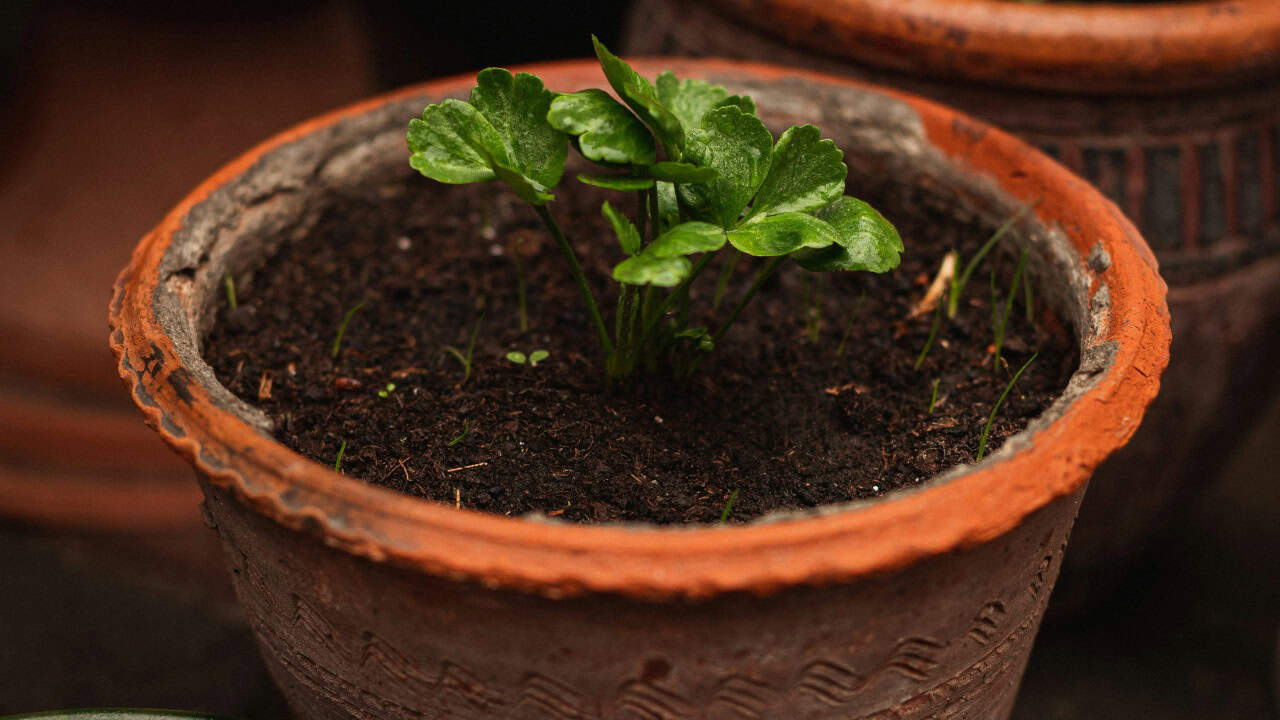
While it’s true that potting soil is specially designed to provide optimal growing conditions for potted plants, it doesn’t mean it’s the best choice for all plants. Garden soil, amended with compost, can often provide a richer, more diverse array of nutrients and beneficial organisms. Before using potting soil in your garden, consider the specific needs of your plants and whether your garden soil, perhaps with a little augmentation, could serve them better.
6. Native Plants Don’t Need Watering

Native plants are adapted to local conditions, but that doesn’t make them immune to drought. In their natural habitats, native plants are part of a larger ecosystem that helps them retain water. In a garden setting, they may require supplemental watering, especially during establishment or particularly dry periods. Monitor your plants and provide water as needed to keep them healthy.
7. You Should Always Prune In The Spring
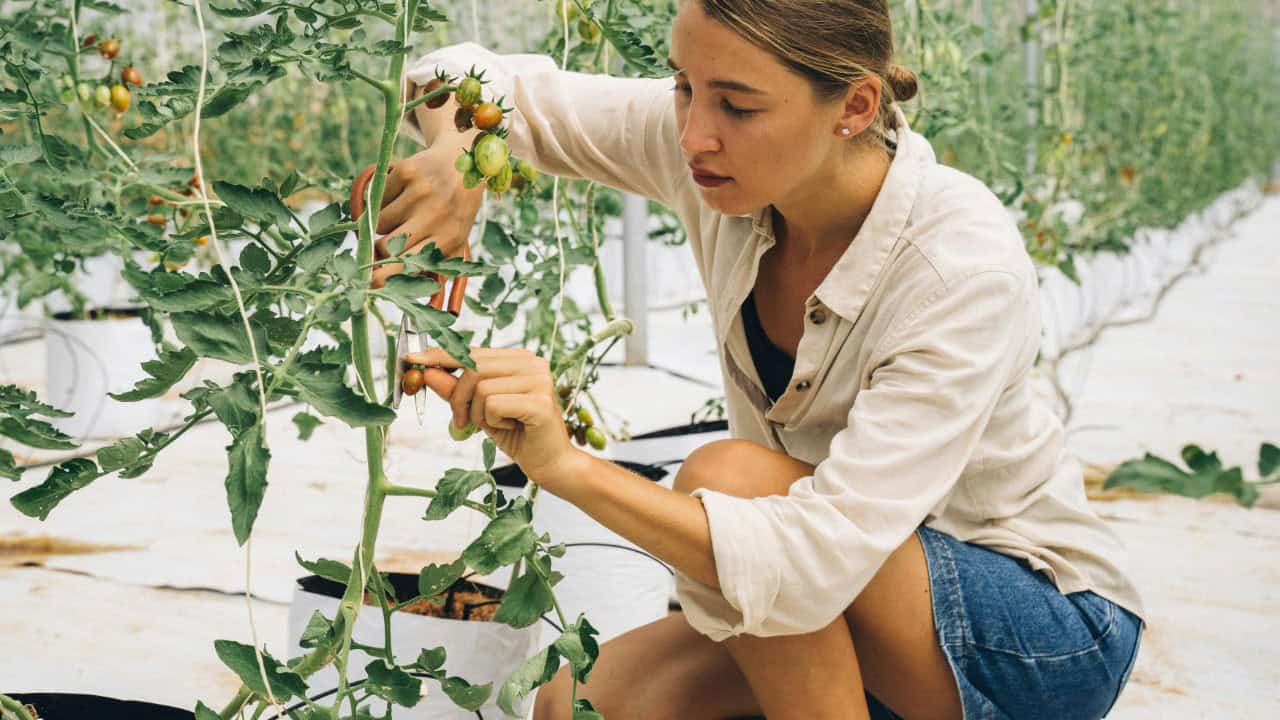
The best time to prune a plant actually depends on the plant itself and the reason for pruning. Many trees, for example, should be pruned in late winter while they are still dormant. Pruning in spring can stimulate new growth that will be vulnerable to frost damage. Always research the specific pruning needs of your plants to ensure optimal health and growth.
8. You Should Water Cacti Sparingly

While it’s true that cacti are drought-tolerant, they still need water to survive and thrive. In their native desert habitats, cacti often receive infrequent but heavy watering from rainstorms. Mimic this in your garden by giving your cacti a deep watering, then allowing the soil to dry out completely before watering again.
9. You Can Control the Color of Hydrangeas With pH
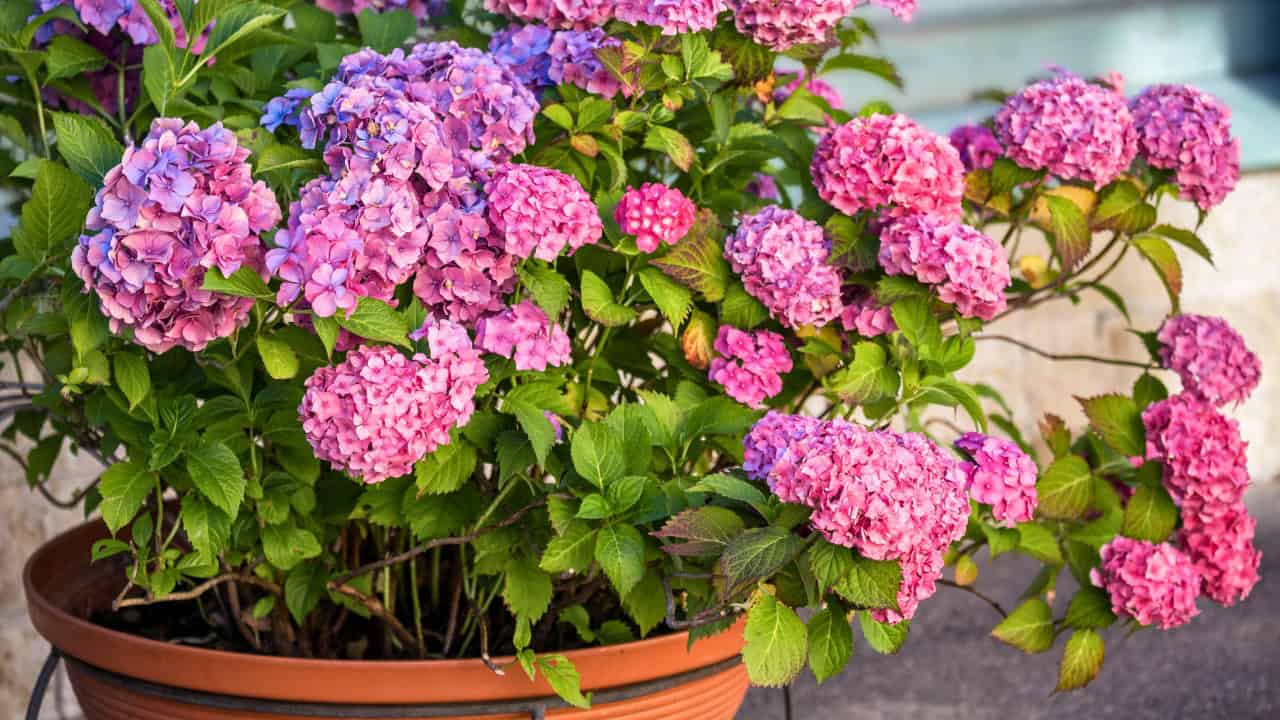
While soil pH can influence the color of some hydrangea varieties, it’s not a surefire way to control color. Other factors, like the plant’s genetic makeup and the availability of aluminum in the soil, also play a role. If you’re trying to change the color of your hydrangeas, it may be easier to choose a variety known for the color you desire.
10. You Should Remove Grass Clippings After Mowing
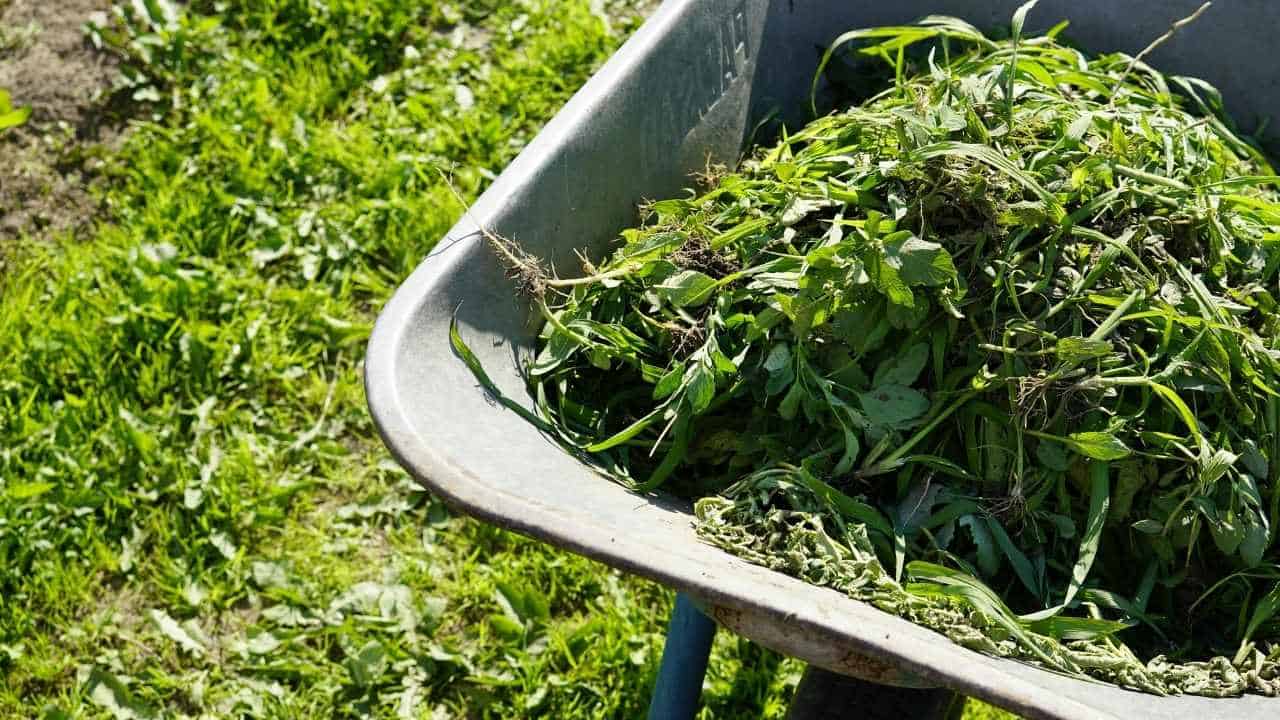
Leaving grass clippings on your lawn after mowing – a practice known as grasscycling – can actually benefit your lawn by returning nutrients back into the soil. Contrary to popular belief, grass clippings do not contribute to thatch buildup. Thatch is composed mostly of tougher plant parts like stems and roots that decompose slowly.
11. Coffee Grounds Acidify Soil
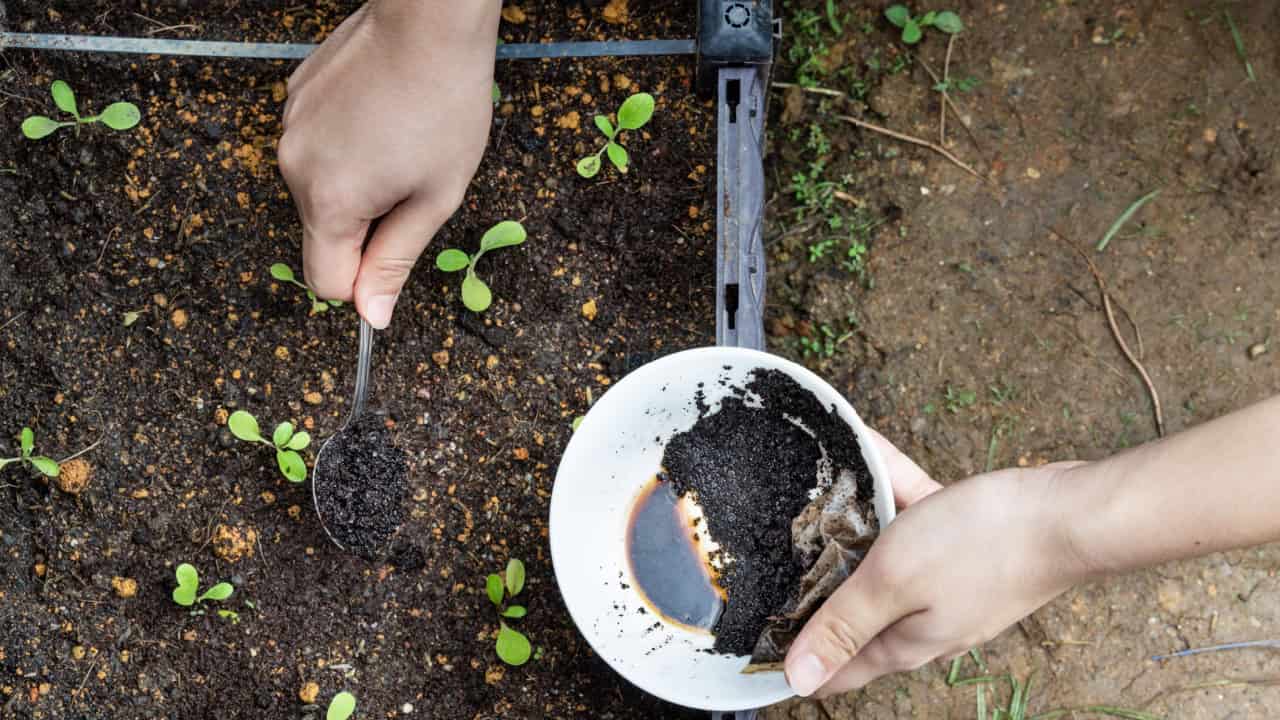
Coffee grounds do have an acidic pH, but their impact on soil pH is minimal. In fact, most of the acidity in coffee grounds is removed during brewing, leaving them with a near-neutral pH. While coffee grounds can enrich soil with organic matter and nutrients, they should not be relied upon to acidify soil.
12. Earthworms are Always Good for Your Garden

While earthworms can be beneficial in many gardens by aerating the soil and breaking down organic matter, they’re not always a good thing. In certain ecosystems, like those in the northern United States, non-native earthworms can disrupt the soil structure and harm native plants and animals.
13. Epsom Salt Is a Cure-All Fertilizer

Epsom salt can provide magnesium and sulfur to plants, two essential nutrients. However, most soils contain enough of these nutrients already, and adding more won’t necessarily benefit plants. Overuse of Epsom salt can actually harm plants by causing a nutrient imbalance.
14. You Can Compost Anything Organic
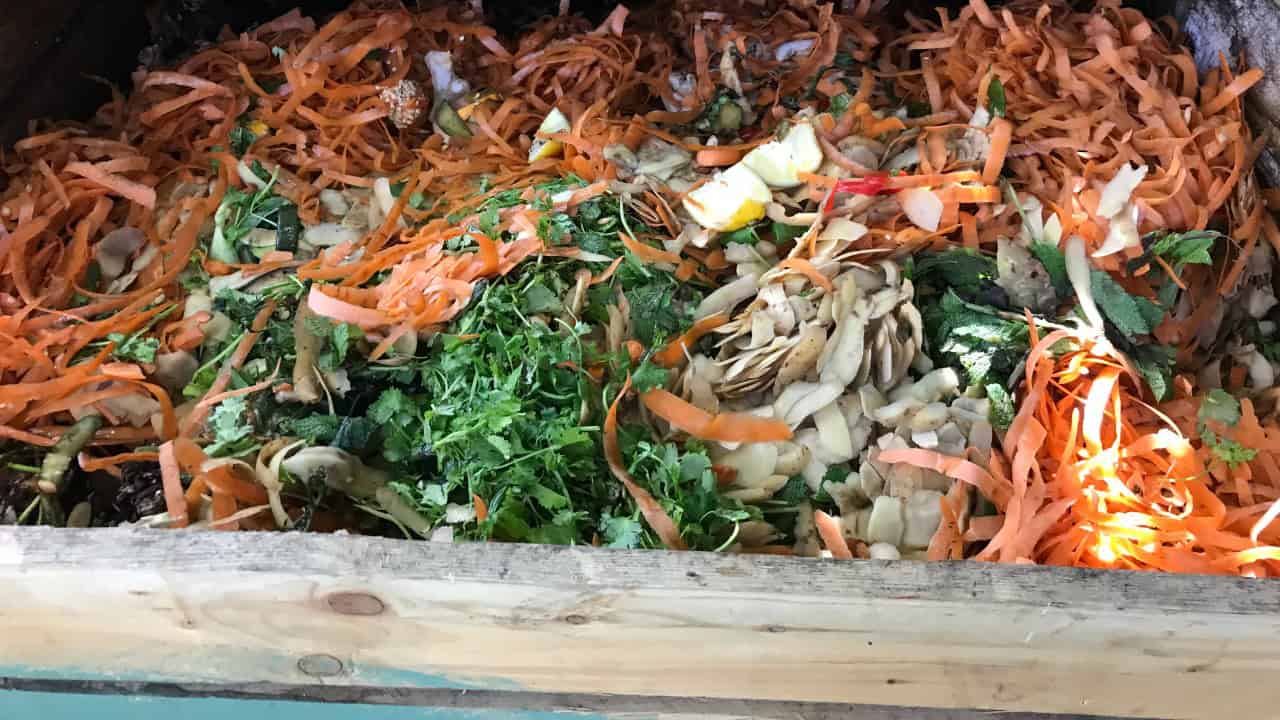
While you can compost many organic materials, not all are suitable for a home compost pile. Meat, dairy, and diseased plants can attract pests and spread disease. Additionally, some materials, like walnut leaves, contain chemicals that can harm plants.
15. Ladybugs Are Always Beneficial

Ladybugs are often praised for their pest-eating habits. However, not all ladybugs are beneficial. Some, like the non-native Asian lady beetle, can outcompete native ladybugs and may even bite humans.
16. Tomatoes Love Full Sun
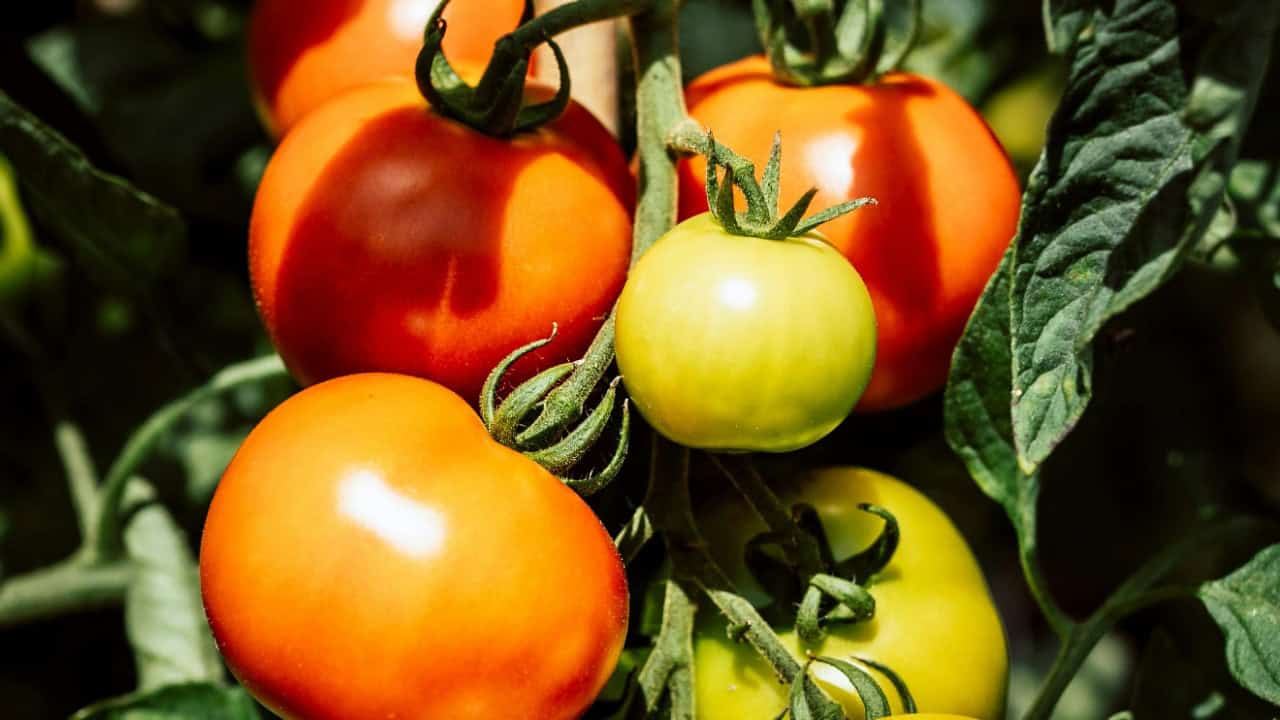
While tomatoes do need a good amount of sunlight to produce fruit, they don’t necessarily need full sun all day. In hot climates, too much sun can cause sunscald, a type of sunburn for plants. Tomatoes generally do best with 6-8 hours of sunlight per day.
17. Gravel in the Bottom of Pots Improves Drainage

This myth has been thoroughly debunked by horticultural research. Gravel or rocks at the bottom of a pot can actually hinder drainage by creating a perched water table. Instead, ensure good drainage by using a well-draining potting mix and choosing pots with adequate drainage holes.