Whether you’re a seasoned gardener or a newbie, you’ve likely discovered that your garden requires a fair amount of care and attention. The work becomes even more challenging when your garden is high maintenance. High maintenance gardens not only eat up your time but also require a considerable amount of money.
To help you reduce the workload and make your garden easier to manage, let’s talk about the 17 most common mistakes that can make your garden high maintenance.
Advertisement
1. Too Many Types of Plants
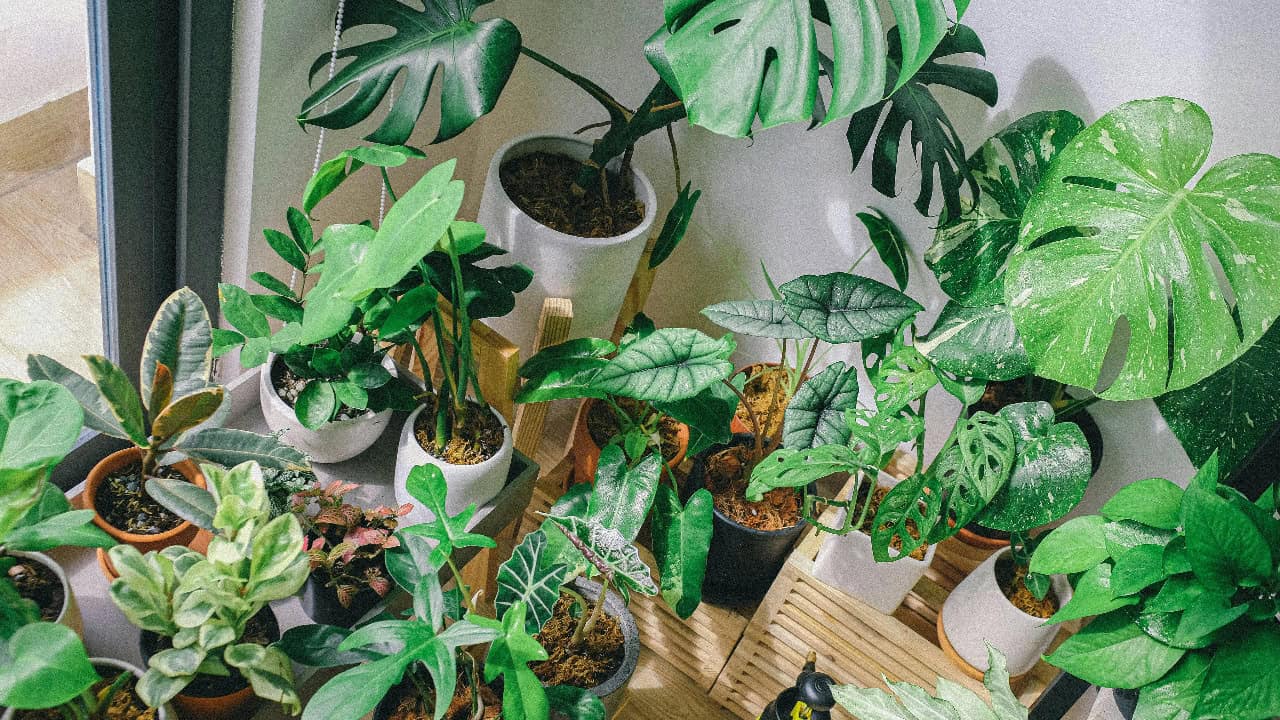
You might love the idea of having a wide variety of plants in your garden, but this can quickly become a maintenance nightmare. Different plants require different types of care. Some need more sunlight, while others prefer the shade. Some need lots of water, while others are more drought-tolerant. By limiting the variety of plants in your garden, you can simplify your maintenance routine. Choose a select few types of plants that have similar care needs. This will not only make your garden easier to care for but also create a cohesive design.
2. Ignoring the Soil
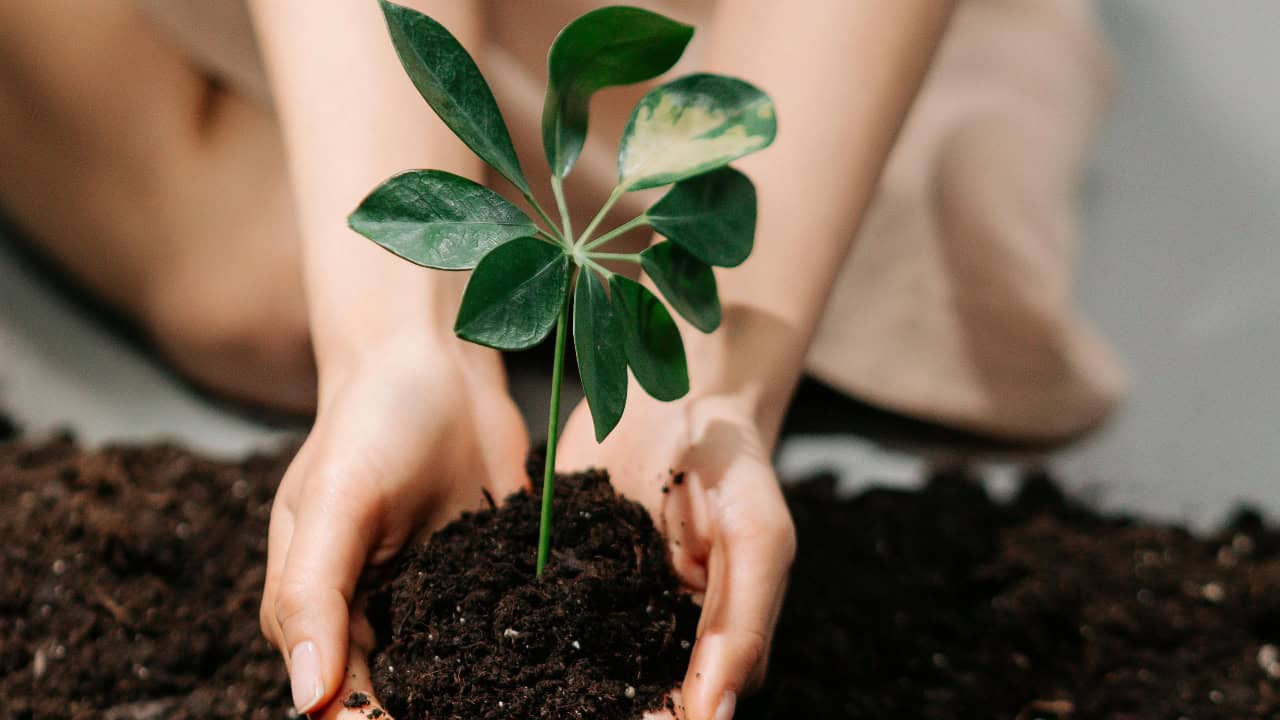
The type of soil in your garden can greatly affect the health of your plants. Some plants prefer acidic soil, while others need more alkaline soil. If you don’t know what type of soil you have, you could be making your garden high maintenance by trying to grow plants that aren’t suited to your soil. Before you start planting, test your soil to determine its pH level. Then, choose plants that are suited to your soil type. This will reduce the need for soil amendments and make it easier to maintain your garden.
3. Not Mulching

Mulch is a gardener’s best friend. It helps to suppress weeds, retain moisture, and improve soil quality. However, many gardeners skip this crucial step, which can lead to more maintenance in the long run. Applying a layer of mulch around your plants can greatly reduce the amount of time you spend watering and weeding. Choose a natural mulch like wood chips or straw to also add nutrients to the soil as it breaks down.
4. Overwatering

While plants need water to survive, too much water can be just as harmful as not enough. Overwatering can lead to root rot, disease, and even plant death. Plus, it’s a waste of time and resources. Instead of watering on a set schedule, check the soil first. If it’s dry a few inches below the surface, it’s time to water. This can save you time and make your garden less high-maintenance.
5. Planting in the Wrong Location
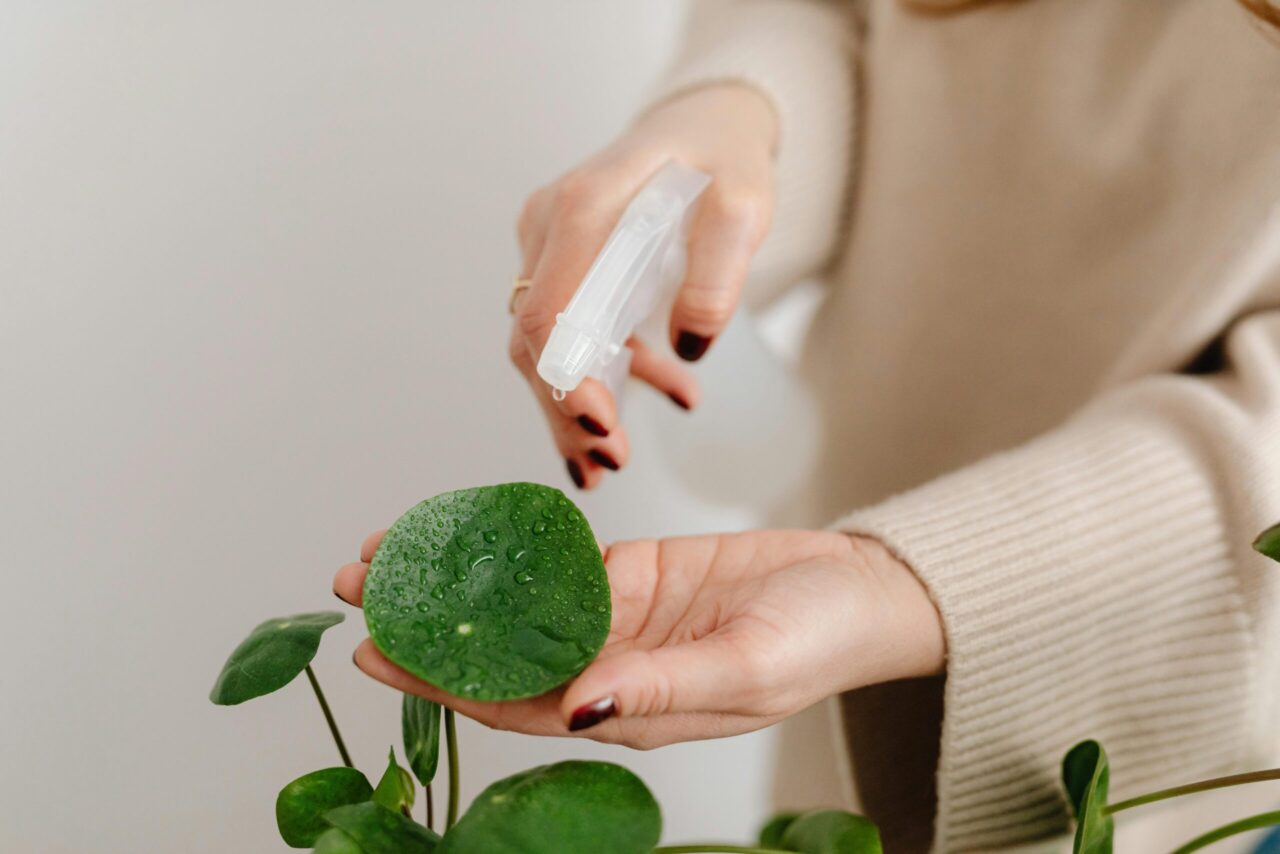
Just like people, plants have their preferred living conditions. Some love the sun, while others thrive in the shade. If you ignore these preferences and plant wherever you have space, you’re setting yourself up for a high-maintenance garden. Before you plant, consider the needs of each plant. Then, find a spot in your garden that meets those needs. This will result in healthier plants that require less care.
6. Not Pruning

Pruning is essential for maintaining the health and shape of your plants. However, many gardeners neglect this task, which can lead to overgrown, unhealthy plants. Regular pruning can reduce the risk of disease and pests, improve fruit and flower production, and keep your garden looking neat and tidy. Plus, it’s easier to prune a little at a time than to tackle a huge pruning job all at once.
7. Neglecting to Rotate Crops

If you’re growing vegetables, rotation is key. Planting the same crops in the same place year after year can lead to a buildup of pests and diseases in the soil. To reduce the risk, rotate your crops each year. This means planting different types of vegetables in different parts of your garden each year. This simple step can make your garden less high maintenance by reducing the need for pest and disease control.
8. Over-Fertilizing

While fertilizers can provide plants with the nutrients they need to grow, too much of a good thing can be harmful. Over-fertilizing can lead to excessive growth, which requires more pruning, and can also harm beneficial soil organisms. Instead of reaching for the fertilizer every time your plants look a little lackluster, try improving your soil with compost or other organic matter first. This can provide your plants with a slow, steady supply of nutrients, reducing the need for regular fertilizing.
9. Planting Too Close Together

Plants need room to grow. If you plant them too close together, they’ll have to compete for resources, which can lead to unhealthy, stressed plants. Plus, closely spaced plants are more likely to spread diseases to each other. When planting, consider the mature size of each plant and space them accordingly. This will give them room to grow and reduce the need for constant care.
10. Choosing High-Maintenance Plants

Some plants are just naturally high maintenance. They may require frequent watering, pruning, or pest control. If you fill your garden with these types of plants, you’re setting yourself up for a lot of work. Instead, choose low-maintenance plants whenever possible. These are plants that are well-suited to your climate and soil type, and that require minimal care to thrive. This can greatly reduce the amount of time you spend caring for your garden.
11. Ignoring Pests and Diseases

Pests and diseases can quickly turn a low-maintenance garden into a high-maintenance nightmare. If you ignore the signs of trouble, you could end up with a garden full of sick, dying plants. To keep your garden low maintenance, regularly check your plants for signs of pests and diseases. If you spot trouble, act quickly to stop it from spreading. This can save you a lot of time and effort in the long run.
12. Not Planning Ahead

A well-planned garden is a low-maintenance garden. If you simply plant wherever you have space, without considering how your garden will look and function when the plants mature, you’re setting yourself up for a lot of work. Instead, take the time to plan your garden before you plant. Consider the mature size and shape of each plant, as well as its care requirements. This can help you create a garden that’s beautiful and easy to maintain.
13. Overlooking the Importance of Drainage
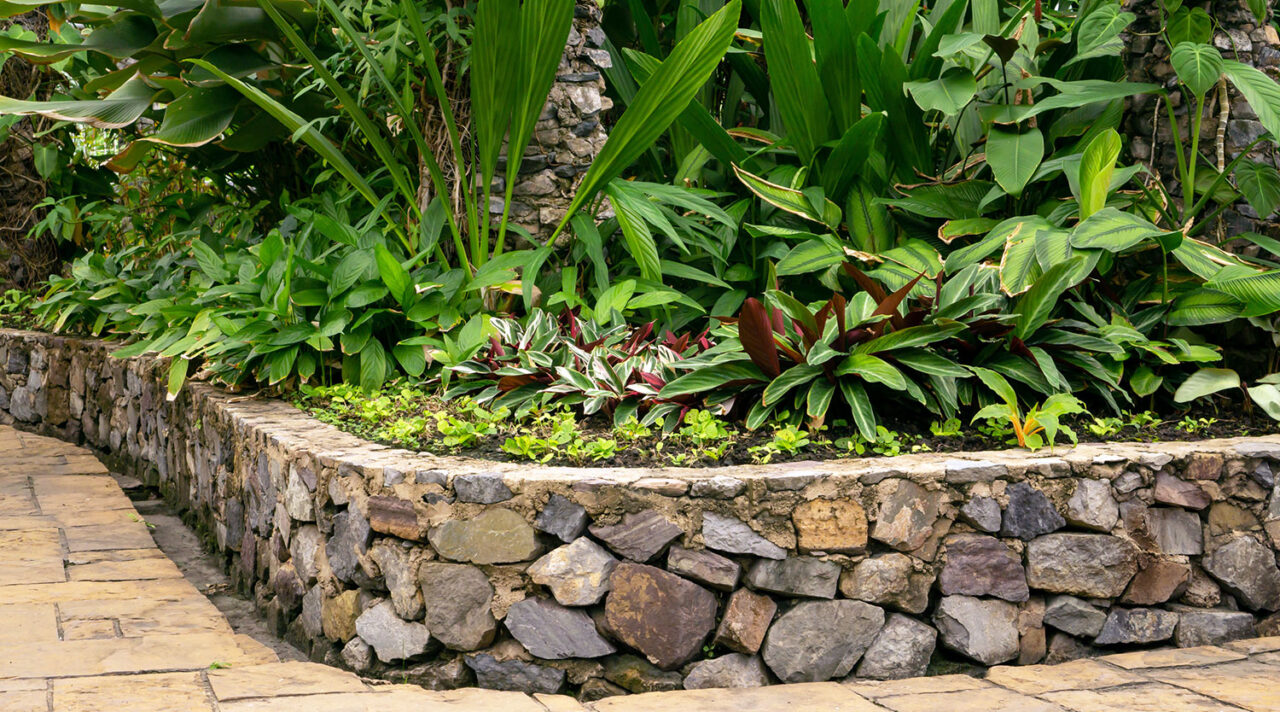
Water that sits around the roots of your plants can lead to root rot and other problems. If your garden doesn’t drain well, you may find yourself constantly battling these issues. To improve drainage, add organic matter to your soil or consider using raised beds. This can help the water flow more freely, reducing the risk of waterlogged plants.
14. Not Composting
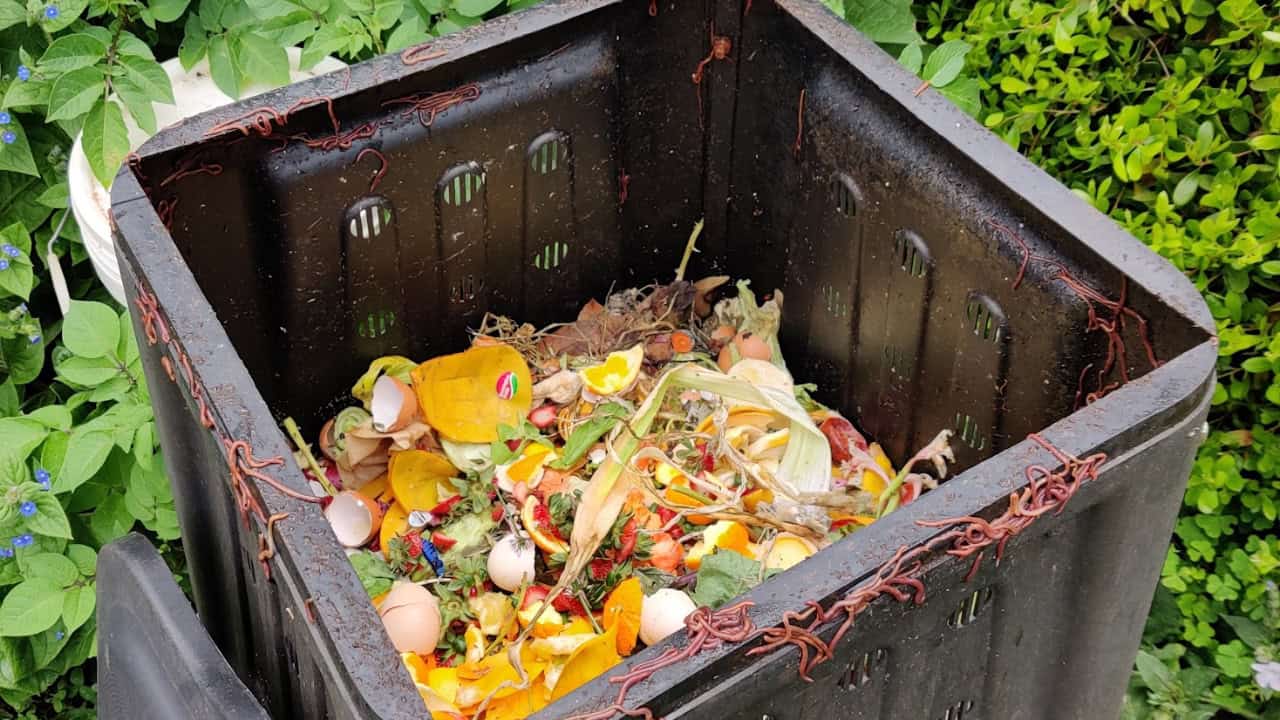
Composting is a great way to improve your soil and reduce waste. However, many gardeners skip this step, missing out on the benefits of this natural fertilizer. Start a compost pile in your backyard and add kitchen scraps, yard waste, and other organic materials. Over time, this will break down into rich, fertile compost that can improve your soil and feed your plants.
15. Using the Wrong Tools

The right tools can make garden maintenance much easier. If you’re using tools that are too big, too small, or simply not fit for the task, you’re making your job harder than it needs to be. Invest in quality garden tools that are suited to your needs. This might include a sharp pair of pruners, a sturdy shovel, and a comfortable garden hoe. Good tools can make garden maintenance quicker and easier, reducing the amount of effort you need to put into your garden.
16. Neglecting to Weed

Weeds can quickly take over a garden if they’re not kept in check. They compete with your plants for resources, and can also harbor pests and diseases. To keep your garden low maintenance, make weeding a regular part of your routine. It’s easier to pull out a few weeds every day than to tackle a garden full of weeds all at once.
17. Ignoring the Local Climate

If you’re trying to grow plants that aren’t suited to your local climate, you’re making your garden high maintenance. These plants will struggle to survive and will require a lot of care. Instead, choose plants that are well-suited to your climate. This will reduce the need for constant care, and will also help your garden thrive with less effort. In conclusion, by avoiding these common mistakes, you can create a garden that’s beautiful, thriving, and low maintenance. Happy gardening!