Pest infestations can be a nightmare for homeowners. These unwanted guests can wreak havoc on your property, causing damage to structures, spoiling food supplies, and even spreading diseases. Controlling these pests can be quite a challenge, especially if you unintentionally exacerbate the problem through certain common mistakes. In this blog post, we will highlight 17 mistakes that make pest infestations worse, giving you the knowledge you need to effectively combat these critters.
1. Ignoring the Problem

Ignoring a pest problem is never a good idea. You might think that a few ants here and there aren’t a big deal, but ignoring these early signs can lead to larger infestations. Pests multiply quickly and the longer you wait, the harder it will be to get rid of them.
Advertisement
For example, a single pair of rats can produce up to 2,000 offspring in just one year. So, if you notice signs of pests, such as droppings or damage to your property, take action immediately. Call a pest control professional or use DIY pest control methods to nip the problem in the bud.
2. Using the Wrong Treatment
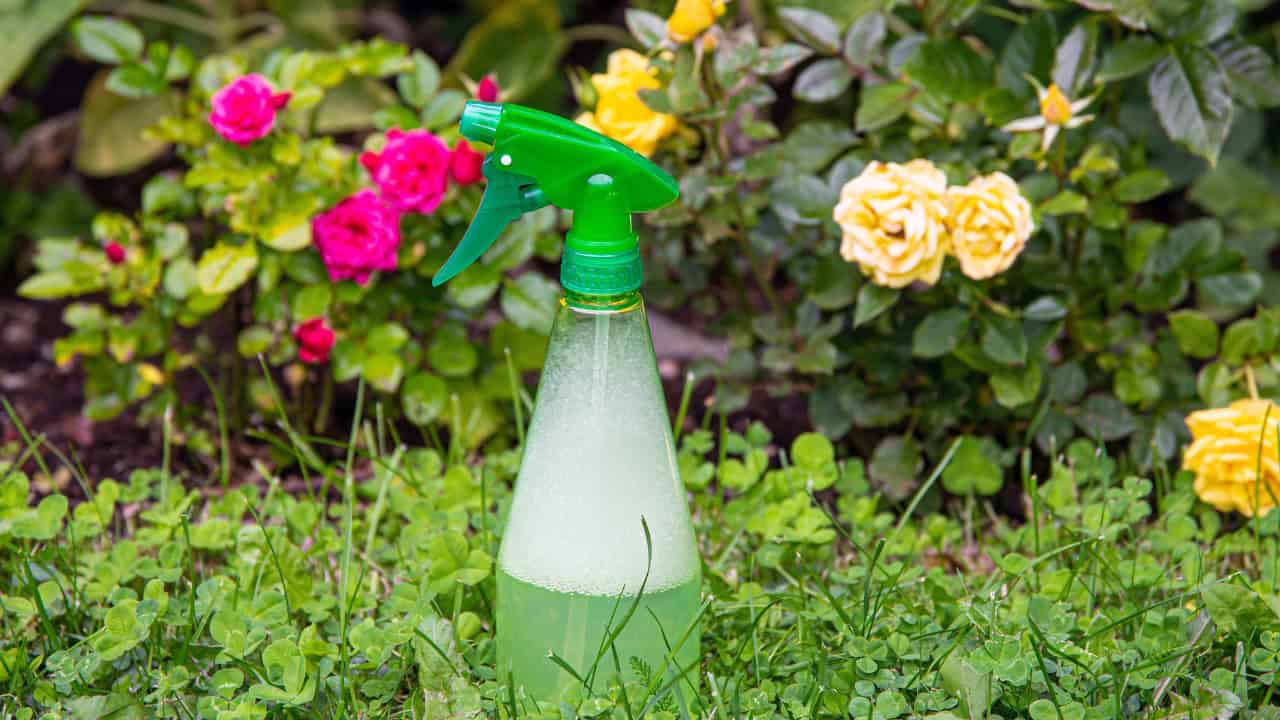
Trying to treat a pest problem with the wrong method or product can exacerbate the issue. Different pests require different treatment strategies. Using a product designed for ants won’t be effective against cockroaches or mice, for example.
It’s crucial to correctly identify the pest you’re dealing with before selecting a treatment. If you’re unsure, consider reaching out to a pest control professional. They can accurately identify the pest and recommend the appropriate treatment.
3. Not Cleaning Up Food and Water Sources
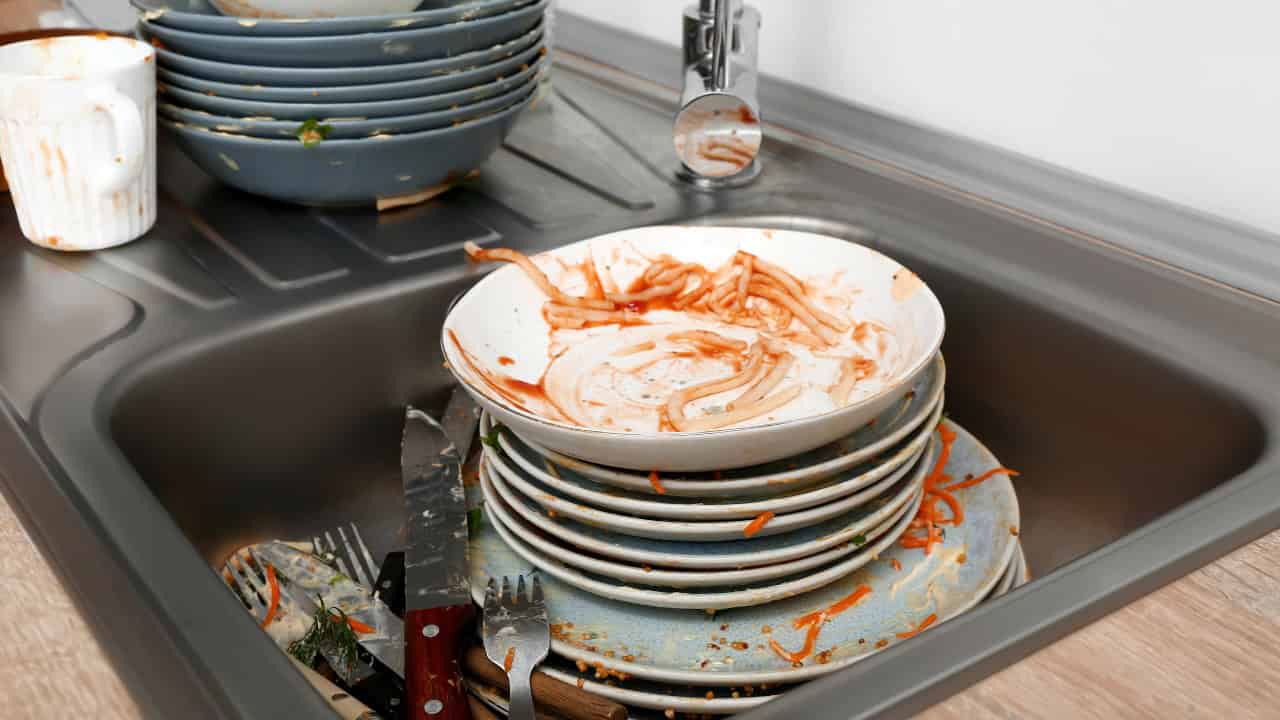
Most pests are attracted to food and water. Leaving these resources readily available for them can encourage an infestation. This doesn’t just mean leaving out visible food, but also includes neglecting to clean up spills or crumbs.
Ensure you clean your kitchen and dining areas thoroughly after meals. Store food in airtight containers and don’t leave pet food out for extended periods. Repair any leaks as soon as possible to eliminate water sources.
4. Ignoring Possible Entry Points

Pests can enter your home through the smallest gaps and holes. Ignoring these potential entry points can make your pest problem worse. This includes cracks in walls, gaps around doors and windows, and even holes in screens.
Regularly inspect your home for any potential entry points and seal them. Use caulk to seal cracks in walls and gaps around windows and doors. Replace damaged screens to keep flying pests out.
5. Not Treating the Perimeter of Your Home
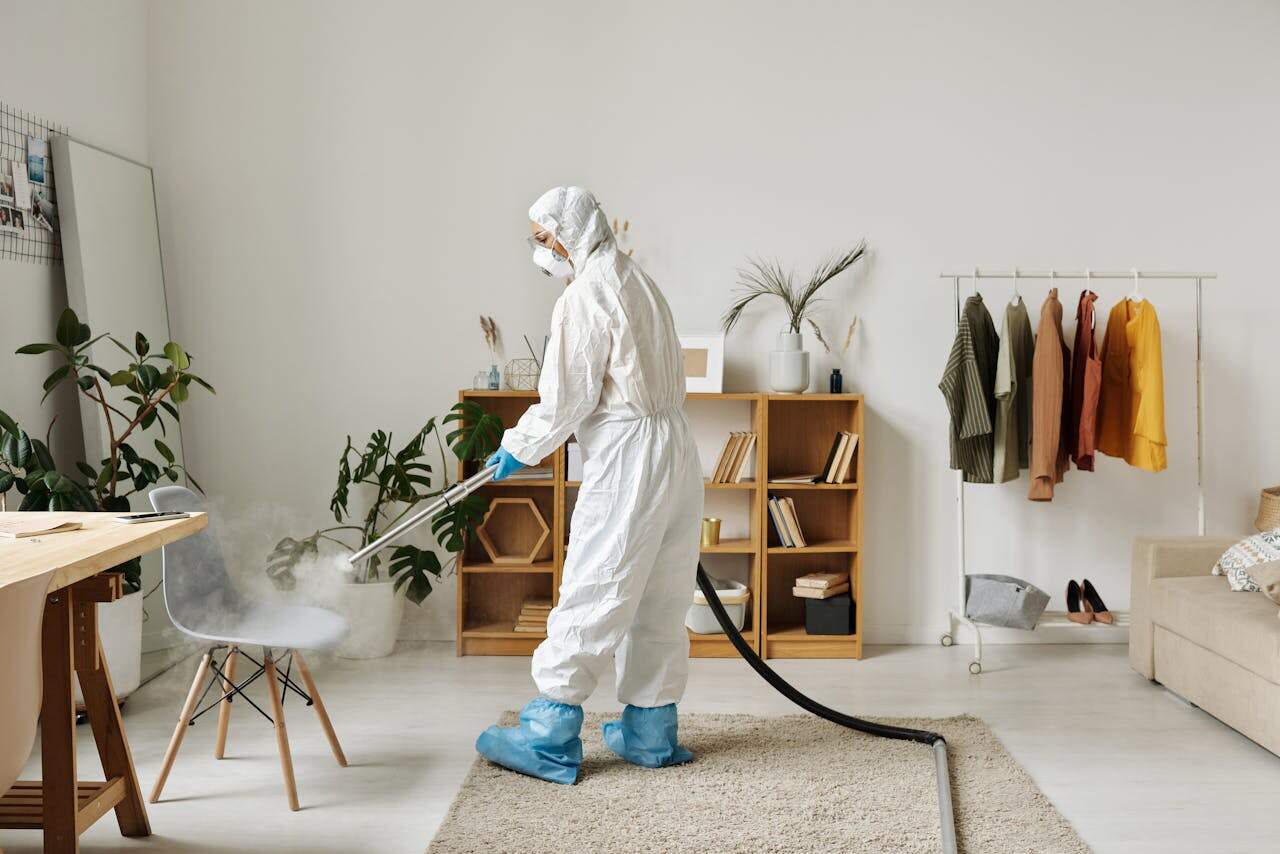
Focusing on treating the inside of your home while neglecting the perimeter can make a pest infestation worse. Many pests nest outside and come in for food and water.
To prevent this, consider using a perimeter treatment around your home. This can deter pests from entering and can help control an existing infestation.
6. Overloading Your Trash Cans
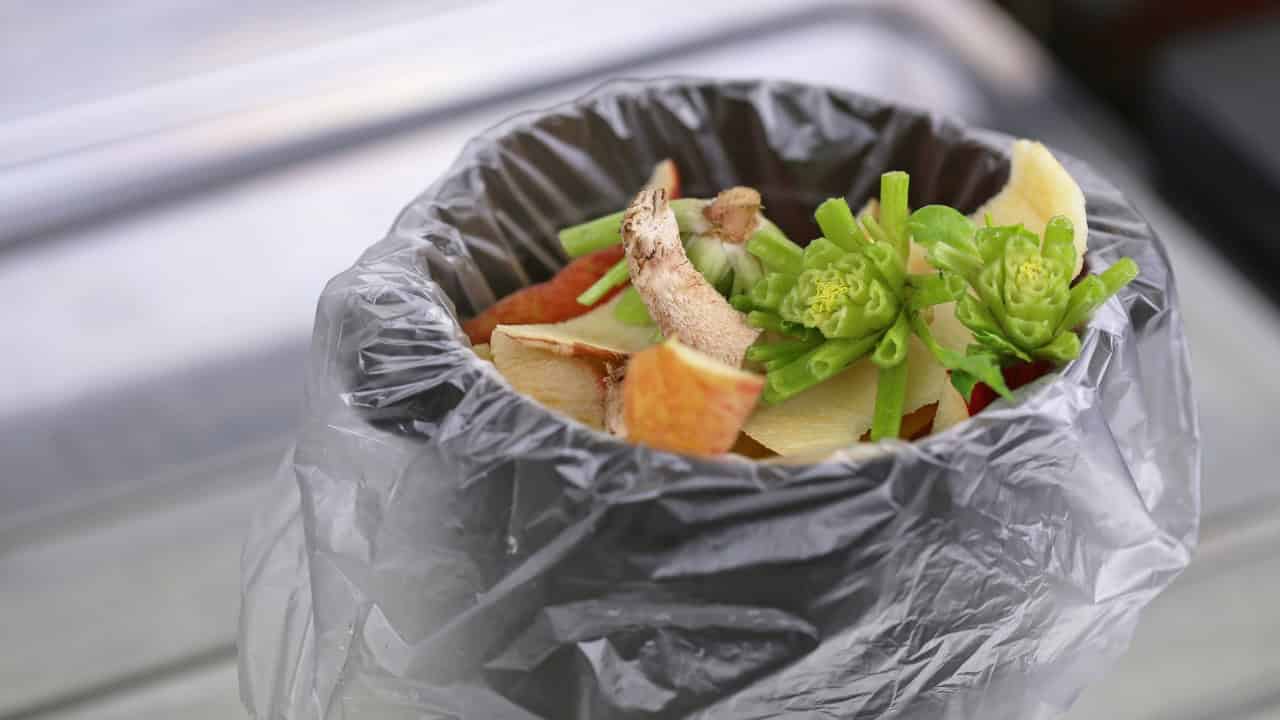
Overloading your trash cans can attract pests, especially if the trash is left to sit for too long. Pests such as rats, flies, and cockroaches are attracted to the smell of garbage.
To prevent this, always make sure your trash cans are properly sealed. Take out the trash regularly and clean your bins frequently to remove any lingering odors.
7. Not Regularly Inspecting Your Property

It’s important to regularly inspect your property for signs of pests. If you neglect to do this, you might miss the early signs of an infestation.
Walk around your property every few weeks and look for signs such as droppings, damage to plants, and unusual sounds. If you notice anything suspicious, take action immediately.
8. Using Pesticides Incorrectly

Pesticides can be very effective in controlling pests, but if used incorrectly, they can make the problem worse. Overusing pesticides can lead to pesticide resistance, meaning pests will become immune to the chemicals.
Always follow the instructions on the pesticide label. Use the recommended amount and don’t use more than necessary. If you’re unsure, consider hiring a pest control professional.
9. Not Seeking Professional Help When Needed

DIY pest control can be effective for small infestations, but for larger infestations or certain types of pests, professional help may be required. If you try to handle a large infestation on your own, you might make the problem worse.
If you’re dealing with a large infestation or a pest that’s difficult to control, such as bed bugs or termites, it’s best to hire a pest control professional. They have the skills and equipment to effectively handle the problem.
10. Ignoring Outdoor Pest Problems
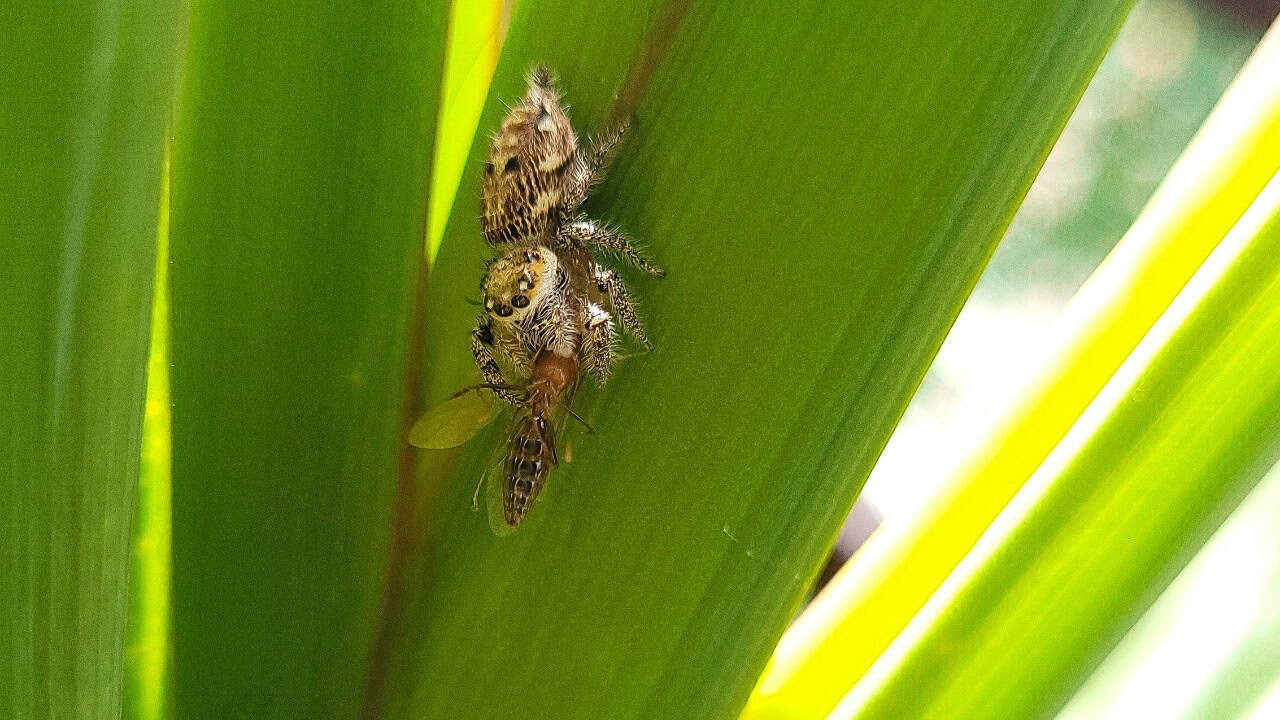
Ignoring outdoor pest problems can lead to indoor infestations. Pests such as ants and mice often establish colonies outside and then venture indoors for food and water.
To prevent this, address outdoor pest problems as soon as you notice them. This can include treating ant hills, sealing holes in your property’s exterior, and removing food sources such as fallen fruit or pet food.
11. Not Taking Preventive Measures
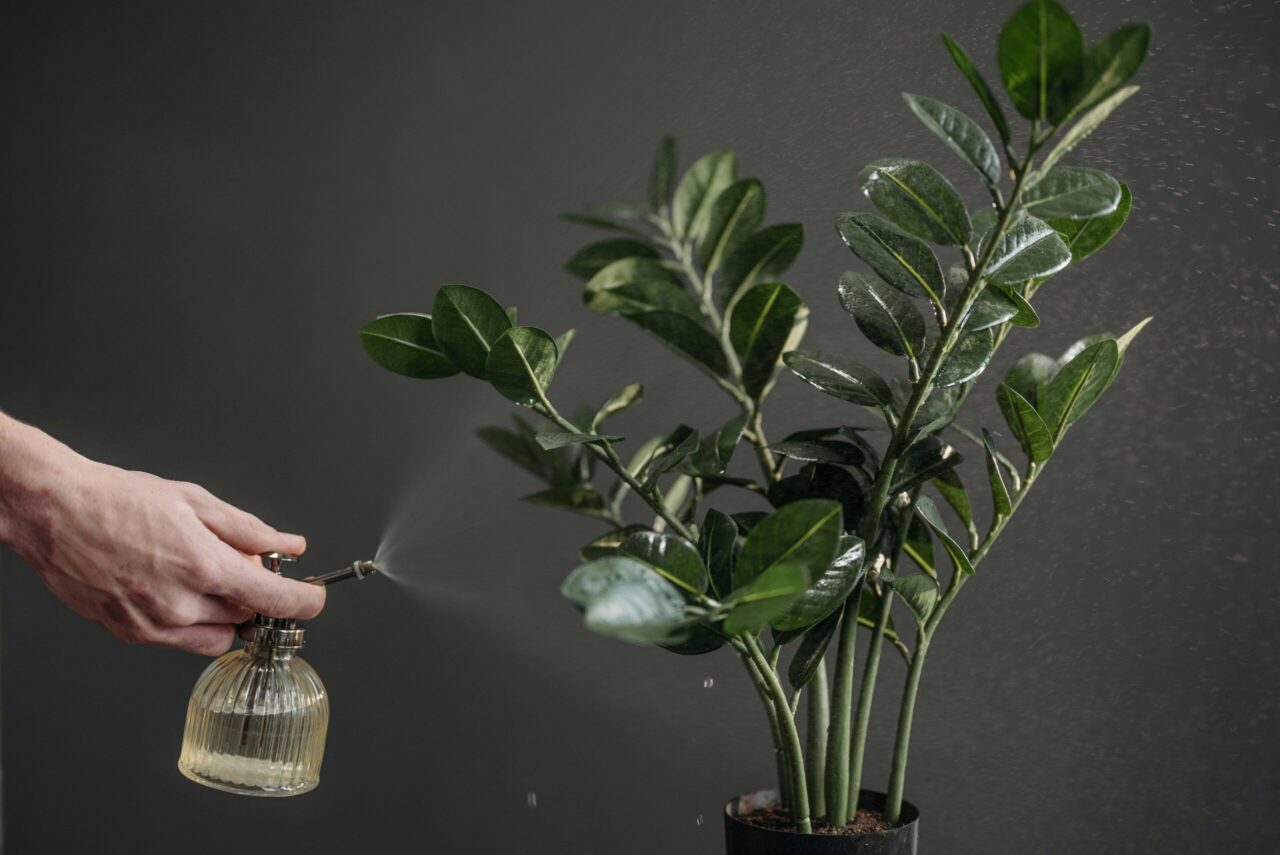
Prevention is always better than cure. Not taking preventive measures can make a small pest problem turn into a big infestation.
Preventive actions include regular cleaning, sealing entry points, removing food and water sources, and regular property inspections. Implementing these measures can help prevent a pest infestation or catch one early before it becomes a major problem.
12. Using Home Remedies Without Research

While some home remedies can be effective for pest control, using them without proper research can lead to ineffective treatment and worsening infestations.
Before applying any home remedy, research its effectiveness and potential risk. If in doubt, seek professional help.
13. Ignoring the Life Cycle of Pests
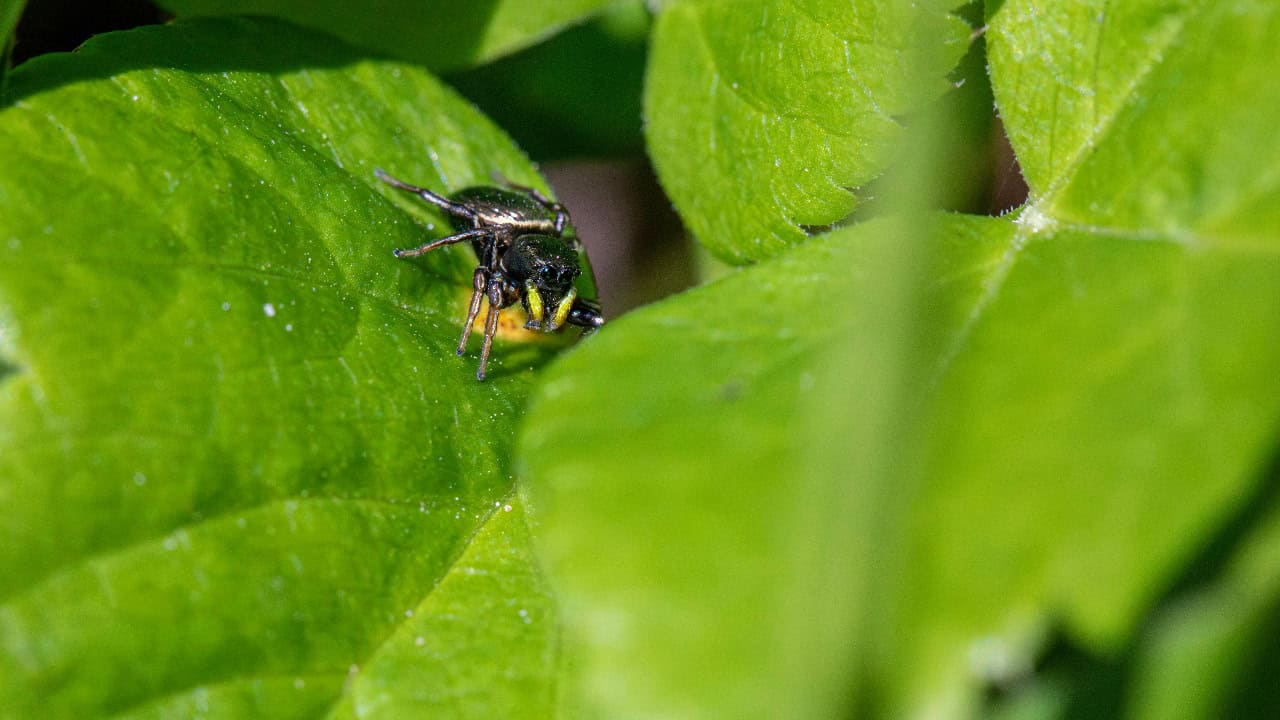
If you don’t understand the life cycle of the pest you’re dealing with, you may apply treatments at the wrong time, making the infestation worse.
Learn about the pest’s life cycle to understand the best time to treat. For example, treating for fleas when they’re in the pupa stage is ineffective as they’re immune to pesticides.
14. Neglecting to Inspect Purchased Items
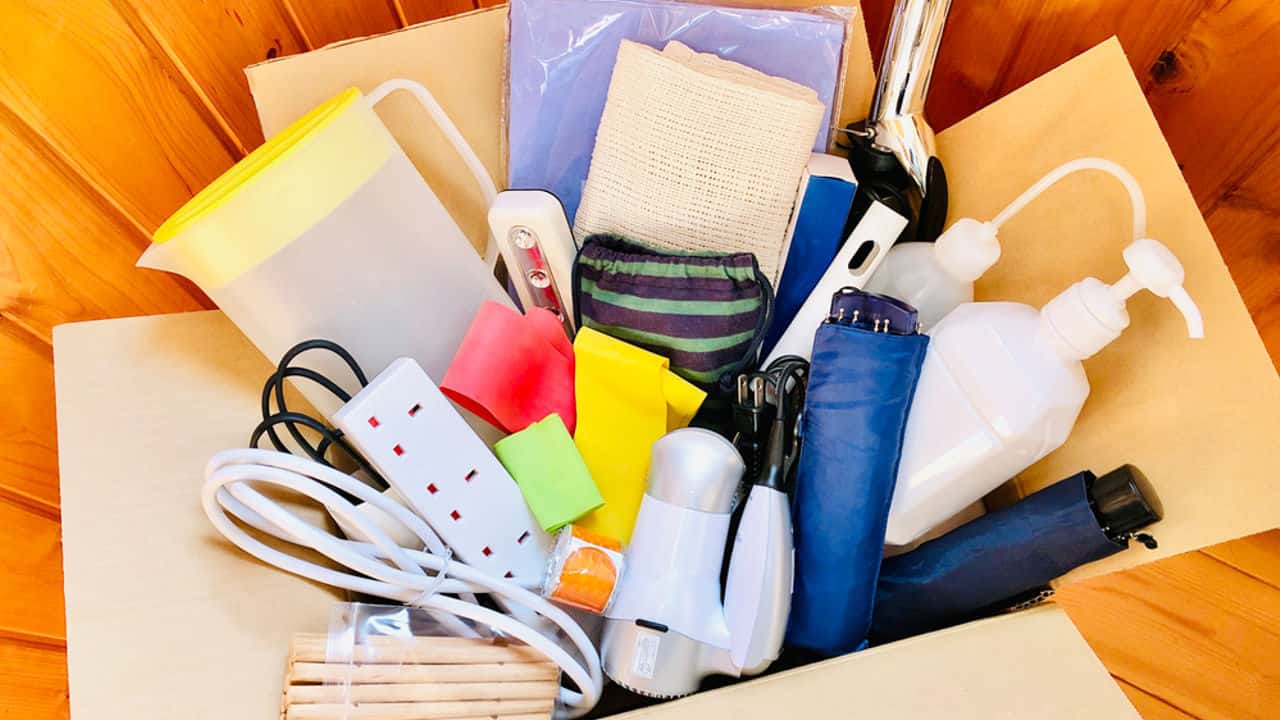
Pests can hitch a ride into your home on items you purchase. Neglecting to inspect these items can introduce new pests into your home.
Always inspect items before bringing them into your home, especially second-hand furniture, plants, and groceries.
15. Not Treating Your Pets for Pests

Pets can bring pests such as fleas and ticks into your home. If you neglect to treat your pets for these pests, they can infest your home.
Regularly treat your pets for pests and regularly inspect them for signs of infestation.
16. Not Following a Regular Cleaning Schedule
Regular cleaning can deter many types of pests. If you neglect to clean regularly, food crumbs and spills can attract pests.
Maintain a regular cleaning schedule, paying special attention to the kitchen, dining area, and areas where your pets eat and sleep.
17. Not Educating Yourself About Pests

The more you know about pests, the better equipped you’ll be to prevent and treat infestations. Not educating yourself about pests can lead to ineffective treatment and worsening infestations.
Learn about the pests common in your area and how to prevent and control them. Knowledge is power when it comes to pest control.
By avoiding these common mistakes, you can make your pest control efforts more effective and keep your home pest-free.