When it comes to landscaping, the choices you make can have a significant impact on your home’s market value. While you might think that adding unique features will always increase appeal, some landscaping elements can actually turn buyers away or lower your property’s worth.
Understanding which landscaping choices can negatively affect your home value helps you avoid costly mistakes and maintain curb appeal. Knowing this allows you to create an outdoor space that attracts buyers and supports your investment.
Advertisement
Overgrown Trees and Shrubs

If your trees and shrubs are overgrown, they can make your yard look unkempt. This often gives buyers the impression that maintenance will be hard and time-consuming.
Overgrowth can block natural light and obscure windows, which lowers curb appeal. Keeping plants trimmed suggests care and makes your home more inviting.
Make sure to regularly prune and shape your trees and shrubs. This simple effort can keep your landscape appealing and protect your property value.
Neglecting Regular Weeding

If you skip weeding, your yard can quickly look untidy and uncared for. Weeds compete with your plants for nutrients, which can hurt their growth and appearance.
Keeping up with weeding shows you care about your outdoor space. It helps maintain a neat and healthy landscape that appeals to potential buyers. Regular weeding is a simple way to protect your home’s value.
Using Invasive Plant Species
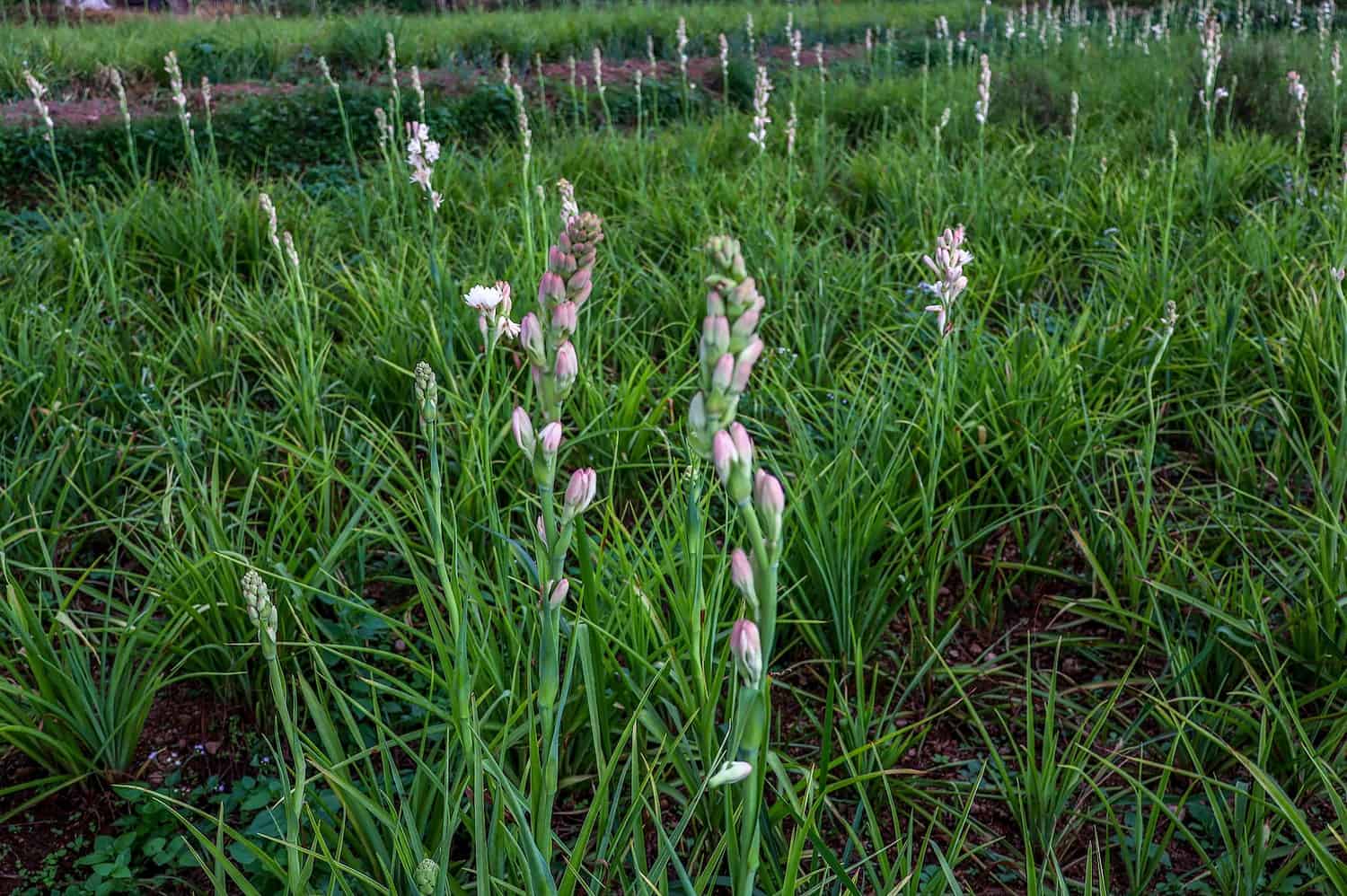
Using invasive plants in your landscaping can cause problems for your property’s value. These species often grow quickly and crowd out native plants that support local wildlife.
If you have invasive plants like Japanese knotweed or oriental bittersweet, they can be hard to manage and may reduce your home’s appeal. Choosing native plants instead helps keep your yard healthy and attractive to buyers.
Poor Drainage Leading to Waterlogging
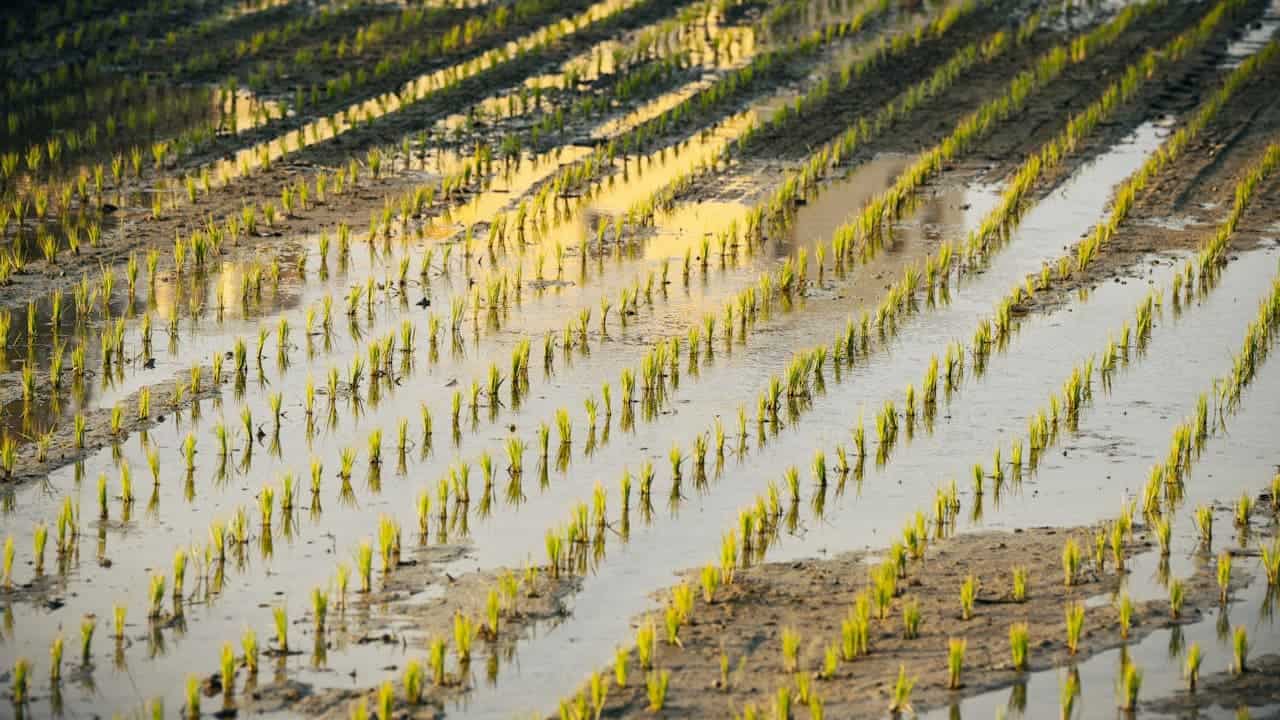
When your yard has poor drainage, water tends to pool and soak the soil. This can cause waterlogging, making the ground too wet for plants and grass to grow well.
Waterlogged soil pushes out air pockets, which compacts the soil. That makes it harder for roots to grow and weakens your lawn’s health.
Standing water near your home can also affect the foundation and increase the risk of basement flooding. Improving drainage helps protect your property and keeps your yard looking its best.
Dead or Dying Grass Patches

If your lawn has dead or dying grass patches, it can hurt your home’s curb appeal. Visitors and buyers often notice these spots first, which might make your yard seem neglected.
Taking care of these areas shows you maintain your property well. Simple fixes like watering more or reseeding can help restore your lawn’s appearance.
Excessive Lawn Size Without Purpose
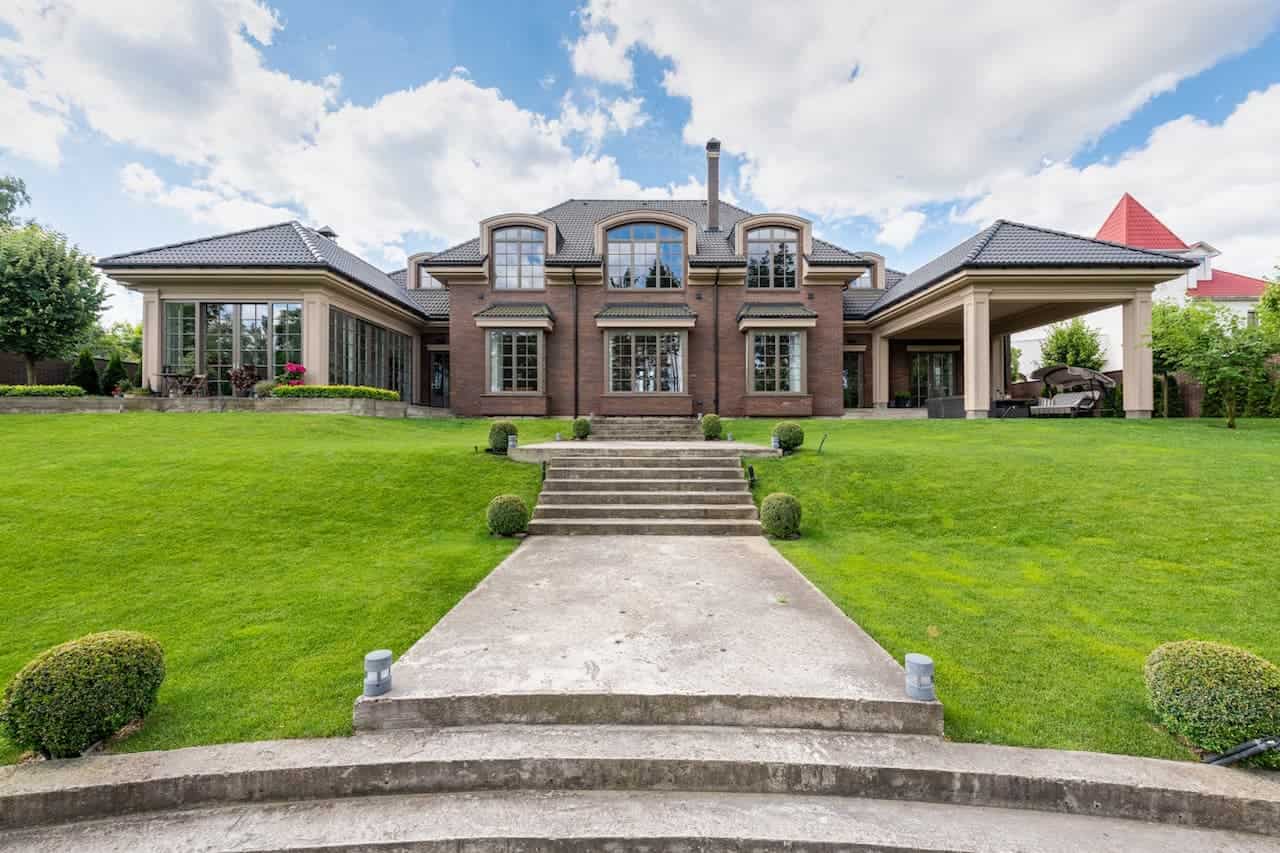
If your lawn is very large but doesn’t serve a clear function, it might actually turn off potential buyers. Big lawns mean more maintenance, which can feel overwhelming.
You want your yard to feel manageable and inviting. Without space for activities or landscaping features, a large lawn can seem like wasted space.
Consider using part of your lawn for gardens, seating areas, or pathways to make it more appealing and purposeful.
Covering Lawn Entirely with Rocks

If you cover your entire lawn with rocks, it can make your yard look less inviting. While rocks are durable and low maintenance, too much of them might turn off potential buyers.
A fully rocky lawn can feel harsh and less natural. It’s better to balance rocks with some greenery to keep your yard appealing and welcoming.
Choosing Plants Unsuitable for Local Climate

When you pick plants that don’t suit your local climate, they often struggle to grow. This can lead to sickly or dying plants, which hurt your yard’s appearance.
Plants that need too much water or don’t tolerate local temperatures can increase your maintenance time and costs. Choosing native or climate-appropriate plants saves you effort and keeps your landscape healthy.
Healthy plants also appeal more to buyers. So, picking the right species helps protect your home’s value.
Untidy Mulch Beds with No Edging

If your mulch beds look messy and lack clear edging, it can make your yard appear neglected. Without defined borders, mulch often spills onto walkways or lawns, creating a cluttered look.
Edging helps keep mulch contained and gives your garden a neat, finished appearance. Taking a little time to add simple edging can improve your landscape’s appeal and make maintenance easier for you.
Ignoring Seasonal Plant Maintenance
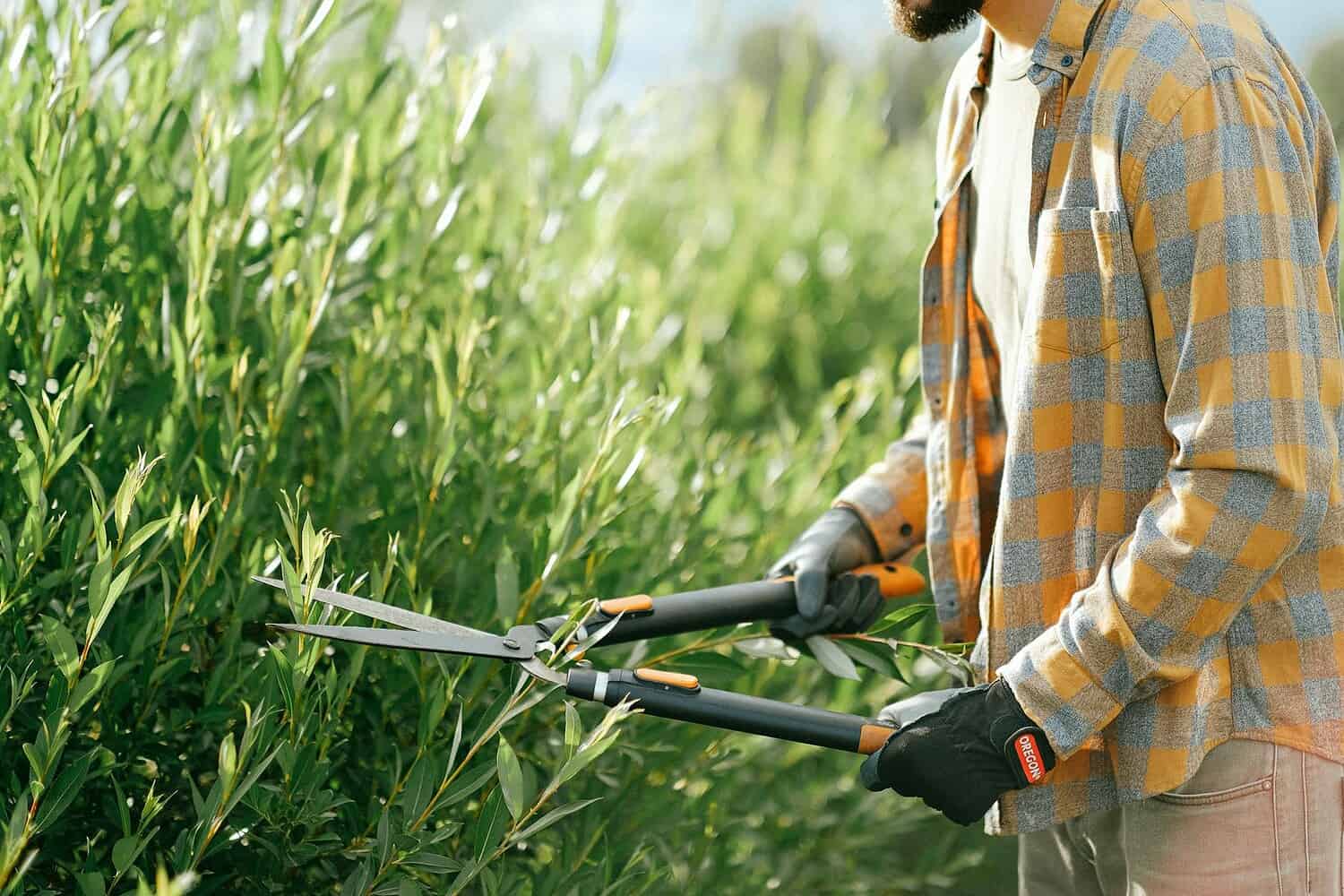
When you skip seasonal upkeep, your garden can quickly look tired and uninviting. Dead leaves, faded flowers, and overgrown plants may signal neglect to potential buyers.
Keeping up with pruning, removing dead growth, and refreshing plants shows that you care about your home’s appearance. This simple effort helps maintain curb appeal and can keep your yard looking lively year-round.
Wrong Material for Hardscaping Projects
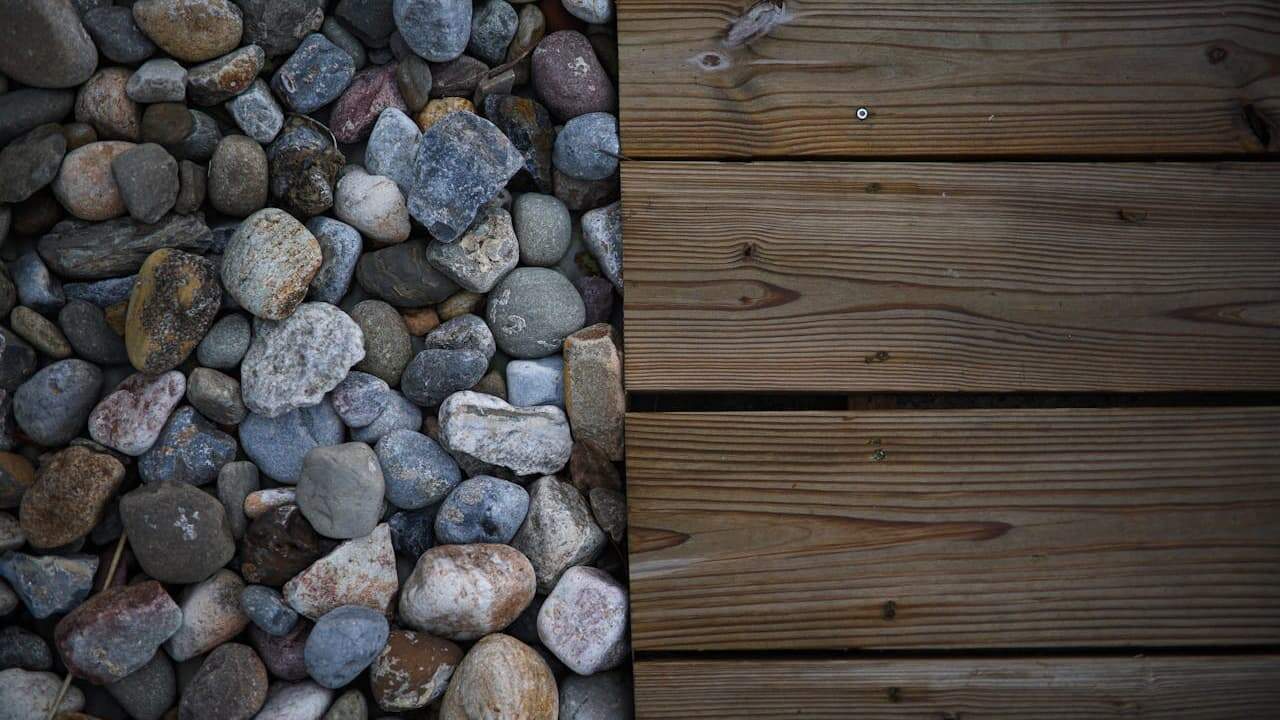
Choosing the wrong materials for your hardscaping can hurt your home’s value. If stones, wood, or composites don’t match your home’s style or climate, they can look out of place or wear out quickly.
You want materials that complement your house and surroundings. Poor choices might mean costly repairs or replacements later, which can deter potential buyers. Keep your hardscape simple, durable, and in harmony with your overall design.
Overuse of Synthetic Fertilizers
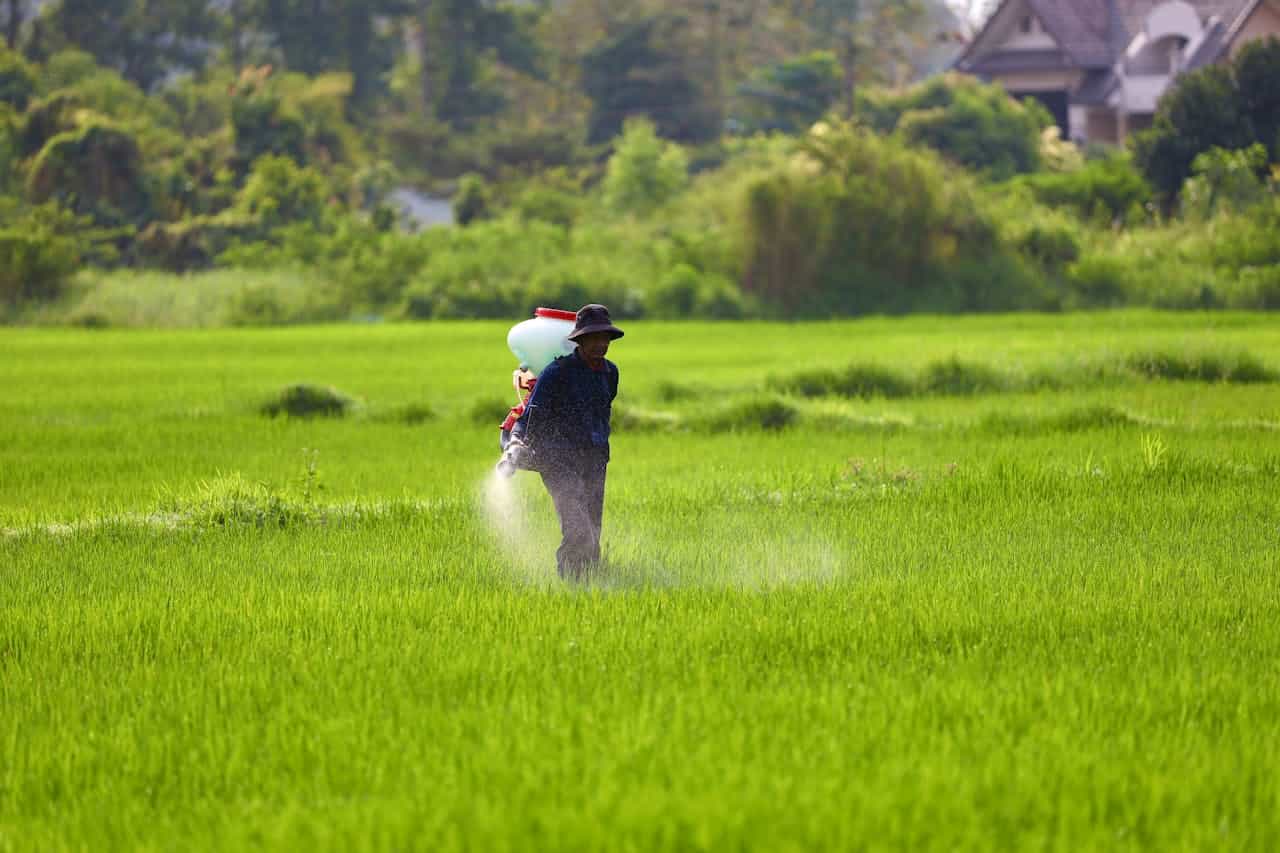
If you use too many synthetic fertilizers, it can harm your lawn and garden over time. This might make your outdoor space look less healthy and appealing.
Excess fertilizers can also affect the soil quality and nearby water sources. Buyers may worry about the maintenance and potential environmental issues linked to heavy fertilizer use.
Balancing fertilizer use with natural options helps keep your yard attractive and safe, which supports your home’s value.
Peeling Paint or Faded Exterior Visible from Yard
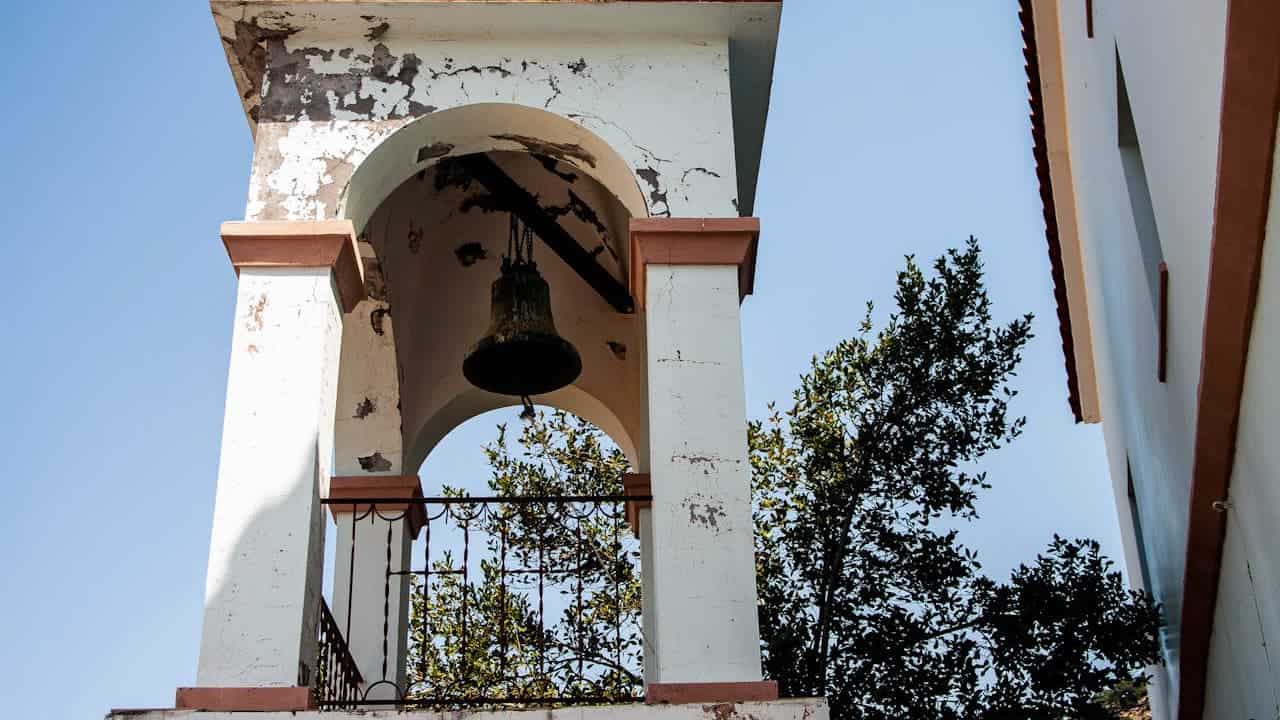
If your home’s exterior paint is peeling or faded, it sends a message of neglect to potential buyers. This can lower the perceived value of your home before anyone even steps inside.
Fresh paint not only improves curb appeal but also suggests that you care for the property. Taking time to refresh your exterior can make a noticeable difference in how others see your home.
Neglecting Curb Appeal Like Entrance Path
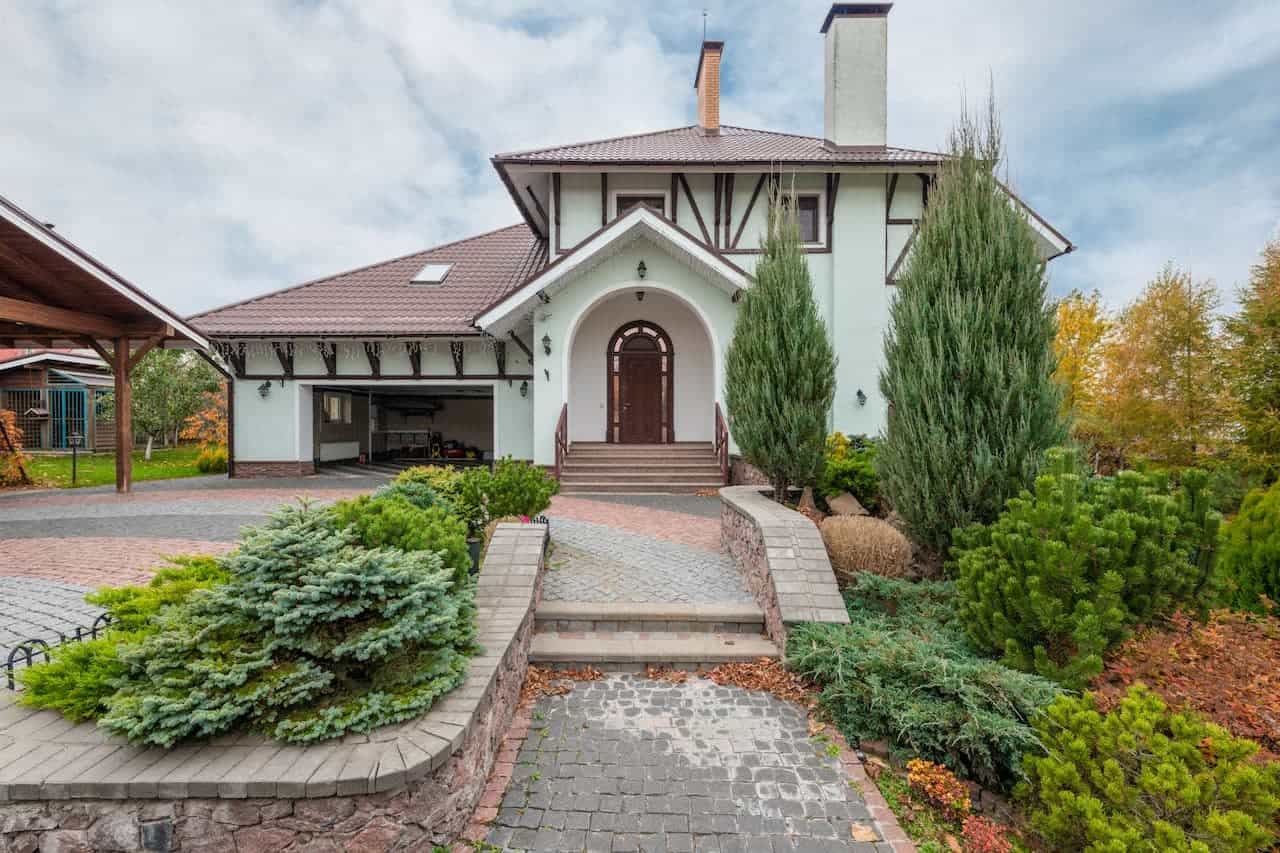
Your entrance path is one of the first things visitors notice. If it’s cracked, uneven, or cluttered, it sends the wrong message about your home’s care.
A well-maintained path invites guests and potential buyers inside. Spend time fixing cracks, clearing debris, and adding simple touches like lighting to improve your curb appeal. Small upgrades here can make a big difference.
Retaining Walls Without Function or Aesthetic
If your retaining wall doesn’t serve a purpose, it might actually hurt your home’s value. Walls that don’t support soil or improve drainage can look out of place or waste space.
You’ll want your retaining wall to either add beauty or solve a problem. Otherwise, it can feel like clutter in your yard.
Simple, well-designed walls can enhance your outdoor space. But those without clear function or style often leave buyers unimpressed.
Too Many Conflicting Plant Styles

When your landscape has too many different plant styles, it can feel chaotic. You want your garden to look inviting, not overwhelming or mismatched.
Using plants that clash in color, size, or type can confuse visitors and reduce curb appeal. It’s best to stick with a harmonious theme that fits your home’s style.
Choosing plants that grow well together will make maintenance easier and keep your yard looking balanced over time.
Excessive Use of Artificial Turf

Using too much artificial turf can turn off potential buyers. Many people prefer natural grass for its look and environmental benefits.
Artificial turf may seem low maintenance, but some buyers worry about replacement costs. It can also make your yard feel less inviting.
If you want to include artificial grass, balance it with natural landscaping. This shows care and effort, which buyers often appreciate.