Your garden soil is the foundation of healthy plants and a thriving outdoor space. However, certain popular gardening trends can quietly harm this vital resource, leading to poor plant growth and long-term damage. Understanding these trends can help you protect and improve your soil quality.
Knowing which gardening habits could be damaging your soil allows you to make better choices that support plant health and sustainability. By spotting these harmful practices early, you can adjust your garden care to maintain fertile, well-structured soil for years to come.
Advertisement
Excessive mulch volcano piling around trees
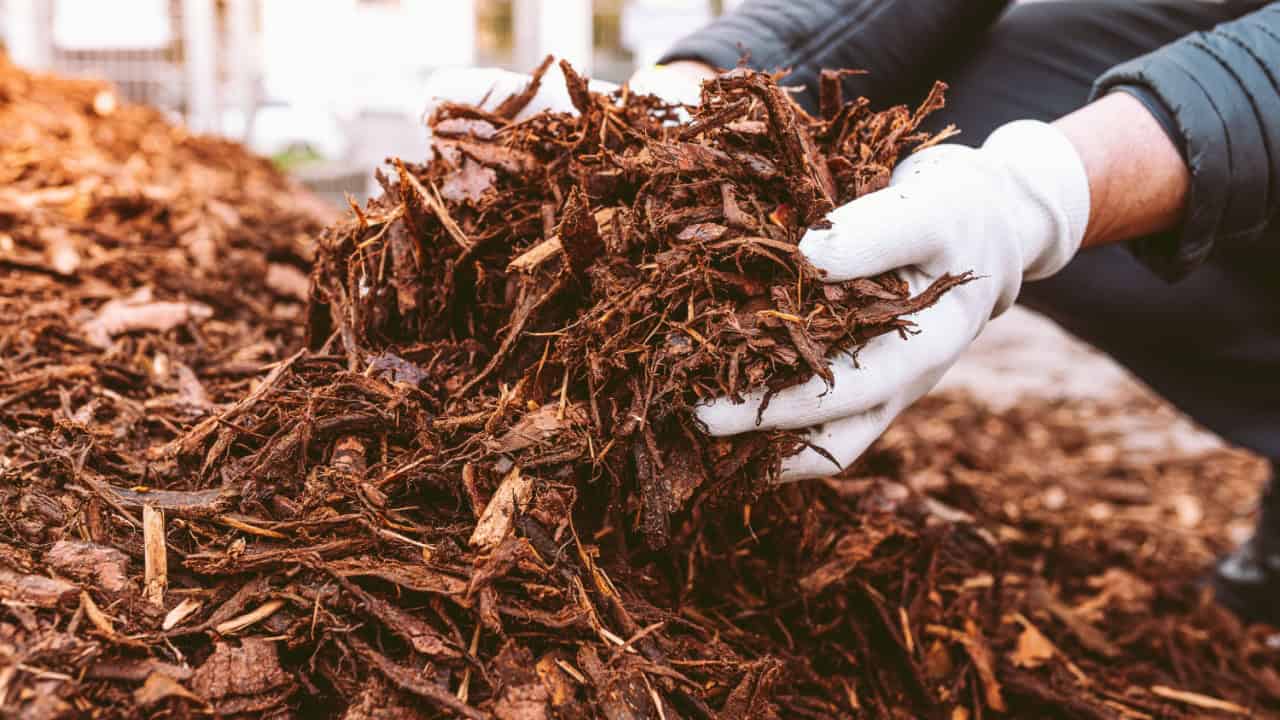
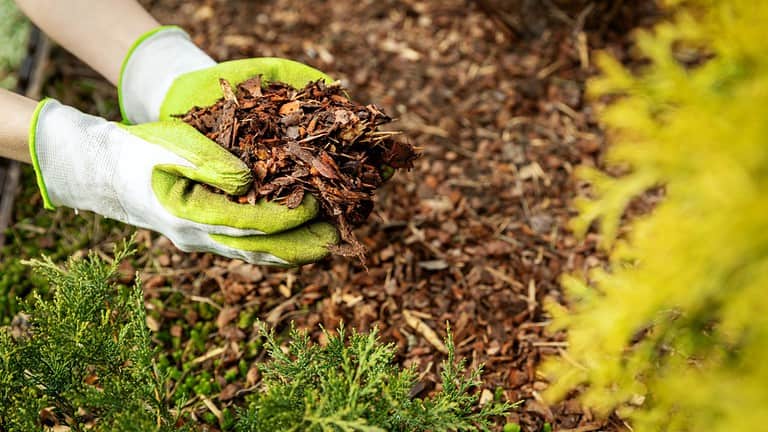
You might think piling mulch high around your tree helps it grow, but too much can actually harm it. Large mounds, or “mulch volcanoes,” trap moisture against the bark. This encourages pests, disease, and even rot.
Over time, the mulch can suffocate roots by restricting air and water flow. Instead, keep mulch a few inches from the trunk and spread it thinly. This protects your tree without causing damage.
Overuse of gravel covering soil

When you cover your soil with too much gravel, it can change how water moves through the ground. Water drains quickly, which might leave your plants’ roots dry.
Gravel also prevents natural cycles in the soil, like organic matter breaking down. It can make it harder for beneficial insects and microorganisms to thrive.
If you want healthier soil, consider using wood mulch or ground covers instead of relying heavily on gravel.
Landscape fabric blocking soil aeration
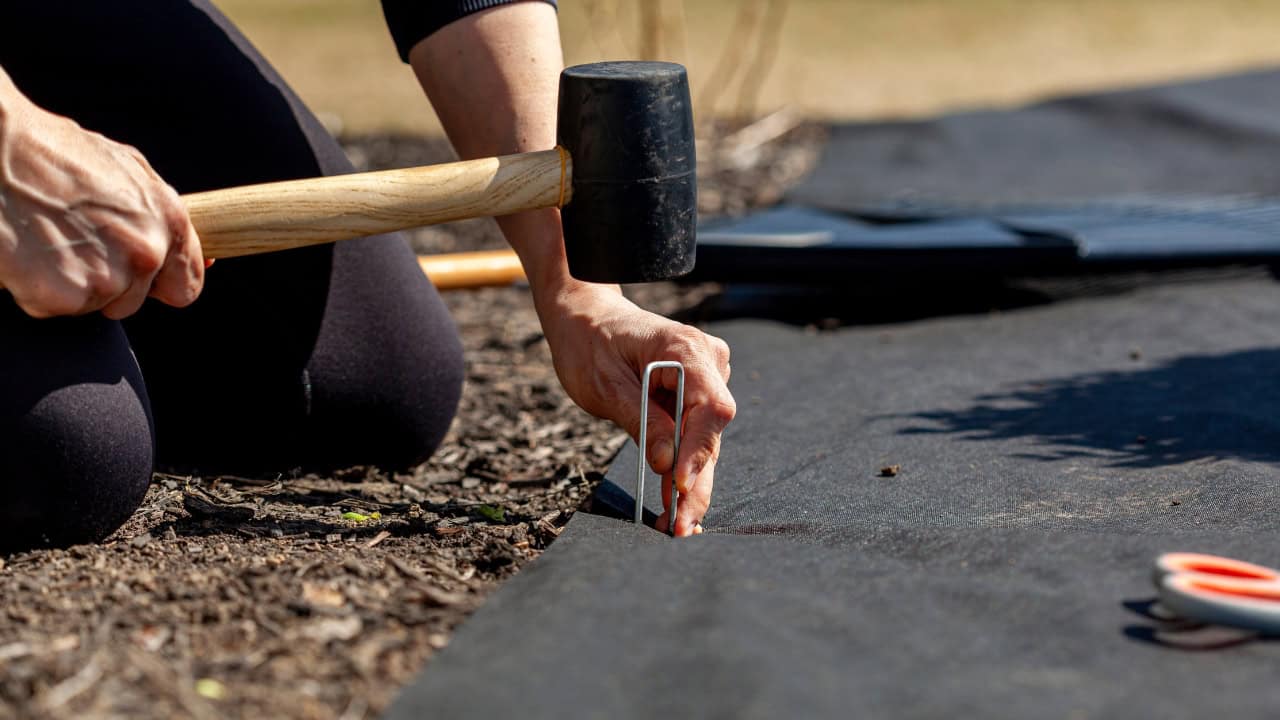
When you lay down landscape fabric, it acts as a barrier between your soil and the air. This stops natural air flow, which is important for healthy soil.
Without proper aeration, beneficial organisms in your soil may struggle to survive. Your plants might find it harder to grow strong roots because the soil becomes compacted and less lively.
Turning front gardens into concrete slabs
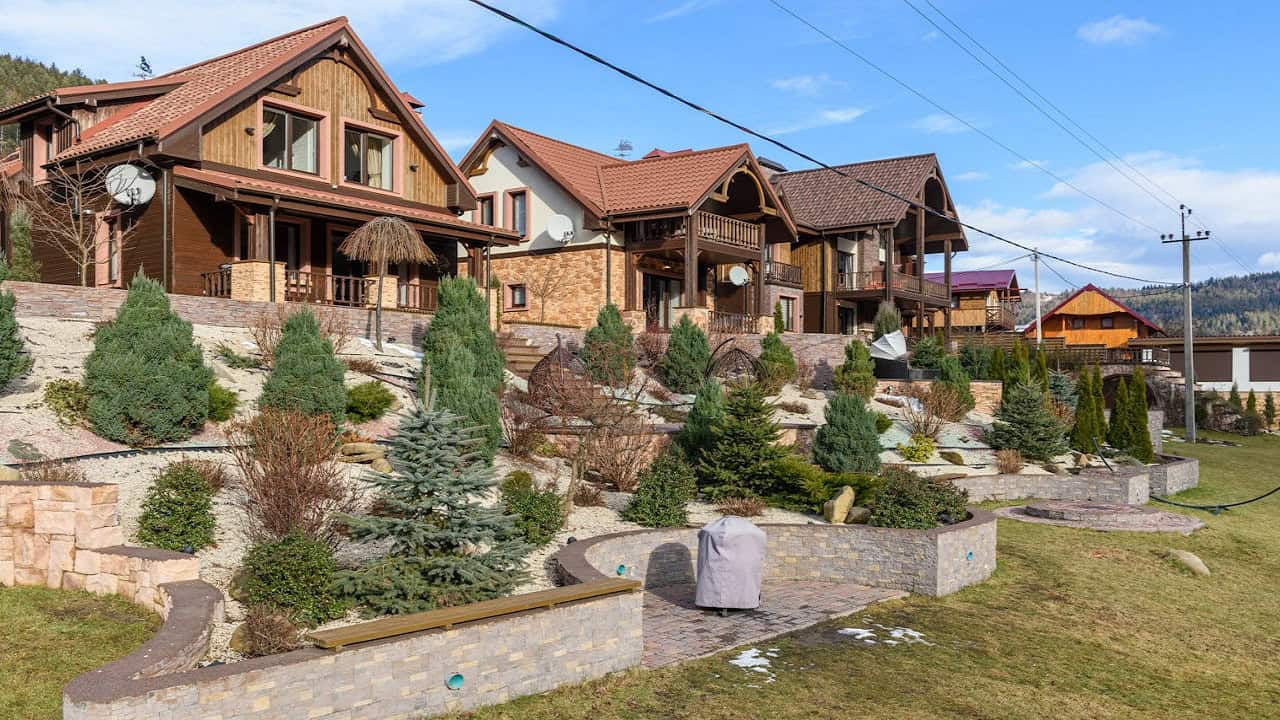
When you turn your front garden into a concrete slab, you stop the soil from breathing. This reduces water absorption and harms the natural soil life beneath.
Concrete also causes more runoff, which can lead to localized flooding. It makes it harder for plants and insects to thrive in your yard.
Keeping some soil exposed helps maintain healthy soil structure and supports local wildlife. Consider alternatives like permeable paving or mulch to protect your soil better.
Overwatering leading to soil compaction
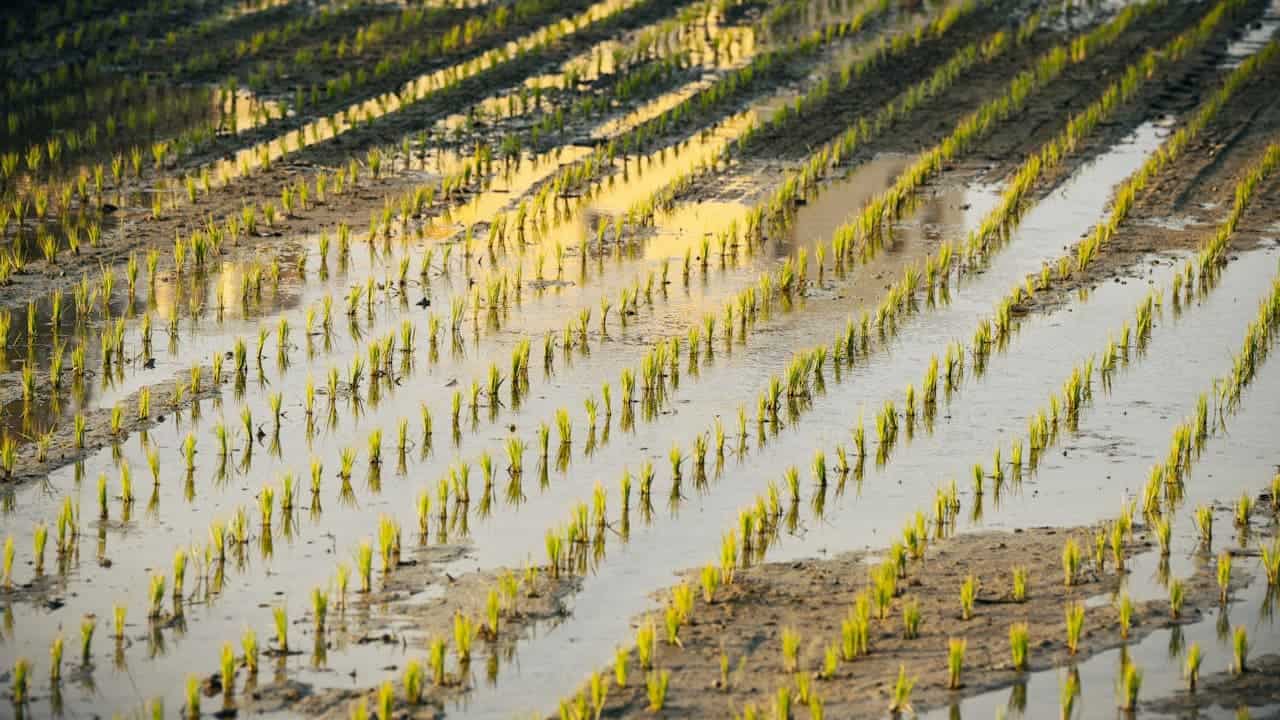
When you overwater your garden, the excess water fills the spaces between soil particles. This reduces the air pockets that plant roots need to grow.
Wet soil is more easily compacted by foot traffic or garden tools. Compacted soil drains poorly and can suffocate roots.
To protect your soil, water only when needed and avoid walking on wet beds. This helps keep your soil healthy and loose.
Relying heavily on synthetic fertilizers
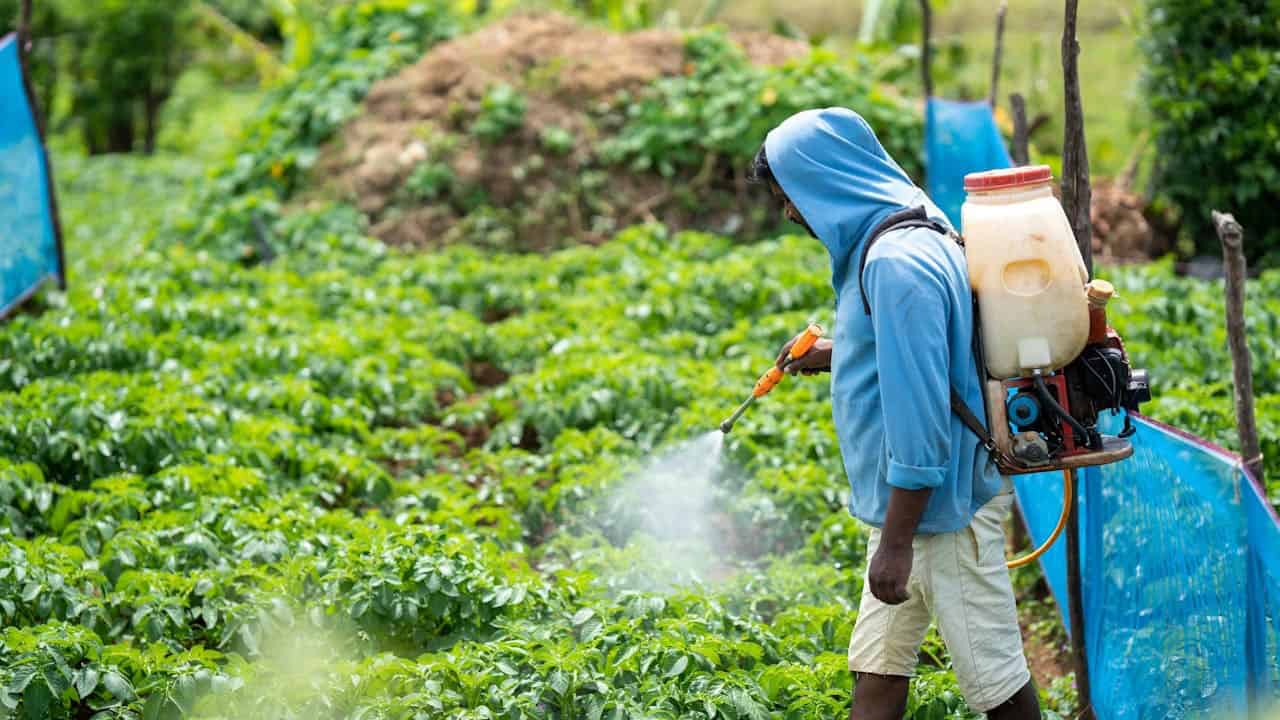
When you depend too much on synthetic fertilizers, it can harm your soil over time. These chemicals can disrupt the natural balance of microorganisms that keep your soil healthy.
You might notice soil compaction and nutrient leaching, which reduce your garden’s productivity. Instead, try to build nutrient-rich soil by using organic matter alongside fertilizers. This keeps your garden thriving for the long run.
Excessive tillage breaking soil structure

When you till your garden too much, it breaks apart the natural clumps of soil called aggregates. These aggregates help hold moisture and air, which plants need to grow well.
Tillage also makes the soil more compacted below the surface, making it harder for roots to spread.
By disturbing the soil too often, you reduce the organic matter that supports healthy soil life. This can lead to poorer soil health over time.
Planting tropical species in unsuitable climates

When you plant tropical species in climates that don’t support them, your soil can suffer. These plants often need more water and nutrients than your local environment can provide.
This can lead to overwatering, nutrient depletion, and soil compaction. You might also find yourself using fertilizers and pesticides more frequently to keep these plants alive.
Instead, choose plants suited to your climate to protect your soil’s health and reduce extra care demands.
Using plastic rattan furniture damaging microhabitats

When you place plastic rattan furniture in your garden, it can change how water and air reach the soil beneath. This may harm the tiny living things that create healthy soil structure.
Plastic materials don’t break down easily, so they can affect the natural balance in microhabitats around your plants. Choosing natural or breathable materials can help protect your garden’s soil life.
Astro turf (fake grass) instead of real soil
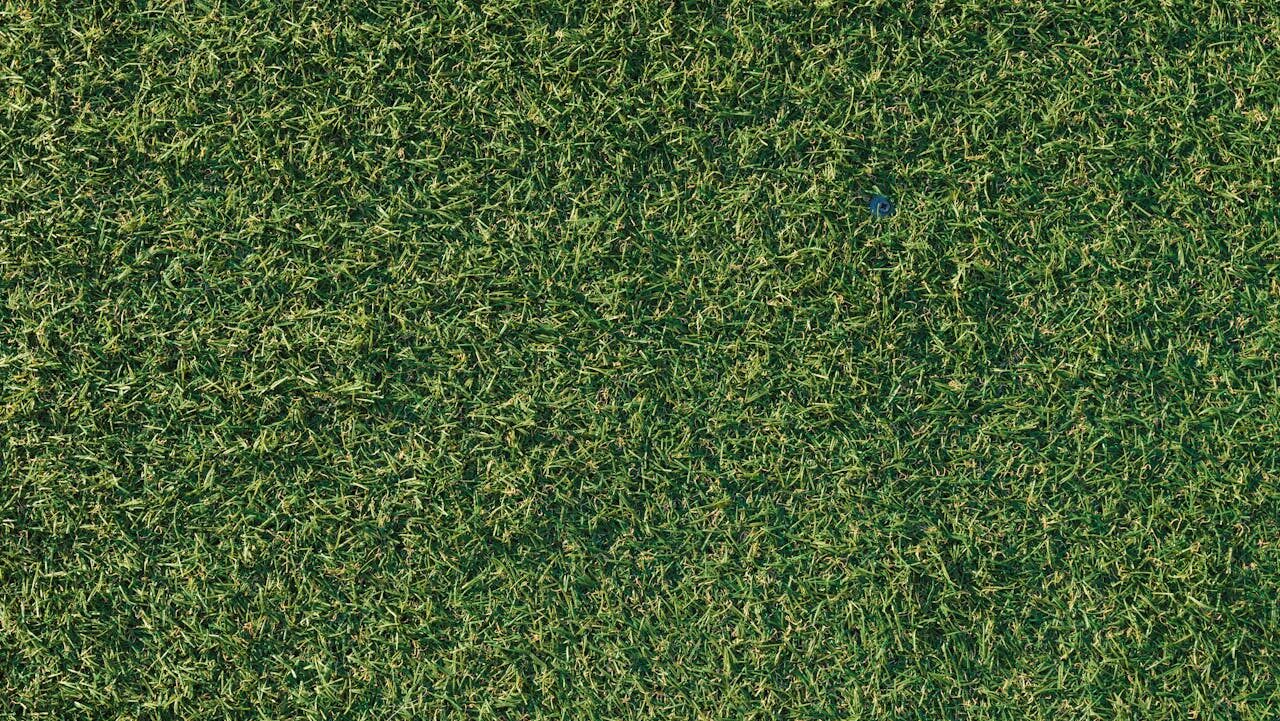
When you choose astro turf over natural soil, you stop important soil processes like nutrient cycling and water absorption.
Fake grass uses a lot of plastic, which doesn’t break down and can harm the environment.
It also traps heat, making your yard hotter than natural grass would.
While it may save water, it cuts off your soil’s health and life beneath the surface.
Large manicured lawns reducing biodiversity

When you keep a large, manicured lawn, you limit the variety of plants and animals that can live there. Lawns mostly support just one type of grass, which leaves little room for flowers, insects, or wildlife.
This lack of diversity can harm soil health over time. You might consider letting native plants or wildflowers grow instead. This helps your soil breathe and supports beneficial insects and pollinators in your garden.
Packing borders with only annual bedding plants

When you fill borders exclusively with annual bedding plants, you miss out on adding long-term structure to your soil. Annuals need to be replanted every year, which can disturb the soil more frequently.
This repeated turnover prevents the buildup of beneficial organic matter and disrupts soil life. Including perennials or shrubs can help improve soil health by providing more stability and deeper roots.
Single-use outdoor spaces limiting soil recovery
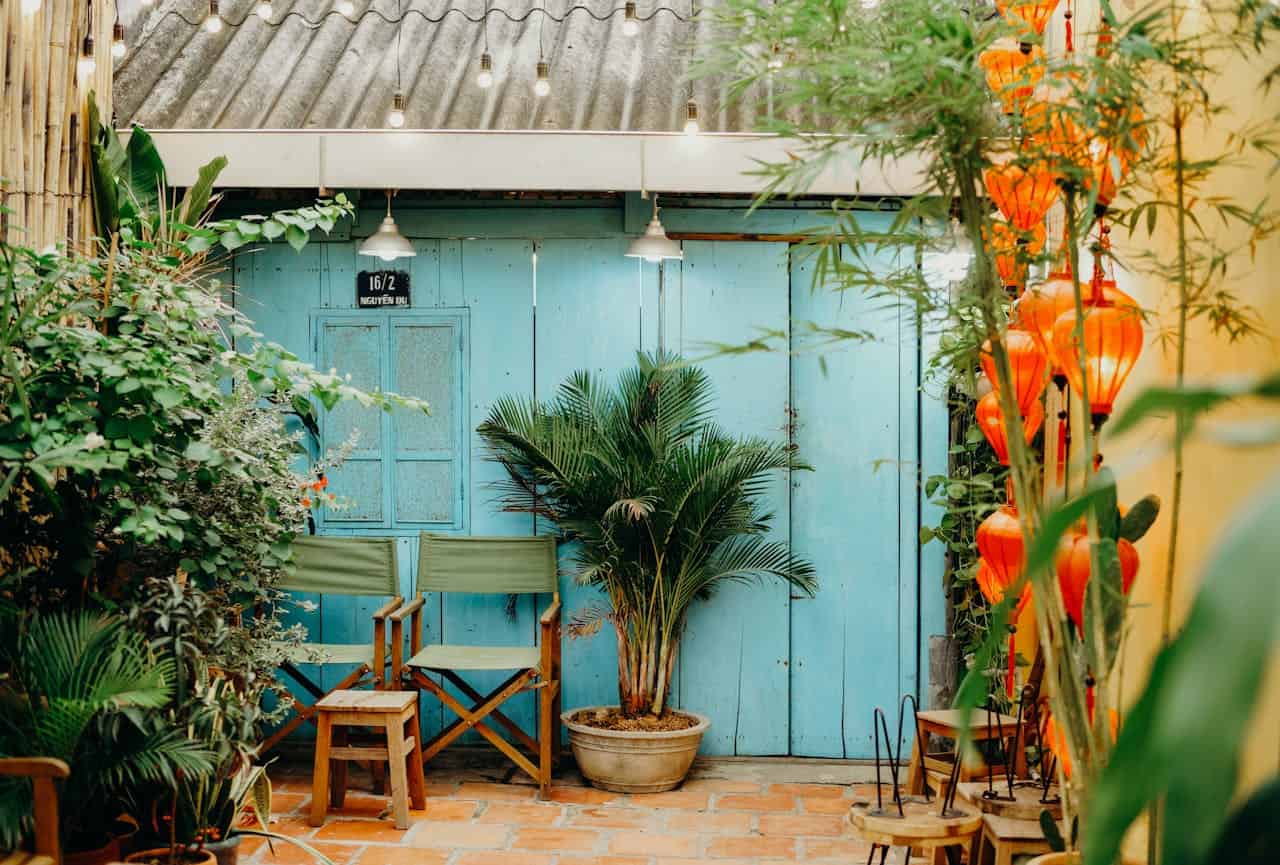
When you dedicate an outdoor area to just one purpose, like a patio or lawn, the soil underneath often gets compacted. This makes it hard for water and air to reach roots.
Soil needs time and space to recover. Without breaks, the soil structure breaks down, reducing its health over time.
Allowing part of your garden to rest or rotate uses helps the soil stay lively and productive.
Monochrome plant palettes harming soil variety
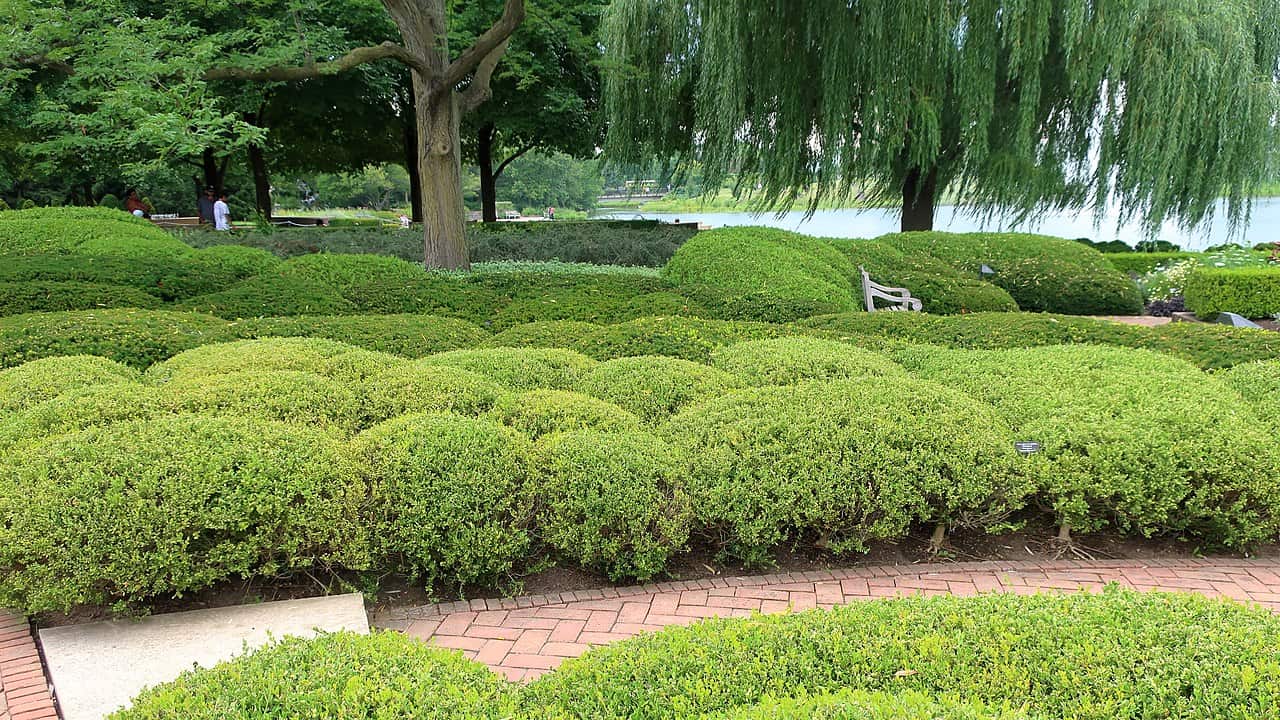
When you choose a monochrome plant palette, it can limit the diversity of microorganisms in your soil. Different plants support different soil life, so sticking to one color group often means fewer beneficial organisms.
This reduces soil health over time. You might find your soil becomes less fertile and more prone to problems like compaction or erosion.
To protect your soil, try mixing colors and plant types even if you like a certain theme. Variety helps your soil stay balanced and healthy.
Over-mulching causing root suffocation

When you add too much mulch, it can block air from reaching your plant roots. This lack of oxygen weakens them and can even cause root rot.
Thick layers of mulch also hold excess moisture, creating soggy conditions that harm your soil’s health. To keep your garden happy, apply mulch in thin, even layers.
Be mindful not to pile mulch against tree trunks or shrubs since this can trap moisture and lead to decay.
Using orange-stained decking with harmful chemicals

Using decking stained with harmful chemicals can affect your garden soil over time. These chemicals may leach into the ground, potentially harming beneficial soil organisms.
You might want to choose safer alternatives or make sure your decking products are labeled as environmentally friendly. This helps protect your soil while still keeping your outdoor space attractive.
Paving over garden areas, restricting water flow
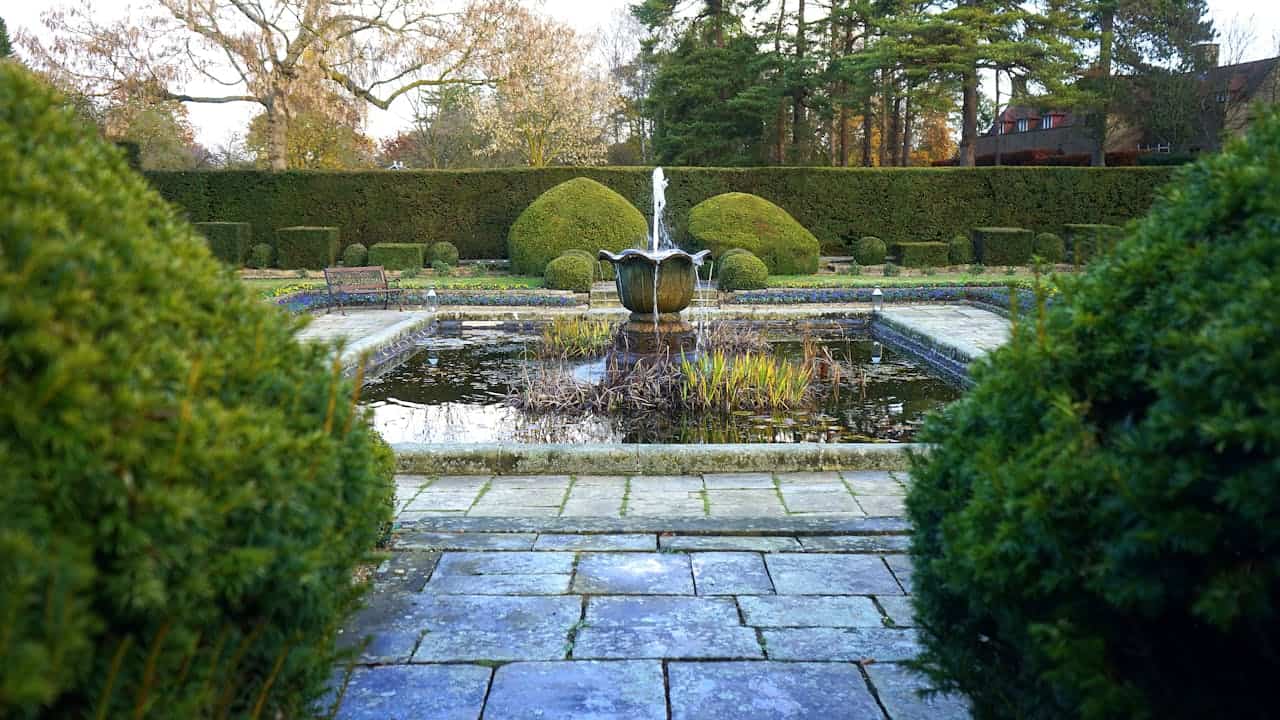
When you cover your garden with paving, water can’t soak into the soil like it used to. This blocks natural drainage and can lead to pooling or flooding during heavy rain.
Your soil loses the chance to breathe and absorb moisture, which weakens plants over time. Leaving some space for borders or infiltration areas helps keep water moving and healthy.