Ah, the joy of gardening! The feeling of the soil beneath your fingers, the peacefulness of being in nature and the satisfaction of seeing those beautiful blooms. But what happens when your much-anticipated flowers just refuse to bloom? Often, it’s due to some common flower planting mistakes that are easily avoidable.
These 17 mistakes could be costing you your blooms, but we’ll provide some practical advice on how to rectify them.
Advertisement
1. Planting at the Wrong Time
Timing is crucial when it comes to planting flowers. Each type of flower has its own specific planting season and failing to adhere to this could be why you are not seeing any blooms. For instance, spring bulbs like daffodils and tulips should ideally be planted in the fall, while summer flowers like marigolds and sunflowers thrive when planted in the spring.
Consider the flower’s blooming period and work backwards to determine the best time to plant. It’s also important to pay attention to the temperature of the soil, as some flowers need warmer soil to germinate. A soil thermometer can be a handy tool here.
2. Neglecting Soil Preparation
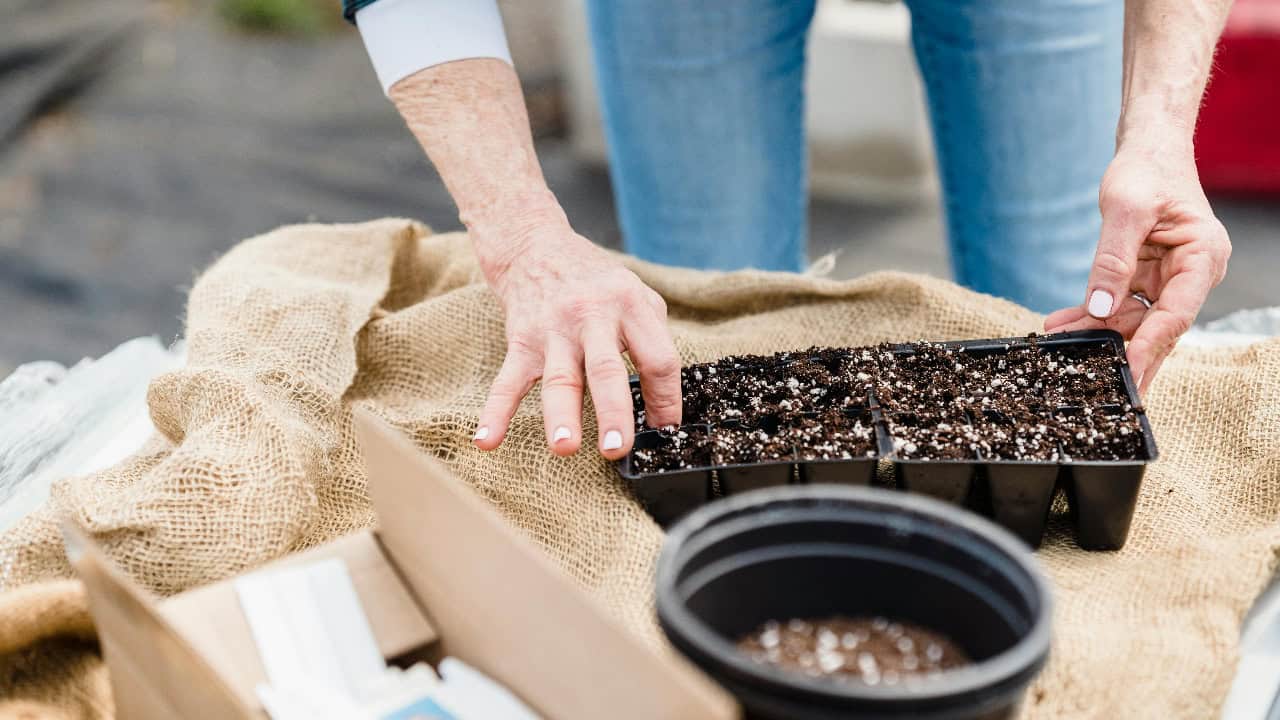
The soil is the lifeblood of your garden and neglecting to prepare it properly before planting can lead to disappointing results. Different flowers require different soil conditions to thrive. Some flowers like roses need well-draining soil, while others like hydrangeas prefer slightly acidic soil.
Before planting, take the time to test your soil’s pH and nutrient levels. This can be done with a simple test kit from your local garden center. If your soil lacks certain nutrients, you can amend it with compost or a slow-release fertilizer. If the pH is off, lime or sulfur can be used to correct it.
3. Overcrowding Your Flowers
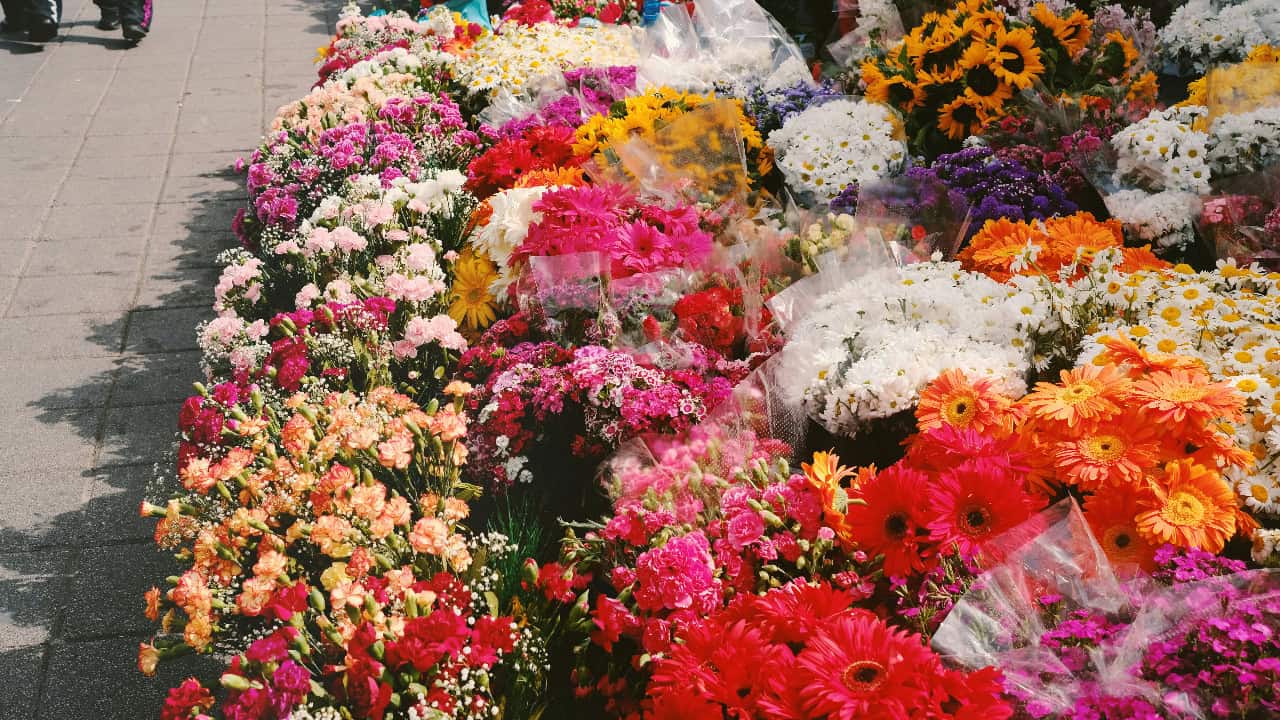
While it might be tempting to squeeze as many flowers as you can into your garden, overcrowding can lead to a lack of blooms. Too many plants fighting for the same resources can result in none of them thriving.
Ensure each flower has enough space to grow and spread out its roots. The spacing requirements will vary depending on the type of flower, but as a general rule, larger flowers will need more space. Overcrowding can also lead to poor air circulation, which can increase the risk of disease.
4. Ignoring Sunlight Requirements
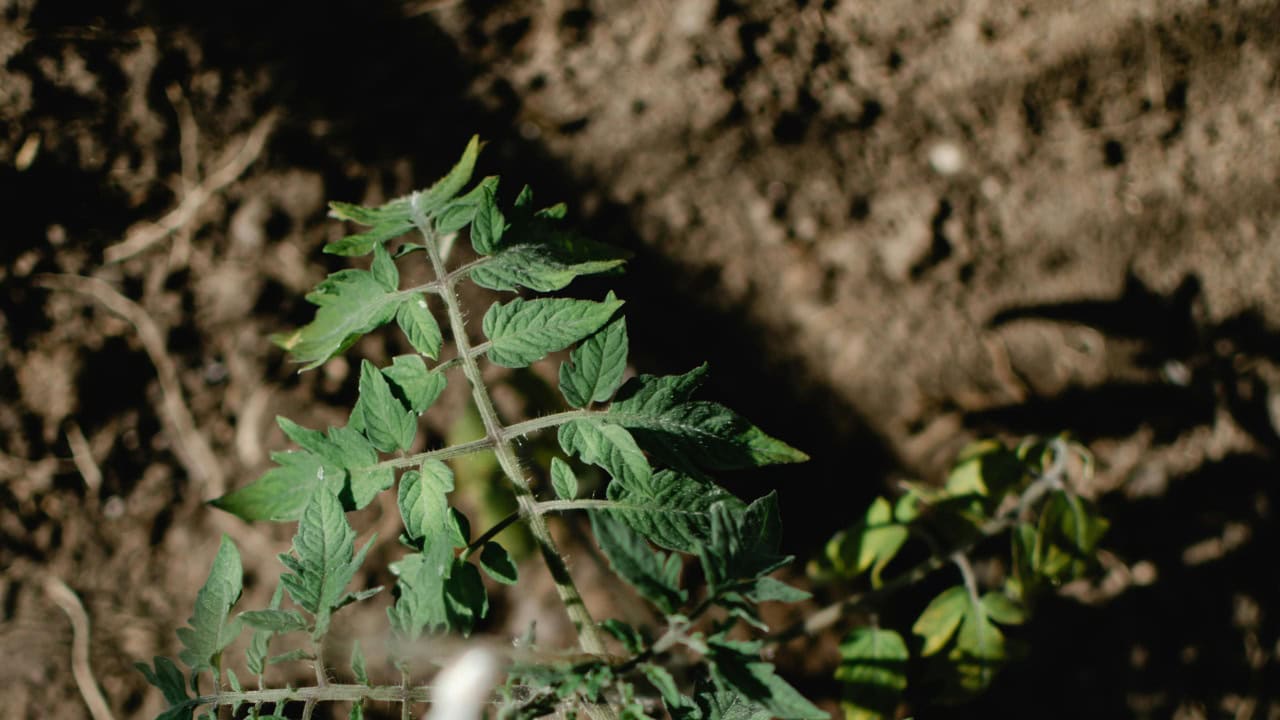
Just as different flowers have different soil preferences, they also have different sunlight requirements. Some flowers, like sunflowers and roses, need full sun to bloom, while others like impatiens and hostas do well in shade.
Before planting, research the sunlight requirements of your chosen flowers. Then, plan your garden so that each plant gets the right amount of sun. Remember, “full sun” means at least six hours of direct sunlight per day, while “partial shade” means two to six hours.
5. Overwatering or Underwatering
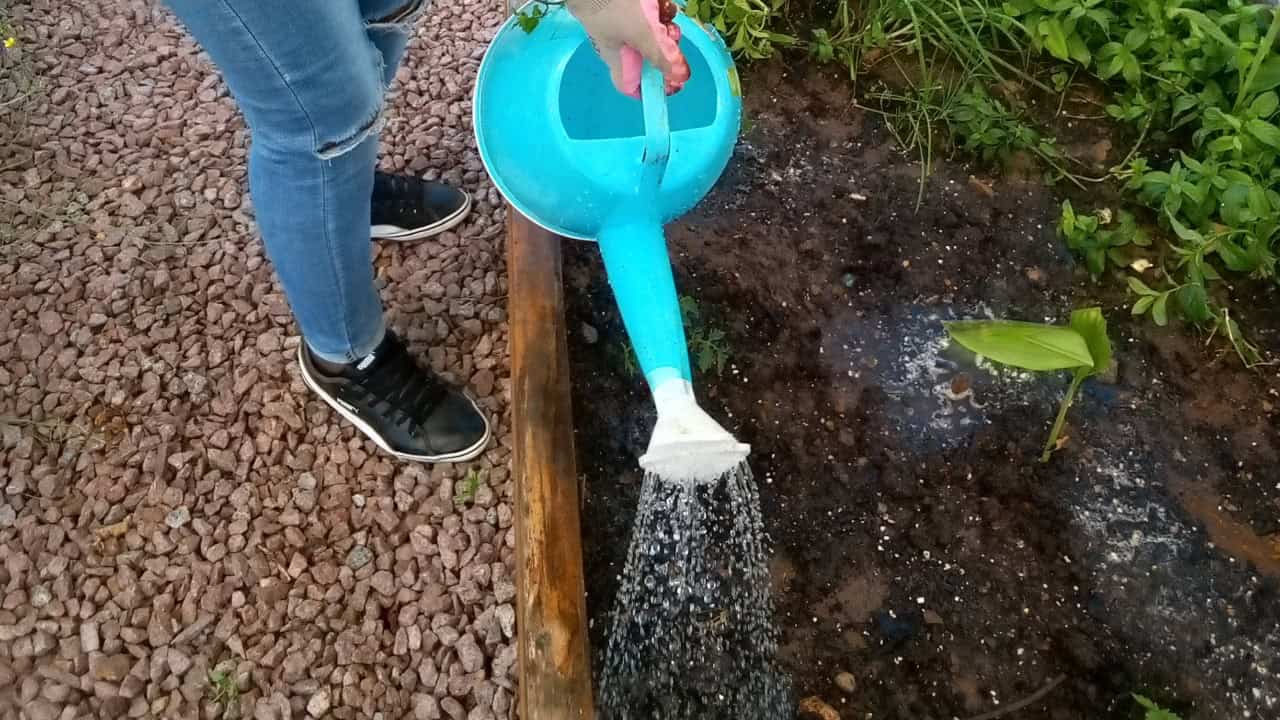
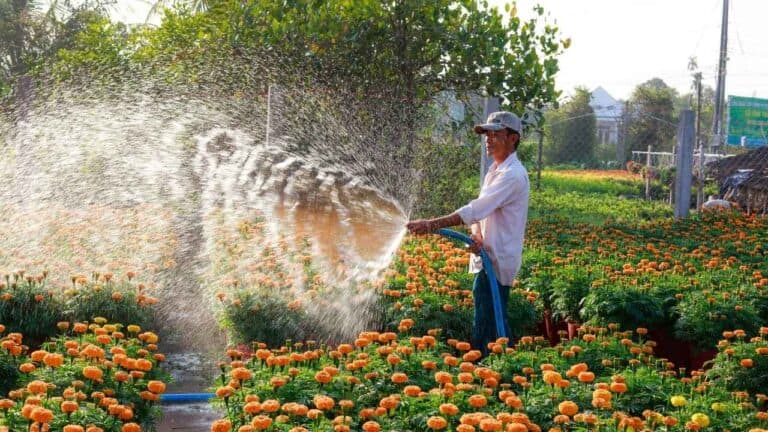
Watering is a crucial part of flower care, but both overwatering and underwatering can hinder blooming. Too much water can lead to root rot and fungal diseases, while too little can cause the plant to become stressed and stop producing flowers.
The key is to water deeply but infrequently. This encourages the plant to develop a deep root system, which can help it withstand periods of drought. The amount of water needed will depend on the type of flower, the soil, and the weather, but a good rule of thumb is to water when the top inch of soil feels dry.
6. Neglecting to Deadhead
Deadheading, or the process of removing spent flowers, is a simple task that can significantly increase your flower’s blooming potential. When a flower’s blooms are left to die on the plant, the plant will start to focus its energy on seed production rather than on producing new blooms.
To deadhead, simply snip off the spent flower at the base of the stem. This will signal to the plant that it needs to produce more flowers. Not all flowers benefit from deadheading, but many common garden flowers like roses, marigolds, and geraniums do.
7. Forgetting to Fertilize
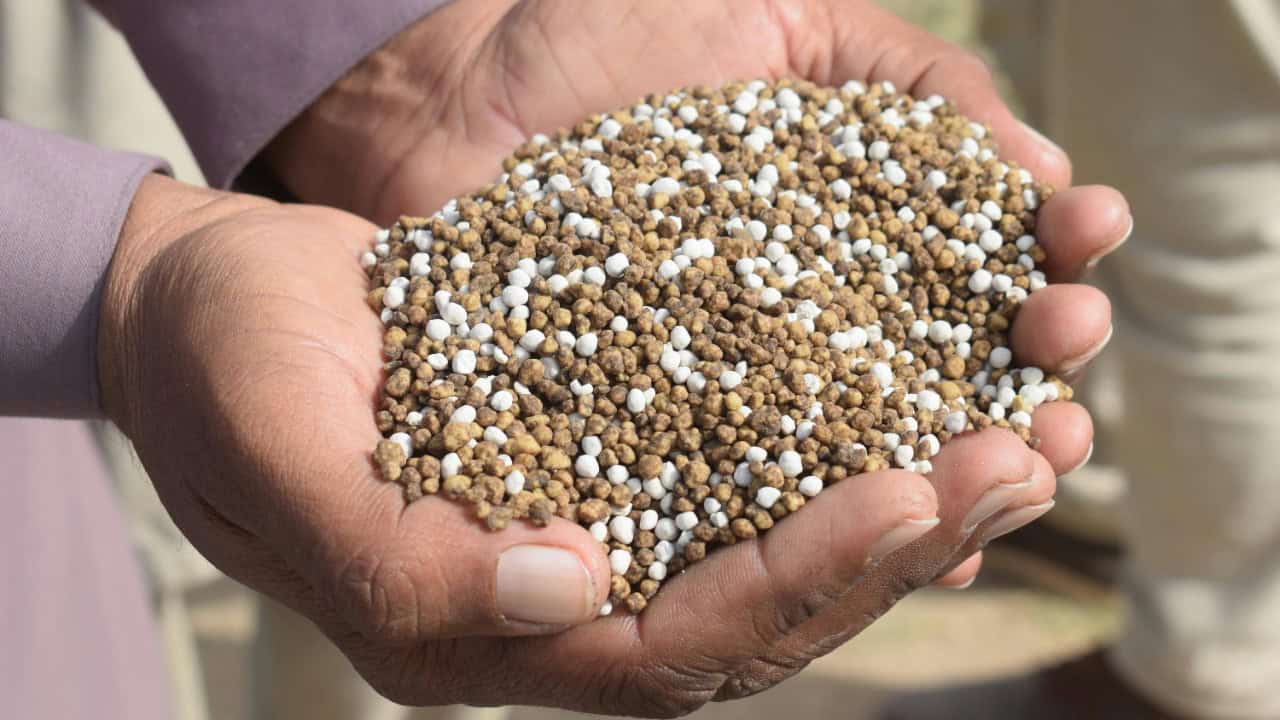
Flowers need nutrients to bloom, and while some of these nutrients can be provided by the soil, others need to be added through fertilization. Failing to fertilize, or fertilizing with the wrong type of fertilizer, can result in lackluster blooms.
Choose a fertilizer that’s suitable for your type of flower. For instance, roses benefit from a fertilizer high in phosphorus, which promotes blooming. Always follow the package instructions when applying fertilizer, as too much can be just as harmful as too little.
8. Planting in the Wrong Location
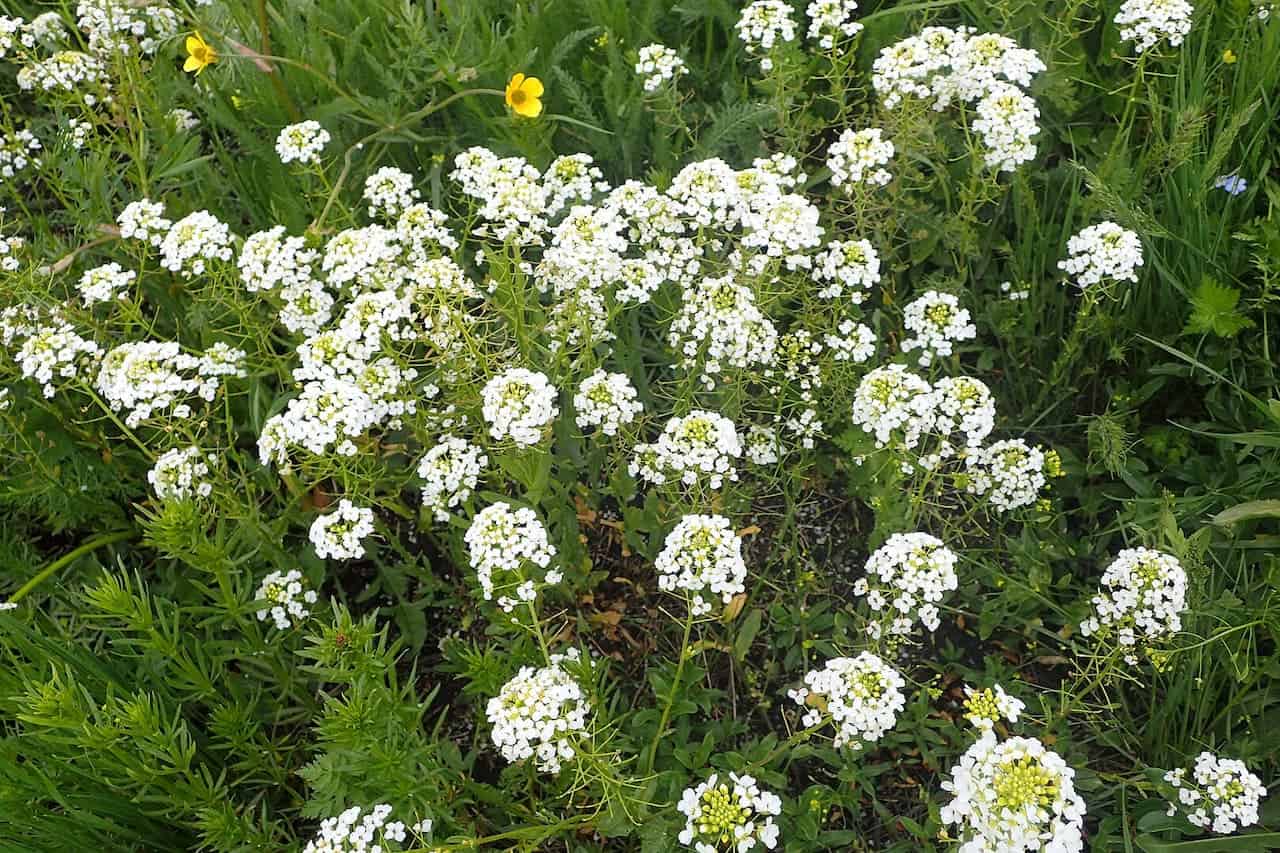
Flowers are not one-size-fits-all when it comes to their location preference. Some flowers thrive in the sunny spot, while others prefer the shady corner. Improper placement can stress the plant and inhibit blooming.
Understand the needs of your flowers and plant them in a location that matches their sunlight and soil preferences. For example, sun-loving flowers like marigolds should be planted in a spot that gets at least six hours of direct sunlight each day.
9. Ignoring Pest Problems
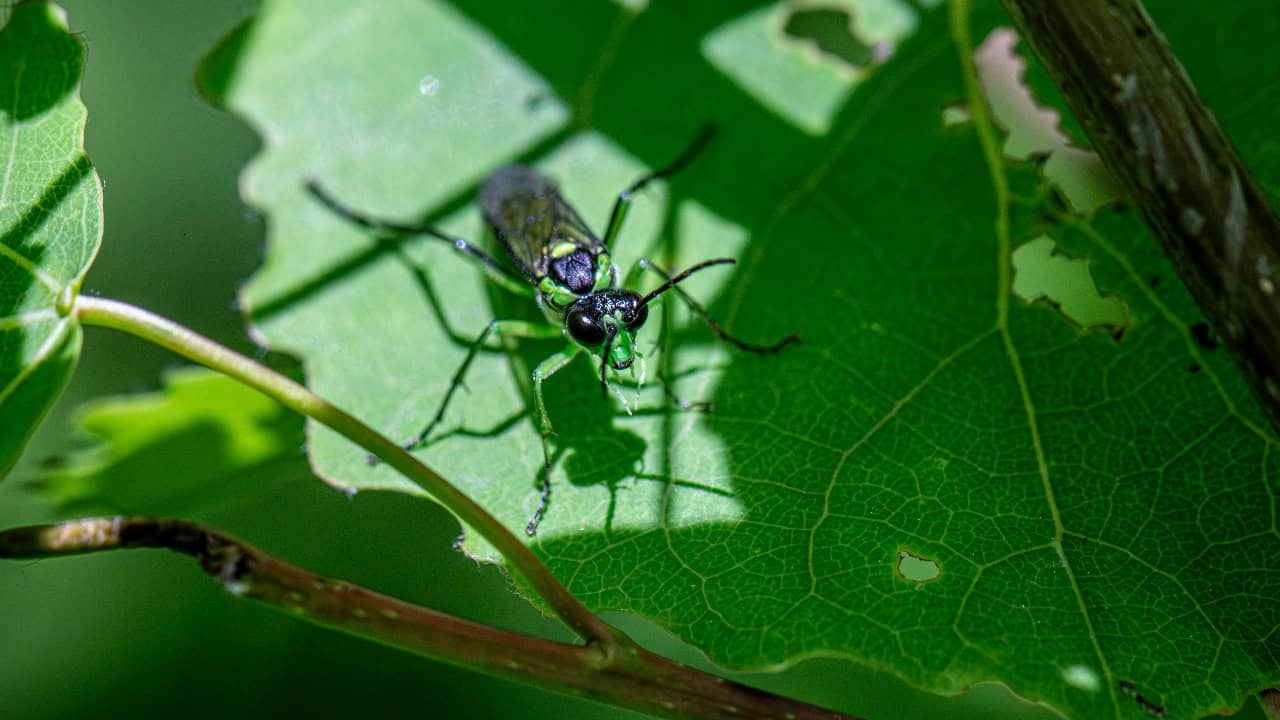
Pests can wreak havoc on your garden and prevent your flowers from blooming. Aphids, slugs, and beetles are common pests that can damage your plants and inhibit their growth.
Regularly check your plants for signs of pests. If you notice any, take action immediately. There are many natural and chemical pest control options available, so choose one that is best suited to your garden and the type of pest you are dealing with.
10. Skipping Mulching

Mulching is a simple step that can make a huge difference in your garden. It helps retain soil moisture, suppress weeds, and improve soil quality—all of which can promote blooming.
Use organic mulch like compost, straw, or bark chips. Apply a 2-3 inch layer around your plants, being careful not to pile it up against the stems. Mulch not only benefits your plants but also makes your garden look neat and well-maintained.
11. Planting Non-native Varieties
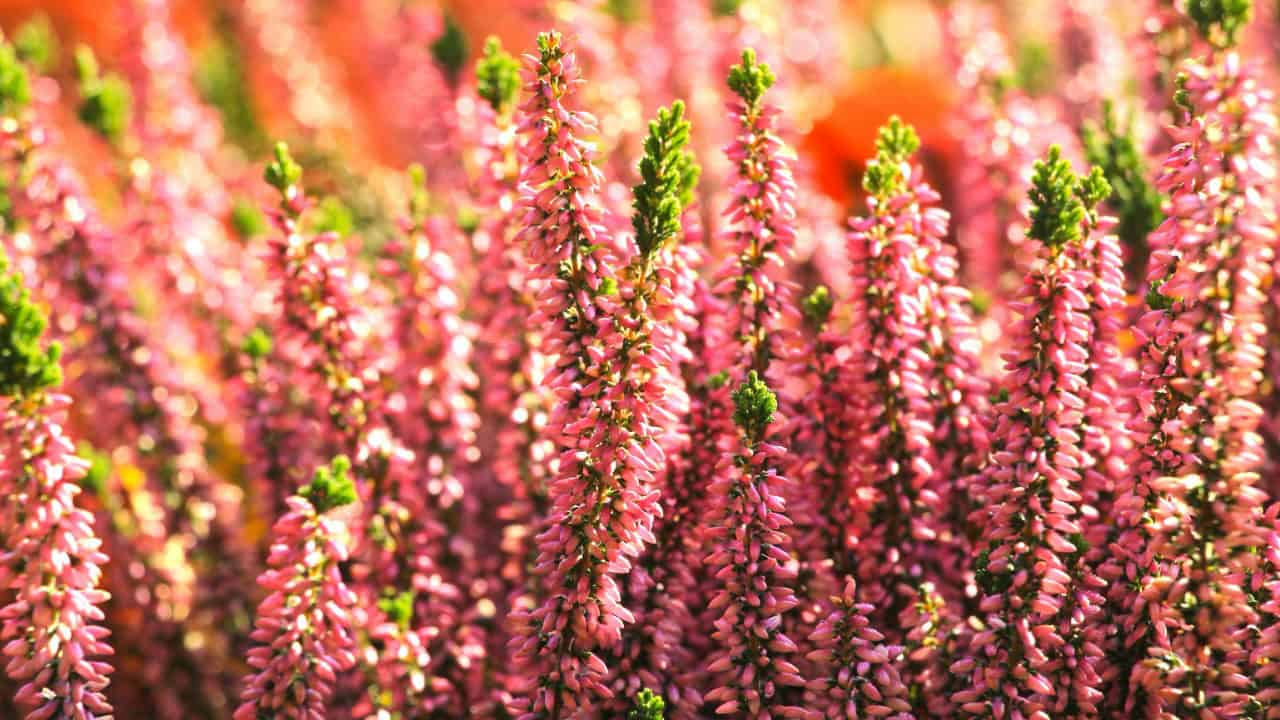
Planting non-native flowers can be risky. These plants may not be adapted to your climate and soil conditions, and as a result, may struggle to bloom.
Whenever possible, choose plants that are native to your area. These plants will be better equipped to thrive and bloom in your garden. Plus, they’ll often require less maintenance than non-native varieties.
12. Not Pruning Properly
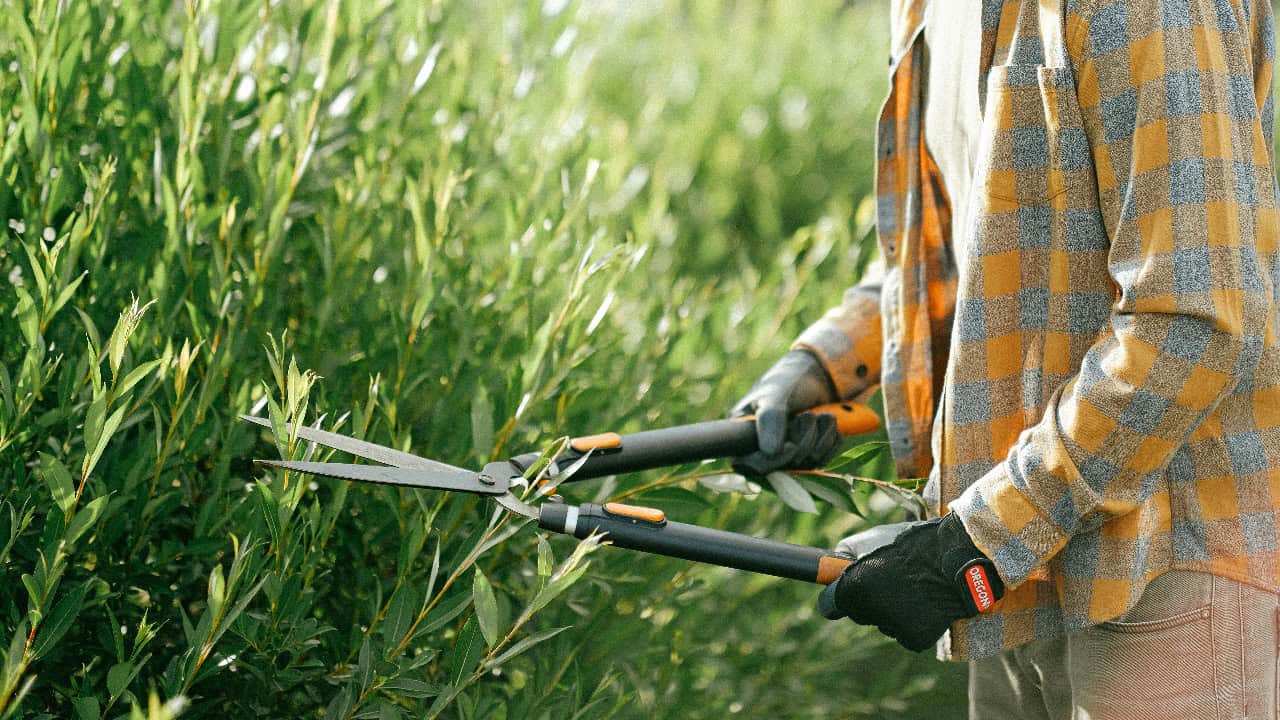
Pruning can seem counterintuitive—why cut back a plant you want to grow? But proper pruning can actually stimulate blooming by directing the plant’s energy towards flower production.
Pruning requirements vary by plant, but a general rule is to remove dead or diseased wood, and thin out crowded branches. Always use sharp, clean pruning tools to avoid damaging the plant or spreading disease.
13. Planting Flowers Too Deeply
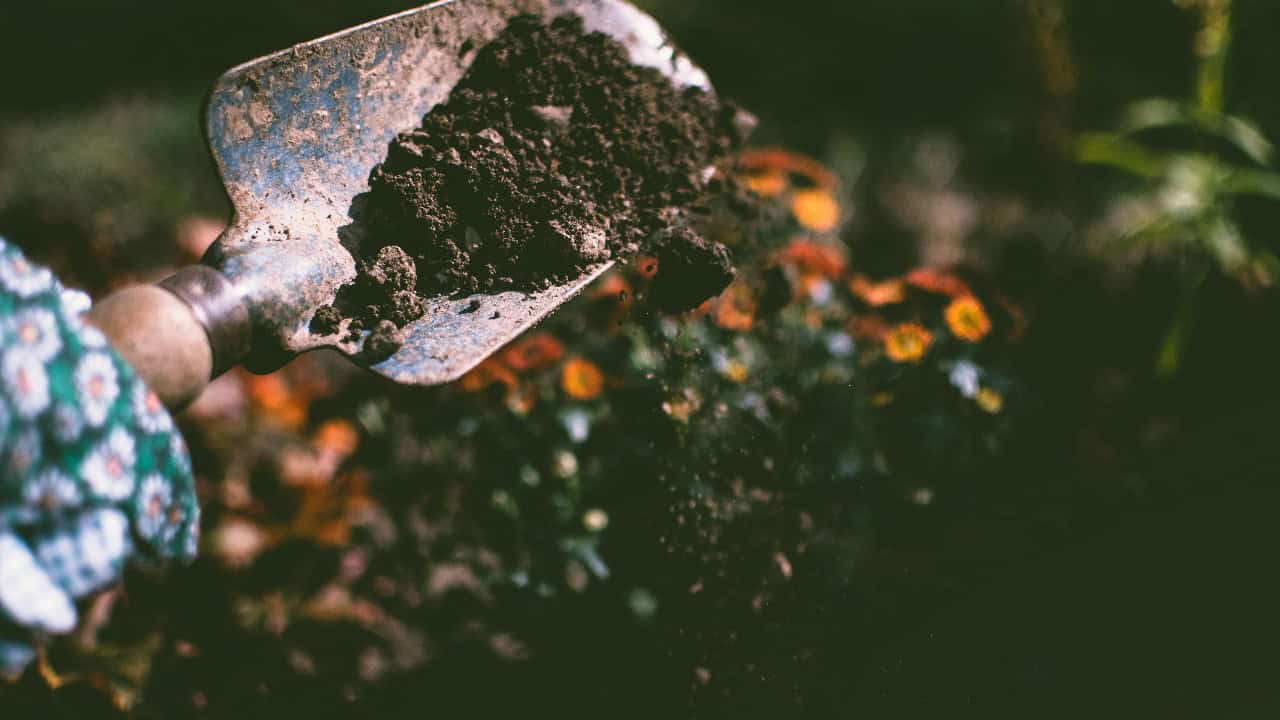
Planting depth matters. If flowers are planted too deeply, they may struggle to emerge from the soil and bloom. Conversely, if they’re planted too shallowly, their roots may be exposed and dry out.
As a rule of thumb, most flowers should be planted at the same depth they were growing in their nursery pot. For bulbs, a general guideline is to plant them three times as deep as the bulb is tall.
14. Choosing the Wrong Flowers for Your Climate
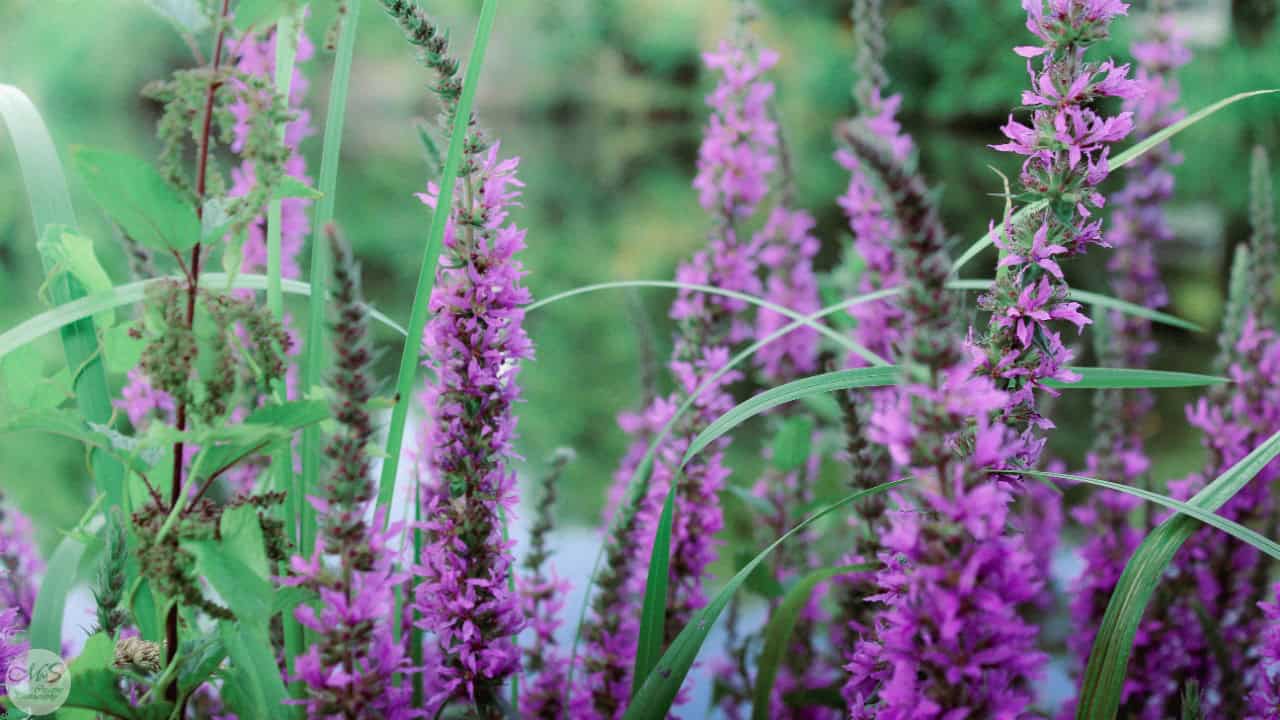
Every flower has its preferred climate, and ignoring this can lead to poor blooming. For instance, tropical flowers like hibiscus won’t bloom in cooler climates, while alpine flowers struggle in hot, humid areas.
Before choosing your flowers, get familiar with your climate and hardiness zone. Then choose plants that are known to thrive and bloom in those conditions.
15. Ignoring the Importance of Good Drainage

16. Forgetting to Rotate Crops
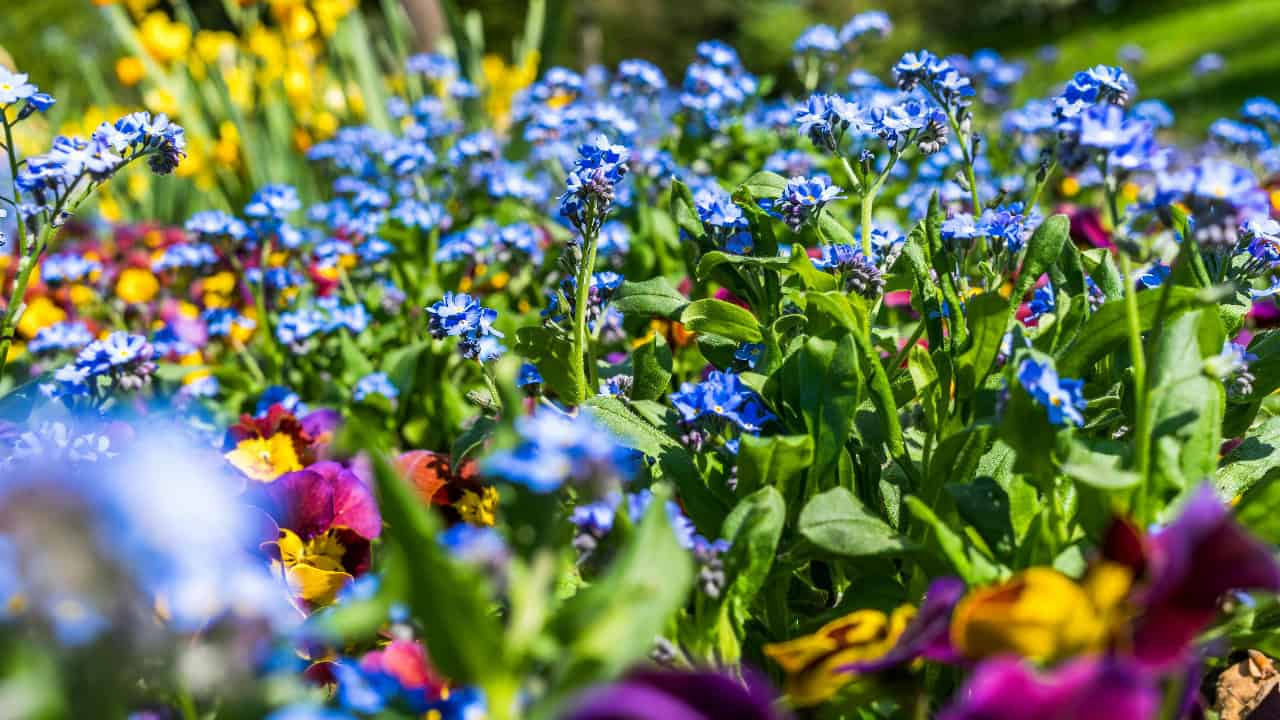
Planting the same flowers in the same spot year after year can deplete the soil of certain nutrients, leading to poorer blooms over time. This is a common problem for vegetable gardeners, but it can affect flower gardeners too.
To avoid this, practice crop rotation. This means changing the location of your flowers each year, so different plants can benefit from and contribute to the soil’s nutrient balance.
17. Not Considering Pollinators
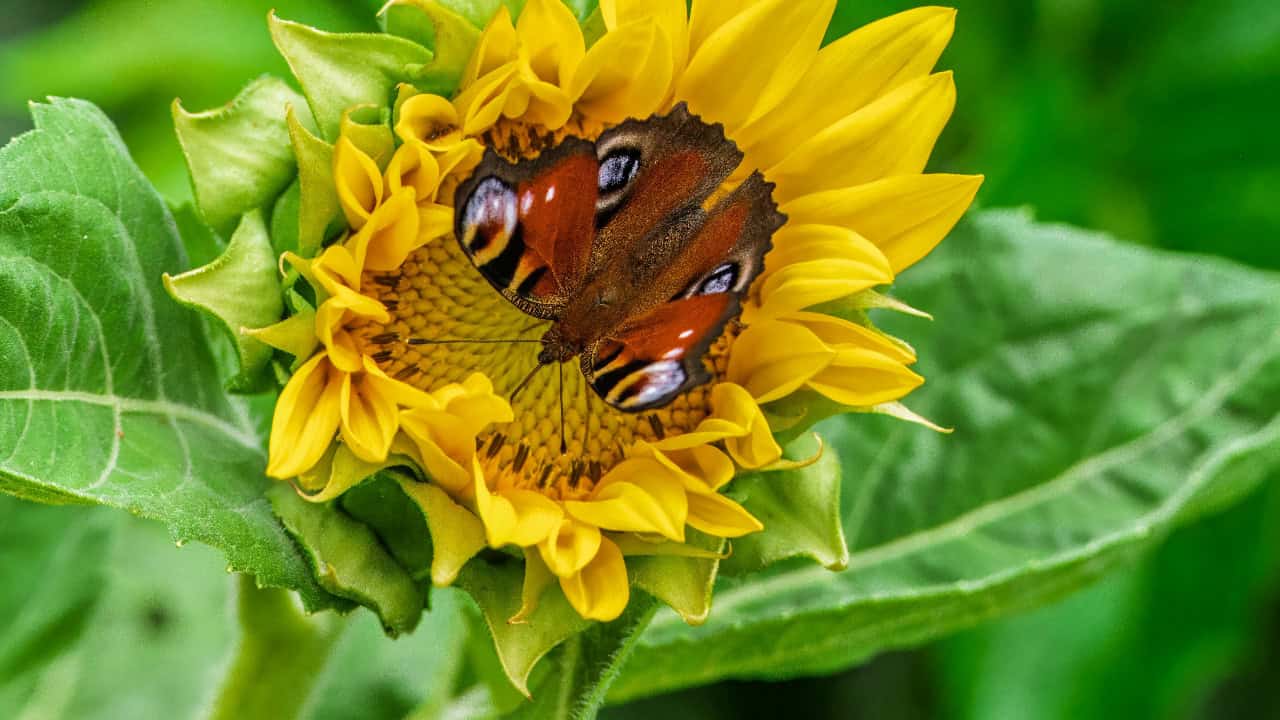
Flowers need pollinators like bees and butterflies to reproduce and produce more flowers. If you’re not seeing many blooms, it could be because there aren’t enough pollinators visiting your garden.
To attract more pollinators, plant a variety of flowers that bloom at different times, providing a constant source of nectar. You can also provide a water source and habitat for pollinators, like a bee house or butterfly puddling area.