Improving your home’s curb appeal can make a big difference in its overall look and feel. Whether you live in a dry, wet, hot, or cold climate, there are ways to enhance your yard and exterior that work well for your environment.
These 17 curb appeal ideas are designed to fit any climate, helping you create an attractive and welcoming exterior without extra hassle. With simple changes and thoughtful choices, you can boost your home’s charm no matter where you live.
Advertisement
Refresh mulch with a fresh layer to brighten garden beds

You can instantly improve your garden’s look by adding a fresh layer of mulch. It helps keep soil moist and suppresses weeds, making your plants healthier.
Choose mulch colors that complement your plants and home. Dark mulches, like black, create contrast and make flowers stand out.
Remember to remove old, compacted mulch before adding new material. This keeps your beds looking clean and vibrant all season.
Plant native, drought-tolerant plants for water efficiency
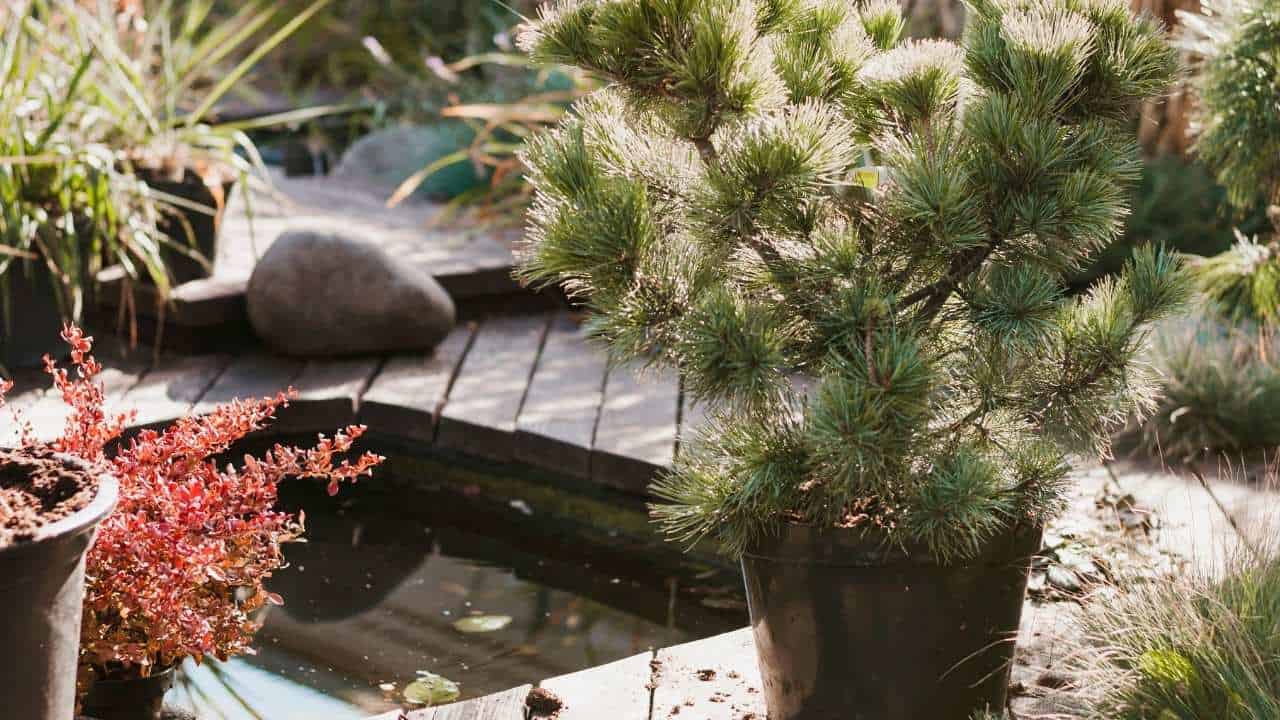
You can save water by choosing native, drought-tolerant plants that thrive in your region. These plants need less watering and care once established.
Consider options like sage, manzanita, or California lilac, which handle dry conditions well. Using them adds natural beauty without demanding extra resources.
Adding succulents in containers is also a simple way to boost curb appeal while keeping your garden waterwise. This choice works well in many climates.
Add colorful perennials like coneflowers and black-eyed Susans

You can brighten your garden with perennials like coneflowers and black-eyed Susans. These flowers add cheerful pops of color without needing much care.
Both thrive in full sun and adapt well to different climates. Plus, they attract pollinators, which helps your garden stay healthy.
Because they come back year after year, they’re a smart choice for long-lasting curb appeal. You’ll enjoy vibrant blooms with minimal effort.
Use boxwoods along the house foundation for structure
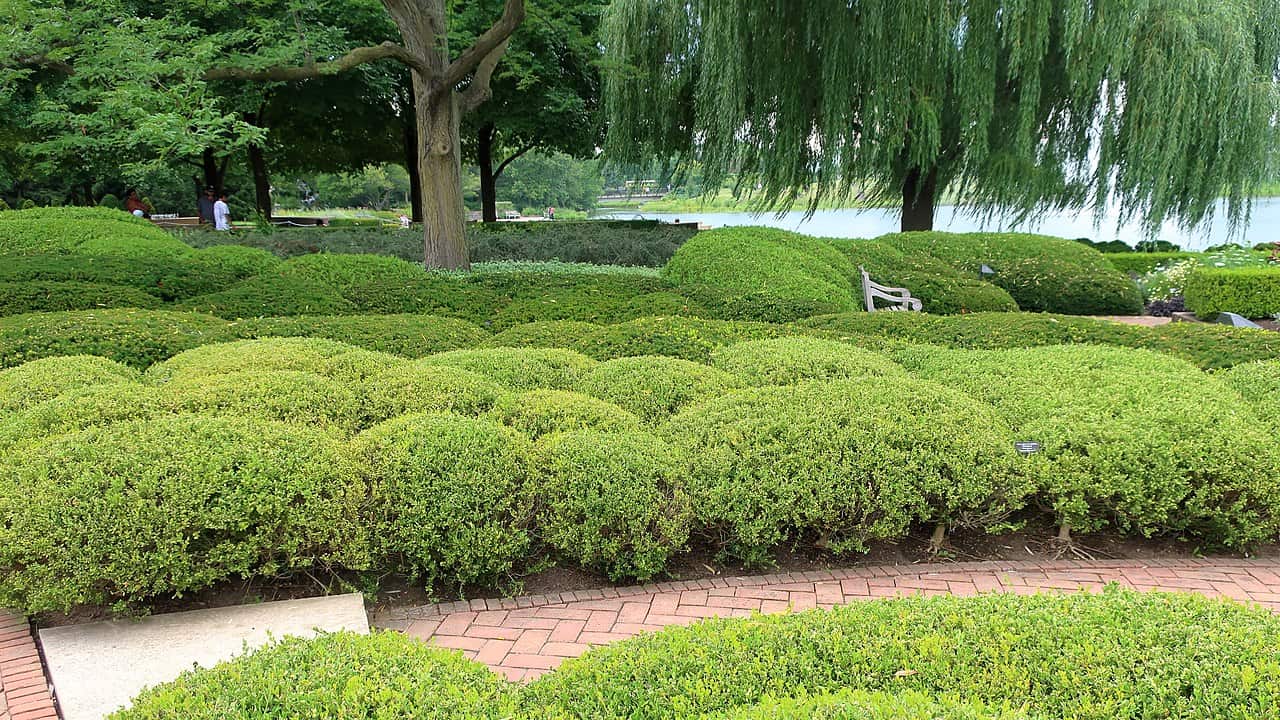
You can use boxwoods to give your home’s foundation a clean, structured look. Their dense, evergreen leaves provide a steady backdrop year-round.
Boxwoods are easy to shape, so you can keep them neat or create interesting designs. Placing them along your foundation adds depth without overwhelming your space.
These shrubs work well in almost any climate, making them a smart choice for reliable curb appeal.
Install window flower boxes for a vibrant pop of color
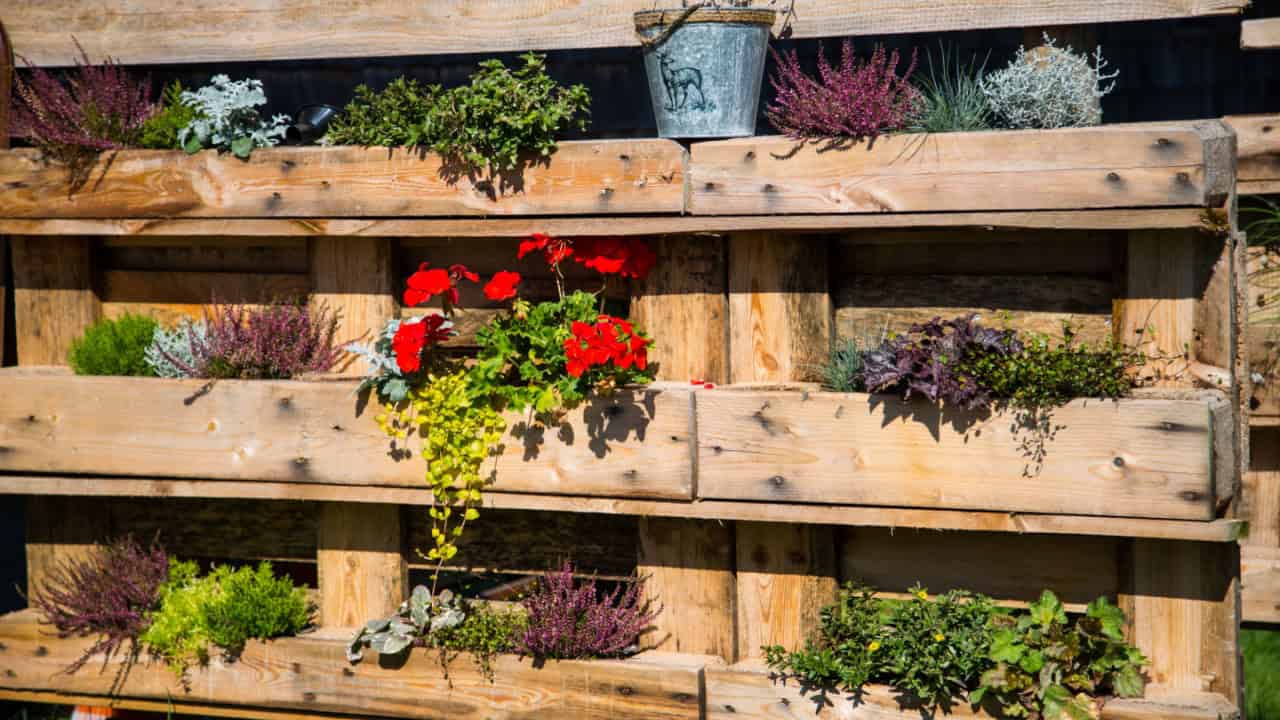
You can easily brighten your home’s exterior by adding window flower boxes. Choose flowers or plants that suit your climate to keep them healthy and vibrant.
Window boxes are simple to install with basic tools and materials like wood and liners. They add charm without taking up yard space.
Changing the plants by season lets you refresh your look throughout the year. This small addition creates a welcoming feel for your home.
Create a small front porch deck with comfortable seating

You can boost your home’s curb appeal by adding a compact porch deck. Even a small space works well with a couple of chairs and a side table.
Choose seating that fits your style and climate, like weather-resistant wicker or bamboo. This makes it easy to move furniture indoors during bad weather.
A cozy seating area invites you to relax and enjoy your outdoor space, making your porch both functional and welcoming.
Incorporate hostas in shaded areas for lush greenery

If you have shady spots, hostas are a great choice to add greenery. They thrive in partial to full shade and adapt well to moist, well-drained soil.
You can use hostas to create borders or plant them in containers to brighten patios. Their varied sizes and shades make them easy to fit into your garden’s style.
Pair hostas with other shade-loving plants to add texture and color throughout the season. They’ll help your outdoor space feel fresh and inviting.
Add solar-powered walkway lighting for safe evening strolls
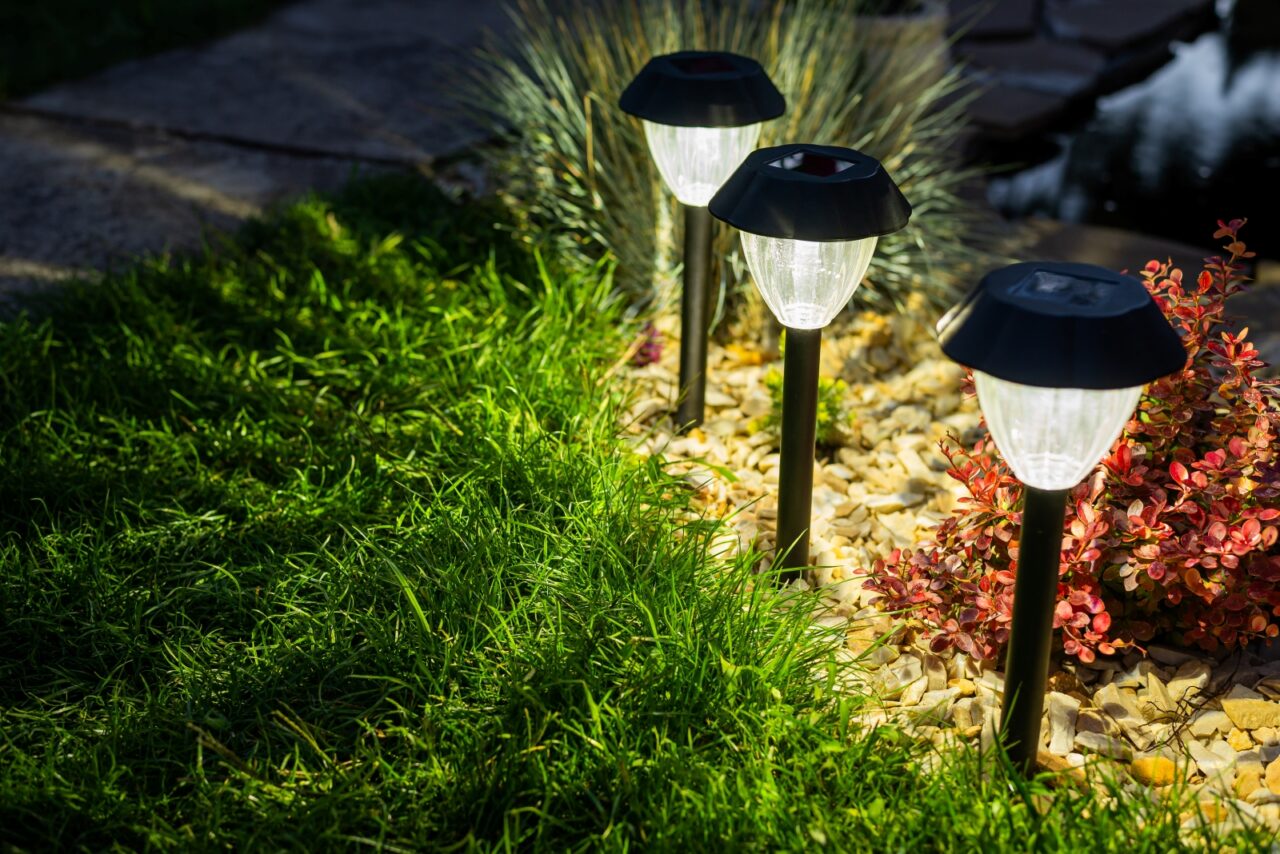
You can boost your curb appeal and safety by adding solar-powered walkway lights. These lights charge during the day and illuminate your path for 10-12 hours after sunset.
They’re easy to install and require no wiring, making them perfect for any climate. Plus, many have waterproof designs to withstand different weather conditions. Your evenings will be safer and your yard more inviting with this simple upgrade.
Build retaining walls with natural stone for texture

You can use natural stone retaining walls to add texture and interest to your yard. The variety of stone colors and shapes creates a beautiful, organic look that fits many climates.
These walls also help manage soil and water runoff, making them practical as well as attractive. Choosing dry-stacked stones lets water drain naturally through the gaps, reducing pressure behind the wall.
Use weed barriers under mulch for low maintenance

You can use weed barrier fabric under mulch to reduce weed growth and save time on upkeep. It works best with materials like gravel or rubber mulch that don’t break down.
For organic mulches, the fabric may block water and air, so it’s usually better to rely on a thick layer of mulch to control weeds. If you choose fabric, make sure it’s breathable to protect your soil.
Trim overgrown shrubs and pull weeds regularly

You can instantly improve your home’s look by trimming overgrown shrubs. This keeps plants healthy and prevents them from blocking windows or pathways.
Pulling weeds regularly also helps your garden look tidy and stops them from competing with your flowers or grass.
Set a schedule for pruning and weeding so your yard always looks well cared for, no matter the season.
Place hydrangeas near entryways for welcoming charm
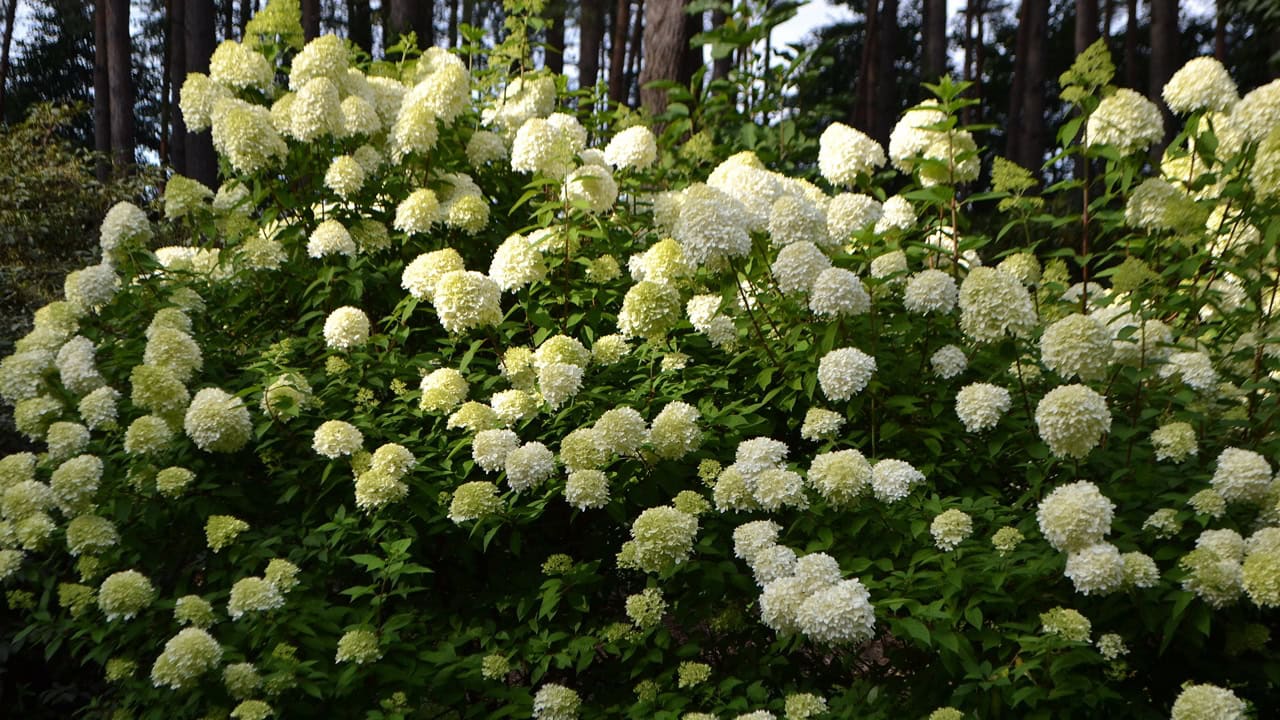
You can create a warm welcome by planting hydrangeas near your front door. Their full, colorful blooms add soft beauty without overwhelming the space.
Hydrangeas work well in many climates and are easy to care for. Position them where they can get morning sun and afternoon shade to keep them healthy.
Adding hydrangeas also brings texture and a touch of elegance to your entryway garden. It’s a simple way to boost curb appeal with natural charm.
Lay a new stone or brick walkway for curb appeal
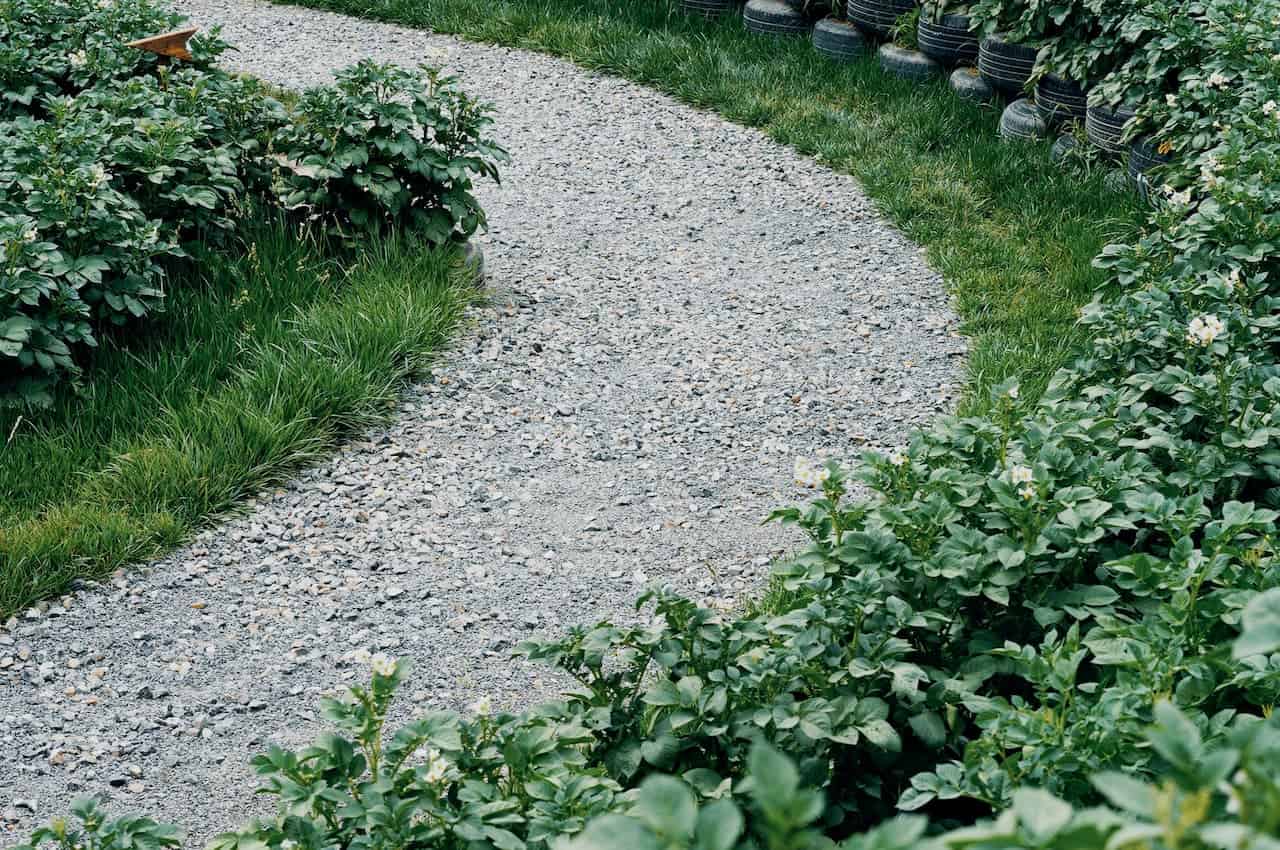
A new stone or brick walkway can instantly boost your home’s curb appeal. Choose materials that match your style and climate for durability and beauty.
You can create simple patterns with round stones or classic layouts using bricks and pavers. Installing solar lights along the path adds both charm and safety.
Building your own walkway is doable with some planning, and it connects outdoor spaces smoothly while making your entrance more inviting.
Plant flowering shrubs like azaleas or rhododendrons
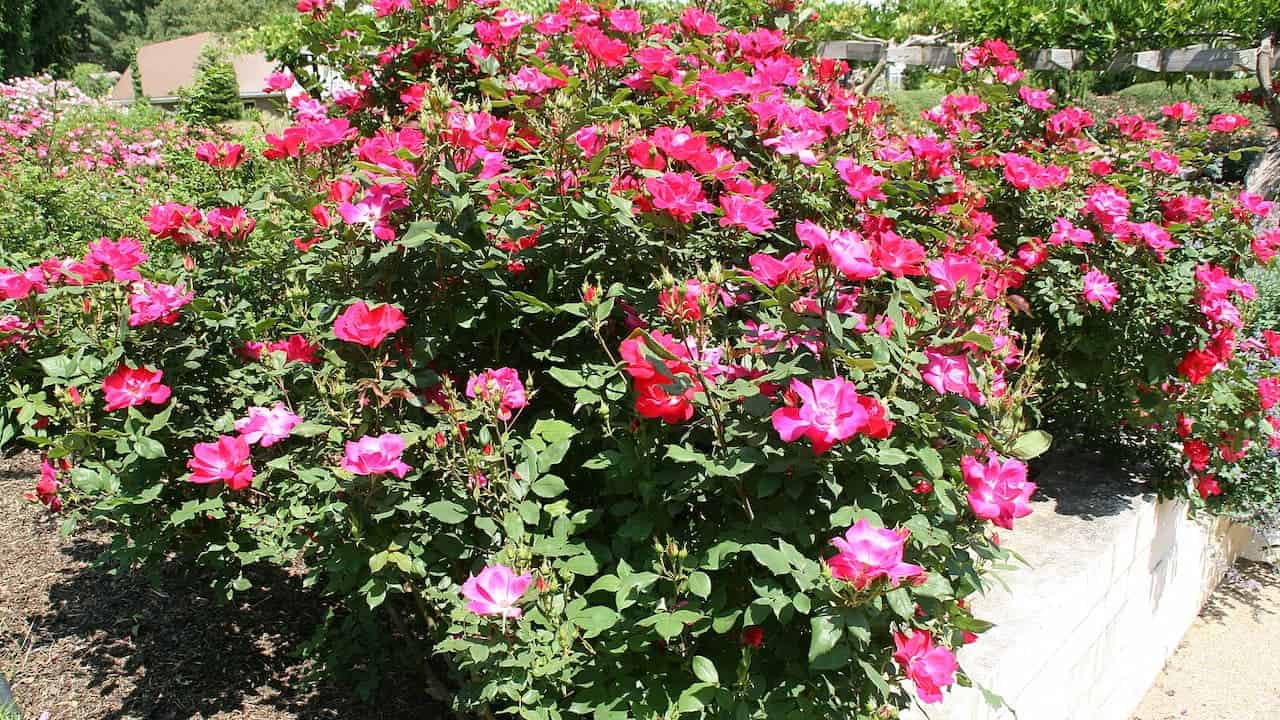
You can boost your curb appeal by planting flowering shrubs such as azaleas or rhododendrons. These plants add vibrant color and texture to your front yard.
Azaleas thrive in full sun and offer bright blooms, while rhododendrons provide year-round greenery. Both are relatively low-maintenance and fit well in many climates, making them a smart choice for your landscape.
Add a colorful mix of annual flowers near the door

You can brighten your entryway by planting a variety of colorful annual flowers near the door. These flowers bloom quickly and offer vibrant colors that create a welcoming feel.
Mixing different colors and flower types adds interest and texture. Annuals also allow you to change your garden’s look each year without much effort.
Plant large trees strategically for shade and beauty

You can boost your curb appeal by planting large trees in thoughtful spots. Positioning them to block harsh afternoon sun helps cool your home naturally.
Choose deciduous trees so they provide shade in summer but let sunlight through in winter.
Adding large trees creates a welcoming atmosphere and adds structure to your landscape. Just make sure you leave enough space for their growth and avoid interfering with power lines or foundations.
Use simple edging like metal or stone to define beds
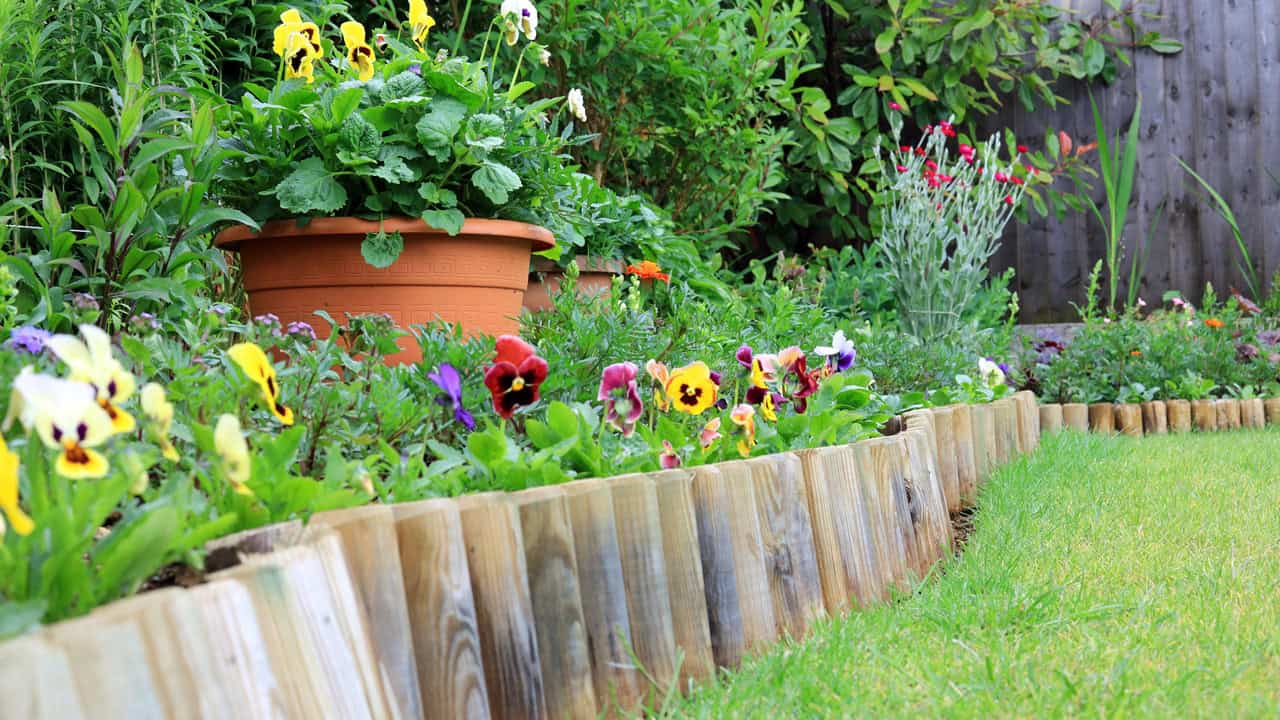
You can use metal or stone edging to create clear boundaries around your garden beds. These materials are easy to install and help keep grass and soil in place.
Metal edging offers a sleek, modern look. It’s flexible and can be bent to fit curves in your yard.
Stone edging adds a natural touch. Whether you choose large rocks or small pebbles, it gives your beds a neat, organized appearance.