If you’ve ever spent a weekend toiling in the yard only to find your hard work has resulted in a seemingly chaotic mess rather than the lush oasis you envisioned, you’re not alone. Landscaping is an art, and like any art, it requires a certain level of skill and knowledge to master. Fortunately, learning from the common mistakes of others can put you ahead of the curve.
Here are 17 common landscaping fails and how to avoid them.
Advertisement
1. Lack of Planning
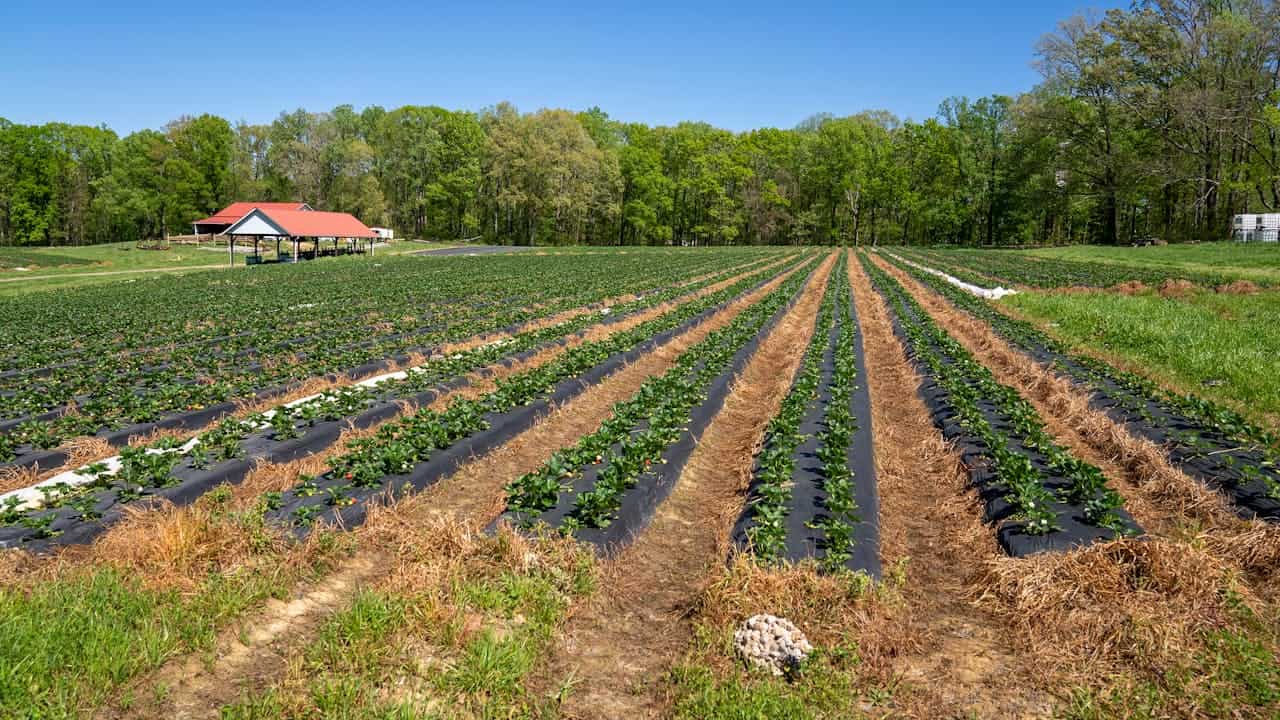
One of the biggest landscaping mistakes is rushing into projects without a solid plan. This often leads to a hodgepodge result and wasted effort. Before you start, take the time to sketch out your ideas. Consider the size and shape of your space, the type of plants that will thrive in your climate and soil type, and how much maintenance you’re willing to undertake.
For example, if you’re in a drought-prone area, you might want to consider xeriscaping, which uses drought-tolerant plants and efficient watering systems. Or, if you’re short on time, choosing low-maintenance plants can keep your garden looking great with minimal effort. A little planning goes a long way in achieving a cohesive, beautiful landscape.
2. Ignoring the Local Climate
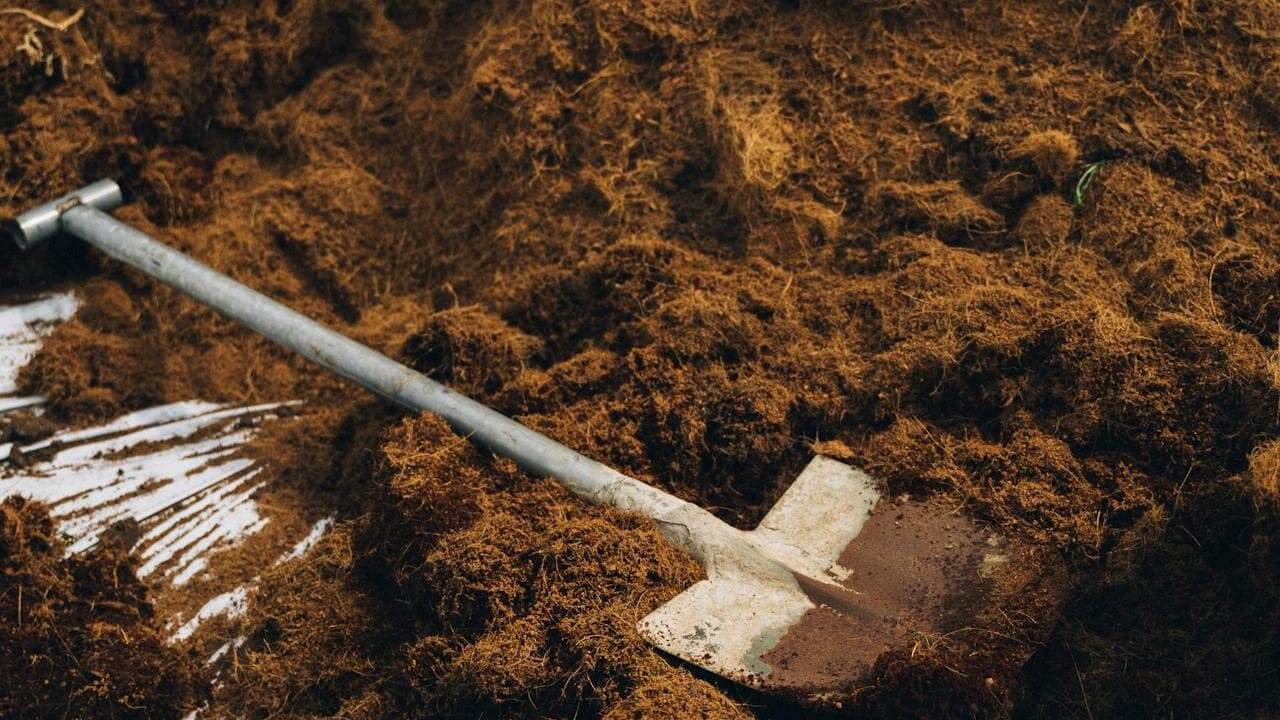
Another common mistake is ignoring the local climate and soil conditions when choosing plants. Not all plants are suited to all climates, and trying to force a plant to grow in unsuitable conditions can lead to disappointment.
For example, a palm tree might look great in your yard, but if you live in a cold climate, it’s unlikely to survive. Similarly, some plants prefer acidic soil, while others prefer alkaline soil. You can test your soil’s pH with a kit from your local garden center to help you choose the best plants for your conditions.
3. Overplanting
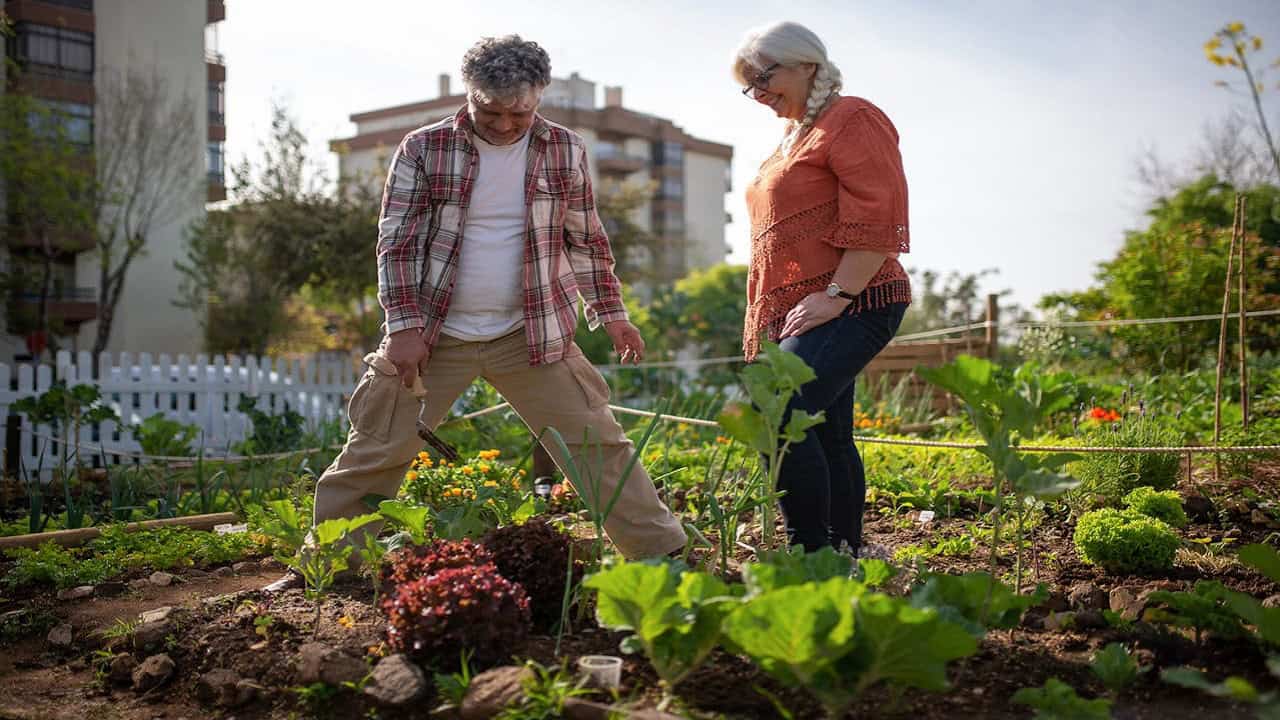
Overplanting is a classic beginner’s mistake. It’s easy to underestimate the space that plants need to grow, and overcrowded plants can struggle for light and nutrients. This can lead to weak, unhealthy plants and a garden that looks messy rather than lush.
A good rule of thumb is to leave as much space between plants as each plant is expected to grow in height. So, if you’re planting a shrub that’s expected to grow to 1 meter tall, leave 1 meter of space around it. This gives each plant room to grow and allows you to see each plant properly.
4. Neglecting Curb Appeal
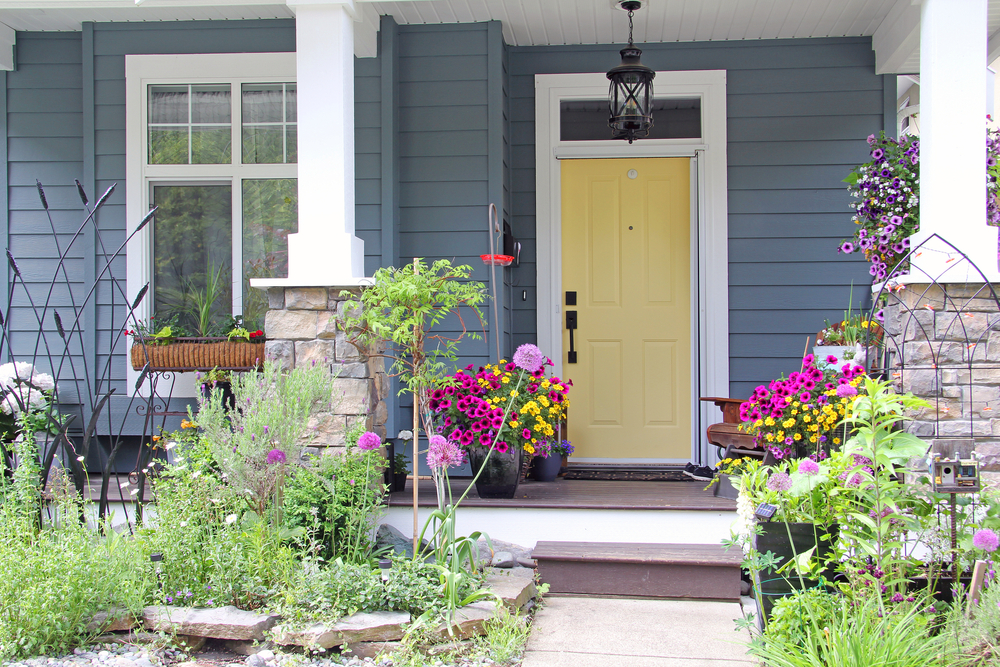
Your front yard is the first impression visitors get of your home, so neglecting it is a big mistake. A well-tended front yard can add significant value to your home and make it more inviting.
Consider adding a focal point, such as a large planter or a sculpture, to draw the eye. Use a symmetrical design for a formal look, or an asymmetrical design for a more casual feel. And don’t forget about your front door – a fresh coat of paint in a bright color can make a huge impact.
5. Ignoring Maintenance Needs

Every garden requires some level of maintenance, and ignoring this can lead to a landscape that looks unkempt and unhealthy. Consider the maintenance needs of each plant you choose, and make sure you’re willing to put in the time to care for it.
For example, roses can look stunning but require regular pruning and care to stay healthy. On the other hand, native plants often require less maintenance, as they’re adapted to your local conditions. Whichever plants you choose, make sure you know how to care for them properly.
6. Failing to Consider Wildlife
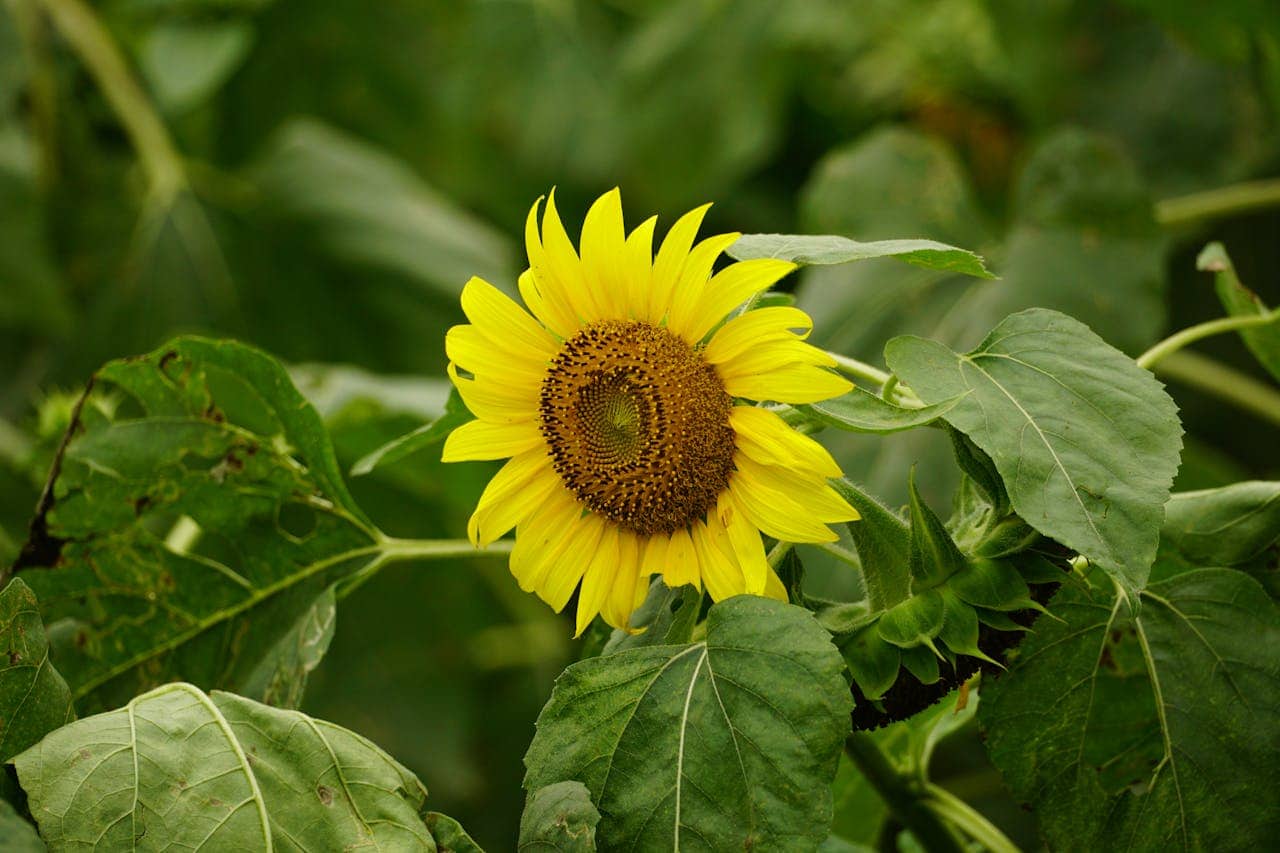
Gardens are not just for people – they can also provide valuable habitat for local wildlife. But failing to consider wildlife can lead to problems. For example, certain plants might attract pests, or your garden might not provide the food and shelter that local birds and insects need.
Research the types of wildlife that live in your area and choose plants that will provide food and shelter for them. You might also consider features like bird baths or bug hotels to attract wildlife.
7. Forgetting About Seasons

Your garden should be a place of beauty and enjoyment all year round, but many people forget to plan for the different seasons. This can lead to a garden that looks great in summer but barren in winter.
Choose a mix of plants that will provide interest throughout the year. This could include deciduous trees that provide fall color, evergreens for winter interest, spring-flowering bulbs, and summer perennials.
8. Using Too Much Lawn

Lawns can be a beautiful feature in a garden, but they also require a lot of water and maintenance. Many people overuse lawn in their landscaping, which can lead to high water bills and a lot of work.
Consider reducing your lawn area and replacing it with low-maintenance ground covers or vegetable beds. You could also create a patio or deck area for outdoor living.
9. Neglecting Paths and Walkways
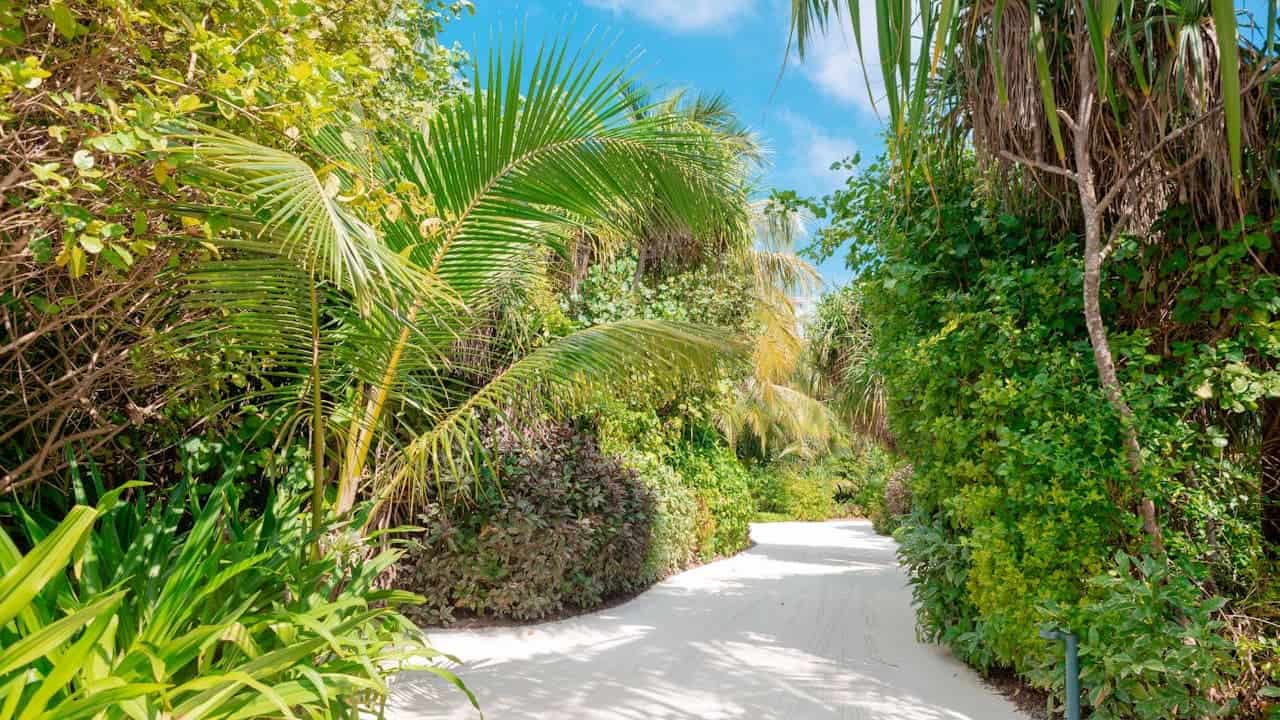
Paths and walkways are an important part of any garden, but they are often overlooked in the planning stage. A well-planned path can guide visitors through your garden and highlight key features.
Consider the material for your path – gravel can create a rustic feel, while paving stones are more formal. And think about the route of your path – it should be direct but also allow for exploration.
10. Overlooking the View from Inside
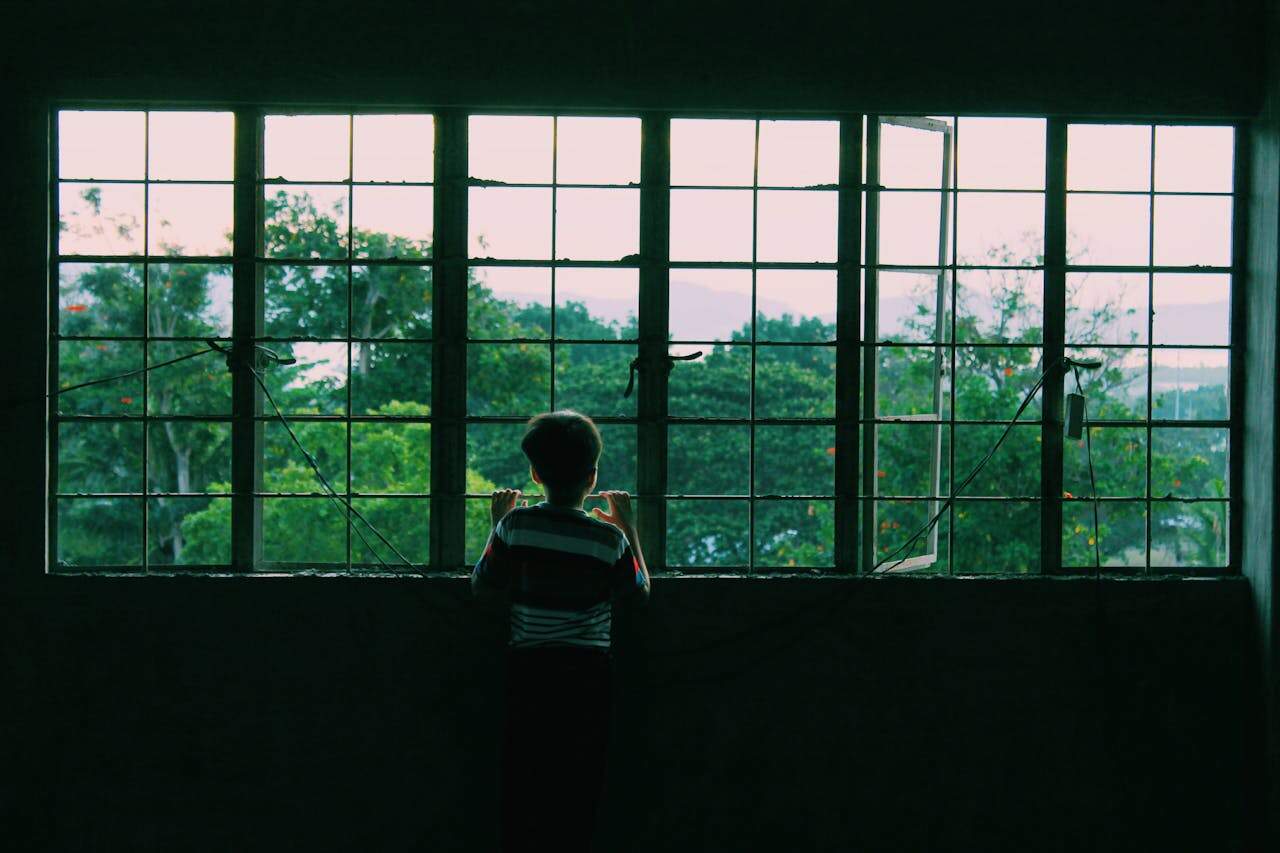
Your garden is not just for enjoying when you’re outside – it should also enhance the view from inside your home. Failing to consider this can lead to missed opportunities.
Place interesting features like a beautiful tree or a sculpture where they can be seen from your windows. And consider how your garden looks in different seasons – a well-planned garden can provide a beautiful view all year round.
11. Not Considering Growth Speed

Plants grow at different rates and this can have a big impact on your garden. Fast-growing plants can quickly become invasive, while slow-growing plants might take years to reach their full size.
Consider the growth speed of each plant you choose and plan accordingly. Fast-growing plants can be useful for filling in gaps quickly, but be prepared to prune them regularly to keep them in check.
12. Planting Trees Too Close to the House
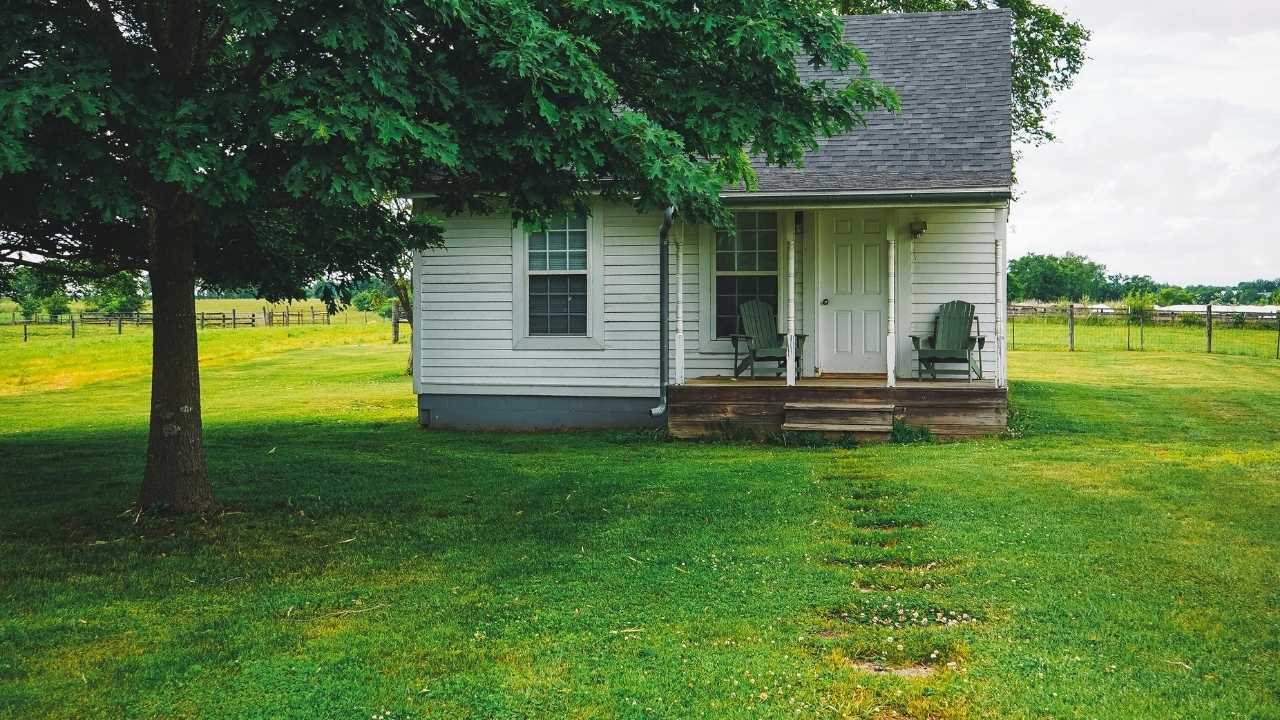
Trees can add beauty and shade to your garden, but planting them too close to your house can cause problems. The roots can damage your foundation, and the branches can interfere with your roof or power lines.
As a rule, trees should be planted at least their mature height away from your house. So if a tree is expected to grow to 20 meters, it should be planted 20 meters away from your house.
13. Not Using Mulch
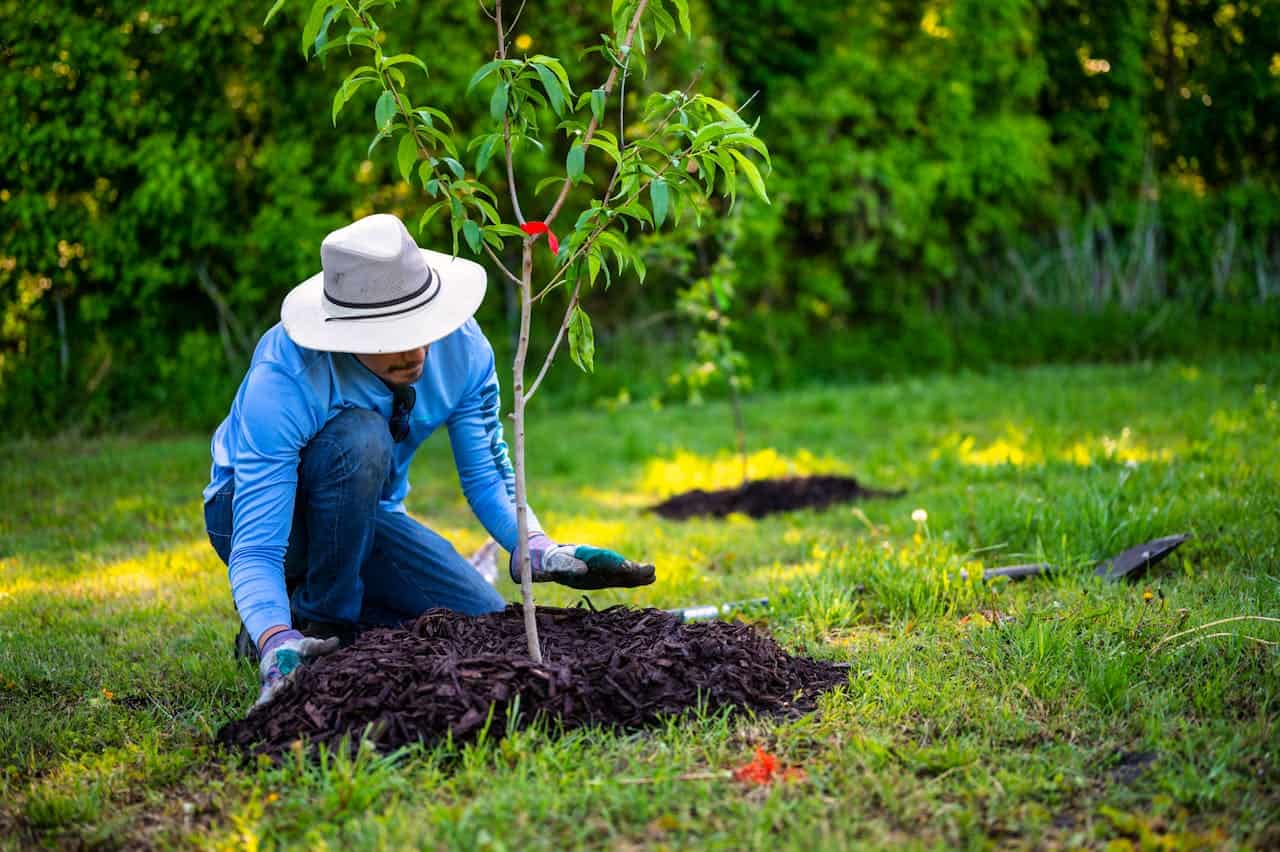
Mulch is a gardener’s best friend. It helps retain moisture in the soil, suppresses weeds, and improves soil structure. But many people neglect to use it.
Apply a 2–3 inch layer of mulch around your plants, leaving a gap around the stem to prevent rot. Organic mulches like compost or bark chips can also improve your soil as they break down.
14. Forgetting About Vertical Space

Many gardens are limited in horizontal space, but have plenty of vertical space. Failing to use this space is a missed opportunity.
Consider using trellises, arches, or pergolas to add height to your garden. Climbing plants like roses, clematis, or ivy can create a beautiful display.
15. Not Preparing Soil Properly
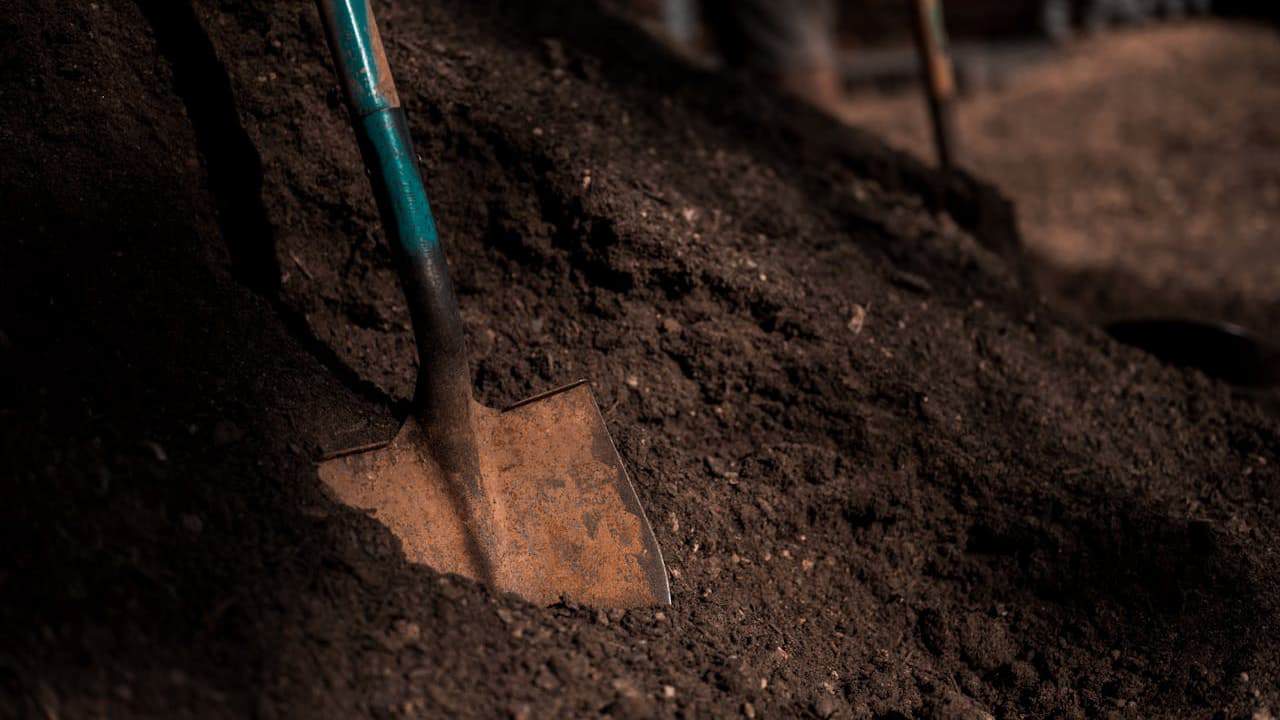
Good soil is the foundation of any garden, but many people neglect to prepare it properly. This can lead to poor plant growth and a disappointing display.
Before planting, remove any weeds and debris from your soil. Add organic matter like compost or well-rotted manure to improve the structure and fertility of your soil. And remember to test your soil’s pH and adjust it if necessary.
16. Overwatering or Underwatering
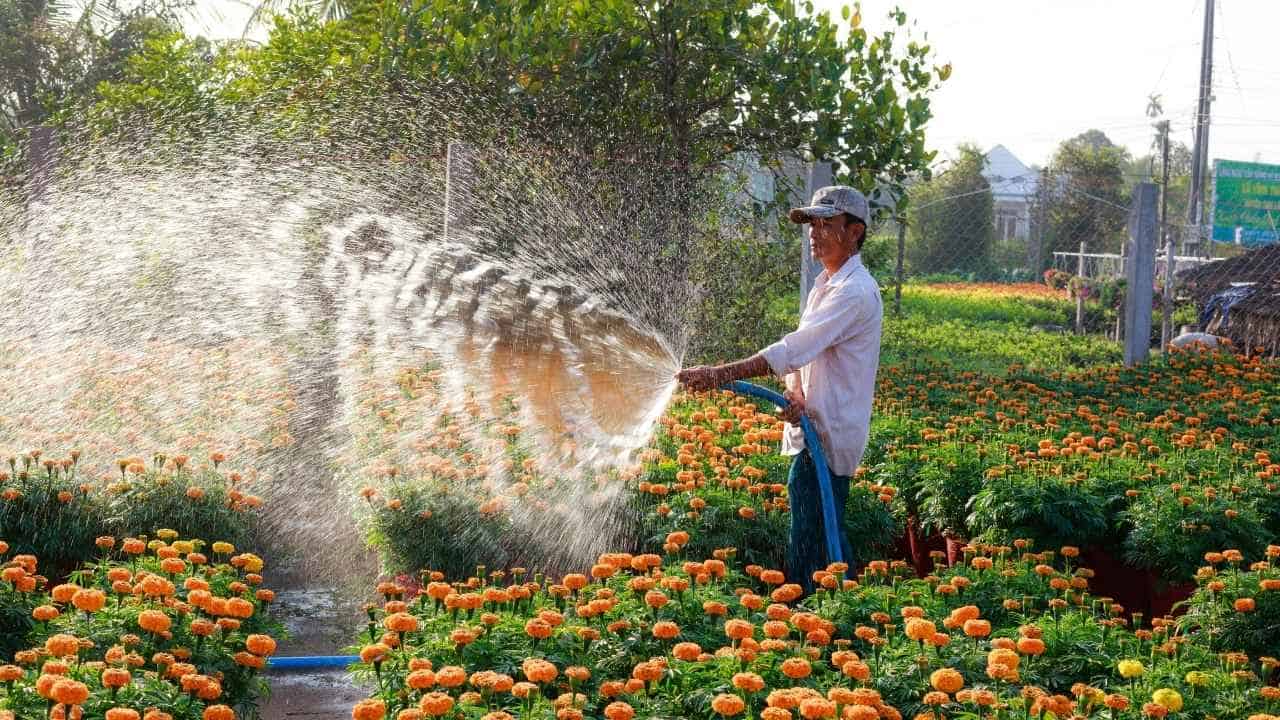
Water is essential for plant growth, but too much or too little can be harmful. Overwatering can lead to root rot, while underwatering can cause plants to wilt and die.
Most plants prefer a deep, infrequent watering to a shallow, frequent one. This encourages the roots to grow deep into the soil, making the plants more drought-tolerant. And remember to adjust your watering based on the weather – plants need more water in hot, dry weather and less in cool, wet weather.
17. Not Adapting to Changes
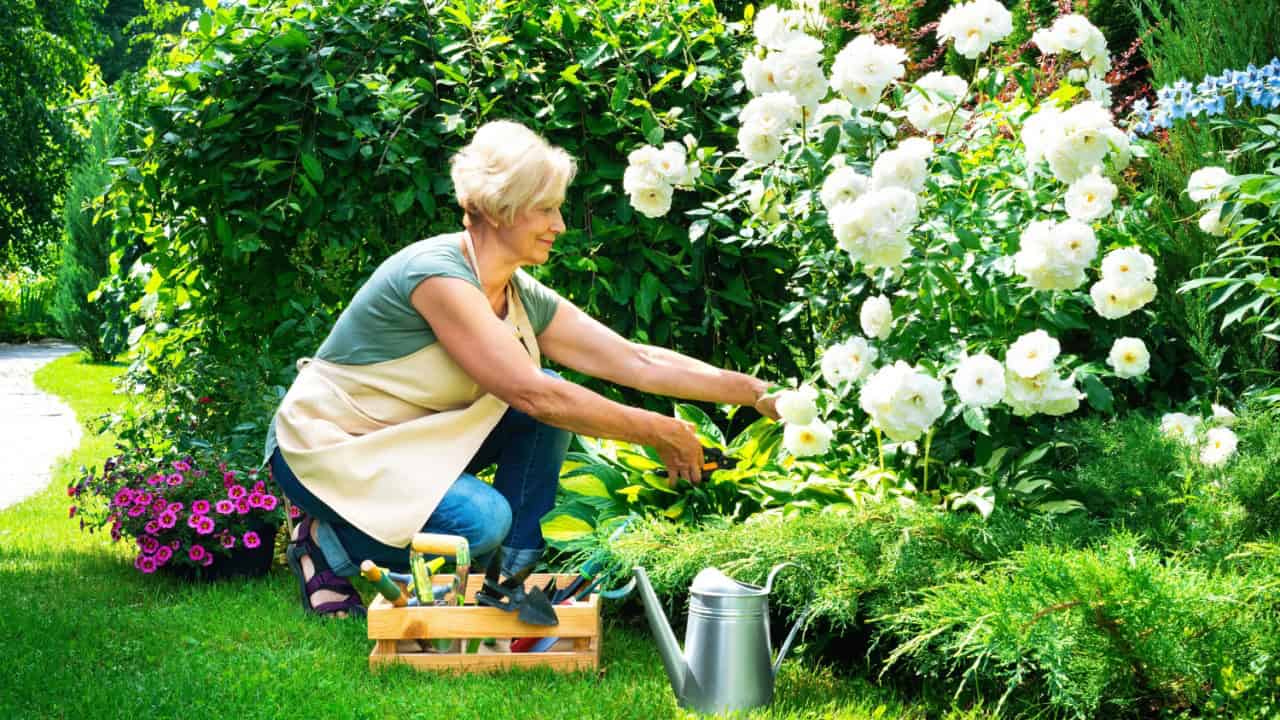
Your garden is a living, changing space, and it’s important to adapt to those changes. Whether it’s a tree that’s grown larger than expected, a change in climate, or a new pest, sticking rigidly to your original plan can lead to problems.
Be prepared to make changes to your garden as necessary. This might mean replacing a plant that’s not thriving, changing your watering schedule, or trying a new pest control method. Remember, gardening is a journey, not a destination.