Weeds can be a gardener’s worst nightmare. They’re invasive, persistent, and have the potential to take over your garden faster than you might think. These unwelcome guests can choke out your plants, deprive them of essential nutrients, and even spread disease. This is why it’s crucial to know which weeds to watch out for and how to control them.
Let’s talk about 16 weeds that can take over your garden in a flash, providing practical advice and interesting facts about each.
Advertisement
1. Dandelions
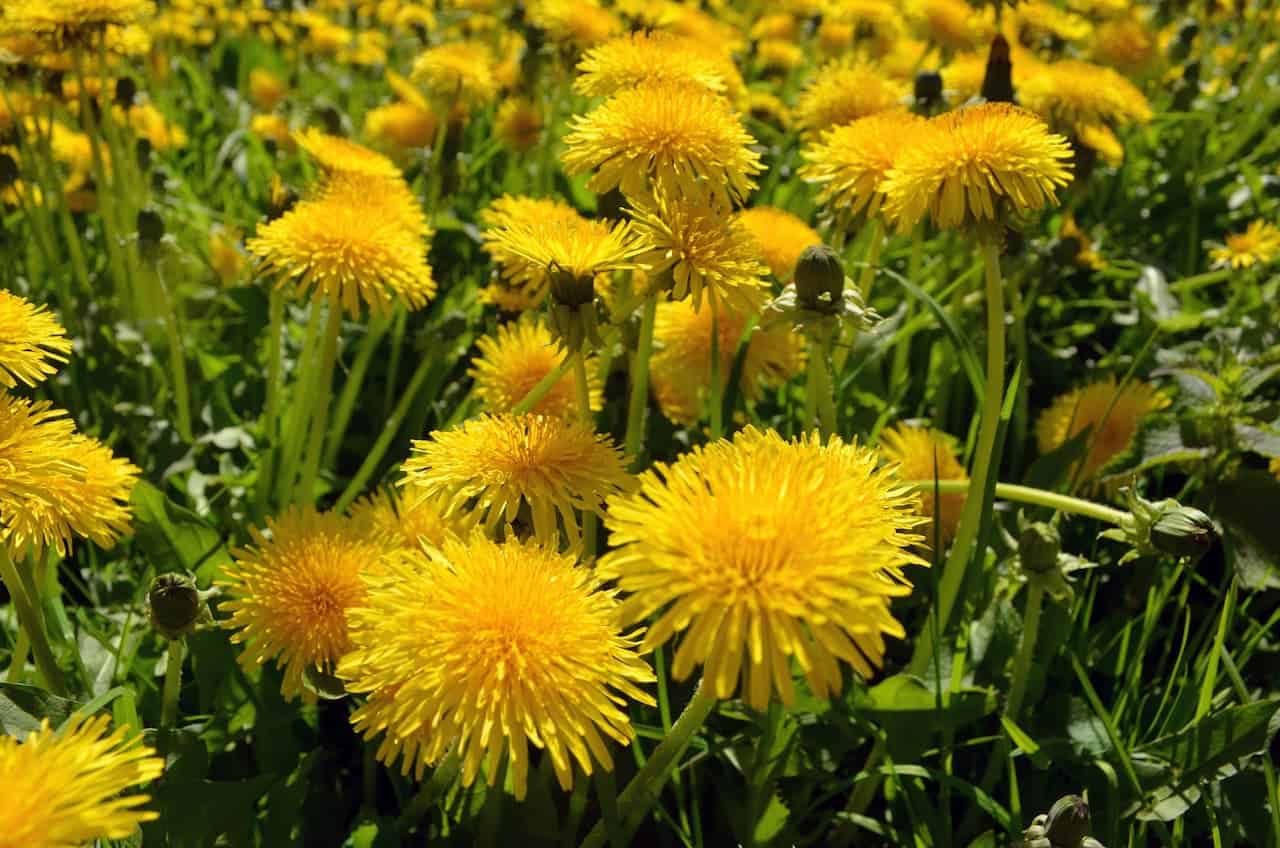
Dandelions, with their bright yellow flowers, are often the first sign of spring. However, these plants are tenacious weeds that can quickly dominate a lawn or garden. Dandelions reproduce extremely fast, with each plant capable of producing up to 5,000 seeds.
Dandelion seeds are also designed to travel. Thanks to their parachute-like structure, they can be carried by the wind for miles. Even after you’ve pulled out a dandelion, it can quickly regrow from any root left in the ground. To effectively control dandelions, it’s vital to remove the entire plant, including the root.
2. Crabgrass
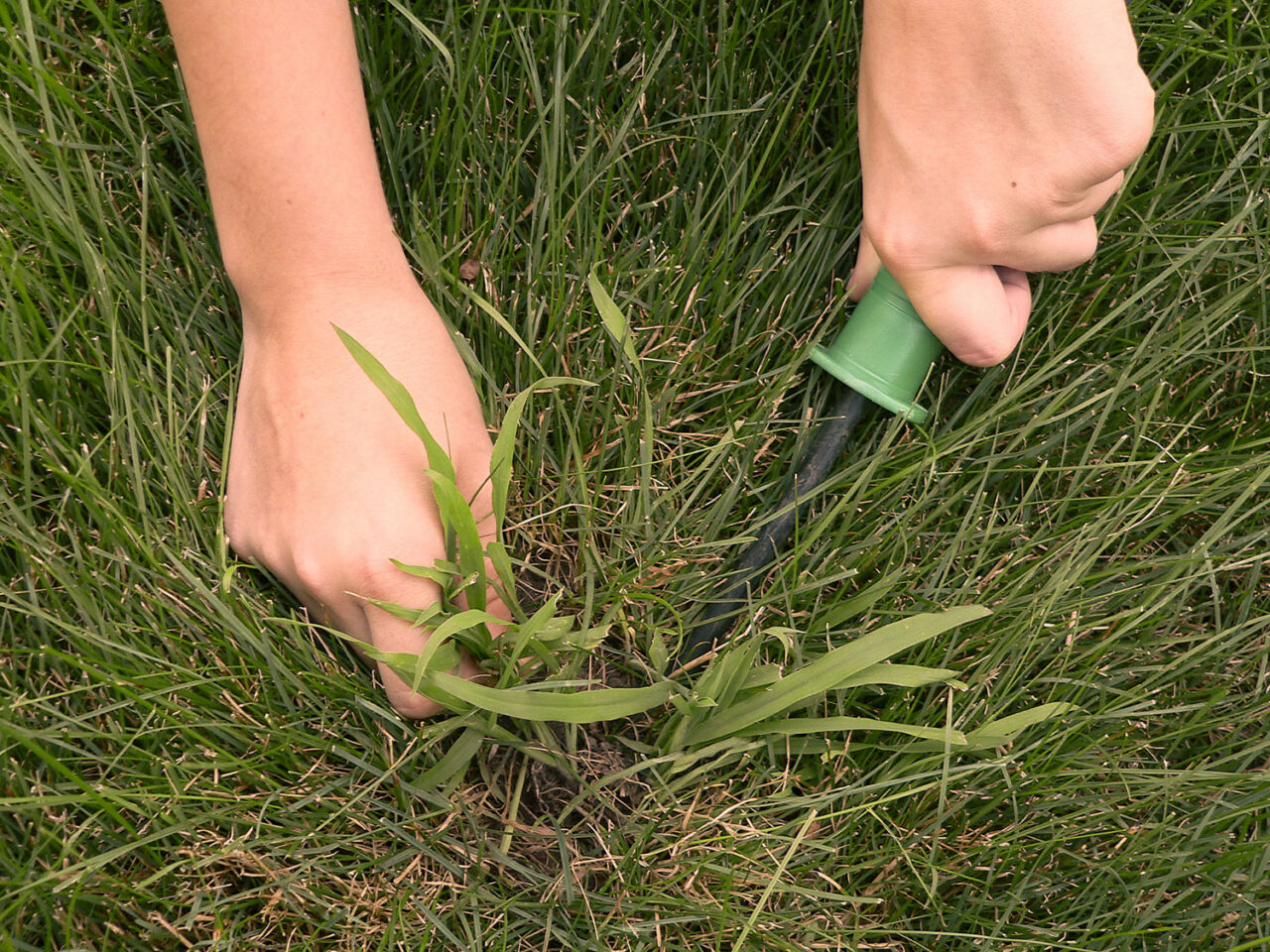
Crabgrass is an annual weed that thrives in warm weather. It spreads rapidly and can quickly overrun a lawn or garden. Crabgrass seeds can remain viable in the soil for years, lying dormant until the conditions are right for germination.
Crabgrass plants can produce up to 150,000 seeds per season, making them extremely difficult to control. The best defense against crabgrass is a healthy, well-maintained lawn since this weed tends to invade areas where the grass is thin or weak.
3. Bindweed

Bindweed, also known as wild morning glory, is a perennial vine that can quickly take over a garden. It reproduces both through seeds and through its extensive root system, which can reach depths of up to 20 feet.
Bindweed is extremely hard to eradicate because it can regenerate from fragments of root left in the soil. Controlling bindweed requires patience and persistence. Regular weeding and deep cultivation can help to keep this aggressive weed at bay.
4. Kudzu

Kudzu is an invasive vine that can grow up to a foot a day, quickly smothering trees, shrubs, and even buildings. This weed was introduced to the United States from Japan in the late 19th century as a way to control soil erosion.
However, kudzu quickly proved to be a major problem. It’s extremely difficult to control because it can regenerate from fragments of vine left on the ground. Cutting back the vines and applying a strong herbicide can help to control kudzu.
5. Quackgrass
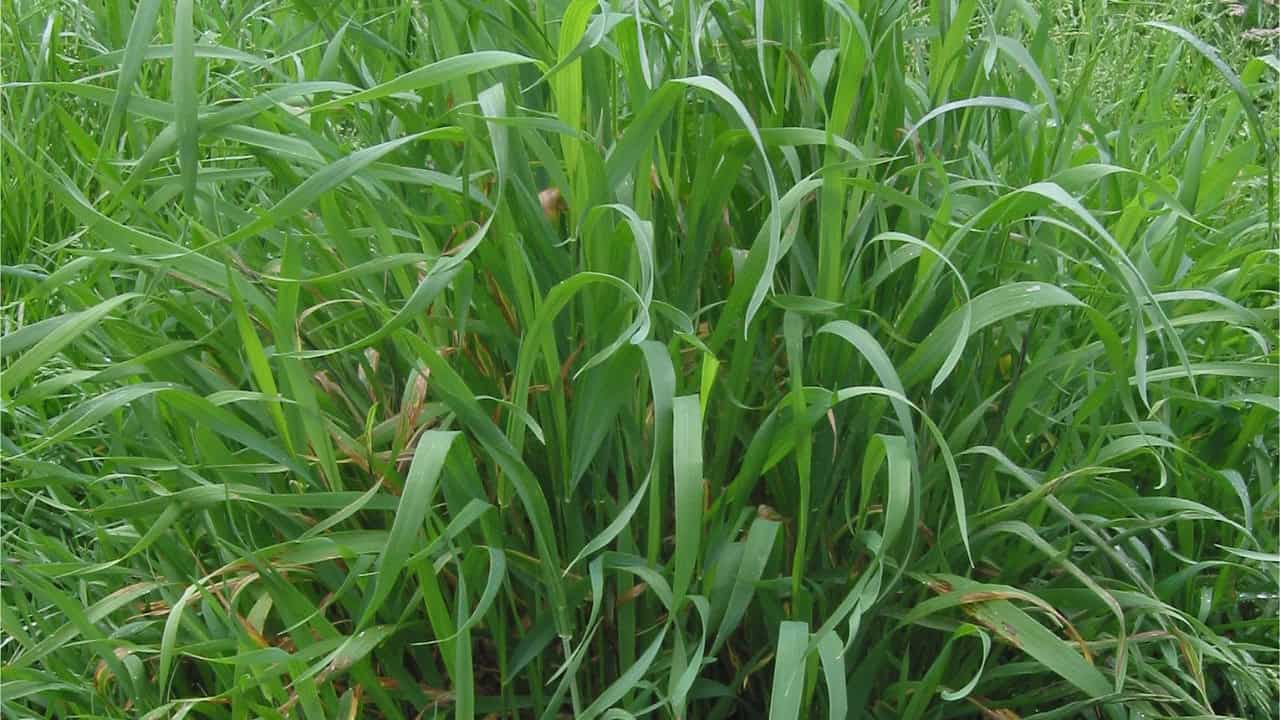
Quackgrass is a perennial weed that can quickly take over a lawn or garden. It reproduces through its extensive root system, which can quickly spread and take over an area.
Quackgrass is extremely hard to control because it can regenerate from fragments of root left in the soil. The best way to control quackgrass is to prevent it from establishing in the first place. Regular mowing and proper lawn maintenance can help to keep this aggressive weed at bay.
6. Canada Thistle
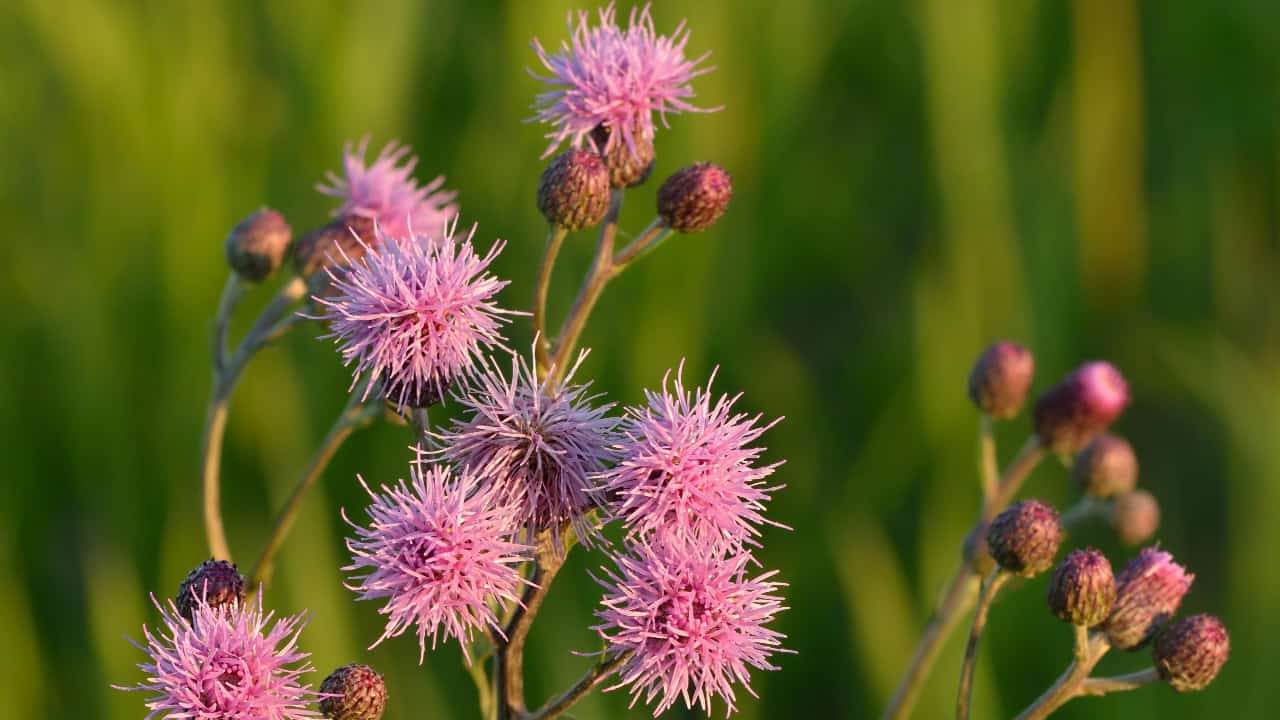
Canada thistle, despite its name, is not native to Canada but to Europe and Asia. This perennial weed can spread quickly through its extensive root system, taking over fields, gardens, and lawns.
Each plant can produce up to 5,000 seeds, which can remain viable in the soil for up to 20 years. Control methods include regular mowing, deep plowing, and the application of herbicides.
7. Nutsedge

Nutsedge, also known as nutgrass, is a perennial weed that can quickly take over a lawn or garden. It reproduces through small tubers, or “nutlets”, that form on its roots.
Nutsedge is extremely hard to control because it can regenerate from these nutlets left in the soil. The best way to control nutsedge is to prevent it from establishing in the first place. Regular mowing and proper lawn maintenance can help to keep this aggressive weed at bay.
8. Purple Loosestrife

Purple loosestrife is a perennial weed that can quickly take over wetlands and riparian areas. Each plant can produce up to 2.5 million seeds per year, which can remain viable in the soil for many years.
Purple loosestrife is extremely hard to control because it can regenerate from fragments of root left in the soil. Control methods include regular mowing, deep plowing, and the application of herbicides.
9. Japanese Knotweed
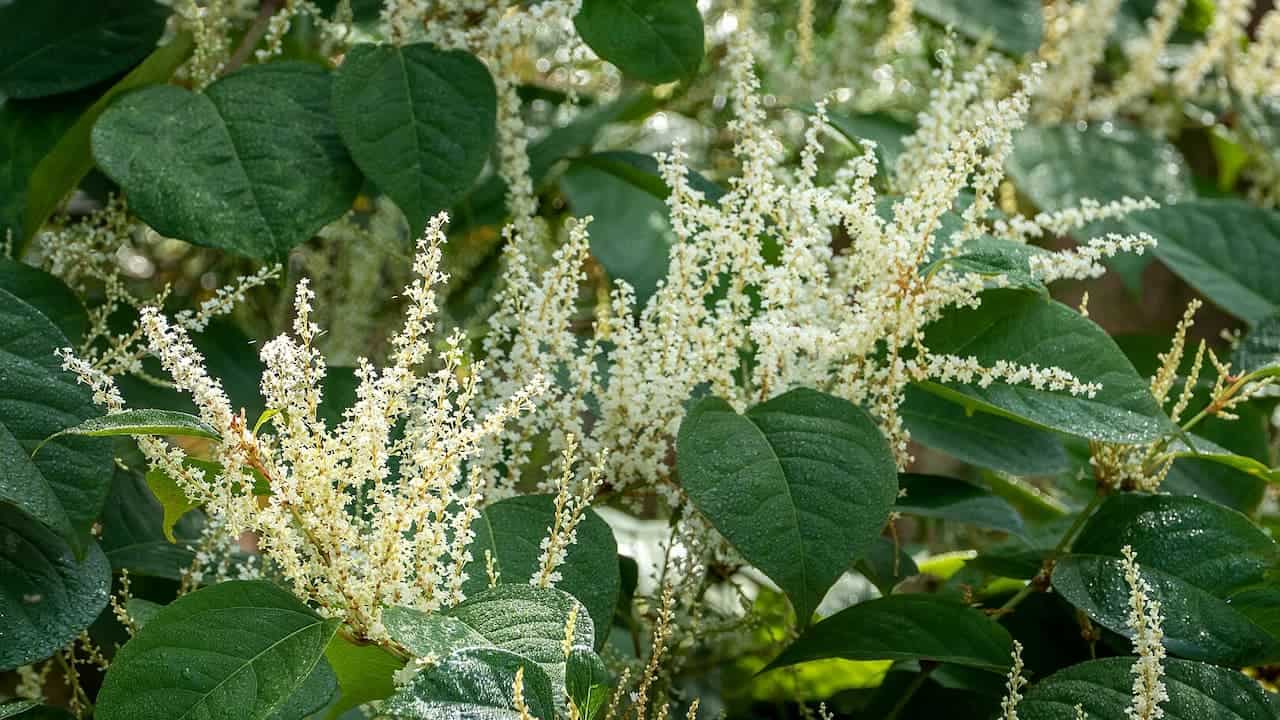
Japanese knotweed is a perennial weed that can quickly take over a landscape. It reproduces both through seeds and its extensive root system.
Japanese knotweed is extremely hard to control because it can regenerate from fragments of root left in the soil. Cutting back the vines and applying a strong herbicide can help to control this aggressive weed.
10. Common Chickweed
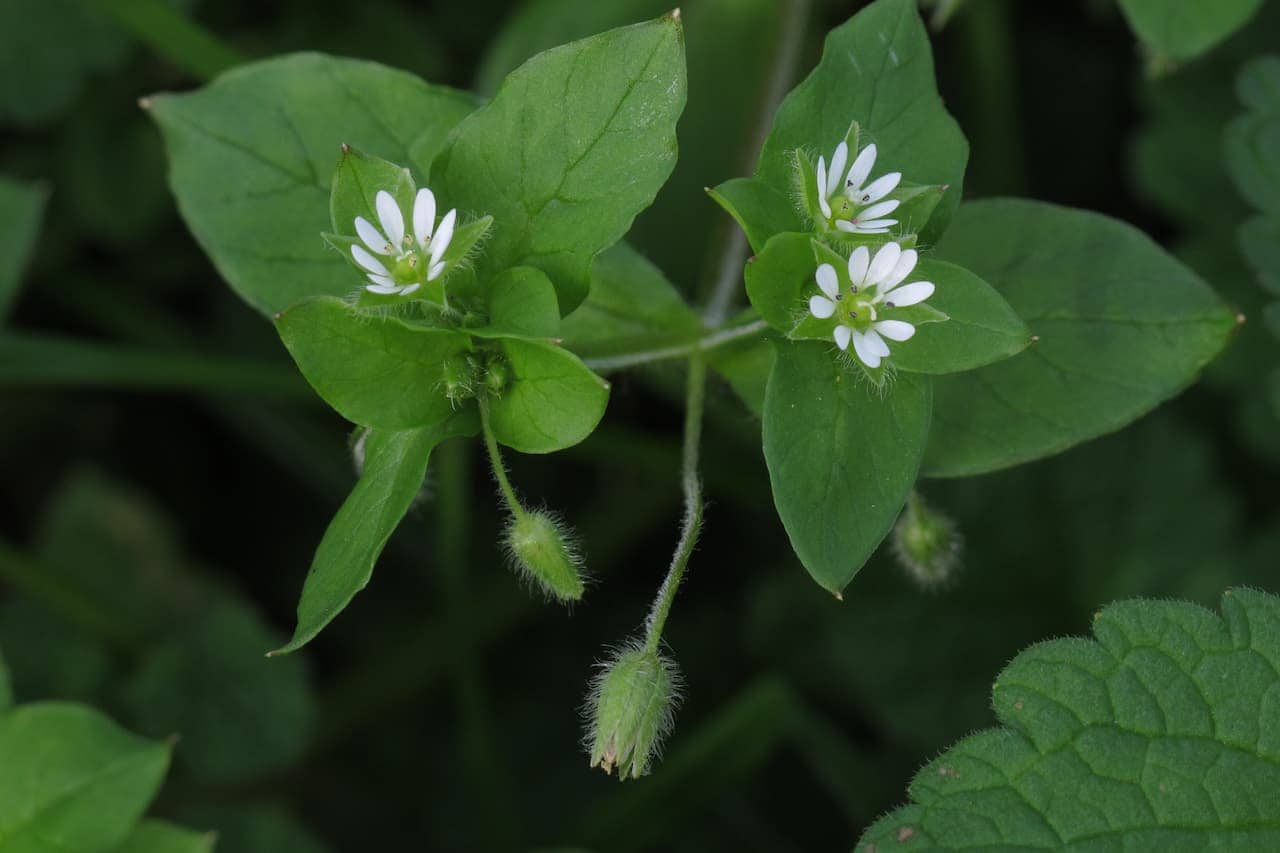
Common chickweed is a winter annual weed that can quickly overrun a garden. It reproduces through seeds, with each plant capable of producing up to 800 seeds.
Common chickweed is relatively easy to control with regular weeding and mulching. However, it can quickly reestablish from seeds left in the soil, so it’s important to remove it before it goes to seed.
11. Ground Ivy

Ground ivy, also known as creeping Charlie, is a perennial weed that can quickly overrun a lawn or garden. It reproduces through its creeping stems, which root at the nodes.
Ground ivy is difficult to control because it can regenerate from fragments of stem left in the ground. Regular mowing and proper lawn maintenance can help to keep this aggressive weed at bay.
12. English Ivy

English ivy is a perennial vine that can quickly take over a landscape. It reproduces both through seeds and its creeping stems, which root at the nodes.
English ivy is extremely hard to control because it can regenerate from fragments of vine left on the ground. Cutting back the vines and applying a strong herbicide can help to control this aggressive weed.
13. Burdock
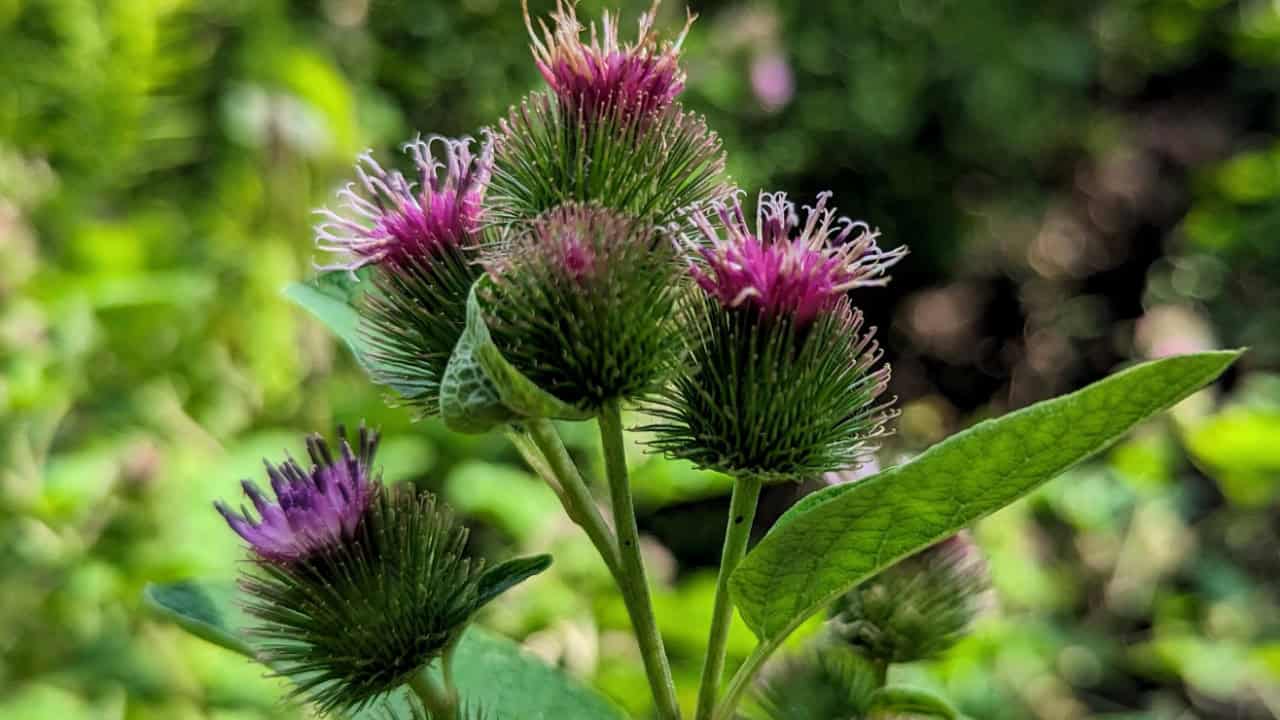
Burdock is a biennial weed that can quickly take over a landscape. It reproduces through seeds, with each plant capable of producing up to 15,000 seeds.
Burdock is relatively easy to control with regular weeding and mulching. However, it can quickly reestablish from seeds left in the soil, so it’s important to remove it before it goes to seed.
14. Garlic Mustard
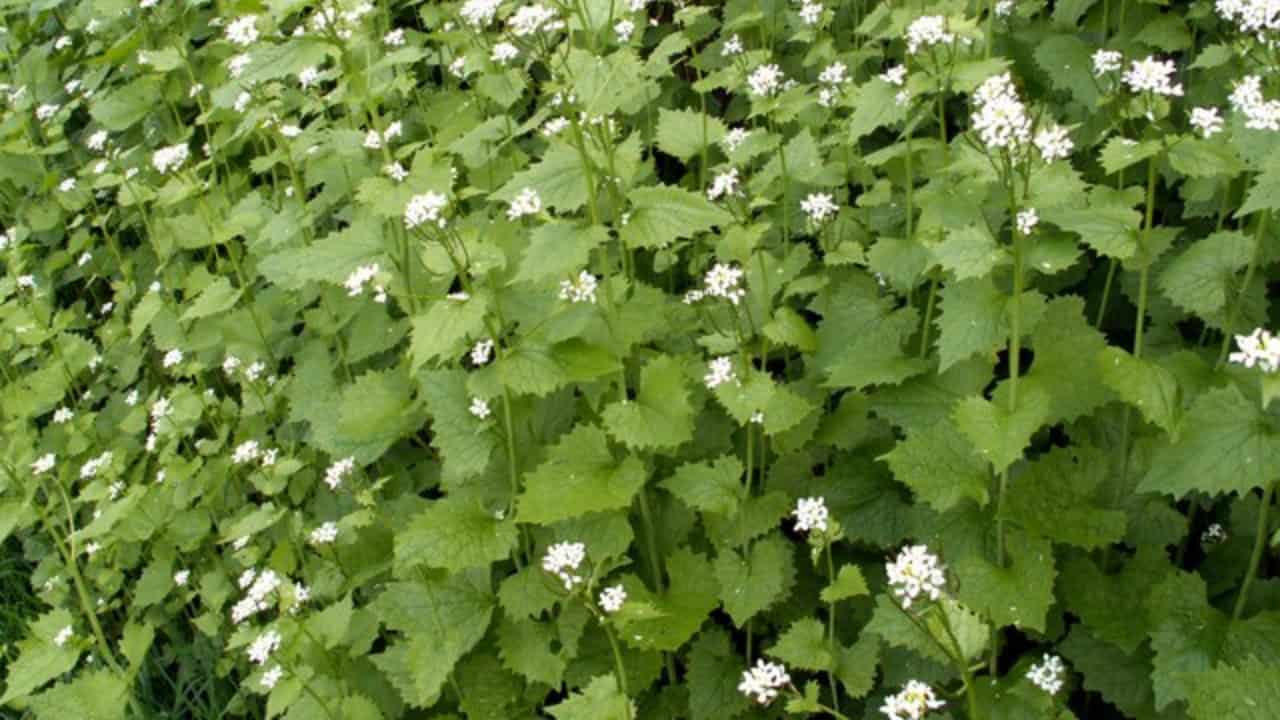
Garlic mustard is a biennial weed that can quickly overrun a woodland area. It reproduces through seeds, with each plant capable of producing thousands of seeds that can remain viable in the soil for up to five years.
Garlic mustard is difficult to control because it can quickly reestablish from seeds left in the soil. Regular mowing and proper lawn maintenance can help to keep this aggressive weed at bay.
15. Spotted Spurge

Spotted spurge is an annual weed that can quickly overrun a lawn or garden. It reproduces through seeds, with each plant capable of producing thousands of seeds.
Spotted spurge is relatively easy to control with regular weeding and mulching. However, it can quickly reestablish from seeds left in the soil, so it’s important to remove it before it goes to seed.
16. Buckthorn
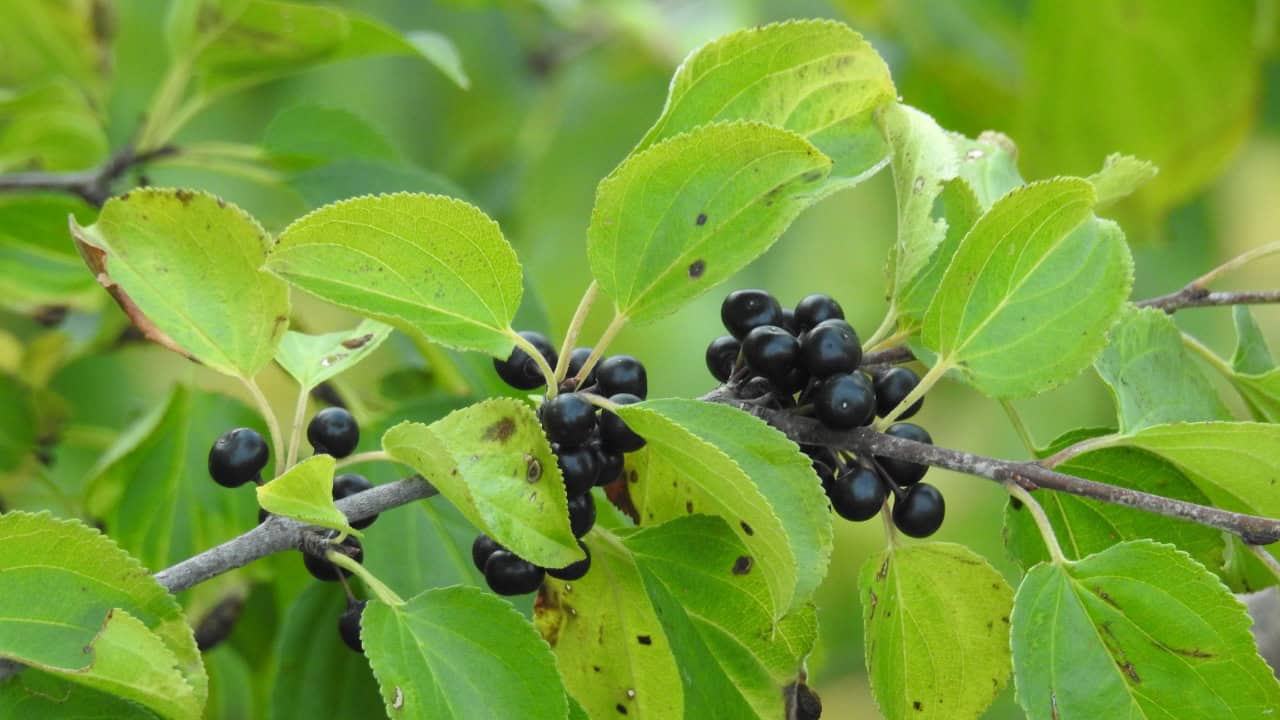
Buckthorn is a perennial shrub that can quickly take over a landscape. It reproduces both through seeds and its extensive root system.
Buckthorn is extremely hard to control because it can regenerate from fragments of root left in the soil. Cutting back the shrubs and applying a strong herbicide can help to control this aggressive weed.